
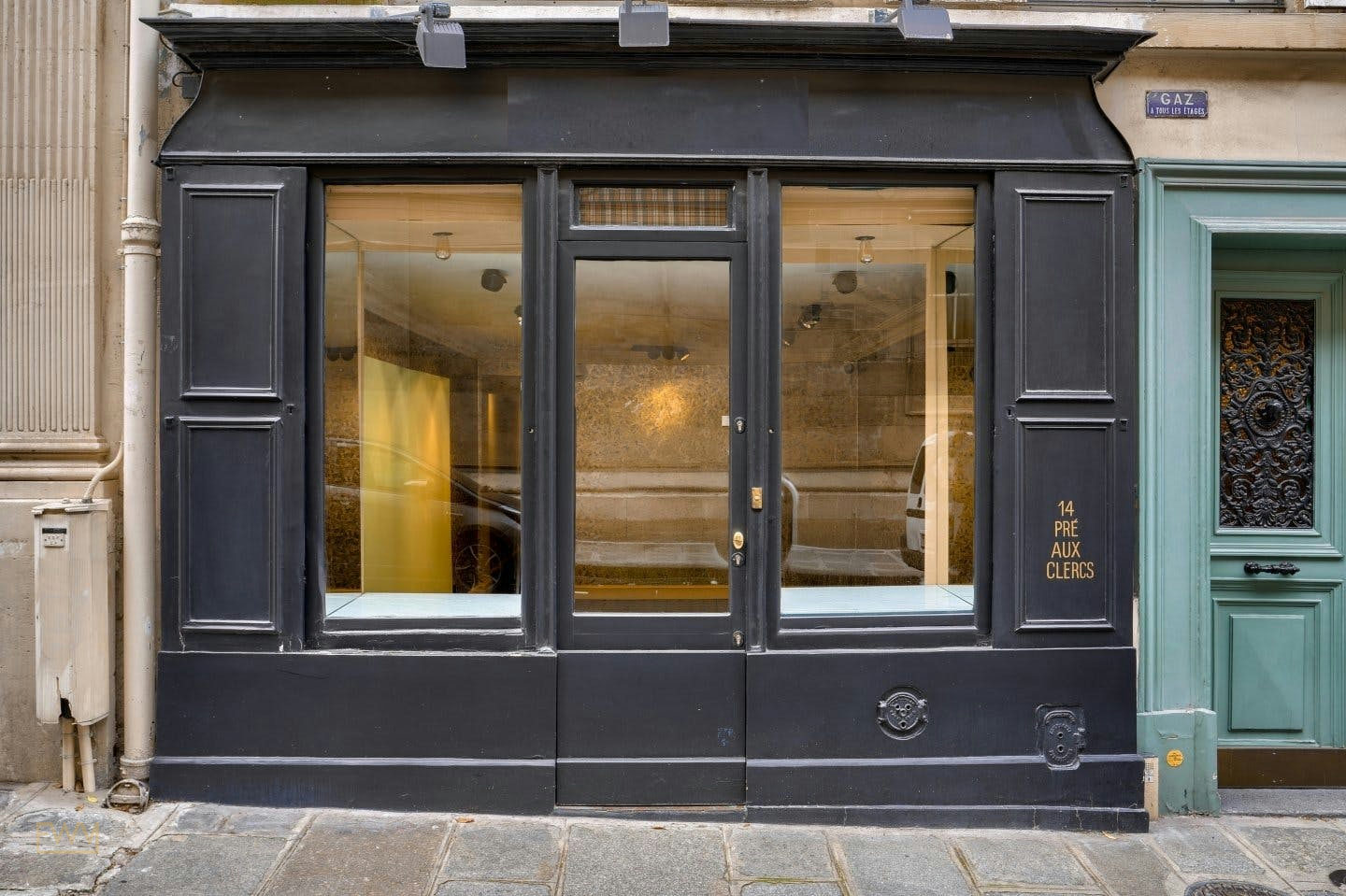
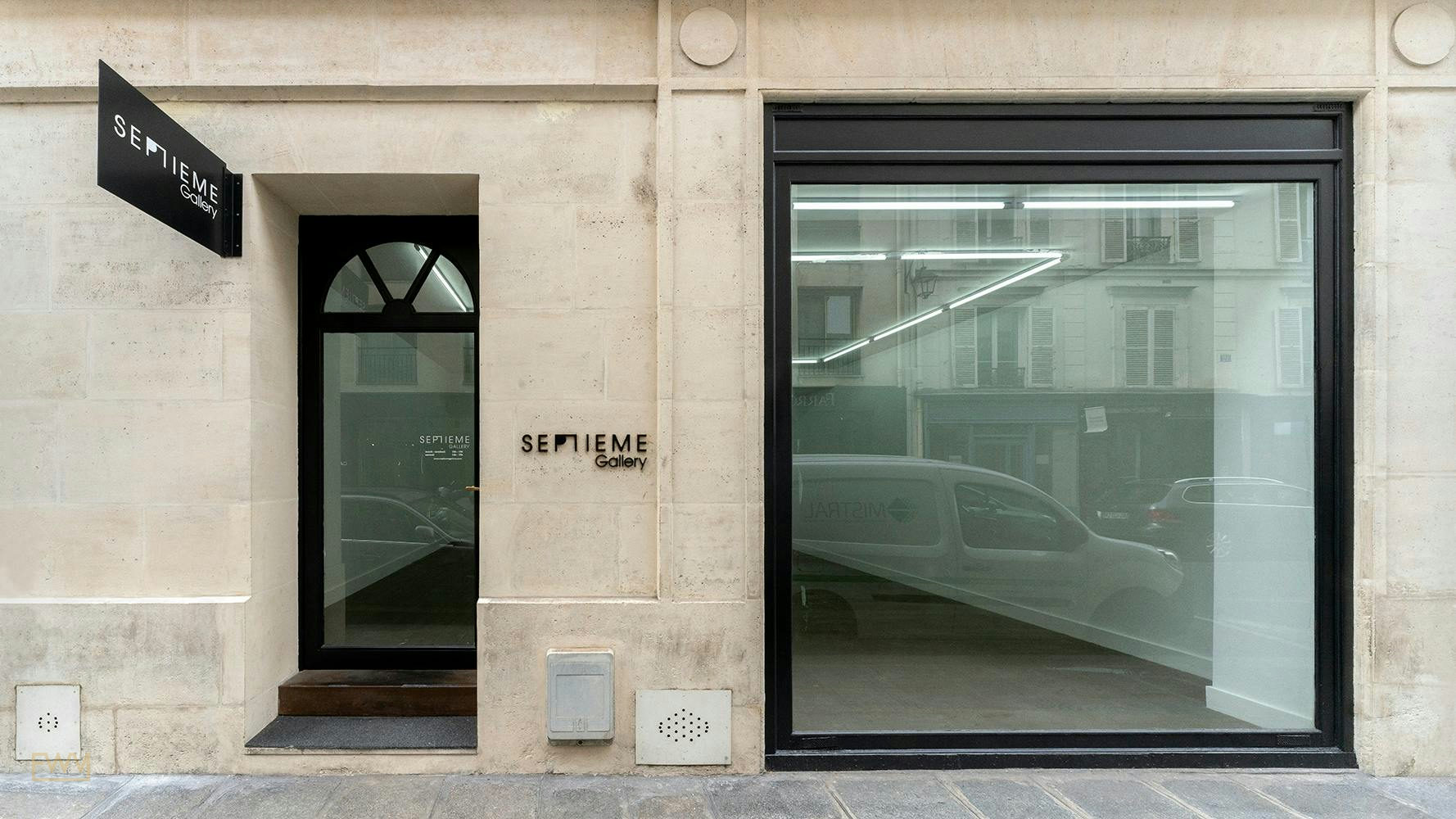
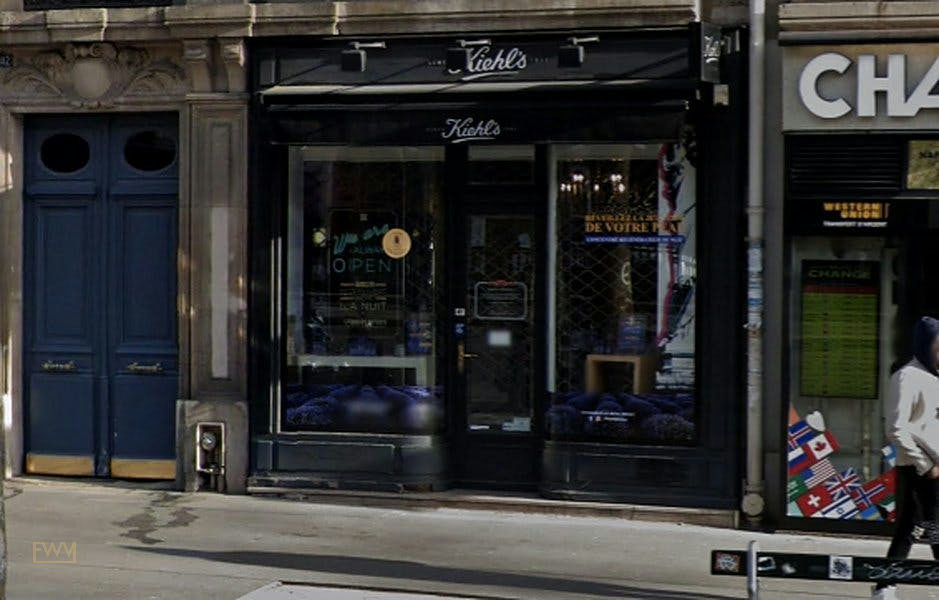
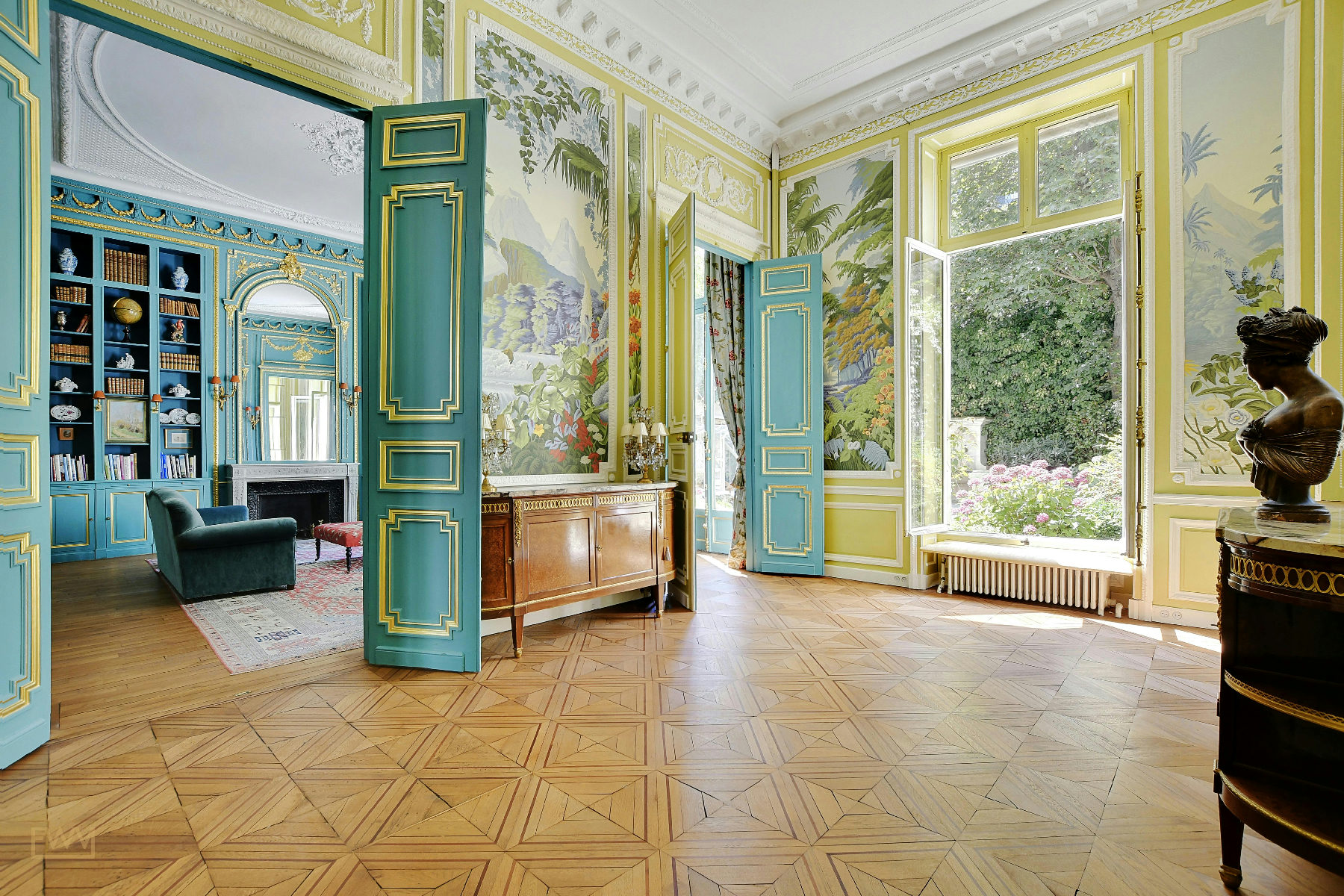
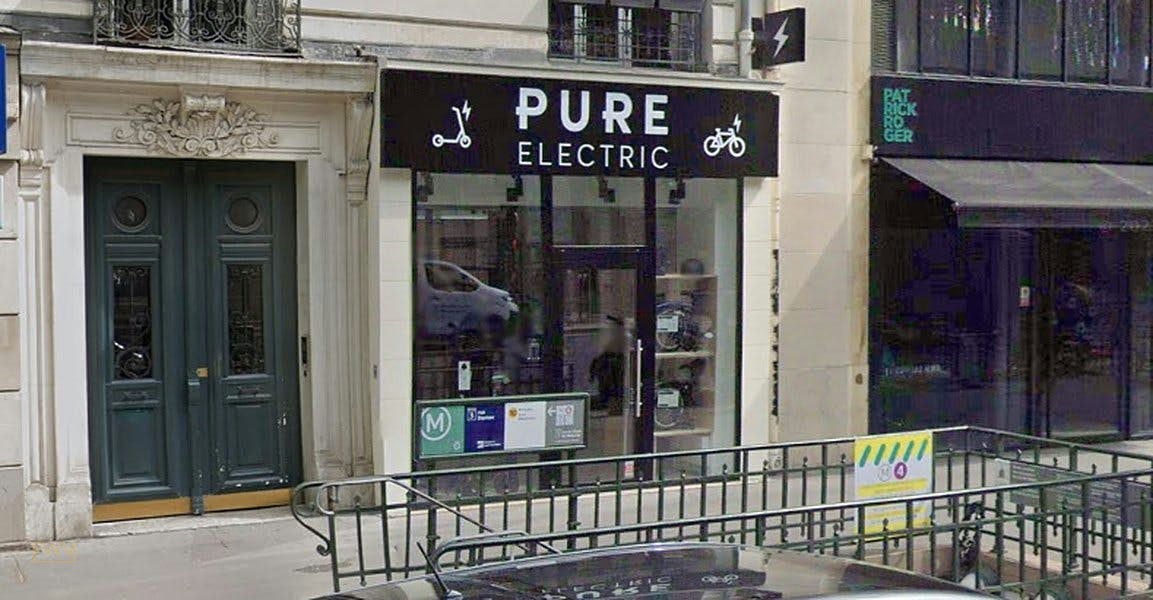
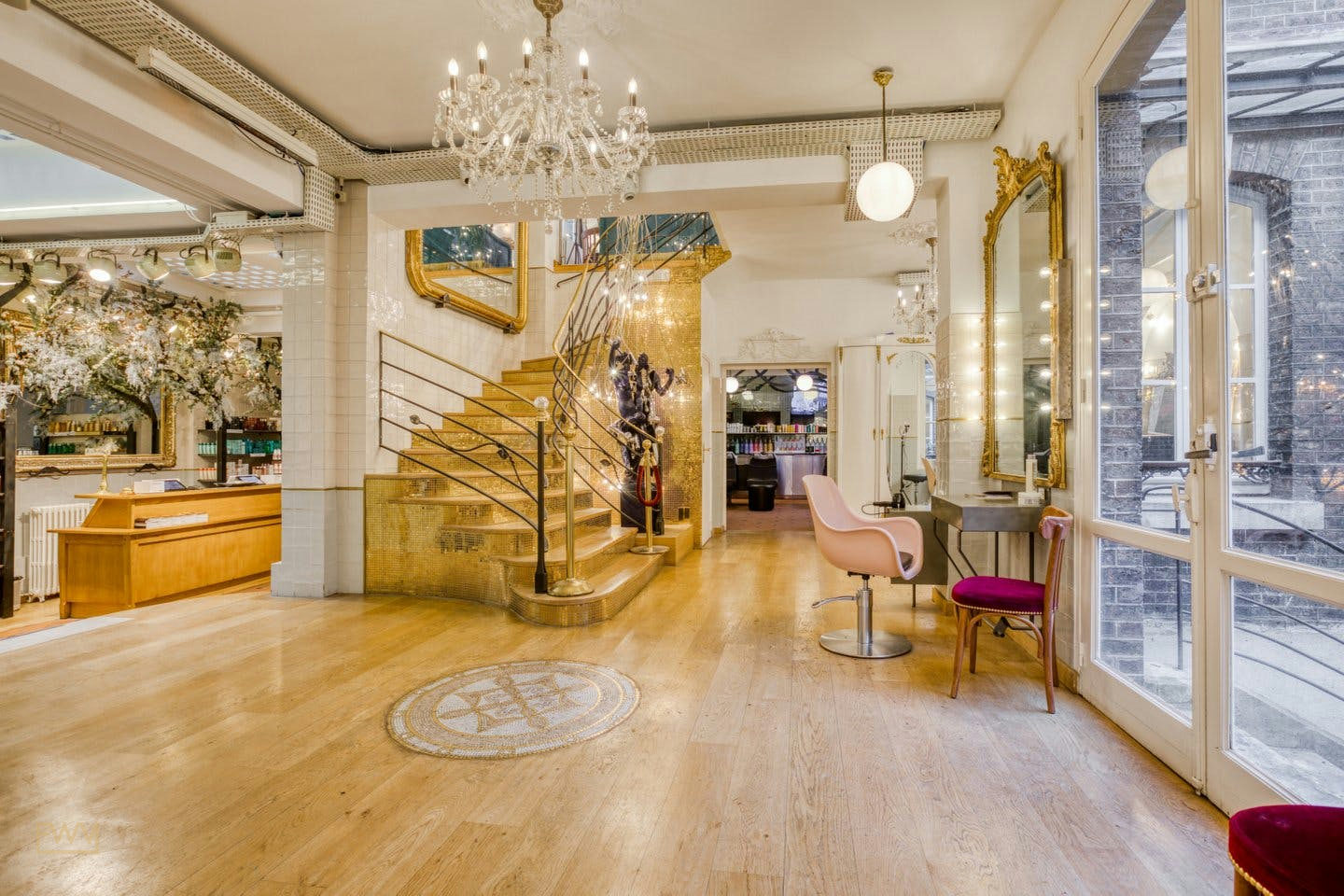
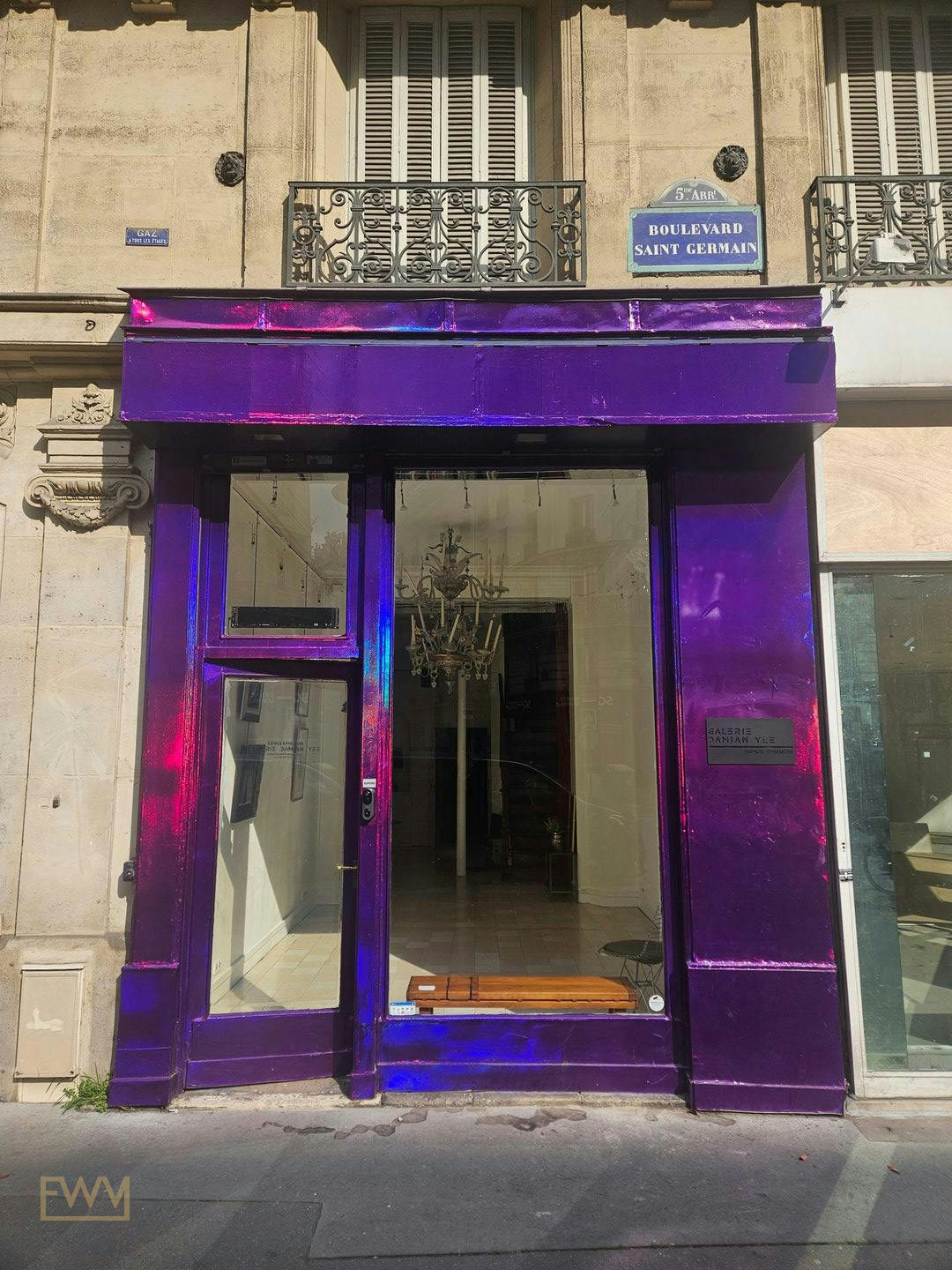
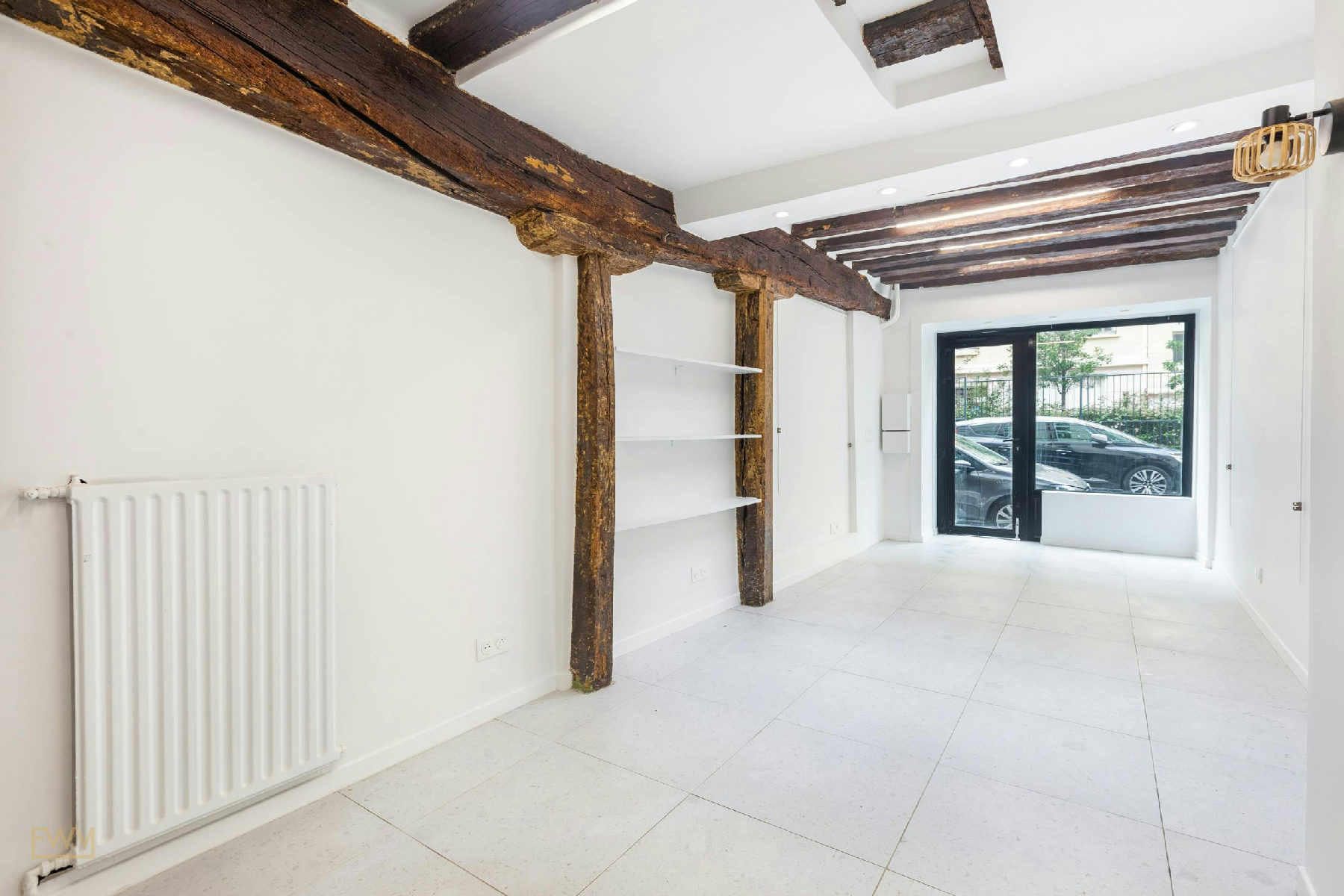
Finding the right retail space for rent in Saint-Germain is one of the most strategically important decisions a fashion brand, luxury label, or emerging designer can make when entering the Paris market. Saint-Germain-des-Prés, anchored by the Boulevard Saint-Germain and flanked by the Rue de Seine and Rue de Lille, offers a concentration of cultural prestige, affluent foot traffic, and editorial credibility that few neighbourhoods anywhere in the world can replicate. Whether you are planning a short-term pop-up store, a seasonal showroom, a brand activation during Paris Fashion Week, or a longer boutique trial, this guide covers every practical dimension you need: space types, leasing structures, permit obligations, neighbourhood dynamics, budgeting, and how Fashion Week Venues supports brands from brief to activation.
Why Saint-Germain-des-Prés Is a Priority Retail Destination for Fashion Brands
Quick answer: Saint-Germain-des-Prés is one of the most sought-after retail destinations in Europe because it combines luxury consumer density, international tourist flow, proximity to major press and buying offices, and a neighbourhood identity that elevates brand perception immediately upon association. For fashion, beauty, design, and lifestyle brands, a presence here signals cultural seriousness.
The 6th arrondissement of Paris is not simply a geographic address. It is a commercial and cultural ecosystem built over centuries, home to Ladurée's original salon, the ateliers of major French fashion houses, dozens of independent galleries including art galleries and design studios, and some of the highest per-square-metre retail rents in the country. Boulevard Saint-Germain serves as the neighbourhood's commercial spine, while the side streets radiating toward the Seine carry quieter, more curated boutique energy that appeals to selective shoppers and brand purists.
For international brands, the appeal extends beyond aesthetics. The neighbourhood sits within easy reach of the major Paris press offices, editorial studios, and showroom corridors that activate during the fashion weeks held in January, February, June, and October. Brands staging a showroom or pop-up store in Saint-Germain gain natural proximity to buyers, journalists, and stylists who are already moving through the area during market weeks. This geographic alignment reduces friction between commercial activation and editorial outreach, which is a core reason why the neighbourhood commands premium rental values.
The visitor profile in Saint-Germain also differs from mass-traffic areas like the Marais or Montmartre. Shoppers here skew toward higher disposable income, longer dwell times, and stronger per-transaction values. Art gallery visitors, design-conscious tourists staying in the Left Bank hotels, and local residents from the 6th and 7th arrondissements together form a commercial audience that suits premium and luxury brand positioning.
From a visibility standpoint, storefront retail spaces on the Rue de Seine, the Boulevard Saint-Germain, and the streets connecting toward Saint-Sulpice offer strong pedestrian-facing exposure. Brands operating out of a well-dressed storefront in this neighbourhood benefit from a built-in visual endorsement that advertising spend rarely replicates at equivalent cost.
DID YOU KNOW: The 6th arrondissement has one of the highest concentrations of independent galleries and design-focused retailers in Paris, making it the natural habitat for brands whose identity intersects with art, craft, and considered luxury.
KEY TAKEAWAY: Saint-Germain-des-Prés delivers a combination of consumer quality, brand adjacency, editorial proximity, and neighbourhood prestige that makes it the logical first choice for fashion and luxury brands seeking retail space in Paris, whether for a short-term pop-up store, a showroom, or a longer boutique trial.
Understanding the space types available in this neighbourhood is the essential next step before approaching any landlord or agency.
Space Types Available for Rent in Saint-Germain: From Pop-Up Stores to Showrooms
Quick answer: Saint-Germain-des-Prés offers a wide range of retail space types for short-term and medium-term rent, including storefront boutiques, gallery spaces, loft formats, showroom suites, ground-floor commercial units, and hybrid spaces that can function as retail, restaurant, or cultural venue depending on configuration.
When brands begin searching for retail space in this neighbourhood, the category distinctions matter because they affect pricing, permitted uses, fit-out requirements, and the type of lease or permit structure that applies. The table below summarises the primary space types available in and around Saint-Germain-des-Prés.
| Space Type | Typical Configuration | Common Use Cases | Relative Availability |
|---|---|---|---|
| Storefront Boutique | Street-facing ground floor, 30 to 150 sqm | Pop-up retail, branded boutique, seasonal store | Moderate, high competition |
| Gallery Space | Open plan, white walls, track lighting or natural light | Art gallery, product launch, brand exhibition | Good, especially on Rue de Seine |
| Showroom Suite | First floor or second floor, appointment access | Trade showroom, press preview, buying appointments | Good during non-Fashion Week periods |
| Loft Format | Open volume, exposed materials, flexible layout | Brand activation, immersive experience, photo shoot venue | Limited but available through specialist sourcing |
| Commercial Ground Floor | Standard commercial shell, varied specification | Retail, restaurant, café, professional services | Moderate, subject to permitted use |
| Warehouse or Industrial Unit | Larger footprint, less common in 6th arrondissement | Production, storage with showroom, large-scale activation | Rare in core Saint-Germain, available in adjacent districts |
Each space type carries different expectations from landlords in terms of fit-out standards, insurance obligations, and permitted trading hours. Gallery spaces on the Rue de Seine, for example, often have specific aesthetic requirements tied to the building's heritage classification or the landlord's existing tenant mix. Showroom suites in the upper floors of Haussmann buildings near Boulevard Saint-Germain may require freight access negotiation and written approval for signage changes.
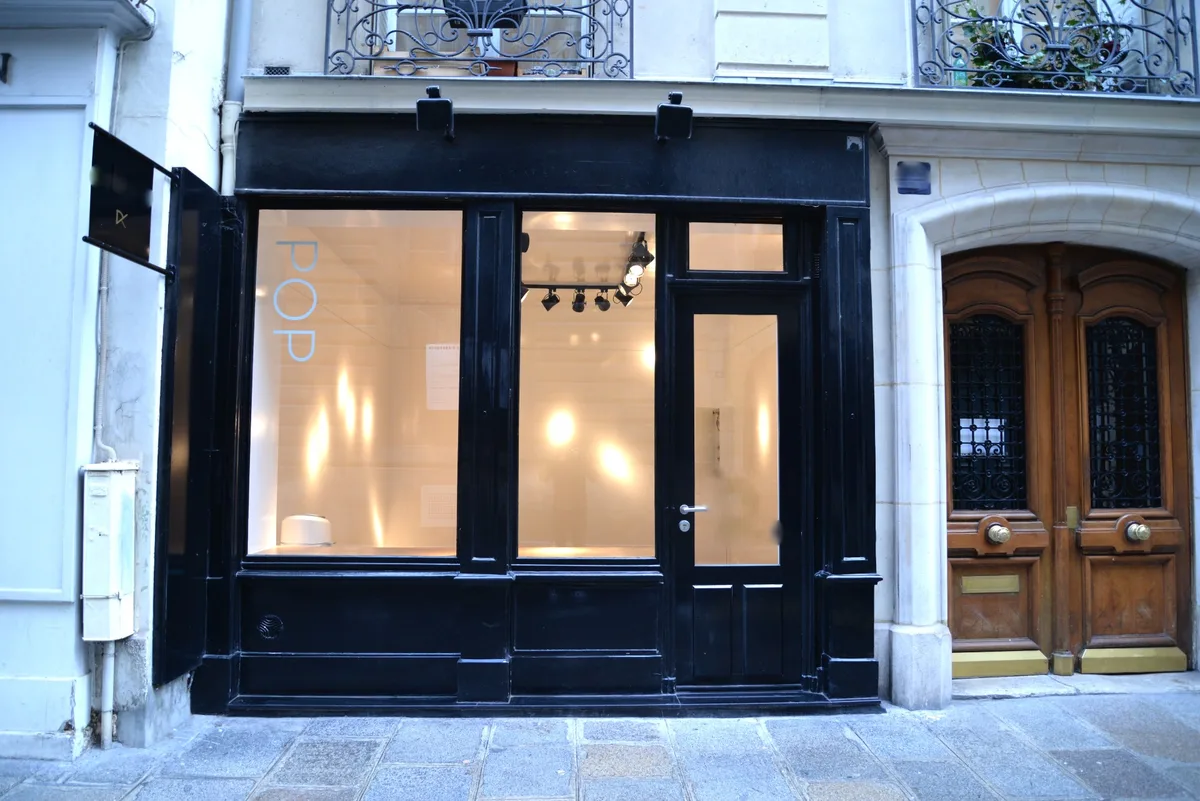
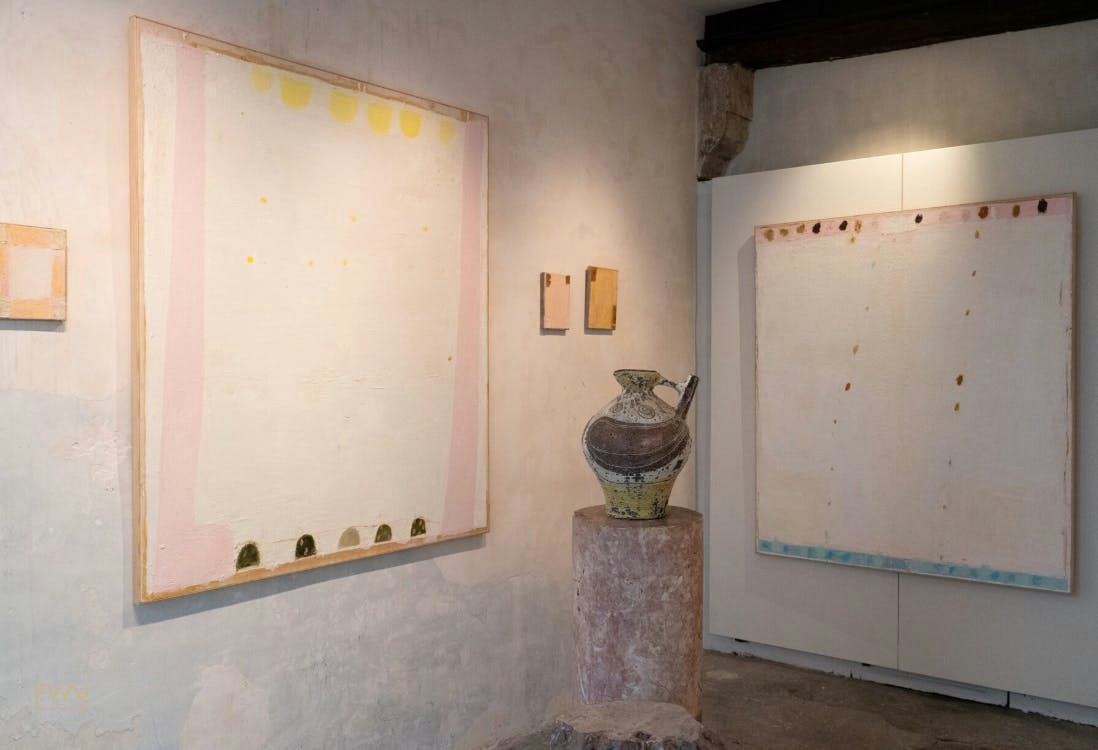
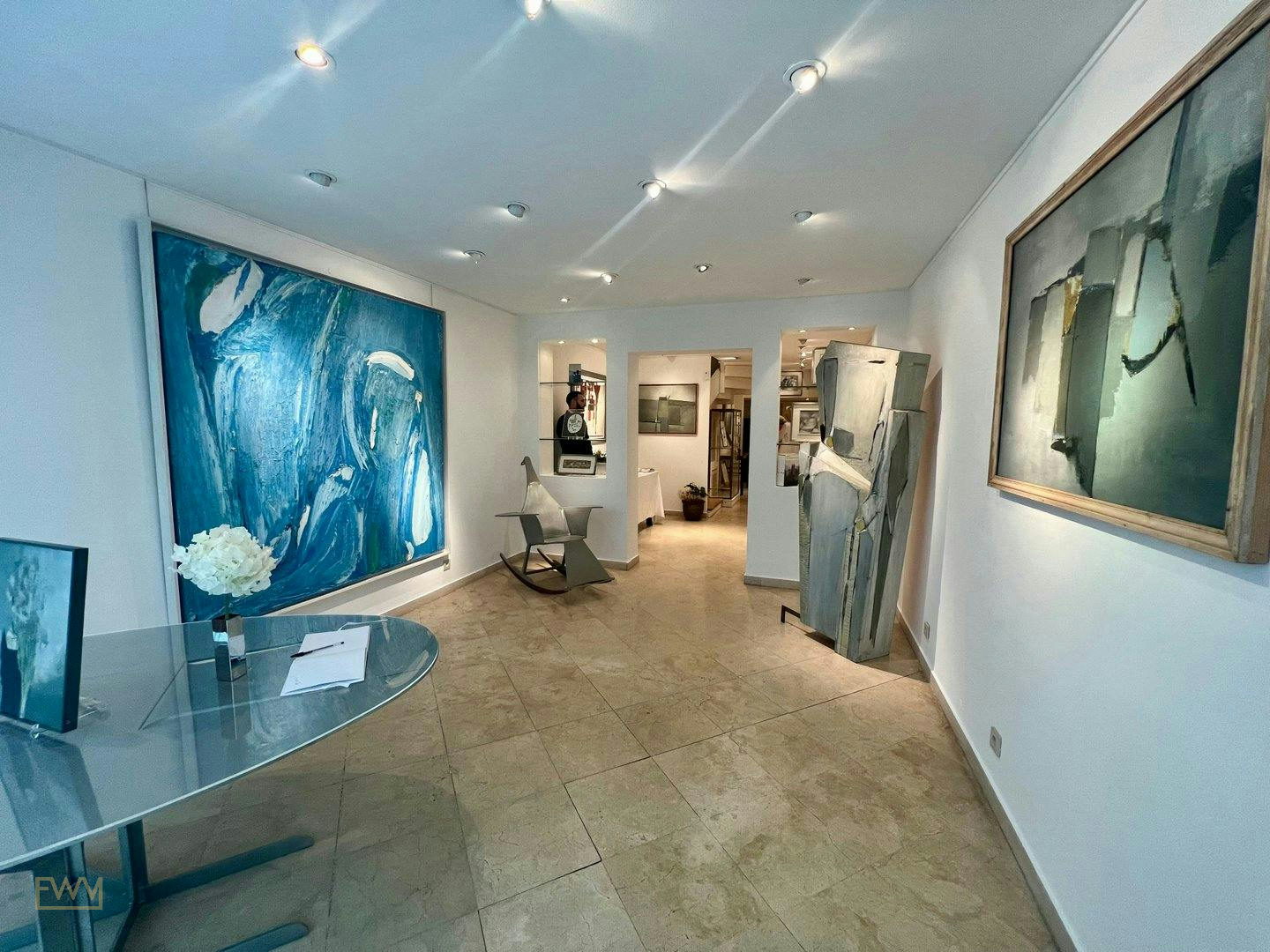
For brands specifically looking for pop-up stores, the most commonly available formats in Saint-Germain are street-level storefronts between 40 and 120 square metres, gallery-format spaces with white walls and polished concrete or wood-panel flooring, and first-floor showroom units accessible via appointment. Each of these formats suits a different commercial objective, and the choice between them should be driven by the brand's primary goal: foot traffic conversion, trade and press appointments, or immersive brand experience.
Brands planning food or beverage activations alongside retail should note that spaces previously licensed as a bar or restaurant carry existing permitted use classifications that may simplify new applications for similar purposes. Spaces without prior food service licensing require separate approvals that can extend lead times significantly.
TIP: When reviewing any space listing in Saint-Germain, always confirm the permitted use classification in the existing bail or autorisation d'occupation temporaire before assuming the space can be used for your intended purpose. A galerie d'art listing does not automatically permit retail sales without additional registration.
KEY TAKEAWAY: Saint-Germain-des-Prés offers genuine variety across retail space types, but each format comes with specific technical, legal, and operational requirements. Matching your space type to your commercial objective before beginning your search avoids costly mismatches later.
With space types understood, the next critical question is which streets and micro-locations within Saint-Germain deliver the best results for your specific brand profile.
The Best Streets and Micro-Locations for Retail Space in Saint-Germain-des-Prés
Quick answer: The strongest retail micro-locations in Saint-Germain-des-Prés for fashion and luxury brands include the Boulevard Saint-Germain itself, the Rue de Seine, the streets around Saint-Sulpice, and the quieter blocks near the Rue de Lille. Each micro-location carries a different visitor profile, footfall intensity, and brand adjacency.
Understanding the internal geography of the neighbourhood before committing to a space is essential. The 6th arrondissement is compact but layered, and the difference between a space on the Boulevard Saint-Germain and a space two streets away on the Rue de Buci or toward the Rue de Lille can be significant in terms of traffic volume, consumer intent, and rent level.
| Street or Micro-Location | Character | Best For | Traffic Type |
|---|---|---|---|
| Boulevard Saint-Germain | Major commercial artery, high visibility, luxury adjacency | Flagship pop-ups, established brands, maximum exposure | High mixed foot traffic, tourist and local |
| Rue de Seine | Gallery corridor, art-forward, creative energy | Gallery-format activations, artist collaborations, design brands | Moderate, highly intentional shoppers |
| Around Saint-Sulpice | Residential-commercial mix, fashion retail concentration | Boutique fashion, accessories, premium lifestyle | Moderate, high-income local and tourist |
| Rue de Lille and surroundings | Quieter, institutional, near government and media buildings | Showrooms, trade-only activations, press previews | Lower volume, high-quality professional visitor |
| Rue de Buci and market area | Daily market energy, high pedestrian volume | Food and beverage pop-ups, accessible lifestyle brands | High volume, mixed income profile |
Brands entering Saint-Germain for the first time often focus exclusively on the Boulevard Saint-Germain because of its name recognition, but the side streets frequently offer better value, more character, and more authentic neighbourhood alignment for brands that are not yet at scale for a boulevard-level presence. A carefully chosen space on the Rue de Seine, for example, places a brand in direct visual conversation with the galerie d'art culture that defines the neighbourhood's intellectual identity.
Louis Vuitton and other major luxury houses have maintained presences in and adjacent to this neighbourhood for decades, which has had the effect of anchoring premium retail expectations across the entire area. Their presence raises the baseline for store design, window presentation, and service standard, which benefits neighbouring brands through association but also raises the bar for what landlords expect from short-term tenants in terms of fit-out quality.
To compare neighbourhoods and space types, explore the Paris city hub on Fashion Week Venues and shortlist spaces that match your brief, budget, and calendar window.
KEY TAKEAWAY: Choosing the right micro-location within Saint-Germain-des-Prés requires matching your brand's identity, target visitor profile, and commercial objective to the specific character of each street. Boulevard-facing spaces offer maximum exposure; side streets offer curated alignment and often better short-term rental terms.
Once the location is selected, understanding the leasing structures available for short-term retail rental in Paris is the next essential step.
Leasing Structures for Short-Term Retail Space in Paris: Bail Dérogatoire, AOT, and Pop-Up Agreements
Quick answer: Brands renting retail space in Paris for short-term activations typically use one of three legal frameworks: a bail dérogatoire for periods of one to three years, an autorisation d'occupation temporaire for very short activations in certain spaces, or a commercial licence agreement negotiated directly with the landlord. Each structure carries different obligations and protections.
This is the area where many international brands encounter their most significant friction when entering the Paris retail market. French commercial real estate law is specific, and the standard commercial lease, known as the bail commercial, typically runs nine years with three-year break clauses and gives tenants substantial rights that most short-term activations cannot support. For pop-up stores, seasonal showrooms, and temporary retail activations, a different framework is required.
Bail Dérogatoire
The bail dérogatoire, sometimes called a short-term lease or convention d'occupation précaire, allows landlords and tenants to agree a rental period of up to three years without triggering the full protections of a standard nine-year bail commercial. This structure is commonly used for pop-up stores, seasonal boutiques, and trial retail formats in Paris. It gives the landlord the ability to reclaim the space at the end of the agreed term, and it gives the brand a defined, legally recognised occupancy right for the agreed period.
Key obligations under a bail dérogatoire typically include a clearly stated end date, no automatic renewal, and written agreement that both parties understand they are entering a short-term arrangement outside the standard commercial lease framework. The specific terms, rent level, deposit, permitted uses, and fit-out obligations are all negotiated between the parties.
Autorisation d'Occupation Temporaire
For spaces that are publicly owned or fall within specific categories of managed commercial property, an autorisation d'occupation temporaire, or AOT, may apply. This is a permission-based occupancy right rather than a lease, and it is commonly used for short activations in publicly managed spaces, market halls, and certain heritage-listed properties. The AOT typically specifies the exact dates, the permitted activities, and any conditions on signage, footprint, and operating hours.
The AOT is not a route available for privately owned retail properties in Saint-Germain in most cases, but it is relevant for brands considering activations in publicly managed venues, covered markets, or institutional cultural spaces within or near the arrondissement.
Commercial Licence Agreements
Some landlords, particularly those managing multi-unit commercial properties or curated retail destinations, offer commercial licence agreements for periods ranging from a few days to several months. These are shorter and more flexible than a bail dérogatoire but offer less legal protection for the occupying brand. They are common for pop-up stores, event-based retail activations, and gallery-format brand experiences where the landlord manages a rotating roster of tenants.
IMPORTANT: Requirements for permits, leasing structures, and permitted use classifications vary by space type, duration, arrondissement, and the specific building's status. Always verify the appropriate legal framework with a qualified French legal advisor before signing any agreement. Fashion Week Venues provides directional guidance and can connect brands with relevant specialists, but does not provide legal advice.
For permit-related questions and planning, the permit guidance tool on Fashion Week Venues provides a useful starting framework for understanding what approvals may be relevant to your activation.
KEY TAKEAWAY: Short-term retail rental in Paris requires understanding which legal framework applies to your space, your intended use, and your activation duration. The bail dérogatoire is the most commonly used structure for fashion pop-ups and seasonal showrooms, but the specific terms must be negotiated carefully and reviewed by a French legal specialist.
With leasing structures clarified, brands can move to the practical question of what a retail space rental in Saint-Germain is likely to cost and how to structure a realistic budget.
Understanding Costs and Budgeting for Retail Space Rental in Saint-Germain
Quick answer: Rental costs for retail space in Saint-Germain-des-Prés vary significantly based on street location, space size, format, duration, and the level of fit-out and service support included. Brands should expect premium pricing relative to other Paris neighbourhoods, and should budget for rent, deposit, fit-out, staffing, permits, insurance, and operational costs separately.
Saint-Germain-des-Prés commands some of the highest commercial rents in Paris, and rental costs in this neighbourhood reflect both the genuine demand for its addresses and the relatively limited supply of short-term retail space available through legitimate channels. Brands approaching this market with only a headline rent figure in mind frequently underestimate the total cost of a successful activation.
The cost components of a retail space rental in Saint-Germain typically include the following categories:
- Base rent for the agreed period, usually quoted per week or per month for short-term arrangements
- Security deposit, typically one to three months of equivalent rent
- Building operating costs, which may be charged separately in some commercial arrangements
- Fit-out and production costs, including any reinstatement obligations at the end of the licence period
- Furniture rental or purchase, depending on the space's existing specification
- Retail staffing, including any required French employment compliance
- Point-of-sale systems and payment processing
- Insurance, which is mandatory and must typically meet landlord-specified minimums
- Permit-related registration or license fees, where applicable
- Marketing and influencer activation costs to drive traffic to the space
Because rental rates in Saint-Germain are driven by market demand rather than fixed schedules, providing specific per-square-metre figures without knowing your space, dates, and configuration would be misleading. For a realistic, brand-specific estimate, the budget estimation tool on Fashion Week Venues allows brands to input their parameters and generate a directional cost framework before committing to a search.
Timing also affects cost significantly. Spaces searched and booked during the weeks immediately surrounding Paris Fashion Week dates in February and October will attract materially higher rents than the same spaces secured for June, July, or November activations. Brands with flexibility on timing can secure meaningfully better value while still achieving strong visibility outcomes.
TIP: Budget for the total activation cost rather than rent alone. A space that appears affordable at headline rent level can become expensive when fit-out reinstatement, specialist staffing, insurance compliance, and permit costs are added. A financial pro forma that covers all cost lines before you commit to a space is an essential planning document.
Registration fees and license fees, where applicable, are separate from rent and should be confirmed with the landlord and any relevant authorities before finalising your agreement. These vary depending on the nature of the permitted use, the specific space, and the duration of the activation.
KEY TAKEAWAY: Budgeting for retail space rental in Saint-Germain requires a full activation cost model, not just a rent comparison. The total investment includes fit-out, staffing, permits, insurance, deposits, and operational costs that often collectively exceed the base rent figure.
Understanding how to find and evaluate available spaces is the next practical consideration for brands planning an activation in this neighbourhood.
How to Find and Evaluate Retail Space Listings in Saint-Germain-des-Prés
Quick answer: Finding short-term retail space in Saint-Germain requires a combination of specialist marketplace search, direct landlord outreach, agency relationships, and knowledge of which buildings and portfolios are open to temporary tenants. General commercial real estate listing portals primarily surface long-term lease listings, which are not suitable for pop-up or seasonal brand activations.
The retail space market in Saint-Germain-des-Prés operates through several distinct channels, each with different levels of accessibility for international brands without an existing Paris presence.
Specialist Pop-Up Marketplaces
Specialist platforms focused on short-term retail and brand activation space allow brands to search listings by neighbourhood, space type, size, and available dates. These platforms aggregate spaces that landlords have specifically made available for temporary occupation, which is a meaningfully different inventory from the standard commercial real estate market. The Fashion Week Venues space marketplace provides access to curated short-term retail and showroom listings, with spaces searchable by type, location, and calendar window.
Full-Service Agencies
For brands that need more than a listing, full-service pop-up agencies handle the complete sourcing, negotiation, production, and management process. This is the appropriate route for brands without an in-house Paris retail team, brands entering Paris for the first time, and brands whose activation complexity goes beyond a simple sublicence arrangement. The agency model typically involves a service fee structure rather than a listing commission, and it covers the full scope from brief to close-down.
Direct Landlord Approach
Some brands approach landlords directly, particularly for buildings or streets where they have an existing relationship or a specific address in mind. This route works best for brands with French-speaking legal and commercial support, prior experience in the Paris market, and the internal resource to manage negotiations, contracts, permits, fit-out, and staffing independently.
Evaluating a Space Listing
When evaluating any retail space listing in Saint-Germain, the following factors should be assessed before committing to a viewing or making an offer:
- Street address and exact position on the street, including proximity to key pedestrian flows
- Ground floor status and storefront window configuration
- Existing fit-out specification, including flooring type, lighting, wall finish, and ceiling height
- Permitted use as registered in the existing bail or planning documentation
- Available dates and minimum booking duration
- Landlord's requirements for tenant insurance, deposit, and fit-out reinstatement
- Access for deliveries, including overhead door or loading bay if relevant
- Floor plan and exact square metre area including any storage or back-of-house space
- Building operating costs and whether these are included in the headline rent
The space comparison tool on Fashion Week Venues allows brands to evaluate multiple listings side by side against their specific criteria, which reduces the time spent on unsuitable viewings and speeds up the decision process.
KEY TAKEAWAY: Finding the right retail space in Saint-Germain requires using the right search channels for short-term availability, evaluating listings against a structured checklist, and having legal and operational support in place before making any commitment. General commercial property portals are not the right starting point for pop-up and seasonal rental searches.
Once a shortlist of spaces has been identified, the next challenge is managing the activation timeline to ensure that space selection, permits, production, and launch all align with your target dates.
Paris Fashion Week Calendar and Timing Your Retail Space Activation in Saint-Germain
Quick answer: Paris Fashion Week runs four times per year, covering menswear, haute couture, womenswear, and pre-collections. Each window creates a specific type of commercial opportunity for brands with retail space in Saint-Germain, and the right window depends on whether the brand's objective is trade and press engagement, consumer-facing retail, or both.
The Paris fashion calendar is the primary organising framework for brands planning retail activations in the city. The four main fashion week windows each attract a different mix of visitors, buyers, press, and consumers, and understanding which window aligns with your brand's objectives avoids misaligned investment.
| Fashion Week Window | Approximate Dates | Primary Audience in Paris | Best Activation Type for Saint-Germain |
|---|---|---|---|
| Menswear and Pre-Collections (January) | Mid to late January | Buyers, press, industry professionals | Showroom, trade preview, press event |
| Haute Couture (January) | Late January | Luxury buyers, VIP clients, international press | Private activation, exclusive showroom, VIP boutique |
| Womenswear (February and October) | Late February and early October | Broadest mix of buyers, press, influencers, consumers | Consumer pop-up, brand activation, flagship boutique |
| Menswear (June) | Mid-June | Menswear buyers, press, creative community | Showroom, product launch, brand experience |
Brands that are not specifically tied to a fashion week calendar can also benefit significantly from activating in Saint-Germain outside these peak windows. The neighbourhood maintains strong year-round foot traffic from residents, cultural tourism, and the business community based in the 6th and 7th arrondissements. An activation in May, September, or November can achieve excellent results at lower rental cost and with greater space availability than the premium fashion week windows.
Timeline planning is critical regardless of which window you target. For a Paris Fashion Week activation in February or October, the process of space search, legal agreement, permit applications, production, and staffing typically requires a minimum lead time of twelve to sixteen weeks. For less complex short-term activations outside peak periods, an eight-week lead time may be sufficient if the space is already fit for purpose and permits are straightforward. Use the timeline planning tool on Fashion Week Venues to map your specific activation against realistic lead times for each phase.
The ideal duration for a pop-up shop rental in Saint-Germain-des-Prés depends on the brand's commercial objective. For trade-focused showrooms during Fashion Week, a booking of seven to fourteen days often covers the key appointment windows. For consumer-facing retail activations, a four-to-eight-week duration typically delivers the best balance between build-up, peak trading, and return on investment. Longer durations of three to six months suit brands testing the market before committing to a permanent lease.
KEY TAKEAWAY: Aligning your retail space activation in Saint-Germain with the right Paris fashion week window or off-peak opportunity requires understanding which calendar period matches your commercial objectives, your target audience's presence in Paris, and your internal lead time capacity.
With timing strategy established, the next dimension to address is the operational requirements that define whether a retail activation in this neighbourhood actually succeeds.
Operational Requirements for a Successful Retail Activation in Saint-Germain
Quick answer: A successful retail activation in Saint-Germain requires more than a well-located space. It demands a production-ready fit-out, compliant staffing, functioning point-of-sale systems, insurance, signage permissions, and a customer acquisition strategy. Operational gaps in any of these areas reduce the commercial return of the space investment.
Brands that invest significantly in securing a premium retail space in Saint-Germain and then under-invest in operations consistently underperform. The neighbourhood's visitors and consumers have high expectations set by the permanent luxury retailers that surround any given pop-up location. A space with white walls, track lighting, and wood-panel flooring that is dressed with under-resourced stock, inadequate staffing, or a non-functional payment system will lose the credibility that the address itself provides.
Fit-Out and Production
The fit-out standard required in Saint-Germain is higher than in most other Paris neighbourhoods for short-term retail. Even a minimally dressed space needs considered lighting direction, clean fixture selection, and a visual merchandising approach that communicates brand identity clearly within the first few seconds of a customer's entry. Brands without an in-house production team should engage specialist support for this phase. The production and build service from Fashion Week Venues covers the full scope of fit-out for temporary retail spaces, including materials, fixtures, lighting, and reinstatement planning.
Retail Staffing in Paris
Staffing a retail space in Paris as an international brand requires navigating French employment law, which governs minimum wage rates, working hours, contract types, and social contribution obligations. Short-term retail activations typically use either direct temporary employment contracts with French workers or arrangements through specialist staffing agencies that handle compliance. Either way, the staffing function should be planned and contracted before the activation begins, not after the space is open.
French-speaking staff are essential for a Saint-Germain retail location. The neighbourhood's local customer base includes French residents who expect service in French, and the combination of French and English language capability is the minimum requirement for a credible customer-facing team. The retail staffing service at Fashion Week Venues sources and manages retail staff for temporary activations in Paris, including language, product knowledge, and brand training.
Point-of-Sale and Payments
A functioning point-of-sale system that accepts French and European card payment standards, including contactless and chip-and-pin, is mandatory for any consumer-facing retail space. International brands sometimes arrive with payment systems configured for their home market that are not compatible with French payment infrastructure or do not accept the card types commonly used by European consumers. This is a preventable operational failure that damages both sales and brand perception.
Insurance
Landlords in Saint-Germain universally require tenants to hold valid public liability insurance at specified minimum coverage levels before occupation begins. This insurance must typically be provided by a French-registered insurer or a European insurer with French market authorisation. The certificate of insurance is normally required before keys are released.
Signage and Exterior Presentation
Changes to exterior signage, window vinyl, and building facade presentation in the 6th arrondissement are subject to local planning authority approval in most cases. The specific requirements depend on the building's classification and the nature of the proposed signage. Temporary event banners and A-board placement are also regulated and should be confirmed with the building manager and, where relevant, the local mairie before installation.
KEY TAKEAWAY: Operational excellence in a Saint-Germain retail activation means planning fit-out, staffing, payments, insurance, and signage in parallel with the space search, not sequentially after the agreement is signed. The most common cause of underperforming pop-up stores in premium locations is operational under-investment relative to rent expenditure.
The section below addresses how Fashion Week Venues specifically supports brands managing these operational dimensions across the full activation lifecycle.
How Fashion Week Venues Supports Brands Seeking Retail Space in Saint-Germain
Fashion Week Venues is a full-service pop-up shop agency and space marketplace with Paris as its primary market, offering end-to-end support for brands seeking short-term retail space, showrooms, and brand activation venues in Saint-Germain-des-Prés and across the broader Paris market.
The agency serves fashion brands, luxury labels, emerging designers, international brands entering Paris for the first time, and established houses looking for campaign-specific activation spaces. The services that are most directly relevant to a Saint-Germain retail search include the following.
Venue Sourcing
The venue sourcing service provides access to curated short-term retail and showroom spaces in Saint-Germain and other Paris neighbourhoods, including spaces that are not listed publicly and that are only accessible through established landlord relationships. This is particularly valuable for brands targeting specific streets or space types where public inventory is limited.
Concept Direction and Branded Store Design
Concept development and branded store design ensure that the chosen space communicates the brand's identity at the standard the neighbourhood demands. This includes spatial planning, visual merchandising direction, fixture selection, lighting specification, and the overall brand environment design.
Production, Fit-Out, and Furniture Rental
Production and build services cover the physical transformation of the space, while furniture rental provides the fixtures and fittings that brands need for a temporary activation without the cost and logistics of purchasing and shipping furniture internationally.
Activation Management
The activation management service covers the operational management of the brand activation from opening to close-down, including staff coordination, daily trading operations, landlord liaison, and reporting. This is the appropriate service level for brands without a Paris-based operational team.
Data, Analytics, and ROI Measurement
Understanding the commercial return from a Saint-Germain retail activation requires structured data collection across footfall, dwell time, transaction volume, average basket value, and brand awareness metrics. The data and analytics service provides this measurement framework, which is essential for justifying the investment to internal stakeholders and informing future activation strategy.
Planning Tools
The Fashion Week Venues tools section provides brands with self-directed planning support, including the budget estimation tool, the ROI calculator, the timeline planner, the space comparison tool, and the permits guidance tool. These tools allow brand teams to prepare a realistic brief and activation plan before engaging the full agency service, which makes the briefing and proposal process more efficient for all parties.
It is important to note that Fashion Week Venues does not guarantee the availability of any specific space, the approval of any permit application, or any specific commercial outcome from an activation. The agency's role is to reduce friction, increase expertise, and manage complexity on behalf of the brand, but final space availability, permit decisions, and commercial results are always subject to factors outside any agency's control.
KEY TAKEAWAY: Fashion Week Venues provides a structured, full-service pathway from initial space search to post-activation reporting for brands targeting Saint-Germain and the broader Paris market. The combination of marketplace access, agency expertise, and planning tools is designed to reduce the risk and complexity that makes the Paris retail space market challenging for international brands to navigate independently.
Comparing Saint-Germain to Other Paris Neighbourhoods for Pop-Up Retail Space
Quick answer: Saint-Germain-des-Prés is the strongest neighbourhood for luxury, fashion, and design brand activations in Paris, but other neighbourhoods including Le Marais, Montmartre, and the 1st arrondissement offer different consumer profiles, price points, and space types that may better suit specific brand objectives or budget constraints.
A Paris retail strategy that considers only Saint-Germain may miss opportunities in adjacent and complementary neighbourhoods that offer specific advantages for different brand profiles. The comparison below provides a directional framework for brands evaluating their neighbourhood options.
| Neighbourhood | Consumer Profile | Space Availability for Short-Term | Relative Rent Level | Best Brand Profile Match |
|---|---|---|---|---|
| Saint-Germain-des-Prés (6th) | High-income, design-conscious, international luxury tourist | Moderate, requires specialist sourcing | Premium | Luxury, fashion, design, art |
| Le Marais (3rd and 4th) | Fashion-forward, culturally diverse, younger demographic | Good, active short-term market | High but below Saint-Germain | Contemporary fashion, streetwear, lifestyle |
| Palais-Royal and 1st arrondissement | Tourist-heavy, luxury and institutional | Limited, premium | Very high | Ultra-luxury, heritage brands, cultural institutions |
| Montmartre (18th) | Tourist-heavy, creative, mixed income | Good availability | Moderate | Art, craft, independent design, accessible lifestyle |
| Pigalle and South Pigalle (9th) | Younger, trend-driven, local creative | Good, growing market | Moderate | Contemporary, streetwear, music and culture-adjacent brands |
For brands that are specifically focused on the fashion industry calendar and want the closest proximity to the showroom and press office corridor, Saint-Germain and the surrounding 6th and 7th arrondissement addresses remain the strongest choice. For brands whose primary objective is consumer volume and Instagram-ready content, Le Marais or Montmartre may deliver stronger results at lower total cost.
Some brands operate what Fashion Week Venues refers to as a twin activation strategy, staging simultaneous or back-to-back activations in two complementary neighbourhoods to capture both the trade and press audiences of Saint-Germain and the consumer and social media audiences of Le Marais. The twin co-activation concept is designed specifically for brands looking to maximise reach across multiple Paris audiences within a single campaign budget.
KEY TAKEAWAY: Saint-Germain-des-Prés is the strongest neighbourhood for luxury and fashion brand activations in Paris, but a multi-neighbourhood strategy can dramatically extend reach and audience diversity within the same campaign period. Compare neighbourhoods against your specific brand objectives before committing to a single location.
Common Myths About Renting Retail Space in Saint-Germain-des-Prés
MYTH: International brands need a French legal entity to rent a retail space in Saint-Germain.
FACT: Many short-term retail licence agreements and bail dérogatoire arrangements are accessible to international companies without a French-registered entity, particularly when a French-language intermediary or specialist agency manages the process on the brand's behalf. However, the specific requirements vary by landlord, space, and lease structure, and some landlords do require a French guarantor or local entity for longer-duration agreements. Verifying this requirement early in the process with a French legal specialist is essential.
MYTH: Paris Fashion Week in February and October is the only viable calendar window for a retail space activation in Saint-Germain.
FACT: While the womenswear fashion week windows in February and October generate the highest concentration of industry visitors, Saint-Germain-des-Prés maintains strong commercial activity year-round. Activations in May, June, September, and November frequently achieve excellent results at lower rental cost and with greater space availability. The January haute couture and June menswear windows are also strategically valuable for appropriate brand profiles. The best calendar window depends on the brand's commercial objectives and target audience, not simply on the highest-traffic week.
MYTH: The only way to find a short-term retail space in Saint-Germain is through a commission broker.
FACT: Specialist pop-up marketplaces and full-service pop-up agencies offer structured, transparent alternatives to traditional commission brokers for short-term retail space in Paris. These routes typically provide curated inventory, clear fee structures, and additional service support rather than a single transaction fee. Brands should compare their options across marketplace listings, agency sourcing, and direct landlord outreach before assuming a broker is the only available channel.
MYTH: Short-term retail leases in Paris are legally straightforward and do not require specialist legal review.
FACT: French commercial real estate law is highly specific, and even a short-term bail dérogatoire or commercial licence agreement carries legal obligations that can have significant financial consequences if not understood correctly. Obligations around reinstatement, permitted use, insurance, deposit conditions, and early termination clauses in particular require careful review. International brands should always have any Paris retail space agreement reviewed by a qualified French legal advisor before signing, regardless of how straightforward the document appears.
MYTH: A gallery space in Saint-Germain automatically permits retail sales.
FACT: A space classified and licensed as a galerie d'art may not automatically permit commercial retail transactions under its existing planning and use classification. Brands intending to sell products, collect payment, and operate as a retail business from a gallery-format space need to confirm that the permitted use either already covers commercial retail or can be temporarily amended through the appropriate local authority process. Assuming that a gallery format equals retail permission is a common and sometimes costly error.
Frequently Asked Questions About Retail Space for Rent in Saint-Germain
Why should a brand rent a temporary retail space in Saint-Germain-des-Prés rather than another Paris neighbourhood?
Saint-Germain-des-Prés offers a unique combination of luxury consumer density, editorial credibility, proximity to fashion industry press and buying offices, and a neighbourhood identity that elevates brand perception. The 6th arrondissement has one of the highest concentrations of high-income residents and culturally engaged visitors in Paris, and the street-level retail environment along Boulevard Saint-Germain and the Rue de Seine provides immediate brand adjacency to established luxury and design labels. For fashion, beauty, art, and design brands seeking an address that communicates quality, Saint-Germain remains the strongest single neighbourhood choice in Paris.
What are the most sought-after specific locations for renting a pop-up store in Saint-Germain-des-Prés?
The most consistently sought-after locations for short-term pop-up retail in Saint-Germain-des-Prés include the street-facing ground floors on Boulevard Saint-Germain, the gallery corridor of the Rue de Seine, the blocks around the Place Saint-Sulpice, and the quieter streets connecting the 6th arrondissement toward the 7th near the Rue de Lille. Each micro-location delivers a different combination of foot traffic volume, consumer profile, and brand adjacency. Brands should match their micro-location choice to their commercial objective rather than defaulting to the highest-traffic street regardless of fit.
What is the ideal duration to rent a pop-up shop in Saint-Germain-des-Prés?
The ideal duration depends on whether the primary objective is trade and press engagement or consumer-facing retail. For showrooms and trade previews during fashion week, a booking of seven to fourteen days typically covers the key appointment windows. For consumer pop-up stores, a four-to-eight-week activation generally delivers the best balance between awareness build-up, peak trading, and return on investment. Brands using a pop-up to test the market before committing to a permanent presence often opt for three to six months under a bail dérogatoire arrangement. Duration also affects permit requirements and the appropriate legal framework.
How much does it cost to rent a pop-up space in Saint-Germain-des-Prés?
Rental costs in Saint-Germain-des-Prés are among the highest for short-term retail in Paris, reflecting the neighbourhood's premium positioning and strong landlord demand. Because rates vary significantly based on street address, space size, specification, duration, and time of year, providing accurate figures without knowing your specific parameters would be misleading. Brands should use a detailed budget model that covers rent, deposit, fit-out, staffing, insurance, permits, and operational costs. The Fashion Week Venues budget estimation tool provides a structured framework for generating a brand-specific cost estimate before committing to a search.
Do I need a French company or legal entity to rent a retail space in Saint-Germain?
Not always. Many short-term retail licence agreements and bail dérogatoire arrangements are accessible to international companies without a French-registered entity, particularly when working through a specialist agency or intermediary who manages the process in French. However, some landlords, particularly for longer-duration agreements or larger spaces, require a French guarantor or locally registered entity. The specific requirement should be confirmed early in any negotiation. Working with an agency that has existing landlord relationships in the neighbourhood significantly reduces the friction this requirement can create for international brands.
What permits or approvals are required for a pop-up retail activation in Saint-Germain?
The permit requirements for a pop-up retail activation in Saint-Germain depend on the space type, the intended use, the duration of the activation, and the specific building's status. Common considerations include confirming the permitted use classification of the space, any exterior signage approvals from the local planning authority, food or beverage licensing if applicable, and French commercial registration if the brand is selling products as a business for the first time in France. Requirements vary and should always be confirmed with a qualified French legal advisor. The Fashion Week Venues permit guidance tool provides a useful starting framework for understanding which approvals may apply to your activation.
What space features should I look for in a Saint-Germain pop-up or showroom listing?
Key features to evaluate in any Saint-Germain retail space listing include the exact street-level position and storefront window configuration, the specification of existing lighting including whether track lighting is already installed, wall finish such as white-painted walls or exposed stone, flooring type including wood panels, polished concrete, or tile, ceiling height, natural light access, back-of-house storage capacity, delivery access including whether there is an overhead door or lift, and the floor plan including any mezzanine or basement area. Confirming all of these features before a viewing saves significant time and prevents misaligned expectations on both sides.
How far in advance should I book a retail space in Saint-Germain for Paris Fashion Week?
For a Paris Fashion Week activation in the February or October womenswear windows, the recommended minimum lead time is twelve to sixteen weeks from the intended activation start date. This allows time for space search, landlord negotiation, legal review, permit applications, production planning, fit-out, and staffing recruitment. For less complex activations in off-peak periods, an eight-week lead time may be workable if the space requires minimal fit-out and permits are straightforward. Starting the process earlier than the minimum lead time is always advisable, particularly for spaces in high-demand micro-locations like Boulevard Saint-Germain.
What is a bail dérogatoire and is it the right structure for a fashion pop-up in Paris?
A bail dérogatoire is a French short-term commercial lease that allows landlord and tenant to agree an occupancy period of up to three years without triggering the full nine-year protections of a standard bail commercial. It is the most commonly used legal structure for fashion pop-ups, seasonal boutiques, and temporary showrooms in Paris. The bail dérogatoire gives the brand a defined, legally recognised occupancy right for the agreed period and gives the landlord certainty of reclaiming the space at the end of the term. Specific terms, including rent, deposit, permitted use, and fit-out obligations, are negotiated between the parties and should always be reviewed by a French legal specialist before signing.
Can a gallery space in Saint-Germain be used for retail sales during a pop-up activation?
A gallery space listed as a galerie d'art may not automatically permit commercial retail transactions under its existing planning classification. Brands intending to operate a retail business from a gallery-format space, including collecting payment for products, need to confirm that the space's permitted use covers commercial retail or that it can be amended through the appropriate process. This should be checked before signing any agreement. Some gallery spaces in Saint-Germain are already licensed for both exhibition and commercial sale, while others require separate approvals. Clarifying this point early avoids significant operational and legal complications during the activation.
What staffing considerations apply to a retail pop-up in Saint-Germain?
Staffing a retail space in Paris as an international brand requires compliance with French employment law, which covers minimum wage, working hours, contract types, and employer social contributions. French-speaking staff are essential in Saint-Germain given the neighbourhood's local customer base. Options include direct temporary employment contracts with French workers or staffing through specialist agencies that handle compliance. Staff should be recruited and contracted before the activation opens, not after, and should receive brand training covering product knowledge, customer service standards, and the brand's identity and values before the first day of trading.
How does a twin activation in Saint-Germain and another Paris neighbourhood work?
A twin activation strategy involves staging simultaneous or consecutive brand activations in two complementary Paris neighbourhoods within the same campaign period. A common pairing is a trade and press-focused showroom in Saint-Germain combined with a consumer-facing pop-up in Le Marais. This approach allows brands to capture the industry credibility audience of Saint-Germain while also reaching the higher foot traffic and social media audience of a second neighbourhood. The Fashion Week Venues twin co-activation concept provides a structured framework for planning, booking, and managing dual-location campaigns in Paris.
What is the difference between a showroom and a pop-up store in the context of Saint-Germain activations?
A showroom in Saint-Germain is typically an appointment-based space designed for trade buyers, press, and wholesale clients to view a brand's collection in a controlled environment. It is usually located on a first or second floor, operates on appointment only, and does not require high street-level foot traffic. A pop-up store is a consumer-facing retail space designed to generate walk-in traffic, direct sales, and brand awareness among the general public. Both formats use temporary retail agreements, but they differ in location priority, fit-out approach, staffing model, operating hours, and commercial objectives. Some brands run both simultaneously from separate spaces.
How do I evaluate whether a retail space in Saint-Germain is right for my brand?
Evaluating a retail space in Saint-Germain against your brand's needs requires a structured checklist covering the space's physical specification, its micro-location within the neighbourhood, the landlord's terms, the permitted use, the available dates, and the total activation cost including all operational components. Beyond the physical assessment, consider whether the space's aesthetic, scale, and street position genuinely align with your brand identity and the impression you want to create for your target audience. A space that is technically available and within budget but that does not project the right brand context for your label will underdeliver regardless of its address.
What tools and resources does Fashion Week Venues offer for brands planning a Saint-Germain activation?
Fashion Week Venues provides a range of planning tools designed to support brands from initial research through to activation launch. These include a budget estimation tool for generating cost frameworks, an ROI calculator for assessing potential returns, a timeline planner for mapping lead times, a space comparison tool for evaluating shortlisted listings, a permit guidance tool for understanding approval requirements, and a space locator tool for identifying relevant spaces by neighbourhood and type. These tools are available alongside the full agency service offering, which covers venue sourcing, concept direction, production, staffing, activation management, and data analytics.
Conclusion: Taking the Next Step Toward Your Saint-Germain Retail Activation
Retail space for rent in Saint-Germain-des-Prés represents one of the most commercially and creatively significant opportunities available to fashion, luxury, design, and lifestyle brands entering the Paris market. The neighbourhood delivers a combination of consumer quality, editorial adjacency, cultural prestige, and brand enhancement that few other addresses in the world can match. But securing and operating a space here successfully requires navigating a specific set of legal, operational, and logistical challenges that are genuinely complex for international brands without an established Paris team.
The brands that perform best in Saint-Germain are those that invest in the full activation stack: the right space in the right micro-location, a production-quality fit-out that meets the neighbourhood's aesthetic standard, a staffing team that speaks to local and international customers with equal fluency, a permit and compliance structure that is verified before occupation begins, and a commercial measurement framework that captures the return on the total investment.
Fashion Week Venues exists to reduce the complexity and risk of this process for brands at every stage, from first search to post-activation reporting. Whether you are planning a seven-day trade showroom during Paris Fashion Week, a six-week consumer pop-up during the spring selling season, or a longer market-testing arrangement before committing to a permanent lease, the combination of marketplace access, agency expertise, and planning tools available through Fashion Week Venues is designed to accelerate your path from brief to activation.
To move from research to activation, start exploring available spaces on the Fashion Week Venues marketplace and build a focused brief for your target neighbourhood, space type, and calendar window.