
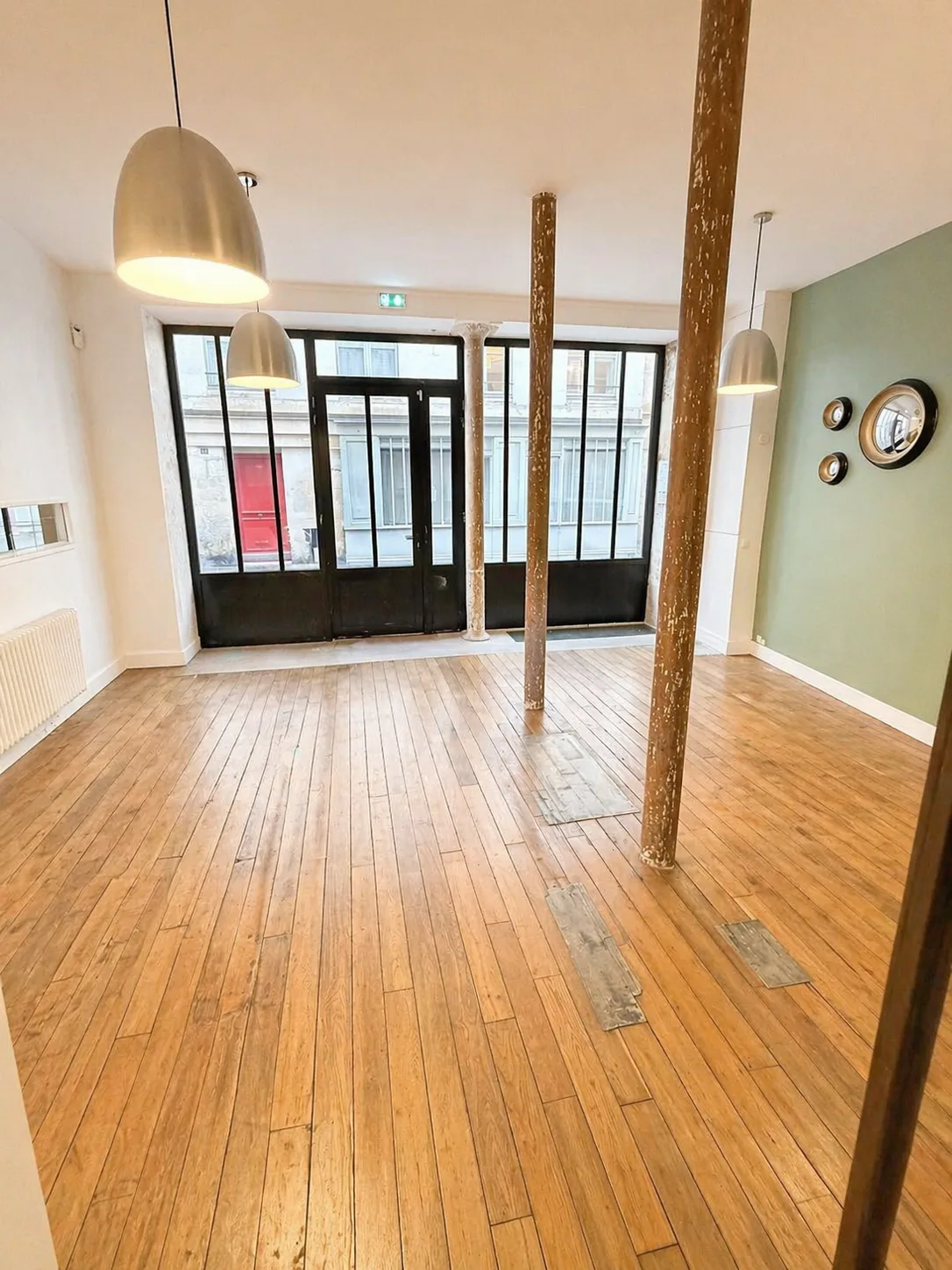
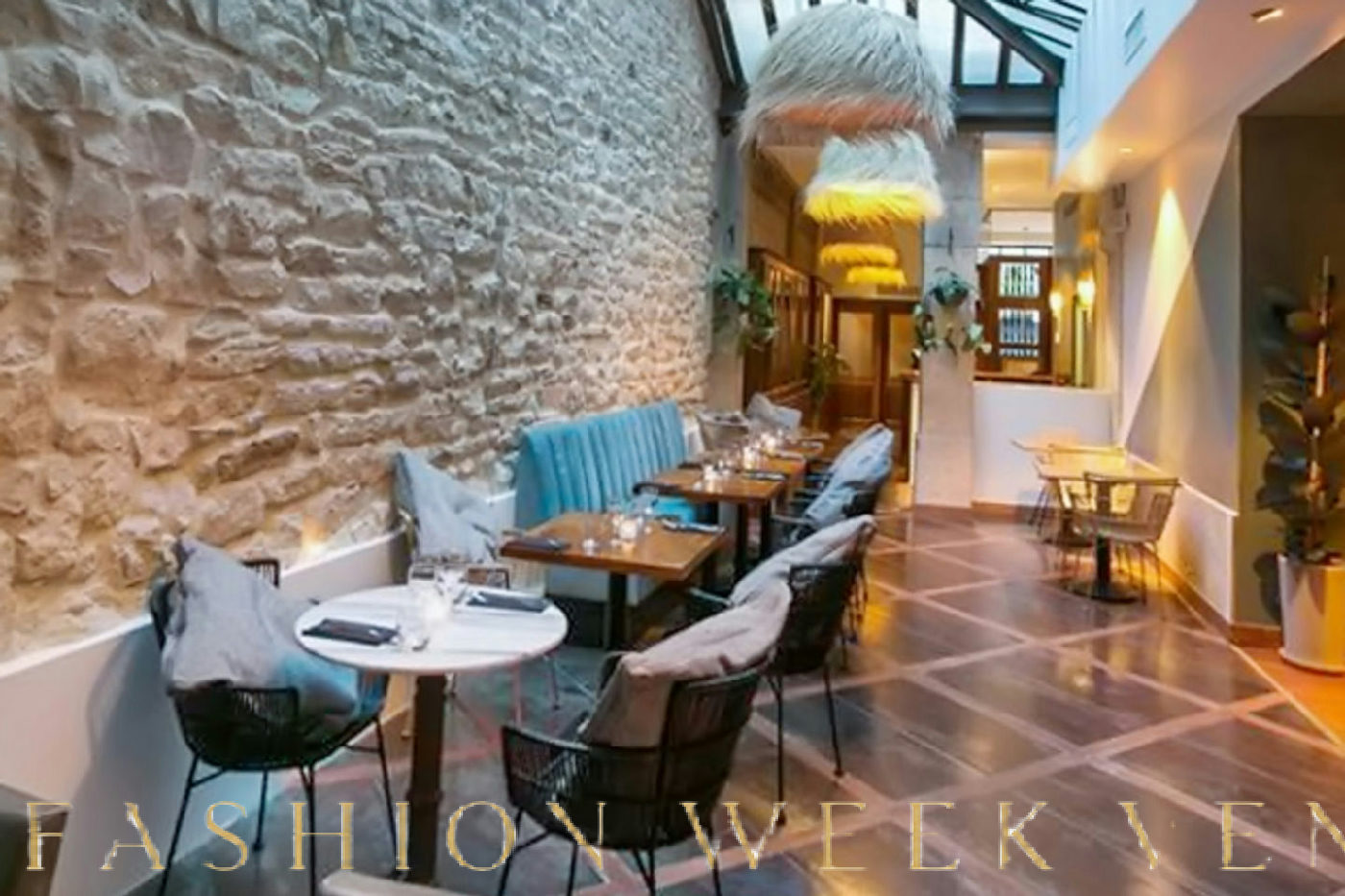
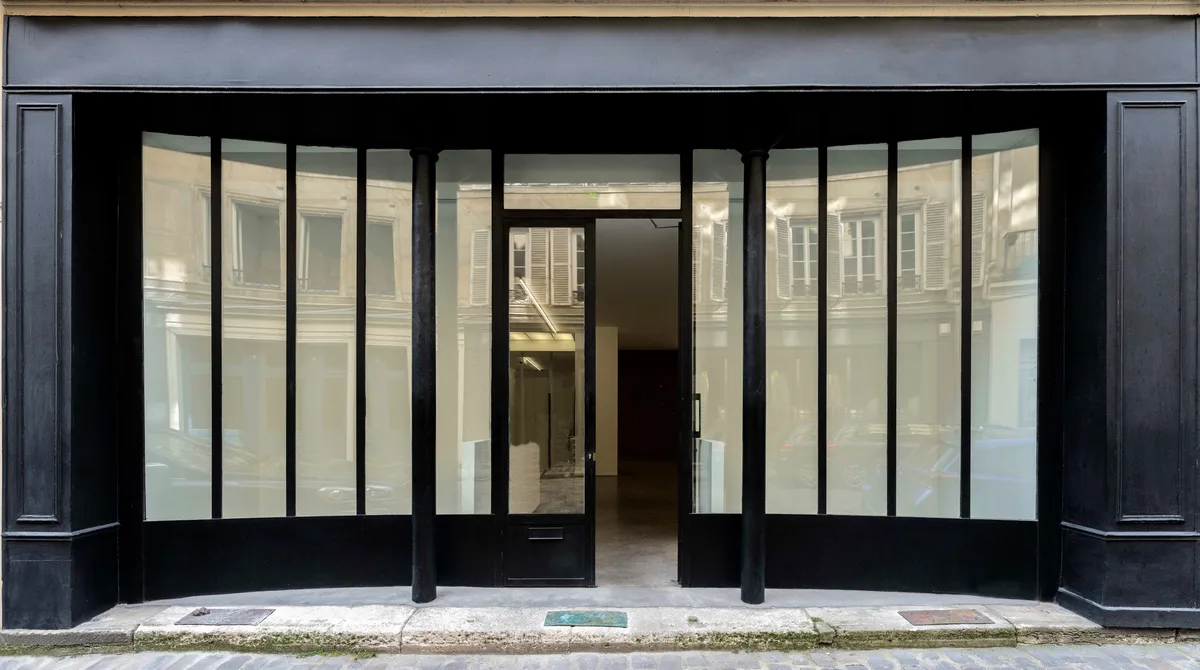
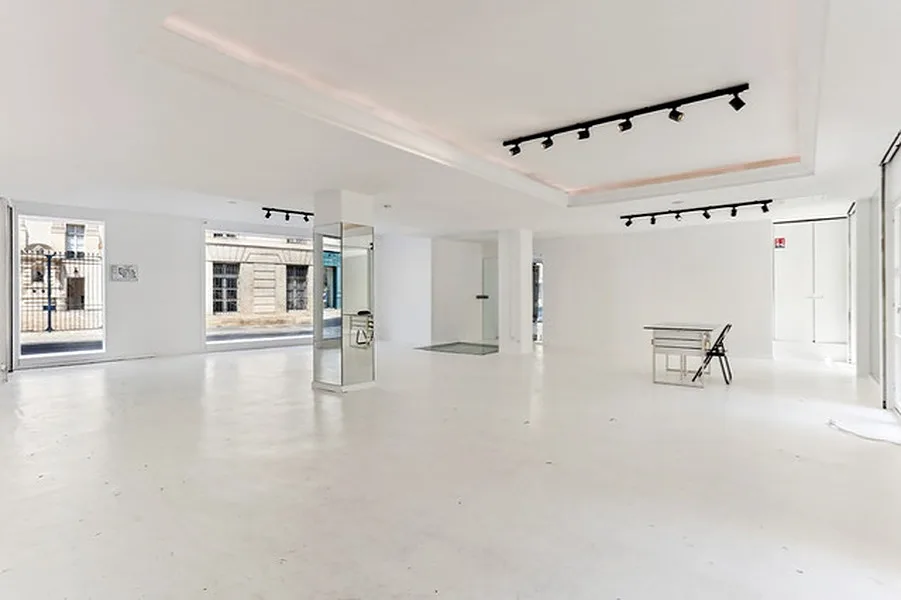
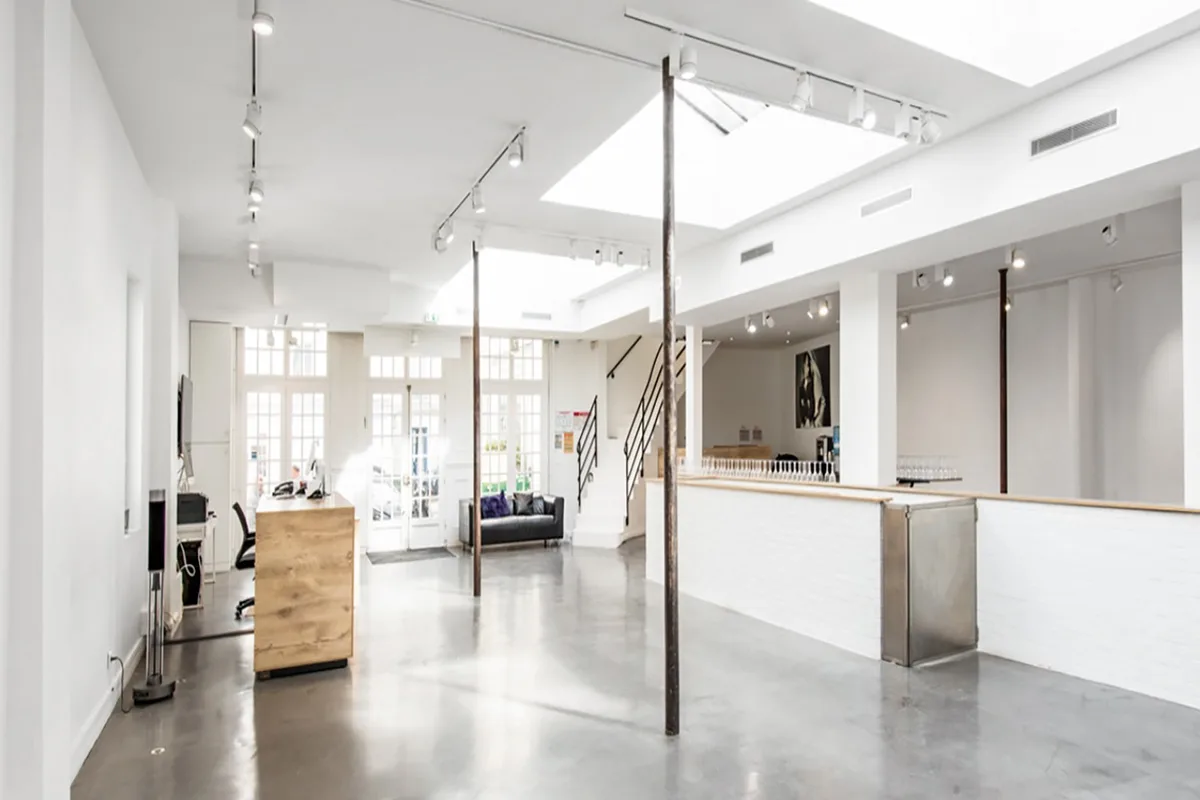
Finding the right boutique for rent in Le Marais is one of the most consequential decisions a fashion brand, independent retailer, or creative agency can make when entering the Paris market. Le Marais is not simply a fashionable arrondissement. It is the epicentre of Parisian retail culture, a neighbourhood where global luxury houses, emerging designers, and independent concept stores coexist within some of the most architecturally striking commercial spaces in Europe. Whether you are planning a short-term pop-up store, a Fashion Week showroom, or a temporary retail activation spanning several weeks, Le Marais offers density of foot traffic, cultural credibility, and visual character that very few neighbourhoods in any city can match. Fashion Week Venues supports brands seeking pop-up spaces and commercial venues across Paris, with Le Marais as one of its most active and in-demand territories.
Why Le Marais Is the Most Strategic Neighbourhood for Pop-Up Retail in Paris
Quick answer: Le Marais combines exceptional foot traffic, a culturally engaged shopper profile, world-class architectural backdrops, and a dense network of fashion boutiques, galleries, and concept stores that make it the most commercially viable neighbourhood in Paris for short-term retail activations, brand pop-ups, and Fashion Week showrooms.
Le Marais spans parts of the 3rd and 4th arrondissements of Paris and has evolved over several decades from a historic Jewish quarter and LGBTQ+ community hub into one of the most visited retail destinations in the city. The neighbourhood draws an unusual combination of international tourists, Parisian residents, fashion buyers, press, and cultural visitors who come specifically to discover new brands and experiences. This concentration of discovery-minded shoppers is precisely what makes it so valuable for brands launching a pop-up store or running a limited-time activation.
The commercial streets of Le Marais are among the most recognisable in Parisian retail geography. Rue des Francs-Bourgeois is lined with international and independent fashion boutiques and draws some of the highest foot traffic of any pedestrian retail street in Paris on weekends. Rue de Bretagne serves the Haut-Marais community with a more curated, neighbourhood feel anchored by the Marché des Enfants Rouges, the oldest covered market in Paris. Rue des Rosiers carries the cultural weight of the historic Jewish quarter while attracting significant tourist and local footfall. Rue de Turenne and Espace Turenne serve as natural corridors between the fashion boutique cluster of the lower Marais and the emerging creative studios of the upper Marais.
Beyond the shopping streets, the neighbourhood is defined by an extraordinary density of cultural institutions. The Musée Carnavalet traces the history of Paris itself. The Musée Picasso on Rue de Thorigny draws art visitors year-round. The Centre Pompidou sits at the western edge of the neighbourhood and funnels significant cultural foot traffic through streets that also contain retail spaces and gallery storefronts. Place des Vosges, the oldest planned square in Paris, provides a backdrop of arcaded boutiques, fine dining, and art galleries that is virtually unmatched in European retail real estate. The Seine runs along the southern edge of the 4th arrondissement, and proximity to landmarks such as Notre Dame ensures that the lower Marais benefits from tourist flows that extend well beyond pure fashion shoppers.
For brands considering where to place a temporary retail space, this combination of cultural magnetism, architectural grandeur, and diverse shopper profiles creates a commercial environment that is difficult to replicate anywhere else in France. The neighbourhood's association with fashion, design, beauty, and independent retail also means that shoppers arrive with intent. They expect to discover something new, which is precisely the dynamic that successful pop-up stores and brand activations are designed to exploit.
DID YOU KNOW: Le Marais is consistently ranked among the top five most visited retail neighbourhoods in Europe, with foot traffic on key shopping streets reaching thousands of pedestrians per hour during peak weekend periods and Fashion Week calendar windows.
The neighbourhood also benefits from exceptional transport connectivity. Multiple Metro lines serve the area, including lines 1, 8, 11, and several RER connections, making it accessible from all major Paris arrondissements, airports, and the Eurostar terminal at Gare du Nord. This accessibility matters significantly for brands hosting press days, buyer appointments, influencer events, and product launches where guests may be arriving from multiple points across the city.
KEY TAKEAWAY: Le Marais is not simply a prestigious address. It is a commercially active, culturally layered, and logistically accessible neighbourhood that delivers a uniquely high-quality audience for brands investing in temporary retail, showroom, or pop-up space in Paris. Its streets, landmarks, and shopper profile make it the first choice for fashion brands, designers, and creative agencies planning a Paris activation.
Understanding why Le Marais works for retail is only the first step. The next decision is understanding what types of spaces are actually available and which format best serves your brand's objectives.
Types of Commercial Space Available for Short-Term Rental in Le Marais
Quick answer: Le Marais offers a wide spectrum of short-term commercial spaces including storefronts, lofts, art galleries, fashion showrooms, concept store units, and residential-commercial hybrids. The right space type depends on your activation format, brand profile, floor area requirements, natural light priorities, and the specific streets most relevant to your target customer.
The diversity of physical space types in Le Marais is one of its defining commercial advantages. Unlike purpose-built retail districts, Le Marais evolved organically over centuries within Haussmannian and pre-Haussmannian building stock. The result is a neighbourhood where a 17th-century stone-vaulted cellar sits adjacent to an open-plan loft with floor-to-ceiling glazing, and where a boutique on the ground floor of a Parisian hôtel particulier shares a building with a designer showroom above it. This architectural variety creates genuine differentiation for brands seeking a space that reflects their identity.
Storefronts and Boutiques
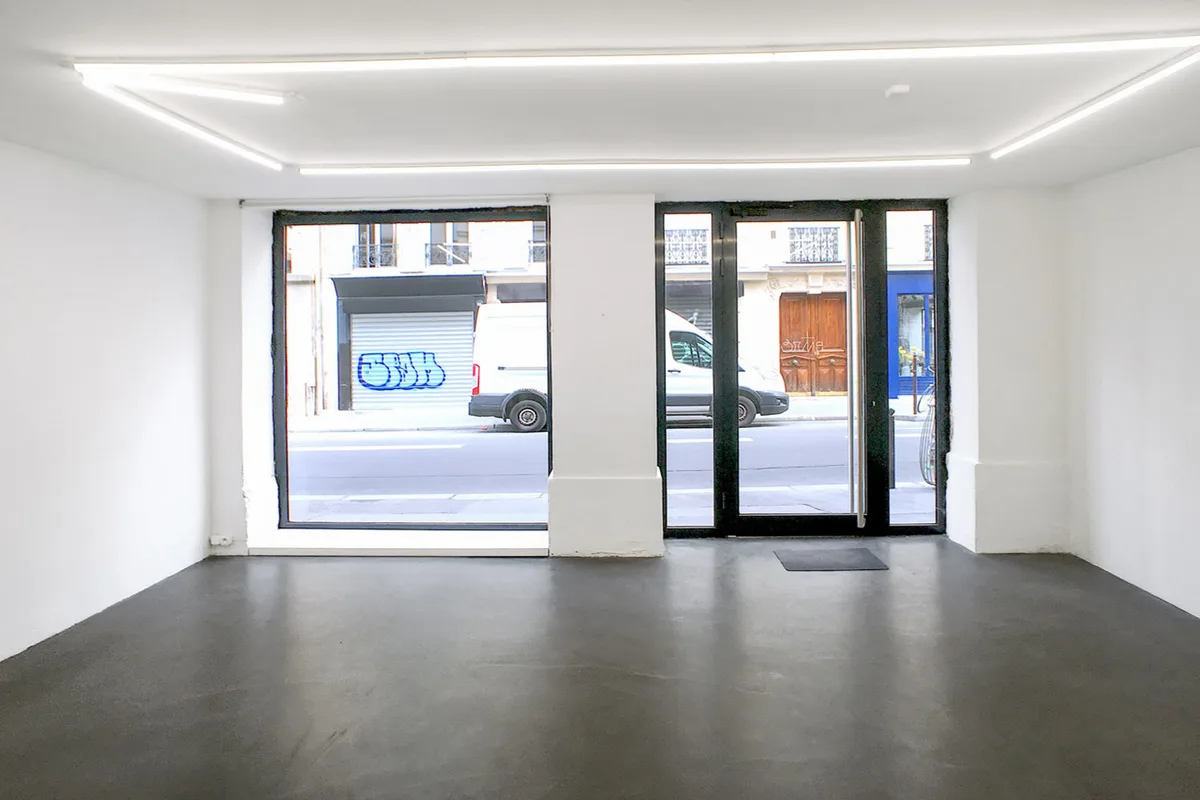
The classic Parisian storefront in Le Marais typically occupies the ground floor of a stone building with a shopfront window display, a retail floor area ranging from small boutique scale to larger multi-room configurations, and in many cases direct access from a named shopping street. Storefronts on Rue des Francs-Bourgeois, Rue de Rivoli, and Rue Saint-Antoine carry the highest foot traffic and therefore the most competitive short-term rental demand. Storefronts described as charming boutique configurations often feature period architectural details including curlicued windows, cobbled entry passages, exposed timber beams, and stone walls that provide immediate visual character for brand photography and influencer content creation.
Lofts and Open-Plan Commercial Spaces
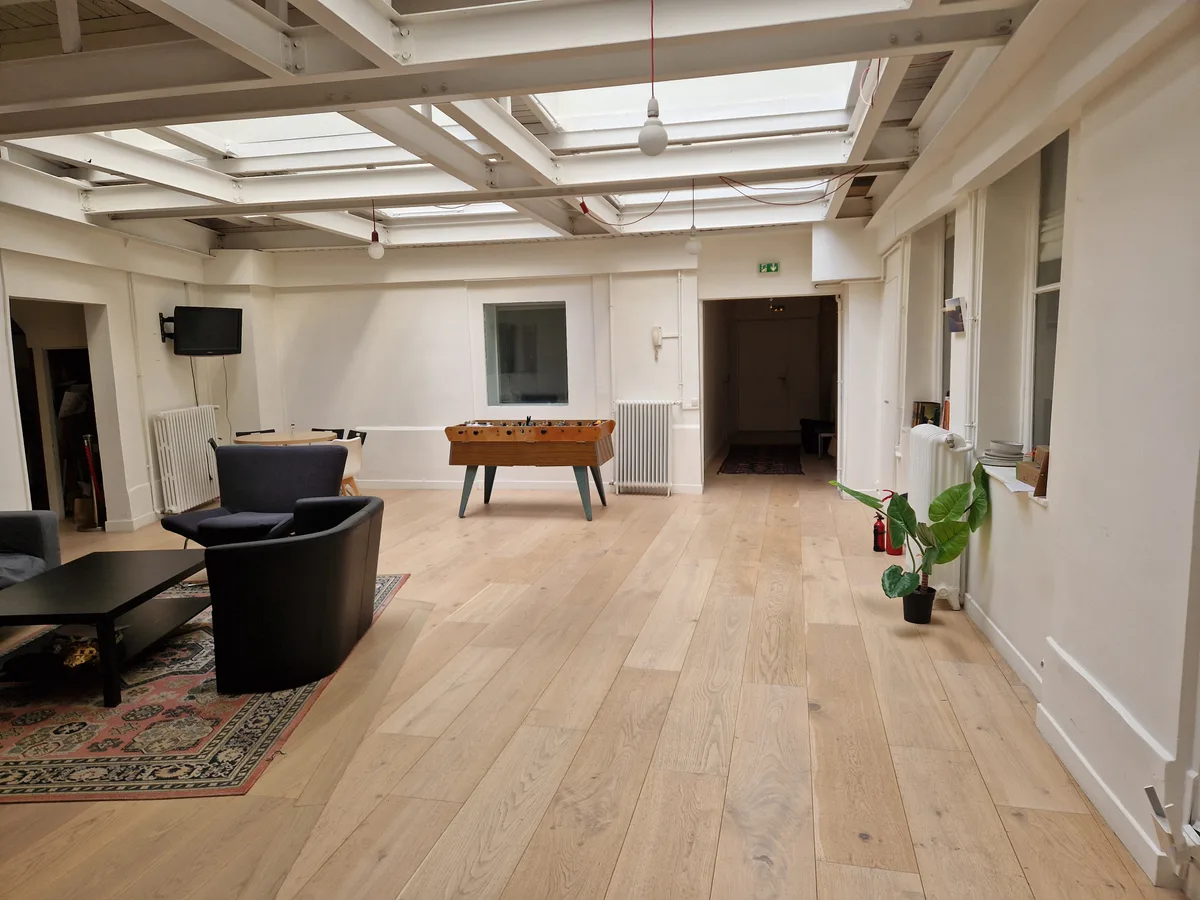
Haut-Marais, centred around Rue de Bretagne, Rue des Gravilliers, Rue des Archives, and the streets running north toward Oberkampf and République, contains a significant number of open-plan loft spaces that were historically used as workshops and artisan studios. These spaces often feature generous ceiling heights, natural light from large industrial windows, polished concrete or wooden floors, and the kind of spatial flexibility that works equally well for a pop-up retail floor, a fashion showroom, a product launch event, or a combined retail and press day space. Loft spaces in this zone are particularly attractive to contemporary fashion brands, beauty concepts, and lifestyle labels seeking a space that feels creative rather than conventionally commercial.
Art Galleries and Galeries d'Art
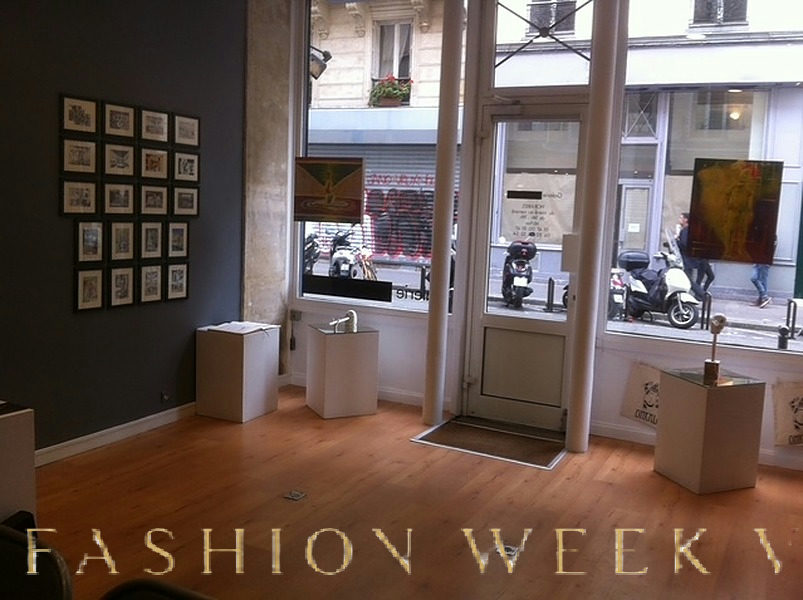
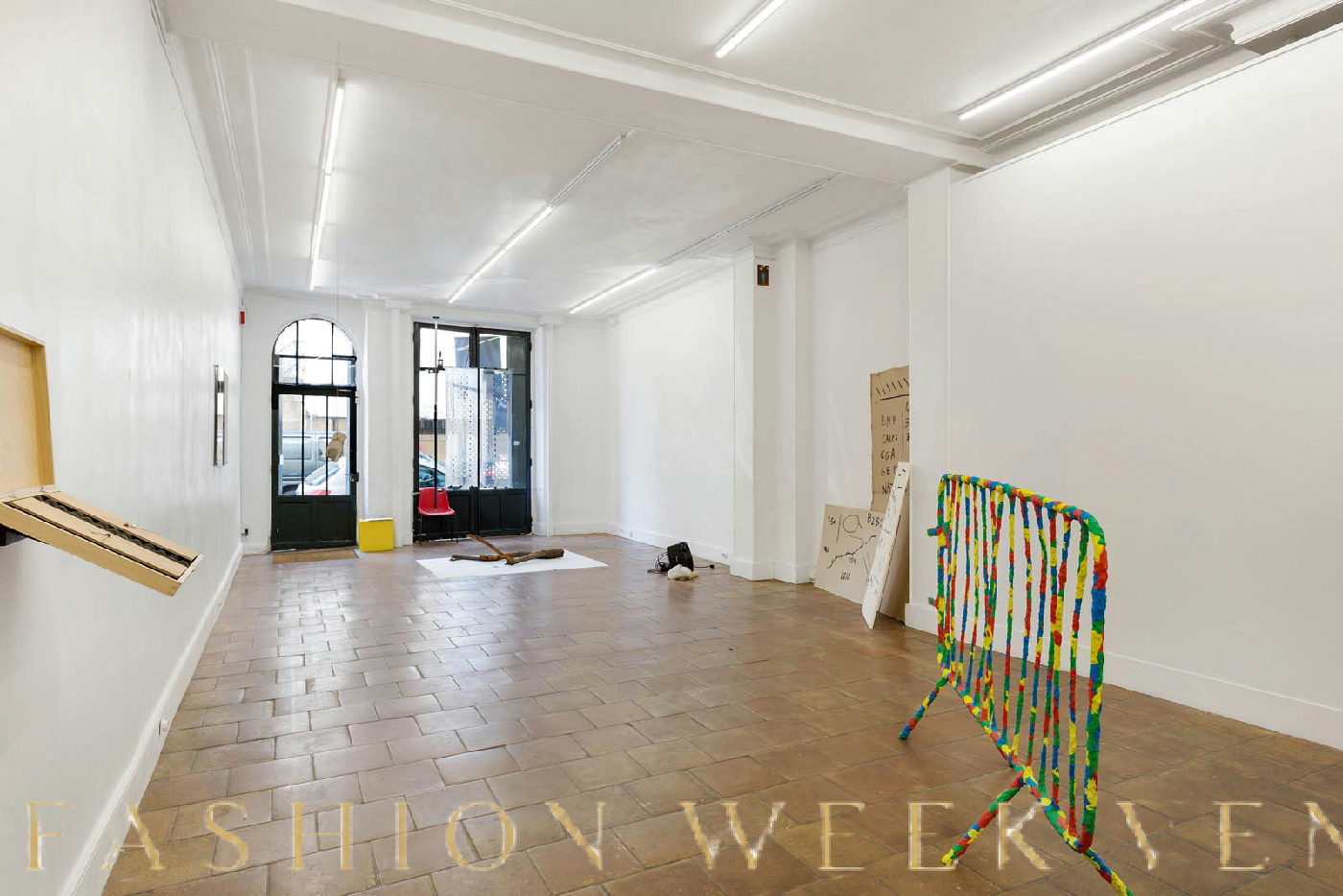
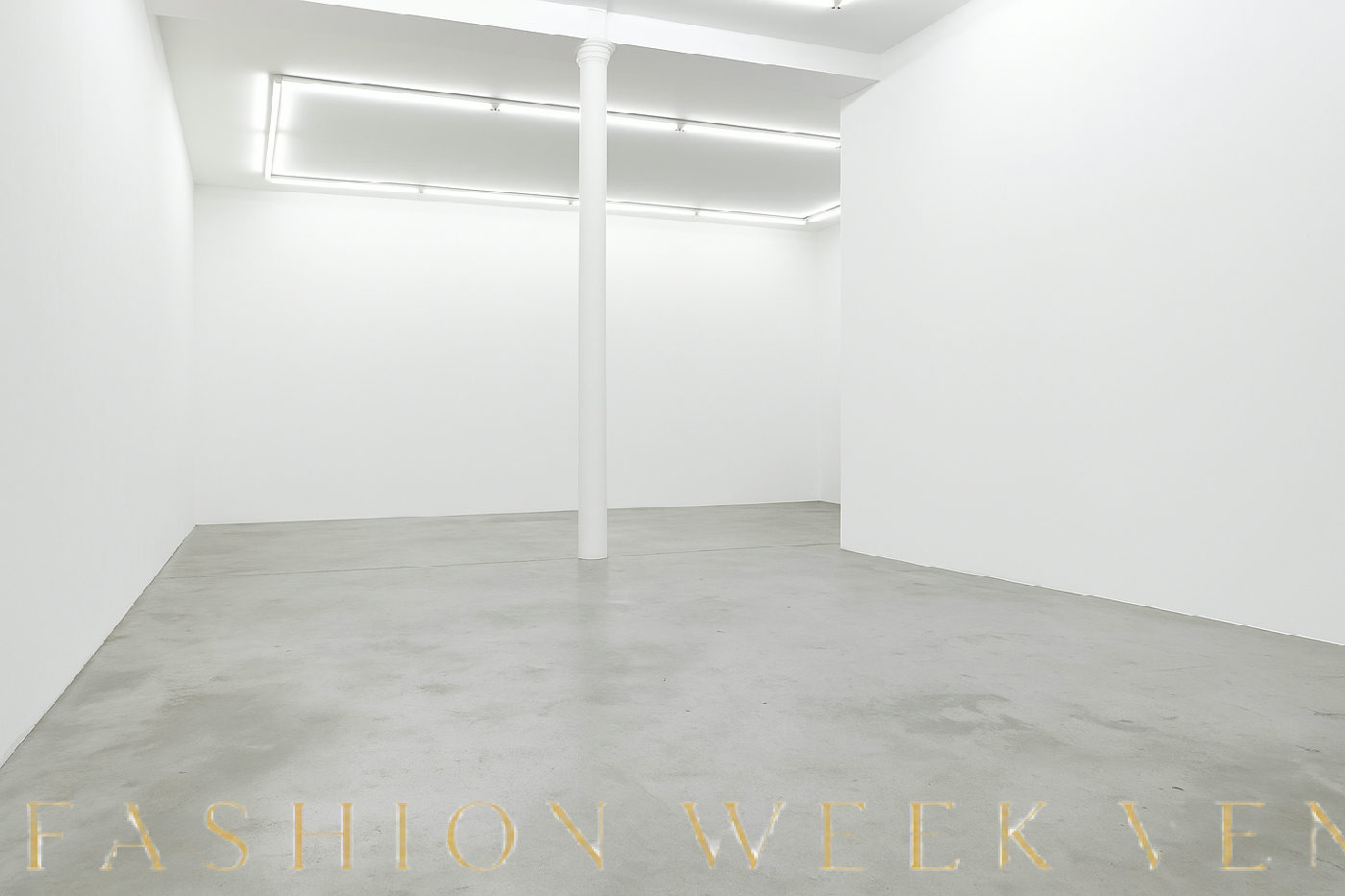
Le Marais has one of the highest concentrations of commercial art galleries in Paris, particularly in the streets around Rue du Roi de Sicile, Rue des Archives, and Rue du Grand Veneur. Many of these gallery spaces are available for short-term hire during periods between exhibitions, and their white-wall configurations, specialist lighting, and curated aesthetic make them compelling options for fashion brands seeking a high-design backdrop. A galerie d'art rental in Le Marais positions a brand within an art-world context that is particularly effective for luxury, designer, and collector-market activations.
Fashion Showrooms
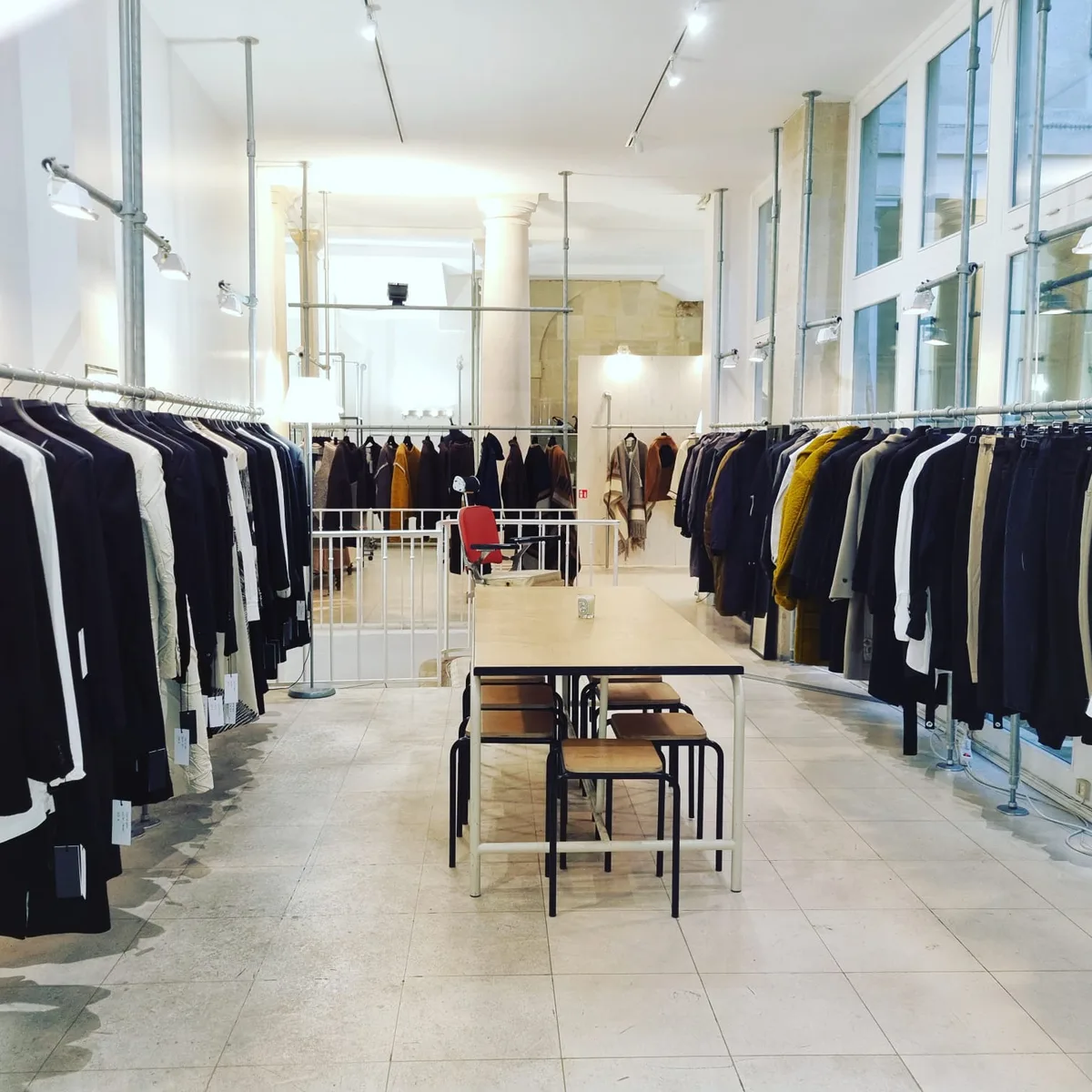
The fashion showroom format is distinct from pure retail. A showroom in Le Marais is typically a furnished, appointment-based space used for press previews, buyer meetings, wholesale appointments, and brand presentations rather than direct-to-consumer sales. Fashion showrooms in Le Marais are frequently found in upper-floor apartments within historic buildings, providing a salon-style environment that references the tradition of the Parisian maison de couture. These spaces often include furnished reception areas, dressing rooms or fitting areas, natural light from tall windows, and the kind of discreet residential-commercial character that suits luxury and contemporary designer brands.
Mixed-Use and Hybrid Spaces
A distinctive feature of the Le Marais market is the availability of residential-commercial hybrid spaces, sometimes described as pied-à-terre configurations with commercial ground floors, or as fully furnished rentals that can serve both a brand activation during the day and a hospitality function in the evenings. These spaces are particularly useful for brands whose Paris activation involves hosting clients, press, or VIP guests, and for whom a single space serving multiple functions reduces the overall cost and logistical complexity of the visit.
| Space Type | Best For | Typical Location in Le Marais | Key Features |
|---|---|---|---|
| Storefront Boutique | Direct retail, product launch, pop-up shop | Rue des Francs-Bourgeois, Rue de Rivoli, Rue Saint-Antoine | Street visibility, shopfront window, walk-in customer access |
| Open-Plan Loft | Fashion activations, events, brand immersion | Haut-Marais, Rue des Gravilliers, near Oberkampf | High ceilings, natural light, flexible layout |
| Art Gallery | Luxury launches, art-adjacent brand activations | Rue du Roi de Sicile, Rue du Grand Veneur, Rue des Archives | White walls, specialist lighting, curatorial prestige |
| Fashion Showroom | Buyer appointments, press days, wholesale | Upper-floor apartments across the 3rd and 4th | Furnished, intimate, appointment-based access |
| Hybrid Residential-Commercial | Multi-function brand stays, VIP hosting | Throughout Le Marais | Kitchen, bathrooms, living areas, commercial flex space |
KEY TAKEAWAY: The variety of commercial space types in Le Marais means that brands must think carefully about format before searching. A storefront optimised for walk-in retail traffic serves a fundamentally different purpose from a showroom configured for appointment-based buyer engagement, and each type commands different rental dynamics, fit-out requirements, and permit considerations.
Once you have identified the right space type, the next critical consideration is the rental structure and the legal framework that governs short-term commercial occupancy in France.
Understanding Short-Term Commercial Rental Terms and Legal Frameworks in Le Marais
Quick answer: Short-term commercial space rental in Le Marais typically operates under either a bail dérogatoire, a convention d'occupation précaire, or an autorisation d'occupation temporaire, depending on the space type, duration, and intended use. These frameworks differ significantly from standard commercial leases and carry their own compliance requirements that brands must understand before signing.
France has a well-defined legal framework for commercial property, but short-term retail activations do not fit neatly within the standard nine-year commercial lease that governs most retail tenancies in the country. International brands and independent retailers planning a pop-up store, temporary retail space, or Fashion Week showroom in Le Marais must navigate a more specialised set of rental structures.
Bail Dérogatoire
The bail dérogatoire, sometimes called a short-term commercial lease, allows landlords and tenants to agree on occupancy periods of up to three years without triggering the protections and obligations of a standard commercial lease under French commercial law. This framework is the most commonly used structure for pop-up retail activations, temporary showrooms, and short-term brand tenancies in Le Marais. The bail dérogatoire must be explicitly agreed in writing by both parties before occupancy begins, and specific wording is required to ensure the derogation is legally valid. If the tenant remains in occupation after the agreed period without a new agreement, the tenancy can automatically convert to a standard commercial lease, which carries significantly different obligations for both parties.
Convention d'Occupation Précaire
The convention d'occupation précaire is used when the temporary nature of the occupancy is justified by circumstances that are external to the agreement itself, such as a pending sale of the property, a redevelopment plan, or a confirmed future use. This structure is less commonly encountered in straightforward short-term retail scenarios but may be relevant for spaces that are available only between longer tenancies or during a property transition period.
Autorisation d'Occupation Temporaire
For spaces on public land or within publicly managed properties, an autorisation d'occupation temporaire, or AOT, may govern the tenancy. This structure is most relevant for activations in public markets, covered passages, or spaces managed by the city of Paris or public institutions. The AOT is a permission rather than a lease and can be revoked under certain conditions, making it important for brands to understand its limitations before committing to a production or fit-out investment.
IMPORTANT: Rental and legal requirements for commercial space in France vary significantly depending on the space type, duration, arrondissement, and intended use. This guide provides a general orientation only. Brands should verify all legal and permit requirements with a qualified French legal advisor or a specialist agency with direct experience in the Paris short-term commercial market before entering into any agreement.
Permits are a separate consideration from the rental agreement itself. Depending on the nature of the activation, brands may need to obtain permissions for signage, external branding, music or sound, public-facing sales, or modifications to the space. The specific requirements vary by arrondissement and by the nature of the building. The Fashion Week Venues permit guidance tool provides orientation on permit categories relevant to Paris activations and can help brands identify which authorisations they need to investigate further.
Do You Need a French Legal Entity to Rent Commercial Space in Le Marais?
This is one of the most common points of confusion for international brands entering the Paris market. Many short-term commercial rental agreements in Le Marais can be entered into by foreign legal entities without requiring a registered French company, provided the agreement is structured correctly and the landlord or space operator is willing to work with international parties. However, this is not universally the case, and some landlords require a French guarantor or a French-registered entity. Working with a specialist agency that has established relationships with space operators in Le Marais significantly reduces the friction involved in securing a space as an international brand.
KEY TAKEAWAY: The legal framework for short-term commercial rentals in France is specific, structured, and distinct from both residential rental law and standard commercial lease law. Brands that approach a Le Marais boutique rental without understanding the bail dérogatoire framework, permit requirements, and international entity considerations risk delays, compliance issues, and costly misunderstandings. Specialist guidance is not optional; it is a material part of the activation budget and timeline.
With the legal framework understood, the next question for most brand teams is what a short-term commercial space in Le Marais actually costs and how to build a realistic budget.
Budgeting for a Boutique or Pop-Up Store Rental in Le Marais
Quick answer: Rental costs for short-term commercial space in Le Marais vary significantly based on street location, space size, duration, fit-out level, and seasonal demand. Fashion Week calendar windows command a significant premium over off-peak periods. Brands should approach budgeting holistically, accounting for rent, fit-out, staffing, permits, production, and operational costs as integrated line items rather than treating the space rental as the only cost variable.
Le Marais is among the most expensive short-term retail markets in Paris, and Paris is among the most expensive short-term retail markets in Europe. This pricing reflects genuine commercial value: the neighbourhood delivers foot traffic, cultural credibility, and brand association that justify a premium over lower-cost areas. However, brands entering the Le Marais market without a structured budget are consistently surprised by the total cost of a successful activation.
Key Cost Variables
The rental rate for a boutique or pop-up space in Le Marais is influenced by several intersecting factors. Location within the neighbourhood is the single most significant driver, with spaces on Rue des Francs-Bourgeois, Rue de Rivoli, and the streets immediately surrounding Place des Vosges commanding the highest rates. Space size measured in square metres is the second major variable, with smaller boutique-format spaces being proportionally more accessible for shorter activations. The duration of the rental also affects the effective daily or weekly rate, with longer activations sometimes attracting more favourable per-day pricing from landlords who value reduced vacancy exposure. Seasonal timing is a critical variable. Fashion Week calendar windows for Paris Fashion Week, which take place in both January and February for Haute Couture and Menswear, and in September and October for ready-to-wear, represent peak demand periods when rental rates for the most desirable spaces can increase substantially. Brands that can be flexible about which calendar window they target, or who can activate in the weeks adjacent to Fashion Week rather than during the peak dates themselves, may find more availability and more negotiable pricing.
Beyond the Rent: Total Activation Cost
The space rental itself is rarely the largest line item in a well-structured pop-up activation budget. Fit-out and production costs, which cover the design, construction, and installation of the branded interior, frequently represent a significant portion of the total investment. Staffing, including retail floor staff, brand ambassadors, and security, adds a recurring daily cost for the duration of the activation. Permits, insurance, and compliance costs are non-negotiable and must be accounted for from the outset. Marketing and influencer activity, furniture rental, point-of-sale technology, and logistics for product delivery and storage all contribute to the total investment required to deliver a high-quality activation.
Brands can use the Fashion Week Venues budget estimation tool to build a more complete picture of total activation costs based on their specific space type, duration, and service requirements. This tool provides directional estimates rather than guaranteed pricing, but it is a practical starting point for building a realistic brief and internal business case.
| Cost Category | Notes | Varies By |
|---|---|---|
| Space Rental | Highest cost driver in peak periods | Location, size, duration, season |
| Fit-Out and Production | Often equals or exceeds space rental | Design complexity, materials, build time |
| Retail Staffing | Daily recurring cost per activation day | Staff count, hours, language requirements |
| Permits and Compliance | Non-negotiable, varies by arrondissement | Space type, duration, signage, sales format |
| Furniture Rental | Often bundled with production services | Item count, style, duration |
| Marketing and Influencer Activity | Variable, but increasingly essential for ROI | Brand objectives, Paris influencer network |
| Insurance | Required by most landlords | Space value, stock value, activity type |
TIP: Brands that plan their Le Marais activation at least three to four months in advance significantly increase their chances of securing a preferred space at a more negotiable rate, particularly for Fashion Week calendar windows where the most sought-after storefronts are reserved well ahead of the event dates.
KEY TAKEAWAY: Budgeting for a boutique or pop-up space in Le Marais requires a total-cost perspective that accounts for all activation line items, not just the rental rate. The most successful brand activations in Le Marais are those where the budget has been built from a clear brief, a realistic timeline, and an honest assessment of the production, staffing, and compliance costs required to execute at the standard the neighbourhood demands.
To compare neighbourhoods and space types, explore the Paris city hub on Fashion Week Venues and shortlist spaces that match your brief, budget, and calendar window.
The Best Streets and Micro-Neighbourhoods in Le Marais for Brand Activations
Quick answer: Each street and micro-neighbourhood within Le Marais serves a different commercial purpose, customer profile, and brand positioning. Understanding this internal geography is essential for matching your space to your target audience and activation objectives.
Le Marais is not a single commercial zone. It is a collection of distinct micro-neighbourhoods, each with its own retail character, customer demographic, and strategic positioning. Brands that choose a space based purely on the Le Marais address without considering the specific street and sub-zone risk placing themselves in front of the wrong audience or in a location that underdelivers on foot traffic during their activation window.
Rue des Francs-Bourgeois
This is the primary retail spine of Le Marais and one of the most commercially active pedestrian streets in Paris. It runs east-west through the heart of the neighbourhood and is flanked by a mix of international fashion brands, independent designers, accessories boutiques, and concept stores. Foot traffic on this street reaches its peak on weekends and during Fashion Week, and a storefront here delivers maximum visibility for direct-to-consumer pop-up retail. The trade-off is that spaces on this street are the most competitive and typically command the highest short-term rental premiums.
Rue de Bretagne and Haut-Marais
The Haut-Marais, centred around Rue de Bretagne, has developed over the past decade into one of the most creatively credible retail zones in Paris. The Marché des Enfants Rouges anchors this micro-neighbourhood with a permanent food and lifestyle market that draws a local, discerning, and neighbourhood-loyal customer base. The surrounding streets, including Rue des Gravilliers and Rue des Archives, contain a concentration of independent designers, concept stores, and loft-style commercial spaces that are particularly suited to contemporary fashion brands, lifestyle labels, and creative studios seeking a more curated, less touristy positioning than the lower Marais provides.
Rue de Turenne and Espace Turenne
Rue de Turenne serves as a key corridor connecting the lower and upper Marais and is home to a mix of fashion boutiques, interior design showrooms, and studio spaces. Espace Turenne, a specific commercial complex on this street, is a well-known destination for fashion-adjacent brands and offers a range of commercial formats within a single managed environment. This zone is particularly effective for fashion showrooms and brand presentations targeting buyers and press who are navigating the neighbourhood during Fashion Week.
Place des Vosges and Its Arcades
Place des Vosges is the oldest planned square in Paris and one of the most architecturally striking commercial settings in Europe. The arcaded ground-floor commercial spaces surrounding the square house art galleries, antique dealers, fine jewellery boutiques, and a small number of luxury retail concepts. The foot traffic here is a mix of high-income tourists, cultural visitors, and Parisian residents from the surrounding arrondissements. Brands seeking an exceptionally prestigious and visually distinctive short-term space will find Place des Vosges compelling, though availability is limited and rental terms reflect the location's rarity.
Rue des Rosiers
Rue des Rosiers is the historic heart of Le Marais's Jewish quarter and one of the most visited streets in the neighbourhood by international tourists. The street is characterised by a mix of food, culture, fashion, and lifestyle retail, with a strong identity rooted in the neighbourhood's cultural heritage. Pop-up stores and short-term activations on this street benefit from very high tourist foot traffic and strong social media visibility, making it particularly effective for brands targeting an international consumer.
Rue Saint-Antoine and Boulevard Henri IV
These broader arteries at the southern edge of the 4th arrondissement serve as major transit routes through the neighbourhood and contain a mix of commercial formats ranging from neighbourhood retail to larger footprint spaces. Proximity to the Seine, Notre Dame, and the Île Saint-Louis means that foot traffic here includes significant tourist volumes, and brands can access a wider consumer catchment than on the more fashion-specific internal streets of Le Marais.
KEY TAKEAWAY: The right street within Le Marais depends entirely on your brand's target customer, desired atmosphere, and activation format. High-volume direct retail favours Rue des Francs-Bourgeois and Rue des Rosiers. Creative and contemporary brand activations align better with Haut-Marais. Luxury and prestige concepts find their natural home around Place des Vosges and the gallery streets. Showroom and trade-facing activations suit Rue de Turenne and the adjacent commercial corridors.
Understanding the micro-geography of Le Marais is the foundation for a successful brief. The next step is understanding how to actually find and secure the right space.
How to Find and Secure a Short-Term Boutique or Pop-Up Space in Le Marais
Quick answer: Finding short-term commercial space in Le Marais requires a structured approach that combines marketplace research, direct landlord contact, specialist agency support, and an understanding of how availability, timing, and compliance interact. Commission-only brokers are not the only route, and dedicated pop-up space agencies and marketplace platforms have significantly democratised access to short-term retail space in the neighbourhood.
The Le Marais commercial property market is not a single transparent marketplace. It is a fragmented ecosystem of private landlords, property managers, commercial agents, pop-up space operators, and short-term rental platforms, each with different inventory, pricing structures, and service levels. International brands and independent retailers who are unfamiliar with this ecosystem often struggle to identify the right spaces, negotiate appropriate terms, or navigate the compliance requirements that apply to commercial occupancy in Paris.
Using a Marketplace Platform
Dedicated pop-up space marketplace platforms aggregate listings from multiple landlords and space operators in Le Marais and across Paris, making it possible to browse, compare, and enquire about short-term commercial spaces from a single interface. The Fashion Week Venues space marketplace provides access to a curated inventory of pop-up stores, showrooms, galleries, and commercial spaces in Le Marais and other Paris arrondissements. Marketplace browsing allows brands to filter by space type, size, location, availability dates, and key features such as natural light, street-level visibility, fit-out condition, and access format before making direct contact with a space.
Working With a Full-Service Agency
For brands that need more than a space rental and require end-to-end support for concept development, fit-out, staffing, and activation management, a full-service agency is the appropriate route. A specialist agency with direct experience in the Le Marais market will typically have access to spaces that are not publicly listed, established relationships with landlords and space operators that reduce friction in the negotiation process, and the operational expertise to manage the full activation lifecycle from brief to close. The trade-off is that agency-managed activations carry higher total costs than self-managed space rentals, but the reduction in logistical risk and the quality of execution typically justifies the investment for brands with significant reputational stakes in their Paris presence.
Direct Landlord Contact
Some brands and retailers with prior Paris experience and existing local networks prefer to approach landlords directly. This can reduce costs in some cases but requires knowledge of French commercial lease law, permit requirements, and negotiation norms that are not intuitive for international parties. Direct contact also does not guarantee access to the best spaces, as the most sought-after boutiques and storefronts in Le Marais are often managed by agents or operators who do not actively market availability publicly.
| Route to Market | Best For | Advantages | Limitations |
|---|---|---|---|
| Marketplace Platform | Brands doing independent research | Wide inventory, transparent listings, comparison tools | May require additional support for compliance and fit-out |
| Full-Service Agency | Brands needing end-to-end delivery | Access to unlisted spaces, managed process, lower risk | Higher total cost, less direct control |
| Direct Landlord Contact | Experienced operators with local networks | Potentially lower cost, direct negotiation | Requires legal knowledge, may miss best spaces |
| Commission Broker | One-off transactions with limited scope | Access to some unlisted properties | Limited service beyond introduction, commission-dependent |
TIP: When viewing spaces in Le Marais, always check the condition of the floor, the natural light at different times of day, the loading access for product delivery, the bathroom facilities, the kitchen provisions if relevant, and the technical infrastructure including power capacity, connectivity, and climate control before committing to any agreement.
KEY TAKEAWAY: The most effective route to securing a boutique or pop-up space in Le Marais depends on your team's experience, budget, timeline, and the scope of services you need beyond the physical space. Marketplace platforms work well for research and discovery. A full-service agency reduces delivery risk and provides access to better spaces. Commission brokers should not be assumed to be the only or best option.
Once a space is secured, the focus shifts to how Fashion Week Venues can support the full activation journey from concept through to close.
How Fashion Week Venues Supports Brands Renting Boutique and Pop-Up Space in Le Marais
Fashion Week Venues operates as a full-service pop-up shop agency and space marketplace with Paris as its primary anchor market. For brands planning a boutique rental, showroom activation, or temporary retail space in Le Marais, Fashion Week Venues provides a range of services and tools that address each stage of the activation process, from initial space discovery through to post-activation performance analysis.
The agency's venue sourcing service covers the identification, vetting, and negotiation of short-term commercial spaces in Le Marais and across Paris. This includes access to spaces that are not publicly listed and support for navigating the compliance and permit requirements that apply to commercial occupancy in the city. Venue sourcing is the starting point for most brand engagements and involves an initial brief, a curated shortlist of spaces matched to the brand's requirements, and supported viewings.
Beyond sourcing, Fashion Week Venues offers concept and creative direction for brands that need help developing the physical and experiential concept for their Le Marais activation. This service is particularly relevant for brands that have a strong product offer but need support translating their identity into a compelling temporary retail environment. The agency's production and fit-out service manages the design, construction, installation, and de-rig of branded interiors, working within the constraints of the specific space and the landlord's requirements for reinstatement.
Operational support during the activation is provided through the agency's activation management service, which covers day-to-day operational oversight, issue resolution, and coordination between the brand team, the space, and any third-party suppliers. Staffing for the retail floor, including multilingual brand ambassadors, sales staff, and event support, is managed through the agency's retail staffing service, which is particularly valuable for international brands that do not have a Paris-based team.
For brands that want to understand the performance of their activation, the agency's data and analytics service provides visitor tracking, sales data integration, and post-activation reporting. The ROI calculator at fashionweekvenues.com/tools/roi allows brands to model expected returns against planned investment before committing to a space or an activation scope.
Fashion Week Venues also offers a twin co-activation concept through its twin programme, which allows two complementary brands to share a space, split costs, and combine audiences. This is particularly relevant for emerging brands and independent designers who want the Le Marais presence without the full cost of an exclusive space rental.
IMPORTANT: Fashion Week Venues provides guidance, support, and services to facilitate brand activations in Paris. The agency does not guarantee the availability of specific spaces, the approval of permits, or specific commercial outcomes. All space availability is subject to landlord confirmation, and permit requirements must be verified with the relevant French authorities.
KEY TAKEAWAY: Fashion Week Venues is best understood as a specialist partner that reduces the complexity, risk, and execution burden of a Le Marais brand activation for international fashion brands, designers, beauty labels, and creative agencies. The agency's combination of marketplace access, agency services, and digital tools makes it a comprehensive resource for brands at any stage of the planning process.
The Cultural Identity of Le Marais and Why It Matters for Brand Positioning
Quick answer: Le Marais is one of the most culturally layered and identity-rich neighbourhoods in Paris, and the cultural associations of the area directly influence how brands that activate there are perceived by consumers, press, and the fashion industry. Choosing Le Marais as the location for a pop-up or showroom is itself a positioning statement.
The cultural identity of Le Marais is inseparable from its commercial value. The neighbourhood's history as Paris's historic Jewish quarter, centred on Rue des Rosiers, gives it a depth of cultural meaning that extends far beyond its current status as a fashion and lifestyle destination. The LGBTQ+ community has had a significant and enduring presence in Le Marais since the 1980s, and the neighbourhood remains one of the most welcoming and inclusive urban spaces in France. This cultural openness is reflected in the mix of brands, concepts, and consumers that the neighbourhood attracts, and it creates a commercial environment that is genuinely diverse in ways that more homogeneous luxury districts are not.
The Musée Carnavalet, dedicated to the history of Paris, and the Musée Picasso, housing one of the world's most significant collections of 20th-century art, both sit within Le Marais and draw cultural visitors who combine museum visits with retail exploration. The Centre Pompidou, at the neighbourhood's western edge, is one of the most visited cultural institutions in France and generates significant foot traffic into the adjacent streets. For brands whose identity is rooted in art, design, culture, or creative expression, proximity to these institutions is not merely convenient. It is commercially and symbolically meaningful.
The neighbourhood's architecture also contributes to its cultural capital. The hôtels particuliers of the Marais, grand private mansions built primarily in the 16th and 17th centuries, provide the physical canvas for many of the neighbourhood's most prestigious commercial spaces. Cobbled entry courtyards, stone vaulted ceilings, exposed timber frames, and curlicued stone window surrounds are architectural features that appear frequently in Le Marais boutiques and showrooms, and they provide an immediate visual differentiation from purpose-built retail environments that brands and their creative directors find consistently compelling for photography, content creation, and brand storytelling.
The neighbourhood's relationship with fashion is longstanding and evolving. Independent Parisian designers established studios and boutiques in Le Marais from the 1980s onwards as rents in Saint-Germain-des-Prés became prohibitive. International brands followed, drawn by the neighbourhood's growing visibility and the concentration of fashion-forward consumers it attracted. Today, Le Marais contains a remarkably dense network of fashion boutiques ranging from global luxury houses to emerging designer labels, creating a retail ecosystem that is both competitive and mutually reinforcing for brands that become part of it, even temporarily.
DID YOU KNOW: Le Marais was largely spared the Haussmann renovations that reshaped much of central Paris in the 19th century, which is why it retains such a distinctive pre-Haussmann architectural character that is unique within the city and highly valued by brands seeking spaces with genuine historical and visual character.
KEY TAKEAWAY: The cultural identity of Le Marais is not a backdrop to commercial activity. It is an active ingredient in the value of a brand activation there. Brands that understand and engage with the neighbourhood's cultural layers, its art institutions, its inclusive community, its architectural heritage, and its fashion history, consistently deliver more resonant and commercially effective activations than those that treat it as merely a prestigious postcode.
Planning Your Le Marais Pop-Up: A Step-by-Step Activation Workflow
Quick answer: A successful pop-up store or showroom activation in Le Marais requires a structured planning process that begins at least twelve weeks before the intended activation date for straightforward activations, and sixteen to twenty weeks ahead for Fashion Week calendar windows or complex multi-service productions.
Many brand teams underestimate the planning horizon required for a high-quality Le Marais pop-up. The most common failure mode is beginning the space search too late, which results in either paying a premium for whatever space is still available or accepting a space that does not match the brief. A structured workflow prevents this and ensures that each stage of the activation is properly resourced and sequenced.
| Stage | Action | Timing Before Activation | Key Output |
|---|---|---|---|
| 1. Brief Development | Define objectives, space type, budget, dates, team | 16 to 20 weeks | Written activation brief |
| 2. Market Research | Browse marketplace, review comparable activations | 14 to 16 weeks | Shortlist of space types and streets |
| 3. Space Sourcing | Contact agency or marketplace, request viewings | 12 to 14 weeks | Vetted space shortlist |
| 4. Space Selection and Agreement | Negotiate terms, review legal structure, sign agreement | 10 to 12 weeks | Signed rental agreement |
| 5. Permit and Compliance | Identify required permits, submit applications | 8 to 10 weeks | Permits secured |
| 6. Concept and Design | Develop interior concept, brief production team | 8 to 10 weeks | Approved design drawings |
| 7. Production and Build | Manufacture and install fit-out, signage, furniture | 2 to 4 weeks | Finished space ready for brand |
| 8. Staffing and Operations | Brief and confirm staff, set up POS, confirm logistics | 1 to 2 weeks | Operational team in place |
| 9. Activation | Run the pop-up, manage daily operations, track performance | During activation | Live customer engagement and sales |
| 10. Close and Review | De-rig, reinstate space, compile performance data | Post-activation | ROI report and learnings |
Brands can use the Fashion Week Venues timeline planning tool to build a customised activation schedule based on their specific dates, space type, and service requirements. The tool accounts for Paris-specific variables including Fashion Week calendar windows, permit processing timelines, and production lead times.
TIP: Always build a buffer of at least five to seven additional days between the production build completion and the first public or press day. This allows time to resolve any fit-out issues, complete staff briefings, photograph the space for marketing, and ensure that all systems including point-of-sale, connectivity, and security are functioning correctly before the activation goes live.
KEY TAKEAWAY: A structured activation workflow is not a luxury reserved for large brand teams with dedicated event producers. It is the minimum process discipline required to avoid the most common and costly mistakes that brands make when planning a Le Marais pop-up, particularly when coordinating across international teams, French suppliers, and Paris-based space operators.
Common Myths About Renting Commercial Space in Le Marais
MYTH: You need a French legal entity to rent a boutique or commercial space in Le Marais.
FACT: Many short-term commercial space agreements in Le Marais can be entered into by foreign legal entities without a registered French company, particularly when the rental is structured as a bail dérogatoire or through a specialist pop-up space operator. However, some landlords do require a French guarantor or a locally registered entity, and requirements vary by space and agreement type. Working with a specialist agency significantly reduces this barrier for international brands.
MYTH: Paris Fashion Week is the only viable calendar window for a Le Marais pop-up activation.
FACT: While Paris Fashion Week windows in January, February, September, and October are peak demand periods for Le Marais commercial space, the neighbourhood generates strong commercial foot traffic year-round. Brands that activate outside Fashion Week calendar windows often benefit from greater space availability, more negotiable rental terms, and a less saturated brand presence in the neighbourhood. Many successful brand activations in Le Marais take place in April, June, July, and November.
MYTH: Commission brokers are the only way to find short-term commercial space in Le Marais.
FACT: Dedicated pop-up space marketplace platforms and full-service agencies now provide transparent access to a wide inventory of short-term commercial spaces in Le Marais, including spaces that are not available through traditional commercial property brokers. Commission-only brokers provide a transactional introduction service but typically cannot support the compliance, production, staffing, or operational requirements of a complete brand activation.
MYTH: Short-term commercial leases in France are legally simple and do not require specialist advice.
FACT: The bail dérogatoire and related short-term occupancy frameworks under French commercial law have specific requirements that, if not correctly observed, can result in the tenancy automatically converting to a standard nine-year commercial lease with significantly different obligations. Permit requirements, insurance obligations, and reinstatement conditions add further complexity. Specialist legal and agency advice is a material necessity, not an optional overhead.
MYTH: A pop-up store in Le Marais will naturally generate sales without active marketing or influencer support.
FACT: Le Marais generates significant organic foot traffic, but converting that foot traffic into brand awareness and sales requires active marketing, social media promotion, influencer engagement, and press outreach. The most commercially successful pop-up activations in Le Marais invest in pre-activation marketing that drives intentional visits rather than relying solely on organic street-level discovery.
Frequently Asked Questions About Boutique and Pop-Up Space Rental in Le Marais
What is a pop-up shop in Le Marais?
A pop-up shop in Le Marais is a temporary retail space that a brand, designer, or retailer occupies for a defined short period, typically ranging from a few days to several months. The space is used to sell products directly to consumers, host press and buyer events, launch new collections, or build brand awareness in Paris. Le Marais is one of the most popular locations in Paris for pop-up retail because of its high foot traffic, culturally engaged shopper profile, and the architectural character of its available commercial spaces.
Is Le Marais a good area for pop-up retail?
Le Marais is consistently regarded as one of the best areas in Paris for pop-up retail. The neighbourhood combines high foot traffic on key shopping streets, a diverse and fashion-forward consumer base including local Parisians, international tourists, and industry professionals, a dense network of established fashion boutiques and concept stores, and a cultural environment that is actively welcoming to new and emerging brands. Its association with fashion, art, design, and independent retail makes it commercially credible for brands across a wide range of categories.
Can I rent retail space in Le Marais short term?
Yes, short-term commercial space rental is well established in Le Marais. The neighbourhood has a developed ecosystem of short-term space operators, marketplace platforms, and specialist agencies that facilitate temporary retail occupancy. Short-term rental agreements typically operate under the bail dérogatoire framework in France, which allows tenancies of up to three years without triggering a standard commercial lease. Durations for pop-up activations in Le Marais commonly range from one week to three months, with Fashion Week calendar windows being the most in-demand short periods.
What types of brands use pop-up spaces in Le Marais?
A wide range of brand types activates through pop-up spaces in Le Marais. International luxury and contemporary fashion brands use the neighbourhood for seasonal product launches and Fashion Week presentations. Emerging independent designers use it to test the Paris market without committing to a permanent retail lease. Beauty and lifestyle brands use it for brand awareness campaigns and direct-to-consumer sales. E-commerce brands use it for physical retail experiences. Art and design brands use its gallery spaces for limited-edition releases and collector events. The neighbourhood's commercial diversity accommodates brands at almost every scale and category.
How do I find retail space in Le Marais?
The most effective routes to finding short-term retail space in Le Marais are through dedicated pop-up space marketplace platforms that aggregate listings from multiple operators across the neighbourhood, through full-service agencies that have established relationships with space operators and access to unlisted inventory, and through direct contact with commercial property managers for brands with existing Paris networks. Starting the search at least twelve to sixteen weeks before the intended activation date significantly improves the quality of available options, particularly for Fashion Week calendar windows.
What does retail space in Le Marais usually include?
The inclusions vary significantly by space type and rental structure. Storefront boutiques typically include the physical retail floor, shopfront access, and basic utilities. Higher-specification spaces may include furnished interiors, kitchen facilities, bathroom provisions, natural light from large windows, point-of-sale infrastructure, Wi-Fi connectivity, and alarm and security systems. Showroom spaces often come furnished and may include reception areas, dressing rooms, and meeting configurations. It is essential to clarify exactly what is included in any rental agreement before signing, as fit-out requirements and additional costs depend entirely on what the space provides in its base condition.
How expensive is retail space in Le Marais?
Le Marais is one of the most expensive short-term retail markets in Paris, with pricing reflecting the neighbourhood's commercial prestige, foot traffic density, and demand from both domestic and international brands. Rental costs vary significantly based on the specific street, space size, duration, fit-out condition, and seasonal demand. Fashion Week calendar windows command a meaningful premium over off-peak periods. Brands should approach budgeting with a total-cost perspective that includes not just the space rental but also fit-out, staffing, permits, insurance, and marketing. The Fashion Week Venues budget tool provides directional estimates for planning purposes.
Do I need a French company to rent a boutique in Le Marais?
Not necessarily. Many short-term commercial rental agreements in Le Marais can be executed by foreign legal entities without a French-registered company, particularly when the agreement is structured through a specialist pop-up space operator or when the rental operates under a well-structured bail dérogatoire. However, some individual landlords do require a French guarantor or locally registered entity. The specific requirements depend on the landlord, the space, and the agreement structure. Brands should clarify this point early in the negotiation process and verify requirements with a qualified French legal advisor.
What permits do I need for a pop-up store in Le Marais?
Permit requirements for a pop-up store in Le Marais depend on the specific nature of the activation, the space type, and the duration of occupancy. Common permit considerations include permissions for external signage or branding, authorisations for sound or music, food or beverage service licences if applicable, and any modifications to the space's internal configuration. Requirements vary by arrondissement and building type, and some historic buildings in Le Marais carry specific restrictions. The Fashion Week Venues permit guidance tool provides orientation on permit categories, and brands should verify all requirements with a French legal advisor or a specialist agency with direct Paris experience.
Is Le Marais suitable for flexible retail strategies?
Le Marais is particularly well suited to flexible retail strategies because its short-term space ecosystem is mature and well developed. The neighbourhood has a well-established culture of temporary and rotating retail concepts, which means that both landlords and consumers are familiar with and receptive to pop-up formats. Brands can test the Paris market for a limited period, gather consumer data, build press and influencer relationships, and assess the viability of a longer-term Paris retail investment without committing to a permanent lease. This test-and-learn approach is increasingly used by both established international brands and emerging independent labels.
What is the difference between a storefront and a showroom in Le Marais?
A storefront is a ground-floor retail space with direct street access, designed for walk-in customer traffic and direct-to-consumer sales. It typically has a visible shopfront window and is positioned on or near a high-footfall shopping street. A showroom is typically an upper-floor or more discreet space used for appointment-based brand presentations, buyer meetings, press previews, and wholesale appointments rather than direct public retail. Showrooms often have a more residential character, with furnished interiors, salon-style layouts, and the kind of intimate environment that suits fashion-industry trade engagement. Both formats are widely available in Le Marais, and the right choice depends on your activation objectives.
Can I use a Le Marais pop-up space for a product launch event?
Yes, product launches are one of the most common activation formats for short-term spaces in Le Marais. The neighbourhood's cultural prestige, its concentration of press, buyers, and influencers during Fashion Week, and the architectural character of its commercial spaces make it an ideal setting for brand launch events. Depending on the nature of the event, you may need to consider capacity, sound, catering, insurance, and permit requirements in addition to the space rental itself. A full-service agency can manage the full event production and operational support required to deliver a high-quality product launch in Le Marais.
How far in advance should I book a boutique or pop-up space in Le Marais?
For Fashion Week calendar windows in January, February, September, and October, brands should begin their space search at least sixteen to twenty weeks in advance. For off-peak activations, a twelve-week planning horizon is the minimum recommended to secure a good space at a reasonable rate and to allow adequate time for permit applications, fit-out production, and operational preparation. The most sought-after spaces in Le Marais, particularly on prime streets and in distinctive architectural settings, are reserved well in advance even for off-peak periods.
Conclusion: Making the Right Choice for Your Le Marais Brand Activation
Le Marais is not simply a fashionable postcode. It is a commercially active, culturally layered, and architecturally distinctive neighbourhood that delivers a unique combination of foot traffic, consumer quality, brand association, and spatial character that no other area of Paris fully replicates. For brands planning a boutique rental, pop-up store, showroom, or temporary retail activation in Paris, Le Marais represents both the highest potential return and the most demanding execution environment in the city.
Success in Le Marais requires more than finding an available space. It requires a clear brief, a realistic budget that accounts for all activation costs, a timeline that starts early enough to secure the right space and manage permits and production properly, a thoughtful choice of micro-neighbourhood and street matched to the brand's target customer, and a legal and compliance approach that understands the specific frameworks governing short-term commercial occupancy in France. Brands that approach Le Marais with this level of preparation consistently deliver activations that generate commercial return, brand awareness, press coverage, and the kind of Paris market credibility that is difficult to build through any other channel.
Fashion Week Venues exists to support brands through every stage of this process, from initial space discovery and legal orientation through to fit-out production, staffing, activation management, and performance analysis. Whether you are an international fashion brand planning your first Paris pop-up, an independent designer seeking a Fashion Week showroom, or a beauty or lifestyle label looking to build a Paris retail presence for the first time, the agency's combination of marketplace access, specialist services, and planning tools is designed to reduce complexity and increase the quality and commercial return of your Le Marais activation.
To move from research to activation, start exploring available spaces on the Fashion Week Venues marketplace and build a focused brief for your target neighbourhood, space type, and calendar window.