Finding the right retail space for rent on Rue Saint-Honoré is one of the most strategically significant decisions a fashion brand, luxury label, or creative agency can make when entering the Paris market. This legendary street and its immediate surroundings in the 1st and 8th arrondissements represent arguably the densest concentration of high-value retail, showroom, and brand activation opportunity in Western Europe. Whether you are planning a pop-up store around Paris Fashion Week, a Haute Couture presentation, a Haute Joaillerie showcase near Place Vendôme, or a short-term brand activation tied to the cultural calendar, this guide gives you the practical knowledge you need to navigate the market confidently. Fashion Week Venues supports brands seeking pop-up spaces across Paris, with deep expertise in this corridor specifically.
Why Rue Saint-Honoré Commands Premium Attention from Global Fashion and Luxury Brands
Rue Saint-Honoré and Rue du Faubourg Saint-Honoré together form one of the most recognised luxury retail axes in the world, drawing global brands, independent fashion houses, and major event producers to its storefronts, hôtels particuliers, and Haussmannian buildings season after season.
The street runs roughly east to west through the 1st arrondissement (postal code 75001) before continuing into the 8th arrondissement (75008), passing through or near some of the most culturally and commercially significant locations in Paris. At its eastern end, the Louvre museum and the Musée de l'Orangerie anchor the cultural weight of the area. The Tuileries Garden provides one of the most visited public green spaces in the city and acts as a natural gathering point during major fashion and cultural events. Moving westward, the street approaches Place Vendôme, home to the world's most concentrated cluster of Haute Joaillerie maisons, and continues past the Élysée Palace, the Musée du Jeu de Paume, and Place de la Madeleine toward Opéra Garnier and the broader luxury ecosystem of the 8th arrondissement.
This geography is not incidental. It is the reason Chanel has maintained its historic flagship presence in this corridor, why international luxury boutiques compete for every available square metre, and why brands from Tokyo, New York, Dubai, London, and Milan all seek a physical presence here during the major Paris calendar windows. The Rue Saint-Honoré corridor functions as both a retail destination and a statement of brand positioning. Occupying a storefront, gallery, or showroom here communicates something specific to buyers, press, influencers, and consumers that few other streets in any other city can replicate.
The surrounding neighbourhood also benefits from excellent public transport connectivity. Multiple Paris Métro lines serve the area, with bus stops and train connections making it highly accessible for both local foot traffic and international visitors arriving from central hotels, the major airports, or the Eurostar terminal at Gare du Nord. This accessibility supports strong daily visitor numbers, which is a critical variable when calculating the return on a short-term retail activation or showroom rental.
Beyond the immediate street, the broader Rue Saint-Honoré district includes Place Vendôme, the Palais Royal gardens, and transitions smoothly into Le Marais to the east and the Golden Triangle to the west, meaning brands can also evaluate adjacent neighbourhoods and cross-reference their activation strategy with the full Paris luxury retail map.
DID YOU KNOW: During Paris Fashion Week, foot traffic in the Rue Saint-Honoré corridor increases substantially, driven by international press, buyers, influencers, and visitors attending shows, presentations, and brand events concentrated in the 1st and 8th arrondissements.
KEY TAKEAWAY: Rue Saint-Honoré's combination of cultural landmarks, luxury neighbours, public transport access, and Fashion Week proximity makes it one of the most strategically valuable locations in Paris for any short-term retail or brand activation. Understanding the geography and its commercial logic is the first step toward making a well-informed space decision.
With this geographic context established, the next step is understanding what kinds of spaces are actually available on and around the street, and what leasing formats apply to short-term brand activations.
Types of Retail Space Available for Rent on and Around Rue Saint-Honoré
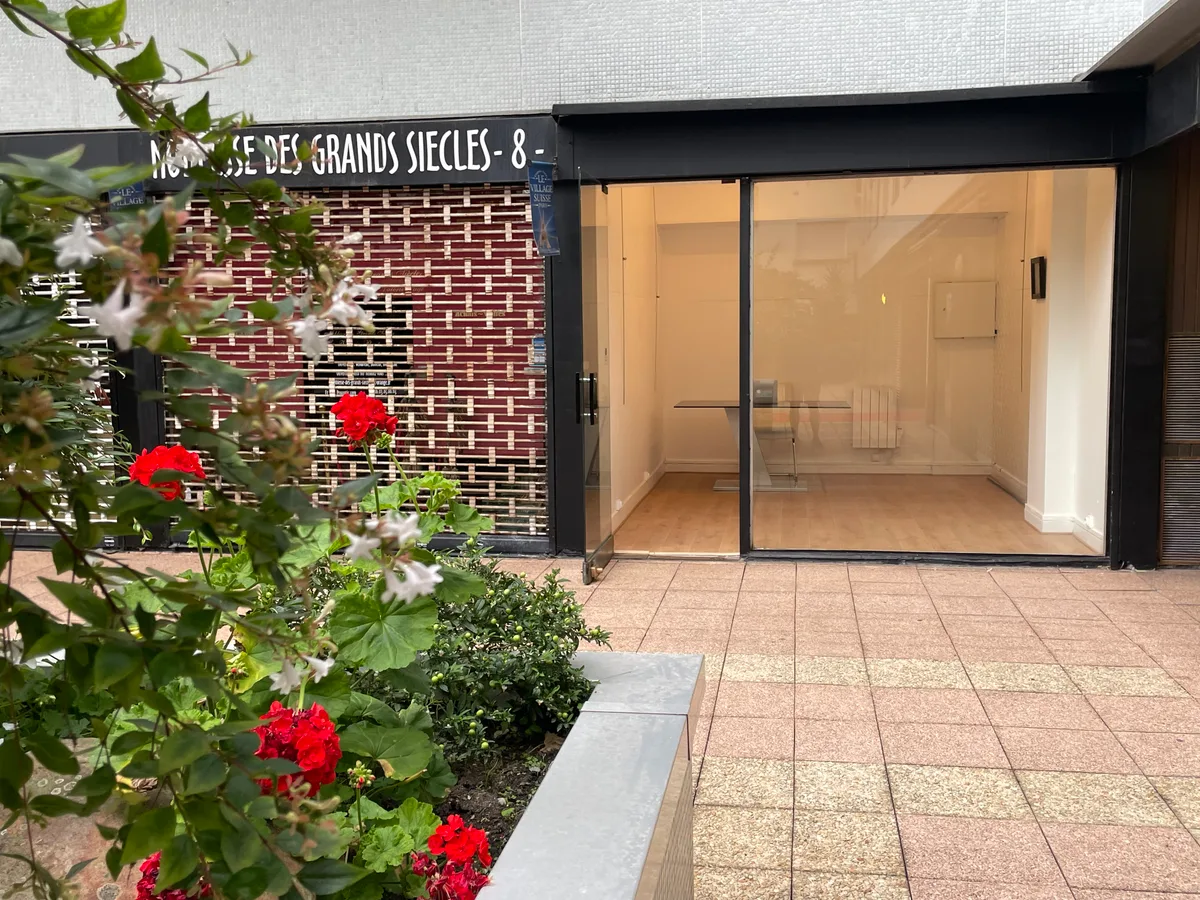
The Rue Saint-Honoré corridor offers a wider variety of rentable space formats than most brands expect when they begin their search. From classic Haussmannian storefronts with floor to ceiling windows to minimalist gallery spaces, vaulted cellars, and contemporary buildings with concrete floors, the typology of available spaces reflects the layered architectural history of central Paris.
Haussmannian Storefronts and Ground-Floor Retail Units
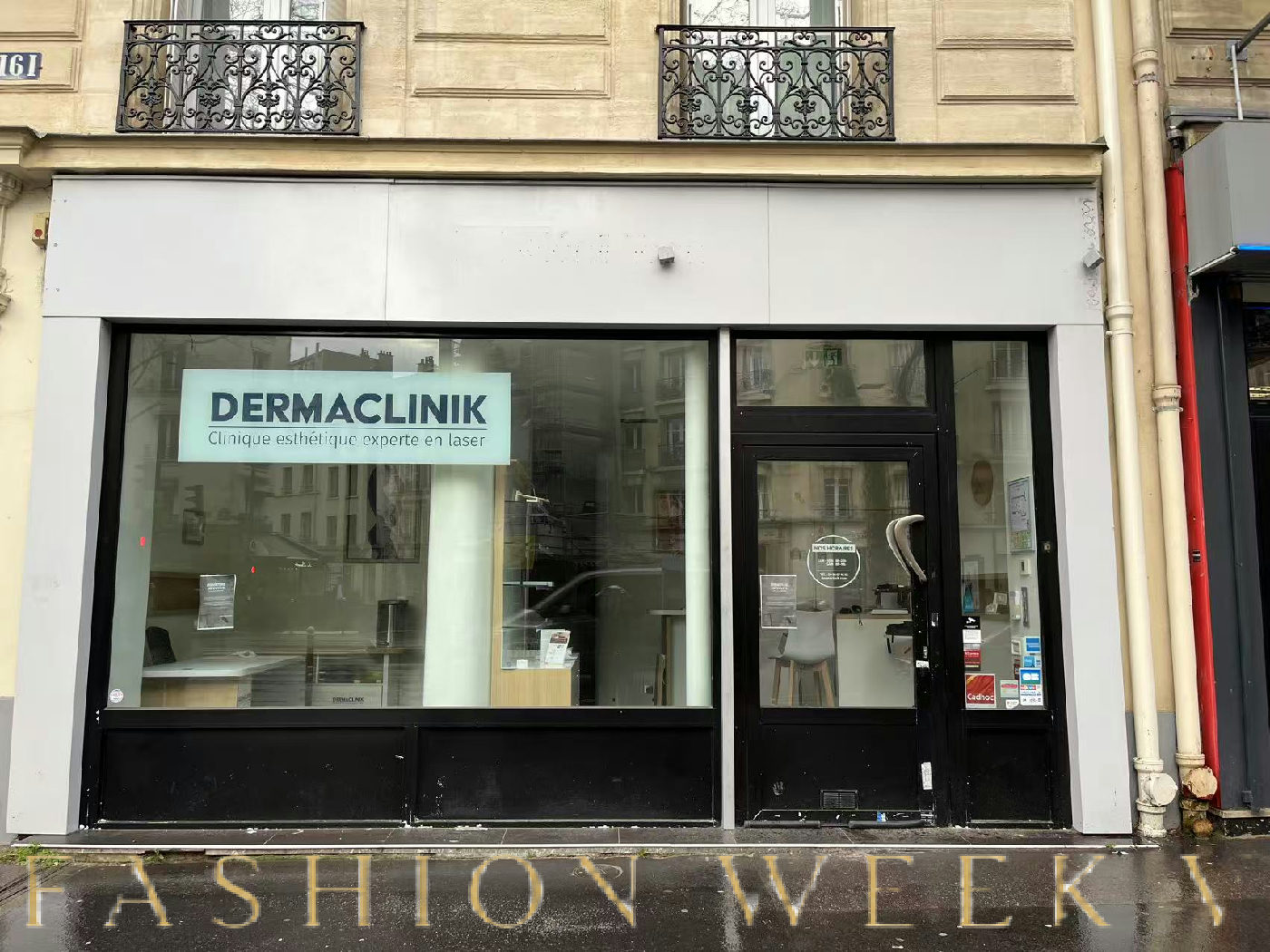
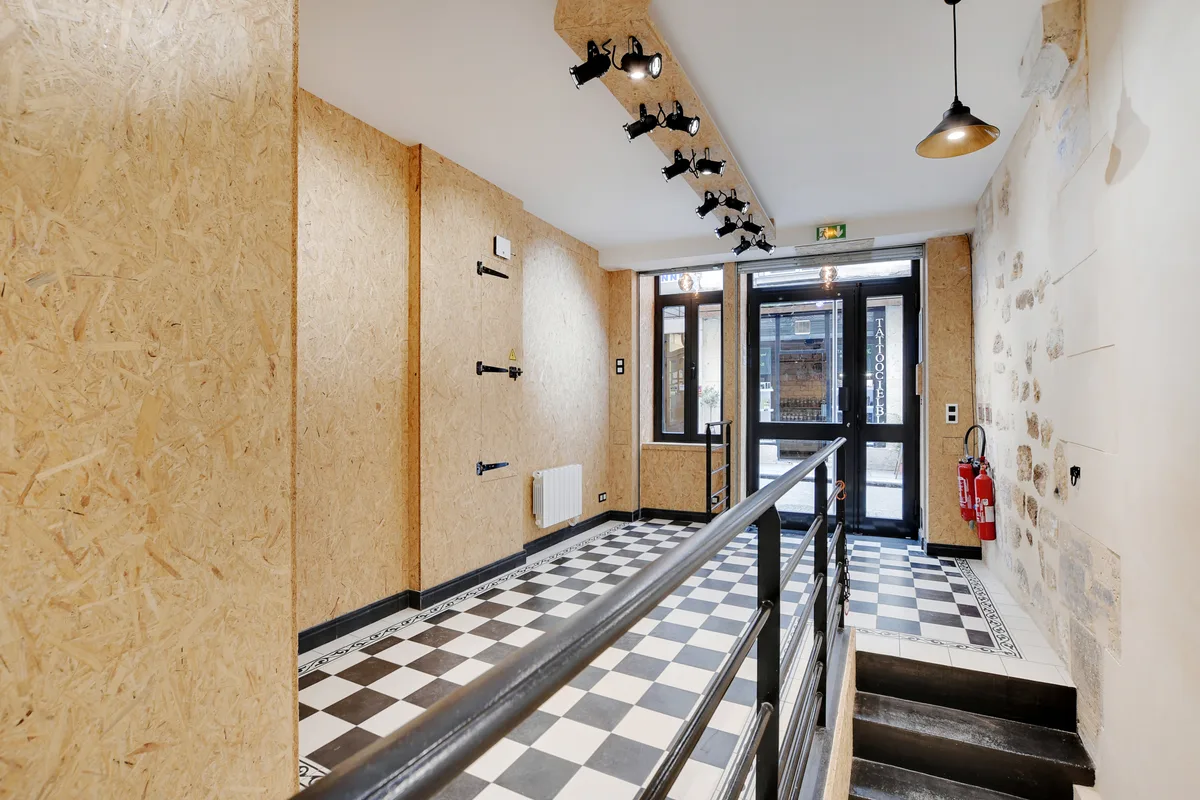
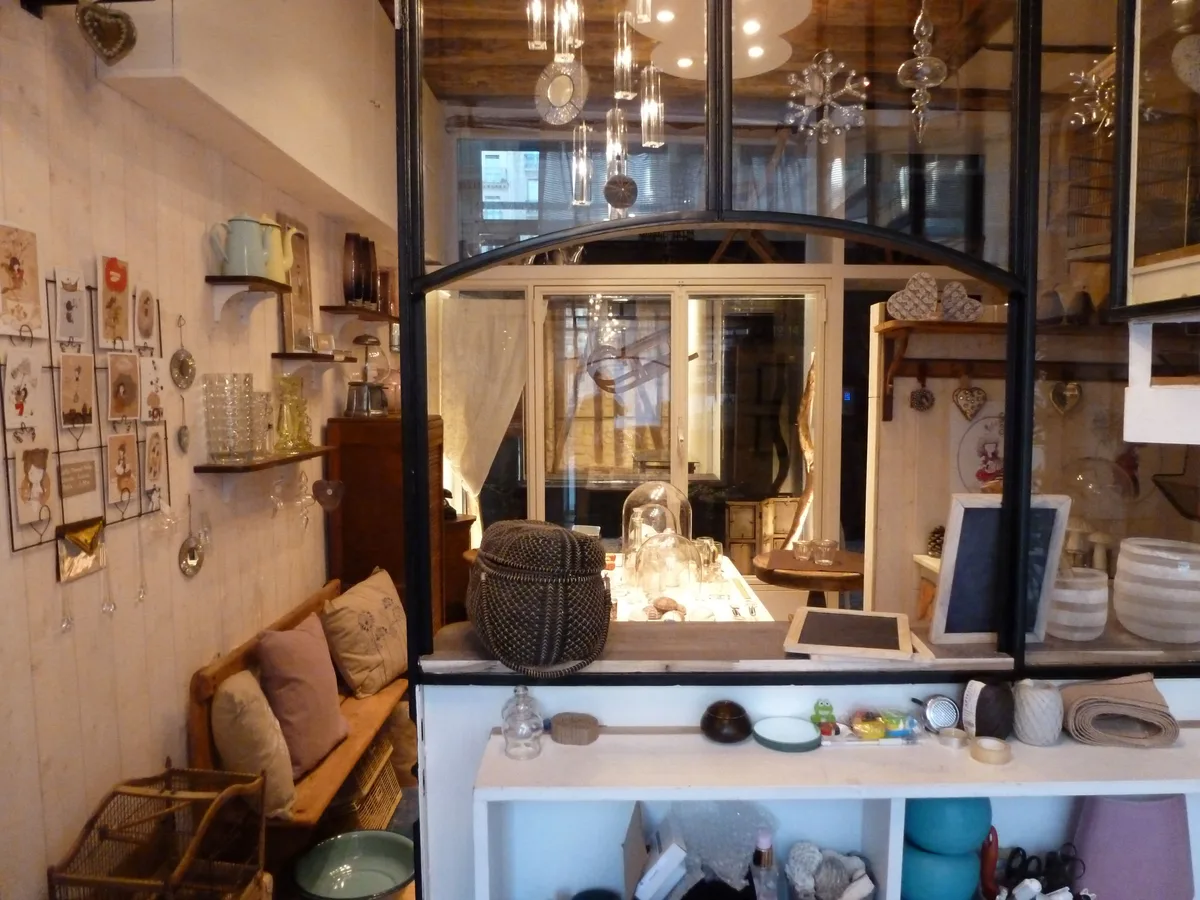
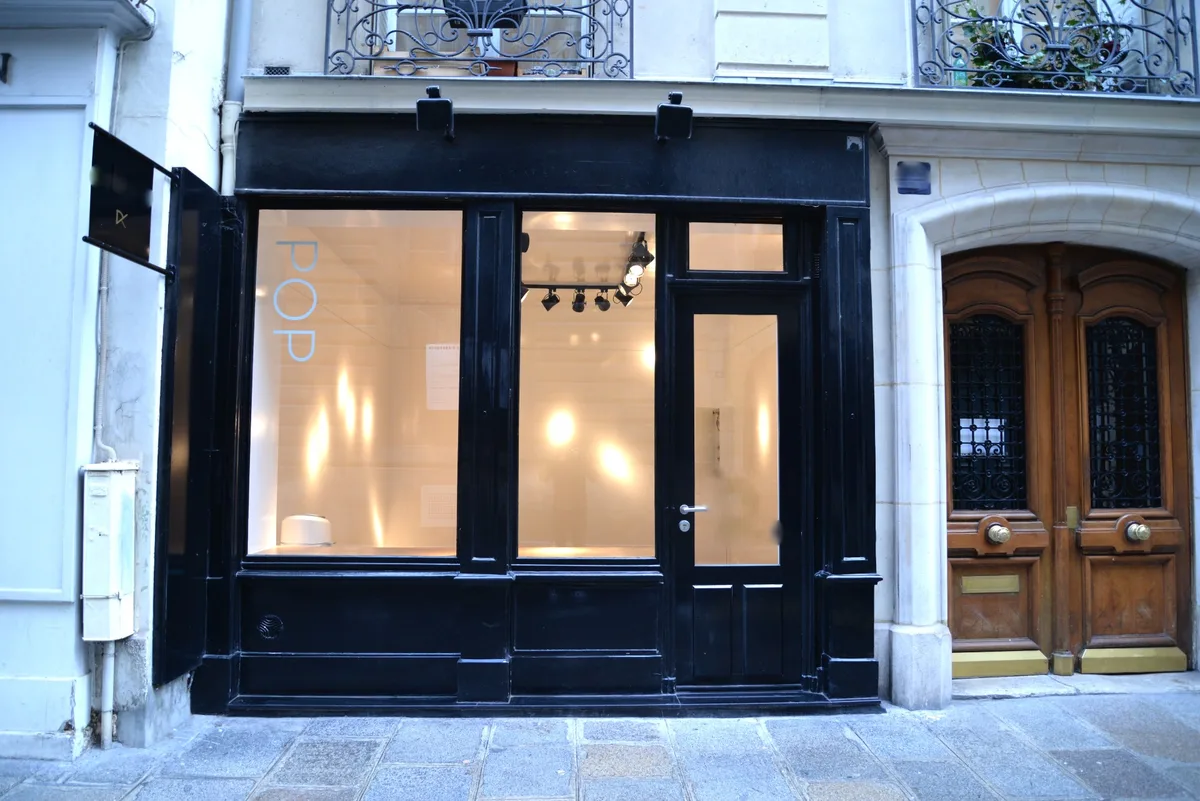
Haussmannian buildings dominate the physical fabric of the 1st and 8th arrondissements. These properties typically feature high ceilings, large glazed facades, elegant stone facades, and ground-floor units that were historically designed for commercial use. Renovated premises in these buildings often retain original architectural details while incorporating modern finishes, fibre optic internet, video surveillance systems, and updated electrical infrastructure. Sizes in this category tend to range from approximately 50 square metres to 130 square metres for standard ground-floor units, with larger spaces available in buildings that have been reconfigured or that benefit from basement extensions with vaulted cellars.
The vaulted cellar is a particularly valued feature for brands that need private stock storage, a secure display area, or an immersive basement experience to complement a ground-floor retail or showroom activation. Many spaces in the 75001 and 75008 postal codes include this feature, and it is worth asking about specifically when briefing an agency or contacting a landlord.
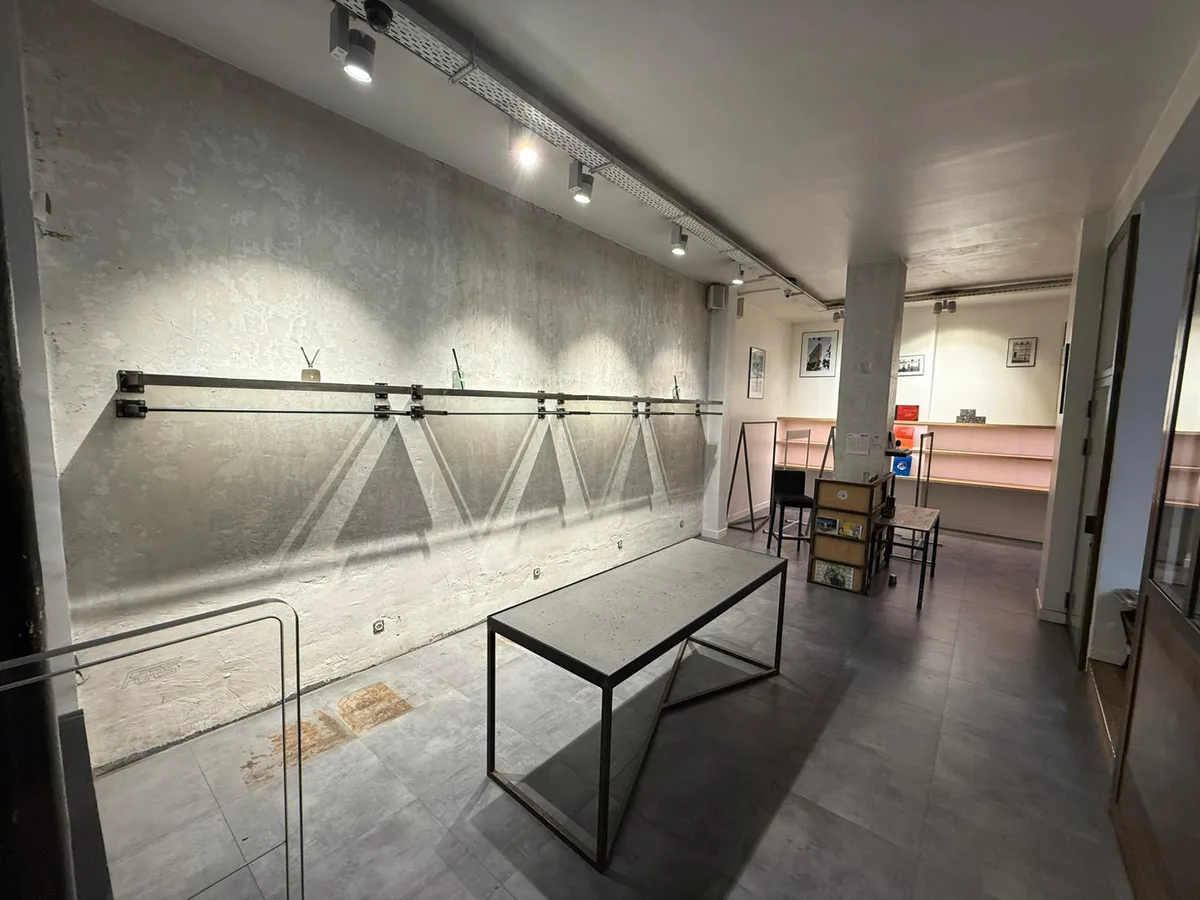
Minimalist Galleries and Art Spaces
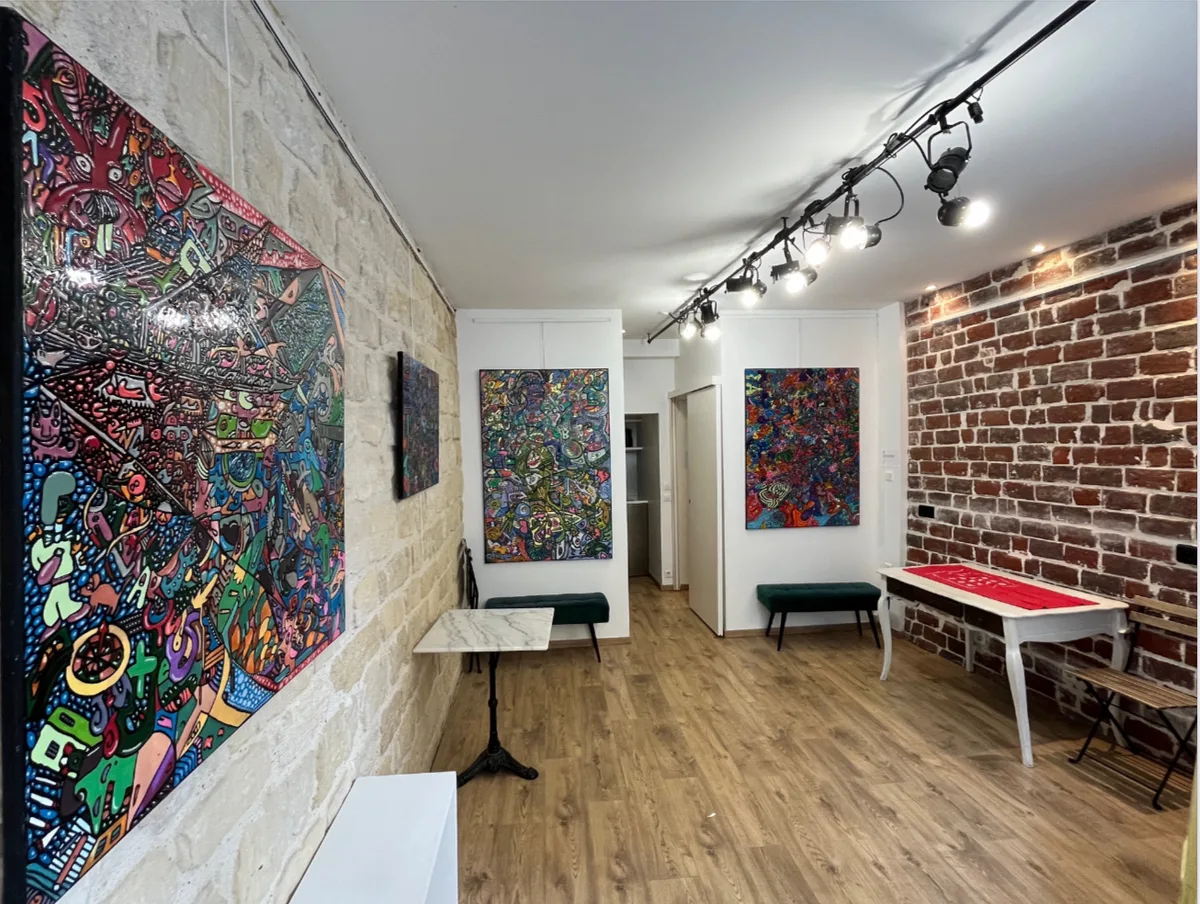
The Rue Saint-Honoré corridor has historically attracted art galleries alongside fashion boutiques, and this means there is a meaningful supply of minimalist gallery-format spaces available for short-term rental. These units typically feature concrete floors, white walls, generous ceiling heights, floor to ceiling windows, and minimal built-in fixtures, making them highly adaptable for fashion presentations, jewellery showcases, Haute Couture installations, and brand-led cultural activations. Sizes in this category often range from 97 square metres to 137 square metres, though some gallery spaces extend to 167 square metres or more depending on the specific building and configuration.
Showrooms and Private Presentation Spaces
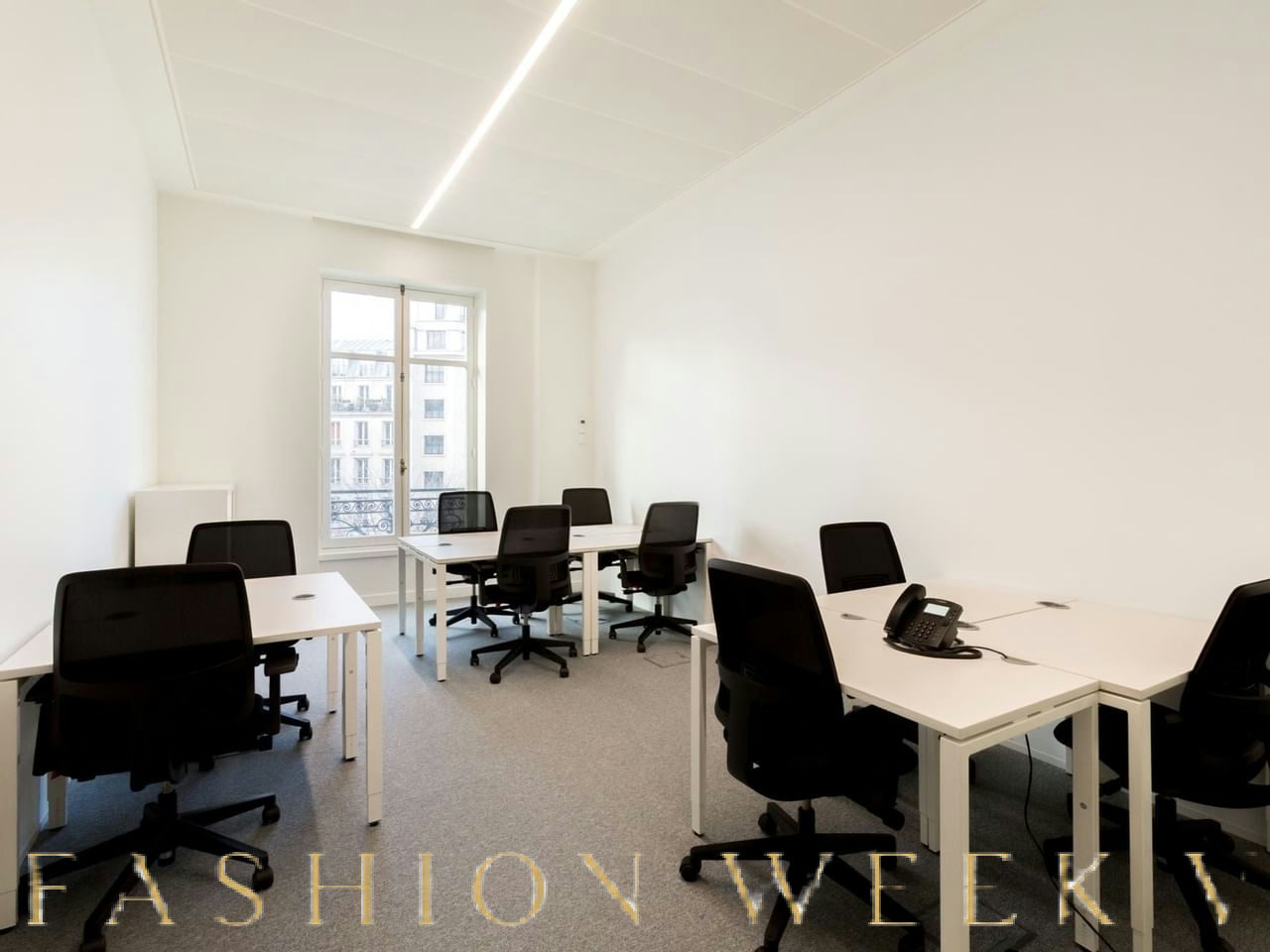
Showroom rentals in this corridor are particularly sought after during the trade calendar windows surrounding Paris Fashion Week, the Haute Couture weeks in January and July, and the Haute Joaillerie presentations tied to Place Vendôme. A showroom in this location typically offers private offices or private rooms alongside a main presentation floor, elevator access, a receptionist or concierge service, and shared meeting rooms. Some spaces also include a terrasse, social areas, cafeteria, and collective heating, making them viable for multi-day buyer appointments and press days as well as single-event activations.
Larger Commercial Floors and Event Spaces
For brands requiring more ambitious footprints, the area also has access to larger commercial floors and reconfigured buildings offering 251 square metres, 318 square metres, or up to 400 square metres of usable area. These spaces are typically suited to brand events, product launches, press days that include a reception component, or activations that need distinct zones for retail, presentation, hospitality, and media. Buildings in this category often feature elevators, private offices, fibre optic internet, video surveillance systems, and in some cases a business center with shared meeting rooms and coworking space.
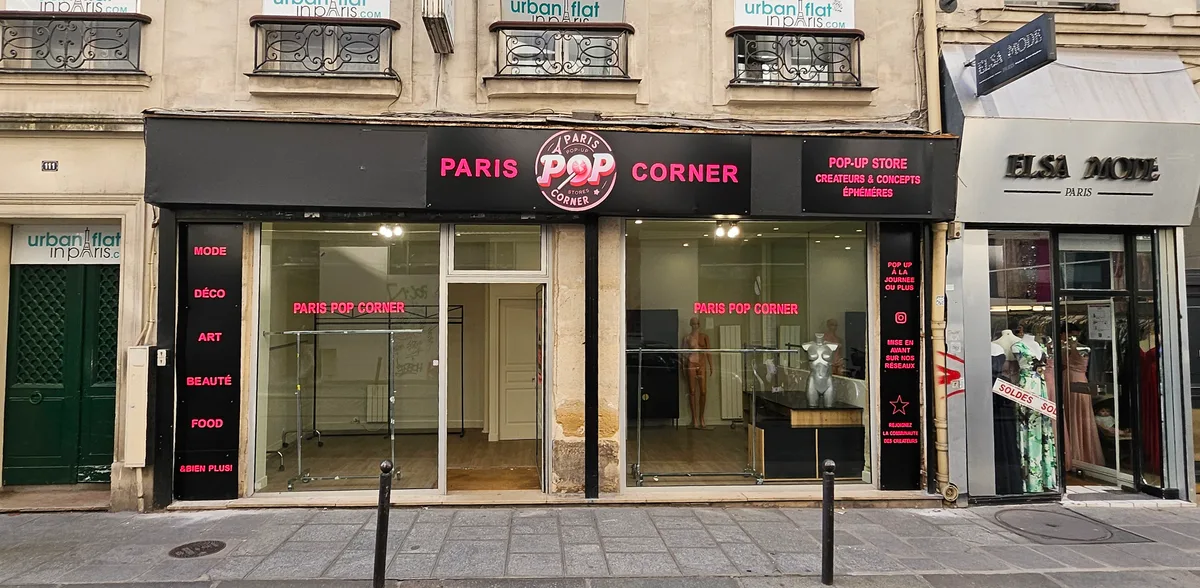
Pop-Up Stores and Short-Term Storefronts
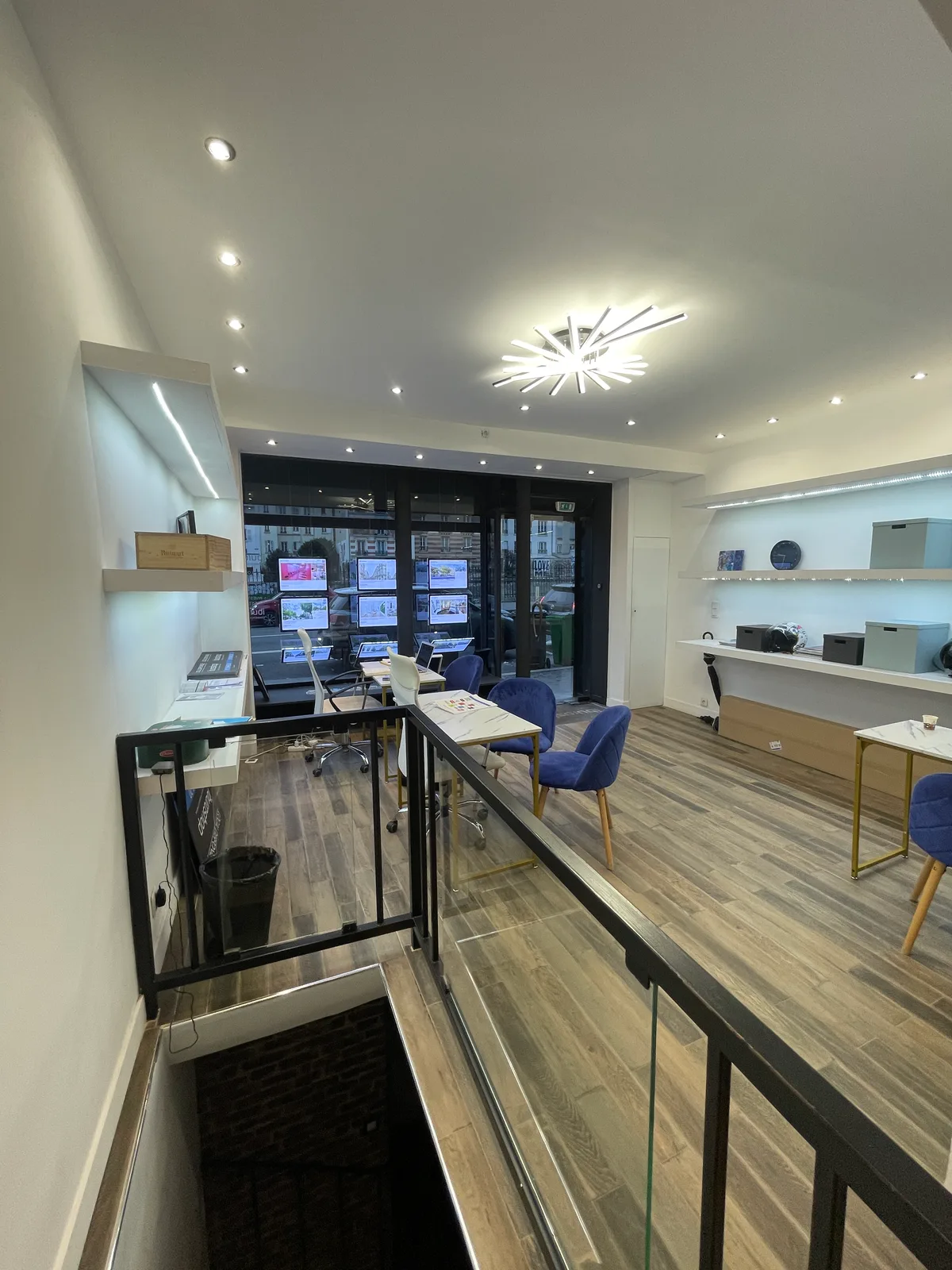
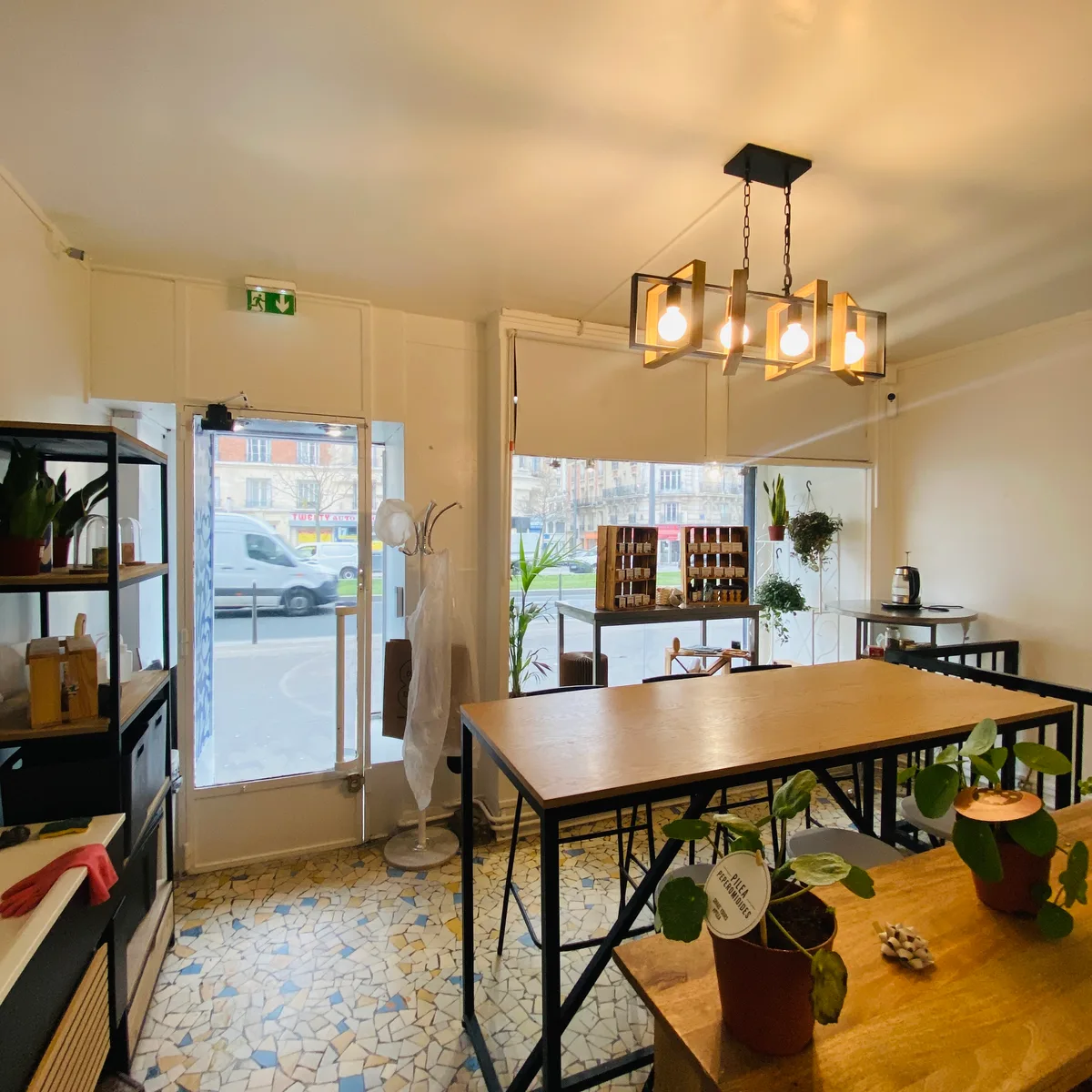
The pop-up store format is increasingly well-served in the Rue Saint-Honoré corridor. Landlords and property managers in this area have become more receptive to short-term leasing arrangements as the market for temporary retail activations has matured. A pop-up store in this context can range from a single storefront unit of approximately 50 square metres to a multi-floor space of 130 square metres or more, with activation periods ranging from a single week to several months depending on the lease format, landlord appetite, and calendar alignment.
Quick answer: Retail spaces for rent on Rue Saint-Honoré range from compact 50 square metre storefronts to 400 square metre event-ready floors. The most common formats are Haussmannian ground-floor units, minimalist gallery spaces, showrooms with private offices, and short-term pop-up storefronts. Features such as vaulted cellars, floor to ceiling windows, fibre optic internet, and video surveillance are common in renovated premises throughout the 75001 and 75008 postal codes.
KEY TAKEAWAY: Understanding the full typology of available spaces, from compact gallery units to large commercial floors, allows brands to brief their agency or landlord contact with specificity rather than relying on generic requests that slow down the search and lead to mismatched proposals.
Once you understand what types of spaces exist, the next critical question is how to actually secure one legally and practically within the French commercial leasing framework.
Leasing Formats, Legal Structures, and Permit Requirements for Short-Term Retail in Paris
Securing a retail space for rent in Paris involves navigating a leasing and legal landscape that differs significantly from short-term commercial leasing in the United States, United Kingdom, or most other markets. Understanding the available legal formats before you begin negotiations is essential, because choosing the wrong structure can expose your brand to financial liability, landlord disputes, or permit complications.
The Bail Dérogatoire: Short-Term Commercial Lease
The most relevant leasing instrument for brands seeking a short-term retail or showroom rental in Paris is the bail dérogatoire, also known as a short-term commercial lease or derogatory lease. Under French law, this format allows a landlord and tenant to agree on a commercial rental for a period of up to 36 months without triggering the protections and obligations of a standard 3-6-9 commercial lease (bail commercial). For brand activations lasting days, weeks, or a few months, the bail dérogatoire is the standard instrument and is generally preferred by both landlords and brands because it avoids the automatic renewal rights that come with the full commercial lease format.
However, even a bail dérogatoire comes with specific legal requirements. The contract must explicitly state that it is concluded under the derogatory provisions of French commercial law. The tenant must not occupy the space after the agreed end date without a new agreement, because continued occupation can inadvertently trigger a standard commercial lease with all its attendant rights and obligations. This is a real risk that brands without specialist legal support have encountered.
Autorisation d'Occupation Temporaire (AOT)
Where a brand wishes to use a space that involves any component on public land, including terrasse activations, temporary outdoor installations adjacent to the property, or certain types of event signage, an Autorisation d'Occupation Temporaire (AOT) from the relevant municipal authority may be required. The specific requirements for an AOT vary depending on the arrondissement, the nature of the activation, the duration, and the type of public space involved. Requirements also vary by the type of building and its classification, particularly in areas near historic monuments, which applies to multiple locations along the Rue Saint-Honoré corridor given its proximity to classified buildings and protected urban environments.
IMPORTANT: Registration fees, license fees, and permit requirements for commercial spaces in Paris vary by space type, lease duration, arrondissement, and the nature of the activation. Always verify the specific requirements applicable to your space and activation format with a qualified French legal advisor before signing any agreement or commencing works.
Permit Guidance and the Géorisques Requirement
French law requires that landlords and agents provide tenants with Géorisques documentation, which discloses any known natural, technological, or mining risks affecting the property. For brands unfamiliar with French property transactions, this is an important document to request and review before finalising any lease agreement. The Géorisques report is specific to the property's address and provides information about flood risk, seismic risk, and other environmental factors relevant to the building and location.
For brands seeking practical guidance on permit requirements specific to their space type and activation format, the permit guidance tool on Fashion Week Venues provides a structured framework for identifying what approvals may be required and how to sequence the application process.
Practical Leasing Considerations for International Brands
International brands without a French legal entity (société) face additional considerations when renting commercial space in Paris. Some landlords require a French guarantor or a parent company guarantee. Others accept a deposit arrangement or specific payment structures that account for the fact that the tenant is a foreign entity. The listing agent, landlord, or property manager will typically advise on what documentation they require as part of the booking and payment process. Brands should build time into their timeline for the legals phase, which can take one to three weeks depending on the complexity of the agreement and the responsiveness of all parties.
Quick answer: Short-term retail space rentals in Paris typically use the bail dérogatoire, a derogatory commercial lease valid for up to 36 months. Brands also need to understand Autorisation d'Occupation Temporaire requirements for public-space components, review Géorisques documentation, and allow sufficient time for the legal and payment phases before the activation date.
KEY TAKEAWAY: French commercial leasing has specific legal structures, documentation requirements, and permit obligations that differ from most other markets. Using a specialist agency and qualified French legal counsel from the outset reduces risk and accelerates the timeline significantly.
Alongside the legal framework, brands also need a clear picture of the financial landscape and how to build a realistic budget for a Rue Saint-Honoré activation.
Understanding the Commercial Property Market and Financial Landscape on Rue Saint-Honoré
The Rue Saint-Honoré corridor represents one of the most expensive commercial real estate markets in France and among the highest rental value streets in Europe. Understanding how pricing works in this market, what drives value, and how to interpret the financial terms you will encounter during negotiations is essential before committing to a space.
Rental Pricing and Market Value Considerations
Commercial retail rents in the 1st and 8th arrondissements, particularly along and immediately adjacent to Rue Saint-Honoré, are priced at a significant premium relative to the broader Paris commercial property market. The market value for prime ground-floor retail units in this corridor reflects not only the physical space but the street's status as a luxury destination, the density of high-value neighbouring brands, and the cultural calendar value of the Paris Fashion Week, Haute Couture, and Haute Joaillerie periods.
Rental pricing is typically expressed as an annual rate per square metre, though for short-term activations it may be negotiated on a weekly or monthly basis depending on the landlord and the space format. The final rate will be influenced by the size of the space, the duration of the rental, the season and calendar alignment, any fit-out or production requirements stipulated in the lease, and the brand's track record and presentation as a tenant. Discounts are sometimes available for longer commitments, off-peak periods, or brands willing to take spaces at short notice.
TIP: For brand-specific budget estimates that account for your space size, duration, and activation format, use the budget estimation tool on Fashion Week Venues rather than relying on generic market averages that may not reflect the specific variables of your brief.
Booking, Payment, and First-Year Commercial Considerations
The booking and payment process for short-term commercial spaces in Paris typically involves an initial enquiry and brief submission, followed by a shortlisting phase, site visits, legal review, and then a formal agreement with a deposit and staged payments. The ménage (cleaning and maintenance) arrangements, utility costs, and any collective heating or service charges are usually specified in the agreement. Brands should also account for registration fees applicable to the lease, any license fees associated with the specific type of commercial activity, and the costs of reinstating the space at the end of the activation period.
Some operators and managed space providers in the area offer arrangements that include First Year Free incentives, particularly for longer-term commercial commitments or anchor tenants in new developments. However, for the short-term pop-up and activation market that this guide primarily addresses, the financial structure is more commonly a straightforward rental rate plus service charges plus a deposit.
Additional Financial Considerations: Property Tax and Market Reports
Commercial tenants in France may also have exposure to certain local taxes and levies, depending on the structure of their lease and the nature of their business activity in the space. Property tax (taxe foncière) is typically a landlord obligation, but some lease structures pass a proportion of this through to the tenant. Brands should clarify these points during the legal review phase. For brands that want a broader market context, commercial property market reports for the Paris retail sector are published periodically by major real estate advisory firms and provide useful directional data on vacancy rates, rental trends, and investment activity in prime retail corridors.
Quick answer: The Rue Saint-Honoré commercial property market is among the most expensive in France. Rental rates for prime ground-floor retail units in the 1st and 8th arrondissements reflect the street's luxury status and calendar value. Short-term activations are typically structured as weekly or monthly rental arrangements, with additional costs including deposits, ménage, service charges, and potentially registration fees and license fees depending on the activation type.
KEY TAKEAWAY: Build a comprehensive financial model before committing to a space, accounting not just for the headline rental rate but for deposits, service charges, fit-out costs, reinstatement, staffing, and all associated fees. Use specialist tools and advisors to stress-test your budget against realistic cost scenarios for this specific market.
To compare neighbourhoods and space types, explore the Paris city hub on Fashion Week Venues and shortlist spaces that match your brief, budget, and calendar window.
With the financial landscape understood, brands can then think carefully about how the Paris Fashion Week calendar and the Haute Couture season shape the optimal timing strategy for a Rue Saint-Honoré activation.
Paris Fashion Week, Haute Couture, and the Calendar Strategy for Rue Saint-Honoré Activations
The timing of your retail space rental on Rue Saint-Honoré is as important as the location itself. The Paris fashion calendar creates distinct windows of elevated commercial and media value that can significantly amplify the impact of a brand activation in this corridor.
The Major Calendar Windows
Paris hosts two primary Fashion Week events annually: Paris Fashion Week for ready-to-wear collections in late September to early October for Spring/Summer, and in late February to early March for Autumn/Winter. These events draw thousands of international buyers, press, influencers, stylists, and brand partners to the city, concentrating them in the arrondissements most closely associated with luxury fashion, which includes the Rue Saint-Honoré corridor, the Marais (75003 and 75004), Saint-Germain-des-Prés (75006), and the Golden Triangle area around Avenue Montaigne in the 8th arrondissement.
The Haute Couture calendar runs in January (Spring/Summer) and July (Autumn/Winter), bringing a more selective but extremely high-value audience of press, clients, and cultural figures to the city. Given the proximity of Rue Saint-Honoré and Place Vendôme to the major Haute Couture houses, the Haute Couture windows are particularly valuable for brands in fine jewellery, accessories, and luxury fashion seeking to connect with this audience.
Place Vendôme itself, one of the most architecturally significant squares in Paris, is home to the flagship stores and ateliers of many of the world's leading Haute Joaillerie maisons. Its proximity to Rue Saint-Honoré means that brands activating in this corridor during the Haute Joaillerie season benefit from the concentrated presence of the industry's most important clients and press.
Off-Calendar Activations and Year-Round Opportunity
While the Fashion Week and Haute Couture windows generate peak demand for short-term space, the Rue Saint-Honoré corridor also offers strong commercial value outside these peak periods. The area benefits from year-round tourism driven by the Louvre museum, Tuileries Garden, Place de la Madeleine, and the broader cultural and retail offer of central Paris. This sustained foot traffic makes the street viable for brand activations, concept stores, and pop-up retail across all months of the year, not just during Fashion Week.
Brands entering the market for the first time should consider whether their primary objective is to reach the fashion industry audience concentrated during Fashion Week and Haute Couture weeks, or whether they are primarily targeting luxury consumers and tourists who visit the area throughout the year. This distinction should shape both the timing of the activation and the type of space selected.
Timeline Planning for a Rue Saint-Honoré Activation
One of the most common mistakes brands make when planning a Paris activation is underestimating the lead time required to secure a space, complete the legal and payment process, design and produce the fit-out, and have all permits in place before the activation date. For a Fashion Week activation in a prime location on or near Rue Saint-Honoré, a lead time of three to six months is typical for brands working through an established agency. Brands approaching the market independently or for the first time should allow additional time for the search, legal review, and production phases.
The timeline planning tool on Fashion Week Venues helps brand teams map every phase of an activation from initial brief to opening day, including space search, legal review, fit-out, staffing, and permits.
KEY TAKEAWAY: The Paris fashion calendar creates specific windows of peak value for activations on Rue Saint-Honoré, but year-round opportunity also exists. Matching your timing strategy to your primary audience, whether trade and press or luxury consumers, shapes both your space choice and your budget model. Always plan your timeline backward from the opening date to identify the earliest point at which the search process must begin.
Understanding the calendar context leads naturally to considering how Rue Saint-Honoré compares to other key Paris neighbourhoods, and when one might be more appropriate than another for a brand's specific objectives.
Comparing Rue Saint-Honoré to Other Key Paris Retail Neighbourhoods
Rue Saint-Honoré is one of several world-class retail and brand activation corridors in Paris. Understanding how it compares to alternatives such as Le Marais, Saint-Germain-des-Prés, and the Golden Triangle helps brands make a more informed location decision that aligns with their audience, aesthetic, and commercial objectives.
| Neighbourhood | Postal Code | Primary Character | Best Suited For | Space Types |
|---|---|---|---|---|
| Rue Saint-Honoré | 75001, 75008 | Historic luxury axis, Haute Couture proximity, Fashion Week epicentre | Luxury brands, Haute Joaillerie, fashion presentations, prestige pop-ups | Haussmannian storefronts, galleries, showrooms, vaulted spaces |
| Le Marais | 75003, 75004 | Creative, cultural, contemporary luxury, gallery district | Contemporary brands, art-adjacent activations, younger luxury audiences | Converted galleries, loft spaces, courtyard stores |
| Saint-Germain-des-Prés | 75006 | Intellectual luxury, independent boutiques, publishing and arts heritage | Niche fashion, book-adjacent brands, sophisticated consumer activations | Boutique storefronts, intimate showrooms |
| Golden Triangle (Avenue Montaigne) | 75008 | Ultra-luxury flagships, international tourism, formal retail | Major international luxury maisons, high-volume flagship activations | Large-format flagship units, multi-floor commercial buildings |
Le Marais has become one of the most sought-after destinations for contemporary brand activations and concept stores in Paris. Streets such as Rue de Bretagne, Rue des Archives, and areas around Rue de Place Marguerite de Navarre offer spaces with raw industrial character, courtyard access, and a creative community that attracts a younger, more culturally engaged luxury audience. Brands that want to signal creative credentials alongside commercial activity often consider the Marais as a complement or alternative to the more formal Rue Saint-Honoré axis.
Saint-Germain-des-Prés (75006) offers a quieter, more intellectual luxury environment. The neighbourhood's historic association with publishing, art, and independent culture gives activations there a distinct tone. Space types in 75006 tend toward intimate storefronts and compact showrooms rather than the larger gallery and event formats available on Rue Saint-Honoré.
The Golden Triangle, centred around Avenue Montaigne in the 8th arrondissement (75008), is where the most formal and high-investment flagship retail operates. This area is adjacent to Rue Saint-Honoré but has a different character: more overtly commercial, more internationally tourist-facing, and more dominated by the major global luxury conglomerates. For brands seeking the prestige of the 8th arrondissement without the extreme costs of an Avenue Montaigne flagship, Rue Saint-Honoré represents a strong alternative that maintains proximity to the same luxury ecosystem while offering greater flexibility in space formats and lease structures.
Quick answer: Rue Saint-Honoré offers the ideal combination of Haute Couture proximity, Fashion Week foot traffic, historic prestige, and diverse space formats for luxury and fashion brand activations. Le Marais suits contemporary and creative brands. Saint-Germain-des-Prés appeals to niche and intellectual luxury positioning. The Golden Triangle is best for major flagship-scale investments.
KEY TAKEAWAY: No single neighbourhood is universally correct for every brand. The right choice depends on your audience profile, aesthetic positioning, activation format, budget, and the specific calendar windows you are targeting. Comparing multiple neighbourhoods systematically before committing to a search in one area is a worthwhile step.
Once you have identified the right neighbourhood and space type, you need a practical process for finding, evaluating, and securing the right space efficiently.
The Step-by-Step Process for Finding and Securing a Retail Space on Rue Saint-Honoré
Securing the right retail space on or near Rue Saint-Honoré requires a structured process. Ad hoc approaches, generic property portals, and cold approaches to landlords typically yield poor results in this market due to the complexity of French commercial property law, the opacity of the short-term rental market in prime Parisian corridors, and the premium placed on tenant credibility in this location.
| Phase | Key Actions | Timeline |
|---|---|---|
| 1. Brief Development | Define space size, duration, budget, activation format, must-have features, calendar window | Week 1 |
| 2. Space Search | Engage agency or access marketplace, review listings, identify shortlist of 3 to 5 spaces | Weeks 2 to 4 |
| 3. Site Visits | Visit shortlisted spaces, assess condition, measure, review building rules and landlord requirements | Weeks 3 to 5 |
| 4. Concept Alignment | Develop preliminary concept direction for fit-out, branding, and activation flow | Weeks 4 to 6 |
| 5. Legal and Permit Review | Review lease format, Géorisques documentation, permit requirements, registration and license fees | Weeks 5 to 7 |
| 6. Agreement and Payment | Finalise lease agreement, pay deposit, confirm booking, agree ménage and reinstatement terms | Weeks 7 to 9 |
| 7. Production and Fit-Out | Design, source, and build fit-out, install furniture, signage, POS, and technology | Weeks 8 to 14 |
| 8. Staffing and Operations | Hire and brief retail staff, confirm opening hours, inventory management, data capture plan | Weeks 12 to 14 |
| 9. Activation Launch | Open space, manage daily operations, track data, respond to media and influencer activity | Activation Period |
| 10. Close and Evaluate | Reinstate space, return to landlord, review ROI data, identify learnings for next activation | Post-Activation |
This ten-phase process is a directional framework. Actual timelines will vary depending on the complexity of the activation, the size of the space, the requirements of the landlord, and the brand's internal decision-making speed. High-demand spaces in prime locations during Fashion Week periods are frequently committed months in advance, which is why early brief development and agency engagement is strongly recommended.
Using a Space Marketplace vs. Working Directly with a Listing Agent
Brands have two primary routes to finding available spaces in this corridor. The first is to access a curated space marketplace that aggregates available listings, allows comparison by size, location, and features, and provides access to agency support. The second is to work directly with a listing agent or landlord, which is common in traditional commercial real estate but can be less efficient for short-term activations because the standard commercial property agency network is not always well-optimised for the temporary retail and brand activation market.
Working through a specialist agency that combines marketplace access with full-service support, including concept direction, production, and permits, typically delivers better outcomes in less time for brands entering the Paris market without an established network of local contacts. The venue sourcing service at Fashion Week Venues is specifically designed for this type of brief, combining marketplace access with on-the-ground knowledge of the Rue Saint-Honoré corridor and surrounding arrondissements.
KEY TAKEAWAY: A structured ten-phase process, beginning with a well-defined brief and ending with a data-led post-activation evaluation, reduces the risk of costly mistakes and maximises the commercial and reputational return from a Rue Saint-Honoré retail activation. Engaging specialist support early accelerates every phase and reduces friction at the legal, permit, and production stages.
Alongside the process of finding a space, brands should also understand the full spectrum of services that can support the activation itself, from fit-out and staffing to data capture and influencer engagement.
How Fashion Week Venues Supports Brand Activations on Rue Saint-Honoré and Across Paris
Fashion Week Venues is a full-service pop-up shop agency and space marketplace operating across the major fashion capitals, with Paris as the primary and most deeply supported market. For brands seeking to activate on Rue Saint-Honoré or in adjacent arrondissements, Fashion Week Venues offers an integrated set of services and tools that address every phase of the activation process.
Venue Sourcing and Marketplace Access
The Fashion Week Venues marketplace aggregates available spaces across Paris, allowing brands to browse by neighbourhood, size, format, and availability window. The space marketplace is particularly useful in the early brief and search phase, providing a structured view of what is available in the 75001, 75008, and adjacent arrondissements before committing to site visits. The venue sourcing service extends this with personalised agency support for brands that need expert guidance rather than a self-service search experience.
Concept Direction and Branded Store Design
Once a space is identified, Fashion Week Venues provides concept direction and branded store design services that translate a brand's visual and commercial identity into a functional activation environment. This service is particularly relevant for spaces in the Rue Saint-Honoré corridor, where the quality and coherence of the fit-out is visible to a highly discerning audience of industry professionals and luxury consumers. Concept direction covers the full creative brief, from spatial flow and material selection to lighting design and customer experience mapping.
Production, Build, and Furniture Rental
The production and build service covers the physical realisation of the fit-out, from sourcing and installing custom fixtures to managing contractors and meeting building access requirements. Furniture rental is available for brands that need high-quality display furniture, hospitality seating, or branded fixtures without the cost and logistics of purchasing and shipping from overseas. These services significantly reduce the operational burden on brand teams that are managing an international activation from a distance.
Retail Staffing, POS, and Operations
Fashion Week Venues supports brands with retail staffing, POS and payments infrastructure, and day-to-day operational management during the activation period. Retail staff in this market need to be comfortable engaging with international press, buyers, and luxury consumers, and the staffing service accounts for this by sourcing candidates with relevant experience in the luxury and fashion sectors. The POS and payments service ensures that transactional capability is in place from day one, whether the activation is primarily a sales environment or a hybrid retail and experiential format.
Data, Analytics, Influencer Marketing, and ROI
Post-activation evaluation is a critical but often underprioritised element of a successful brand activation programme. Fashion Week Venues supports brands with data and analytics services that track footfall, engagement, sales, and brand sentiment during the activation, and with influencer marketing coordination that maximises the media value of the physical presence. The ROI calculation tool helps brand teams translate activation data into commercially meaningful metrics that can be presented to internal stakeholders and used to inform future Paris market strategies.
Practical Limitations and What to Understand Before Engaging
Fashion Week Venues does not guarantee the availability of specific spaces, the approval of permits, or defined business outcomes. The Paris market for prime retail space is competitive, and availability in the Rue Saint-Honoré corridor during peak calendar windows is limited. Brands should engage early, be clear and specific in their brief, and be prepared to consider adjacent streets and arrondissements if their first-choice location is not available during their target period. Fashion Week Venues works to find the best available match for each brief, but the range of available spaces is always subject to market conditions and landlord decisions that are outside the agency's direct control.
KEY TAKEAWAY: Fashion Week Venues provides end-to-end support for brands activating in Paris, from space search and legal navigation through fit-out, staffing, data, and influencer marketing. The most effective activations in the Rue Saint-Honoré corridor are those planned early, briefed precisely, and executed with integrated agency support rather than piecemeal vendor arrangements.
Space Features, Amenities, and What to Look For in a Rue Saint-Honoré Rental
When evaluating specific spaces in the Rue Saint-Honoré corridor, the technical features and amenities of each property will significantly shape the feasibility and cost of your activation. A clear understanding of what to look for, and what to ask about before signing, reduces the risk of discovering costly constraints after the lease is signed.
Structural and Architectural Features
The most sought-after architectural features in this market include floor to ceiling windows that provide maximum visibility from the street, high internal ceiling heights that allow flexible display configurations, and vaulted cellars that add usable square metres for stock, hospitality, or immersive brand experiences. Haussmannian buildings offer stone facades and classical proportions that align naturally with luxury brand aesthetics, while minimalist gallery-format spaces with concrete floors provide a blank canvas for contemporary brand installations. Renovated premises that combine historic architectural fabric with modern infrastructure are typically the most functional and visually impactful spaces available in this corridor.
Technical Amenities
Essential technical amenities for a commercial activation include fibre optic internet, a video surveillance system, adequate electrical capacity for lighting and technology, collective heating or independent climate control, and an elevator if the space spans multiple floors. Brands running sales operations also need to confirm that the POS and payments infrastructure is compatible with the building's electrical and network setup. Spaces in managed buildings or business center environments may also offer shared meeting rooms, private offices, a receptionist, social areas, and a cafeteria, which add value for activations that include buyer appointments, press days, or extended team presence.
Terrasse and Outdoor Components
A terrasse is a premium feature in the Parisian retail market, particularly for brands wanting to extend their activation into an outdoor hospitality or event component. However, terrasse use in Paris is subject to municipal regulation, and brands should verify the permitted hours, permitted activities, and any AOT requirements before including a terrasse as a core element of their activation plan. This is especially important in the 75001 and 75008 arrondissements where proximity to classified buildings and residential occupants can result in stricter rules around noise, opening hours, and physical installation.
Space Size Reference Table
| Space Size | Typical Format | Recommended Activation Type | Key Considerations |
|---|---|---|---|
| 50 m² | Compact storefront or boutique | Jewellery showcase, capsule pop-up, single-brand concept store | Limited production build complexity, high street visibility |
| 97 m² to 130 m² | Gallery, showroom, or retail unit | Fashion presentation, press day, brand concept store | Flexible layout, suitable for mixed retail and hospitality |
| 131 m² to 167 m² | Mid-size commercial floor | Multi-day events, buyer appointments, brand installations | Multiple zones possible, requires structured production |
| 251 m² to 318 m² | Large commercial floor or multi-room space | Major product launches, full collection presentations, brand events | Significant fit-out investment, multi-zone operations |
| 400 m² and above | Event venue, reconfigured commercial building | Brand flagship pop-up, large-scale cultural activation, Fashion Week event | Requires specialist production management and full permit review |
Quick answer: When evaluating spaces on Rue Saint-Honoré, prioritise floor to ceiling windows, vaulted cellars, fibre optic internet, video surveillance, adequate electrical capacity, elevator access, and, where relevant, terrasse access. Match the space size to your activation format: 50 to 130 square metres for compact showcases and boutique pop-ups, 130 to 250 square metres for mid-scale presentations, and 250 square metres and above for major brand events and flagship-format activations.
KEY TAKEAWAY: Specification alignment between your activation needs and the physical features of the space is a fundamental requirement that should be assessed during site visits and confirmed in the lease agreement before any fit-out work begins.
The Cultural and Commercial Ecosystem Around Rue Saint-Honoré
A retail space on Rue Saint-Honoré does not operate in isolation. The cultural and commercial ecosystem surrounding the street is an integral part of what makes a brand activation in this location valuable, and understanding it helps brands design better activations, select better timing, and connect more effectively with the audiences they want to reach.
Cultural Landmarks That Drive Foot Traffic
The proximity of the Louvre museum to the eastern end of Rue Saint-Honoré makes this stretch of the city one of the most visited in the world. The Louvre alone receives millions of visitors annually, and many of them pass through or linger in the adjacent streets, the Tuileries Garden, and the Palais Royal area, all of which feed foot traffic into the Rue Saint-Honoré retail corridor. The Tuileries Garden itself is a significant gathering space, hosting events, markets, and seasonal installations that bring additional audiences to the area throughout the year.
Further along the street, the Musée du Jeu de Paume and the Musée de l'Orangerie offer additional cultural draws, with the Orangerie in particular attracting visitors specifically interested in fine art and Impressionism. Place de la Madeleine, at the western end of the Rue Saint-Honoré axis, is both a cultural landmark and a major luxury food and specialist retail destination in its own right. The proximity of the Élysée Palace and Opéra Garnier reinforces the institutional prestige of the broader neighbourhood.
The Luxury Retail Ecosystem
The presence of Chanel and other major luxury boutiques along and immediately adjacent to Rue Saint-Honoré creates a self-reinforcing luxury retail ecosystem where high-net-worth consumers expect a concentration of relevant brands in a compact geographic area. This means that a brand activating on or near the street benefits from the gravitational pull of established luxury destinations that already attract the audience it wants to reach. The art gallery community in the area, which includes both established institutions and independent commercial galleries, adds a cultural dimension that elevates the street beyond a purely commercial axis.
DID YOU KNOW: The Rue Saint-Honoré corridor is also home to a cluster of highly specialist retailers, including historic establishments from the Cremeries of Paris and traditional Parisian crafts businesses, giving the street a layered commercial character that extends beyond the global luxury brands that define its contemporary reputation.
Practical Considerations for Visitors and Staff
The question of whether the Rue Saint-Honoré district is suitable for business travel is answered clearly by its infrastructure. The area is served by multiple Paris Métro lines, extensive bus stop coverage, and bicycle infrastructure, making it highly accessible for both the brand team managing the activation and the visitors and clients attending events. For brands hosting buyers, press, or VIP clients, the concentration of high-quality hotels in the immediate vicinity, including along and adjacent to Rue Saint-Honoré, means that overnight guests can walk or take a very short journey to the activation space.
As for noise, the Rue Saint-Honoré district is a commercial and tourist area, and during peak periods such as Fashion Week the volume of activity on the street is high. Brands using spaces with terrasses or open frontages should account for ambient noise in their event planning, particularly for presentations or screenings that require controlled audio environments.
KEY TAKEAWAY: The cultural and commercial ecosystem around Rue Saint-Honoré is a primary asset of any space rental in this corridor. Brands that engage with the neighbourhood's cultural calendar, align their activation with major museum exhibitions or events at the Tuileries Garden, and position their presence within the luxury retail ecosystem will extract significantly more value from their space investment than brands that treat the location as a purely transactional address.
Common Myths About Renting Retail Space on Rue Saint-Honoré and in Paris Debunked
MYTH: International brands need a French legal entity to rent a commercial space in Paris.
FACT: While having a French legal entity can simplify certain aspects of the leasing process, it is not a universal requirement for renting a short-term commercial space in Paris. Many landlords in the short-term and pop-up market accept foreign entities with appropriate financial guarantees, parent company guarantees, or deposit arrangements. The specific requirements vary by landlord, space type, and lease format, and a specialist agency can help structure the approach to maximise the chances of securing the space without requiring prior incorporation in France.
MYTH: Paris Fashion Week is the only viable calendar window for a Rue Saint-Honoré activation.
FACT: Paris Fashion Week generates peak demand and elevated media value, but the Rue Saint-Honoré corridor offers strong commercial performance year-round due to its proximity to the Louvre museum, Tuileries Garden, and the broader luxury retail ecosystem. Haute Couture weeks in January and July, the Haute Joaillerie calendar, and high-season tourism from spring through autumn all create meaningful activation opportunities outside the ready-to-wear Fashion Week windows.
MYTH: The only way to find a space in this market is through a commission-based property broker.
FACT: Commission brokers operating in the traditional commercial property market are one route to finding space, but they are not the only option and are often not the best option for short-term brand activations. Specialist pop-up and brand activation agencies maintain direct relationships with landlords and property managers in the prime Parisian corridors, and curated space marketplaces specifically designed for the fashion and luxury activation market provide access to spaces that are not listed through traditional commercial property channels.
MYTH: Short-term commercial leases in Paris are legally straightforward and do not require specialist advice.
FACT: The bail dérogatoire and related short-term lease formats involve specific legal provisions under French commercial law that differ significantly from leasing frameworks in the United Kingdom, United States, and most other markets. Errors in the drafting or execution of a derogatory lease can inadvertently trigger a full 3-6-9 commercial lease with all its attendant obligations. Géorisques documentation, permit requirements, registration fees, and reinstatement obligations add further complexity. Specialist legal advice and agency support are strongly recommended for any commercial lease in Paris, particularly in high-value corridors like Rue Saint-Honoré.
MYTH: A brand activation on Rue Saint-Honoré is only viable for major global luxury houses with large budgets.
FACT: While the Rue Saint-Honoré corridor does command premium pricing, it also offers a range of space sizes and lease formats that make shorter, more focused activations financially viable for brands with mid-range activation budgets. Compact gallery and storefront spaces of 50 to 97 square metres, off-peak calendar timing, shared or co-activation formats such as the twin concept, and careful production budgeting can all reduce the total cost of a Rue Saint-Honoré activation to a level accessible to independent fashion brands, emerging luxury labels, and international brands entering the Paris market for the first time.
Frequently Asked Questions About Retail Space for Rent on Rue Saint-Honoré
What types of retail space are available for rent on Rue Saint-Honoré?
Rue Saint-Honoré and its immediate surroundings in the 1st and 8th arrondissements offer a wide range of short-term and medium-term commercial spaces, including Haussmannian ground-floor storefronts, minimalist gallery units, showrooms with private offices and meeting rooms, large commercial floors for events and brand activations, and pop-up storefronts. Sizes range from approximately 50 square metres for compact boutique formats to 400 square metres and above for major event-scale activations. Many spaces include amenities such as vaulted cellars, floor to ceiling windows, fibre optic internet, video surveillance, and elevator access.
Do I need a French company to rent a retail space on Rue Saint-Honoré?
Not necessarily. While some landlords prefer or require a French legal entity, many short-term commercial space rentals in the Rue Saint-Honoré corridor are accessible to international brands operating as foreign legal entities, provided they can demonstrate financial credibility through a parent company guarantee, deposit arrangement, or other financial security. The specific requirements vary by landlord and lease format. A specialist agency with an established network of landlord relationships in this corridor can significantly smooth this process and help structure your approach to meet the landlord's requirements without prior French incorporation.
What is a bail dérogatoire and how does it apply to a pop-up on Rue Saint-Honoré?
A bail dérogatoire is a short-term commercial lease under French law that allows a landlord and tenant to agree on a temporary commercial rental for up to 36 months without triggering the automatic renewal rights of a standard French commercial lease. It is the standard legal instrument for pop-up stores, temporary showrooms, and short-term brand activations in Paris. The agreement must explicitly reference the derogatory provisions of French commercial law, and the tenant must vacate on the agreed date to avoid inadvertently converting the arrangement into a full commercial lease. Legal advice from a French commercial property specialist is strongly recommended before signing.
How long in advance should I start looking for a space on Rue Saint-Honoré?
For prime spaces in the Rue Saint-Honoré corridor, particularly those targeting Fashion Week or Haute Couture calendar windows, a lead time of three to six months is typical for brands working through an established agency. Brands approaching the market for the first time or independently should allow additional time. The search phase, legal review, fit-out production, and permit applications all require sequential time that cannot be significantly compressed without risking quality or compliance issues. Starting early is the single most effective thing a brand team can do to improve the outcome of a Paris activation.
What is the Autorisation d'Occupation Temporaire (AOT) and when is it required?
An Autorisation d'Occupation Temporaire is a municipal permit required when a brand wants to use public land adjacent to a private property, such as a terrasse, temporary outdoor installation, or certain types of street-level signage or event infrastructure. The requirement and conditions vary by arrondissement, the specific public space involved, the duration of the occupation, and the nature of the activity. In the 1st and 8th arrondissements, proximity to classified historic monuments and protected urban environments can result in additional scrutiny. Always verify AOT requirements with the relevant municipal authority and your agency before including outdoor elements in your activation plan.
How does Fashion Week Venues help brands find space on Rue Saint-Honoré?
Fashion Week Venues combines a curated space marketplace with full-service agency support, including venue sourcing, concept direction, production and fit-out, retail staffing, POS and payments, and permit guidance. For brands targeting the Rue Saint-Honoré corridor, the agency provides access to spaces in the 75001 and 75008 arrondissements that may not be available through standard commercial property channels, along with on-the-ground expertise in the leasing, legal, and permit requirements specific to this market. The agency does not guarantee space availability or permit approval, as these are subject to market conditions and third-party decisions.
What are the main cultural and commercial attractions near Rue Saint-Honoré?
The Rue Saint-Honoré corridor is surrounded by some of Paris's most significant cultural and commercial destinations. Key landmarks include the Louvre museum, the Tuileries Garden, the Musée de l'Orangerie, the Musée du Jeu de Paume, Place Vendôme, Place de la Madeleine, the Élysée Palace, and Opéra Garnier. The street itself is home to major luxury boutiques including Chanel and a dense cluster of international fashion houses. This combination of cultural institutions and luxury retail creates sustained foot traffic across all seasons and makes the area one of the most visited and commercially active corridors in Paris.
Is Rue Saint-Honoré only relevant during Paris Fashion Week?
No. While Paris Fashion Week and the Haute Couture calendar windows generate peak industry demand for spaces in this corridor, the street benefits from strong year-round foot traffic driven by its proximity to major cultural institutions including the Louvre museum and Tuileries Garden, its established reputation as a luxury retail destination, and the concentration of high-net-worth residents and international hotel guests in the immediate area. Brands targeting luxury consumers rather than the trade and press audience of Fashion Week can find strong commercial value in activating outside the peak calendar windows, often with greater space availability and more competitive rental terms.
How does the Rue Saint-Honoré district compare to the Golden Triangle for a brand activation?
The Golden Triangle, centred on Avenue Montaigne in the 8th arrondissement, is characterised by the world's highest-profile luxury flagship stores and an ultra-luxury consumer profile. It tends to suit major international luxury maisons seeking large-format flagship activations. Rue Saint-Honoré offers comparable luxury prestige with greater variety in space formats, more flexibility in lease structures, stronger cultural programming through its proximity to museums and gardens, and in many cases a more accessible entry point for brands that want to occupy the Parisian luxury space without the scale of investment required on Avenue Montaigne. The two corridors are complementary rather than competing, and some brands activate in both during the same Fashion Week period.
What permits might be required for a pop-up store on Rue Saint-Honoré?
Permit requirements for a pop-up store in the 75001 or 75008 arrondissements can include a bail dérogatoire as the legal lease framework, Géorisques documentation review, an AOT for any outdoor or public-space component, building consent for fit-out works that affect the fabric of a listed or classified building, and potentially specific commercial activity licenses depending on what you are selling. Requirements vary by space type, building classification, activation duration, and the specific activities taking place. Always verify the full permit picture with a qualified French legal advisor and use specialist agency support to manage the application process. General permit guidance is available through the permit guidance tool on Fashion Week Venues.
Can two brands share a retail space on Rue Saint-Honoré?
Yes. Shared or co-activation formats are increasingly common in the Paris pop-up market and can make premium spaces in the Rue Saint-Honoré corridor financially accessible to brands with mid-range budgets. The twin concept offered by Fashion Week Venues is specifically designed for co-activations where two complementary brands share a space, costs, and operational infrastructure while each maintaining a distinct branded presence. This format works particularly well for brands in complementary categories such as fashion and accessories, jewellery and fragrance, or ready-to-wear and homeware, where the combined offering enhances the appeal of the space to visitors.
What should I include in my brief when searching for a space on Rue Saint-Honoré?
An effective brief for a Rue Saint-Honoré space search should specify your target size range in square metres, your preferred calendar window and activation duration, your maximum budget including fit-out and operational costs, the type of activation you are planning (sales, presentation, event, or hybrid), any must-have physical features such as floor to ceiling windows, vaulted cellar, terrasse, or elevator access, your audience profile, and whether you need agency support for concept direction, production, staffing, or permits. The more specific and complete your brief, the faster and more accurately an agency can identify suitable options and avoid wasted site visits.
How is pricing structured for short-term retail space in the Rue Saint-Honoré area?
Pricing for short-term commercial space in the Rue Saint-Honoré corridor is typically structured as a weekly or monthly rental rate based on the size of the space, its specific location and features, the duration of the rental, and the time of year. Additional costs typically include a security deposit, ménage (cleaning) fees, service charges for shared building amenities, utility costs, and any applicable registration or license fees. The total cost of a short-term activation also needs to account for fit-out production, furniture rental, staffing, permits, and reinstatement. Use the budget estimation tool on Fashion Week Venues to build a brand-specific cost model before finalising your brief.
Is the Rue Saint-Honoré area well served by public transport?
Yes. The Rue Saint-Honoré corridor in the 1st and 8th arrondissements is one of the best-connected areas of Paris in terms of public transport. Multiple Paris Métro lines serve the immediate area, with stations providing access to the broader Paris network and connections to major train termini and the RER network for airport connections. Bus stops are distributed throughout the neighbourhood, and cycling infrastructure has been expanded in recent years. This connectivity makes the area highly accessible for brand teams, retail staff, buyers, press, and consumers arriving from across Paris and from international entry points.
What is the best way to compare multiple spaces in the Rue Saint-Honoré area before choosing one?
The most structured approach to comparing multiple spaces is to use a dedicated comparison tool that allows you to evaluate each option against the same set of criteria, including size, location, features, price, availability, and fit with your activation concept. The space comparison tool on Fashion Week Venues provides this capability and is particularly useful when your shortlist includes spaces from different arrondissements or in different formats. Alongside a systematic comparison, site visits are essential to verify the physical condition, natural light, acoustic properties, and building rules that cannot be fully assessed from a listing description or floor plan alone.
Conclusion: Securing the Right Retail Space on Rue Saint-Honoré Requires Strategy, Specialist Support, and Early Action
Rue Saint-Honoré represents one of the most commercially powerful and culturally resonant addresses in global retail. For fashion brands, luxury labels, Haute Couture houses, and brand activation teams, the ability to occupy a storefront, gallery, showroom, or pop-up space in this corridor during the Paris Fashion Week calendar, the Haute Couture season, or the year-round luxury consumer window is a strategic opportunity that few other locations in any other city can replicate.
The practical reality of securing a retail space for rent on Rue Saint-Honoré is that it requires early planning, a precise brief, expert navigation of French commercial leasing law, a clear understanding of permit requirements under frameworks such as the bail dérogatoire and the Autorisation d'Occupation Temporaire, and a realistic financial model that accounts for all costs from rental rate to reinstatement. Brands that approach this market with a structured process and specialist support consistently achieve better outcomes than those that rely on ad hoc approaches or general commercial property channels.
The surrounding ecosystem, from the Louvre museum and Tuileries Garden to Place Vendôme and Opéra Garnier, gives every activation in this corridor a cultural and commercial context that adds value beyond the four walls of the space itself. Understanding and engaging with this ecosystem, whether through calendar alignment, cultural programming partnerships, or influencer and media strategies tied to the neighbourhood's identity, amplifies the return on every euro invested in the space rental and activation production.
Fashion Week Venues provides brands with the full spectrum of support needed to move from brief to activation in this market, combining marketplace access, agency expertise, and integrated services including concept direction, production, staffing, data, and permits. The agency does not guarantee outcomes, but it does provide the knowledge, network, and operational capability that significantly improves the odds of a successful and commercially meaningful Paris activation.
To move from research to activation, start exploring available spaces on the Fashion Week Venues marketplace and build a focused brief for your target neighbourhood, space type, and calendar window.