Retail space rental Paris is one of the most competitive and strategically consequential decisions a brand team will make when entering the French market or activating during Paris Fashion Week. The right space in the right arrondissement at the right moment in the fashion calendar can define whether a pop-up store, showroom, or brand activation delivers measurable return on investment or disappears without trace. Paris offers an extraordinary range of commercial properties, from raw loft spaces in Le Marais to polished storefronts on Rue du Faubourg Saint-Honoré, but navigating the landlord market, short-term lease structures, permit requirements, and neighbourhood dynamics requires specialist knowledge. Fashion Week Venues exists to guide brand teams through every stage of that process, from venue sourcing to full activation management.
What Retail Space Rental in Paris Actually Involves
Quick answer: Renting retail space in Paris for a short-term activation involves securing a temporary commercial property under a specific legal framework, navigating landlord requirements, obtaining the right permits, and understanding neighbourhood foot traffic patterns. It is not the same as signing a standard commercial lease, and the process differs significantly depending on duration, space type, and arrondissement.
Paris is divided into 20 arrondissements, each with its own commercial character, rental pricing dynamics, and pedestrian footfall profile. A temporary retail space in the 1st arrondissement near Rue de Rivoli or Palais Royal will attract a very different clientele than a boutique space in the 18th arrondissement in Montmartre or a creative loft in the 11th. Understanding these distinctions before committing to a space is not optional. It is the foundation of every successful pop-up activation in the city.
The legal framework for short-term retail space rental in France is distinct from a standard commercial lease, known in French as a bail commercial. Brands executing temporary retail activations typically rely on one of two instruments: the bail dérogatoire, a derogatory short-term lease that can run for up to three years without the tenant acquiring permanent occupancy rights, or the autorisation d'occupation temporaire (AOT), a temporary occupation authorisation that is common for spaces in public or semi-public buildings. Both instruments require careful drafting and should be reviewed by a qualified French legal advisor before signing. Requirements vary by space type, duration, and arrondissement, and the consequences of using the wrong lease structure can be significant.
Short-term rental in Paris also means working with landlords who have very different expectations from their counterparts in London, New York, or Milan. French landlords often require a detailed dossier from the incoming brand, proof of commercial activity, and sometimes a guarantor. The concept of hassle-free transactions is aspirational rather than automatic in the Paris market. Working with an experienced agency or platform that has established relationships with landlords significantly reduces friction and increases the speed at which brands can access exclusive spaces that never appear in public listings.
The distinction between a pop-up store, a fashion showroom, an art gallery rental, and an event space is also commercially meaningful in Paris. Each space type attracts different insurance requirements, different signage permissions, and potentially different planning designations. A loft space used as a Studio Photo or Espace Créatif may have different regulations than a ground-floor storefront used for direct consumer retail. Brands should clarify their intended use at the earliest possible stage to avoid compliance issues once a space is activated.
DID YOU KNOW: Paris receives more than 40 million international visitors per year, making it one of the highest foot traffic retail environments in the world. During Paris Fashion Week, the concentration of press, buyers, influencers, and brand decision-makers in specific arrondissements creates a temporary commercial intensity that is almost unmatched in any other global city.
KEY TAKEAWAY: Retail space rental in Paris is a legally specific, neighbourhood-sensitive, and calendar-driven process that rewards specialist knowledge and penalises a transactional approach. Understanding the legal framework, the landlord market, and the city's spatial geography is the prerequisite for a successful activation.
With the fundamentals of what retail space rental in Paris involves now established, the next logical question is where in the city a brand should be looking and why that choice matters more than almost any other activation decision.
Paris Neighbourhoods for Retail Space Rental: A Location by Location Guide
Quick answer: The best neighbourhood for retail space rental in Paris depends entirely on your brand positioning, target clientele, activation objective, and budget. Le Marais, Saint-Germain-des-Prés, the Golden Triangle, Palais Royal, and Rue du Faubourg Saint-Honoré serve luxury and premium brands. Pigalle, Montmartre, and the areas around Châtelet-Les Halles and Forum des Halles serve streetwear, beauty, and high-footfall consumer activations.
Le Marais and the 3rd and 4th Arrondissements
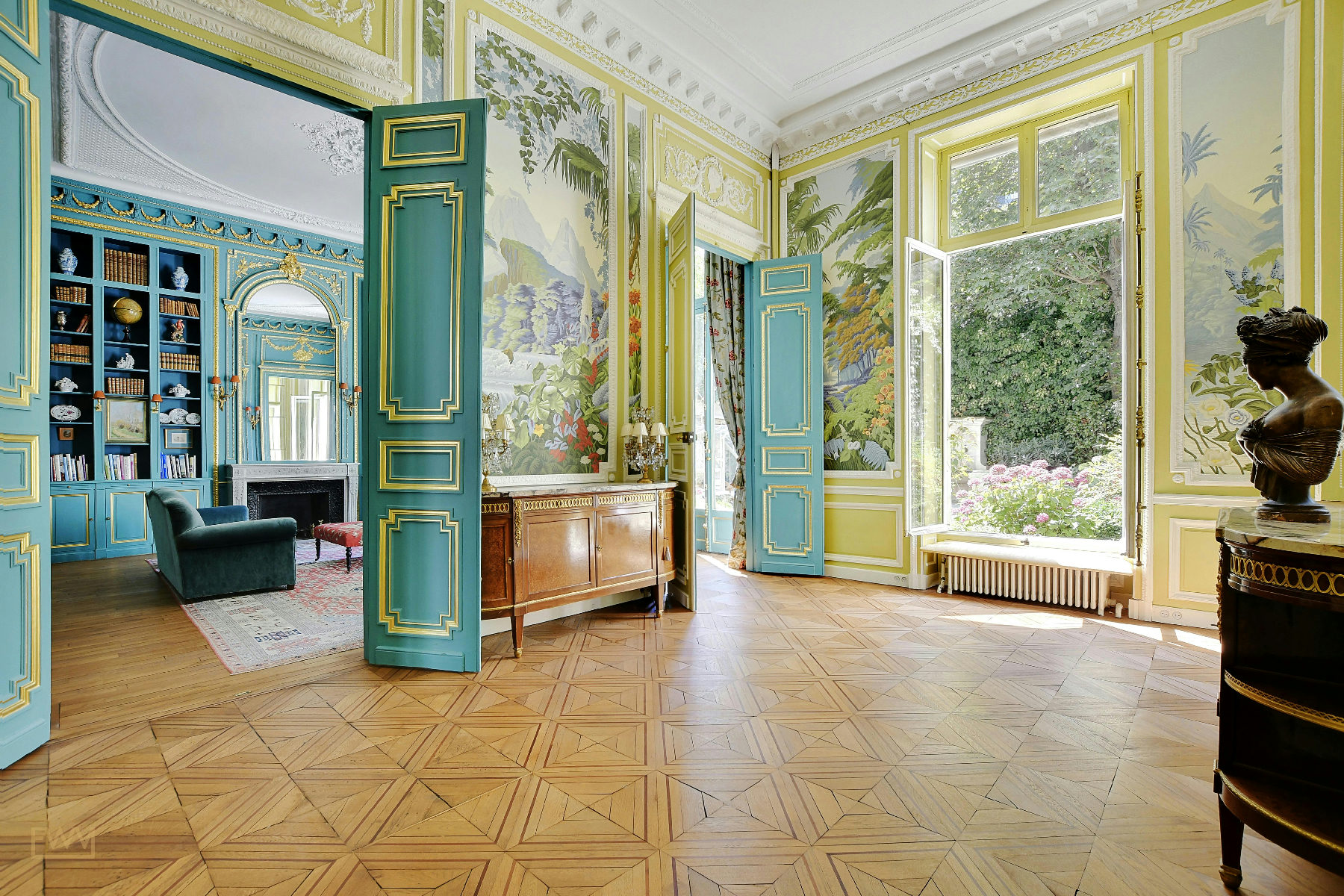
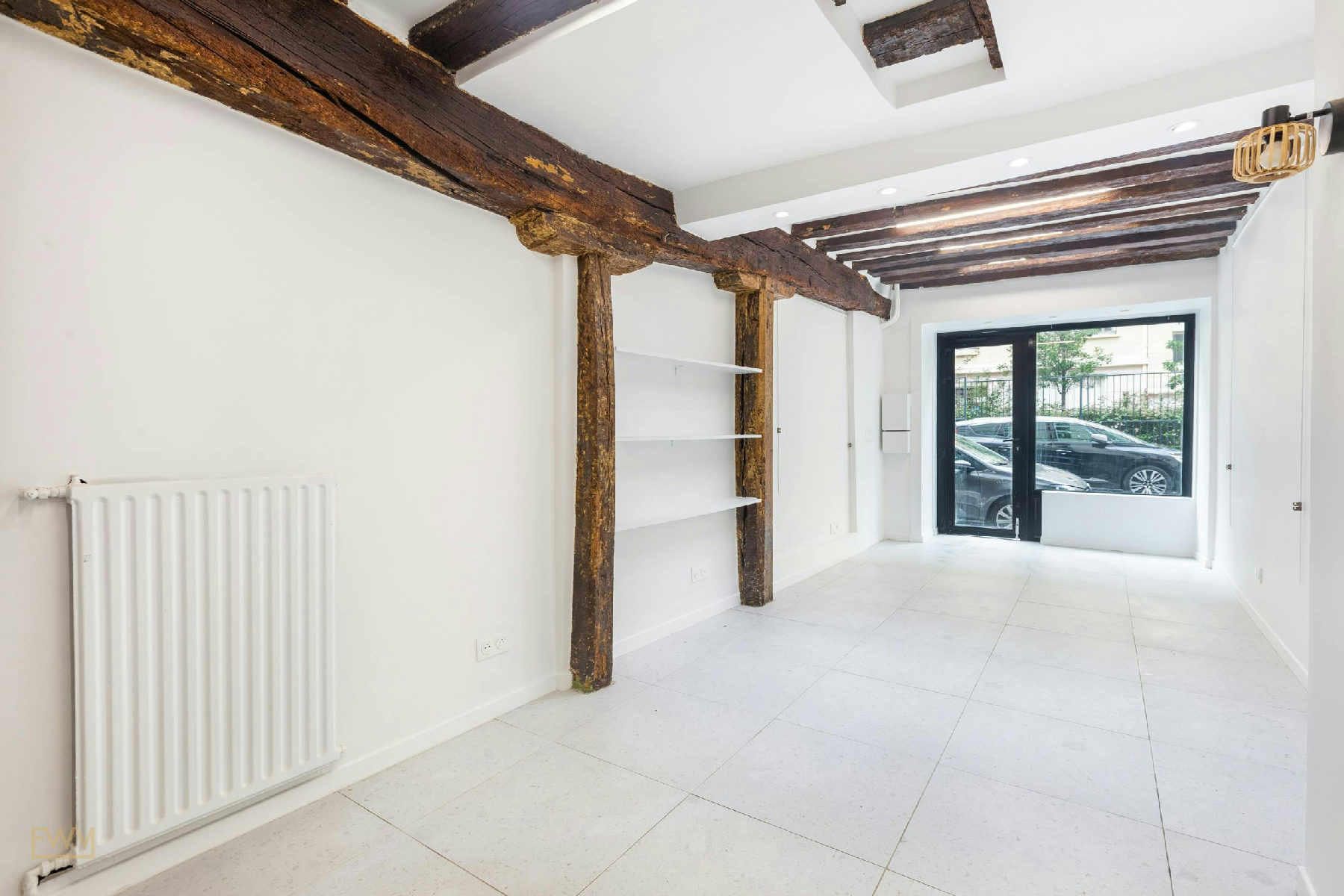
Le Marais is Paris's most globally recognised neighbourhood for independent fashion, contemporary art, and concept retail. The density of galleries, boutiques, and concept stores in the 3rd and 4th arrondissements creates a commercial ecosystem that naturally attracts fashion-forward consumers, international tourists, and press. Spaces in Le Marais range from historic stone-walled gallery spaces with exposed stone columns and polished concrete floors to raw loft spaces with exposed piping and large door entrance access. The architectural variety is exceptional, and the neighbourhood supports both high-volume consumer pop-up stores and intimate fashion showrooms for buyers and press.
Local foot traffic in Le Marais is strongest on weekends, and the neighbourhood draws a mix of local Parisians and international visitors throughout the week. Rue des Francs-Bourgeois, Rue de Bretagne, and the streets surrounding Place des Vosges are the most commercially active corridors. Brands looking for street visibility, signage opportunities, and ground floor access with a backyard or courtyard should prioritise Le Marais as a first-choice neighbourhood for immersive pop-up activations.
Saint-Honoré, Place Vendôme, and the 1st Arrondissement
The area bounded by Rue du Faubourg Saint-Honoré, Place Vendôme, Rue de Rivoli, and Palais Royal is the most prestigious retail corridor in Paris and arguably in the world. This is where the major French fashion houses maintain their flagship boutiques and where international luxury brands establish their Paris presence. Retail space rental in this area commands premium pricing, and availability is limited. However, short-term spaces do become available in the buildings surrounding Palais Royal and along the side streets off Rue Saint-Honoré, and these locations deliver unparalleled brand association and clientele quality.
The first arrondissement is the natural home for luxury fashion showrooms, exclusive product launch events, and high-net-worth consumer activations. Brands in beauty, jewellery, haute couture, and premium accessories consistently choose this area for activations during Paris Fashion Week because the density of press hotels, fashion house schedules, and buyer appointments in the surrounding streets means the right audience arrives organically.
Saint-Germain-des-Prés and the 6th Arrondissement
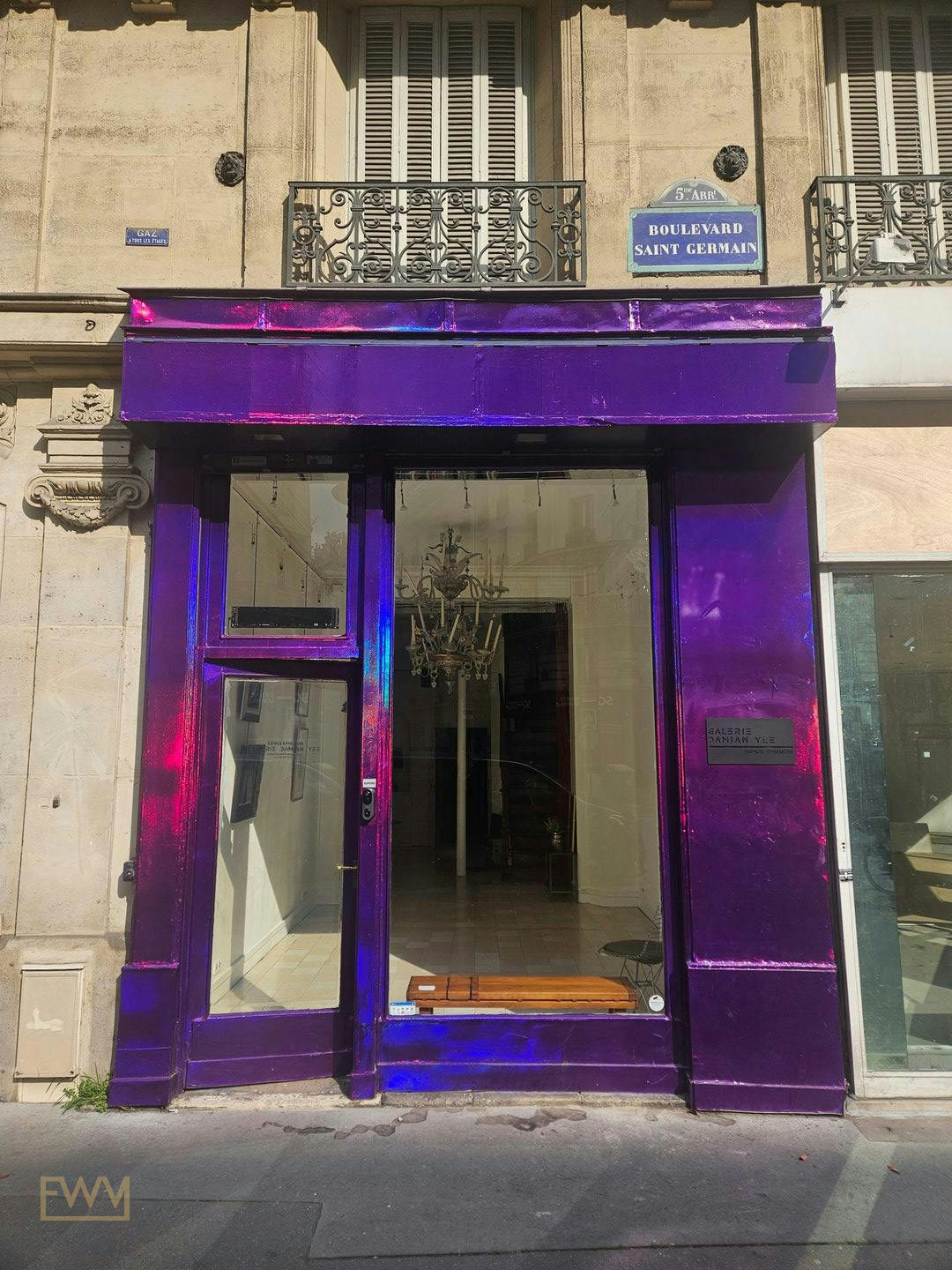
Saint-Germain-des-Prés occupies a distinctive position in the Paris retail landscape. Historically associated with intellectual life, contemporary art, and independent publishing, the 6th arrondissement now hosts a blend of established luxury boutiques, independent fashion retailers, and gallery spaces. The clientele in Saint-Germain tends toward affluent Parisians and culturally engaged international visitors rather than the mass tourism foot traffic found on the Champs-Élysées. This makes it an excellent location for brands in contemporary fashion, lifestyle, design, and premium beauty seeking a curated audience.
Champs-Élysées, the Golden Triangle, and the 8th Arrondissement
Avenue des Champs-Élysées is the highest footfall retail street in Paris by volume, attracting an estimated 100 million visitors per year. The Boulevard Malesherbes, Place de la Madeleine, Rue Paul Cézanne, 134 Boulevard Haussmann, and Rue Washington all sit within the broader 8th arrondissement catchment area. The Golden Triangle, defined by Avenue des Champs-Élysées, Avenue Montaigne, and Avenue George V, concentrates the headquarters of many of the world's most recognised luxury fashion brands. Retail space rental in this area is expensive but delivers maximum visibility and association with the global fashion industry's most powerful addresses.
Châtelet-Les Halles, Forum des Halles, and the 1st and 2nd Arrondissements
Châtelet-Les Halles is the most connected transport hub in the Paris metro system, making it one of the highest local foot traffic locations in the entire city. The redeveloped Forum des Halles canopy and surrounding streets attract millions of daily commuters and shoppers. Brands targeting impulse shoppers, mass consumer activations, sampling campaigns, and product discovery moments find this area delivers exceptional reach at a more accessible price point than the luxury corridors. Temporary retail space in the 2nd arrondissement, which borders Châtelet to the north, offers a blend of commercial foot traffic and creative neighbourhood character that suits streetwear, beauty, and lifestyle brands.
Pigalle, Montmartre, and the 18th Arrondissement
Pigalle and lower Montmartre have undergone a significant commercial transformation over the past decade. The area now hosts a cluster of independent fashion boutiques, music-influenced lifestyle brands, and creative studios. Brands in streetwear, music, beauty, and youth culture consistently activate in this area, particularly around the Rue des Martyrs and the streets immediately south of Sacré-Coeur. Montmartre proper attracts heavy tourist foot traffic, while the commercial corridor between Pigalle Métro and the surrounding streets provides a more local, community-facing environment.
To compare neighbourhoods and space types, explore the Paris city hub on Fashion Week Venues and shortlist spaces that match your brief, budget, and calendar window.
| Neighbourhood | Best For | Foot Traffic Profile | Typical Space Types | Calendar Relevance |
|---|---|---|---|---|
| Le Marais | Contemporary fashion, concept retail, showrooms | Mixed local and international | Gallery, loft, boutique, courtyard | Year-round, peak during Fashion Week |
| Saint-Honoré and Vendôme | Luxury, haute couture, jewellery, beauty | Affluent international | Boutique storefront, private apartment, gallery | Paris Fashion Week critical |
| Saint-Germain-des-Prés | Contemporary lifestyle, premium fashion, art | Affluent local and cultural tourists | Gallery, boutique, concept space | Strong year-round |
| Champs-Élysées and Golden Triangle | Luxury flagships, high-visibility activations | Highest volume in Paris | Large storefront, flagship space | Year-round, Fashion Week premium |
| Châtelet-Les Halles | Consumer brands, sampling, beauty, streetwear | Commuter-heavy, mass market | Kiosk, popup unit, commercial space | Consistent year-round |
| Pigalle and Montmartre | Streetwear, music, youth culture, beauty | Local community and tourists | Studio, loft, creative space | Strong for non-Fashion Week windows |
| Palais Royal | Design, luxury accessories, niche brands | Curated, design-literate | Gallery, boutique, arcade unit | Peak during Fashion Week |
KEY TAKEAWAY: Location selection in Paris is a brand strategy decision, not a convenience decision. The arrondissement you choose signals your brand's positioning to the press, buyers, and consumers who encounter your activation. Prioritise neighbourhood fit over price before narrowing by space type and availability.
Understanding where to look is only half the picture. The next question is what types of space are available and what features matter most when evaluating options for a specific activation brief.
Space Types Available for Retail Space Rental in Paris
Quick answer: Paris offers a remarkable variety of commercial space types for short-term rental, including traditional storefronts, art galleries, fashion showrooms, loft spaces, creative studios, private apartments, and purpose-built event spaces. Each space type has distinct advantages depending on the activation objective, brand positioning, and target audience.
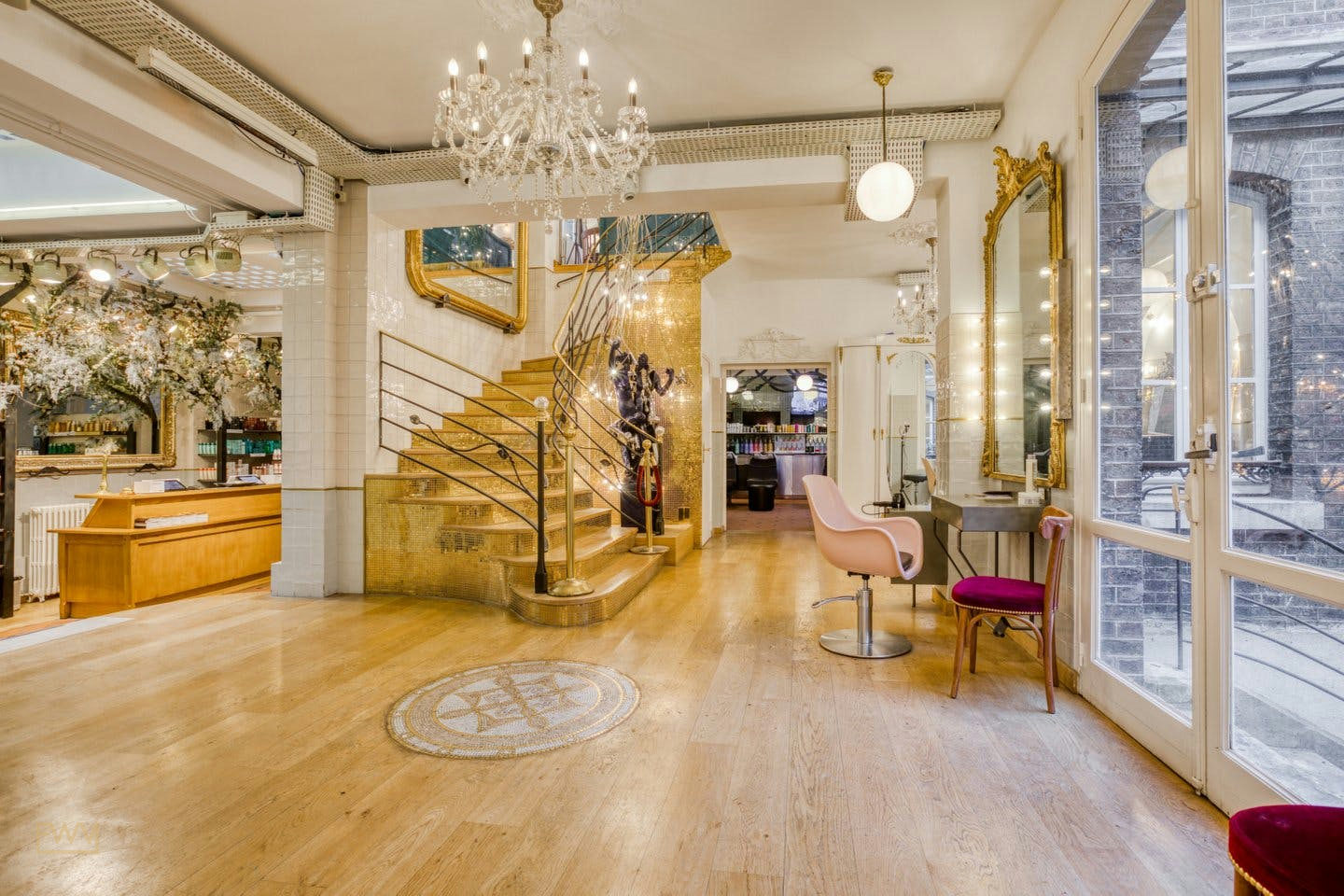
The diversity of Paris's architectural heritage means that space features vary dramatically even within the same arrondissement. A brand briefing for a product launch in Le Marais might yield options ranging from a 17th-century stone-walled gallery with exposed stone columns and spotlights to a raw industrial loft with raw concrete floors, exposed piping, and a large door entrance suitable for installation-scale activations. Understanding which space features matter for your specific activation prevents wasted viewings and accelerates the selection process.
Storefronts and Charming Boutiques
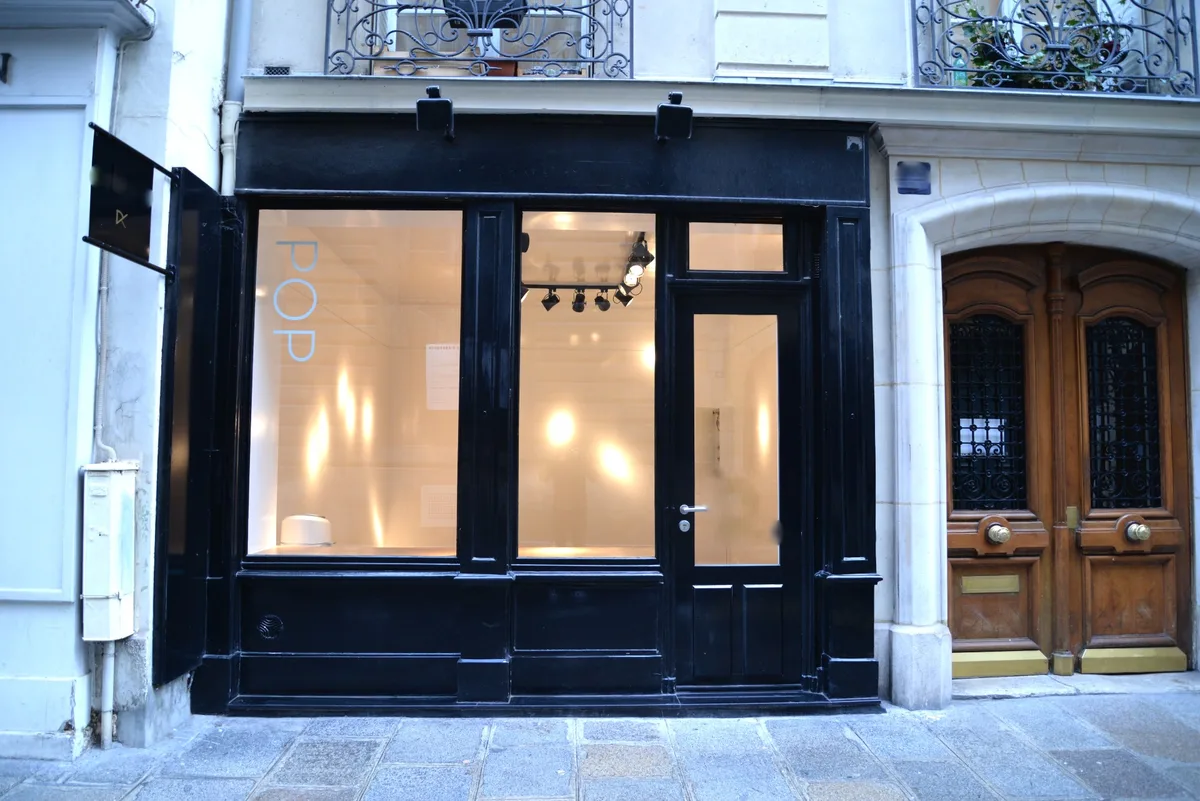
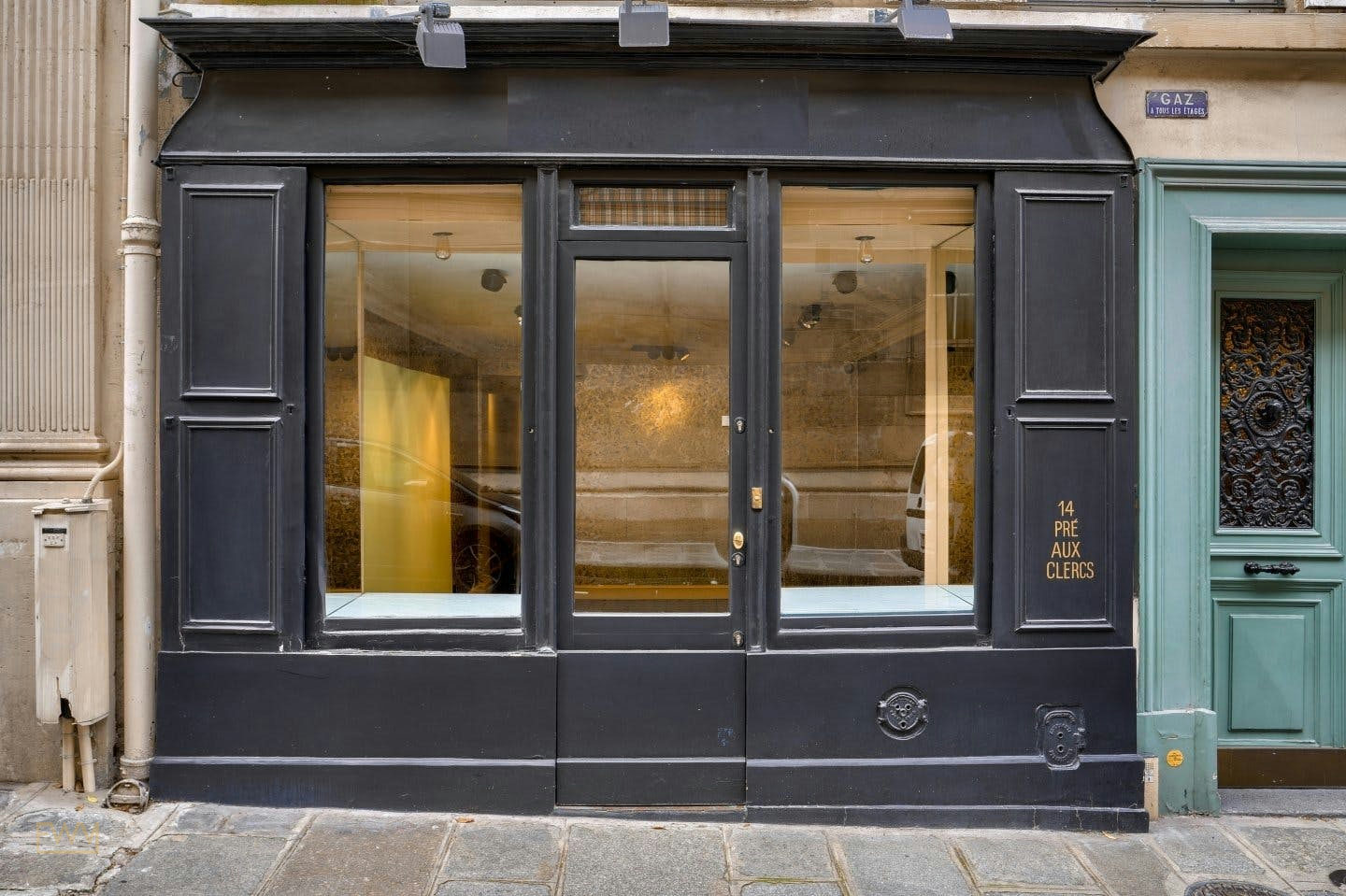
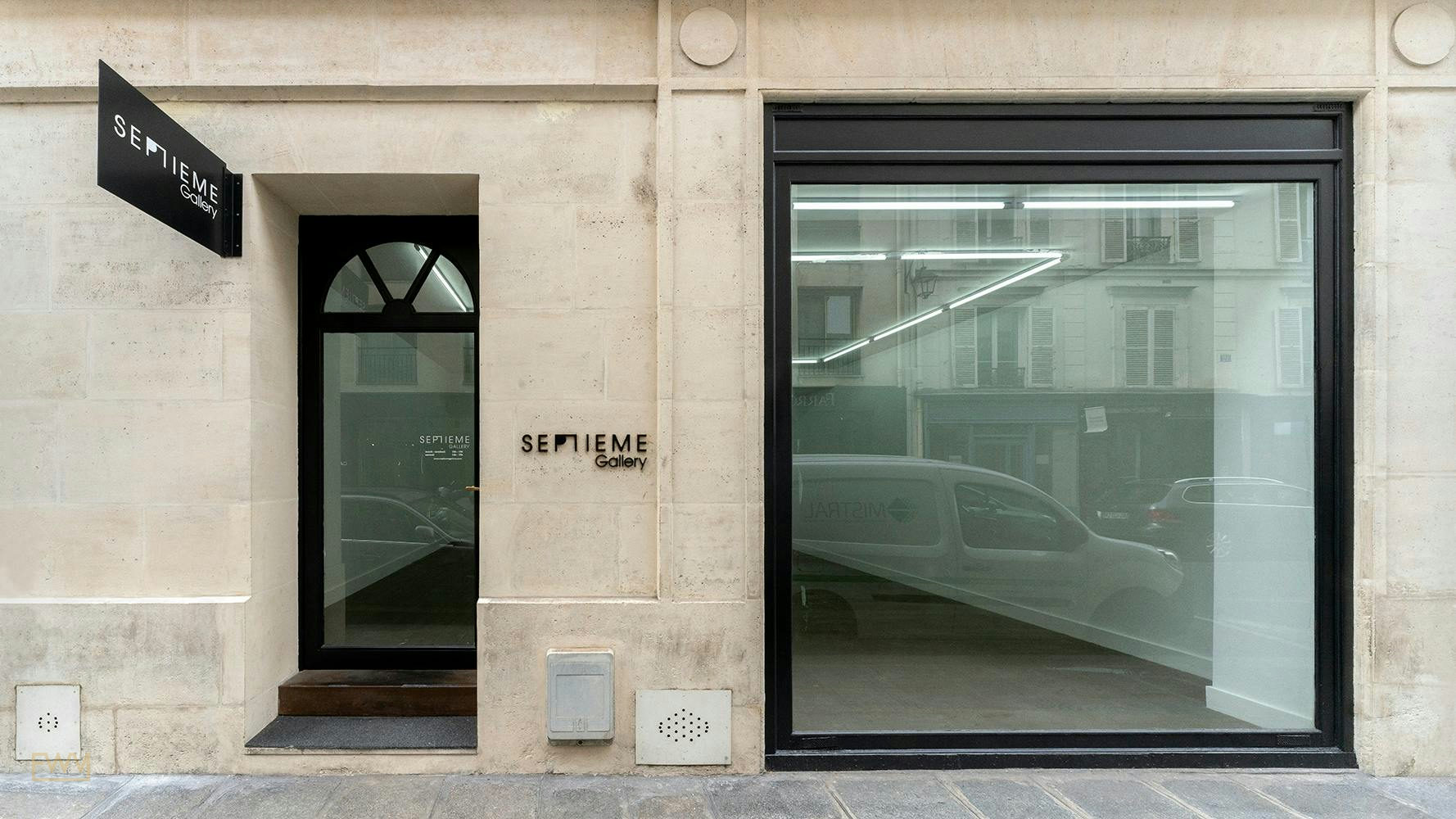
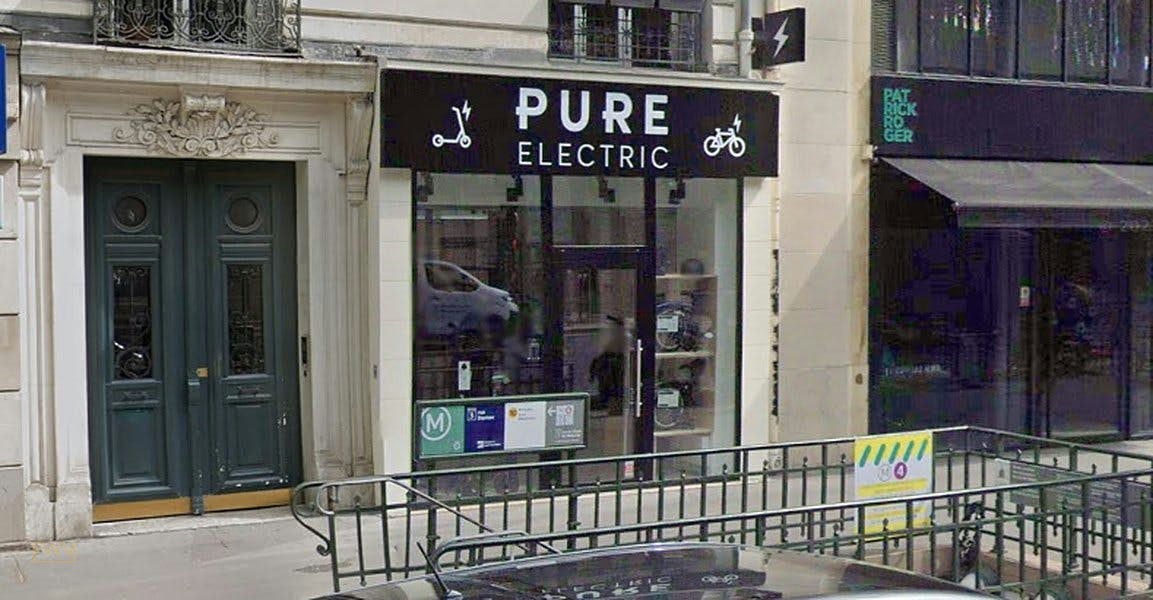
The classic Parisian storefront, typically a ground floor retail unit with direct street access, large windows, and signage opportunities, remains the most sought-after space type for consumer-facing pop-up stores. Charming boutique spaces in Le Marais, Saint-Germain-des-Prés, and the streets around Palais Royal command strong demand during Paris Fashion Week and require early booking. Street visibility, floor access, and proximity to the Métro are the primary criteria brands should evaluate when comparing boutique options.
Art Galleries and Galerie d'Art
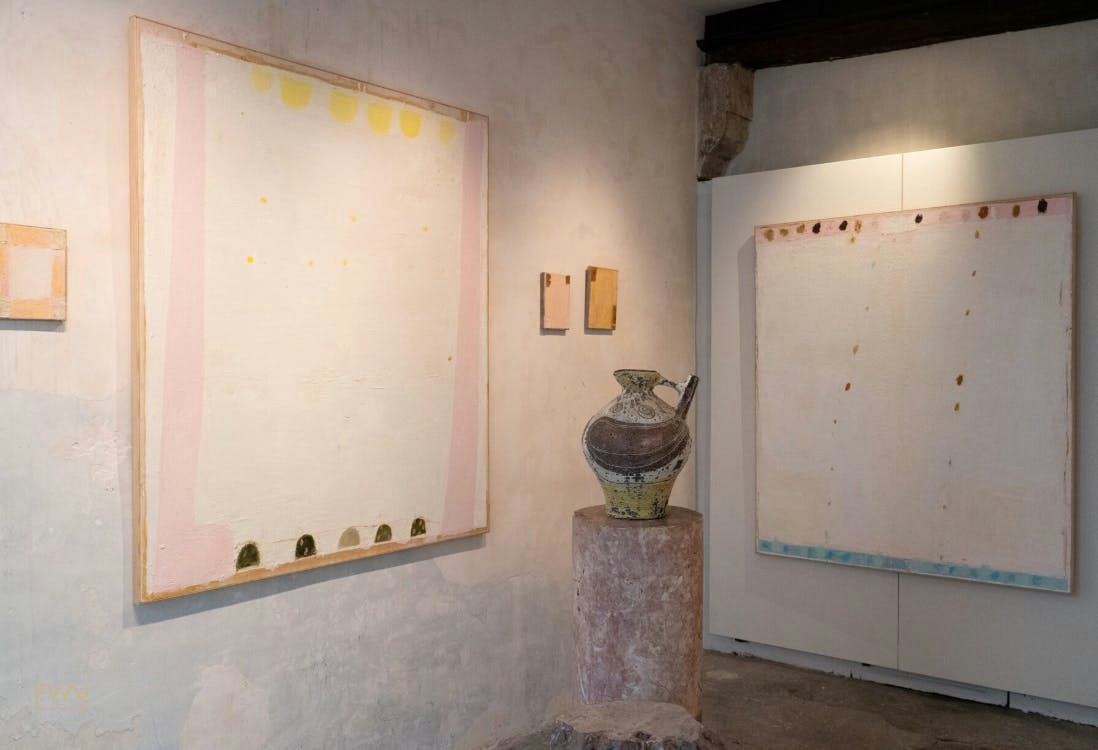
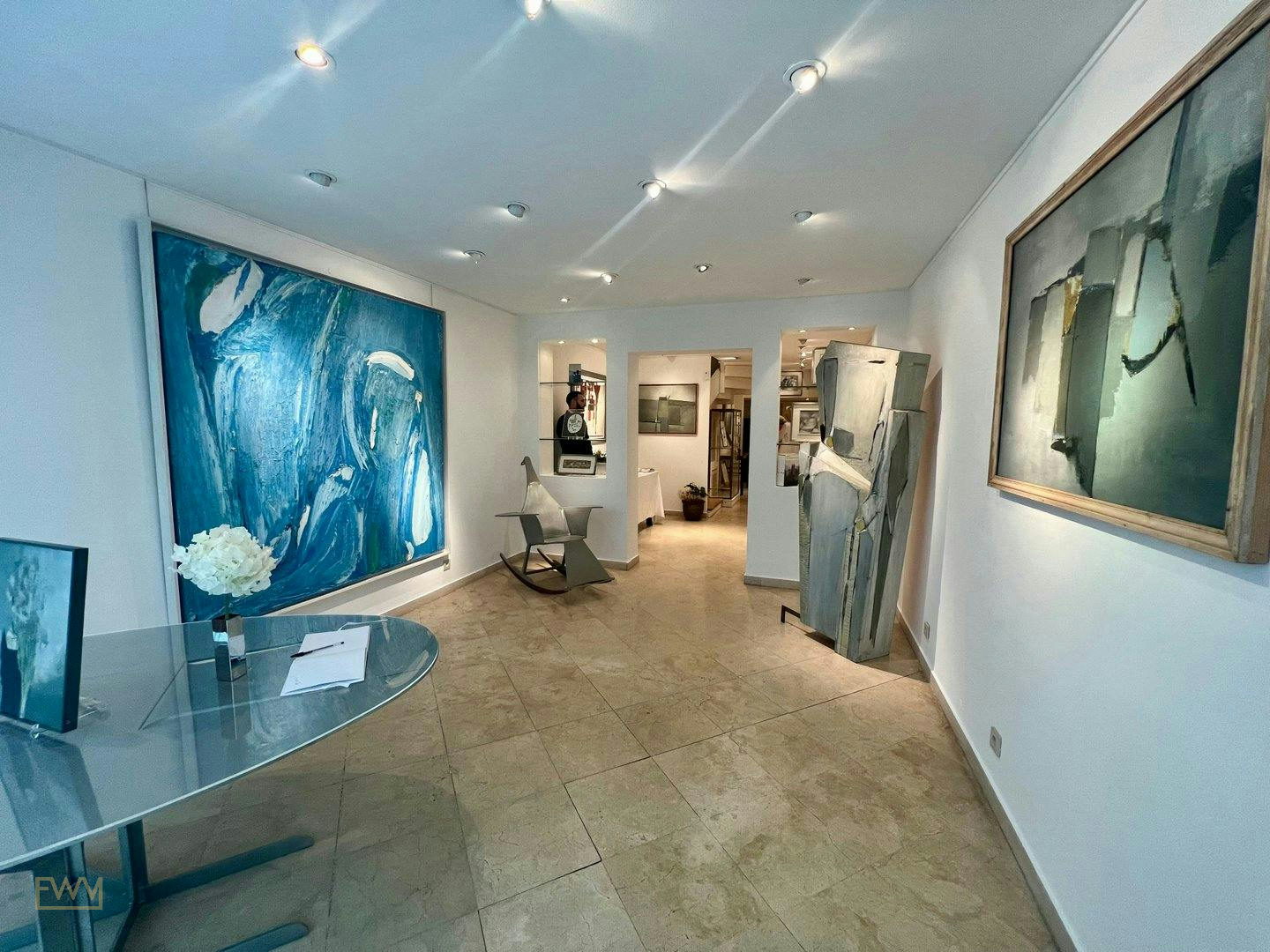
Paris has one of the highest concentrations of commercial art galleries in the world, and many gallery owners make their spaces available for short-term retail rental between exhibitions. Gallery spaces typically offer white walls, excellent spotlight lighting, polished concrete floors or wooden floors, and an aesthetic that lends itself naturally to fashion presentations, luxury product launches, and immersive brand experiences. The galerie d'art format is particularly effective for brands in fine jewellery, luxury accessories, and premium fashion who want to communicate cultural authority alongside commercial offer.
Fashion Showrooms
A dedicated fashion showroom is a purpose-adapted space designed to host trade presentations, buyer appointments, and press previews. Paris has a well-established showroom culture concentrated around the 1st, 2nd, 8th, and 9th arrondissements. During Paris Fashion Week, the demand for fashion showroom space dramatically exceeds supply, and brands that leave space sourcing until eight weeks before the week itself will typically find only secondary options available. Showrooms often feature good natural light, flexible rail systems, and reception areas suitable for appointment-based traffic rather than open consumer access.
Loft Spaces and Creative Spaces
Loft spaces and Espace Créatif properties offer the largest footprint and the most flexibility for brands executing large-scale installations, studio productions, or multi-format activations. These spaces, common in the 10th, 11th, and eastern arrondissements, often feature raw concrete floors, exposed piping, high ceilings, and industrial-scale access. A Studio Photo specification within a loft space adds professional lighting infrastructure and technical utilities. For brands planning influencer content shoots, editorial productions, or immersive consumer experiences alongside retail, a loft or creative studio format is often the most practical choice.
Apartments and Private Spaces
The Parisian apartment format, a residential space temporarily converted for commercial use, is a distinctive option particularly associated with luxury beauty activations, intimate jewellery presentations, and high-net-worth consumer events. The apartment aesthetic communicates intimacy and exclusivity that a conventional storefront cannot replicate. This format requires careful attention to planning designations and insurance coverage, and brands should confirm the landlord's permission for commercial use before committing.
Event Spaces
Purpose-built event spaces in Paris range from ornate historical venues in the 7th and 8th arrondissements to contemporary warehouse spaces in the east of the city. For brands combining retail with an event programme, an event space with a ground floor or accessible layout and proximity to transport links offers the most operational flexibility. Signage, catering rights, and technical specifications vary significantly between venues and should be confirmed during the viewing stage.
| Space Type | Typical Features | Best Activation Type | Key Considerations |
|---|---|---|---|
| Storefront | Street access, display windows, signage | Consumer pop-up, product launch | Foot traffic, visibility, Métro proximity |
| Charming Boutique | Intimate scale, architectural detail, neighbourhood setting | Brand immersion, limited edition retail | Availability during Fashion Week, booking lead time |
| Art Gallery | White walls, spotlights, polished floors | Luxury retail, press preview, product storytelling | Gallery schedule, insurance, permitted commercial use |
| Fashion Showroom | Flexible layout, reception, good light | Trade appointments, buyer meetings, press visits | Appointment flow, access management, discretion |
| Loft | High ceilings, raw finish, large access | Installation, content production, experiential | Technical infrastructure, build time required |
| Apartment | Residential aesthetic, intimate scale | Luxury beauty, fine jewellery, VIP events | Planning designation, insurance, noise restrictions |
| Event Space | Capacity, technical facilities, catering rights | Launch events, brand experiences with retail element | Technical specs, access, licensing |
KEY TAKEAWAY: Space type selection should be driven by the activation format, not by what is most immediately available. Committing to a space type before beginning the search narrows the options productively and prevents mismatched spaces that look appealing in listings but fail in practice.
Once a brand team has clarity on space type and neighbourhood, the question of cost and budget structure becomes the next critical decision gate. Understanding how retail space rental pricing works in Paris prevents budget overruns and scope creep.
Retail Space Rental Pricing in Paris: What to Budget and How to Plan
Quick answer: Retail space rental pricing in Paris varies enormously by neighbourhood, space type, square meters, duration, and season. Pricing during Paris Fashion Week commands a significant premium over standard market rates. Brands should plan full activation budgets rather than focusing on the headline daily or weekly rental figure, as fit-out, staffing, permits, and logistics represent substantial additional costs.
Paris is not a single retail property market. It is several overlapping markets operating simultaneously, each with its own supply and demand dynamics. The commercial real estate pricing in the Golden Triangle or on Rue du Faubourg Saint-Honoré operates in an entirely different bracket from a creative loft in the 11th arrondissement or a studio space in Pigalle. Any pricing guide that presents a single range for retail space rental in Paris without distinguishing by location, space type, and duration is providing directional guidance at best and misleading information at worst.
For brands planning a short-term activation, the most accurate way to model budget requirements is to work backward from the activation objective. How many square meters of space does the concept require? What is the minimum rental period that justifies the fit-out cost? What is the cost of branded store design, furniture rental, staffing, permits, and point of sale infrastructure on top of the rental fee? Using a structured budget tool that accounts for all of these variables produces a more reliable activation budget than a raw rental figure alone.
IMPORTANT: Rental fees represent only one component of the total cost of a Paris pop-up activation. Fit-out and production, branded store design, retail staffing, POS and payments infrastructure, permit applications, and insurance can collectively equal or exceed the space rental cost itself. Brands that plan budgets based on rental cost alone regularly underestimate total investment by a significant margin.
The minimum rental period for most short-term commercial spaces in Paris is typically three to seven days, though some spaces in high-demand neighbourhoods require a minimum of two weeks during Fashion Week periods. Landlords with premium properties in the 1st and 8th arrondissements often require a minimum commitment of one to two weeks during Paris Fashion Week given the volume of enquiries they receive. Brands seeking a single-day activation for a sampling campaign or product launch event will find more flexibility in the Châtelet-Les Halles area and in spaces listed through specialist short-term rental platforms.
Brands can use the budget estimation tool from Fashion Week Venues to model a brand-specific cost structure that accounts for space type, duration, neighbourhood, fit-out requirements, and service needs. This produces a more reliable planning figure than any published rate card.
TIP: When comparing spaces across different arrondissements, calculate the cost per square meter per day rather than comparing headline daily rates. A larger space at a lower daily rate may deliver worse value per square meter than a smaller, better-located space at a higher rate, particularly if the larger space requires more expensive fit-out to feel appropriately dressed for the brand.
It is also worth noting that some platform-listed spaces advertise pricing in daily or weekly increments, while traditional commercial real estate brokers typically quote on a monthly basis using annual rent calculations. These two pricing conventions are not directly comparable without converting to a common metric, and brands working across both types of channel need to ensure they are comparing like with like before making commitments.
KEY TAKEAWAY: Budget for the full activation cost, not just the rental line. Paris retail space rental pricing is highly variable by location, space type, and calendar timing. Use structured budget modelling tools and plan all cost components before committing to a space.
Budget clarity enables better space decisions, but it also informs the discussion of how long a brand should rent a space and when in the calendar year the activation is most likely to deliver return on investment.
The Paris Fashion Calendar and Its Impact on Retail Space Rental
Quick answer: Paris Fashion Week, held twice annually in late February or early March for womenswear and in late September or early October, is the most commercially significant window for retail space rental in Paris. However, brands that restrict their activation planning to only these two windows miss substantial opportunities across the full twelve-month Paris retail calendar.
Paris Fashion Week concentrates an extraordinary density of international press, fashion buyers, brand executives, influencers, and high-net-worth consumers into specific arrondissements over a period of roughly ten days. This concentration creates a temporary commercial environment unlike any other time in the city's calendar. Showroom space in the 1st and 8th arrondissements, boutique storefronts in Le Marais, and gallery spaces near Palais Royal are typically fully reserved by brands with established Paris relationships six to twelve months before the week itself.
Brands new to Paris that begin their search eight to ten weeks before Fashion Week will find primary locations largely unavailable and will face the choice of accepting secondary locations, paying above-market rates for last-minute availability, or deferring to the next season. The solution is to treat Paris Fashion Week retail space rental as a twelve-month planning exercise, not a two-month sprint. Brands that commit to a space in the preceding January or February for the March Fashion Week, and in June or July for the September week, consistently access better locations at better rates.
Outside the Fashion Week windows, Paris offers strong retail conditions across the full calendar. The January and June sale periods, the Christmas retail season in November and December, the Maison et Objet interiors trade fair in January and September, and the broader spring and autumn tourism seasons all create viable windows for pop-up activation. The Châtelet-Les Halles area, in particular, maintains consistently high local foot traffic throughout the year and is not heavily dependent on the Fashion Week calendar for commercial viability.
DID YOU KNOW: Paris Fashion Week typically spans approximately nine to ten days and hosts shows, presentations, and events from hundreds of brands simultaneously. The resulting concentration of international media and buyer attention in specific neighbourhoods creates a retail environment where a well-placed pop-up store can achieve in one week the brand exposure that a permanent boutique might take months to build.
Brands planning a product launch or sampling campaign around events at Galeries Lafayette or Printemps on Boulevard Haussmann benefit from the department stores' own promotional calendars, which attract significant foot traffic independent of the Fashion Week schedule. Similarly, activations timed to coincide with major art events such as FIAC or Paris Photo can access a culturally engaged, high-spending audience that overlaps with but is distinct from the pure fashion press audience.
The timeline planning tool from Fashion Week Venues helps brand teams map their activation planning milestones against the Paris calendar, including space reservation, permit applications, fit-out windows, and go-live dates. This prevents the most common planning failures, which stem not from budget constraints but from underestimating the lead time required for each stage of the process.
KEY TAKEAWAY: Paris Fashion Week is the single highest-value activation window in the city, but it requires planning that begins six to twelve months in advance. Brands that treat the Paris retail calendar as a year-round opportunity, rather than a twice-annual sprint, consistently achieve better spaces, better rates, and better activation outcomes.
Calendar strategy and budget planning are both shaped significantly by the permit and compliance requirements that govern short-term commercial activity in Paris. Understanding this regulatory layer early is essential for any brand operating in the French market.
Permits, Compliance, and Legal Frameworks for Short-Term Retail Space Rental in Paris
Quick answer: Short-term retail space rental in Paris is governed by specific legal instruments including the bail dérogatoire and the autorisation d'occupation temporaire. These frameworks differ from standard commercial leases and carry distinct obligations for both landlord and tenant. Brands should verify all permit and compliance requirements with a qualified French legal advisor before signing any lease or rental agreement.
The bail dérogatoire, sometimes called a convention d'occupation précaire in older usage, allows a landlord and tenant to agree a commercial rental period of up to three years without the tenant acquiring the statutory protections and renewal rights that attach to a standard nine-year bail commercial. This makes it the primary legal instrument for short-term retail rental in Paris and is commonly used for pop-up stores, temporary showrooms, and brand activations. The key condition is that both parties must expressly agree in writing that the purpose of the arrangement is temporary and that neither party intends to create a relationship giving rise to permanent occupancy rights.
The autorisation d'occupation temporaire applies primarily to spaces in public or semi-public buildings, such as spaces within cultural institutions, public market halls, or municipality-owned properties. If a brand is considering an activation in a historic market hall, a public courtyard, or a municipally managed commercial building, the AOT is likely to apply. AOT arrangements can have shorter durations than bail dérogatoire agreements and may involve additional conditions related to signage, hours of operation, and public access.
Beyond the lease framework, brands activating in Paris need to consider several additional compliance areas. Commercial signage in Paris is regulated by the Règlement Local de Publicité, which governs the size, positioning, and illumination of advertising and promotional materials visible from public spaces. This is particularly relevant for pop-up stores seeking street visibility in sensitive historical zones such as the 1st, 3rd, and 4th arrondissements. Non-compliant signage can result in enforcement action and removal, which defeats the visibility purpose of the activation entirely.
IMPORTANT: Permit requirements in Paris vary by space type, duration, arrondissement, and the nature of the commercial activity. Do not assume that a permit arrangement that worked for one space in one arrondissement will apply to a different space in a different part of the city. Always verify local regulations with a qualified French legal advisor before committing to any space.
For brands operating temporary food or beverage service alongside a retail activation, additional licences and health and safety registrations are required. For activations involving live music, social media content production in public spaces, or crowd management in front of a storefront, further compliance considerations apply. Each of these requirements should be mapped at the brief stage, not discovered during the build period.
The permit guidance tool from Fashion Week Venues provides a structured framework for understanding which permit types are likely to apply to a specific activation type, location, and duration. This tool does not replace qualified legal advice but helps brand teams identify the right questions to ask before entering into any lease negotiation.
International brands entering Paris for the first time should also be aware that France has specific rules governing the commercial activities of non-French legal entities. An overseas brand does not necessarily need to establish a French company to rent a short-term space, but the mechanism for doing so without a French entity requires specialist guidance and may affect VAT treatment of rental fees and operational costs.
KEY TAKEAWAY: Compliance in Paris is non-negotiable and non-trivial. The bail dérogatoire and AOT frameworks provide legitimate pathways for short-term retail rental, but both require expert legal input. Permit requirements vary by location, space type, and activation format, and should be researched before space selection rather than after lease signing.
With the legal framework understood, brands are in a position to evaluate how to find and compare Paris retail spaces effectively, whether through specialist agencies, online platforms, or direct landlord engagement.
How to Find and Evaluate Retail Space Rental Listings in Paris
Quick answer: Brands can find retail space rental listings in Paris through specialist short-term retail platforms, full-service pop-up agencies, commercial real estate brokers, and direct landlord relationships. Each channel has different advantages in terms of space quality, transparency of pricing, landlord vetting, and support through the rental process.
The Paris commercial real estate market operates across several distinct layers. The traditional commercial property market, dominated by established broker professionals operating through networks such as CoStar and LoopNet, is primarily oriented toward longer-term lease arrangements and investment properties. These platforms serve landlords seeking long-term occupiers and are not optimised for brands seeking flexible rentals of one to four weeks. Brokers operating in this market may have access to interesting spaces but typically work on commission structures that add cost and complexity to short-term transactions.
Specialist short-term retail platforms aggregate space listings from landlords who actively want to host temporary activations. These platforms typically allow brands to filter by arrondissement, space type, square meters, available dates, and space features such as floor type, lighting, large door entrance, and ground floor access with a backyard. Browsing listings on a platform structured for short-term retail is significantly more efficient than searching through general commercial real estate databases not designed for this use case.
Platform listings vary in quality and completeness. The most useful listings include accurate measurements in square meters, clear photography of all space features, transparent pricing, availability calendars, and information about previous activations. Brands should treat listings without pricing or without confirmed availability with appropriate caution and request viewings before making any commitments. Alert functionality that notifies brands when new spaces matching their criteria become available is a useful feature for brands with flexible timing who want to monitor the market before committing.
Full-service agencies add a layer above platform browsing by providing access to off-market spaces, pre-negotiated landlord relationships, and operational expertise that extends beyond space finding to include concept direction, fit-out management, and activation delivery. For brands executing complex or high-profile activations in Paris for the first time, the agency model typically provides better outcomes than self-directed platform browsing, particularly for Fashion Week timing where the best spaces require both early commitment and landlord credibility.
When evaluating any space in Paris, brands should assess the following criteria systematically: neighbourhood fit and brand alignment, square meters and layout relative to activation concept, natural light and artificial lighting quality including spotlights and track systems, floor type including raw concrete, polished concrete, or wooden floors, street visibility and signage permissions, ground floor access and large door entrance dimensions for installation or delivery, proximity to Métro stations and transport links, availability of backyard or courtyard space, noise and neighbour considerations for event formats, and landlord track record with short-term commercial tenants.
The space comparison tool from Fashion Week Venues allows brand teams to evaluate multiple spaces against a consistent set of criteria before arranging viewings, which saves significant time during the evaluation phase and ensures that spaces are assessed on the factors that matter most for the specific activation brief.
TIP: Always conduct a physical viewing of a Paris retail space before committing, even if the listing photography is excellent. Paris buildings have distinctive characteristics, including staircase access, courtyard layouts, basement mezzanines, and ceiling height variations, that photographs do not always communicate accurately. The ground floor access situation, including pavement width in front of the space and any restrictions on standing signage, should be confirmed in person.
KEY TAKEAWAY: Use specialist short-term retail platforms for initial discovery and filtering, and engage a full-service agency for complex or high-profile activations where landlord relationships, permit support, and operational delivery expertise are required. Physical viewings are non-negotiable before any lease commitment in Paris.
Once the right space is identified and the lease framework is agreed, the next critical phase is the build and fit-out process that transforms a raw commercial space into a functioning branded retail environment.
How Fashion Week Venues Supports Retail Space Rental in Paris
Quick answer: Fashion Week Venues operates as a full-service pop-up agency and space marketplace with Paris as its primary market, offering brand teams a single point of access for venue sourcing, concept direction, fit-out, activation management, staffing, retail technology, and marketing support across the full activation lifecycle.
For brand teams managing a Paris activation remotely, from London, New York, Milan, Dubai, or Tokyo, the logistics of sourcing, negotiating, building, staffing, and managing a temporary retail space in a foreign market with a different language, legal framework, and commercial culture are substantial. Fashion Week Venues was built specifically to reduce that complexity for international brands and to ensure that the quality of the activation reflects the brand's standards rather than the limitations of an unfamiliar market.
The venue sourcing service draws on established landlord relationships across all major Paris neighbourhoods to identify spaces that match the brand's brief on location, space type, square meters, aesthetic, and budget. This includes access to spaces that do not appear in public listings, which is particularly valuable during Paris Fashion Week when public platform availability is limited. Venue sourcing is supported by physical viewings, space documentation, and comparative analysis before any commitment is made.
Concept direction and branded store design services ensure that the chosen space is transformed into an environment that communicates the brand's identity with precision. This includes spatial planning, materials selection, furniture rental from a curated inventory, lighting design, and the visual merchandising layer that makes the difference between a space that looks temporary and one that feels like a natural brand environment. The Imagine tool allows brand teams to visualise how their concept might look in a specific space before committing to a design direction.
Production and fit-out management covers the physical build of the space within the constraints of the lease agreement, including any landlord restrictions on fixings, painting, or structural alterations. Paris landlords vary considerably in what they permit during a short-term tenancy, and the production team works within those constraints to achieve the maximum possible brand environment. The build planning tool helps brand teams understand realistic build timelines and the operational sequence required to go from empty space to activation-ready in the available window.
Retail staffing is provided through a vetted network of Paris-based brand ambassadors, sales associates, and multilingual customer hosts who understand the expectations of an international brand environment. Staff are briefed on brand values, product knowledge, and activation objectives before the opening day. The retail staffing service includes scheduling, management, and performance monitoring throughout the activation period.
Point of sale and payments infrastructure, data and analytics tracking, and influencer marketing support round out the operational layer, ensuring that the activation generates measurable commercial and marketing outcomes rather than simply occupying a space for a defined period. The ROI calculator available through Fashion Week Venues allows brand teams to model expected returns before committing to a budget and to track actual performance against projections during the activation.
For brands considering a co-activation with another complementary brand, the twin co-activation concept from Fashion Week Venues provides a structured framework for sharing a Paris space with a non-competing brand, splitting the rental and operational cost while maintaining distinct brand identities within the shared space. This is particularly effective for brands in complementary categories such as fashion and beauty, or accessories and fragrance, that share a target audience but do not compete commercially.
Fashion Week Venues does not guarantee space availability, permit approvals, or specific commercial outcomes. The agency provides specialist expertise, established market relationships, and operational support across all phases of the activation lifecycle. Brands retain decision-making authority at every stage and are not locked into a fixed service package. The process page at Fashion Week Venues outlines how engagements are structured from initial brief to post-activation review.
KEY TAKEAWAY: Fashion Week Venues provides brand teams with a single point of accountability for the full complexity of a Paris retail activation, from space finding and legal navigation to build, staffing, and performance measurement. This is particularly valuable for international brands entering Paris for the first time or scaling from a single activation to a sustained market presence.
Build, Fit-Out, and Branded Store Design for Paris Pop-Up Spaces
Quick answer: The fit-out and branded store design phase is where the rental space becomes a brand environment. In Paris, this phase must be planned carefully within the constraints of the short-term lease, the building's structural characteristics, and the available time window between possession and opening day.
Paris commercial buildings present a wide range of fit-out challenges and opportunities. A raw concrete space with exposed piping and polished concrete floors in the 10th arrondissement requires a completely different design approach than a gallery space with white walls and track spotlights in the 4th. The design direction should be established before the space is confirmed, not after, because the space type and its specific features directly determine which design concepts are viable and which require adaptation.
Branded store design in Paris typically needs to account for several constraints specific to the French market. Landlords often prohibit direct fixings into walls, ceilings, or floors, particularly in historically classified buildings. This means that display systems, signage frameworks, and lighting installations need to be freestanding or non-invasive. The use of pressure-fit systems, suspended display structures, and modular furniture units designed for non-damaging installation is standard practice in Paris pop-up design and should be factored into the design brief from the outset.
The timeline from possession to opening day for a Paris pop-up typically ranges from two to five days for a compact boutique or gallery space to ten to fourteen days for a large loft installation or experiential environment. This window must accommodate delivery logistics, including navigating Paris's restricted delivery hours in many arrondissements, assembly of all elements, electrical and technical installation, visual merchandising, and a pre-opening walkthrough with the brand team. Brands that compress this timeline by overestimating how much can be completed in a single day regularly open with unfinished environments.
Furniture rental from a curated inventory of Paris-appropriate pieces, including French antique elements, contemporary design pieces, and modular commercial fixtures, reduces both cost and logistics compared to purchasing and shipping furniture for a temporary activation. The furniture rental service from Fashion Week Venues includes delivery, installation, and collection within the rental period, and pieces can be specified to complement the chosen design direction.
The production and build service from Fashion Week Venues manages the full fit-out process from design sign-off to opening day, including coordination with landlords, building managers, and local suppliers. This is particularly valuable in Paris where supplier relationships, language, and knowledge of building-specific access rules all affect the speed and quality of the build.
KEY TAKEAWAY: Fit-out planning in Paris requires design decisions that respect landlord constraints, building characteristics, and delivery logistics. The most successful activations are those where the design concept and the space characteristics are matched before the lease is signed, not after the brand team arrives on build day.
Common Myths About Retail Space Rental in Paris Debunked
MYTH: You need a French legal entity to rent a retail space in Paris for a short-term activation.
FACT: International brands do not automatically need to establish a French company to rent a short-term commercial space in Paris. However, the mechanism for entering into a French lease or rental agreement as a non-French entity requires specialist guidance, and the tax and VAT treatment of rental fees may differ depending on how the arrangement is structured. Working with an agency that has experience navigating this on behalf of international brands significantly reduces the administrative friction and the risk of errors that could affect the validity of the rental agreement.
MYTH: Paris Fashion Week is the only viable calendar window for a Paris retail activation.
FACT: While Paris Fashion Week represents the single highest-concentration opportunity in the city's retail calendar, Paris maintains strong consumer foot traffic and international visitor numbers throughout the year. The January and June sale periods, the Christmas retail season, major trade fairs, and the broader spring and autumn tourism seasons all create commercially viable windows for pop-up activations. Brands that restrict their Paris strategy to the Fashion Week windows miss substantial opportunities at lower space costs and with greater space availability than the Fashion Week peak.
MYTH: Commission brokers are the only way to access retail space in Paris.
FACT: Commission brokers operating in the traditional commercial real estate market are one channel for finding space in Paris, but they are not the most efficient channel for short-term retail activations. Specialist short-term retail platforms, full-service pop-up agencies with established landlord relationships, and direct outreach to space owners in key neighbourhoods all provide viable alternatives. For brands seeking flexible rentals of one to four weeks, specialist platforms and agencies typically offer faster access, more transparent pricing, and better support through the rental process than traditional brokers whose commission structures are designed for longer-term lease arrangements.
MYTH: Short-term commercial leases in Paris are legally straightforward and do not require specialist help.
FACT: The bail dérogatoire and autorisation d'occupation temporaire frameworks that govern short-term retail rental in Paris are distinct from standard commercial leases and carry specific legal conditions that must be met for the arrangement to be valid. A poorly drafted bail dérogatoire can inadvertently create rights for the tenant that the landlord did not intend to grant, or conversely expose the brand to liabilities that were not clearly disclosed. Permit requirements, signage regulations, and planning designations add further layers of compliance that require specialist knowledge. All short-term commercial lease arrangements in Paris should be reviewed by a qualified French legal advisor before signing.
MYTH: The biggest space delivers the best activation results in Paris.
FACT: Space size and activation effectiveness are not directly correlated in Paris. A compact, well-located boutique in Le Marais that is perfectly dressed for the brand and positioned on a high-footfall street will consistently outperform an oversized loft in a secondary location that feels underutilised and takes more budget to fill. The relationship between space size, fit-out cost, staffing requirements, and activation objective should be evaluated holistically before committing to a space. Brands often achieve their best Paris results in spaces smaller than their initial brief suggested.
Frequently Asked Questions About Retail Space Rental in Paris
What is the difference between a bail dérogatoire and a standard commercial lease in France?
A bail dérogatoire is a short-term commercial lease that allows a landlord and tenant to agree a rental period without the tenant acquiring the permanent occupancy rights that attach to a standard French commercial lease, known as a bail commercial. A standard bail commercial typically runs for nine years and gives the tenant significant statutory protections including the right to renewal. A bail dérogatoire can run for up to three years and is specifically designed for temporary or trial commercial occupancies. Brands using this instrument for Paris pop-up activations must ensure the agreement expressly states the temporary nature of the arrangement. Independent legal advice from a qualified French advisor is strongly recommended before signing either instrument.
How far in advance should I book a retail space in Paris for Fashion Week?
For primary locations in Le Marais, Saint-Honoré, Vendôme, Palais Royal, and the Golden Triangle, brands should aim to commit to a space six to twelve months before their target Fashion Week window. The most sought-after spaces in these neighbourhoods are fully reserved by brands with established Paris relationships well before short-term rental platforms reflect availability constraints. For secondary locations and non-Fashion Week windows, a booking lead time of two to four months is generally sufficient, though earlier commitment always provides more options. Brands new to Paris consistently report that their biggest planning mistake was beginning the space search too late.
Do I need a French legal entity to rent a pop-up space in Paris?
International brands do not automatically need a French company to rent a short-term commercial space in Paris. However, entering into a French lease agreement as a non-French entity requires specialist guidance on the legal and tax implications. Some landlords prefer or require a French-registered counterparty, particularly for longer-duration arrangements. Working with a specialist agency that has experience representing international brands in the Paris market significantly reduces the administrative burden and the risk of errors in the lease structure. Always verify your specific situation with a qualified French legal advisor before committing to any rental agreement.
What is the minimum rental period for a retail space in Paris?
Minimum rental periods vary significantly by space type, neighbourhood, landlord policy, and time of year. Many spaces listed on short-term retail platforms have minimum rental periods of three to seven days. During Paris Fashion Week, landlords with premium spaces in the 1st and 8th arrondissements often require a minimum of one to two weeks given the volume of enquiries they receive. Spaces suitable for sampling campaigns or single-day brand events can sometimes be accessed for a daily rate, particularly in the Châtelet-Les Halles area and through platforms specifically designed for very short activations. Confirming the minimum rental period is a first-stage filter in any Paris space search.
Which Paris neighbourhood is best for a luxury fashion pop-up?
For luxury fashion activations, the primary neighbourhoods are the Rue du Faubourg Saint-Honoré, Place Vendôme, Palais Royal, and the streets of the Golden Triangle in the 8th arrondissement. These locations deliver the brand association, clientele quality, and press visibility that luxury fashion activations require. Le Marais, particularly the streets surrounding Place des Vosges and the upper Marais, provides an alternative environment for luxury contemporary fashion brands that want a slightly more residential and culturally textured setting. Saint-Germain-des-Prés suits luxury lifestyle and premium contemporary fashion brands seeking an affluent local Parisian clientele.
What permits do I need for a pop-up retail activation in Paris?
Permit requirements for a pop-up retail activation in Paris depend on the space type, the nature of the commercial activity, the duration of the activation, and the arrondissement. The lease framework, whether bail dérogatoire or AOT, affects the permit landscape. Commercial signage requires compliance with Paris's Règlement Local de Publicité. Activations involving food or beverage service require additional licensing. Events involving live music, amplified sound, or crowd management outside the space have further requirements. Requirements vary by space type, duration, and arrondissement, and should be verified with a qualified French legal advisor. The permit guidance tool from Fashion Week Venues provides a structured framework for identifying which permits are likely to apply to a specific activation.
Is Châtelet-Les Halles a good location for a pop-up store?
Châtelet-Les Halles is one of the highest foot traffic locations in Paris and is an excellent choice for consumer brands prioritising volume of visitor contact, sampling campaigns, product discovery activations, and price-accessible retail. The area around Forum des Halles attracts a broad demographic of Parisian commuters, shoppers, and students throughout the week. It is less suited to luxury brand activations where clientele selectivity and neighbourhood association are critical, but for mass-market consumer brands, beauty brands, streetwear labels, and activation formats designed to maximise sampling reach, Châtelet-Les Halles consistently delivers strong results at a more accessible price point than the luxury corridors.
Can I find affordable commercial space in Paris for a short-term pop-up?
Affordable commercial space in Paris relative to prime luxury locations does exist, particularly in the eastern arrondissements including the 10th, 11th, and 12th, in Pigalle and lower Montmartre, and in areas away from the primary tourist and fashion corridors. Creative loft spaces, studio spaces, and smaller commercial units in these neighbourhoods offer significantly lower daily rental rates than comparable square meterage in Le Marais or Saint-Honoré. The trade-off is typically in foot traffic volume, brand neighbourhood association, and proximity to the press and buyer ecosystem that concentrates in the western arrondissements during Fashion Week. Brands should calibrate their definition of affordable against their activation objectives rather than treating price as the primary filter.
What space features should I prioritise when evaluating a Paris retail space?
The most commercially important space features for a Paris retail activation are street visibility and storefront quality, floor type and condition, lighting including natural light and installed spotlight systems, access including ground floor access and large door entrance dimensions, square meters relative to the activation concept, proximity to Métro stations and transport links, signage permissions, and the availability of additional areas such as a backyard or courtyard for installation overflow. Architectural features including exposed stone, exposed stone columns, raw concrete floors, polished concrete, and exposed piping are aesthetically significant and should be assessed for compatibility with the brand design direction. All of these features should be verified at a physical viewing rather than accepted on the basis of listing photographs alone.
What is a fashion showroom and how does it differ from a pop-up store?
A fashion showroom is a commercial space used for trade presentations, buyer appointments, and press previews rather than direct consumer retail. It is designed for appointment-based traffic in a controlled, private environment where collections are presented on rails or mannequins, and where buyers and press have the opportunity to examine pieces in detail, place orders, and conduct interviews. A pop-up store, by contrast, is designed for open consumer access, with retail merchandising, point of sale infrastructure, and staff trained for consumer-facing sales rather than trade relationship management. Some activations in Paris combine both functions in a dual-zone space, with a consumer-facing retail area and a separate appointment-only showroom area.
How does the twin co-activation concept work for Paris pop-ups?
The twin co-activation model involves two complementary, non-competing brands sharing a single Paris retail space simultaneously or sequentially within the same rental period. This arrangement allows both brands to split the headline rental cost and associated operational expenses while maintaining distinct brand identities within the shared space. For example, a premium fashion brand and a luxury beauty brand sharing a space in Le Marais during Fashion Week can deliver a combined brand experience that benefits both parties' audiences without commercial conflict. The twin co-activation model works best when both brands have clearly compatible target audiences, complementary aesthetic sensibilities, and a shared understanding of the activation objectives. Fashion Week Venues provides a structured framework for identifying and managing twin co-activation partnerships.
How do I brief an agency for a Paris retail space rental?
An effective agency brief for a Paris retail space rental should include the activation objective, target audience profile, preferred neighbourhood or range of acceptable neighbourhoods, required space type, minimum and maximum square meters, budget range including a clear indication of whether the stated figure is for rental only or total activation cost, desired opening dates, and any specific space features that are mandatory rather than preferred. Secondary information that strengthens the brief includes the brand's existing Paris presence if any, the design aesthetic or reference images, the intended product category and price point, and any specific requirements around permits, signage, or staffing. The more specific and complete the brief, the faster an agency can present relevant options rather than a broad sweep of available inventory.
What is the best way to compare multiple Paris retail spaces before making a decision?
Comparing multiple Paris retail spaces effectively requires a consistent evaluation framework applied across all options. This means assessing each space against the same criteria including neighbourhood fit, square meters, space features, lighting, access, transport proximity, signage permissions, landlord flexibility, and total cost inclusive of fit-out estimates. Physical viewings are non-negotiable for the shortlisted options. The space comparison tool from Fashion Week Venues allows brand teams to structure this evaluation digitally before arranging viewings, ensuring that the in-person assessment focuses on the factors that photographs and listings cannot convey, including noise levels, natural light quality at the relevant time of day, and the actual dimensions and flow of the space.
Can international brands without French-language experience successfully execute a Paris pop-up?
International brands without French-language experience or French market knowledge can successfully execute Paris pop-up activations when they work with a partner agency or platform that provides French-language capability, established local supplier relationships, and knowledge of the regulatory and operational environment. Attempting to navigate Paris landlord negotiations, permit applications, supplier coordination, and operational management without French-language capability or local market knowledge significantly increases the risk of delays, cost overruns, and compliance errors. The investment in specialist agency support is consistently justified by the reduction in risk and the improvement in activation quality that local expertise delivers.
What role does social media play in a Paris retail activation strategy?
Social media is both a promotional channel and a performance metric for Paris retail activations. During Paris Fashion Week, the social media amplification generated by influencer visits, editorial coverage, and brand-generated content from a well-designed activation space can significantly extend the reach of the physical activation beyond its immediate geographic audience. Brands should factor influencer marketing strategy, content production capability, and social media amplification planning into the activation brief from the outset rather than treating it as an afterthought. The space design itself should be evaluated for its photographability and social content suitability, as spaces that generate compelling visual content consistently achieve better social amplification than spaces designed purely for physical retail efficiency.
Conclusion: Making the Right Retail Space Rental Decision in Paris
Retail space rental in Paris rewards brands that approach it as a strategic discipline rather than a logistical transaction. The city's neighbourhood diversity, architectural richness, and calendar intensity create conditions in which the right space at the right moment can deliver exceptional commercial and brand outcomes. But those outcomes depend on decisions made months before the activation opens: the choice of neighbourhood, the selection of space type, the legal framework of the lease, the permit compliance plan, the fit-out timeline, and the operational team that brings it all together on the ground.
The brands that consistently succeed in Paris, whether activating during Fashion Week or building a year-round presence through rotating pop-up stores and showrooms, share a common characteristic. They treat Paris not as a single-event market but as a sustained strategic opportunity that requires local knowledge, early planning, and the right operational partners. Fashion Week Venues was built to provide exactly that combination of expertise, market access, and end-to-end operational capability for international brands at every stage of their Paris journey.
Whether you are evaluating Paris for the first time, planning your next Fashion Week showroom, or looking to scale from a single activation to a sustained multi-season presence in the city, the quality of the information and support you work with at the planning stage determines everything that follows. To move from research to activation, start exploring available spaces on the Fashion Week Venues marketplace and build a focused brief for your target neighbourhood, space type, and calendar window.