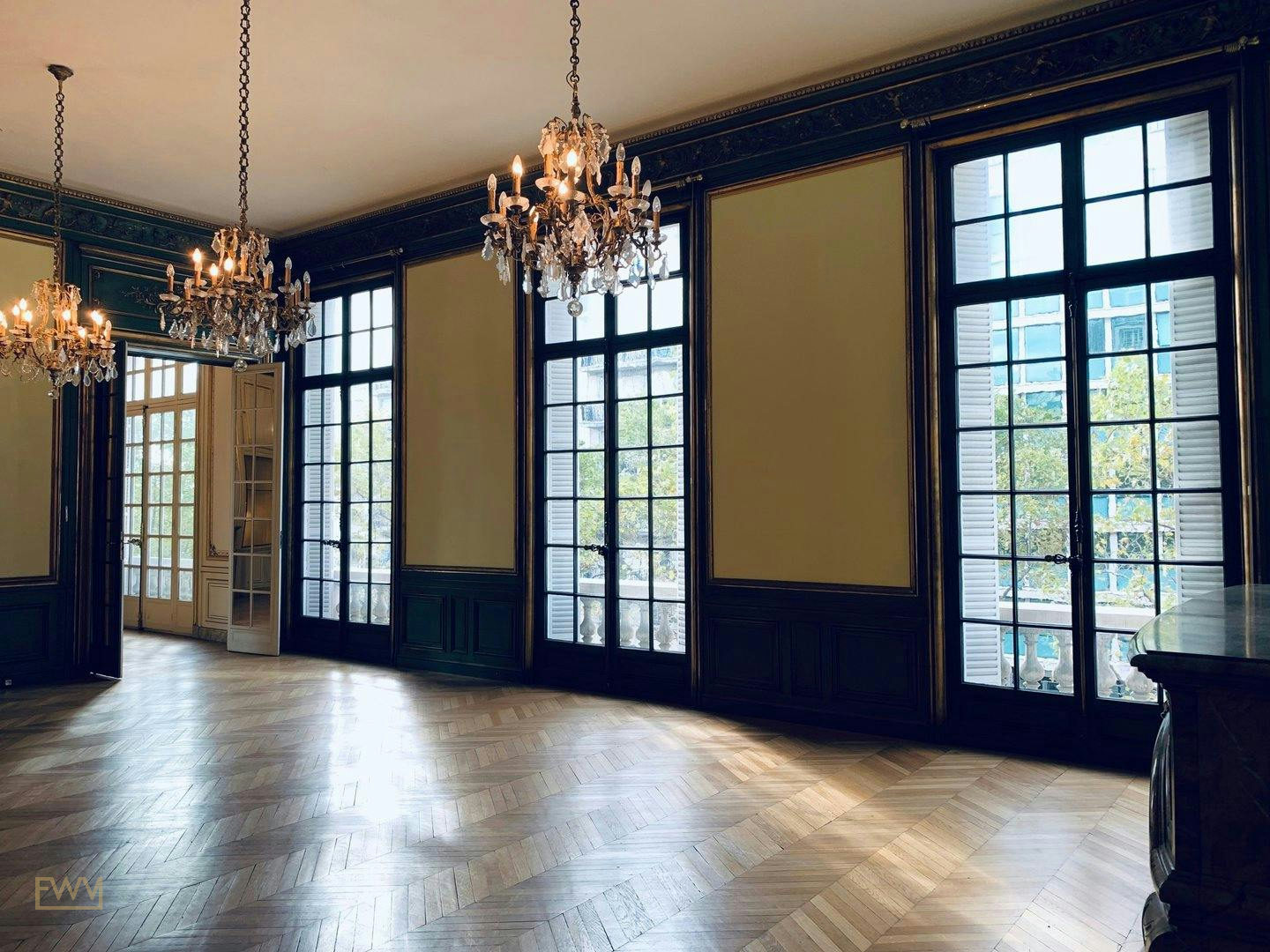
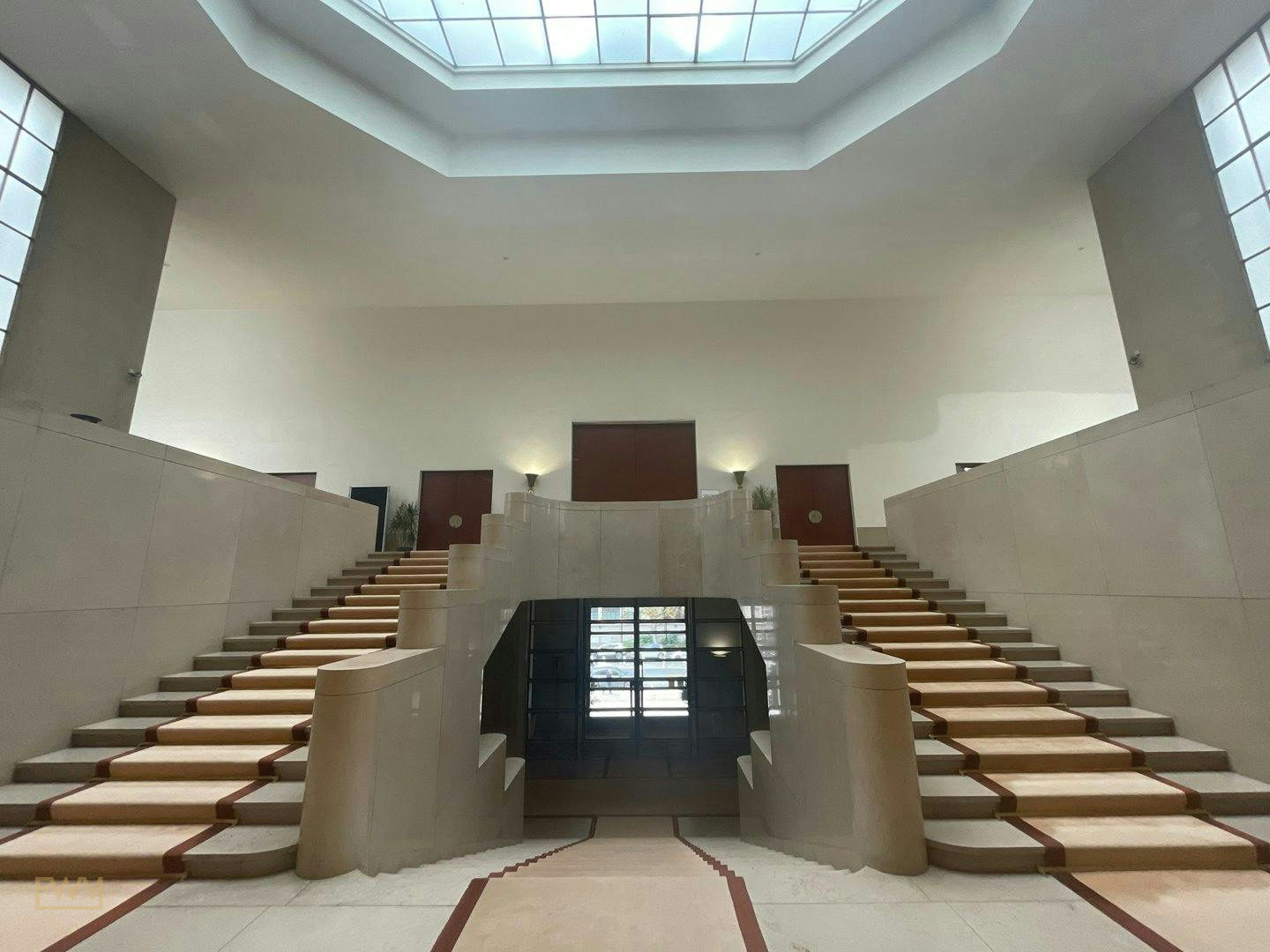
The right venue can make or break a brand's impact during any fashion week. Finding the perfect space involves balancing aesthetic fit, logistical feasibility, and budget constraints. Fashion Week Venues helps brands navigate these challenges by offering a comprehensive service lineup. Venue sourcing, concept guidance, production, and permit management are just a few services designed to streamline the activation process for international brands. In the competitive environments of Paris, New York, Milan, and other fashion capitals, knowing the intricacies of event planning is crucial. This guide will explore every facet of selecting and securing fashion week venues for successful brand activations.
Understanding the Fashion Calendar and Its Impact on Venue Selection
To successfully engage in a fashion week, it's essential to understand the intricate fashion industry calendar. Each city, whether Paris, New York, or Milan, hosts events at different times of the year, influencing not only venue availability but also pricing and audience demographics.
Quick answer: The fashion week calendar dictates the best periods for pop-up activations, with significant differences in cost and venue availability based on each city's schedule.
For fashion brands, timing is everything. The calendar is divided into distinct seasons: Spring/Summer and Fall/Winter, with Haute Couture and Menswear often slotting in separately. Each of these weeks attracts different crowd profiles; for instance, Paris Fashion Week, held primarily in February/March and September/October, caters to a global audience with an appetite for luxury and innovation.
Beyond these major weeks, each market may have off-peak seasons offering unique opportunities. During off-peak periods, brands can find more affordable venues, creating room for creative negotiation and bespoke arrangements. However, selecting off-peak slots requires strategic brand positioning to ensure relevance and visibility.
KEY TAKEAWAY: Select your venue dates by aligning them with key fashion calendar events, and consider off-peak advantages for budget efficiency and creative flexibility.
Understanding venue availability and matching them with your brand's target demographics is crucial. This awareness supports both brand positioning and operational planning, laying a solid foundation for successful activations.
Key Considerations for Venue Selection
Selecting the right venue during fashion week involves numerous factors such as location, audience alignment, and technical necessities. Le Marais might appeal to avant-garde brands, while luxury brands may prefer Rue Saint-Honoré.
Quick answer: When choosing a venue, prioritize location, technical facilities, and audience match to optimize brand impact.
First, consider the foot traffic and clientele in potential neighbourhoods. Areas like Saint-Germain-des-Prés and Opéra boast distinct demographics and cultural vibes that can enhance or hinder a brand's overall appeal. Experiential and luxury brands often find high-value engagement in places like Place Vendôme and Palais de Tokyo, known for their significant cultural cache.
Technical considerations include the venue's capacity to support your visual merchandising and technology needs. High ceilings, adaptable interiors, and adequate power outlets are crucial for sophisticated setups. Additionally, ensure the venue complies with all local safety and event regulations.
DID YOU KNOW: Different arrondissements in Paris can significantly impact permit requirements and accessibility logistics?
Neighbourhood dynamics also play a crucial role. Consider evaluating areas based on tables or checklists, allowing for a side-by-side comparison of footfall statistics, accessibility, and cultural alignment.
| Neighbourhood | Audience Type | Key Venues |
|---|---|---|
| Le Marais | Trendy, Avant-Garde | Galeries Lafayette |
| Saint-Germain-des-Prés | Luxury, Sophisticated | Printemps, Art Galleries |
| Rue Saint-Honoré | Luxury Shoppers | Luxury Boutiques |
KEY TAKEAWAY: Choosing a venue involves careful analysis of location demographics, technical facilities, and audience alignment to maximize activation success.
With the right venue selected, focus on contractual and compliance requirements, bridging us into our exploration of permits.
Legal and Permitting Requirements
Legalities are a critical aspect of hosting a successful pop-up during fashion weeks. Understanding the differences between a bail dérogatoire and an AOT is essential for any brand entering the Paris market.
Quick answer: French lease agreements differ significantly and require careful legal consideration, particularly the bail dérogatoire and AOT for temporary events.
The bail dérogatoire offers a temporary lease exemption, allowing brands short-term occupancy without the long-term obligations of traditional leases. Meanwhile, the AOT (Autorisation d’Occupation Temporaire) is often necessary for public space occupation, requiring coordination with municipal authorities.
As outlined by Ville de Paris, permit applications can vary significantly based on the space's location and intended use. Some spaces may fall under ERP (Établissement Recevant du Public) regulations, influencing safety and accessibility requirements.
TIP: Consider consulting a French legal advisor to navigate complex peripheries of municipal and national laws.
These legal frameworks make understanding partnerships and agreements with local suppliers crucial. A failure to comply can result in delays, fines, or even event cancellations.
KEY TAKEAWAY: Proactively managing legalities ensures a seamless event setup, minimizing risks and bolstering operational confidence.
Next, we'll delve into the financial layers of planning your event, encompassing costs and ROI calculations.
Cost Planning and ROI Questions for Fashion Week Venues
Gauging budgets and returns on investment is fundamental for a successful fashion week activation. Start by leveraging tools like the budget estimation tool to set realistic expectations.
Quick answer: Effective budget planning involves thorough cost analysis, including venue fees, permits, staffing, and setup, complemented by ROI assessments for strategic decision-making.
Engage in a comprehensive analysis of venue costs, potential hidden fees, and logistic expenses. Ensure all elements, from permits to transportation and installation, are accounted for. Using a table for budget line items can provide clarity:
| Expense Category | Estimated Cost Range | Notes |
|---|---|---|
| Venue Rental | €5,000 - €50,000 | Depends on location and duration |
| Permitting and Legal | €1,000 - €5,000 | Varies by arrondissement |
| Staffing | €2,000 - €10,000 | Includes training and uniforms |
Beyond cost, define the ROI metrics most pertinent for your brand. Tools such as the ROI calculation tool can provide predictive insights driven by historical data.
IMPORTANT: Crafting a viable budget is crucial; budgeting oversight can lead to underperformance or financial strain.
KEY TAKEAWAY: Robust financial planning should include detailed budgeting, effective cost management, and systematic ROI analysis.
This financial groundwork paves the way for addressing design and conceptual elements crucial to captivating your audience.
Designing an Engaging Pop-Up Experience
A successful pop-up hinges on more than just location; it’s the design and concept that breathe life into the space. Agencies like Fashion Week Venues offer concept and creative services that help craft a resonant brand message.
Quick answer: Creating an engaging pop-up experience involves aligning your brand message with innovative design techniques and audience expectations.
Design considerations include spatial flow to optimize visitor interaction, the integration of digital touchpoints for immersive experiences, and strategic lighting to enhance product visibility. Flexibility in design also allows seamless adaptations as consumer trends evolve.
Collaborations with experienced designers ensure that your space not only attracts but also retains attention, turning foot traffic into tangible leads and sales. Incorporating VR elements, augmented displays, and interactive setups reflect modern luxury retail trends.
DID YOU KNOW: The use of experiential design increases consumer engagement and enhances the memorability of brand messages?
These elements form the foundation of an immersive brand environment, reinforcing campaign themes and driving lucrative engagement.
TIP: Leverage consumer analytics to inform design changes, tailoring the experience to meet and exceed shopper expectations.
KEY TAKEAWAY: An immersive, strategically designed venue amplifies brand storytelling and customer engagement, maximizing activation impact.
With the conceptualization phase detailed, we can smoothly transition into exploring how staffing effectively supports your activation goals.
Staffing Solutions to Enhance Brand Experience
Staffing plays a pivotal role in executing a successful pop-up venture. The right personnel not only manage operations but also embody and project your brand ethos to consumers.
Quick answer: Effective staffing enhances brand presence, using trained personnel to bridge brand values and consumer interactions.
Agencies like Fashion Week Venues provide retail staffing services specifically tailored for temporary retail scenarios. Recruit staff with experience in customer engagement, multilingual skills, and understanding of fashion trends to ensure smooth operations.
Consider a blended staffing model where temporary hires work alongside seasoned professionals. This mix maximizes resource efficiency while keeping payroll manageable.
IMPORTANT: Ensure staff are trained not only in operational tasks but also in brand storytelling to resonate authentically with the audience.
KEY TAKEAWAY: Staffing is integral to operational success, requiring strategic hiring, comprehensive training, and alignment with brand communication.
With optimal staffing configurations, the next focus will be on understanding the role of data in optimizing retail activations.
Leveraging Data and Analytics for Retail Success
Data and analytics are invaluable tools driving modern retail strategies, providing insight into consumer behavior, sales patterns, and operational efficiencies.
Quick answer: Data-driven strategies enhance decision-making, optimize customer targeting, and increase sales during retail activations.
Use data to measure the effectiveness of different components of your activation. This includes visitor counts, dwell times, and sales conversions. Applying these insights improves layout design, staffing adjustments, and promotional timings.
Real-time analytics tools available at Fashion Week Venues help track key performance indicators (KPIs) and sharpen promotional strategies. This support empowers brands to pivot quickly, adopting strategies aligning with dynamic consumer trends.
DID YOU KNOW: Real-time customer insights inform immediate operational shifts, sparking revenue increases and brand loyalty?
Analytics not only steer tactical changes but also enhance overarching strategic decisions, offering foresights into post-event evaluations and planning.
KEY TAKEAWAY: Embracing data empowers brands with actionable insights, facilitating agile responses and long-term strategic planning.
As data plays a crucial role, we'll further explore how to effectively utilize and manage digital marketing throughout fashion week.
Optimizing Digital Marketing for Fashion Week Success
Digital marketing strategies are essential for amplifying reach and engagement during fashion week activations. From influencer marketing to social media campaigns, these tools boost visibility and brand presence.
Quick answer: A cohesive digital marketing strategy boosts engagement and drives traffic to your activation site during fashion week.
Engage influencers relevant to your brand, capitalize on social media platforms, and develop content that resonates with your target audience. Whether it's Instagram stories or TikTok trends, these platforms drive visibility and engagement.
Consider integrating cross-channel marketing with in-venue digital touchpoints like QR codes leading to unique digital content, or exclusive online "behind-the-scenes" store experiences.
TIP: Develop strategic partnerships with digital influencers to leverage their follower base, enhancing brand visibility and cultural relevance.
With digital channels tactically aligned, you ensure maximized turnout and engagement, effectively closing the loop between online promotion and offline engagement.
KEY TAKEAWAY: A robust digital marketing strategy amplifies your fashion week presence, bridging the gap between online brand identity and physical experiences.
While digital fronts are critical, let's transition to the frequently overlooked logistical aspect of set-up and tear-down in temporary venues.
Mastering Logistics: Setup and Tear-Down Efficiency
The logistical considerations for setup and teardown in temporary retail spaces can be as complex as the event itself. Efficient logistics ensure a smooth launch and close for any activation.
Quick answer: Efficient logistics streamline setup and tear-down, minimizing downtime and ensuring timely transitions between venue innovations.
Plan the logistics of installing fixtures, setting up merchandise, and creating a patron-ready space. Ensuring everything from lighting to installations are optimized before the event starts is crucial.
Teardown needs equal precision; plan efficient removal so upcoming events or venue hand-backs occur without hitches. Consider suppliers and partners experienced in temporary activations to enhance process efficiency.
TIP: Use a workflow table to detail each step of the setup and teardown process, aligning teams on responsibilities and timelines.
| Phase | Task Description | Responsible Party |
|---|---|---|
| Setup | Install fixtures and light configurations | Designer |
| Tear-Down | Disassemble installations | Operations Team |
Logistics issues can impact the entire schedule, creating ripple effects throughout the activation process if not handled proficiently.
KEY TAKEAWAY: Pre-planning logistics ensures seamless event setup and teardown, maintaining operational fluidity and space integrity.
With operations smoothly planned, the following section focuses on sustainability considerations critical to modern brand ethos.
Sustainability and Ethical Considerations
Modern consumers are more conscious than ever about sustainability, and your fashion week activation should reflect these values. Positioning your brand as ethically responsible can enhance your activation’s impact.
Quick answer: Incorporating sustainability into pop-up activations aligns with consumer expectations, reinforcing brand integrity and community goodwill.
Thoughtful, sustainable design choices such as recyclable materials, eco-friendly lighting options, and waste minimization efforts resonate powerfully with eco-conscious consumers. These efforts align with broader ethical responsibilities and enhance brand storytelling.
Explore partnerships with local suppliers for locally sourced materials and goods. This not only reduces carbon footprint but also engrains the brand into its operating locality's culture, further enhancing consumer perception.
TIP: Develop sustainability statements outlining efforts and achievements; use these as marketing tools both on-site and through digital channels.
KEY TAKEAWAY: Sustainability and ethical considerations are integral to modern brand activations, enhancing both consumer relations and community partnerships.
Having covered sustainability, we now analyze how Fashion Week Venues specifically supports brands in these complex processes.
How Fashion Week Venues Empower Your Brand Activation
Fashion Week Venues offers a centralized platform to streamline venue selection and brand activation processes, making it an invaluable partner for fashion brands globally.
Quick answer: Fashion Week Venues simplifies the activation process by offering integrated services and tools tailored to the specific needs of fashion events.
From venue sourcing to activation management, Fashion Week Venues addresses every facet of pop-up preparation. The platform's tools, like the permit guidance tool and timeline planner, provide technological aid simplifying the plethora of logistics involved.
The services cater to various team needs, including brand managers looking for conceptual direction and operational teams needing logistical support, with an awareness of the limits of their capabilities. Brands gain access to a suite of creative and practical solutions that streamline processes while reducing potential bottlenecks.
DID YOU KNOW: Leveraging Fashion Week Venues’ integrated tools and services ensures greater coherence and precision in planning and execution stages?
KEY TAKEAWAY: Utilizing Fashion Week Venues' offerings optimizes the brand activation cycle, from initial planning to post-event evaluations.
Having explored this, we now turn to dispelling common myths associated with venue selections and activations.
Common Myths Debunked
MYTH: Brands need a French legal entity to rent a space in Paris.
FACT: International brands can rent spaces in Paris without a French legal entity, though working with experienced agencies can simplify the process.
MYTH: Paris Fashion Week is the only viable calendar window for activations.
FACT: While Paris Fashion Week is prominent, brands can explore other fashion weeks or off-peak periods for strategic advantages and cost savings.
MYTH: Short-term leases are legally straightforward and don't require specialist help.
FACT: Short-term leases can be complex and require careful consideration and legal expertise to navigate successfully, especially in compliance-mandated environments like Paris.
MYTH: Commission brokers are the sole means to find premium fashion week venues.
FACT: Platforms like Fashion Week Venues offer direct access to a curated range of premium spaces without intermediaries, allowing brands greater control over space selections.
Frequently Asked Questions
What is a bail dérogatoire and when is it used?
A bail dérogatoire is a short-term lease agreement in France that allows for temporary occupation of commercial spaces, typically under three years. It's often used for pop-up shops and seasonal activations where long-term commitments are unnecessary. This type of lease provides flexibility but requires careful legal consideration to ensure compliance with French real estate laws, which may vary by location and market.
How do I determine the best time for my pop-up during Fashion Week?
The ideal timing for a pop-up during Fashion Week depends on your target audience and strategic goals. Major fashion weeks in cities like Paris and Milan coincide with high foot traffic and media attention, making them prime opportunities for exposure. However, off-peak times can offer cost advantages and still provide valuable engagement opportunities, especially when effective marketing strategies are used.
Are there hidden costs associated with pop-up venues in Paris?
Hidden costs are a concern in pop-up venues due to factors like seasonal demand, location, and specific venue requirements. Additional expenses can include permit fees, equipment rentals, and installation services. Utilizing resources such as the budget estimation tool by Fashion Week Venues can provide a clearer understanding of potential financial commitments involved in setting up a temporary retail space.
What are the benefits of using Fashion Week Venues compared to traditional brokers?
Fashion Week Venues offers a streamlined, transparent process for securing pop-up spaces, eliminating traditional brokerage fees and providing direct access to a curated marketplace. Their tools support budgeting, timeline management, and permitting, offering brands a comprehensive solution for temporary activations. This integrated approach helps brands focus on creative strategy rather than logistical complexities.
How important is location for pop-ups during Fashion Week?
Location is critical for pop-up success during Fashion Week due to its impact on foot traffic and brand visibility. Proximity to major fashion events, cultural hubs, and high-traffic retail areas can greatly enhance engagement potential. The choice of location should align with the brand’s target audience and overall campaign goals, ensuring the space complements brand messaging and accessibility.
Can Fashion Week Venues help with staffing needs?
Yes, Fashion Week Venues offers retail staffing services tailored to the needs of pop-up activations. This includes staffing solutions that focus on brand representation, operational efficiency, and multilingual capabilities. Staffing expertise helps ensure that the experience aligns with brand objectives and improves customer interaction and service quality.
What kind of ROI can I expect from a Fashion Week pop-up?
Return on investment from a fashion week pop-up can vary significantly based on location, execution strategy, and marketing efforts. Metrics such as foot traffic, brand visibility, sales conversion rates, and media coverage are key indicators of success. Utilizing the ROI calculator tool can help brands project and measure both immediate and long-term impacts of their activations, offering strategic insights and optimal planning.
How do pop-ups differ from traditional retail stores?
Pop-ups typically provide short-term, experiential retail opportunities that focus on brand storytelling and direct consumer engagement. Unlike traditional retail, which aims for stable sales over time, pop-ups are often used for launching new collections, testing markets, or creating buzz with limited-time offers. Their temporary nature allows brands to be flexible and innovative, adapting quickly to market trends.
How do I handle logistics for a short-term venue setup?
Handling logistics for a short-term venue setup requires streamlined project management practices, including clear timelines and dedicated teams for installation and teardown processes. Pre-arranged agreements with suppliers and logistics partners can expedite setup and dismantlement. Following detailed workflow tables and using platforms like Fashion Week Venues can help coordinate these logistics efficiently, maintaining project coherence.
Does using sustainable practices benefit brand image during Fashion Week?
Yes, integrating sustainable practices in pop-up design and operation can significantly enhance brand perception, aligning with growing consumer demand for eco-responsibility. Sustainable efforts show commitment to environmental stewardship and can lead to increased brand loyalty, media attention, and broader engagement with environmentally conscious audiences, making it a strategic choice for strengthening brand image.
Conclusion: Execute Your Fashion Week Vision
Navigating the complexities of hosting a successful fashion week pop-up requires careful planning and execution. By leveraging the integrated solutions offered by Fashion Week Venues, from space sourcing and concept design to logistical coordination and staffing, brands can elevate their activations from mere ideas to impactful experiences. Whether your brand seeks to engage during Paris Fashion Week or explore new international markets, the right partner can transform your vision into a reality. To move from research to activation, start exploring available spaces on the Fashion Week Venues marketplace and build a focused brief for your target neighbourhood, space type, and calendar window.