Short term retail in the 11th arrondissement Paris has become one of the most strategically compelling choices for fashion brands, emerging designers, beauty labels, and international brands seeking authentic Parisian presence without the commitment of a long-term commercial lease. The 11th arrondissement, anchored by the Oberkampf corridor, the Bastille quarter, and the Folie-Méricourt neighbourhood, offers a rare combination of genuine foot traffic, a culturally engaged clientele, accessible rental costs compared to the Marais or Saint-Germain-des-Prés, and a creative neighbourhood energy that resonates with exactly the kind of consumer most fashion and lifestyle brands want to reach. Fashion Week Venues provides dedicated support for brands seeking pop-up spaces in Paris, covering everything from venue sourcing to full activation management across the city's most relevant arrondissements.
Why the 11th Arrondissement Is a Smart Choice for Short Term Retail in Paris
The 11th arrondissement sits at the intersection of three of Paris's most vibrant urban axes: La Place de la Bastille to the south, La Place de la République to the north, and La Place de la Nation to the east. This geographic positioning makes it one of the most naturally high-traffic residential and commercial zones in the city, with a resident population that skews toward design-literate, culture-curious, and brand-aware consumers in their late twenties through mid-forties.
Unlike the tourist-saturated 1st and 8th arrondissements, where spaces near the Avenue des Champs-Elysées, Rue de Rivoli, or Place Vendôme command premium rents and cater primarily to international visitors, the 11th has a local commercial logic. Foot traffic here is generated by Parisian residents, not passing tour groups. That distinction matters enormously for brands that want purchase intent, repeat visits, and genuine community connection rather than impulse tourist transactions.
The gentrification arc that reshaped the Marais in the 1990s and 2000s has gradually extended eastward through the 11th, bringing with it a wave of independent boutiques, art galleries, concept stores, natural wine bars, and bistronomie restaurants. This cultural density creates ideal surroundings for short term retail activations. A brand opening a temporary retail space on or near Rue Oberkampf or in the Parmentier Oberkampf district benefits from proximity to businesses that already attract the target demographic.
The Faubourg Saint-Antoine, which runs east from the Bastille, carries a historic legacy as Paris's artisan furniture quarter. Today it mixes heritage craftspeople with contemporary design studios, making it particularly well-suited for interior brands, design-forward fashion labels, and lifestyle activations that want an industrial-chic aesthetic backdrop. The Faubourg du Temple, running north toward the Canal Saint-Martin, draws a younger, more experimental crowd, useful for beauty launches, emerging streetwear brands, and culturally ambitious pop-up stores.
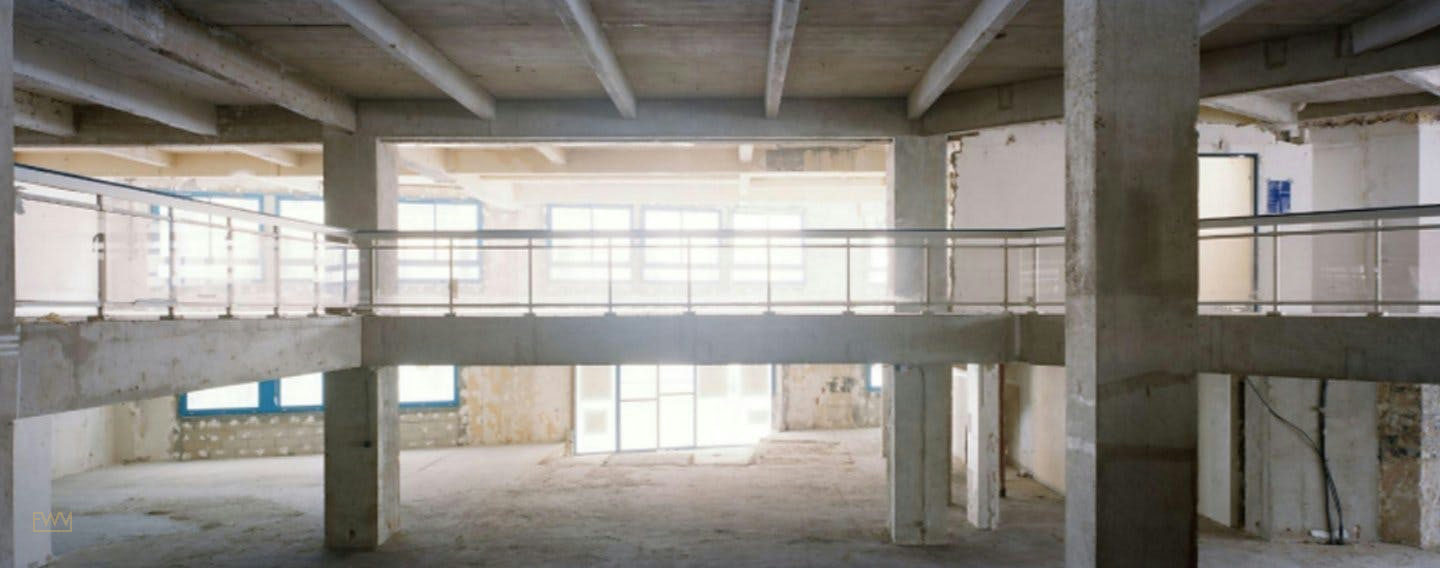
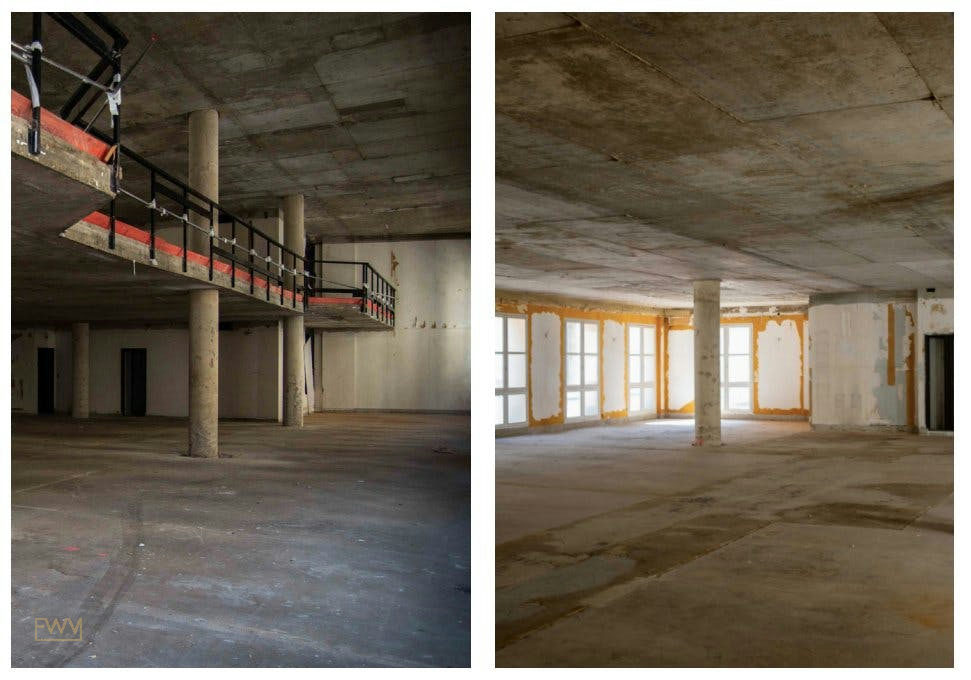
The urban triangle formed by Oberkampf, République, and Bastille functions as a self-contained cultural ecosystem. Within this zone, brands encounter exposed stone buildings, former industrial workshops, hardwood floors, polished concrete floors, and raw concrete loft spaces that photograph beautifully and require minimal dressing to communicate a clear aesthetic point of view.
KEY TAKEAWAY: The 11th arrondissement combines genuine Parisian foot traffic, a culturally engaged local clientele, competitive rental costs relative to the Marais or Golden Triangle, and an extraordinary variety of raw, characterful spaces that suit both fashion pop-up stores and experiential brand activations.
Understanding why the 11th works is the first step. The next is understanding exactly what types of spaces are available and which best suit different brand objectives.
Retail Space Types Available for Short Term Rental in Paris 11th Arrondissement
The 11th arrondissement offers a wider variety of short term retail space types than most brands initially expect. The neighbourhood's architectural history, spanning Haussmann-era buildings, former artisan workshops, converted industrial spaces, and contemporary mixed-use developments, means that the physical character of available venues varies dramatically even within a single street.
Storefront and Boutique Spaces
Traditional storefront spaces with direct street access and large display windows remain the most common format for short term retail in Paris 11. These typically range from compact charming boutique formats of 20 to 40 square meters up to larger retail floors of 100 to 200 square meters. Many include hardwood floors or polished concrete floors, exposed stone walls or exposed stone columns, and good natural light from street-facing windows. These spaces suit fashion brands, beauty labels, accessories launches, and any activation where merchandise display and customer browsing are central to the experience.
Showroom and Fashion Showroom Spaces
Fashion showroom rentals in Paris 11 serve both trade and consumer-facing purposes. During Paris Fashion Week and the surrounding weeks of the fashion calendar, showrooms in this arrondissement attract buyers, press, and stylists who prefer the neighbourhood's more relaxed atmosphere to the often over-subscribed showroom zones around the Marais or Saint-Honoré. Fashion showroom spaces in the 11th tend to offer clean, neutral interiors with good spotlights, flexible floor plans, and practical back-of-house storage, which is essential for sample management during buying appointments.
Gallery and Art Gallery Formats
Gallery spaces in the 11th arrondissement are particularly well-suited to brands that want to frame their activation within a cultural context rather than a purely commercial one. Art gallery formats in this neighbourhood frequently feature raw concrete floors, white walls, industrial ceilings, and generous open-plan square meterage. They suit brands launching in a cultural mode: a luxury brand presenting a limited collection as an art installation, a beauty brand creating an immersive sensory environment, or a fashion label presenting a capsule in dialogue with a local artist.
Apartment and Studio Formats
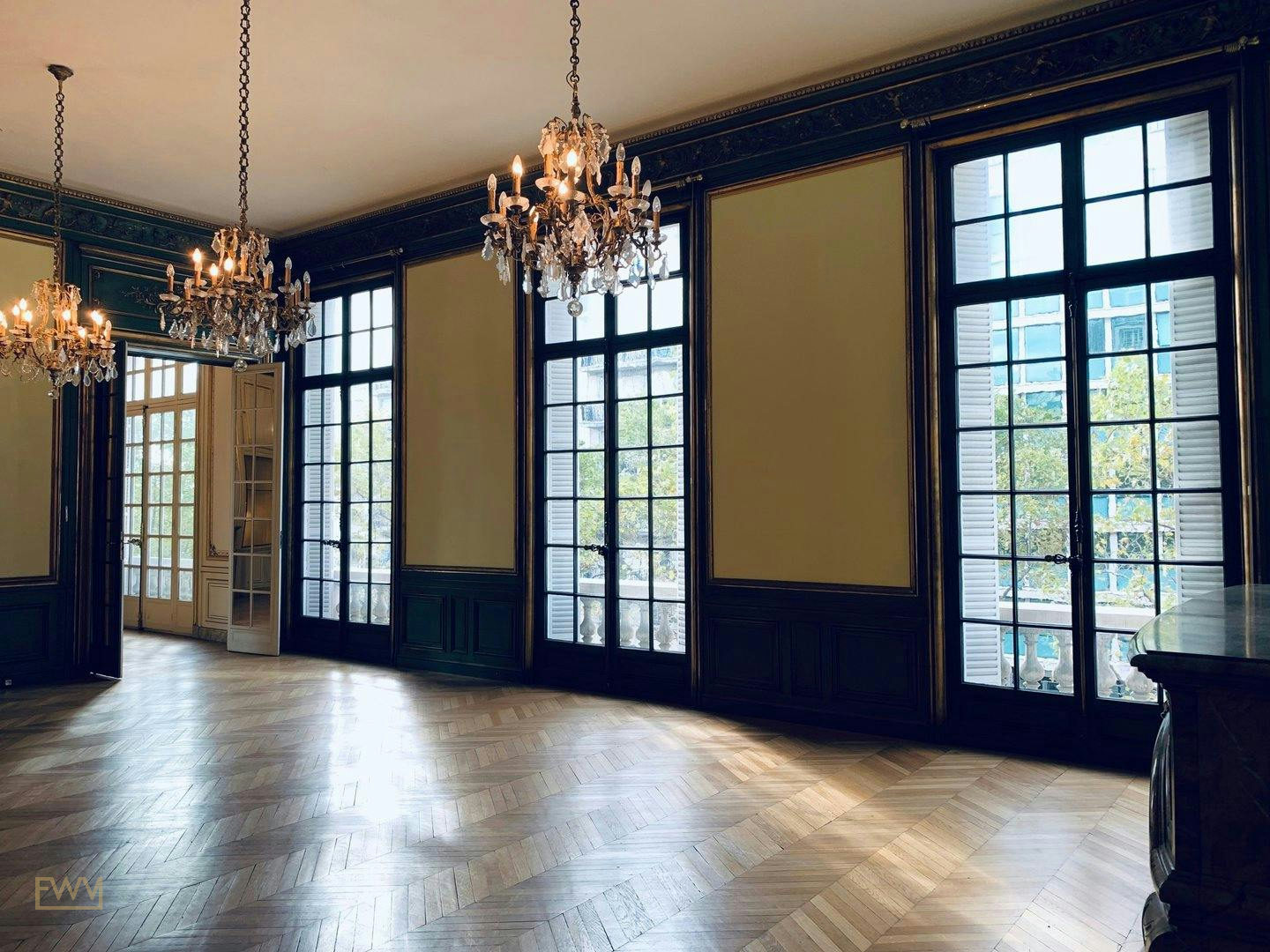
Residential apartment spaces and studio formats offer an intimate alternative to commercial storefronts. These are particularly effective for private sale events, press previews, VIP client evenings, or brands that want to create a domestic, editorial atmosphere rather than a conventional retail environment. The 11th has a large stock of characterful Haussmann apartments with parquet floors, moulded ceilings, and natural light that translate well into high-end fashion or jewellery presentations.
Industrial Workshop and Vitrine Spaces
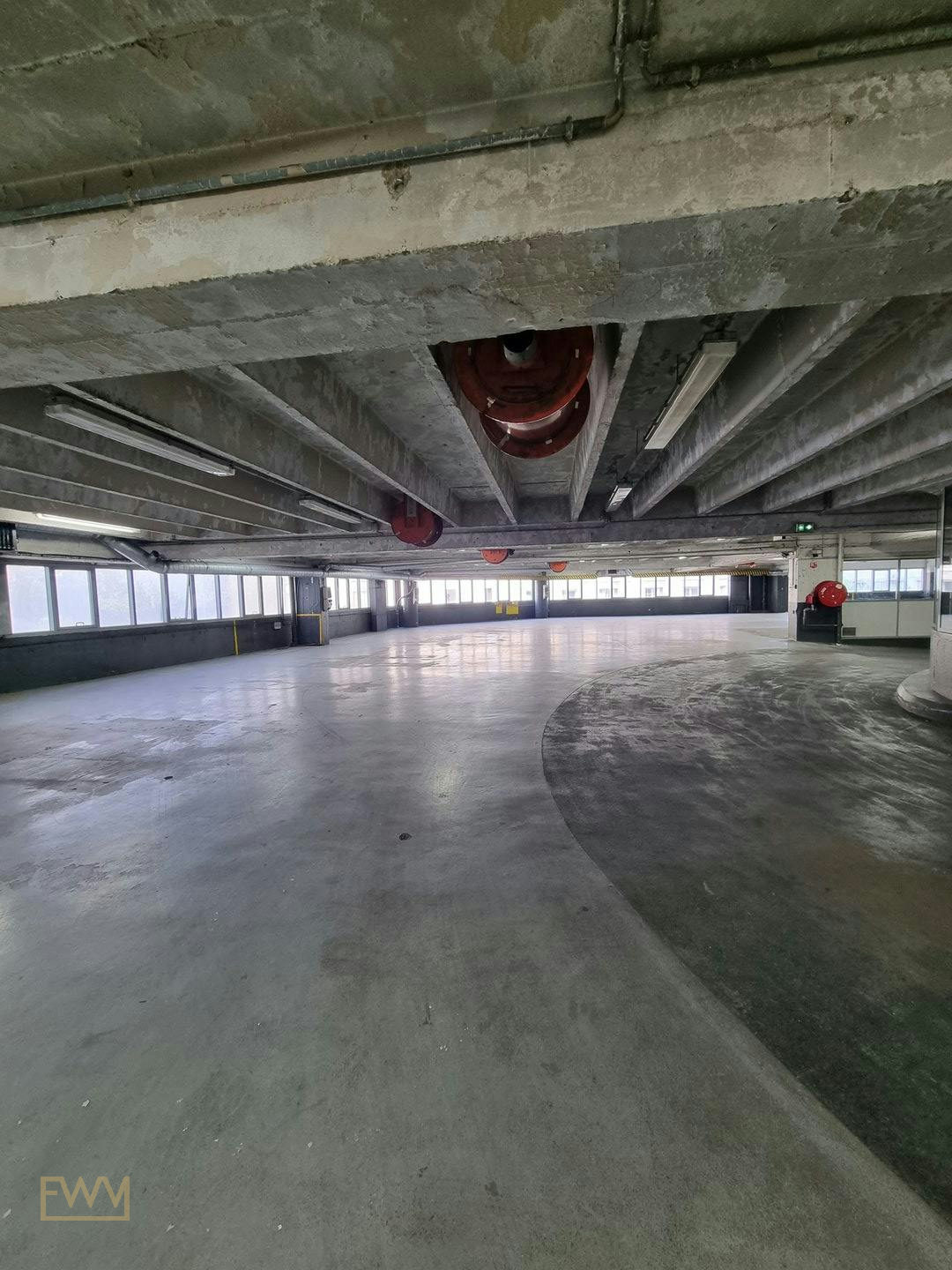
Former industrial workshops and vitrine spaces, many found within the courtyards and passage networks of the Faubourg Saint-Antoine and the Cité du Figuier area, offer raw industrial aesthetics that suit streetwear, contemporary design, and conceptual brand activations. These spaces often feature raw concrete, exposed structural ironwork, generous ceiling heights, and loading access that simplifies delivery logistics for branded fit-outs.
Studio Photo Spaces
Studio photo spaces in the 11th can double as retail or showroom environments for brands that also need content creation capacity. Many have been purpose-built for commercial photography and include flexible lighting rigs, cyclorama walls, and clean contemporary finishes. Renting a studio photo space for a short term activation means the brand can run the retail or showroom event during the day and produce campaign imagery in the same location, maximising the cost of the rental.
Quick answer: The 11th arrondissement offers storefront boutiques, fashion showrooms, art gallery formats, apartment spaces for private sales, industrial workshop lofts, vitrine units, and studio photo spaces for short term rental. Space sizes typically range from 20 square meters to over 300 square meters, with character features including exposed stone, hardwood floors, polished concrete, and high industrial ceilings.
KEY TAKEAWAY: Matching your space type to your brand objective is more important than simply finding the cheapest or most central available space. A fashion showroom has different requirements from a consumer pop-up store, and the right space type determines whether the activation delivers measurable results or simply generates a week of inconclusive activity.
Identifying the right space type is only part of the challenge. The next step is understanding how pricing works for short term retail in Paris and what drives cost variation across the 11th arrondissement.
Pricing and Rental Costs for Short Term Retail Spaces in Paris 11th Arrondissement
Pricing for short term retail in Paris 11th arrondissement varies significantly depending on space type, size, exact location, duration, season, and whether utilities and services are included in the rental fee. Any price range provided without these qualifications is directional at best.
As a general principle, spaces in the 11th arrondissement are priced below comparable spaces in the Marais, Saint-Germain-des-Prés, the Golden Triangle around the 8th arrondissement, or the luxury corridors around Place Vendôme and Rue de Rivoli. This cost advantage is material for brands working with defined activation budgets, particularly for activations of one to four weeks rather than long-running seasonal programmes.
Factors That Drive Price Variation
Location within the arrondissement is the primary driver. Spaces on or immediately adjacent to Rue Oberkampf, Boulevard Voltaire, or the streets immediately surrounding La Place de la Bastille command higher rents than spaces in the interior of the Folie-Méricourt neighbourhood or the quieter residential streets between Parmentier and Père Lachaise. Proximity to public transport, specifically Metro lines 1, 5, 8, 9, and 11, which serve the arrondissement through stations including Bastille, Oberkampf, Saint-Ambroise, Charonne, and Voltaire, also influences pricing.
Space condition and fit-out level matter as well. A fully fitted, clean, contemporary retail space with functioning point-of-sale infrastructure, good lighting, and clean storage will rent at a premium over a raw industrial space that requires a brand to bring its own everything. For brands with strong creative direction and production capacity, raw spaces often represent better value. For brands that want a fast, low-complexity setup, a fitted boutique or vitrine unit may justify its higher day rate.
Seasonal timing is a further variable. The weeks immediately surrounding Paris Fashion Week in February and September, as well as the pre-Christmas retail window in November and December, attract higher demand and therefore higher asking prices. Brands with calendar flexibility may find significantly better value in April, May, June, or October, which all offer excellent foot traffic in the 11th without the peak-season premium.
What Is Typically Included and Excluded
Short term retail leases in Paris frequently exclude utilities such as electricity, water, and internet connectivity, which are billed separately or charged as a deposit. Property tax liability, maintenance responsibilities, and cleaning arrangements vary by landlord and should be clarified before signing. The Loi Carrez, which governs the declared surface area of properties in France, applies differently to commercial spaces than to residential properties, and the measurement methodology used by the landlord affects the stated square meterage of the space. Always verify the usable floor area independently before committing.
For a brand-specific estimate based on your space size, duration, location preference, and fit-out requirements, the Fashion Week Venues budget calculator provides a structured framework for building a realistic activation cost model.
Quick answer: Short term retail rental costs in the 11th arrondissement are generally more competitive than in the Marais, Saint-Germain, or the 8th arrondissement. Prices vary by space type, size, location, season, and included services. No fixed rate applies to all spaces. Brands should build a detailed cost model covering rent, utilities, fit-out, staffing, permits, and marketing before committing to a specific space.
KEY TAKEAWAY: Budget planning for short term retail in Paris 11 must account for the full cost of the activation, not only the headline rental rate. Utilities, fit-out, staffing, permits, and activation marketing all contribute materially to the total investment and must be modelled before space selection begins.
With pricing understood, the next critical area to address is the legal and regulatory framework that governs short term retail leases in Paris.
Permits, Regulations, and Legal Framework for Short Term Retail in Paris
Short term retail in Paris operates within a specific legal framework that differs substantially from standard commercial leases and from the residential short-term rental regulations that govern platforms such as Airbnb. Understanding this distinction is essential before signing any rental agreement or beginning any fit-out work.
The Bail Dérogatoire
The bail dérogatoire, also known as a short-stay commercial lease or convention d'occupation précaire, is the primary legal instrument for short term retail in France. It allows landlords and tenants to agree on a commercial occupation for a fixed, short term without triggering the protections of the standard nine-year commercial lease (bail commercial) that would otherwise apply under French commercial property law. The bail dérogatoire is typically used for occupations of up to three years, and for most pop-up retail activations of days to months, it provides the appropriate legal structure.
The terms of a bail dérogatoire must be clearly drafted, and both parties must explicitly acknowledge the temporary nature of the arrangement. If the tenant remains in occupation after the agreed period without a new agreement, French law may reclassify the arrangement as a standard commercial lease, with substantially different legal and financial consequences. Brands should always have the agreement reviewed by a qualified French legal advisor before signing.
Autorisation d'Occupation Temporaire (AOT)
For activations that involve use of public or semi-public space, including outdoor terraces, pavement displays, or spaces within publicly owned buildings, an Autorisation d'Occupation Temporaire (AOT) may be required from the relevant municipal authority. Requirements vary by arrondissement and by the specific nature of the activation. Brands planning outdoor elements, street-facing structures, or any form of public-space use alongside their retail activation should seek AOT guidance well in advance.
Local Regulations and Commercial Activity Rules
The 11th arrondissement, like all Paris arrondissements, is subject to Paris's broader urban planning and commercial activity regulations, including rules on signage, opening hours, noise, waste management, and structural modifications to rented spaces. Temporary fit-outs such as branded wall coverings, freestanding fixtures, and lighting installations generally require landlord approval and may be subject to building management rules. Any structural work, even minor, typically requires advance notification to the property manager.
The local regulations governing commercial retail activity in France also include specific rules on consumer-facing signage, price display, and promotional communications. Brands activating in Paris for the first time should not assume that their home-country compliance frameworks translate directly to the French regulatory environment.
IMPORTANT: Requirements for short term retail leases, permits, AOTs, and commercial activity compliance vary by space type, building category, arrondissement, and activation format. Do not assume that what worked in one space or one arrondissement applies elsewhere. Verify all legal and regulatory requirements with a qualified French legal advisor before committing.
For a structured overview of permit requirements relevant to your specific activation, the Fashion Week Venues permit guidance tool provides a starting framework for understanding what approvals may be required.
KEY TAKEAWAY: Short term retail in Paris is governed by specific legal instruments, particularly the bail dérogatoire, which provide flexibility but require careful drafting. AOT requirements for public-space elements and local commercial regulations add complexity that international brands frequently underestimate. Specialist legal guidance is not optional; it is essential.
With the legal framework in place, the next consideration is location strategy within the 11th arrondissement and how its key neighbourhoods compare to each other and to adjacent Paris districts.
Key Locations and Neighbourhoods Within and Around Paris 11th Arrondissement
The 11th arrondissement is not a uniform commercial environment. It contains several distinct neighbourhoods with different commercial logics, consumer profiles, and spatial characters. Understanding these distinctions allows brands to identify the sub-location within Paris 11 that best serves their specific objectives.
The Oberkampf and Parmentier Oberkampf District
The Rue Oberkampf and the surrounding Parmentier Oberkampf district form the commercial and cultural spine of the northern 11th. This area is dense with independent fashion boutiques, concept stores, natural wine bars, art galleries, and café-restaurants. Foot traffic on and around Rue Oberkampf is strong throughout the week, peaking in evenings and on weekends. The Le M.U.R. street art project, which maintains a rotating painted mural at the corner of Rue Oberkampf and Rue Saint-Maur, is a well-known cultural landmark that draws visitors specifically to this street, providing additional organic footfall for nearby retail activations.
The aesthetic of the Parmentier Oberkampf district leans industrial-creative: exposed brick, raw concrete, and warehouse-scale spaces sit alongside carefully designed boutique interiors. It is well-served by Metro line 9 at Oberkampf and line 3 at Parmentier, making it highly accessible from across Paris.
The Folie-Méricourt Neighbourhood
The Folie-Méricourt neighbourhood, west of Oberkampf and bordering the 10th arrondissement and Canal Saint-Martin area, has a slightly more residential character than the main Oberkampf axis but is becoming increasingly attractive for premium independent retail. Spaces here tend to be smaller, more intimate, and often more characterful, including former ateliers and janitor's cottages converted into boutique retail or studio spaces. Cafe Mericourt, a well-known neighbourhood café and bistrot, reflects the area's informal but quality-conscious food and drink culture, which in turn signals the type of consumer spending time here.
The Bastille Quarter and Faubourg Saint-Antoine
La Place de la Bastille marks the southern boundary of the 11th where it meets the 4th and 12th arrondissements. The area immediately north and east of the Bastille along Faubourg Saint-Antoine has historically been Paris's furniture and craft district. Today it hosts a mix of design studios, artisan workshops, galleries, and independent retail that makes it particularly compelling for design-forward fashion brands, interior lifestyle labels, and heritage craft narratives. Access via Metro line 1 and line 8 at Bastille gives it excellent east-west transport connections including a direct line to the Champs-Élysées and the Louvre.
Brands seeking to position their short term retail activation with explicit reference to Parisian craft heritage, artisanal production, or maker culture will find the Bastille and Faubourg Saint-Antoine zone a particularly resonant location.
Comparing Paris 11 to Other Parisian Retail Destinations
The table below provides a directional comparison of the 11th arrondissement against other key Parisian retail destinations to help brands contextualise the trade-offs involved in location selection.
| District | Primary Consumer Profile | Relative Rental Cost | Fashion Brand Fit | Short Term Availability |
|---|---|---|---|---|
| 11th Arrondissement (Oberkampf, Bastille) | Local Parisian, design-aware, 25 to 45 | Moderate | Contemporary, emerging, lifestyle, streetwear, art-fashion | Strong |
| Le Marais / 4th Arrondissement | Local and tourist mix, broad fashion awareness | High | Luxury, contemporary, niche fashion, jewellery | Moderate |
| Saint-Germain-des-Prés / 6th | Affluent local, international visitor | Very high | Luxury, heritage fashion, art book and lifestyle | Limited |
| 8th Arrondissement / Golden Triangle | International luxury consumer, business visitor | Very high | Luxury flagship, haute couture, prestige beauty | Limited |
| Montmartre / 18th | Tourist-heavy, some local cultural consumer | Moderate to low | Artist brands, heritage crafts, lifestyle souvenirs | Moderate |
| Pigalle / 9th (near Galeries Lafayette, Printemps) | Mixed tourist and local, broad retail | Moderate to high | Contemporary fashion, accessible luxury, beauty | Moderate |
DID YOU KNOW: The 11th arrondissement is the most populous arrondissement in Paris, with a residential population that generates consistent local commercial activity year-round, independent of tourist season fluctuations that can destabilise foot traffic in more visitor-dependent districts.
To compare specific neighbourhoods and available spaces across Paris, explore the Paris city hub on Fashion Week Venues and shortlist spaces that match your brief, budget, and calendar window.
KEY TAKEAWAY: Within the 11th arrondissement, the Oberkampf axis, the Folie-Méricourt neighbourhood, and the Bastille and Faubourg Saint-Antoine zone each offer distinct commercial logics. Brands should select their sub-location based on target consumer profile, activation concept, and spatial requirements rather than defaulting to the most famous street name.
Location strategy intersects directly with timing strategy. The next section addresses the Paris fashion and retail calendar and when short term retail activations in Paris 11 deliver the strongest results.
Fashion Week, Calendar Timing, and When to Activate in Paris 11th Arrondissement
The Paris fashion and retail calendar creates natural activation windows throughout the year, and timing a short term retail activation correctly is one of the highest-leverage decisions a brand team can make. Paris Fashion Week is the most obvious trigger point, but it is far from the only one.
Paris Fashion Week Windows
Paris Fashion Week runs twice annually: in late February and early March for the autumn-winter collections, and in late September and early October for the spring-summer collections. These windows represent peak demand for short term retail and showroom spaces across Paris, including in the 11th arrondissement. During these weeks, the city's fashion audience swells with international buyers, press, stylists, influencers, and brand executives, all of whom are actively seeking brand experiences beyond the official runway schedule.
A pop-up store or fashion showroom in Paris 11 during Fashion Week benefits from this heightened creative attention without necessarily competing directly with the hyper-expensive activations in the Marais or the Saint-Honoré district. Many brands find that the 11th's more relaxed neighbourhood atmosphere makes it easier to stage genuine, memorable encounters with the press and buyer community rather than adding to the noise of the more saturated activation zones.
Other High-Value Calendar Windows
Outside Fashion Week, several other calendar windows generate strong foot traffic and consumer spending relevance in the 11th arrondissement. The Maison et Objet fair in January and September draws a design-engaged professional and consumer audience that overlaps well with the lifestyle and design-forward brands that activate in the Bastille and Faubourg Saint-Antoine area. The summer months, particularly June and July, bring strong local consumer activity before the August slowdown. November and December deliver the pre-Christmas retail surge that benefits all Paris retail districts.
Brands with calendar flexibility who can avoid the peak Fashion Week window may find meaningfully better availability and pricing in April, May, or October, months that offer strong foot traffic, excellent weather for street-facing activations, and none of the logistical complexity that comes with activating during Fashion Week itself.
Building a Realistic Activation Timeline
The table below outlines a practical workflow for planning a short term retail activation in Paris 11th arrondissement, from initial brief to close-of-activation review.
| Stage | Activity | Recommended Lead Time Before Opening |
|---|---|---|
| 1. Strategy and brief | Define objectives, consumer target, space type, neighbourhood, budget, and calendar window | 12 to 16 weeks |
| 2. Space search and shortlisting | Identify available spaces, visit shortlist, assess structural and regulatory suitability | 10 to 14 weeks |
| 3. Legal and permit review | Review bail dérogatoire terms, confirm AOT requirements, obtain necessary approvals | 8 to 12 weeks |
| 4. Concept and design | Develop spatial concept, branded store design, fixture schedule, lighting plan | 8 to 10 weeks |
| 5. Production and fit-out | Procure fixtures, organise build, arrange furniture rental, install branded elements | 4 to 6 weeks |
| 6. Staffing and operations | Recruit and brief retail staff, set up POS and payment systems, confirm concierge and support arrangements | 3 to 4 weeks |
| 7. Marketing and communications | Prepare social media content, press communications, influencer invitations, email and newsletter announcements | 2 to 4 weeks |
| 8. Activation and trading | Open to public and/or trade, manage daily operations, capture data and analytics | Active period |
| 9. De-rig and review | Remove fit-out, restore space, analyse data, produce activation report | Within 1 to 2 weeks post-close |
TIP: For Paris Fashion Week activations, begin your space search no later than twelve weeks before your intended opening date. Available spaces in the 11th are claimed quickly in the months leading up to both February and September Fashion Week windows.
Use the Fashion Week Venues timeline planning tool to build a project-specific calendar that accounts for your chosen activation window and all required preparation stages.
KEY TAKEAWAY: Paris Fashion Week is an important but not exclusive trigger for short term retail activation in Paris 11. Brands with calendar flexibility have more space options, better pricing, and less logistical competition. Whatever the window, a twelve-week minimum lead time from initial brief to opening is recommended for a well-executed activation.
With timing understood, the next essential consideration is the customer experience strategy that will make the activation commercially effective rather than merely visually appealing.
Customer Experience, Brand Activation, and Marketing Strategy for Paris Pop-Up Stores
A short term retail activation in Paris 11th arrondissement is only as effective as the customer experience it creates. Space selection, design, and timing set the conditions for success, but the actual commercial and brand-building outcomes depend on what happens inside the space and how that experience is communicated before, during, and after the activation.
Designing for the Paris 11 Consumer
The clientele that frequents the 11th arrondissement has a high aesthetic literacy and a strong preference for authenticity. Generic retail presentations, heavy-handed sales pressure, and purely transactional environments underperform in this neighbourhood. The most effective activations in the 11th create spaces where the conversation between brand and customer feels genuine: well-curated, thoughtfully designed, and staffed by people who understand both the brand and the neighbourhood.
Lighting is a particularly critical element. The 11th's existing spaces often have strong natural light from north-facing skylights or street-facing windows, supplemented by exposed filament spotlights or industrial pendant lighting. A fit-out design that works with rather than against the existing spatial lighting conditions will always feel more authentic than one that imposes a generic retail lighting scheme on an incompatible architectural environment.
The human side of the activation matters as much as the physical design. Retail staff who speak French, understand the neighbourhood, and can engage in genuine conversation with customers about the brand, the product, and the activation concept create meaningfully better outcomes than staff who are simply executing a standard sales script. The interaction design, including how customers are greeted, how the brand story is told, how purchase decisions are supported, and how the experience is extended beyond the visit through email capture, newsletter sign-up, and social media engagement, should be planned with as much care as the physical fit-out.
Pre-Activation Marketing for Paris Pop-Up Stores
Building awareness before opening is essential. For Paris activations, this typically involves a combination of press outreach to French and international fashion and lifestyle media, social media content seeded in the weeks before opening, influencer invitations timed to generate coverage during the first days of trading, and direct outreach to relevant buyers, stockists, and brand community members in Paris.
Email and newsletter communications to existing customer databases, with French-language versions for Parisian subscribers, should announce the activation at least two weeks before opening. For Fashion Week activations, press release distribution through established French PR channels, whether handled in-house or through a local PR partner, significantly increases the likelihood of editorial coverage in relevant French and international publications.
During-Activation Engagement and Data Capture
The activation period itself is the primary data collection opportunity. Foot traffic counting, transaction data, email capture rates, social media engagement volume, and conversion rates all provide the evidence base for post-activation analysis and future budget decisions. Brands that activate in Paris without a structured data capture plan lose the ability to justify the investment internally and to improve the programme for subsequent activations.
POS and payments infrastructure must be reliable and compliant with French consumer protection regulations. Mobile payment, contactless card payment, and the ability to process both euro and major international currency transactions are baseline requirements for a consumer-facing activation in Paris. For showroom and trade-facing activations, the transaction process may be handled differently, but clear communication about ordering processes, financing options, and delivery timelines remains essential.
Post-Activation Follow-Up
The period immediately after the activation closes is critical for converting the relationships built during the event into longer-term commercial outcomes. Follow-up communications to customers who provided contact details, press follow-up on any pending coverage, buyer follow-up on orders or expressions of interest, and an internal activation review that captures what worked, what did not, and what should be done differently next time all contribute to the compounding value of a short term retail programme over multiple activations.
Automation tools can support post-activation follow-up at scale, but the most effective customer communications from a Paris pop-up store maintain the personal tone established during the activation itself. A generic automated response sequence that feels disconnected from the warmth of the in-store experience undermines rather than extends the brand relationship.
Quick answer: Effective customer experience strategy for a Paris 11th arrondissement pop-up store combines authentic spatial design, genuinely knowledgeable retail staffing, pre-activation press and social media marketing, structured in-store data capture, and thoughtful post-activation follow-up. The interaction between brand and customer is the central value-creating activity; everything else supports it.
KEY TAKEAWAY: A short term retail activation in Paris 11 is a customer experience programme that happens to take place in a temporary retail space. The quality of the design, the staffing, the marketing, and the data strategy determines whether the activation creates lasting brand equity or simply generates a week of pleasant activity with no measurable legacy.
The final operational area to address before the myth-busting section is how Fashion Week Venues specifically supports brands planning short term retail in Paris.
How Fashion Week Venues Supports Short Term Retail Activations in Paris 11th Arrondissement
Fashion Week Venues operates as a full-service pop-up shop agency and space marketplace with Paris as its anchor city. For brands planning short term retail in Paris 11th arrondissement, Fashion Week Venues offers support across the full activation lifecycle: from initial space discovery and venue sourcing through to concept direction, fit-out production, activation management, staffing, POS, and post-activation analytics.
Space Discovery and Venue Sourcing
The Fashion Week Venues marketplace provides access to a curated selection of available short term retail spaces across Paris, including spaces in the 11th arrondissement and neighbouring districts. Brands can filter by space type, size, neighbourhood, and feature set to build a shortlist that matches their brief. The venue sourcing service supports brands that want specialist guidance in identifying spaces that meet specific requirements beyond what a self-directed marketplace search can deliver.
Concept, Design, and Production
For brands that need help translating their brand identity into a spatial concept appropriate for their chosen Paris 11 space, the concept direction and branded store design services provide structured creative support. The production and build service manages the physical fit-out process, coordinating contractors, furniture, fixtures, and branded installations within the constraints of the space and the rental agreement. The furniture rental service provides access to curated furniture and fixture options without the cost of procurement and the logistical complexity of moving large items into and out of temporary spaces.
Activation Management, Staffing, and Operations
Activation management covers the day-to-day running of the pop-up store or showroom once it opens, including staff scheduling, supplier coordination, visitor management, and issue resolution. The retail staffing service provides French-speaking staff with fashion retail experience appropriate for the Paris market. POS and payments infrastructure is configured for French commercial requirements and can support both consumer-facing and trade-facing transaction formats.
Tools for Planning and Decision-Making
Fashion Week Venues provides a suite of planning tools specifically designed for short term retail activations. The budget calculator helps brands model activation costs before committing to a space. The ROI calculator provides a framework for assessing the commercial return on an activation investment. The compare tool supports side-by-side evaluation of shortlisted spaces. The timeline tool generates a project calendar based on the activation window. The locator tool maps available spaces within specific neighbourhoods. The permits tool provides guidance on the permit and compliance requirements relevant to specific activation types and locations.
Quick answer: Fashion Week Venues provides end-to-end support for short term retail activations in Paris, from space search and legal guidance to fit-out production, staffing, POS, and analytics. Brands can use it as a full-service agency partner or as a self-directed marketplace and toolkit, depending on their internal resource level and activation complexity.
Who Benefits Most
The brands that benefit most from the Fashion Week Venues model are those facing the challenge of entering Paris for the first time without an established local network, those running time-limited activations where speed of execution is critical, and those with limited internal resource for managing the logistics of a multi-disciplinary temporary retail programme in a foreign market. Fashion Week Venues is equally relevant to established brands planning repeat activation programmes who want a single integrated partner rather than multiple disconnected suppliers.
IMPORTANT: Fashion Week Venues does not guarantee specific space availability, permit approvals, activation outcomes, or commercial results. All space availability is subject to change, and all permit requirements must be independently verified with qualified French legal advisors.
For brands exploring how a managed activation programme works in practice, the Fashion Week Venues process page provides a structured overview of the agency's methodology from brief to delivery, and the work and case study section illustrates how past activations have been executed across different space types and neighbourhoods.
KEY TAKEAWAY: Fashion Week Venues provides both marketplace access and full-service agency support for short term retail in Paris. Brands should assess their own internal capability and activation complexity to determine whether they need the full-service model, the marketplace and tools alone, or a hybrid of both.
The 11th Arrondissement as a Living Neighbourhood: Local Context and Cultural Landscape
Understanding the 11th arrondissement as a living, working neighbourhood rather than simply a map reference is essential for brands that want their activation to feel credible and contextually appropriate. The neighbourhood's food, drink, culture, and community infrastructure directly shape the consumer mindset and daily patterns of the people who will visit your space.
Food Culture and Bistronomie
The 11th arrondissement is one of the birthplaces of the bistronomie movement in French gastronomy, a philosophy that applies haute cuisine technique to informal neighbourhood bistrot settings. Restaurants in this arrondissement serve naturally fermented wines, seafood sourced from specific French terroirs, heritage breed meats including Wagyu-influenced preparations, and biodynamically farmed vegetables. Artisan cheesemakers with dedicated to-go menus have become neighbourhood institutions alongside gluten-free bakeries and natural wine specialists. The food culture of the 11th reflects the same values its consumer applies to fashion and lifestyle: quality, provenance, independent spirit, and resistance to generic international formats.
This cultural context is commercially meaningful. A brand activating in the 11th that understands and acknowledges the neighbourhood's food and cultural identity can build genuine neighbourhood credibility through small gestures: a local wine selection at an evening opening event, a to-go menu collaboration with a nearby café, or simply briefing staff to be able to make genuine neighbourhood recommendations to visitors who ask.
Markets, Art, and Community Infrastructure
The 11th is served by several local markets, including the Marché Popincourt and the Marché d'Aligre on its southern border, which draw significant local foot traffic on market days. The Le M.U.R. street art installation on Rue Oberkampf changes regularly, attracting visitors specifically to photograph and document it, creating a cultural pilgrimage point that generates organic foot traffic on and around the Oberkampf corridor.
Hospitals, sports centres, schools, and community infrastructure are evenly distributed across the arrondissement, reflecting its genuine residential character. The Centre Hospitalier de Maison Blanche is among the area's significant institutions. Public transport connectivity is exceptional: the arrondissement is served by Metro lines 1, 3, 5, 8, 9, and 11, with stations including Bastille, Oberkampf, Voltaire, Saint-Ambroise, and Charonne providing access from all directions and making the neighbourhood easy to reach from both tourist-heavy central Paris and the city's residential eastern and northeastern zones.
Gentrification and Neighbourhood Authenticity
The gentrification of the 11th has been gradual and has largely preserved the neighbourhood's mixed-income, mixed-use character. Unlike some gentrified Paris neighbourhoods where the original community has been largely displaced, the 11th retains a functional diversity: artisan workshops sit alongside contemporary concept stores, neighbourhood bars coexist with destination-level cocktail bars and natural wine institutions, and long-established local businesses continue to trade alongside newer arrivals. This layered character is one of the 11th's most valuable assets for brands seeking to connect with a consumer who values authenticity and is suspicious of over-curated commercial environments.
Quick answer: The 11th arrondissement functions as a genuine, mixed residential and commercial neighbourhood with a strong food culture centred on bistronomie and natural wine, an active street art scene anchored by Le M.U.R., excellent public transport connectivity, and a consumer population that values authenticity, quality, and independent spirit in equal measure.
KEY TAKEAWAY: Brands that contextualise their short term retail activation within the cultural life of the 11th arrondissement, rather than treating the neighbourhood as a neutral backdrop, consistently achieve stronger community resonance and more authentic press and social media coverage.
Space Selection Decision Framework for Short Term Retail in Paris 11
Selecting the right space for a short term retail activation in Paris 11th arrondissement requires a systematic evaluation framework that balances commercial requirements, spatial suitability, regulatory compliance, budget constraints, and brand fit. The table below provides a structured decision reference for brand teams working through the shortlisting process.
| Decision Criterion | Key Questions | Paris 11 Considerations |
|---|---|---|
| Location within arrondissement | Which neighbourhood sub-zone best matches our target consumer and activation concept? | Oberkampf for design-creative audience; Bastille for design-heritage narrative; Folie-Méricourt for intimate premium formats |
| Space type | Storefront, showroom, gallery, apartment, industrial loft, or studio? | Industrial workshops and raw lofts concentrated around Faubourg Saint-Antoine; charming boutique formats spread across Oberkampf axis |
| Floor size | What minimum and maximum square meterage serves our activation programme? | Range broadly from 20sqm intimate boutiques to 300sqm+ loft and gallery formats; verify Loi Carrez measurement accuracy |
| Floor and access type | Ground floor with street access, or upper-floor with managed access? Loading bay available? | Upper-floor spaces require managed visitor flow; ground-floor units with vitrines best for consumer pop-up stores; loading access critical for branded fit-outs |
| Space features | Exposed stone, hardwood floors, polished concrete, spotlights, natural light? Do features match brand aesthetic? | Strong stock of characterful industrial and Haussmann features; assess lighting adequacy against brand display requirements |
| Rental terms | Bail dérogatoire confirmed? Utilities included or excluded? Landlord fit-out permissions? Break clause? | Always verify with French legal advisor; property tax, utilities, and maintenance responsibilities must be clearly documented |
| Permit requirements | AOT needed for any outdoor or public-space elements? Signage permissions confirmed? | Requirements vary by exact location, space type, and activation format; verify with permit guidance tool and legal advisor |
| Budget fit | Does the total activation cost including rent, utilities, fit-out, staffing, marketing, and permits fit within the approved budget? | Model full costs before committing to space; use budget calculator for brand-specific estimate |
| Timing availability | Is the space available for the required calendar window? | Fashion Week windows are most competitive; off-peak windows offer better availability and pricing |
Quick answer: Space selection for short term retail in Paris 11 should systematically evaluate neighbourhood sub-zone, space type, floor size, access configuration, spatial features, rental terms, permit requirements, budget fit, and timing availability. Missing any of these criteria increases the risk of committing to a space that underperforms or creates operational and legal complications during the activation.
To compare available spaces based on these criteria, the Fashion Week Venues space comparison tool supports structured side-by-side evaluation of shortlisted options.
KEY TAKEAWAY: Systematic space selection reduces the risk of expensive mistakes. A space that looks right photographically but is unsuitable in terms of access, permits, lease terms, or budget will create more problems than it solves. Rigorous evaluation of all criteria before committing is always worth the additional preparation time.
Common Myths About Short Term Retail in Paris 11th Arrondissement Debunked
MYTH: You need a French legal entity to rent a short term retail space in Paris.
FACT: International brands can rent short term retail spaces in Paris under a bail dérogatoire without establishing a French legal entity, though the process requires careful structuring of the rental agreement and appropriate legal representation. Requirements vary by space type and landlord, and specialist legal advice is essential to navigate the specifics correctly. This is one area where working with an agency that has established French market relationships significantly simplifies the process.
MYTH: Paris Fashion Week is the only viable calendar window for a short term retail activation in the 11th arrondissement.
FACT: Paris Fashion Week is one of several high-value activation windows, not the only one. The 11th arrondissement generates strong local foot traffic year-round, and windows such as April, May, October, and the pre-Christmas period in November and December offer excellent consumer engagement, better space availability, and more competitive rental pricing than the peak Fashion Week weeks. Brands with calendar flexibility often achieve stronger commercial outcomes by activating outside the most congested windows.
MYTH: Commission brokers are the only way to find a short term retail space in Paris.
FACT: Commission brokers represent one route to finding short term retail spaces in Paris, but they are neither the only nor always the most efficient route. Purpose-built space marketplaces such as the Fashion Week Venues marketplace provide direct access to curated space inventories with transparent pricing and qualification criteria, reducing the information asymmetry that commission-only broker relationships can create. Full-service agency models additionally provide venue sourcing within a broader activation support framework.
MYTH: Short term leases in Paris are legally straightforward and do not require specialist help.
FACT: Short term commercial leases in Paris, particularly the bail dérogatoire, are governed by specific provisions of French commercial property law that have important practical implications for both landlord and tenant. Errors in drafting, missing clauses, or failure to correctly document the temporary nature of the arrangement can result in the lease being reclassified as a standard nine-year commercial lease with significantly different financial obligations. Specialist French legal advice is not an optional extra; it is an essential component of any short term retail programme in Paris.
MYTH: The 11th arrondissement is only suitable for emerging or budget brands and cannot support premium or luxury activations.
FACT: The 11th arrondissement hosts a sophisticated, design-literate consumer base that spends meaningfully on quality fashion, beauty, food, and lifestyle products. Premium and luxury brands that activate in the 11th with a concept calibrated to the neighbourhood's cultural values can generate strong press, social media, and community engagement outcomes that differ from but are not inferior to activations in more traditional luxury districts such as Saint-Germain-des-Prés or the Golden Triangle. The key is calibrating the activation concept to the neighbourhood context rather than importing a generic luxury retail formula.
Frequently Asked Questions About Short Term Retail in Paris 11th Arrondissement
Why should a brand choose the 11th arrondissement over the Marais or Saint-Germain for a short term retail activation?
The 11th arrondissement offers a combination of authentic Parisian foot traffic, lower rental costs relative to the Marais and Saint-Germain, a diverse and characterful stock of available spaces, and a culturally engaged local consumer who is not primarily a tourist. For brands seeking genuine community connection, editorial credibility, and cost-effective short term retail, the 11th presents a compelling alternative to the more expensive and more saturated traditional fashion retail districts. The neighbourhood's bistronomie culture, natural wine scene, and street art infrastructure create a rich cultural context that fashion and lifestyle brands can draw on to amplify their activation narrative.
What types of short term retail spaces are available in Paris 11th arrondissement?
Available space types include traditional storefront boutiques, fashion showrooms, art gallery formats, intimate apartment spaces suitable for private sales and press previews, former industrial workshops with raw aesthetic character, vitrine units, studio photo spaces that can double as retail environments, and janitor's cottage or atelier formats within historic courtyard complexes. Sizes range from approximately 20 square meters to over 300 square meters. Many spaces feature characterful elements such as exposed stone, hardwood floors, polished concrete, high ceilings, and natural light from skylights or street-facing windows.
What is a bail dérogatoire and how does it apply to short term retail in Paris?
A bail dérogatoire is a short-term commercial occupancy agreement under French law that allows a landlord and tenant to agree on a fixed-term commercial occupation without triggering the protections of the standard nine-year commercial lease. It is the primary legal instrument for pop-up stores, showrooms, and temporary retail activations in France. The agreement must explicitly document the temporary nature of the arrangement, and both parties must formally acknowledge this. If the tenant remains in occupation after the agreed period without a new agreement, French law may reclassify the arrangement as a standard commercial lease. Specialist French legal advice is essential before signing.
Do international brands need a French legal entity to rent a space in Paris 11?
Not necessarily. International brands can rent short term retail spaces in Paris under a bail dérogatoire without establishing a French legal entity, but the process requires appropriate legal structuring and representation. The exact requirements vary by space, landlord, and lease duration. Some landlords may request additional security or documentation from foreign entities. Working with a French legal advisor and, where relevant, a specialist agency with established Paris market relationships significantly simplifies this process for international brands entering the market for the first time.
How much does it cost to rent a short term retail space in Paris 11th arrondissement?
Rental costs vary significantly depending on space type, size, exact location within the arrondissement, duration, season, and whether utilities and services are included. The 11th arrondissement is generally priced below the Marais, Saint-Germain-des-Prés, and the 8th arrondissement. Fashion Week windows attract premium pricing due to higher demand. A realistic budget model must account for rent, utilities, fit-out production, furniture, staffing, POS, permits, and marketing, not only the headline rental rate. For a brand-specific estimate, the Fashion Week Venues budget calculator provides a structured cost modelling framework.
What permits are required for a short term retail activation in Paris?
Permit requirements depend on the specific space, its category, the nature of the activation, and whether any outdoor or public-space elements are involved. A standard indoor retail activation under a bail dérogatoire typically requires landlord approval and compliance with French commercial activity regulations but may not require a separate municipal permit. Activations involving outdoor elements, pavement structures, or use of public space require an Autorisation d'Occupation Temporaire from the relevant municipal authority. Signage, structural modifications, and noise-generating events are subject to additional rules. Requirements vary by arrondissement and space type; always verify with a qualified French legal advisor.
When is the best time of year to activate a short term retail store in Paris 11?
The optimal timing depends on the brand's objectives, target consumer, and calendar flexibility. Paris Fashion Week windows in late February and late September generate maximum industry attention but also maximum competition for spaces and peak rental pricing. The pre-Christmas window from November through mid-December delivers strong consumer foot traffic. April, May, October, and early June offer excellent local consumer activity with better space availability and more competitive pricing. Brands with calendar flexibility who do not specifically need Fashion Week industry exposure often achieve stronger commercial outcomes by activating in these quieter windows.
How far in advance should a brand start planning a short term retail activation in Paris 11?
A minimum of twelve weeks from initial brief to opening is recommended for a well-executed activation, and sixteen weeks is preferable for Fashion Week windows when space availability and supplier capacity are most constrained. The planning timeline must account for space search and shortlisting, legal and permit review, concept and design development, production and fit-out procurement, staffing recruitment, POS setup, and pre-opening marketing. Brands that begin too late frequently face a compressed timeline that forces compromises on space quality, design execution, or marketing preparation, all of which reduce the effectiveness of the activation.
What is the difference between a pop-up store and a showroom in the context of Paris short term retail?
A pop-up store is a consumer-facing temporary retail space designed to sell directly to end customers, create brand experiences, and generate public engagement and press coverage. A showroom is primarily trade-facing, designed to present collections to buyers, press, and stylists in a more controlled, appointment-based environment. In practice, many Paris activations blend both functions, with trade appointments during mornings and consumer-facing trading in afternoons and evenings. The space type, layout, staffing, and operational model required for each format differ significantly and should be defined clearly in the brief before space selection begins.
Can a brand activate in Paris 11th arrondissement during Fashion Week without a large budget?
Yes, but the scale and scope of the activation must be calibrated realistically to the available budget. Fashion Week brings higher rental costs and greater competition for premium spaces, but the 11th arrondissement remains more accessible than the Marais, Saint-Honoré, or the 8th arrondissement. Smaller, more intimate formats, such as apartment spaces, vitrine units, or shared studio spaces, can deliver strong press and community outcomes at a fraction of the cost of large-format storefronts. The twin co-activation concept offered by Fashion Week Venues, which allows two brands to share a space and split costs, is another mechanism for reducing the per-brand cost of a Fashion Week presence.
What are the most important neighbourhoods within the 11th arrondissement for short term retail?
The primary commercial corridors are Rue Oberkampf and the surrounding Parmentier Oberkampf district for design-creative and cultural activations; the Bastille quarter and Faubourg Saint-Antoine for design-heritage, craft, and contemporary design narratives; and the Folie-Méricourt neighbourhood for intimate premium formats. Each sub-zone has a distinct consumer profile and spatial character. Location selection should be driven by alignment between the brand's activation concept, target consumer, and the specific neighbourhood's commercial logic rather than by proximity to the most famous street name.
How does Fashion Week Venues support brands planning short term retail in Paris?
Fashion Week Venues provides both a curated space marketplace and a full-service agency model covering venue sourcing, concept direction, branded store design, production and fit-out, activation management, retail staffing, POS and payments, data and analytics, and influencer marketing. Brands can use the marketplace and planning tools independently or engage the full-service agency model for end-to-end support. Fashion Week Venues does not guarantee specific space availability, permit approvals, or commercial outcomes, but provides a structured framework for managing the complexity of short term retail activations in Paris and other major fashion capitals.
What is the Loi Carrez and why does it matter for renting a retail space in Paris?
The Loi Carrez is a French law that governs the measurement and declaration of habitable or usable surface area in properties. In the commercial context, it affects how the usable floor area of a rented space is calculated and declared in the lease agreement. Discrepancies between the stated square meterage and the actual usable area can affect the rental rate calculation and, in some cases, provide grounds for legal dispute. Brands renting commercial spaces in Paris should verify the Loi Carrez measurement independently before signing and ensure the rental agreement accurately reflects the usable floor area they are actually occupying and paying for.
Is the 11th arrondissement well-served by public transport for a retail activation?
The 11th arrondissement is exceptionally well-served by Paris public transport. It is crossed by Metro lines 1, 3, 5, 8, 9, and 11, with stations including Bastille, Oberkampf, Voltaire, Saint-Ambroise, Charonne, and Rue des Boulets providing coverage across the full width and length of the arrondissement. Multiple bus routes further extend connectivity. This transport density makes the 11th highly accessible from all parts of Paris, including from tourist-heavy central arrondissements, the business districts of the 8th, and the residential eastern and northeastern zones where much of the neighbourhood's natural consumer audience lives.
What is the twin co-activation concept and how does it apply to short term retail in Paris 11?
The twin co-activation concept allows two complementary but non-competing brands to share a single retail space and split the associated costs, including rent, fit-out, staffing, and marketing. This model is particularly relevant for brands with limited activation budgets who want a Paris Fashion Week presence but cannot justify the full cost of an independent space. The twin model requires careful brand alignment to ensure that the two activations are complementary in aesthetic, consumer profile, and commercial purpose. Fashion Week Venues facilitates twin co-activations as a structured offering for compatible brand pairs.
Conclusion: Making Short Term Retail in Paris 11th Arrondissement Work for Your Brand
Short term retail in the 11th arrondissement Paris represents one of the most genuinely compelling opportunities in the contemporary brand activation landscape. The neighbourhood combines a culturally literate local consumer, a diverse and characterful space stock ranging from raw industrial workshops to elegant Haussmann boutiques, competitive rental costs relative to Paris's more saturated luxury retail districts, and a living cultural infrastructure of bistronomie, natural wine, street art, and independent retail that creates an authentically Parisian backdrop for brand storytelling.
Executing a successful short term retail activation in Paris 11 requires rigorous preparation across six interdependent dimensions: space selection calibrated to brand objective and consumer profile, legal structuring under the appropriate French commercial lease framework, permit compliance verified with qualified local advisors, fit-out design that works with rather than against the spatial character of the space, a customer experience strategy that prioritises genuine interaction over transactional efficiency, and a marketing programme that builds anticipation before opening and extends engagement after close.
Brands that approach the 11th arrondissement as a living neighbourhood rather than a neutral commercial platform, that invest in understanding its consumer culture and using that understanding to make their activation feel credible and contextually appropriate, consistently achieve stronger outcomes than those that simply transplant a generic pop-up store format into a Parisian address.
The complexity of executing short term retail in Paris is real, from the nuances of the bail dérogatoire to the specifics of AOT permits, Loi Carrez measurement, utilities negotiations, and the logistics of cross-border fit-out production. Working with a specialist partner who understands the Paris market from both a commercial and a regulatory perspective significantly reduces execution risk and accelerates the timeline from initial brief to open doors.
To move from research to activation, start exploring available spaces on the Fashion Week Venues marketplace and build a focused brief for your target neighbourhood, space type, and calendar window. The 11th arrondissement is waiting.