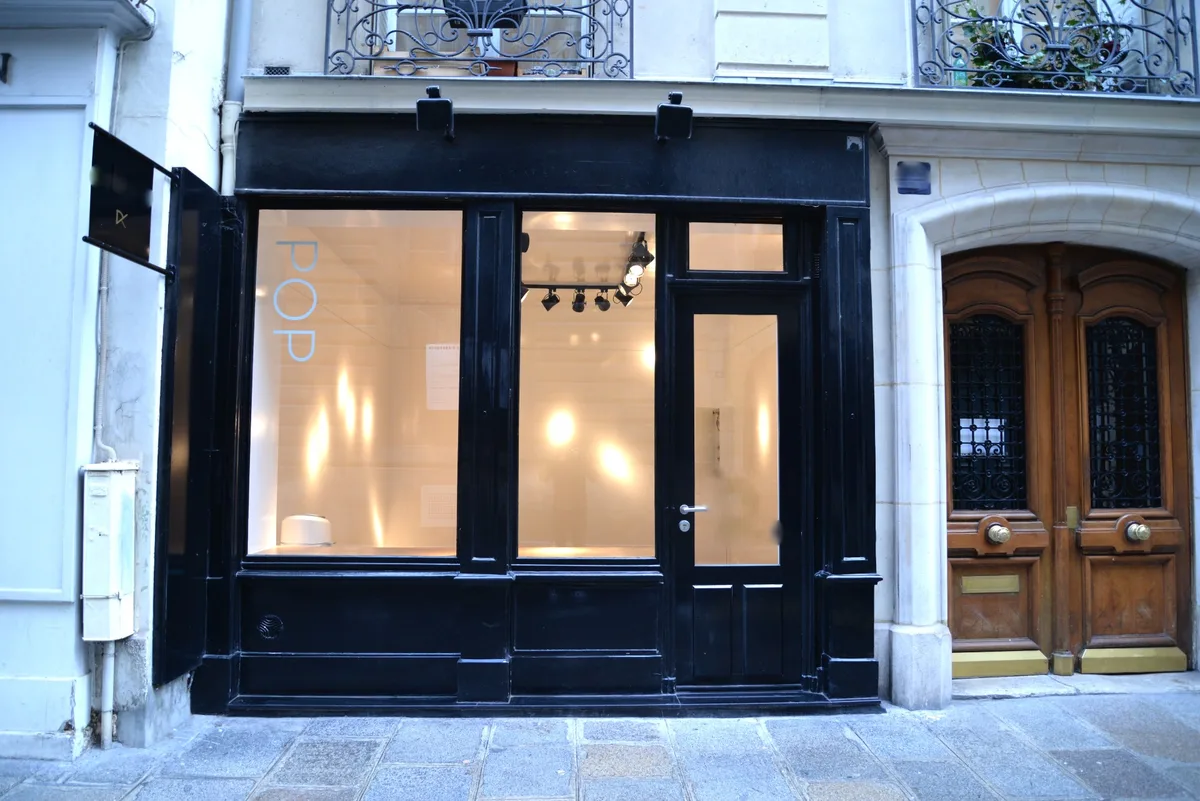
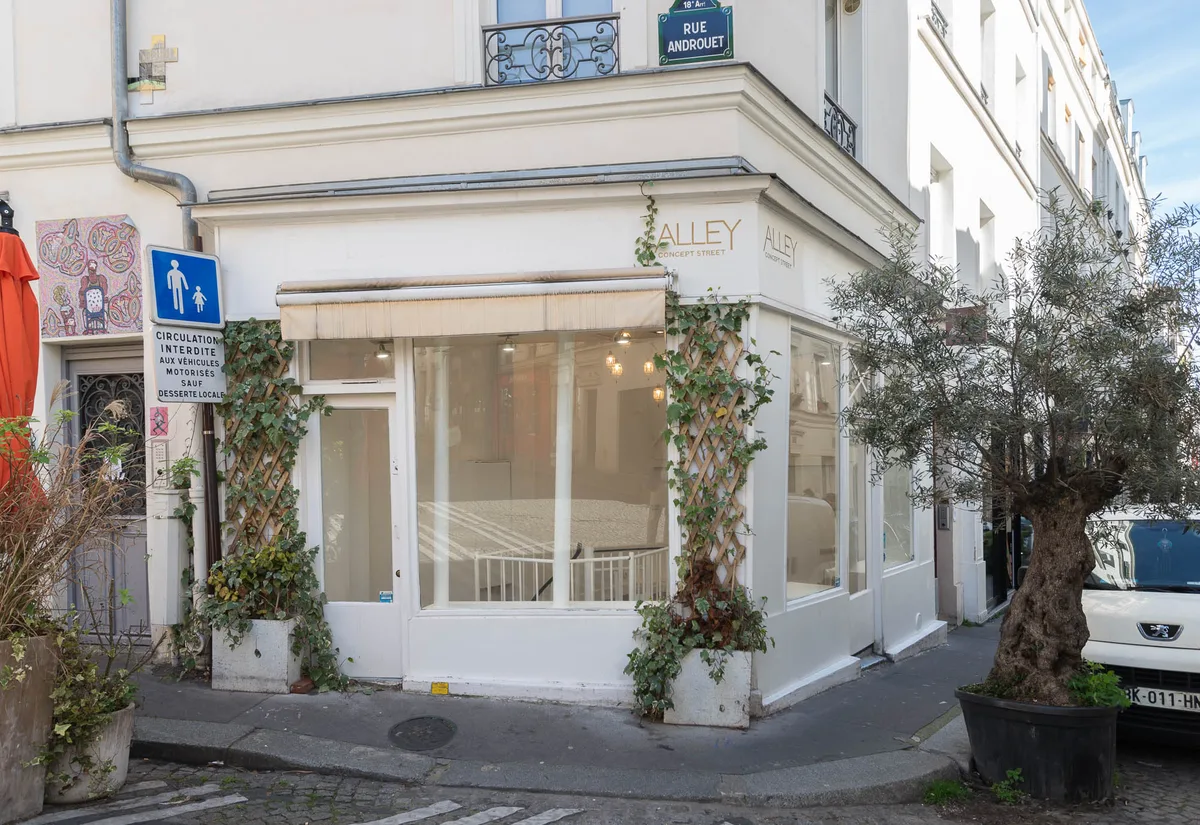
Short term retail near Louvre Paris sits at the intersection of the city's highest footfall, most concentrated luxury spend, and most internationally recognised address. The 1st arrondissement, centred on the Musée du Louvre, Palais Royal, Rue Saint-Honoré, and Place Vendôme, draws tens of millions of visitors each year, including culturally engaged tourists, high-net-worth shoppers, global fashion press, and Parisian consumers with sophisticated retail expectations. For fashion brands, beauty retailers, luxury houses, and independent boutiques seeking temporary or short-term retail space in this neighbourhood, the opportunity is extraordinary but the process requires real expertise. Fashion Week Venues supports brands sourcing pop-up spaces in Paris across the most competitive arrondissements, including those immediately surrounding the Louvre.
Why the Quartier du Louvre Is One of the Most Valuable Short Term Retail Locations in Europe
The Quartier du Louvre is not simply a heritage district. It is one of the most commercially strategic short-term retail locations in Europe, combining world-class cultural footfall with proximity to the most expensive luxury retail corridor on earth.
The Musée du Louvre is the most visited art museum in the world, historically attracting over eight million visitors per year before the Covid-19 pandemic disrupted global tourism. Post-pandemic recovery has seen visitor numbers return to record levels, with the museum's collection including the Mona Lisa and thousands of other art objects drawing art travellers, cultural tourists, school groups, and international high-spending visitors who stay in the luxury hotels immediately surrounding the district.
The concentration of high-calibre accommodation in this neighbourhood is unmatched in Paris. Hotels such as Le Meurice on Rue de Rivoli, the Crillon on Place de la Concorde, the Ritz Paris on Place Vendôme, Le Meurice, the Hôtel du Louvre, and the Regina Louvre hotel give brands access to a captive audience of travellers with genuine purchasing power who are already in the mode of discovery, experience, and acquisition. These guests do not simply walk past a well-positioned temporary boutique. They engage with it as part of their experience of Paris.
The architectural context of the area adds to the brand value of any short-term activation here. From I.M. Pei's iconic glass pyramid at the entrance of the Louvre, completed as part of the museum's major facelift in 1989, to the Arc de Triomphe du Carrousel, the Jardin des Tuileries, Place de la Concorde, Place des Pyramides, and the Church of Saint-Germain-l'Auxerrois, every corner offers a visual richness that transforms a simple pop-up into a curated brand experience. The inverted pyramid inside the Carrousel du Louvre Mall, with its geometric mosaics and distinctive architectural framing, offers additional spatial inspiration for brands thinking about the aesthetic language of their activation.
Beyond the museum complex itself, the Palais Royal gardens and arcades represent a distinct micromarket for short-term retail. The arcades under the Palais Royal have historically housed some of the most distinctive small boutique spaces in Paris, offering covered ground-floor units with unbroken pedestrian flow throughout the year. These are spaces where artisan gifts, independent fashion labels, jewellery makers, and niche beauty brands have thrived for decades.
The proximity to Rue Saint-Honoré and Faubourg Saint-Honoré extends the commercial case further. Rue Saint-Honoré runs directly from the Louvre area toward the western luxury districts of Paris, passing through a corridor of independent boutiques, gallery spaces, and concept stores before transitioning into the high-end flagships of Faubourg Saint-Honoré. A short-term retail space on or near Rue Saint-Honoré benefits from this dual audience of cultural visitors moving east to west and luxury shoppers moving west to east.
DID YOU KNOW: The Carrousel du Louvre Mall, located directly beneath the Louvre's glass pyramid, is a permanent underground retail and event space that has hosted brand activations, product launches, and cultural exhibitions alongside its permanent retail tenants. Its unique setting and consistent international visitor flow make it one of the most recognisable commercial spaces in Paris.
KEY TAKEAWAY: The Quartier du Louvre combines museum-grade cultural footfall, five-star hotel proximity, luxury retail adjacency, and extraordinary architectural context, making it one of the most commercially powerful neighbourhoods for short-term retail activation in France or Europe. Understanding the microgeography of the area is essential to selecting the right space.
The neighbourhood's strategic value extends outward from the Louvre to encompass multiple retail and cultural anchors, which the next section explores in practical terms for brands planning activations.
The 1st Arrondissement Retail Map: Key Streets, Landmarks, and Commercial Zones
The 1st arrondissement of Paris contains a greater density of internationally recognised landmarks than almost any other urban district in the world. For brand strategists and retail planners, understanding the spatial relationships between these landmarks helps define which streets, courtyards, and retail zones are most likely to deliver the footfall, audience profile, and visual environment a specific activation requires.
Rue Saint-Honoré and the Faubourg Saint-Honoré Corridor
Rue Saint-Honoré is the commercial spine of the 1st arrondissement for fashion and luxury brands. Beginning near the Louvre-Rivoli metro station and the Church of Saint-Germain-l'Auxerrois, the street runs westward through a mixed corridor of independent boutiques, gastronomy, galleries, and creative spaces before the address designation shifts to Faubourg Saint-Honoré as it enters the 8th arrondissement. Brands activating on or adjacent to Rue Saint-Honoré benefit from a street-level audience that skews fashion-literate, culturally engaged, and relatively affluent. Short-term retail spaces on this corridor are in high demand and typically require significant lead time to secure.
Place Vendôme and the Luxury Jewellery Zone
Place Vendôme, a short walk from the Louvre, is the global capital of haute joaillerie and watchmaking. The square and its immediate surrounds host flagship boutiques from the world's most prestigious jewellery maisons. Short-term retail near Place Vendôme commands significant interest from luxury beauty, fragrance, and accessories brands seeking address credibility. The Ritz Paris hotel, which anchors one side of the square, draws its own high-spending clientele who extend their time in the area by exploring adjacent retail. This proximity effect has real commercial value for temporary boutiques nearby.
Palais Royal Arcades and Gardens
The Palais Royal represents one of the most architecturally distinctive and commercially unique short-term retail environments in Paris. The three covered arcades, Galerie de Valois, Galerie de Montpensier, and Galerie Beaujolais, surround a central garden and contain small, historically rich retail units of varying sizes. These spaces have attracted independent fashion designers, rare book dealers, collectors' shops, and contemporary concept stores. The garden itself, with its distinctive black-and-white Colonnes de Buren sculpture installation, creates a natural gathering and photography environment that amplifies brand visibility for any activation nearby.
Jardin des Tuileries and Place de la Concorde
The Jardin des Tuileries connects the Louvre to Place de la Concorde and forms one of the most iconic pedestrian axes in Paris. The garden hosts seasonal event structures, including the famous Tuileries Garden funfair, and attracts an enormous volume of tourists and Parisians throughout the year. Place de la Concorde, at the western end of the Tuileries, anchors the visual perspective of the Champs-Élysées and has historically been used as a location for large-scale outdoor brand events and public activations. The Invalides and the Eiffel Tower are visible from this axis, reinforcing the extraordinary symbolic power of this district for brands seeking Paris at its most iconic.
La Samaritaine and the Emerging Riverside Zone
La Samaritaine, one of Paris's original grand department stores, reopened after a major restoration and renovation by the LVMH group, complete with its distinctive zinc domes and restored gold leaf decoration alongside contemporary interior additions. The reopening of La Samaritaine brought significant new retail and hospitality energy to the riverside edge of the 1st arrondissement, between the Louvre and the Seine. The adjacent Cheval Blanc hotel, the department store floors, and the redesigned public spaces now form a concentrated luxury destination that has raised the commercial profile of the Pont Neuf to Châtelet stretch. Short-term retail spaces in this zone benefit from both the renewed footfall drawn by La Samaritaine and the hotel guests staying at the Cheval Blanc.
The Opéra and Boulevard Haussmann Axis
While technically straddling the 9th arrondissement, the Opéra Garnier and Palais Garnier, Boulevard Haussmann, Avenue Haussmann, and the department stores of Galeries Lafayette and Printemps are within easy walking distance of the northern edge of the 1st arrondissement and function as a commercial anchor for the broader Louvre district. The two major French department stores draw massive visitor volumes including international tourists specifically seeking the Parisian shopping experience, and their proximity to the Louvre area means that short-term retail activations positioned between these anchors can benefit from multidirectional pedestrian flow.
Quick answer: The key commercial zones for short-term retail near the Louvre in Paris include Rue Saint-Honoré, Place Vendôme, the Palais Royal arcades, the Jardin des Tuileries edge, La Samaritaine, and the Opéra and Boulevard Haussmann corridor. Each zone offers a distinct audience profile, footfall volume, and aesthetic environment suited to different brand types and activation formats.
KEY TAKEAWAY: The 1st arrondissement is not a single retail environment but a collection of distinct commercial micromarkets. Brands must choose a specific zone based on their target audience, brand positioning, and activation format rather than simply seeking proximity to the Louvre as a generic address credential.
Understanding which zone aligns with your brand's activation goals is only part of the challenge. Securing the right type of short-term retail space within these zones requires understanding the legal frameworks that govern temporary retail in France.
Legal Frameworks for Short Term Retail in Paris: What Brands Must Understand
Short-term retail in Paris is governed by a distinct set of legal instruments that differ significantly from standard commercial leases. Brands unfamiliar with French property law frequently underestimate the complexity of securing a compliant short-term retail space, particularly in the highly competitive and tightly regulated 1st arrondissement.
IMPORTANT: The information below is provided as general guidance only. Legal requirements vary by space type, intended use, duration, and location. Always verify your specific situation with a qualified French legal advisor before signing any lease or occupation agreement.
The Bail Dérogatoire: Short-Term Commercial Leases in France
The standard French commercial lease, known as the bail commercial, is a nine-year agreement that provides significant tenant protections and is entirely unsuitable for short-term retail activations lasting days, weeks, or a few months. The bail dérogatoire, also called the bail précaire or short-form lease, is the standard legal instrument used for temporary commercial occupation in France. Under French law, a bail dérogatoire can be granted for a period of up to thirty-six months. If the tenant remains in occupation beyond this period without a new agreement, the lease may automatically convert to a full nine-year bail commercial, creating a significant and expensive legal complication.
For brand activations lasting from a few days to several months, the bail dérogatoire provides the legal basis for occupation while clearly limiting the duration and waiving certain tenant protections that apply under a full bail commercial. Brands must ensure their agreement is properly structured and that they have independent legal review before signing, as poorly drafted agreements can create unintended obligations.
AOT: Authorisation d'Occupation Temporaire
For certain types of short-term retail space, particularly those located in publicly owned or publicly managed venues, on public land, or within heritage buildings, brands may be required to obtain an Autorisation d'Occupation Temporaire, commonly abbreviated as AOT. An AOT is a temporary permission granted by the relevant authority, which may be a public institution, a municipal authority such as the Town Hall of the First Arrondissement, or a state body, allowing occupation and commercial activity for a defined period. AOT requirements and procedures vary significantly depending on the specific location, the nature of the commercial activity, and the duration of occupation. Brands planning activations in or adjacent to publicly owned spaces, including certain areas near the Louvre itself, the Jardin des Tuileries, or Place de la Concorde, should expect to navigate AOT requirements as part of their permitting process.
Do You Need a French Legal Entity?
One of the most common misconceptions among international brands planning short-term retail in Paris is the assumption that they must establish a French legal entity, such as a SARL or SAS, before they can rent a commercial space. While having a French entity can simplify certain administrative processes, it is not always a mandatory prerequisite for short-term retail under a bail dérogatoire. Many international brands and agencies rent short-term commercial spaces through properly structured agreements that name their foreign entity as the tenant, sometimes with a French guarantor or deposit arrangement. The specific requirements depend on the landlord, the building, the length of occupation, and the nature of the brand's French commercial activities. Specialist agencies familiar with the Paris short-term retail market can navigate these requirements and advise on the most practical structure for each situation.
Quick answer: International brands do not always need a French legal entity to rent short-term retail space in Paris. A bail dérogatoire can often be structured to accommodate a foreign brand entity, subject to landlord requirements and proper legal advice. Specialist agencies with established landlord relationships in Paris can significantly streamline this process and reduce the legal risk for international brands.
Use the permit guidance tool on Fashion Week Venues to begin understanding the permit and compliance landscape for your planned activation format, duration, and location before engaging a legal advisor.
Planning Permissions, Signage, and Façade Regulations
Beyond the lease structure, brands planning short-term retail in the 1st arrondissement must understand that the neighbourhood is subject to strict heritage and urban planning regulations. The proximity to listed monuments, protected streetscapes, and architecturally significant buildings, including the Louvre itself, the Palais Royal, and numerous hôtels particuliers along Rue Saint-Honoré and its side streets, means that external signage, window graphics, temporary structures, and façade modifications may require individual authorisation from the relevant heritage authority, known as the Architecte des Bâtiments de France. These requirements can affect project timelines significantly and should be factored into planning from the earliest stage.
KEY TAKEAWAY: Short-term retail in Paris near the Louvre requires careful navigation of bail dérogatoire structures, potential AOT requirements, and heritage planning regulations. Brands that underestimate these legal dimensions risk delays, additional costs, and compliance failures that can jeopardise their entire activation.
With the legal foundations understood, the next practical consideration for brands is the calendar context and how the windows of Paris Fashion Week and other major event periods affect space availability and pricing.
Paris Fashion Week and the Short Term Retail Calendar Near the Louvre
Paris Fashion Week is the most prestigious event in the global fashion calendar and creates the highest demand period for short-term retail, showroom, and event spaces across the city. However, brands activating near the Louvre must understand both the opportunities and the practical realities of the Fashion Week calendar in this specific neighbourhood.
The Fashion Week Windows and Their Effect on Space Availability
Paris hosts four major Fashion Week periods each year: womenswear ready-to-wear in March and October, haute couture in January and July, and menswear and cruise collections at various points in the calendar. Each of these periods generates significant demand for temporary spaces across the city, including the 1st arrondissement. Spaces near the Louvre, the Palais Royal, and Rue Saint-Honoré are particularly sought after during Fashion Week periods because they combine high fashion-press footfall with proximity to the city's most prestigious showroom and event venues.
During peak Fashion Week periods, short-term retail spaces in the 1st arrondissement can be booked out months in advance. Brands that begin their space search too late risk finding that the most strategically positioned units are already committed to other brands or that asking terms have escalated significantly due to demand pressure. The general recommendation from agencies experienced in the Paris market is to begin the search process a minimum of three to four months ahead of a planned Fashion Week activation, and often earlier for spaces of exceptional quality or address.
DID YOU KNOW: Paris Fashion Week is not the only commercially valuable calendar window near the Louvre. The Foire Internationale d'Art Contemporain, known as FIAC or its successor Paris+ par Art Basel, draws a concentrated audience of art collectors, gallery owners, and high-net-worth cultural consumers who are natural targets for luxury fashion, jewellery, and accessories brands activating in the Louvre district during the autumn art fair season.
Beyond Fashion Week: Year-Round Retail Opportunity
Brands sometimes overlook the commercial value of short-term retail activations near the Louvre outside of formal Fashion Week periods. The Louvre district attracts consistent international visitor volumes throughout the year, with peak tourist seasons in June, July, and August drawing the largest absolute visitor numbers. Post-pandemic patterns, as documented by recovery tracking from tourism bodies in France, confirm that the summer months and Easter periods consistently generate the highest visitor volumes in the museum district. A well-positioned short-term retail space in June or July, as reflected in reviews such as that from Laura J describing a visit to the Carrousel du Louvre Mall with a party of five in June 2025, can achieve exceptional brand visibility and consumer engagement without paying the premium pricing that accompanies the formal Fashion Week weeks.
Quick answer: The optimal calendar windows for short-term retail near the Louvre include Paris Fashion Week periods in January, March, July, and October, plus the summer tourist season from late May through August, the autumn art fair season in October, and the pre-Christmas retail season in November and December. Each window has a distinct audience composition and pricing dynamic.
Planning Your Timeline Around the Paris Calendar
Successful short-term retail near the Louvre requires a planning timeline that accounts for space search and negotiation, legal documentation, permit applications, fit-out and production, staffing recruitment, influencer and press briefings, and operational setup. For a Paris Fashion Week activation, most experienced brand teams and agencies recommend beginning the planning process at least twelve weeks before the activation start date, with space confirmed no later than eight to ten weeks out. For summer or Christmas activations, a similar or longer lead time is advisable given the volume of competing brands seeking the same spaces.
The activation timeline planning tool on Fashion Week Venues helps brand teams build a realistic project timeline that accounts for Paris-specific lead times across space search, permitting, production, and launch.
KEY TAKEAWAY: Treating Paris Fashion Week as the only viable calendar window for short-term retail near the Louvre is a strategic error. Year-round tourist volumes, art fair seasons, and holiday periods offer commercially powerful and often more cost-effective activation windows with different but equally valuable audience compositions.
Once the calendar window is confirmed, brands must consider the types of spaces available in the Louvre district and how to match space type to activation format.
Types of Short Term Retail Spaces Available Near the Louvre in Paris
The short-term retail landscape near the Louvre encompasses a broad range of space types, sizes, and formats. Understanding this range is essential for brands to match their activation concept, budget, and operational requirements to a realistic space option.
| Space Type | Typical Size Range | Best Suited For | Key Considerations |
|---|---|---|---|
| Palais Royal Arcade Unit | 15 to 60 sqm | Independent fashion, jewellery, artisan gifts, concept retail | Strong footfall, historic character, limited loading access |
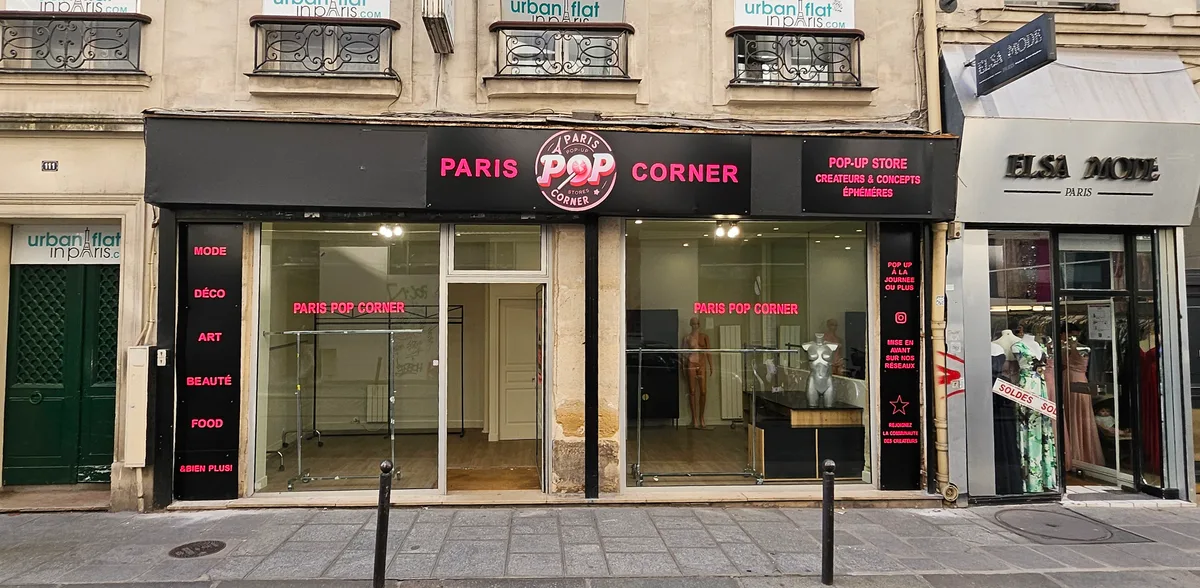
| Rue Saint-Honoré Street-Level Boutique | 40 to 200 sqm | Fashion brands, beauty activations, luxury accessories | Premium pricing, high visibility, heritage building constraints |
| Hôtel Particulier Ground Floor | 60 to 300 sqm | Brand showrooms, press presentations, VIP retail events | Exceptional aesthetics, limited exterior signage, appointment formats |
| Converted Gallery or Cultural Space | 80 to 500 sqm | Immersive brand experiences, art-retail hybrids, launch events | Strong concept fit, variable technical infrastructure |
| Underground or Passage Retail Unit | 20 to 100 sqm | Accessories, fragrance, food and lifestyle brand activations | Year-round covered footfall, flexible lease terms |
| Department Store Concession or Pop-In | 30 to 150 sqm | Fashion brands entering the French market, beauty brands | Existing footfall infrastructure, brand guidelines apply |
| Courtyard or Garden Space | Variable | Seasonal outdoor activations, events, brand experiences | Weather dependency, permit requirements for structures |
Boutique Hideaways and Character Spaces
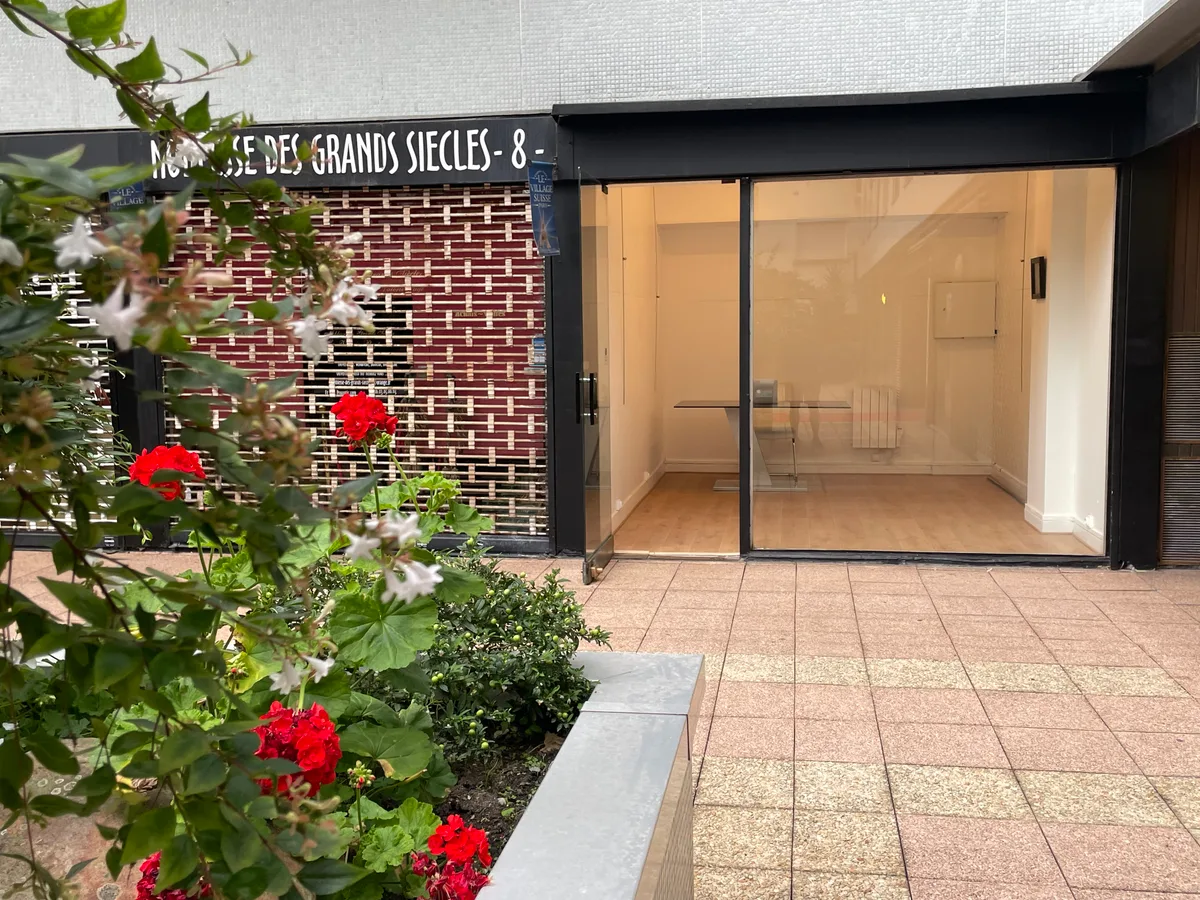
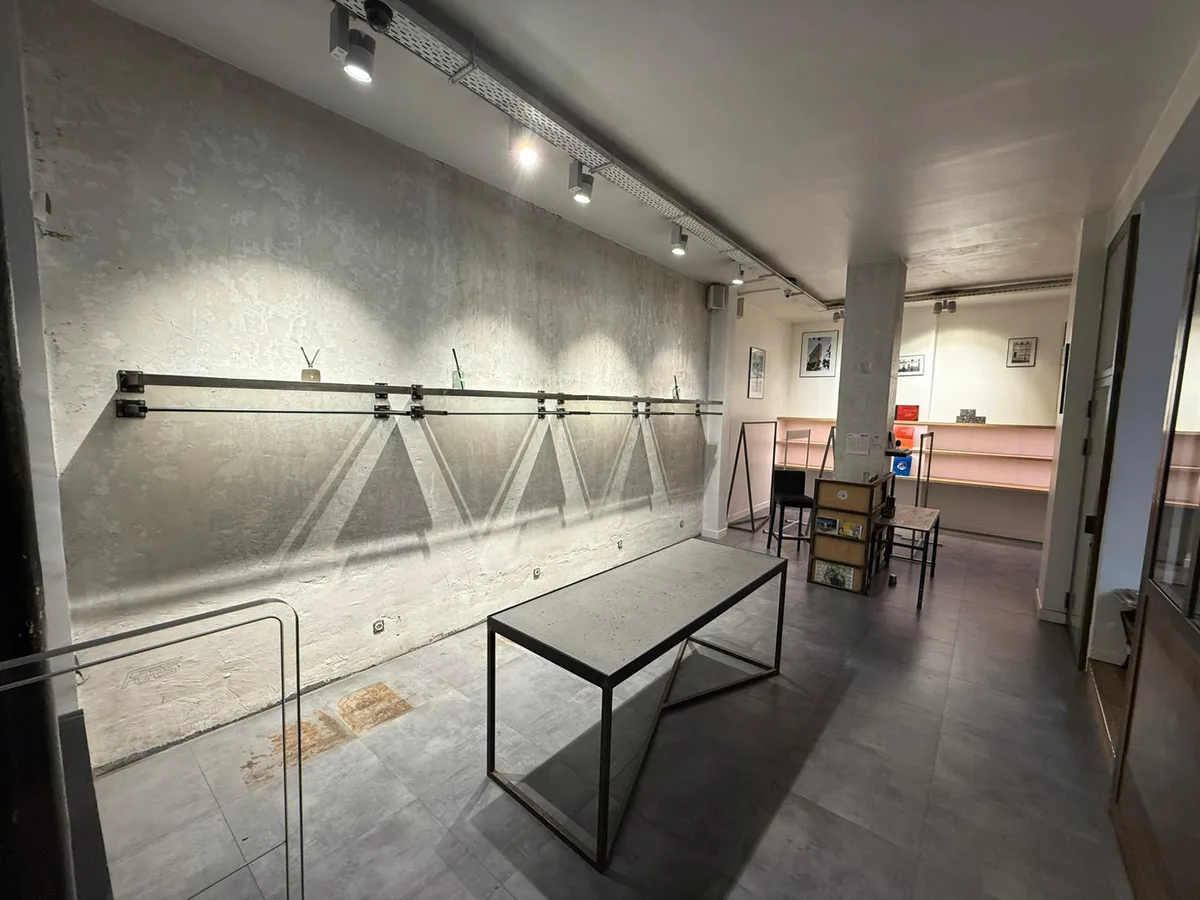
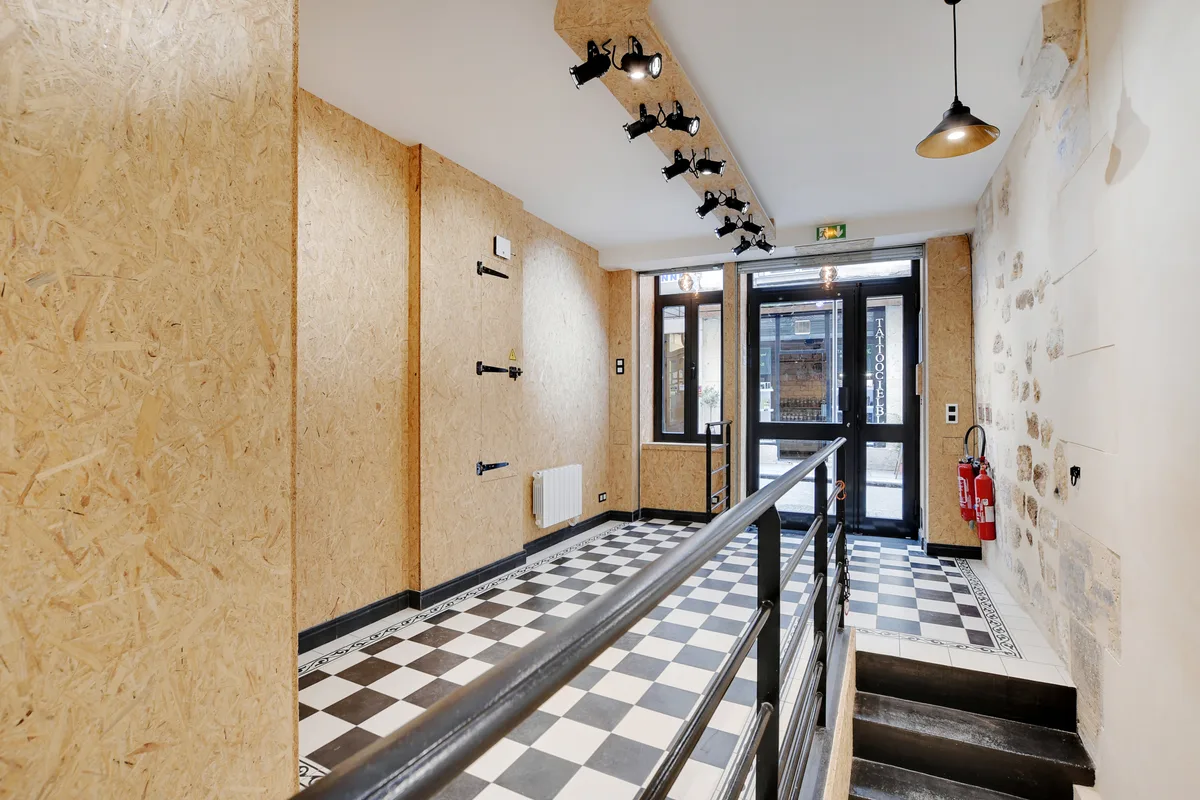
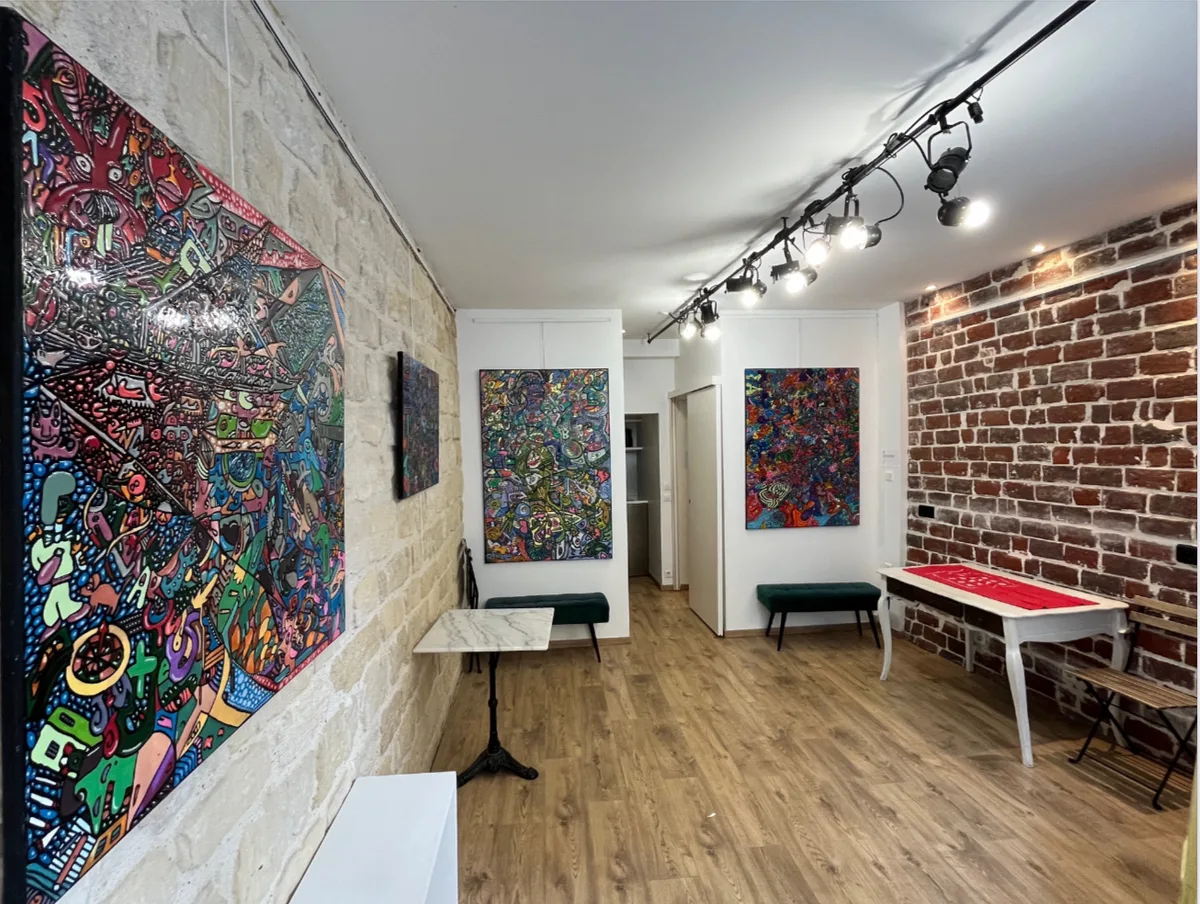
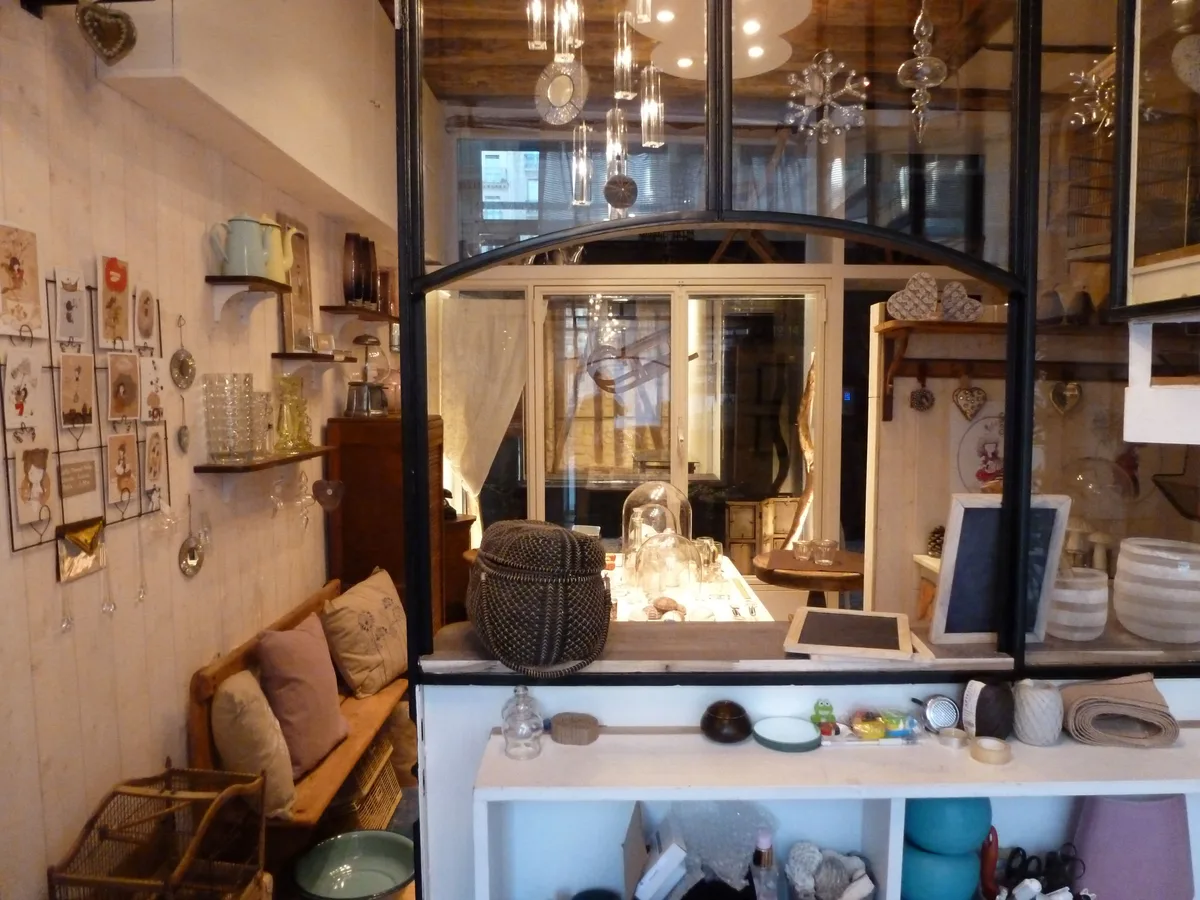
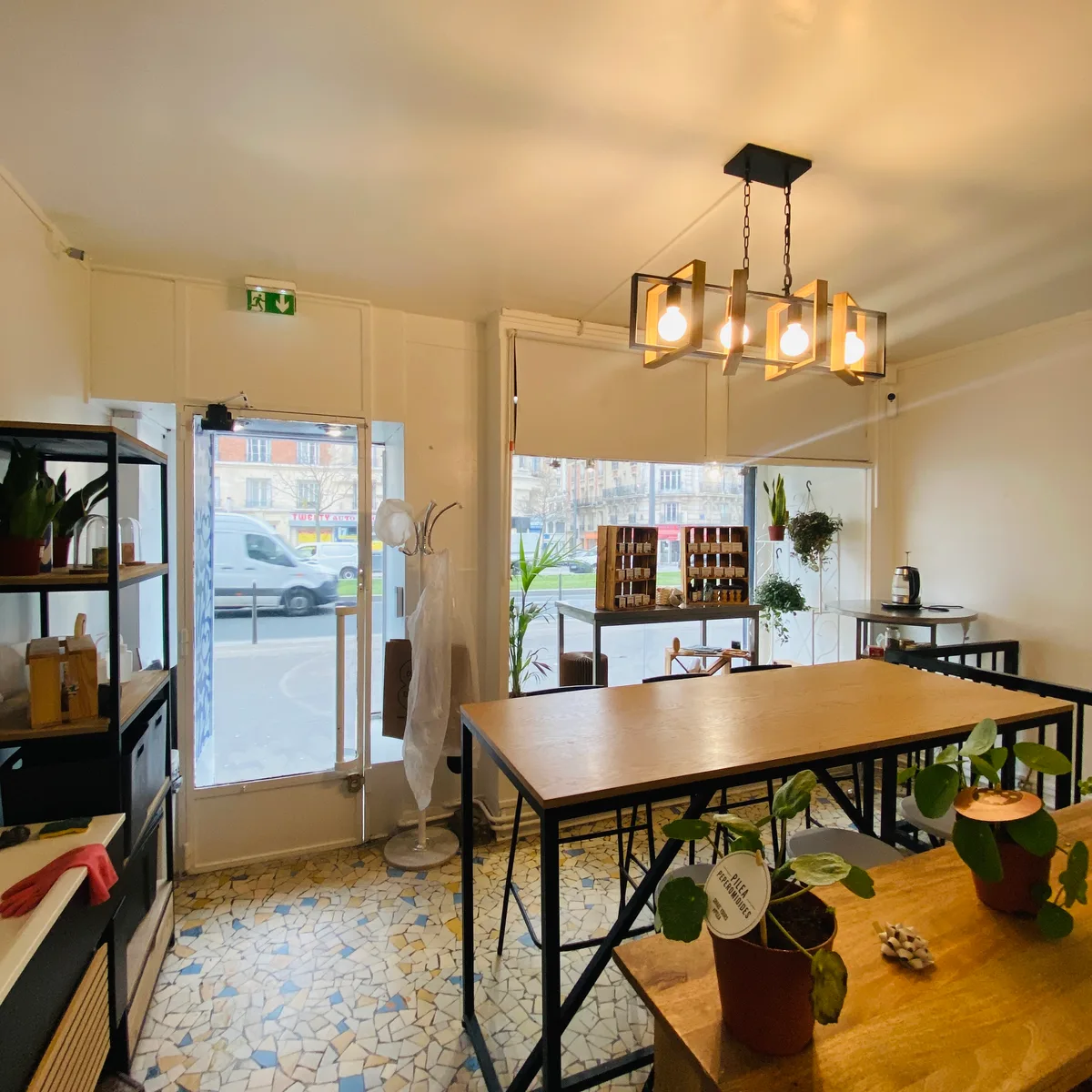
One of the defining characteristics of the short-term retail landscape near the Louvre is the availability of what experienced Paris retail agents call boutique hideaways: small, architecturally distinctive spaces tucked into courtyards, passages, or upper floors of historical buildings that offer exceptional brand storytelling potential far beyond their physical footprint. A green leafy courtyard unit, a third-floor space with views over Parisian rooftops, or a ground-floor duplex with original stone floors and exposed beams can create a sense of discovery and exclusivity that a conventional street-level shop cannot replicate. These spaces are particularly effective for appointment-based showrooms, collector-oriented retail, or brand experiences designed for press and influencer audiences who respond to editorial-quality environments.
The Carrousel du Louvre Mall
The Carrousel du Louvre Mall, situated directly beneath the Louvre's iconic glass pyramid and inverted pyramid, deserves specific attention as a short-term retail environment. The mall hosts a mix of permanent retailers alongside an event and activation space that has been used for brand launches, product demonstrations, cultural exhibitions, and fashion presentations. The Baverez group, which has operated various Parisian hospitality and retail interests, and the mall's management structure mean that event and short-term activation arrangements within the Carrousel du Louvre require engagement with the specific leasing and events team rather than through standard property channels. The setting offers unmatched symbolic resonance for brands wishing to associate with the cultural prestige of the Musée du Louvre and the architectural legacy of I.M. Pei's intervention.
Department Store Activations at Galeries Lafayette, Printemps, and La Samaritaine
The three major department stores accessible from the Louvre district, namely Galeries Lafayette on Boulevard Haussmann, Printemps on Boulevard Haussmann, and La Samaritaine on Rue de Rivoli, each offer branded short-term retail formats. These formats, variously called pop-ins, shop-in-shops, or brand takeovers, allow brands to access the department store's existing footfall, customer data infrastructure, and retail staff while occupying a defined space within the store for a fixed period. These arrangements are particularly effective for fashion and beauty brands entering the French market for the first time or seeking to test a new product line with a qualified Parisian consumer audience.
To compare available space types and neighbourhoods, explore the Paris city hub on Fashion Week Venues and shortlist spaces that match your brief, budget, and calendar window.
KEY TAKEAWAY: The short-term retail space market near the Louvre ranges from small artisan-scale arcade units to large-format gallery and event spaces, with a broad spectrum of formats in between. The most effective brand activations match space type precisely to concept, audience, and operational requirements rather than selecting on size or street prestige alone.
Identifying the right space type is closely linked to understanding the budget required to activate successfully in this neighbourhood, which the following section addresses directly.
Budget Planning for Short Term Retail Near the Louvre
Budgeting accurately for short-term retail near the Louvre requires understanding not just the rental cost of a space but the full range of costs associated with a Paris activation, from legal fees and fit-out to staffing, permits, and operational expenses.
IMPORTANT: All cost information in this section is directional guidance only. Actual costs vary significantly depending on space size, duration, specification, and negotiation. Use the budget estimation tool on Fashion Week Venues to build a brand-specific cost model for your activation.
Understanding the Full Cost Stack
Many brands entering the Paris short-term retail market for the first time significantly underestimate the total cost of their activation by focusing only on the rental cost per square metre and ignoring the full stack of costs required to make a space operational and commercially effective. The following table outlines the primary cost categories brands should plan for:
| Cost Category | Description | Notes |
|---|---|---|
| Space rental | Core lease or occupation fee for the duration | Highest in Fashion Week periods and premium addresses |
| Legal and notarial fees | Bail dérogatoire drafting, review, and execution | Essential, not optional |
| Fit-out and production | Fixtures, fittings, flooring, lighting, display | Heritage buildings may restrict interventions |
| Furniture rental | Temporary furniture for display, seating, counters | Can reduce fit-out cost and simplify reinstatement |
| Permit fees | AOT applications, signage permits, heritage approvals | Variable by location and activity type |
| Retail staffing | Sales associates, brand ambassadors, management | French employment law applies |
| POS and payments infrastructure | Point of sale systems, card terminals, inventory management | Multicurrency capability important for tourist zones |
| Influencer and press activities | Gifting, events, digital content production | High leverage in the Louvre district |
| Reinstatement and clearance | Restoring space to original condition at end of lease | Often required as a condition of the bail dérogatoire |
| Insurance | Public liability, contents, event insurance | Required for most formal lease agreements |
ROI Considerations for Louvre District Activations
Short-term retail near the Louvre commands a premium at every cost level. The case for this premium investment rests on the quality and volume of the audience, the brand prestige associated with the address, the press and influencer amplification potential in a district that is permanently on the editorial radar of global fashion and lifestyle media, and the long-term brand equity impact of a well-executed Paris activation. Brands that measure return on investment only through direct sales typically undervalue these activations. A more complete ROI framework includes press coverage value, social media reach, new customer acquisition, wholesale or retailer interest generated, and long-term brand awareness metrics in key target markets.
Use the ROI calculator on Fashion Week Venues to model the full return potential of a short-term retail activation near the Louvre across both direct and indirect value streams.
Quick answer: Budgeting for short-term retail near the Louvre requires accounting for space rental, legal fees, fit-out, staffing, permits, POS infrastructure, and reinstatement costs. The total cost stack is significantly higher than the headline rental figure alone. Directional estimates vary widely by space type, duration, and activation format, so brand-specific modelling is essential before committing to a space.
KEY TAKEAWAY: The highest returning Paris activations near the Louvre are those where brands invest in the full quality stack, from space selection through concept direction, production quality, staffing, and press engagement, rather than cutting costs in any one area to offset a high rental figure. A premium location with a poor execution delivers poor results and poor value.
With budget planning underway, brand teams need to understand the practical workflow for executing a short-term retail activation in this neighbourhood from start to finish.
Step-by-Step Workflow for Executing a Short Term Retail Activation Near the Louvre
A successful short-term retail activation near the Louvre requires a structured, sequenced workflow that accounts for the specific demands of the Paris market, including legal, operational, creative, and commercial dimensions.
| Stage | Activity | Responsible Party | Typical Lead Time |
|---|---|---|---|
| 1. Brief development | Define concept, audience, calendar window, budget range, and space requirements | Brand team | 12 or more weeks before activation |
| 2. Space search | Identify candidate spaces, assess availability, request terms | Agency or brand team | 10 to 12 weeks before activation |
| 3. Space comparison and shortlisting | Evaluate shortlisted spaces against brief criteria | Brand team with agency support | 9 to 10 weeks before activation |
| 4. Legal and lease negotiation | Negotiate bail dérogatoire terms, instruct legal advisor, sign agreement | Legal advisor and brand team | 7 to 9 weeks before activation |
| 5. Permit applications | Submit AOT applications, signage permits, heritage approvals | Agency or permit specialist | 6 to 8 weeks before activation |
| 6. Concept and design development | Finalise brand experience concept, spatial design, visual merchandising plan | Creative director and production team | 6 to 8 weeks before activation |
| 7. Production and fit-out | Procure and install fixtures, fittings, furniture, lighting, signage | Production team | 2 to 3 weeks before activation |
| 8. Staffing and training | Recruit and brief retail staff, train on product and brand story | Staffing agency and brand team | 2 to 3 weeks before activation |
| 9. POS and payments setup | Install point of sale systems, test payment processing, configure inventory | POS provider and brand team | 1 to 2 weeks before activation |
| 10. Press and influencer programme | Brief media, send invitations, coordinate opening event | PR team and brand marketing | 3 to 4 weeks before opening |
| 11. Activation period | Operate the space, manage staff, track performance, execute influencer visits | Brand team and agency | Duration of activation |
| 12. Closedown and reinstatement | Remove all fit-out, restore space, conduct final inspection, return keys | Production team and brand team | 1 to 3 days post-activation |
This workflow applies to most short-term retail formats near the Louvre. The specific timeline compresses or expands depending on the complexity of the activation, the permitting requirements of the specific space and location, and the speed of decision-making within the brand team. Brands that move quickly at the brief and space confirmation stages preserve the most flexibility at the production and creative stages.
Quick answer: A well-executed short-term retail activation near the Louvre typically requires a planning horizon of at least twelve weeks from brief development to opening day. Brands that compress this timeline risk inadequate legal review, permit delays, or production shortcuts that undermine the quality and commercial performance of the activation.
KEY TAKEAWAY: The sequencing of legal, permit, creative, and operational workstreams is critical. Legal and permit stages must be completed before fit-out begins, and staffing must be confirmed before press and influencer activities are scheduled. Specialist agencies with Paris experience can manage this sequencing efficiently and prevent the costly delays that arise from misordering these workstreams.
Understanding how Fashion Week Venues specifically supports brand teams across this workflow is the focus of the next section.
How Fashion Week Venues Supports Short Term Retail Activations Near the Louvre
Fashion Week Venues operates as a full-service pop-up shop agency and space marketplace with deep operational experience in the Paris market. For brands planning short-term retail near the Louvre, Fashion Week Venues offers end-to-end support across every stage of the activation workflow, from initial space search through to closedown.
Space Discovery and Venue Sourcing
The venue sourcing service at Fashion Week Venues draws on an established network of space owners, property agents, cultural institutions, and private landlords across the 1st arrondissement and adjacent neighbourhoods. This network gives brands access to spaces that are not publicly listed and allows Fashion Week Venues to negotiate terms on behalf of the brand with landlords who have a track record of working with international fashion and retail clients. The process begins with a detailed brief from the brand team and results in a curated shortlist of candidate spaces matched to the brief criteria.
Concept Direction and Branded Store Design
For brands that require creative support alongside space sourcing, the concept direction and branded store design services provide a full creative development process from brand narrative to spatial concept to visual merchandising execution. In the architecturally rich environment of the Louvre district, concept direction is particularly important. Spaces near the Louvre carry their own strong aesthetic character, and the most effective activations create a thoughtful dialogue between the brand's visual identity and the architectural qualities of the space, whether that means responding to original stone floors, zinc-framed windows, painted ceilings, or contemporary gallery interiors.
Production, Fit-Out, and Furniture Rental
The production and build service manages the physical transformation of a raw space into a fully branded retail environment. This includes fixture fabrication, installation, lighting design, flooring, and all elements of the physical store build. For brands seeking a lighter-touch or more flexible approach to the physical environment, the furniture rental service provides high-quality branded and neutral furniture appropriate to a luxury Paris context, reducing the cost and complication of a full bespoke fit-out while maintaining a high aesthetic standard.
Retail Staffing and Activation Management
The retail staffing service provides experienced sales associates and brand ambassadors who are recruited, trained, and managed for the duration of the activation. In the 1st arrondissement, where the visitor and shopper audience is international and multilingual, staffing with genuine product knowledge and strong language capability is a commercial necessity rather than a luxury. The activation management service provides an on-the-ground operational layer that manages day-to-day space operations, staff scheduling, inventory management, and issue resolution throughout the activation period, freeing the brand team to focus on commercial and creative priorities.
Tools for Brand Teams Planning Paris Activations
Fashion Week Venues offers a suite of digital tools specifically designed to support brand planning decisions. These include the budget estimation tool for scenario-based cost modelling, the ROI calculator for evaluating total activation return, the permits tool for understanding the compliance landscape, the timeline tool for mapping the planning sequence, and the space comparison tool for evaluating shortlisted spaces against one another on defined criteria. Brand teams can access all of these tools through the tools section of Fashion Week Venues.
Quick answer: Fashion Week Venues provides end-to-end support for short-term retail activations near the Louvre, including venue sourcing, concept direction, production, branded store design, furniture rental, retail staffing, POS and payments, data and analytics, and influencer marketing. Brand teams can engage Fashion Week Venues for the full service or for specific components of the activation workflow depending on their existing resources and capabilities.
KEY TAKEAWAY: Fashion Week Venues does not guarantee specific spaces, permit approvals, or commercial outcomes. The agency's value lies in its market knowledge, established relationships, operational expertise, and structured process, all of which reduce risk and increase the probability of a successful activation for brands entering the Paris short-term retail market.
Before committing to any agency, brand, or space, brands considering short-term retail near the Louvre should understand the common misconceptions that circulate in the market.
The Cultural and Hospitality Ecosystem Around the Louvre: Context for Brand Activations
Short-term retail near the Louvre does not exist in isolation. It operates within a rich ecosystem of cultural institutions, luxury hotels, restaurants, cafes, and entertainment venues that shape the mood, behaviour, and expectations of the consumers and visitors who pass through the district every day. Understanding this ecosystem helps brands position their activation concept and operational format in a way that resonates with the specific character of the neighbourhood.
The Louvre Museum and Its Cultural Gravity
The Musée du Louvre, originally the Palais du Louvre and later transformed into the world's largest art museum under the Grand Louvre project, represents the cultural gravitational centre of the entire district. The museum's collection spans civilisations and millennia, with the Mona Lisa, the Venus de Milo, and the Winged Victory of Samothrace among the most internationally recognised art objects in human history. The glass pyramid designed by I.M. Pei, completed in 1989, transformed the museum's public face and created one of the most photographed architectural landmarks in the world. The Musée des Arts Décoratifs, housed in the wing of the Palais du Louvre facing Rue de Rivoli, specialises in design, decorative arts, and fashion history, making it a particularly resonant neighbour for fashion brand activations in the district.
The Bourse de Commerce and Contemporary Art
The Bourse de Commerce, reopened in 2021 as the Pinault Collection contemporary art museum, represents the most significant recent addition to the cultural landscape of the 1st arrondissement. Designed by architect Tadao Ando within the historic circular grain exchange building, the Bourse de Commerce draws a younger, culturally engaged, design-literate audience that responds strongly to fashion, contemporary design, and experiential retail formats. Its proximity to the Les Halles district and the Centre Pompidou creates a contemporary cultural axis that complements rather than duplicates the classical cultural gravity of the Louvre.
Dining, Cafes, and Watering Holes
The dining and cafe scene near the Louvre is an important context for brand activations because it shapes how visitors structure their time in the district and where they spend money beyond the museum itself. Angelina on Rue de Rivoli, famous for its rich Parisian hot chocolate and traditional patisserie, is one of the most iconic cafe experiences in Paris and draws a consistent queue of tourists and locals alike. Le Fumoir, positioned near the Louvre exit on Rue de l'Amiral de Coligny, is a more relaxed bar and restaurant popular with the creative and fashion industries, offering an interesting adjacency for brand activations seeking a fashionable clientele. Big Shot Coffee and Le Louvre Ripaille represent newer additions to the neighbourhood's food and beverage landscape, reflecting the ongoing evolution of the district's hospitality offering post-pandemic. Nearby, the dining rooms of Le Meurice and the Crillon represent the apex of French cuisine and hospitality, serving guests whose retail and lifestyle spending profiles are of clear interest to luxury brand activations in the area.
Luxury Hotels and Their Brand Activation Potential
The concentration of Parisian palace hotels in and immediately adjacent to the 1st arrondissement creates a specific opportunity for fashion and luxury brands. Hotels such as Le Meurice on Rue de Rivoli, the Ritz Paris on Place Vendôme, the Crillon on Place de la Concorde, the Hôtel du Louvre, the Regina Louvre hotel on Place des Pyramides, and Château Voltaire create a concentrated geography of high-net-worth travellers who are receptive to luxury brand experiences during their stay. Some of these hotels have established histories of hosting in-hotel boutique activations, private shopping events, and brand presentations, and their concierge and guest relations teams can be powerful channels for directing high-value guests to nearby short-term retail activations. The Baverez group, which manages hospitality assets in the area, has been involved in curating experiences that blend cultural, retail, and hospitality programming in this district.
DID YOU KNOW: The Musée des Arts Décoratifs, adjacent to the Louvre in the Palais du Louvre, holds one of the world's most significant collections of fashion history, including garments and accessories from the seventeenth century to the present day. Fashion brands activating in the Louvre district can draw a direct line between their contemporary work and this historical context, creating rich editorial and storytelling opportunities.
KEY TAKEAWAY: The cultural, hospitality, and dining ecosystem surrounding the Louvre is as important as the museum itself in shaping the commercial environment for short-term retail. Brands that understand and activate within this ecosystem, rather than treating their pop-up as an isolated commercial exercise, consistently deliver more memorable and commercially effective activations.
Common Myths About Short Term Retail Near the Louvre Paris
MYTH: International brands must establish a French legal entity such as a SARL or SAS before they can rent short-term retail space in Paris.
FACT: Many international brands rent short-term commercial spaces in Paris through properly structured bail dérogatoire agreements naming their foreign entity as the tenant, sometimes with additional deposit or guarantor arrangements to satisfy landlord requirements. While having a French entity can simplify certain processes, it is not a universal prerequisite. Specialist agencies with established landlord relationships in Paris can advise on the most practical structure for each brand's specific situation and instruct appropriate legal advisors.
MYTH: Paris Fashion Week is the only viable or commercially valuable calendar window for short-term retail near the Louvre.
FACT: The Louvre district attracts tens of millions of visitors per year across all seasons. Peak tourist months from June through August, the autumn art fair season, the Christmas period, and major cultural event periods all offer commercially powerful activation windows with distinct audience compositions. Some brands achieve better results and more cost-effective terms outside the formal Fashion Week weeks, when space pricing is lower and consumer attention is less fragmented across competing activations.
MYTH: Commission-based property brokers are the only practical route to finding short-term retail space near the Louvre in Paris.
FACT: Commission brokers represent one route to the market but not the only route. Full-service agencies with established landlord networks, direct relationships with cultural institutions, and experience of the short-term retail market in the 1st arrondissement can provide access to unlisted spaces, negotiate terms with an understanding of the specific requirements of brand activations, and provide integrated support across legal, creative, and operational dimensions that a commission broker cannot offer.
MYTH: Short-term commercial leases in Paris are legally straightforward and do not require specialist legal advice.
FACT: A bail dérogatoire is a specific legal instrument under French law with precise requirements and significant consequences if incorrectly structured. A poorly drafted agreement can inadvertently trigger the protections of a full nine-year bail commercial, creating substantial and unexpected liabilities for the brand. Heritage building regulations, AOT requirements, and permit obligations add further legal complexity. Independent French legal advice is essential before signing any short-term commercial lease in Paris, regardless of how simple the agreement appears on the surface.
MYTH: A high-profile Paris address near the Louvre automatically delivers strong commercial results for a brand activation.
FACT: Address prestige creates opportunity but does not guarantee commercial performance. Short-term retail activations near the Louvre succeed when the concept is appropriate to the audience, the space is well-matched to the brand, the execution quality is high across every dimension, and the marketing and press engagement programme creates awareness and drive-to-store. A premium location with poor execution consistently underperforms relative to a slightly less prestigious location with excellent execution.
Frequently Asked Questions About Short Term Retail Near Louvre Paris
What types of short-term retail spaces are available near the Louvre in Paris?
The range of short-term retail spaces available near the Louvre includes Palais Royal arcade units, street-level boutiques on Rue Saint-Honoré and adjacent streets, ground-floor spaces in hôtels particuliers, converted gallery and cultural spaces, underground passage units, and department store concessions at Galeries Lafayette, Printemps, and La Samaritaine. Space sizes range from small boutique units of fifteen to thirty square metres up to large-format gallery spaces of several hundred square metres. The right choice depends on the brand's concept, audience, budget, and operational requirements rather than simply on size or headline address.
How far in advance should a brand start looking for short-term retail space near the Louvre?
For Fashion Week period activations in the 1st arrondissement, brands should begin their space search a minimum of three to four months before the planned activation start date. For the highest-quality spaces on Rue Saint-Honoré, Place Vendôme, or within the Palais Royal, a longer lead time of five to six months is advisable. For summer, Christmas, or art fair period activations, a similar horizon of three to four months is recommended. Beginning the search too late significantly reduces the range of available options and can force brands into second-choice spaces that do not match their brief.
Do I need a French legal entity to rent short-term retail space near the Louvre?
Not necessarily. Many international brands rent short-term commercial spaces in Paris through properly structured bail dérogatoire agreements that name a foreign entity as the tenant, sometimes supplemented by deposit or guarantor arrangements. However, requirements vary by landlord, building, and lease structure. It is essential to take independent legal advice from a qualified French lawyer before signing any commercial lease in Paris. Specialist agencies with established Paris landlord relationships can advise on the practical options and connect brands with appropriate legal counsel.
What is a bail dérogatoire and why does it matter for brand activations?
A bail dérogatoire is a short-form commercial lease under French law that allows temporary commercial occupation of a space for up to thirty-six months without triggering the tenant protections of a full nine-year bail commercial. It is the standard legal instrument used for pop-up shops, temporary showrooms, and short-term retail activations in France. The bail dérogatoire must be correctly structured and clearly specify the duration, use, and terms of occupation. If the tenant remains in the space beyond the agreed term without a new agreement, the lease may automatically convert to a full nine-year bail commercial, creating significant and unintended legal and financial obligations.
What is an AOT and when is it required for retail activations near the Louvre?
An Autorisation d'Occupation Temporaire, or AOT, is a temporary permission granted by a relevant public authority allowing commercial occupation of a publicly owned or publicly managed space for a defined period. AOTs are required for activations in certain spaces near the Louvre, particularly those involving publicly owned venues, spaces adjacent to listed monuments, or commercial activity on public land such as the Jardin des Tuileries or Place de la Concorde. AOT requirements vary by location, activity type, and duration, and the application process requires engagement with the specific authority responsible for each space. Planning for AOT applications should begin several weeks before the intended activation start date.
How much does short-term retail space near the Louvre in Paris cost?
Short-term retail space costs in the Louvre district vary enormously depending on space size, location quality, duration, time of year, and current demand levels. The 1st arrondissement commands some of the highest short-term retail rental rates in Europe. Beyond the rental cost, brands must budget for legal fees, fit-out, furniture, permits, staffing, POS infrastructure, insurance, and reinstatement. The total cost stack can be significantly higher than the headline rental figure alone. Brands should use a dedicated budget planning tool to build a realistic brand-specific cost model before committing to a space and a calendar window.
Can international brands from outside the European Union activate a pop-up near the Louvre?
Yes. Many brands from outside the European Union, including North American, Asian, Middle Eastern, and Australian brands, have successfully executed short-term retail and showroom activations near the Louvre. The key requirements include a properly structured lease agreement, compliance with French commercial and employment law, appropriate insurance, and, where applicable, an AOT or other permit. Brands should engage both a specialist Paris-based agency and a French legal advisor early in the planning process to navigate the specific requirements of their situation. Tax registration and VAT obligations for commercial sales in France are additional considerations for non-EU brands.
What is the Carrousel du Louvre Mall and is it suitable for brand activations?
The Carrousel du Louvre Mall is a permanent underground retail and event complex situated directly beneath the Louvre's iconic glass pyramid. It was designed as part of I.M. Pei's Grand Louvre project and includes the famous inverted pyramid as a centrepiece. The mall hosts permanent retailers and an event space that has been used for brand launches, exhibitions, fashion presentations, and product demonstrations. Its unique cultural setting and consistent international visitor flow make it a distinctive environment for brand activations. Engaging with the mall requires contact with its specific leasing and events management team rather than through general property channels.
Is it possible to find short-term retail space near the Louvre without using an agent or agency?
Technically possible but practically very difficult for brands without existing Paris market relationships. The best short-term retail spaces in the 1st arrondissement are rarely publicly advertised and are often transacted through established agent or agency networks before they reach the broader market. Additionally, the legal, permit, and operational complexity of a Paris activation means that most brands benefit significantly from specialist support. Brands that attempt to manage the process independently often encounter delays, compliance issues, and quality shortfalls that a specialist agency can prevent. The cost of agency support is generally recoverable through better space terms, smoother permitting, and higher-quality execution.
What is the best area within the Louvre district for a luxury fashion brand activation?
For luxury fashion brands, the most strategically relevant zones within and adjacent to the Louvre district include Rue Saint-Honoré for street-level brand visibility and fashion industry adjacency, Place Vendôme and its immediate surrounds for maximum luxury address credibility, the Palais Royal arcades for editorial distinctiveness and artisanal positioning, and Faubourg Saint-Honoré for proximity to established luxury flagships. The optimal choice depends on the specific brand's positioning, its target consumer, and the format of the activation. Brands seeking a press and influencer-driven showroom experience often favour the more discreet character spaces in the area's courtyards and upper-floor units.
How does Paris Fashion Week affect space availability and pricing near the Louvre?
Paris Fashion Week periods in January, March, July, and October create the highest demand for short-term retail and showroom spaces across the city, including the 1st arrondissement. During these windows, the most desirable spaces are typically committed months in advance, and asking terms for available spaces are at their seasonal peak. Brands that begin their search late during Fashion Week windows risk finding limited availability and elevated pricing. Conversely, brands that commit to Fashion Week spaces early and secure good terms benefit from the peak density of press, buyers, and fashion industry professionals who are concentrated in Paris during these weeks.
What staffing considerations apply to short-term retail near the Louvre?
Staffing a short-term retail space near the Louvre requires particular attention to language capability, given the international composition of the visitor audience, and to product and brand knowledge, given the sophisticated expectations of the 1st arrondissement shopper. French employment law applies to all staff working in France regardless of the brand's country of origin, including rules on working hours, contracts, social charges, and minimum compensation. Brands unfamiliar with French employment law should engage a specialist staffing agency to manage compliant recruitment and employment for their activation period. Bilingual or multilingual staff with strong retail and brand presentation skills are the industry standard in this district.
Are there specific heritage or planning restrictions that affect fit-out near the Louvre?
Yes. The 1st arrondissement contains a high concentration of listed buildings, protected streetscapes, and heritage-sensitive environments subject to oversight by the Architecte des Bâtiments de France. This means that external signage, window graphics, temporary structures, façade modifications, and some interior interventions may require individual authorisation before work begins. Brands and their production teams should identify any heritage constraints affecting their chosen space at the earliest possible stage of planning to avoid delays or enforcement issues during the activation period. Working with a production team experienced in heritage-sensitive Paris environments is strongly advisable.
How can I measure the ROI of a short-term retail activation near the Louvre?
A complete ROI measurement framework for a Louvre-district activation should include direct revenue from in-store sales, online sales attributed to the activation through trackable links or promotional codes, new customer acquisition and contact data collected during the activation, press coverage value estimated using standard advertising equivalency metrics, social media reach and earned media generated by influencer and consumer content, wholesale or retailer interest generated during Fashion Week showroom activity, and long-term brand awareness metrics in target markets where the Paris activation has been documented. Using all of these metrics together gives a much more complete and accurate picture of activation value than direct sales alone.
Does Fashion Week Venues operate exclusively during Fashion Week or throughout the year?
Fashion Week Venues operates as a full-service agency and space marketplace throughout the year, not only during formal Fashion Week calendar periods. The agency supports brand activations across all commercially relevant windows in Paris, including peak tourist seasons, art fair periods, holiday retail windows, and permanent short-term retail programmes for brands establishing an ongoing Paris presence. The agency's Paris city hub, marketplace, and tools are available year-round for brands at any stage of their planning process, from initial research through to post-activation analysis.
Conclusion: Making Short Term Retail Near Louvre Paris Work for Your Brand
Short-term retail near the Louvre in Paris offers an extraordinary combination of cultural prestige, international footfall, luxury adjacency, and brand storytelling opportunity. From the Palais Royal arcades and Rue Saint-Honoré boutiques to the department stores of La Samaritaine and the grands boulevards of Boulevard Haussmann, the 1st arrondissement and its immediate surrounds constitute one of the most commercially and editorially powerful retail districts in the world.
Executing successfully in this environment requires a clear strategy, a realistic budget, a robust understanding of French legal and permit requirements, and a carefully sequenced operational workflow. It requires choosing the right type of space for the right activation concept and the right calendar window, and it requires a quality of execution, from concept design through staffing and press engagement, that matches the high standards that Parisian and international consumers expect in this neighbourhood.
Brands that approach this market with adequate preparation, the right specialist support, and a genuine commitment to quality consistently find that a well-executed activation near the Louvre delivers exceptional value across both commercial and brand-building dimensions. Brands that rush the process, underestimate the legal complexity, or over-focus on address prestige at the expense of concept quality find the experience costly and frustrating.
Fashion Week Venues exists to support brands at every stage of this journey, from initial space search and budget modelling through concept direction, production, staffing, press engagement, and performance analysis. Whether you are entering the Paris market for the first time or deepening an established presence, the agency's knowledge, tools, and relationships in the Louvre district and across Paris are available to support your activation goals.
To move from research to activation, start exploring available spaces on the Fashion Week Venues marketplace and build a focused brief for your target neighbourhood, space type, and calendar window.