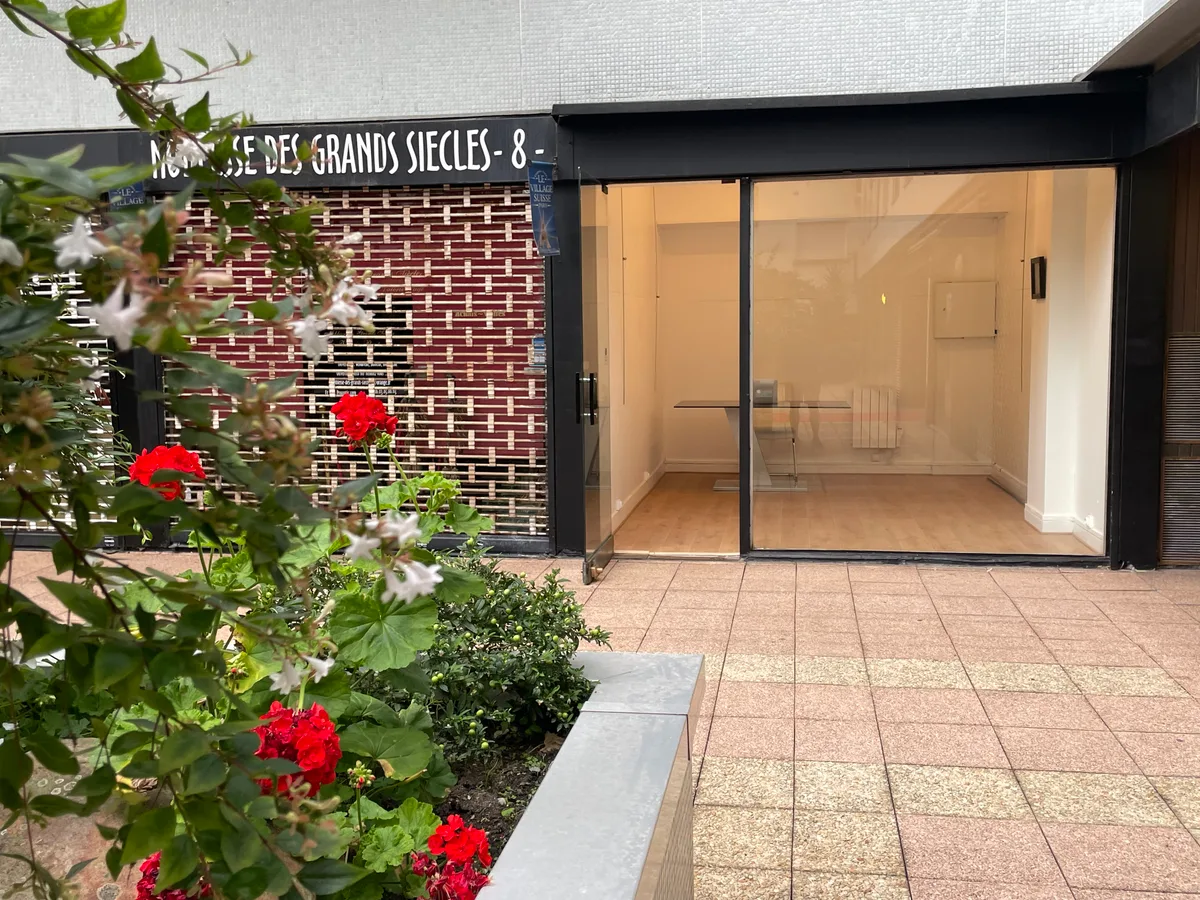
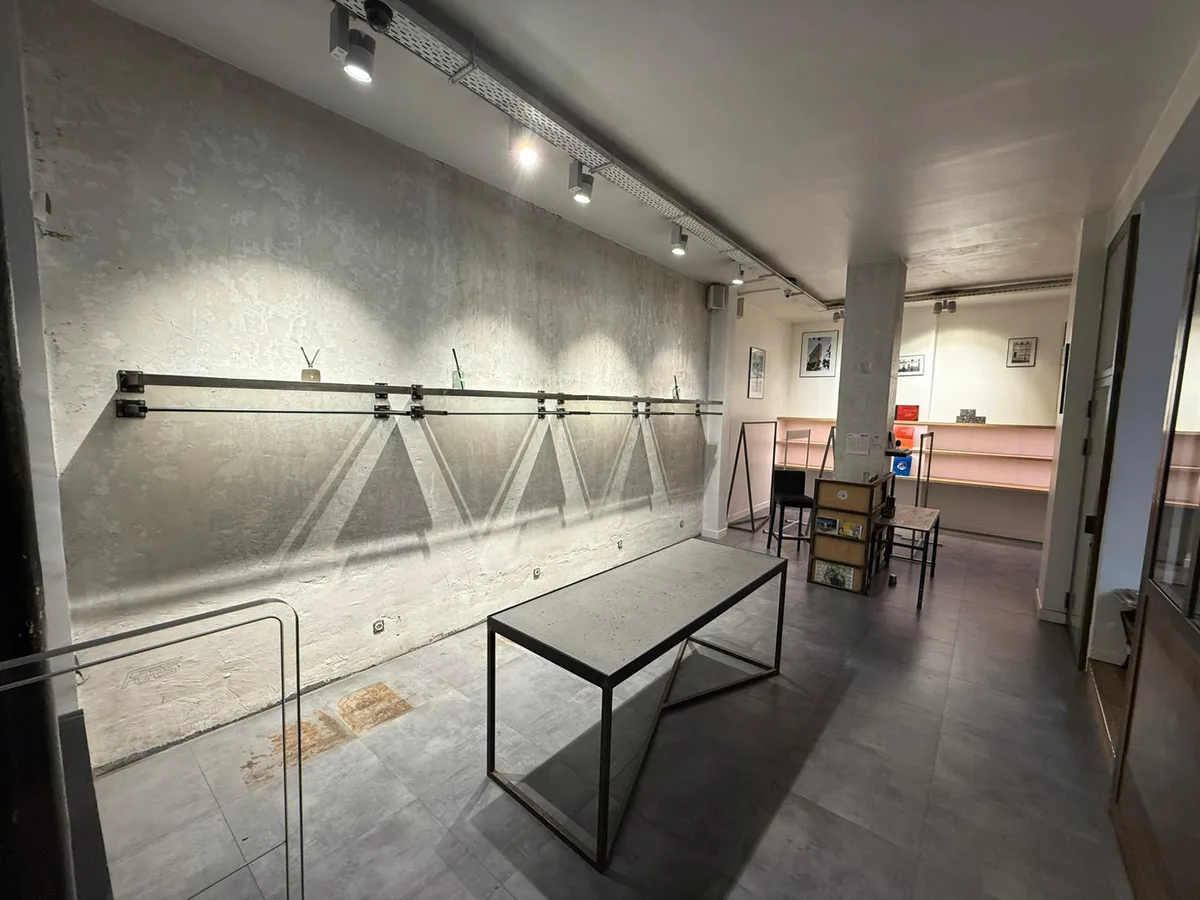
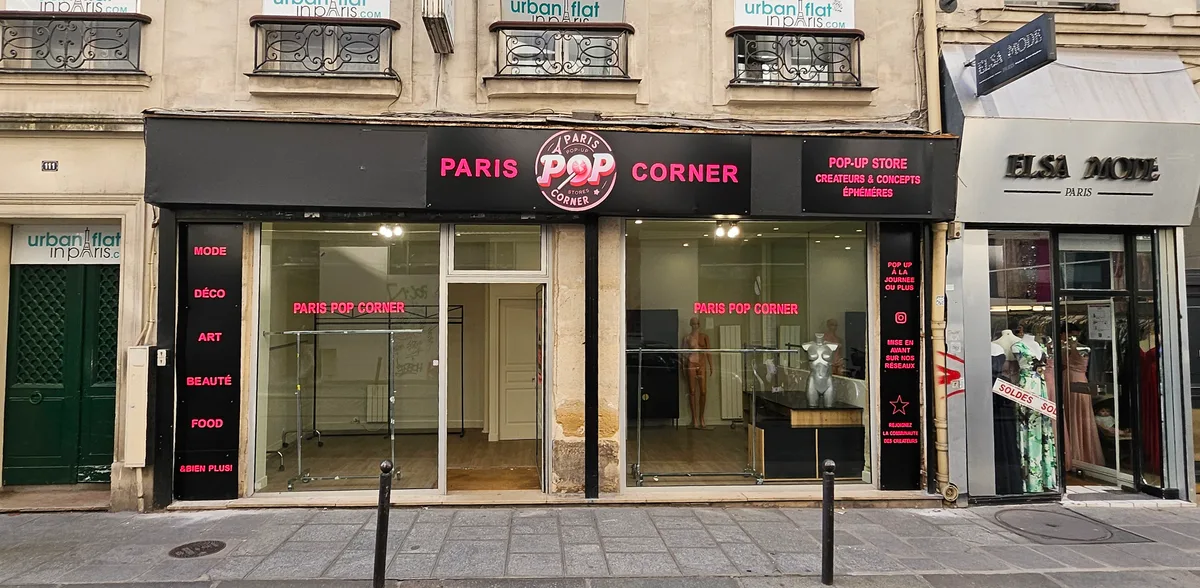
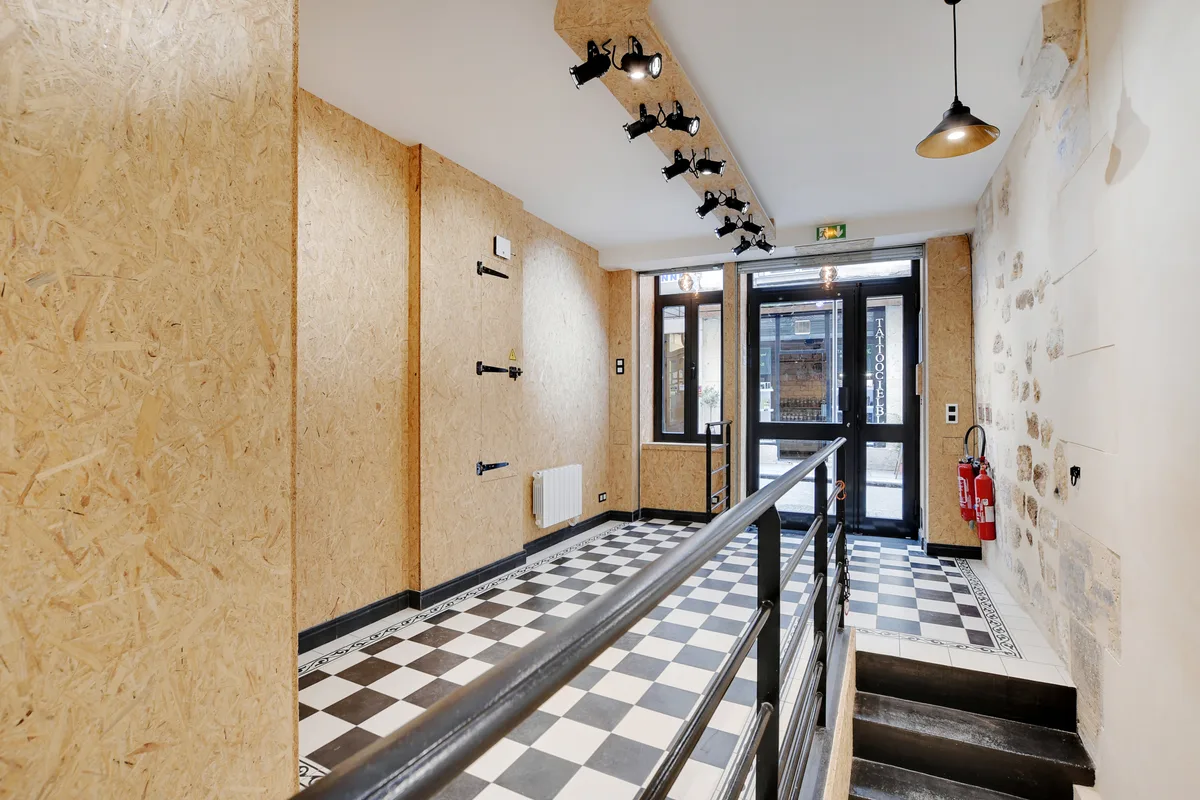
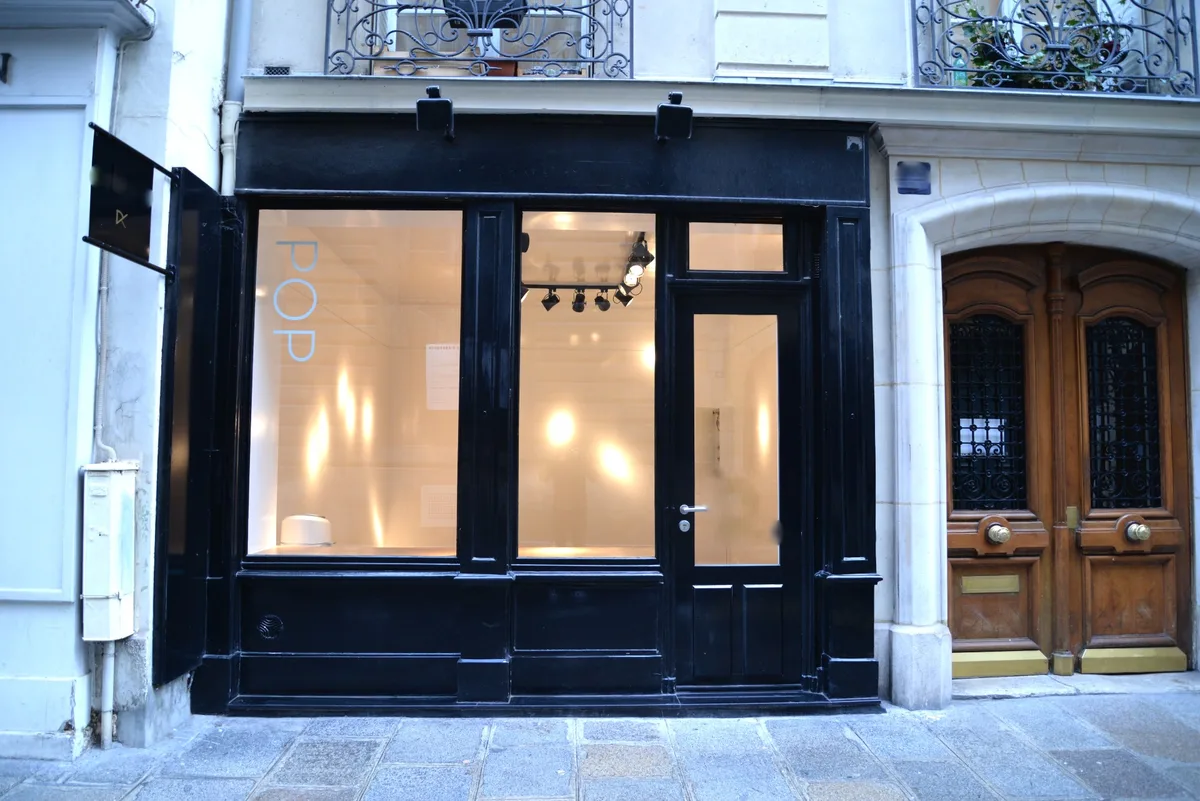
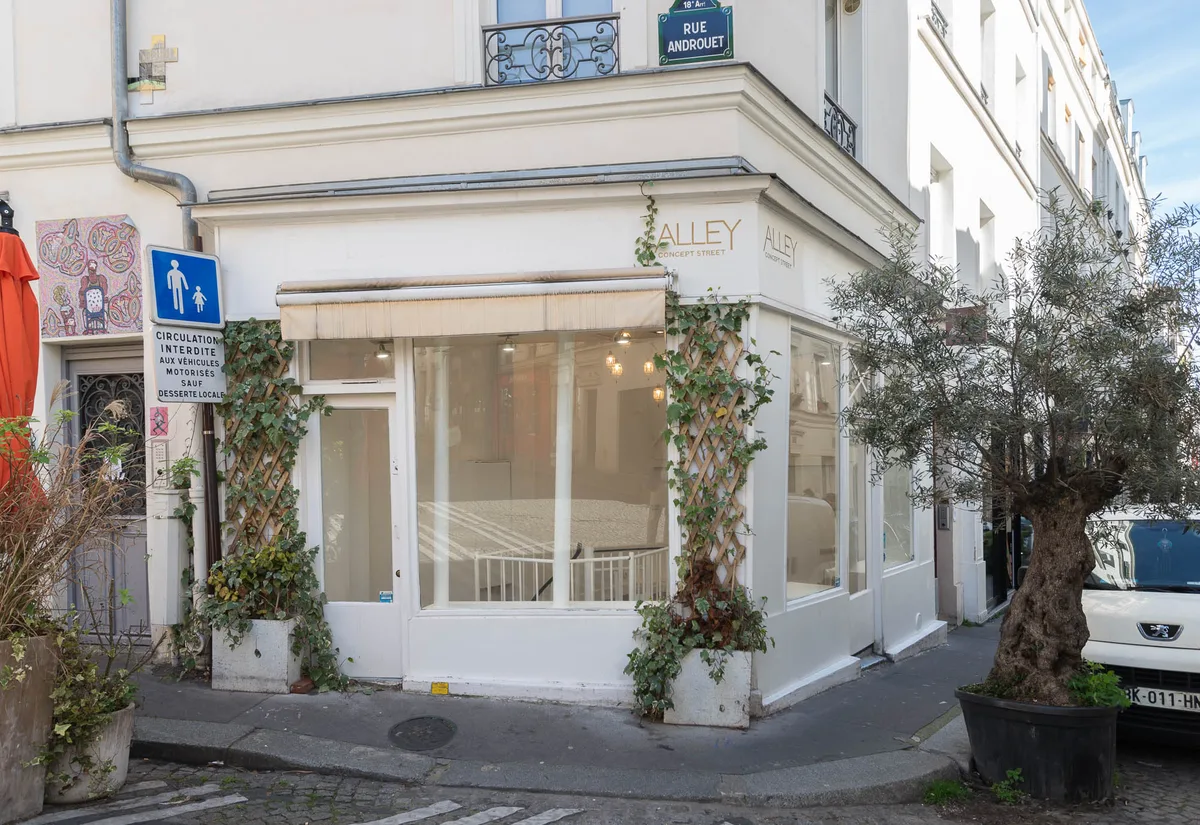
Short term retail near Notre Dame Paris sits at the intersection of some of the most visited streets in Europe and the densest concentration of cultural landmarks in any capital city. The 4th arrondissement, Île de la Cité, Île Saint-Louis, and the surrounding areas of Saint-Germain-des-Prés and the Latin Quarter attract tens of millions of visitors and Parisians each year, making this zone one of the most strategically powerful locations for a brand activation, pop-up retail space, or temporary showroom. Understanding how to source, book, permit, and activate a short-term retail space in this part of Paris requires specialist knowledge of local property markets, French commercial lease law, arrondissement-level logistics, and activation calendars. Fashion Week Venues' Paris city hub supports brand teams navigating exactly this process from first brief to final day of trading.
Why Notre Dame and the Central Paris Arrondissements Are a Priority for Pop-Up Retail
The area surrounding Notre Dame Cathedral represents one of the most concentrated intersections of foot traffic, cultural prestige, international media attention, and luxury consumer presence anywhere in France. Following the cathedral's reopening in December 2024 after the fire of 2019, the zone has experienced a dramatic surge in tourism, media coverage, and brand interest. Retailers, fashion houses, beauty brands, and experiential activations are all competing for short-term space across the 1st, 4th, 5th, and 6th arrondissements, and the surrounding Île de la Cité and Île Saint-Louis.
Foot traffic in the Notre Dame area is not purely tourist-driven. The Latin Quarter, the Sorbonne, the network of streets around Rue des Bernardins, and the Maubert-Mutualité market zone attract a dual audience of international visitors and highly educated, culturally engaged Parisian residents. This combination of demographics makes the area particularly valuable for brands in fashion, beauty, books, food, lifestyle, and heritage luxury.
The proximity to major landmarks reinforces brand storytelling in ways that no other Parisian neighbourhood can match. A pop-up near Place Dauphine on Île de la Cité carries the visual weight of Sainte-Chapelle and Pont Neuf. A temporary retail space in Saint-Germain-des-Prés places a brand in the same streets as Café de Flore, where Sartre and Camus developed their ideas. The Rodin Museum is within walking distance. Jim Morrison's grave at Père Lachaise is a short Metro journey away. These cultural coordinates are not incidental. They are part of what brands pay for when they activate in central Paris.
To the north, the Louvre Museum anchors the 1st arrondissement, while the Tuileries Gardens and Palais Royal offer direct adjacency for brands seeking outdoor or gallery-style activations. Moving westward, the Champs-Élysées corridor and the Grands Magasins cluster around the 8th and 9th arrondissements, including Boulevard Haussmann, Au Printemps, and Galeries Lafayette. These are distinct from the Notre Dame zone but are frequently considered in the same activation calendar by international brands planning multi-site Paris strategies.
The Seine River itself is a marketing and logistics corridor. Brands can reference the river in visual storytelling while also understanding that Seine-adjacent spaces face specific planning and permit requirements related to heritage protection zones. The view from the banks toward Notre Dame Cathedral, or toward Pont Neuf and Place Dauphine, is arguably the most photographed streetscape in Paris and possibly in the world.
DID YOU KNOW: Notre Dame Cathedral attracted approximately 12 to 14 million visitors annually before the 2019 fire, making it one of the most visited monuments in the world. Its reopening has generated renewed global interest in the surrounding arrondissements.
KEY TAKEAWAY: The zone surrounding Notre Dame Paris is not simply a tourist corridor. It is a layered, high-value retail and cultural environment that rewards brands who understand the local geography, consumer demographics, and the distinction between Île de la Cité, the Latin Quarter, Saint-Germain-des-Prés, and the Marais.
Understanding the specific neighbourhood dynamics within this central zone is the essential starting point before any short-term lease negotiation or space booking begins.
A Neighbourhood-by-Neighbourhood Guide to Short Term Retail Near Notre Dame
Each neighbourhood within walking distance of Notre Dame has a distinct identity, consumer profile, rental market, and practical activation context. Treating them as interchangeable is a common mistake for brands entering Paris without specialist local knowledge.
Île de la Cité and Île Saint-Louis
Île de la Cité is the historic heart of Paris, home to Notre Dame Cathedral, Sainte-Chapelle, and Place Dauphine. Retail space on the island itself is extremely limited due to the density of institutional, judicial, and heritage buildings. Short-term retail activations here tend to occur in the form of branded pop-ups in adjacent streets, or through collaborations with existing businesses rather than standalone leases. The atmosphere is formal and monumental. Brands activating here benefit from extraordinary visual context but must navigate strict heritage zone regulations.
Île Saint-Louis, connected to Île de la Cité by a footbridge, is a quieter, more residential island known for artisan food, ice cream, and a village-like calm that contrasts sharply with the crowds on the adjacent mainland. Short-term retail space here is rare and commands a significant premium. The consumer who visits Île Saint-Louis is typically a discerning traveller or a Parisian seeking a specific destination experience rather than passing trade. Brands in heritage, food, fragrance, and artisan fashion have found success here.
The Latin Quarter and the 5th Arrondissement
The Latin Quarter stretches south from the Seine across the 5th arrondissement, encompassing the Sorbonne, the Luxembourg Gardens, the Panthéon, and a dense network of bookshops, cafés, and specialist retailers. Rue des Bernardins and Maubert-Mutualité are central nodes within this area. The consumer profile here skews toward intellectuals, students, academics, and culturally literate international visitors who are drawn to the idea of Paris as a city of ideas rather than simply a shopping destination.
Short-term retail in the Latin Quarter suits brands with a strong intellectual, editorial, or artisan identity. The streets around the Sorbonne and toward Rue Mouffetard offer authentic Parisian neighbourhood character, with independent traders, produce markets, butchers, and specialist food retailers. The area around Rue Mouffetard has a particular draw for visitors seeking an experience that feels genuinely local rather than tourist-packaged. Artichokes, cabbages, and seasonal produce sit alongside independent fashion boutiques and concept stores in a way that is unique to this part of Paris.
Saint-Germain-des-Prés and the 6th Arrondissement
Saint-Germain-des-Prés is one of the most commercially sophisticated short-term retail environments in Paris. The area combines historic cultural prestige with a mature luxury retail market. Hermès, Louis Vuitton, Tiffany, and numerous independent luxury and fashion brands maintain permanent presence here, which raises both the commercial bar and the rental rate for short-term spaces.
The neighbourhood's association with Café de Flore, existentialist philosophy, Marcel Proust's Paris, and the literary culture of mid-twentieth century France gives brands an authentic storytelling context that is difficult to manufacture elsewhere. Activations here benefit from immediate cultural credibility, though they must be executed at a level that matches the area's aesthetic standards. Deyrolle, the famous taxidermy and natural history shop, sits nearby and represents the kind of deeply rooted Parisian institution that sets the standard for experiential retail in this arrondissement.
The Marais and the 3rd and 4th Arrondissements
The Marais is the most active short-term retail zone in central Paris and the area where the widest variety of space types, sizes, and price points is available. The 3rd and 4th arrondissements encompass the historic Jewish quarter, the Centre Pompidou, Place des Vosges, and a dense concentration of contemporary art galleries, concept stores, and fashion boutiques. The Marais is known for being relatively expensive compared to peripheral arrondissements, but it offers unmatched footfall from both tourists and Parisian fashion consumers.
International brands including major fashion houses have used the Marais as a base for Paris Fashion Week pop-ups, seasonal retail activations, and brand experience spaces. The area's mix of ancient architecture with modern retail fit-outs creates a visual tension that works particularly well for fashion, beauty, and lifestyle brands. Hôtel de Ville, the Paris city hall, anchors the 4th arrondissement and is a visible landmark that brands frequently reference in campaign photography.
Les Halles, Rue Montorgueil, and the 1st and 2nd Arrondissements
Les Halles, the former central market of Paris immortalised in Émile Zola's writing, is now a commercial and transit hub around Forum des Halles. Rue Montorgueil, running north from Les Halles, is one of the most vibrant pedestrianised market streets in Paris, lined with food producers, bakeries, wine bars, and independent retailers. This area sits close to the 2nd arrondissement fashion district, which gives it a dual identity as both a local neighbourhood market and a fashion-adjacent commercial zone.
Short-term retail on or near Rue Montorgueil suits food and lifestyle brands, emerging fashion labels, and brands seeking a more accessible, neighbourhood-feel activation rather than the prestige of Saint-Germain or the Marais. La Rue Saint-Denis, which runs parallel to Rue Montorgueil, has historically had a complex character but has undergone significant regeneration and now hosts a number of creative retail and studio spaces.
Quick answer: The best neighbourhoods for short term retail near Notre Dame Paris include the Marais, Saint-Germain-des-Prés, the Latin Quarter, Île Saint-Louis, and the Les Halles and Rue Montorgueil corridor. Each area has a distinct consumer profile, rental market, and activation context that brands should understand before committing to a space.
To compare these neighbourhoods side by side before committing to a location, use the space comparison tool on Fashion Week Venues to evaluate options against your brief, budget, and calendar window.
KEY TAKEAWAY: Selecting the right neighbourhood for a short-term retail activation near Notre Dame is a strategic decision, not a logistical one. Each arrondissement has a different consumer audience, competitive context, and permit environment that directly affects activation outcomes.
With the neighbourhood context established, the next step is understanding the types of spaces available and how they differ in terms of practical suitability for brand activations.
Types of Short Term Retail Spaces Available Near Notre Dame Paris
The range of space types available for short-term retail near Notre Dame is broad, but not all space types are equally available in every arrondissement. Understanding the distinctions between space types helps brands narrow their search and avoid committing to spaces that are not fit for their activation requirements.
| Space Type | Typical Size Range | Best For | Key Characteristics |
|---|---|---|---|
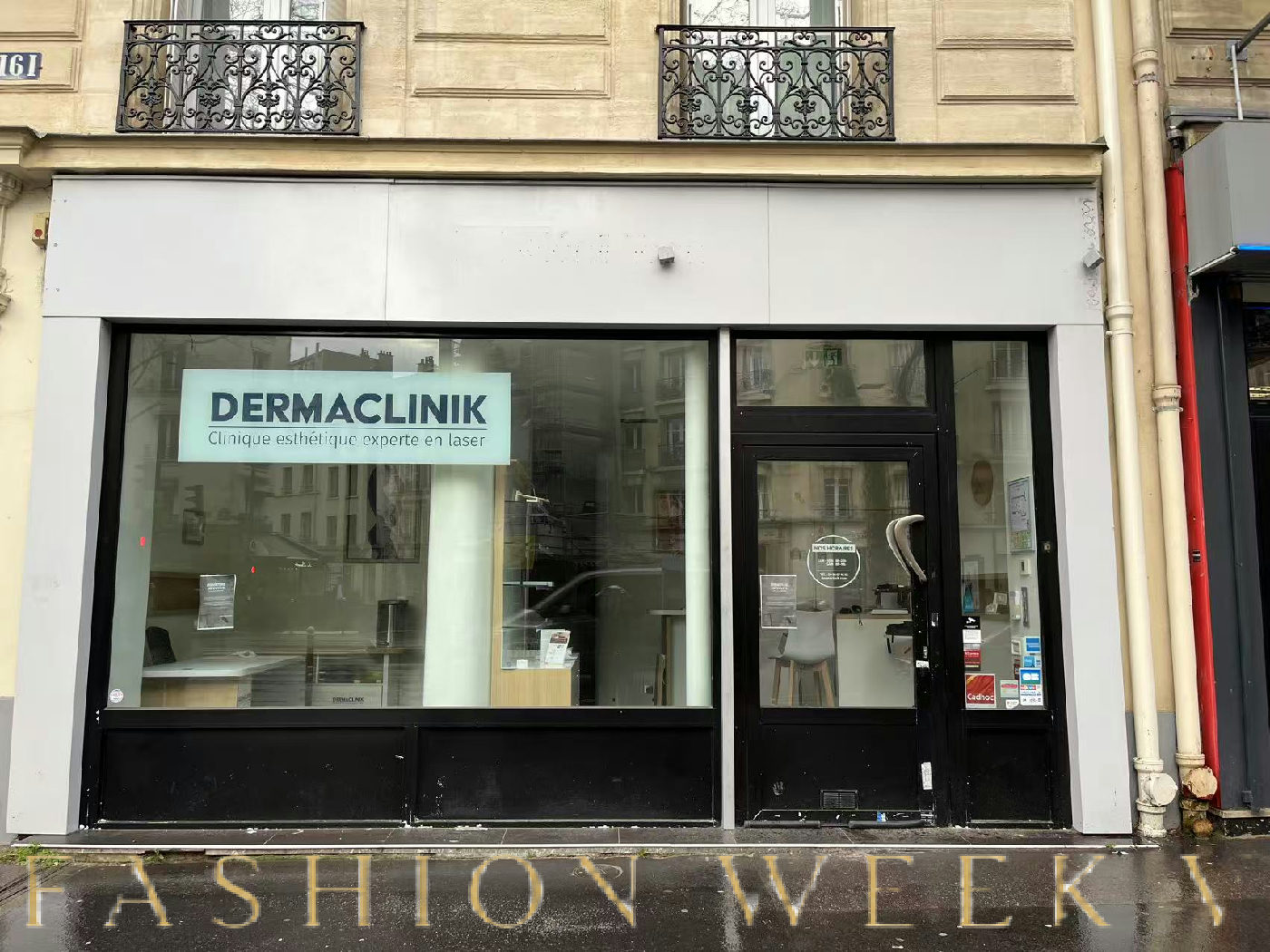
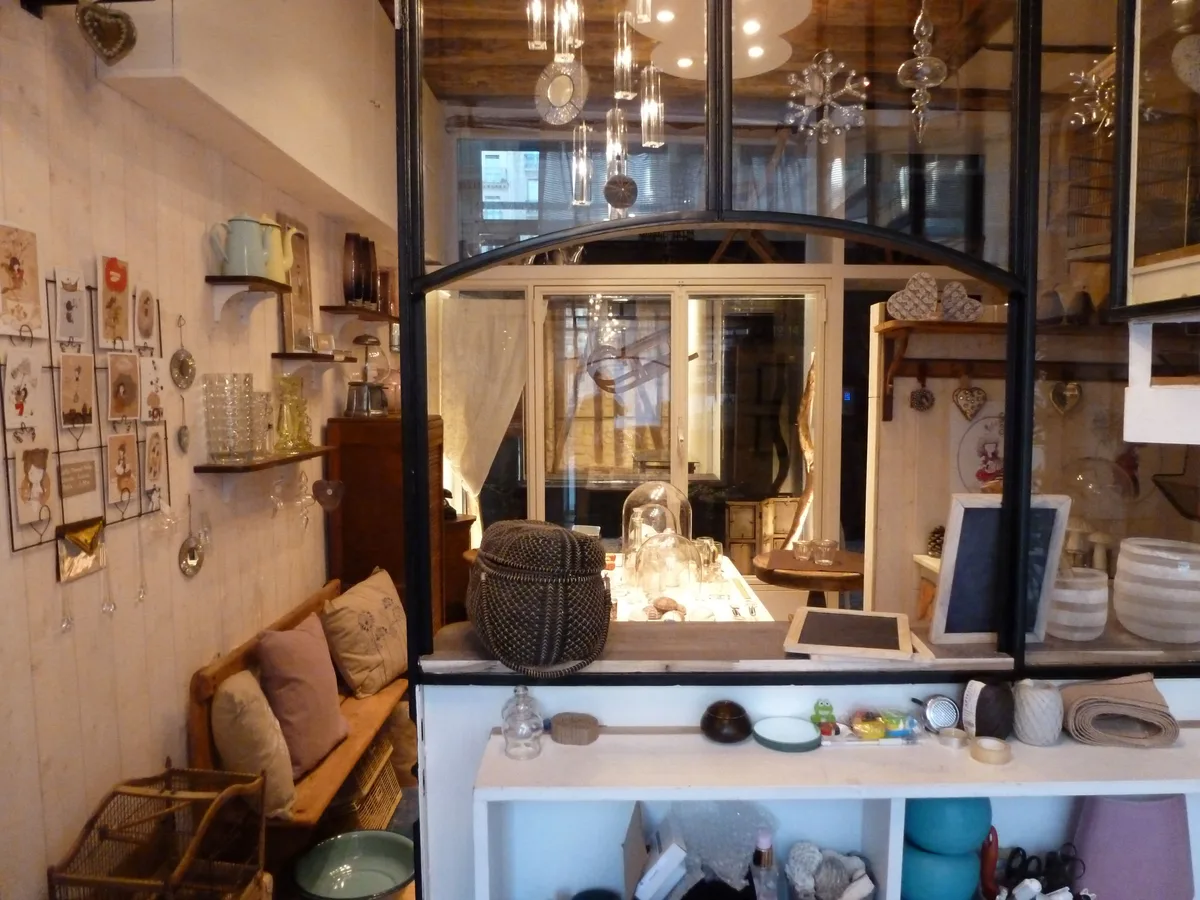
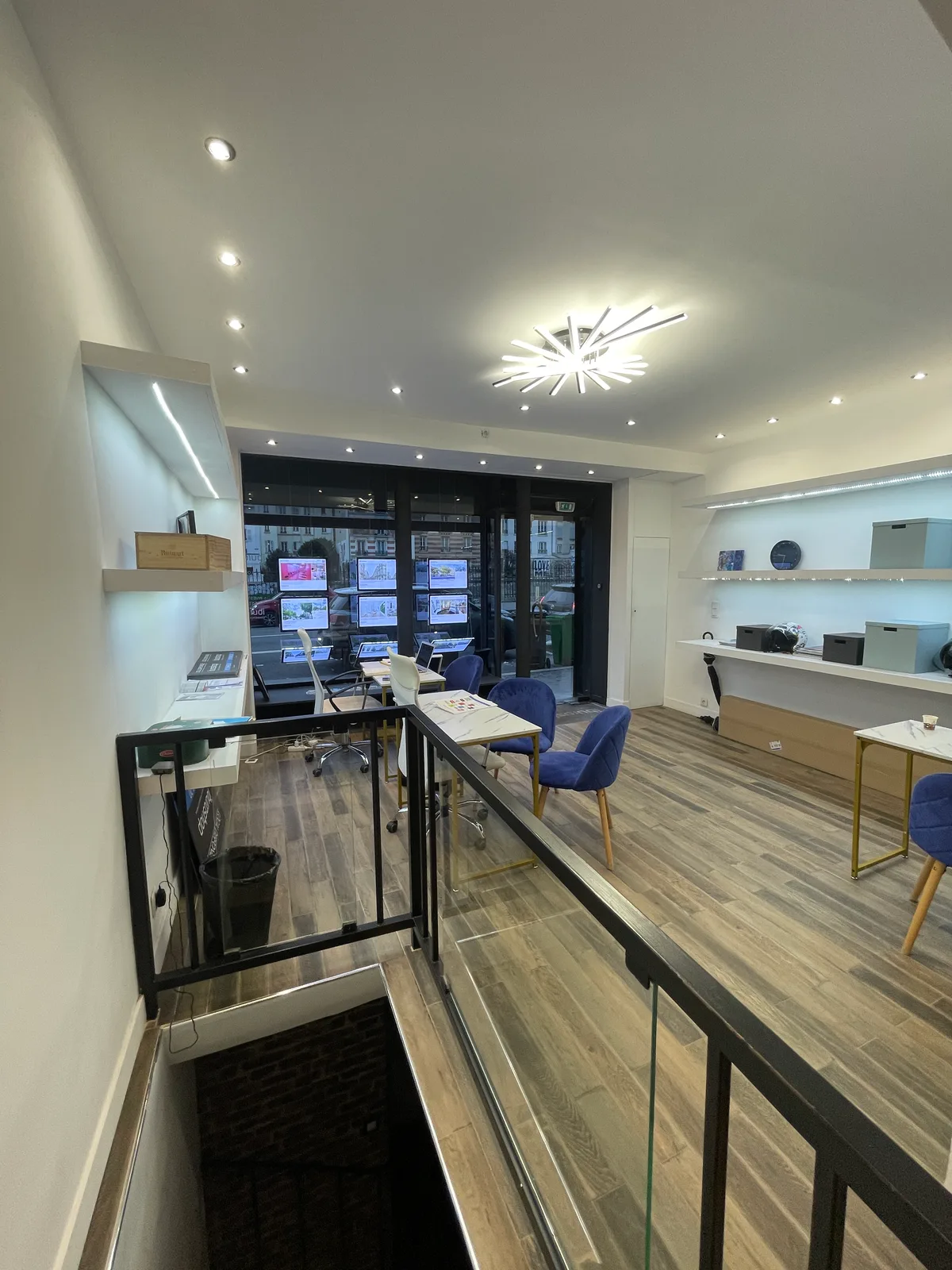
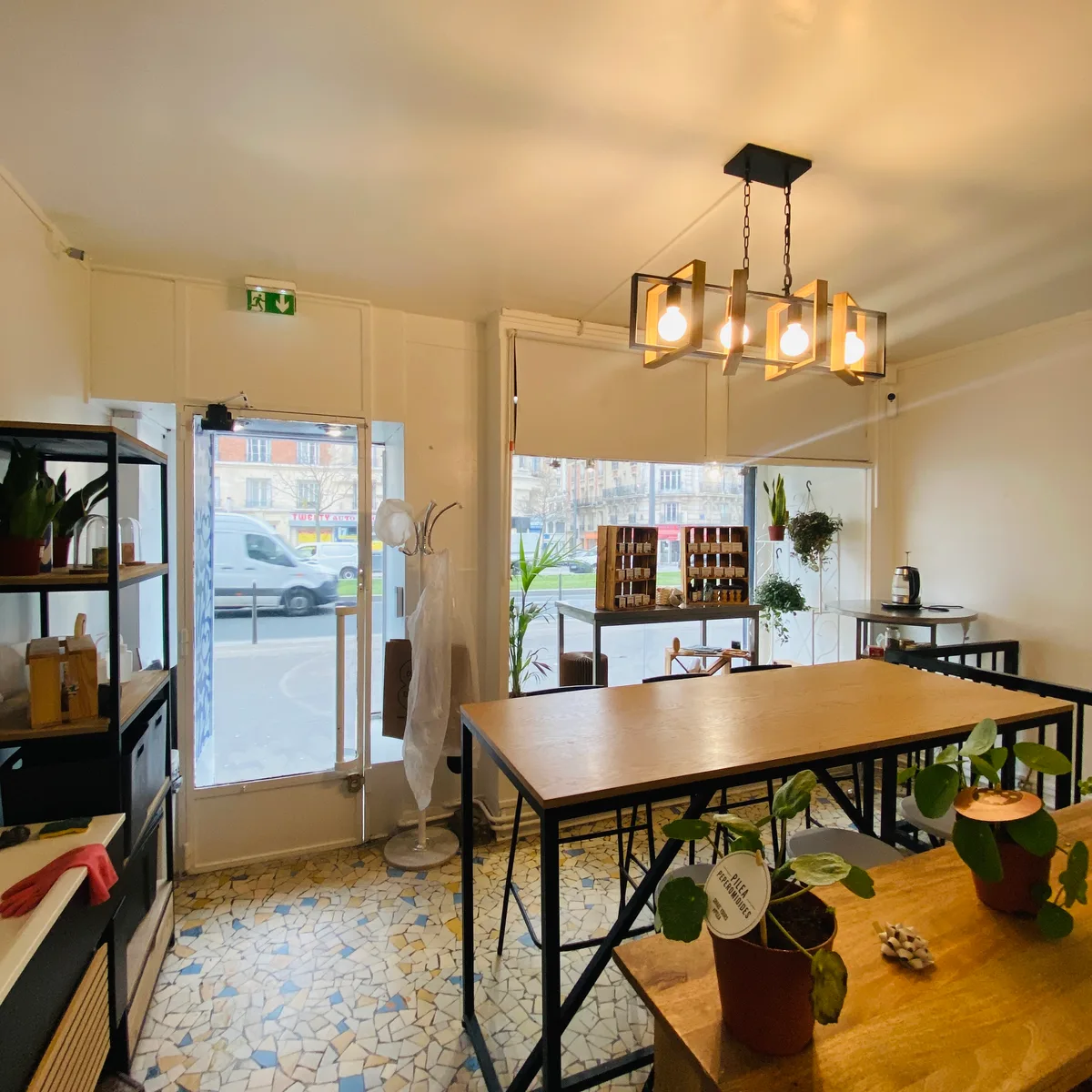
| Ground-floor boutique retail unit | 30sqm to 150sqm | Fashion, beauty, accessories pop-ups | Street frontage, shop window, direct pedestrian access |
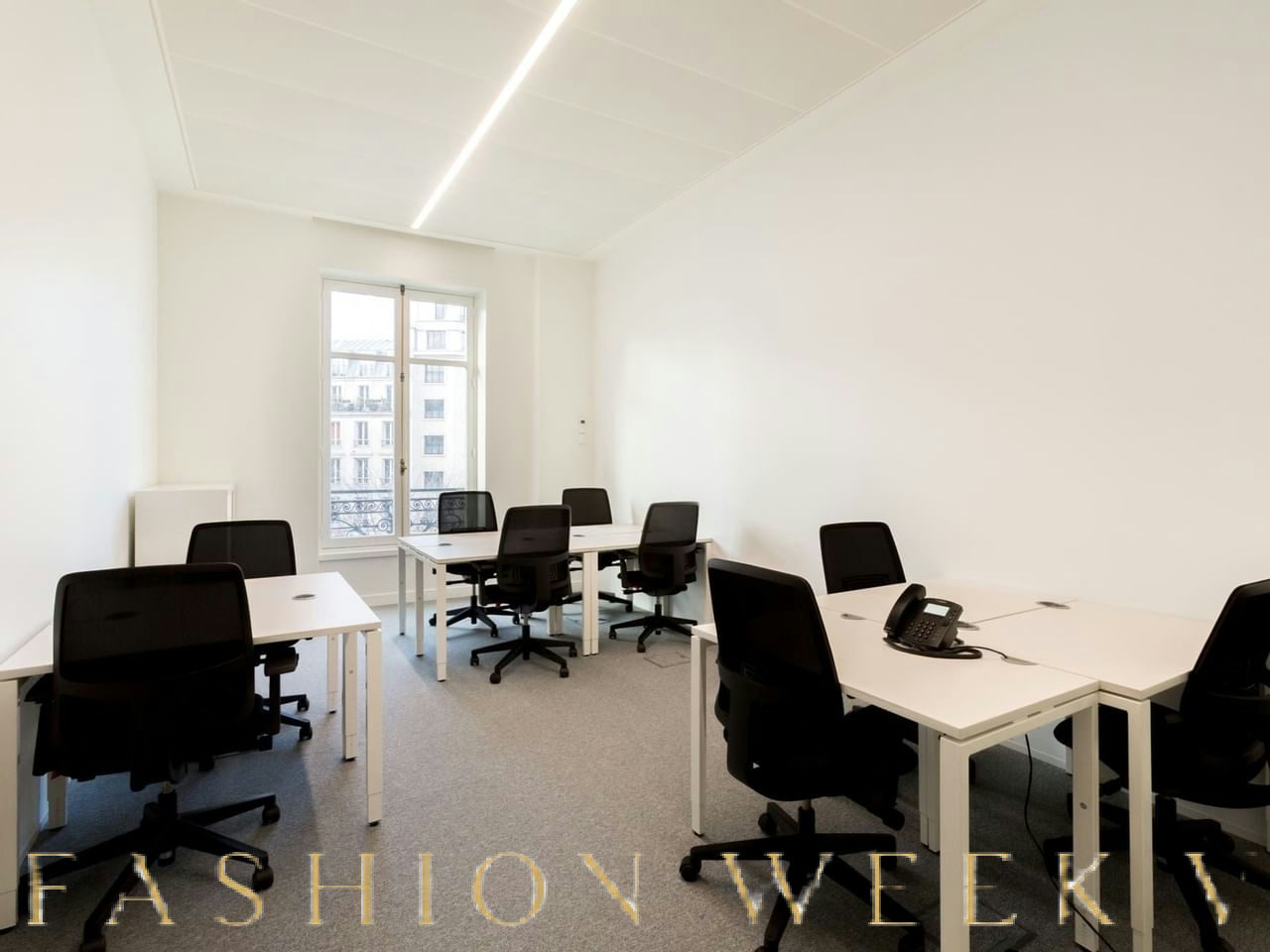
| Apartment or residential floor conversion | 50sqm to 300sqm | Showrooms, press days, VIP retail | Beamed ceilings, parquet floors, residential ambience, typically upper floors |
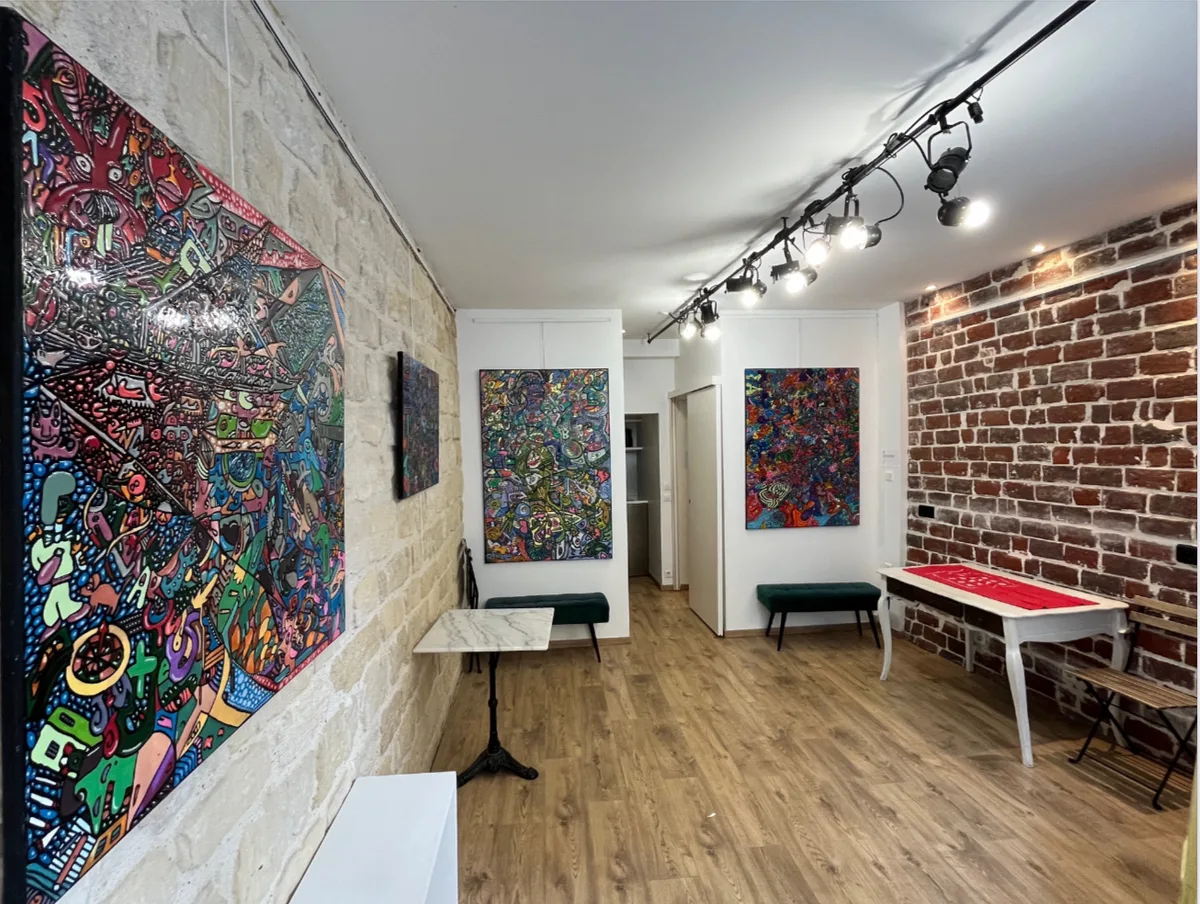
| Gallery or creative studio | 80sqm to 400sqm | Brand experience, art-fashion crossover | High ceilings, flexible layout, white walls, natural light |
| Courtyard or passage | Varies | Seasonal activations, outdoor events | Semi-private, atmospheric, permit requirements vary |
| Hotel lobby or concession space | 10sqm to 60sqm | Luxury brand concessions, beauty activations | Captive luxury audience, managed access, limited branding freedom |
| Historic mansion or hôtel particulier | 200sqm to 2,000sqm | Fashion Week flagship activations, brand campaigns | Exceptional heritage architecture, high production value, higher costs |
In the central arrondissements near Notre Dame, ground-floor boutique units are most competitive and move quickly, particularly in the months before Paris Fashion Week in January and September. Apartment-style spaces with beamed ceilings and parquet floors are frequently used by fashion brands for showrooms and press appointments, as they convey a sense of Parisian residential life that is difficult to replicate in purpose-built retail environments. Many brands specifically seek spaces with a bedroom-adjacent or kitchenette-adjacent layout that reinforces a lifestyle brand narrative.
Gallery spaces in the Marais and on the edges of the Latin Quarter offer the most flexibility for production and fit-out. Air conditioning is available in many converted gallery spaces but is not universal in historic buildings, which is a relevant operational consideration for summer activations.
IMPORTANT: In heritage-listed buildings and within UNESCO World Heritage buffer zones, specific restrictions apply to exterior signage, structural alterations, and fit-out works. Always verify what modifications are permitted before signing a short-term lease in central Paris.
KEY TAKEAWAY: The right space type depends on your brand identity, your activation objectives, your production budget, and your operational requirements. A press showroom has different space needs from a transactional pop-up shop, which has different needs again from a brand experience event.
Knowing which space type you need allows you to move into the practical question of how short-term leases in France actually work and what legal framework governs them.
French Short Term Lease Law: Bail Dérogatoire, AOT, and What Brands Need to Know
Short-term retail leases in France operate under a legal framework that is materially different from standard commercial leases and from the short-term arrangements that brands may be accustomed to in London, New York, or other cities. Understanding the basics of this framework is essential before any space booking is finalised.
Quick answer: In France, short-term commercial leases typically use either a bail dérogatoire (a derogatory lease of up to three years) or an authorisation d'occupation temporaire (AOT, a temporary occupation permit). These are distinct instruments with different rights, obligations, and implications for both landlord and tenant. Neither should be treated as a simple rental agreement without specialist French legal review.
Bail Dérogatoire
A bail dérogatoire is a short-term commercial lease that derogates from the protections of the standard French commercial lease statute. It can be used for periods of up to 36 months in aggregate, provided both parties explicitly agree in writing that the arrangement is temporary and does not give the tenant rights to lease renewal. If the tenant remains in occupation after the agreed term without formal action, French law may automatically convert the arrangement into a standard commercial lease with full statutory protections, which significantly complicates exit for the landlord.
For brand activations lasting from one week to six months, the bail dérogatoire is the most commonly used instrument when renting directly from a private landlord or property owner. It provides more formality than a simple licence and is appropriate for spaces where the brand is carrying out fit-out work or operating a commercial function.
Autorisation d'Occupation Temporaire
An AOT is used primarily for temporary occupation of public domain spaces, including certain areas of public streets, squares, parks, and government-owned buildings. Activations in or adjacent to heritage spaces, public squares such as Place Dauphine, or along the banks of the Seine River may require an AOT rather than a standard commercial lease. The process for obtaining an AOT involves submission to the relevant French public authority, a review period, and payment of an occupation fee. The timeline for AOT approval varies significantly by location and by the complexity of the proposed use.
Practical Compliance Considerations
In addition to the lease instrument itself, brands activating in central Paris must consider planning permissions for exterior signage and branding, food safety regulations if the activation involves any food or beverage service, accessibility requirements under French disability legislation, and fire safety regulations for public-facing spaces. Many older buildings in the arrondissements near Notre Dame do not have lifts, which affects accessibility planning. Floor-by-floor considerations matter: an activation on a second or third floor without lift access limits the consumer audience.
For an initial orientation on permit requirements specific to your activation type and intended location, the permits tool on Fashion Week Venues provides a practical starting framework, though all permit decisions should ultimately be verified with a qualified French legal advisor.
IMPORTANT: Requirements vary by space type, intended use, duration, and arrondissement. Do not assume that a lease or permit structure that worked for a previous activation in Paris will automatically apply to a new location or use type.
KEY TAKEAWAY: French short-term lease law is not a simple matter of signing a rental agreement. The bail dérogatoire and AOT frameworks each carry specific obligations and risks that require specialist legal input. Brands should build legal review time into their planning timeline and budget.
Legal and permit clarity then feeds directly into the budget planning process, which is where many brand teams underestimate the true cost of a central Paris activation.
Budget Planning for Short Term Retail Activations Near Notre Dame
Budget planning for a short-term retail activation in the Notre Dame zone of Paris requires honest assessment of multiple cost layers that extend well beyond the base rental rate. Brands that focus solely on the headline rent figure consistently underestimate total activation spend and encounter cost overruns that undermine both the financial case and the activation quality.
Quick answer: The total cost of a short-term retail activation near Notre Dame Paris typically spans several distinct categories: space rental, production and fit-out, staffing, logistics, permits and legal fees, technology and POS systems, marketing and influencer costs, and contingency. The relative weight of each category varies by space type, activation duration, brand requirements, and operational complexity.
Space Rental Rates
Rental rates for short-term retail near Notre Dame vary considerably by arrondissement, space type, size, duration, and the specific calendar window. The Marais, Saint-Germain-des-Prés, and Île Saint-Louis command higher short-term rates than adjacent areas. Spaces available during Paris Fashion Week windows in January and September attract premium pricing due to concentrated demand. Extended rentals outside peak calendar windows are generally available at lower rates and offer more negotiating flexibility. Because rates fluctuate with market conditions, specific figures should be treated as directional estimates only. Use the budget estimation tool on Fashion Week Venues to model costs for your specific brief.
Production and Fit-Out Costs
Production and fit-out costs in central Paris heritage buildings are often higher than brands anticipate. Restrictions on structural alterations, the need to use specialist contractors familiar with historic building requirements, and the logistics of delivering materials to narrow streets in dense urban areas all add cost. Trucks cannot always access streets close to Notre Dame Cathedral directly due to pedestrianisation and heritage zone restrictions. Furniture rental rather than purchased fit-out is a cost-effective approach for shorter activations, and it simplifies the disposal challenge at the end of the lease.
Staffing and Operational Costs
French employment law applies fully to staff working in short-term retail activations in Paris, including requirements around contracts, social charges, and working hours. Brands hiring local French-speaking staff should factor in the full employment cost rather than the headline salary. Bilingual staff with English and French capability command a premium in Paris but are essential for activations targeting international visitors. Arrivals, check-in procedures, access codes for secure spaces, and end-of-day security routines all require trained staff who understand both the brand brief and local operating requirements.
Technology, POS, and Data Costs
Point-of-sale technology, payment processing, CRM data capture, and analytics infrastructure are not optional extras for serious brand activations. They are the mechanism by which brands justify activation investment and build the data assets that make future activations more effective. In France, POS and payment systems must comply with French fiscal legislation. Data collection must comply with GDPR. These requirements add both cost and planning time.
| Cost Category | Typical Priority Level | Key Variables |
|---|---|---|
| Space rental | High | Arrondissement, size, duration, calendar window |
| Legal and permits | High | Lease type, arrondissement, heritage zone status |
| Production and fit-out | High | Building type, alteration restrictions, delivery access |
| Staffing | High | Duration, headcount, language requirements |
| Technology and POS | Medium-High | Activation type, transaction volume |
| Marketing and influencer | Medium | Brand objectives, campaign scope |
| Insurance | Mandatory | Space type, public liability, stock value |
| Contingency | Mandatory | Typically 10 to 15 percent of total budget |
TIP: Build your contingency budget before you finalise the creative brief. Underestimating operational costs is the most common reason activations in central Paris fail to deliver on their commercial objectives.
KEY TAKEAWAY: A realistic budget for short-term retail near Notre Dame Paris must cover at least eight distinct cost categories. Rental rate is only one of them. Brand teams should use a structured budget model from day one of planning rather than working backwards from a headline space cost.
With budget parameters established, the next critical planning dimension is the activation timeline and how it relates to the Paris fashion and cultural calendar.
Paris Fashion Week and the Activation Calendar: Timing Your Short Term Retail
The timing of a short-term retail activation near Notre Dame Paris is as strategic a decision as the location itself. Paris operates across multiple overlapping calendars that create distinct windows of consumer and media concentration throughout the year.
Paris Fashion Week occurs twice annually. Women's ready-to-wear shows take place in late September and late January. Men's and haute couture weeks create additional windows in January and July. During these periods, the concentration of international press, buyers, brand representatives, and fashion consumers in Paris is unmatched globally. Spaces in the Marais, Saint-Germain-des-Prés, and the 1st arrondissement are most sought-after during Fashion Week windows.
Beyond Fashion Week, Paris operates a rich cultural calendar that creates activation opportunities throughout the year. The reopening of Notre Dame Cathedral has added a new and powerful cultural moment to the Paris calendar that brands in heritage, luxury, and lifestyle categories are already beginning to activate around. Summer in Paris, despite the departure of many Parisians on holiday, attracts enormous volumes of international tourists, particularly Americans, who are drawn to the Louvre Museum, the Eiffel Tower, Versailles, Sacre-Coeur Basilica, and Disneyland Paris on the city's outskirts.
The Palais Garnier and Paris Opera House calendar, which draws opera and ballet audiences from across Europe and internationally, creates a high-value audience concentration in the 9th arrondissement around the Opéra and Grands Magasins zone from October through June. Brands targeting a cultural luxury consumer should consider this calendar when planning activations near Boulevard Haussmann, Au Printemps, and Galeries Lafayette.
DID YOU KNOW: Paris attracts over 40 million tourists annually, making it consistently one of the most visited cities in the world. This baseline volume of international visitors provides a year-round commercial foundation for short-term retail activations across the central arrondissements.
The planning timeline for a short-term retail activation near Notre Dame typically spans eight to sixteen weeks from initial brief to first day of trading. This includes space identification and negotiation, legal review and lease signing, permit applications, production design and fit-out, staffing recruitment and briefing, POS and technology setup, and marketing campaign launch. Use the timeline planning tool on Fashion Week Venues to build a structured activation schedule based on your target opening date.
Quick answer: The best times to activate short-term retail near Notre Dame Paris include the Paris Fashion Week windows in January and September, the summer peak tourist season from June to August, the Christmas and New Year retail window, and around major cultural events such as Nuit Blanche and the Paris Museum Night. Each window attracts a different audience mix and commands different space availability and pricing.
KEY TAKEAWAY: Paris Fashion Week is the highest-profile window for brand activations, but it is not the only viable calendar opportunity near Notre Dame. Summer tourism, the cultural events calendar, and the post-Notre-Dame reopening tourism surge all create commercially strong activation windows throughout the year.
To compare neighbourhoods and space types, explore the Paris city hub on Fashion Week Venues and shortlist spaces that match your brief, budget, and calendar window.
Storage, Logistics, and Operational Infrastructure for Paris Retail Activations
Operational logistics for short-term retail near Notre Dame Paris require careful planning due to the physical constraints of central Paris streets, the heritage restrictions on certain buildings, and the practical realities of running a retail operation in one of the world's most dense urban environments.
Luggage Storage and Locker Services Near Notre Dame
Consumer-facing luggage storage and locker services in the Notre Dame area are relevant both as a supporting amenity for brand activations and as a reference point for understanding the operational logistics landscape in central Paris. Services such as CITY-LOCKER operate in central Paris and provide secure locker facilities with features including video surveillance, insurance coverage, access codes, and booking systems that use IATA-format confirmation codes for verification. Lockers are available in multiple sizes, with typical maximum weight limits and volume capacities specified at the point of booking. Booking windows range from single-day use to extended rentals of multiple days or weeks, depending on the provider and location.
For brand activation teams, understanding the locker and storage service landscape matters because visitors to a pop-up near Notre Dame are often also touring the city and may be carrying luggage or shopping bags from other locations. Providing or signposting luggage storage as a consumer amenity can meaningfully improve the in-store experience and dwell time. Guests arriving at an activation directly from a hotel check-in or from Gare du Nord with baggage need practical solutions, and brands that anticipate this are better positioned to convert visitors into customers.
Operational questions brands should address when planning storage and logistics include: How will stock be delivered given restricted vehicle access near Notre Dame? Where will excess stock be held if the activation space has limited back-of-house capacity? How will end-of-activation clearance and disposal be managed? In narrow historic streets near Île de la Cité and the Latin Quarter, large trucks cannot always access directly and alternative logistics solutions including bicycle cargo delivery and hand-trolley transfers are commonly used.
Security and Access Management
Security for short-term retail activations in central Paris typically involves a combination of physical staff security presence, CCTV and video surveillance systems, and secure access codes for after-hours entry. For high-value brand activations with luxury stock, a dedicated security officer may be required. Access codes and keypad entry systems are increasingly standard in short-term retail spaces, reducing the need for physical key management across a rotating staff team. Insurance for the space, the stock, and public liability must be in place from day one of occupation. Requirements vary by space type, stock value, and whether the activation is open to the general public or operates on an appointment or invitation basis.
TIP: Confirm security and insurance requirements with your landlord or space provider before the lease is signed, not after. Many short-term spaces in Paris require tenants to hold specific levels of public liability insurance as a condition of the lease.
Air Conditioning and Environmental Control
Air conditioning is not universal in the historic buildings that characterise the arrondissements near Notre Dame. Many spaces in the Latin Quarter, on Île Saint-Louis, and in parts of Saint-Germain-des-Prés are in buildings where installing air conditioning is restricted by heritage regulations or structural limitations. Brands planning summer activations in central Paris should explicitly confirm the environmental control capabilities of any space before committing, particularly if the activation involves electronic equipment, perishable products, or beauty items that are sensitive to temperature fluctuation.
KEY TAKEAWAY: Operational logistics in central Paris are more complex than in purpose-built retail or event environments. Delivery restrictions, limited back-of-house storage, heritage building constraints, and security requirements all need to be addressed systematically before the activation launches.
How Fashion Week Venues Helps Brands Activate Short Term Retail Near Notre Dame
Fashion Week Venues operates as a full-service pop-up shop agency and space marketplace specifically designed to help brand teams navigate the complexity of short-term retail activations in Paris and other major fashion capitals. For brands targeting the Notre Dame zone and the surrounding arrondissements, the agency provides a structured pathway from initial brief through to final day of trading.
The venue sourcing service covers identification, vetting, negotiation, and lease support for short-term retail spaces across the 1st, 3rd, 4th, 5th, 6th, and 8th arrondissements, among others. The team's knowledge of which spaces are available, which landlords work well with short-term tenants, and which locations are genuinely viable for specific brand profiles significantly reduces the time and risk associated with independent space searching.
Beyond space sourcing, Fashion Week Venues offers concept direction to translate brand strategy into a spatially coherent activation concept, and fit-out and production services to execute the physical build within the constraints of historic Paris buildings. The agency's retail staffing service provides French-speaking, bilingual activation staff who understand both brand standards and local consumer behaviour.
For brands managing complex multi-channel activations, the agency's activation management service provides end-to-end operational oversight, including logistics coordination, daily operational management, and post-activation reporting. The data and analytics service captures consumer behaviour, transaction data, and footfall metrics that allow brands to evaluate activation ROI and inform future Paris strategy.
The Fashion Week Venues toolkit includes a budget calculator, an ROI calculator, a space comparison tool, a timeline planner, and a permits guidance tool. These resources are designed to support brand teams in the planning and decision-making phase before a specialist consultation is needed. The Imagine tool allows brands to visualise how a space might look with their concept applied, which is particularly useful when assessing historic or unusual spaces in the Notre Dame zone where standard retail metrics may not apply directly.
It is important to understand the scope of what Fashion Week Venues provides. The agency does not guarantee specific spaces will be available at any given time, cannot guarantee permit approvals from French authorities, and cannot substitute for qualified French legal advice on lease and compliance matters. What the agency provides is specialist market knowledge, an established network of space owners and service providers, and a structured process that significantly reduces the likelihood of costly mistakes.
Brands who have not previously activated in Paris benefit most from this structured support, as the gap between international brand activation norms and French market realities is wider than many teams anticipate. The agency's process page outlines how engagements are structured from initial contact through to post-activation review.
KEY TAKEAWAY: Fashion Week Venues provides specialist support across every phase of a short-term retail activation near Notre Dame Paris, from space identification and legal navigation through to production, staffing, and analytics. Brand teams who engage specialist support consistently avoid the most common and costly activation mistakes in the Paris market.
Step-by-Step Workflow for Planning Short Term Retail Near Notre Dame Paris
A structured planning workflow is the most reliable way to move from initial concept to a successfully trading activation in central Paris. The following workflow reflects the sequencing that experienced activation teams use to manage the complexity of the Paris market.
| Phase | Key Activities | Typical Timeline Before Opening |
|---|---|---|
| 1. Brief and Strategy | Define objectives, target consumer, neighbourhood preference, space type, budget range, activation duration, and calendar window | 12 to 16 weeks out |
| 2. Space Search and Assessment | Search marketplace, assess shortlisted spaces against brief, arrange viewings, confirm permit viability | 10 to 14 weeks out |
| 3. Legal and Commercial Negotiation | Review lease instrument, negotiate terms, engage French legal advisor, confirm insurance requirements | 8 to 12 weeks out |
| 4. Permit Applications | Submit AOT applications if required, confirm signage permissions, confirm fit-out restrictions with heritage authority | 8 to 10 weeks out |
| 5. Concept and Design | Finalise spatial concept, produce design drawings, confirm furniture and fixture specification | 6 to 10 weeks out |
| 6. Production and Fit-Out | Commission production, schedule build dates, coordinate deliveries to the space, complete fit-out and snagging | 2 to 4 weeks out |
| 7. Staffing and Operations | Recruit and brief staff, set up POS and payment systems, confirm security and access protocols | 2 to 3 weeks out |
| 8. Marketing Launch | Launch campaign, confirm influencer and press activity, confirm opening event if applicable | 1 to 2 weeks out |
| 9. Activation and Trading | Open to public or guests, manage daily operations, capture data, respond to operational issues | Day 1 onwards |
| 10. Close and Review | Manage clearance and disposal, reinstate space, collect deposit, analyse data, produce post-activation report | Final day and after |
This workflow assumes a standard activation of one to four weeks in duration. Longer activations of one to three months require extended planning lead times for production, staffing recruitment, and permit processes. Activations during Paris Fashion Week windows require earlier space booking given the concentration of competing demand in the market during those periods.
Quick answer: The optimal planning lead time for a short-term retail activation near Notre Dame Paris is twelve to sixteen weeks for standard activations and up to twenty-four weeks for complex, high-production activations during Fashion Week windows. Brands that begin planning fewer than eight weeks before their target opening date face significant constraints on space availability, permit timelines, and production quality.
KEY TAKEAWAY: A structured workflow transforms a complex activation project into a manageable sequence of decisions and actions. The most common planning failures in Paris activations result from compressing or skipping phases rather than from any single catastrophic error.
The Cultural Context of Short Term Retail Near Notre Dame: What Makes This Zone Unique
The cultural density of the Notre Dame zone is not simply a background atmosphere. It is an active component of what a brand activation here communicates. This matters for creative directors, brand strategists, and activation managers who are thinking about how location becomes part of brand storytelling.
Paris has served as a backdrop for creative and intellectual life for centuries. The Latin Quarter was home to Richard Wright, who arrived in Paris in the mid-1940s and found in the city a freedom from the racial weight he had carried throughout his life in America. Camus and Sartre shaped twentieth-century thought from the café tables of Saint-Germain-des-Prés. Marcel Proust captured the sensory life of Paris in writing that still shapes how the world imagines the city. Jim Morrison lived and died in Paris, and his grave remains a place of pilgrimage. The Madeline books of Ludwig Bemelmans placed an imaginary Paris school on the Left Bank in the imagination of generations of children. The Red Balloon, the classic French short film by Albert Lamorisse, filmed its famous chase scenes through the streets of Ménilmontant and effectively made Parisian street geography cinematic for the world.
These cultural coordinates are not irrelevant to retail. They shape the expectations of the international visitor who arrives near Notre Dame Cathedral hoping to encounter the Paris they have imagined. A brand that understands this layer of the city, and activates in a way that connects its own identity to it, creates a more resonant experience than one that simply rents space and sells product.
The experience of navigating Paris as a foreign visitor or a newcomer also has its own texture. The radio journalist Ira Glass documented his own experience of living in Paris for This American Life, describing the specific humiliations and small joys of navigating a city where the shopkeeper who sells you your newspaper seven days a week for over a year might still ask whether you are a tourist. This experience of belonging and not-belonging, of being seen and not-seen, is part of the emotional landscape of Paris that brands navigating short-term retail in this city should understand. The consumer who walks into a pop-up near Notre Dame may be a first-time visitor from London, a Parisian who has walked the Pont Neuf a thousand times, or a student from the Sorbonne taking a break between lectures. Each brings a different emotional set of expectations.
The Calypso store, Fauchon's flagship food hall, and Picard's network of frozen food boutiques all represent different facets of the Paris retail culture that has evolved alongside the city's cultural identity. Luxury brands from Louis Vuitton to Hermès maintain flagship presence in or near the central arrondissements. Tiffany, too, has invested significantly in its Paris presence. These anchors set a standard that short-term retail activations inevitably operate within, whether they are positioning against, alongside, or in deliberate contrast to the luxury mainstream.
DID YOU KNOW: Deyrolle, the Paris taxidermy shop in Saint-Germain-des-Prés, has survived fire and multiple generations of ownership to become one of the most visited and photographed retail interiors in Europe. It represents the kind of deeply place-specific retail experience that many international brands attempt to reference or emulate in their Paris activations.
KEY TAKEAWAY: The cultural context of the Notre Dame zone is an activation resource, not just a backdrop. Brands that invest in understanding the specific cultural geography of their chosen Paris neighbourhood consistently create more memorable and commercially effective activations than those that treat Paris as a generic luxury setting.
Common Myths About Short Term Retail Near Notre Dame Paris Debunked
MYTH: You need a French legal entity to rent a short-term retail space in Paris.
FACT: Many short-term retail spaces in Paris are accessible to foreign brands without a French legal entity, particularly through marketplace platforms and specialist agencies that structure agreements to accommodate international tenants. However, certain lease instruments and landlord requirements do involve entity-level checks, and operating a public-facing retail business in France involves compliance obligations that a French legal advisor should clarify for your specific situation.
MYTH: Paris Fashion Week is the only commercially viable window for short-term retail near Notre Dame.
FACT: Paris Fashion Week generates the highest concentration of fashion industry attention, but the Notre Dame zone specifically attracts strong consumer footfall year-round due to the density of cultural landmarks, tourism from across Europe and internationally, and the reopening boost from Notre Dame Cathedral. Summer, Christmas, and the period surrounding major cultural events all offer commercially strong activation windows that may also benefit from lower rental rates and greater space availability than the Fashion Week peak.
MYTH: Commission-based space brokers are the only practical way to find a short-term retail space in central Paris.
FACT: Dedicated short-term retail marketplaces and full-service activation agencies provide transparent space discovery, specialist market knowledge, and end-to-end support that commission brokers typically do not offer. Brands using a marketplace platform can browse, compare, and shortlist spaces independently before engaging specialist support, which gives them more control over the process and often better visibility of the full available inventory.
MYTH: Short-term leases in Paris are legally straightforward and do not require specialist help.
FACT: French commercial lease law is materially different from the frameworks brands may be used to in other markets. The bail dérogatoire requires explicit written agreement on its temporary nature, and failure to manage the end of term correctly can trigger automatic conversion to a full commercial lease. Heritage zone restrictions, permit requirements, and French employment law add further layers of complexity that make specialist legal and operational support essential rather than optional for most international brands.
MYTH: A short-term pop-up near Notre Dame is only relevant for luxury fashion brands.
FACT: The consumer base in the Notre Dame zone is highly diverse, encompassing international tourists across all spending brackets, Parisian residents of the 4th, 5th, and 6th arrondissements, students from the Sorbonne and associated institutions, and cultural visitors drawn to the Louvre, the Rodin Museum, Sainte-Chapelle, and Notre Dame Cathedral itself. Beauty brands, food and lifestyle brands, technology brands, and book and design retailers have all activated successfully in this zone alongside luxury fashion houses.
Frequently Asked Questions About Short Term Retail Near Notre Dame Paris
What is the minimum rental period for a short-term retail space near Notre Dame Paris?
Minimum rental periods vary significantly by space type and landlord. Some spaces in the central Paris arrondissements are available for as little as one week, particularly through specialist short-term retail marketplaces. Others require a minimum of one month, particularly those in premium locations such as Saint-Germain-des-Prés and Île Saint-Louis. For spaces being used for formal retail trading rather than private events or press days, a minimum period of two to four weeks is more common as landlords prefer to work with tenants who have time to set up, trade, and clear out professionally. Always confirm minimum period requirements before requesting a viewing.
Do I need a French legal entity to rent a pop-up space near Notre Dame?
Not always, but the answer depends on the specific lease instrument, the landlord's requirements, and the nature of the commercial activity being carried out. Many short-term retail spaces accessible through marketplace platforms and specialist agencies are structured to accommodate international brands without a French legal entity. However, operating a consumer-facing retail business in France, employing French staff, and handling French VAT all create legal and fiscal obligations that require specialist French legal and accountancy advice. This is an area where the specific details of your activation matter enormously and where general guidance is not a substitute for qualified professional advice.
How far in advance should I book a short-term retail space near Notre Dame for Paris Fashion Week?
For Paris Fashion Week windows in January and September, the most desirable spaces in the Marais, Saint-Germain-des-Prés, and the 1st arrondissement are typically committed four to six months in advance, sometimes earlier for the most sought-after properties. Brands that begin their space search fewer than three months before their target opening date during Fashion Week periods face significantly constrained choice. For non-Fashion Week windows, a lead time of eight to twelve weeks is generally workable for most space types and sizes, though earlier is always better in terms of negotiating leverage.
What permits do I need to operate short-term retail in central Paris?
Permit requirements depend on the space type, the nature of the activation, the intended duration, and the arrondissement. Ground-floor retail spaces under a bail dérogatoire typically require relatively standard commercial permissions. Activations in or adjacent to heritage buildings, public spaces, or along the Seine River may require an authorisation d'occupation temporaire from the relevant public authority. Exterior signage and branding in heritage zones requires separate approval. Food and beverage service involves additional health and safety permits. Use the permits guidance tool on Fashion Week Venues as a starting framework, and always verify requirements with a qualified French legal advisor before signing any agreement.
Is it possible to do a short-term retail activation near Notre Dame without a full fit-out?
Yes. Many short-term retail spaces near Notre Dame are available as fully equipped or semi-equipped spaces where a brand can begin trading with minimal production investment. This is particularly common for apartment-style showroom spaces, gallery spaces that already have lighting and display infrastructure, and hotel concession spaces. Furniture rental is an effective way to personalise a space without a full fit-out investment. The decision between a bare-shell fit-out and a furnished or semi-furnished space depends on brand identity, budget, and the level of immersive experience required. For shorter activations of one to two weeks, a furnished space with branded additions typically delivers better ROI than a full custom build.
What neighbourhoods near Notre Dame offer the best value for short-term retail?
Value in short-term retail is not simply a function of the lowest rental rate. It is the relationship between rental rate, consumer footfall quality, brand fit, and operational logistics. The Latin Quarter and the area around Maubert-Mutualité generally offer lower rental rates than Saint-Germain-des-Prés or the Marais while still delivering strong footfall from cultural tourists and students. The Les Halles and Rue Montorgueil zone offers accessible rates and high pedestrian volume from a mixed consumer base. Île Saint-Louis commands a premium but delivers a highly engaged, discerning consumer audience. The right value equation depends entirely on what your brand is trying to achieve.
How does the bail dérogatoire differ from a standard French commercial lease?
A bail dérogatoire is a short-term commercial lease that explicitly derogates from the protections of the standard French commercial lease statute, known as the bail commercial. Under a standard bail commercial, tenants have significant statutory rights including rights to lease renewal and compensation for non-renewal. A bail dérogatoire can be used for periods of up to 36 months in aggregate and excludes these renewal protections, provided both parties explicitly agree in writing to its temporary nature. If the tenant remains in occupation after the agreed term without a formal new agreement, French law may automatically convert the arrangement to a full bail commercial. This is a critical legal risk that requires careful management at the end of every short-term lease in France.
Can brands from outside the European Union activate retail in Paris without specific additional compliance steps?
Brands from outside the European Union face additional compliance considerations when activating retail in Paris, including import duties and VAT on goods imported for sale, requirements around fiscal representation for VAT purposes, and employment law considerations if bringing non-EU staff. The specific requirements depend on the brand's country of incorporation, the nature of goods being sold, and the structure of the activation. This is an area where specialist French legal and customs advice is essential, particularly for brands based in the United States, the United Kingdom post-Brexit, or markets outside Europe. General guidance cannot substitute for advice specific to your brand's situation.
What is the typical size range for short-term retail spaces near Notre Dame Paris?
Short-term retail spaces near Notre Dame range from small boutique units of 20 to 40 square metres to large historic mansions and gallery spaces of several hundred square metres. The most commonly available and suitable spaces for brand activations typically fall in the 50 to 200 square metre range, which provides enough floor area for a meaningful retail or experience layout while remaining operationally manageable for a short-term activation. Spaces significantly above 200 square metres near Notre Dame are rarer and command higher rental rates, but they are available for high-production activations during peak calendar windows.
How do I estimate the ROI of a short-term retail activation near Notre Dame Paris?
ROI for a short-term retail activation in Paris is typically measured across several dimensions: direct revenue generated during the activation period, customer acquisition and data capture value, media and influencer coverage value, brand awareness uplift in the Paris and European market, and long-term commercial relationships established during the activation. Because many activations in the Notre Dame zone are brand-building rather than purely transactional, a pure revenue-to-cost ratio is often an incomplete measure of success. Use the ROI calculator tool on Fashion Week Venues to model a multi-dimensional ROI framework specific to your activation objectives before committing to a budget.
Are short-term retail spaces near Notre Dame suitable for beauty and lifestyle brands, or is this primarily a fashion zone?
The Notre Dame zone is not exclusively a fashion zone. The diversity of its consumer base, which spans international cultural tourists, local Parisian residents, students, and luxury travellers, makes it suitable for a wide range of brand categories. Beauty brands, fragrance houses, artisan food and lifestyle brands, book and design retailers, wellness brands, and technology brands have all activated successfully in the central arrondissements around Notre Dame. The key is matching your brand identity and activation concept to the specific neighbourhood and consumer profile you are targeting within the zone rather than treating the area as a single homogeneous market.
What is the process for extending a short-term retail lease in Paris?
Extending a short-term retail lease in Paris requires careful management because of the risk of automatic conversion to a full commercial lease under French law. Extension of a bail dérogatoire beyond the 36-month aggregate maximum is not possible without converting to a different lease instrument. For shorter extensions within the dérogatoire window, both parties must formally agree to the extension in writing, clearly maintaining the temporary character of the arrangement. The process for requesting an extension should begin well before the expiry of the current term. Extended rentals beyond initial booking periods are common in the Paris market but must be handled correctly to avoid unintended legal consequences.
What security measures should a brand expect in a short-term retail space near Notre Dame?
Security provisions in short-term retail spaces near Notre Dame vary by building type and landlord. Common security measures include CCTV and video surveillance systems, secure keypad or digital access codes for after-hours entry, physical security locks on exterior doors and display cases, and in some cases on-site security staff. Brands activating with high-value stock or luxury goods should confirm the security specification of any space before signing a lease and consider whether additional security measures are required. Public liability insurance and stock insurance should be in place from day one of occupation and are often a condition of the short-term lease agreement.
How do I find out about available short-term retail spaces near Notre Dame Paris?
Short-term retail spaces near Notre Dame are available through several channels: specialist short-term retail marketplaces, full-service pop-up agencies with curated space networks, direct approaches to landlords and property managers in the central arrondissements, and referrals from established Paris retail networks. Specialist marketplaces offer the most transparent view of available inventory and allow brands to filter by neighbourhood, size, price, and space type before engaging directly. Agencies add value through their relationships with landlords who do not publicly list spaces and through their ability to negotiate and structure agreements on behalf of international brands.
What role does influencer and press activity play in a short-term retail activation near Notre Dame Paris?
Influencer and press activity amplifies the reach and impact of a short-term retail activation in Paris beyond the physical footfall of the space itself. A well-executed Paris activation with strong visual content, a compelling location near Notre Dame Cathedral or the Seine River, and targeted influencer engagement can generate international media coverage and social content that delivers brand value far exceeding the direct revenue of the activation period. The Paris Fashion Week windows are particularly powerful for amplified media coverage, but activations in the Notre Dame zone generate strong visual content year-round due to the landmark backdrop. Brands should integrate influencer and press strategy into their activation plan from the earliest planning phase rather than treating it as a post-production add-on.
Conclusion: Planning Your Short Term Retail Activation Near Notre Dame Paris
Short term retail near Notre Dame Paris offers brand teams an unmatched combination of cultural prestige, consumer diversity, international media visibility, and location storytelling potential. The arrondissements surrounding Notre Dame Cathedral, including the Marais, Saint-Germain-des-Prés, the Latin Quarter, Île Saint-Louis, and the Les Halles and Rue Montorgueil corridor, each provide distinct commercial environments that reward careful neighbourhood selection, early planning, and specialist market knowledge.
The path from concept to trading pop-up in this zone requires navigating French lease law, heritage zone permit requirements, production logistics in dense historic streets, French employment obligations, and the competitive pressure of a space market where the most desirable locations move quickly, especially around the Paris Fashion Week calendar in January and September.
Brands that approach this process with a structured plan, a realistic budget built across all cost categories, and specialist support from people with genuine Paris market experience consistently achieve stronger outcomes than those who treat Paris as a straightforward short-term rental market. The cultural depth of the Notre Dame zone is an asset that rewards preparation. The operational complexity of activating in central Paris is a challenge that rewards specialist knowledge.
To move from research to activation, start exploring available spaces on the Fashion Week Venues marketplace and build a focused brief for your target neighbourhood, space type, and calendar window.