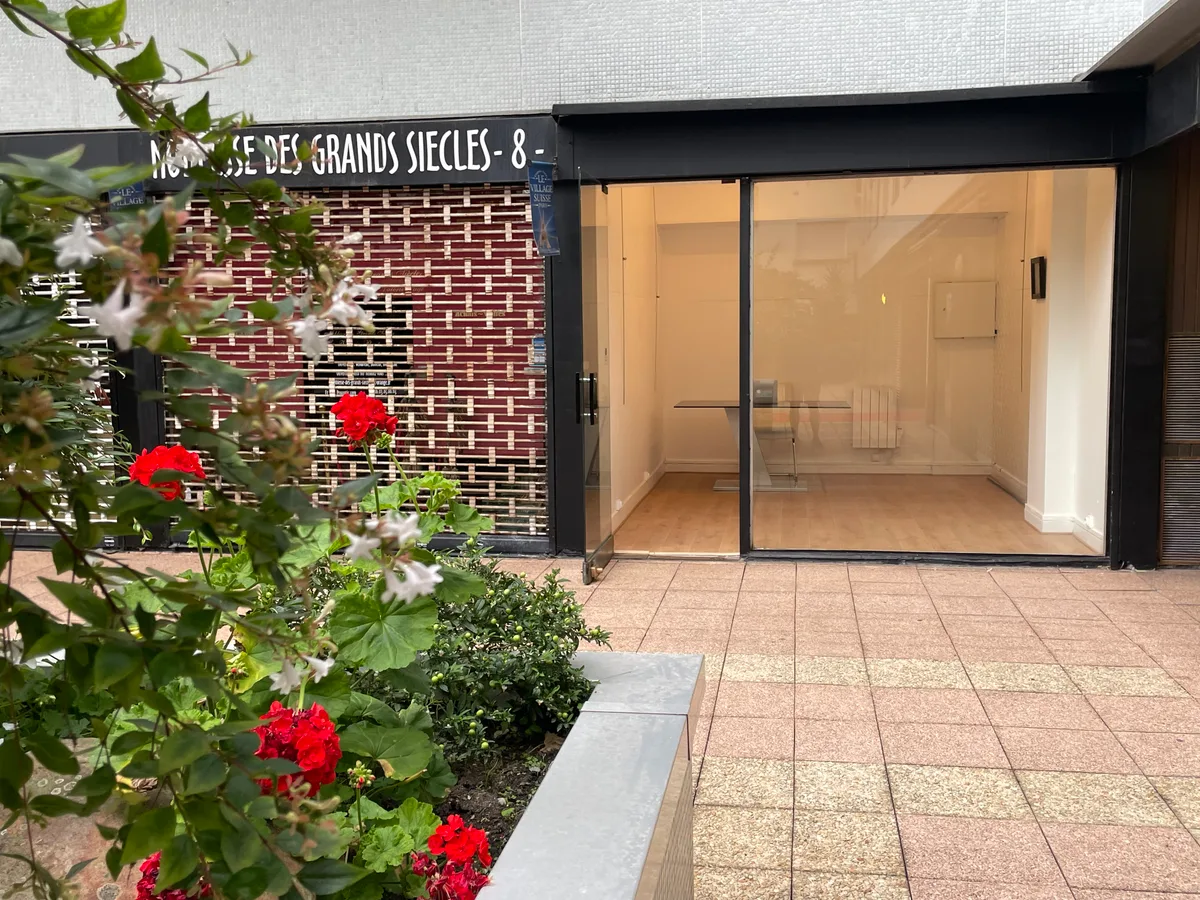
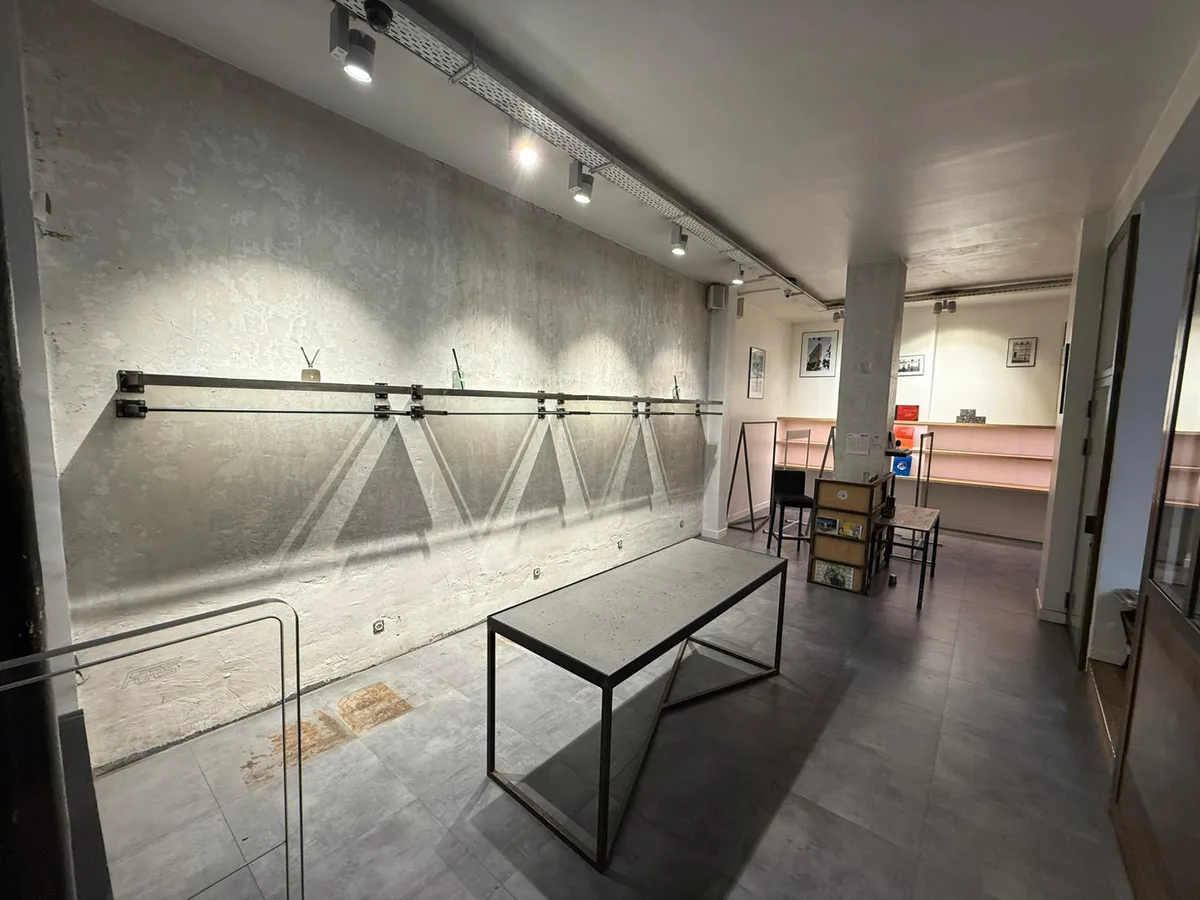
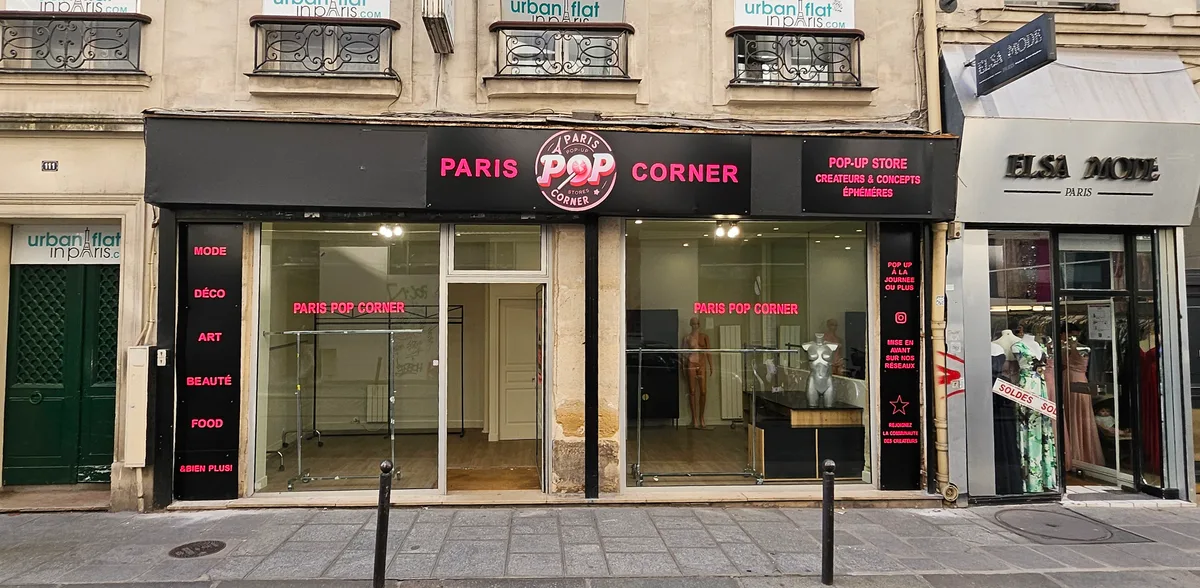
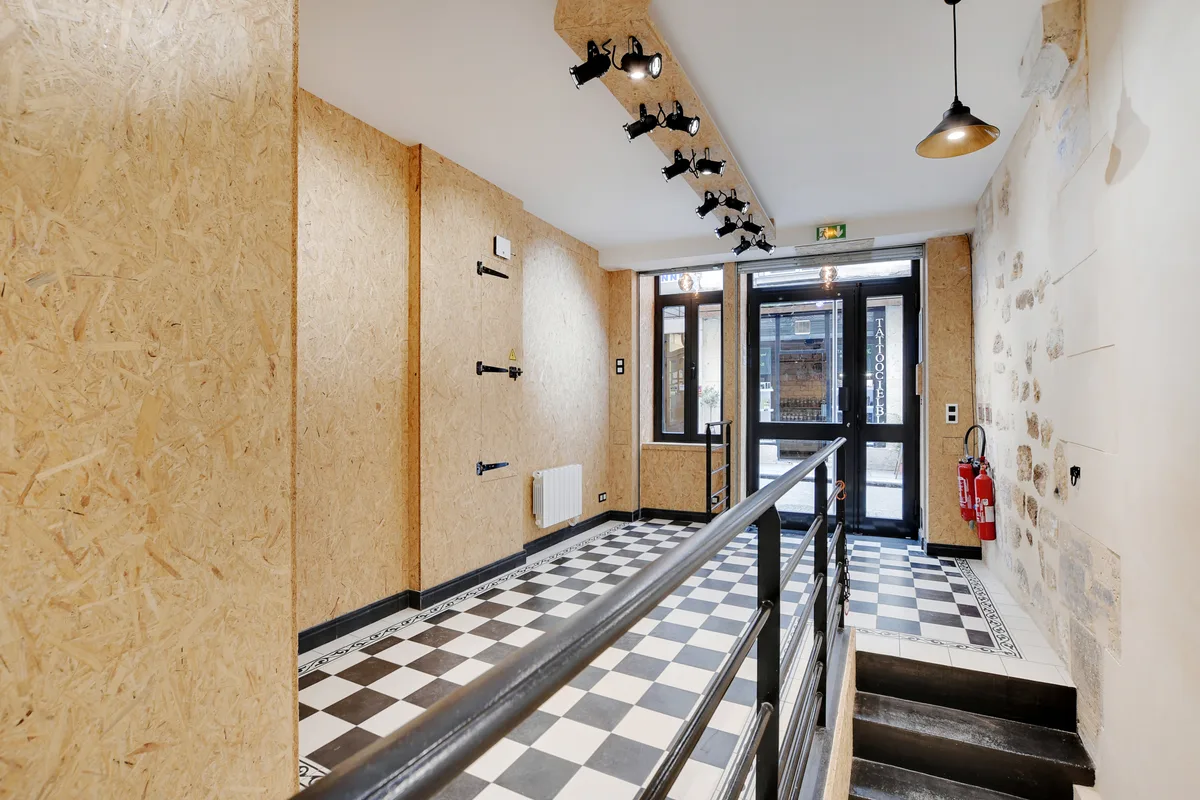
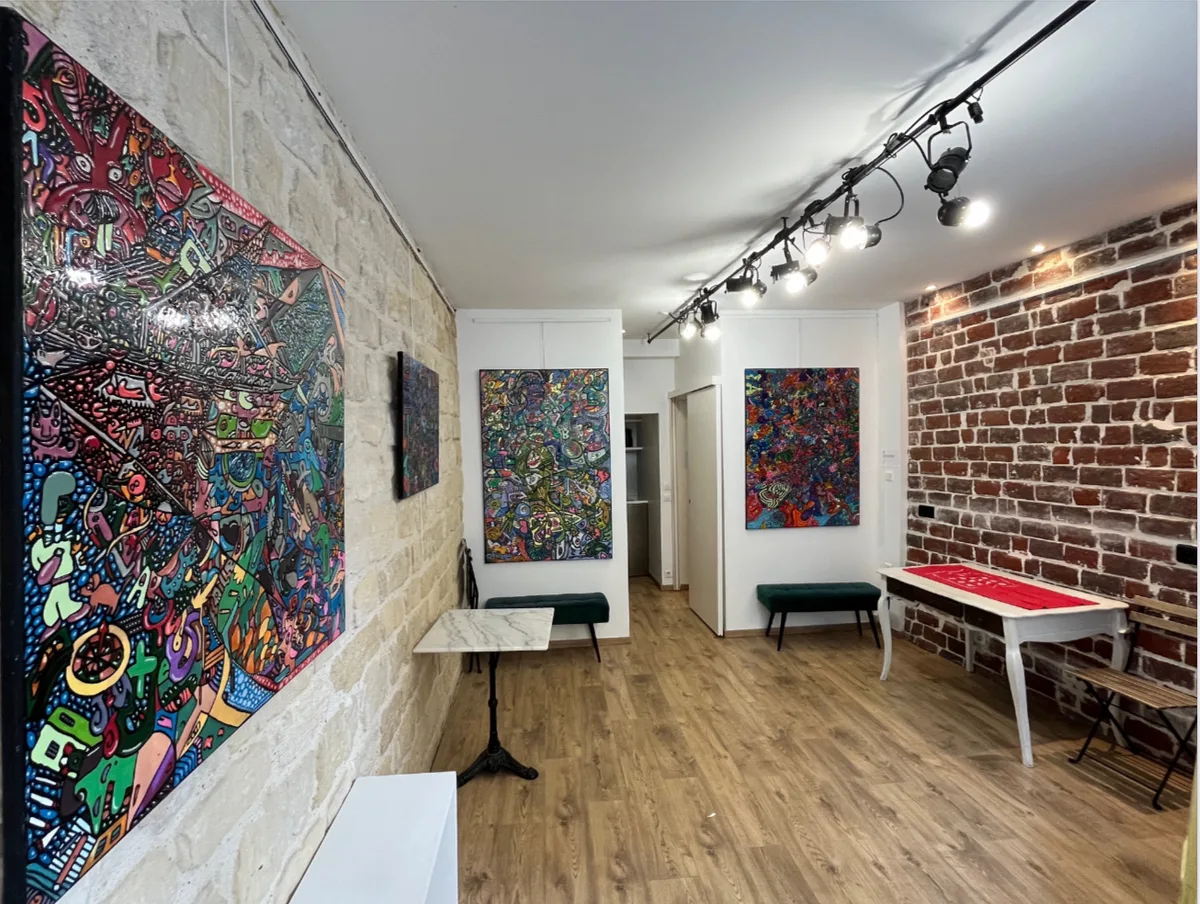
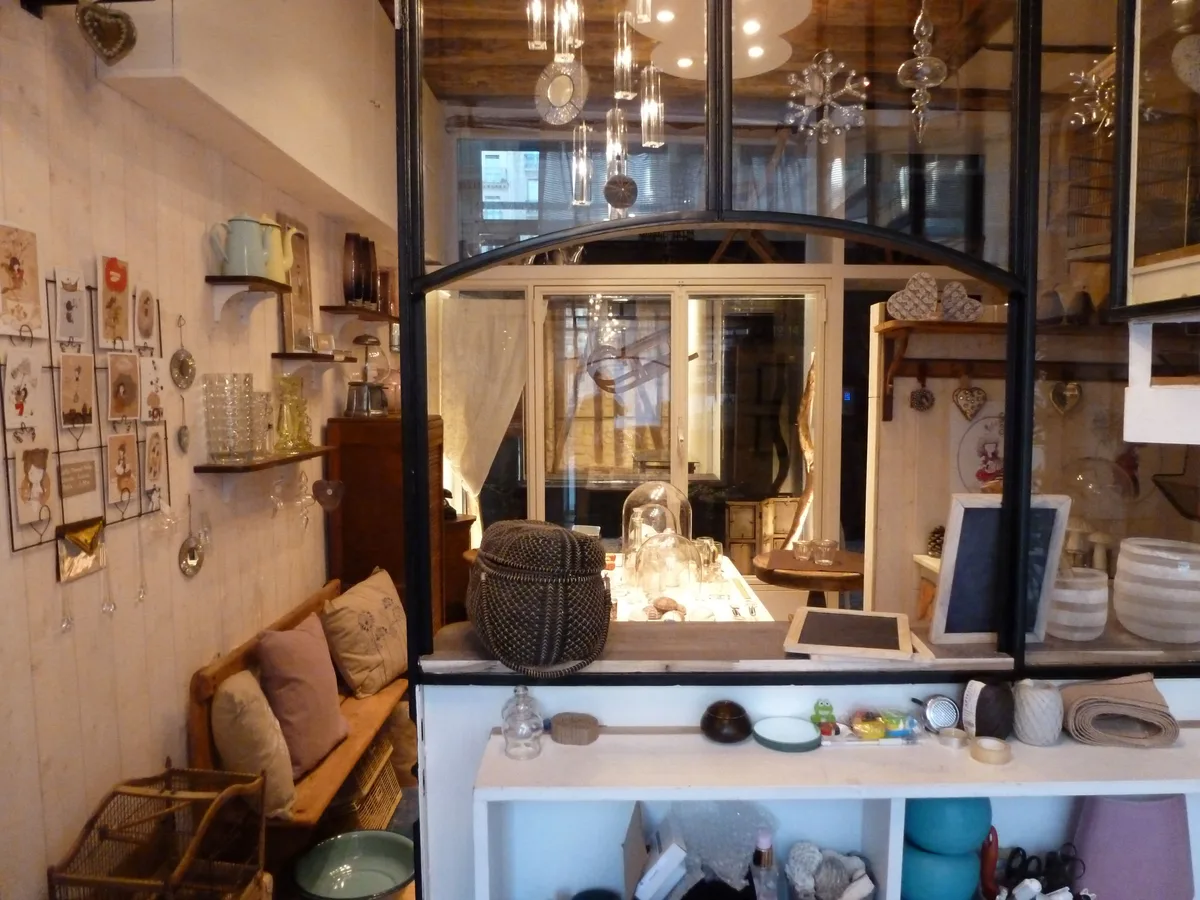
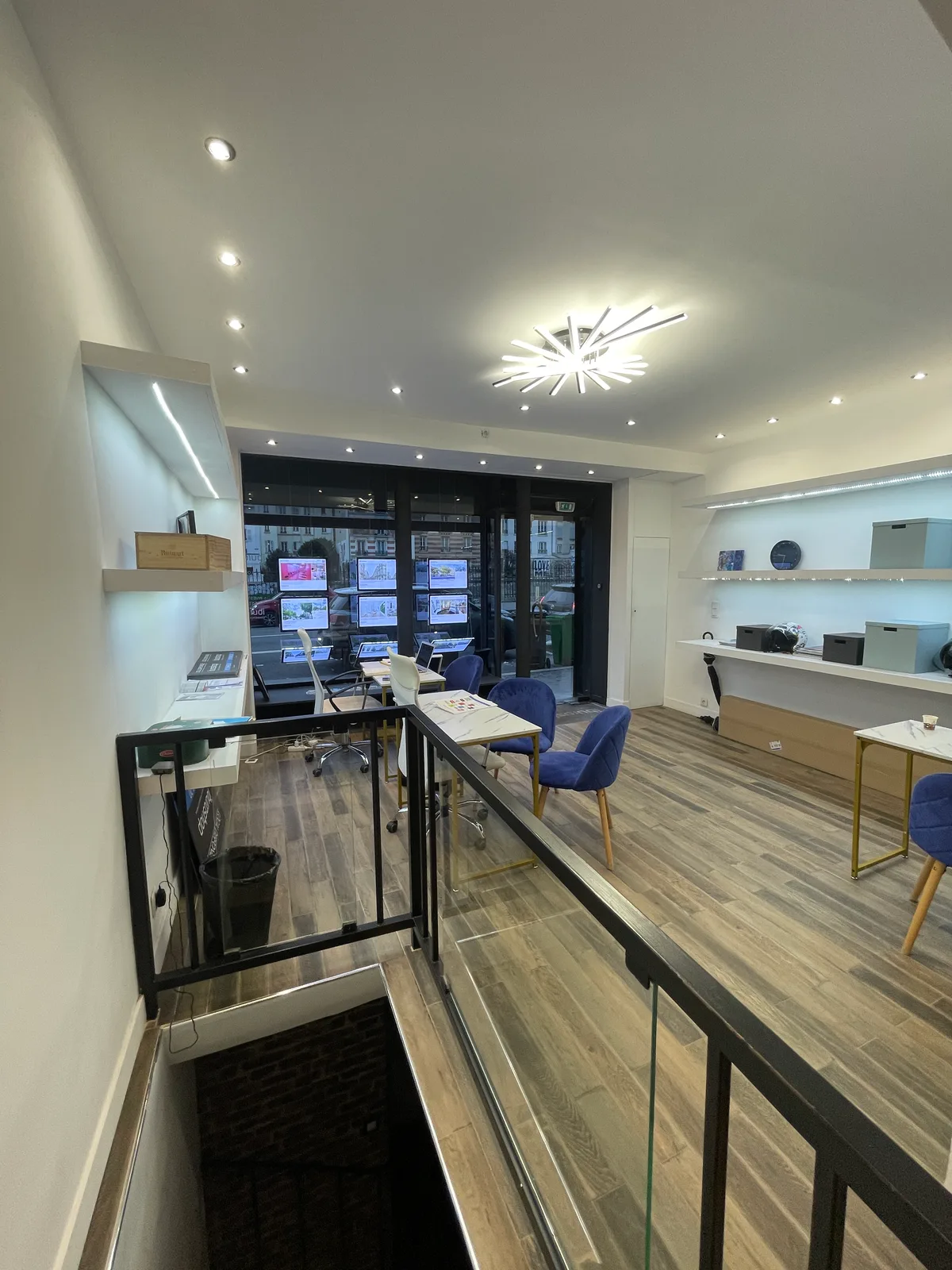
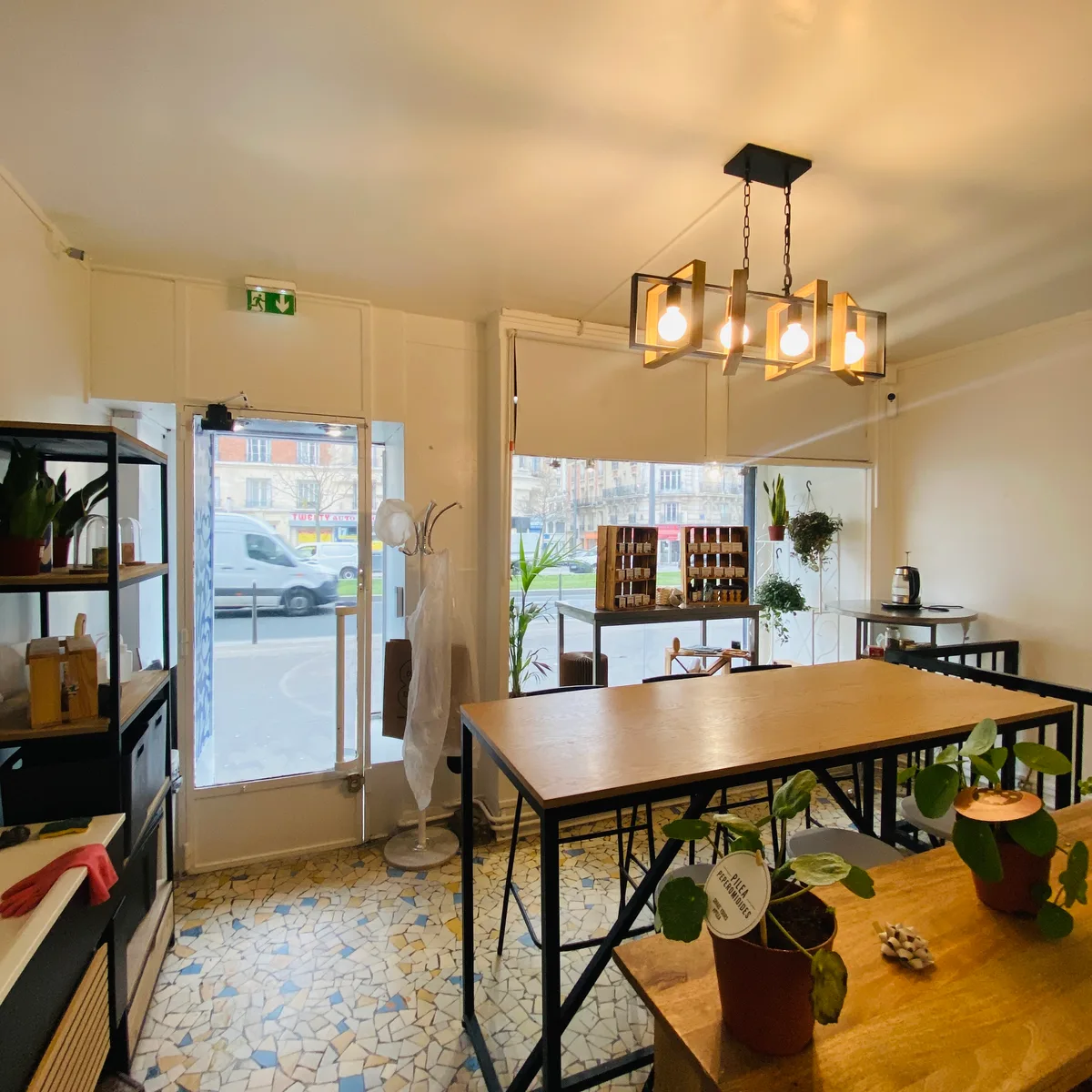
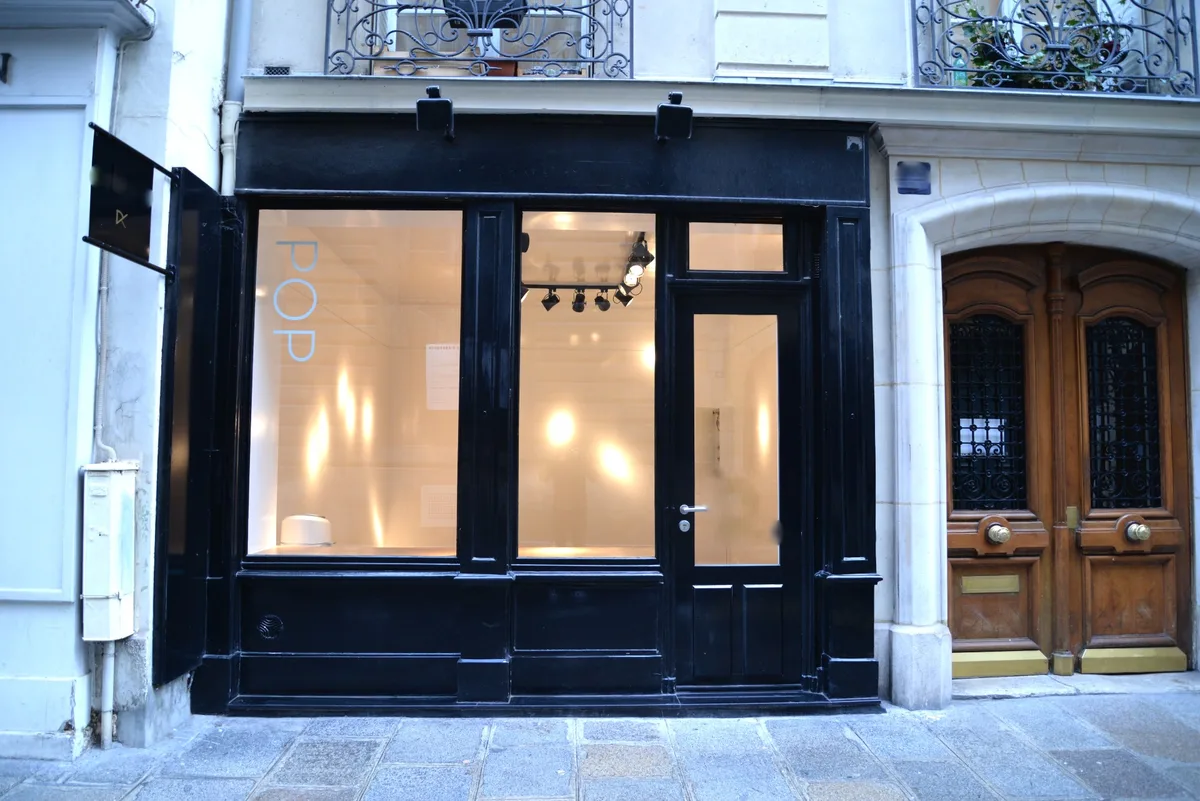
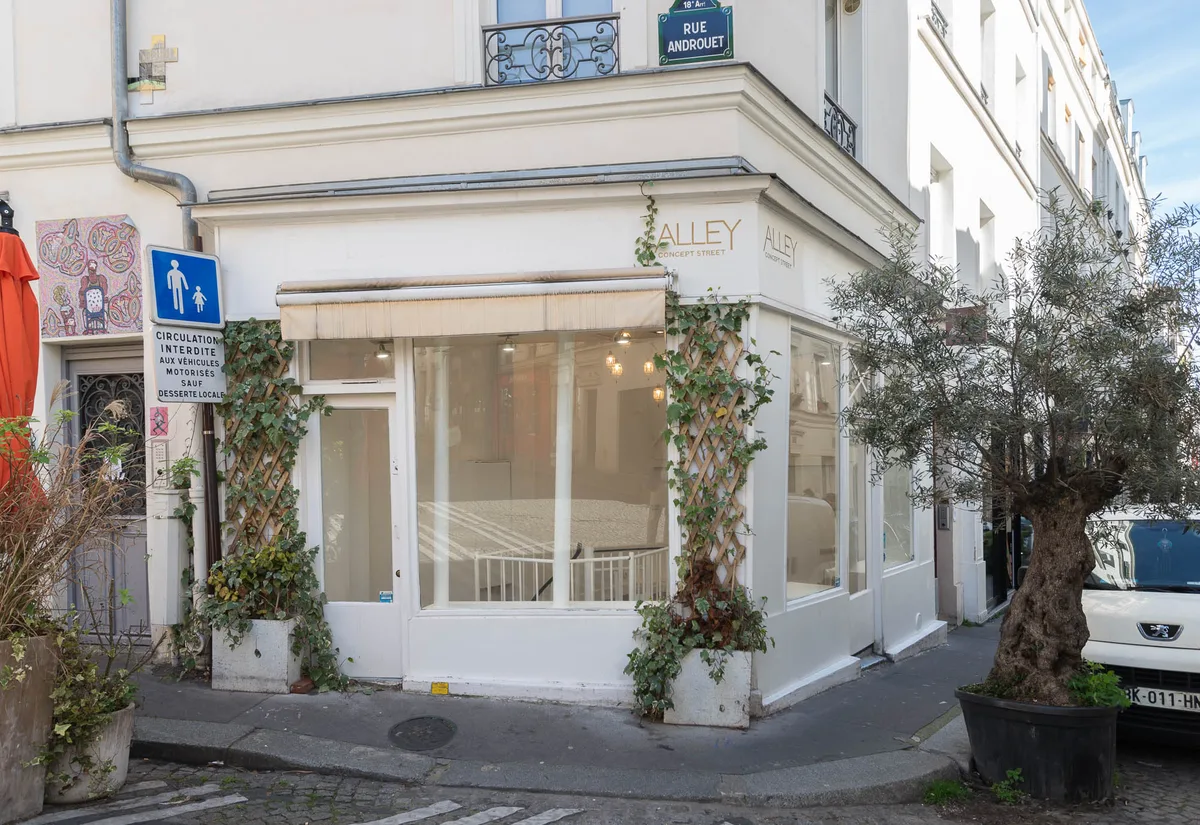
Short term retail in Opéra, Paris places your brand at the intersection of one of the world's most photographed cultural landmarks and the most concentrated luxury retail corridor in France. The 9th arrondissement and its borders with the 2nd and 8th arrondissements form a district where Galeries Lafayette Haussmann, Printemps Haussmann, Place Vendôme, and the Palais Garnier draw millions of visitors annually, creating foot traffic conditions that few other European retail corridors can match. Whether you are planning a product launch, a seasonal pop-up shop, or a showroom activation aligned with Paris Fashion Week, the Opéra district offers an extraordinary range of spaces, from grand Haussmann-era storefront boutiques to intimate gallery-style rooms in covered passages. Fashion Week Venues supports brand teams across every stage of a Paris activation, from space sourcing and permitting to production, staffing, and data analysis.
Why the Opéra District Is One of the Most Valuable Short Term Retail Locations in Paris
Quick answer: The Opéra district combines exceptional cultural prestige, elite department store adjacency, and very high daily pedestrian volumes, making it one of the most strategically compelling locations for short term retail activations in Paris. Brands benefit from alignment with iconic Parisian landmarks while accessing a consumer base that mixes affluent locals, international tourists, and fashion-forward visitors.
The Opéra district, centred around the Palais Garnier and Boulevard Haussmann, occupies a geography that no other Parisian neighbourhood can replicate. Designed under prefect Haussmann during the Second Empire, the neighbourhood was conceived as a showcase of imperial ambition and architectural grandeur. Charles Garnier's opera house, the Opéra Garnier, completed in 1875, anchors the district visually and culturally. Every day, thousands of visitors arrive specifically to admire its facade, join a guided tour of its interiors, or attend a performance, and they walk directly through a retail corridor dense with luxury boutiques, flagship stores, and one of the world's most famous department stores.
Galeries Lafayette Haussmann and Printemps Haussmann sit on Boulevard Haussmann within minutes of each other, collectively attracting tens of millions of visitors per year. These department stores have long been destinations in themselves, and the foot traffic they generate spills outward into the surrounding streets. Rue Saint-Honoré, rue du Scribe, and the historic Passage Choiseul all benefit from the overflow. For a temporary retail activation, this means your space can capture audiences who are already primed to discover, browse, and buy.
The cultural intensity of the district adds a layer of credibility that is difficult to manufacture elsewhere. Proximity to the Opéra Garnier signals quality and heritage to French and international visitors alike. The area also sits at the meeting point of the 2nd, 8th, and 9th arrondissements, meaning that spaces in this corridor benefit from adjacency to both the luxury Vendôme and Faubourg Saint-Honoré markets to the west and the emerging creative energy of the Bourse district and Grands Boulevards to the east.
Beyond pure fashion and retail, the Opéra district is rich with cultural programming. The Musée Grévin, the legendary music venue Olympia, the Grand Rex cinema, the Fragonard Museum, and the Synagogue de la Victoire all draw distinct visitor segments. The Café de la Paix on Place de l'Opéra has been welcoming guests since the 19th century. Hôtel Drouot, France's premier auction house, sits nearby. This concentration of cultural venues means that visitors to the Opéra district are not simply shopping tourists. They are curious, culturally engaged consumers who respond well to immersive brand experiences.
DID YOU KNOW: The Opéra Garnier houses a hidden artificial lake beneath its underground passages, created during construction to manage the water table. This subterranean feature became the legendary inspiration for the Phantom of the Opera and remains one of the most discussed curiosities of the building among guided tour visitors today.
KEY TAKEAWAY: The Opéra district offers brand teams a rare combination of cultural prestige, department store adjacency, high tourist density, and historic architecture that makes short term retail activations here particularly effective for both awareness and sales goals.
Understanding exactly which streets, passages, and micro-zones within the district offer the best match for your brand requires a closer look at the neighbourhood geography.
Neighbourhood Geography: Streets, Passages, and Arrondissements Near Opéra Paris
Quick answer: The Opéra district spans parts of the 2nd, 8th, and 9th arrondissements. Key retail streets include Boulevard Haussmann, rue Saint-Honoré, rue du Scribe, and the Grands Boulevards, while covered passages like Passage Choiseul and Galerie Vivienne offer intimate, high-character settings for boutique-style activations.
Paris's arrondissement system defines not only administrative boundaries but also the character and commercial positioning of retail environments. For short term retail near the Opéra Garnier, the most relevant zones fall across three arrondissements, each with distinct characteristics.
The 9th Arrondissement: The Commercial Core
The 9th arrondissement contains the densest concentration of major retail in the Opéra district. Boulevard Haussmann, which runs east-west through the arrondissement, is home to Galeries Lafayette Haussmann and Printemps Haussmann. Both department stores have flagship buildings with iconic architecture, including the Galeries Lafayette Haussmann's famous stained-glass dome and art nouveau interior. For brands seeking short term retail space with immediate proximity to these anchors, the streets immediately around them offer both standalone storefronts and gallery-style spaces.
The 9th arrondissement also contains much of the residential and hospitality infrastructure that supports the district. Hotels such as the InterContinental Paris le Grand on rue Scribe and properties along rue Saint-Lazare provide accommodation for the international visitors who move through the area. The neighbourhood extends north toward Montmartre, and its southern edge meets the Grands Boulevards, creating a densely layered urban environment where commercial, cultural, and residential uses overlap.
The 2nd Arrondissement and the Bourse District
The 2nd arrondissement, adjacent to the southern edge of the Opéra district, contains some of Paris's most atmospheric covered passages. Galerie Vivienne, dating from 1823, remains one of the most beautiful surviving examples of Paris's 19th-century covered arcade culture. Passage Choiseul, constructed in the early 19th century, offers a narrower but similarly characterful environment. These passages attract both tourists and Parisians who appreciate their architectural detail and independent retail character. For brands seeking a distinctive, intimate setting that contrasts with the high-volume energy of Boulevard Haussmann, the passages of the 2nd arrondissement offer compelling alternatives.
The Bourse district more broadly has gained creative credibility in recent years, attracting independent fashion labels, design studios, and gallery spaces that align well with contemporary brand activations. The proximity to Montorgueil, one of Paris's most lively market streets and dining districts, adds further consumer flow to the area.
The 8th Arrondissement: The Luxury Corridor
To the west, the 8th arrondissement transitions toward Place Vendôme and rue Saint-Honoré, the spiritual home of French luxury retail. This corridor hosts the flagship boutiques of the world's most prestigious maisons and has long been synonymous with haute couture and fine jewellery. For short term retail activations targeting ultra-high-net-worth consumers, the 8th arrondissement offers prestige positioning that is unmatched globally. Properties near the Kimpton St Honoré hotel and along rue du Faubourg Saint-Honoré command premium rates but offer corresponding brand cachet.
TIP: The ideal arrondissement for your activation depends heavily on your target consumer and positioning. The 9th arrondissement offers highest foot traffic and mainstream luxury visibility. The 2nd arrondissement offers intimacy and creative distinction. The 8th arrondissement offers ultra-prestige positioning. Many brands choose locations on the boundaries between these zones to access multiple consumer segments.
| Zone | Key Streets and Landmarks | Typical Space Character | Best For |
|---|---|---|---|
| 9th Arrondissement (Haussmann-Opéra) | Boulevard Haussmann, rue du Scribe, Galeries Lafayette, Printemps | Haussmann-era storefronts, department store concessions, gallery spaces | High foot traffic, department store adjacency, mainstream luxury and accessible fashion |
| 2nd Arrondissement (Bourse and Passages) | Galerie Vivienne, Passage Choiseul, Montorgueil | Covered passage units, gallery-style boutiques, loft spaces | Boutique activations, creative brands, immersive experiences, editorial pop-ups |
| 8th Arrondissement (Vendôme and Saint-Honoré) | Rue Saint-Honoré, Place Vendôme, rue du Faubourg Saint-Honoré | Luxury storefronts, hôtel particulier spaces, flagship-grade venues | Ultra-luxury positioning, haute couture launches, jewellery and prestige accessories |
| Grands Boulevards (2nd and 9th border) | Boulevard des Italiens, Olympia, Grand Rex, Pathé Palace | Entertainment-adjacent venues, event spaces, larger format activations | Entertainment crossover, immersive experiences, younger consumer targeting |
KEY TAKEAWAY: The Opéra district is not a single homogeneous zone. Understanding the commercial and consumer character of each sub-district helps brands choose locations that align with their target audience, positioning, and activation format.
With geography established, the next critical question for any brand team is what types of spaces are actually available for short term rental in this area.
Types of Short Term Retail Spaces Available Near Opéra Garnier
Quick answer: Short term retail spaces near Opéra Garnier range from high-street storefronts and gallery units to apartment-style showrooms, covered passage boutiques, and hotel venue spaces. Each type offers a different combination of scale, character, visitor flow, and rental structure.
The Opéra district's architectural heritage creates a diversity of space types that is unusually rich by global standards. Unlike purpose-built retail districts developed in more recent decades, this neighbourhood contains buildings from multiple eras, each offering different proportions, light conditions, and character for brand activations.
Haussmann Storefronts and Street-Level Retail Units
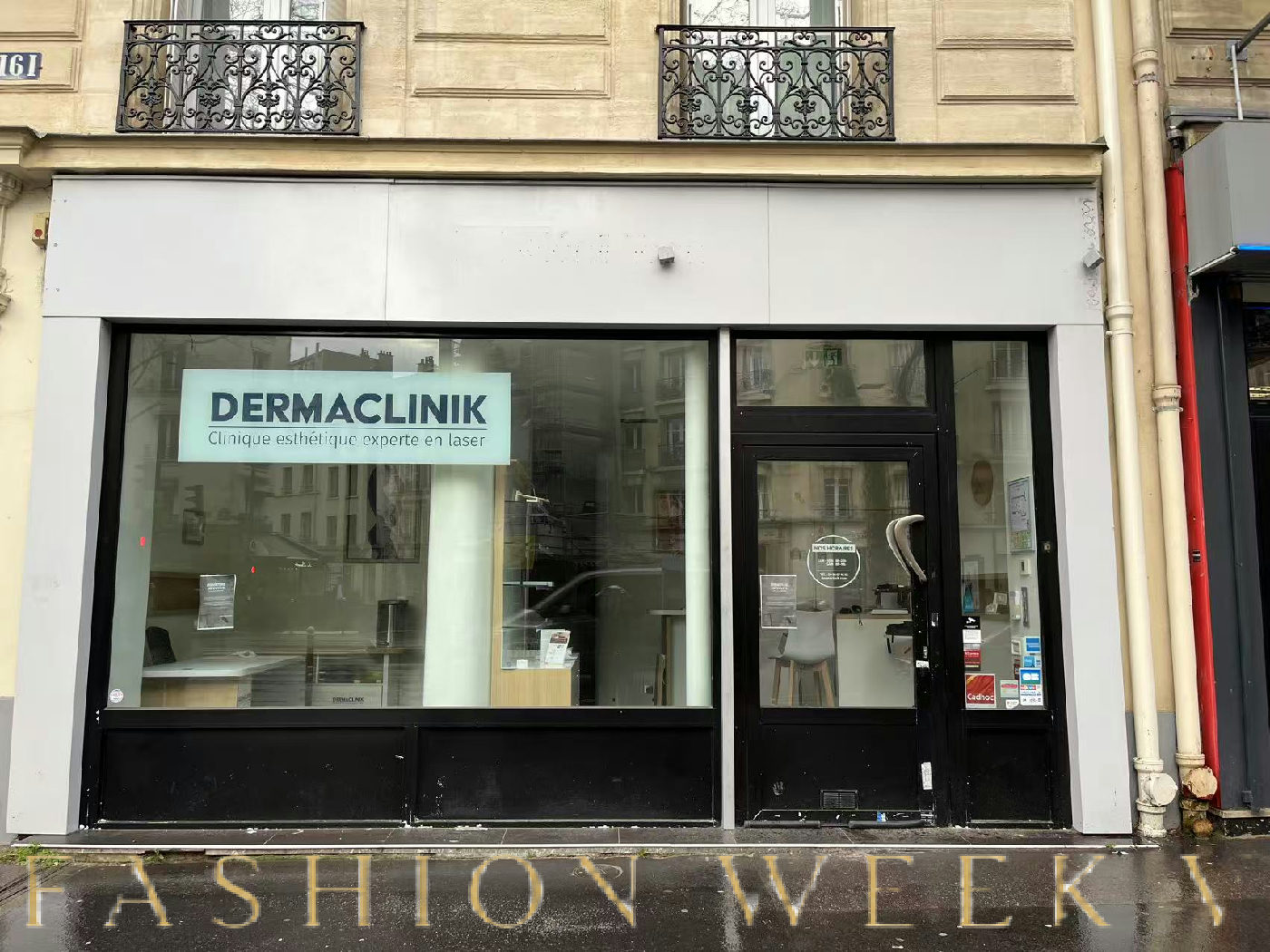
The most immediately recognisable space type in the Opéra district is the classic Haussmann-era storefront: typically two to four metres of facade width, high ceilings of three to four metres, large windows offering significant display potential, and stone or parquet floors. These spaces align visually with the grand architectural scale of Boulevard Haussmann and offer strong window display visibility to pedestrian traffic. Available units vary from small-format boutique spaces of around 30 square metres to larger flagship-grade spaces exceeding 200 square metres. For a pop-up shop or temporary retail activation, these storefronts offer an authentically Parisian visual context that supports brand storytelling.
Covered Passage Units
Passage Choiseul and Galerie Vivienne offer a fundamentally different retail environment: enclosed, pedestrianised, weather-protected, and characterised by 19th-century mosaic floors, glass roofs, and independent boutique character. The covered passages attract a self-selecting visitor profile of curious, culturally engaged consumers rather than purely transactional shoppers. For brands seeking an intimate, editorial-quality backdrop for a launch, an archive presentation, or a considered collection showcase, passage units offer atmosphere that no amount of fitout can replicate.
Gallery and Exhibition Spaces
The Opéra district contains a number of gallery-format spaces that are well-suited to temporary exhibitions, product launches, and press-facing activations. These spaces typically offer white-wall environments, flexible floor plans, and existing lighting infrastructure. They are often available on short-term bases aligned with exhibition schedules, making them particularly suitable for activations of one to six weeks.
Apartment-Style Showrooms
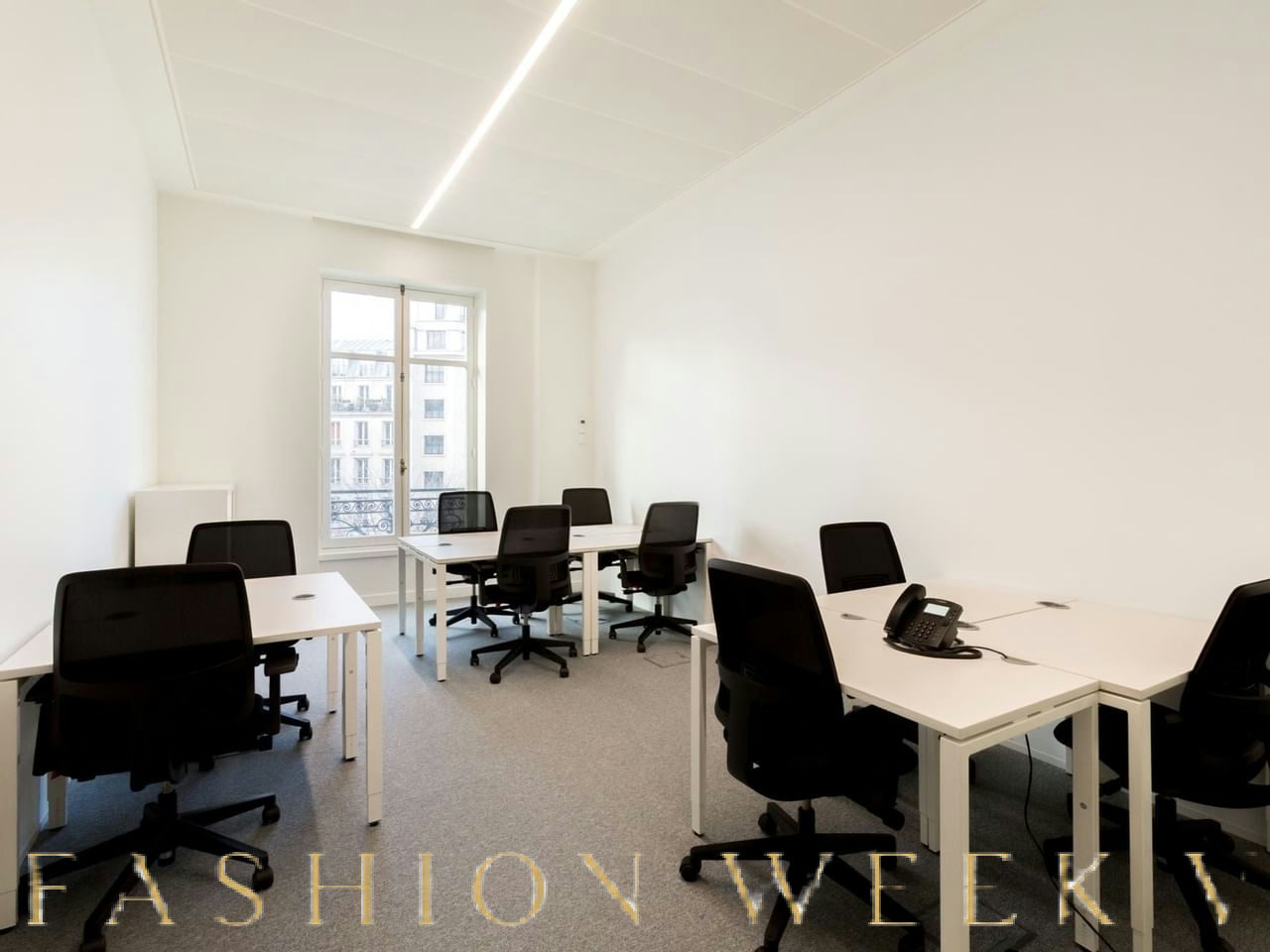
Several properties in the 8th and 9th arrondissements offer apartment-format spaces: residential-scale rooms on upper floors with parquet flooring, moulded ceilings, and a domestic intimacy that creates a very different tone from street-level retail. These spaces work exceptionally well for showrooms, press days, buyer appointments, and intimate consumer experiences where the residential setting amplifies the sense of discovery and exclusivity.
Hotel Venue Spaces
The Opéra district is home to some of Paris's most prestigious historic hotels. The InterContinental Paris le Grand on rue Scribe, with its sublime ballroom and glass roof, represents one category of hotel venue space suited to brand events and activations. The Kimpton St Honoré and properties near Place Vendôme offer more intimate venue spaces. Hotel venue spaces typically come with existing hospitality infrastructure including catering, security, and guest services, which can reduce the logistical burden of running an activation.
DID YOU KNOW: The InterContinental Paris le Grand, located on rue Scribe adjacent to the Opéra Garnier, is one of Paris's oldest luxury hotels and contains a grand ballroom with an extraordinary glass roof structure that has been used for fashion events, brand launches, and cultural productions for over a century.
| Space Type | Typical Size Range | Key Characteristics | Ideal Activation Format |
|---|---|---|---|
| Haussmann Storefront | 30 to 300 sqm | Street-level visibility, large windows, high ceilings, Parisian architecture | Pop-up shop, product launch, temporary boutique |
| Covered Passage Unit | 15 to 80 sqm | Pedestrianised, atmospheric, weather-protected, editorial character | Archive presentation, boutique pop-up, immersive experience |
| Gallery Space | 50 to 400 sqm | White-wall environment, flexible plan, exhibition lighting | Product launch, press event, temporary exhibition |
| Apartment Showroom | 40 to 200 sqm | Residential scale, parquet floors, moulded ceilings, upper floor | Showroom, press day, buyer appointment, intimate consumer experience |
| Hotel Venue Space | 50 to 500 sqm | Full hospitality infrastructure, prestige address, existing security | Brand event, cocktail reception, VIP activation |
KEY TAKEAWAY: No single space type dominates the Opéra district. The right format depends on your brand positioning, activation format, team size, and consumer experience goals. Many successful activations combine two space types, for example a storefront for public retail and a nearby apartment showroom for trade appointments.
Understanding space types is only part of the picture. The practical and legal framework for short term retail in Paris requires careful attention, particularly for international brands.
Permits, Leases, and Legal Frameworks for Short Term Retail in Paris
Quick answer: Short term retail in Paris requires either a bail dérogatoire, which is a short-term commercial lease of up to three years, or an autorisation d'occupation temporaire for specific venue types. Requirements vary significantly by space type, duration, and arrondissement. International brands should work with specialist advisors to navigate compliance correctly.
One of the most common sources of difficulty for international brands entering the Paris market is underestimating the legal complexity of short term retail arrangements. France has a highly developed body of commercial tenancy law, and the standard bail commercial offers tenants very strong protections, including renewal rights and regulated rent conditions. For brands seeking genuinely short term arrangements, the standard bail commercial is rarely appropriate.
Bail Dérogatoire
The bail dérogatoire, sometimes called a bail précaire, is a short-term commercial lease specifically designed for temporary occupancies. It can run for a period of up to three years, and it explicitly derogates from the standard protections of the bail commercial. This means the tenant does not acquire the right of renewal at the end of the term. For pop-up shops, showrooms, and temporary retail activations of one week to two years, the bail dérogatoire is typically the most appropriate lease structure. It requires clear written agreement between the parties and explicit acknowledgment from the tenant that they understand they are waiving the standard renewal protections.
It is important to note that requirements for a bail dérogatoire vary by space type, duration, and the specific property. Not all landlords or venue operators will offer this structure, and not all spaces are legally suitable for it. Brands should verify the specific conditions applicable to any space they are considering with a French legal advisor before signing.
Autorisation d'Occupation Temporaire
For spaces in publicly owned or semi-public buildings, including some cultural venues and covered markets, a different framework applies. The autorisation d'occupation temporaire (AOT) is an administrative permission rather than a commercial lease, and it governs the right to temporarily occupy a public space for commercial purposes. AOTs are commonly used for market stalls, kiosk activations, and events in publicly managed spaces. The conditions, costs, and processes for obtaining an AOT vary significantly by venue and by the Paris arrondissement administration responsible for the space.
Vigipirate and Security Compliance
All commercial events and retail activations in Paris operate within the framework of the Vigipirate security plan, France's national security alert system. Depending on the current alert level, venues and event organisers may be required to implement specific security measures including bag checks, security guard deployment, and crowd management protocols. Brands planning activations in high-visibility locations near monuments like the Opéra Garnier or in high-footfall areas should factor security planning and potential security service costs into their budgets from the outset.
IMPORTANT: Do not assume that a short-term space rental agreement in Paris is legally straightforward without specialist review. The interaction between French commercial tenancy law, permit requirements, and specific venue conditions can create significant complications for brands that proceed without qualified legal guidance. Always verify permit and lease requirements with a French legal advisor before committing to a space.
The Fashion Week Venues permits tool provides orientation guidance on permit types and typical requirements for different activation formats in Paris. It does not replace legal advice but helps brand teams understand the landscape before engaging specialists.
KEY TAKEAWAY: Short term retail in Paris operates under specific legal frameworks that differ significantly from standard commercial leases. Brands must understand the difference between a bail dérogatoire and an AOT, and must ensure compliance with Vigipirate security requirements. Specialist guidance is essential, particularly for international brands without French legal entities.
With the legal landscape understood, the next practical question for most brand teams is how to approach budgeting for a short term retail activation in the Opéra district.
Budgeting for a Short Term Retail Pop-Up Shop Near Opéra Paris
Quick answer: Budget requirements for a short term retail activation near Opéra Paris vary substantially based on space size, duration, fit-out ambition, staffing levels, and location. Directional estimates should be treated as starting points only, and brand teams should build detailed budgets using specialist tools and agency guidance rather than relying on generic figures.
Budgeting for short term retail in one of Paris's most prestigious districts requires a realistic and detailed approach. The Opéra district commands premium rental rates by French and European standards, reflecting the exceptional foot traffic, cultural prestige, and consumer spending power of the area. However, the total cost of a pop-up activation extends well beyond the headline rental rate.
Rental Rate Considerations
Space rental rates in the Opéra district reflect location, space type, size, and duration. Spaces on Boulevard Haussmann with direct adjacency to Galeries Lafayette or Printemps typically command the highest rates, given the extraordinary foot traffic those anchors generate. Spaces in covered passages or on secondary streets offer more accessible rate structures while still benefiting from the district's overall visitor flows. Hotel venue spaces are typically priced on event-day or event-week rates that bundle the space with hospitality infrastructure. As a general principle, rates in the Opéra district are higher than in most other Paris arrondissements, reflecting the location's commercial value. For brand-specific rental rate estimates, the Fashion Week Venues budget calculator provides directional guidance based on space type, size, and duration.
Fit-Out and Production Costs
Beyond rental, fit-out and production typically represent a significant share of total activation budget. Fit-out costs for a short term retail space cover the design and installation of fixtures, furniture, wall treatments, flooring, lighting, and branded installations. For spaces that are taken in a raw or partially fitted state, fit-out costs can be substantial. Spaces with existing retail infrastructure, such as department store concessions or hotel event rooms, may require lighter investment in fit-out. Brands working with specialist agencies benefit from access to furniture rental catalogues, modular fixture systems, and supplier relationships that can meaningfully reduce production costs compared to commissioning bespoke builds from scratch.
Staffing and Operations
Running a temporary retail activation in Paris requires staffing for floor sales, customer service, security, and stock management. For brands without existing Paris-based teams, sourcing and managing retail staff is a significant logistical challenge. Paris labour law applies fully to retail staff, including rules on contracts, working hours, and minimum wage. Agencies with established staffing capabilities can source French-speaking retail staff with relevant experience for fashion, luxury, and lifestyle activations. Security requirements under the Vigipirate security plan may necessitate professional security service providers for high-visibility activations.
Total Budget Framework
A realistic total budget for a short term retail activation in the Opéra district should account for: space rental, fit-out and production, furniture and fixtures, staffing, point-of-sale systems and payments infrastructure, marketing and influencer costs, insurance, permit fees, security services, and contingency. The weighting between these categories varies by activation type and brand scale. For precise estimates relevant to your specific brief, the Fashion Week Venues ROI calculator helps teams model expected returns against total cost.
TIP: Build your budget from the full list of cost categories before you begin space hunting. Many brands underestimate fit-out, staffing, and compliance costs and are then forced to compromise on space quality or duration. A thorough budget model protects your creative ambitions as well as your commercial targets.
KEY TAKEAWAY: Total activation budget in the Opéra district includes significantly more than rental costs. Brands that budget comprehensively from the outset, covering fit-out, staffing, security, permits, and marketing, are far better positioned to execute successfully and achieve a positive ROI.
With space types, geography, legal frameworks, and budget considerations understood, the next question is how to identify and select the right space for your specific activation.
How to Find and Select the Right Short Term Retail Space in the Opéra District
Quick answer: Finding the right short term retail space near Opéra Paris requires a combination of market knowledge, clear brief development, and methodical comparison of available options. Working with a specialist agency or using a dedicated space marketplace significantly reduces search time and increases the likelihood of securing a space that fits your brand, budget, and calendar.
The process of finding a temporary retail space in a high-demand district like Opéra is more complex than a standard property search. Spaces suited for short term activation are rarely listed on mainstream commercial property portals in the formats relevant to pop-up or temporary retail. Many of the best spaces are known primarily to specialist agencies, venue networks, and marketplace operators with established relationships in the Paris market.
Defining Your Brief Before Searching
The most effective space searches begin with a clearly defined brief covering: target arrondissement or micro-location, space type preference, minimum and maximum floor area, required amenities such as air-cooling systems, fitting rooms, or display infrastructure, preferred facade character, floor and access requirements, activation dates, duration, and overall budget envelope. A precise brief enables faster shortlisting and reduces time spent evaluating spaces that are fundamentally unsuitable. It also gives venue operators and agency partners the information they need to identify the best matches quickly.
Using a Space Marketplace
A dedicated short term retail space marketplace aggregates available spaces with relevant specifications, photographs, availability calendars, and indicative pricing. This is significantly more efficient than approaching individual landlords or venue operators directly, particularly for international brands without existing Paris market relationships. The Fashion Week Venues space marketplace lists available spaces across Paris's key retail districts, including the Opéra area, with filtering by space type, size, neighbourhood, and availability window.
Comparing Spaces Methodically
Once a shortlist of spaces has been identified, systematic comparison across a consistent set of criteria enables confident decision-making. Key comparison dimensions include: location and foot traffic profile, space character and architecture, technical infrastructure including internet connectivity, electrical capacity, and air-cooling systems, access for deliveries and fit-out, lease structure and flexibility, landlord or venue operator track record with short term tenants, and total cost including any mandatory service charges.
Timing Your Search
The Opéra district's most desirable spaces for short term retail are frequently booked well in advance of peak windows, particularly the periods surrounding Paris Fashion Week in January-February and September-October, the summer tourist peak in July and August, and the Christmas and end-of-year retail season in November and December. Brands that begin their space search six to nine months before their target activation date are significantly better positioned than those who begin three months out. For a detailed timeline framework, the Fashion Week Venues timeline planning tool helps teams map key milestones from brief to launch.
DID YOU KNOW: The Paris Fashion Week calendar creates two major activation windows per year, each lasting approximately ten days, during which demand for short term retail and showroom space in prestige arrondissements surges sharply. Brands that wait until Fashion Week season to begin their search typically find that the best spaces have already been committed.
To compare neighbourhoods and space types, explore the Paris city hub on Fashion Week Venues and shortlist spaces that match your brief, budget, and calendar window.
KEY TAKEAWAY: Space searching in the Opéra district is most effective when brands begin with a precise brief, use specialist marketplace tools for discovery, and start the search process well in advance of their target activation date. The most compelling spaces in high-demand locations are rarely available on short notice.
Beyond finding the right space, most brand teams need a clear understanding of what a full-service agency can contribute to their Opéra district activation, and when that type of partnership adds the most value.
How Fashion Week Venues Supports Short Term Retail Activations Near Opéra Paris
Fashion Week Venues operates as a full-service pop-up agency and space marketplace with deep expertise in Paris's most competitive retail districts, including the Opéra, Haussmann, and Vendôme corridors. For brands seeking to execute a short term retail activation in the Opéra district, Fashion Week Venues provides support across the full activation lifecycle rather than only at the space sourcing stage.
Venue Sourcing and Discovery
The venue sourcing service goes beyond simply presenting available listings. The team applies market knowledge of the Opéra district to match spaces to brand positioning, activation format, target consumer profile, and budget. This includes access to spaces that are not publicly listed but are available through the agency's established network of Paris property owners, venue managers, and cultural institutions.
Concept Direction and Space Design
Many brands arrive in Paris with a clear commercial goal but need creative direction to translate their brand world into a compelling physical retail environment. The concept direction service provides creative strategy for the space, including spatial narrative, consumer journey design, visual merchandising principles, and brand expression guidelines. The branded store design service then executes this concept through detailed design documentation and production supervision. For brands wanting to visualise their concept before committing to a space, the imagine tool at fashionweekvenues.com/imagine provides a visual planning environment.
Production, Fit-Out, and Furniture
Executing a fit-out in Paris requires knowledge of local contractors, material suppliers, building regulations, and timeframes that vary by arrondissement and space type. The production and build service manages the full fit-out process from design sign-off to opening day, including contractor coordination, materials sourcing, installation supervision, and de-fit on closing. Furniture rental provides access to curated furniture and fixture catalogues suited to luxury and contemporary fashion activations, reducing both cost and logistical complexity.
Retail Staffing and Operations
Running a temporary retail space in Paris requires French-speaking staff with relevant experience in luxury, fashion, or lifestyle retail. The retail staffing service sources, contracts, and manages floor staff for the full duration of the activation. Point-of-sale systems and payments infrastructure are provided through the POS and payments service, covering hardware, software, and reporting aligned with French fiscal requirements for retail transactions.
Analytics and ROI Measurement
Measuring the commercial and brand performance of a temporary retail activation is critical for justifying investment and planning future activations. The data and analytics service captures foot traffic counts, sales transaction data, consumer dwell time, and brand perception metrics throughout the activation. This data feeds directly into post-activation reporting and informs future brief development. For pre-activation planning, the ROI calculator at fashionweekvenues.com/tools/roi helps teams model expected financial returns before committing to space and budget.
What Fashion Week Venues Cannot Guarantee
Fashion Week Venues does not guarantee specific permit approvals, space availability, foot traffic levels, or sales outcomes. The Paris market is competitive and complex, and results depend on factors including brand positioning, activation quality, marketing investment, timing, and consumer response. The agency's role is to maximise the probability of a successful outcome through expert guidance, established processes, and rigorous execution. Brands should approach any Paris activation with realistic expectations and contingency planning in place.
KEY TAKEAWAY: Fashion Week Venues offers the full range of services needed to plan, execute, and measure a short term retail activation in the Opéra district, from space sourcing and concept direction through to staffing, fit-out, POS, and data analytics. The agency is most valuable for brands that want integrated support rather than piecemeal solutions, and particularly for international brands entering the Paris market for the first time.
Immersive Experiences, Cultural Programming, and Brand Activations in the Opéra District
Quick answer: The Opéra district's concentration of cultural venues, immersive experience spaces, and internationally recognised landmarks makes it an exceptional location for brand activations that blend retail with cultural storytelling, event programming, and multi-sensory consumer experiences.
Modern short term retail is rarely about transactional selling alone. The most effective activations in Paris's prestige districts combine product discovery with experiential programming that creates shareable moments, media coverage, and lasting brand impressions. The Opéra district offers a uniquely rich environment for this kind of integrated activation, with cultural institutions and immersive experience venues clustered within walking distance of each other.
The Cultural Context of the Opéra District
The Palais Garnier itself, designed by Charles Garnier at the commission of Napoleon III, is one of the most architecturally significant buildings in Europe. Its interior combines Napoleon III-era opulence with Garnier's characteristic fusion of multiple architectural styles. The building contains a library-bookshop, costume archives, and temporary exhibition spaces that have been used for cultural programming and brand partnerships. The Opéra Bastille, opened in 1989 across the city in the 12th arrondissement, is the primary performance venue for the Paris Opera today, but the Garnier remains the spiritual and visual heart of the institution.
Beyond the Opéra Garnier itself, the district hosts a remarkable concentration of cultural venues. The Musée Grévin, Paris's famous waxworks museum on the Grands Boulevards, draws hundreds of thousands of visitors annually and has been used as an event space for brand activations with a heritage and spectacle dimension. The Olympia music hall, one of Europe's most legendary live music venues, sits on Boulevard des Capucines. The Grand Rex, Paris's iconic art deco cinema on Boulevard Poissonnière, is the largest cinema in France and offers extraordinary event space credentials for brands seeking a theatrical backdrop.
Immersive Experiences and New Format Activations
The Opéra district has seen a growing concentration of immersive experience venues that appeal to both tourists and Parisians seeking more than a standard cultural visit. Contemporary immersive formats in the area have included multimedia voyages, Apple Vision Pro-enabled installations, Paint Invaders interactive art experiences, Urbexscape urban exploration concepts, and Papillon themed environments featuring UV light installations, Action Painting stations, Slime Fluo interactive zones, and similar sensory experiences. Events like JEMA 2025 (Journées Européennes des Métiers d'Art) bring artisan craft programming to the area, including atelier de parfum workshops and fabrication de parfum demonstrations that align naturally with Paris's luxury fragrance heritage.
For fashion brands, the overlap between cultural programming and retail activation creates powerful opportunities. A brand can anchor a pop-up shop in a Haussmann storefront while staging an adjacent immersive experience that draws visitors from the Opéra Garnier guided tour circuit, the Musée Grévin queue, and the Galeries Lafayette visitor flow simultaneously.
Dining, Hospitality, and the Broader District Experience
Consumer experience in the Opéra district extends to its exceptional dining and hospitality offer. The Café de la Paix on Place de l'Opéra is one of Paris's most historic grand cafés and a landmark destination in its own right. Michelin-starred restaurants in the broader district offer elevated dining options for brand events and press lunches. The district also contains a range of hotel bars, terrasse restaurants, and neighbourhood dining institutions that support multi-touchpoint brand activations. Harry's Bar on rue Daunou, one of Paris's oldest and most storied American-style bars, is a beloved local institution. The Sequoia bar and other neighbourhood venues contribute to an evening economy that extends the consumer dwell time in the district well beyond shopping hours.
For brands using the immersive experience dimension as a differentiation strategy, the twin co-activation concept from Fashion Week Venues offers a structured model for running simultaneous activations in two spaces in the same district, allowing brands to separate their retail and experiential programming while keeping them close enough to drive consumer crossover.
KEY TAKEAWAY: The Opéra district's exceptional density of cultural venues, immersive experiences, and landmark hospitality creates a rich ecosystem for brand activations that go beyond standard pop-up retail. Brands that programme cultural and experiential content alongside their retail presence generate significantly greater media impact and consumer engagement.
Planning Timeline for a Short Term Retail Activation Near Opéra Paris
Quick answer: A realistic planning timeline for a short term retail activation near Opéra Paris ranges from three months for a simple, lightly fitted space to nine months or more for a complex, fully custom activation with permit requirements, significant fit-out, and large-scale staffing needs.
Timeline management is one of the most common areas where brand teams underestimate the demands of a Paris activation. The city's regulatory environment, building heritage protections, fashion week calendar pressures, and the competitive demand for premium spaces all create timeline constraints that require early and disciplined planning.
| Phase | Key Activities | Recommended Lead Time |
|---|---|---|
| Brief Development | Define location, space type, dates, budget, activation format, consumer target, KPIs | 9 to 12 months before activation |
| Space Search and Shortlisting | Marketplace search, agency consultation, space visits, comparison and scoring | 6 to 9 months before activation |
| Space Selection and Legal Review | Select preferred space, review lease structure, engage French legal advisor, confirm permit requirements | 5 to 7 months before activation |
| Concept Direction and Design | Develop spatial concept, design documentation, fixture specifications, brand installation design | 4 to 6 months before activation |
| Permit Applications | Submit required permit applications to relevant Paris authorities, confirm Vigipirate compliance plan | 3 to 5 months before activation |
| Production and Fit-Out | Contractor engagement, materials ordering, installation scheduling, fit-out execution | 4 to 8 weeks before activation |
| Staffing and Operations Setup | Staff sourcing, contract management, training, POS and payments installation, security service engagement | 4 to 6 weeks before activation |
| Marketing and Influencer Programme | Press outreach, influencer briefing, social media planning, event invitations | 6 to 8 weeks before activation |
| Launch and Live Activation | Opening event, daily operations, consumer experience management, real-time data monitoring | Activation period |
| De-Fit and Reporting | Space restoration, contractor de-fit, data analysis, ROI reporting, post-activation review | 1 to 2 weeks after activation close |
TIP: Paris Fashion Week activation windows in September and October are the most competitive calendar periods for premium Opéra district spaces. Brands targeting these windows should aim to have their space confirmed and lease signed no later than six months in advance.
For brands planning their first Paris activation, reviewing the Fashion Week Venues process page provides a clear outline of how the agency structures its engagement from initial brief to post-activation review. This helps new clients understand what to expect at each stage and how to prepare their internal teams accordingly.
KEY TAKEAWAY: Successful short term retail activations near Opéra Paris require disciplined timeline management across multiple parallel workstreams. Brands that begin planning too late compromise their space options, permit compliance, fit-out quality, and marketing lead time simultaneously.
Common Myths About Short Term Retail in Opéra Paris Debunked
MYTH: International brands need a French legal entity to rent a short term retail space in Paris.
FACT: Many short term retail and pop-up space arrangements in Paris are available to international brands without a French legal entity, particularly when using a bail dérogatoire or working through an established agency that can facilitate the arrangement. However, specific requirements vary by space, lease structure, and landlord, so it is always advisable to verify requirements with a French legal advisor before proceeding.
MYTH: Paris Fashion Week in September and October is the only commercially viable calendar window for short term retail in the Opéra district.
FACT: While the Fashion Week calendar creates significant activation opportunities in January-February and September-October, the Opéra district generates strong retail and tourist foot traffic across the full year. The summer months of June to August attract very high tourist volumes, and the pre-Christmas period from November to late December is one of the highest consumer spending periods in the French calendar. Brands that focus exclusively on Fashion Week windows miss genuinely compelling opportunities in other seasons.
MYTH: Commission-based property brokers are the only way to find a quality short term retail space in Paris.
FACT: Dedicated short term retail space marketplaces and full-service pop-up agencies have fundamentally changed the space discovery process. Brands can now browse available spaces directly, filter by location, size, and dates, and engage an agency for end-to-end support without relying solely on traditional commission-based brokers. Marketplaces offer greater transparency on pricing, availability, and space specifications than broker-led processes typically provide.
MYTH: Short term commercial leases in Paris are legally straightforward and can be treated as simple rental agreements.
FACT: French commercial tenancy law is among the most complex in Europe. Short term arrangements require specific legal structures such as the bail dérogatoire, and failure to use the correct structure can inadvertently grant tenants rights under the standard bail commercial, including renewal rights the landlord never intended to offer. All short term retail lease arrangements in Paris should be reviewed by a qualified French legal advisor before signature.
MYTH: A pop-up shop in the Opéra district will automatically benefit from Galeries Lafayette or Printemps foot traffic without any additional marketing investment.
FACT: Proximity to major department store anchors increases the ambient foot traffic available to a nearby pop-up space, but it does not automatically direct consumers into an independent activation. Brands must invest in local awareness, digital marketing, influencer programming, and on-street visibility to convert the ambient foot traffic of the Haussmann corridor into active visitors for their specific space.
Frequently Asked Questions About Short Term Retail Near Opéra Paris
What are the most sought-after locations for renting a pop-up shop near Opéra Paris?
The most in-demand locations for pop-up shops near Opéra Paris are Boulevard Haussmann immediately adjacent to Galeries Lafayette Haussmann and Printemps Haussmann, the streets immediately surrounding the Palais Garnier including rue du Scribe and the Place de l'Opéra, and the rue Saint-Honoré corridor extending toward Place Vendôme. Covered passages including Galerie Vivienne and Passage Choiseul also attract strong demand from brands seeking a distinctive, atmospheric setting. Competition for these locations is highest during Paris Fashion Week windows and the pre-Christmas retail season.
How much does a pop-up shop in Opéra Paris cost?
Rental costs for short term retail spaces near Opéra Paris vary significantly based on location, space size, duration, and space type. Spaces in the highest-demand positions on Boulevard Haussmann command substantially higher rates than spaces on secondary streets or in covered passages. Total activation budget also includes fit-out and production, staffing, POS systems, security services, permits, and marketing. For brand-specific estimates relevant to your space type, size, and duration, the Fashion Week Venues budget calculator provides directional guidance. Actual costs should be confirmed through direct engagement with space operators and the agency.
Do I need a permit to open a pop-up shop in Paris?
Permit requirements for short term retail in Paris depend on space type, duration, location, and the nature of your activation. Most short term retail arrangements require either a bail dérogatoire or an autorisation d'occupation temporaire, and additional operational permits may be required depending on your activities. Activations near monuments like the Opéra Garnier may be subject to additional restrictions under heritage and public space regulations. Vigipirate security plan compliance is mandatory for public-facing commercial events. The Fashion Week Venues permits tool provides orientation guidance, and brands should also engage a French legal advisor to verify requirements for their specific space and activation format.
How long can I rent a pop-up shop near Opéra Paris?
Short term retail spaces in the Opéra district can typically be rented for periods ranging from a single weekend to two years, depending on the space and the lease structure. A bail dérogatoire allows arrangements up to three years while preserving the temporary character of the tenancy. Very short rentals of one to four weeks are common for product launches, Fashion Week activations, and seasonal promotions. Longer arrangements of three to twelve months are increasingly used by brands testing the Paris market before committing to a permanent presence. The ideal duration depends on your commercial objectives, budget, and activation format.
Can I rent a pop-up shop near Opéra Paris for just a weekend?
Yes, weekend-only and very short-duration rentals are available in the Opéra district, particularly through marketplace platforms and agencies with established relationships with flexible venue operators. Weekend activations are often used for product launches, press events, or specific promotional campaigns aligned with cultural events in the district. However, very short durations require that fit-out and de-fit are managed within an extremely compressed timeframe, which can increase production costs per day. Weekend rentals in peak periods should be confirmed well in advance, as availability for the best spaces is limited during high-demand windows.
What are the best streets for a pop-up shop near Opéra Paris?
Boulevard Haussmann offers the highest foot traffic volumes in the district, driven by the department store anchors. Rue Saint-Honoré and its surroundings toward Place Vendôme offer luxury positioning and high-net-worth consumer access. Rue du Scribe and the streets immediately adjacent to the Palais Garnier benefit from tourism-driven traffic and cultural consumer profiles. Passage Choiseul and Galerie Vivienne in the 2nd arrondissement offer atmospheric character suited to boutique-scale activations. The best street depends on your brand positioning, target consumer, and activation format rather than any universal ranking.
What are the key things to keep in mind before renting a pop-up shop near Opéra Paris?
The most important considerations include: ensuring the lease structure is correct for your intended duration and does not inadvertently invoke standard commercial tenancy protections; verifying permit requirements for your specific space and activation type; budgeting comprehensively for all cost categories beyond rental, including fit-out, staffing, security, and marketing; planning your search and decision timeline to avoid being locked out of the best spaces; understanding the Vigipirate security requirements that apply to your activation; and engaging a French legal advisor before signing any commercial space agreement. Working with a specialist agency significantly reduces the risk of errors across all of these areas.
Does working with a pop-up agency like Fashion Week Venues guarantee a successful activation?
No agency can guarantee specific commercial or brand outcomes from a pop-up activation. Fashion Week Venues provides specialist expertise, established processes, and integrated services that maximise the probability of a successful outcome, but results depend on factors including brand positioning, activation quality, marketing investment, timing, and consumer response. Brands should set realistic goals, establish clear KPIs before the activation, and use data collected during the activation to inform their post-activation assessment. The ROI and data analytics tools offered by Fashion Week Venues help brands measure performance against their original goals.
Is the Opéra district suitable for showrooms as well as consumer-facing pop-up shops?
Yes, the Opéra district is an excellent location for showrooms targeting trade buyers, press, and wholesale accounts, as well as consumer-facing retail activations. Apartment-format spaces in the 8th and 9th arrondissements are particularly well-suited to showroom use, offering an intimate residential character that is valued in the fashion and luxury industry. The proximity of the Opéra district to the key Fashion Week presentation venues makes it a natural location for showrooms during the January-February and September-October Fashion Week windows, when buyers and press are concentrated in this part of Paris.
What cultural and architectural features of the Opéra district benefit brand activations?
The Opéra district offers brands access to one of the most architecturally rich and culturally dense environments in the world. The Palais Garnier's presence anchors a visual language of grandeur and craftsmanship that elevates the perceived quality of any activation nearby. The historic department stores on Boulevard Haussmann, including Galeries Lafayette with its art nouveau dome, create an environment where architectural heritage is a genuine consumer draw. Covered passages like Galerie Vivienne offer 19th-century architectural character impossible to replicate through fit-out alone. Brands that engage authentically with the district's cultural identity, rather than simply occupying a space within it, create stronger consumer impressions and more compelling media narratives.
What types of brands benefit most from short term retail in the Opéra district?
Fashion, luxury, beauty, lifestyle, and accessories brands benefit most from the Opéra district's consumer profile and cultural positioning. International brands entering the Paris market for the first time benefit from the district's global recognition and concentrated tourist foot traffic. Brands launching new collections or product categories benefit from the media visibility that Opéra district activations generate during Fashion Week windows. Independent and emerging designers benefit from the credibility transfer of operating in proximity to the world's most prestigious fashion retail addresses. Immersive experience-led activations benefit from the district's existing concentration of cultural visitors who are primed for discovery and engagement.
How does Fashion Week Venues help with concept and design for a Paris pop-up?
Fashion Week Venues offers concept direction and branded store design services that translate brand identity and activation objectives into a compelling physical retail environment. The concept direction service establishes the spatial narrative and consumer journey, while the branded store design service develops this into detailed design documentation and production specifications. The imagine visualisation tool allows brand teams to see how their concept will look in a specific space before committing to design and production investment. This combination of creative strategy and design execution is particularly valuable for brands that have a clear brand identity but limited experience designing temporary retail environments in Paris.
What security measures apply to short term retail activations near the Opéra Garnier?
All commercial activations in Paris operate under the Vigipirate security plan, and requirements vary with the current alert level. Activations in high-footfall areas near major landmarks like the Opéra Garnier may require security guard deployment, bag checking protocols, and crowd management measures. High-profile brand events with significant media attendance may warrant additional bespoke security solutions. Brands should build security service costs into their activation budget from the outset and engage a reputable security service provider with experience of Paris luxury and fashion events. The specific requirements applicable to your activation should be discussed with your agency and verified with the relevant Paris authorities.
What is the process for working with Fashion Week Venues on a Paris pop-up activation?
The process typically begins with a discovery conversation to understand the brand's objectives, calendar, budget, and creative direction. This is followed by space sourcing and shortlisting from the marketplace and the agency's broader network, space visits and selection, legal and permit review, concept development, design documentation, production planning, fit-out execution, staffing, launch, live operations management, data collection, and post-activation reporting. The specific shape of the engagement depends on how much support the brand needs, from full end-to-end agency management to specific service modules layered onto the brand's own capabilities. For a detailed overview of the process, the Fashion Week Venues process page provides a clear stage-by-stage description.
Are there immersive experience formats suitable for the Opéra district beyond standard retail?
Yes. The Opéra district has hosted a wide range of immersive experience formats that have proven highly effective for brand engagement and media coverage. Formats that have worked well in the area include multimedia voyage experiences, interactive art installations, fragrance atelier experiences, archive and costume exhibitions, VR and extended reality experiences, and hybrid retail-cultural spaces that blend product discovery with experiential programming. The district's visitor profile, which includes culturally curious tourists and Parisian consumers, is particularly receptive to immersive formats that offer genuine novelty and discovery rather than straightforward transactional retail. Brands considering immersive formats should also explore how the twin co-activation model from Fashion Week Venues can support parallel retail and experiential programming in nearby spaces simultaneously.
Conclusion: Making Your Short Term Retail Activation in Opéra Paris Count
Short term retail in Opéra Paris offers brand teams access to one of the most commercially and culturally powerful retail environments in the world. The district's combination of the Palais Garnier's architectural grandeur, the extraordinary foot traffic of Boulevard Haussmann, the luxury adjacency of Place Vendôme and rue Saint-Honoré, and the creative energy of the covered passages and Bourse district creates a richly layered canvas for activations that go well beyond standard pop-up retail.
Success in this district requires more than a well-located space. It demands a complete understanding of Paris's legal frameworks for short term commercial occupancy, a comprehensive budget that covers all cost categories from fit-out to security, a disciplined planning timeline that secures the best spaces before competitors, and creative programming that engages the Opéra district's culturally sophisticated consumer base authentically. International brands entering Paris for the first time have the most to gain from working with specialists who know the market's specific requirements, relationships, and processes from the ground up.
The Fashion Week Venues guide to hiring a pop-up agency provides practical guidance on how to evaluate agency partners and structure an engagement that genuinely serves your activation goals. For brands ready to move from planning to action, the next step is to define your brief, establish your calendar, and begin identifying the spaces that will give your brand the platform it deserves in Paris.
To move from research to activation, start exploring available spaces on the Fashion Week Venues marketplace and build a focused brief for your target neighbourhood, space type, and calendar window.