

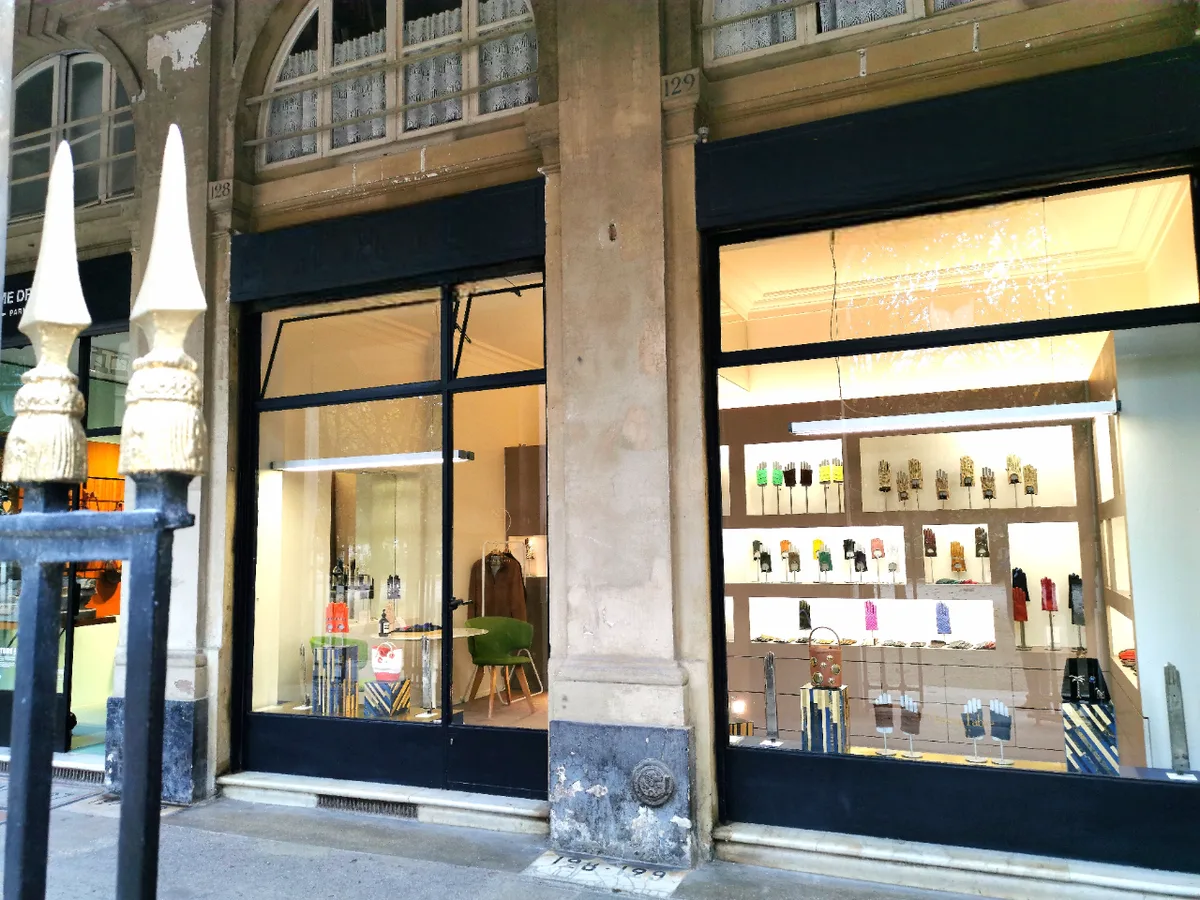
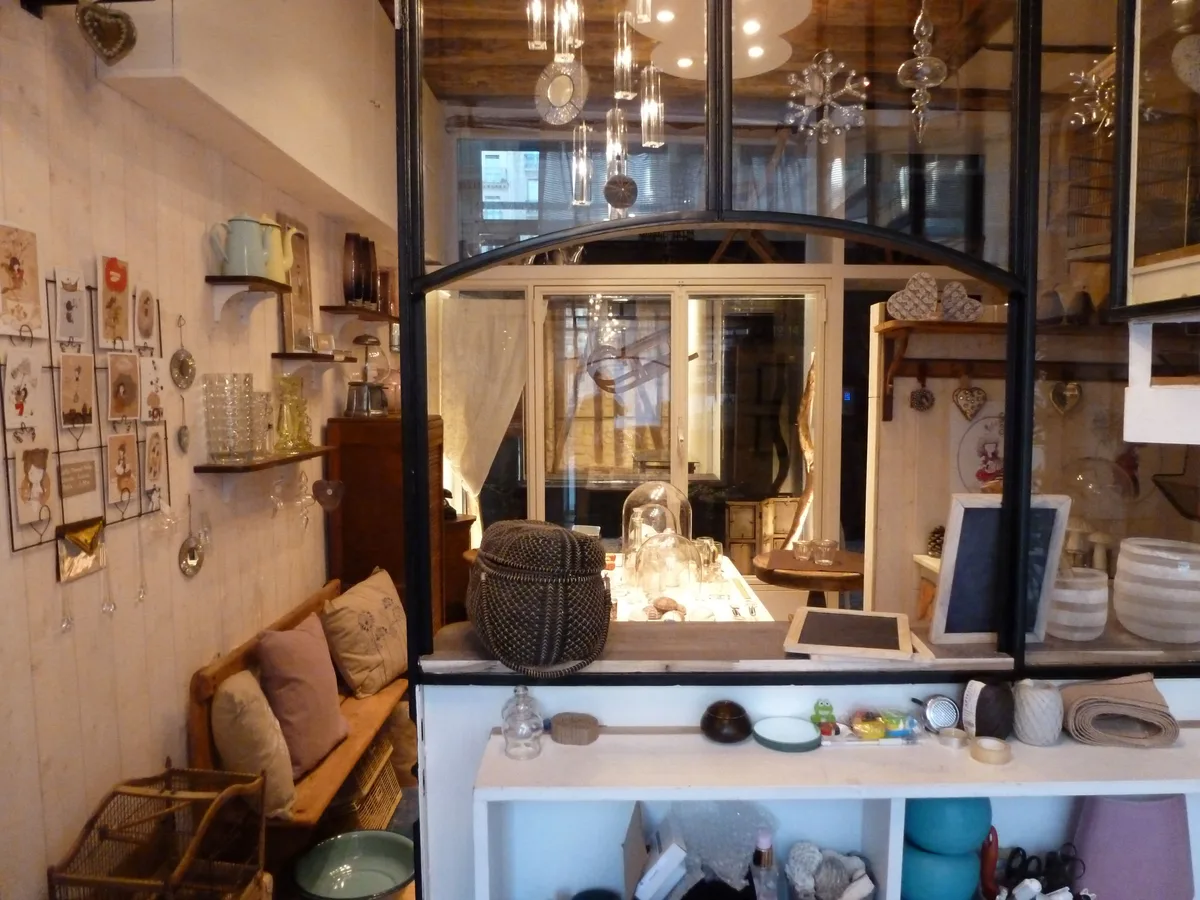
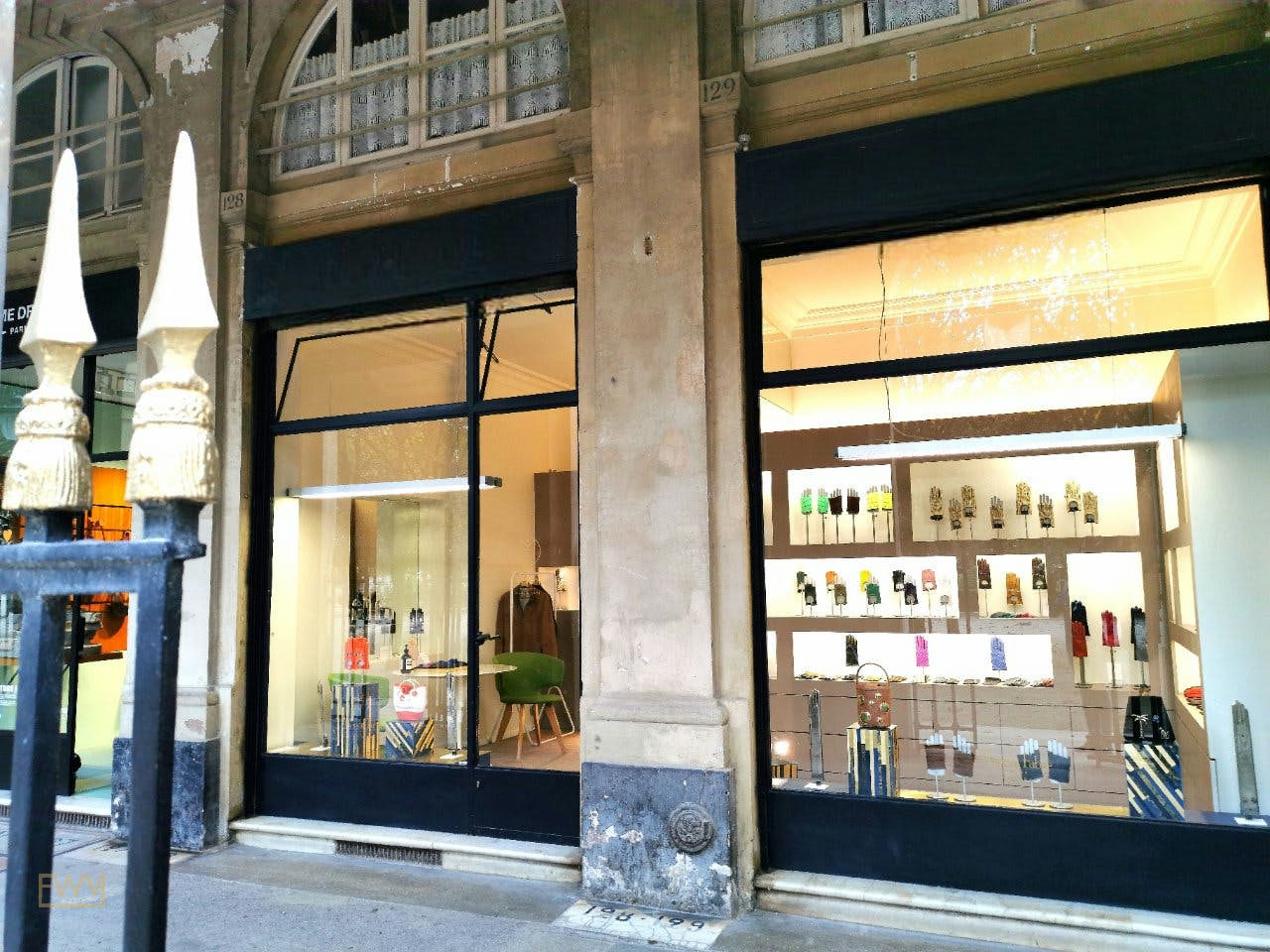
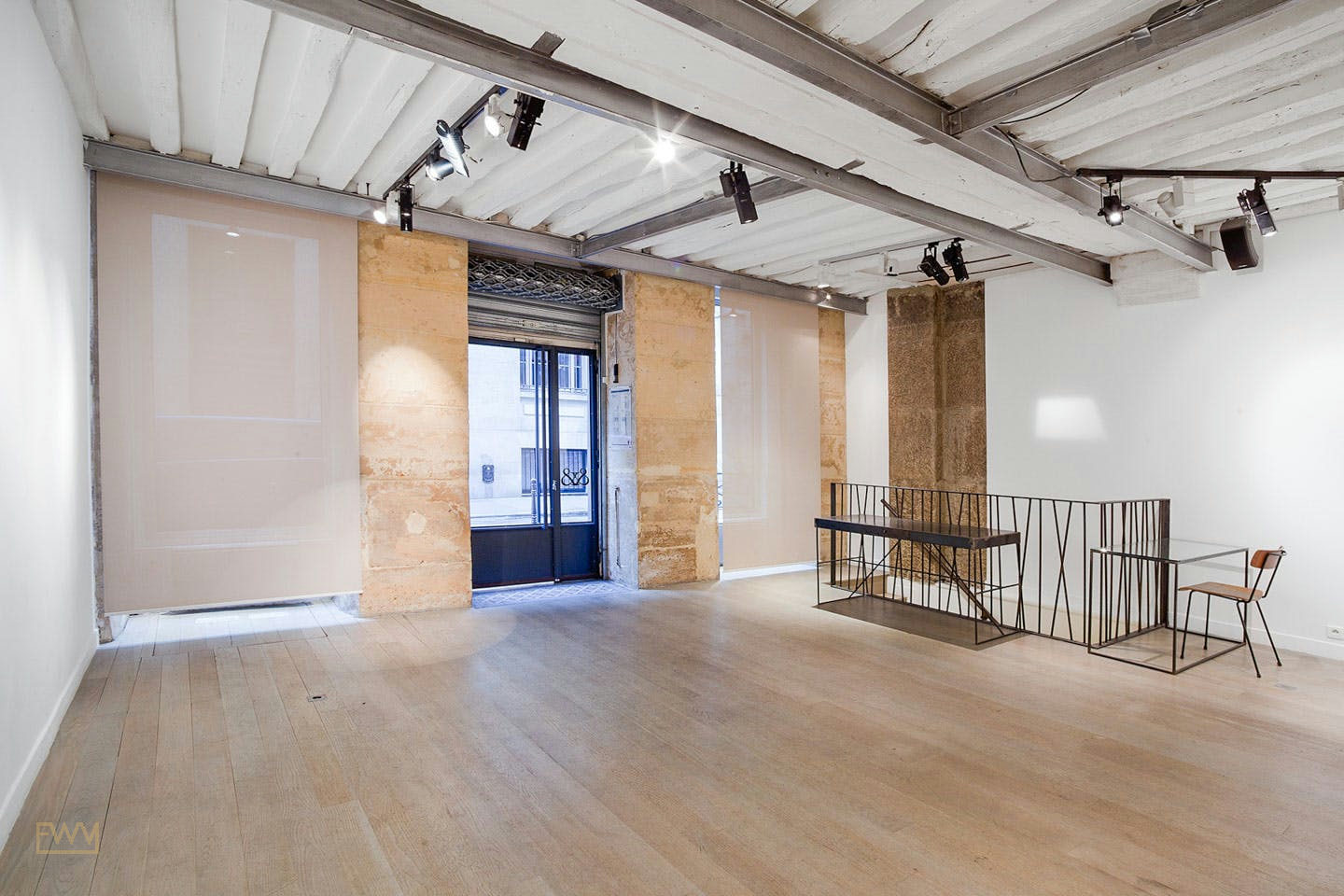
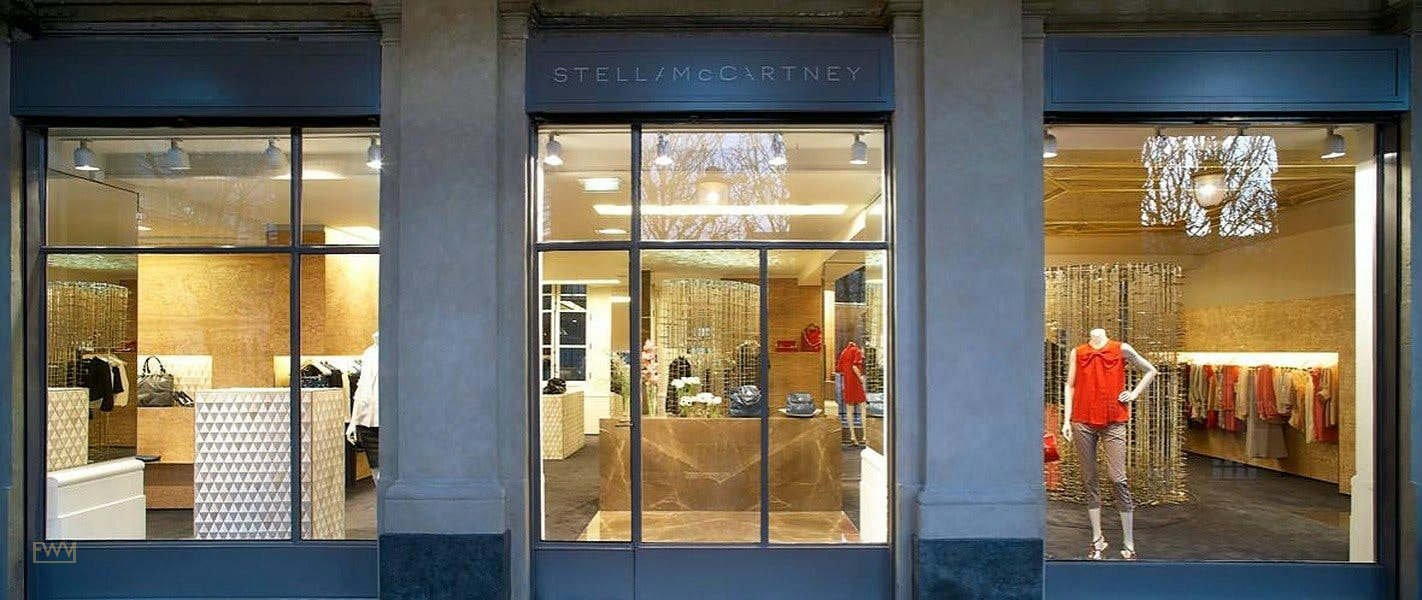
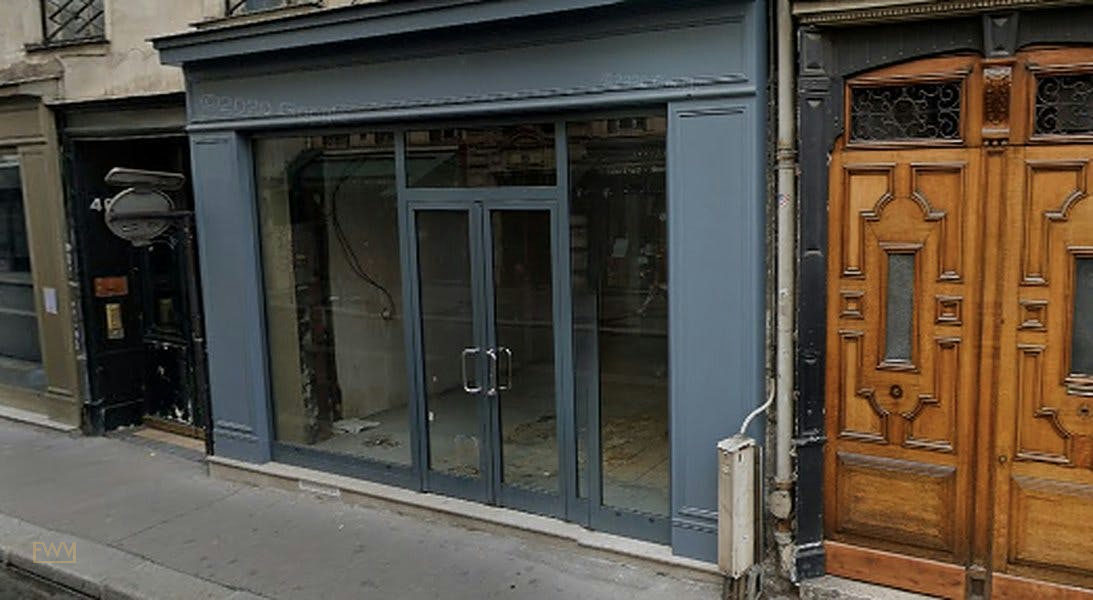
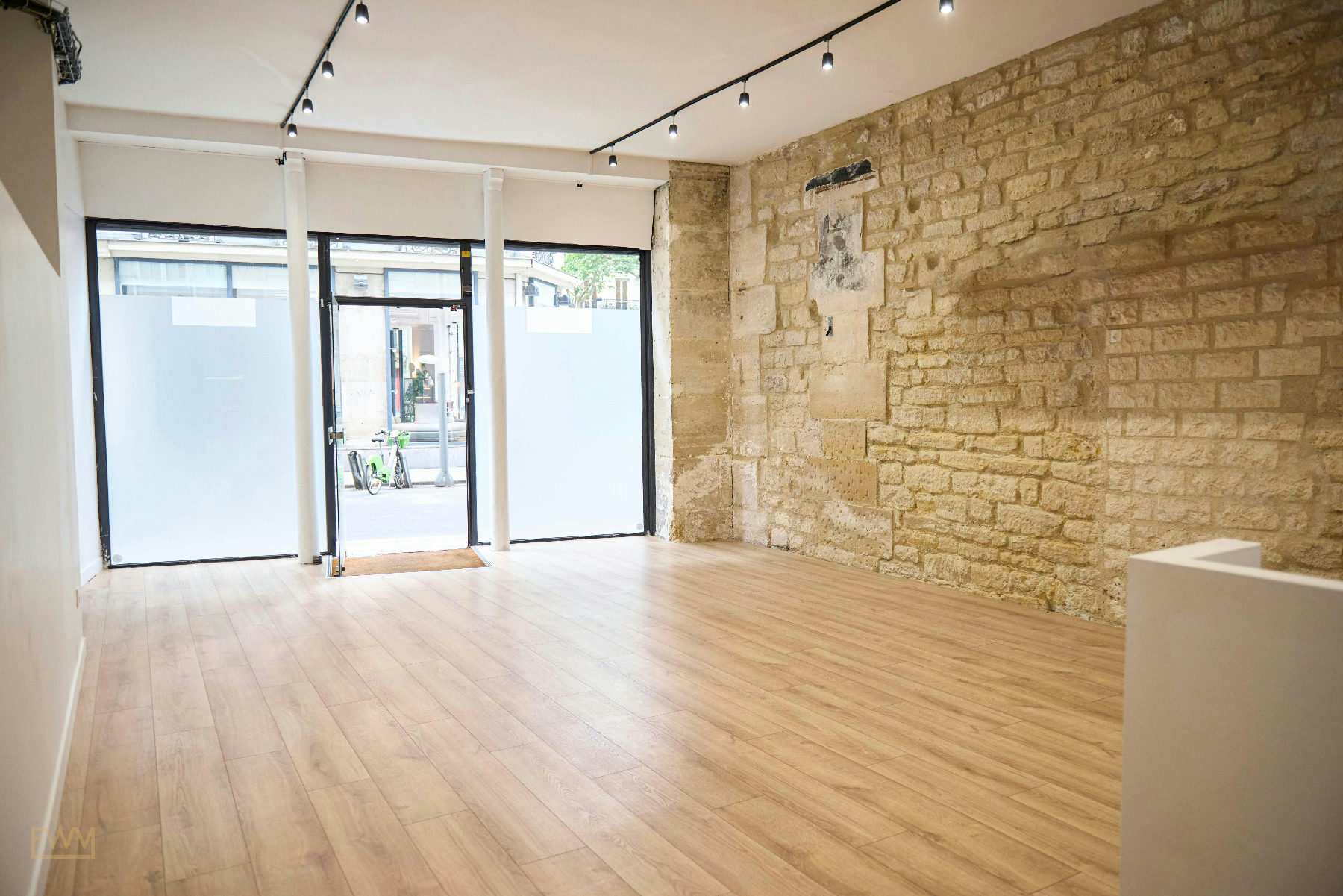
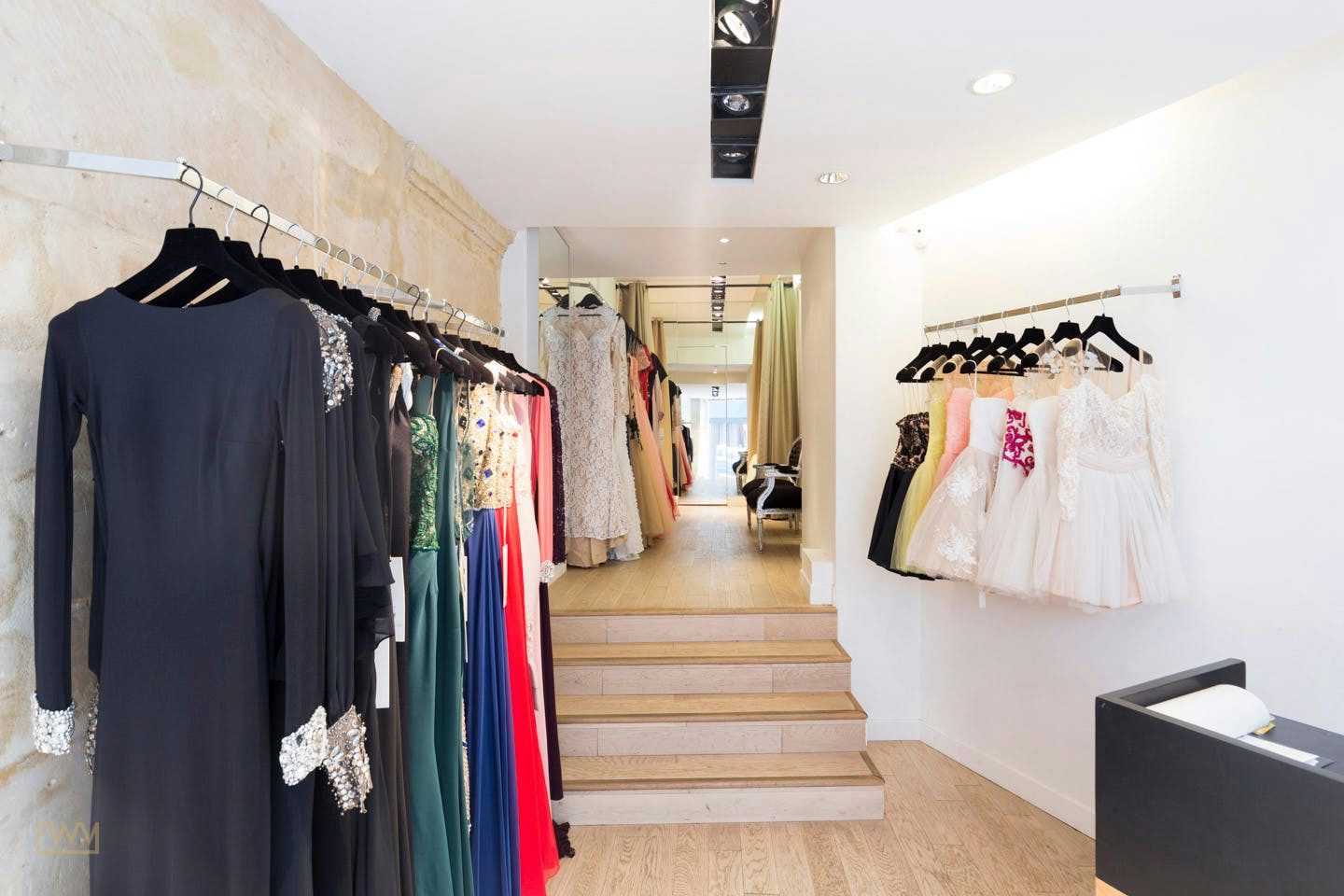
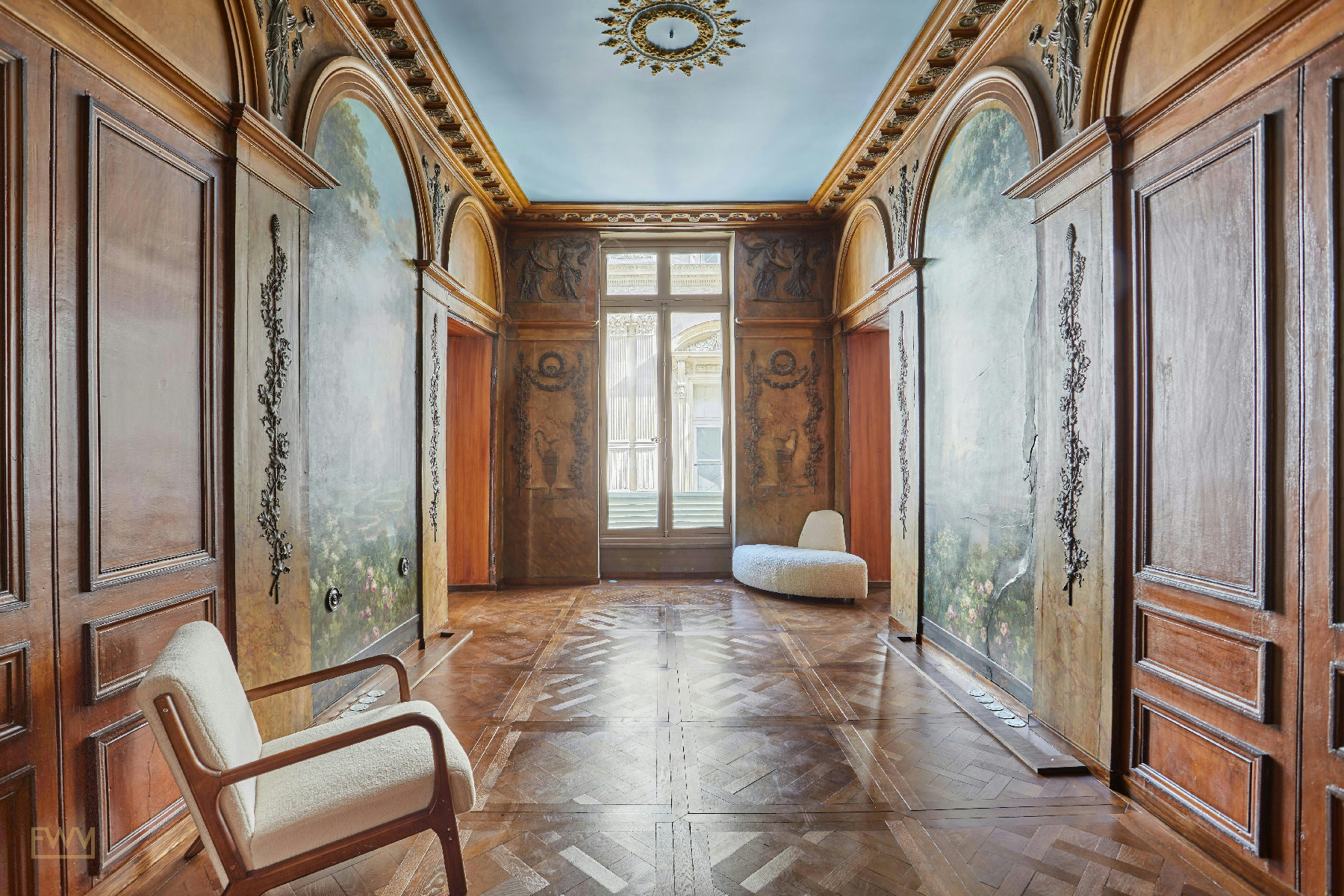
Short term retail near Palais Royal Paris offers brands one of the most compelling combinations of prestige address, cultural density, and qualified foot traffic available anywhere in Europe. The Palais-Royal district sits at the heart of the Paris 1st arrondissement, bordered by the Musée du Louvre, Rue de Rivoli, Place des Victoires, and the Galerie Vivienne, making it a natural anchor for luxury activations, concept showrooms, and ephemeral boutiques. Brands ranging from heritage perfumers to emerging fashion labels have used this neighbourhood to build brand awareness, generate press, and convert highly engaged visitors into loyal customers. Fashion Week Venues supports brands seeking pop-up spaces in Paris across every district, with deep expertise in the Palais-Royal corridor and surrounding arrondissements.
Why the Palais-Royal District Is a Premier Location for Short Term Retail in Paris
Quick answer: The Palais-Royal district combines a protected historic address, culturally sophisticated visitor traffic, and proximity to Paris's highest-spending retail corridors, including Rue Saint-Honoré and Place Vendôme, making it one of the most strategically valuable locations for short term retail in the French capital.
The Domaine National du Palais Royal is not simply a landmark. It functions as a living ecosystem of culture, commerce, and gastronomy that draws a specific and highly valuable visitor profile. The Palais-Royal garden, originally landscaped by André Le Nôtre and later enclosed by the Duke of Orléans with arcaded galleries, generates a sustained flow of Parisians, international tourists, journalists, buyers, and culture-adjacent consumers throughout the year. The Colonnes de Buren installation in the main courtyard, officially named Les Deux Plateaux, has become one of the most photographed public art works in France and continues to draw visitors who would not otherwise pass through the area.
The galleries that line the garden, including Galerie de Montpensier along Rue de Montpensier and Galerie de Valois facing toward Rue de Richelieu, house some of the most distinctive small-scale luxury and specialist retailers in Paris. Serge Lutens founded one of the most celebrated fragrance boutiques here. The Thé'tre du Palais-Royal continues to animate the district with evening audiences. Le Grand Véfour, which dates to the late eighteenth century and holds Michelin-starred restaurant status, has hosted everyone from Napoleon to Colette and continues to serve a clientele that reflects the neighbourhood's intellectual and cultural prestige. The Constitutional Council occupies the northern wing. This combination of official gravity, artistic legacy, and intimate commercial scale is unique in Paris.
For brands thinking about foot traffic in purely numerical terms, the Palais-Royal may appear to offer lower volumes than a flagship position on Rue du Faubourg Saint-Honoré or at the Pyramides metro stop. That comparison misses the point entirely. The visitors who slow down in the garden arcades, who browse the Passage Beaujolais or linger near La Fontaine des Spheres, are doing so by choice. They are not commuters passing through. They are engaged, often affluent, frequently international, and receptive to curated retail experiences. For a luxury brand, a concept boutique, a beauty activation, or a fashion showroom, that quality of engagement is more commercially relevant than raw pedestrian numbers.
The wider neighbourhood extends the opportunity considerably. Rue Saint-Honoré and its continuation as Rue du Faubourg Saint Honoré carry some of the highest luxury retail concentrations in the world. Place Vendôme anchors the jewellery and haute horlogerie trade just minutes to the west. Étienne Marcel and the streets running north toward the Galerie Vivienne serve a younger, fashion-forward demographic. The Tuileries garden to the south connects the district visually and pedestrianly to the grand axis of Paris. Rue du Louvre and Louvre Rivoli metro give direct access from every major arrondissement. The Musée du Louvre draws millions of visitors annually, and the overflow of culturally curious, internationally mobile visitors into the surrounding streets is significant.
For brands in fashion, beauty, luxury, vintage, art, and lifestyle, short term retail near Palais Royal Paris is not a secondary activation choice. It is a first-tier strategic decision with a distinct positioning advantage: intimacy, cultural legitimacy, and an address that communicates quality before a single product is displayed.
KEY TAKEAWAY: The Palais-Royal district delivers a rare combination of qualified visitor engagement, cultural prestige, and proximity to Paris's luxury retail axis. For brands running short term retail activations, this neighbourhood offers positioning advantages that extend well beyond any single calendar window.
Understanding the full geography of the district helps brands choose not just the right street but the right space type, whether that is an arcade boutique, a haussmannien apartment, a loft, or a ground-floor gallery unit. The next section maps those space types in detail.
Space Types Available for Short Term Retail Near Palais Royal
Quick answer: Brands seeking short term retail near Palais Royal can access a range of space typologies including ground-floor boutique units within the arcades, Appartement haussmannien configurations on upper floors, loft spaces on side streets, and full commercial units described in French property listings as Grand local commercial or Boutique éphémère.
The physical variety of available spaces in and around the Palais-Royal reflects the layered architectural history of the district. Each space type carries different implications for fit-out, lighting, customer journey, and brand positioning.
Arcade Boutiques and Gallery Units
The covered arcades of the Palais-Royal, specifically the Galerie de Montpensier, the Galerie de Valois, and the connecting passages, contain small to medium boutique units that have housed specialist retailers for over two centuries. These spaces typically feature stone or parquet floors, arched ceilings with original mouldings, and frontage that opens onto the pedestrianised arcade walkway. The unit depths are often modest, but the visual theatre of the arcade setting compensates significantly. Marble floors appear in some of the original units and in adjacent passage spaces. High ceilings relative to floor area give these spaces a sense of volume that photographs well and suits luxury merchandise display. Brands that have activated in these arcades have included jewellers, perfumers, concept fashion labels, and art galleries.
Appartement Haussmannien
A number of streets adjacent to the Palais-Royal, including sections of Rue de Richelieu, Rue de Montpensier, and streets running toward Place des Victoires, contain classic haussmannien buildings with ground-floor commercial units and upper-floor apartments that can be converted to showroom or retail use under short-term arrangements. The Appartement haussmannien format suits brands that want a residential-feeling presentation rather than a conventional retail layout. This is particularly relevant for fashion brands showing seasonal collections, interior brands presenting lifestyle environments, or beauty brands running invitation-only experiences. The parquet floors, ceiling heights of three metres and above, and original architectural details common to these spaces create a ready-made aesthetic backdrop that reduces the need for extensive fit-out.
Loft Spaces and Grand Local Commercial
Moving slightly north and east into Étienne Marcel, Rue du Louvre, and the streets connecting toward Galerie Vivienne, the typology shifts toward larger LOFT configurations and Grand local commercial units. These tend to offer more open floorplates, industrial-era bones, and greater flexibility for built-out retail concepts, event-style activations, or multi-brand pop-up formats. LOFT spaces in this zone are popular with fashion brands running showroom presentations during Paris Fashion Week, as they allow for a combination of collection display, press meeting space, and guest reception within a single address.
Boutique Éphémère
The Boutique éphémère category is a French market designation for temporary commercial spaces specifically configured for short-term activation. These range from fully fitted retail units available for two-week to three-month engagements through to raw spaces offered at lower base rents in exchange for more involved fit-out work. Understanding whether a space is offered as a true Boutique éphémère or as a standard short-term rental matters for planning budgets and timelines.
| Space Type | Typical Use | Characteristic Features | Best Suited For |
|---|---|---|---|
| Arcade Boutique | Pop-up store, gallery, fragrance | Arched ceilings, parquet or stone floors, arcade frontage | Luxury brands, beauty, jewellery, art |
| Appartement Haussmannien | Showroom, private sale, editorial | High ceilings, parquet, residential character | Fashion, interior, lifestyle brands |
| Loft Space | Multi-brand pop-up, event activation | Open floorplate, industrial detailing, flexible layout | Fashion week presentations, concept retail |
| Grand Local Commercial | Flagship pop-up, brand experience | Street-level prominence, full commercial fit-out potential | Established brands, campaign launches |
| Boutique Éphémère | Time-limited retail or brand experience | Variable fit-out, short-term lease terms | Testing new markets, seasonal campaigns |
DID YOU KNOW: The Palais-Royal arcades were among the earliest purpose-built commercial galleries in Europe, predating the famous Parisian passages such as Galerie Vivienne by several decades. Their commercial DNA is embedded in the architecture itself.
KEY TAKEAWAY: Matching your space type to your brand activation format is as important as choosing the right neighbourhood. A showroom concept works best in a haussmannien apartment, while a consumer-facing pop-up store benefits from arcade or street-level frontage with direct public access.
Once you have identified the right space typology, understanding the specific micro-neighbourhoods within the broader Palais-Royal area allows you to further refine location strategy.
Micro-Neighbourhood Map: Streets and Passages Around Palais Royal
Quick answer: The area around Palais-Royal spans several distinct micro-neighbourhoods, each carrying a different commercial character. The core arcades sit within the 1st arrondissement, while adjoining streets connect north to the passages, east toward Rue du Louvre, west toward Place Vendôme, and south toward the Musée du Louvre and Tuileries.
Understanding these micro-neighbourhoods helps brand teams make informed decisions about pedestrian flow, neighbouring tenants, access, and the type of customer likely to encounter their activation.
The Palais-Royal Arcades and Garden Core
The Galerie de Montpensier, Galerie de Valois, and connecting arcade units directly overlooking the garden represent the most prestigious addresses within the estate. The Domaine National du Palais Royal is managed by a public body, which means space availability within the arcades is limited and competition for units is significant. Brands that secure positions here benefit from the Palais-Royal address itself as a communication tool. The Constitutional Council presence, the Comédie Francaise on Place Colette directly adjoining, and the Thé'tre du Palais-Royal within the estate all contribute to an evening-time energy that extends trading hours for activations open to walk-in traffic.
Rue de Richelieu and Passage Beaujolais
Running north along the eastern flank of the Palais-Royal, Rue de Richelieu connects the garden to the Bibliothèque Nationale site and onward toward the Opéra district. Passage Beaujolais, a short passageway leading directly from the north end of the Palais-Royal garden, carries a quieter but culturally aware foot traffic. Spaces along this axis suit brands looking for a slightly more discreet, insider positioning. The passage itself evokes the Musketeer-era history of the neighbourhood and the Molière Theatre connections that remain embedded in local cultural memory.
Place des Victoires
A five-minute walk northeast from the Palais-Royal garden, Place des Victoires is a circular place designed by Jules Hardouin-Mansart and home to some of Paris's most prominent contemporary fashion boutiques at street level. The circular architecture and the equestrian statue at its centre create a distinctive urban theatre. Brands with a strong fashion identity benefit from the adjacency to the young luxury demographic that circulates between Place des Victoires, Étienne Marcel, and the northern reaches of the 1st and 2nd arrondissements.
Rue Saint-Honoré and Place Vendôme Corridor
Moving west from the Palais-Royal, Rue Saint-Honoré leads directly toward Place Vendôme and the golden triangle of Parisian luxury. The rue du Faubourg Saint Honoré extension into the eighth arrondissement carries the highest density of established luxury retailer flagships in Paris. Short term retail spaces in this corridor command premium rents and attract brands specifically targeting the highest-spending international luxury consumer. The 25 rue Royale address and la Madeleine at its western end anchor this axis culturally and commercially.
Galerie Vivienne and Étienne Marcel
North of the Palais-Royal, the Galerie Vivienne is one of Paris's most celebrated covered passages, notable for its mosaic floors, glass roof, and historic shopfronts. Short term retail opportunities in and around Galerie Vivienne attract brands that want the covered passage atmosphere and the pedestrian intimacy it creates. Étienne Marcel, running roughly east-west through the 2nd arrondissement, has a more fashion-forward, slightly younger character and supports a strong mix of contemporary labels, vintage retailers, and concept stores.
To compare spaces across these micro-neighbourhoods and assess which locations are currently available, use the space locator tool on Fashion Week Venues to map options against your specific brief.
| Micro-Neighbourhood | Key Streets and Landmarks | Visitor Profile | Best Activation Type |
|---|---|---|---|
| Palais-Royal Arcades | Galerie de Montpensier, Galerie de Valois, Les Deux Plateaux | Cultural tourists, luxury consumers, press | Boutique éphémère, art gallery, fragrance |
| Rue de Richelieu / Passage Beaujolais | Rue de Richelieu, Passage Beaujolais | Cultural insiders, local Parisians | Concept store, showroom, gallery |
| Place des Victoires | Place des Victoires, Étienne Marcel | Fashion buyers, young luxury consumers | Fashion pop-up, brand launch |
| Rue Saint-Honoré Corridor | Rue Saint-Honoré, Place Vendôme, 25 rue Royale | High-net-worth international shoppers | Luxury flagship pop-up, jewellery, watches |
| Galerie Vivienne / Étienne Marcel | Galerie Vivienne, Rue du Louvre | Fashion-forward locals, tourists, vintage seekers | Fashion showroom, vintage, lifestyle |
KEY TAKEAWAY: Each micro-neighbourhood around Palais-Royal has a distinct visitor profile and commercial character. Aligning your space selection with both your brand identity and the natural audience of a given street or passage is one of the highest-value decisions in planning a short term retail activation in Paris.
With location strategy established, brands need to understand the legal and regulatory framework that governs short term retail in France before committing to any space.
Legal Framework for Short Term Retail in Paris: Leases, Permits, and Compliance
Quick answer: Short term retail in Paris operates under specific legal frameworks that differ significantly from standard commercial leases. The two most relevant instruments are the bail dérogatoire for short-term commercial use and the Autorisation d'Occupation Temporaire (AOT) for spaces within public or heritage-managed estates. Requirements vary by space type, duration, and arrondissement, and specialist legal guidance is strongly recommended.
Many brands entering France for the first time assume that renting a short term retail space is legally straightforward. It is not. France has a highly regulated commercial tenancy environment, and the protections afforded to tenants under the standard commercial lease regime, known as the bail commercial, can create obligations that are incompatible with a short-term brand activation. Understanding the correct legal vehicle for your activation is not an administrative detail. It is a fundamental commercial decision.
Bail Dérogatoire
The bail dérogatoire, sometimes called a short-term commercial lease or a convention d'occupation précaire, allows landlords and tenants to agree a commercial occupation outside the protections of the standard three-year minimum lease. Under French law, this instrument has specific requirements regarding maximum duration, the clear written acknowledgement by both parties that the agreement falls outside the standard commercial lease regime, and the absence of any implied conversion into a standard lease through continued occupation. Brands using a bail dérogatoire gain the legal flexibility to occupy a space for a defined short-term period without acquiring the long-term renewal rights that standard commercial tenants hold. For pop-up stores, temporary showrooms, and campaign-driven retail activations, this is typically the appropriate instrument.
Autorisation d'Occupation Temporaire (AOT)
For spaces within publicly managed heritage estates, including certain units within the Domaine National du Palais Royal, the relevant legal instrument is the Autorisation d'Occupation Temporaire. The AOT is a public law instrument rather than a private law lease, which means different rules apply regarding duration, renewability, and termination. Brands occupying spaces under an AOT should ensure they understand the specific conditions attached, including any requirements relating to commercial activity type, opening hours, or public presentation standards appropriate to a heritage setting.
Planning and Operational Permits
Beyond the lease or occupancy instrument, brands running short term retail activations in Paris may need operational permits depending on their activation format. Temporary signage or window installations visible from public streets may require a declaration or permit from the Paris prefecture or arrondissement authority. Events with music, public assembly, or alcohol service carry additional notification or permit requirements. Brands planning to use the space for filming, photography, or press events that spill into public areas around the Palais-Royal must be aware that the Domaine National du Palais Royal has its own access and filming protocols.
IMPORTANT: Requirements for permits and compliance vary by space type, intended use, duration, and the specific arrondissement or estate management authority involved. Nothing in this article constitutes legal advice. Brands are strongly advised to verify their specific requirements with a qualified French legal advisor before signing any agreement. Use the permits guidance tool on Fashion Week Venues as a starting reference point.
French Public Holidays and Trading Restrictions
France observes a significant number of French public holidays, and some categories of retail are subject to trading restrictions on certain dates. Brands planning activations around key calendar windows, including Paris Fashion Week in September and February or October, should map their activation dates against the public holiday calendar to avoid unexpected closures or reduced footfall periods.
KEY TAKEAWAY: The legal framework for short term retail in Paris is specific, layered, and requires careful navigation. Using the correct legal instrument for your activation, whether a bail dérogatoire or an AOT, is not optional. Getting this wrong creates commercial and legal risk that can undermine even a well-planned activation.
With the legal framework understood, the next critical planning dimension is budget and timeline, which together determine what is actually achievable within a given space and calendar window.
Budget and Timeline Planning for Short Term Retail Near Palais Royal
Quick answer: Budgeting for short term retail near Palais Royal requires accounting for rent, fit-out, staffing, permits, utilities, and operational costs. Space rental costs in this district reflect the prestige of the address and proximity to luxury retail corridors. Directional budget ranges should be treated as estimates only, and brands should use a dedicated budget planning tool to build figures specific to their brief, duration, and space type.
One of the most consistent planning errors made by brand teams activating in Paris for the first time is underestimating the total cost of a short term retail activation. The space rent is visible and quoted. The production and fit-out costs, utilities, staffing, insurance, permit fees, and logistics costs are less visible but collectively significant. A well-structured budget accounts for all of these from the outset.
Rent and Space Costs
Space rental costs near Palais Royal vary considerably depending on space size, precise location, duration, and the nature of the occupancy arrangement. Arcade-facing units within the Palais-Royal estate typically command higher rates per square metre than side-street loft spaces in the Étienne Marcel zone. Rates are generally quoted on a weekly or monthly basis for short-term arrangements. Brands should be aware that demand spikes significantly during Paris Fashion Week windows, and spaces in premium locations may carry a calendar premium during these periods. Fashion Week Venues does not publish specific rental rates for individual spaces because these are subject to negotiation and market conditions. Use the budget estimation tool to model costs against your specific brief.
Production and Fit-Out
Fit-out costs depend on the baseline condition of the space and the complexity of your brand concept. A space with parquet floors, high ceilings, and original architectural features may require minimal intervention for a fashion showroom or fragrance boutique. A raw loft space configured for a multi-brand pop-up store will require significantly more production investment. Brands should budget for the full production scope including flooring protection or treatment, lighting design and installation, display fixtures and furniture, graphic and signage production, technology infrastructure for point-of-sale systems, and reinstatement costs at end of occupancy.
Staffing and Operations
A short term retail activation in Paris requires French-speaking retail staff who understand luxury service standards and the specific expectations of the neighbourhood visitor profile. Staffing costs should reflect not only wages but also induction, briefing, and management time. Brands activating for the first time in France may underestimate the importance of local retail staff who can communicate naturally with a Parisian clientele. Security service requirements vary by activation type and space, but any activation handling high-value merchandise in a high-footfall area should budget for appropriate security solutions.
Timeline Planning
Short term retail activations in Paris require longer planning lead times than most brand teams expect. A well-executed activation in a Palais-Royal arcade unit typically requires a minimum of eight to twelve weeks of planning from brief to opening, with premium locations in high-demand windows requiring longer. The planning timeline should account for space identification and negotiation, legal review and signing, design and production, permit applications, staff recruitment and training, logistics, and technology setup.
| Planning Phase | Key Activities | Recommended Lead Time |
|---|---|---|
| Brief and Discovery | Define space type, location, duration, budget, concept | 10 to 14 weeks before opening |
| Space Identification and Negotiation | Shortlist spaces, conduct viewings, negotiate terms | 8 to 12 weeks before opening |
| Legal Review and Signing | Bail dérogatoire or AOT review, signing | 6 to 10 weeks before opening |
| Design and Production | Fit-out design, production, fabrication | 4 to 8 weeks before opening |
| Permit Applications | Signage, operational, and event permits | 4 to 6 weeks before opening |
| Installation and Dressing | On-site build, furniture delivery, merchandising | 1 to 2 weeks before opening |
| Staff Briefing and Soft Open | Staff training, systems testing, soft launch | 3 to 5 days before opening |
Use the timeline planning tool on Fashion Week Venues to build a specific project timeline based on your target opening date and activation format.
KEY TAKEAWAY: Underestimating either the total budget or the planning lead time for a short term retail activation near Palais Royal is the most common and most avoidable cause of activation failure. Build a comprehensive budget and a realistic timeline before committing to a space.
Budget and timeline planning are most valuable when connected to a clear understanding of what a well-executed activation in this neighbourhood can actually deliver for a brand.
Brand Benefits of Short Term Retail Near Palais Royal Paris
Quick answer: Short term retail near Palais Royal Paris delivers brand awareness among a culturally sophisticated and internationally mobile audience, creates editorial and social content opportunities within a uniquely photogenic environment, enables direct consumer engagement and loyalty building, and provides market intelligence that supports longer-term retail strategy decisions for France and Europe.
The strategic rationale for choosing a short term retail activation over other marketing tools is well established in the luxury, fashion, and beauty sectors. But the specific benefits of the Palais-Royal location go beyond what any pop-up store in a generic high street location can deliver.
Brand Awareness in a Culturally Authoritative Context
A brand that opens a boutique éphémère within the Palais-Royal arcades or on an adjoining street benefits from immediate cultural association with one of the most respected historic and artistic addresses in Paris. The Michelin Green Guide consistently highlights the Palais-Royal as one of the essential Paris experiences. French culture references the district across literature, film, history, and gastronomy. Camille Desmoulins made his famous speech calling for the storming of the Bastille from the Palais-Royal garden. The Musketeers of Dumas frequented the restaurants and cafés here. The history is not merely decorative. It communicates authenticity, depth, and long-term thinking to a consumer who values these qualities in the brands they choose.
Customer Loyalty Through Experiential Retail
Customer loyalty in the luxury and premium segments is built through experience, not advertising. A consumer who visits a carefully conceived pop-up store in the Palais-Royal arcades, who discovers a new fragrance in the context of marble floors and arched ceilings, or who attends a private presentation in a haussmannien apartment overlooking the garden, will remember that brand interaction with a clarity and emotional resonance that a digital campaign cannot replicate. The neighbourhood's identity as a destination for relaxation, culture, and discovery amplifies this effect. Visitors arrive already in a receptive, exploratory state of mind.
Press and Influencer Content Generation
The photogenic qualities of the Palais-Royal environment are extraordinary and widely understood within the fashion and lifestyle media. The Colonnes de Buren, the garden symmetry, the arcade frontages, the proximity to the Musée du Louvre, the passageway atmospheres of adjacent covered passages: all of these elements generate compelling editorial and social content that extends the reach of a brand activation far beyond the physical footfall. A well-briefed influencer marketing strategy, supported by a location of this quality, can amplify the activation's impact across multiple markets simultaneously.
Market Testing and Consumer Intelligence
For international brands considering a permanent presence in France, a short term retail activation near Palais Royal is one of the most efficient market testing formats available. It exposes the brand to a representative cross-section of the Parisian luxury consumer base, generates real sales data, reveals pricing sensitivities and product preferences in the French market, and builds relationships with local press, buyers, and retail partners within a contained time and budget envelope. The data gathered through point-of-sale systems and customer interaction during a focused activation period is far more actionable than any market research report.
DID YOU KNOW: The Palais-Royal was described as the capital of Paris by early nineteenth-century observers due to the concentration of commercial, cultural, social, and political life within its arcades. The neighbourhood has maintained its identity as a self-contained world within the city for more than two centuries.
To explore how past brand activations have been structured and delivered in Paris, review the case studies and past activations on Fashion Week Venues for strategic reference points.
KEY TAKEAWAY: The benefits of short term retail near Palais Royal extend across brand awareness, customer loyalty, content generation, and market intelligence. Brands that treat the activation as a multi-function marketing tool rather than a simple temporary retail exercise extract significantly more value from the investment.
To maximise those benefits, brands need a structured process for planning, designing, and managing the activation, which is where specialist agency support becomes decisive.
How Fashion Week Venues Supports Short Term Retail Activations Near Palais Royal
Quick answer: Fashion Week Venues provides end-to-end support for brands planning short term retail activations in Paris, from initial space discovery through concept direction, production, staffing, and data analysis. The agency operates both a managed service model and a self-service marketplace, giving brand teams options that match different levels of internal resource and experience.
Executing a short term retail activation near Palais Royal without specialist support is possible for brands with experienced in-house teams and established French market relationships. For most international brands, however, and particularly those activating in France for the first time, the combination of French commercial tenancy law, Parisian permit requirements, production standards expected in this neighbourhood, and the logistics of managing an activation from outside France makes specialist agency partnership a significantly more efficient path.
Venue Sourcing and Space Discovery
Fashion Week Venues offers dedicated venue sourcing services for brands seeking spaces in Paris and across other major fashion capitals. The sourcing process goes beyond what is visible on the open market, drawing on established relationships with landlords, estate managers, and space owners across the Palais-Royal district, Rue Saint-Honoré corridor, Place des Victoires, and surrounding areas. Brands with a clear brief can be matched to suitable spaces faster and with greater confidence than through independent search.
Concept Direction and Branded Store Design
The concept and creative dimension of a short term retail activation is often where the most strategic value is created or lost. Fashion Week Venues offers concept direction and branded store design services that translate a brand's identity and activation objectives into a physical space experience appropriate for the Palais-Royal neighbourhood and its visitor expectations. High ceilings, marble floors, parquet, and original architectural features are worked with rather than against to produce environments that feel both brand-coherent and locationally authentic.
Production, Build, and Fit-Out
The production and build phase of a Paris activation involves coordination across multiple French suppliers, tradespeople, and logistics providers. Fashion Week Venues manages this process through its production and build service, covering fit-out management, furniture rental, lighting, graphics, and technology installation. Understanding French construction and fit-out regulations and working within the specific requirements of heritage-managed spaces near the Palais-Royal requires local production knowledge that general contractors may not possess.
Retail Staffing and Activation Management
Fashion Week Venues provides retail staffing solutions for Paris activations, matching brands with bilingual, luxury-experienced staff who understand the service culture of the neighbourhood. Activation management covers the full operational period of the pop-up, ensuring that the brand is represented consistently and that any issues with utilities, security service, or customer service are resolved without requiring the brand team to be physically present in Paris throughout.
Tools for Independent Planning
For brand teams who prefer to manage their own planning process, Fashion Week Venues offers a suite of tools including a budget calculator, an ROI calculator, a space comparison tool, a timeline planner, and a permits guidance resource. These tools are designed to support informed decision-making at every stage of the planning process and are accessible without requiring a full agency engagement. Brands can also explore the Imagine space visualisation tool to test how a specific space might be configured for their brand concept.
The Twin Co-Activation Concept
For brands with more limited budgets or those looking to share the operational overhead of a Paris activation, Fashion Week Venues operates a twin co-activation concept that pairs two complementary brands within a single shared space. This format is particularly suited to brands in adjacent categories, such as fashion and beauty, or lifestyle and fragrance, that share an audience but do not compete directly. The twin format reduces per-brand costs while maintaining the quality of the space address and the depth of the activation experience.
TIP: Brands activating in Paris for the first time should consider starting with the budget and timeline tools before approaching the space marketplace. Understanding your financial and temporal constraints before beginning the space search saves significant time and prevents the common error of falling in love with a space that falls outside the realistic project envelope.
KEY TAKEAWAY: Fashion Week Venues provides a range of support options for brands at every stage of the activation planning process, from full-service agency engagement to self-service marketplace tools. Understanding which model suits your team's internal capacity is the first step in a productive agency relationship.
Before moving to the FAQ and conclusion sections, it is worth addressing some of the most persistent misconceptions that affect brand decision-making in this category.
Common Myths About Short Term Retail Near Palais Royal Paris Debunked
MYTH: You need a French legal entity to rent a pop-up space in Paris.
FACT: Many short term retail spaces in Paris can be accessed by international brands without a pre-existing French legal entity. The precise requirements depend on the space owner, the lease instrument used, and the duration and nature of the occupancy. Specialist agencies and legal advisors can structure arrangements that accommodate international brands operating under their home jurisdiction, though specific requirements should always be verified with a qualified French advisor.
MYTH: Paris Fashion Week is the only viable calendar window for a short term retail activation near Palais Royal.
FACT: While Paris Fashion Week in February, March, September, and October represents a peak demand window and offers exceptional press and buyer concentration, the Palais-Royal district generates strong, qualified foot traffic year-round. Summer brings substantial international tourism with significant purchasing intent. The Christmas and January sales periods attract both local and visiting luxury consumers. Brands that focus exclusively on Fashion Week windows miss a significant proportion of the annual activation opportunity in this neighbourhood.
MYTH: Commission-based space brokers are the standard and most efficient way to find a pop-up space in Paris.
FACT: Commission brokers represent one route to market but not necessarily the most transparent or most efficient one. Full-service agencies like Fashion Week Venues offer space marketplace access alongside end-to-end activation support, giving brands both the space discovery function and the production, legal, and operational expertise needed to execute successfully. Broker-only relationships leave brands responsible for all aspects of activation delivery without the specialist support that most require.
MYTH: Short-term commercial leases in France are legally straightforward and do not require specialist advice.
FACT: French commercial tenancy law is among the most tenant-protective and procedurally specific in Europe. The distinction between a bail dérogatoire, an AOT, a convention d'occupation précaire, and a standard bail commercial has significant legal and financial implications. Using the wrong instrument, failing to include mandatory clauses, or allowing a short-term arrangement to inadvertently convert into a long-term lease through continued occupation can create liabilities that far outweigh the cost of the activation itself. Specialist legal advice is not optional for brands activating in France.
MYTH: The most expensive spaces in the Palais-Royal arcades deliver the best commercial results for all brand types.
FACT: The most prestigious address within the arcade is not automatically the highest-performing location for every brand and activation format. A brand concept that requires high consumer volume may perform better from a more accessible street-level position near the Louvre Rivoli metro or on a busy stretch of Rue Saint-Honoré. Matching space type, location within the district, and activation format to your specific objectives delivers better commercial outcomes than chasing the most prestigious address regardless of fit.
Frequently Asked Questions About Short Term Retail Near Palais Royal Paris
What makes Palais Royal one of the most sought-after locations for renting a retail store in Paris?
The Palais-Royal sits at the intersection of French cultural history, luxury retail, and high-value international tourism. Its covered arcades, including the Galerie de Montpensier and Galerie de Valois, have housed specialist retailers for over two centuries. The neighbourhood is flanked by the Musée du Louvre, Rue Saint-Honoré, Place des Victoires, and the Tuileries, creating one of the highest concentrations of culturally and commercially engaged visitors in the French capital. For brands in fashion, beauty, fragrance, and luxury lifestyle categories, the Palais-Royal address communicates credibility, heritage, and taste that few other Paris locations can match.
How much does it cost to rent a retail store or pop-up space near Palais Royal Paris?
Space rental costs in the Palais-Royal area vary considerably based on space size, precise location within the district, duration of occupancy, the legal instrument used, and the time of year. Spaces within the arcade units typically command higher rates than side-street lofts or upper-floor haussmannien apartments. During Paris Fashion Week, premium spaces carry additional seasonal demand pricing. Because these costs are subject to ongoing negotiation and market conditions, no fixed rates are published here. Use the budget estimation tool on Fashion Week Venues to model costs specific to your brief, or contact the team directly for current market guidance.
What is the ideal duration to rent a pop-up space near Palais Royal Paris?
The optimal duration depends on your activation objectives. Brand awareness campaigns and press-focused activations often run for one to three weeks aligned with a specific calendar event such as Paris Fashion Week. Market testing and consumer-facing retail activations typically benefit from three to eight weeks, which allows enough time to generate statistically meaningful sales and engagement data. Showroom formats for trade and press may run for the specific duration of a fashion week window, typically five to ten days. Brands considering a more immersive seasonal presence may plan two to three month activations, which remain within bail dérogatoire parameters.
Do I need a French company to rent a pop-up shop in Paris?
Not necessarily. Many short term retail arrangements in Paris can be structured to accommodate international brands without a pre-registered French legal entity. The specific requirements depend on the landlord or estate manager, the type of occupancy instrument being used, and the duration of the activation. Some landlords require a French-registered guarantor or a significant security deposit in lieu of a local entity. Working with a specialist agency or French legal advisor who can structure the arrangement correctly is strongly recommended for international brands entering the French market for the first time.
What space types are available for short term retail near Palais Royal?
The area around Palais-Royal offers a diverse range of space typologies including boutique units within the arcade galleries with original marble or parquet floors and high ceilings, Appartement haussmannien configurations on upper floors suitable for showroom and private sale formats, loft spaces on adjacent streets for more open-plan brand experiences, and Grand local commercial units with full street-level retail frontage. The choice of space type should be driven by your activation format, target audience, and brand aesthetic rather than solely by cost or availability.
What permits are required for a pop-up store in the Paris 1st arrondissement?
Permit requirements for pop-up stores in the Paris 1st arrondissement depend on the nature of the activation, the space type, and the duration. Temporary exterior signage visible from public streets typically requires a declaration or permit from the prefectural authority. Events involving public assembly, music, or alcohol service carry additional notification requirements. Activations within the Domaine National du Palais Royal may be subject to estate management conditions specific to the heritage setting. Permit requirements in France are specific and should be verified with a qualified French legal advisor. Use the permits guidance tool on Fashion Week Venues as an initial reference.
What is a bail dérogatoire and why does it matter for pop-up retail in France?
A bail dérogatoire is a short-term commercial lease instrument under French law that allows landlord and tenant to agree an occupancy outside the standard three-year minimum commercial lease regime. For pop-up stores, showrooms, and temporary brand activations, this is typically the most appropriate legal vehicle because it provides the flexibility of a defined short-term duration without the long-term renewal obligations that attach to a standard commercial lease. Both parties must explicitly acknowledge in writing that the agreement falls outside the standard regime. Brands should use a qualified French legal advisor to review any bail dérogatoire before signing.
How does foot traffic near Palais Royal compare to other Paris shopping districts?
The Palais-Royal district does not generate the same volume of pedestrian flow as mass-market high street locations such as the Champs-Élysées or around Opéra and Pyramides metro. However, the quality and intent of the foot traffic is significantly higher for luxury, fashion, beauty, and cultural brands. Visitors who walk through the Palais-Royal arcades or the adjacent Galerie Vivienne are making an active choice to engage with curated, specialist retail. This produces higher conversion rates per visitor for premium brands than high-volume but less engaged traffic locations. The proximity of the Musée du Louvre adds a significant international tourism dimension with strong purchasing intent.
What are the best calendar windows for a short term retail activation near Palais Royal?
Paris Fashion Week in late February to early March and again in late September to early October represents the peak demand window, with maximum press, buyer, and industry presence in the city. However, the Palais-Royal district is a strong year-round activation location. The summer months, particularly July and August, bring high volumes of international tourists with strong luxury spending intent. The pre-Christmas period from late November through December is one of the highest-spending retail windows in Paris. Spring and early autumn outside Fashion Week offer strong local consumer engagement with lower competition for premium spaces.
Can Fashion Week Venues help with the full activation process or just space finding?
Fashion Week Venues offers both end-to-end full-service agency support and a self-service space marketplace. The full-service model covers venue sourcing, concept direction, branded store design, production and build, furniture rental, retail staffing, point-of-sale and payments technology, influencer marketing, and data and analytics. The self-service marketplace allows brand teams to browse and shortlist spaces independently and use planning tools for budgeting, timelines, permits, and space comparison. Brands can engage at the level that matches their internal resource and experience.
What is the Twin concept offered by Fashion Week Venues?
The Twin concept is a co-activation model that pairs two complementary brands within a single shared short term retail space in Paris or another fashion capital. The format is designed for brands that share a target audience but operate in adjacent rather than competing categories, such as fashion and fragrance, or jewellery and beauty. By sharing space costs and operational overhead, both brands access a premium location and a full activation experience at a cost that would be difficult to achieve independently. The concept also creates a richer visitor experience through the combination of two curated brand worlds within a single address.
How do I choose between a space in the Palais-Royal arcades versus Rue Saint-Honoré for a pop-up store?
The choice depends on your brand's positioning, target consumer profile, and activation format. The Palais-Royal arcades suit brands that value intimacy, cultural association, editorial content potential, and a curated visitor experience over raw footfall volume. Rue Saint-Honoré and the Place Vendôme corridor suit brands targeting the highest-spending international luxury consumer and seeking maximum prestige address recognition. If your activation requires broad public visibility and high consumer volume, Rue Saint-Honoré is likely the stronger option. If your activation is press-led, showroom-focused, or centred on cultural positioning, the Palais-Royal address may deliver more distinctive strategic value.
What is the difference between a boutique éphémère and a standard pop-up shop in France?
In the French market, boutique éphémère is a recognised commercial category for a temporary retail space specifically designed and offered for short-term brand activation. The term implies a space with retail-appropriate configuration, short-term lease terms, and an expectation of brand-focused use. A standard pop-up shop in the English-language sense covers a broader range of temporary retail formats and does not carry the same specific market designation. When searching for spaces in Paris, understanding the distinction between these categories helps brands identify spaces that are genuinely configured for short-term commercial use rather than simply being offered on short-term terms due to vacancy.
How important is retail staffing for a pop-up store near Palais Royal?
Retail staffing is critically important for activations in this neighbourhood. The visitor profile at Palais-Royal, including cultural tourists, luxury consumers, press, and local Parisians with high service expectations, requires staff who are bilingual, knowledgeable about the brand, comfortable with luxury retail service norms, and capable of managing both warm customer interactions and professional press or buyer relationships. Understaffed or poorly briefed activations in this neighbourhood can damage brand perception among exactly the audience the activation is designed to impress. Brands should plan staffing levels that allow for both floor coverage and dedicated hosting during events or presentations.
What data and analytics can I expect to collect from a short term retail activation near Palais Royal?
A well-structured short term retail activation should generate actionable data across several dimensions including sales volume and transaction values, product performance by category and price point, visitor conversion rates, customer demographic data where consent is obtained, engagement duration and visit patterns, and social content performance if influencer activity is integrated. This data supports decisions about product ranging, pricing strategy, future activation locations, and longer-term French market retail investment. Integrating point-of-sale systems and customer interaction tracking from the outset of the activation design process ensures the data is captured cleanly and is genuinely useful for post-activation analysis.
Conclusion: Making Short Term Retail Near Palais Royal Paris Work for Your Brand
Short term retail near Palais Royal Paris is one of the most strategically compelling activation options available to fashion, luxury, beauty, and lifestyle brands in Europe. The combination of cultural prestige, qualified visitor engagement, architectural character, and proximity to Paris's highest-value retail corridors creates conditions that few other neighbourhood addresses can match. Whether your activation objective is brand awareness, market testing, customer loyalty, press and editorial content, or trade and buyer engagement, the Palais-Royal district offers a physical context that amplifies the value of every investment you make in the experience.
Executing that activation successfully requires understanding the full complexity of the challenge: the legal framework of French commercial tenancy, the specific permit and compliance requirements of the Paris 1st arrondissement and the heritage-managed Palais-Royal estate, the true all-in budget including production, staffing, utilities, and reinstatement, and the realistic planning timeline that gives the project the lead time it needs to be delivered to the standard the neighbourhood demands.
Brands that approach short term retail in this district with the same rigour they apply to their permanent retail decisions, aligning space type with activation format, matching neighbourhood micro-geography to target consumer profile, and building a production standard appropriate to the address, consistently extract disproportionate value from their Paris activation investment.
Fashion Week Venues is positioned to support brands at every stage of this process, from initial space discovery through to post-activation data analysis. Whether you engage the full-service agency model or begin with independent research and planning tools, the goal is the same: a short term retail activation near Palais Royal that delivers measurable results, builds lasting brand equity in the French market, and creates an experience that your target audience remembers.
To move from research to activation, start exploring available spaces on the Fashion Week Venues marketplace and build a focused brief for your target neighbourhood, space type, and calendar window. If you prefer to begin with a guided conversation about your objectives, the Fashion Week Venues team is available to discuss your Paris activation brief directly.