Paris is a global hub for luxury and fashion, making it a pivotal location during Fashion Week. Finding the right venue can significantly impact a brand's success in the whirlwind of activities. With Fashion Week Venues, brands can navigate this complex landscape more effectively, ensuring a presence that resonates with their target audience. This guide provides insights into venue sourcing, legal compliance, and activation strategies to equip you for the dynamic environment of fashion weeks.
Understanding Fashion Week Venues: The Basics
Choosing the right venue during Fashion Week is crucial for brand visibility and engagement. Each choice reflects the brand's image, impacts logistical considerations, and sets the tone for audience interaction. Fashion Week Venues offers comprehensive services to streamline these processes, from venue sourcing to execution.
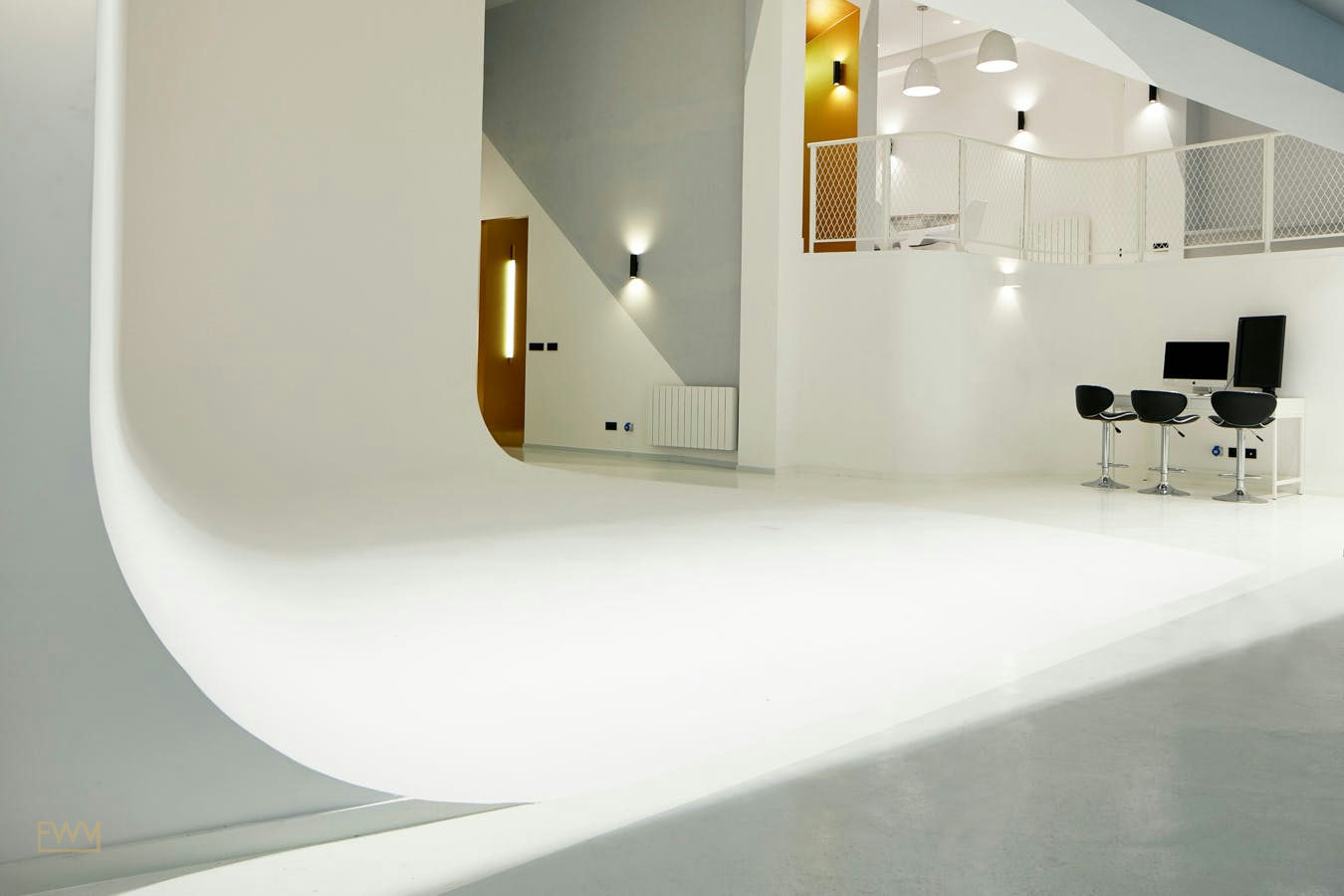
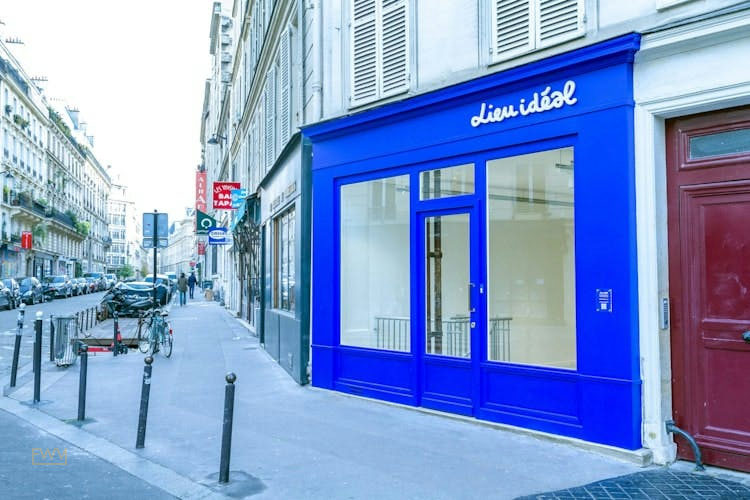
Venues range from traditional showrooms to innovative pop-ups, each offering distinct benefits. The choice depends on numerous factors, including target audience, brand identity, and logistical needs. A traditional showroom, for instance, provides a controlled environment suitable for exclusive viewings, while a pop-up shop in a high-footfall area can generate buzz and attract media attention.
In addition to aesthetic considerations, brands must navigate legal and logistical requirements. Leases such as bail dérogatoire offer flexibility but require careful negotiation to avoid unexpected liabilities. Fashion Week Venues assists in handling these intricate details, ensuring compliance with local laws.
KEY TAKEAWAY: The choice of venue carries significant weight in brand perception. Fashion Week Venues simplifies the process by aligning brand goals with suitable spaces and ensuring legal compliance.
Understanding venue types and legal frameworks lays the foundation for a successful strategy, leading us to explore the impact of neighborhood selection.
Choosing the Right Neighborhood for Your Event
The choice of neighborhood plays a pivotal role in the success of a Fashion Week event. Paris offers a diverse range of locales, each with its unique charm and audience. Whether it's the historic allure of Le Marais or the luxury of Rue Saint-Honoré, the neighborhood affects foot traffic, brand positioning, and logistical feasibility.
For high-end luxury brands, areas like Saint-Germain-des-Prés and Place Vendôme offer prestige and accessibility to elite clientele. Meanwhile, emerging brands might favor the vibrant atmosphere of Canal Saint-Martin, known for its creative and youthful crowd.
Fashion Week Venues provides tools like the Paris city hub which allows brands to compare neighborhoods based on criteria such as demographic targeting, accessibility, and cost. This ensures that brands can strategically select a location that aligns with their objectives and audience.
| Neighborhood | Audience | USP |
|---|---|---|
| Le Marais | Youthful, trendy | Eclectic mix of boutiques and cafes |
| Saint-Germain-des-Prés | Luxury, artsy | High-end boutiques and historic charm |
| Canal Saint-Martin | Creative, young | Art galleries and vibrant community |
Quick answer: Selecting the right neighborhood enhances your brand's reach and engagement during Fashion Week. Tools offered by Fashion Week Venues facilitate informed decisions based on specific brand needs.
Understanding the implications of neighborhood selection transitions smoothly into the consideration of legal aspects like bail dérogatoire for successful activations.
Legal Aspects of Venue Leasing
Securing a venue for temporary events in Paris involves navigating various leasing agreements, particularly the bail dérogatoire and Autorisation d’Occupation Temporaire (AOT). These are crucial for brands hosting short-term events during Fashion Week, providing flexibility in lease terms without long-term commitments.
Bail dérogatoire allows for non-standard lease durations, ideal for Fashion Week. However, it requires careful compliance with French legal frameworks. AOT, typically applicable to public spaces, offers permission for temporary use but involves bureaucratic processes and compliance checks. Fashion Week Venues provides guidance on securing these leases through their permit tools, ensuring that brands meet all legal requirements efficiently.
| Lease Type | Duration | Application |
|---|---|---|
| Bail dérogatoire | 3, 6, or 9 months | Commercial and private spaces |
| AOT | Up to 1 year | Public spaces |
DID YOU KNOW: Engaging a French legal advisor for bail dérogatoire is recommended to mitigate risks and adhere to legal standards.
KEY TAKEAWAY: Understanding and complying with legal leasing requirements are essential for successful activations. Fashion Week Venues offers essential tools to navigate these complexities.
With a legal framework in place, the next step is to focus on optimizing budget and resource allocation for the event.
Budgeting and Financial Planning for Pop-Up Events
Effective budgeting is foundational for any successful Fashion Week event. Costs can vary significantly based on location, venue type, and logistics. Without a clear financial plan, brands risk overspending or allocating resources inefficiently.
To help brands organize their finances accurately, Fashion Week Venues provides a budget calculator that assists in estimating costs specific to venue types and durations. This tool helps align financial planning with realistic pricing structures in Paris.
Moreover, considering factors like transportation, branding materials, and staffing is essential. These tangible costs are supplemented by unforeseen expenses, such as expedited permits or emergency logistical support. Allocating funds for contingencies ensures brands can navigate unexpected challenges smoothly.
| Expense Category | Estimated Range (€) |
|---|---|
| Venue Rental | 10,000 - 50,000 |
| Staffing | 5,000 - 15,000 |
| Marketing & PR | 8,000 - 30,000 |
| Logistics & Set-up | 5,000 - 25,000 |
| Contingency | 10% of total |
IMPORTANT: Financial planning should account for exchange rate fluctuations if budgeting in a non-euro currency.
Quick answer: Utilizing a budget calculator tailored to Fashion Week requirements helps brands allocate resources efficiently, covering expected and unforeseen expenses.
With finances set, brands can focus on the creative and logistical elements of their event with confidence.
Creative and Conceptual Direction
Developing a creative concept is at the heart of any Fashion Week activation. This involves more than just aesthetic appeal; it's about crafting an experience that aligns with brand values and leaves a lasting impression on the audience. Effective concept direction can differentiate a brand in a crowded marketplace.
Fashion Week Venues provides concept direction services to help brands develop unique themes that resonate with their target audiences. These services include expert consultations, which guide brands through ideation, design, and execution stages, ensuring a cohesive brand narrative.
Successful concepts often integrate interactive elements such as digital installations or live performances, which engage attendees and extend brand reach. Additionally, partnerships with artists or other brands for co-activations can amplify visibility and innovation.
TIP: Leveraging Fashion Week's digital platforms can extend a brand's impact beyond physical attendees, reaching a global audience through livestreams and social media.
KEY TAKEAWAY: A well-crafted concept not only engages the audience but also reinforces brand identity. Using professional concept direction services enhances the clarity and impact of this creative vision.
With a compelling concept, it's vital to integrate an activation strategy that seamlessly blends with operational logistics.
Activation Strategies and Execution
Activation is where conceptual vision meets operational execution. This phase focuses on bringing the creative strategy to life, involving detailed planning and real-time adjustments. An effective activation strategy not only attracts media attention but also ensures brand messaging is consistently delivered.
Fashion Week Venues specializes in activation management, providing end-to-end support from staffing to technology integration. This approach ensures that every component, from lighting to sound to digital media, contributes to a unified brand experience.
Key components of a successful activation include strategic timing, utilizing peak hours and synchronizing with major fashion events to maximize exposure. Timing extends to social media, where live updates and interactions can enhance engagement.
Quick answer: An activation strategy should align creative vision with logistical execution, leveraging tools like Fashion Week Venues to manage complexities and optimize presence.
With a cohesive activation strategy, brands can navigate complex logistics efficiently, ensuring seamless implementation.
Production and Build-out Planning
The production phase involves transforming the venue into a branded space that encapsulates the creative concept. Effective build-out strategies ensure that the venue design fulfills aesthetic and functional objectives while adhering to budgetary constraints.
Fashion Week Venues offers production and build services that encompass everything from initial design to final installation. Utilizing local resources and sustainable materials is often encouraged, both to enhance brand image and to support community engagement.
Challenges in this phase often include coordinating shipments, ensuring building standards compliance, and integrating technological features. Detailed planning, with contingency designs for potential setbacks such as supplier delays or venue restrictions, is crucial.
| Stage | Key Actions | Essential Considerations |
|---|---|---|
| Design | Create visual and functional layouts | Compliance with local zoning laws |
| Build | Source materials and labor | Ensure supplier reliability |
| Install | Implement designs on-site | Match timeline with activation schedule |
Quick answer: Successful production integrates logistical and creative elements, ensuring the venue reflects brand identity while meeting operational needs.
The following components of retail staffing and logistics ensure that the venue operates smoothly throughout the event duration.
Staffing and Operational Management
Staffing is an integral part of operational management during Fashion Week events. Engaging skilled personnel ensures smooth operations, from customer interactions to technical setup. The goal is to provide a seamless experience that leaves a positive, lasting impression on attendees.
Fashion Week Venues helps brands by offering a comprehensive retail staffing service that recruits, trains, and manages experienced staff tailored to the specific needs of the event. This service includes coordinators, security, sales assistants, and more, ensuring full coverage of all operational facets.
Effective staffing requires a clear understanding of event goals and anticipated audience demographics. High-caliber staff not only facilitate operations but also embody the brand ethos, enhancing customer relationships and brand loyalty.
Quick answer: A well-trained staff contributes significantly to an event’s success by ensuring operational efficiency and enhancing the overall customer experience.
Finally, brands can leverage post-event data to refine future strategies and improve logistical efficiency.
Analytics and Post-Event Evaluation
Collecting and analyzing performance data is crucial for understanding the impact of a Fashion Week event. Data-driven insights allow brands to evaluate success metrics and identify areas of improvement for future events.
Fashion Week Venues provides a robust data and analytics service that offers detailed post-event reports. These insights cover foot traffic, sales data, social media impact, and customer feedback. They help brands benchmark their performance against industry standards and set more targeted goals for subsequent activations.
Key evaluation metrics include conversion rates, ROI, media coverage, and brand sentiment shifts. Understanding these metrics helps brands adjust marketing strategies, optimize future budgets, and refine creative direction.
TIP: Integrating feedback from all stakeholders, including staff and partners, enriches data analysis and supports more comprehensive planning.
Quick answer: Post-event analysis is vital for assessing the activation's success, guiding brands in learning from outcomes to enhance future projects.
By leveraging these analytics, brands can better align upcoming ventures with audience expectations and industry trends, culminating in more successful fashion week endeavors.
Common Myths Debunked
MYTH: Brands need a French legal entity to rent a venue in Paris.
FACT: While having a local presence can streamline processes, foreign brands can rent venues through third-party agencies or local representatives who specialize in legal navigation and compliance.
MYTH: Paris Fashion Week is the only viable calendar window for activations.
FACT: While it is a significant period, Paris offers various other peak times suitable for activations, such as the summer sales or Christmas period, which also attract high foot traffic and media attention.
MYTH: Commission brokers are the best option for finding a suitable space.
FACT: Online platforms like Fashion Week Venues offer more extensive and transparent options, often at lower costs than traditional brokers. These platforms often include additional support services and tools to aid selection.
MYTH: Short-term leases are straightforward and do not require specialist legal help.
FACT: Even short-term leases such as bail dérogatoire require careful negotiation and compliance with French regulations, where expert guidance can prevent costly mistakes.
Frequently Asked Questions
What types of venues are ideal for Fashion Week events?
Fashion Week events thrive in versatile venues that match the brand's identity and goals. Showrooms, pop-up shops, and art galleries are popular, each providing unique engagement opportunities. The choice depends on the target audience, event size, and desired impact. Fashion Week Venues provides diverse options through their marketplace, where brands can find spaces that align with their strategy.
How far in advance should one book a venue for Paris Fashion Week?
Booking a venue at least 6 to 12 months in advance is advisable to ensure prime location availability and adequate preparation time. Early booking through agencies like Fashion Week Venues allows for strategic planning and access to a broader range of locations.
Are there specific permits required for hosting a temporary event in Paris?
Yes, events often require permits such as the bail dérogatoire or AOT, each with specific conditions based on the venue and duration. Legal compliance can be complex, and specialist guidance is usually beneficial. Tools provided by Fashion Week Venues can help navigate these requirements efficiently.
What is the importance of choosing the right neighborhood for an event?
The neighborhood choice affects foot traffic, brand visibility, and audience demographics. Areas like Le Marais, known for trendsetting audiences, or Saint-Germain-des-Prés, favored by luxury buyers, can boost engagement and brand perception. A thorough understanding of neighborhood dynamics is essential in strategic venue selection.
How does Fashion Week Venues assist with activation management?
Fashion Week Venues provides end-to-end solutions for activation management, ensuring all logistical elements align with creative objectives. Services include staff coordination, technology integration, and live event management, offering brands a seamless execution approach to maximize impact and engagement.
What are the primary budgeting challenges for Fashion Week events?
The primary challenges include accurately estimating all costs, managing unexpected expenses, and ensuring ROI. Utilizing budget calculators and financial planning tools, such as those provided by Fashion Week Venues, can mitigate these challenges, providing a clearer financial roadmap.
Why is concept direction crucial in fashion event planning?
Concept direction forms the backbone of an event, guiding all elements from design to attendee experience. A well-defined concept ensures consistency, enhances brand messaging, and resonates with the audience, making it a pivotal component in planning successful fashion activations.
What legal considerations should international brands be aware of?
International brands must understand local lease laws, taxation, and permit regulations. Engaging legal experts familiar with French law or using agencies like Fashion Week Venues can help navigate these complexities, avoiding potential pitfalls and ensuring compliance.
How can one measure the success of a Fashion Week event?
Success is measured through various metrics, including foot traffic, sales data, press coverage, and social media engagement. Analysis tools, like those from Fashion Week Venues, provide comprehensive insights into these metrics, helping brands refine future strategies based on quantifiable outcomes.
What are the common pitfalls in activation and execution?
Common pitfalls include underestimating logistical needs, insufficient staff training, and inconsistent messaging. Effective planning, such as integrating activation management services, mitigates these risks, ensuring a smooth and impactful event execution.
How do pop-up shops enhance brand visibility during Fashion Week?
Pop-up shops create immediate engagement by offering unique, limited-time experiences. Their strategic locations can attract high foot traffic and media attention, serving as a dynamic platform for brand storytelling and customer interaction, especially in the context of major events like Fashion Weeks.
What role does post-event analysis play?
Post-event analysis provides insights into performance, highlighting successes and areas for improvement. It informs strategic adjustments for future events, helping brands enhance engagement, optimize budgets, and refine messaging. Comprehensive data and analytics services facilitate this crucial evaluation process.
Conclusion
Successfully navigating Fashion Week in Paris requires strategic planning and the ability to adapt to the dynamic environment of high-end activations. From selecting the right venue to ensuring legal compliance and executing a compelling concept, each aspect must align with brand objectives to maximize impact. Fashion Week Venues provides a comprehensive suite of services that guide brands through each stage, from concept development to execution and analysis. By leveraging these resources, brands can enhance their visibility and impact, setting themselves apart in the competitive fashion landscape. To move from research to activation, start exploring available spaces on the Fashion Week Venues marketplace and build a focused brief for your target neighborhood, space type, and calendar window.