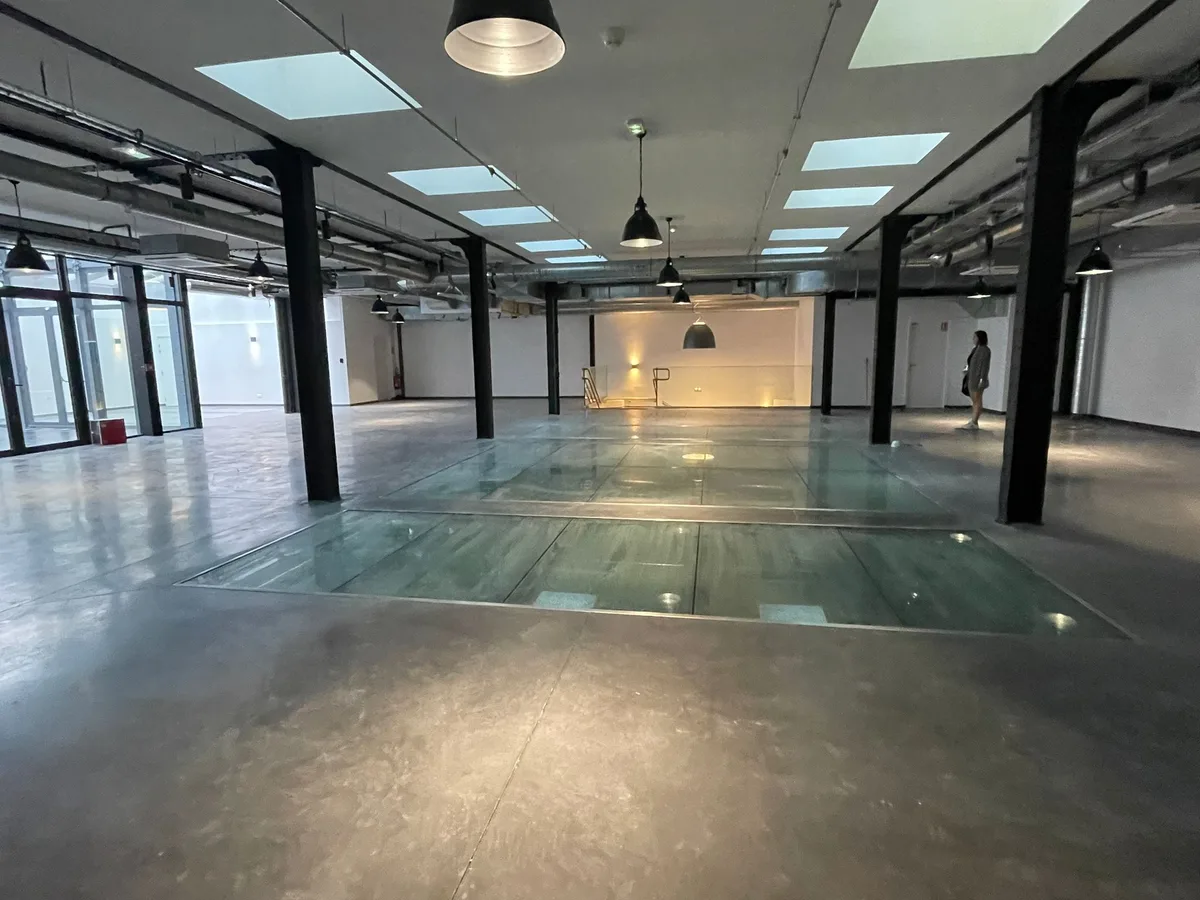
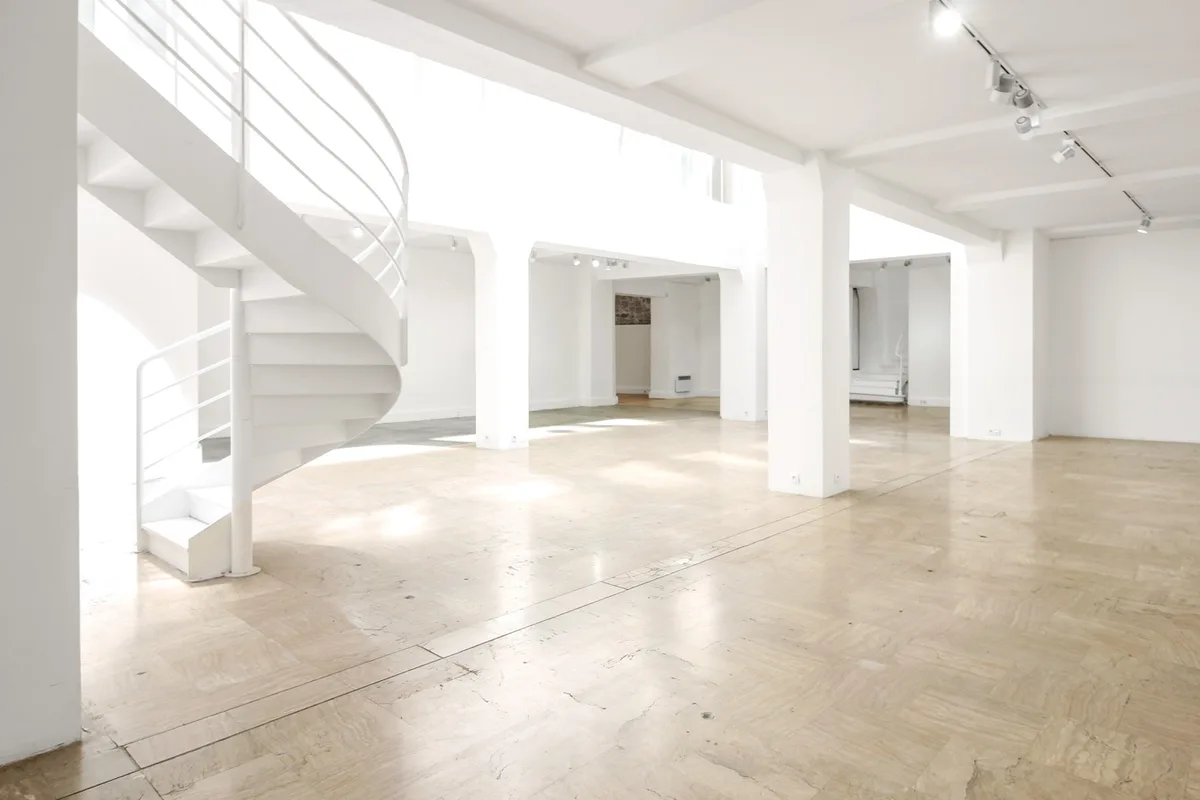
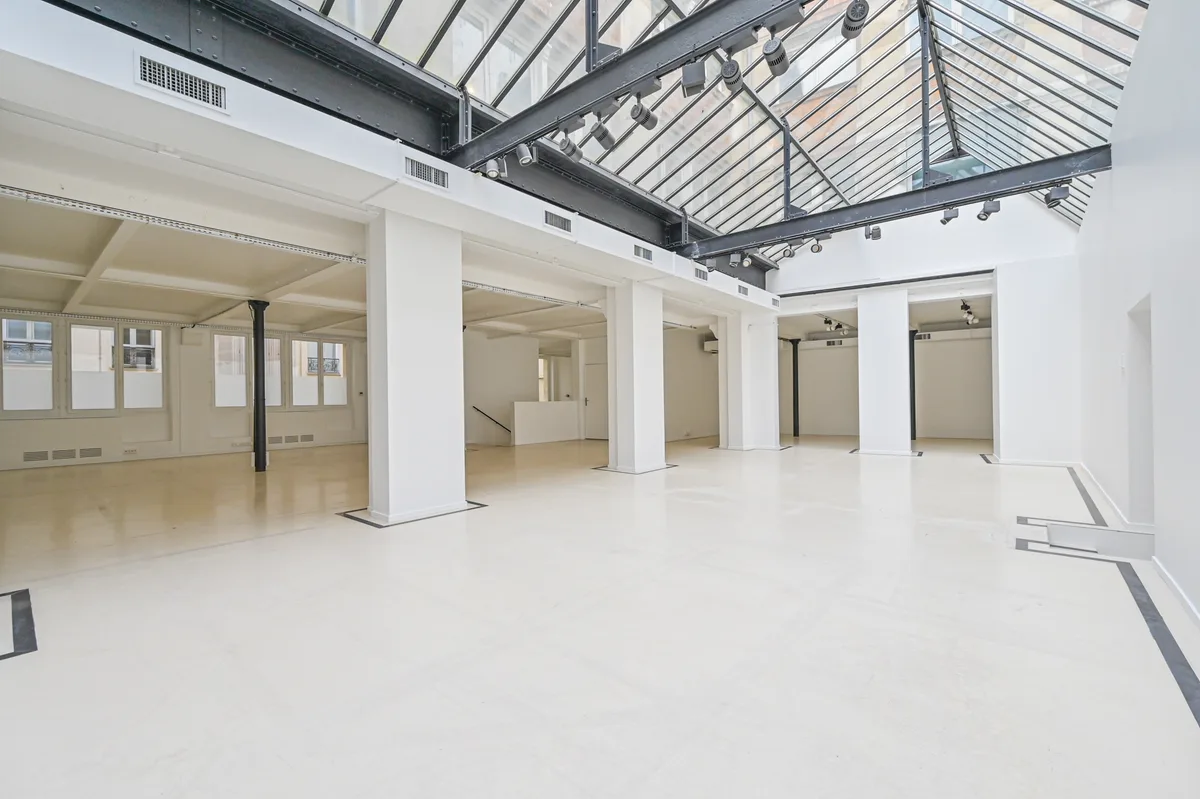
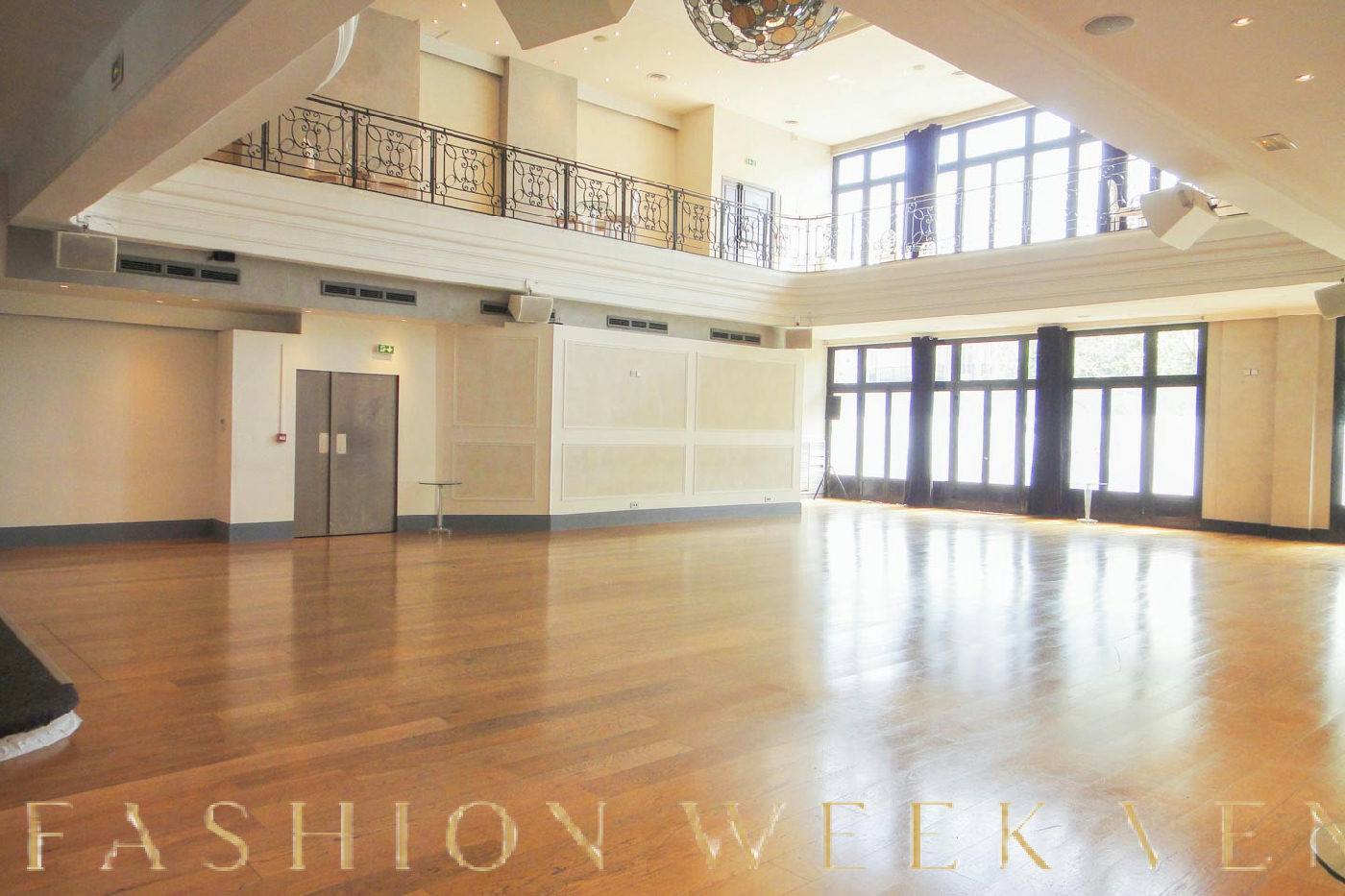
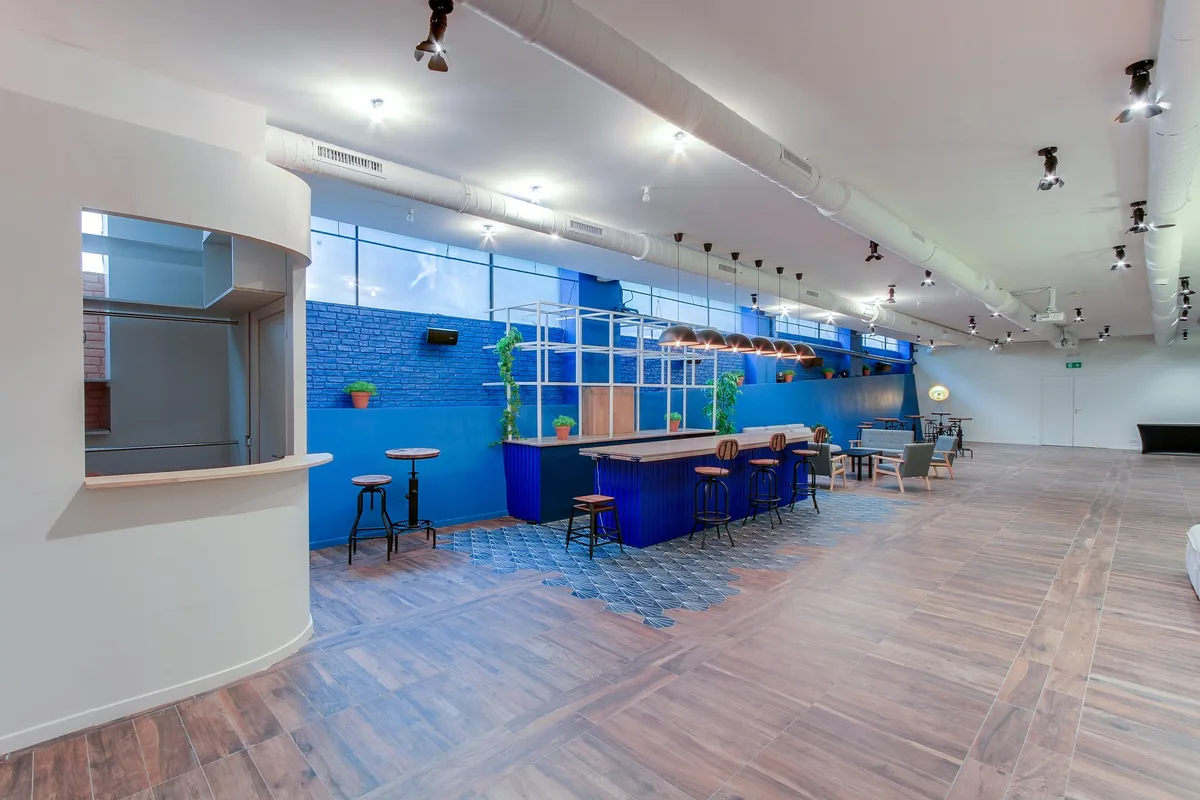
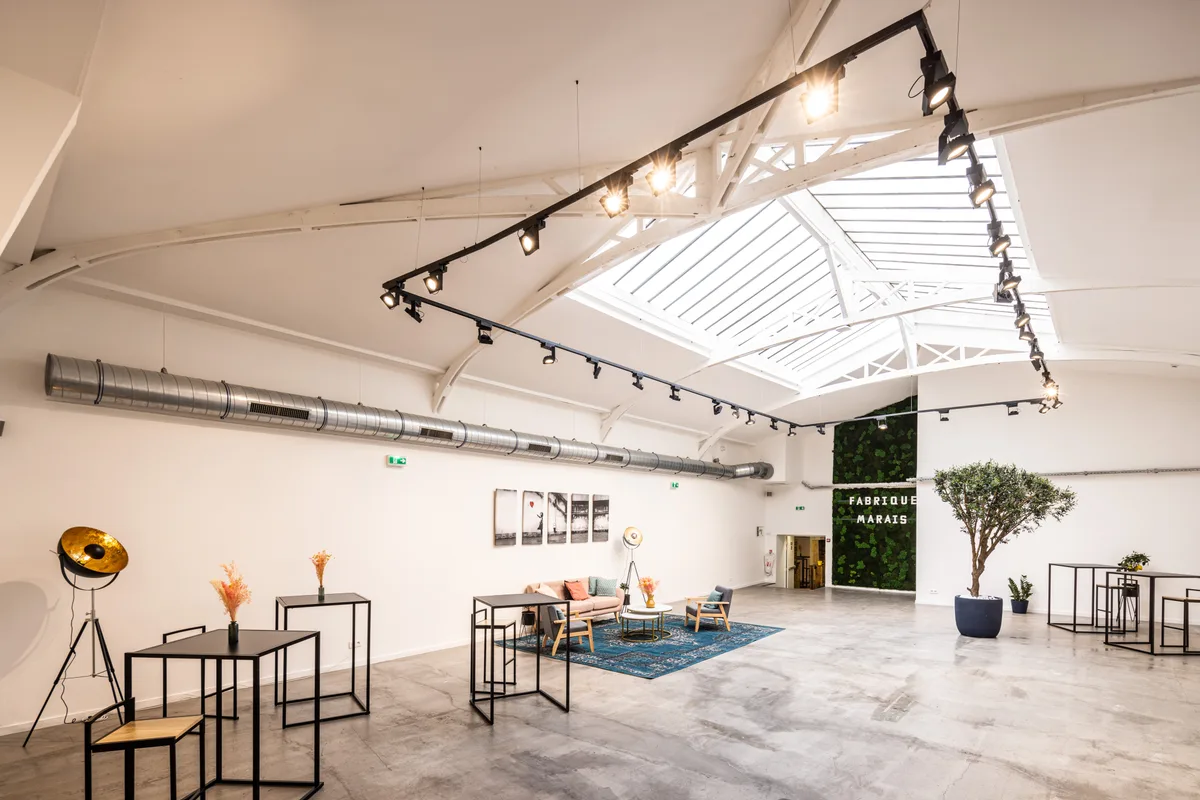
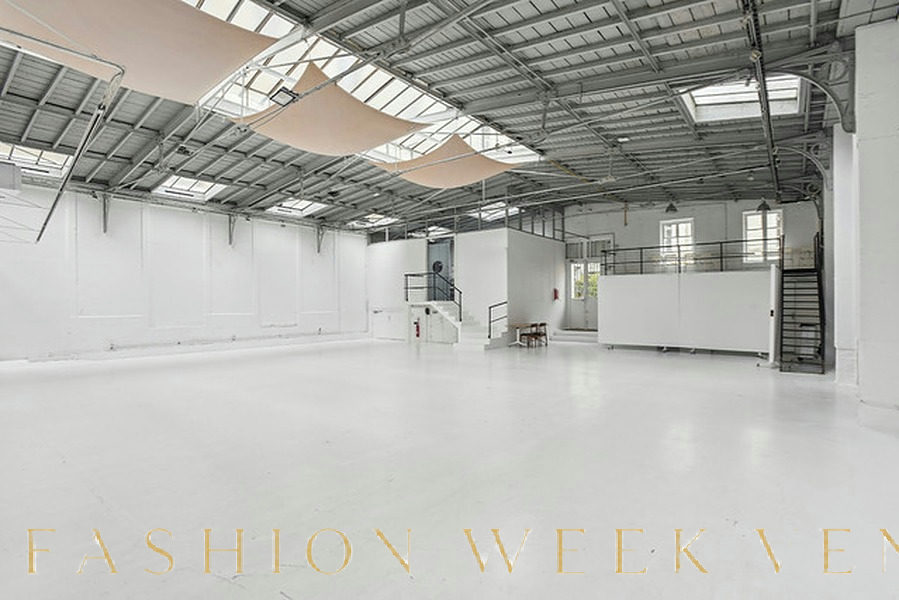
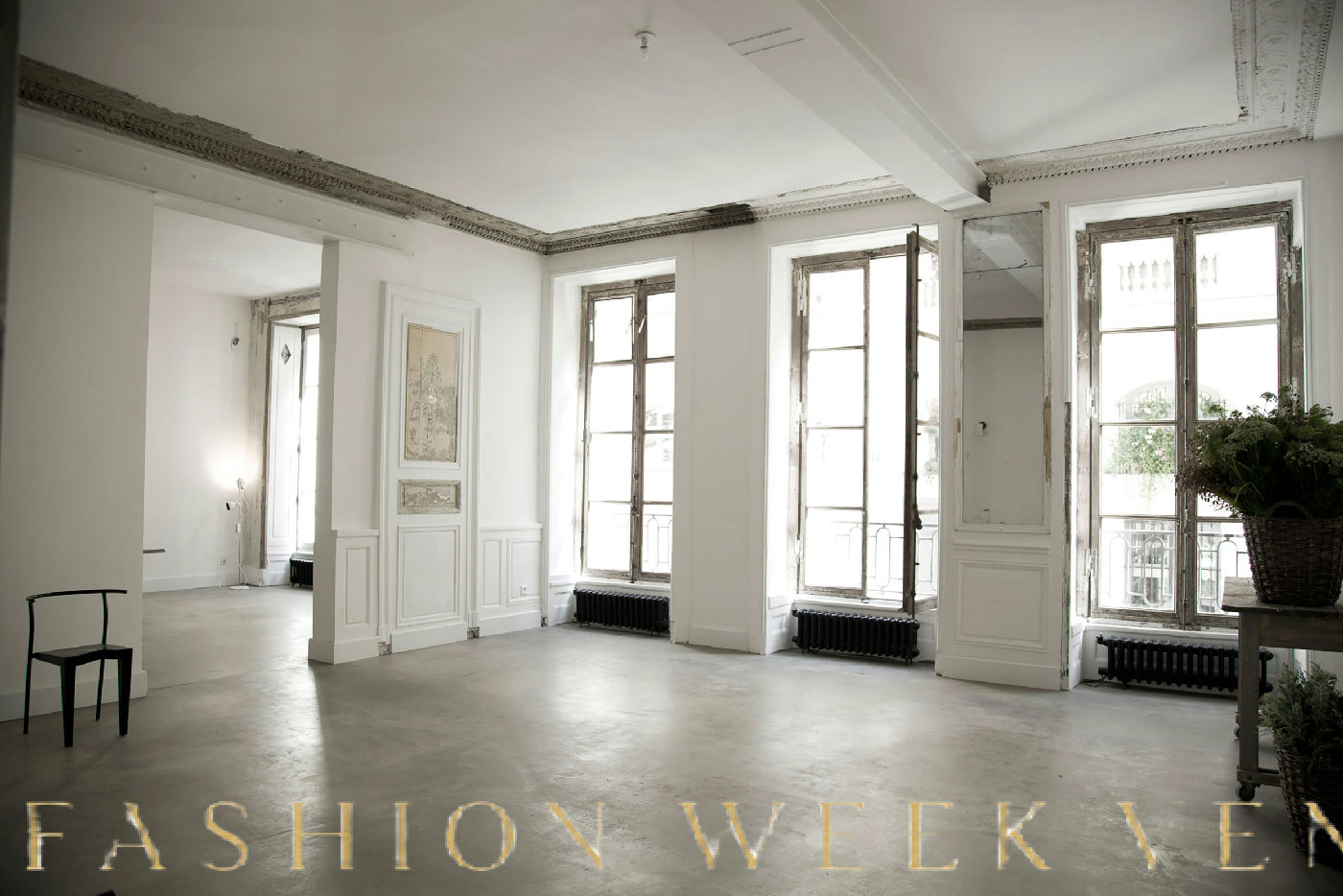
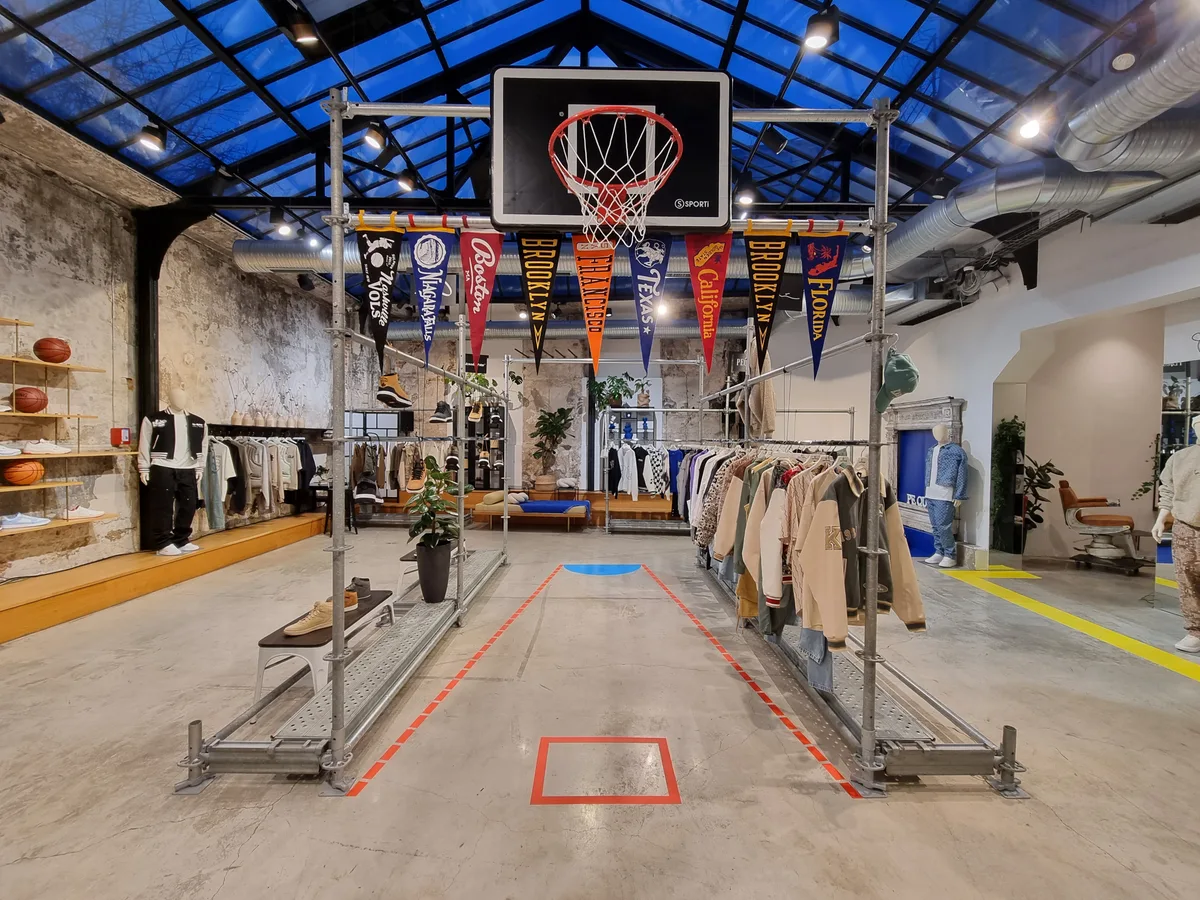
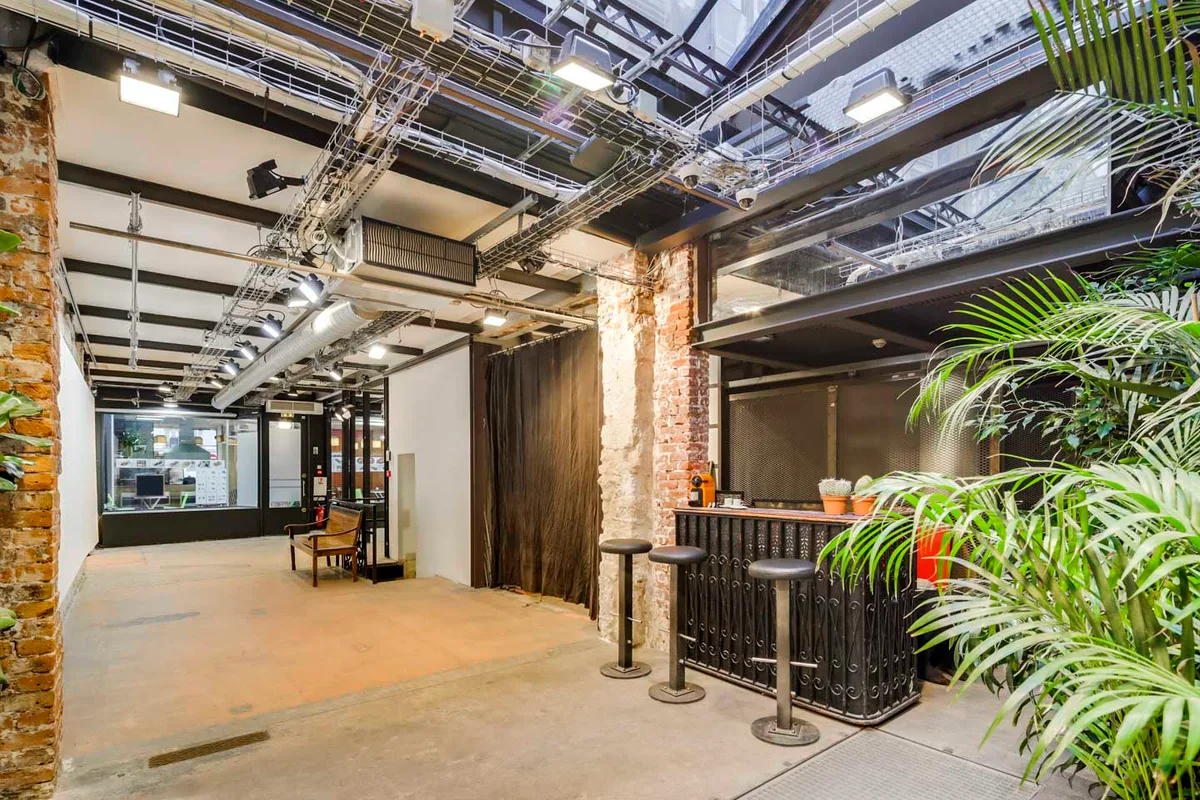
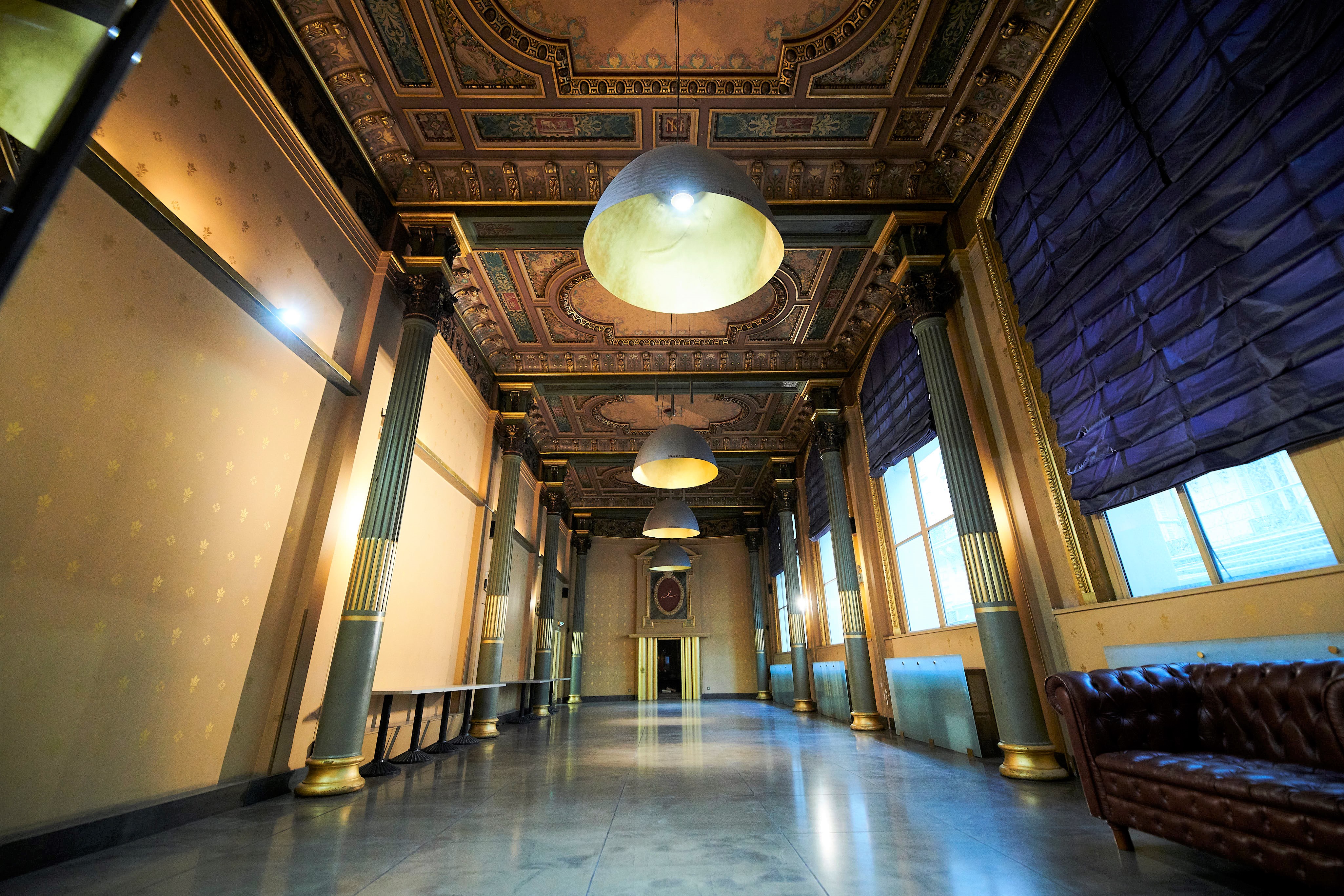
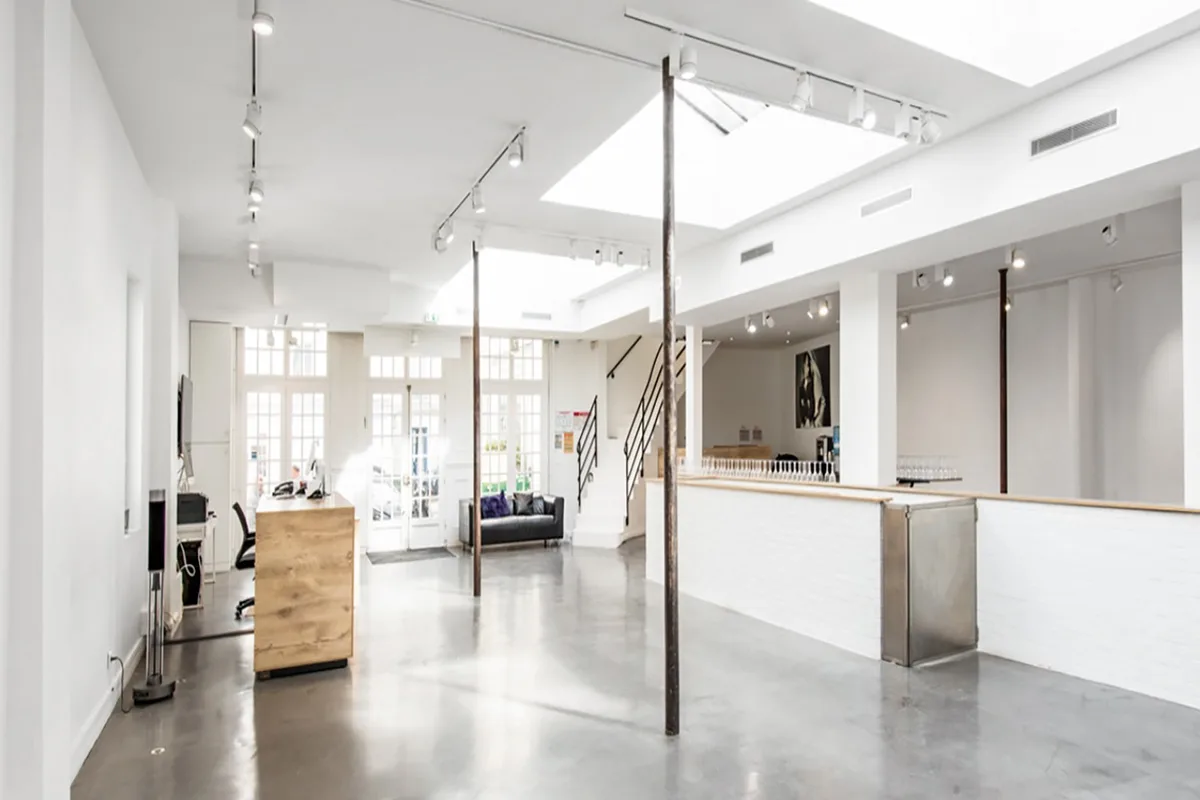
Fashion Week Venues plays a pivotal role in helping brands navigate the complexities of securing ideal pop-up spaces and event venues in major fashion capitals, with a special focus on Paris. For brands aiming to make a mark during Fashion Weeks, the company offers an array of services designed to streamline venue sourcing, concept direction, and activation management. By understanding the unique needs of fashion events and retail activations, Fashion Week Venues ensures that every nuanced requirement is met, thus providing a seamless experience from conception to execution.
Navigating the Fashion Week Calendar: Key Events and Timelines
The fashion calendar is packed with events that create ample opportunities for brands to showcase collections and engage with their audience. Paris, as a global hub, hosts its Fashion Week twice a year alongside other fashion capitals such as New York, Milan, and London. Understanding these key events and their timelines is crucial for brands aiming to capitalize on the high concentration of industry insiders and media attention.
Quick answer: Fashion Week consists of multiple events throughout the year, such as Spring/Summer and Fall/Winter shows in Paris, Milan, London, and New York, each creating opportunities for brand visibility.
Paris Fashion Week is known for its dynamic presentation of both emerging designers and established maisons. Typically scheduled in February/March and September/October, these events require months of preparation and strategic planning. Understanding the direct impact of timing can transform an activation's success, ensuring maximum brand exposure.
KEY TAKEAWAY: Paris Fashion Week, especially, requires precise timing to align brand promotions with the event's multitude of activities, making strategic planning essential for success.
The nuances of the fashion calendar extend beyond simply knowing the dates. Brands must consider the specific nature of each fashion week, including Haute Couture Week and Men's Fashion Week, to choose the most relevant event for their activation. For example, luxury brands might prioritize Haute Couture Week to align with the high-end audience, while up-and-coming designers could leverage Men's Fashion Week for niche exposure.
DID YOU KNOW: Paris Fashion Week attracts over 100,000 visitors, including buyers, journalists, and influencers, providing an unrivaled platform for brand exposure in the fashion industry.
TIP: Consult with agencies such as Fashion Week Venues for guidance on aligning shows with suitable events, which can enhance brand activation effectiveness.
| Event | Typical Schedule | Target Audience | Brand Opportunities |
|---|---|---|---|
| Paris Fashion Week | February/March & September/October | Luxury & Designer Brands | Runway shows, pop-up shops, influencer events |
| London Fashion Week | February & September | Emerging Designers | Showcases, collaborations |
| Milan Fashion Week | February/March & September/October | High Fashion | Exclusive launches, private viewings |
| New York Fashion Week | February & September | Broad Audience | Brand installations, meet & greets |
To effectively engage with the target audience at these iconic events, it is essential to not only choose the right moment but also the right location and format for your activation. This is where expertise in conceptual planning and demographic insights becomes invaluable.
To navigate this complex scene efficiently, consider partnering with a full-service agency like Fashion Week Venues, which provides comprehensive support ranging from venue sourcing to activation management. This ensures your brand's presence is not only notable but also strategically impactful.
Choosing the Right Paris Location: Neighbourhoods and Venues
Choosing the right location is paramount when planning a pop-up or event around Fashion Week in Paris. Each neighbourhood offers distinct characteristics that can significantly influence the success of a brand activation. Popular areas such as Le Marais, Saint-Germain-des-Prés, and Rue Saint-Honoré are renowned for their vibrant culture, historical significance, and commercial appeal.
Quick answer: Key Paris neighbourhoods like Le Marais and Rue Saint-Honoré offer unique vibes and business advantages, making them ideal for targeted brand activations during Fashion Week.
Le Marais: Known for its mix of historic charm and contemporary fashion, Le Marais is a preferred location for brands aiming to reach a trendy audience. The narrow streets boast an eclectic mix of boutiques and cafes, attracting a diverse crowd.
Saint-Germain-des-Prés: With its intellectual allure and rich history tied to art and literature, this area speaks to high-end brands seeking to associate with sophistication and culture. It’s perfect for luxury pop-ups and exclusive showrooms.
Rue Saint-Honoré: This district is synonymous with luxury, home to flagship stores of major fashion houses. It offers high visibility and foot traffic, ideal for brands wanting to make a grand statement.
When deciding on a location, it's important to consider elements such as footfall, demographic alignment, and logistical ease. For instance, while a venue in Le Marais might attract a creative crowd, a location on Rue Saint-Honoré could be better suited for capturing affluent tourists and industry insiders.
KEY TAKEAWAY: Selecting a neighbourhood that aligns with your brand’s identity is crucial for optimizing engagement and impact during Fashion Week.
| Neighbourhood | Vibe | Ideal For | Key Attraction |
|---|---|---|---|
| Le Marais | Trendy & Artistic | Emerging Brands | Boutique shopping |
| Saint-Germain-des-Prés | Elegant & Historic | Luxury Brands | Café culture |
| Rue Saint-Honoré | Luxurious & Central | Global Brands | Flagship stores |
As each neighbourhood embodies different attributes, brands should evaluate them based on their specific marketing goals and target audience. Consulting with a platform like Fashion Week Venues' marketplace can provide vital insights into venue availability and suitability.
TIP: Use Fashion Week Venues' Compare Tool to weigh different spaces and neighbourhood characteristics before making a final decision.
Permits and Compliance: Navigating Legal Requirements
Operating a temporary space in Paris requires navigating a complex web of permits and compliance, which can vary significantly depending on the space, duration, and type of activation planned. Two critical legal instruments used in temporary retail are the bail dérogatoire and Autorisation d'Occupation Temporaire (AOT).
Quick answer: Temporary retail spaces in Paris often require a bail dérogatoire or AOT. Both have different legal implications and requirements, making proper guidance essential for compliance.
The bail dérogatoire is a flexible lease agreement allowing commercial properties to be rented for short terms, typically up to three years. It's less binding than a traditional lease, offering more adaptation to temporary needs. However, strict regulations regarding its terms and duration must be adhered to, requiring careful legal consideration, often advised to be undertaken with a French legal expert.
The AOT is necessary for the use of public spaces, permitting temporary occupation under conditions set by the municipal authorities. This is crucial for outdoor venues or installations in public areas like street markets or open-air courtyards.
Compliance with French regulations is non-negotiable and any misstep can lead to fines or even cancellation of the event. Understanding local compliance is particularly challenging for international brands unfamiliar with domestic legal frameworks, highlighting the need for expert advice.
KEY TAKEAWAY: Always consult a legal advisor familiar with French retail laws to ensure smooth permit acquisition and regulatory compliance.
For detailed guidance and permit application processes, brands can use Fashion Week Venues' Permits Tool, which streamlines the documentation and application journey.
| Compliance Type | Use Case | Key Requirements | Advisable Actions |
|---|---|---|---|
| Bail Dérogatoire | Short-term commercial leases | Meeting contractual conditions and maximum duration | Consult with a legal expert |
| AOT | Public space occupancy | Municipal approval and fee payment | Use official permit tools |
IMPORTANT: Permit requirements can vary greatly; failure to comply with local laws can result in significant penalties. Always verify with a professional.
When planning a pop-up, ensuring smooth interaction with local authorities is crucial. This not only facilitates legal compliance but also aids in building a positive reputation within the community.
Budget Planning for Pop-Up Events: Setting Financial Expectations
Planning for pop-up events demands strategic financial planning and setting realistic budget expectations. While costs can vary depending on the location, size, and duration of the event, having a clear financial roadmap is vital for maximizing ROI and ensuring operational success.
Quick answer: Comprehensive budget planning is essential for successful pop-up events. Tools like Fashion Week Venues' Budget Calculator can help set realistic financial frameworks.
Budget components often include venue rental, build and design, staffing, marketing, and ancillary costs such as permits and insurance. The venue rental in prime locations like Le Marais or Rue Saint-Honoré naturally commands a significant portion of the budget, especially during peak periods like Paris Fashion Week.
Time and duration of the pop-up greatly affect costs. Shorter, more intense activations could lead to reduced venue costs, but often require more concentrated marketing efforts. Conversely, extended engagements offer sustained visibility at potentially lower daily rates.
Additionally, logistics and set-up should not be overlooked. Consider the cost of transporting goods, installation, and any temporary modifications to the space. The importance of budgeting cannot be overstated; it can be the difference between a well-organized, successful launch and a chaotic, underdelivered event.
| Expense Category | Estimated Cost Range | Priority Level | Notes |
|---|---|---|---|
| Venue Rental | High | Priority | Consider seasonality impact |
| Design & Build | Medium to High | Medium | Includes set-up logistics |
| Staffing | Variable | Essential | Depends on event size |
| Marketing | Flexible | Priority | Influencer partnerships beneficial |
Effective budget planning also requires anticipating unexpected costs. Building a contingency fund can safeguard against unforeseen expenses that could destabilize your budget.
KEY TAKEAWAY: Use tools like the Fashion Week Venues Budget Calculator to set and fine-tune your budget according to specific event needs and market conditions.
Understanding and organizing the financial aspect of a pop-up event can significantly enhance a brand's ability to execute their vision effectively and without financial strain. Planning each phase of an event thoughtfully ensures that resources are allocated effectively to enhance the overall event experience.
Optimizing Logistics and Operations: A Step-by-Step Guide
Logistics and operations form the backbone of a successful pop-up event, ensuring that every element from the concept to execution aligns seamlessly. This involves meticulous planning in terms of supply chain management, personnel coordination, and timing of key activities.
Quick answer: Effective logistics planning involves synchronizing supply chains, coordinating staff, and timing key activities to ensure smooth pop-up event operations.
First, creating a detailed logistics plan is essential. This plan should outline the scope of the event, including location selection, inventory management, and scheduling. Establishing a clearly defined timeline that encompasses all key stages—from initial setup to the dismantling phase—is critical to successful execution.
Personnel coordination is another crucial aspect. Hiring experienced staff through services like Fashion Week Venues' Staffing Services can enhance customer experiences and ensure that all operational facets are efficiently managed. Additionally, training sessions should be conducted to familiarize staff with the brand ethos and product lines.
| Logistics Task | Timeline | Responsible Team | Key Milestones |
|---|---|---|---|
| Venue Setup | 1 week before opening | Operations | Complete venue customization |
| Inventory Delivery | 3 days prior to opening | Supply Chain | Ensure stock placement |
| Staff Training | 2 weeks before opening | HR and Brand Management | Employee readiness and alignment |
| Marketing Initiatives | Ongoing, starting 1 month prior | Marketing | Maximize event visibility |
Additionally, contingency planning is vital in logistics. Anticipating possible disruptions and having planned responses in place ensures resilience against unforeseen challenges, be it supply chain issues or staffing shortages.
KEY TAKEAWAY: Detailed logistics planning and robust contingency strategies can significantly mitigate risks and enhance the execution of pop-up events.
Deploying project management tools to monitor progress and address potential delays effectively can further streamline event operations. By implementing structured workflows, brands can ensure that every element of their activation is executed flawlessly, reinforcing the brand’s market presence.
How Fashion Week Venues Helps Brands Succeed
Fashion Week Venues stands at the forefront of pop-up event planning, offering an extensive range of services that cater to every aspect of brand activation. For brands seeking to solidify their presence in fashion capitals, partnering with Fashion Week Venues provides unparalleled support.
Quick answer: Fashion Week Venues aids brands with venue sourcing, activation management, and comprehensive service packages, enhancing the success of pop-up events.
The agency’s holistic approach includes venue sourcing, concept development, and production build services. These services ensure that every strategic element aligns with the brand's identity and objectives. By leveraging their extensive market knowledge, the agency crafts tailored solutions that elevate brand experiences.
Additionally, specialized tools available through Fashion Week Venues, such as the Timeline Tool and ROI Calculator, provide invaluable support in planning timelines and measuring impact.
| Service | Description | Benefit to Brands |
|---|---|---|
| Venue Sourcing | Access to premium locations | Maximize visibility and audience engagement |
| Activation Management | Comprehensive event operations | Seamless execution of pop-up events |
| Concept Development | Inspiring and coherent brand themes | Enhance brand storytelling |
Through their extensive Paris city hub, brands can explore numerous venue options uniquely suited to their potential footprint and marketing objectives. Fashion Week Venues’ meticulous attention to detail and strategic foresight ensure every activity is purposefully executed to optimize brand impact.
KEY TAKEAWAY: By partnering with Fashion Week Venues, brands can effectively navigate the complexities of event planning, ensuring their activation resonates with target audiences.
Common Myths Debunked
MYTH: You need a French legal entity to rent a space in Paris.
FACT: While it is beneficial to have a local presence, it's not always necessary to register a separate legal entity in France for short-term rentals. International brands often work with agencies like Fashion Week Venues, which provide comprehensive assistance in handling legal prerequisites and liaising with landlords.
MYTH: Paris Fashion Week is the only viable calendar window.
FACT: While Paris Fashion Week is a prime opportunity, numerous other events and periods throughout the year provide valuable platforms for brand activations. Festivals, local celebrations, and tourist seasons also offer unique opportunities to engage with diverse audiences.
MYTH: Commission brokers are the only way to find a space.
FACT: Many online platforms and agencies, such as Fashion Week Venues, offer direct access to an extensive array of spaces without intermediaries. These resources provide a broader view of the market, often with more flexible terms and fewer additional costs.
MYTH: Short-term leases are legally straightforward.
FACT: Short-term leases in Paris can involve complex legal requirements and necessitate navigating specific permits and agreements such as bail dérogatoire or AOT. Engaging professional consultancy helps mitigate risks and ensures compliance with local laws.
Frequently Asked Questions
What is the best time for a pop-up in Paris?
The best time for a pop-up in Paris is during key events like Paris Fashion Week or other high-traffic periods such as summer tourist season. Aligning with these events maximizes exposure and audience engagement.
Do I need special permits for a pop-up shop?
Yes, special permits such as bail dérogatoire and AOT may be required, depending on the location and nature of your pop-up shop. Consulting with a legal expert ensures compliance with all necessary regulations.
How can Fashion Week Venues help with my budget?
Fashion Week Venues provides tools like the Budget Calculator, which helps you set realistic financial expectations and allocates resources effectively for your pop-up event.
What are the costs associated with a pop-up event?
Costs vary based on location, duration, and scale of the event but generally include venue rental, design and build, staffing, and marketing. Using budgeting tools and expert consultation can help optimize spending.
Are there hidden costs in pop-up events?
Hidden costs can arise from unexpected legal fees, installation charges, or logistical challenges. It's crucial to build a contingency fund and work with experienced partners to minimize unforeseen expenses.
What neighbourhoods in Paris are best for luxury brands?
High-end areas such as Rue Saint-Honoré and Saint-Germain-des-Prés are ideal for luxury brands due to their affluent foot traffic and proximity to established luxury stores.
How long does it take to plan a pop-up event?
Planning can take several months, depending on the complexity and goals of the event. It's important to start early to secure prime locations and to coordinate with suppliers and stakeholders.
Can Fashion Week Venues help with marketing my event?
Yes, Fashion Week Venues offers marketing services including influencer partnerships, digital promotion strategies, and targeted campaigns to ensure your event garners the right attention.
Is a pop-up shop viable for an emerging designer?
Absolutely, pop-up shops offer emerging designers high visibility and the opportunity to connect directly with their audience. With strategic planning and expert assistance, these can be highly effective.
What strategies work best for engaging customers at a pop-up?
Interactive experiences, exclusive products, and leveraging local influencers can create buzz and attract customers. Personalizing the shopping experience enhances guest interaction and brand loyalty.
Are pop-ups effective in driving long-term sales?
Pop-ups can effectively boost brand awareness and drive long-term sales by creating memorable experiences that foster customer loyalty and incite social media engagement, leading to sustained brand presence.
How can I measure the success of my pop-up?
Success can be measured through key metrics such as foot traffic, sales conversions, social media engagement, and customer feedback. Utilizing tools like the ROI Calculator can provide insights into the financial impact.
Conclusion
As a premier agency and marketplace, Fashion Week Venues empowers brands by simplifying the intricate process of planning and executing pop-up events in fashion capitals. By offering extensive services from venue sourcing to bespoke activation management, they help facilitate standout brand experiences that align with fashion's dynamic landscape. To move from research to activation, start exploring available spaces on the Fashion Week Venues marketplace and build a focused brief for your target neighbourhood, space type, and calendar window.