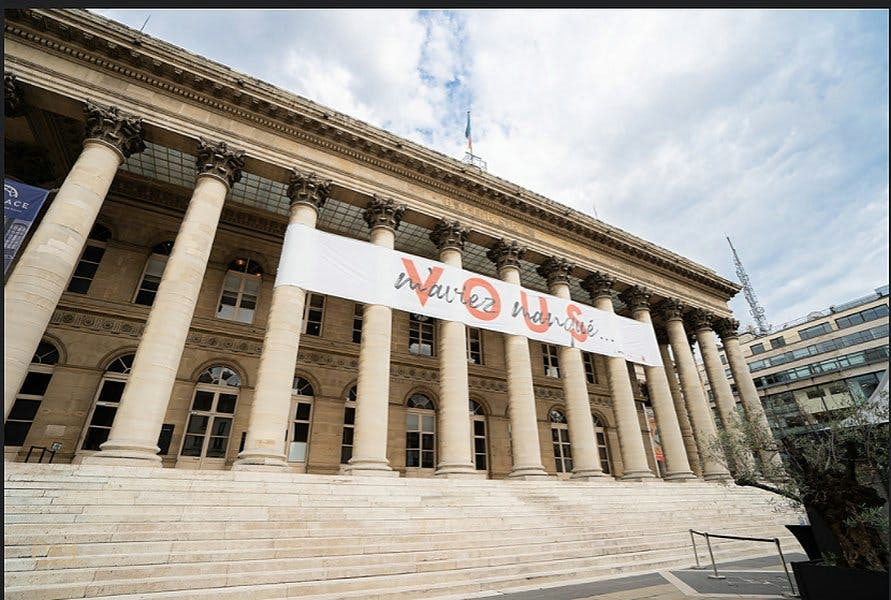

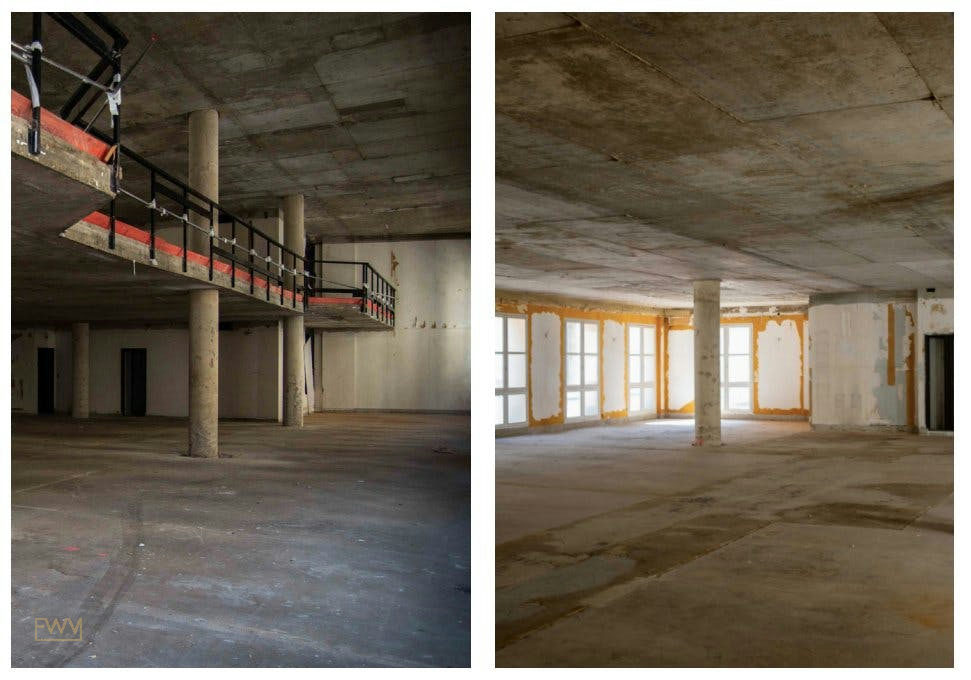
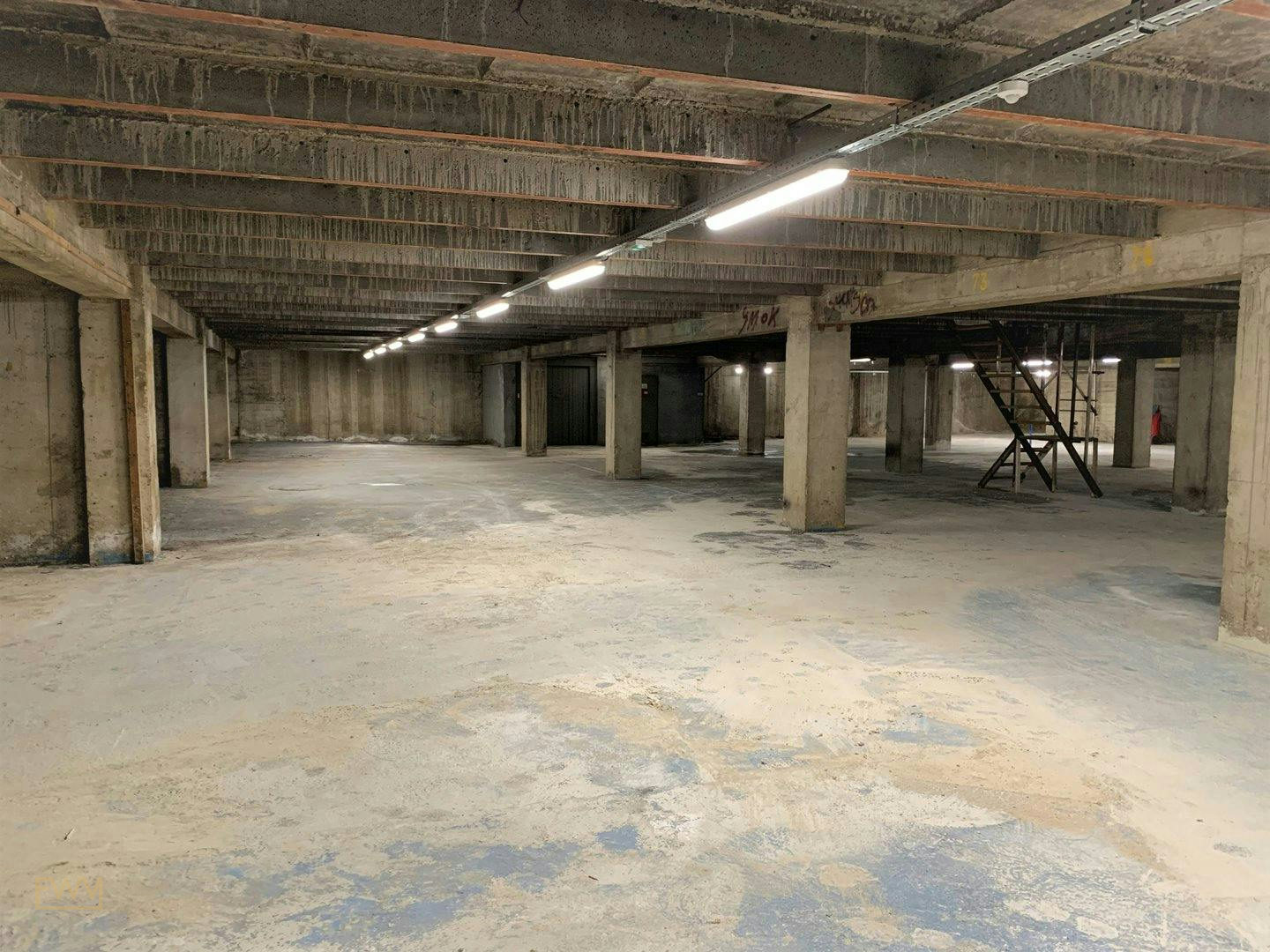
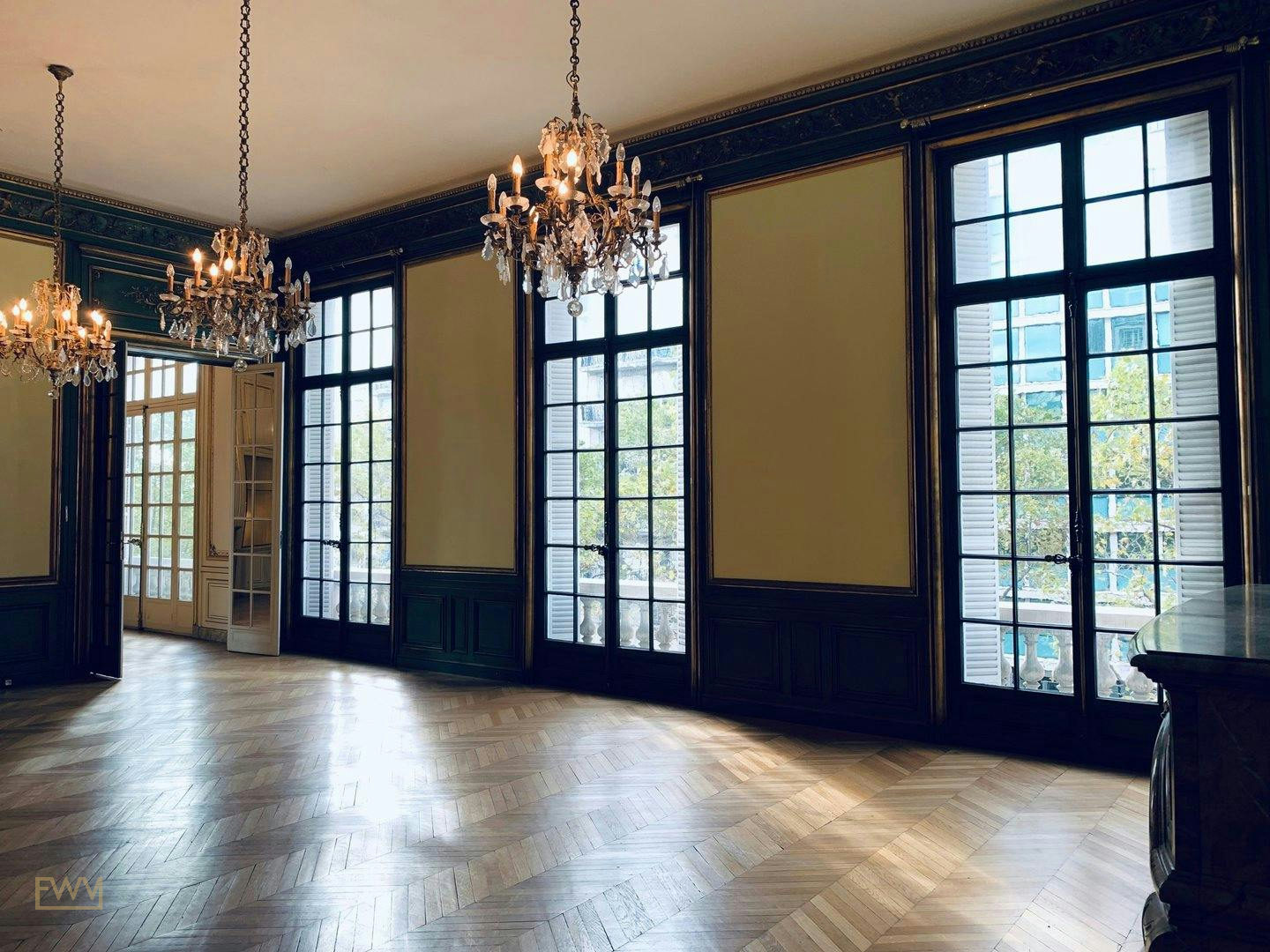
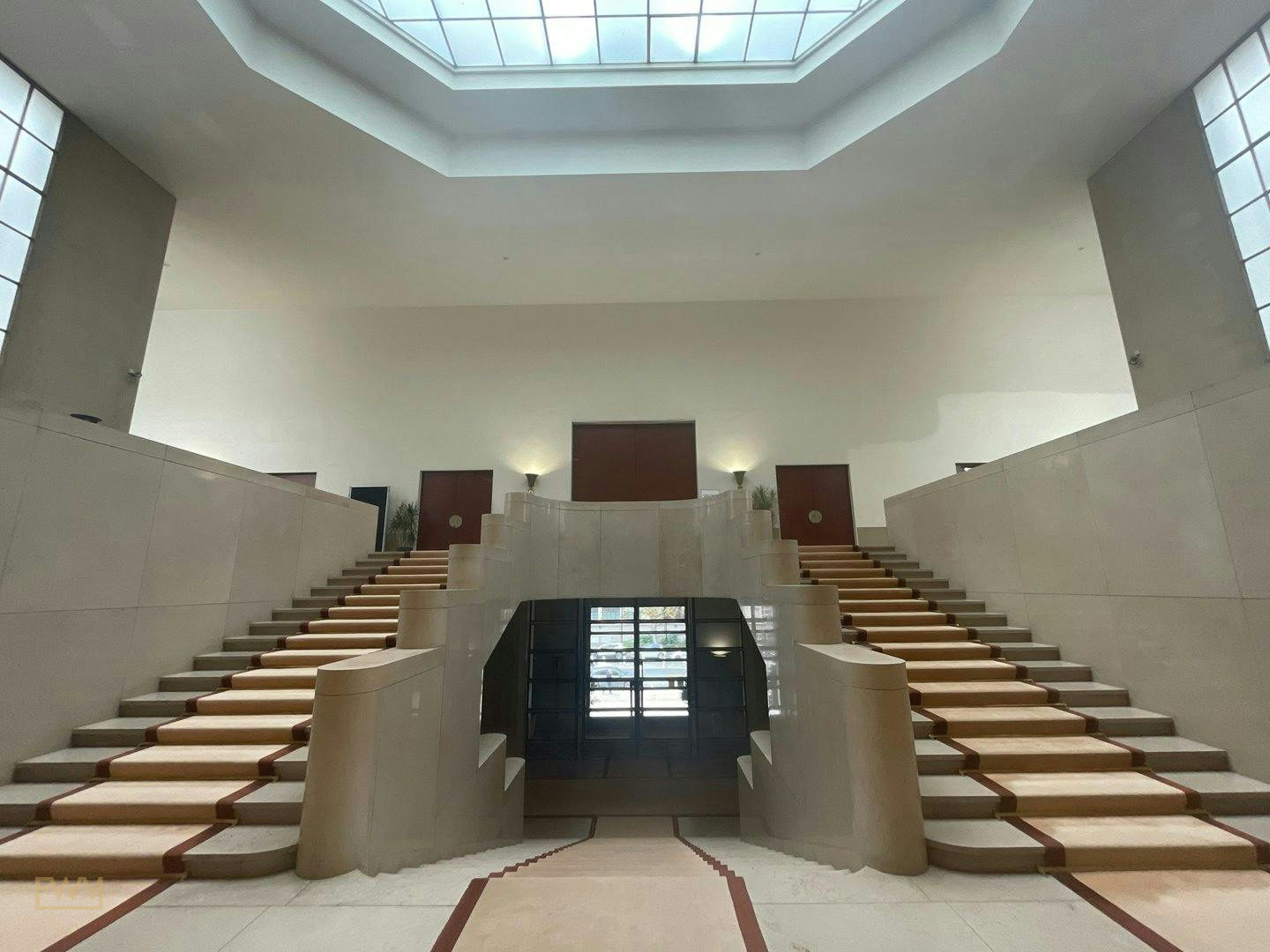
Securing the ideal venue for Paris Fashion Week requires strategic planning and deep market understanding. The right venue not only reflects a brand's identity but also plays a crucial role in the success of its Fashion Week activities. Fashion Week Venues offers an invaluable resource, with a diverse marketplace and expert services to guide brands in selecting the space that suits their needs. This comprehensive guide will explore everything you need to know about sourcing venues in Paris, from understanding the market dynamics to managing logistics efficiently. Discover how to navigate the complexities of fashion week venue selection and activation with ease.
Why Paris Is the Pinnacle for Fashion Week Events
Paris stands unrivaled as the epicenter of the fashion world, hosting the most prestigious fashion week known globally. Its historical legacy, scenic beauty, and cultural richness make it the preferred backdrop for industry-leading fashion shows and brand activations.
Quick answer: Paris is the leading city for fashion events due to its rich cultural heritage, iconic architecture, and status as a fashion capital, which collectively attract top talent and international attention every fashion season.
The city’s inherent grandeur and unique blend of classical and modern architecture provide a stylistically versatile canvas that brands can harness. The artistic Parisian ambiance reverberates throughout neighborhoods like Le Marais and Saint-Germain-des-Prés, both sought after for their authenticity and charm. These districts offer a balance between avant-garde and classic, appealing to a global audience. Coupled with world-class venues, Paris is not just a location but an experiential journey that elevates brand narratives.
| Feature | Paris | Other Fashion Capitals |
|---|---|---|
| Cultural Influence | High | Varies |
| Venue Diversity | Extensive | Moderate to extensive |
| Architectural Style | Classical to contemporary | Modern, variable styles |
For brands, holding events in Paris not only affirms their place in the industry but also amplifies exposure and reaffirms prestige. With millions flocking to the city for Fashion Week, the potential for brand engagement and networking is unparalleled.
KEY TAKEAWAY: Choosing Paris as your venue location offers a strategic advantage through its cultural significance and the global allure of its Fashion Week.
As we explore further, understanding which neighborhoods align with your brand’s aesthetics will be essential in shaping your Fashion Week strategy.
Selecting the Right Paris Venue: Key Considerations
Finding the perfect venue begins with understanding the brand's identity and the story you aim to convey. It involves evaluating several factors such as location, size, accessibility, and ambiance. Here's how to approach it effectively.
Quick answer: Key considerations for selecting a Paris venue include matching your brand's theme with the neighborhood's vibe, understanding logistical needs, and evaluating the budget against market prices.
The diverse architectural styles and atmospheres of Parisian districts provide various options based on brand needs. For instance, the historic charm and modern mystique of Le Marais can serve brands seeking hip, artisanal vibes, while the opulent aura of Rue Saint-Honoré aligns with luxury brands targeting exclusivity and elegance.
Decision Matrix:
| Consideration | Importance | Factors |
|---|---|---|
| Neighborhood Vibe | High | Cultural fit, target audience |
| Logistical Support | Medium | Transport links, staffing needs |
| Budget Allocation | High | Rental cost, potential ROI |
Consideration of practical aspects such as venue size and facilities is crucial. For instance, a large runway show versus an intimate showroom requires different spatial allocations and amenities, including lighting and acoustics.
TIP: Use the comparison tool offered by Fashion Week Venues to analyze spaces effectively.
KEY TAKEAWAY: Prioritize venues that align with your brand’s story, audience, and logistical parameters for an effective Fashion Week presence.
With a clear understanding of these elements, you can explore how services like Fashion Week Venues streamline the entire selection process.
The Role of Venue Sourcing in Successful Fashion Activations
Venue sourcing is more than locating a physical space; it's about network leverage, market insight, and creative alignment. Trusting seasoned agencies like Fashion Week Venues can significantly impact a brand's success at fashion week.
Quick answer: Venue sourcing is crucial in aligning event spaces with brand objectives, audience reach, and experiential impact, which are vital in fashion activations during Paris Fashion Week.
Effective venue sourcing ensures your brand resonates through the selection of districts that amplify its message. For example, an established designer might opt for Palais de Tokyo for its contemporary prestige, whereas an emerging designer could benefit from a vibrant location at Canal Saint-Martin where buzz and curiosity thrive.
Fashion Week Venues' venue sourcing services offer strategic advantages: access to exclusive locations, logistical coordination, and alignment with calendrical cycles within the fashion industry.
Venue sourcing goes beyond aesthetics. It involves critical analysis of audience demographics and behavior, event type, media coverage potential, and overall brand goals. Agencies like Fashion Week Venues leverage data analytics to predict trends and match spaces with the highest likelihood of success.
DID YOU KNOW: Paris offers more than 2,000 potential space options for short-term activations annually, underscoring the need for expert assistance in venue sourcing.
KEY TAKEAWAY: Quality venue sourcing translates into increased visibility, enhanced brand perception, and strategic industry positioning.
To enhance venue effectiveness, understanding specific leasing and compliance issues is imperative, something we explore in the next section.
Navigating Legal Aspects: Permits and Compliance
Understanding the legalities of leasing venues in Paris is crucial. It involves navigating complex permit systems and contractual agreements, particularly for international brands.
Quick answer: Permits and compliance involve obtaining the correct legal permissions to operate short-term retail or event spaces, including bail dérogatoire and AOT, to ensure legal operation.
Bail dérogatoire allows brands to rent spaces for up to 36 months without adhering to standard commercial lease laws. AOT, or Authorization of Temporary Occupation, often applies to using public spaces and requires meticulous documentation and justification.
IMPORTANT: Acquiring an ERP (Établissement Recevant du Public) classification is often necessary for venues expecting high footfall. This entails compliance with safety standards and emergency access requirements. It’s advisable to consult with local French legal advisors to navigate these complexities effectively.
Fashion Week Venues simplifies this process through its permit guidance tool, assisting brands in identifying the necessary permits and ensuring compliance across all operational elements. While it aids significantly, it does not replace the need for legal counsel.
| Permit | Type | Application |
|---|---|---|
| Bail Dérogatoire | Lease Agreement | Short-term space rental |
| AOT | Public Space Use | Temporary events in public boroughs |
| ERP Classification | Safety Compliance | Events with high public attendance |
KEY TAKEAWAY: Navigating the legal landscape with precision mitigates risks and enhances the success of temporary retail activations in Paris.
As understanding the legal framework is essential, having a firm grip on budgetary considerations is equally crucial, which we discuss next.
Budget Planning for Paris Fashion Week Activations
Comprehensive budget planning ensures a successful and financially viable Fashion Week activation. It encompasses venue costs, logistical expenses, marketing, and potential unforeseen expenditures.
Quick answer: Budget planning involves estimating costs for venue rental, staffing, logistics, and marketing while preparing contingency funds for unexpected expenses.
Start by delineating a clear budget against estimated returns, using strategic tools like the budget calculator. Consider the duration of your activation, the scale, and the type of experience you intend to deliver. Each factor significantly impacts costs.
| Budget Component | Estimated Cost Range |
|---|---|
| Venue Hire | €5,000 - €50,000 |
| Staffing and Logistics | €2,000 - €15,000 |
| Marketing and PR | €3,000 - €20,000 |
TIP: Ensure you allocate at least 10-20% of your budget for unexpected costs such as insurance liabilities or last-minute logistics.
Utilizing resources like ROI calculation tools helps evaluate potential profits and justifies budget allocations. It provides insights into consumer behavior post-event, sales uplift, and brand recall metrics.
KEY TAKEAWAY: Effective budgeting aligns expected outcomes with investment, ensuring the feasibility and success of your Paris Fashion Week activation.
Next, we explore the various styles of activations and how they can align with brand objectives and venue selection.
Types of Activations: Pop-Up Shops vs. Showrooms
The decision between setting up a pop-up shop and a showroom involves defining your brand’s engagement strategy and understanding the nuances between these configurations.
Quick answer: Pop-up shops are temporary retail spaces focusing on direct consumer sales and experiences, while showrooms emphasize brand storytelling and establishing industry presence.
Pop-up shops enable brands to create direct consumer interaction points, promoting real-time sales and brand-immersive experiences. These shops can easily be tailored to seasonal or thematic collections, driving foot traffic, and allowing real-time feedback from consumers. Conversely, showrooms focus on collections even when not directed towards immediate sales. They are ideal for brand storytelling and engaging media, buyers, and influencers intimately.
DID YOU KNOW: Pop-up shops see an average sales increase of 35% due to the hype and exclusivity associated with them.
Consider the decision factors in the table below:
| Activation Type | Primary Goal | Best For |
|---|---|---|
| Pop-Up Shop | Sales & Consumer Engagement | Direct-to-consumer brands |
| Showroom | Brand Storytelling | Luxury and high-end brands |
Each activation type can be tailored further through creative design and strategic location choices, which can also depend on brand goals, product types, and desired audience engagement.
KEY TAKEAWAY: Align your activation type with your brand’s core objectives to enhance visibility and customer engagement during Fashion Week.
With a chosen format, ensuring flawless execution becomes essential. Let's look at how production and logistics play a role in this process.
Production and Build-Out for Fashion Week Success
Attention to production detail and build-out is integral to crafting memorable retail activations. Coordinating these elements ensures that both aesthetics and functionality align seamlessly with your brand vision.
Quick answer: Production and build-out involve designing and executing the physical setup of your venue to ensure it reflects your brand, engages your audience, and meets event objectives.
The collaboration with agencies like Fashion Week Venues provides access to meticulous planning and execution services. From initial concept design to the final installation, every detail is tailored to create an impactful user journey.
Production and build services include set design, visual merchandising, and installation logistics. They focus on enhancing space utility while maintaining aesthetic appeal through bespoke design solutions.
| Production Element | Impact |
|---|---|
| Set Design | Creates brand-centric environments |
| Visual Merchandising | Enhances product visibility and appeal |
| Installation Logistics | Ensures timely and efficient setup |
TIP: Plan your build process early, considering not only aesthetic elements but also practicalities like electricity, internet access, and compliance with safety regulations.
KEY TAKEAWAY: Success in production and build-out lies in delivering a seamlessly immersive experience that resonates with consumers and reinforces brand values.
We’ll now navigate through designing a cohesive concept that unifies all these elements into a potent activation strategy.
Crafting the Perfect Concept: From Creative Direction to Execution
A cohesive concept is the backbone of any successful fashion activation. It ensures that every aspect of the event aligns with the brand’s message and engages the audience in an authentic manner.
Quick answer: Crafting an activation concept involves uniting creative direction with brand identity to shape an event that is both engaging and strategically aligned with brand objectives.
Concept direction encompasses everything from theme selection to visual storytelling and consumer interaction strategies. This phase should be closely aligned with the brand's core values and overarching marketing strategy.
Creative direction services focus on brainstorming innovative ideas that resonate, enhance brand visibility, and facilitate a memorable consumer journey. It involves multidisciplinary collaboration among design experts, marketing strategists, and brand managers.
Common mistakes include underestimating the importance of a theme that resonates with the target audience or overcomplicating the design. The objective is to maintain simplicity while ensuring sophistication, embodying the essence of the brand.
DID YOU KNOW: Consistent messaging across all facets of an activation can boost brand recall by up to 70%.
The following list summarizes key steps in developing a captivating concept:
- Identify the core message and objectives
- Choose a theme that aligns with brand values
- Engage multidisciplinary teams for idea generation
- Evaluate feasibility against budget and logistics
- Develop a consumer journey map
KEY TAKEAWAY: A well-crafted concept provides the foundation for a seamless consumer experience and amplifies brand storytelling effectively.
Now having a solid concept, executing the plan with proficient activation management ensures every element comes together fluently.
Activation Management: Bringing Concepts to Life
Activation management is crucial in transforming concepts into live, engaging experiences that capture audience interest and meet brand objectives. This involves orchestrating logistics, managing timelines, and aligning resources.
Quick answer: Activation management encompasses the coordination of logistics, timelines, and resources to ensure seamless execution of your brand's fashion week events.
Services provided by Fashion Week Venues in this arena include comprehensive project management, on-site coordination, and end-to-end logistical oversight. An experienced team ensures that every aspect runs smoothly, from initial setup through to the final breakdown of the event.
Activation management services place an emphasis on efficiency and creativity, ensuring that every operational facet aligns with the brand's vision and event goals.
Understanding the importance of timelines and critical paths in this process is key. These plans help foresee challenges and allow for the proper allocation of resources to avoid last-minute pitfalls.
TIP: Utilize timeline planning tools to stay ahead on scheduling and resource planning to ensure every milestone is achieved on time.
KEY TAKEAWAY: Effective activation management harmonizes all elements of an event, ensuring that concepts are executed flawlessly, thereby enhancing brand reputation and event impact.
Success in this arena allows us to shift focus towards the people who make this execution possible—your event team.
Staffing and Team Building for Fashion Week Events
Delivering a successful fashion week activation demands a proficient and dedicated team. From retail staff to event coordinators, every role contributes to a seamless consumer and brand experience.
Quick answer: Building an efficient event team involves selecting skilled personnel for roles in management, retail, and coordination that align with the objectives of your Fashion Week event.
Fashion Week Venues recognizes the importance of quality staffing, offering tailored retail staffing solutions that blend expertise with industry knowledge. They ensure that the right skills and attitudes are in place to support your activation goals.
Critical roles in a fashion week activation include:
- Event Managers: Oversee the planning and execution of the event
- Brand Ambassadors: Engage and enthuse attendees about the brand
- Logistics Coordinators: Manage supplies, setup, and tear-down
- Retail Staff: Provide customer service and facilitate sales
Through strategic partnerships with staffing agencies, brands can ensure the availability of skilled professionals who understand brand dynamics and consumer engagement strategies.
Weakness in team building often leads to disjointed experiences for attendees, inconsistent brand messaging, and logistical difficulties. It's crucial to solve these issues through meticulous planning and by using industry-standard staffing solutions.
KEY TAKEAWAY: Optimal staffing ensures seamless customer interactions and operational efficiency, which are crucial for enhancing audience experience and brand perception.
With a dedicated team in place, attention turns to measuring the success of activations through data and analytics.
Measuring Success: Data and Analytics Tools
Data analytics play a pivotal role in assessing the success of Fashion Week activations. They enable brands to gather insights into consumer engagement, sales performance, and overall event impact.
Quick answer: Measuring the success of fashion activations hinges on using analytics tools to assess consumer engagement, sales figures, and media coverage to refine future strategies.
Tools offered by Fashion Week Venues provide comprehensive data analytics services, enabling brands to quantify outcomes and align them with strategic objectives. Understanding metrics such as foot traffic, consumer demographics, and social media engagement aids in refining future activations.
Key performance indicators (KPIs) are essential in shaping the success metrics for fashion activations. They include:
- Sales Revenue: Direct income generated from the activation
- Media Mentions: Reflects brand visibility and awareness
- Consumer Engagement: Measures interactions and feedback
- Return on Investment (ROI): Financial benefit relative to cost
Utilizing these analytics not only validates the outcomes of current activations but also fosters data-driven decisions for future strategies.
DID YOU KNOW: Brands using advanced analytics to refine their strategies report a 20% increase in effectiveness.
KEY TAKEAWAY: Comprehensive data analysis empowers brands to optimize future engagements, ensuring strategic enhancements and maximizing returns on investment.
As we advance, integrating these tools and insights into a cohesive strategy will be essential, and addressing common myths can further clarify this complex subject.
Common Myths Debunked
MYTH: A French legal entity is required to rent event spaces in Paris.
FACT: While having a French legal entity eases certain administrative processes, it is not mandatory to rent spaces for temporary activations. International brands can operate through short-term leasing agreements like bail dérogatoire, specifically designed to cater to foreign entrants.
MYTH: Paris Fashion Week is the only viable window for brand events in Paris.
FACT: Although Paris Fashion Week offers a concentrated audience of fashion influencers and media, year-round events such as pop-ups and cultural festivals present excellent opportunities for brand visibility and engagement, often targeting niche audiences and local consumers.
MYTH: Commission brokers are the only way to find event spaces.
FACT: While brokers can offer valuable insights, platforms like Fashion Week Venues provide a broader scope of venues with direct entry that bypasses brokerage fees, offering significant cost savings and diverse options.
MYTH: Short-term leases in Paris are straightforward without specialist help.
FACT: The intricacies of Parisian property laws, permits, and landlord negotiations require expertise. Engaging specialists or experienced agencies is recommended to avoid legal pitfalls and ensure compliance.
Addressing these myths highlights the importance of understanding Paris's unique market dynamics and using this knowledge to refine your brand’s activation strategy.
Frequently Asked Questions
What is the significance of Paris as a fashion capital?
Paris is renowned for its deep-rooted influence in the fashion realm, symbolizing luxury, sophistication, and innovation. As a hub for haute couture and pioneering fashion events, the city enjoys a prestigious reputation and is a stage for launching new collections and trendsetting brands.
How does Fashion Week Venues help in selecting a venue?
Fashion Week Venues offers a comprehensive platform that combines a robust venue marketplace with specialized services in sourcing, creative direction, production build, and activation management, ensuring that each brand finds the perfect space aligned with its goals.
Can international brands participate in Paris Fashion Week without a French entity?
Yes, international brands can participate without forming a French legal entity. The usage of short-term leases like bail dérogatoire facilitates temporary activation without requiring permanent business registration in France.
What factors should I consider when choosing a Paris neighborhood for my event?
Consider the cultural fit of the neighborhood with your brand's persona, the target audience, logistical accessibility, venue size, and the type of engagement you plan to conduct. This ensures a cohesive and clear brand experience.
What is the typical cost range for renting a venue in Paris during Fashion Week?
The cost can fluctuate based on location, size, and duration, typically ranging from €5,000 to €50,000. This estimate varies with each district’s prestige and facilities offered, hence it's advisable to leverage budget tools for precise predictions.
Do I need a special permit to host a temporary pop-up shop in Paris?
Yes, you will likely need a short-term lease agreement and possibly an AOT for public spaces. Consulting with a legal advisor or using tools from agencies like Fashion Week Venues can simplify this process and ensure compliance with local laws.
Are pop-up events or showrooms more effective for brand exposure?
The choice depends on your goals. Pop-ups drive direct sales and consumer interaction, ideal for immediate impact; showrooms focus on storytelling and industry engagement, beneficial for luxury branding and media exposure.
How can I manage my event's logistics efficiently?
Effective logistics management requires planning timelines, booking reliable suppliers, managing staffing, and ensuring all equipment and services align with the schedule. Engaging expert agencies like Fashion Week Venues helps streamline these processes.
Which metrics should I focus on to measure my activation's success?
Focus on sales performance, media coverage, audience engagement, and ROI. Analyzing these metrics provides insights that guide future improvements and strategic adjustments for better outcomes.
What are some challenges international brands face when planning an event in Paris?
Challenges include navigating French bureaucracy, cultural differences, language barriers, and understanding local consumer behavior. Collaborating with experienced local agencies can mitigate these issues and streamline project execution.
How can Fashion Week Venues' tools enhance my event planning?
Fashion Week Venues' tools offer dynamic solutions, such as budget calculators, permit guides, compare spaces options, and more, empowering brands to strategically plan, manage resources efficiently, and adapt plans to evolving needs.
Is it necessary to visit the venue before making a decision?
While not mandatory, visiting the venue can clarify spatial dynamics, logistical entries, and community vibes, helping solidify your choice. If a visit isn't feasible, virtual tools and imagery provided by vendors can act as a substitute.
What role does branding play in event success during Fashion Week?
Branding is fundamental in differentiating your event, fostering consumer loyalty, and ensuring message clarity and recall. A cohesive branding strategy amplifies event visibility and enhances consumer experience, driving engagement and brand affinity.
Conclusion
Navigating the complexities of Paris Fashion Week venues requires a keen understanding of the city's dynamic market and the ability to match brand objectives with strategic planning. Fashion Week Venues offers invaluable resources, combining expert guidance with innovative tools to streamline your journey from concept to activation. This synergy aids brands by providing a seamless transition from research to execution, ensuring every aspect of the event is optimized for success. By capitalizing on such comprehensive services and resources, brands can confidently explore available spaces on the Fashion Week Venues marketplace and craft bespoke activations that resonate with their target audience. Ready to take the next step? Begin your exploration today and transform your Fashion Week presence in Paris into an unforgettable success.