Finding the right temporary retail space in the 4th arrondissement Paris is one of the most strategically valuable decisions a fashion brand, beauty label, or creative studio can make. Le Marais sits at the intersection of culture, commerce, and couture, drawing an international clientele that spends with intent and engages with brands on a deeper level than most neighbourhoods in the French capital can offer. Whether your team is planning a pop-up store ahead of Paris Fashion Week, scouting a showroom for press appointments, or looking for a gallery-style space for a product launch, the 4th arrondissement delivers density, prestige, and versatility that few other locations in Paris can match. Fashion Week Venues provides a dedicated Paris city hub to help brands discover, compare, and secure the right short-term space for their specific brief.
Why the 4th Arrondissement Is Paris's Most Sought-After Temporary Retail District
Quick answer: The 4th arrondissement, anchored by Le Marais, combines consistent foot traffic from both Parisian residents and international tourists, a dense concentration of designer boutiques and concept stores, and a cultural identity that supports experiential retail, fashion showrooms, art galleries, and brand activations in a way that few urban neighbourhoods anywhere in the world can replicate.
Le Marais is not simply a postcode. It is a retail ecosystem with centuries of layered identity. The neighbourhood spans both the 3rd and 4th arrondissements, but the 4th is home to the majority of its most commercially significant streets and anchors, including Place des Vosges, rue de Rivoli, rue des Francs-Bourgeois, and the broader Châtelet-les-Halles corridor that feeds foot traffic from one of the busiest transit hubs in Europe directly into the heart of the district.
For brands considering temporary retail, the 4th arrondissement offers something that more expensive arrondissements like the 1st or 8th cannot always guarantee: a blend of organic cultural credibility alongside commercial performance. The neighbourhood has historically attracted independent designers, concept stores, and emerging labels, which means a pop-up here reads as editorial rather than purely transactional. That positioning matters enormously for fashion brands managing their brand equity alongside their retail sales.
Foot traffic in Le Marais is among the highest of any neighbourhood in Paris outside the main tourist corridors. The area benefits from multiple overlapping visitor streams: local Parisians from the 3rd, 4th, and surrounding arrondissements who use it as their primary retail and dining destination; international tourists visiting historic sites including Place des Vosges and the Pompidou Centre; fashion and creative industry professionals during Paris Fashion Week and Paris Design Week; and an influential LGBTQ+ community whose spending habits and cultural influence have helped shape the neighbourhood's identity as progressive, design-literate, and brand-aware.
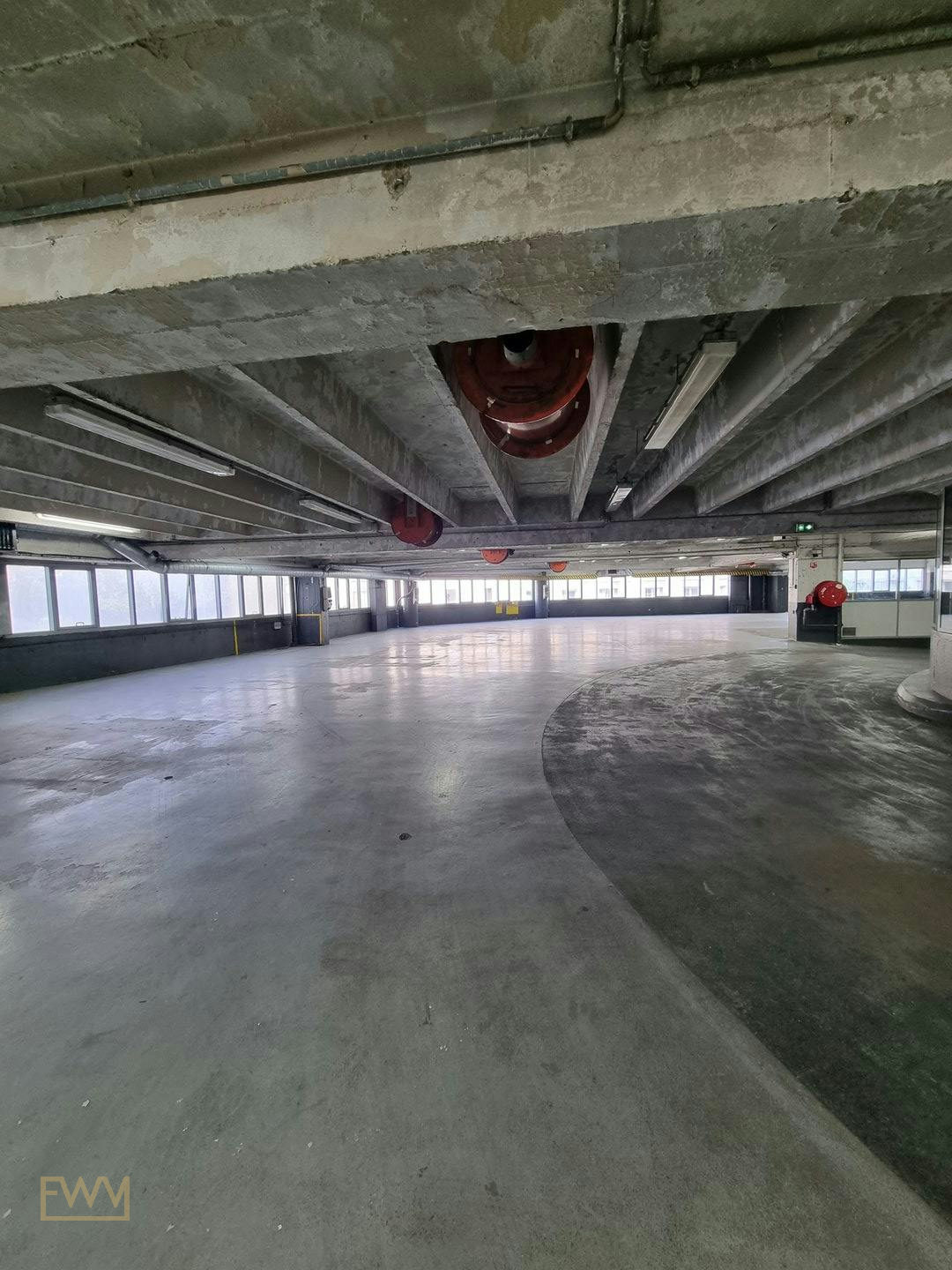
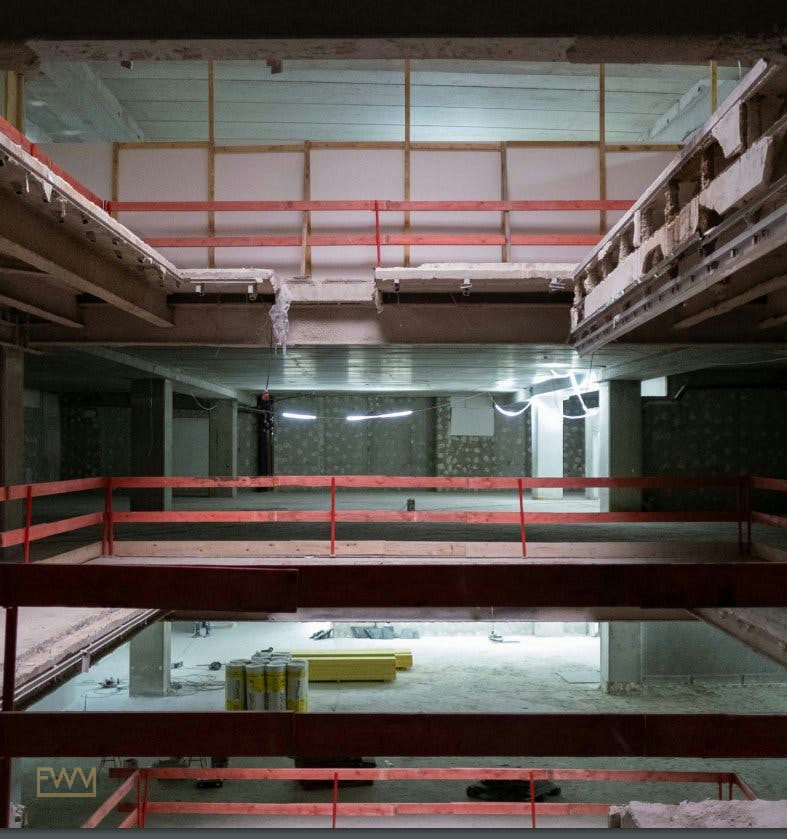
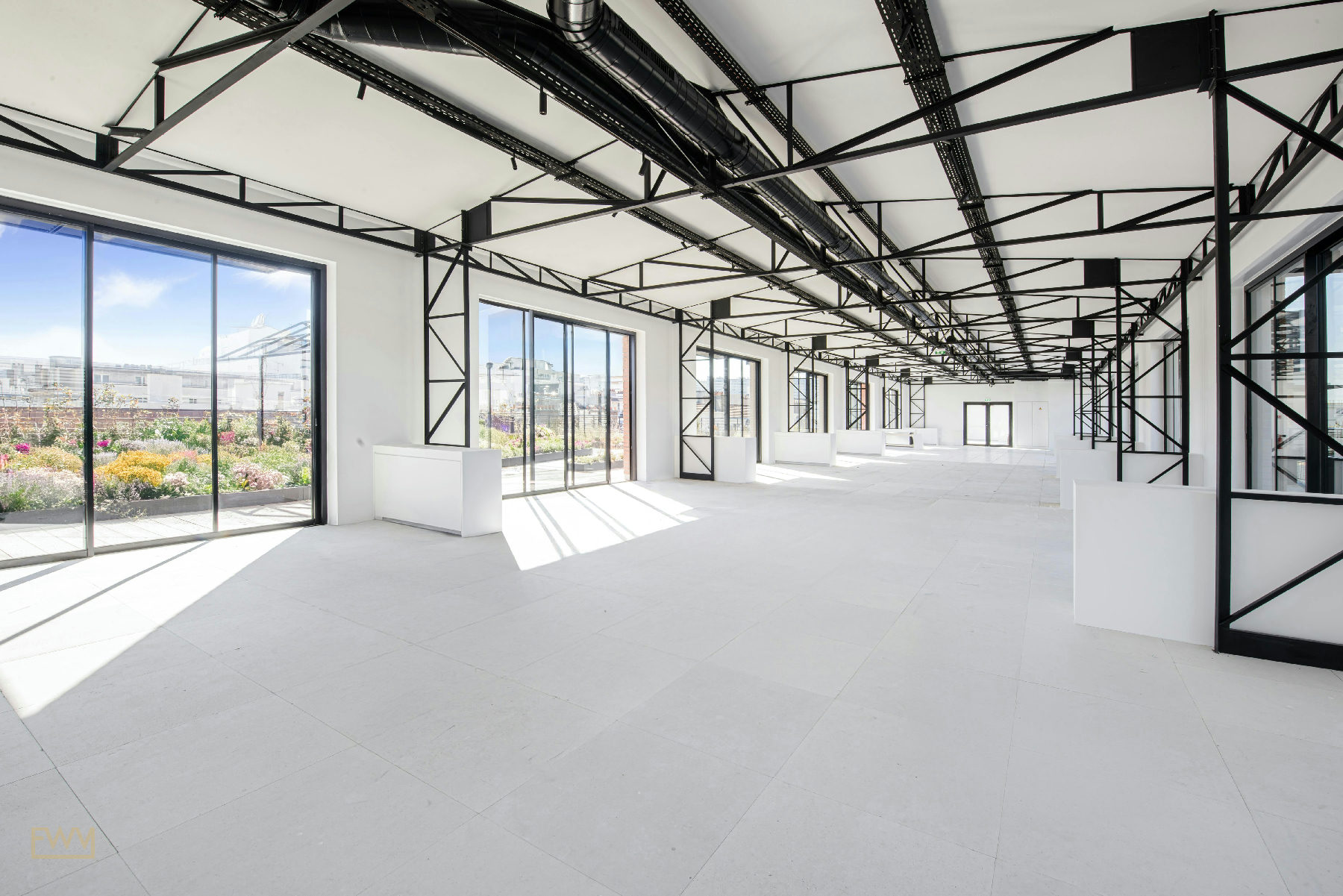
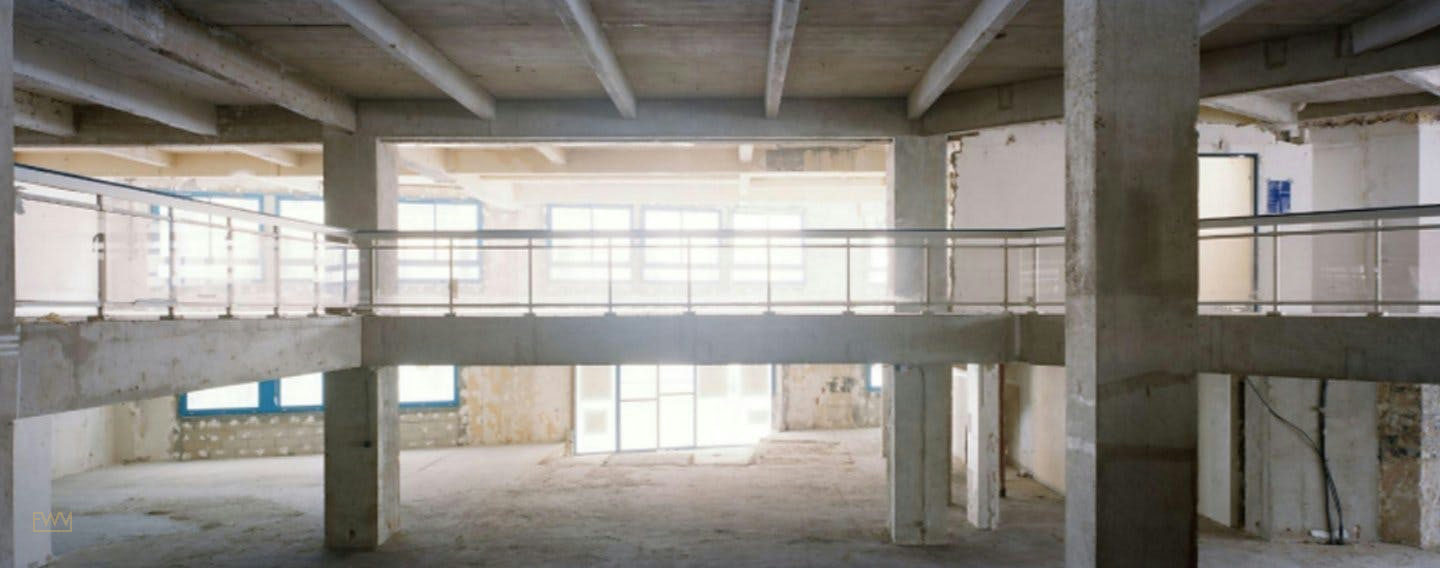
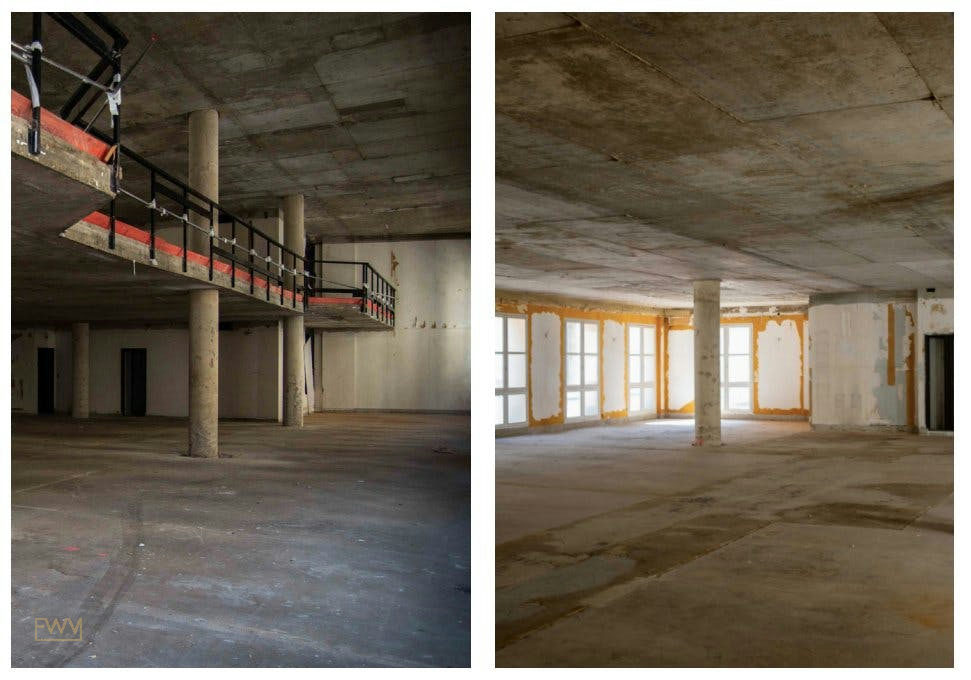
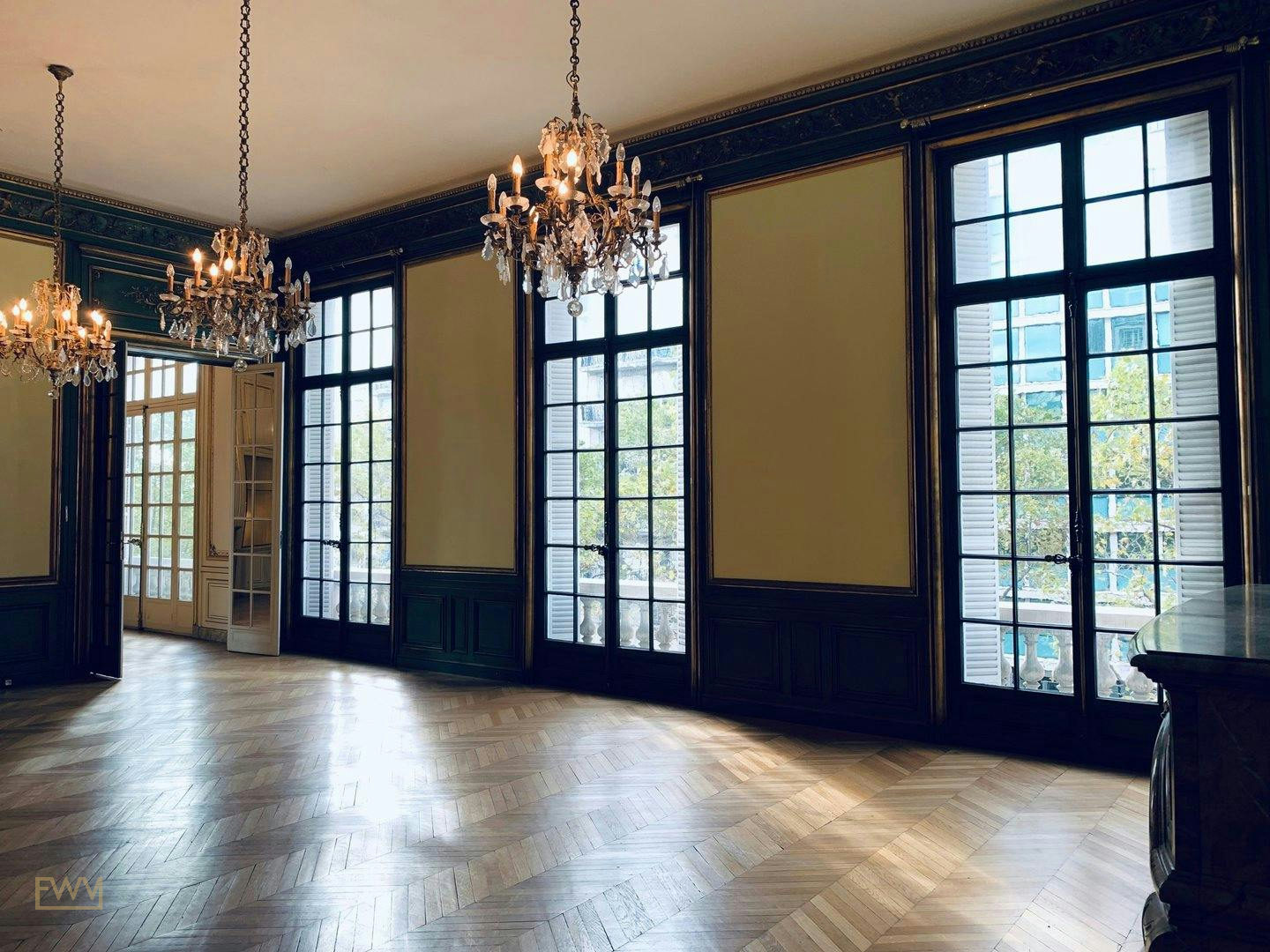
The diversity of space typologies available in the 4th arrondissement is another critical advantage. Unlike more homogeneous retail districts, Le Marais offers everything from street-level storefronts with original parquet floors and period mouldings, to raw concrete loft spaces above courtyard entrances, to ground-floor gallery spaces with polished concrete finishes and professional lighting tracks. This range means that whether a brand needs the warm, editorial atmosphere of an apartment-style showroom or the clean, white-walled neutrality of a gallery space, the 4th arrondissement almost certainly has a matching property available.
The neighbourhood is also operationally mature for short-term retail. Landlords and property managers in Le Marais are more experienced with temporary tenants than those in many other Paris arrondissements, which can reduce friction in negotiations and lead times. Several space owners have run repeated seasonal activations with international fashion brands, meaning that access to existing furniture rental contacts, local staffing agencies, and permit precedents is easier to navigate than in untested locations.
DID YOU KNOW: Châtelet-les-Halles is one of the busiest urban transit hubs in the world, with over 750,000 daily passenger movements funnelling commuters and visitors directly into the retail zone adjacent to the 4th arrondissement.
KEY TAKEAWAY: The 4th arrondissement's combination of consistently high foot traffic, culturally credible positioning, diverse space typologies, and operational experience with short-term tenants makes it the most strategically viable arrondissement in Paris for temporary retail activations across fashion, beauty, and creative sectors.
Understanding which specific streets and micro-zones within the 4th arrondissement best match your brand's positioning is the next step in building a viable brief for your Paris activation.
Key Streets and Micro-Zones for Temporary Retail in Le Marais
Quick answer: Within the 4th arrondissement, the most commercially significant streets for temporary retail are rue des Francs-Bourgeois, rue de Rivoli, rue Vieille-du-Temple, the streets surrounding Place des Vosges, and the Turenne corridor. Each street attracts a different visitor profile and supports different space types and brand positioning strategies.
Le Marais is not a monolithic retail zone. It operates as a collection of distinct micro-neighbourhoods, each with its own character, clientele, and commercial logic. Choosing the wrong street for your activation is one of the most common and costly mistakes that international brands make when entering Paris for the first time.
Rue des Francs-Bourgeois
This is the commercial spine of Le Marais and the street most consistently associated with fashion retail in the 4th arrondissement. It runs from the Marais historic centre toward the 3rd arrondissement boundary, passing through some of the neighbourhood's highest footfall zones. The street is anchored by both international flagships and independent boutiques, which means a pop-up here benefits from a shopper mindset that is already primed for discovery and purchase. Storefronts on rue des Francs-Bourgeois tend to attract fashion-forward Parisians and international visitors in roughly equal proportion, making it well-suited for contemporary fashion brands, accessories labels, and lifestyle concepts that need volume as well as visibility.
Place des Vosges and the Surrounding Arcades
Place des Vosges is one of the most photographed public squares in France and the anchor landmark of the southern section of the Marais. The arcaded galleries surrounding the square house a mix of established galleries, antique dealers, and upscale boutiques. Temporary retail spaces within or immediately adjacent to the arcades attract a high-value, deliberate shopper who tends to be older, more affluent, and less trend-driven than the street-level Marais visitor. For luxury fashion brands, jewellery labels, fine art collaborations, or high-end beauty activations, the Place des Vosges micro-zone offers prestige positioning that is difficult to replicate elsewhere in the arrondissement at a short-term rental tenure.
Rue Vieille-du-Temple
Running roughly north to south through the centre of Le Marais, rue Vieille-du-Temple is one of the neighbourhood's most characterful streets for creative and cultural activations. The mix of bar-restaurants at street level creates an evening economy that extends footfall well beyond normal retail hours, which can be advantageous for brands running evening events, cocktail parties, or launch activations alongside their daytime retail operation. Spaces on this street often feature the raw architectural character that editorial and creative teams favour: exposed stonework, courtyard access, natural light from skylights, and original floor treatments.
Rue de Bretagne and the Turenne Corridor
The streets around rue de Bretagne and the Turenne axis form the northern border of the 4th arrondissement's primary retail zone, bleeding into the 3rd. This area is generally considered more residential and neighbourhood-oriented than the commercial southern end of the Marais. Foot traffic volumes are lower, but the quality of the visitor is often higher in terms of local Parisian engagement. Independent concept stores, food-led retail, and creative studio spaces thrive here. For brands seeking a more intimate, editorial activation with a distinctly Parisian residential atmosphere, Turenne and Bretagne offer spaces that are frequently less expensive and more flexible than the prime frontage on Francs-Bourgeois.
Rue de Rivoli
The western edge of the 4th arrondissement along rue de Rivoli connects Le Marais to Châtelet-les-Halles and the broader first arrondissement commercial corridor. Foot traffic here is extremely high and predominantly tourist-driven, which can work well for brands seeking mass reach and volume-driven activations. Spaces on rue de Rivoli tend to be larger, more commercial in character, and less editorially positioned than those deeper in the Marais, which makes them more suitable for accessible contemporary brands than for luxury or niche creative concepts.
| Street or Zone | Primary Visitor Profile | Best Suited Space Types | Relative Foot Traffic Volume |
|---|---|---|---|
| Rue des Francs-Bourgeois | Fashion shoppers, international tourists | Storefronts, boutiques, concept stores | Very High |
| Place des Vosges arcades | Affluent tourists, collectors, art buyers | Gallery spaces, luxury retail, jewellery | High, deliberate pace |
| Rue Vieille-du-Temple | Creative professionals, Parisians, evening visitors | Gallery-boutiques, event spaces, showrooms | High, extended hours |
| Rue de Bretagne and Turenne | Local Parisians, neighbourhood residents | Concept stores, studios, intimate showrooms | Moderate |
| Rue de Rivoli | Tourists, transit users, broad demographics | Large storefronts, accessible retail | Very High, fast-moving |
TIP: If your brand is entering Paris for the first time and needs to balance visibility with editorial credibility, rue des Francs-Bourgeois and the streets immediately north of Place des Vosges tend to offer the strongest combination of both criteria for fashion and beauty pop-ups.
KEY TAKEAWAY: Each micro-zone within the 4th arrondissement serves a different strategic purpose. Matching your target clientele, space type preference, and activation format to the right street significantly improves both footfall quality and return on investment.
Once you have identified the right micro-zone, the next challenge is understanding the full range of space types available in Le Marais and how each type supports different activation formats.
Space Types Available for Temporary Retail in the 4th Arrondissement
Quick answer: Le Marais offers a broader range of short-term retail space typologies than almost any other district in Paris, including street-level storefronts, apartment-style showrooms with parquet floors, raw loft spaces with concrete finishes, gallery-format white-cube spaces, and courtyard properties with flexible layouts. The right typology depends on your activation format, brand aesthetic, team size, and duration of tenure.
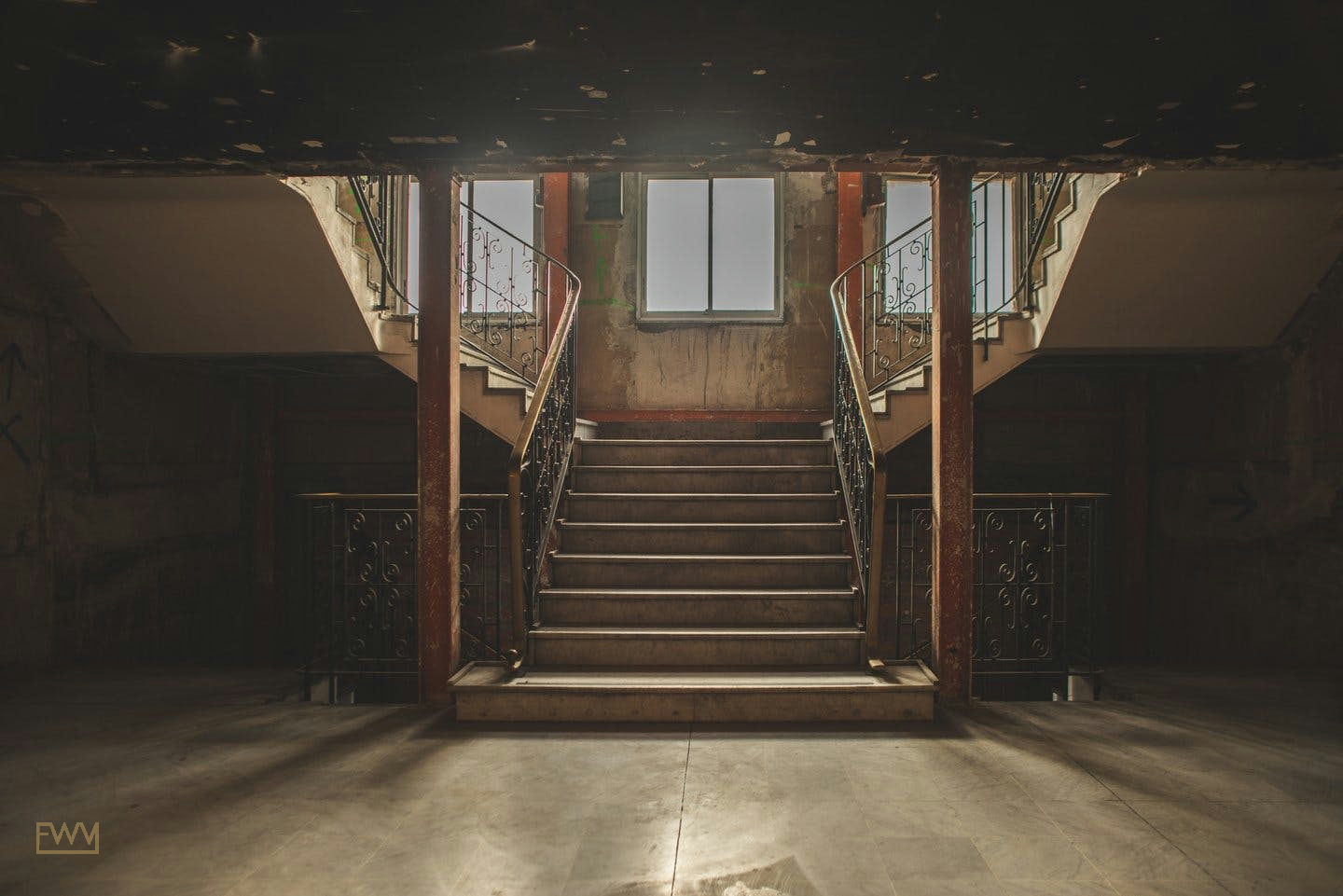
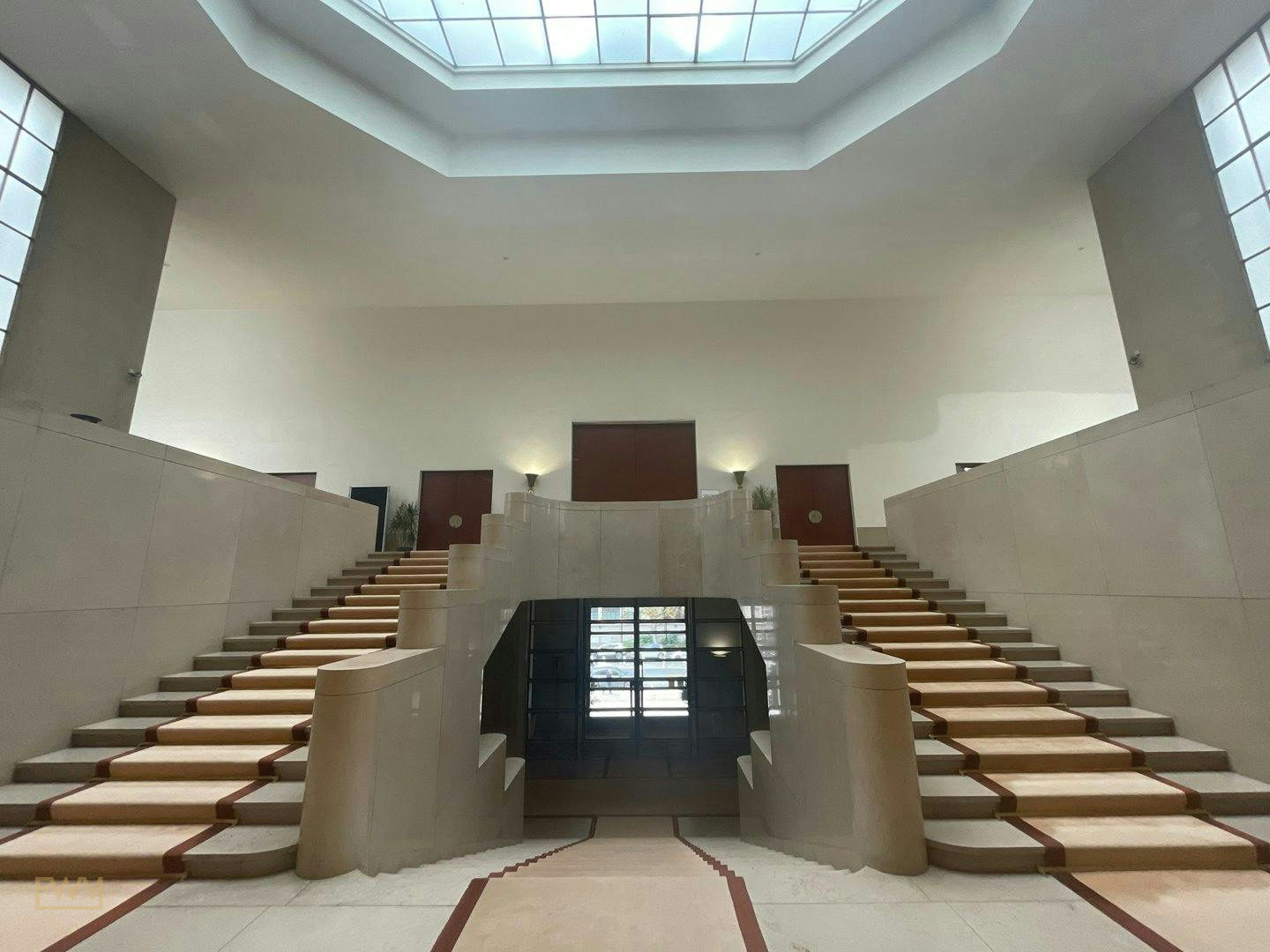
One of the defining characteristics of Le Marais as a retail destination is the physical diversity of its available spaces. The neighbourhood developed across several centuries, which means that the building stock ranges from 17th-century hôtel particuliers with original stone stairs and timber beams to 20th-century commercial conversions with polished concrete floors and industrial ceiling heights. For brand teams, this diversity is both an opportunity and a complexity, because no two spaces in Le Marais are directly comparable and the choice of space type has significant implications for fit-out requirements, permit needs, staffing logistics, and overall brand presentation.
Street-Level Storefronts
Traditional storefronts with direct pavement access are the most commercially straightforward option for brands operating a transactional retail model. They benefit from natural light from street-facing windows, clear sightlines for merchandising displays, and ease of customer flow. In Le Marais, storefronts on primary streets often come with character features including original tiled floors, period mouldings, and exposed stone or timber elements that add editorial value to the retail environment without requiring significant additional investment in branding and design.
Apartment-Style Showrooms
Le Marais has a strong tradition of apartment-format retail, where brands occupy a first or second-floor apartment space that has been reconfigured for commercial use. These spaces typically feature parquet floors, high ceilings, generous natural light from tall windows, and a domestic-scale intimacy that works exceptionally well for fashion showrooms, press days, private sales, and brand storytelling experiences. The controlled access of an apartment-style space also enables brands to manage visitor flow carefully, which suits appointment-only activations during Paris Fashion Week or Paris Design Week.
Gallery-Format Spaces
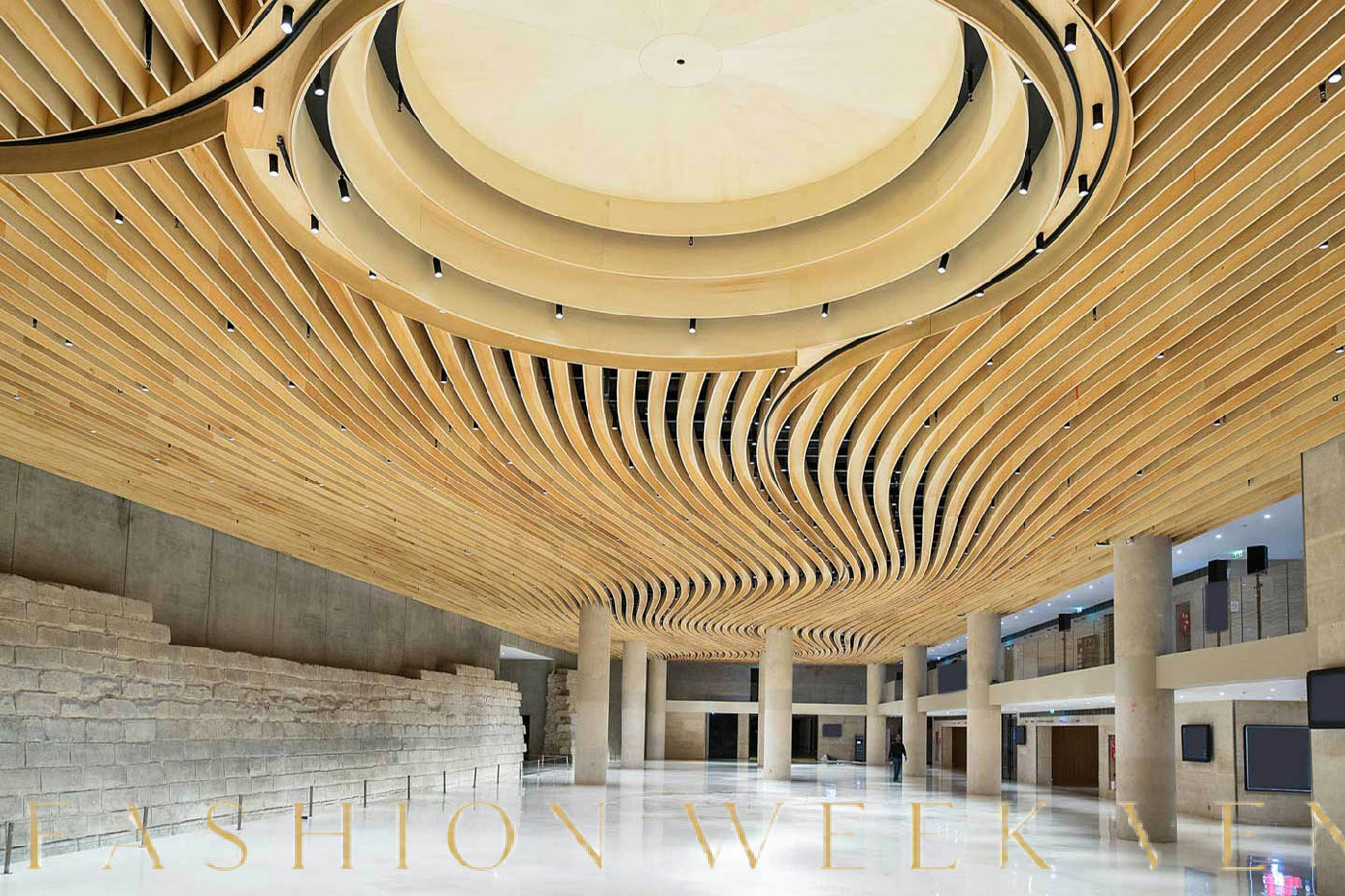
Galerie Joseph and similar gallery-format venues in Le Marais have long served as hybrid spaces for fashion, art, and cultural activations. Gallery spaces offer white-wall neutrality, professional track lighting, polished or raw concrete floors, and ceiling heights that allow for ambitious installation work. They suit brands with a strong visual identity that benefits from clean presentation rather than atmospheric or heritage setting. Gallery spaces are also well-suited to photo shooting, filming, and content production alongside commercial retail, since the neutral aesthetic provides a versatile backdrop.
Courtyard and Passage Spaces
Many of the hôtel particuliers in Le Marais contain internal courtyards that are accessible from the street via a porte cochère. Some of these courtyards have been partially or fully covered and converted into commercial spaces, creating unique environments that combine outdoor character with weather-protected retail. These spaces often feel genuinely exclusive because visitors must navigate a passage or gate to reach them, which creates a sense of discovery that highly brand-conscious activations can use to significant effect.
Multi-Floor Concept Store Formats
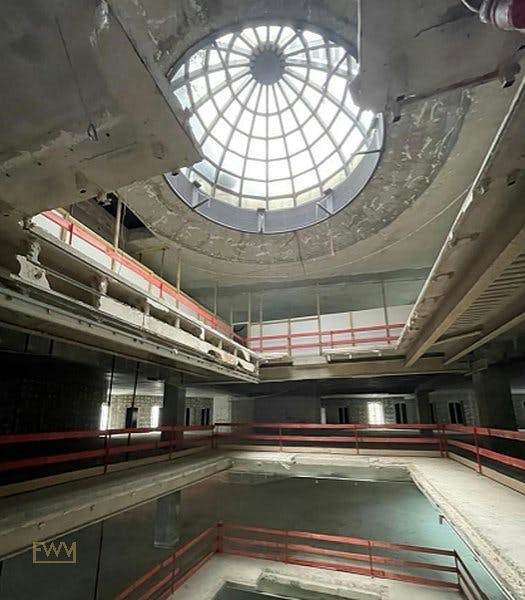
Several larger properties in the 4th arrondissement offer two or three floors of connected commercial space, enabling brands to operate retail on the ground floor, a showroom or press lounge on the first floor, and storage or staff facilities on the upper level. This multi-floor format is particularly valuable during Fashion Week when a brand needs to host wholesale buyers, press appointments, and public-facing retail simultaneously without those audiences interfering with each other.
| Space Type | Typical Floor Finish | Best Activation Format | Natural Light Level | Typical Tenure Flexibility |
|---|---|---|---|---|
| Street-level storefront | Original tile, parquet, or polished concrete | Transactional pop-up, concept store | High from street windows | 1 week to 6 months |
| Apartment-style showroom | Parquet, herringbone, period tile | Showroom, press day, private sale | Very high from tall windows | 3 days to 3 months |
| Gallery-format space | Polished or raw concrete, white resin | Art and fashion installation, launch event | Moderate, often supplemented by track lighting | 1 day to 3 months |
| Courtyard or passage space | Stone, cobblestone, mixed | Exclusive brand experience, private event | Variable | 1 day to 1 month |
| Multi-floor concept space | Mixed across floors | Wholesale plus retail, dual-audience activation | High on upper floors | 1 week to 6 months |
KEY TAKEAWAY: Selecting the right space type before beginning your property search saves significant time and prevents the common mistake of falling in love with a visually appealing space that is operationally unsuitable for your activation format or audience flow requirements.
To compare neighbourhoods and space types across Paris and build a shortlist aligned with your brief, explore the Paris city hub on Fashion Week Venues and use the comparison and locator tools to narrow your options by format, size, and location.
Knowing what types of spaces are available is only part of the challenge. Understanding the legal and regulatory framework for short-term retail in Paris is equally important, and significantly more complex than many international brands expect.
Permits, Leases, and Compliance for Temporary Retail in Paris
Quick answer: Short-term commercial retail in Paris operates under a different legal framework from standard long-term commercial leases. The two most relevant instruments are the bail dérogatoire, a short-term commercial lease of up to three years that derogates from the protections of the standard French commercial lease statute, and the autorisation d'occupation temporaire (AOT), which applies to certain types of temporary use of public or semi-public space. Requirements vary significantly by space type, duration, arrondissement, and intended use, and brands should always verify their specific situation with a qualified French legal advisor.
International brands entering Paris for a temporary retail activation frequently underestimate the complexity of the French regulatory environment. France has some of the most tenant-protective commercial property legislation in Europe, which paradoxically makes short-term retail more rather than less complex to execute correctly. The standard French commercial lease, known as the bail commercial, offers tenants significant statutory protections including a minimum nine-year duration, which is entirely unsuitable for a pop-up activation. Two alternative instruments are available for brands operating on a short-term basis.
The Bail Dérogatoire
The bail dérogatoire, sometimes called the bail précaire or short-stay commercial lease, allows landlords and tenants to agree on a lease duration of up to three years without the tenant acquiring the statutory rights that attach to a standard bail commercial. This is the most commonly used instrument for genuine short-term retail occupancies of between one month and two years in Paris. Key characteristics include a clearly agreed start and end date, no statutory right to renewal for the tenant, and a requirement that both parties explicitly agree in writing that the lease is entered into on a dérogatoire basis. If the tenant remains in occupation after the agreed end date without a new agreement, the lease risks converting into a standard bail commercial with all associated protections and obligations. Brands planning activations of between one week and several months should discuss this instrument specifically with their legal advisor, as the minimum and maximum term thresholds and formality requirements can create complications if not handled correctly from the outset.
Autorisation d'Occupation Temporaire (AOT)
The autorisation d'occupation temporaire is a permit rather than a lease, most commonly used for the temporary occupation of public domain property, including certain iconic Paris locations, covered passages, public parks, and municipally controlled forecourts. For brands seeking a culturally significant location that sits on or adjacent to public space, understanding whether an AOT is required and whether the relevant local authority is likely to issue one is an essential pre-planning step. The 4th arrondissement includes several locations where AOT conditions apply, and the application process requires lead time that many international brands do not factor into their initial Paris timelines.
Additional Compliance Considerations
Beyond the lease instrument itself, temporary retail operators in Paris must navigate several additional compliance areas. These include: commercial activity registration requirements, which may require the brand to have or appoint a registered entity in France; insurance obligations covering public liability, premises, and stock; DGCCRF (consumer protection) compliance for pricing display and commercial terms in French; accessibility requirements for public-facing commercial spaces; and in some cases, planning and heritage consent for any external signage or facade modifications in zones covered by the Architectes des Bâtiments de France, which applies to significant portions of the 4th arrondissement given its architectural heritage status.
IMPORTANT: Requirements vary considerably by space type, building category, intended use, and duration. Nothing in this guide constitutes legal advice. Always consult a qualified French lawyer or notary before signing any lease or permit agreement for temporary retail in Paris.
For practical permit guidance specific to your activation format and location, use the permit planning tool on Fashion Week Venues to understand what approvals are likely to apply to your brief.
KEY TAKEAWAY: The French regulatory framework for temporary retail is materially more complex than the equivalent framework in the UK, US, or most of continental Europe. Building permit and compliance review time into your planning timeline from the outset, rather than treating it as an afterthought after securing a space, is essential for avoiding costly delays or failed activations.
Understanding the regulatory framework also directly informs your budget planning, since permit costs, legal fees, insurance, and compliance infrastructure can represent a meaningful proportion of total activation costs in Paris.
Budget Planning for Temporary Retail in the 4th Arrondissement
Quick answer: Activation budgets for temporary retail in Le Marais vary very widely depending on space type, location, duration, fit-out scope, staffing model, and marketing investment. Directional cost drivers include space rental, production and build, furniture and fixtures, temporary staffing, permits and insurance, and marketing support. Brand teams should build their budget models against a specific brief rather than against generic industry averages, since Le Marais pricing reflects multiple overlapping premium factors.
Budget planning for a Paris pop-up or temporary retail activation is one of the most common areas where international brands make costly mistakes, usually by underestimating total cost of occupancy and overestimating how much of the budget they can allocate to the visible and creative elements of the activation at the expense of the operational infrastructure.
Space rental in Le Marais reflects the neighbourhood's premium positioning. Daily, weekly, and monthly rental rates for short-term commercial spaces in the 4th arrondissement are among the highest in Paris outside the 1st arrondissement's Vendôme and Saint-Honoré corridors. Rates are driven by street frontage, size, floor finish and character, natural light, ceiling height, and the landlord's prior experience with temporary tenants. During Paris Fashion Week, rates for the most in-demand spaces in Le Marais can increase significantly above baseline levels as competition from international fashion brands intensifies.
Beyond space rental, the major cost drivers for a Paris temporary retail activation include production and build costs for any fit-out or reconfiguration work; furniture rental for display units, rails, seating, and lighting; temporary retail staffing, which in France involves navigating specific labour law requirements for short-term contracts and potentially agency staff arrangements; point-of-sale and payment infrastructure; storage for stock; security; insurance; and marketing investment across social media, influencer activation, and local press outreach.
A realistic budget model for a Le Marais pop-up also needs to account for logistics costs that international brands frequently overlook: freight and customs for stock arriving from outside the EU, translation and localisation of in-store communications to comply with French consumer protection requirements, and the cost differential between Paris-based contractors and international suppliers for production and build.
TIP: Building a detailed budget model before you begin your space search, rather than after you have fallen in love with a specific space, gives you the clarity to assess whether a given location is viable within your overall investment parameters. Use the budget planning tool on Fashion Week Venues to build a brand-specific estimate based on your activation format, space size, and duration.
Data analytics investment is also increasingly being budgeted as a core line item by brands that want to demonstrate return on investment beyond gross sales. Foot traffic counting, dwell time analysis, conversion rate measurement, and social listening data can all contribute to a post-activation ROI assessment that justifies future investment in Paris temporary retail.
KEY TAKEAWAY: Total cost of occupancy for a Le Marais temporary retail activation consistently exceeds the space rental line alone by a significant margin. Brands that plan against total cost of occupancy from the outset, rather than treating ancillary costs as variables to be optimised later, tend to achieve better operational outcomes and more accurate ROI measurement.
Building a realistic budget is closely linked to understanding the Paris Fashion Week and events calendar, which drives both demand for space and the strategic timing windows that deliver the highest return on temporary retail investment in the 4th arrondissement.
Paris Fashion Week and the Events Calendar for Le Marais Activations
Quick answer: Paris Fashion Week is the most commercially significant calendar window for temporary retail and showroom activations in Le Marais, but it is far from the only viable period. Paris Design Week, FIAC (the international contemporary art fair), the Paris Design Week, and the broader annual tourism and retail calendar create multiple high-footfall windows throughout the year when a temporary retail presence in the 4th arrondissement can deliver strong returns.
Paris operates on one of the world's most commercially productive annual event calendars for fashion, art, design, and luxury. Understanding this calendar and aligning your temporary retail activation to the highest-relevance window for your brand is a fundamental strategic decision that affects space availability, pricing, lead time requirements, and the quality of the audience your activation will reach.
Paris Fashion Week takes place twice annually, in January and February for the Autumn-Winter collections, and in September and October for the Spring-Summer collections. The September-October window is generally considered the most commercially significant for international brands, as it coincides with the heaviest concentration of international press, buyers, and influencers in Paris. Space demand in Le Marais peaks sharply during Fashion Week, particularly for showroom-format spaces suitable for appointment-only brand presentations and press days. Brands that plan to run a temporary retail or showroom activation during Fashion Week should begin their space search a minimum of three to six months in advance, since the most desirable spaces in the 4th arrondissement are frequently reserved well ahead of the season.
Paris Design Week, typically held in September in conjunction with Maison et Objet, creates a secondary peak of high-value foot traffic in Le Marais from design professionals, interior architects, and luxury lifestyle consumers. For homeware brands, beauty labels, and lifestyle concepts, Paris Design Week can be as commercially productive as Fashion Week for temporary retail purposes.
FIAC, the international contemporary art fair, traditionally anchors the October art season in Paris and draws a collector and cultural audience that engages deeply with gallery-format brand activations, product launches with an art dimension, and limited-edition collaborations. Brands with an art direction component to their identity benefit significantly from timing a Le Marais activation to coincide with FIAC's opening week.
Beyond these headline calendar events, the broader Paris tourism calendar creates consistent high-footfall windows throughout the year. School holiday periods in key source markets such as the UK, Germany, Benelux, and North America typically drive additional tourist volume through Le Marais. The Christmas and New Year retail season creates strong commercial potential for brands targeting gift-giving and celebration purchasing behaviour. And the spring season from March through May consistently attracts high-quality tourism traffic that engages well with fashion, beauty, and lifestyle retail concepts.
DID YOU KNOW: Paris consistently ranks as one of the top three most visited cities in the world, with over 30 million tourist arrivals in a strong year, a significant proportion of whom visit Le Marais as one of their primary neighbourhood destinations.
For brands targeting wholesale buyers and press appointments rather than direct-to-consumer retail, the Fashion Week showroom window is the most commercially concentrated opportunity in the global calendar. A well-positioned showroom in the 4th arrondissement during Paris Fashion Week can generate commercial outcomes that would take months of domestic showroom activity to replicate.
Use the timeline planning tool on Fashion Week Venues to map your activation plan against the Paris events calendar and identify the optimal booking window for your specific brief.
KEY TAKEAWAY: Aligning your temporary retail or showroom activation in Le Marais with a relevant Paris events calendar peak does not simply boost foot traffic: it fundamentally changes the quality and commercial intent of the audience your brand reaches, and frequently justifies the premium rental rates associated with high-demand calendar windows.
Understanding the strategic calendar context for your activation also directly informs your choice of agency partner, since the right support infrastructure is essential for executing a Paris activation at the quality level that the Le Marais environment demands.
How Fashion Week Venues Supports Temporary Retail Activations in the 4th Arrondissement
Fashion Week Venues operates as a full-service pop-up agency and space marketplace with Paris as its primary and anchor market. For brands planning a temporary retail activation, showroom, or brand experience in Le Marais, Fashion Week Venues offers an integrated suite of services and tools that address every stage of the activation lifecycle, from initial space discovery through to post-activation data analysis.
The venue sourcing service is the starting point for most brand teams. Rather than navigating the fragmented Paris property market independently, which typically involves dealing with multiple commercial agents, platform listings that lack operational detail, and landlords who may be unfamiliar with international brand requirements, Fashion Week Venues provides direct access to a curated portfolio of vetted spaces across the 4th arrondissement and wider Paris. The agency's sourcing team can match a brand brief against available spaces by location, size, floor type, ceiling height, natural light level, permitted use, and short-term rental flexibility.
Once a space is identified, the concept and creative direction service helps brands develop a spatial narrative that translates their brand identity into a physical retail experience. This is particularly valuable for international brands entering Paris for the first time, where the risk of a culturally misaligned or visually generic activation is high. Paris retail audiences, and particularly the Le Marais clientele, are exceptionally design-literate and respond poorly to activations that feel imported without adaptation.
Production and build, furniture rental, branded store design, retail staffing, POS and payments, and influencer marketing support are all available as integrated services, allowing brand teams to choose the level of agency involvement that matches their internal capabilities and budget constraints. The production and build service covers fit-out, fabrication, installation, and de-rig, with Paris-based contractors familiar with the specific building constraints of Le Marais heritage properties. The retail staffing service covers temporary staff sourcing, briefing, and management, navigating French short-term employment requirements on the brand's behalf.
Fashion Week Venues also operates a suite of planning tools specifically designed for brands at the research and brief-building stage. The ROI calculator allows brand teams to model projected return against space and activation costs before committing to a booking. The space comparison tool enables side-by-side evaluation of shortlisted spaces across key criteria. The space locator tool maps available spaces geographically against the Paris event footprint, making it easier to assess walk-to catchment areas from key locations like Centre Pompidou, Place des Vosges, or the Châtelet-les-Halles transit hub.
The agency's Twin concept supports brands that want to run simultaneous activations in two complementary locations, for example a showroom format in the 4th arrondissement alongside a more transactional pop-up in a different Paris neighbourhood, maximising reach across different audience segments without duplicating full production costs. The Imagine tool allows brand teams to visualise their spatial concept in a chosen space before committing to a lease, reducing the risk of misalignment between the brand's creative vision and the physical reality of a given property.
For brands that have not previously worked with a Paris pop-up agency, the agency hiring guide on Fashion Week Venues provides a structured framework for evaluating agency capabilities, service scope, fee models, and contractual expectations, helping brand teams make an informed decision before entering an agency relationship.
It is important to understand that Fashion Week Venues provides support, tools, and connections to facilitate activations, but does not guarantee specific space availability, permit approvals, foot traffic outcomes, or sales performance. Outcomes depend on multiple factors including brand equity, product-market fit, activation quality, timing, and the competitive environment in Paris during any given calendar window.
KEY TAKEAWAY: Fashion Week Venues' integrated model reduces the number of separate vendor relationships a brand needs to manage in Paris, which is particularly valuable for international teams who cannot rely on an existing network of Paris-based suppliers and advisors.
Digital Infrastructure, Platform Security, and Online Space Discovery in Paris
Quick answer: When searching for temporary retail space in Paris online, understanding how different platforms operate, how they protect listing data, and how to verify the legitimacy of spaces and landlords is an essential part of the research process. Reputable space marketplaces invest in platform security to protect users from fraudulent listings and data manipulation, which matters particularly for international brands who cannot easily verify properties in person before committing to a booking.
The market for temporary retail space in Paris has evolved significantly with the growth of online space marketplaces. Platforms such as Peerspace, Nestore, and various commercial real estate portals including LoopNet and CoStar serve different segments of the Paris space rental market, from day-rate event spaces to longer-term commercial property listings. Each platform has different verification standards, security infrastructure, and user experience characteristics that affect how reliable the information they present actually is.
For brands searching for short-term retail and showroom space in Le Marais specifically, the critical platform criteria are whether spaces are verified against physical inspection rather than landlord-supplied descriptions alone; whether the platform has a clear dispute and refund policy for transactions; whether listing data is kept current rather than showing spaces that are already occupied or unavailable; and whether the platform provides sufficient operational detail, including floor plans, ceiling heights, natural light assessments, and permitted use categories, to make an informed shortlisting decision without requiring multiple site visits.
Platform security is an increasingly important factor as the value of short-term commercial property transactions has grown. Reputable marketplace operators invest in security infrastructure to protect user accounts, listing data, and transaction records from online attacks, SQL injection attempts, and malformed data submissions that could compromise listing integrity or payment security. When using any platform to research or transact temporary retail space, brands should verify that the site is protected by enterprise-grade security services, look for clear terms of use that specify how disputes are handled, and avoid platforms that process payment outside their own verified payment infrastructure.
Data analytics capabilities are becoming a standard expectation for brands using space marketplaces. The ability to track search behaviour, save and compare listings, set up alerts for new space availability matching a specific brief, and access historical pricing data for comparable spaces gives brand teams significant negotiating and planning advantages. The Fashion Week Venues marketplace is built with these capabilities in mind, enabling brand teams to browse, shortlist, compare, and progress space searches through a structured digital workflow rather than managing multiple parallel conversations with different brokers and landlords.
IMPORTANT: When using any online platform to research Paris commercial space, always verify that you are interacting with a legitimate listing and a verified space owner. Fraudulent listings targeting international brands seeking Paris pop-up space do exist. If a space deal appears significantly below market rate or requires an unusual payment method, treat this as a red flag and verify the listing independently before transferring any funds.
KEY TAKEAWAY: The quality and security of the digital infrastructure you use to discover and transact temporary retail space in Paris directly affects the reliability of the information you receive and the safety of your booking transactions. Using verified, reputable marketplace platforms significantly reduces the risk of wasted time, mismatched expectations, and financial loss.
Common Myths About Renting Temporary Retail Space in Paris Debunked
MYTH: You need a French legal entity to rent a pop-up space in Paris.
FACT: Many short-term space arrangements in Paris can be structured in ways that do not require the brand itself to be incorporated in France, particularly for very short activations. However, the requirements vary significantly depending on the lease type, duration, commercial activity involved, and the landlord's preferences. Some landlords require a French guarantor or a French entity for any commercial occupation, while others are experienced with international brands and have established frameworks for short-term international tenancies. Always verify the specific requirements for your chosen space with a French legal advisor before assuming either that a French entity is mandatory or that it is unnecessary.
MYTH: Paris Fashion Week is the only viable timing window for a temporary retail activation in the 4th arrondissement.
FACT: While Paris Fashion Week delivers the highest concentration of fashion industry professionals and media in the Paris calendar, it is far from the only commercially viable window for temporary retail in Le Marais. Paris Design Week, FIAC, the holiday retail season, and the spring and summer tourist peaks all create high-footfall, high-spend audience conditions in the 4th arrondissement that can deliver strong returns for the right brand and activation format. Brands that only target Fashion Week windows also face the most intense competition for prime spaces and the highest short-term rental premiums. Brands that plan outside Fashion Week peaks can often access better spaces at more competitive rates with longer lead times and less production pressure.
MYTH: The only way to find a short-term retail space in Le Marais is through a commission broker.
FACT: Commission brokers remain one channel for finding commercial space in Paris, but they are not the only option and are not necessarily the most efficient or cost-effective route for short-term temporary retail. Online space marketplaces, full-service pop-up agencies with existing space relationships, and direct outreach to property managers in Le Marais are all viable alternatives. Full-service agencies like Fashion Week Venues offer the additional advantage of bundling space sourcing with operational services, which reduces the total coordination burden on the brand team and can produce better value for the overall activation budget than a broker-plus-multiple-vendors model.
MYTH: Short-term commercial leases in Paris are legally straightforward and do not require specialist advice.
FACT: Short-term commercial occupancy in France is governed by a complex legislative framework that includes the bail dérogatoire, the autorisation d'occupation temporaire, and multiple overlapping regulations covering consumer protection, heritage planning, labour law for any temporary staff, and insurance. Errors in lease documentation, such as failing to explicitly characterise a lease as dérogatoire or allowing a tenant to remain in occupation beyond the agreed term without a new agreement, can have significant and costly legal consequences. International brands in particular benefit from working with a French legal advisor who is familiar with the specific requirements of short-term commercial occupancy rather than assuming that a standard commercial lease from another jurisdiction provides adequate guidance.
MYTH: Any Paris pop-up space can be used for any type of retail or brand activation.
FACT: Permitted use clauses in Paris short-term commercial leases define what type of activity can legally take place in a given space. A space permitted for retail may not be permitted for food service, alcohol sales, public events, photo or film production, or seminar and conference use without additional approvals or lease amendments. In the 4th arrondissement specifically, heritage protection zones and residential building regulations create additional use restrictions that can affect everything from the hours during which commercial activity is permitted to the type of external signage that can be installed. Always verify permitted use against your specific activation format before signing a lease.
Frequently Asked Questions
What is a pop-up store and how does it differ from a traditional retail space in Le Marais?
A pop-up store is a temporary retail space that operates for a defined and typically short period, ranging from a single day to several months, rather than under a long-term commercial lease. In Le Marais, pop-up stores may occupy the same types of physical spaces as permanent boutiques, including street-level storefronts, apartment-format showrooms, and gallery spaces, but they operate under short-term lease instruments such as the bail dérogatoire. The key distinctions from a permanent boutique are the temporary character of the occupation, the flexibility to exit at the agreed end date without statutory renewal rights, and the typically higher cost per day or week of rental relative to a long-term lease. For fashion brands, pop-up stores in the 4th arrondissement serve purposes that go beyond pure transactional retail, including brand building, market testing, press engagement, and cultural positioning.
How much does a pop-up shop cost in the 4th arrondissement Paris?
Rental costs for temporary retail space in Le Marais vary widely based on street, space size, floor type, ceiling height, available natural light, and the landlord's experience with short-term tenants. During Paris Fashion Week, rates at prime locations are notably higher than during off-peak periods. Beyond rental, total activation costs include production and fit-out, furniture, staffing, insurance, permits, marketing, and logistics. Directional cost modelling should always be built against your specific brief rather than generic industry averages. The budget planning tool on Fashion Week Venues allows brand teams to build a brief-specific estimate before committing to a space or booking.
What is a fashion showroom in Paris and how is it different from a pop-up store?
A fashion showroom in Paris is a temporary or semi-permanent commercial space used primarily for wholesale buyer appointments, press presentations, and stylist access rather than direct-to-consumer retail sales. Showrooms are typically smaller, more appointment-oriented, and more focused on product presentation than retail pop-ups. During Paris Fashion Week, the distinction between a showroom and a pop-up store is commercially significant: showrooms target the trade and press audiences that attend Fashion Week, while pop-up stores target direct consumers and broader public foot traffic. Some activations in Le Marais operate as hybrid formats, with a showroom on one floor and a public-facing retail space on another, which is one of the reasons multi-floor properties in the 4th arrondissement are particularly in demand during Fashion Week.
How do I rent a pop-up shop in Paris as an international brand?
The process for renting a pop-up shop in Paris as an international brand typically involves identifying the right neighbourhood and space type for your brief, shortlisting spaces through a marketplace or agency, negotiating lease terms under the bail dérogatoire framework, securing any necessary permits for your activation format, arranging insurance and compliance infrastructure, and managing fit-out, staffing, and marketing. Working with a full-service agency that has existing relationships with Le Marais landlords and an understanding of French regulatory requirements significantly simplifies this process for international brands who cannot rely on an existing Paris network. The process page on Fashion Week Venues provides a detailed walkthrough of how the agency structures a Paris activation from brief to opening.
Are pop-up stores common in Paris and specifically in Le Marais?
Pop-up stores are extremely well-established in Paris and particularly in Le Marais, which is one of the global pioneer neighbourhoods for the pop-up retail format. The 4th arrondissement has hosted temporary retail activations from virtually every major international fashion and luxury brand over the past two decades, alongside a continuous programme of independent designer pop-ups, art gallery takeovers, and seasonal brand experiences. Landlords in Le Marais are generally more familiar with short-term commercial tenancies than those in many other Paris arrondissements, and the infrastructure for pop-up production, staffing, and marketing is well-developed in the neighbourhood. This maturity makes Le Marais a lower-risk entry point for brands new to the Paris pop-up market than less tested arrondissements.
What permits do I need for a pop-up in the 4th arrondissement?
Permit requirements for a pop-up in the 4th arrondissement depend on your space type, intended commercial activity, duration, and whether the space or its exterior falls within a heritage protection zone. Common permit considerations include commercial activity registration, signage permissions in heritage zones, event licences for public-facing activations with music or alcohol service, and in some cases autorisation d'occupation temporaire for spaces with a public domain interface. Requirements vary and should be verified against your specific space and activation format with a French legal advisor. The permits tool on Fashion Week Venues provides a starting framework for understanding which approvals may apply to your brief.
Can I rent a short-term retail space in Le Marais without a French company?
Whether a French legal entity is required to rent a short-term commercial space in Le Marais depends on the specific lease instrument, the space owner's requirements, and the nature and duration of your commercial activity. Some short-term arrangements are accessible to international entities without a French company, particularly for very brief activations or where a reputable agency acts as an intermediary. Others require a French-registered entity or guarantor. Do not assume either outcome without seeking specific legal advice for your situation. Working with an agency that has existing landlord relationships in Le Marais can sometimes facilitate arrangements that would be more difficult to access through direct approach.
What neighbourhoods in Paris compete with Le Marais for fashion pop-ups?
The main Paris neighbourhoods that compete with Le Marais for fashion pop-up and temporary retail activations include Saint-Germain-des-Prés in the 6th arrondissement, the Saint-Honoré and Vendôme corridor in the 1st arrondissement, and the Champs-Élysées axis in the 8th. Each neighbourhood serves a different brand positioning: Saint-Honoré and Vendôme target ultra-luxury, Saint-Germain targets intellectual and editorial fashion, and the Champs-Élysées corridor targets high-volume accessible luxury. Le Marais occupies a distinctive middle position that combines genuine cultural credibility with strong commercial foot traffic, making it the most versatile arrondissement for brands that need both editorial positioning and transactional performance from a single Paris activation.
What does a typical temporary retail space in Le Marais include in the rental?
What is included in a short-term retail rental in Le Marais varies considerably by property and landlord. Street-level storefronts typically include the bare shell of the space with basic utilities connection points, but rarely include furniture, display fixtures, point-of-sale infrastructure, or branded elements, all of which need to be sourced separately. Some apartment-format showrooms are offered semi-furnished, with existing furniture that can be used or replaced depending on the lease terms. Gallery spaces are typically offered empty with professional lighting tracks installed. Storage, security, cleaning, and internet connectivity are often excluded from headline rental rates and need to be negotiated as additions or sourced independently. Always clarify the full scope of what is and is not included before comparing rental quotes from different spaces.
How far in advance should I book a pop-up space in Le Marais for Paris Fashion Week?
For Paris Fashion Week activations in the most desirable locations within the 4th arrondissement, a lead time of three to six months is recommended as a minimum. Some of the highest-demand spaces are reserved twelve months in advance by returning tenants who have established a regular Fashion Week presence in Le Marais. Brands approaching their first Paris Fashion Week activation with a shorter lead time than three months will find that their options are significantly constrained, particularly for spaces with strong natural light, multiple floors, and primary street frontage. Starting the space search and agency brief process as early as possible substantially improves the quality of the shortlist that can be assembled within any given budget range.
Can a space in Le Marais be used for photo shooting and filming as well as retail?
Many spaces in Le Marais are available for photo shooting and filming either as standalone bookings or as ancillary uses within a retail lease period. However, permitted use for commercial photography and film production is not automatically included in a retail lease and needs to be explicitly agreed with the space owner. Some properties in the 4th arrondissement have specific restrictions on filming activity, particularly those in residential buildings where other occupants have rights to quiet enjoyment. For brands planning to use their pop-up space for content production alongside retail, this should be specified in the initial brief and confirmed in the lease documentation before signing.
Is Le Marais suitable for brands activating during Paris Design Week as well as Fashion Week?
Le Marais is one of the strongest performing neighbourhoods in Paris for Paris Design Week activations, not only for Fashion Week. The neighbourhood's concentration of design-literate residents and visitors, its density of design and homeware retailers, and its gallery infrastructure make it well-suited to design-oriented brand experiences, installation-based activations, and product launches with a cultural or artistic dimension. Brands in homeware, beauty, lifestyle, and art-adjacent fashion can achieve strong audience quality during Paris Design Week by positioning in Le Marais and aligning their activation narrative with the design week programme. The overlap between the Fashion Week and Design Week calendars in September creates a combined audience of fashion, design, and creative industry professionals that is unusually concentrated and commercially valuable for brands operating across these sectors.
What is the difference between a bail dérogatoire and a standard commercial lease in France?
A standard French commercial lease, known as the bail commercial, is governed by the French Commercial Code and offers the tenant extensive statutory protections including a minimum nine-year term, a right to renewal at the end of the term, and regulated conditions for rent review. This framework is entirely unsuitable for temporary retail activations. The bail dérogatoire is a short-form commercial lease that legally overrides these protections by explicit mutual agreement between landlord and tenant, allowing occupancy for up to three years without the tenant acquiring renewal rights. If the tenant remains beyond the agreed term without a new agreement, the occupation may convert into a standard bail commercial. The bail dérogatoire must be correctly drafted and signed before occupation begins to be legally effective, and brands should always use a qualified French lawyer to review or prepare this document.
How does Fashion Week Venues help with retail staffing for a Paris pop-up?
Fashion Week Venues provides retail staffing support as part of its integrated service offering for Paris activations. This includes identifying, briefing, and managing temporary sales staff for the duration of the pop-up, navigating French short-term employment law requirements, and ensuring that staff are appropriately briefed on the brand's products, communication approach, and customer service standards. French labour law has specific requirements for short-term employment contracts, including contrats à durée déterminée, and for agency staffing arrangements, which differ materially from equivalent frameworks in the UK, US, or most other markets. Using a Paris-experienced staffing partner reduces the risk of compliance errors and ensures that the customer-facing team represents the brand correctly from day one of trading.
What data and analytics support is available for a temporary retail activation in Le Marais?
Data and analytics for temporary retail activations in Le Marais can cover foot traffic counting at street and space level, dwell time measurement within the retail environment, conversion rate tracking from visitor to purchaser, point-of-sale transaction data analysis, social media listening and engagement metrics, and post-activation audience profiling. For brands building a business case for Paris market entry or for repeat investment in the Le Marais market, structured analytics data provides the evidence base needed to compare performance against investment and justify future activation budgets. Fashion Week Venues offers data and analytics as part of its service suite, enabling brand teams to build a measurement framework before the activation opens rather than attempting to reconstruct performance data after the fact.
Conclusion: Building Your Temporary Retail Strategy for the 4th Arrondissement Paris
The 4th arrondissement, and specifically Le Marais, represents one of the most strategically valuable temporary retail markets in the world for fashion brands, beauty labels, creative studios, and luxury concepts seeking a credible, commercially productive presence in Paris. Its combination of consistent high-quality foot traffic, extraordinary physical diversity of space types, deep operational maturity for short-term tenancies, and layered cultural identity makes it a market that rewards careful planning and penalises underprepared entry.
Executing a successful temporary retail or showroom activation in Le Marais requires rigorous attention to the full stack of strategic, operational, legal, and creative decisions involved: choosing the right micro-zone and street, selecting a space type that genuinely fits your activation format and brand aesthetic, understanding the French regulatory framework for short-term commercial occupancy, building a realistic total cost of occupancy budget, aligning your activation timing to the most relevant Paris events calendar window, and investing in the production, staffing, and marketing infrastructure that the Le Marais audience demands.
Working with an agency partner that understands all of these dimensions simultaneously, rather than managing multiple parallel specialist relationships independently, is one of the most effective ways to reduce risk and improve activation quality, particularly for international brands entering Paris for the first time or scaling an existing Paris presence.
Fashion Week Venues is a full-service pop-up agency and space marketplace with Paris as its primary market. The agency provides venue sourcing, concept direction, production and build, activation management, retail staffing, POS and payments, data and analytics, and influencer marketing as integrated services, alongside a suite of planning tools including a budget calculator, ROI modeller, space comparison tool, and permit guidance tool.
To move from research to activation, start exploring available spaces on the Fashion Week Venues marketplace and build a focused brief for your target neighbourhood, space type, and calendar window. The earlier you begin the process, the better the quality of the spaces and support available to make your Le Marais activation a genuine commercial and brand-building success.