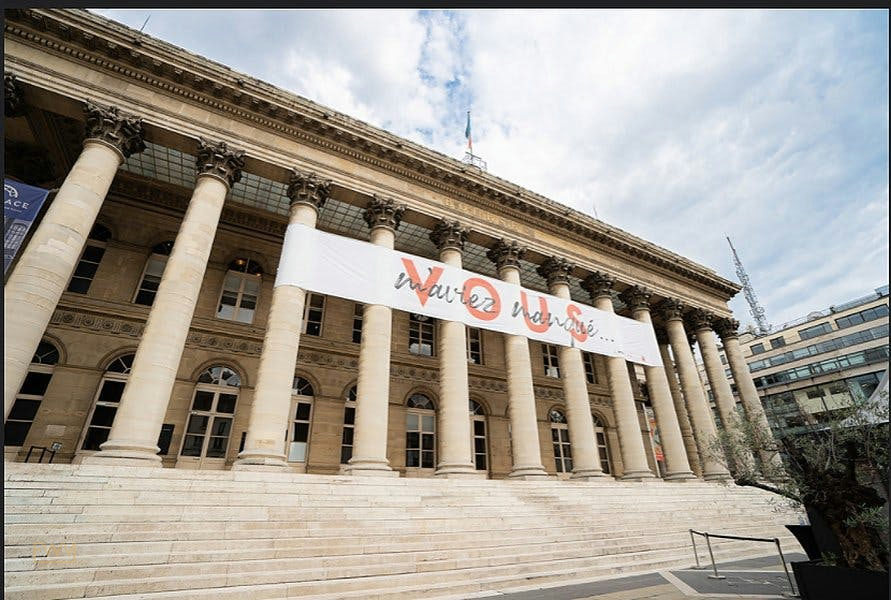
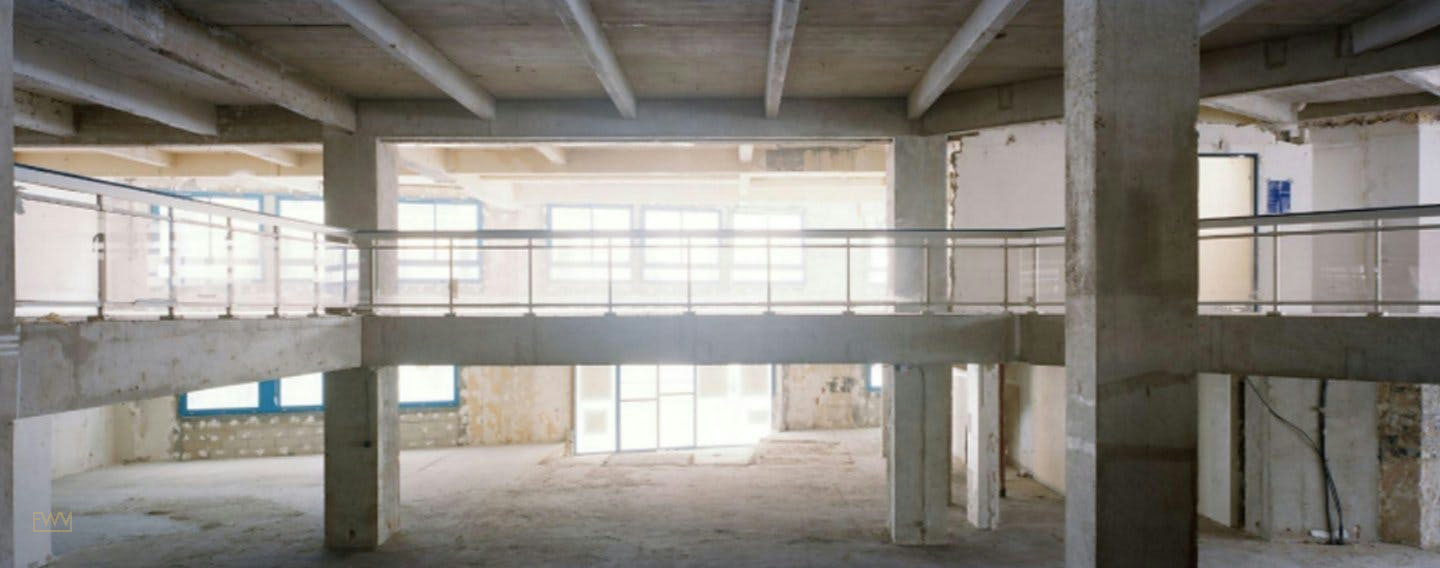
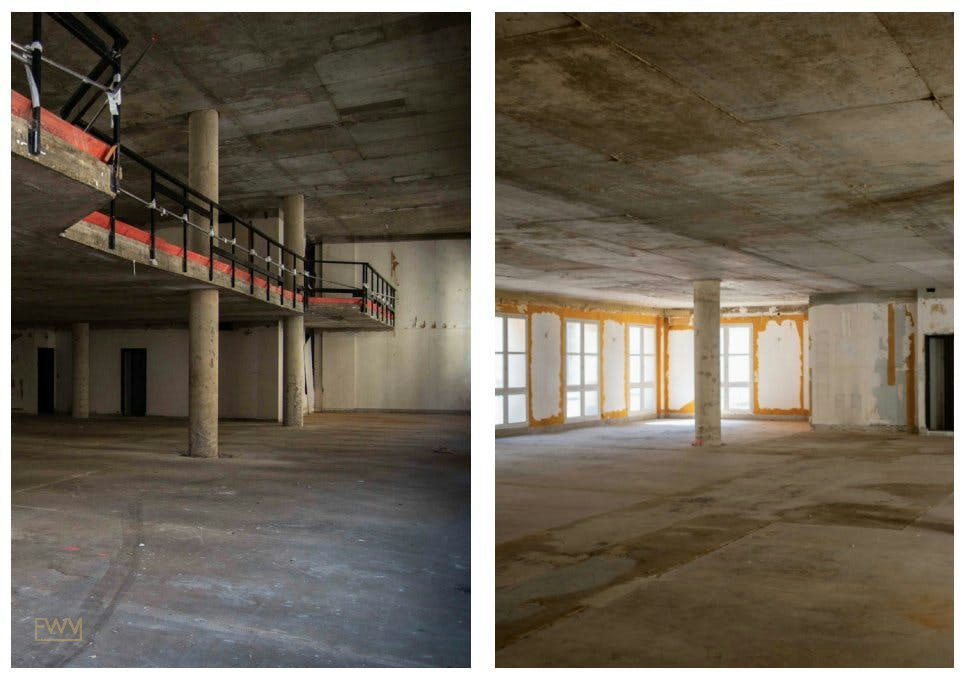
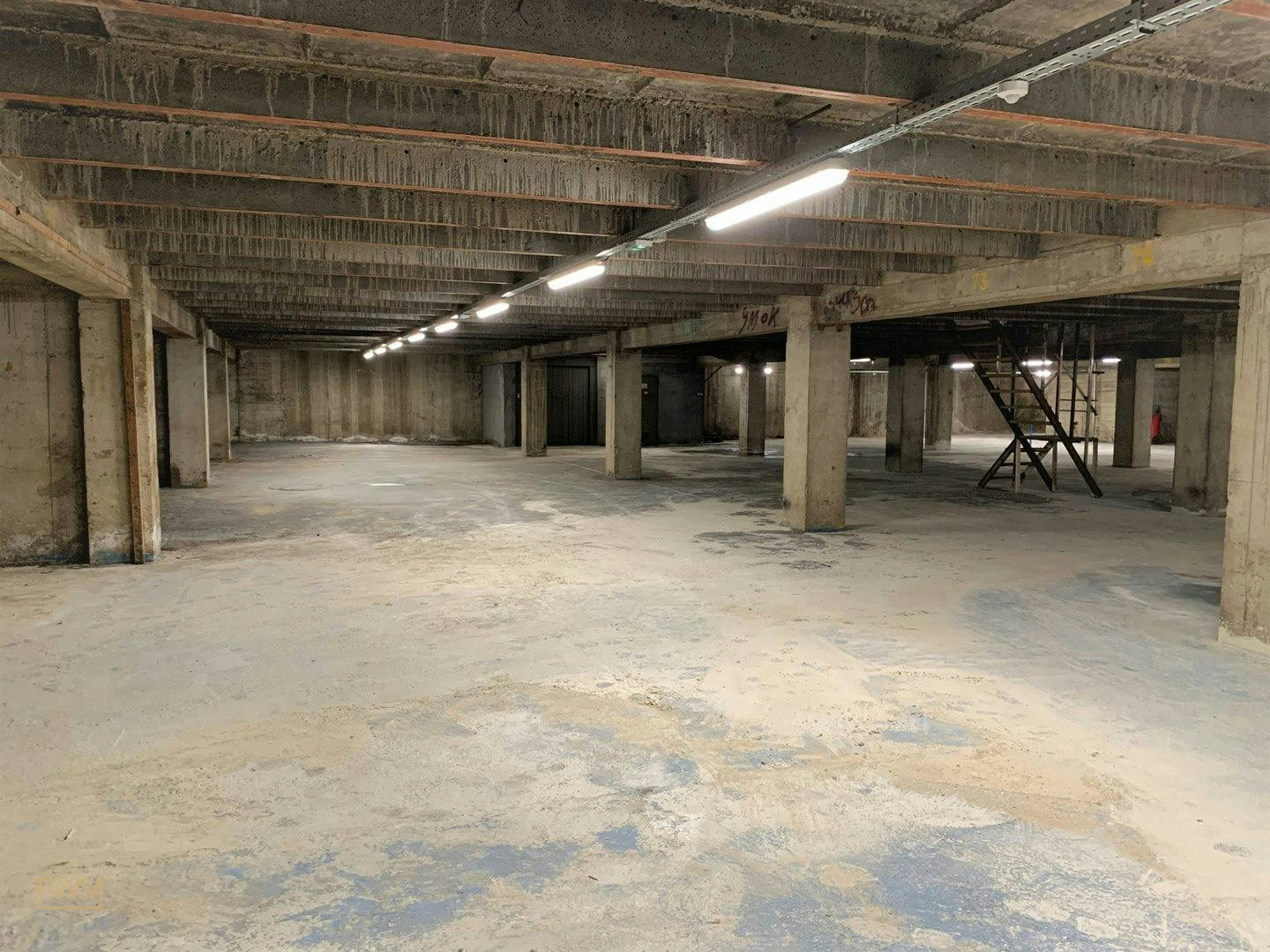
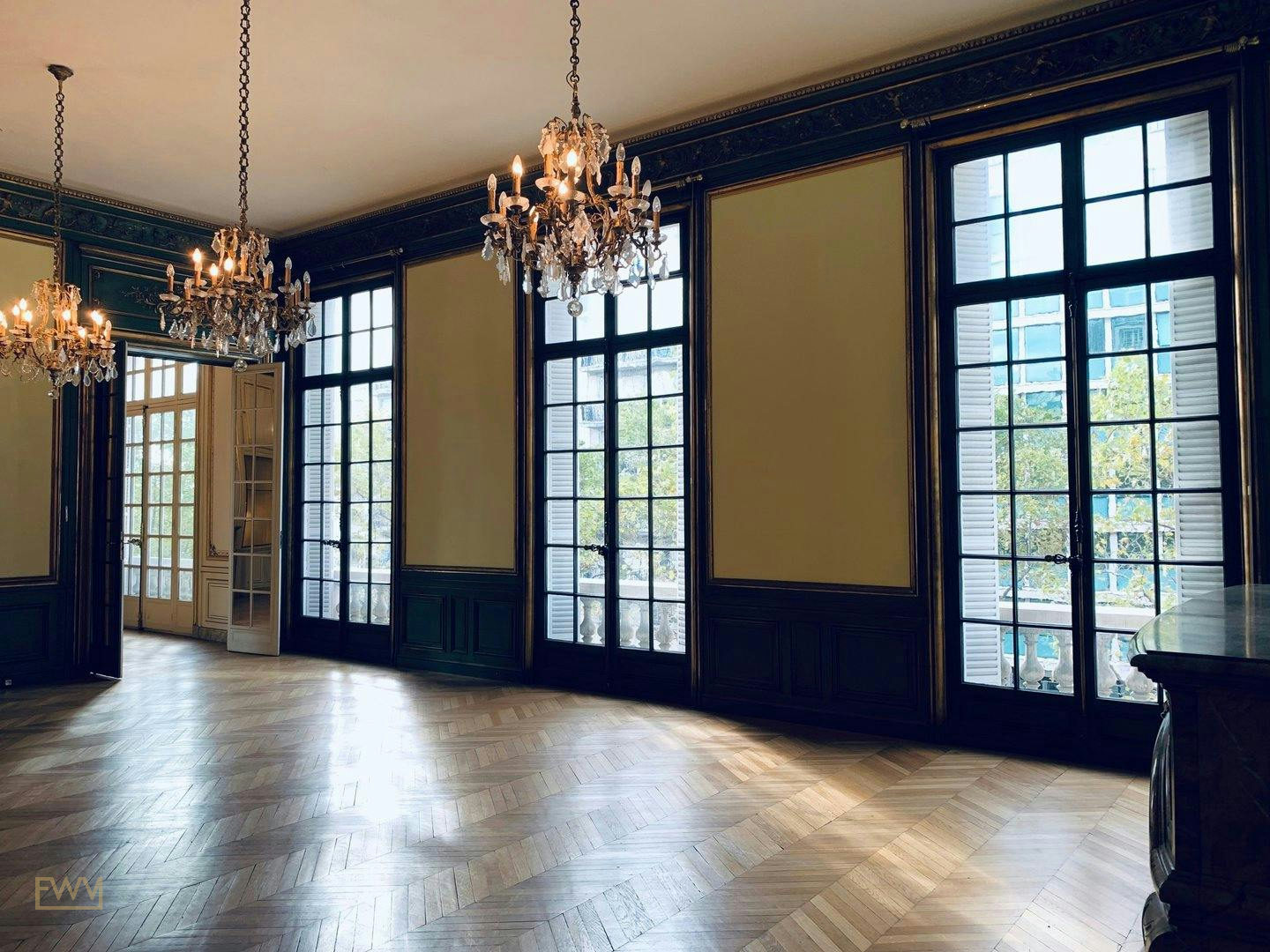
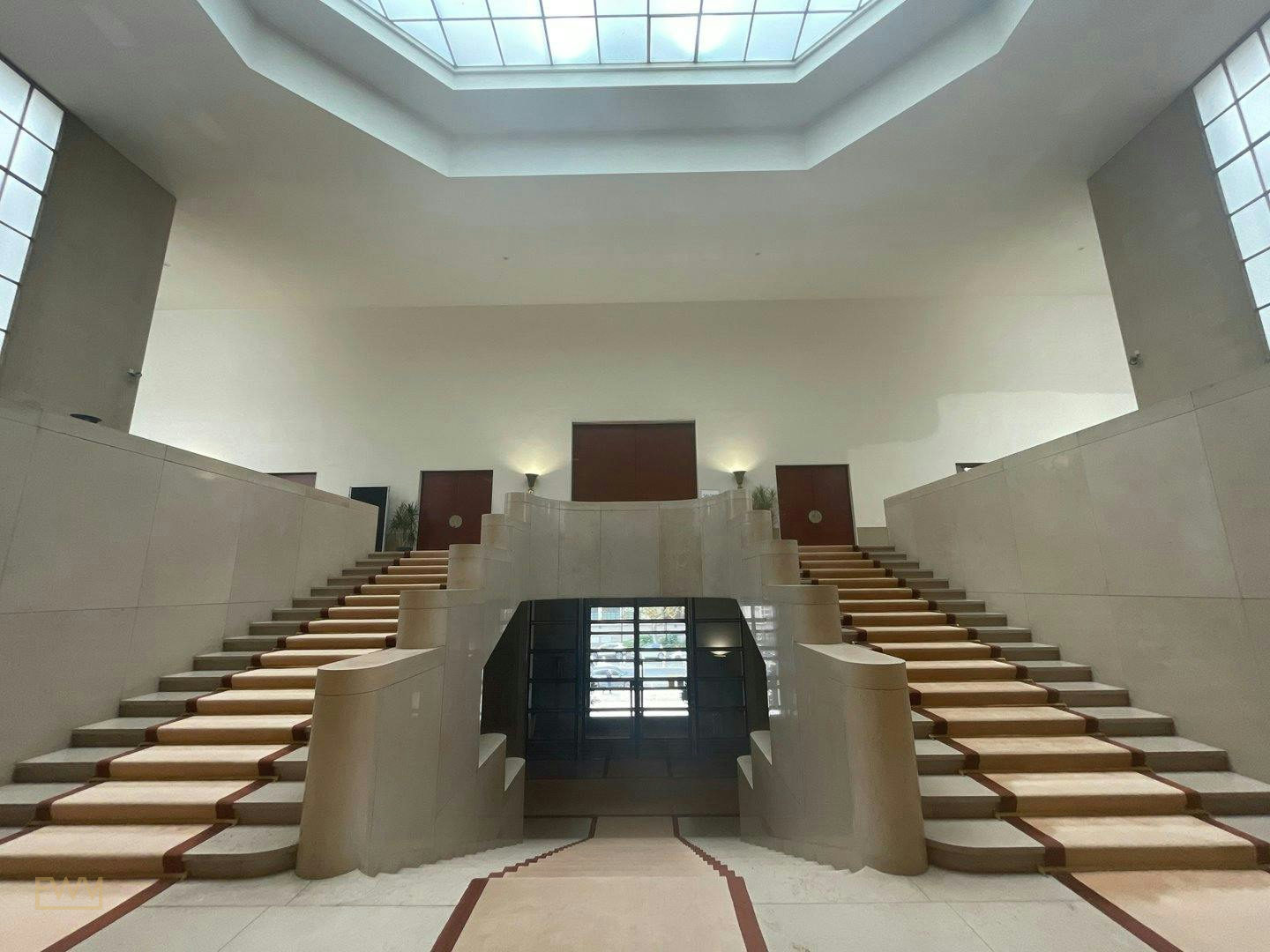
Temporary retail space FIAC Paris offers unique opportunities to showcase art and brands in innovative ways. The French art fair, held annually at the Grand Palais Éphémère and other iconic locations like the Tuileries Garden, attracts international galleries, artists, and collectors. Being part of FIAC means tapping into the vibrant energy of Paris' art scene, enhancing brand visibility, and engaging a diverse audience. Fashion Week Venues makes it easier for brands to access these spaces, offering a suite of services that streamline the process from venue sourcing to activation and permits.
The Dynamics of Temporary Retail Spaces at FIAC
Temporary retail spaces during the FIAC (Foire Internationale d’Art Contemporain) in Paris present a dynamic opportunity for brands and artists to converge in a prime international art fair setting. FIAC is renowned for its cutting-edge exhibitions at venues like the Grand Palais Éphémère, Tuileries Garden, and Palais de Tokyo, drawing collectors, curators, and art enthusiasts worldwide.
Quick answer: Temporary retail spaces at FIAC Paris allow brands to showcase their innovations amidst globally celebrated art exhibitions.
These spaces offer flexibility and the ability to create bespoke environments that reflect the brand's identity and artistic collaboration. By integrating art into the retail experience, brands can engage customers through unique, immersive experiences that highlight both the artwork and the brand's message. These short-term venues are particularly beneficial for brands seeking to establish or reinforce their presence in the art world, aligning with the sophisticated tastes of FIAC's audience.
KEY TAKEAWAY: Leveraging temporary spaces at FIAC can massively boost brand positioning, aligning with influential art audiences and creating lasting impressions.
Delving deeper, many brands utilize these spaces to launch new products, hold private viewings, or create exclusive pop-up experiences. This not only raises the brand's profile but also fosters direct customer interaction in settings where foot traffic is naturally high, given the allure of FIAC's main exhibitions. By capitalizing on these spaces, brands can run highly targeted and memorable marketing campaigns.
Brands like Gagosian and Ruinart have previously seen success through collaborative exhibitions, combining the prestige of FIAC with strategic brand placements. They often transform temporary spaces into experiential shows, complete with unique design and thematic elements that echo their artistic vision.
DID YOU KNOW: The Grand Palais, a historic site in the heart of Paris, becomes a focal point during FIAC, attracting thousands of international visitors, making it a strategic choice for showcasing brand and art collaborations.
Moreover, these temporary activations require strategic planning and support, especially concerning permits and logistical arrangements in a city with complex zoning regulations. Engaging a local expert or utilizing services like those from Fashion Week Venues can simplify these intricate processes, ensuring a seamless presence at FIAC.
Ultimately, participating in FIAC with a temporary retail space enables brands to innovate and engage with art-savvy audiences. This not only enhances visibility but also ties the brand to cultural and artistic discourse, aligning with stakeholders who appreciate refined, experiential, and culturally significant experiences.
To visualize how your brand can fit into the FIAC experience, consider using the imagine tool on Fashion Week Venues.
Leading into the necessity for precise preparation, securing a compatible space is crucial. This sets the stage for impactful pop-up showings during FIAC.
Choosing the Right Neighbourhood in Paris for Pop-Up Retail
Selecting the ideal neighbourhood for a temporary retail space during FIAC is crucial for maximizing exposure and engagement. From the artistic alleys of Le Marais to the bustling avenues of Saint-Germain-des-Prés, each district offers unique advantages.
Quick answer: Consider iconic Parisian neighbourhoods like Le Marais and Saint-Germain-des-Prés for pop-up retail spaces, leveraging their cultural allure and high foot traffic.
Le Marais is renowned for its vibrant culture, with a rich history in art and fashion, making it a top choice for brands targeting a culturally sophisticated audience. This district is not only home to art galleries like the Ropac but also features trendy boutiques and cafés that attract both locals and tourists.
Saint-Germain-des-Prés, on the other hand, is famous for its intellectual charm and historical cafés that have inspired artists and thinkers alike. Hosting a pop-up here places brands amidst a backdrop of literary and artistic heritage, appealing to an audience that values tradition and innovation.
In more commercial areas such as Champs-Élysées or Rue Saint-Honoré, the focus can shift towards luxury and fashion-forward consumers. These neighbourhoods are frequented by high-spending tourists and locals, making them ideal for premium brands looking to create exclusive shopping experiences.
KEY TAKEAWAY: Tailor your pop-up location choice to match the target audience's cultural and spending habits for optimized impact.
Historically, the Sentier district, once a textile hub, has transformed into a burgeoning tech and fashion center, providing a unique industrial vibe for cutting-edge retail concepts. Meanwhile, the Belleville area offers a more edgy and diverse environment that's perfect for artistic or avant-garde exhibitions.
The choice of arrondissement can significantly influence visitor demographics and sales potential. Engaging with local experts through services such as the venue sourcing tool from Fashion Week Venues can guide brands through options that best align with their strategic goals.
Moreover, each neighbourhood has specific regulations regarding retail activations, requiring careful navigation through Paris’ bureaucratic processes. Obtaining the necessary permissions and adhering to local laws is critical for a successful pop-up venture, emphasizing the value of knowledgeable local partners.
Securing the perfect location in Paris integrates cultural resonance with strategic retail positioning, ensuring a memorable brand activation that resonates with both new and existing audiences.
As you consider different neighbourhoods, remember that timing and venue preparation play pivotal roles in pop-up success, further explored in subsequent sections.
Understanding Permit and Compliance for Temporary Installations
Navigating permit and compliance requirements is essential when establishing a temporary retail space for FIAC in Paris. The city has particular regulations that differ from standard retail leases, such as the use of bail dérogatoire, essential for short-term agreements, and Authorisation d’Occupation Temporaire (AOT), which is crucial for occupying public spaces.
Quick answer: Proper permits like bail dérogatoire and AOT are crucial for legal temporary retail spaces in Paris, ensuring compliance with local laws.
Bail dérogatoire allows for leasing a space for up to three years, bypassing more permanent commercial lease obligations. This flexibility is beneficial for brands looking to make a short-term impact during FIAC. The AOT is required when the intended retail space involves public property or significant modifications.
Understanding these distinctions ensures compliance with French law and avoids potential legal complications. It is highly advisable for brands to consult with a French legal advisor to navigate these complex requirements effectively.
IMPORTANT: Securing the correct permits is mandatory and varies depending on arrondissement and space type. Always consult a professional to confirm legality.
For brands looking to streamline the permitting process, tools such as the permits tool from Fashion Week Venues provide valuable resources and guidance. These services simplify the process, providing expert advice tailored to the unique needs of temporary retail setups at FIAC.
Additionally, environmental and safety regulations specify the conditions and modifications allowed within temporary structures, which is important when designing space layouts or incorporating installations that enhance customer experience. Also, particular consideration should be given to heritage-listed buildings where certain modifications are restricted.
By adhering to these legal requirements and leveraging smart tools or expert advice, brands can focus on creating compelling, compliant exhibitions that maximize impact without legal setbacks, ensuring a seamless engagement with Parisian audiences.
Moving forward, understanding the logistic aspects of getting a pop-up retail space ready for FIAC involves careful timing and coordination, which we will explore next.
Budget Planning for Temporary Retail Spaces
Budgeting for a temporary retail space at FIAC involves accounting for a range of factors including rental costs, design expenses, staffing, and logistical arrangements. Accurate budget planning is crucial for a successful activation that aligns with financial objectives without compromising quality.
Quick answer: Budgeting for temporary retail spaces at FIAC involves assessing costs for rent, design, logistics, and staffing to align expenditures with strategic goals.
Rental costs vary significantly depending on the location and size of the space. Prime locations like Grand Palais or Place Vendôme command premium prices due to their high visibility and foot traffic. On average, temporary spaces in these locations can range from a few thousand euros per day.
In addition to rent, design and setup costs should include elements like lighting, branding, and possibly bespoke structural modifications to create an engaging environment that aligns with brand aesthetics and exhibition themes. Utilizing the budget calculator offered by Fashion Week Venues can provide a customized overview that helps manage these inputs effectively.
Furthermore, operational costs must consider staffing for the duration of the pop-up, whether it's brand ambassadors for sales or technical staff for installations and breakdowns. Ensuring adequate staff training is imperative to maintain brand standards and enhance the customer experience.
Freight and logistics costs, especially when transporting valuable artwork or bespoke installations, are other critical considerations, as are insurance fees to cover potential liabilities. This holistic budget planning ensures all aspects of the temporary retail space complement each other to effectively achieve the desired outcomes without unexpected financial stress.
KEY TAKEAWAY: Comprehensive budgeting that includes design, staffing, and logistics ensures a successful and financially sound activation.
An in-depth budget plan facilitates better financial decision-making, potentially allowing reallocations towards high-impact areas like interactive installations or marketing efforts that drive customer engagement and brand visibility.
To seamlessly transition from budget planning to operational excellence, exploring practical tools and strategies can ensure the smooth execution of the next steps in preparation for FIAC.
Logistics and Operational Efficiency in Setup
The execution of a successful temporary retail space at FIAC requires meticulous logistics and operational planning to ensure that installations and daily operations run smoothly. Key areas of focus include space setup, inventory management, and customer flow.
Quick answer: Efficient logistics and operations involve detailed planning of space setup, inventory management, and optimizing customer flow, integral to successful temporary retail at FIAC.
Space setup must consider the functional and aesthetic elements that not only align with the brand's identity but also create a naturally flowing experience for attendees. Incorporating critical design elements early, such as lighting and signage, ensures the space feels inviting and professionally executed. The ambience created should enhance the art or retail displays while facilitating easy crowd navigation.
For inventory management, especially when dealing with high-value items such as exclusive artwork or designer pieces, it is vital to ensure secure storage and handling arrangements are in place. Efficient tracking systems are recommended to avoid misplacements and to provide real-time inventory updates, critical for sales management.
Highly efficient customer flow systems must be established to manage the expected foot traffic, optimizing both ingress and egress points to enhance the overall visitor experience and maintain safety protocols. Queuing systems can be beneficial during peak times, and digital registration can help with entry management efficiency.
TIP: Utilising digital tools, like automated check-in systems, enhances both operational efficiency and customer experience.
Working with experienced partners, like those facilitated by Fashion Week Venues in the production and build process, ensures access to expertise in managing these logistical elements seamlessly. This is especially important when coordinating multiple vendors and service providers.
These combined elements, when executed effectively, ensure that the pop-up not only attracts the right audience but also functions smoothly, reinforcing the brand's reputation for excellence and attention to detail.
Ensuring effective operations sets the stage for maximizing impact through expertly curated art and brand collaborations, topics we will delve into next.
Art and Brand Collaboration: A Powerful Fusion
The intersection of art and branding during FIAC exemplifies how collaborations can elevate both brand equity and the art experience. Temporary retail spaces provide the perfect platform for such synergies, creating experiential moments that resonate deeply with audiences.
Quick answer: Art and brand collaborations at FIAC enrich the experience by merging creativity with strategic commercial objectives, resulting in a powerful fusion that captivates audiences.
This fusion allows brands to engage with consumers in non-traditional ways, leveraging the emotive and thought-provoking nature of art to establish deeper connections. By aligning with artists or artistic themes, brands can showcase their products in a context that emphasizes creativity, heritage, and innovation. Notably, collaborations with renowned galleries like Gagosian or emerging talents can broaden a brand's appeal and capture a sophisticated audience’s attention.
The involvement of art in retail spaces not only serves as a centerpiece for the exhibition but also articulates the brand’s narrative through visually compelling stories. It invites viewers to engage with products on an emotional level, contributing to memorable experiences that distinguish the brand from its competitors.
DID YOU KNOW: Aligning with cultural movements through art can enhance brand authenticity and create a competitive advantage perceived as genuine by target audiences.
For successful collaborations, clearly defined roles and objectives are crucial. Brands must ensure their own identity is preserved while allowing the artwork and artist's voice to shine. This requires mutual respect and creative freedom to yield the most impactful results.
Exemplary collaborations often include interactive installations, digital art intersections, or live performances, all coordinated to enrich the customer experience. By committing to these principles, brands can successfully integrate themselves into the cultural fabric of FIAC, paving the way for more meaningful audience engagement and heightened brand recognition.
To visualize successful implementation strategies, accessing past examples and case studies from Fashion Week Venues can offer valuable insights.
With a strategic collaboration framework in place, brands can then focus on measuring success through quantitative and qualitative metrics, the final phase of ensuring a successful FIAC activation.
Measuring Success in Temporary Retail Activations at FIAC
Measuring the success of temporary retail activations at FIAC involves a blend of both quantitative metrics and qualitative insights. Whether the goals are to increase brand visibility, drive sales, or enhance customer engagement, having a robust framework to assess these objectives is vital.
Quick answer: Successful measurement of temporary retail activations at FIAC requires a blend of quantitative metrics such as sales data and qualitative insights from customer feedback and engagement levels.
Quantitative metrics include sales revenue, customer footfall, and new customer acquisitions, all of which provide direct data regarding the financial performance and consumer reach of the activation. Analysing sales trends during the activation can offer insights into the effectiveness of the product offering and promotional strategies.
Qualitative insights offer a deeper understanding of customer experiences and engagement quality. This can be gathered through direct feedback mechanisms such as surveys, social media interactions, and on-site interviews. These insights help brands adapt and align their strategies to better meet customer expectations and enhance satisfaction.
Tracking digital interactions, like website visits or social media engagement, can also indicate the activation's reach and the brand's increased visibility within the digital space. Utilizing tools such as the ROI calculator from Fashion Week Venues can assist in evaluating the financial return and strategic value derived from the temporary space investment.
KEY TAKEAWAY: Combining metrics and direct customer insights delivers a comprehensive view of the activation's impact, guiding future strategic decisions.
Furthermore, the activation's success can influence longer-term brand strategies, including permanent retail expansions or future collaborations. By understanding what resonated well with the audience at FIAC, brands can refine their consumer engagement models and build resilience in an ever-competitive market.
With comprehensive strategies measured and evaluated, brands are better equipped to plan future activations, ensuring continued success and growth in the realm of experiential marketing, particularly at an event as prestigious as FIAC.
Finally, working with professionals in space planning and execution helps streamline future implementations, giving brands the confidence to pursue ambitious projects at iconic venues like FIAC.
How Fashion Week Venues Empowers Brands at FIAC
Fashion Week Venues plays a pivotal role in empowering brands to make the most of their temporary retail activations at FIAC. By offering comprehensive support from concept direction to execution, they ensure brands achieve their goals with precision and effectiveness.
Quick answer: Fashion Week Venues facilitates successful FIAC activations by offering services in venue sourcing, concept direction, production, and permitting, simplifying the process for international brands entering Paris.
The services provided include venue sourcing to secure the ideal spaces in prime Paris locations, and activation management to streamline the entire process from start to finish. This all-encompassing approach minimizes the complexity brands face when organizing temporary spaces in a competitive and intricate market.
Additionally, Fashion Week Venues utilizes innovative tools like their Permits and Compare tools to navigate Paris's regulatory landscape and assess different venues' merits comparatively. This adaptability is crucial for brands like those in the art and fashion industries that need to align strategically with event themes and audience expectations at FIAC.
TIP: Leverage the expertise of Fashion Week Venues to reduce lead times and increase operational efficiency, crucial for temporary pop-up success.
Beyond logistical support, Fashion Week Venues provides creative guidance to help brands visualize their space through tools like the Imagine and Twin concepts, enhancing the creative execution of retail activations. This is particularly beneficial for creative directors and brand activation managers looking to differentiate their offerings.
The culmination of these services positions brands to capture unique opportunities at FIAC, enhancing their potential to attract and engage targeted audiences effectively. While challenges may arise, the strategic insight provided helps brands maintain flexibility and competitiveness, crucial in the ongoing pursuit of innovation in experiential retail.
For those looking to transition smoothly from strategic planning to execution, consider starting your journey on the Fashion Week Venues marketplace.
Common Myths Debunked
MYTH: You need a French legal entity to rent a space in Paris for FIAC.
FACT: While having a local business entity can facilitate processes, it is not mandatory. International brands can leverage agencies like Fashion Week Venues to navigate leasing without a legal entity, ensuring compliance through expert advice.
MYTH: Paris Fashion Week is the only viable window for temporary art exhibitions.
FACT: FIAC and other art fairs are equally prestigious opportunities for brand activations in Paris, offering significant visibility amidst a culturally engaged audience. FIAC, in particular, provides a unique platform distinct from Fashion Week.
MYTH: To find a temporary space in Paris, you must go through commission-based brokers.
FACT: Platforms like Fashion Week Venues offer a marketplace for direct space bookings, eliminating the need for brokers and allowing brands to directly engage with venues that meet their specifications and budgets.
MYTH: Short-term leases in Paris are straightforward and do not require specialist help.
FACT: Short-term leases can involve complex legal terms, especially concerning permits like bail dérogatoire. Specialist help ensures all legal obligations are fully understood and met.
By understanding these dynamics and seeking professional guidance, brands can more confidently engage in temporary retail activities at prestigious events like FIAC.
As we move into the fast-paced world of pop-up retail and art exhibitions, read on for answers to frequently asked questions on navigating temporary retail spaces at FIAC.
Frequently Asked Questions
What is a pop-up store?
A pop-up store is a short-term retail space used by brands to market their products and engage with consumers in innovative ways. It allows for targeted marketing, quick adjustments to consumer trends, and the creation of unique, immersive shopping experiences.
How much does a pop-up shop cost in Paris?
The cost of renting a pop-up shop in Paris varies widely based on location, size, and duration. Prime locations like Champs-Élysées or Le Marais tend to be more expensive, with prices starting at several thousand euros per day. Budgeting tools, such as those from Fashion Week Venues, can help estimate costs more accurately.
Are pop-up stores common in Paris?
Yes, pop-up stores are common in Paris, particularly in vibrant areas like Le Marais or Saint-Germain-des-Prés. They are popular among brands looking to conduct short-term marketing campaigns and engage with a diverse consumer base.
What neighbourhoods are best for pop-up retail in Paris?
Ideal neighbourhoods for pop-up retail in Paris include Le Marais, known for its cultural and artistic flair, Saint-Germain-des-Prés for its historic charm, and Champs-Élysées for its high-end retail appeal. Each offers unique benefits in terms of consumer demographics and foot traffic.
How do I rent a pop-up shop in Paris?
To rent a pop-up shop in Paris, identify potential locations through platforms like Fashion Week Venues, assess their suitability for your brand’s objectives, and secure the necessary permits. Professional guidance can streamline this process, ensuring compliance with local regulations.
Can I browse Paris retail listings in French?
Yes, platforms that partner with international clients typically provide options to browse listings in French. This facilitates easier navigation for French-speaking brand managers and simplifies the logistical planning process.
Why rent an art gallery in Paris?
Renting an art gallery in Paris offers exposure to art-savvy audiences and associates the brand with cultural sophistication. Paris, being a hub for art enthusiasts, provides the perfect setting to enhance brand prestige and connect with discerning consumers.
What is the difference between a gallery space and a showroom?
A gallery is typically used for displaying art and hosting exhibitions, making it suitable for brands wanting to align with artistic narratives. Showrooms, on the other hand, are more focused on sales presentations, ideal for showcasing product lines in a structured manner.
Do I need a permit to exhibit in a rented gallery in Paris?
Yes, exhibiting in a rented gallery requires permits such as the bail dérogatoire if the duration exceeds three months, along with any specific authorizations from local authorities. Ensuring compliance with these requirements is critical.
What is the minimum rental period for a gallery in Paris?
The minimum rental period for a gallery can vary, often starting from a day to a week, depending on the owner’s policies and the gallery's availability. Negotiating terms up front and understanding the rental contract are important steps.
When is the best time to book an art gallery in Paris?
The best time to book an art gallery aligns with major cultural events like FIAC or Paris Fashion Week, when the city attracts global attention. Early bookings are advisable to secure preferred locations and optimal exposure.
Can I host an opening night event in a rented gallery?
Yes, hosting an opening night is a popular option to attract key audience members and engage with them directly. It provides a platform to introduce the exhibition and allows for immediate feedback from discerning visitors.
Calder at Place Vendôme: What does FIAC have in store for this year?
FIAC often features works by renowned artists like Alexander Calder, with large-scale installations at iconic locations such as Place Vendôme. The event highlights contemporary art trends and provides a stage for innovative artistic presentations.
How are beverage brands utilizing pop-ups during FIAC?
Beverage brands leverage pop-up stores during FIAC to showcase their products creatively, often through sensory experiences and interactive tastings. This approach enhances consumer interaction and promotes brand engagement in a unique cultural context.
What are exhibition tents, and how are they used?
Exhibition tents are temporary structures used to host a variety of events, from art exhibitions to product launches. They offer flexibility in design and can be customized to accommodate different configurations, making them ideal for FIAC activations.
Conclusion
Temporary retail spaces at FIAC Paris present a distinctive opportunity for brands to integrate themselves into the artistic and cultural heartbeat of the city. By leveraging expert services from agencies like Fashion Week Venues, brands can navigate the complexities involved in location selection, compliance, and activation execution. These temporary retail experiences not only enhance brand visibility and consumer engagement but also contribute to the brand's long-term positioning strategies in the art and fashion realms. To move from research to activation, start exploring available spaces on the Fashion Week Venues marketplace and build a focused brief for your target neighbourhood, space type, and calendar window.