Finding the right temporary retail space in the Latin Quarter of Paris requires more than browsing a listings platform. It demands an understanding of the neighbourhood's distinct character, its foot traffic patterns, its commercial zoning rules, and the short-term lease structures that apply to non-French brands entering the market. The Latin Quarter sits in the 5th arrondissement on the Left Bank, immediately south of the Seine, and it combines one of Paris's most internationally recognised tourist destinations with a dense local student population and a long tradition of independent retail, galleries, and cultural programming. For brands looking to activate during Paris Fashion Week or across any seasonal window, this neighbourhood offers a compelling alternative to the more saturated luxury corridors of the Golden Triangle and the Faubourg Saint-Honoré. Fashion Week Venues supports brand teams navigating pop-up spaces across Paris, including in the Latin Quarter and its surrounding arrondissements.
What Is the Latin Quarter and Why Does It Matter for Retail Activations?
Quick answer: The Latin Quarter is a historically rich neighbourhood in Paris's 5th arrondissement, bordered by Saint-Germain-des-Prés to the west and the Marais to the northeast. It combines high international tourist footfall with a resident student community, making it a strategically distinctive location for pop-up shops, gallery spaces, showrooms, and brand experience activations.
The Latin Quarter takes its name from the medieval tradition of Latin instruction at the Sorbonne, which still operates within the neighbourhood. Today it draws millions of visitors annually through Notre-Dame Cathedral, the Panthéon, the Luxembourg Gardens, and the dense network of independent bookshops, cafés, and cultural institutions that line its streets. Boulevard Saint-Michel serves as the main artery, connecting the Seine to the south with a steady flow of both tourist and student foot traffic throughout the year.
For brand teams considering a temporary retail activation, the Latin Quarter presents a specific opportunity: high visibility without the premium rental costs associated with the 1st, 8th, or 16th arrondissements. The neighbourhood's mix of narrow medieval streets and broader Haussmannian boulevards means that space types vary considerably, from small boutique storefronts of 20 to 40 square metres on the rue de la Huchette corridor to larger gallery spaces and former academic premises along the rue Soufflot and the rue Gay-Lussac. This variety makes the Latin Quarter genuinely flexible for brands with different footprint requirements.
The proximity of Saint-Germain-des-Prés, which begins immediately to the west of the 5th arrondissement boundary, extends the usable activation zone considerably. Saint-Germain carries strong associations with literary culture, high fashion, and independent gallery programming, and its streets including the Boulevard Saint-Germain, the rue de Rennes, and the rue du Four host a mix of established fashion boutiques and independent retailers that attract an affluent local and international clientele. Brands activating in the Latin Quarter can position themselves to capture audiences moving between both neighbourhoods.
The foot traffic profile in the Latin Quarter differs meaningfully from Le Marais. Where Le Marais attracts a strong fashion-conscious crowd that peaks during weekend afternoons and during Paris Fashion Week, the Latin Quarter delivers more consistent weekday traffic driven by students, academics, and cultural tourists. This makes it particularly well suited to activations that prioritise dwell time and engagement over impulse purchasing, such as brand experience events, product testing installations, showroom presentations, and small-format gallery spaces hosting fashion or design exhibitions.
DID YOU KNOW: The 5th arrondissement and the adjacent 6th arrondissement together receive some of the highest concentrations of international visitors in Paris, with the Notre-Dame restoration project and the Panthéon acting as anchor destinations that channel consistent foot traffic through the Latin Quarter's retail streets regardless of season.
KEY TAKEAWAY: The Latin Quarter offers temporary retail space in a high-visibility, internationally recognised Parisian neighbourhood at pricing tiers that remain more accessible than the primary luxury corridors, making it a strong candidate for brands seeking cultural resonance alongside commercial exposure.
Understanding the neighbourhood's zoning and commercial classifications is the essential next step before sourcing a specific space, and that process requires a clear grasp of how short-term retail leases work in France.
Short-Term Retail Lease Structures for Pop-Up Shops in Paris
Quick answer: The primary short-term commercial lease structures available to brands renting temporary retail space in Paris are the bail dérogatoire, the convention d'occupation précaire, and the autorisation d'occupation temporaire. Each structure carries different duration limits, legal protections, and compliance requirements, and selecting the wrong one can create significant legal and financial exposure for the brand.
The standard French commercial lease, known as the bail commercial, is a nine-year contract that grants the tenant substantial legal protections including the right to renew and compensation for non-renewal. For a brand seeking a short-term retail activation of days, weeks, or a few months, the bail commercial is entirely unsuitable and rarely available from landlords for temporary purposes.
The Bail Dérogatoire
The bail dérogatoire, sometimes called a bail précaire or short-term derogatory lease, allows parties to contract outside the standard nine-year commercial lease framework for a period of up to three years. It must be explicitly structured as a bail dérogatoire from the outset, and crucially, if the tenant remains in occupation after the agreed term without a new agreement, the lease automatically converts to a full nine-year bail commercial. This conversion risk makes it essential to manage exit dates carefully. For brands running a seasonal pop-up or a fashion week activation lasting two to six weeks, the bail dérogatoire is the most commonly used contractual structure, provided the landlord agrees to its terms. Requirements and specific conditions can vary by space type, arrondissement, and individual property owner, so verifying the contract terms with a qualified French legal advisor before signing is strongly recommended.
The Convention d'Occupation Précaire and the AOT
For certain types of space, including those in publicly owned or semi-publicly managed buildings, the convention d'occupation précaire and the autorisation d'occupation temporaire (AOT) offer alternative short-term frameworks. These structures are typically used for spaces in cultural institutions, municipal buildings, or properties under heritage management, and they carry specific conditions around permitted use, public liability, and operational restrictions. Brands activating in gallery spaces, former institutional premises, or spaces within heritage-listed buildings in the Latin Quarter should expect to encounter these frameworks rather than standard commercial lease arrangements.
Commercial Use Classification and Zoning
Before signing any lease, the brand's team should confirm that the space holds the correct commercial use classification for retail or event activity. In Paris, the change of occupancy from one use category to another, for example from an office or studio to a retail storefront, requires specific administrative authorisation. This process can take time and may not be feasible within a short activation timeline. The Latin Quarter includes properties with a wide range of historical use classifications, from academic premises and residential apartments converted for commercial use to dedicated retail and gallery spaces. Checking the current classification against the intended activation use is a non-negotiable step in due diligence.
For brands unfamiliar with French administrative processes, the permit guidance tool on Fashion Week Venues provides a structured starting point for understanding which requirements may apply to a specific space type and activation plan.
IMPORTANT: Do not assume that a short-term retail lease in Paris is legally straightforward because it is temporary. French commercial property law is specific, and obligations around permitted use, restoration of the premises, insurance, and exit procedures apply regardless of the duration of the lease. Always verify terms with a qualified French legal advisor.
KEY TAKEAWAY: The bail dérogatoire is the standard short-term lease structure for temporary pop-up retail in Paris, but it must be correctly structured from the outset, and space use classification must be verified before signing. The AOT framework applies to a different category of publicly managed spaces.
With the legal framework understood, the next practical question for most brand teams is what a temporary retail space in the Latin Quarter will actually cost.
What Does It Cost to Rent a Temporary Retail Space in the Latin Quarter of Paris?
Quick answer: Rental costs for temporary retail space in the Latin Quarter of Paris vary significantly based on space size, location within the neighbourhood, duration, and the type of space. Pricing is generally quoted per day, per week, or per month for short-term activations, with daily rates for small boutique storefronts typically lower than comparable spaces in the 8th arrondissement or the prime Marais streets, though this can vary considerably by property.
It would be misleading to publish specific daily or weekly rates without current market data, as pricing in the short-term Paris retail market shifts based on calendar proximity to Fashion Week, seasonal tourist demand, and individual landlord positioning. What can be stated with confidence is that the Latin Quarter occupies a mid-tier pricing position within the Paris short-term retail market. It sits below the premium commanded by prime streets in the Golden Triangle, the Faubourg Saint-Honoré, and the rue du Faubourg Saint-Honoré, and broadly comparable to or slightly below rates for secondary Marais streets, depending on the specific address.
Key Cost Variables for Latin Quarter Activations
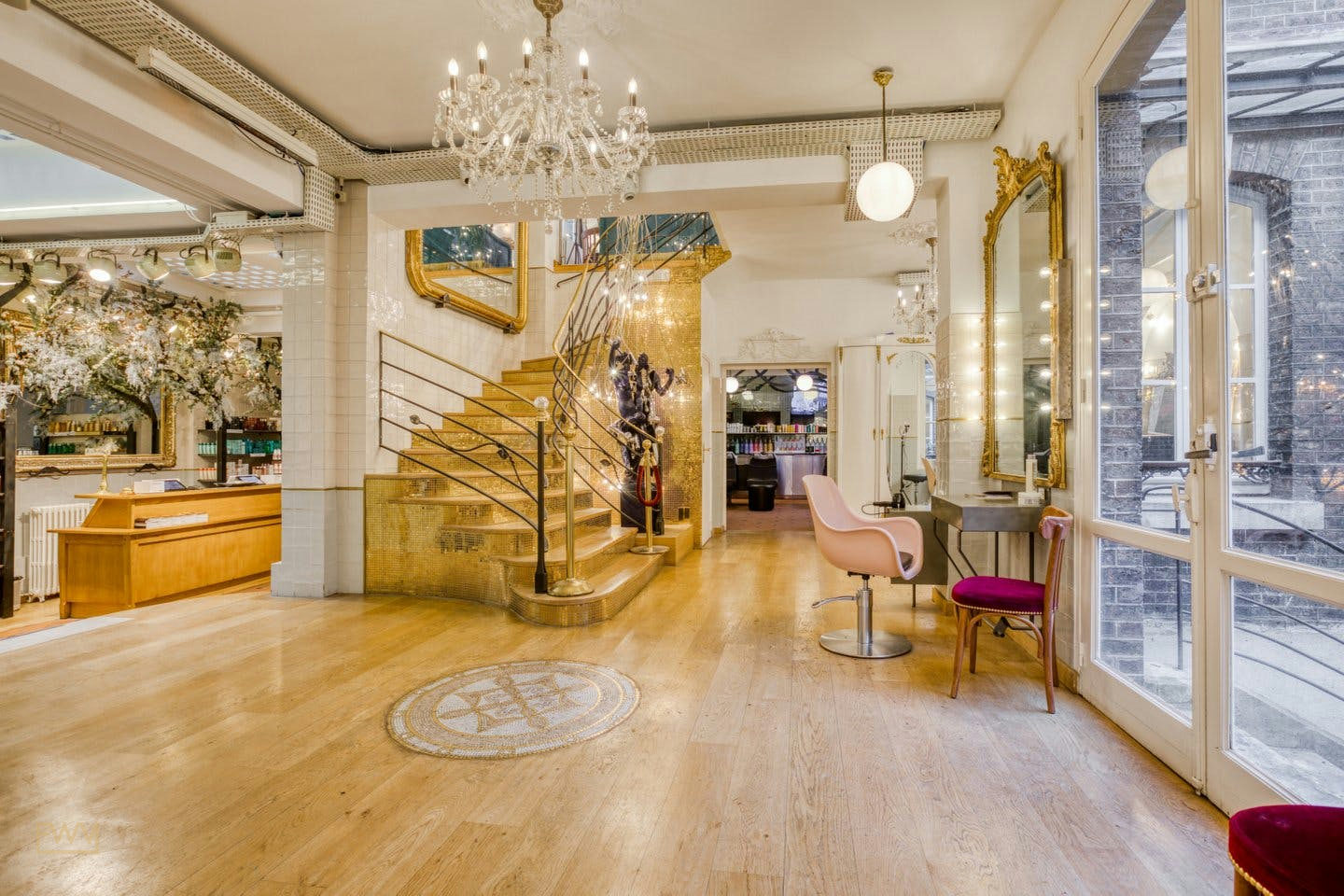
Several variables drive the total cost of a temporary retail activation in the Latin Quarter beyond the base rental rate. Fit-out and production costs depend on whether the space is taken as a white box ready for branding or as an existing furnished commercial unit. Gallery spaces in the Latin Quarter and Saint-Germain-des-Prés corridor are often offered with polished concrete floors, white walls, and track lighting already in place, which can reduce build costs for brands running a simple product presentation or small exhibition. Spaces with raw concrete floors, steel pillars, and industrial finishes are also available in the broader Left Bank market and suit brands with an aesthetic that aligns with that vocabulary.
Service charges, utilities, and insurance are typically additional to the quoted rental rate and should be budgeted separately. Staffing, POS systems, visual merchandising, and any required permit fees also contribute to the total cost of activation. For Paris Fashion Week activations specifically, the premium period rental surcharge can be material, and brands should confirm whether a landlord's quoted rate already incorporates the fashion week premium or whether this is applied separately.
TIP: Use the Fashion Week Venues budget calculator to generate a directional estimate for your specific space size, duration, and service requirements. This provides a more accurate picture than any generic market range quoted in an article.
Comparing Cost Across Paris Neighbourhoods
| Neighbourhood | Arrondissement | Relative Rental Tier | Primary Audience | Best Suited For |
|---|---|---|---|---|
| Golden Triangle / Faubourg Saint-Honoré | 8th | Premium | Luxury shoppers, international high-net-worth | Luxury brand activations, press events |
| Le Marais (prime streets) | 3rd / 4th | High | Fashion-forward, art, LGBTQ+, international tourists | Fashion week pop-ups, concept stores |
| Saint-Germain-des-Prés | 6th | High to premium | Affluent locals, literary tourists, gallery visitors | Showrooms, gallery activations, lifestyle brands |
| Latin Quarter | 5th | Mid to high | International tourists, students, academics | Brand experiences, gallery pop-ups, cultural activations |
| Bastille / Oberkampf | 11th | Mid | Creative Parisians, nightlife, independent retail | Emerging brands, concept stores, event spaces |
KEY TAKEAWAY: The Latin Quarter occupies a mid-to-high pricing tier in the Paris temporary retail market, offering meaningful visibility at costs typically below the premium luxury corridors. Total activation budgets must account for fit-out, staffing, insurance, and permits in addition to the base rental rate.
Understanding costs in context prepares a brand team to make informed decisions about space type, and the Latin Quarter offers a range of formats that suit different activation objectives.
Space Types Available for Temporary Retail in the Latin Quarter and Surrounding Areas
Quick answer: Temporary retail spaces available in and around the Latin Quarter range from small boutique storefronts and gallery spaces to apartment-format studios, loft-style exhibition venues, and larger multi-room event spaces. The specific space type a brand selects should be driven by the activation format, the audience experience objective, and the operational requirements of the event.
The Latin Quarter and its immediate neighbours in the 5th and 6th arrondissements contain a notably diverse inventory of space types compared to more homogeneous luxury retail corridors. This diversity reflects the neighbourhood's layered history as a centre of academic, artistic, and commercial life over several centuries.
Gallery Spaces and Exhibition Venues
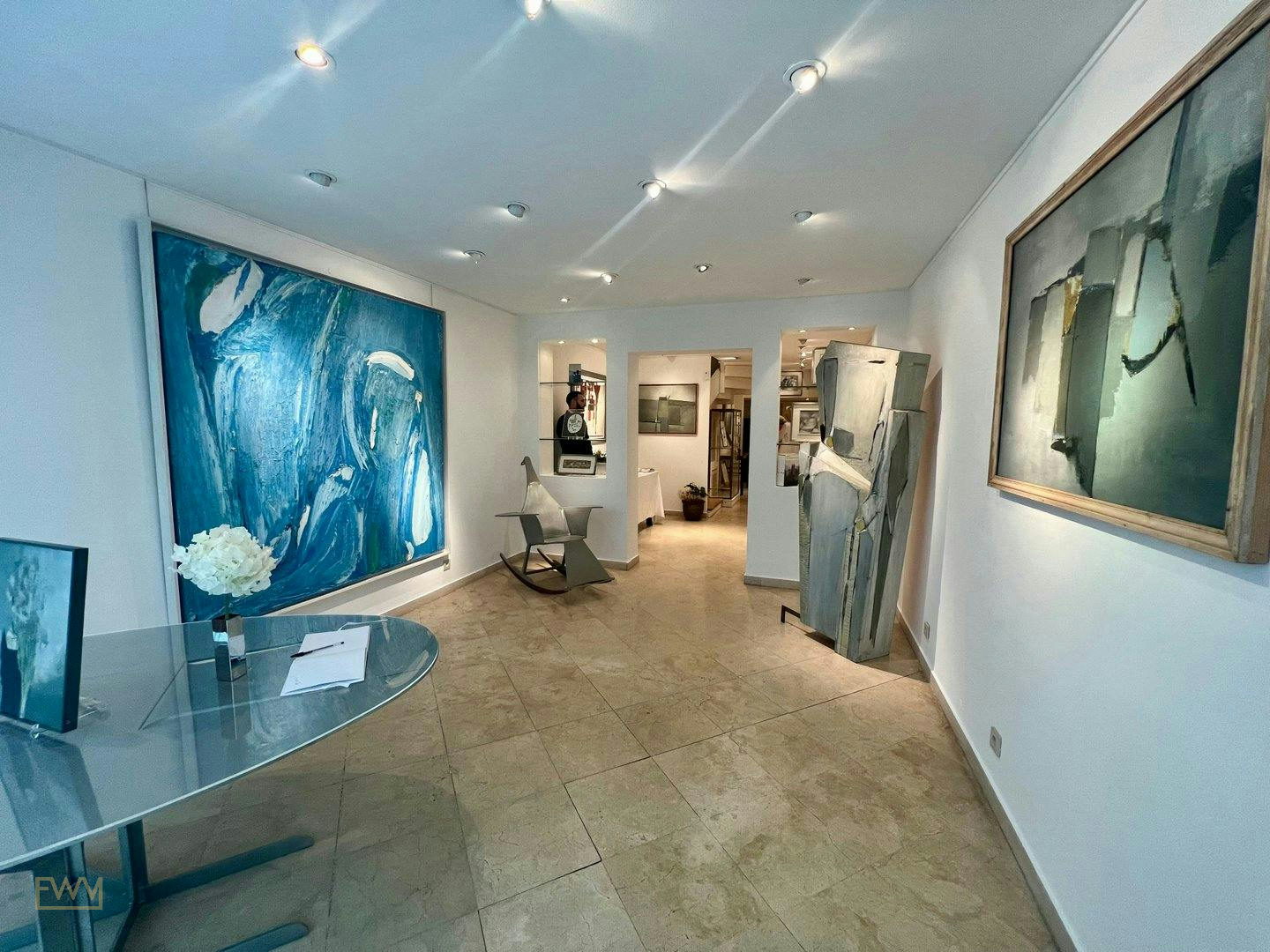
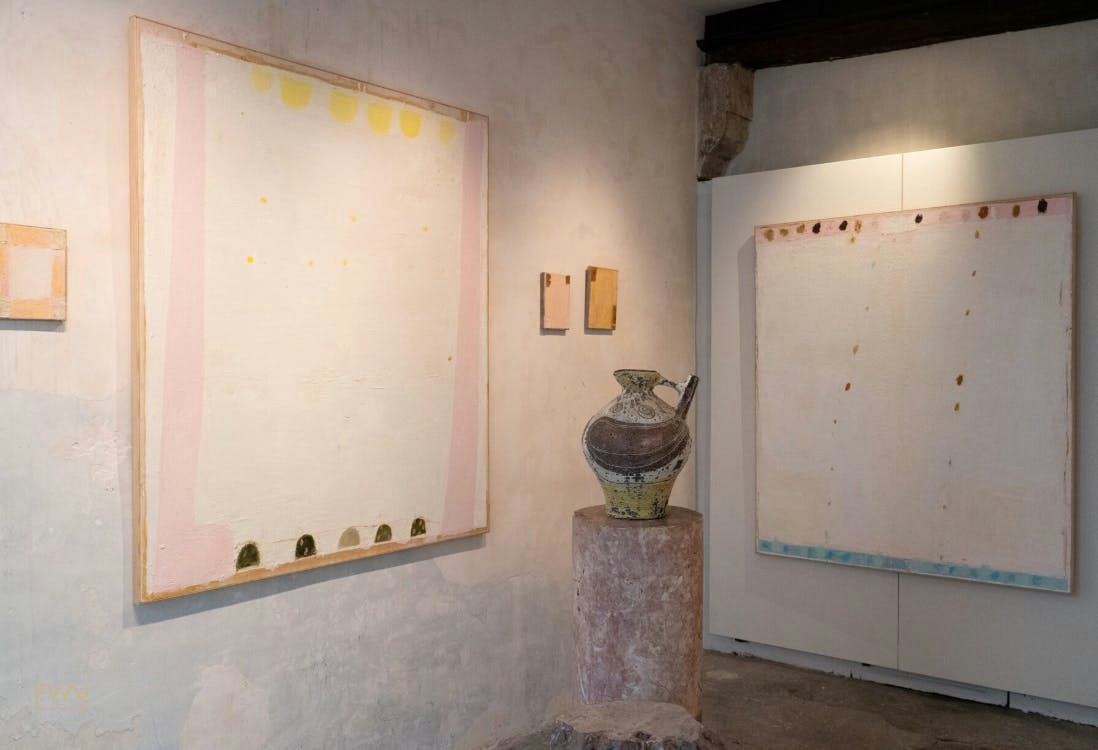
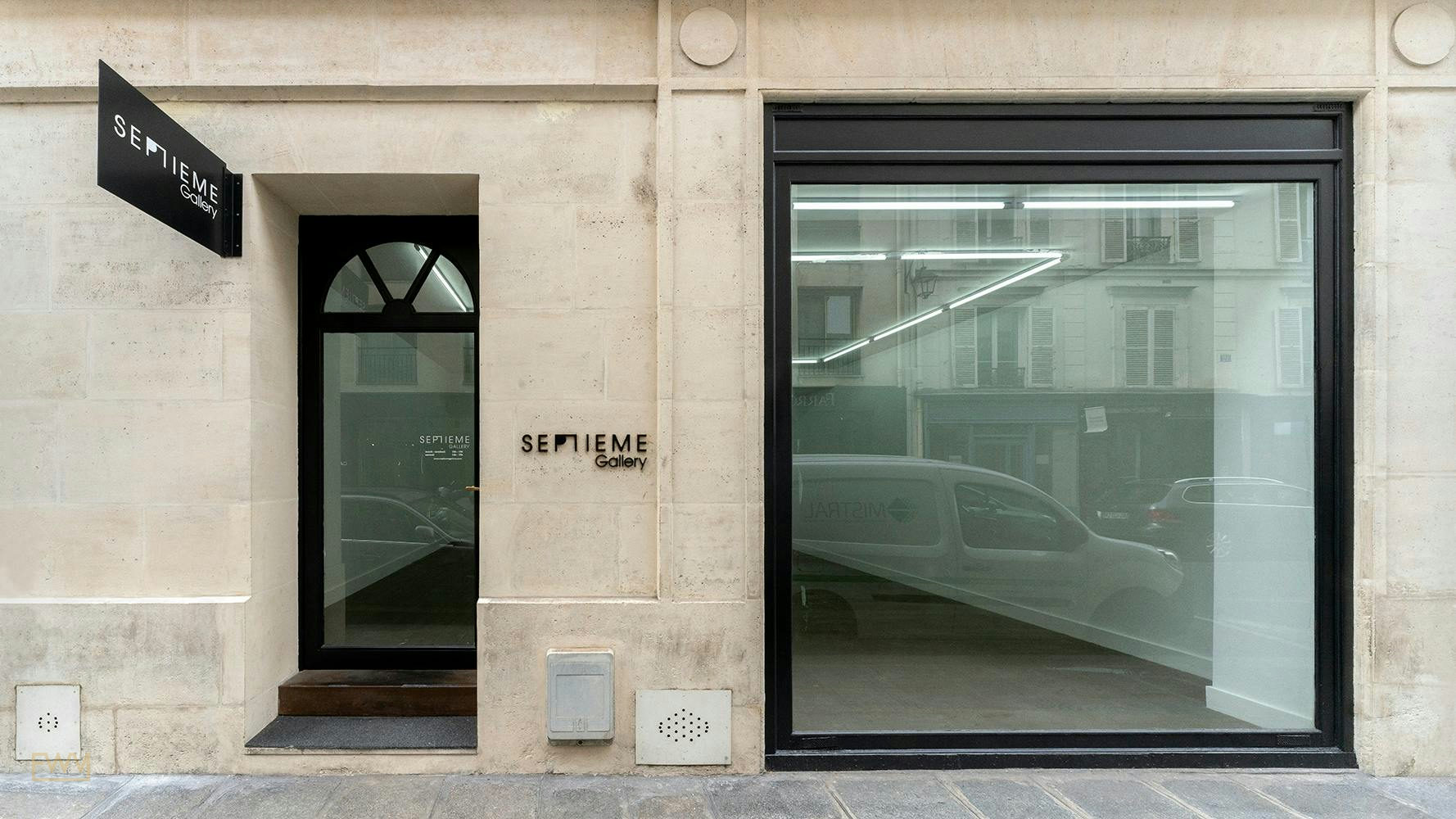
Gallery spaces are among the most frequently sought-after space types in the Latin Quarter for brand activations. These spaces typically feature white or neutral walls, polished concrete floors or parquet, adjustable track lighting or spotlights, and an aesthetic that positions the brand's product as an object of cultural value rather than a commercial transaction. The Latin Quarter and Saint-Germain-des-Prés are home to multiple independent galleries that make their spaces available for short-term hire between programming periods. Galerie Joseph, while primarily associated with the Marais, has influenced the format of gallery-as-activation-space that now extends across the Left Bank. Brands in fashion, design, beauty, and lifestyle have used gallery-format spaces in this neighbourhood for press launches, collection presentations, and limited-run retail activations.
Boutique Storefronts
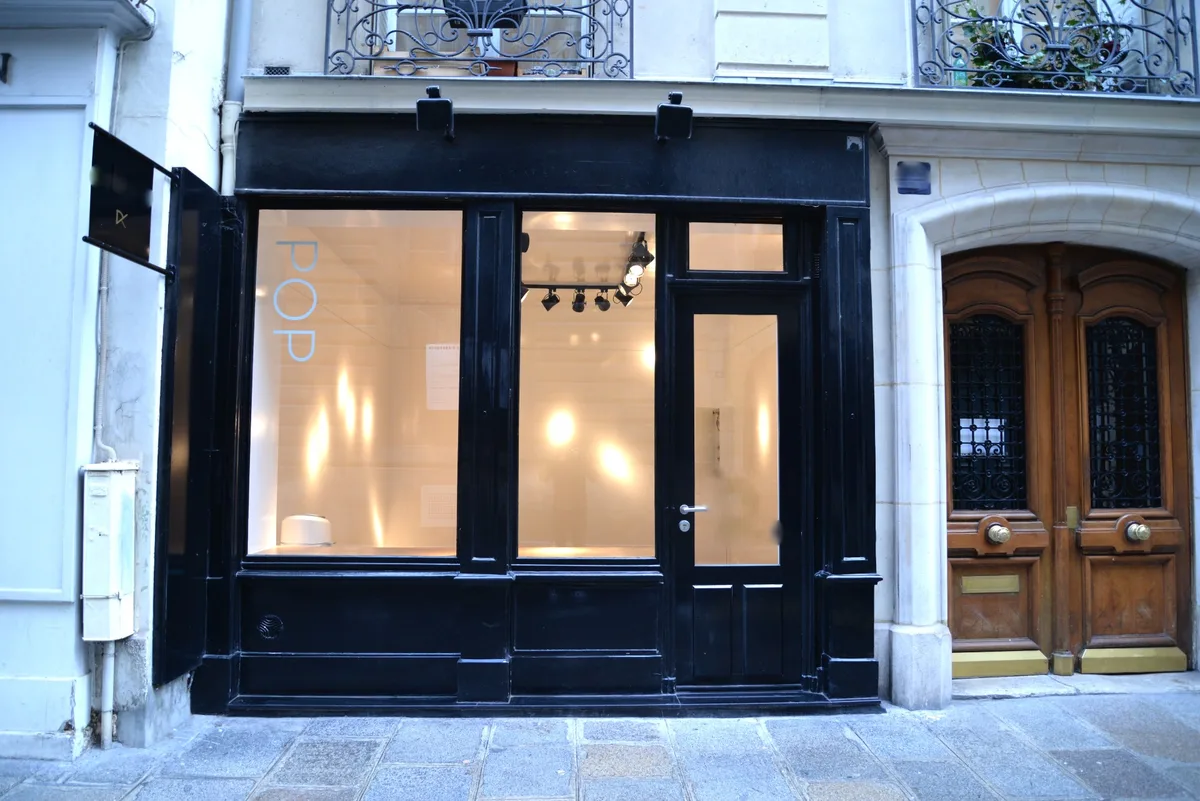
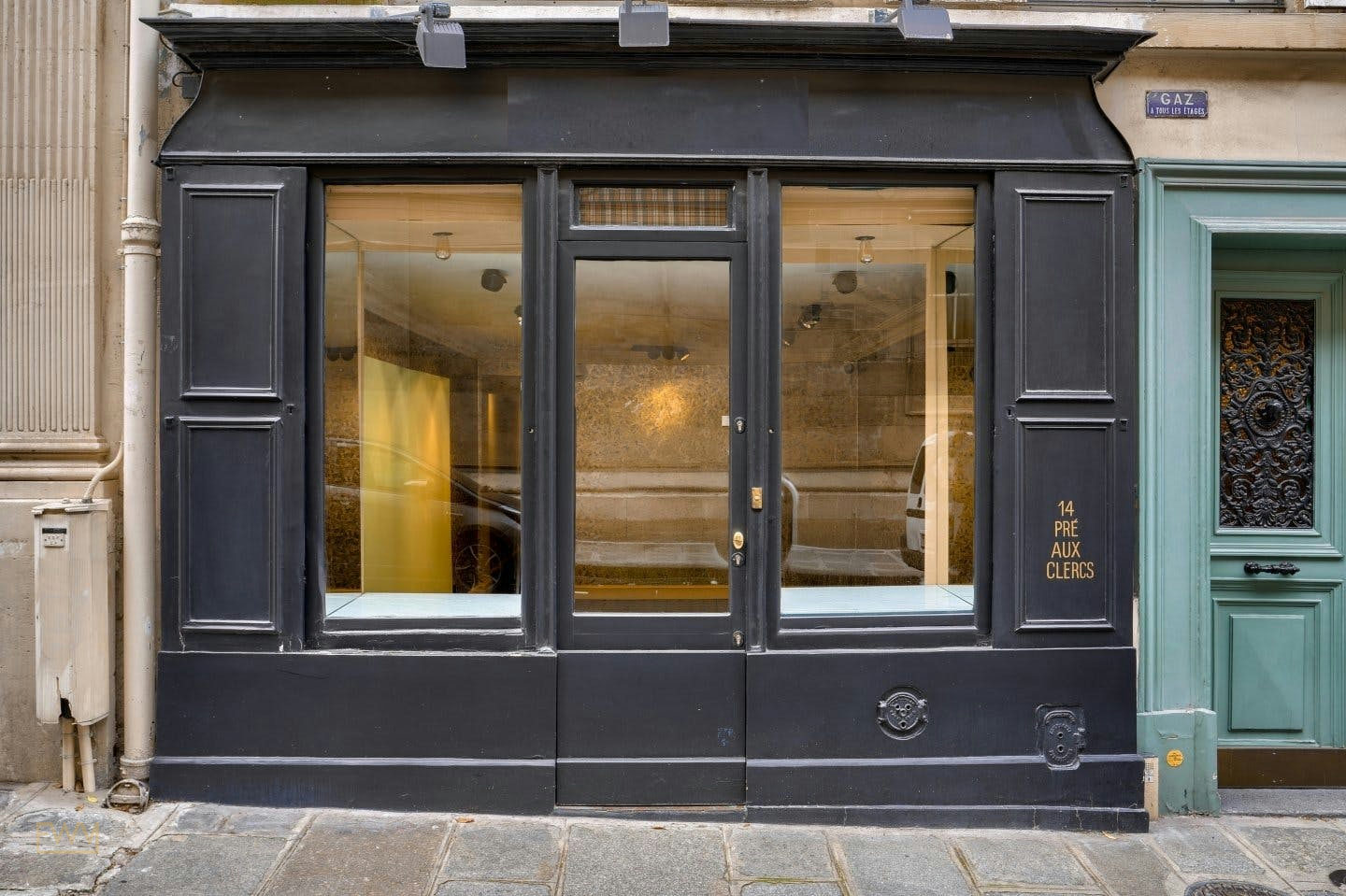
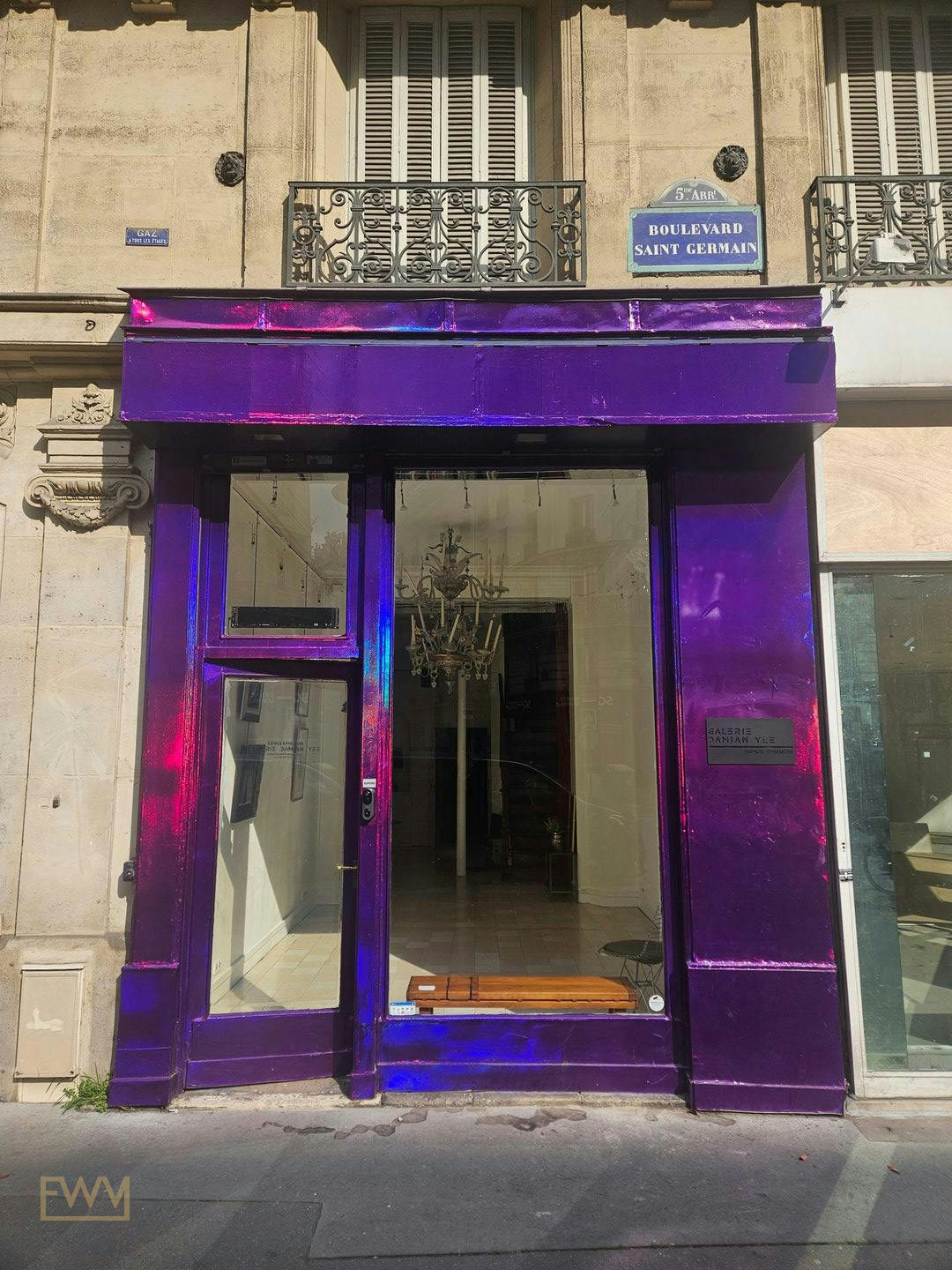
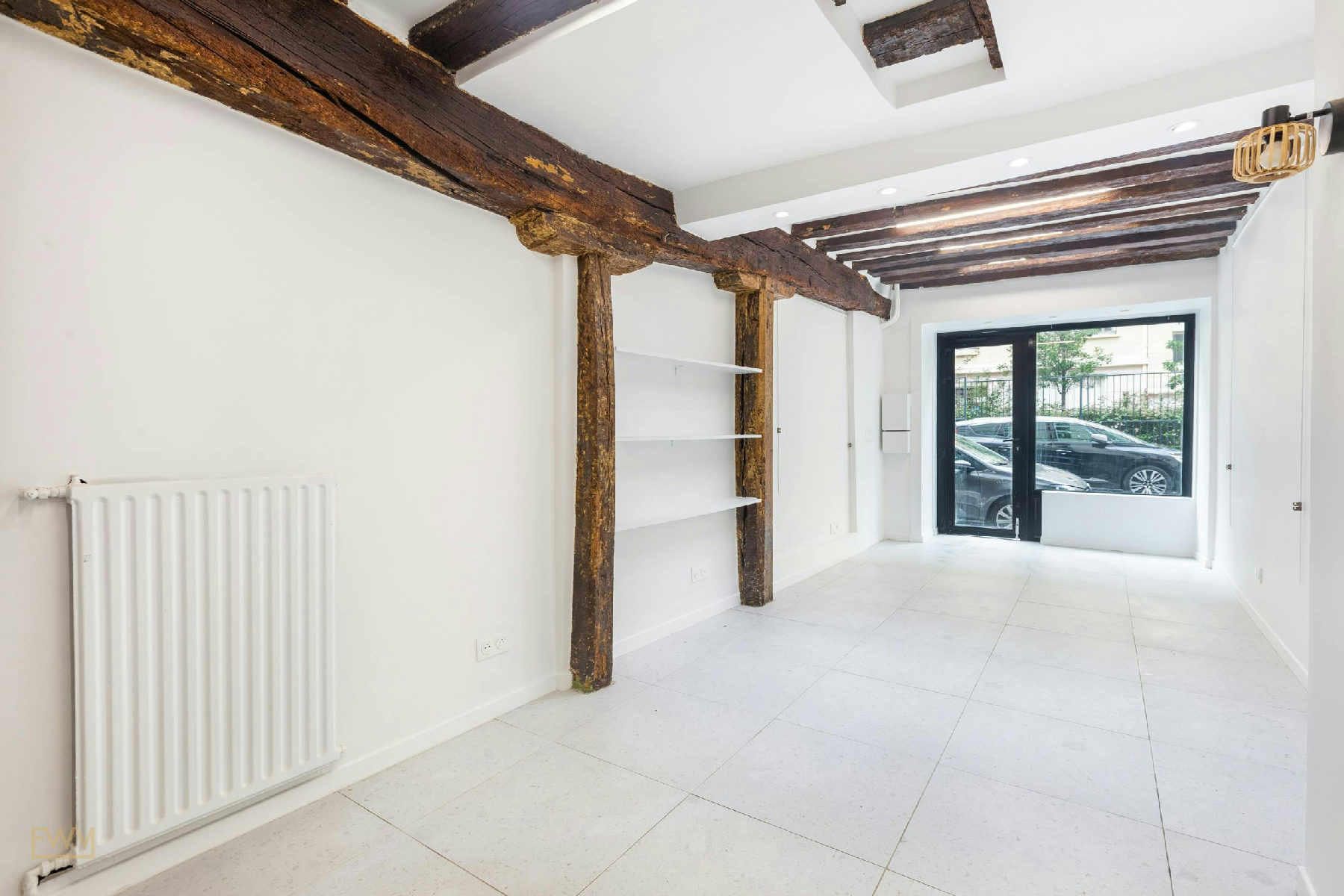
Small boutique storefronts of 20 to 60 square metres are available on the secondary streets of the Latin Quarter, including the rue de la Bucherie, the rue Saint-Jacques, and the smaller streets connecting Boulevard Saint-Germain to the river. These spaces suit brands that want a recognisable retail format with street-level visibility, a display window, and the operational simplicity of an existing commercial fit-out. Some of these storefronts are available furnished, which reduces the lead time and build cost for short activations.
Apartment and Studio Formats
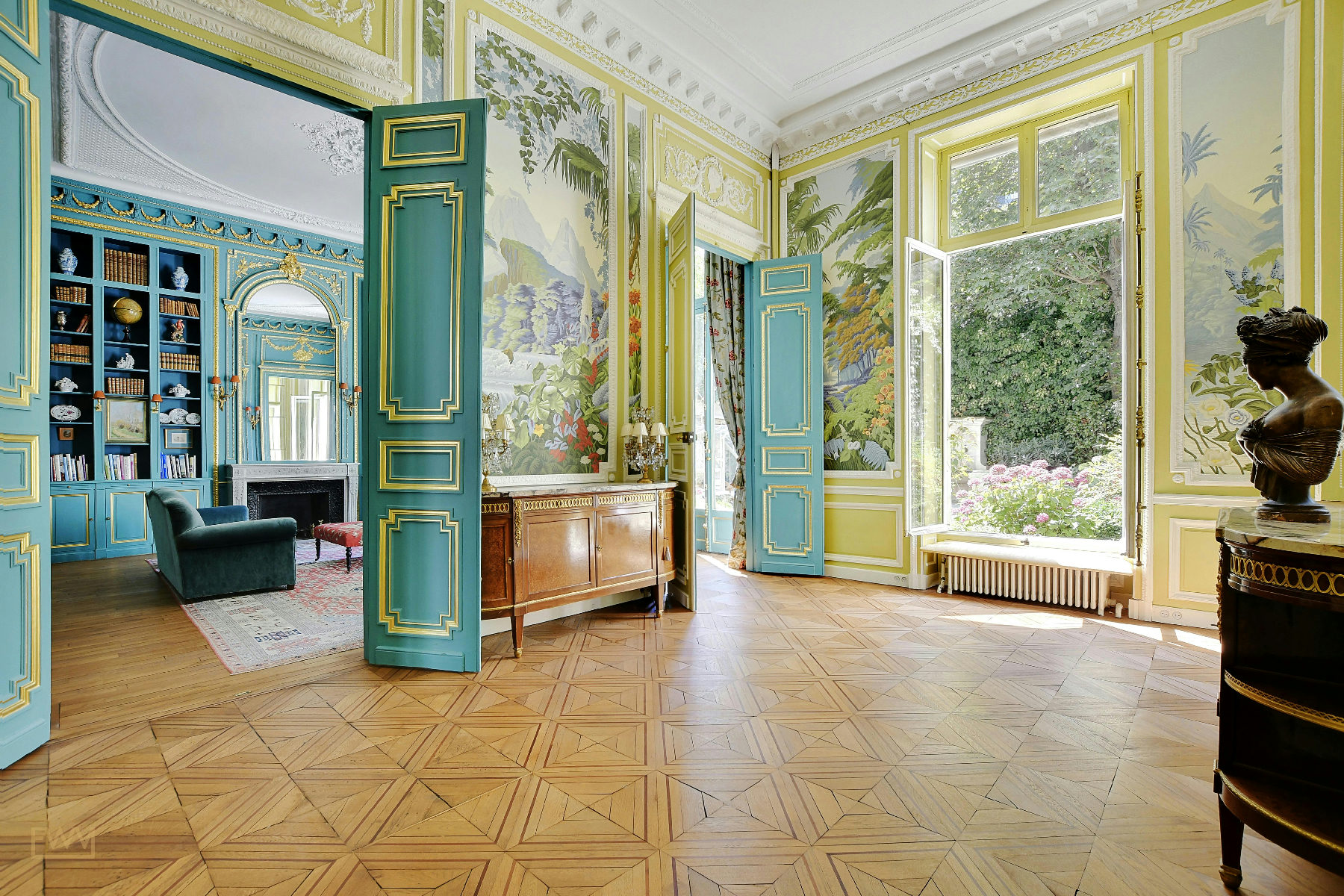
Apartment-format spaces, in which a residential or former residential property is adapted for commercial use, are a distinctive feature of the Parisian short-term rental market. In the Latin Quarter, the Haussmannian building stock means that many upper-floor spaces retain apartment-style layouts including multiple rooms, high ceilings, ornate cornicing, and parquet floors. These spaces are particularly well suited to showroom presentations, where the domestic aesthetic creates an intimate, curated environment for press, buyers, and VIP clients. Brands that have used apartment-format showrooms in Paris often cite the sense of discovery and exclusivity that the format creates compared to conventional trade show or showroom environments.
Loft and Industrial Spaces
While the Latin Quarter itself is not primarily known for loft-style industrial spaces, the broader Left Bank area extending into the 13th and 14th arrondissements offers this format, and some transitional buildings near the southern edges of the 5th arrondissement provide larger footprint spaces with raw finishes including raw concrete floors, steel pillars, and warehouse-scale ceiling heights. These spaces suit brands with larger installation requirements or brands that want to stage an immersive experiential event rather than a conventional retail or showroom format.
Outdoor and Open-Air Spaces
The Latin Quarter's squares, courtyards, and garden-adjacent locations offer limited but interesting outdoor activation possibilities. The area around the Luxembourg Gardens and the Place de la Sorbonne has hosted brand-sponsored cultural events, though outdoor commercial activations in public spaces require specific municipal authorisations and are subject to additional regulatory oversight. Private courtyards within Haussmannian buildings offer a more accessible route to outdoor space for brands that want an open-air element without navigating public space permissions.
| Space Type | Typical Size Range | Best Activation Format | Key Feature |
|---|---|---|---|
| Gallery space | 40 to 200 sqm | Exhibition, press launch, collection drop | White walls, track lighting, neutral aesthetic |
| Boutique storefront | 20 to 60 sqm | Direct retail, product testing, brand experience | Street visibility, display window, existing fit-out |
| Apartment or studio format | 50 to 150 sqm | Showroom, VIP presentation, press preview | Domestic intimacy, multiple rooms, Haussmannian detail |
| Loft or industrial space | 150 to 500 sqm | Immersive event, large-format installation | Open plan, raw finishes, flexible configuration |
| Private courtyard | Variable | Outdoor element, catered event, brand experience | Protected outdoor space, architectural character |
KEY TAKEAWAY: The Latin Quarter and its neighbouring arrondissements offer a genuinely diverse inventory of space types for temporary retail and brand activation, from intimate boutique storefronts to gallery spaces, apartment-format showrooms, and larger event venues. Matching the space type to the activation format is as important as the address.
With space types mapped, the next question is how the Latin Quarter compares to the other primary Paris neighbourhoods that brand teams consider when planning a pop-up or showroom activation.
Latin Quarter Versus Le Marais, Saint-Germain-des-Prés, and the Golden Triangle
Quick answer: The Latin Quarter offers a distinct positioning compared to Le Marais, Saint-Germain-des-Prés, and the Golden Triangle. While each neighbourhood serves different brand objectives and audience profiles, the Latin Quarter's combination of international tourist footfall, cultural credibility, relative accessibility, and diverse space inventory makes it a genuinely competitive option rather than a second-choice alternative.
Brand teams planning their first Paris activation often default to Le Marais because of its strong association with fashion, design, and the kind of creative, fashion-aware consumer that most fashion and lifestyle brands want to reach. That instinct is well-founded: Le Marais streets including the rue des Archives, the rue Vieille du Temple, and the rue de Bretagne do attract exactly that audience, and the neighbourhood's density of independent concept stores, galleries, and design showrooms creates a retail ecosystem in which a pop-up activation benefits from adjacency to complementary brands. However, the prime Marais streets are also among the most competitive and most expensive short-term rental locations in Paris, and availability during Paris Fashion Week is limited.
The Case for Saint-Germain-des-Prés
Saint-Germain-des-Prés sits directly adjacent to the Latin Quarter on the western boundary of the 6th arrondissement and carries a different but equally strong cultural identity. Its association with post-war intellectual life, luxury fashion boutiques, and independent galleries positions it as an aspirational address for brands that want to align with Parisian cultural heritage. The rue de Grenelle, the rue du Dragon, and the streets around the Carrefour de l'Odéon attract a mix of affluent locals and international visitors with strong purchasing intent. Rental rates in Saint-Germain-des-Prés can approach those of the Golden Triangle for prime addresses, but secondary streets offer more accessible entry points.
The Latin Quarter's Distinctive Advantage
Where the Latin Quarter differentiates itself most clearly is in the quality and quantity of international tourist traffic flowing through the neighbourhood on a daily basis, independent of the fashion calendar. Brands activating in the Latin Quarter during Paris Fashion Week benefit from the base layer of tourist footfall that the neighbourhood generates regardless of the season, combined with the incremental fashion and press traffic that the week brings to the broader Paris market. For brands whose product or experience has broad lifestyle or cultural appeal rather than a narrowly fashion-insider focus, this makes the Latin Quarter genuinely attractive.
The proximity of the Latin Quarter to the Seine and to major landmarks including Notre-Dame, the Sainte-Chapelle on the Ile de la Cité, and the Panthéon means that brand activations in this area can incorporate those iconic surroundings into their visual and marketing storytelling in a way that spaces in industrial or peripheral neighbourhoods cannot.
To compare available spaces across Paris neighbourhoods and filter by size, type, and calendar availability, the space comparison tool on Fashion Week Venues allows brand teams to evaluate multiple options against a consistent set of criteria before committing to a shortlist.
DID YOU KNOW: The 5th and 6th arrondissements together contain a high concentration of international press offices, cultural institutions, and creative agencies, which means that brand activations in this zone can attract editorial and influencer attention beyond the dedicated fashion week calendar.
KEY TAKEAWAY: The Latin Quarter competes on cultural credibility, consistent international footfall, and space diversity rather than on fashion-insider status alone. For brands whose activation objectives extend beyond fashion-week press reach to include broader brand awareness, customer acquisition, and cultural positioning, the Latin Quarter is a strong strategic choice.
Understanding how to plan a successful activation in the Latin Quarter requires more than finding the right space. The operational and logistical dimensions of running a temporary retail space in Paris are significant, particularly for international brands without an established French presence.
How Fashion Week Venues Supports Temporary Retail Activations in the Latin Quarter
Quick answer: Fashion Week Venues provides end-to-end support for brands seeking temporary retail space in Paris, from initial space sourcing and permit guidance through to fit-out production, staffing, POS systems, and data analytics. Brand teams that engage Fashion Week Venues as a full-service agency gain access to a curated network of spaces across all major Paris neighbourhoods including the Latin Quarter and a structured process that reduces the risk of operational failure during a time-limited activation.
For many international brands, the practical challenge of running a temporary retail activation in Paris is not identifying the right neighbourhood or even finding a suitable space. It is navigating the operational complexity of a short-duration project in a foreign market with unfamiliar legal requirements, supplier relationships, and administrative processes. Fashion Week Venues exists to address exactly that challenge.
Venue Sourcing and Space Matching
The venue sourcing service from Fashion Week Venues connects brand teams with spaces that match their brief on location, size, aesthetic, budget, and calendar window. Rather than relying on generalist platforms such as Peerspace, Airbnb, or VRBO, which were not designed for commercial retail activations and may not offer spaces with the correct commercial use classification, Fashion Week Venues curates a network of verified short-term retail and event spaces specifically suited to brand activations. This distinction matters in Paris, where the gap between a space listed on a peer-to-peer platform and a space with the correct permissions for retail operation can create significant legal and operational problems.
Concept Direction and Branded Store Design
The concept direction service supports brand teams that want creative input on how to configure and present a space to maximum effect. For a gallery-format activation in the Latin Quarter, this might involve developing the spatial narrative, the lighting plan, and the wall text presentation that frames the brand's product as a cultural object. For a boutique storefront activation, concept direction might focus on window display design, customer flow, and the relationship between the physical retail experience and the brand's digital presence. The branded store design service extends this into full specification and design documentation.
Production, Build, and Fit-Out
The production and build service manages the physical fit-out of a temporary retail space, including the procurement and installation of fixtures, furniture, lighting, and branded elements. For short-duration activations of one to four weeks, the production timeline is compressed, which places a premium on having supplier relationships and logistics processes already in place. Fashion Week Venues works with a network of Paris-based production suppliers and can manage the build process from specification to strike without requiring the brand team to source and manage contractors independently.
Retail Staffing, POS, and Activation Management
Running a physical retail space in Paris requires French-speaking staff who understand both the brand and the operational requirements of a retail environment. The retail staffing service provides vetted bilingual staff for front-of-house roles, while the POS and payments service ensures that the brand can transact with customers in a legally compliant and operationally smooth manner. The activation management service oversees the day-to-day operation of the space, allowing the brand's own team to focus on relationships, content creation, and strategic decisions rather than logistics.
Tools for Planning and Decision-Making
Beyond managed services, Fashion Week Venues provides a suite of planning tools that brand teams can use independently to build confidence before committing to a brief. The timeline planning tool maps the lead time required for different phases of a Paris activation against a target launch date. The ROI calculator allows teams to model the expected return from a temporary retail activation against their investment. The permits tool provides guidance on which regulatory requirements may apply to a specific activation type and location.
TIP: Brands that are new to Paris activations should review the guide to hiring a pop-up agency before deciding how much of the process to manage independently and how much to delegate to a specialist partner.
KEY TAKEAWAY: Fashion Week Venues reduces the operational complexity of running a temporary retail activation in Paris by providing end-to-end services from space sourcing through to activation management, while also offering standalone planning tools for teams that want to self-direct parts of the process. It does not guarantee specific spaces, permit approvals, or commercial outcomes.
The operational and legal landscape for international brands activating in Paris includes several common misunderstandings that, if left unchallenged, lead to poor planning decisions and avoidable costs.
Planning Your Pop-Up Activation Timeline for the Latin Quarter
Quick answer: A well-structured Paris pop-up activation timeline typically begins 12 to 16 weeks before the target launch date for first-time activations and 8 to 12 weeks for experienced brand teams with established Paris supplier relationships. Activations timed around Paris Fashion Week, which takes place in January and February for menswear and in September and October for womenswear, require the longest lead times due to compressed space availability and supplier demand.
The planning process for a temporary retail space in the Latin Quarter follows a consistent sequence of phases, though the duration of each phase varies based on the brand's experience, the complexity of the activation, and the specific space and contract type.
Phase One: Brief Development and Space Search
The activation brief should define the target neighbourhood and arrondissement, the required space size and type, the intended activation format, the target audience, the calendar window, and the total budget. A well-developed brief accelerates the space search and reduces the risk of committing to a space that fails to deliver the intended experience. During this phase, the brand team should also conduct initial due diligence on the legal requirements for their specific activation format, including whether a bail dérogatoire or alternative short-term lease structure is appropriate and whether any permits are required for signage, amplified sound, or catering.
Phase Two: Space Selection and Contract Execution
Once a shortlist of spaces has been identified, the brand team should conduct physical site visits to assess the space against the brief. Key considerations include the actual dimensions and ceiling height, the quality and flexibility of the existing lighting, the state of the floors and walls, the availability of kitchen or catering access, the proximity of public transport, and the quality of the surrounding retail and cultural context. Contract negotiation for a bail dérogatoire in Paris typically takes one to three weeks and should be reviewed by a qualified French legal advisor before signing.
Phase Three: Production and Build
The production and build phase begins after the contract is signed and access to the space is granted. For a two-week pop-up activation, the build period is typically two to five days, depending on the complexity of the fit-out. For a one-month showroom activation with a more complex installation, the build period may extend to one to two weeks. During this phase, all furniture, fixtures, branded elements, lighting equipment, and POS systems are installed and tested.
Phase Four: Activation and Operations
The live activation phase includes daily operations management, staff scheduling, inventory management, customer and press engagement, social media content creation, and data collection. For brands using an activation management service, this phase is largely managed by the agency with the brand team focused on strategic and relationship-building activities.
Phase Five: Strike and Exit
The strike phase returns the space to its pre-activation condition as required by the lease agreement. This typically takes one to two days and must be completed before the contracted exit date to avoid penalty charges. All branded elements, furniture, and equipment are removed, and the space is cleaned and inspected.
| Phase | Activity | Typical Duration | Key Dependency |
|---|---|---|---|
| Brief development | Define format, budget, calendar, neighbourhood | 1 to 2 weeks | Internal alignment |
| Space search and shortlisting | Source, visit, compare spaces | 2 to 4 weeks | Market availability |
| Contract negotiation | Review and sign bail dérogatoire | 1 to 3 weeks | Legal review |
| Production and build | Fit-out, install, test | 2 to 10 days | Access date and supplier availability |
| Live activation | Operations, staffing, engagement, data | 1 to 8 weeks | Calendar window |
| Strike and exit | Remove all elements, restore space | 1 to 2 days | Lease exit date |
KEY TAKEAWAY: Brands that begin the planning process at least 12 weeks before their target activation date have significantly more space options, supplier availability, and negotiating flexibility than those that enter the market with shorter lead times. Fashion Week periods require the longest advance planning due to compressed availability.
To compare neighbourhoods and space types and begin building a focused activation brief, explore the Paris city hub on Fashion Week Venues and shortlist spaces that match your brief, budget, and calendar window.
Paris Fashion Week Calendar and the Latin Quarter's Role in Seasonal Activations
Quick answer: Paris Fashion Week takes place twice annually for womenswear, in late September to early October for the spring-summer collections and in late February to early March for the autumn-winter collections. Menswear fashion week takes place in January. The Latin Quarter is not a primary fashion week show venue but plays an increasingly important role as a destination for brand activations, press events, showroom presentations, and consumer-facing pop-up shops during these periods.
Paris Fashion Week is the most commercially significant calendar event for brands seeking temporary retail space in Paris, but it is not the only viable window. The Latin Quarter's strong year-round tourist footfall means that seasonal activations outside fashion week including those timed to the summer tourist season, the Christmas retail period, and the January sales window can also deliver meaningful commercial and brand awareness results.
Fashion Week Activations in the Latin Quarter
During Paris Fashion Week, the primary show venues and press events are concentrated in the 8th arrondissement, the Palais Royal area, the Trocadéro, and various temporary venues throughout the 1st, 3rd, and 4th arrondissements. The Latin Quarter does not host major runway shows but does attract brands that want to stage complementary activations for press, buyers, and fashion-aware consumers who are in Paris for the week. A well-positioned pop-up or showroom in the Latin Quarter during fashion week can capture an audience that is actively seeking brand discovery experiences outside the formal show schedule.
Seasonal Activations Beyond Fashion Week
Brands that dismiss the Latin Quarter as a viable activation location outside fashion week are missing a significant opportunity. The neighbourhood's summer visitor profile, which includes a high proportion of affluent international tourists from North America, East Asia, and the Middle East, aligns well with the target customer base for premium and lifestyle brands. A summer pop-up activation timed to the peak tourist weeks of July and August can deliver consistent daily footfall that rivals or exceeds the compressed but unpredictable traffic of fashion week.
The Christmas and New Year window, from late November through to early January, is also a strong period for the Latin Quarter due to the combination of Parisian residents shopping locally and international visitors in the city for the holiday season. The neighbourhood's concentration of independent bookshops, gift shops, and artisanal food and drink retailers creates a shopping environment that supports discovery retail activations for brands with gift or lifestyle positioning.
DID YOU KNOW: Paris attracted approximately 30 million visitors in 2024 according to the Paris Region tourism authority, with the 5th and 6th arrondissements consistently ranking among the most visited areas of the city. This baseline footfall makes the Latin Quarter relevant for brand activations across multiple seasonal windows, not only during fashion week.
KEY TAKEAWAY: While Paris Fashion Week creates the most concentrated commercial opportunity for temporary retail in Paris, the Latin Quarter's year-round tourist footfall makes it a viable activation location across multiple seasonal windows. Brands should evaluate the total opportunity across the calendar rather than planning exclusively around fashion week.
Common Myths About Renting Temporary Retail Space in Paris
MYTH: You need a French legal entity to rent a short-term commercial space in Paris as an international brand.
FACT: Many short-term retail leases in Paris, particularly under the bail dérogatoire framework, can be entered into by a foreign legal entity without requiring the brand to establish a French company first. However, the specific requirements vary by landlord, space type, and lease structure. Some landlords and some space types do require a French entity or a French guarantor. Working with a local specialist who understands the current market conditions and can advise on the specific landlord's requirements is strongly recommended rather than assuming either that a French entity is always necessary or that it is never required.
MYTH: Paris Fashion Week is the only commercially viable calendar window for a temporary retail activation in the Latin Quarter.
FACT: Fashion week creates a concentrated opportunity for press and buyer engagement, but it is not the only viable window for a temporary retail activation in the Latin Quarter. The neighbourhood's year-round international tourist footfall, its resident student and academic population, and the strength of the Christmas and summer seasonal retail periods all support successful activations outside the fashion calendar. Brands with broader lifestyle or cultural positioning may find that non-fashion-week periods offer better value and availability alongside comparable or superior footfall.
MYTH: The only way to find a short-term retail space in Paris is through a commission-based property broker.
FACT: Commission-based brokers are one route to market, but they are not the only option. Specialist platforms such as the Fashion Week Venues marketplace provide curated access to verified short-term retail and event spaces with transparent pricing and without the conflicts of interest that can arise when a broker's fee is tied to the value of the lease. Direct approaches to independent landlords, gallery operators, and cultural institutions also yield space options that never appear on brokerage lists.
MYTH: Short-term retail leases in Paris are legally straightforward because they are temporary.
FACT: The duration of a lease does not simplify its legal obligations. Short-term commercial leases in France, including the bail dérogatoire, carry specific requirements around permitted use, restoration of the premises, insurance, and exit procedures. The risk of an unintentional conversion to a nine-year bail commercial if exit procedures are not correctly followed is a real and significant legal exposure. A qualified French legal advisor should review any commercial lease before it is signed, regardless of the intended duration.
MYTH: A space listed on a peer-to-peer platform such as Airbnb or Peerspace is automatically suitable for commercial retail operation in Paris.
FACT: Many spaces listed on generalist peer-to-peer platforms carry residential or studio use classifications that do not permit retail trading, amplified sound, catering, or public access at commercial scale. Using such a space for a retail activation without confirming its commercial use classification creates legal exposure for the brand. Spaces sourced through a specialist agency or marketplace that verifies commercial use permissions are significantly lower risk for retail activations.
Frequently Asked Questions
Why rent a pop-up retail space in the Latin Quarter specifically?
The Latin Quarter in Paris's 5th arrondissement combines strong international tourist footfall, cultural credibility, and a diverse inventory of short-term retail spaces at pricing tiers that are generally more accessible than the primary luxury corridors. The neighbourhood's proximity to major landmarks including Notre-Dame, the Panthéon, and the Luxembourg Gardens creates consistent daily foot traffic regardless of season. For brands whose activation objectives include broad brand awareness, cultural positioning, and customer acquisition alongside press engagement, the Latin Quarter offers a compelling alternative to more saturated fashion-week neighbourhoods. Its adjacency to Saint-Germain-des-Prés extends the catchment area further.
What is a bail dérogatoire and how does it apply to short-term retail in Paris?
A bail dérogatoire is a short-term commercial lease structure under French law that allows parties to contract outside the standard nine-year bail commercial framework for a period of up to three years. It must be explicitly structured as a bail dérogatoire from the outset, and if the tenant remains in the space after the agreed term without a new agreement, the lease automatically converts to a full nine-year bail commercial. For brands running a seasonal pop-up or fashion week activation, the bail dérogatoire is the most commonly used contractual structure. All bail dérogatoire agreements should be reviewed by a qualified French legal advisor before signing. Requirements vary by space type and individual landlord.
How long do brands typically rent pop-up retail spaces in Paris?
The duration of a temporary retail space rental in Paris varies considerably based on the brand's objectives, budget, and calendar strategy. Fashion week activations typically run for one to two weeks, aligned with the official Paris Fashion Week schedule. Broader seasonal activations may run for four to eight weeks, and some brands use short-term leases of two to three months for extended showroom or retail test formats. The availability of spaces for very short durations of less than one week is more limited and may attract a premium daily rate. Longer durations generally offer better value on a per-day basis but require more advanced planning and a larger total budget commitment.
Does a brand need a French company to rent a short-term retail space in Paris?
Not necessarily, but this depends on the specific landlord, space type, and lease structure. Many short-term retail leases under the bail dérogatoire framework can be entered into by a foreign legal entity. Some landlords require a French entity or a French guarantor, particularly for spaces in prime locations or for leases involving significant deposit requirements. Brands should clarify this requirement during the initial negotiation phase and seek guidance from a local specialist who understands current landlord expectations in the target neighbourhood. Working with a specialist agency can simplify the entity and compliance process for international brands entering the Paris market for the first time.
What permits are required for a pop-up shop in Paris?
The specific permits required for a pop-up shop in Paris depend on the space type, the intended activation format, and the specific arrondissement. Commercial use of a space for retail trading generally requires the space to hold the correct use classification. Additional permits may be required for exterior signage, temporary structures, amplified sound, catering or alcohol service, and any outdoor elements extending into public space. The permit requirements for a simple gallery-format brand activation are different from those for a music and retail event with outdoor signage. The permits tool on Fashion Week Venues provides structured guidance on which requirements may apply to a specific activation type, and a qualified French legal advisor should be consulted before finalising the activation plan.
How does the Latin Quarter compare to Le Marais for a pop-up shop?
Le Marais is the primary fashion-insider destination in Paris for pop-up activations, with a dense concentration of fashion, design, and lifestyle brands that attract a fashion-aware, trend-conscious audience. The Latin Quarter offers a different but complementary profile: stronger international tourist footfall, greater space diversity, and pricing that is generally more accessible on prime Marais streets. Brands whose target audience is primarily fashion press, buyers, and fashion-week insiders will find Le Marais more directly aligned. Brands whose audience is broader, including design-conscious international tourists, students, and lifestyle consumers, may find the Latin Quarter and its neighbouring Saint-Germain-des-Prés corridor equally effective at a potentially lower cost.
Is the Latin Quarter in Paris worth visiting and activating in during Paris Fashion Week?
Yes, with the right expectations. The Latin Quarter is not a primary Paris Fashion Week show venue, but it attracts significant incremental visitors during fashion week including press, buyers, and fashion-aware consumers who use the week as an opportunity to explore Paris more broadly. A well-positioned and well-publicised pop-up activation in the Latin Quarter during fashion week can generate meaningful press coverage and social media visibility. The neighbourhood's cultural character also creates storytelling opportunities that align well with brands that want to position themselves as part of Parisian cultural life rather than purely as commercial exhibitors.
What types of creative and exhibition spaces are available in the Latin Quarter?
The Latin Quarter and adjacent Saint-Germain-des-Prés area offer gallery spaces, artist studios, former academic spaces, Haussmannian apartment formats, and multi-room loft-style venues suitable for art exhibitions, fashion installations, product launches, and brand experience events. Many of these spaces feature polished concrete floors, white walls, and track lighting or spotlights that suit a clean, gallery-format presentation. Some spaces include features associated with the neighbourhood's historic character, including parquet floors, ornate ceiling mouldings, and courtyard access. Kitchen access and preparation areas are available in some venue types, which supports catered press and VIP events.
How far in advance should a brand plan a pop-up retail activation in the Latin Quarter?
For first-time Paris activations, a planning lead time of 12 to 16 weeks before the target launch date is advisable. This allows sufficient time for brief development, space search and site visits, contract negotiation, legal review, production planning, supplier procurement, and staff briefing. For brands with established Paris supplier relationships and previous activation experience, an 8 to 12 week lead time may be sufficient for a straightforward activation. Fashion week periods require the longest advance planning due to compressed space availability and high supplier demand. Brands that begin their search less than six weeks before a fashion week target date face significantly limited options and higher costs.
What role does foot traffic play in choosing a Latin Quarter location?
Foot traffic is a primary determinant of a temporary retail space's commercial performance for direct-to-consumer activations. In the Latin Quarter, the highest foot traffic streets are those closest to major landmarks including the rue de la Huchette, the Boulevard Saint-Michel, and the streets immediately surrounding Notre-Dame and the Panthéon. However, for showroom, press, and VIP-format activations where the intended audience is invited rather than passing, foot traffic is a secondary consideration relative to the quality and character of the space and the convenience of its location for the invited guests. Brands should align their foot traffic expectations with their specific activation format rather than assuming that maximum footfall always equals maximum value.
Can international brands from the United States, the United Kingdom, or other markets run a pop-up in Paris without a local team?
It is possible but operationally challenging. Running a physical retail space in Paris requires French-speaking staff, knowledge of French retail operating requirements, established supplier relationships for logistics, cleaning, and technical support, and the ability to navigate day-to-day operational issues in a foreign city. Most international brands that successfully run standalone Paris activations either have a local partner, use a full-service agency, or have previous Paris market experience to draw on. For brands entering the Paris market for the first time, engaging a specialist agency that can provide local operational support significantly reduces the risk of operational failures during a time-limited activation.
What is the difference between a showroom and a pop-up shop in Paris?
In the Paris context, a showroom is typically a space used for private or trade-facing presentations to press, buyers, and VIP clients rather than a publicly accessible retail environment. Showrooms may or may not transact on-site, and they prioritise atmosphere, curation, and the quality of the one-to-one engagement over footfall volume. A pop-up shop, by contrast, is a publicly accessible retail space that welcomes general consumers and transacts directly. Many brands run hybrid formats that combine showroom-style press and buyer appointments during the day with consumer-facing retail hours in the evenings or on weekends. The space type and lease structure should reflect which format the brand intends to operate.
How do brands measure the ROI of a temporary retail activation in Paris?
ROI measurement for a temporary retail activation in Paris should account for both direct revenue from on-site sales and indirect value generated through press coverage, social media impressions, influencer content, new customer relationships, and long-term brand awareness. Direct retail revenue is the most straightforward metric but rarely captures the full commercial value of a well-executed Paris activation. Brands that also track press pickup volume, social media reach generated by the activation, email list growth, and new wholesale or distribution leads from buyer meetings will have a more complete picture of the activation's return. The ROI calculator tool on Fashion Week Venues is designed to help brand teams model both direct and indirect value components before the activation begins.
Are there any specific regulatory differences between the 5th and 6th arrondissements for short-term retail?
Both the 5th and 6th arrondissements are governed by the general framework of Paris commercial property law, but there can be differences in the specific heritage and conservation requirements that apply to individual buildings, the zoning classifications of specific streets, and the administrative processes required for certain types of signage or structural modification. The 5th arrondissement includes a particularly high concentration of heritage-listed buildings and protected streetscapes, which may impose additional constraints on temporary external signage and structural alterations during a pop-up activation. Verifying the specific building and street-level requirements for a chosen space before finalising the lease is essential, particularly for brands planning external-facing brand identity elements.
What makes the Latin Quarter attractive for brands from outside Europe?
For brands from North America, Asia, Latin America, and other non-European markets, the Latin Quarter offers a highly recognisable and internationally prestigious Paris address without the extreme premium of the most famous luxury streets. The neighbourhood's strong association with Parisian culture, history, and intellectual life creates a backdrop that amplifies the brand story for audiences who may not be deeply familiar with the nuances of Paris's internal neighbourhood hierarchy. The concentration of international tourists in the area also means that a brand activating in the Latin Quarter during a summer or fashion week window is likely to reach a cross-section of its global target audience in a single physical location.
Conclusion: Choosing Temporary Retail Space in the Latin Quarter as a Strategic Decision
Temporary retail space in the Latin Quarter of Paris represents a genuinely compelling opportunity for brands that approach the neighbourhood with a clear activation strategy, realistic operational planning, and a proper understanding of the French short-term lease environment. The neighbourhood delivers consistent international footfall, cultural credibility, space diversity, and relative pricing accessibility compared to the primary Paris luxury corridors, making it a strategic choice rather than a compromise.
The key disciplines that separate successful Paris pop-up activations from costly failures are consistent regardless of neighbourhood: starting the planning process with sufficient lead time, confirming the commercial use classification of any space before signing, structuring the lease correctly under the bail dérogatoire or appropriate framework, ensuring that the space type matches the activation format, and having local operational support in place before launch day.
For brands that have not previously activated in Paris, or that want to ensure their Latin Quarter activation is planned and executed with the depth of local knowledge the market requires, working with a specialist agency provides the most reliable path from brief to successful activation. Brands that have invested in building their own Paris operational knowledge over multiple activations may be well placed to manage more of the process independently.
To move from research to activation, start exploring available spaces on the Fashion Week Venues marketplace and build a focused brief for your target neighbourhood, space type, and calendar window. Whether your target is the Latin Quarter, Saint-Germain-des-Prés, Le Marais, or another Paris arrondissement, the path to a successful temporary retail activation in Paris begins with the right space and the right plan.