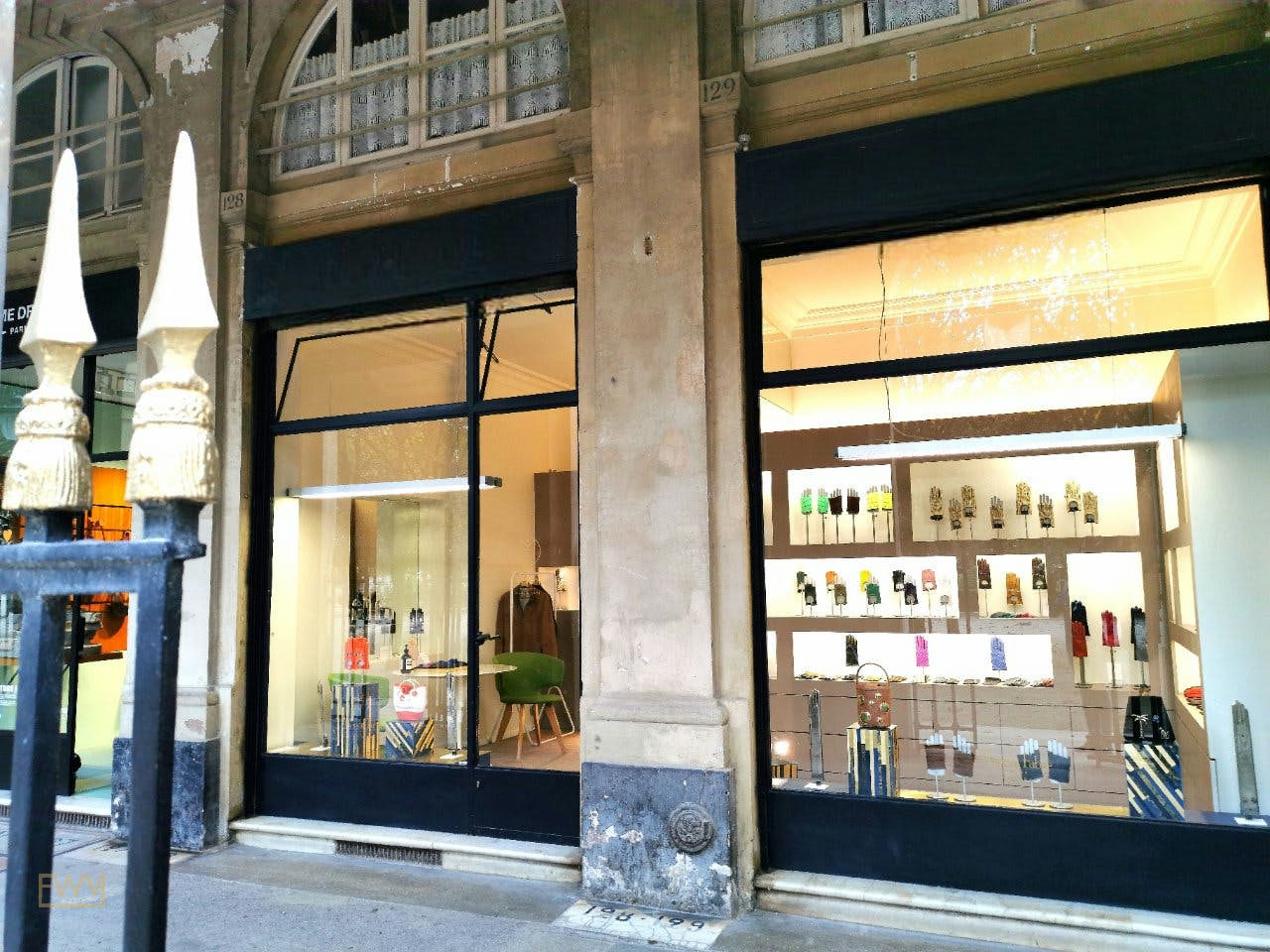
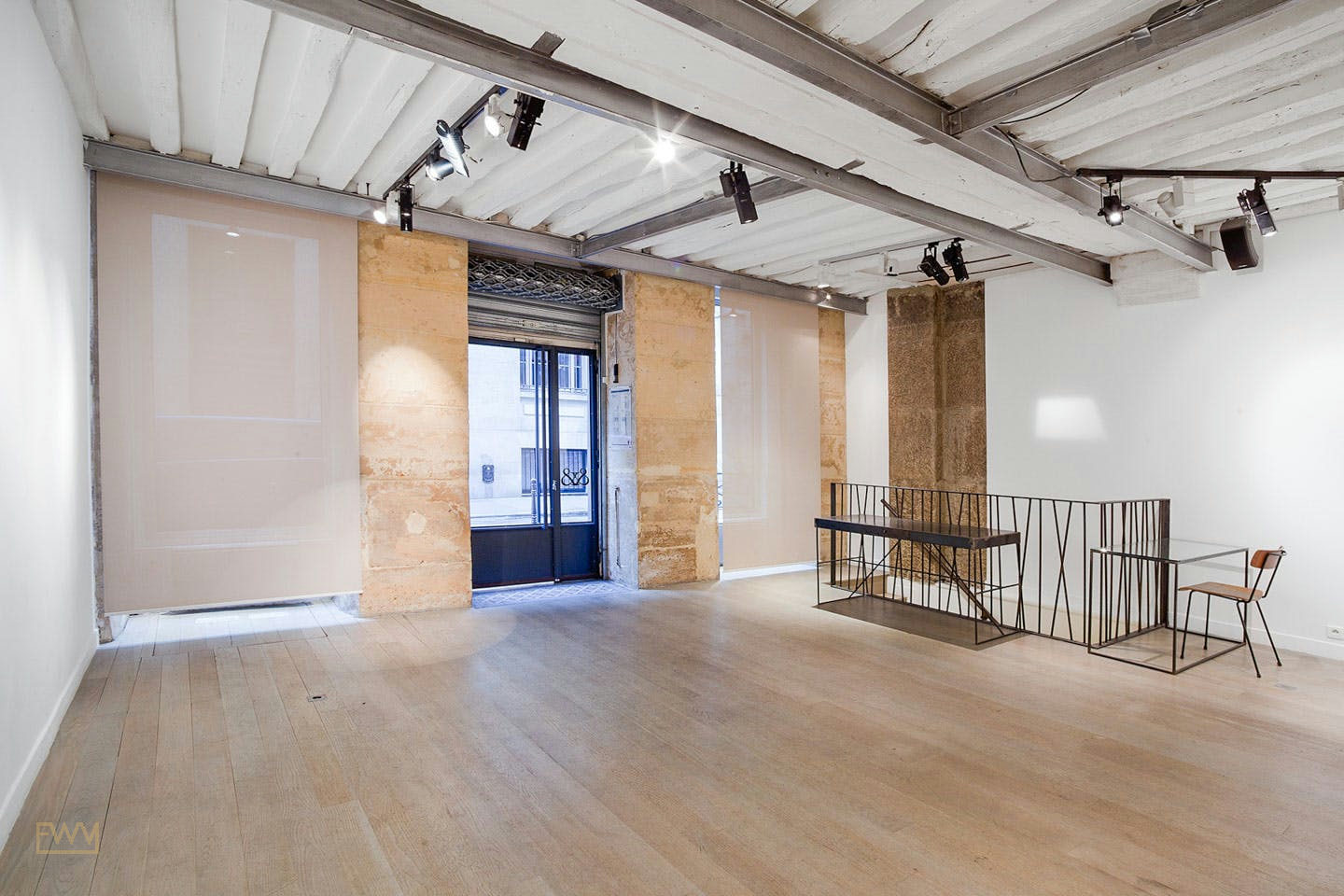
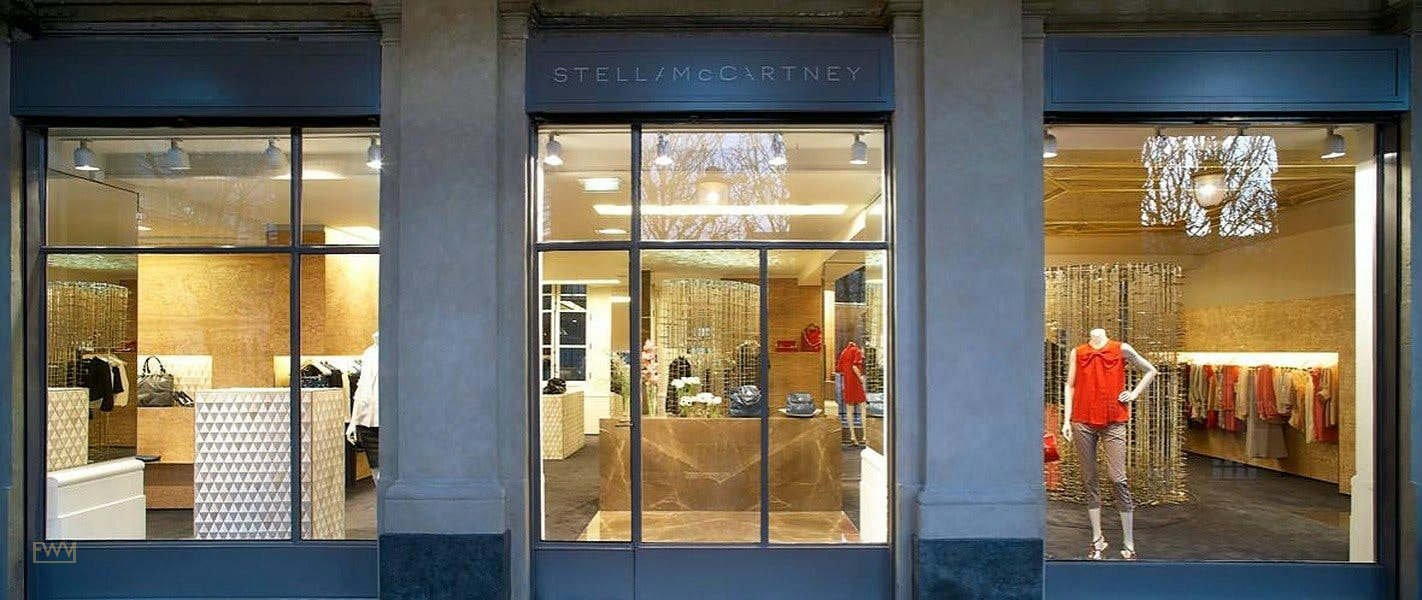
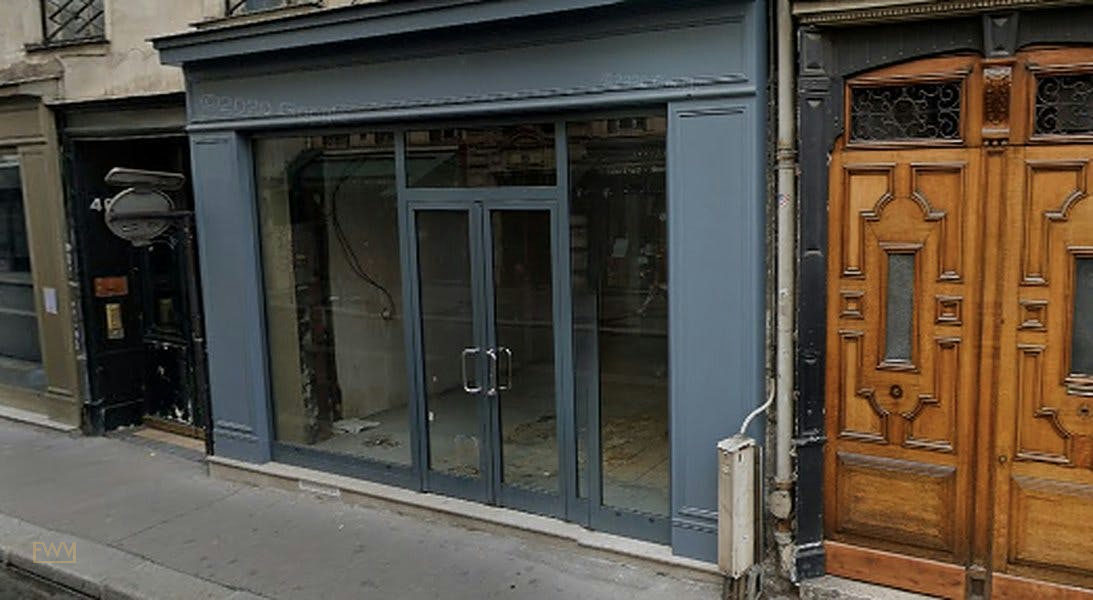
Securing a temporary retail space in Palais Royal places your brand at the centre of the most concentrated luxury corridor in Paris. The Palais-Royal district, framing the Paris 1st arrondissement, sits within walking distance of rue Saint-Honoré, Place Vendôme, the Louvre, and Rue de Rivoli, making it one of the most coveted and commercially powerful locations available to brands seeking a pop-up shop, showroom, ephemeral boutique, or event space. Fashion Week Venues works with international brands, creative directors, and retail teams to source, plan, and activate short-term retail spaces across this district and the wider Paris market. This guide covers everything your team needs to understand about the Palais Royal quarter, from space types and neighbourhoods to permits, costs, logistics, and activation strategy.
Why Palais Royal Is the Most Strategically Powerful Location for a Pop-Up Shop in Paris
Quick answer: Palais Royal combines extraordinary foot traffic from domestic luxury shoppers and international tourists with an architecture of historic galleries, loft spaces, and converted retail units that suit brands across fashion, beauty, art, and lifestyle. Its adjacency to the city's most recognised luxury landmarks gives any pop-up store or showroom an instant positioning advantage that few other Paris locations can replicate.
The Palais-Royal garden and arcade complex, built in the 17th century and extended under Louis-Philippe, has functioned as a commercial, cultural, and social hub for over three centuries. Today, the colonnaded galleries that line its interior courtyard house independent boutiques, galleries, restaurants, and concept stores that attract a sophisticated and intentional visitor profile. For brands, this matters enormously. Foot traffic here is not the casual mass-market flow of a suburban shopping centre. It is a curated audience of fashion-forward buyers, press, stylists, international wholesale clients, and cultural influencers who have specifically chosen to spend time in one of the world's most architecturally significant shopping environments.
The surrounding streets amplify this further. Rue Saint-Honoré, one of the defining axes of global luxury retail, runs directly south of the Palais-Royal arcade. Rue de Rivoli connects the district westward toward the Tuileries and the Seine. Place des Victoires, a circular royal square designed by Jules Hardouin-Mansart, sits immediately to the east and is home to brands including Victoire and Kenzo. The boulevards of Haussmann are reachable within fifteen minutes on foot. Place Vendôme, the spiritual home of high jewellery and watchmaking, is less than a ten-minute walk. This density of prestige makes the Palais Royal hyper-centre genuinely unlike any equivalent address in London, Milan, New York, or Dubai.
For fashion brands planning an activation around Paris Fashion Week, the location is particularly valuable. Press offices, showrooms, and buying appointments cluster in this district during the September and February calendar windows, meaning your pop-up store or brand launch event becomes part of the industry's working geography rather than a destination requiring a detour. Brands operating in luxury ready-to-wear, accessories, jewellery, fragrance, and lifestyle categories consistently return to this area season after season because the commercial and editorial return justifies the rental premium.
Cultural institutions add a further dimension. The Comédie-Française, the Palais Royal gardens, and the proximity to the Louvre museum create a visitor flow that extends well beyond the fashion calendar. Weekday afternoons and Saturday mornings generate sustained commercial traffic. The presence of restaurants, cafés, and gallery spaces within the arcades means visitors spend extended time in the precinct, increasing dwell time and the probability of engagement with a well-positioned pop-up shop or showroom activation.
DID YOU KNOW: The Palais-Royal garden arcades contain some of the oldest continuously trading retail galleries in Paris, with commercial activity documented in their current architectural form since the 1780s. This heritage gives the location a cultural authority that directly transfers to brands activating within it.
KEY TAKEAWAY: Palais Royal offers a combination of historically significant architecture, elite foot traffic, Fashion Week adjacency, and luxury brand proximity that makes it the benchmark location for temporary retail spaces, showrooms, and press event activations in Paris. The investment in rental reflects the commercial and editorial yield this address delivers.
Understanding the specific geography of the Palais Royal quarter in relation to surrounding districts helps brands make a more targeted location decision for their pop-up store or showroom brief.
The Geography of the Palais Royal Quarter: Neighbourhoods, Streets, and Positioning
Quick answer: The Palais Royal quarter sits in the Paris 1st arrondissement and is bounded by Rue de Rivoli to the south, Rue du Louvre to the east, and the extended luxury corridor of rue Saint-Honoré to the north. Neighbouring retail zones include Place des Victoires, the Sentier district, and the Marais, each offering different visitor profiles, space typologies, and brand positioning implications.
Getting precise about geography matters when briefing a temporary retail space in Paris. The Palais-Royal itself is technically a government building housing the Conseil d'État and the Conseil constitutionnel, but the broader Palais Royal retail and cultural district refers to the garden, its surrounding arcades, and the streets radiating outward within the 1st arrondissement.
Key Streets and Squares in the Palais Royal District
| Street or Location | Character and Brand Fit | Primary Visitor Profile |
|---|---|---|
| Palais-Royal Arcade (Galerie Valois, Galerie de Montpensier) | Historic colonnaded gallery, intimate boutique scale, gallery and concept store neighbours | Design-literate tourists, fashion press, international buyers |
| Rue Saint-Honoré | Global luxury retail corridor, flagship store density, high pedestrian and press traffic | Luxury shoppers, fashion week attendees, editorial teams |
| Place des Victoires | Royal square setting, mid-to-high luxury positioning, strong weekend residential traffic | Parisian residents, fashion buyers, tourists from the Louvre |
| Rue de Rivoli | High-volume tourist corridor, accessible ground floor retail, proximity to Tuileries and Louvre | International tourists, mass luxury shoppers, day visitors |
| Rue du Louvre and Sentier fringe | Emerging creative and fashion district, loft conversions, industrial style spaces | Streetwear and contemporary fashion audience, press and stylists |
Understanding the distinction between these sub-locations helps brands match their pop-up store or showroom to the right visitor profile. A fragrance brand seeking editorial press coverage and wholesale appointments will position differently from a streetwear label targeting direct-to-consumer sales during Fashion Week. The Palais-Royal arcade suits the former; the Sentier fringe and Rue du Louvre suit the latter.
Relationship to Adjacent Districts
The Marais, which lies to the east across Rue du Louvre, offers a complementary activation zone for brands wanting to run simultaneous pop-up concepts in contrasting neighbourhood contexts. The twin activation model, where a brand operates a showroom in Palais Royal and a consumer-facing pop-up store in the Marais, is a legitimate and increasingly used strategy for brands covering both wholesale and direct-to-consumer objectives during the same Paris activation. The twin co-activation concept from Fashion Week Venues is specifically designed for this kind of multi-site strategy.
Place Vendôme and the wider 1st arrondissement luxury triangle including Arc de Triomphe on the western axis complete the mental map of Paris's most commercially powerful retail geography. Brands that understand this map can position their temporary retail space with surgical precision relative to their target audience, competitor adjacency, and press office proximity.
TIP: If your primary objective is wholesale appointments and press visits, prioritise spaces within the Palais-Royal arcade or on rue Saint-Honoré. If your objective is direct-to-consumer activation with high footfall, consider ground floor spaces on Rue de Rivoli or in the Place des Victoires zone.
KEY TAKEAWAY: The Palais Royal quarter is not a single homogeneous address. Sub-locations vary significantly in visitor profile, architectural character, and brand positioning power. Mapping your space search against specific streets and squares, rather than the district as a whole, produces a more effective and commercially aligned activation.
With geography established, the next critical decision is matching your brand objective to the right type of temporary retail space available in this district.
Space Types Available for Temporary Retail in the Palais Royal Area
Quick answer: Temporary retail spaces near Palais Royal include historic arcade units, loft conversions with skylights, ground floor gallery-style boutiques with marble floors or parquet floors, converted showroom spaces with front-office presentation areas and back-office facilities, and larger event venues suited to brand launches and press events. Each type carries different amenities, architectural character, and operational requirements.
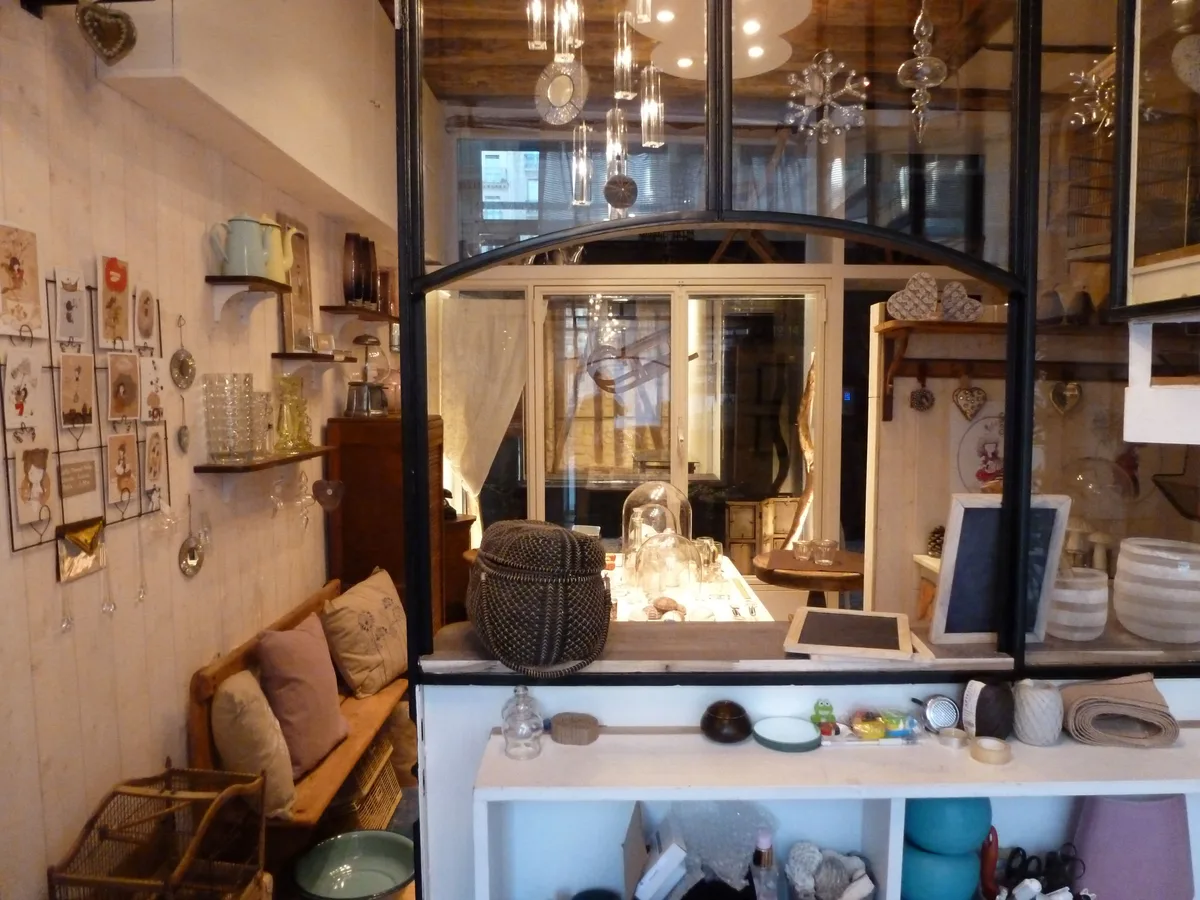
The physical diversity of spaces available in and around the Palais-Royal district is one of its most significant commercial advantages. Unlike homogeneous shopping centres where every unit shares the same specification, the Palais Royal quarter contains a layered mix of architectural periods and space typologies that gives brands genuine creative latitude in how they express their identity.
Space Type Breakdown by Category
| Space Type | Key Features | Best Suited For | Typical Amenities |
|---|---|---|---|
| Historic Arcade Unit | Original stone or marble floors, vaulted ceilings, showcases, ground floor street frontage | Jewellery, accessories, art objects, fragrance, collector brands | Electricity, wifi, basic shelving, glass showcases, restrooms |
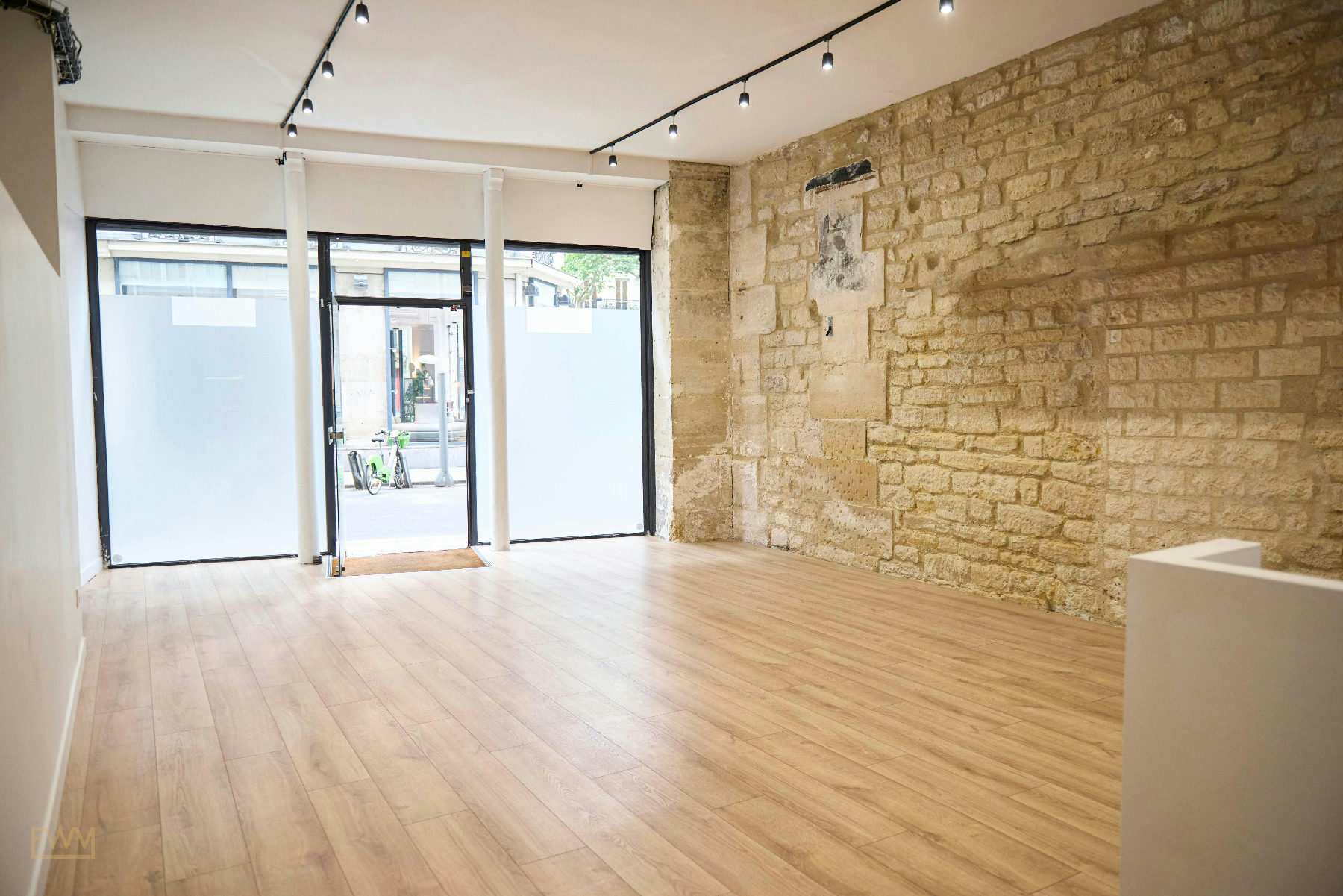
| Loft Space | Skylights, high ceilings, exposed brick or industrial finishes, open plan | Ready-to-wear, streetwear, multi-brand concept stores, brand launches | Racks, shelves, fitting room, storage room, kitchen, wifi, video-projector |
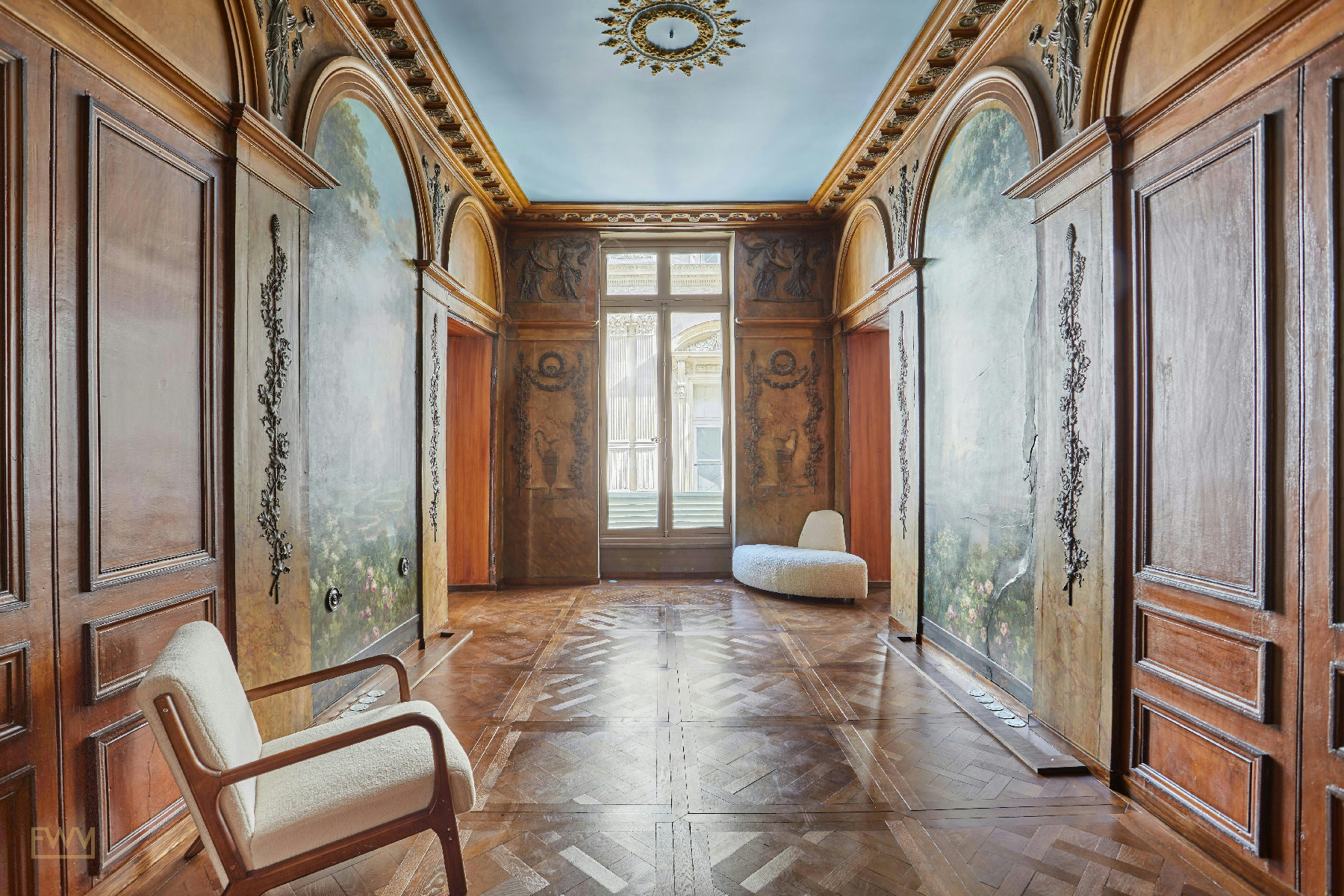
| Gallery or Showroom | White walls, parquet or marble floors, front-office presentation area, back-office support | Press events, wholesale showrooms, brand activations, art and design launches | Armchairs, seats, travertine table, racks, wifi, internet, meeting area |
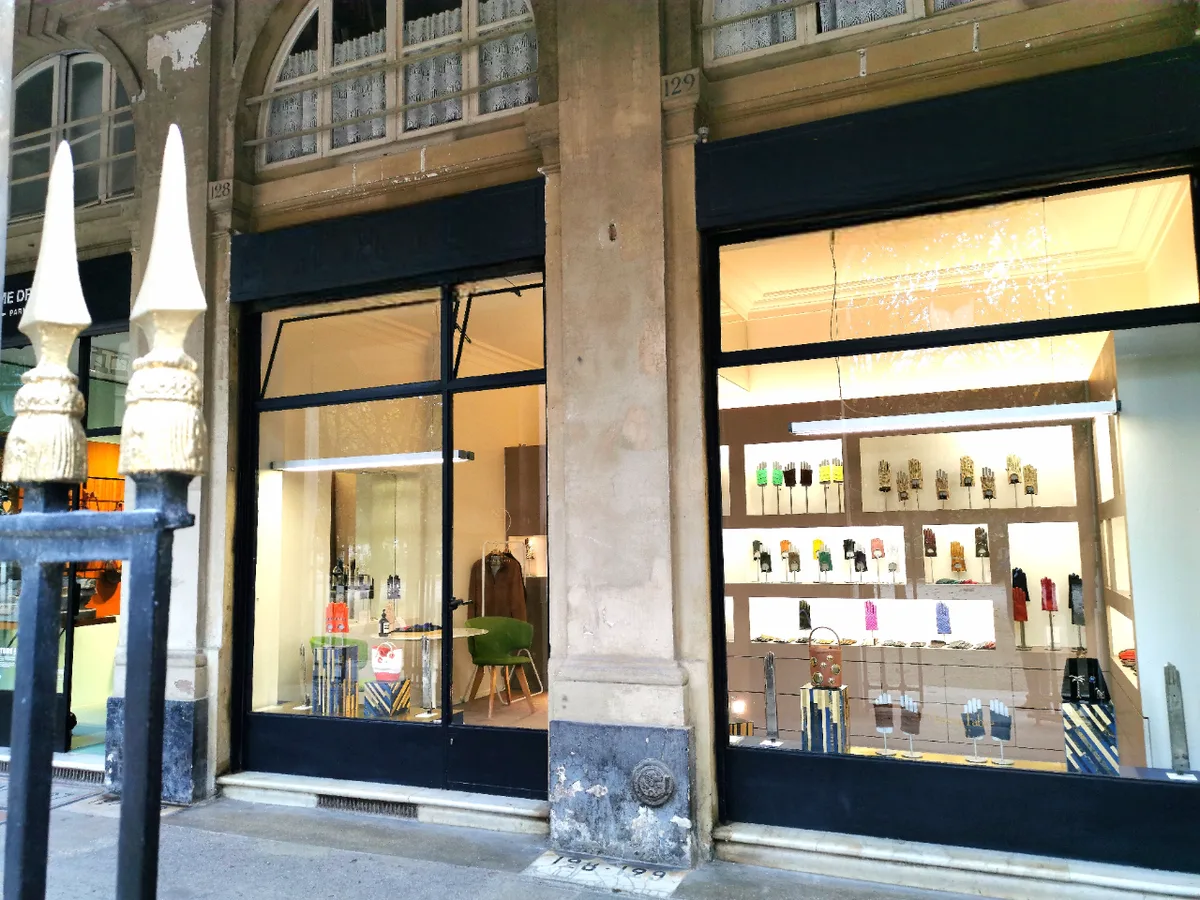
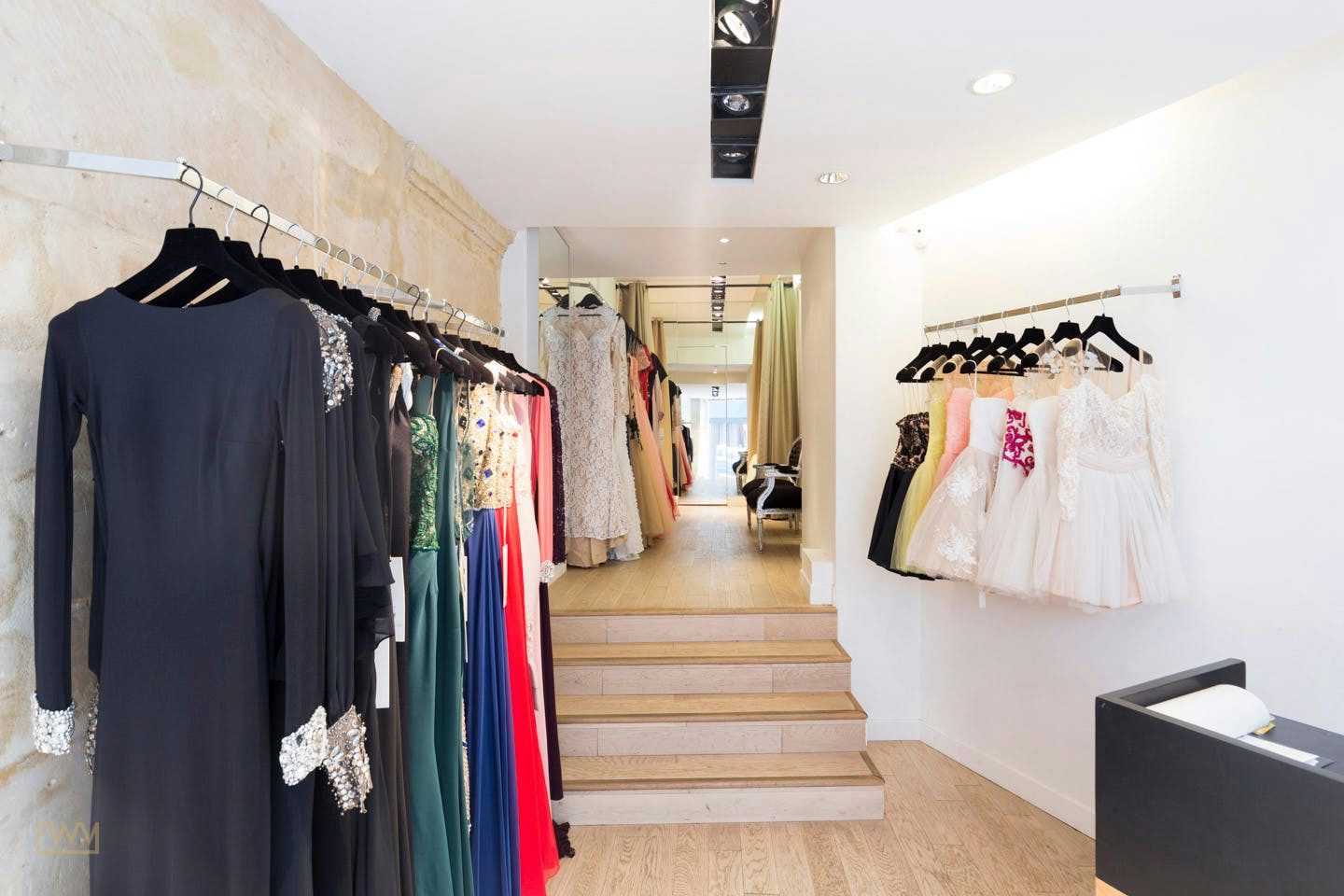
| Converted Ground Floor Boutique | Retail heritage, display windows, direct pedestrian access | Ephemeral boutiques, capsule collections, seasonal pop-up stores | Fitting room, storage room, POS point, PMR accessibility in some units |
| Event and Multi-Use Space | Flexible layout, capacity for events, installations, and catering setup | Brand launches, press events, Fashion Week presentations, activations | Kitchen, sound system, video-projector, restrooms, wifi, security |
Interior Features That Define Palais Royal Spaces
Brands frequently brief spaces in this district based on specific architectural features. High ceilings feature in both loft conversions and historic arcade units, providing the visual volume needed to install brand installations, hanging garment displays, or large-scale visual merchandising. Marble floors are a recurring feature in ground floor units with heritage interiors, providing an immediate visual premium that reduces the fit-out budget required to signal luxury positioning. Parquet floors appear in converted upper-floor showrooms and gallery spaces, offering warmth and elegance suited to lifestyle and ready-to-wear brands.
Skylights are particularly sought after in loft conversions north of the Palais-Royal garden, where 19th and early 20th century commercial buildings were fitted with glazed roof sections to illuminate workrooms and studios. These spaces photograph exceptionally well and require less artificial lighting, reducing both energy costs and setup complexity for a short-term activation.
Practical amenities are equally important. Most professionally managed temporary spaces in the district provide wifi and internet access, which is essential for POS and payment systems, content creation, and brand communication during activation. Video-projector access, a dedicated meeting area, and a kitchen or café-style service point are features worth confirming when reviewing space specifications. Security, whether via building management systems or provision for a brand's own security personnel, is a legitimate logistical consideration for luxury brands carrying significant stock or presenting high-value products.
Accessibility matters both commercially and legally. PMR accessibility, referring to the French standard for mobility-impaired access (Personnes à Mobilité Réduite), is a requirement that varies by building classification and space type. Brands renting spaces in listed historic buildings should verify the accessibility status of any space before confirming a rental, as this affects both your legal compliance obligations and your ability to serve all customers.
IMPORTANT: Not all spaces in historic arcade buildings comply with current PMR accessibility standards due to heritage protection constraints. Confirm accessibility status with the space owner or agent before committing to a rental, particularly for consumer-facing activations where public access is a core operational requirement.
KEY TAKEAWAY: The Palais Royal district offers genuine architectural diversity across space types, from historic arcade units with marble floors to open-plan lofts with skylights. The right space type depends on your brand positioning, activation format, operational requirements, and budget, not simply on address prestige alone.
With the physical landscape understood, brands need to evaluate the operational and logistical requirements of renting a temporary retail space in this specific market.
Permits, Leases, and Operational Compliance for Temporary Retail in Paris
Quick answer: Temporary retail spaces in Paris operate under specific legal frameworks that differ significantly from standard commercial leases. The two most relevant instruments are the bail dérogatoire for short-term occupancy and the autorisation d'occupation temporaire (AOT) for certain public or semi-public spaces. Understanding which framework applies to your chosen space is essential before signing any rental agreement.
One of the most common sources of difficulty for international brands entering the Paris market is underestimating the complexity of French commercial property law. The standard French commercial lease, known as the bail commercial, carries a minimum term of nine years and is entirely unsuitable for pop-up activations. The frameworks that govern short-term retail occupancy in Paris are distinct, and brands need to understand which applies to their specific space and intended use.
The Bail Dérogatoire
The bail dérogatoire, also known as the bail précaire, is the most commonly used short-term lease instrument for pop-up retail in France. It allows occupancy for a period of up to three years without triggering the statutory protections of the standard bail commercial. For pop-up shops, showrooms, and ephemeral boutiques, this is the foundational legal instrument. However, the bail dérogatoire must be drafted correctly from the outset. If the tenant remains in occupancy after the agreed term expires without a formal extension, French law may automatically convert the arrangement into a full nine-year bail commercial, with significant consequences for both parties.
Brands using a bail dérogatoire should confirm that the agreement specifies the exact duration, the agreed rental amount, any grace period provisions, the tenant's commission obligations if applicable, land value tax (taxe foncière) responsibilities, and the conditions for early termination. These terms vary by space, owner, and negotiation. Nothing in French commercial property law is automatic or standardised in the way that brands from common law jurisdictions might expect.
The Autorisation d'Occupation Temporaire
For spaces that fall within the domain of public or semi-public real estate, including certain arcade units, spaces adjacent to cultural institutions, or properties under state or municipal management, an Autorisation d'Occupation Temporaire (AOT) may govern the rental rather than a standard private lease. The AOT is a permission rather than a lease in the strict sense, and it can be revoked under defined conditions. Brands renting spaces within or adjacent to the Palais-Royal buildings and garden arcade should determine whether the space operates under this regime, as it affects both the operational rights of the tenant and the recourse available in case of disputes.
Additional Permit and Compliance Considerations
Beyond the core lease instrument, brands activating in the Palais Royal district may need to consider additional permit and compliance requirements. Temporary signage and external visual merchandising on listed facades or within protected urban zones may require prior approval from the Direction de l'urbanisme or the relevant arrondissement authority. Brands operating events with amplified sound, catering services, or public capacity above certain thresholds may need additional authorisations from the Préfecture de Police de Paris.
The permit guidance tool on Fashion Week Venues provides directional guidance on the types of permits that apply to different activation formats in Paris. Brands are strongly advised to verify all specific permit requirements with a qualified French legal advisor, as requirements vary by space type, duration, arrondissement, and intended use. This guide does not constitute legal advice and cannot guarantee permit approval for any specific activation.
IMPORTANT: Signing a rental agreement for a temporary retail space in Paris without understanding whether it operates under a bail dérogatoire or an AOT framework, and without confirming the correct commercial lease classification, exposes brands to significant legal and financial risk. Always obtain independent French legal advice before executing any short-term rental agreement in Paris.
KEY TAKEAWAY: French commercial property law for short-term retail is specific, layered, and consequential. Brands must understand the bail dérogatoire and AOT frameworks, confirm all permit requirements for their specific space and activation format, and seek qualified French legal advice before signing. Working with an agency that already understands this landscape reduces but does not eliminate this requirement.
With compliance requirements understood, the next practical question for brand teams is the cost structure of a temporary retail space in the Palais Royal district.
Costs and Budget Planning for a Temporary Retail Space in Palais Royal
Quick answer: Rental costs for temporary retail spaces in the Palais Royal district reflect the premium positioning of the 1st arrondissement and the scarcity of available short-term units in this specific geography. Costs vary significantly by space size, duration, space type, and the services included in the rental agreement. Brands should budget across multiple cost categories rather than treating the headline rental rate as the total investment.
One of the most frequently made budgeting errors for Paris pop-up activations is treating the rental cost as the primary or sole expense. A temporary retail space in the Palais Royal quarter involves multiple cost layers, and failing to account for all of them creates budgetary problems during production and activation that can undermine the entire project.
Primary Cost Categories for a Palais Royal Pop-Up or Showroom
| Cost Category | Description | Considerations |
|---|---|---|
| Rental Rate | Negotiated daily, weekly, or monthly rate per square metre or as a flat fee | Varies by location, space type, duration, and season; Paris Fashion Week periods command premium pricing |
| Security Deposit | Typically one to three months equivalent | Held against damages and early termination; confirm return conditions in writing |
| Fit-Out and Production | Furniture installation, branded design elements, display fixtures, lighting | Historic spaces may limit structural modifications; some spaces provide furnished options |
| Utilities and Services | Electricity, water, wifi and internet, heating and air-conditioning | Some spaces include utilities in rental; others bill separately or pass through costs |
| Staffing | Retail staff, customer service team, security | French employment law applies; specialist retail staffing agencies or fashion week venue providers can supply qualified bilingual staff |
| POS and Payments | Card payment infrastructure, POS system, receipt printing, returns handling | Must comply with French fiscal regulations for retail transactions |
| Land Value Tax and Charges | Taxe foncière, service charges, building maintenance contributions | Confirm whether these are passed to the tenant under the rental agreement |
| Permits and Legal Fees | Signage permits, public event authorisations, legal advice | Do not skip this category; costs are modest relative to the financial risk of non-compliance |
| Agency and Platform Fees | Fees for venue sourcing, activation management, or space marketplace access | Tenant's commission rates and agency fee structures vary by provider |
The appropriate budget for a Palais Royal temporary retail space activation depends on objectives, brand scale, duration, and the level of production investment the brand chooses to make. Brands operating furnished, low-intervention showrooms for wholesale appointments may have a materially lower total cost than brands undertaking a full consumer-facing ephemeral boutique with a custom fit-out, events programme, and influencer marketing campaign.
The budget estimation tool on Fashion Week Venues allows brand teams to generate directional cost estimates based on space type, duration, activation format, and service requirements. This tool does not replace direct negotiation with space owners or formal quotations from service providers, but it provides a useful baseline for internal planning and budget approval processes.
Duration is a particularly important budget variable. A two-week activation during Paris Fashion Week involves different economics from a six-week seasonal pop-up. Shorter activations benefit from the concentration of industry foot traffic during the fashion calendar, but they must absorb higher daily rates and leave less time to amortise fit-out costs. Longer activations benefit from lower daily rates and greater commercial throughput, but they require more sustained staffing, operational management, and marketing investment to maintain visitor engagement beyond the initial press and industry traffic.
TIP: When evaluating the total cost of a Palais Royal activation, calculate cost per visitor engagement and cost per press placement rather than cost per square metre per day. The premium of this location relative to cheaper Paris districts is almost always justified when measured against the editorial and commercial yield of a properly executed activation.
KEY TAKEAWAY: Budget planning for a temporary retail space in Palais Royal requires a multi-category view that goes well beyond the headline rental rate. Fit-out, staffing, utilities, permits, and agency fees all contribute to the total investment. Using a structured budget tool and obtaining direct quotations for each cost category produces more reliable planning than working from per-square-metre estimates alone.
To compare the Palais Royal district against other Paris activation zones and shortlist spaces that match your brief and budget, explore the Paris city hub on Fashion Week Venues and use the neighbourhood filter to focus your search on the 1st arrondissement and its surroundings.
Activation Strategy for Temporary Retail Spaces in the Palais Royal Quarter
Quick answer: A successful temporary retail activation in Palais Royal requires a clear alignment between your brand objectives, your space selection, your activation format, and your communications strategy. Brands that treat the space as a passive rental miss the commercial and editorial potential that this location makes possible. A structured activation plan, covering the press strategy, visual merchandising, events programme, and customer experience, converts physical presence into measurable brand outcomes.
The Palais Royal district is not simply a prestigious address. It is an active media environment during and around Fashion Week, and a commercially productive retail zone throughout the year. Brands that activate well in this location do so because they understand the difference between renting space and creating a destination. The distinction matters because the cost of the rental is justified primarily by what happens inside and around the space, not by the address itself.
Defining Your Activation Objectives
Before selecting a specific space, brand teams should define which combination of objectives the activation is designed to serve. The most common objectives for Palais Royal temporary retail activations include: generating press and editorial coverage during Fashion Week; hosting wholesale buying appointments in a prestigious showroom environment; driving direct-to-consumer sales through an ephemeral boutique format; building brand awareness and customer loyalty among a Paris and international luxury audience; launching a product, collection, or brand in a market where physical presence creates credibility; and creating content and visual assets for digital and social channels using the architectural qualities of the space.
These objectives are not mutually exclusive, but they do create different operational requirements. A space optimised for press events and brand launches needs a clean, photogenic interior with flexible furniture arrangements, strong lighting, and adequate catering facilities, including a kitchen or catering access point. A wholesale showroom needs a front-office presentation area with proper seating such as armchairs and seats, a travertine table or equivalent presentation surface, adequate racks and shelves for garment and product display, and a back-office area for administrative work and stock management. A consumer-facing pop-up store needs fitting rooms, a clear customer flow, POS and payment infrastructure, restroom access, and trained customer service staff.
The Activation Timeline
| Phase | Timeline Before Opening | Key Actions |
|---|---|---|
| Strategy and Brief | 16 to 12 weeks | Define objectives, audience, format, budget, duration; prepare space brief |
| Space Search and Selection | 12 to 8 weeks | Identify candidate spaces, arrange viewings, compare against brief criteria |
| Legal and Permit Review | 10 to 6 weeks | Review lease instrument, confirm permit requirements, obtain legal advice |
| Contract and Deposit | 8 to 6 weeks | Negotiate and execute rental agreement, pay deposit, confirm rental reference |
| Concept and Design | 8 to 4 weeks | Develop space concept, visual merchandising plan, branded elements, furniture selection |
| Production and Build | 4 to 2 weeks | Fit-out execution, furniture installation, technology setup, stock delivery |
| Staff Briefing and Training | 1 to 2 weeks | Brief retail staff on brand, product, customer experience standards, POS operation |
| Press and Influencer Preview | 1 to 3 days before public opening | Host press visits, influencer content sessions, trade appointments |
| Activation and Operation | Duration of rental | Daily operation, customer service, sales, content creation, event programming |
| Close-Out and Data Review | 1 to 3 days after closing | Defit, stock reconciliation, data collection, performance review |
The timeline above is directional. Brands with established Paris contacts and existing supplier relationships can compress some phases. Brands entering Paris for the first time, particularly those without a French legal entity or local operational infrastructure, should build in additional time for legal review, permit applications, and agency briefing.
Using the Space as a Marketing Tool
Temporary retail in the Palais Royal quarter functions as a marketing tool as much as a sales channel. The architectural quality of these spaces, whether the marble floors and vaulted ceilings of an arcade unit or the skylights and open plan of a loft conversion, creates content that performs well across editorial, social media, and brand channels. Brands that invest in professional photography and video documentation of their activation space create assets that extend the commercial life of the investment well beyond the rental period.
Brand awareness and customer loyalty objectives are served through the event dimension of the activation. Press events, product launches, styling sessions, cultural programming, and influencer visits transform a temporary retail space into a recurring destination and a media moment. The proximity of the Palais Royal district to the fashion press offices, buying agencies, and creative studios of Paris means that invitation response rates for in-space events are consistently higher here than in more peripheral locations.
KEY TAKEAWAY: Activation strategy is what converts a temporary retail space rental into a commercially and editorially valuable investment. Define objectives before selecting a space, align the space type to the activation format, and plan the events programme, press strategy, and customer experience as integral components of the project from the outset.
Fashion Week Venues provides end-to-end support for brands building and executing Paris activations, from initial space sourcing through to post-activation data review. Understanding what a full-service agency brings to this process helps brands decide how much of the planning to manage internally and where specialist support adds the most value.
How Fashion Week Venues Supports Brands Activating in the Palais Royal District
Fashion Week Venues is a full-service pop-up shop agency and space marketplace with Paris as its primary market. For brands seeking a temporary retail space in Palais Royal, the agency provides access to a curated portfolio of spaces across the 1st arrondissement and surrounding luxury districts, combined with the operational services needed to plan, build, staff, and manage a complete activation.
The venue sourcing service covers the full process of identifying candidate spaces in the Palais Royal area that match a brand's specific brief, including space type, size, architectural character, duration requirements, and budget parameters. Rather than relying on a single marketplace listing, the agency uses direct relationships with space owners, property managers, and cultural institutions in the district to surface spaces that may not be publicly listed. This is particularly valuable in a market like Palais Royal where the most desirable spaces are often secured through direct relationships rather than open listings.
Once a space is identified, concept and creative direction services help brands develop a spatial concept that aligns the architectural qualities of the specific space with the brand's visual identity and activation objectives. This is particularly important for spaces with distinctive architectural features such as marble floors, high ceilings, skylights, or loft structures, where the concept must work with the space rather than against it.
Production and build services cover the physical fit-out of the space, from furniture installation and display fixture setup to branded design elements and technical infrastructure. The agency works with trusted Paris-based suppliers and production teams who understand the constraints of historic buildings, protected facades, and the accelerated timelines that Paris Fashion Week activations require.
For brands that need operational support during the activation itself, retail staffing services provide experienced, bilingual customer service staff with backgrounds in luxury retail and fashion. Staffing for a Palais Royal pop-up store or showroom involves more than headcount; it requires personnel who can represent the brand appropriately, manage wholesale client relationships, and operate POS and payment systems accurately.
The agency's tools support the planning process before any space commitment is made. The ROI calculation tool helps brand teams model the financial return of different activation formats relative to investment. The timeline planning tool maps the activation development process against a brand's target opening date. The space comparison tool allows shortlisted spaces to be evaluated side by side against criteria including size, amenities, location, and cost.
Brands that have worked with Fashion Week Venues on Paris activations can review past project work and case studies through the agency's work section, which illustrates the range of activation formats, space types, and brand categories the team has experience supporting.
IMPORTANT: Fashion Week Venues does not guarantee space availability, permit approval, or specific commercial outcomes for any activation. The agency works to improve the probability of a successful activation through better planning, supplier relationships, and operational support, but market conditions, space availability in the Palais Royal district, and regulatory requirements remain variable factors.
KEY TAKEAWAY: Fashion Week Venues provides brand teams with the venue sourcing relationships, production capabilities, operational services, and planning tools needed to execute a temporary retail activation in the Palais Royal district efficiently and professionally. The agency is most valuable to brands entering Paris for the first time, brands operating on compressed timelines, and brands that want to combine space access with full-service activation management rather than building an in-market team from scratch.
Fashion Week Calendar and Timing Strategy for Palais Royal Activations
Quick answer: Paris Fashion Week occurs twice annually, with the women's ready-to-wear calendar typically in late September for spring-summer and in late February to early March for autumn-winter. Both windows generate intense demand for temporary retail spaces in the Palais Royal district. Brands should begin their space search and deposit process at least eight to twelve weeks before their target activation date to secure suitable options in this area.
The Paris Fashion Week calendar is the primary demand driver for temporary retail space in the Palais Royal quarter, but it is not the only viable activation window. Brands that understand the full annual calendar can identify strategic opportunities beyond the peak Fashion Week periods, when competition for the best spaces is lower, rates may be more negotiable, and a brand's activation receives more focused attention from the press and creative community rather than competing with dozens of simultaneous events.
Paris Activation Windows by Season
The women's ready-to-wear Fashion Week in late September is the highest-demand period for temporary retail and showroom space across Paris. Brands presenting new collections, launching products, or hosting wholesale appointments during this window benefit from the concentration of global press, buyers, and creative influencers that descend on Paris for ten days. Competition for Palais Royal spaces during this period is intense, and brands that wait until six weeks before the start of Fashion Week to begin their space search frequently find that the best options are already committed.
The Haute Couture and Men's Fashion Week calendars in January and June create secondary demand peaks that some brands strategically target precisely because competition for space is lower. Brands in fragrance, accessories, jewellery, and lifestyle categories that are not directly tied to the ready-to-wear calendar can operate highly effective activations during these windows at potentially more accessible rates and with less competition for editorial attention.
Outside the fashion calendar entirely, the first quarter of the year and the months of April, May, and October generate strong retail foot traffic in the Palais Royal district driven by international tourism and Parisian consumer spending cycles. A well-executed ephemeral boutique in the spring or autumn window outside Fashion Week can achieve excellent direct-to-consumer sales results while benefiting from lower rental competition and a more relaxed activation build timeline.
The timeline planning tool on Fashion Week Venues allows brand teams to map their target activation dates against Paris calendar milestones and work backwards to identify the latest viable start dates for each phase of the planning process. This is particularly useful for brands coordinating a Paris activation alongside activations in other fashion capitals such as London, Milan, New York, or Tokyo, where calendar overlaps require careful logistical sequencing.
DID YOU KNOW: The Paris Fashion Week schedule for women's ready-to-wear typically runs for nine to ten days, but the commercial impact for showrooms and pop-up stores in the Palais Royal district often extends for a week before and a week after the official schedule, as buyers and press begin arriving early and depart gradually. Brands that open their activation two to three days before Fashion Week starts consistently report stronger aggregate attendance than those who synchronise precisely with the official calendar opening.
KEY TAKEAWAY: Paris Fashion Week creates the highest demand concentration for Palais Royal temporary retail spaces, but it is not the only commercially valid activation window. Brands with flexibility in timing can access better space options, more competitive rates, and greater editorial attention by activating in secondary calendar windows or immediately adjacent to rather than during peak Fashion Week dates.
Common Myths About Renting a Temporary Retail Space in Paris Debunked
MYTH: You need a French legal entity to rent a temporary retail space in Paris.
FACT: Foreign companies and international brands regularly rent short-term retail spaces in Paris under a bail dérogatoire without establishing a French legal entity first. Many space owners and agencies have experience working with international tenants and can structure rental agreements that accommodate overseas legal structures. That said, some specific space types, particularly those under public or institutional management, may have additional requirements for tenants, so confirming the ownership structure and tenancy requirements of each specific space remains essential before assuming this is universally straightforward.
MYTH: Paris Fashion Week is the only viable time to activate in Palais Royal.
FACT: Paris Fashion Week creates the highest concentration of industry foot traffic and press activity in the Palais Royal district, but it is far from the only commercially effective activation window. The district generates strong international tourist and luxury shopper traffic year-round. Brands in fragrance, jewellery, lifestyle, art, and accessories regularly execute successful activations outside the ready-to-wear calendar and often benefit from lower rental competition, more available spaces, and more focused media attention when they do so.
MYTH: Commission brokers and traditional property agents are the only reliable way to find a temporary retail space in the Palais Royal area.
FACT: Specialist pop-up space marketplaces and full-service agencies such as Fashion Week Venues provide direct access to curated space portfolios in the Palais Royal district without requiring brands to navigate traditional French commercial property channels. These platforms offer transparency on space specifications, rental structures, and availability that traditional brokers, who often operate informally and with limited documentation, cannot match. For international brands without existing Paris property contacts, a specialist platform provides a faster, more accountable, and more operationally complete path to securing the right space.
MYTH: Short-term retail leases in France are legally simple and do not require specialist legal advice.
FACT: French commercial property law is materially different from common law frameworks and contains specific provisions, particularly around the conversion of a bail dérogatoire into a full bail commercial if not managed correctly, that can have significant financial consequences for tenants. The distinction between a bail dérogatoire, an AOT, and a standard bail commercial is not cosmetic. Brands renting temporary retail space in Paris should always obtain independent French legal advice before executing any rental agreement, regardless of the apparent simplicity of the arrangement or the reassurances of the space owner or intermediary.
MYTH: A high-quality temporary retail space in Palais Royal will automatically generate strong press and sales results without a planned activation strategy.
FACT: The address and architecture of a Palais Royal space create a powerful platform, but they do not substitute for a planned activation strategy. Brands that open a beautifully fitted pop-up store without a coordinated press outreach programme, influencer strategy, events calendar, and customer experience plan consistently underperform relative to brands that combine a premium space with a structured activation plan. The space is the stage; the activation strategy is the performance that determines the commercial and editorial result.
Frequently Asked Questions About Temporary Retail Space in Palais Royal
Why should a brand rent a temporary retail space in Palais Royal rather than in another Paris district?
The Palais Royal district offers a combination of historic architectural prestige, proximity to the global luxury retail corridor of rue Saint-Honoré and Place Vendôme, and a visitor profile dominated by fashion press, international buyers, and luxury consumers. For brands targeting the premium and luxury segments, this address communicates positioning that peripheral or emerging districts cannot replicate. The foot traffic quality in this district, particularly during Paris Fashion Week, is concentrated precisely around the audiences that matter most for fashion, beauty, jewellery, and lifestyle brands. For brands in other categories, the proximity to the Louvre and Tuileries generates year-round international tourist traffic that supports direct-to-consumer activations throughout the calendar year.
What types of spaces are available for temporary retail in Palais Royal?
The Palais Royal area offers a diverse range of space types, including historic arcade units with marble floors and vaulted ceilings, loft conversions with skylights and industrial style interiors, gallery and showroom spaces with parquet floors and front-office presentation areas, converted ground floor boutiques with display windows, and larger multi-use event spaces suited to brand launches and press activations. Amenities vary by space and may include wifi and internet access, video-projector, kitchen facilities, fitting rooms, storage rooms, restrooms with PMR accessibility, racks and shelves, armchairs, travertine tables, and security provisions. Confirming the specific amenities of each space during the viewing process is essential.
How far in advance should a brand start looking for a temporary retail space in Palais Royal?
For activations timed to Paris Fashion Week, brands should begin their space search eight to twelve weeks in advance at minimum. The most sought-after spaces in the Palais Royal district are frequently committed two to three months before the Fashion Week opening date, particularly for September activations when demand from international brands peaks. Brands with flexibility on exact dates or formats can sometimes access suitable spaces on shorter timelines, particularly for activations outside peak calendar periods. Using a space comparison tool and having a clear brief prepared from the outset reduces the time needed to evaluate and commit to a space.
What is the ideal duration for a temporary retail space rental in Palais Royal?
The ideal duration depends on your activation objectives. For Fashion Week showroom and press event formats, one to three weeks aligned with the official schedule and the surrounding industry arrival and departure window is most effective. For consumer-facing ephemeral boutiques targeting retail sales and brand awareness, three to six weeks allows sufficient time to amortise fit-out costs and build sustained visitor traffic. For product launches or single event activations, two to five days is viable if the format is event-led and the space is configured for maximum press and social media impact rather than sustained retail operation. The bail dérogatoire framework accommodates durations from a few days up to three years.
Do I need a French legal entity to rent a pop-up space in Palais Royal?
International brands regularly rent short-term retail spaces in Paris without a French legal entity. Many space owners and specialist agencies are experienced in structuring rental agreements for overseas tenants under a bail dérogatoire or equivalent short-term instrument. However, specific spaces, particularly those under institutional or public management, may have additional requirements. Brands should confirm the tenancy eligibility requirements of each specific space and obtain independent French legal advice before executing any rental agreement, regardless of the assurances provided by the space owner or intermediary. Not having a French entity does not automatically prevent renting a space, but it does require careful legal structuring.
What permits might be required for a pop-up shop or showroom activation in Palais Royal?
Permit requirements vary by space type, activation format, duration, and the specific arrondissement regulations applicable to the address. Common permit considerations for Palais Royal activations include signage authorisations for external or facade-mounted branding in protected urban zones, event authorisations for activations involving amplified sound or public capacity above specified thresholds, catering permits for food and beverage service, and any specific approvals required by the building owner or management authority. The permit guidance tool on Fashion Week Venues provides directional information, but all specific permit requirements should be verified with a qualified French legal advisor before committing to an activation format.
What amenities should I look for in a temporary retail space near Palais Royal?
Essential amenities for most activations include reliable wifi and internet connectivity, heating and air-conditioning, access to restrooms including PMR-accessible facilities where your activation is consumer-facing, and a secure storage room for stock and equipment. For showroom and press event formats, look for front-office presentation areas with quality seating such as armchairs and seats, a presentation table, and adequate natural light. For consumer-facing pop-up stores, fitting rooms, racks and shelves, and a POS and payments point are operational necessities. Additional amenities such as a kitchen or café service point, a video-projector for presentation or event use, and on-site security provisions add operational value for activation formats involving events or high-value product presentations.
How does foot traffic in Palais Royal compare to other Paris retail districts?
The Palais Royal district generates foot traffic that is distinguished by quality rather than pure volume. It attracts a high concentration of fashion industry professionals, international luxury consumers, cultural visitors connected to the Louvre and Palais-Royal garden, and media and editorial staff based in the surrounding 1st arrondissement during Fashion Week. Districts such as Le Marais generate higher total visitor volumes and appeal to a broader consumer demographic. The appropriate district depends on whether your activation prioritises industry and press access, luxury consumer engagement, or high-volume direct-to-consumer sales. Palais Royal is consistently rated as one of the highest quality foot traffic locations in Paris for premium and luxury brand activations.
What is a bail dérogatoire and how does it apply to pop-up retail in Paris?
A bail dérogatoire, also known as a bail précaire, is a short-term commercial lease instrument permitted under French law that allows occupancy for a maximum period of three years without triggering the statutory protections of a standard nine-year bail commercial. It is the most commonly used legal instrument for pop-up shops, showrooms, and ephemeral boutiques in Paris. The agreement must be clearly drafted to specify duration, rental amount, deposit conditions, land value tax and charge responsibilities, and exit terms. If a tenant remains in occupancy after the agreed term expires without a formal written extension, French law may automatically convert the arrangement into a full nine-year lease. Always obtain independent French legal advice before executing a bail dérogatoire.
Can Fashion Week Venues source spaces for activations outside Paris Fashion Week?
Fashion Week Venues sources temporary retail spaces in Paris and other fashion capitals across the full calendar year, not only during Fashion Week periods. The agency works with brands planning activations for product launches, seasonal ephemeral boutiques, wholesale showrooms, press events, and brand awareness campaigns timed to a range of calendar windows. Outside peak demand periods, the agency's space sourcing relationships can often access more available options and greater flexibility in negotiating rental terms. Brands with clear objectives that do not require alignment with the Fashion Week calendar frequently find that activating in adjacent or secondary calendar windows produces strong results at more accessible costs.
What are the most sought-after streets and locations within the Palais Royal area for a pop-up?
The most consistently sought-after locations for temporary retail activations in the Palais Royal area include units within the historic arcade galleries of the Palais-Royal itself, ground floor spaces on rue Saint-Honoré for their luxury retail adjacency, and spaces in and around Place des Victoires for their combination of architectural prestige and steady resident and tourist foot traffic. Rue de Rivoli offers high-volume tourist traffic with strong visibility. The Sentier fringe and Rue du Louvre appeal to contemporary and streetwear brands seeking industrial-style loft spaces with creative positioning. The best location within this geography depends on your brand positioning, activation format, and target visitor profile rather than a single universal ranking.
How do I compare different temporary retail spaces in the Palais Royal area?
Effective space comparison involves evaluating multiple criteria simultaneously: location relative to target audience, space type and architectural character, available amenities including wifi and internet, kitchen, fitting room, storage room, and accessibility, size relative to activation requirements, rental rate and total cost structure including utilities and charges, availability aligned with your target calendar window, and any restrictions on fit-out modifications or external signage. The space comparison tool on Fashion Week Venues allows shortlisted spaces to be evaluated side by side against customisable criteria. Arranging in-person viewings of shortlisted spaces before committing is strongly recommended, as photographs and specifications do not fully convey the operational suitability of a space for a specific activation format.
What role does influencer marketing play in a Palais Royal pop-up activation?
Influencer marketing is a significant amplification mechanism for pop-up activations in the Palais Royal district, particularly during Paris Fashion Week when influencer attendance at brand events is at its highest concentration globally. The architectural qualities of Palais Royal spaces, including high ceilings, marble floors, skylights, and gallery-style interiors, create strong visual content that performs well on Instagram, TikTok, and editorial platforms. A coordinated influencer strategy that integrates content briefing, space access, and event programming can extend the reach of a temporary activation by an order of magnitude beyond the in-person attendance. Brands should plan influencer access and content opportunities as a core component of the activation concept rather than an afterthought.
What should I include in my space brief when searching for a Palais Royal pop-up location?
A complete space brief for a Palais Royal temporary retail space should include: your activation objectives and priority metrics; target opening date and duration; preferred sub-location within the Palais Royal district; required space size in square metres; required amenities such as wifi, kitchen, fitting rooms, storage, PMR access, and restrooms; architectural preferences including high ceilings, marble floors, parquet floors, or skylights; maximum rental budget; any restrictions on competing brand adjacency; legal entity status and tenancy eligibility; and any specific requirements for events, catering, or external signage. A detailed brief enables your venue sourcing team or agency to identify and present spaces that genuinely match your needs rather than presenting a broad portfolio that requires extensive filtering.
Is co-activation or sharing a temporary retail space in Paris a viable option for smaller brands?
Co-activation, where two complementary brands share a single temporary retail space, is a viable and increasingly popular strategy for brands in the mid-tier budget range who want access to premium Palais Royal addresses without bearing the full cost of a large space independently. The arrangement works best when the two brands serve overlapping but non-competing audiences, share a compatible visual aesthetic, and have clearly defined operational zones within the shared space. Fashion Week Venues operates a specific twin co-activation concept designed to match compatible brands and structure the shared space arrangement operationally. This model can make the economics of a Palais Royal activation accessible to emerging brands and independent labels that would otherwise find the cost of a solo activation prohibitive.
Conclusion: Securing the Right Temporary Retail Space in Palais Royal
The Palais Royal district represents one of the most commercially and editorially powerful addresses available for temporary retail activations in Paris. Its combination of historic architectural prestige, luxury brand adjacency, Fashion Week foot traffic, and year-round international visitor engagement makes it the benchmark location for brands operating across fashion, beauty, jewellery, lifestyle, and premium consumer categories. A temporary retail space in Palais Royal, whether configured as a showroom, an ephemeral boutique, a press event venue, or a multi-format brand activation, positions your brand within the geography that defines global luxury retail.
Executing successfully in this market requires more than securing a prestigious address. It demands a clear activation strategy aligned to specific objectives, a thorough understanding of French commercial lease instruments including the bail dérogatoire and AOT frameworks, a complete multi-category budget that accounts for fit-out, staffing, utilities, permits, and operational logistics, and a communications plan that converts physical presence into press coverage, buyer engagement, and measurable brand outcomes.
The planning timeline matters enormously. Brands that begin their space search eight to twelve weeks before their target activation date, particularly for Fashion Week windows, secure materially better options at better terms than brands that approach the market late. The permit and legal review process should begin in parallel with space shortlisting, not after a space has been selected, to avoid timeline compression that creates operational risk.
Fashion Week Venues supports brands at every stage of this process, from initial space discovery and comparison through concept development, production, staffing, and post-activation data review. The agency's direct relationships with space owners, suppliers, and operational partners in the Palais Royal district and across Paris reduce the time and risk involved in executing a complex international activation without established in-market infrastructure.
To move from research to activation, start exploring available spaces on the Fashion Week Venues marketplace and build a focused brief for your target neighbourhood, space type, and calendar window. The Palais Royal district rewards brands that plan with precision and activate with purpose. The tools, team, and space portfolio are ready when you are.