Finding the right temporary retail space in Paris is one of the most strategically important decisions a brand can make when entering or re-engaging the French market. Paris is not simply a retail destination; it is the global benchmark for fashion, luxury, lifestyle, and cultural credibility. A well-executed pop-up store, showroom, or short-term activation in the right Parisian arrondissement can generate earned media, accelerate brand awareness, attract wholesale buyers, and convert high-intent consumers in a single concentrated window. Fashion Week Venues specialises in helping brands of all sizes source, design, produce, and manage temporary retail spaces across Paris and other major fashion capitals, with end-to-end support from initial brief to final close-out. This guide covers everything you need to know about opening a temporary retail space in Paris in 2026.
Why Paris Remains the Global Capital for Temporary Retail and Pop-Up Stores
Quick answer: Paris combines unmatched fashion credibility, dense international tourism, a diverse range of commercial property types, and a concentrated calendar of industry events that makes it one of the most commercially productive cities in the world for temporary retail, pop-up stores, and brand showrooms.
Paris consistently draws brands from North America, Asia, the Middle East, and across Europe seeking to establish or reinforce their position in the European luxury and lifestyle market. The City of Light hosts some of the world's most recognised shopping districts, from the jewellery institutions of Place Vendôme to the concept stores and streetwear boutiques of the Marais and Sentier. Each neighbourhood attracts a distinct consumer profile, making neighbourhood selection one of the most consequential decisions in any pop-up project.
The French retail market is structurally well-suited to temporary activations. Short-term rental frameworks such as the bail dérogatoire allow brands to occupy commercial property for periods from a few days to a maximum of three years without committing to a standard long-term commercial lease. This legal flexibility, combined with the density of available storefronts, galleries, apartments, and event venues across Paris, creates genuine opportunity for brands at every stage of growth.
Paris Fashion Week, which occurs twice yearly in January and February for menswear and in September and October for womenswear, is the most visible calendar event for brand activations. However, the Parisian retail calendar is far broader. Trade shows including Maison et Objet, Premiere Vision, and Who's Next attract international buyers and press across multiple months. The tourism season, the Christmas shopping period, and cultural calendar moments such as Art Basel Paris and FIAC all generate significant foot traffic across key neighbourhoods and create viable windows for pop-up stores and temporary retail activations.
International brands entering Paris for the first time often underestimate the complexity of navigating French commercial property, local regulations, permit requirements, and operational logistics. Brands that approach Paris with a clear brief, a realistic budget, and experienced local support consistently outperform those that attempt to source and manage spaces independently without knowledge of the local market.
DID YOU KNOW: Paris receives over 40 million international visitors annually, many of whom engage in high-value retail spending in areas such as Saint-Germain, the Marais, and the 1st arrondissement. Foot traffic in these zones during key calendar windows is among the highest of any retail district in Europe.
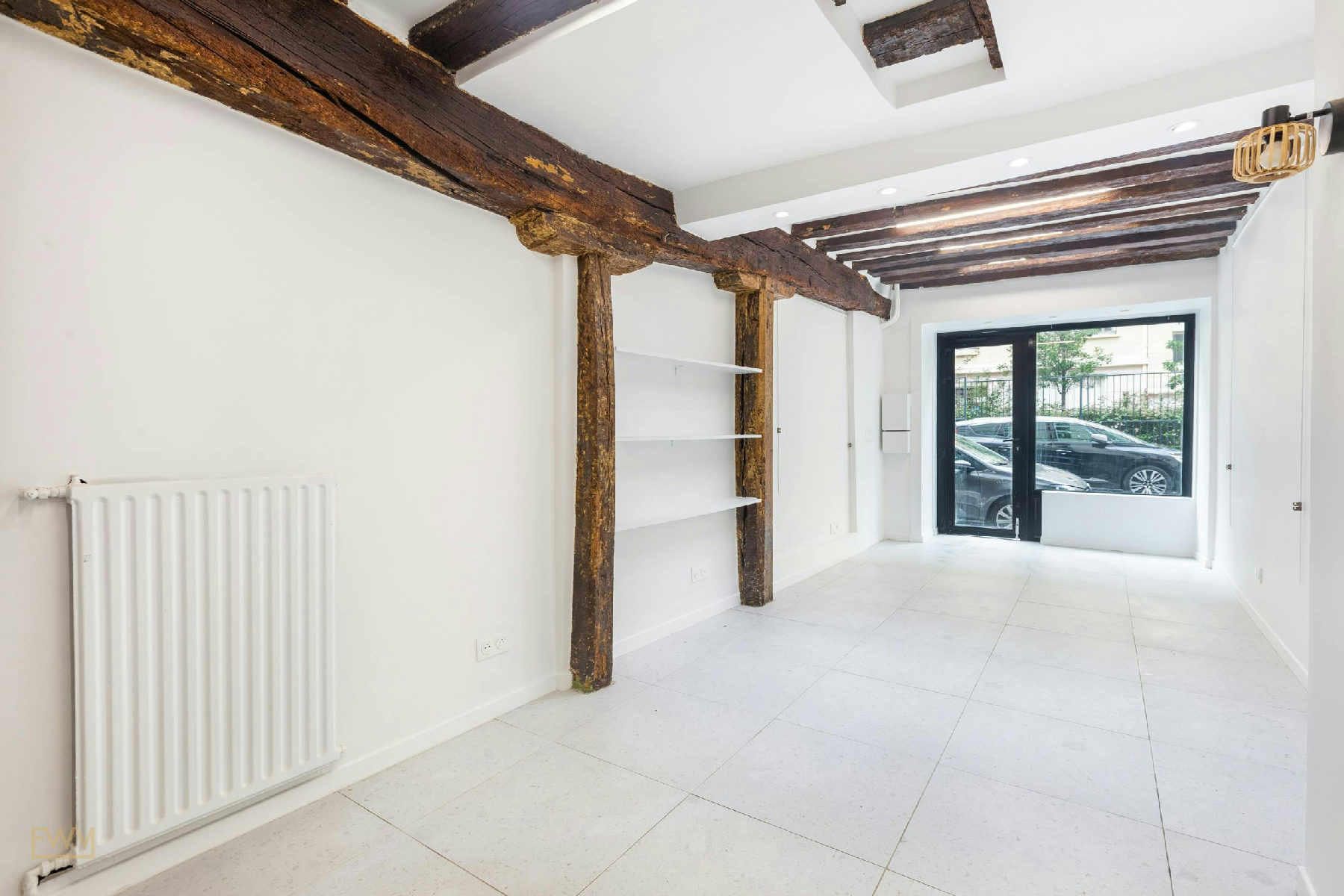
The diversity of space types available in Paris is also a commercial advantage. Brands can choose from traditional storefronts, ground-floor gallery spaces, haussmannian apartments adapted for retail use, historic courtyards, basement venues, and multi-level concept spaces depending on their concept, target audience, and activation format. This variety means that whether you are staging a product launch, a fashion showroom, a cocktail party, a photo shooting, or a consumer-facing pop-up store, Paris offers a physical environment that can support the vision.
KEY TAKEAWAY: Paris offers an unrivalled combination of commercial infrastructure, fashion credibility, diverse neighbourhoods, and a year-round calendar of brand-relevant events, making it the most strategically valuable city in Europe for temporary retail activations and pop-up stores. Success depends on matching the right space type, neighbourhood, and calendar window to your specific brand objectives.
Understanding the landscape is the first step. The next is understanding which Parisian neighbourhoods best align with your brand positioning and target consumer, which is covered in the following section.
Parisian Neighbourhoods for Temporary Retail: Location Strategy Across Key Arrondissements
Quick answer: The right Parisian neighbourhood for a temporary retail space depends on your brand positioning, target customer profile, and activation format. Le Marais, Saint-Germain des Prés, Palais-Royal, Place Vendôme, Châtelet-les-Halles, and Sentier each serve distinct market segments and attract different commercial profiles.
Location is arguably the single most important variable in any temporary retail project in Paris. Unlike permanent retail, where brands commit to a location for years, a pop-up store or short-term activation must extract maximum value from its location within a compressed timeframe. Foot traffic quality, neighbourhood prestige, proximity to press and buyer circuits, and alignment with the brand's visual identity and target customer all determine whether a location delivers commercial return.
Le Marais: The Creative and Cultural Hub
Le Marais, spanning primarily the 3rd and 4th arrondissements, is the most sought-after neighbourhood in Paris for contemporary fashion, streetwear, concept retail, and lifestyle brands. The neighbourhood combines historic architecture, dense foot traffic, a sophisticated local consumer base, and strong international tourist flows. Streets such as Rue Vieille du Temple, Rue de Bretagne, and Rue des Archives host some of the most influential independent boutiques and concept stores in Europe. For brands seeking cultural credibility and visibility with a fashion-literate audience, Le Marais is consistently the first neighbourhood to consider. Space availability is competitive, particularly around Fashion Week, and rental rates reflect the neighbourhood's premium status.
Saint-Germain des Prés: Established Luxury and Lifestyle
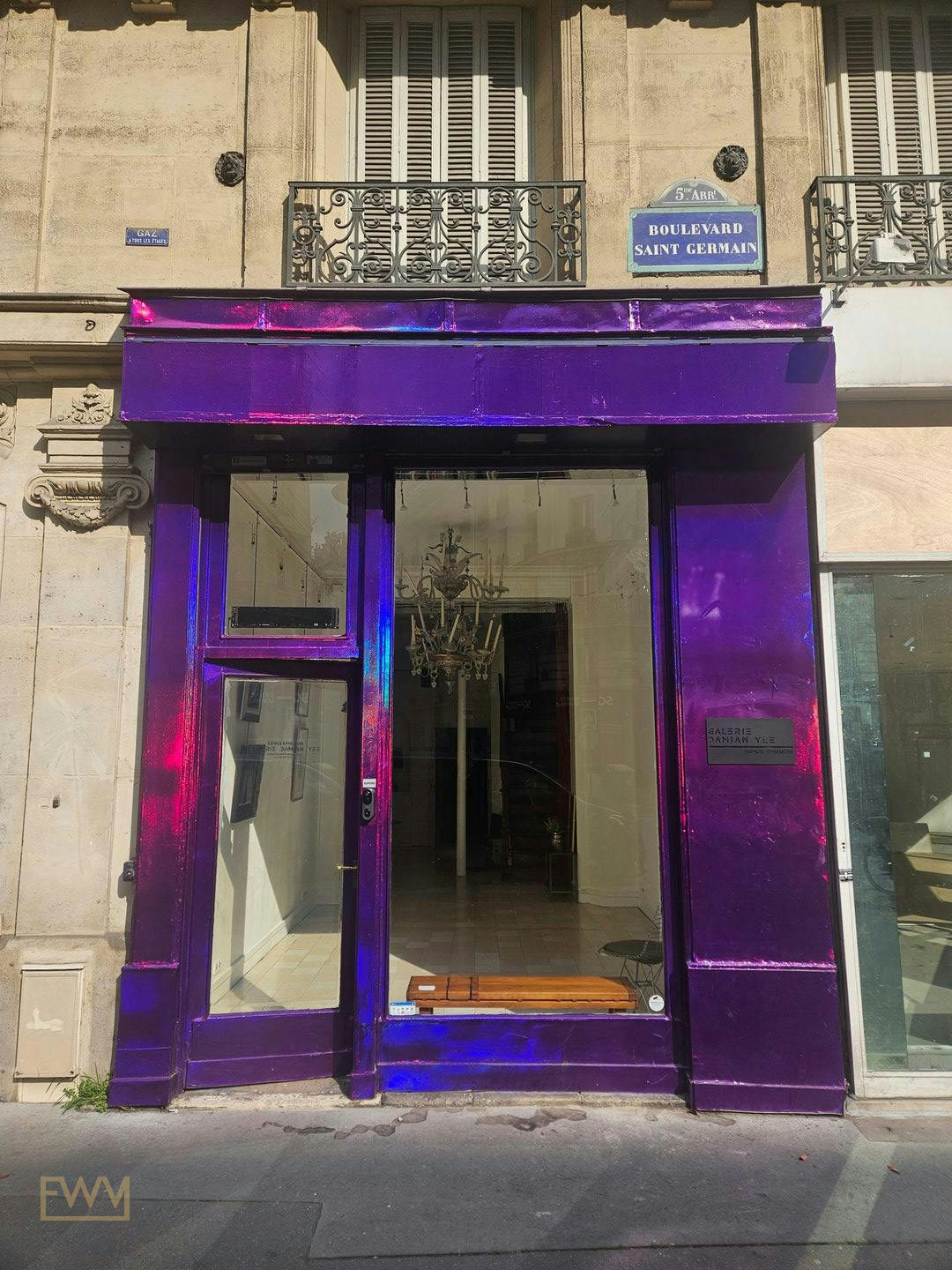
Saint-Germain, centred in the 6th arrondissement, offers a more established, intellectually-oriented luxury positioning. The neighbourhood is home to flagship stores, art galleries, and design showrooms that attract affluent French consumers alongside international visitors with strong purchasing intent. Brands in the ready-to-wear, accessories, beauty, and home design categories frequently activate in Saint-Germain to align with the neighbourhood's cultural authority. Storefronts and gallery spaces in this area tend to be characterised by elegant Haussmann-era architecture, high ceilings, and well-maintained interiors suitable for premium activations.
Palais-Royal and the 1st Arrondissement: Heritage and Institutional Prestige
The 1st arrondissement, including the Palais-Royal gardens and the surrounding streets, represents the institutional heart of Parisian fashion and luxury. This area is adjacent to the Louvre, the Tuileries, and the major fashion houses clustered around Rue Saint-Honoré. A temporary retail space in the 1st arrondissement carries significant prestige by association and attracts a high concentration of international luxury consumers, fashion industry professionals, and editorial media. Gallery spaces, courtyards, and apartments within and around the Palais-Royal are frequently used for showrooms, private sales events, and invitation-only brand activations. Spaces in this arrondissement are in high demand and typically require longer lead times for booking.
Place Vendôme and the 1st to 8th Corridor
Place Vendôme and the corridor extending toward the 8th arrondissement along the Faubourg Saint-Honoré is the highest-concentration luxury retail strip in Paris and among the most prestigious retail addresses in the world. Jewellery houses, couture ateliers, and flagship luxury boutiques dominate this corridor. Temporary activations in this zone are typically reserved for established luxury brands with significant marketing budgets, as rental rates and operational costs are correspondingly elevated. However, for brands at this positioning level, the commercial and editorial returns can justify the investment.
Châtelet-les-Halles and the Central Districts
Châtelet-les-Halles, covering the 1st arrondissement's commercial core and extending into the 4th, is one of the highest footfall locations in Paris due to its role as a major transport hub and shopping centre. Brands targeting volume, broad consumer reach, and high street visibility rather than niche positioning will find this zone commercially productive. The space types available here range from traditional storefronts to larger commercial floor spaces suited to higher-capacity retail formats.
Sentier: The Emerging Creative District
Sentier, located in the 2nd arrondissement, has undergone significant transformation over the past decade from a wholesale fabric and fashion district into one of Paris's most active creative and tech-adjacent neighbourhoods. The area now hosts independent brands, streetwear labels, digital-native companies, and creative studios. Rents are generally more accessible than in Le Marais or Saint-Germain, and the space typology is diverse, including large loft-style floors and converted warehouse spaces well-suited to immersive brand activations, showrooms, and multi-day pop-up events.
| Neighbourhood | Primary Consumer Profile | Best Suited For | Key Streets and Anchors |
|---|---|---|---|
| Le Marais (3rd / 4th) | Fashion-literate, international, 25 to 45 | Contemporary fashion, streetwear, concept retail | Rue Vieille du Temple, Rue de Bretagne |
| Saint-Germain (6th) | Affluent, cultured, French and international | Luxury ready-to-wear, beauty, design | Boulevard Saint-Germain, Rue de Rennes |
| Palais-Royal / 1st | Luxury, press, industry professionals | Showrooms, private events, luxury brand activations | Palais-Royal gardens, Rue Saint-Honoré |
| Place Vendôme / 8th | Ultra-high-net-worth, international luxury consumer | Jewellery, couture, flagship-level activations | Place Vendôme, Faubourg Saint-Honoré |
| Châtelet-les-Halles (1st / 4th) | Broad, high-volume, commuters and tourists | High street, accessible brands, volume retail | Rue de Rivoli, Forum des Halles |
| Sentier (2nd) | Creative, emerging, digitally engaged | Immersive activations, showrooms, streetwear | Rue du Sentier, Rue Réaumur |
To compare neighbourhoods and space types in detail, explore the Paris city hub on Fashion Week Venues and shortlist spaces that match your brief, budget, and calendar window.
KEY TAKEAWAY: Parisian neighbourhood selection is a brand positioning decision as much as a logistical one. The arrondissement you choose signals your target consumer, editorial ambition, and commercial intent. Each of the major districts offers a distinct commercial environment with corresponding space availability, rental rates, and consumer profiles.
Once you have established your target location, the next critical decision is choosing the right space type and understanding what different formats can practically deliver for your activation.
Types of Temporary Retail Space Available in Paris: Formats, Features, and Commercial Applications
Quick answer: Paris offers a wide range of temporary retail space types including traditional storefronts, gallery spaces, Haussmann apartments, loft floors, courtyard spaces, and multi-purpose event venues. Each format serves different activation types, brand positioning levels, and operational requirements.
One of the most common errors brands make when planning a temporary retail activation in Paris is approaching space selection with a fixed typology in mind without fully understanding which format best serves their objectives. A fashion showroom for trade buyers has fundamentally different requirements from a consumer-facing pop-up store. A product launch requiring media coverage demands different architectural qualities from a cocktail party or a seminar. Understanding the functional characteristics of each space type is essential to making a well-informed shortlisting decision.
Storefronts and Commercial Ground-Floor Units
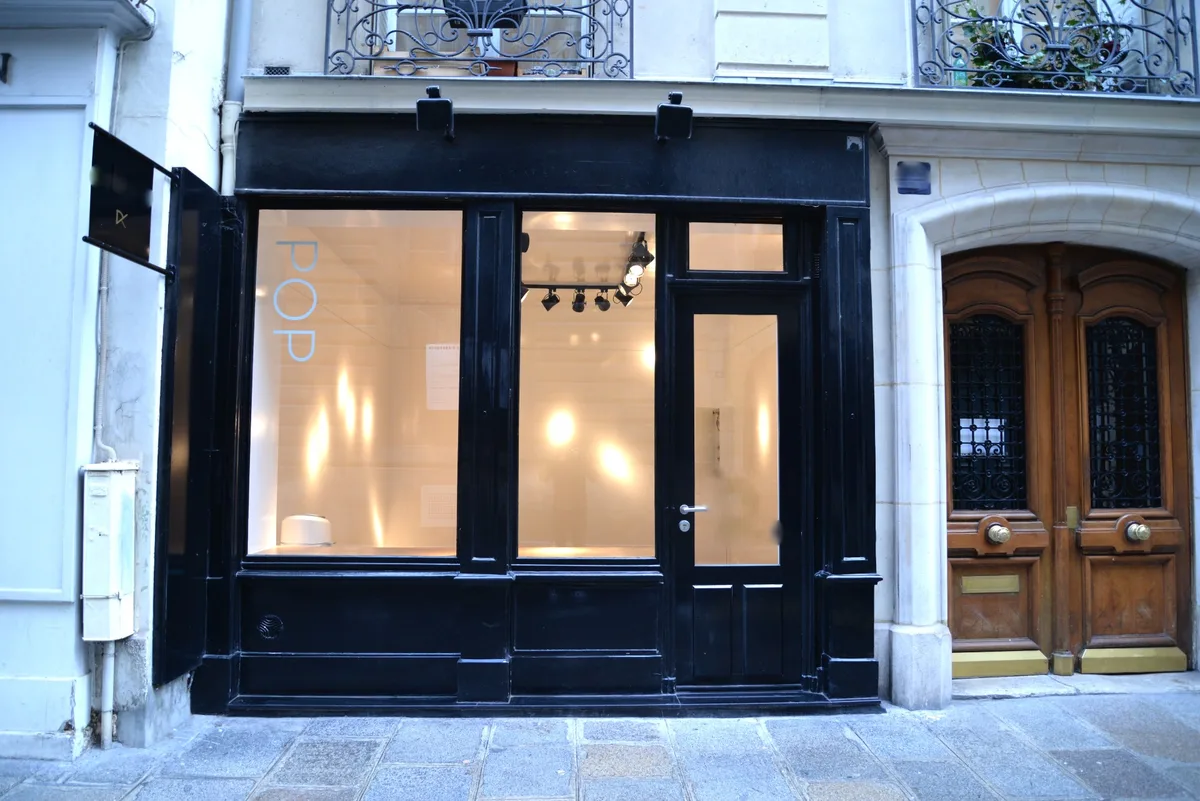
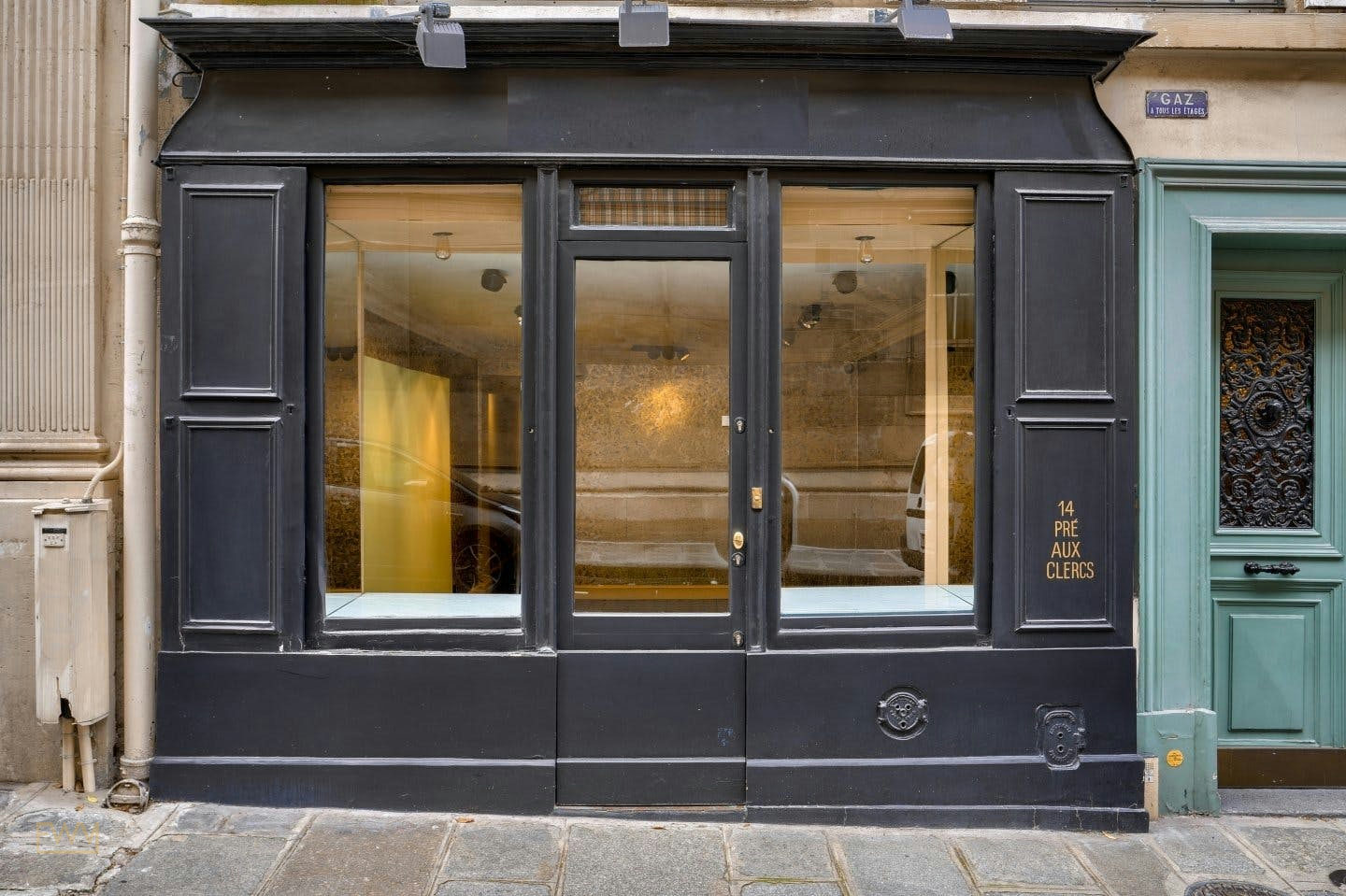
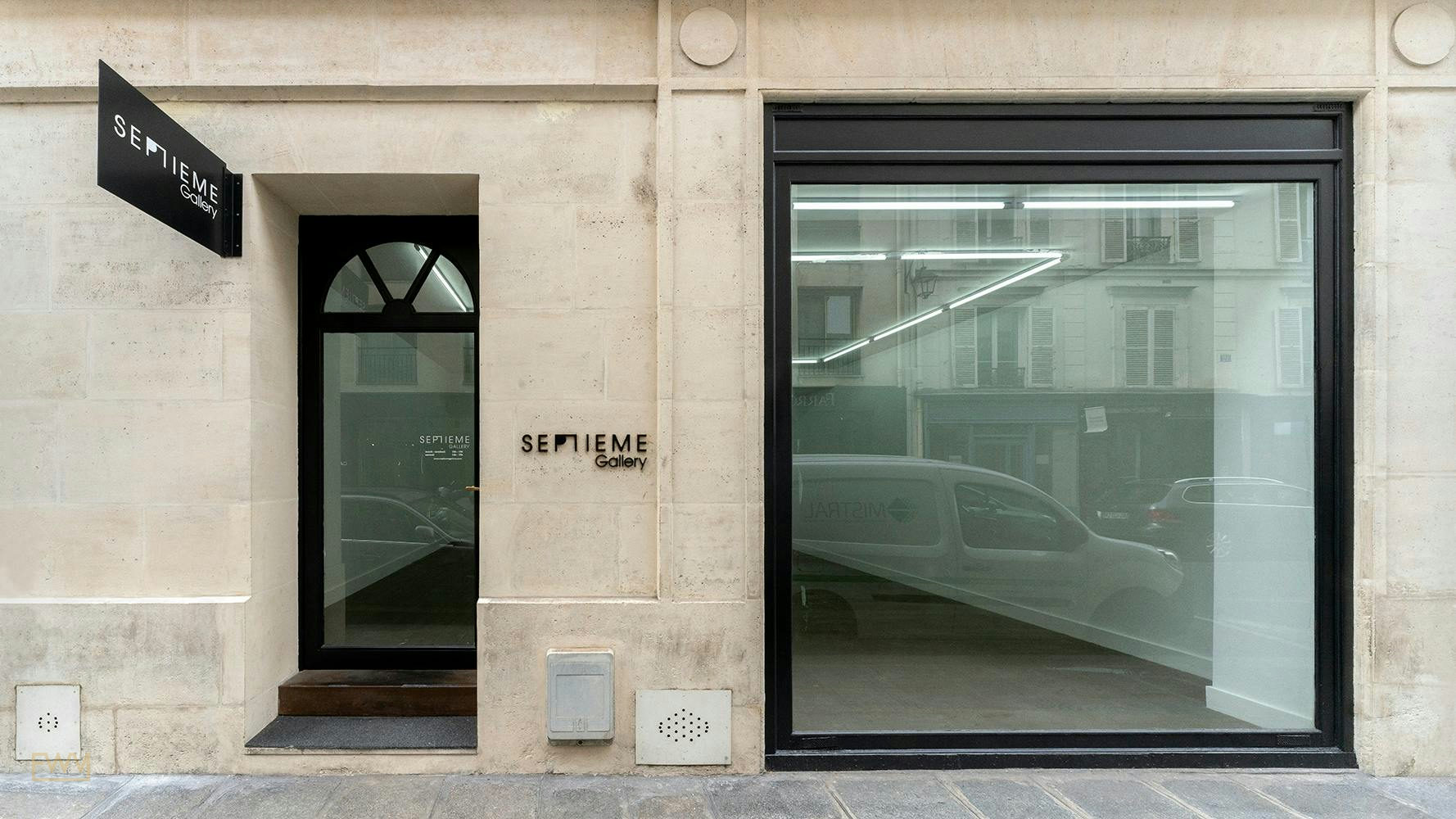
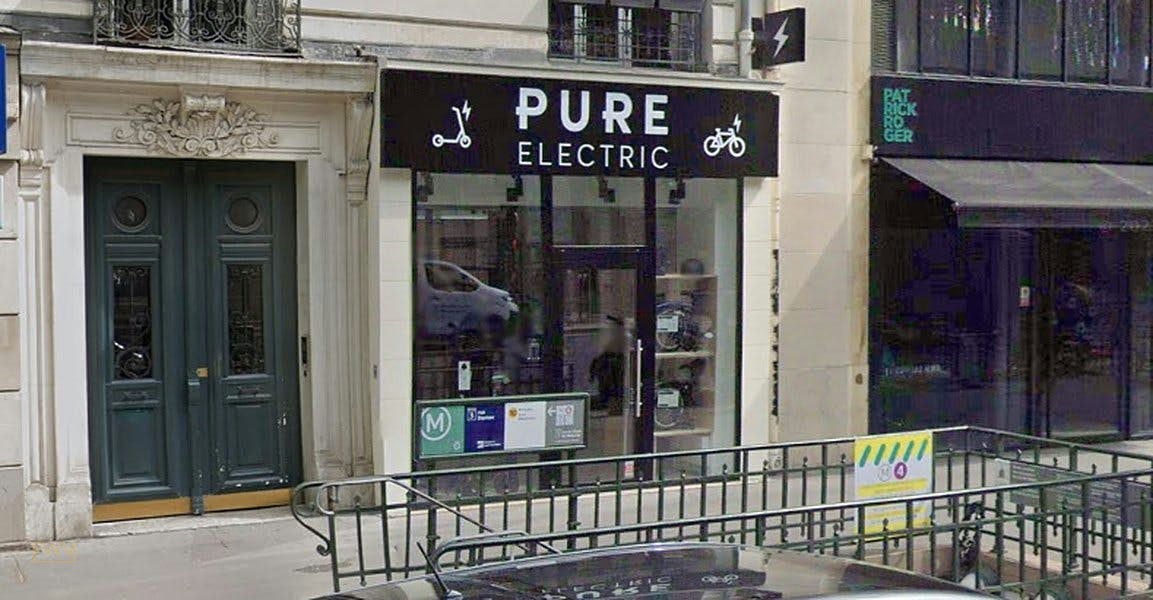
Traditional storefronts are the most recognisable format for pop-up retail in Paris. They offer street-level visibility, direct consumer access, and established retail infrastructure including display windows, service counters, fitting rooms in some cases, and adequate power and lighting. Storefronts in premium locations such as Le Marais and Saint-Germain des Prés are in high demand and require early booking, particularly around Fashion Week. They are well-suited to consumer-facing retail, product launches, and branded boutique activations.
Gallery Spaces
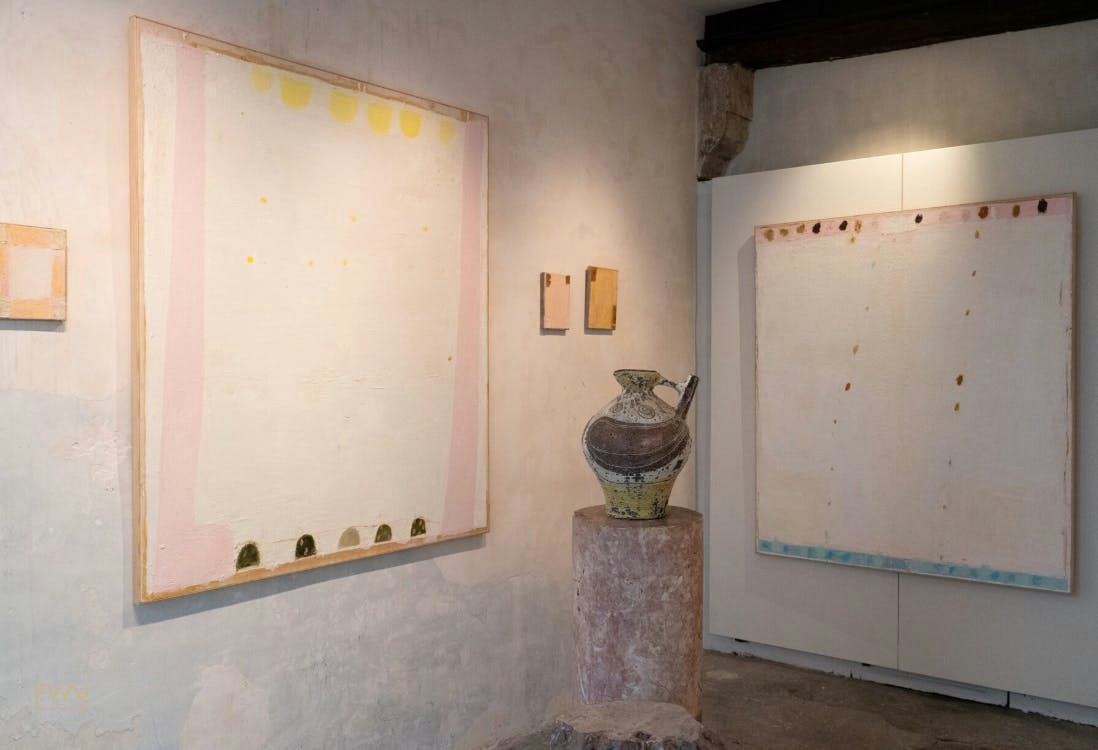
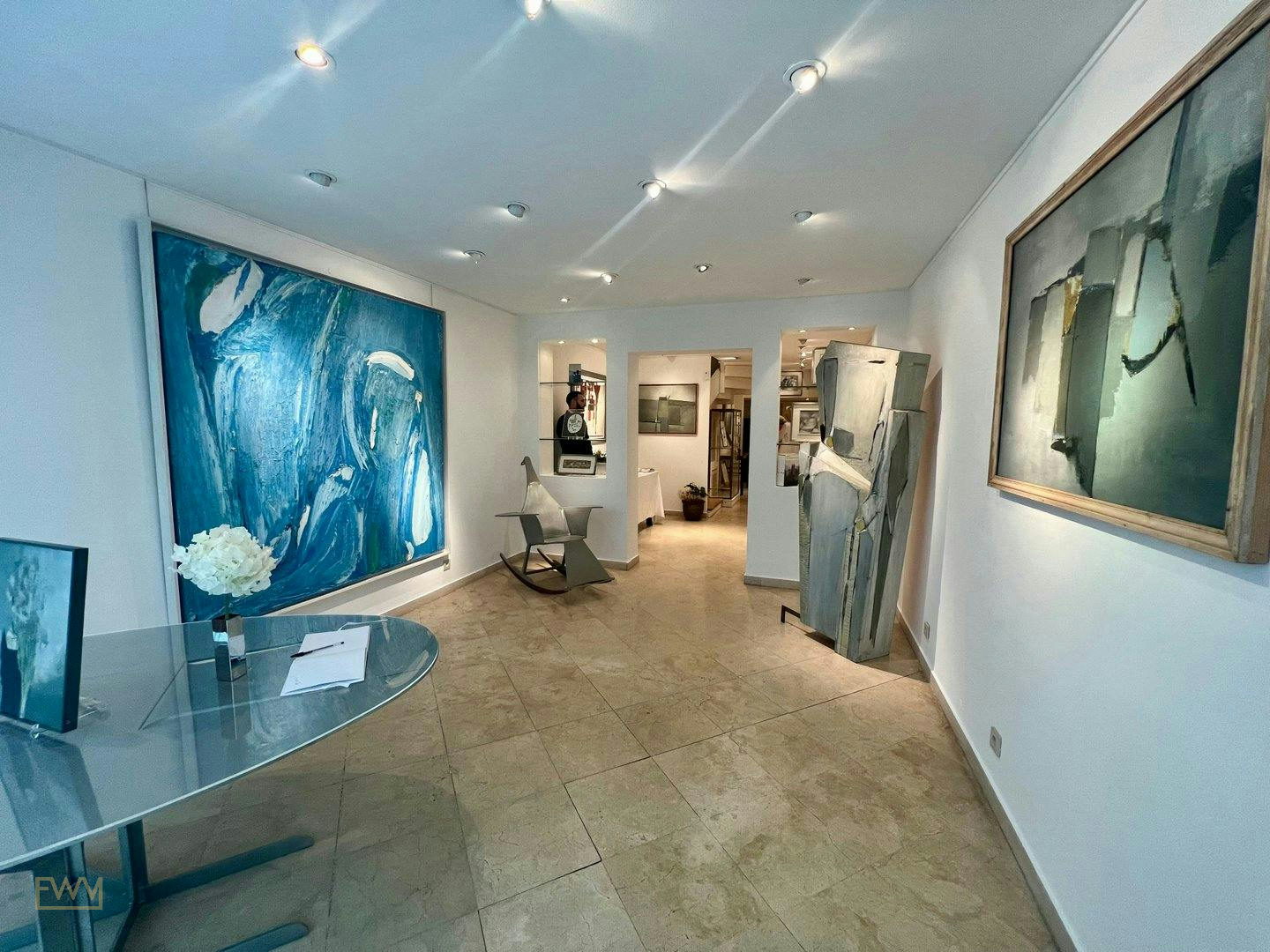
Gallery spaces are among the most versatile formats available for temporary retail in Paris. Their typically neutral interiors, high ceilings, polished concrete or parquet floors, and clean architectural lines provide an excellent canvas for branded installations, artistic direction, and immersive retail scenography. Many brands in fashion, beauty, and lifestyle use gallery spaces to stage brand engagement events, editorial photo shootings, and hybrid retail-cultural activations. Gallery spaces are particularly well-suited to brands with a strong visual identity seeking a format that elevates product presentation beyond conventional retail.
Haussmann Apartments
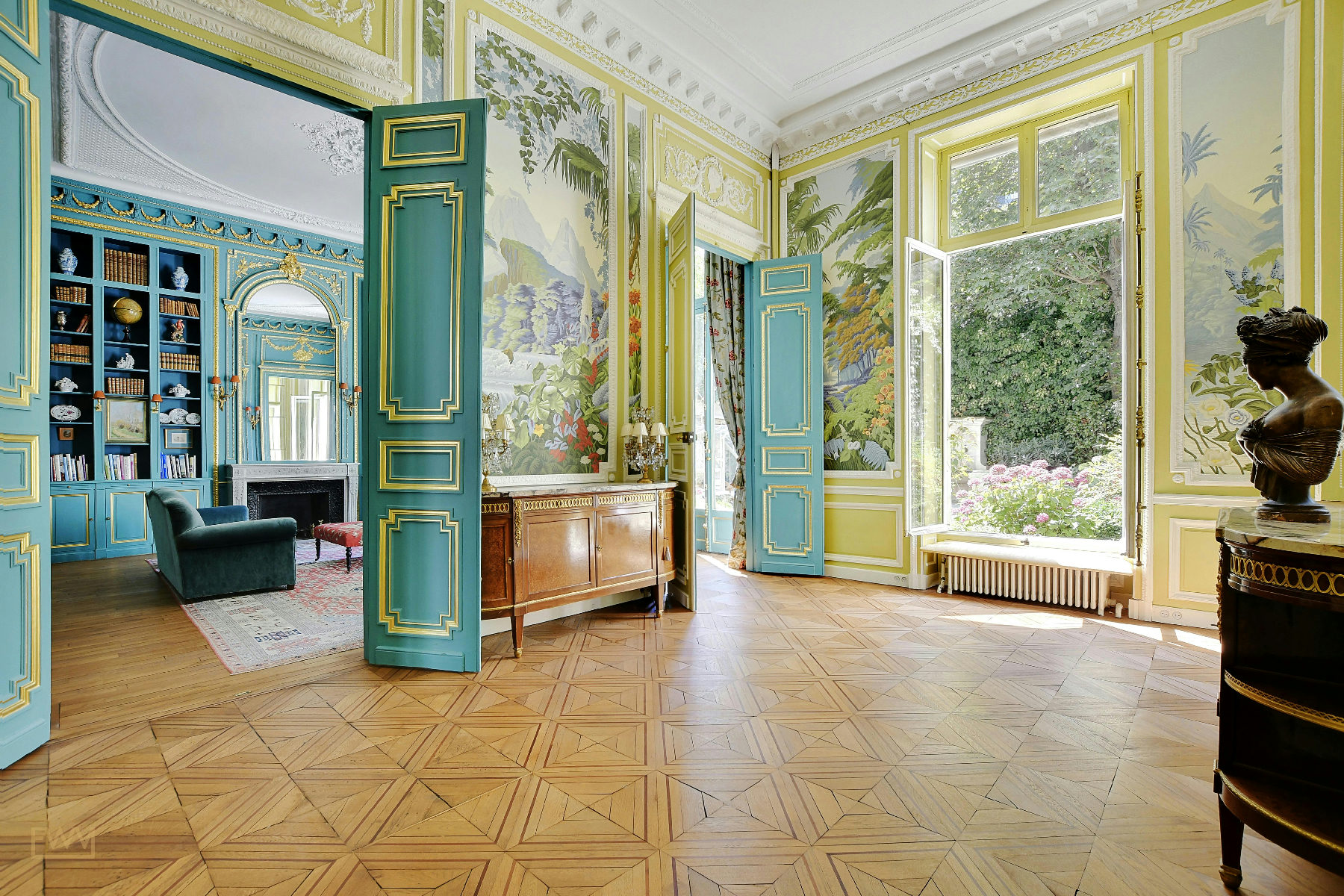
Haussmann apartments adapted for commercial use offer a distinctly Parisian character that is highly sought after by fashion and luxury brands. The combination of parquet floors, ornate cornicing, generous ceiling heights, natural light from floor-to-ceiling windows, and period architectural details creates an immersive environment that photographs exceptionally well for editorial and social content. These spaces are frequently used for private showrooms, press days, invitation-only sales events, and intimate brand experiences where atmosphere and exclusivity are priorities.
Loft and Industrial Spaces
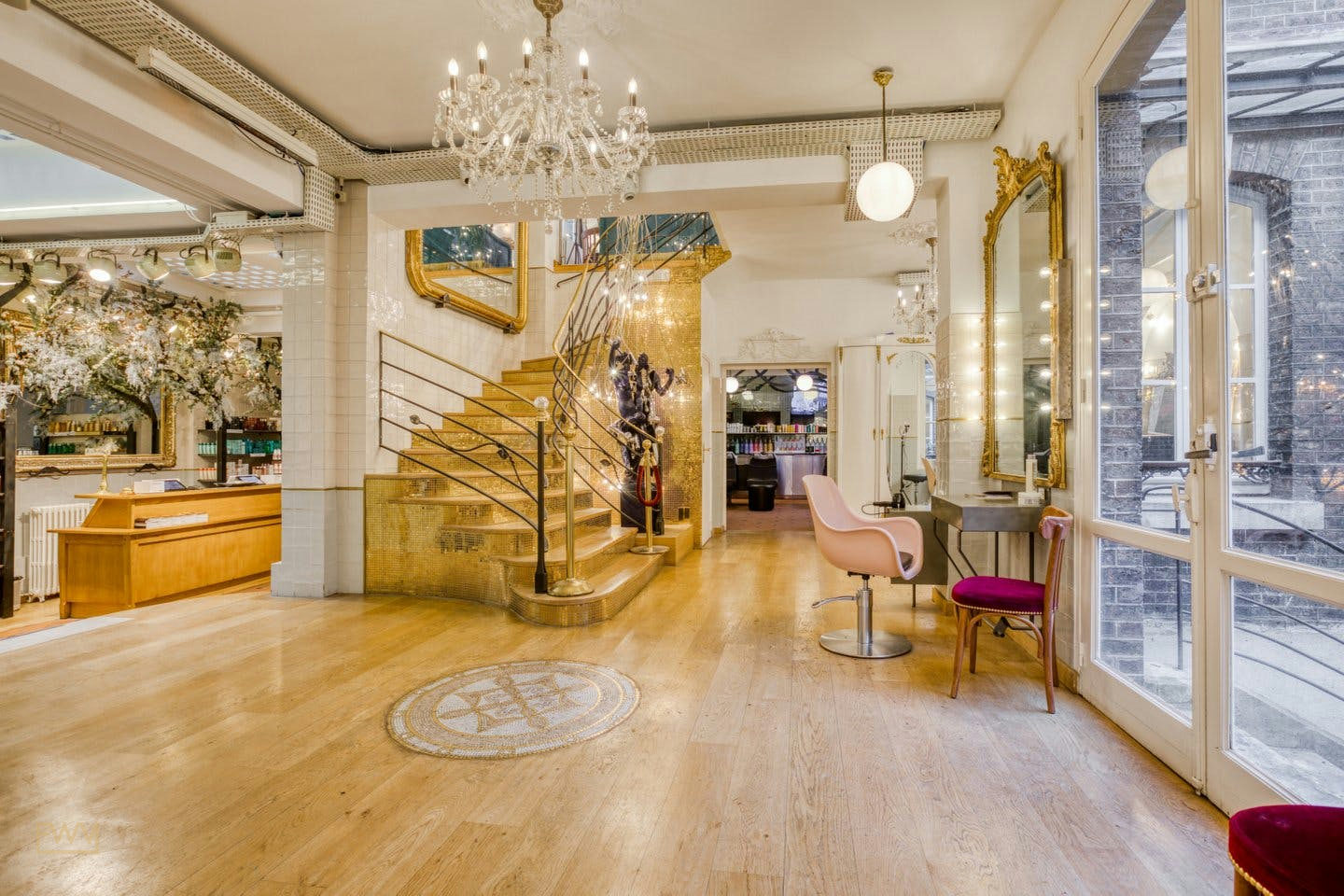
Converted industrial spaces, lofts, and large open-plan floors are increasingly available in areas such as Sentier, the 11th arrondissement, and parts of the 10th. These spaces offer significant floor area, structural flexibility for custom builds and spatial planning, and a contemporary aesthetic well-suited to immersive installations, seminar formats, and large-scale brand activations. Their higher capacity makes them appropriate for events combining retail, filming, experiential content, and hospitality functions.
Courtyard and Heritage Spaces
Paris contains a significant number of private courtyards, historic hôtels particuliers, and heritage buildings that can be accessed for temporary use. These spaces offer exceptional architectural character and strong earned media potential. They require careful permit management and often have specific operational constraints related to heritage protection regulations, but they can deliver brand experiences that are genuinely unique and highly memorable.
| Space Type | Best Activation Format | Typical Duration | Key Advantage |
|---|---|---|---|
| Storefront | Consumer pop-up, product launch, boutique | 1 week to 3 months | Street visibility, direct footfall |
| Gallery | Brand experience, photo shoot, showroom | 3 days to 6 weeks | Neutral canvas, high ceiling, design flexibility |
| Haussmann Apartment | Private showroom, press event, luxury activation | 1 to 4 weeks | Architectural character, exclusivity, editorial quality |
| Loft / Industrial | Seminar, immersive experience, large event | 1 day to 2 months | Large floor area, build flexibility |
| Courtyard / Heritage | Cocktail event, editorial shoot, invitation-only activation | 1 to 5 days | Unique architecture, earned media value |
TIP: When evaluating space options, always assess floor access, load-bearing capacity for display fixtures, electrical supply, natural light conditions, ventilation, and proximity to storage facilities. These practical factors significantly affect fit-out costs, operational viability, and the quality of the final activation.
KEY TAKEAWAY: Paris offers an exceptional diversity of temporary retail space formats, each with distinct commercial applications, aesthetic qualities, and operational requirements. Matching the right space type to your activation format, brand positioning, and target audience is as important as selecting the right neighbourhood.
With space type and location established, the next major area to understand is the legal and rental framework governing short-term commercial property in France, which differs significantly from standard lease arrangements and has important implications for international brands.
French Commercial Property Law and Short-Term Rental Frameworks for Temporary Retail
Quick answer: Temporary retail spaces in Paris are typically governed by the bail dérogatoire, a short-term commercial lease exemption under French law that allows occupancy for up to three years without the protections and obligations of a standard commercial lease. International brands must understand this framework and verify all compliance requirements with a qualified French legal advisor before signing any rental agreement.
France has a well-developed but complex commercial property legal framework. Standard commercial leases, known as baux commerciaux, offer tenants strong protections and long-term occupancy rights but are inappropriate for temporary retail activations due to their minimum nine-year term structure, complex exit provisions, and associated financial obligations. For brands seeking short-term access to retail space in Paris, two primary legal instruments are relevant: the bail dérogatoire and the convention d'occupation précaire or autorisation d'occupation temporaire (AOT).
The Bail Dérogatoire
The bail dérogatoire is a derogation from the standard commercial lease regime under French law, specifically Article L145-5 of the Code de Commerce. It allows landlords and tenants to agree a short-term commercial occupancy for a maximum cumulative duration of three years. It must be agreed explicitly in writing and cannot be tacitly renewed into a standard commercial lease. The bail dérogatoire is the most commonly used instrument for pop-up stores and temporary retail activations in Paris, as it provides a legal framework for commercial occupancy without the long-term commitment of a standard lease. However, its terms, including rent, permitted uses, reinstatement obligations, and exit conditions, vary significantly between landlords and spaces and must be reviewed carefully before signing.
Convention d'Occupation Précaire and AOT
For spaces in publicly owned buildings, heritage properties, or certain institutional venues, a convention d'occupation précaire or AOT may govern the occupancy arrangement. These instruments are more flexible in duration and typically grant revocable occupancy rights without the same level of tenant protection as a bail dérogatoire. They are frequently used for spaces in publicly managed areas, markets, and certain cultural venues. Brands using these frameworks must understand that their occupancy can be terminated with relatively short notice depending on the terms agreed.
Practical Compliance Considerations
Beyond the rental agreement itself, brands occupying temporary retail spaces in Paris must address a range of compliance requirements that vary depending on the space type, duration, arrondissement, and nature of the activation. These can include commercial activity declarations to the Chambre de Commerce et d'Industrie, insurance requirements, fire safety and public access compliance for consumer-facing spaces, noise regulations for events including cocktail parties and seminars, signage permissions, and specific requirements related to heritage building protections where applicable.
International brands without a French legal entity should not assume that a rental agreement alone provides the legal basis to trade commercially in France. VAT registration, consumer protection compliance, and employer obligations for temporary staff are all areas that require specialist advice. Requirements vary by space type, duration, and arrondissement, and brands should verify all compliance obligations with a qualified French legal advisor before committing to any space.
IMPORTANT: No rental agreement, permit application, or agency brief constitutes legal advice. All compliance requirements, permit obligations, and regulatory conditions must be verified independently with a qualified French legal advisor and the relevant Paris administrative authorities before any temporary retail activity commences.
For a structured overview of permit types and requirements relevant to temporary retail in Paris, the permit guidance tool on Fashion Week Venues provides a practical starting point for understanding which permits may apply to your activation format and location.
KEY TAKEAWAY: The bail dérogatoire is the primary legal instrument for temporary retail in Paris and must be used correctly to avoid inadvertently triggering a standard commercial lease. International brands must address French compliance requirements for VAT, insurance, fire safety, staffing, and permits independently of the rental agreement itself, with professional legal guidance.
Understanding the legal framework is essential, but equally important is understanding the full operational workflow required to bring a temporary retail activation in Paris from concept to completion on time and within budget.
Planning and Producing a Temporary Retail Activation in Paris: The End-to-End Workflow
Quick answer: A successful temporary retail activation in Paris requires a structured workflow beginning at least 8 to 12 weeks before opening day, covering brief definition, space sourcing, permit management, concept direction, production and fit-out, staffing, operations management, and post-activation analysis.
Many brands underestimate the complexity of producing a temporary retail activation in Paris. Unlike permanent retail, where teams have extended periods to resolve logistical, design, and operational challenges, a pop-up store or short-term activation operates within a compressed timeline where delays in any phase can cascade into significant cost overruns and compromised results. A disciplined workflow is essential.
| Phase | Key Actions | Recommended Timeline Before Opening |
|---|---|---|
| 1. Brief and Strategy | Define objectives, target consumer, budget, calendar window, space type | 12 to 16 weeks |
| 2. Location and Space Sourcing | Identify target neighbourhoods, shortlist spaces, visit and evaluate | 10 to 14 weeks |
| 3. Legal and Permits | Review rental agreement, address compliance, apply for required permits | 8 to 12 weeks |
| 4. Concept Direction | Develop creative concept, spatial planning, scenography brief | 8 to 10 weeks |
| 5. Production and Build | Commission fit-out, furniture rental, technical equipment installation | 4 to 8 weeks |
| 6. Staffing and Operations | Recruit temporary staff, brief on brand, customer service, POS setup | 2 to 4 weeks |
| 7. Marketing and Communications | Press outreach, influencer engagement, social content, event invitations | 4 to 8 weeks |
| 8. Activation Management | On-site management, consumer data capture, stock management | During activation |
| 9. Post-Activation Analysis | Data analytics review, ROI assessment, earned media measurement | Within 2 weeks post-close |
Brief Definition and Objective Setting
The most important phase of any temporary retail project is the brief. A clear brief defines the commercial and brand objectives of the activation, identifies the target consumer, establishes the calendar window aligned to the Parisian event calendar, sets a realistic budget framework, and defines the space type and neighbourhood criteria. Brands that invest time in brief definition before approaching the market for spaces consistently achieve better outcomes than those that lead with space searching before strategy.
Space Sourcing and Evaluation
Space sourcing in Paris requires knowledge of the local commercial property market, relationships with landlords and property managers, and the ability to evaluate spaces quickly against a defined brief. Key evaluation criteria include floor area and layout, access and floor level, natural light, condition and reinstatement requirements, proximity to target foot traffic, technical equipment available in the space, and any restrictions on permitted use or fit-out modifications. For support with venue sourcing in Paris, Fashion Week Venues maintains an active network of spaces across all major Parisian neighbourhoods.
Concept Direction and Scenography
Concept direction transforms a brief into a spatial and visual language for the activation. This encompasses artistic direction, spatial planning, scenography, fixture design, furniture selection, lighting design, and the integration of brand identity into the physical environment. A strong concept not only creates a compelling consumer experience but also generates high-quality content for editorial, social, and influencer channels, extending the reach of the activation beyond its physical duration and footprint.
Production, Build, and Fit-Out
The production and build phase translates the approved concept into a physical reality within the rental space. This involves sourcing and installing custom fixtures, furniture rental, technical equipment, lighting rigs, display systems, fitting room installations where required, and POS and payments infrastructure. Build timelines in Paris must account for supplier lead times, access restrictions in specific buildings or arrondissements, and the time required for reinstatement at the end of the rental period. Early engagement with production partners is essential to avoid cost overruns caused by compressed timelines.
Temporary Staffing and Customer Service
Retail staffing for a temporary activation in Paris requires more than simply hiring people with retail experience. Brand-fit, language capability, product knowledge, customer service standards, and compliance with French employment law for temporary workers are all considerations. Poorly briefed or under-prepared staff directly undermine the brand experience that the activation is designed to create. A staffing plan should be developed in parallel with the concept and operations brief, not as an afterthought.
Marketing, Communications, and Influencer Engagement
A temporary retail activation that does not communicate effectively beyond its immediate physical location fails to realise its full potential. A communications plan should include press outreach to relevant French and international fashion, lifestyle, and trade media, influencer marketing that generates genuine earned media rather than simply paid content, social content planning for the brand's own channels, and event invitations for cocktail parties, press previews, or private sale events that build audience and generate coverage. Photography and filming during the activation are essential for extending its shelf life beyond the rental period.
KEY TAKEAWAY: Temporary retail activations in Paris require structured project management across at least eight distinct phases. Brands that underestimate the complexity of the workflow, particularly in the legal, permit, and production phases, consistently experience cost overruns, delays, and compromised results. A 12-week minimum lead time is advisable for most activations, with longer lead times for premium locations and complex builds.
Planning and producing the activation is one dimension; the other is understanding and measuring its commercial impact through data analytics and ROI assessment, which is covered in the following section.
Data Analytics, Consumer Data, and Measuring ROI for Temporary Retail in Paris
Quick answer: Measuring the commercial performance of a temporary retail space in Paris requires a structured data analytics framework covering foot traffic, conversion, average transaction value, consumer profile data, earned media value, and brand awareness metrics. Without measurement, brands cannot assess retail compatibility, justify investment, or improve future activations.
The perception that temporary retail is difficult to measure commercially has diminished significantly as data capture technology and analytics frameworks have become more accessible. A well-instrumented temporary retail activation in Paris can generate rich consumer data that informs not only immediate ROI but also long-term brand strategy, product development priorities, and market entry decisions.
Foot Traffic and Conversion Measurement
Foot traffic measurement using door counters and in-space sensors establishes baseline visit volumes and enables conversion rate calculation when combined with transaction data. In high-footfall locations such as Le Marais and Châtelet-les-Halles, even modest conversion rates can translate into significant sales volumes. Tracking foot traffic across different times of day and week also enables operational adjustments such as staffing allocation and promotional timing to be made in real time during the activation.
Consumer Data Capture and Retail Compatibility
Consumer data capture during a temporary retail activation provides brands with direct insight into their Paris customer profile: demographics, purchasing behaviour, product preferences, and willingness to pay. This data is particularly valuable for brands assessing retail compatibility with the French market before committing to permanent retail or wholesale distribution. Data capture methods include POS and payments integration, loyalty programme enrolment, email capture, and consumer research surveys conducted in-space. All data collection must comply with GDPR requirements applicable in France.
Earned Media and Social Measurement
Earned media value represents one of the most significant commercial benefits of a well-executed Parisian activation. Coverage in French and international fashion press, organic social content from influencer visits and consumer sharing, and editorial photography all contribute to brand awareness and commercial value that extends beyond the physical activation window. Measuring earned media value requires tracking press coverage, social mentions, estimated reach, and engagement metrics across platforms during and after the activation.
ROI Framework for Temporary Retail
A complete ROI framework for a temporary retail activation in Paris should account for direct revenue generated during the activation, the wholesale or wholesale-adjacent revenue generated through buyer appointments and showroom conversions, earned media value, consumer data value, and the brand awareness contribution to future sales. Brands that measure only direct revenue typically underestimate the true ROI of a Paris activation significantly. The ROI calculation tool on Fashion Week Venues provides a structured framework for estimating and measuring the full commercial value of a temporary retail activation.
DID YOU KNOW: Research across the temporary retail sector consistently shows that the indirect commercial benefits of a well-executed pop-up activation, including earned media, buyer relationships, and brand awareness, frequently exceed the value of direct in-store revenue. Brands that account for these indirect returns make better investment decisions about activation scale and location.
KEY TAKEAWAY: Data analytics and ROI measurement are not optional components of a temporary retail activation; they are essential for justifying investment, improving future activations, and building the commercial case for permanent market entry. A comprehensive measurement framework should be designed before the activation opens, not assembled retrospectively.
Understanding the data dimension reinforces why choosing the right agency partner for a Paris activation is so important. The following section explains how Fashion Week Venues supports brands across every phase of the process.
How Fashion Week Venues Supports Temporary Retail Activations in Paris
Fashion Week Venues is a full-service pop-up shop agency and space marketplace with a primary focus on Paris and operations across London, Milan, New York, Dubai, and Tokyo. The agency exists to reduce the friction, risk, and complexity that brands face when planning and executing temporary retail activations in markets they do not know intimately, and to maximise the commercial and brand return from every activation.
For brand teams, creative directors, retail strategists, and event producers approaching Paris for the first time or scaling an existing activation programme, Fashion Week Venues provides support across the following areas.
Space Marketplace and Venue Sourcing
The Fashion Week Venues marketplace lists curated temporary retail spaces across Paris, covering all major neighbourhoods and space types from storefronts and galleries to Haussmann apartments and loft floors. Brands can browse available spaces, filter by neighbourhood, size, space type, and availability window, and compare shortlisted options using the built-in comparison tool. For brands with a defined brief, the venue sourcing service provides active search support with access to both listed and unlisted spaces across the Fashion Week Venues network.
Concept Direction and Branded Store Design
Fashion Week Venues provides concept and creative services including artistic direction, spatial planning, scenography brief development, and branded store design. These services are available as standalone engagements or as part of a fully managed activation project. The agency's Imagine tool enables brands to visualise their concept in a selected space before committing to a design direction, reducing the risk of late-stage design revisions.
Production, Build, and Furniture Rental
The production and build service covers fit-out design and delivery, custom fixture fabrication, technical equipment installation, lighting, and reinstatement management. Furniture rental is available as a standalone service for brands with an existing design concept that requires physical furnishing. The Build tool helps brands plan their fit-out requirements and understand lead times and cost implications before committing to a production brief.
Retail Staffing, POS, and Operations
Fashion Week Venues provides retail staffing services for temporary activations, including bilingual French and English-speaking staff with fashion retail experience, as well as POS and payments infrastructure setup and management. Activation management services cover on-site operations management throughout the rental period, ensuring that the brand experience is delivered consistently and that operational issues are resolved efficiently.
Data Analytics and Influencer Marketing
The agency's data analytics service designs and implements consumer data capture frameworks for each activation and delivers post-activation analysis covering foot traffic, conversion, consumer profile insights, and earned media measurement. Influencer marketing services manage the identification, briefing, and engagement of relevant French and international content creators to extend the reach of the activation beyond its physical footprint.
Tools for Brand Teams
Fashion Week Venues provides a suite of planning tools accessible directly through the website. These include a budget estimation tool, an ROI calculator, a space comparison tool, a timeline planning tool, a permit guidance tool, a space locator, and the Imagine visualisation tool. These tools are designed to help brand teams make better-informed decisions faster, whether they are working independently or alongside the agency team. For teams evaluating agency options, the guide on hiring a pop-up agency provides a structured framework for assessing and selecting the right partner.
IMPORTANT: Fashion Week Venues does not guarantee space availability, permit approval, or specific commercial outcomes. All services are subject to availability and the terms of individual agreements. Brands should engage early to ensure the best access to spaces and service capacity during high-demand periods including Fashion Week.
KEY TAKEAWAY: Fashion Week Venues provides end-to-end support for temporary retail activations in Paris, from space sourcing and concept direction through to production, staffing, data analytics, and influencer marketing. Brand teams benefit most from early engagement, allowing sufficient lead time for space selection, permit management, and production delivery.
Communicating Your Pop-Up Store in Paris: Marketing, Press, and Influencer Strategy
Quick answer: Communicating a pop-up store in Paris effectively requires a multi-channel strategy combining press outreach to French and international fashion media, influencer engagement, social content, event programming, and local community activation, all planned and initiated well before the opening date.
The question of how to communicate effectively about a pop-up store in Paris is one of the most frequently asked by brands planning their first Parisian activation. A physically excellent space with no audience delivers minimal commercial return. Conversely, a well-communicated activation in even a modestly sized space can generate disproportionate brand exposure, editorial coverage, and consumer engagement.
Press and Editorial Outreach
Paris has one of the densest concentrations of fashion, lifestyle, and trade press in the world. Effective press outreach for a pop-up store requires a targeted media list, a compelling press release that clearly articulates the brand's narrative and the activation concept, high-quality press imagery or access for shoot requests, and proactive follow-up. Press outreach should begin at least four to six weeks before opening to align with editorial planning timelines. For international brands, a French PR partner with established media relationships is strongly advisable.
Influencer Marketing and Content Creation
Influencer marketing in Paris operates through a sophisticated ecosystem of fashion, lifestyle, and culture content creators with audiences ranging from niche but highly engaged communities to broad mainstream followings. Effective influencer engagement for a temporary retail activation requires careful selection based on audience alignment rather than follower count alone, clear briefing on the brand narrative and activation concept, and the creation of in-space moments specifically designed for photography and filming. The goal is to generate authentic earned media that extends the reach of the activation organically.
Social Content and Brand Channels
The brand's own social channels are a critical communication vehicle for a Paris pop-up. Content strategy should include pre-opening teaser content, live activation content including behind-the-scenes build coverage, in-space product and lifestyle content, event documentation, and post-activation editorial content. The visual quality of content produced in Paris is particularly important given the city's strong aesthetic associations and the high editorial standards of the French fashion audience.
Event Programming
Event programming within the activation window significantly amplifies reach and generates discrete communication moments. Opening cocktail parties with press and influencer guests, private buyer appointments, artist collaboration events, product demonstration sessions, and closing events all create individual story opportunities that sustain media and social coverage across the full activation period rather than concentrating attention only around the opening.
Virtual Showroom Extensions
A virtual showroom component extending the physical activation online enables brands to engage buyers, press, and consumers who cannot attend in person. This is particularly relevant for fashion brands with international wholesale networks that extend beyond Paris. Virtual showroom tools allow product presentation, look-book access, and appointment scheduling in a digital environment that mirrors the physical brand experience.
TIP: Document the build process as well as the finished activation. Behind-the-scenes content from fit-out, installation, and pre-opening preparation consistently generates strong engagement and communicates brand craft and investment to audiences in a way that finished product imagery alone cannot.
KEY TAKEAWAY: Communicating a pop-up store in Paris is a multi-channel discipline requiring coordinated press, influencer, social, and event strategies. The most effective activations treat communication planning as parallel to and equally important as physical production planning, with both initiated simultaneously from the moment the brief is confirmed.
Budget Planning for Temporary Retail Space in Paris: What Brands Need to Know
Quick answer: Budget planning for a temporary retail space in Paris must account for rental costs, production and fit-out, permits and compliance, staffing, marketing communications, data and analytics, and contingency. Costs vary significantly by neighbourhood, space type, duration, and activation format. Directional estimates should be verified using a brand-specific budget tool rather than generic market averages.
One of the most challenging aspects of planning a temporary retail activation in Paris for the first time is establishing a realistic budget. The market is diverse, and costs vary enormously depending on the neighbourhood, the space type, the duration of the rental, the complexity of the fit-out, and the scope of supporting services required.
Key Budget Categories
A complete activation budget for a temporary retail space in Paris should include the following categories. Rental costs form the foundation and vary significantly between a small storefront in Sentier and a premium gallery space in Saint-Germain. Production and fit-out costs depend on the complexity of the concept, the condition of the space, the extent of custom build required, and furniture rental needs. Permit and compliance costs, which brands frequently overlook, can be material depending on the nature of the activation, the type of space, and the arrondissement. Staffing costs for temporary retail staff in Paris must comply with French employment law, including minimum wage requirements, social charges, and statutory protections for temporary workers. Marketing and communications costs should be budgeted as a genuine line item rather than absorbed into general overhead. Data and analytics costs for measurement infrastructure and post-activation analysis are a worthwhile investment given the insight they generate. A contingency allowance of at least 10 to 15 percent of total budget is advisable given the complexity of operating in Paris as an international brand.
Rental Cost Considerations
Rental costs for temporary retail spaces in Paris are typically quoted on a weekly or monthly basis and vary by neighbourhood, size, and space type. Premium locations such as Palais-Royal, Saint-Germain, and the core of Le Marais command significantly higher rates than emerging districts such as Sentier or the 11th arrondissement. Spaces in high demand during Fashion Week or other major calendar events may carry premium pricing for those windows. Brands should treat any published rate as a starting point for negotiation rather than a fixed price, particularly for longer durations or packages combining space rental with supporting services.
For a brand-specific budget estimate that accounts for your target neighbourhood, space type, duration, and activation scope, use the budget estimation tool on Fashion Week Venues as a practical starting point before entering market discussions.
KEY TAKEAWAY: Budget planning for a Paris pop-up must be comprehensive from the outset. Brands that budget only for rental and basic fit-out consistently encounter unexpected costs in permit compliance, staffing, reinstatement, and communications. A full-scope budget, developed with local market knowledge, is essential for avoiding overruns and ensuring the activation delivers commercial return.
Property Owners: Converting Your Commercial Space Into a Pop-Up Venue in Paris
Quick answer: Commercial property owners in Paris with vacant or underperforming retail space can generate significant income and brand exposure by converting their space into a temporary pop-up venue for fashion brands, lifestyle brands, and event activations, using the bail dérogatoire framework to structure short-term occupancy agreements.
The demand for high-quality temporary retail space in Paris consistently exceeds available supply, particularly in premium neighbourhoods during peak calendar windows. Commercial property owners with suitable spaces in well-located arrondissements are in a strong position to benefit from this demand by listing their space for short-term rental rather than leaving it vacant or underutilised between long-term tenants.
What Brands Look for in a Pop-Up Space
Brands seeking temporary retail spaces in Paris prioritise location and neighbourhood alignment, space quality and condition, flexibility of layout and fit-out, natural light and architectural character, adequate power supply and technical infrastructure, proximity to relevant foot traffic and complementary retail, and clear and commercially reasonable rental terms. Spaces that meet these criteria in premium arrondissements command strong rental rates and attract a consistent pipeline of brand interest.
Converting a Commercial Space for Pop-Up Use
Converting an existing commercial space for pop-up use does not necessarily require significant physical investment from the property owner. In many cases, clearing and cleaning the space, ensuring basic infrastructure is operational, and presenting the space in a neutral condition is sufficient to attract brands who will execute their own branded fit-out within the rental period. However, property owners should consider whether the space meets fire safety requirements for public access, whether there are any heritage or planning restrictions affecting permitted uses, and whether the building management will allow the level of fit-out modification that brands typically request.
Listing a Space for Short-Term Rental
Property owners who wish to make their space available for temporary retail and event use can list on the Fashion Week Venues marketplace to reach an international audience of fashion brands, lifestyle brands, and event producers actively seeking Paris locations. The marketplace provides structured listing tools, inquiry management, and support for agreeing rental terms with prospective tenants. For property owners new to the pop-up sector, understanding the bail dérogatoire framework and the typical expectations of brand tenants is essential preparation before entering the market.
KEY TAKEAWAY: For Paris commercial property owners, the growing demand for temporary retail space represents a genuine revenue opportunity, particularly in premium neighbourhoods. Listing with a specialist marketplace and understanding the short-term lease framework applicable to pop-up occupancy are the two most important initial steps.
Common Myths About Temporary Retail Space in Paris Debunked
MYTH: International brands need a French legal entity to rent a temporary retail space in Paris.
FACT: International brands without a French legal entity can rent temporary retail spaces in Paris under the bail dérogatoire framework, but they do need to address specific compliance requirements including appropriate insurance, VAT obligations where applicable, and French employment law for any staff hired. Requirements vary by space type, activation format, and duration, and all compliance obligations should be verified with a qualified French legal advisor before signing any agreement.
MYTH: Paris Fashion Week is the only commercially viable calendar window for temporary retail activations in Paris.
FACT: While Paris Fashion Week generates exceptional industry concentration and media attention, Paris offers commercially productive activation windows throughout the year. Major trade shows, the summer and Christmas tourism peaks, Art Basel Paris, and specific product category moments in the retail calendar all generate strong consumer traffic and brand visibility opportunities. Brands that focus exclusively on Fashion Week often face intense competition for premium spaces and elevated rental rates, while other calendar windows can offer better value and more targeted audience access.
MYTH: The only way to find a temporary retail space in Paris is through a commission broker.
FACT: Commission brokers are one channel for finding temporary retail spaces in Paris, but they are not the only option. Dedicated space marketplaces such as Fashion Week Venues list curated spaces across all major Parisian neighbourhoods and provide additional services including venue sourcing support, space comparison tools, and activation management. These platforms often provide more transparent pricing, broader space coverage, and integrated service support than traditional broker arrangements.
MYTH: Short-term commercial leases in Paris are legally straightforward and can be managed without specialist help.
FACT: Short-term commercial leases in Paris, including the bail dérogatoire, involve specific legal conditions, permitted use definitions, reinstatement obligations, and compliance requirements that are not straightforward for brands unfamiliar with French commercial property law. Errors in lease structure, permit compliance, or reinstatement obligations can result in significant financial liability. Specialist legal advice and experienced local agency support are strongly advisable for any brand planning a temporary retail activation in Paris.
MYTH: A small temporary retail activation in Paris is too minor to require a structured communications strategy.
FACT: Even a small pop-up store or showroom in Paris can generate disproportionate earned media, buyer interest, and brand awareness if communicated effectively. The Parisian media and influencer ecosystem is highly responsive to well-briefed, visually compelling brand activations regardless of physical scale. Treating communications as an afterthought, regardless of activation size, consistently results in missed commercial opportunity.
Frequently Asked Questions About Temporary Retail Space in Paris
Why should a fashion brand open a pop-up store in Paris?
Paris offers an unparalleled combination of fashion authority, international consumer traffic, media density, and buyer concentration that makes it the most strategically valuable city in Europe for a temporary retail activation. A well-executed pop-up store or showroom in Paris generates earned media, accelerates brand credibility, attracts wholesale buyers, and provides direct consumer insight into the French and European market. For brands at any stage of growth, a Paris activation delivers both immediate commercial returns and long-term strategic value that extends well beyond the rental period.
What pop-up store formats are available in Paris?
Paris supports a wide range of pop-up store formats including consumer-facing retail pop-ups in storefronts, trade and buyer showrooms in gallery spaces or Haussmann apartments, hybrid retail and event spaces, immersive brand experience spaces in lofts and industrial venues, private sale events, cocktail party formats, and combinations of these within a single activation. The right format depends on the brand's commercial objectives, target audience, and the nature of the product being launched or presented.
How long can a brand rent a temporary retail space in Paris?
Under the bail dérogatoire framework, brands can rent a temporary retail space in Paris for a minimum of a few days up to a maximum cumulative period of three years without the agreement becoming a standard commercial lease. Typical pop-up store rentals in Paris range from one week to three months, with shorter durations of one to five days more common for private events, photo shootings, and single-occasion brand activations. Duration requirements should be clearly defined in the rental agreement.
What is the 1st arrondissement suitable for in terms of temporary retail?
The 1st arrondissement of Paris, including the Palais-Royal area and the streets surrounding the Louvre and Tuileries, is particularly well-suited to premium and luxury brand activations, including private showrooms, invitation-only sales events, press days, and heritage-anchored brand experiences. The neighbourhood's prestige, architectural quality, and proximity to major fashion houses and cultural institutions make it a strong choice for brands seeking institutional credibility and media visibility. Consumer-facing pop-up stores in this area typically target high-net-worth international visitors and fashion industry professionals.
What types of commercial property are available in Paris for short-term retail?
Commercial properties available for short-term retail in Paris include traditional storefronts with display windows and retail infrastructure, gallery spaces with high ceilings and flexible layouts, Haussmann apartments adapted for commercial use, converted loft and industrial floors, historic courtyard spaces, and multi-purpose event venues. Each property type carries different size, access, technical infrastructure, and permit considerations. Space availability varies significantly by neighbourhood and by time of year, with premium locations in high demand during Fashion Week and other major calendar events.
How does Le Marais compare to Saint-Germain for a pop-up store in Paris?
Le Marais attracts a younger, fashion-literate, and internationally diverse consumer base and is strongest for contemporary fashion, streetwear, lifestyle, and concept retail brands. Saint-Germain attracts a more established, affluent, and culturally oriented consumer with stronger luxury and design associations. Le Marais typically offers more diverse space typologies at a broader range of price points, while Saint-Germain tends toward premium pricing and a more refined architectural character. Brand positioning and target consumer profile should drive the choice between these neighbourhoods.
Do I need a permit to operate a pop-up store in Paris?
Permit requirements for a pop-up store in Paris depend on the space type, the nature of the commercial activity, the duration of the activation, and the arrondissement in which the space is located. Consumer-facing retail spaces require compliance with French commercial activity regulations, fire safety standards for public access, and in some cases specific arrondissement-level authorisations for signage or temporary structures. Event formats including cocktail parties may require additional permits related to public assembly or food and beverage service. Requirements vary by case, and verification with a qualified French legal advisor and the relevant Paris administrative authorities is strongly advisable.
How far in advance should a brand start planning a Paris pop-up?
A minimum lead time of 8 to 12 weeks is recommended for most temporary retail activations in Paris, with 12 to 16 weeks advisable for complex builds, premium locations, or activations timed around Fashion Week when space competition and supplier demand are highest. The planning timeline should be structured backward from the target opening date, with space selection, legal agreement, and permit applications completed well before the production phase begins. Brands that start planning too late consistently face compromised space selection and elevated costs.
Can I rent a temporary retail space in Paris without a French company?
Brands without a French legal entity can rent temporary retail spaces in Paris under the bail dérogatoire framework, but they must address compliance requirements independently of the rental agreement. These include appropriate commercial insurance, VAT obligations where the activation generates taxable revenue in France, GDPR compliance for consumer data collection, and French employment law for any temporary staff engaged in France. The specific requirements vary by activation type, duration, and space, and all compliance obligations must be verified with a qualified French legal advisor before committing to any space.
What is the difference between a bail dérogatoire and a standard commercial lease in France?
A standard commercial lease in France, known as a bail commercial, provides tenants with strong statutory protections including a minimum nine-year term, rights to lease renewal, and regulated rent review. These protections make the standard commercial lease inappropriate for temporary retail activations. The bail dérogatoire is a legal exemption from the standard commercial lease regime, allowing short-term commercial occupancy for up to three years without triggering standard lease protections. It must be explicitly agreed in writing and cannot be tacitly converted into a standard commercial lease. Its terms regarding rent, permitted use, and reinstatement are freely negotiated between the parties.
How do I measure the ROI of a temporary retail activation in Paris?
A comprehensive ROI measurement framework for a Paris temporary retail activation should account for direct in-store revenue, wholesale or buyer conversion value from showroom appointments, earned media value from press coverage and influencer content, consumer data value from profiles captured during the activation, brand awareness contribution to future sales, and any permanent retail or distribution relationships established as a result of the activation. Brands that measure only direct revenue significantly underestimate the true commercial return. A structured ROI calculator helps establish which metrics to track and how to attribute value across channels.
What services does Fashion Week Venues provide for a Paris pop-up?
Fashion Week Venues provides end-to-end support for temporary retail activations in Paris, including venue sourcing, concept direction, production and build management, branded store design, furniture rental, retail staffing, POS and payments setup, activation management, data analytics, and influencer marketing. The agency also operates a space marketplace, a suite of planning tools, and a twin co-activation concept for brands seeking to share space and costs with a complementary brand partner. Services are available as standalone engagements or as part of a fully managed activation project.
How do I communicate my Paris pop-up store effectively?
Effective communication for a Paris pop-up store requires a coordinated strategy across press outreach to French and international fashion and lifestyle media, influencer marketing engaging relevant content creators with aligned audiences, the brand's own social content channels, event programming including cocktail parties and press previews to generate discrete coverage moments, and where relevant, virtual showroom tools to extend reach to buyers and press who cannot attend in person. Communications planning should begin in parallel with production planning, not after the space is confirmed, and should incorporate high-quality photography and filming throughout the activation.
Is Sentier a good location for a fashion pop-up in Paris?
Sentier in the 2nd arrondissement has become one of the most interesting and commercially viable locations for fashion, streetwear, and creative brand activations in Paris. Rental rates are generally more accessible than in Le Marais or Saint-Germain, space typologies include large loft floors well-suited to immersive concepts, and the neighbourhood attracts a creative, digitally engaged audience that responds strongly to innovative brand activations. For emerging and mid-market brands seeking strong value-for-money in a credible Parisian location, Sentier is increasingly worth serious consideration.
What are the most common mistakes brands make when opening a pop-up store in Paris?
The most common mistakes brands make when opening a pop-up store in Paris include starting the planning process too late and facing constrained space selection, underestimating the complexity of French permit and compliance requirements, budgeting only for rental and basic fit-out without accounting for reinstatement, staffing, and communications costs, failing to develop a structured communications strategy before the opening date, choosing a space based on aesthetics alone without assessing its technical infrastructure and operational suitability, and not implementing a data capture framework that enables post-activation ROI measurement. Engaging experienced local support early in the process addresses all of these risks.
Conclusion: Planning Your Temporary Retail Space in Paris in 2026
A temporary retail space in Paris remains one of the highest-impact strategic investments a fashion or lifestyle brand can make. Whether you are staging a consumer-facing pop-up store in Le Marais, a trade showroom in the 1st arrondissement, an immersive brand experience in Sentier, or a private activation in a Haussmann apartment in Saint-Germain des Prés, Paris offers the physical environments, the consumer density, the media ecosystem, and the industry concentration to deliver commercial returns that few other cities can match.
Success in Paris requires more than finding a good space. It requires a clear strategic brief, a realistic and comprehensive budget, a thorough understanding of French commercial property law and permit requirements, a disciplined production workflow, and a coordinated communications strategy that amplifies the physical activation across press, social, and influencer channels. Brands that bring all of these elements together consistently outperform those that approach the market without the necessary preparation and local expertise.
To move from research to activation, start exploring available spaces on the Fashion Week Venues marketplace and build a focused brief for your target neighbourhood, space type, and calendar window. Whether you need a single space or full-service activation management, the team at Fashion Week Venues is structured to support brands at every stage of the process, from the first exploratory brief to the final post-activation analysis.