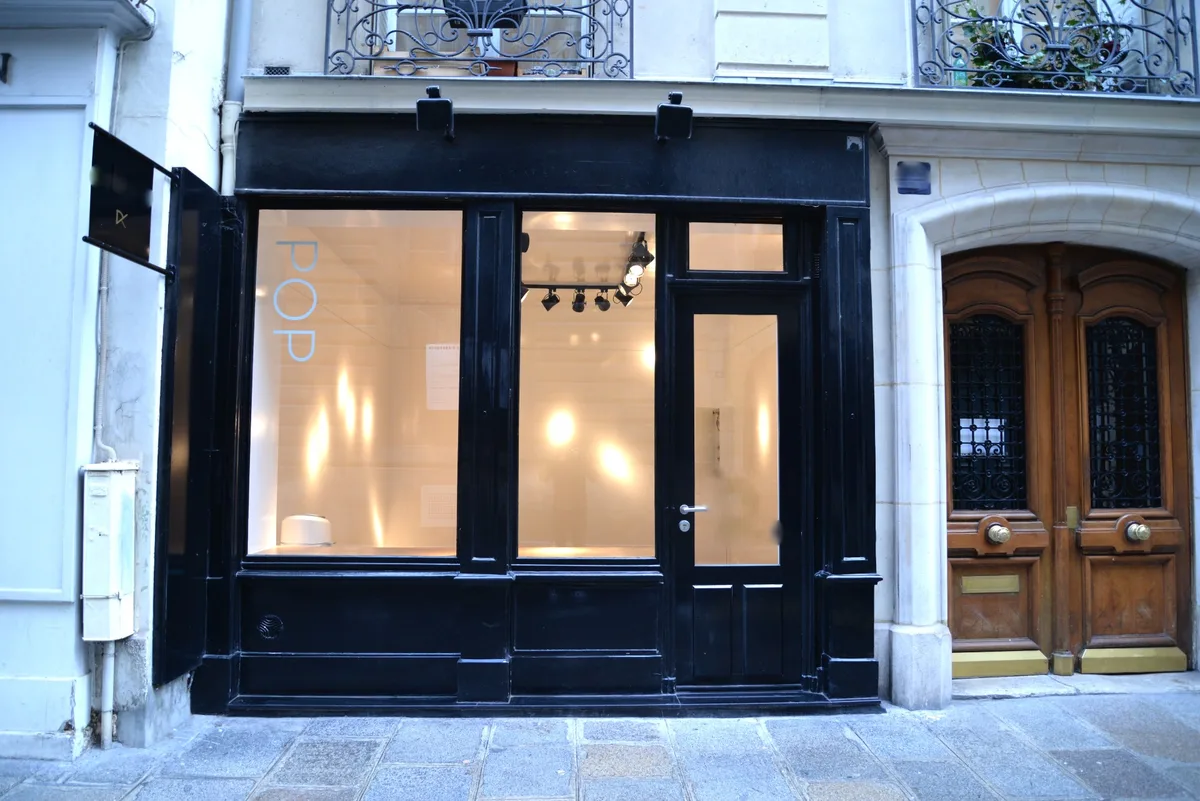
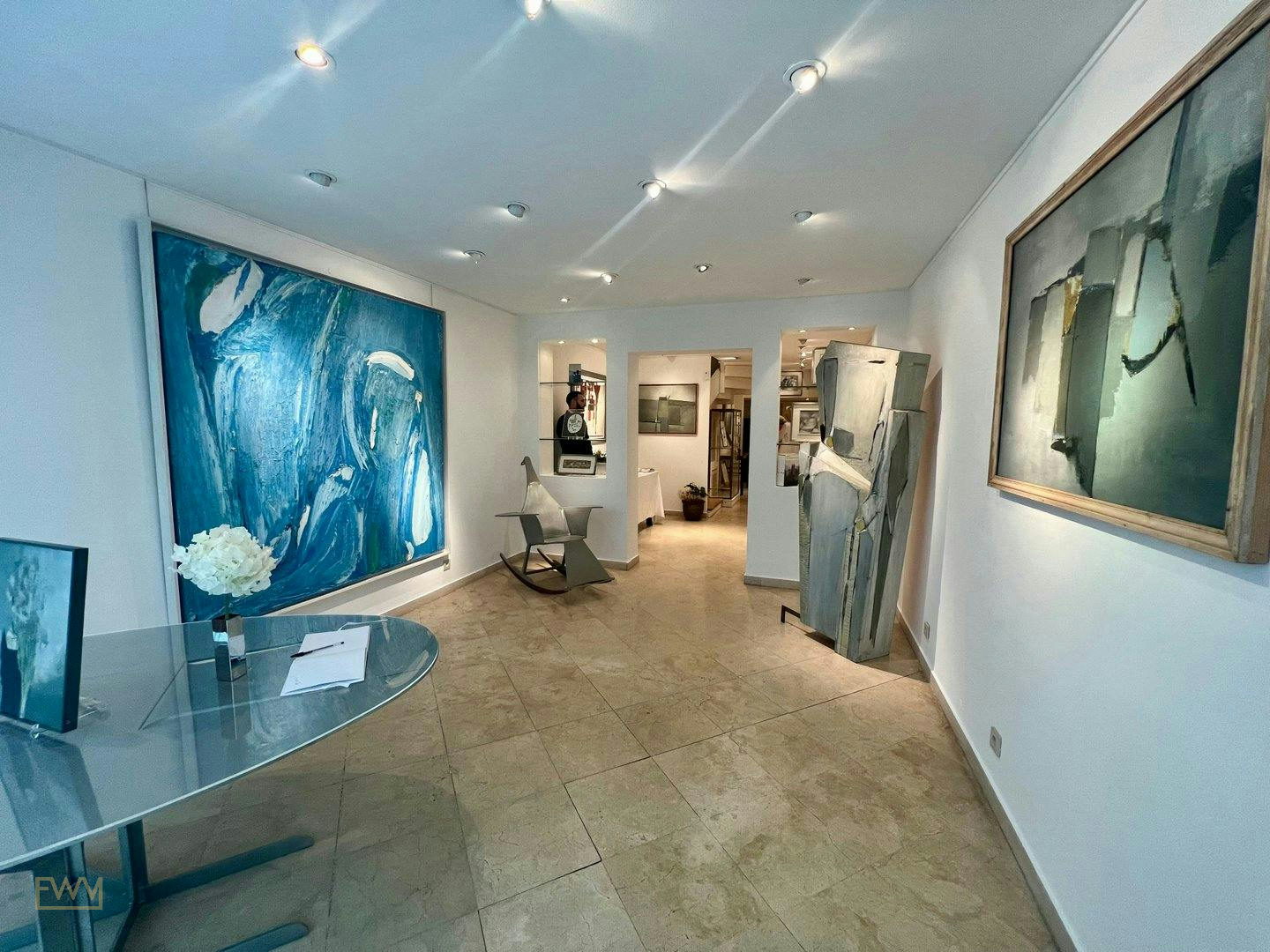
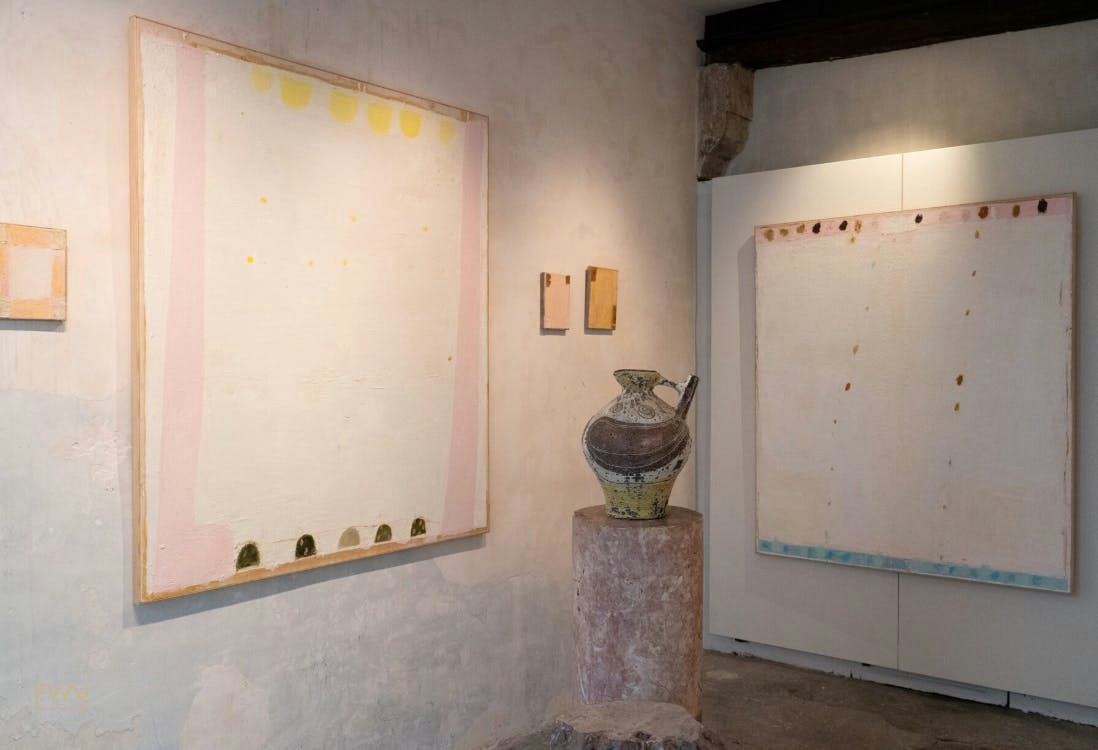
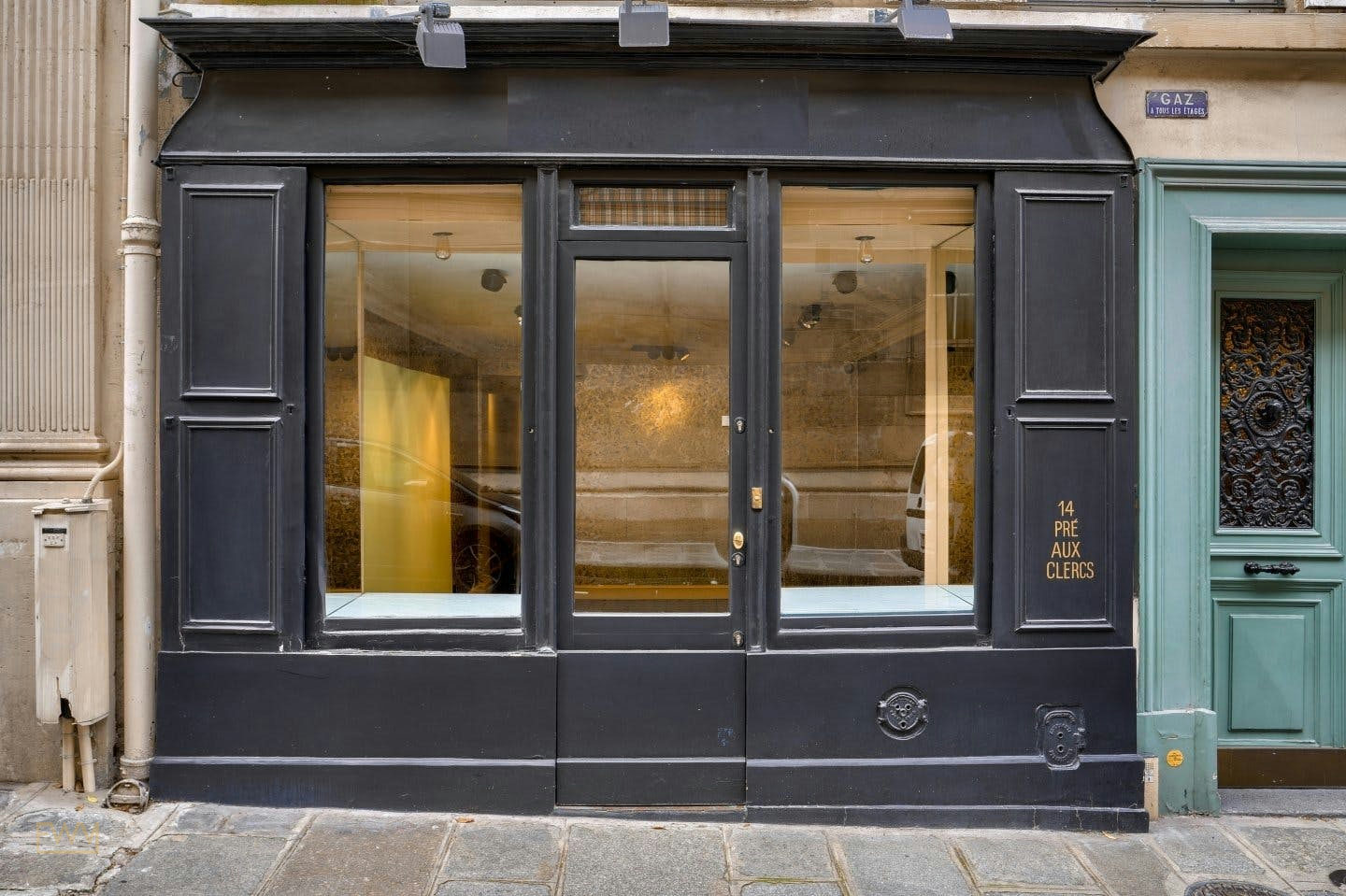
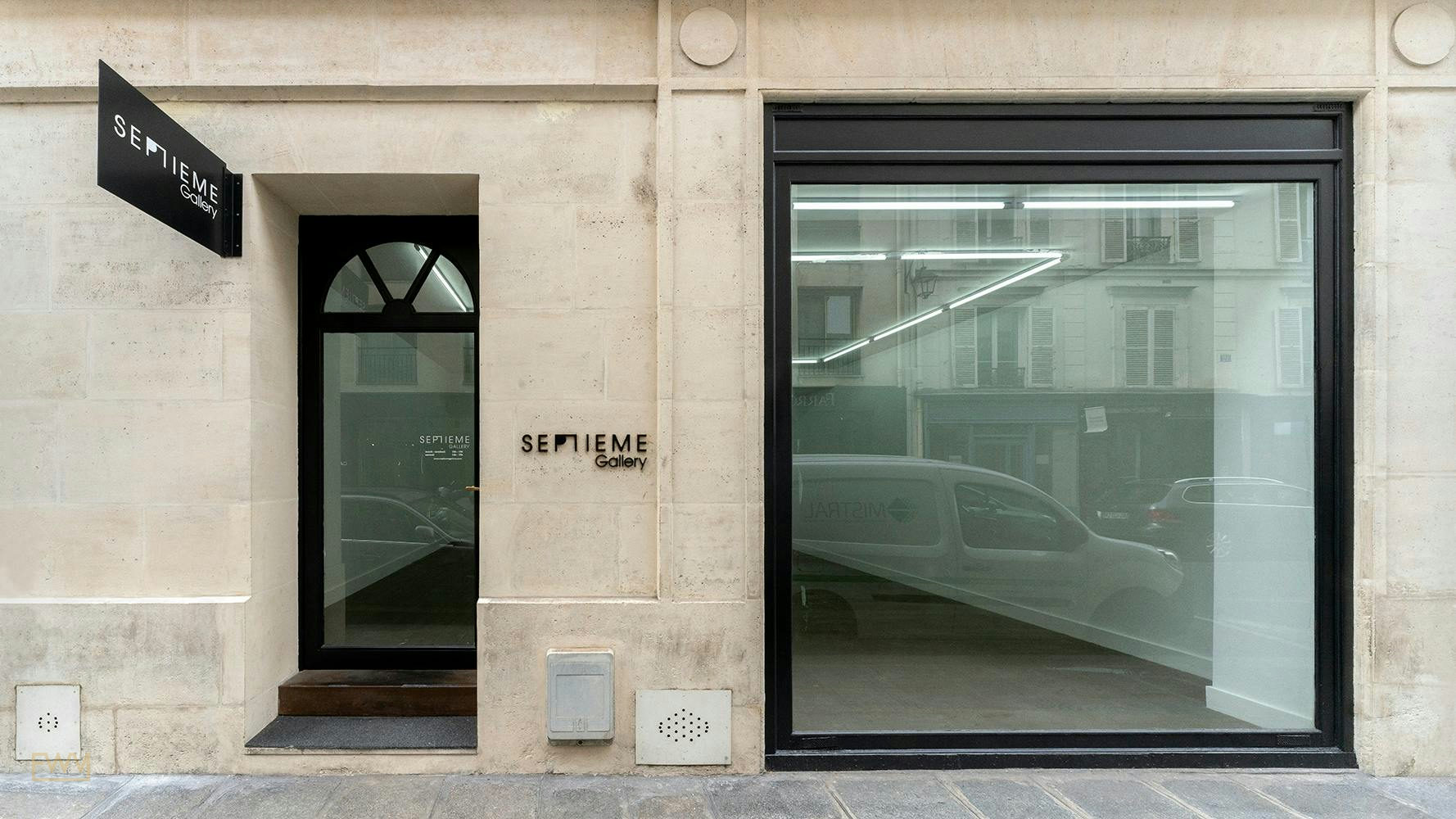
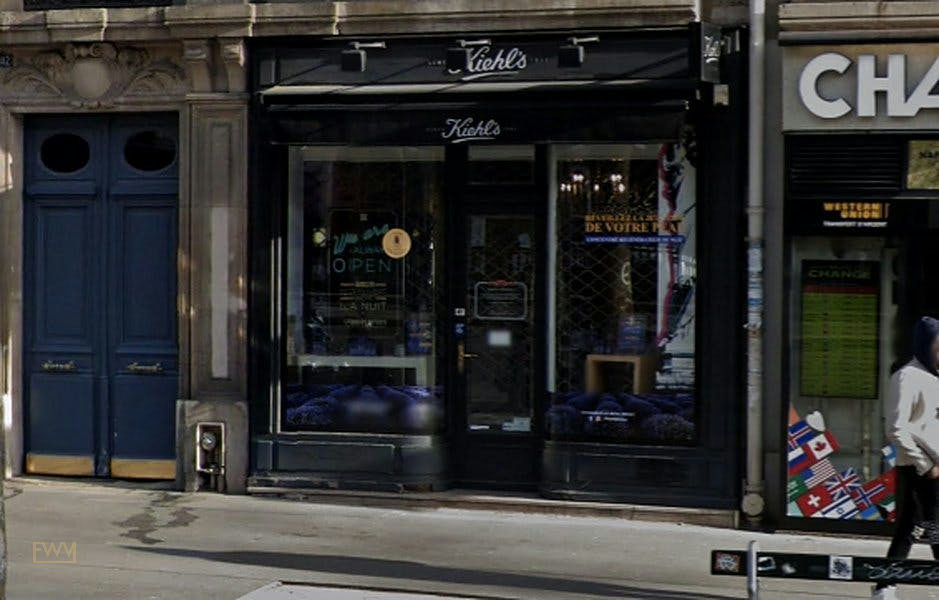
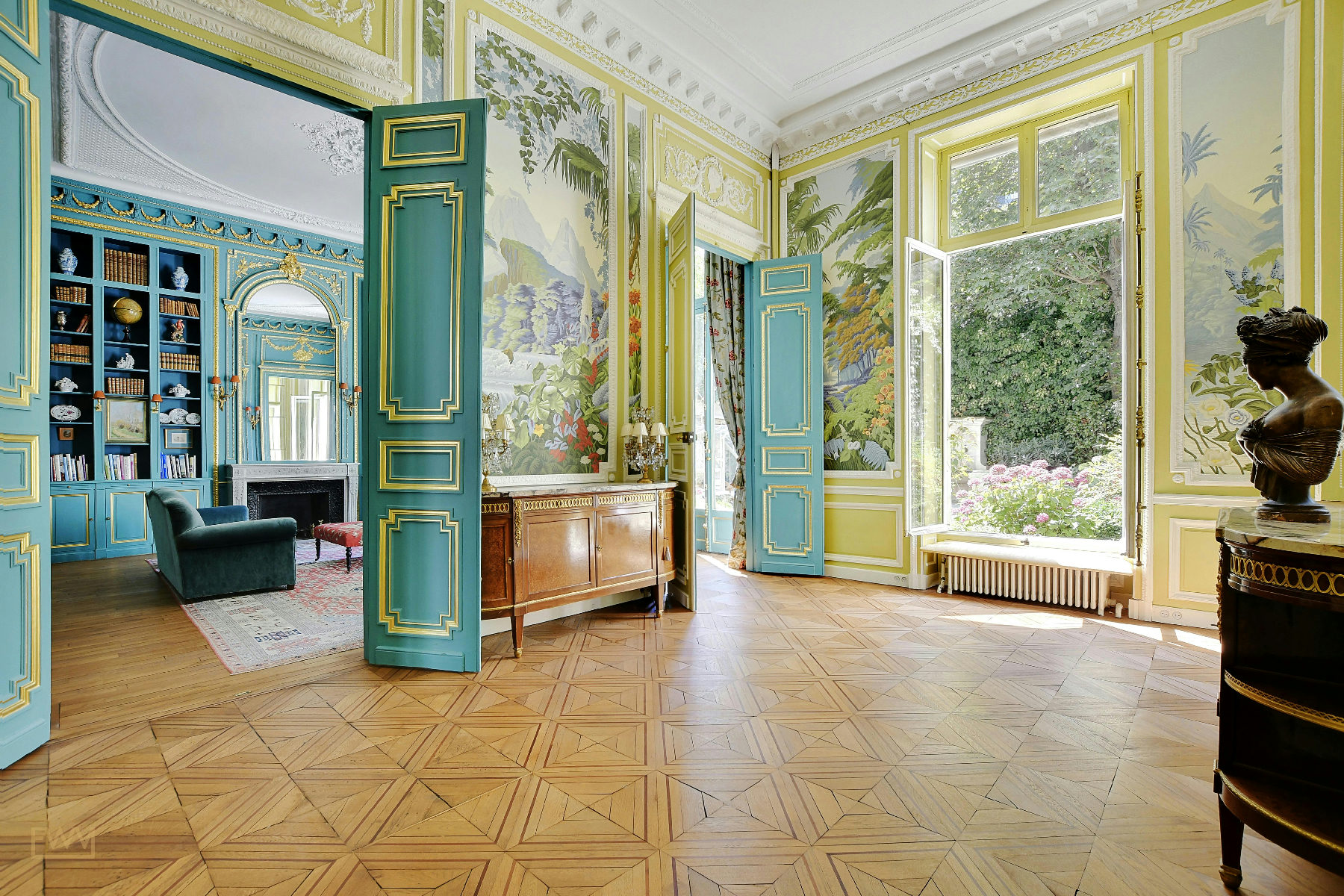
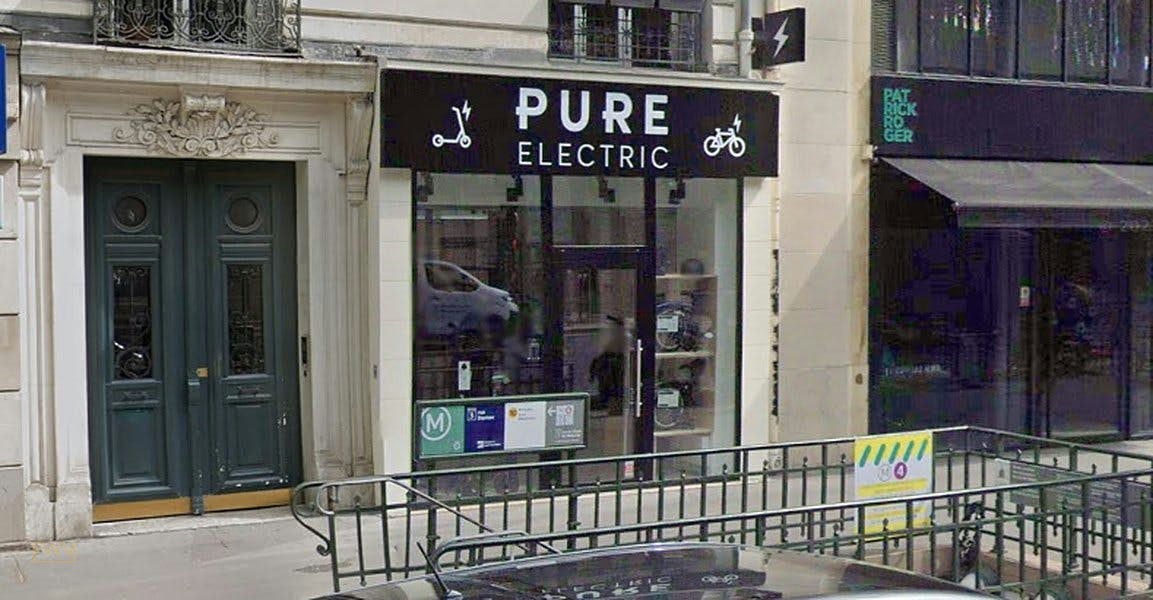
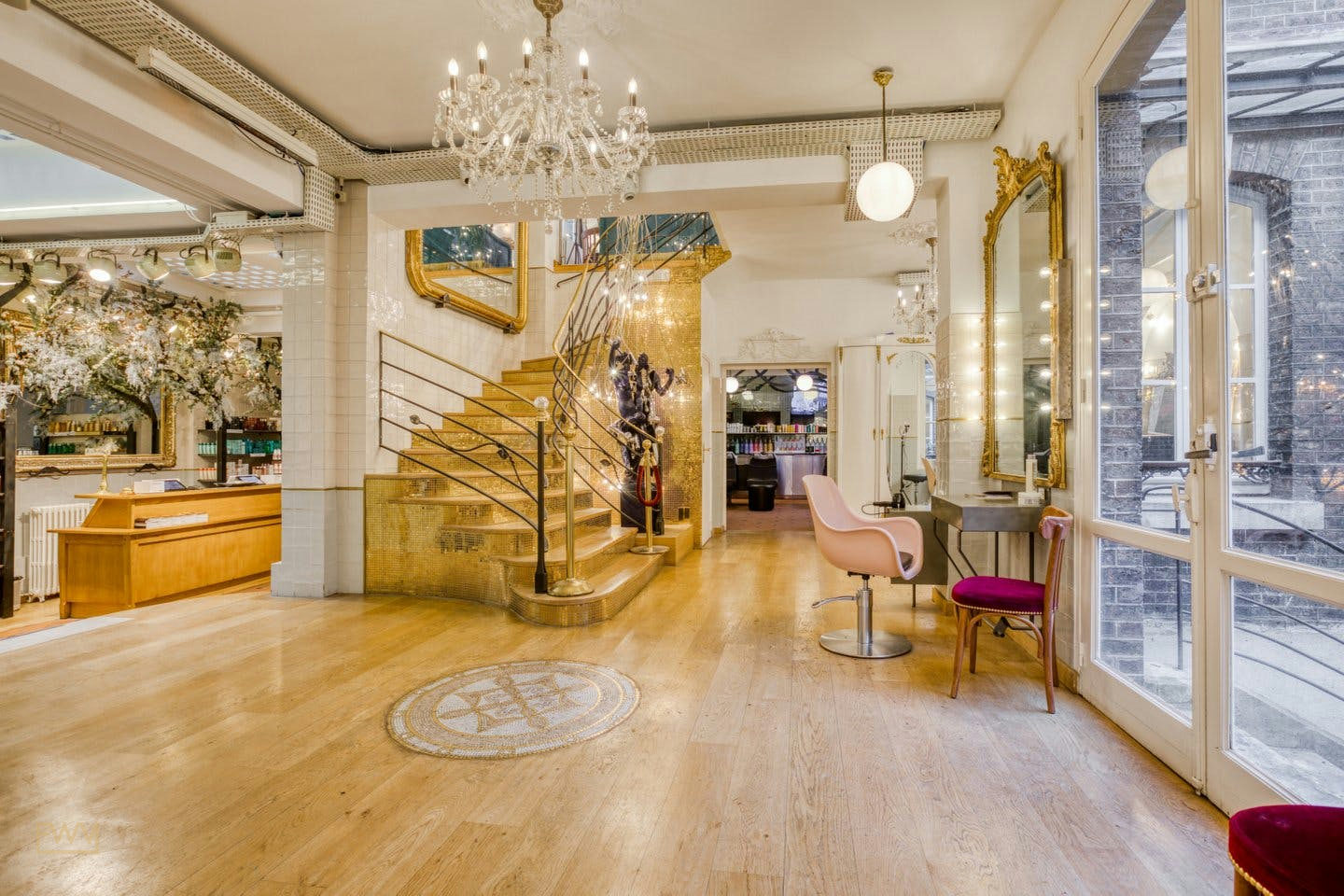
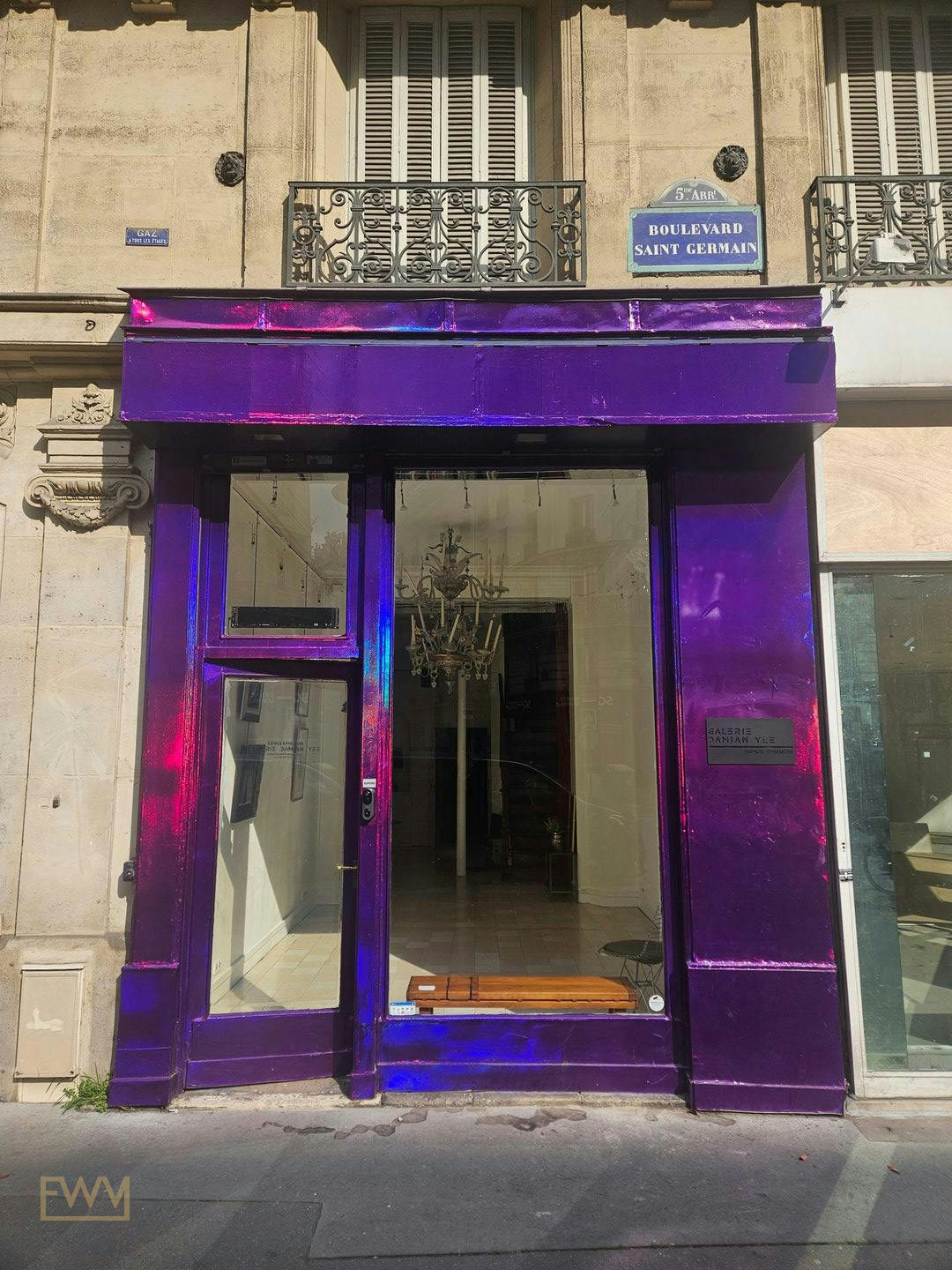
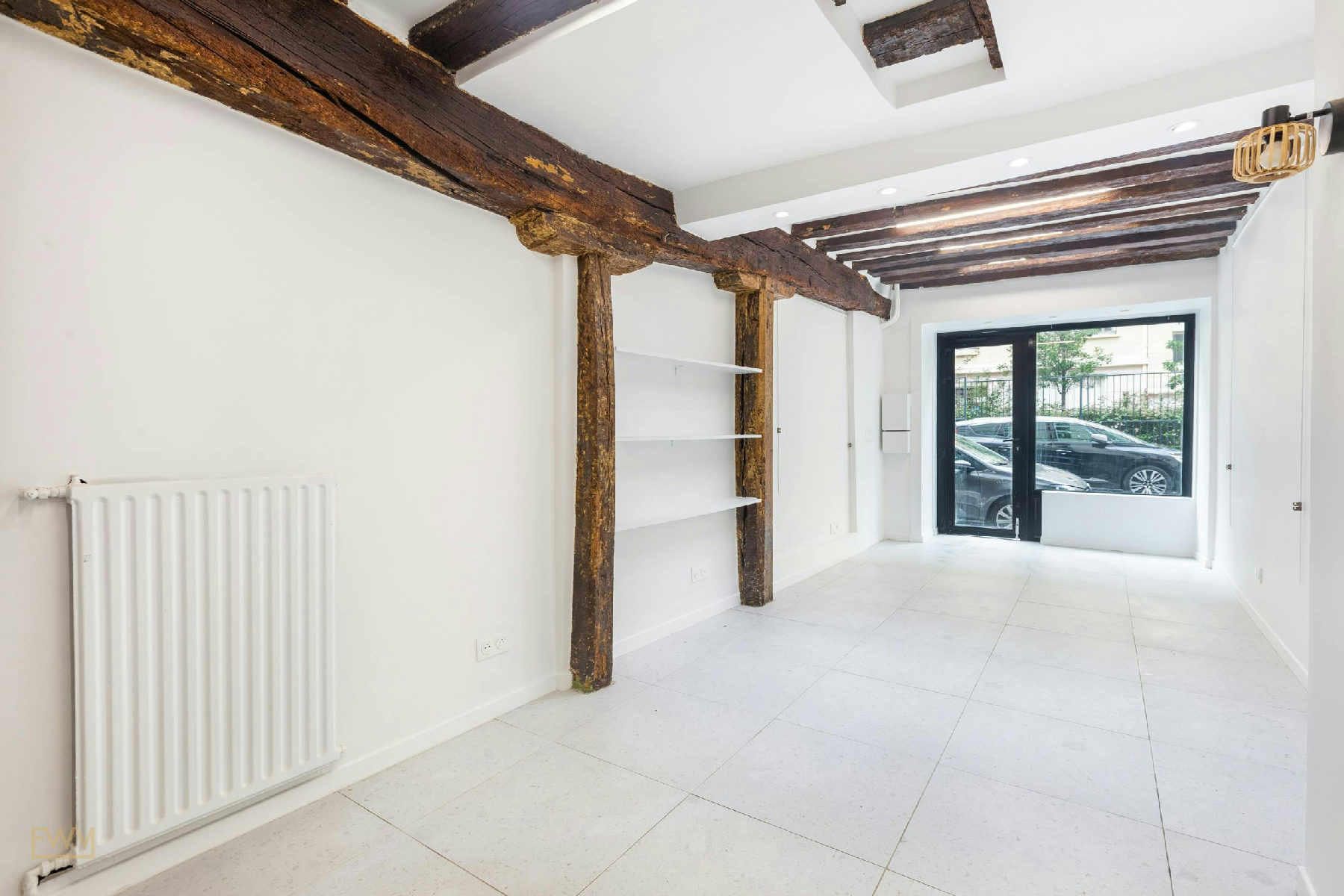
Temporary retail space in the Paris Opéra district represents one of the most strategically compelling opportunities in European fashion and luxury brand activation. The 9th arrondissement and its immediate neighbours sit at the intersection of historic foot traffic, contemporary consumer culture, and genuine commercial density, placing brands within walking distance of Galeries Lafayette, Printemps, and some of the most photographed streets in Paris. Whether you are a DTC brand seeking market validation, a fashion house launching a seasonal collection, or an international label entering France for the first time, the Opéra quarter offers a concentration of space types, visitor volumes, and cultural cachet that is difficult to replicate elsewhere. Fashion Week Venues operates a dedicated Paris city hub for brands sourcing pop-up stores, showrooms, and event venues in this neighbourhood and across the wider city.
What Is Temporary Retail Space and Why Does It Matter for Fashion Brands?
Quick answer: Temporary retail space is a short-term lease arrangement allowing brands to occupy a commercial property for a defined period, typically ranging from a few days to several months, without entering into a long-term commercial lease. For fashion brands, it enables market testing, seasonal activations, and immersive brand experiences without permanent overhead.
Temporary retail has shifted from a tactical workaround to a central pillar of modern retail strategy. What began as a mechanism for surplus stock clearance has evolved into a sophisticated tool for brand storytelling, community building, and commercial validation. In Paris, this evolution has been accelerated by the city's exceptional visitor economy, its concentration of fashion media, and the structural flexibility of its short-term leasing frameworks.
A pop-up store is a retail concept that activates for a limited time in a physical space, typically designed to create urgency, exclusivity, and direct engagement with customers and press. A showroom apartment operates differently, functioning primarily as a presentation and wholesale space rather than a direct-to-consumer selling environment. Both formats sit under the broader umbrella of temporary retail, and both are well-represented in the Opéra district and surrounding arrondissements.
For DTC brands entering Paris, temporary retail removes the barrier of permanent establishment while providing genuine market intelligence. A brand can test price sensitivity, assess neighbourhood fit, measure foot traffic conversion, and gather direct customer feedback within a single activation window. These insights inform decisions about long-term real estate investment, local partnerships, and product localisation far more effectively than digital data alone.
The fashion showroom model is particularly significant in Paris given the city's biannual fashion calendar. Brands use short-term showroom space during Paris Fashion Week to present collections to press, buyers, and wholesale accounts without maintaining a permanent Paris address year-round. The 9th arrondissement, with its proximity to the Palais Garnier, the Grands Boulevards, and the major department stores, provides an address that carries weight in the industry.
Market-testing pop-ups serve a different but equally important function. A brand considering a permanent retail presence in Paris might run a six to twelve week activation in the Opéra district to validate demand before signing a commercial lease. This approach reduces capital risk substantially and provides a live dataset that no market research substitute can match.
DID YOU KNOW: The Opéra district receives millions of visitors annually, driven by cultural tourism to the Palais Garnier, department store traffic at Galeries Lafayette and Printemps, and business visitors using the quarter's dense concentration of offices and hotels.
KEY TAKEAWAY: Temporary retail space in Paris is not a second-tier alternative to permanent retail. It is a strategically distinct format that delivers market intelligence, brand visibility, and commercial revenue within a controlled cost framework. For fashion brands, the Opéra district offers some of the most commercially productive locations available.
Understanding the specific neighbourhoods within and around the Opéra quarter helps brands match space type to commercial objective, a decision that shapes the entire activation strategy.
Parisian Locations and Neighbourhoods for Pop-Up Retail: The Opéra District in Detail
Quick answer: The Paris Opéra district, centred on the 9th arrondissement, offers a diverse set of micro-neighbourhoods for temporary retail, from the luxury density of Place Vendôme and rue Saint-Honoré in the 1st to the creative energy of Pigalle and Montmartre to the north, and the department store magnetism of the Grands Boulevards to the south.
Paris operates as a collection of distinct commercial and cultural micro-markets, each with its own foot traffic profile, audience demographic, and rental dynamic. Understanding these distinctions before committing to a space is essential for brands targeting a specific customer or press audience.
The 9th Arrondissement and the Opéra Core
The 9th arrondissement anchors the Opéra district commercially. The area around the Palais Garnier generates sustained pedestrian flow from cultural visitors, tourists, and the business community. Boulevard Haussmann, running through the heart of the 9th, hosts Galeries Lafayette and Printemps side by side, creating one of the highest retail footfall zones in France. Brands placing a pop-up shop within walking distance of these landmarks benefit from spillover traffic from consumers already in a retail mindset.
Rue Henry Monnier and the streets radiating north toward Pigalle offer a contrasting profile: lower rents, a more creative and local audience, and proximity to the independent restaurant and bar culture that makes this part of the 9th attractive for lifestyle and fashion brands targeting a younger, more discerning Parisian consumer. The terraced cafés and galleries along these streets create a neighbourhood atmosphere that supports immersive retail concepts beyond the standard boutique format.
Pigalle and Grands Boulevards
Pigalle has undergone significant repositioning over the past decade, evolving from its historic entertainment identity into one of Paris's most dynamic creative quarters. The area around Place Pigalle and the streets connecting the 9th and 18th arrondissements now hosts independent boutiques, concept stores, galleries, and music venues. For fashion and streetwear brands, this neighbourhood offers cultural legitimacy alongside genuine consumer traffic. The Grands Boulevards corridor, stretching east from the Opéra, provides higher-volume retail exposure with a broader demographic range.
Montmartre and Rue des Martyrs
Montmartre commands extraordinary visitor numbers driven by cultural tourism to the Sacré-Coeur basilica and the Place du Tertre. Rue des Martyrs, running south from Montmartre toward Pigalle, has established itself as one of Paris's premier food and artisan streets, with a loyal local following that extends into the evening. This street and its immediate surroundings suit brands seeking authentic neighbourhood integration rather than pure tourist-facing visibility.
Saint-Honoré, Vendôme, and the 1st Arrondissement
Rue Saint-Honoré and Place Vendôme represent a different tier entirely. These streets in Paris 1st constitute the global centre of luxury retail, housing the flagship stores of the world's most established fashion houses. A pop-up or temporary boutique on rue Saint-Honoré carries prestige that influences press perception, wholesale positioning, and brand narrative. Rents at this tier reflect the positioning, and brands selecting this location should align their concept, design, and pricing accordingly.
Le Marais and Saint-Germain-des-Prés
While not within the Opéra district proper, Le Marais and Saint-Germain-des-Prés function as the two other primary pop-up and boutique zones in central Paris. Le Marais, spanning the 3rd and 4th arrondissements, is particularly well-suited to independent fashion brands, concept stores, and cultural activations. Saint-Germain-des-Prés in the 6th maintains a more established luxury and intellectual character. Both areas regularly appear in brand briefs alongside Opéra-district enquiries.
Concorde, Invalides, and Bourse
Place de la Concorde and its surrounding streets offer event and activation potential for large-scale brand moments tied to cultural programming or institutional partnerships. The Invalides area suits brands with government, institutional, or diplomatic connections. The Bourse district, straddling the 1st and 2nd arrondissements, is increasingly attractive for fintech, media, and lifestyle brands whose audiences overlap with Paris's growing startup and creative professional community.
To compare neighbourhoods and space types, explore the Paris city hub on Fashion Week Venues and shortlist spaces that match your brief, budget, and calendar window.
| Neighbourhood | Arrondissement | Primary Audience | Best For | Relative Rent Level |
|---|---|---|---|---|
| Opéra Core / Grands Boulevards | 9th | Tourists, department store shoppers, business visitors | Volume-driven retail, department store adjacency | Medium to High |
| Rue Henry Monnier / Pigalle | 9th / 18th | Creative, local Parisians, younger fashion consumers | Concept stores, lifestyle pop-ups, events | Medium |
| Rue Saint-Honoré / Place Vendôme | 1st | Luxury shoppers, international buyers, fashion press | Luxury launches, showrooms, prestige activations | Very High |
| Le Marais | 3rd / 4th | Independent fashion, cultural tourists, creatives | Concept stores, galleries, brand experiences | Medium to High |
| Montmartre / Rue des Martyrs | 18th / 9th | Cultural tourists, local community, food and art lovers | Neighbourhood integration, artisan brands | Low to Medium |
| Champs-Élysées | 8th | Mass tourists, international shoppers | High-volume brand awareness, flagship moments | Very High |
| Saint-Germain-des-Prés | 6th | Literary, luxury, established fashion consumers | Established brand positioning, press events | High |
KEY TAKEAWAY: The Opéra district is not a single homogeneous retail zone. Brands should define their target audience and commercial objective before selecting a specific street or micro-neighbourhood, since the variation in foot traffic profile, rent, and space availability between Pigalle and Place Vendôme is significant even within a fifteen-minute walk.
With location strategy established, the next critical step is understanding the leasing and regulatory framework that governs temporary retail in Paris.
Leasing, Permits, and Regulations for Temporary Retail Space in Paris
Quick answer: Temporary retail space in Paris is typically governed by a bail dérogatoire, a short-term commercial lease derogating from standard commercial lease protections, or by an autorisation d'occupation temporaire for public or semi-public spaces. Both frameworks carry specific conditions and compliance requirements that brands should verify with a French legal advisor before signing.
The French commercial real estate framework is structured primarily around the bail commercial, a nine-year lease that grants tenants significant statutory protections. Temporary retail operators almost always use the bail dérogatoire instead, which allows occupation for a maximum period of three years without triggering the protections and obligations of a standard commercial lease. This flexibility is precisely what makes short-term retail activation commercially viable in Paris.
Bail Dérogatoire: What It Is and What It Covers
The bail dérogatoire, established under French commercial law, permits a landlord and tenant to agree on a short-term occupation that falls outside the standard nine-year commercial lease framework. The maximum cumulative duration under a single bail dérogatoire arrangement is three years. If the tenant remains in occupation beyond this period without the landlord taking action to terminate, the arrangement may convert into a standard commercial lease by operation of law, which has significant financial and legal consequences for both parties.
For brands running activations of days, weeks, or a few months, the bail dérogatoire is the standard instrument. It is typically faster to execute than a full commercial lease, requires less due diligence from both sides, and does not create the same renewal rights or indemnity obligations. However, it still constitutes a legally binding contract governed by French law, and the terms regarding deposit, permitted use, fit-out obligations, and reinstatement should be reviewed carefully.
Autorisation d'Occupation Temporaire
Certain public or publicly managed spaces in Paris, including spaces on public land, inside cultural institutions, or within areas managed by Paris city authorities, operate under an autorisation d'occupation temporaire (AOT) rather than a private lease agreement. This instrument is common for activations in publicly accessible market halls, certain covered galleries, and spaces within cultural venues. The AOT is granted by the relevant public authority and carries its own conditions around use, hours of operation, public safety compliance, and insurance.
Permits and Local Regulatory Compliance
Beyond the lease instrument itself, brands operating temporary retail in Paris may require additional permits depending on the nature of the activation. Outdoor signage, exterior display structures, terrasse furniture, and public-facing events may each trigger separate permit requirements managed through the relevant arrondissement mairie or Paris city authority. Requirements vary by space type, duration, and arrondissement, and the process for obtaining permits can take several weeks.
Brands intending to sell alcohol, serve food, or operate beyond standard retail hours should confirm compliance with applicable licences and local commercial regulations well in advance of the activation date. The Chamber of Commerce and Industry (CCI Paris Île-de-France) provides guidance on business registration and sector-specific compliance requirements relevant to temporary retail operators.
IMPORTANT: Foreign brands without a French legal entity may still rent temporary retail space in Paris, but they should take advice on the appropriate contractual and tax structure before signing a lease. A SIRET number, which is the French business identification number issued through the national business registration system, is often required by landlords and is necessary for formal commercial activity in France. The process of obtaining a SIRET number takes time, so this should be initiated early in the planning process.
Urban Planning and Property Use Classification
Paris operates a zoning and urban planning framework that classifies commercial property use. A space currently registered for office use, residential use, or storage may require a change of use authorisation before it can legally operate as a retail space open to the public. This is particularly relevant for showroom apartment formats, where the residential character of the space may conflict with retail or commercial use under Paris's urban planning regulations. Brands should confirm the permitted use classification of any space before signing and before making public-facing marketing commitments.
Use the Fashion Week Venues permits tool to understand the permit landscape relevant to your activation type and location before engaging with spaces or landlords.
KEY TAKEAWAY: The bail dérogatoire provides the legal flexibility that makes temporary retail commercially viable in Paris, but it is not a casual or informal arrangement. Brands should engage specialist legal and commercial advice before signing, particularly when the activation involves structural fit-out, public events, food service, or a SIRET registration requirement.
Understanding the regulatory framework positions brands to move faster and more confidently once they identify the right space, which brings the conversation to how brands actually find and evaluate temporary retail spaces in the Opéra district.
How to Find and Evaluate Temporary Retail Space Near the Paris Opéra
Quick answer: Brands can find temporary retail space near the Paris Opéra through specialist pop-up agencies, commercial real estate brokers, dedicated online marketplaces, and direct approaches to property owners. Each route carries different advantages in terms of speed, cost, access to unlisted spaces, and available support services.
The Paris commercial real estate market is large, fragmented, and not fully transparent to international brands without local knowledge. Many of the most desirable short-term retail spaces in the Opéra district never appear on general property listing platforms because they are managed through specialist networks, agency relationships, or direct landlord channels. This structural opacity is one of the primary reasons brands working in Paris for the first time benefit from engaging a specialist agency rather than approaching the market independently.
Specialist Pop-Up Agencies and Full-Service Platforms
Specialist agencies operating in the Paris pop-up market maintain curated space portfolios, established landlord relationships, and the operational infrastructure to support brands through the full activation lifecycle. Beyond simple space introductions, these agencies typically offer venue sourcing, concept direction, production management, staffing, and post-activation analytics as integrated services. This integrated model is valuable for brands that lack an in-house Paris operations team or that need to move quickly against a fashion calendar deadline.
Fashion Week Venues provides venue sourcing services specifically designed for fashion brands, luxury labels, and DTC brands seeking temporary retail spaces, showrooms, and event venues in Paris and other major cities. The agency's marketplace lists curated spaces across the city's key retail neighbourhoods.
Commercial Real Estate Brokers and Broker Professionals
Traditional commercial real estate brokers, including those using platforms such as LoopNet and CoStar for listings, operate in the Paris market but are primarily oriented toward longer-term commercial leases rather than short-term pop-up arrangements. Broker professionals in this channel typically work on commission and may not have the specialist knowledge of short-term lease structures, permit requirements for activations, or the event production considerations relevant to fashion brand clients. Blue Listings and investment property listings on commercial platforms are generally not relevant to temporary retail brand activations.
Online Marketplaces for Short-Term Retail
Dedicated short-term retail and event space platforms such as Storefront and Peerspace provide online listings for temporary commercial spaces in Paris, allowing brands to browse by location, space type, and size. These platforms offer convenience and transparency in terms of available inventory and pricing ranges, but typically provide the space booking only, without the surrounding production, concept, staffing, or compliance support that a full activation requires. Saved searches and alert functions on these platforms can help brands monitor new listings in target neighbourhoods.
Space Types Available Near the Paris Opéra
The range of space types available for temporary retail in the Opéra district and surrounding areas is broader than many brands initially assume. Beyond standard retail units with storefront access, brands can activate in gallery spaces, showroom apartments, covered galeries, private courtyards, restaurant spaces outside trading hours, and mixed-use creative venues. Each format carries different implications for fit-out complexity, permitted use, visitor capacity, and brand presentation.
| Space Type | Typical Use | Fit-Out Complexity | Visitor Capacity | Showroom Suitable |
|---|---|---|---|---|
| Retail Storefront | Direct-to-consumer pop-up shop | Medium | Medium to High | Yes |
| Showroom Apartment | Press days, wholesale presentations, private sales | Low to Medium | Low to Medium | Yes |
| Gallery Space | Brand experiences, exhibitions, concept stores | Medium to High | Medium | Yes |
| Galerie Couverte | Boutique activations, artisan concepts, food-adjacent retail | Low | High (pedestrian flow) | Limited |
| Restaurant / Café Space | Evening events, brand dinners, limited-time retail | Low | Low to Medium | Limited |
| Private Courtyard / Terrasse | Outdoor events, seasonal markets, brand activations | Low | Variable | Limited |
| Department Store Concession | Seasonal collections, brand shops-in-shop | Low (managed by host) | Very High | Yes |
TIP: When evaluating a space near the Paris Opéra, assess not just the floor area and location but also floor access for deliveries, ceiling height for display structures, natural light levels, proximity to public transport, and the specific pedestrian flow patterns on that street at the times your target customers are most active.
Use the Fashion Week Venues space comparison tool to evaluate multiple shortlisted spaces against your brief criteria before making a final decision.
KEY TAKEAWAY: Finding the right space near the Paris Opéra requires navigating a fragmented and partially opaque market. Specialist agencies with established local networks typically provide faster access to high-quality spaces and reduce the risk of legal or operational complications that can arise when brands approach the market without Paris-specific expertise.
Once a space is identified, the practical work of designing, building, and managing the activation begins, which requires its own strategic and logistical framework.
Designing and Producing a Pop-Up Store or Showroom in the Opéra District
Quick answer: Designing a pop-up store or fashion showroom in the Opéra district requires alignment between spatial planning, set design, brand identity, and the physical constraints of the chosen space. Production timelines in Paris typically require a minimum of four to six weeks for a quality fit-out, with more complex installations requiring eight weeks or more.
The physical execution of a temporary retail space is where brand strategy becomes tangible. A well-designed pop-up store in the Opéra quarter communicates brand values, creates social media shareability, and converts visitor interest into sales or press coverage. A poorly executed fit-out in the same location wastes both budget and opportunity.
Spatial Planning and Layout
Spatial planning begins with a thorough survey of the space: floor area, ceiling height, structural constraints, electrical capacity, natural light sources, and the positions of entrance points. In Paris, many older retail and gallery spaces have irregular floor plans, low ceiling sections, or listed architectural features that cannot be modified. The spatial plan must work with these constraints rather than against them.
Layout determines visitor flow through the space, the ratio of display area to circulation space, the placement of POS and payment points, and the provision of fitting rooms where required. For showroom formats, layout also addresses the separation of commercial and social areas, storage for stock and packaging, and the creation of presentation zones that function well for photography and video content creation.
Set Design and Artistic Direction
Set design for a fashion pop-up or showroom is not interior decoration. It is a commercial communication exercise in which every element, from lighting temperature and fixture material to display architecture and scent, reinforces the brand's positioning and directs visitor behaviour. Artistic direction ensures that the physical environment is coherent with the brand's visual identity, seasonal campaign, and the specific cultural context of Paris.
Galerie Joseph, one of the notable flexible event and showroom spaces in the Marais area, exemplifies the kind of architectural character that Parisian spaces can bring to brand activations. Spaces with original architectural features such as exposed stonework, period mouldings, or original terrasse access can reduce the set design investment required to create a compelling environment by leveraging the existing atmosphere of the space.
Production, Build, and Fit-Out
The production and build phase covers the physical realisation of the design concept: structural elements, custom fixtures, wall treatments, lighting installation, flooring, signage, and technology integration. In Paris, production logistics require specific attention to delivery access (many central streets have restricted vehicle access hours), building management approval for structural modifications, and reinstatement obligations that require the space to be returned to its original condition at the end of the lease.
Fashion Week Venues provides production and build services for brands activating in Paris, managing the full construction phase from briefing through to handover, in coordination with venue management requirements and French building regulations.
Furniture Rental and Operational Infrastructure
For temporary retail activations, purchasing bespoke furniture and fixtures is rarely commercially justified unless the brand has a confirmed programme of multiple activations across which the investment can be amortised. Furniture rental provides a flexible and cost-efficient alternative that allows brands to specify the aesthetic and functional requirements of their fit-out without the capital expenditure and logistics burden of ownership. POS systems, payment terminals, and retail technology infrastructure can similarly be provided on a rental or service basis for the duration of the activation.
KEY TAKEAWAY: Production quality directly affects the commercial output of a temporary retail activation. Brands should allocate sufficient budget, time, and specialist expertise to the design and build phase, and should use furniture rental and managed service models to maintain quality without overcommitting capital.
The timeline for production, combined with the permit and legal processes described earlier, makes early planning essential for brands targeting specific Paris fashion calendar windows.
Planning Your Timeline: Fashion Calendar Windows and Lead Times for Paris Activations
Quick answer: Brands targeting Paris Fashion Week windows should begin planning their temporary retail activation at least twelve weeks in advance, accounting for space identification, lease negotiation, permit applications, production scheduling, and staffing. For complex fits-out or landmark locations, sixteen to twenty weeks is more realistic.
Paris Fashion Week takes place twice annually, in late September and October for the Spring/Summer collections, and in late February and early March for the Autumn/Winter collections. These are the periods of maximum demand for showroom space, press-facing retail, and brand activation venues in the city. Spaces in the most desirable locations are often reserved months in advance by returning brands or by brands with established agency relationships.
Key Planning Milestones
A realistic activation timeline for a brand targeting Paris Fashion Week or another major calendar window in the Opéra district should account for the following milestones: initial brief and budget setting, space shortlisting and site visits, lease negotiation and execution, permit applications submission, design concept development, fit-out production scheduling, staff recruitment and briefing, influencer and press outreach, and logistics for product delivery and installation. Each phase has dependencies on the others, and delays at any stage can compress the time available for subsequent phases.
Use the Fashion Week Venues timeline planning tool to map your specific activation requirements against the available calendar and identify critical path dependencies before committing to a space.
Non-Fashion-Week Windows
While Paris Fashion Week generates the highest concentration of demand for temporary retail space, it is not the only viable calendar window. The period around the Fête de la Mode in the autumn, the Christmas retail season, the January and July sales periods, and major trade fair calendars such as Maison et Objet and Première Vision all generate specific consumer and trade audiences that brand activations can target. For DTC and emerging brands, operating outside the Fashion Week peak periods can provide access to better space availability, more competitive rents, and a consumer audience that is less saturated with brand activations.
TIP: Brands entering Paris for the first time should consider a pilot activation outside the Fashion Week peak to refine their operational approach before committing to the higher costs and competitive intensity of a Fashion Week window.
| Planning Phase | Recommended Lead Time | Key Actions | Dependencies |
|---|---|---|---|
| Brief and Budget Setting | 16 to 20 weeks before activation | Define objectives, budget range, space requirements, calendar target | Internal brand sign-off |
| Space Identification and Site Visits | 14 to 16 weeks before activation | Shortlist spaces, visit sites, assess against brief criteria | Brief finalisation |
| Lease Negotiation and Execution | 12 to 14 weeks before activation | Negotiate terms, engage legal advisor, execute lease | Space selection |
| Permit Applications | 10 to 12 weeks before activation | Submit signage, event, and use permits as required | Lease execution, confirmed use type |
| Design Concept Development | 10 to 12 weeks before activation | Develop spatial plan, set design, visual identity application | Space confirmed, brief finalised |
| Production and Build | 4 to 8 weeks before activation | Manufacture fixtures, source furniture, install fit-out | Design approval, access to space |
| Staffing and Operations Briefing | 3 to 4 weeks before activation | Recruit and brief retail staff, brief security, set up POS | Space access, operational plan |
| Press and Influencer Outreach | 4 to 6 weeks before activation | Briefings, invitations, content partnerships, social media scheduling | Concept confirmed, opening date confirmed |
| Product Delivery and Final Installation | 1 to 2 weeks before activation | Deliver stock, install final elements, conduct team walk-through | Fit-out complete |
KEY TAKEAWAY: Twelve weeks is the absolute minimum realistic lead time for a Paris pop-up activation of meaningful quality. Sixteen to twenty weeks provides the planning buffer that allows brands to access better spaces, negotiate stronger lease terms, and execute a higher-quality fit-out without the premium costs associated with rushed production.
Alongside the physical activation, brands need a clear framework for managing costs and measuring commercial return, which requires attention to budget structure and ROI methodology.
Budget, Costs, and ROI for Temporary Retail Space in the Paris Opéra District
Quick answer: The cost of renting a temporary retail space near the Paris Opéra varies significantly by location, space type, size, and duration. Brands should plan for rent, fit-out production, staffing, permits, insurance, logistics, and marketing as separate budget lines, and should model their ROI across direct sales, wholesale leads, press value, and brand awareness metrics.
Temporary retail budgets in Paris exist across a very wide spectrum, from compact showroom activations in converted apartments to large-scale flagship moments on rue Saint-Honoré. Because published pricing for short-term retail spaces in Paris varies considerably and is subject to seasonal demand fluctuation, particularly during Fashion Week periods, brands should treat any directional estimates as starting points rather than fixed benchmarks.
Rent and Space Costs
Rent for temporary retail space near the Paris Opéra reflects the neighbourhood's position as a high-traffic, high-prestige commercial zone. Spaces on Boulevard Haussmann and in close proximity to Galeries Lafayette and Printemps command premium rents due to sustained foot traffic. Spaces on secondary streets in the 9th, particularly north of Boulevard Haussmann toward Pigalle, typically offer more accessible pricing while still benefiting from the broader Opéra district positioning. Duration, size, and the completeness of the space's existing fit-out all affect the rental rate. Shorter activations typically carry a higher per-day rate than longer arrangements.
Use the Fashion Week Venues budget calculator to generate a directional cost estimate based on your specific space requirements, location preference, duration, and service scope.
Production and Fit-Out Costs
Production and fit-out typically represent the largest single cost line for a quality temporary retail activation beyond rent. This includes concept development, fixture production or rental, wall and floor treatments, lighting, signage, and any structural modifications within the bounds of what the landlord permits. Brands that use furniture rental and modular fit-out systems can reduce this cost significantly compared to fully bespoke approaches.
Staffing, Operations, and Services
Retail staffing for a Paris pop-up requires French-speaking sales staff, and depending on the activation scale, security personnel, a store manager, and operational support. French employment law applies to all staff working in France, and the complexity of French labour regulations makes it advisable to engage staffing through a specialist provider rather than attempting direct employment. Additionally, a security service is appropriate for luxury brand activations to protect stock and provide a professional front-of-house experience for high-value visitors.
Measuring ROI
ROI for a temporary retail activation is rarely reducible to direct sales revenue alone. Brands should model ROI across multiple value dimensions: direct sales, wholesale relationship development, press and media coverage earned value, social media reach and engagement, email list and CRM data acquired, and brand awareness metrics captured through post-activation research. A showroom activation during Paris Fashion Week may generate minimal direct sales but substantial wholesale order value and press coverage that supports brand awareness campaigns for subsequent seasons.
Use the Fashion Week Venues ROI calculator to model the expected return across these dimensions for your specific activation type and objectives.
KEY TAKEAWAY: Budget planning for a Paris pop-up requires discipline across multiple cost lines, not just rent. Brands that plan comprehensively, including production, staffing, insurance, permits, and marketing, avoid the cost surprises that undermine the commercial case for temporary retail. ROI should be modelled across both direct commercial and indirect brand value metrics.
With budget and ROI frameworks in place, brands need to consider how to communicate the activation effectively to drive visitor traffic and press engagement.
How Fashion Week Venues Supports Brands Activating in the Paris Opéra District
Fashion Week Venues is a full-service pop-up shop agency and space marketplace that operates across major fashion capitals, with Paris as its anchor and primary market. For brands seeking temporary retail space near the Paris Opéra, the agency provides an integrated set of services that covers the full activation lifecycle from initial brief to post-activation analysis.
The agency's venue sourcing service draws on a curated network of spaces across the Opéra district, Le Marais, Saint-Honoré, Pigalle, Grands Boulevards, and other central Paris neighbourhoods. Beyond simple space introductions, the concept direction service helps brands define the creative and commercial brief for their activation, ensuring that the spatial concept aligns with brand positioning and campaign objectives.
For brands requiring physical production support, the production and build service manages fit-out from design development through to installation and reinstatement. The furniture rental service provides flexible access to quality retail fixtures without capital expenditure. Retail staffing covers the recruitment, briefing, and management of French-speaking sales and floor staff for the duration of the activation. The influencer marketing service supports brands in building the press and social media dimension of their Paris activation.
The agency's digital tools provide brands with practical planning support independent of agency engagement: the budget calculator for cost estimation, the ROI calculator for return modelling, the timeline tool for planning sequencing, the permits tool for regulatory orientation, and the compare and locator tools for space evaluation. The Imagine tool allows brands to visualise their concept in a selected space before committing to production investment.
The Twin concept supports brands seeking to share a space with a complementary brand for a co-activation, reducing per-brand costs while creating a richer visitor experience. This model is particularly relevant for emerging and independent brands whose individual budgets may not support a standalone activation in a prime Opéra district location.
Fashion Week Venues does not guarantee specific space availability, permit approvals, or commercial outcomes. The agency's value lies in expertise, access, and the reduction of planning and execution risk for brands operating in a complex and fast-moving market. Brands should review the agency's process page to understand how engagements are structured before making contact.
KEY TAKEAWAY: Fashion Week Venues provides the most value to brands that need to move quickly, that lack an in-house Paris operations team, or that want to ensure their activation meets a professional standard across all dimensions from concept through to closing analytics.
Communicating Your Pop-Up: Marketing, Social Media, and Press Strategy for Paris Activations
Quick answer: Communicating a pop-up store in Paris effectively requires a coordinated strategy across social media, press outreach, influencer partnerships, email, and local community channels. Activations in the Opéra district benefit from the neighbourhood's existing media attention but must compete with significant ambient brand activity during peak fashion calendar periods.
The question of how to communicate about a pop-up is one of the most common queries from brands activating in Paris for the first time. A space in a high-profile location generates some ambient visibility from street traffic, but it does not generate press coverage or social media engagement automatically. Brands that plan their communication strategy in parallel with their space and production planning consistently outperform those that treat marketing as an afterthought.
Social Media and Content Strategy
Social media content for a Paris pop-up should begin well before the doors open. Behind-the-scenes content from the fit-out phase, location teaser posts, and countdown formats build anticipation and give followers a reason to visit. During the activation, consistent content output across Instagram, TikTok, and relevant international platforms maintains momentum and extends the reach of the physical experience to audiences who cannot attend in person. The Opéra district's visual architecture, from the Palais Garnier façade to the covered galeries and Haussmannian streetscapes, provides exceptional organic content context that brands should actively incorporate into their content strategy.
Influencer Marketing in Paris
Paris Fashion Week concentrates an exceptional density of fashion influencers, content creators, and style media in the city. Brands activating in the Opéra district during this window have the opportunity to engage with this audience directly, both through formal partnerships and through the organic discovery that comes from operating in a high-visibility location. Pre-activation influencer briefings, exclusive preview events, and personalised press invitations are standard practice for brands seeking earned media coverage. The Fashion Week Venues influencer marketing service supports brands in structuring and executing this dimension of their activation.
Press and Editorial Outreach
Editorial press coverage remains highly valuable for fashion brands activating in Paris, both in French media and in international fashion titles with Paris bureaus. Press relationships in Paris are cultivated over time, but brands new to the market can accelerate their press visibility by working with local PR partners, by hosting a dedicated press preview event within the first days of the activation, and by providing compelling visual assets and brand story content that editorial teams can use without extensive additional research.
Email and Direct Communication
Email communication to existing customer and trade databases is one of the most reliable drivers of qualified visitors to a Paris pop-up. For brands with an existing French or European customer base, targeted email campaigns announcing the activation, its location, its opening hours, and any exclusive events or experiences available within the space consistently deliver strong attendance. For brands without an existing French audience, email partnerships with complementary brands or local media can extend reach to relevant new audiences.
KEY TAKEAWAY: Communication strategy for a Paris pop-up should be planned and resourced with the same discipline as the physical activation itself. Brands that invest equally in the space and in the communications around the space extract significantly more commercial and media value from the same activation budget.
Common Myths About Temporary Retail Space in the Paris Opéra District
MYTH: You need a French legal entity to rent a temporary retail space in Paris.
FACT: Foreign brands without a French legal entity can rent temporary retail space in Paris, but the process requires careful attention to contractual structure, tax obligations, and SIRET registration requirements. Many landlords will require some form of French business registration or a guarantor, and the specific requirements vary by landlord, space, and lease type. Taking advice from a French legal advisor before approaching the market is strongly recommended.
MYTH: Paris Fashion Week is the only commercially viable calendar window for a pop-up activation in the Opéra district.
FACT: Paris Fashion Week is the highest-profile window, but it is also the most competitive and expensive. The Christmas retail season, the January and July sales periods, Fête de la Mode, and major trade fair dates all generate strong consumer and trade audiences that brands can target with a well-planned activation. For brands entering Paris for the first time, a non-Fashion-Week window may offer better space availability, more competitive rents, and a more manageable operational environment.
MYTH: Commission brokers are the only way to find a good pop-up space in Paris.
FACT: Commission-based commercial real estate brokers are one route to finding temporary retail space in Paris, but they are neither the only nor always the most effective route for short-term pop-up activations. Specialist pop-up agencies, dedicated short-term retail marketplaces, and direct landlord networks all provide access to curated spaces, often with better alignment to the specific requirements of fashion and brand activation clients. Broker professionals working primarily in standard commercial leases may not have the specialist knowledge of short-term formats, activation compliance, or production logistics that brands require.
MYTH: Short-term leases in Paris are legally straightforward and do not require specialist advice.
FACT: The bail dérogatoire and related short-term lease instruments are legally specific instruments governed by French commercial law. While they are more flexible than standard nine-year commercial leases, they carry their own compliance requirements, risk of conversion to a standard lease, and obligations around permitted use, reinstatement, and deposits. Brands should engage a French legal advisor or a specialist agency with legal support capabilities before signing any lease for a Paris activation, regardless of duration.
MYTH: A pop-up store in Paris always requires a complex, expensive fit-out to be commercially effective.
FACT: Some of the most commercially successful and press-covered pop-up activations in Paris have been built around a strong concept executed with restraint rather than elaborate and expensive fit-outs. In spaces with strong existing character, such as historic galleries, covered passages, or Haussmannian apartments, the architecture itself provides the visual backdrop. Modular fixtures, furniture rental, and focused set design can deliver a high-impact environment at a fraction of the cost of a fully bespoke build.
Frequently Asked Questions
What are the most sought-after locations for renting a pop-up shop in the Paris Opéra district?
The most sought-after locations for temporary retail near the Paris Opéra include Boulevard Haussmann for its proximity to Galeries Lafayette and Printemps, streets immediately surrounding the Palais Garnier for cultural and tourist traffic, and the creative streets north of the Grands Boulevards toward Pigalle for a younger fashion audience. Rue Saint-Honoré and Place Vendôme in the adjacent 1st arrondissement represent the premium tier for luxury brand activations. Demand for all of these locations peaks during Paris Fashion Week, when spaces are often reserved many months in advance.
How much does it cost to rent a pop-up shop near the Paris Opéra?
Rental costs for temporary retail space in the Paris Opéra district vary considerably depending on location, space size, fit-out quality, and duration. The Opéra core and Grands Boulevards command higher rents than secondary streets in the 9th arrondissement. Shorter activations typically carry a higher per-day rate than longer arrangements. Rather than relying on published estimates, brands should use the Fashion Week Venues budget calculator for a directional estimate based on their specific requirements, and engage directly with spaces or agencies for confirmed pricing.
What is the ideal duration to rent a temporary retail space in the Paris Opéra district?
The ideal duration depends on the brand's objectives. For press-facing showroom activations during Paris Fashion Week, durations of one to three weeks are common. For market-testing pop-up shops targeting direct consumers, four to twelve weeks allows enough time to build word-of-mouth awareness and gather meaningful commercial data. For brands considering a permanent Paris presence, a three to six month temporary activation provides the most comprehensive market validation. The bail dérogatoire framework allows durations up to three years cumulatively, but most brand activations fall within the one week to three month range.
Do I need a permit to run a pop-up in the 9th arrondissement?
Permit requirements for a pop-up in the 9th arrondissement depend on the type of activation, the nature of the space, and the activities involved. A straightforward retail operation within a privately leased space with no exterior signage or structural modifications may not require additional permits beyond the lease agreement itself. Exterior signage, outdoor displays, terrasse furniture, public events, food service, or operations outside standard retail hours typically each require specific permits from the relevant arrondissement mairie or Paris city authority. Requirements vary and change, so brands should verify current requirements early in the planning process.
What is the difference between the 9th arrondissement and neighbouring districts for pop-up retail?
The 9th arrondissement offers a combination of high tourist and consumer footfall near the Grands Boulevards and Galeries Lafayette, and a more local, creative energy in its northern streets toward Pigalle. The adjacent 1st arrondissement provides access to the luxury Saint-Honoré and Vendôme corridors. The 8th arrondissement covers the Champs-Élysées and Madeleine areas, suited to high-volume mass-market brands. The 18th covers Montmartre, which is tourist-heavy but also home to authentic neighbourhood retail culture. The 2nd and 3rd bridge the Opéra district to the Marais.
Can I rent a space for a showroom or press day in the 9th arrondissement?
Yes. The 9th arrondissement has a well-established supply of showroom apartments, gallery spaces, and flexible event venues suitable for press days and wholesale presentations. Many brands use the neighbourhood during Paris Fashion Week specifically for showroom activations, benefiting from the proximity to industry hotels, editorial offices, and the broader fashion calendar infrastructure that concentrates in this part of Paris during the collections. Showroom apartment formats are particularly well-suited to the Haussmannian building stock of the 9th.
What is a pop-up store in the context of Paris fashion retail?
A pop-up store in Paris fashion retail is a temporary physical retail or brand activation space operating for a defined and typically short period, from a few days to several months. Pop-up stores in Paris serve multiple commercial functions: direct-to-consumer sales, wholesale and press presentations, brand awareness building, market testing ahead of permanent retail investment, and immersive brand experience creation. The format is well-established in Paris and is used by brands across all scales, from independent designers to global luxury houses.
Are pop-up stores common in Paris?
Pop-up stores are very common in Paris and have been for over two decades. The city's fashion calendar, cultural tourism economy, and commercial real estate structure have all contributed to making Paris one of the most active pop-up retail markets in the world. The concentration of press, buyers, and fashion-engaged consumers during Paris Fashion Week makes the city particularly well-suited to temporary retail activations. Pop-up formats range from small showroom apartments in the Marais to large-scale flagship brand moments on rue Saint-Honoré and the Champs-Élysées.
How do I rent a pop-up shop in Paris as an international brand?
International brands can rent a pop-up shop in Paris through specialist agencies, dedicated short-term retail marketplaces, or direct approaches to commercial property owners. The process involves identifying a suitable space, negotiating a bail dérogatoire or equivalent short-term lease, addressing SIRET registration and insurance requirements, obtaining any necessary permits, and managing the fit-out and operational logistics. Engaging a specialist agency with established Paris market knowledge significantly reduces the risk of legal, operational, and commercial complications for brands without existing French market infrastructure.
What neighbourhoods are best for pop-up retail in Paris?
The best neighbourhood for a Paris pop-up depends on the brand's target audience, concept, and commercial objective. The Opéra district and Grands Boulevards suit brands seeking high volume and department store adjacency. Le Marais suits independent fashion and cultural brands seeking a design-literate local audience. Saint-Honoré and Vendôme suit luxury and prestige activations. Pigalle suits streetwear and lifestyle brands targeting a creative Parisian demographic. Saint-Germain-des-Prés suits established luxury and intellectual positioning. Montmartre suits artisan and culturally anchored concepts.
What should brands check before signing a short-term retail lease in Paris?
Before signing a short-term retail lease in Paris, brands should verify the permitted use classification of the space, the maximum duration permitted under the lease type, deposit and reinstatement obligations, restrictions on fit-out and structural modifications, insurance requirements, delivery access and building management protocols, the landlord's requirements regarding SIRET registration or guarantor provision, and any outstanding compliance issues with the property. Engaging a French legal advisor to review the lease before signing is strongly recommended for all brands, regardless of activation size or duration.
What is the difference between a bail dérogatoire and a standard commercial lease in France?
A bail commercial is a standard French commercial lease carrying a minimum nine-year term, statutory renewal rights, and significant tenant protections including the right to an indemnity if the landlord refuses renewal. A bail dérogatoire is a short-term derogation from this framework, allowing occupation for a maximum cumulative period of three years without triggering the protections of a standard commercial lease. The bail dérogatoire is the standard instrument for temporary retail activations, but it must be structured carefully to avoid unintended conversion to a standard commercial lease if the tenant remains in occupation beyond the agreed term.
Can property owners convert their retail space into a pop-up storefront?
Property owners with a commercial space that is currently vacant or underutilised can potentially convert it to short-term pop-up use under a bail dérogatoire arrangement. The viability of this conversion depends on the current use classification of the property, the physical condition and layout of the space, compliance with building safety and public access regulations, and the landlord's obligations under any existing mortgage or management agreement. Specialist agencies can advise landlords on how to position and market a space for short-term brand activation use.
How do brands measure the success of a temporary retail activation in Paris?
Success metrics for a Paris pop-up activation should be established before the activation begins, not retrospectively. Relevant metrics include direct sales revenue, number of visitors and conversion rate, wholesale order value generated, press coverage earned media value, social media reach and engagement, email and CRM data captured, influencer content generated, and qualitative customer feedback. The relative weighting of these metrics depends on the activation's primary objective, whether commercial sales, brand awareness, press engagement, or market validation, and should be agreed by the brand team at the briefing stage.
Why do some brands get blocked from accessing certain space listing platforms?
Some commercial real estate and short-term retail listing platforms use automated security systems to detect and block access from IP addresses or user behaviour patterns associated with suspicious activity, such as automated scraping, repeated failed login attempts, or unusual transaction behaviour. If a brand or individual finds themselves blocked from a platform they use legitimately, the standard resolution process involves contacting the platform's customer service team directly, providing verification of identity and legitimate use, and following any password reset or account reinstatement process specified by the platform's terms of use.
Conclusion: Acting on Your Paris Opéra Retail Strategy
Temporary retail space in the Paris Opéra district offers fashion brands, DTC labels, and international companies one of the most commercially and culturally productive activation environments in the world. The concentration of consumer footfall, fashion press, department store infrastructure, and genuine neighbourhood character in the 9th arrondissement and its immediate surroundings creates conditions that are difficult to replicate in any other global city. The challenges, navigating French lease law, managing permit requirements, identifying the right space type and neighbourhood, executing a quality fit-out within a compressed timeline, and coordinating staffing, marketing, and logistics in a foreign market, are real but manageable with the right expertise and planning framework.
Brands that approach a Paris Opéra pop-up activation with a clear brief, realistic budget, adequate lead time, and specialist local support consistently achieve outcomes that justify the investment across both commercial and brand dimensions. Those that underestimate the regulatory complexity, compress the planning timeline, or treat the physical space as the only dimension of the activation typically recover less commercial and media value from the same location.
The Opéra district is competitive. The brands that perform best within it are those that plan with discipline, execute with quality, and communicate with conviction. Whether your objective is to validate demand ahead of a permanent Paris presence, to reach wholesale buyers and press during Fashion Week, or to create a seasonal brand moment that resonates across social media and editorial, the Opéra quarter provides the stage. The quality of the performance depends on the preparation.
To move from research to activation, start exploring available spaces on the Fashion Week Venues marketplace and build a focused brief for your target neighbourhood, space type, and calendar window.