
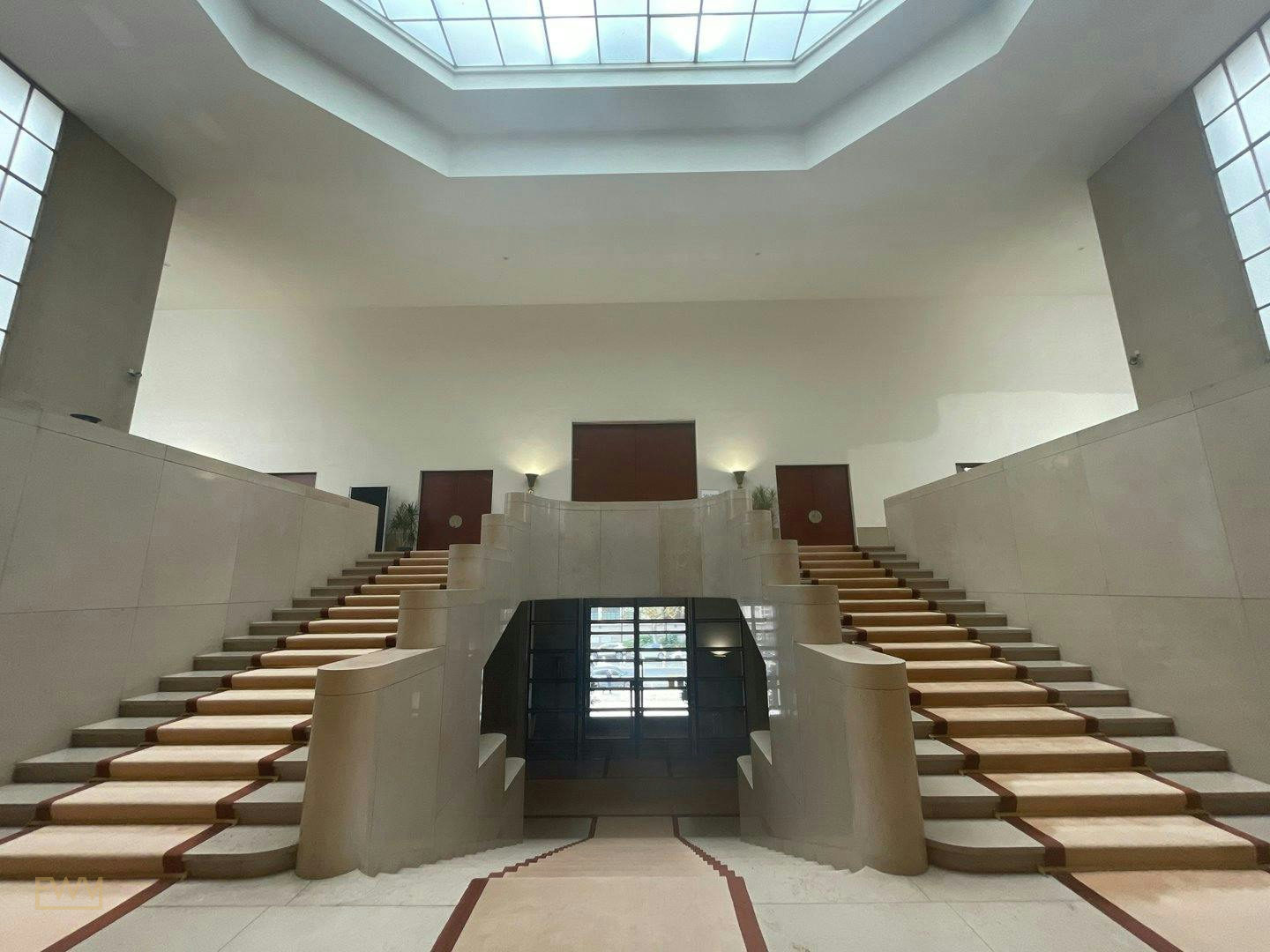
Fashion Week Venues offers unparalleled expertise in sourcing and managing pop-up spaces in Paris and other major fashion capitals. Understanding the intricacies of Fashion Week venues is critical for brand activation managers, retailers, and international brands aiming to leverage the bustling energy of fashion hotspots like Paris. With an optimized platform and actionable insights, Fashion Week Venues assists brands in navigating space, permits, permits_guidance.html">compliance requirements, and scheduling for successful short-term retail activations.
Understanding the Dynamics of Fashion Week Venues
Fashion Week events are pivotal for brands looking to establish or strengthen their presence in the global fashion market. Choosing the right venue is a critical aspect that dictates the success of brand activations during these events. Venue selection influences brand perception, guest experience, and, ultimately, return on investment. The dynamics of venue selection in Paris during Fashion Week are notably intricate due to its diverse buyer audiences, fluctuating visitor demographics, and the competing nature of events happening in parallel.
Successful navigation of these dynamics involves selecting spaces that align with brand values while being logistically feasible. The consideration of venue attributes such as location, size, accessibility, and adjacent businesses is vital. Popular locations like Le Marais offer a chic, bohemian atmosphere, while Saint-Germain-des-Prés provides a sophisticated, historical setting that appeals to high-end luxury demographics.
Quick answer: Choosing the right Fashion Week venue directly impacts brand perception and success. Brands must consider the venue's location, size, and accessibility to align with their target audience.
Additionally, the timing of activations in relation to the official fashion calendar cannot be overemphasized. The Paris Fashion Week not only serves as a crucial event but is also a significant determinant for marketers strategizing pop-up activations to optimize foot traffic and engagement. Brands must strategically time their events to coincide with the influx of visitors to enhance visibility and consumer interactions.
KEY TAKEAWAY: Selecting the optimal venue during Fashion Week involves a careful balance of location, timing, and alignment with brand ethos to maximize activation success.
Understanding these dynamics lays a foundation for success, but success also hinges on strong planning and execution, elements which are further explored in subsequent sections focusing on planning and executing retail activations effectively.
Strategic Planning for Pop-Up Activations
Strategic planning is essential in executing a successful pop-up activation during Paris Fashion Week. This process begins with defining clear objectives, whether it's boosting brand awareness, launching a new product, or driving direct sales. Understanding the specific goals allows for a measurable and focused strategy.
Central to this planning is choosing the appropriate venue. Not all spaces are created equal in terms of exposure and functionality. Brands must evaluate potential venues using criteria such as foot traffic patterns, visibility, historical patron data, and competitive landscape within the vicinity.
Fashion Week Venues offers numerous tools to assist in planning, including their robust activation management services and planning tools like the budget estimator and ROI calculator, which help brands align their resources with expected outcomes.
Timing is also of utmost importance. Brands need to strategically plan around the crowded Parisian calendar, coordinating logistics well in advance to ensure seamless execution. This includes securing necessary permits and approvals timely, which can be a complex affair given the varied requirements across different arrondissements.
Quick answer: Effective strategic planning for Fashion Week pop-ups involves goal setting, selecting optimal venues, leveraging planning tools, and ensuring timely logistical preparations.
KEY TAKEAWAY: By setting clear objectives and leveraging specialized tools for logistics and budget planning, brands can effectively orchestrate successful retail activations that resonate with their audience.
The next step involves translating these plans into tangible, interactive customer experiences, which we'll explore in the following section on experiential retail and consumer engagement.
Creating Memorable Retail Experiences
In today's competitive retail environment, brands must go beyond traditional marketing to capture consumer attention. Creating memorable retail experiences is a key differentiator that can transform a pop-up from a simple selling point into a destination experience.
Experiential retail involves curating immersive environments that engage consumers on multiple sensory levels. This might include interactive product demonstrations, live events, or technology-driven installations that offer an experiential journey rather than a straightforward transaction.
Concept direction is critical in this regard, ensuring that the narrative and design of the space effectively communicate brand values and goals. This coordinated narrative must reflect consistency across various touchpoints within the pop-up.
Moreover, leveraging data analytics to understand consumer behavior and preferences allows for customized experiences that can increase engagement. Fashion Week Venues provides services in data and analytics to help brands fine-tune these experiences according to real-time feedback and interactions.
Quick answer: Crafting memorable retail experiences requires an integration of immersive interactions, consistent brand narrative, and data-driven personalization to engage consumers effectively.
Interactive elements, such as augmented reality, VIP events, and personalized shopping services, can also boost the appeal of pop-ups. These elements serve not just as attractions but as tools for deeper brand storytelling.
Creating an engaging and memorable activational footprint not only enhances brand loyalty but also maximizes media exposure and word-of-mouth endorsements.
KEY TAKEAWAY: Memorable retail experiences hinge on a harmonious blend of innovative design, technology integration, and personalization, aligning with brand storytelling and consumer expectations.
With this understanding, brands can move on to the practical considerations of operational logistics, discussed in the subsequent section.
Operational Logistics and Permits
The logistics of operating a pop-up can be as crucial as the creative direction. From sourcing the right space to ensuring compliance with Parisian regulations, operational logistics require thorough planning and precise execution.
One of the key logistical components is understanding the different types of permits required, such as bail dérogatoire and AOT (Autorisation d’Occupation Temporaire), which differ from standard commercial leases in terms of duration and flexibility. Businesses should consult with legal advisors to navigate these complexities.
The permits tool offered by Fashion Week Venues provides valuable guidance on ensuring compliance, helping brands streamline this aspect to avoid any legal hindrances during their activation.
Beyond permits, other logistical factors include retail staffing, supply chain coordination, and in-store setup logistics. Each of these elements plays a vital role in ensuring the smooth operation of a pop-up space, particularly during a bustling period like Fashion Week.
Quick answer: Successful pop-up logistics necessitate careful legal compliance, efficient staffing, and supply chain management, all facilitated by specialized tools and expert guidance.
Given the unique operational challenges of temporary retail spaces, flexibility and adaptability are crucial. This is where the logistical framework should cater to dynamic changes, be it supply chain delays or unexpected legal requirements.
KEY TAKEAWAY: Effective operational logistics blend comprehensive legal understanding with practical solutions for staffing and supply coordination to ensure successful short-term retail operations.
With logistics ironed out, brands can turn their focus towards maximizing visibility and consumer engagement through targeted marketing strategies, which we'll discuss next.
Executing Effective Marketing Strategies
Maximizing the impact of a pop-up activation during Fashion Week requires not only the right venue and perfect execution but also a robust marketing strategy.
Integrating traditional marketing with digital and influencer-driven campaigns is essential to reach a broader audience. Influencer marketing, in particular, has shown substantial power in driving foot traffic and generating buzz around an event. Engaging with local influencers who resonate with the target demographic can significantly boost outreach.
Fashion Week Venues provides influencer marketing services to help brands connect with the right voices for their activations.
Quick answer: An effective marketing strategy for Fashion Week pop-ups leverages a mix of traditional outreach, digital campaigns, and strategic influencer partnerships to amplify brand presence.
Social media platforms also play a vital role, offering real-time engagement and feedback channels that can amplify the campaign's reach. Tailored content strategies for each platform can ensure consistent messaging that resonates well across different audience segments.
Additionally, strategic PR efforts, including securing features in prominent fashion publications and engaging with key industry stakeholders, are essential to enhance the credibility and appeal of the pop-up.
KEY TAKEAWAY: A multi-faceted marketing approach that combines influencer partnerships, digital strategies, and strategic PR efforts maximizes the success and reach of Fashion Week activations.
With marketing strategies aligned, let's explore how data analytics can further enhance decision-making and measure activation success in the next section.
Leveraging Data Analytics for Activation Success
In the digital age, data analytics have become indispensable for evaluating the success of retail activations. Gathering and analyzing consumer data before, during, and after an event provides brands with crucial insights that drive future strategies and improve current practices.
Analytics help brands understand visitor behaviors, preferences, and pain points, allowing them to tailor products and marketing strategies accordingly. Fashion Week Venues offers data and analytics services to support brands in capturing relevant metrics that inform decision-making.
By leveraging analytics, brands can better understand which elements of their activations resonate most with consumers, thereby refining their future strategies for enhanced efficiency and effectiveness.
Quick answer: Data analytics are essential in tailoring activation strategies to consumer preferences and evaluating success, providing insights that refine and enhance future pop-up events.
Furthermore, monitoring foot traffic, engagement levels, and conversion rates during the activation enables real-time improvements. Data-driven insights into which times and days see the highest visitor numbers can help in resource allocation and promotional efforts.
KEY TAKEAWAY: Implementing data analytics transforms activation management by providing actionable insights that enhance consumer engagement and optimize future strategies.
With analytics driving insights and improvements, the next section delves into how brands can seamlessly execute these plans by leveraging comprehensive services provided by Fashion Week Venues.
How Fashion Week Venues Elevates Your Brand Activation
As a full-service agency specializing in the curation and execution of pop-ups, Fashion Week Venues offers an array of services that cover every aspect of short-term retail and brand activations.
From comprehensive venue sourcing to creative direction and production build, brands can leverage the expertise of Fashion Week Venues to manage and execute every detail of their activations, ensuring a smooth and successful event.
Fashion Week Venues' platform includes a marketplace for discovering prime spaces across major fashion capitals, offering tools such as the budget calculator and permits tool, helping brands navigate budget constraints and compliance requirements seamlessly.
Quick answer: Fashion Week Venues offers full-service support in venue selection, creative execution, and compliance guidance, facilitating seamless brand activations across fashion capitals.
While benefiting brand activation managers, creative directors, and international brands, the limitations lie in understanding the local market nuances, which our team expertly navigates to bridge any knowledge gaps.
KEY TAKEAWAY: By leveraging the comprehensive services of Fashion Week Venues, brands are empowered to execute seamless and impactful activations, gaining a foothold in competitive markets like Paris.
With this robust support system, brands can confidently look towards future activations and adapt rapidly to market trends. To explore these possibilities further, the Fashion Week Venues marketplace presents an excellent starting point.
Common Myths Debunked
MYTH: Brands need a French legal entity to rent a space in Paris.
FACT: While some French legal requirements exist, particularly in obtaining permits such as bail dérogatoire, an on-ground presence isn't necessary. Instead, partners like Fashion Week Venues streamline this process without needing to establish a French entity.
MYTH: Paris Fashion Week is the only calendar window for brand activations.
FACT: While Paris Fashion Week presents a high-profile opportunity, various other events across the year also offer valuable promotional windows. Brands should consider Paris' cultural calendar to leverage different audiences and themes.
MYTH: Commission brokers are the only way to find a space in Paris.
FACT: The landscape has evolved with platforms like Fashion Week Venues offering a more streamlined approach, enabling brands to browse and compare spaces conveniently.
MYTH: Short-term leases are straightforward legally without specialist help.
FACT: Legal nuances in short-term retail, including specific permits, require expert navigation to ensure compliance and avoid penalties. Specialist guidance is advised to navigate the complexities.
By dispelling these myths, brands can better align with accurate information and strategize effectively for successful pop-up activations.
Frequently Asked Questions
What types of venues are popular for Fashion Week activations?
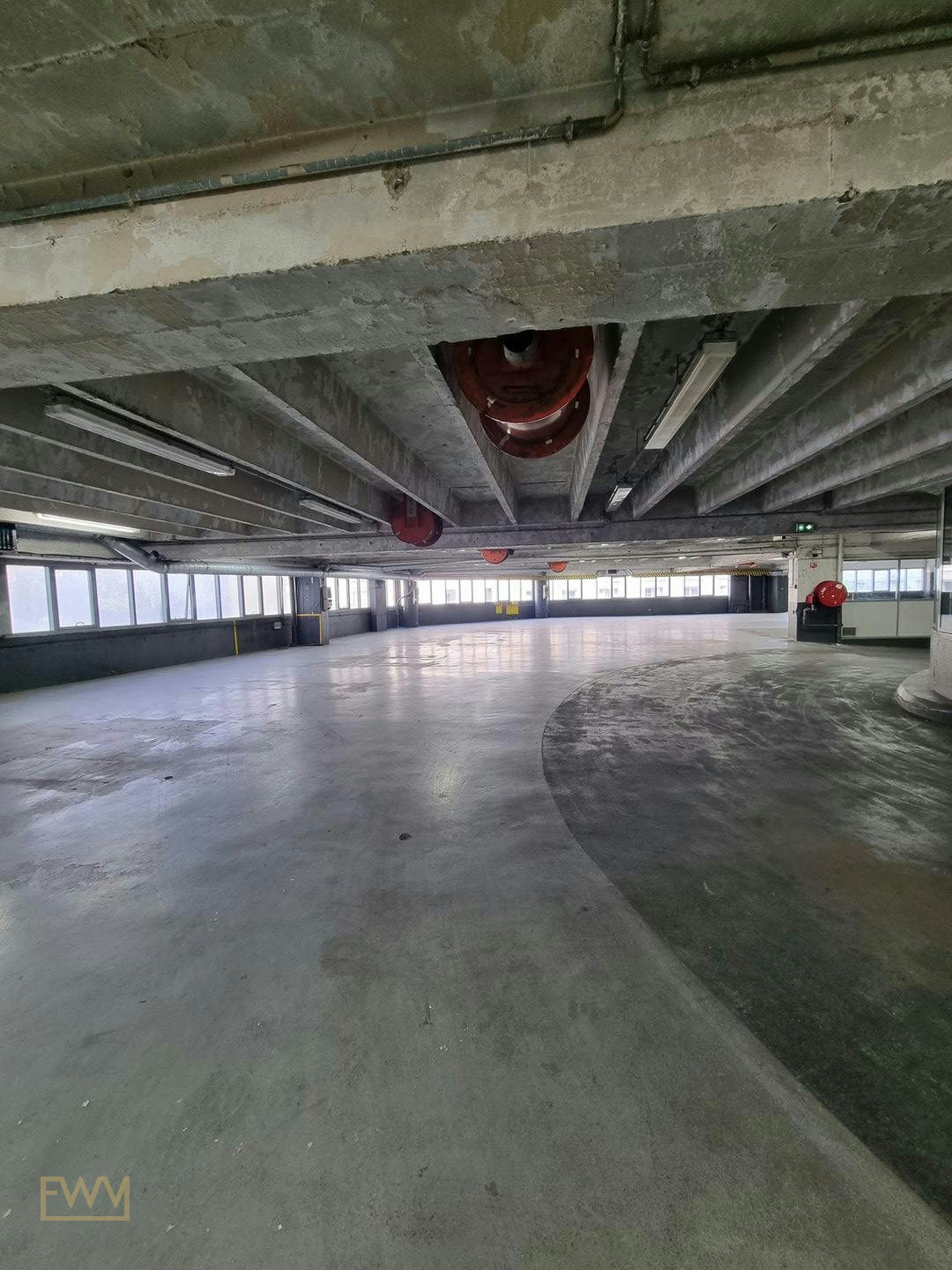
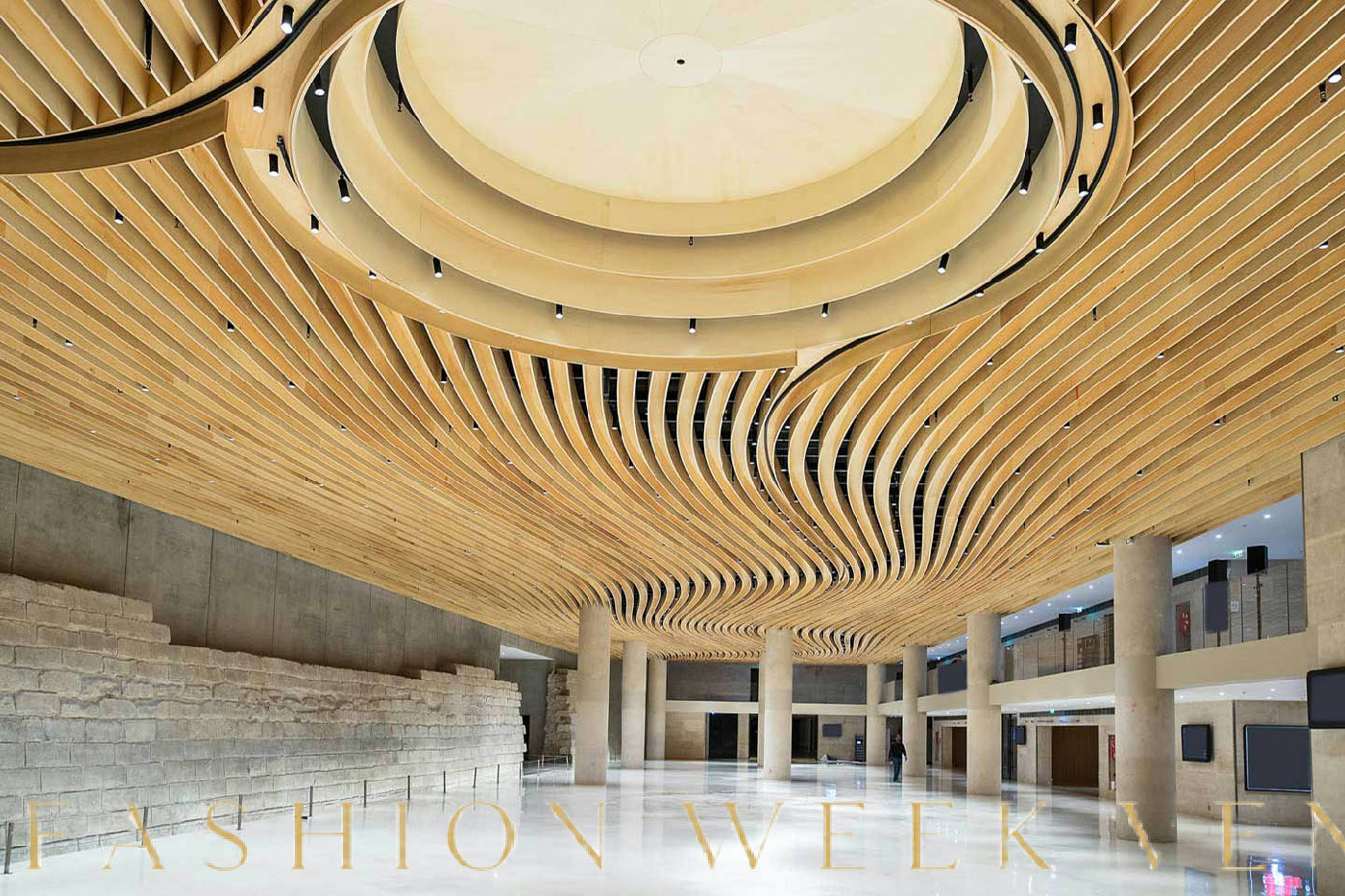
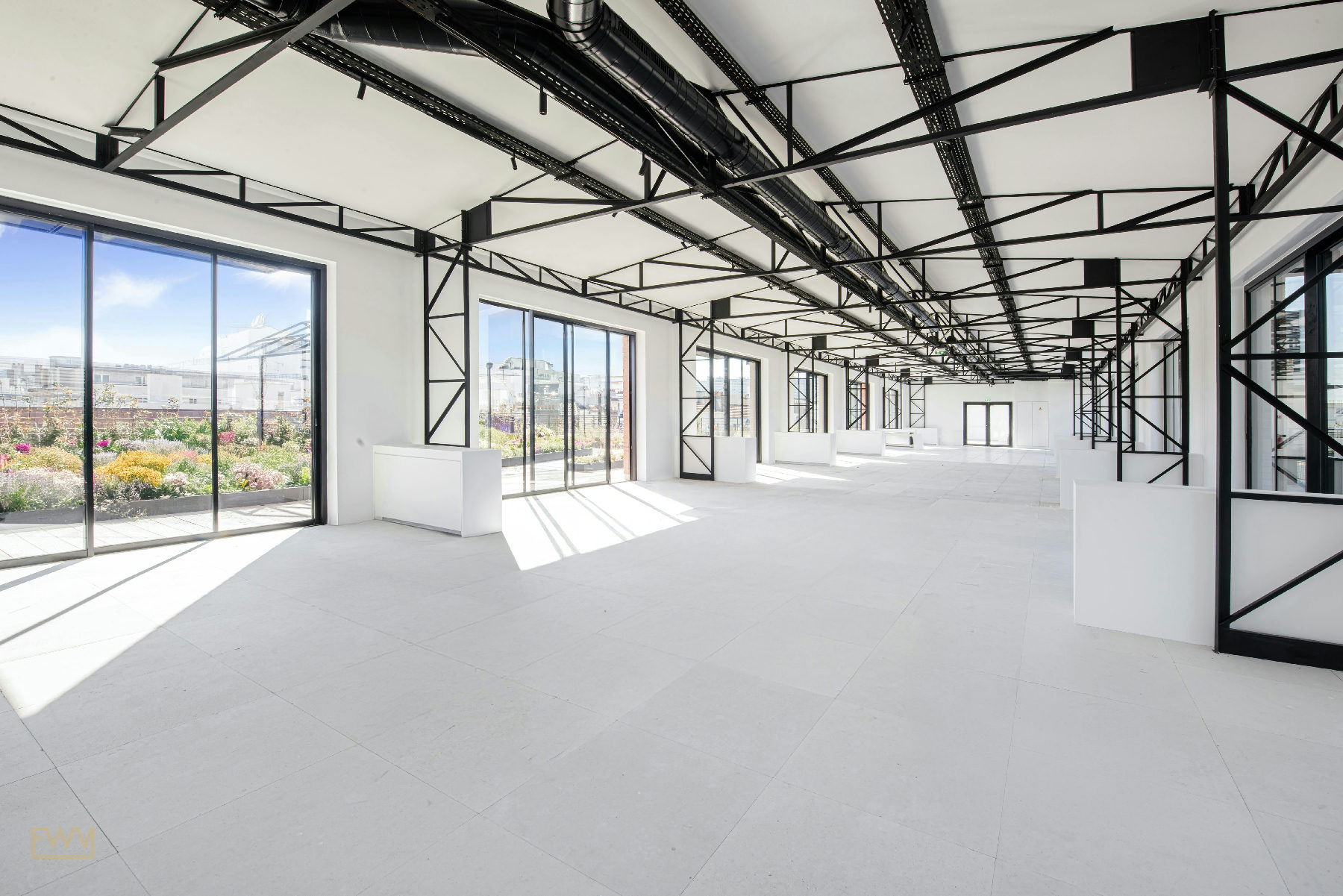
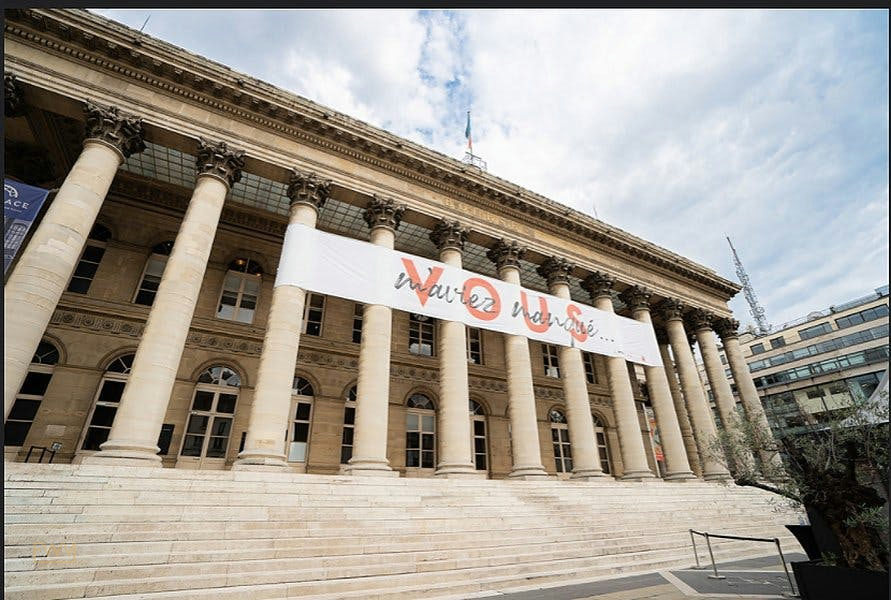
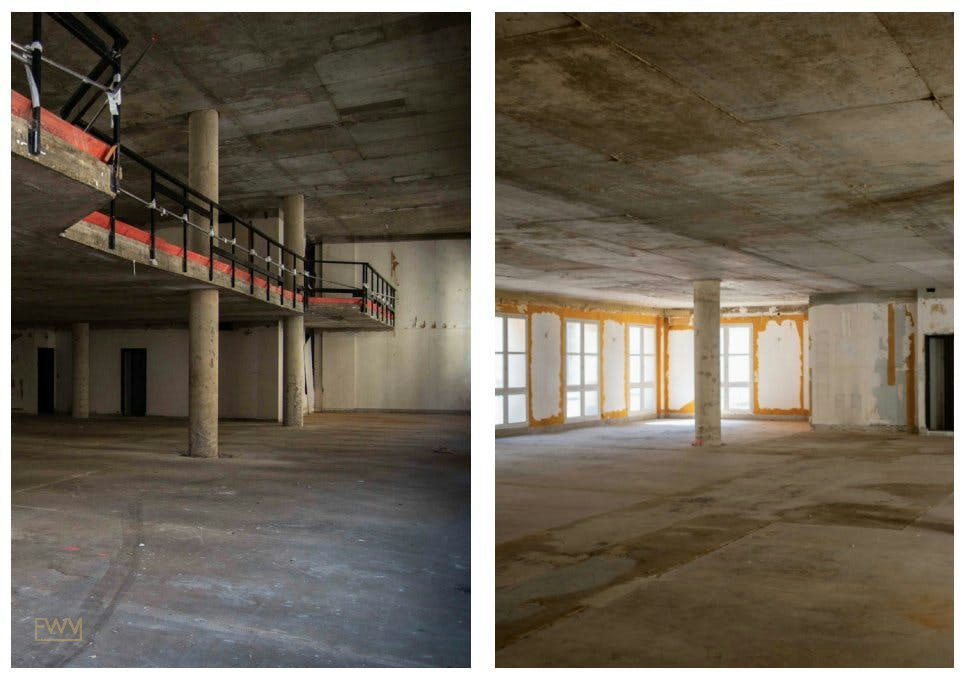
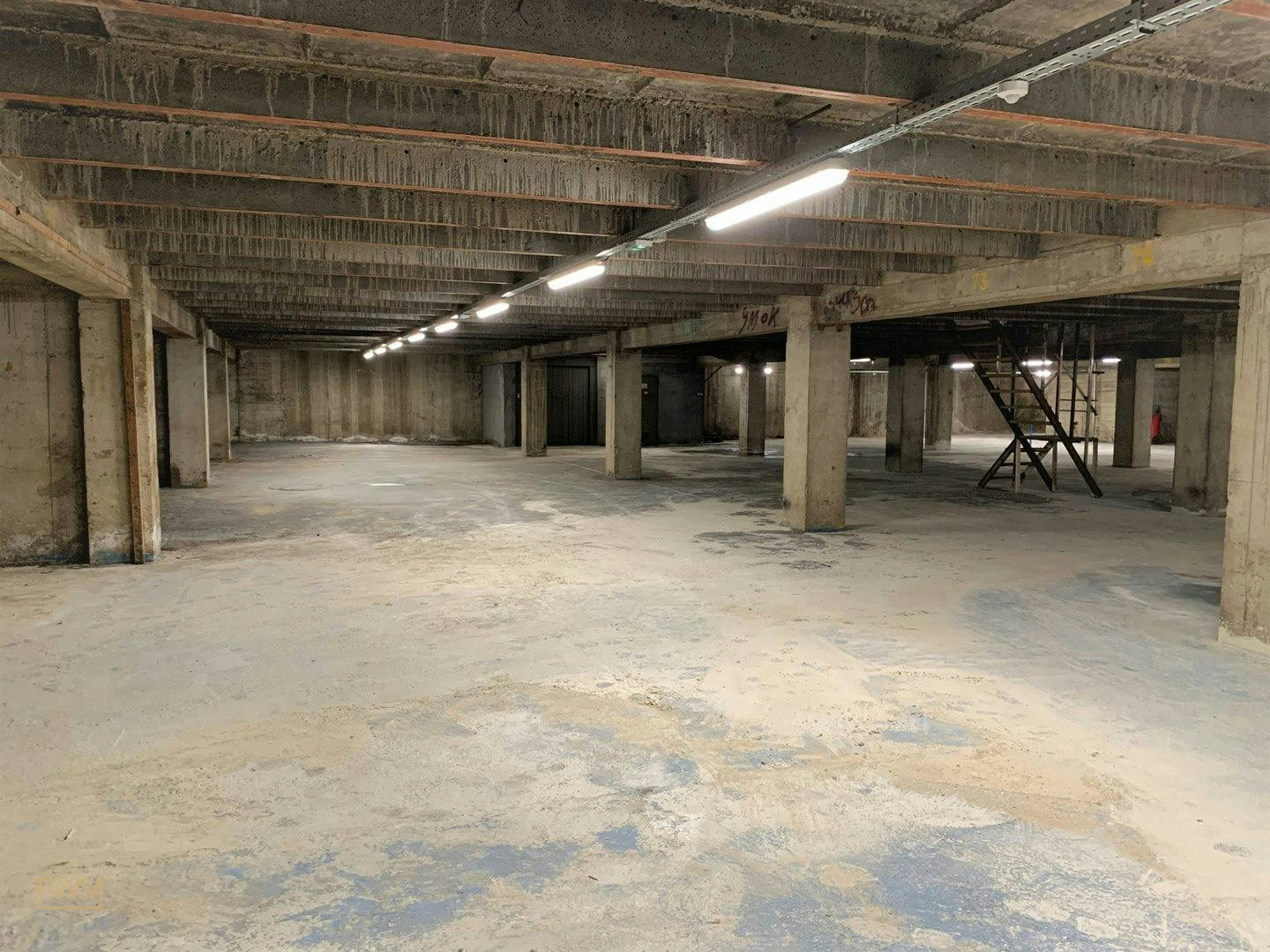
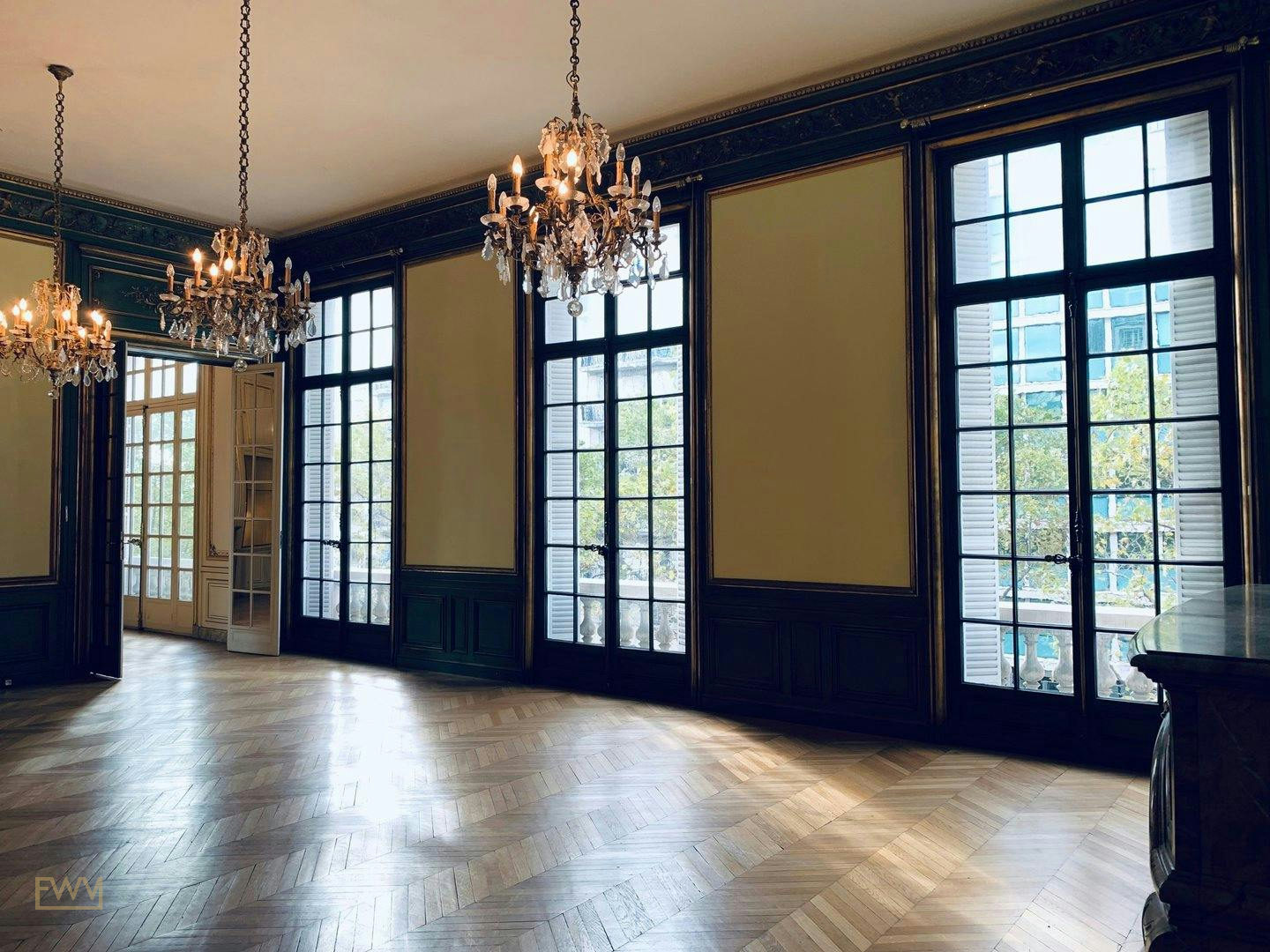
Popular venue types during Fashion Week include open galleries, historic apartments, and industrial lofts. Areas like Le Marais and Saint-Germain-des-Prés are desirable due to their vibrant atmospheres and high foot traffic, appealing to both high-end and casual demographics. Venues that offer flexibility in design and engagement options tend to draw brands seeking to create unique and memorable consumer experiences.
How can I secure a prime location for my pop-up?
To secure a prime location, it's crucial to start the search early and utilize trusted platforms like the Fashion Week Venues marketplace. Engaging with venue experts can provide insights into availability and suitability, while the venue sourcing services ensure that locations align with your brand strategy and activation goals.
Do I need a specialized team to manage my Fashion Week pop-up?
While not strictly necessary, having a specialized team can significantly enhance the execution and impact of your pop-up activation. Teams experienced with pop-up logistics can oversee everything from initial planning to post-event analysis, ensuring that each phase aligns with the broader marketing strategy and objectives.
What is a bail dérogatoire, and why is it important?
A bail dérogatoire is a type of lease used for temporary retail spaces in France. It allows businesses to rent property for short durations, offering more flexibility compared to traditional commercial leases. This lease is critical for pop-ups as it eases the legal process and allows more dynamic usage of spaces.
How do pop-up activations fit into a larger marketing strategy?
Pop-up activations serve as an immersive touchpoint within a broader marketing strategy. They allow brands to engage directly with consumers, creating unique experiences that amplify brand messages and foster brand loyalty. By seamlessly integrating with digital marketing efforts, pop-ups enhance overall consumer engagement and brand storytelling.
How do I calculate the budget for a Fashion Week activation?
To effectively budget for a Fashion Week activation, brands should consider factors like venue cost, staffing, logistics, marketing, and unforeseen expenses. Utilizing the Fashion Week Venues budget tool can help tailor estimates based on specific needs and constraints, ensuring financial alignment with strategic goals.
What are the key legal considerations for activating a pop-up in Paris?
Legal considerations for activating a pop-up in Paris include understanding property lease types (like bail dérogatoire), securing necessary permits such as AOT, and ensuring compliance with local regulations. It is advisable to consult legal experts familiar with French commercial laws to navigate these requirements effectively.
What role do influencers play in fashion pop-up activations?
Influencers play a pivotal role in fashion pop-up activations by generating buzz and extending the reach of the brand message. They can attract targeted demographics to the pop-up location and provide authentic endorsements that resonate with audiences. Working with influencers aligned with the brand's identity amplifies visibility and engagement.
How can Fashion Week Venues assist in the activation process?
Fashion Week Venues assists by offering end-to-end solutions from venue sourcing to concept direction, through to execution and analysis. The agency helps navigate logistics, meets aesthetic and strategic goals, and offers tools for budgeting and compliance. Their comprehensive services facilitate seamless activations in complex markets.
Is Paris the best location for my brand's activation, or should I consider other cities?
Paris offers unique advantages, especially during Fashion Week, due to its status as a global fashion hub. However, brands should consider their target audience and brand positioning. Fashion Week Venues also operates in other fashion capitals like New York and Milan, enabling a broader activation strategy that capitalizes on different market opportunities.
Conclusion
Utilizing Fashion Week Venues for your next activation in fashion capitals like Paris offers brands the opportunity to efficiently navigate the complexities of space, permits, and logistics, ensuring successful brand activations that elevate consumer engagement and brand visibility. Start exploring available spaces on the Fashion Week Venues marketplace today to bring your brand vision to life.