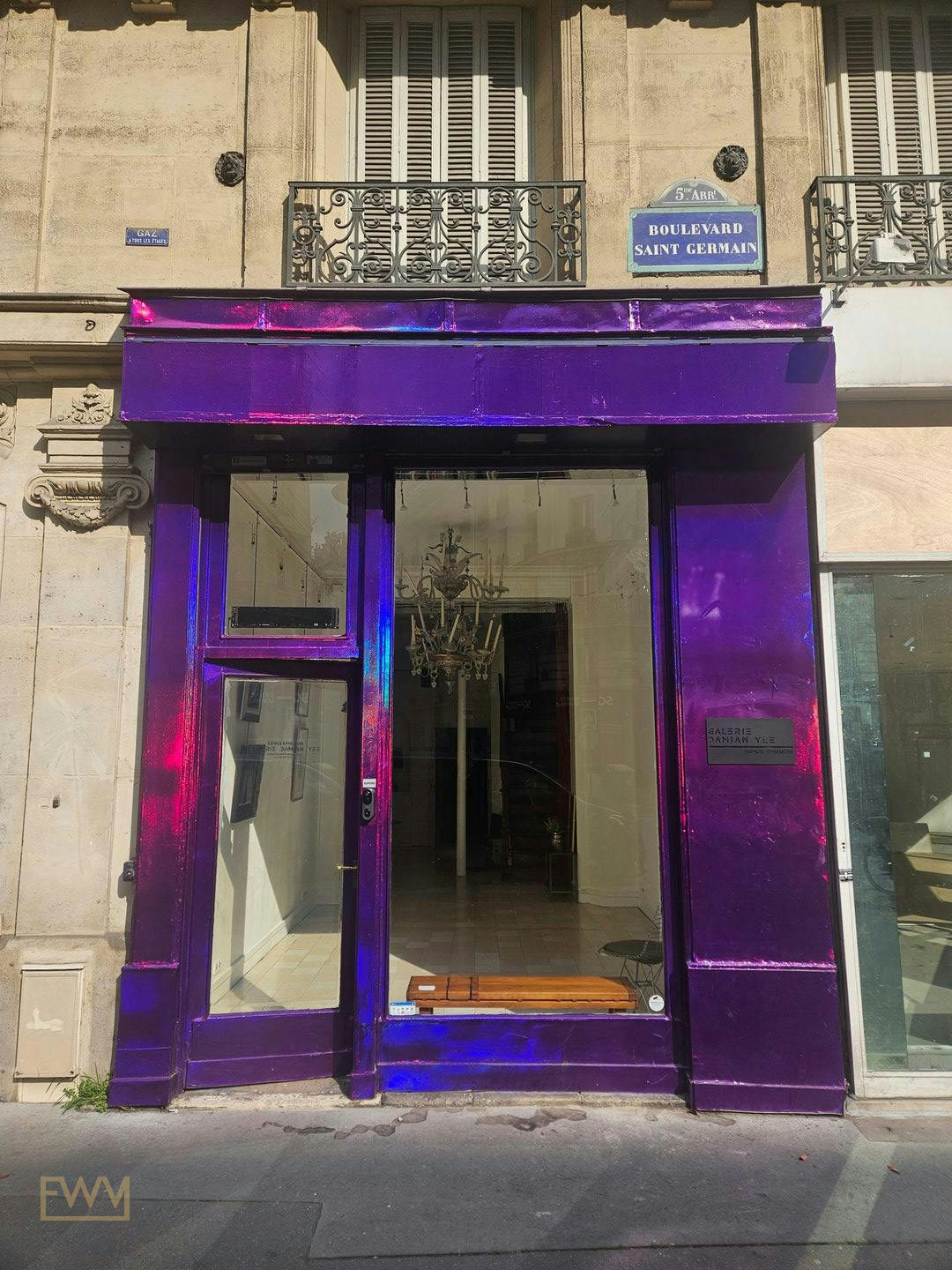
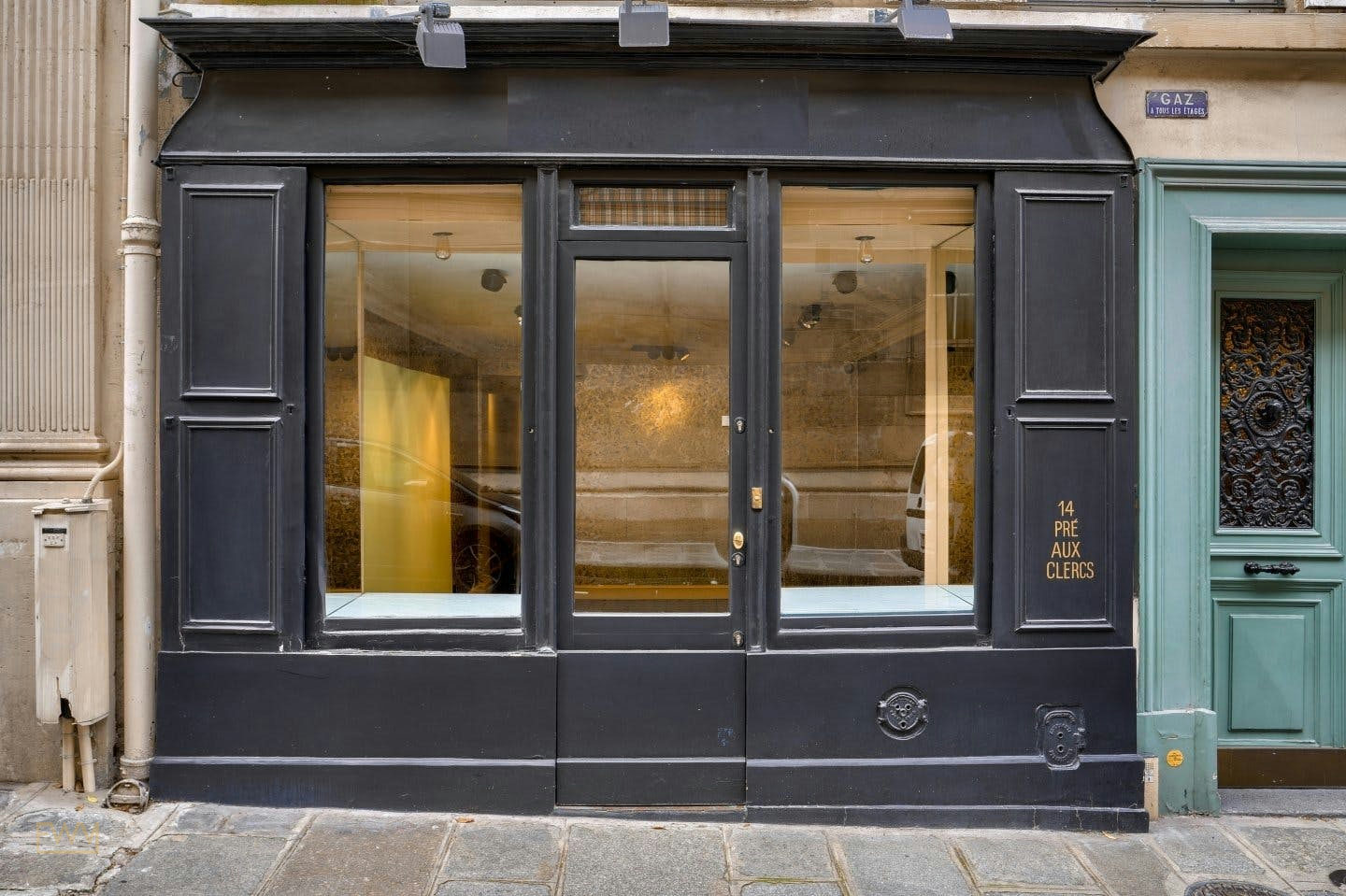
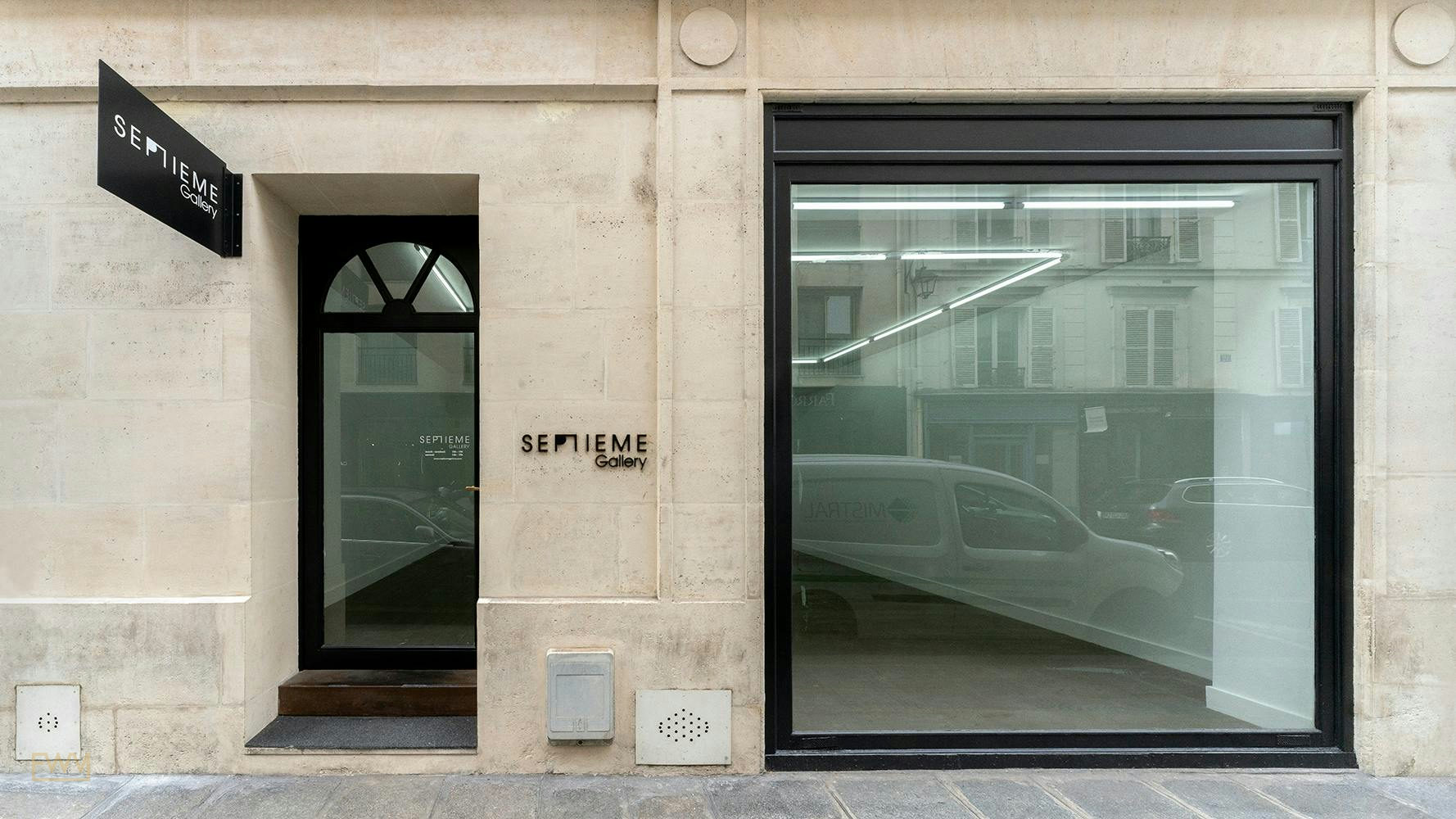
Securing a temporary retail space in Saint Germain is one of the most strategically significant decisions a brand can make when entering or re-activating in the Paris market. Saint-Germain-des-Prés, sitting at the heart of the 6th arrondissement, is not simply a prestigious postal address. It is a living retail ecosystem where intellectual heritage, luxury commerce, gallery culture, and international foot traffic converge on streets like Boulevard Saint Germain, Rue de Seine, and Rue de Lille. For fashion brands, beauty labels, art-driven concepts, and experiential activation programmes, this neighbourhood offers a concentration of high-intent consumers, editorial visibility, and cultural credibility that very few locations in Europe can match. This guide covers every dimension of renting a temporary retail space, showroom, or pop-up store in Saint-Germain-des-Prés, including location strategy, space types, lease structures, permit requirements, costs, and how Fashion Week Venues supports brands activating in Paris.
Why Saint-Germain-des-Prés Is the Right Location for Your Temporary Retail Activation
Saint-Germain-des-Prés sits within the 6th arrondissement of Paris and has sustained its status as one of the world's most desirable retail and cultural destinations for decades. The neighbourhood delivers a specific combination of attributes that no other Parisian district fully replicates: it draws a highly educated, high-spending international audience, maintains a visual and architectural identity that photographs exceptionally well, and exists at the intersection of luxury retail, independent boutiques, art galleries, and gastronomy. For a temporary retail space, showroom, or pop-up activation, this context matters enormously.
The streets surrounding Boulevard Saint Germain, Rue de Seine, and the quieter corridors running toward the Seine attract visitors who are already in a discovery and purchase mindset. These are not transit corridors. They are destination streets, where people walk slowly, look into windows, enter galleries, and make deliberate purchasing decisions. A pop-up store positioned correctly on or near these routes benefits from foot traffic that carries both volume and quality.
Louis Vuitton, Ladurée, and dozens of globally recognised brands have chosen the Saint Germain district for flagship, seasonal, and experimental retail precisely because the neighbourhood confers legitimacy. When a brand activates here, even temporarily, it enters a conversation that has been ongoing for centuries among artists, philosophers, couturiers, and collectors. That context elevates product presentation, brand perception, and media coverage in ways that a space in a less historically significant district simply cannot replicate.
For fashion brands operating on a seasonal calendar, the 6th arrondissement also holds a tactical advantage. Paris Fashion Week, which typically runs across February and September, generates a concentrated surge of international buyers, press, and influencers who specifically circulate through Saint Germain before, during, and after shows and presentations. A temporary retail space or showroom activated in this window captures an audience that would cost many multiples more to reach through conventional media.
The variety of available space types is another practical reason to prioritise this neighbourhood. The streets between Rue de Lille, Rue de Seine, and Boulevard Saint Germain contain former galleries, converted hôtels particuliers, loft-style ground-floor units, narrow boutique formats, and larger floor-through spaces. This range means that brands at different scales, from an emerging label needing 30 square metres to a global house requiring 300 square metres, can find formats that serve their specific programme.
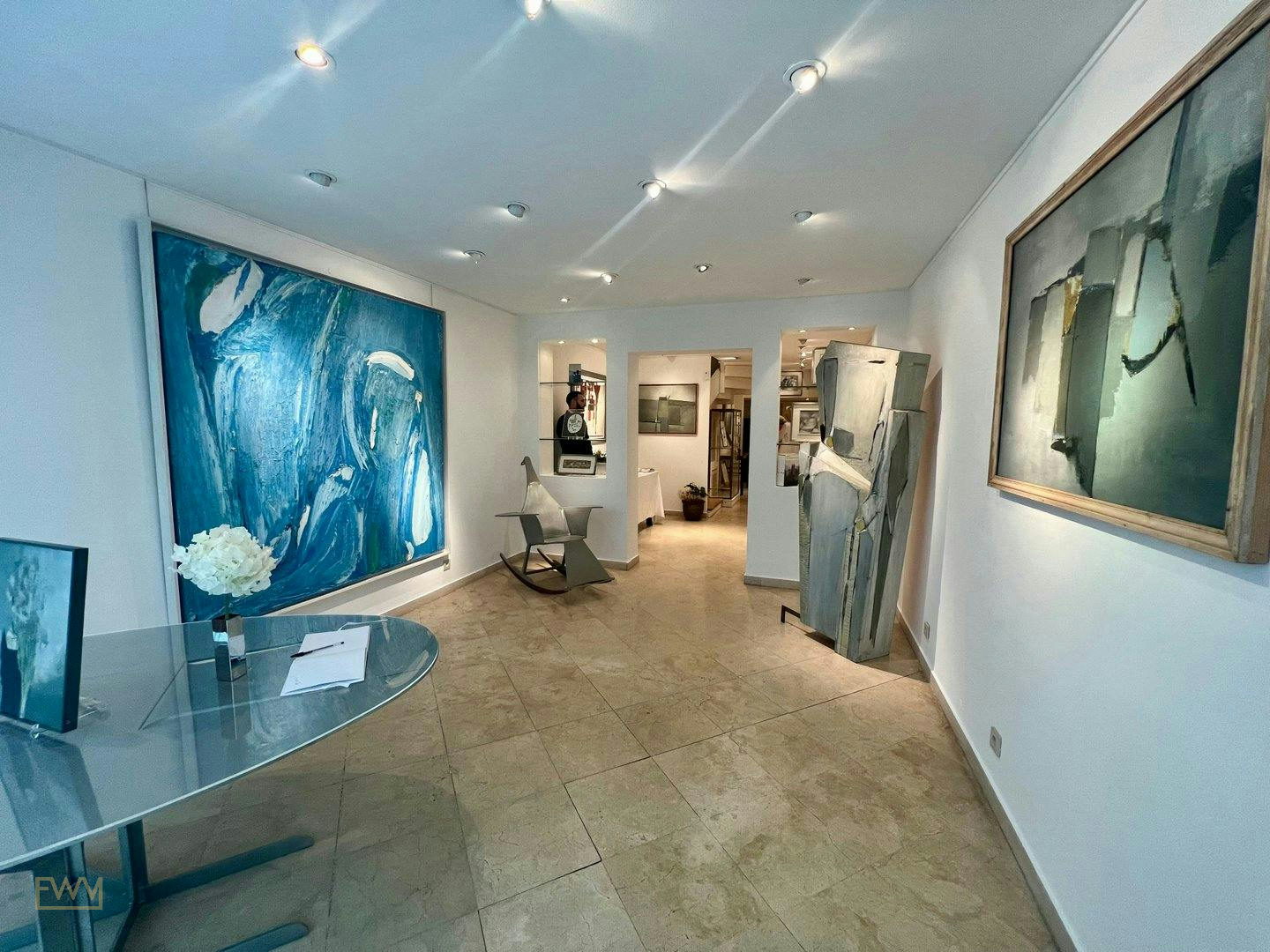
It is also worth noting that the cultural proximity to art is not incidental. The galerie tradition of Saint-Germain-des-Prés means that spaces in this area carry an inherent curatorial atmosphere. A brand activating in a former galerie d'art, with its white walls, track lighting, parquet floors, and high ceilings, starts with a design language that is already aligned with elevated product presentation.
DID YOU KNOW: Saint-Germain-des-Prés has been a centre of Parisian intellectual and artistic life since the 17th century, and the neighbourhood's Galerie D'art culture directly shapes the visual expectations of the consumer audience that circulates there today.
KEY TAKEAWAY: Saint-Germain-des-Prés offers temporary retail and pop-up brands a rare combination of high-intent foot traffic, cultural credibility, editorial visibility, and architectural variety that justifies the premium associated with short-term space rental in the 6th arrondissement.
Understanding why this neighbourhood works is the foundation. The next step is understanding which specific streets, space types, and formats best serve your brand's objectives.
Key Streets and Micro-Locations Within Saint-Germain for Pop-Up and Showroom Rentals
Not all streets within the Saint-Germain area perform equally for every brand type or activation format. Understanding the micro-geography of the neighbourhood is essential before you begin browsing listings or approaching landlords about short-term lease terms.
Boulevard Saint Germain
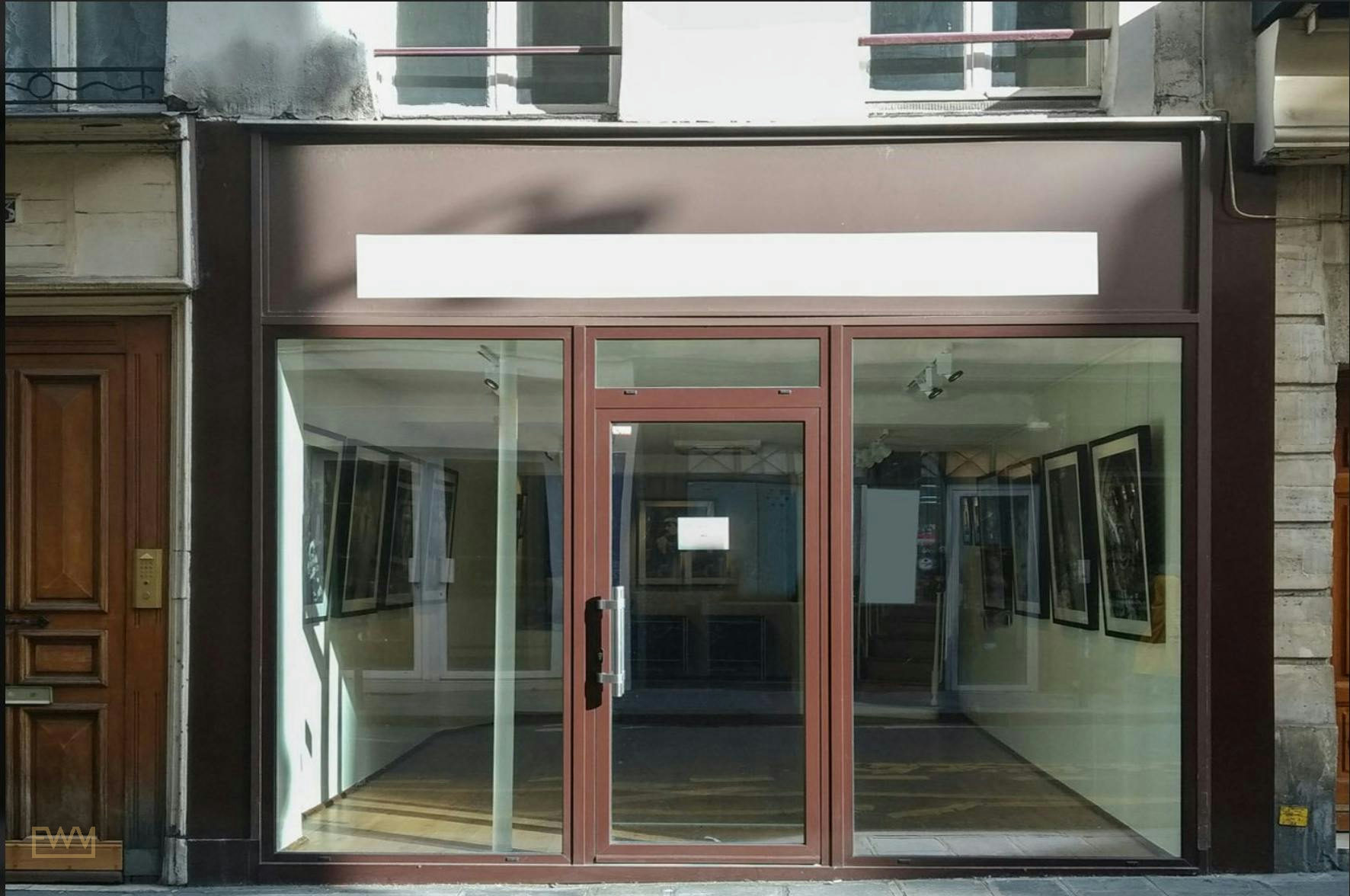
Boulevard Saint Germain is the primary commercial artery of the neighbourhood and carries the highest foot traffic volumes. Spaces on or directly adjacent to the boulevard suit brands seeking maximum visibility and impulse discovery. The trade-off is that rents are typically higher and available floor areas are often smaller or configured as narrow storefronts. This format works well for single-product launches, beauty activations, accessories brands, and high-turnover experiential concepts.
Rue de Seine
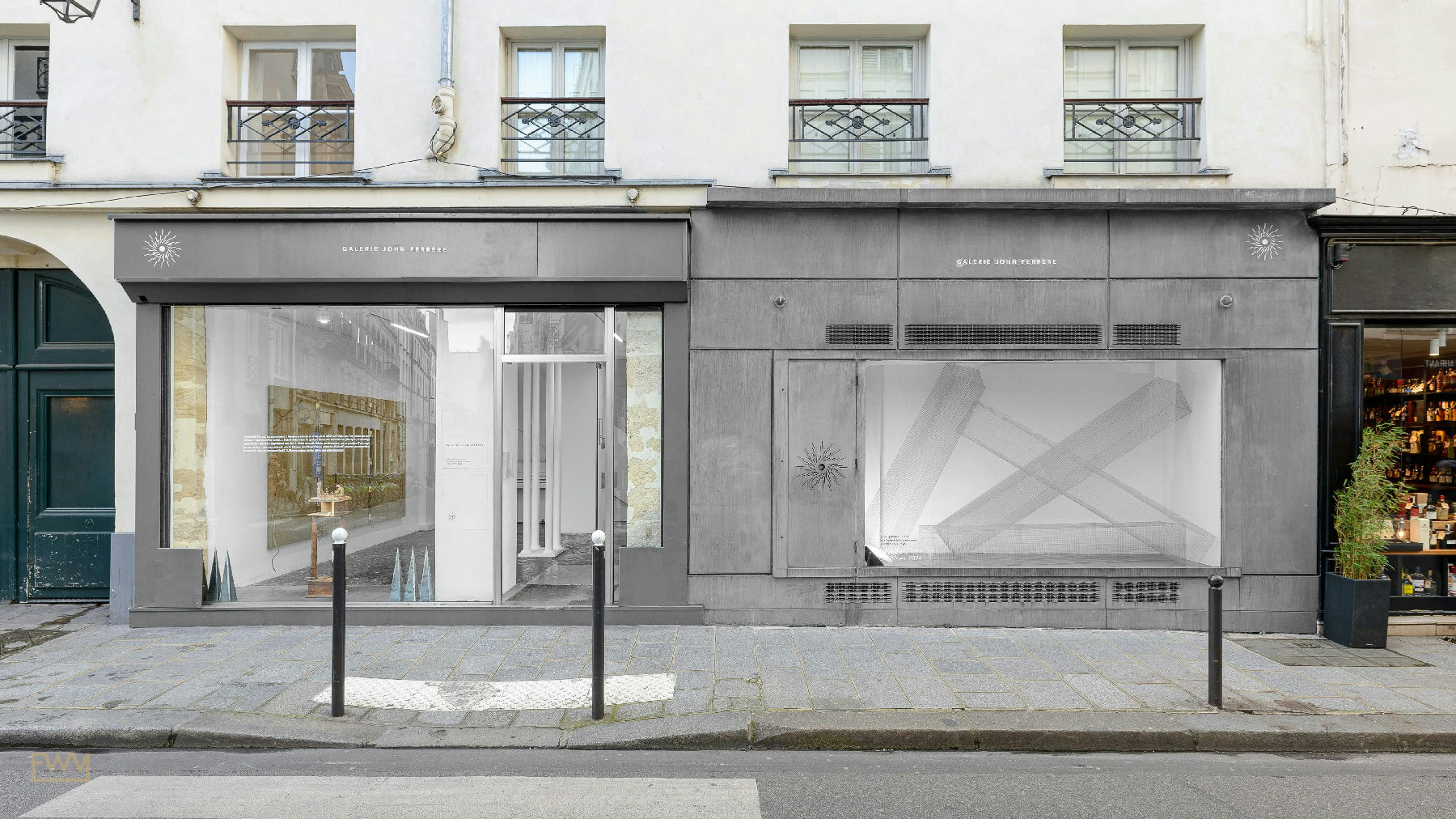
Rue de Seine is one of the most gallery-dense streets in Paris, running from the Boulevard Saint Germain toward the Seine river. Its galerie d'art heritage makes it a natural fit for fashion brands with an art-adjacent identity, luxury goods presentations, and showroom-format activations. The white walls and stripped-back aesthetics of many spaces here reduce fit-out requirements and allow product to lead the visual experience. Foot traffic here is deliberate rather than transient, meaning conversion rates among visitors tend to be higher.
Rue de Lille
Rue de Lille runs parallel to the Seine on the Left Bank and offers a quieter, more residential character. Spaces here tend to be larger, with loft configurations, internal courtyards, and architectural details that make for exceptional brand storytelling environments. This street is particularly well suited to showroom-format rentals, private sale events, collection launches, and brand installations that benefit from an intimate, invitation-led audience rather than open street foot traffic.
Side Streets Between the Key Arteries
The network of side streets connecting Boulevard Saint Germain, Rue de Seine, and Rue de Lille contains some of the most interesting temporary retail inventory in Paris. These streets offer a mix of former boutiques, converted workshops, gallery spaces, and ground-floor lofts, often at rates that reflect their slightly less prominent position while still benefiting from the area's overall draw. For emerging brands and multi-week activations, these locations frequently offer better value per square metre than the primary streets.
Quick answer: The most sought-after locations for pop-up rentals in Saint-Germain-des-Prés are Boulevard Saint Germain for high-traffic visibility, Rue de Seine for gallery-aesthetic showrooms, and the side streets connecting these arteries for larger or more intimate format activations. The right street depends on your brand's format, audience, and activation duration.
| Street or Area | Best For | Typical Space Character | Foot Traffic Level |
|---|---|---|---|
| Boulevard Saint Germain | High-visibility brand launches, beauty, accessories | Narrow storefronts, glazed frontages | Very High |
| Rue de Seine | Art-adjacent brands, showrooms, gallery formats | White walls, track lighting, gallery heritage | Medium-High |
| Rue de Lille | Private showrooms, collection launches, loft activations | Large floor areas, courtyards, residential character | Medium |
| Side Streets (6th Arr.) | Multi-week activations, emerging brands, immersive concepts | Mixed, boutique to workshop formats | Low-Medium |
KEY TAKEAWAY: Street selection within Saint-Germain is a strategic decision, not simply a matter of proximity to the neighbourhood. Boulevard Saint Germain suits visibility-first brands, Rue de Seine suits gallery and luxury formats, and the quieter streets suit invitation-led programmes and showrooms that prioritise depth of engagement over volume of visitors.
With location strategy established, the next critical question is which space type best serves your activation format, brand objectives, and operational requirements.
Space Types Available for Temporary Retail in Saint Germain des Pres
The Saint-Germain-des-Prés neighbourhood contains a genuine diversity of temporary retail and commercial space formats. Understanding these categories before you begin outreach or lease negotiation ensures that you brief accurately, budget correctly, and select a space that matches your operational reality as well as your brand vision.
Boutique Storefronts
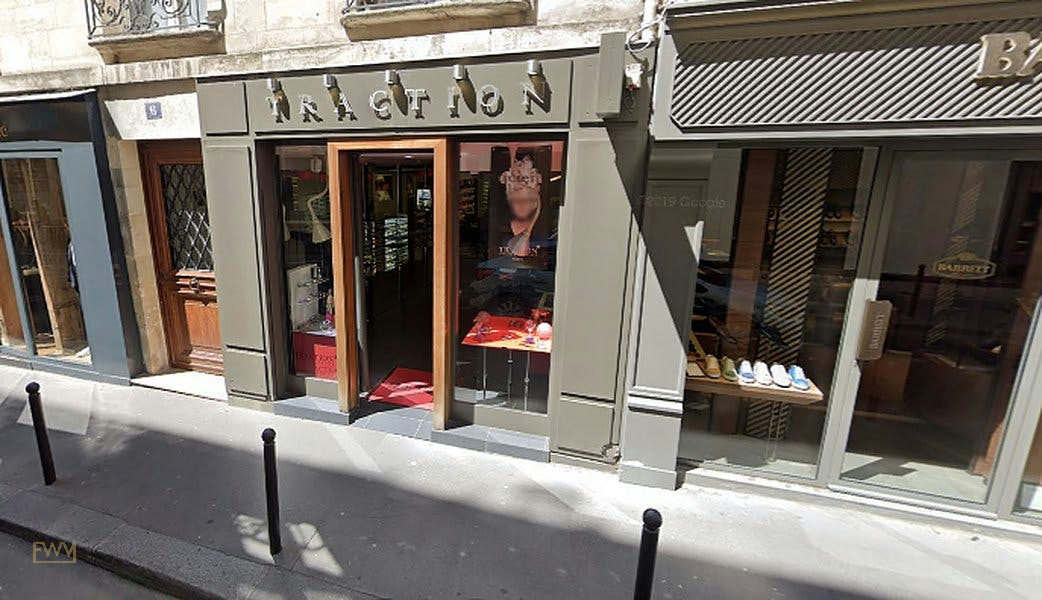
Classic narrow-frontage boutique spaces are the most recognisable format in the neighbourhood. These typically range from 30 to 100 square metres, feature a street-facing glazed facade, and offer the immediate brand presence that comes from sitting alongside established luxury and independent retail neighbours. They suit fashion ready-to-wear, accessories, cosmetics, and concept stores running activations of one week to three months.
Gallery Spaces and Galerie D'Art Formats
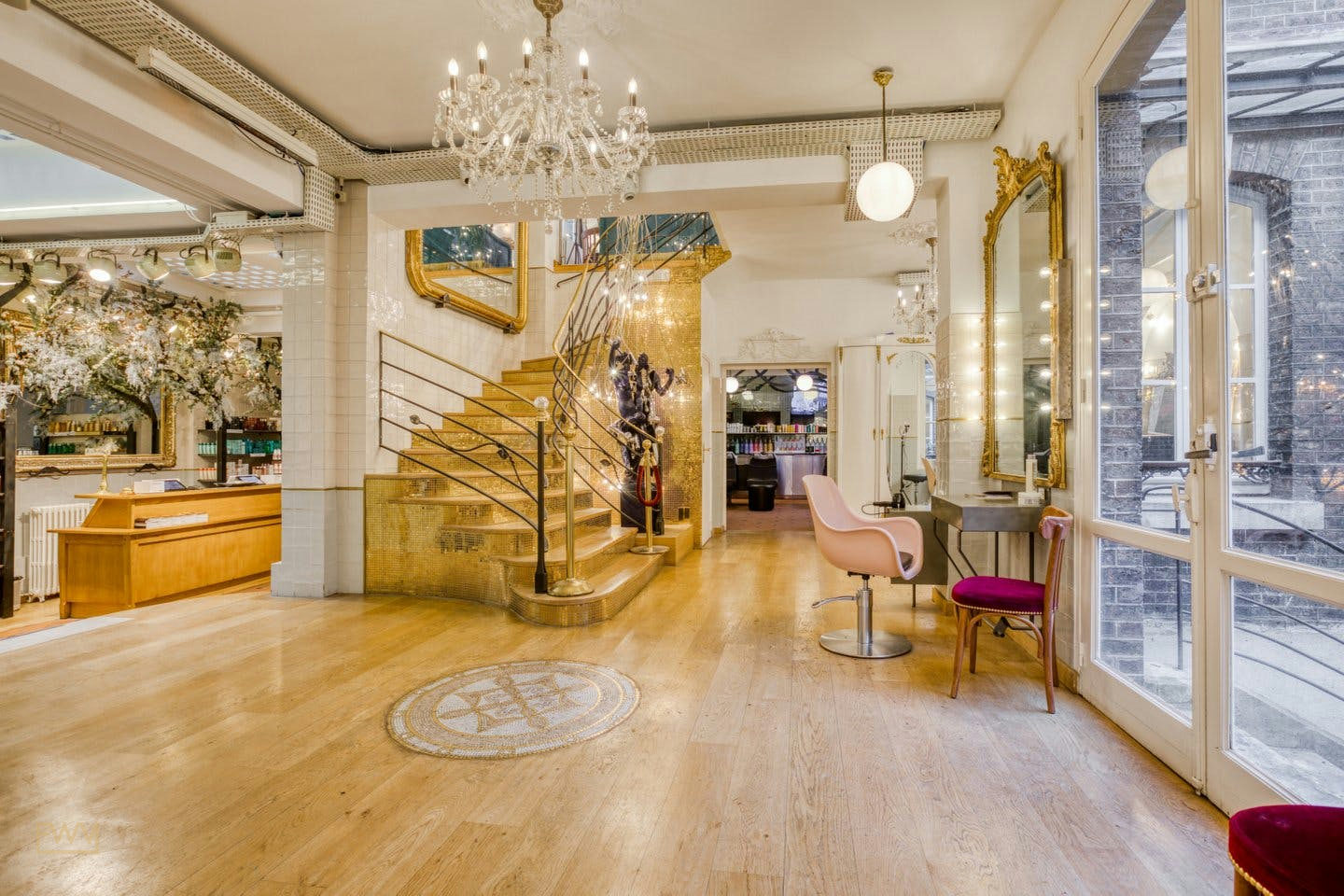
Former or active galleries available for temporary use represent a highly desirable space category in this neighbourhood. White walls, polished concrete or parquet flooring, track lighting, high ceilings, and a neutral design language mean that a brand can install product and brand elements with minimal background intervention. These spaces signal cultural seriousness and editorial credibility, which is why they are frequently chosen for fashion showrooms, art-adjacent collections, and luxury brand installations.
Loft and Floor-Through Spaces
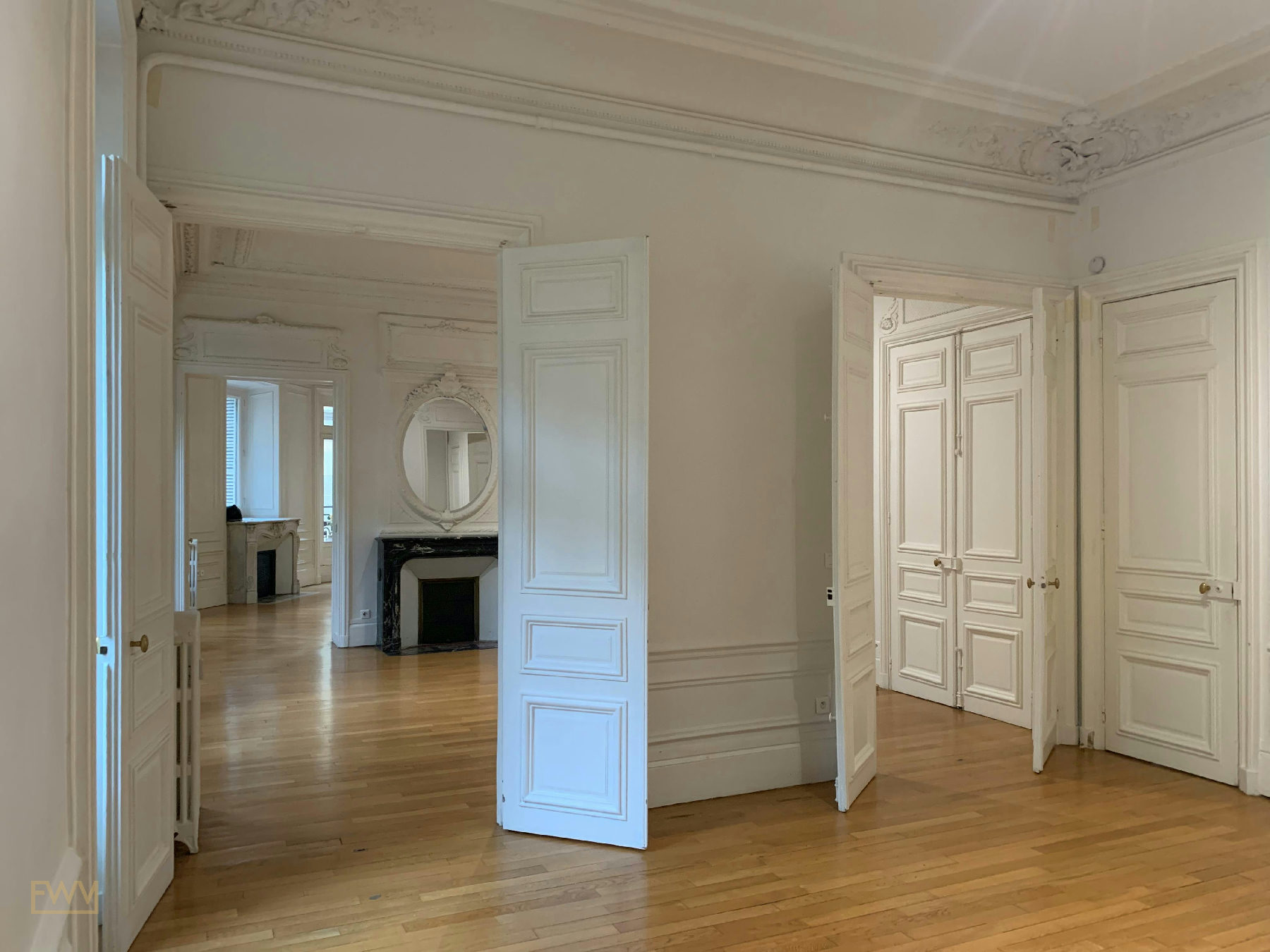
Loft-format spaces, typically occupying an entire ground floor or first floor of a haussmannian building, offer generous square metrage, flexible configuration options, and the architectural character associated with Paris's interior building fabric. Exposed beams, stone walls, internal courtyards, and large windows are common features. These spaces suit collection presentations, immersive brand worlds, private sale events, and multi-week seasonal retail stores where the interior experience is central to the programme.
Showroom Spaces
Dedicated showroom spaces for trade presentations, press days, and wholesale appointments are consistently in demand during the Paris Fashion Week calendar windows. These spaces tend to be configured with open floor plans, strong natural light, and discreet service infrastructure. They are typically rented for periods of one to four weeks and serve both emerging designers presenting to buyers and established brands running seasonal collection appointments.
Experiential Activation Spaces
Some spaces in Saint-Germain-des-Prés are specifically configured or available for experiential activation rather than transactional retail. These may include basement event spaces, courtyard installations, or multi-room formats that allow a brand to build an environment rather than simply a store. These are ideal for brand storytelling programmes, product launches with a participatory element, or immersive experiences designed to generate social content and press coverage.
Quick answer: The main space types available for temporary retail in Saint-Germain-des-Prés are boutique storefronts, gallery-format spaces, loft and floor-through units, trade showrooms, and experiential activation spaces. Each type suits different brand objectives, duration requirements, and operational formats.
| Space Type | Typical Size Range | Best Activation Format | Typical Duration |
|---|---|---|---|
| Boutique Storefront | 30 to 100 sqm | Fashion, accessories, cosmetics, concept stores | 1 to 12 weeks |
| Gallery Space / Galerie D'Art | 60 to 200 sqm | Showroom, art-adjacent fashion, luxury presentation | 1 to 8 weeks |
| Loft / Floor-Through | 100 to 400 sqm | Immersive brand world, collection launch, private sale | 2 to 16 weeks |
| Showroom Space | 50 to 250 sqm | Trade appointments, press days, buyer previews | 1 to 4 weeks |
| Experiential Activation Space | 80 to 500 sqm | Brand installations, product launches, immersive experiences | 3 to 10 days |
TIP: When briefing for a space in Saint-Germain-des-Prés, specify not just square metrage but ceiling height, natural light availability, floor finish, street frontage type, and access for deliveries and build. These features determine your fit-out requirements and production costs as much as the floor area does.
KEY TAKEAWAY: Space type selection in Saint-Germain must be driven by activation format and operational requirements, not simply by aesthetics. A gallery space that photographs beautifully may have restricted loading access or permit limitations that affect your programme timeline significantly.
With space types understood, the next practical consideration is how the leasing and rental process works for temporary and short-term commercial space in Paris.
Leasing, Rental Agreements, and Legal Structures for Short-Term Space in Paris
Renting a temporary retail space or pop-up location in Saint-Germain-des-Prés is not the same process as renting a conventional commercial property in Paris. The French legal framework for commercial property provides for specific short-term arrangements that brands and event producers use for temporary activations, and understanding these structures before entering negotiations is essential to avoiding costly errors.
The Bail Dérogatoire
The bail dérogatoire, sometimes called a convention d'occupation précaire in certain applications, is the primary short-term commercial lease instrument used for temporary retail in France. Under French commercial law, a standard commercial lease (bail commercial) carries significant protections for tenants, including a minimum nine-year term and statutory renewal rights. The bail dérogatoire is specifically designed to allow landlords and short-term tenants to enter into agreements outside this statutory framework, for periods of up to three years, without the tenant acquiring commercial lease rights.
For pop-up stores, showrooms, and temporary brand activations, the bail dérogatoire is the most commonly used instrument. It provides flexibility for both parties, allows for clear start and end dates, and limits the long-term obligations that would otherwise apply. However, it carries specific conditions: both parties must explicitly acknowledge its nature at signing, and it cannot be used to circumvent commercial lease protections indefinitely. Brands should verify the specific terms of any bail dérogatoire with a qualified French legal advisor before signing.
Autorisation d'Occupation Temporaire (AOT)
For spaces that occupy public or semi-public areas, including terraces, common areas, market spaces, and certain public-facing locations, an Autorisation d'Occupation Temporaire may be required from the relevant public authority, typically the Paris municipality or the relevant arrondissement administration. AOTs are commonly required for outdoor activations, pavement displays, market formats, and any temporary installation that occupies public space.
The AOT process involves submitting an application, describing the intended use, providing design drawings where relevant, and meeting specific criteria around public safety, accessibility, and aesthetics. Approval is not guaranteed, and timelines for processing can range from several weeks to several months depending on the scale and type of occupation. Brands planning activations that involve any public space component should factor this into their timeline planning well in advance.
Licence Agreements and Short-Term Space Arrangements
Some temporary space rentals in Paris operate under a licence agreement rather than a formal lease. Licence agreements are typically shorter in duration, simpler in documentation, and more frequently used for very short activations of a few days to a few weeks. They do not carry the tenant protections of a commercial lease and are generally faster to execute. However, they also carry fewer contractual protections for the occupying brand, making it important that key terms around duration, access, fit-out rights, early exit, and deposit conditions are clearly documented.
Typical Lease Term Requirements and Documents
Regardless of the legal instrument used, landlords in the Saint-Germain area typically require a combination of the following before granting access: proof of legal entity (which may be a French entity or an international entity with appropriate documentation), a certificate of insurance covering public liability and property damage, a security deposit (typically equivalent to one to three months' rent), and in some cases, registration fees or management fees payable to the landlord or their agent. The specific requirements vary by landlord, space type, and the duration of the rental.
IMPORTANT: The requirements for renting commercial space in Paris vary significantly by space type, ownership structure, arrondissement, and duration. The information provided here is for general orientation only. Always verify your specific situation with a qualified French legal advisor and consult the permit guidance tool on Fashion Week Venues for market-specific insights.
Quick answer: Short-term retail leases in Paris are typically structured as bail dérogatoire agreements or licence arrangements, both of which allow brands to occupy commercial space for defined periods without acquiring long-term commercial lease rights. Requirements typically include a legal entity, certificate of insurance, and a security deposit. Always verify specifics with a qualified French legal advisor.
KEY TAKEAWAY: Understanding French commercial property law, specifically the bail dérogatoire and AOT frameworks, is not optional for brands entering the Paris temporary retail market. Misunderstanding lease structures can result in unexpected legal obligations, deposit disputes, or permit delays that undermine an activation's timeline and budget.
With the legal framework understood, the next practical step is developing an accurate budget for your Saint-Germain temporary retail activation.
Budgeting for a Temporary Retail Space in Saint Germain des Pres
Budgeting accurately for a temporary retail space in Saint-Germain-des-Prés requires separating the components of total activation cost clearly. The rental cost of the space itself is only one element of the total investment required to open and operate a pop-up store, showroom, or experiential activation in this neighbourhood.
Space Rental Cost Factors
Rental rates for short-term commercial space in Saint-Germain-des-Prés are influenced by multiple variables: street and precise location within the neighbourhood, floor area and configuration, duration of the rental, time of year relative to the fashion calendar and tourism peaks, available amenities and fit-out state of the space, and the negotiating position of the landlord relative to current vacancy. Because these variables interact in complex ways, it is not accurate to provide a single figure or even a narrow range as representative of the market.
What can be said directionally is that the 6th arrondissement consistently commands among the highest short-term rental rates in Paris, reflecting its status as one of the city's most desirable commercial districts. Brands should plan budgets that account for the neighbourhood premium relative to less central or less prestigious Paris locations.
For brand-specific estimates based on your space requirements, duration, and preferred streets, the budget estimation tool on Fashion Week Venues provides a structured way to model total activation costs before you begin outreach to landlords or agents.
Beyond the Rental: Full Activation Cost Components
A complete budget for a temporary retail activation in Saint-Germain must account for the following cost categories in addition to the space rental itself:
- Security deposit: Typically one to three months' equivalent rental, held by the landlord and returned subject to the condition of the space at end of term.
- Fit-out and production: The cost of transforming the raw space into your branded retail or showroom environment, including furniture, fixtures, graphics, lighting adjustments, and any structural modifications permitted under the lease terms.
- Furniture rental: For brands that prefer not to purchase or transport fixtures, furniture rental services provide modular retail furniture, display systems, and hospitality elements on a short-term basis.
- Retail staffing: Brand ambassadors, sales associates, and floor managers with relevant language skills (French, English, and ideally additional languages given the international visitor profile of Saint-Germain).
- POS and payments infrastructure: Point-of-sale systems, card readers, cash handling, and if relevant, tax-free shopping facilitation for international visitors.
- Insurance: Public liability and property damage cover as required by the lease terms, plus any additional product insurance appropriate to inventory value.
- Permit and compliance costs: Application fees, professional advisory costs, and where applicable, AOT fees for public space elements.
- Marketing and activation costs: Influencer seeding, press outreach, event costs, social content production, and any paid media supporting the activation.
- Logistics: Delivery, installation, and removal of inventory and brand elements, including any specialist handling required for fragile or high-value products.
Quick answer: The total cost of a temporary retail space in Saint-Germain-des-Prés depends on rental rate, duration, fit-out scope, staffing requirements, insurance, and permits. The space rental itself is typically one of several significant cost categories. Use a structured budget model before entering negotiations to ensure your planning figures are realistic for this market.
TIP: Brands frequently underestimate fit-out and restoration costs when budgeting for heritage spaces in Saint-Germain. Many landlords require the space to be returned to its original condition at the end of the lease, which means de-installation and restoration costs must be factored into the budget from the outset, not treated as a post-activation expense.
KEY TAKEAWAY: A realistic budget for a Saint-Germain temporary retail activation must account for at least eight to ten distinct cost categories beyond the headline rental rate. Brands that budget only for the space itself consistently encounter shortfalls that compress the quality of the activation or create financial exposure at lease end.
Understanding the budget landscape sets the foundation for planning the operational and timeline dimensions of your activation.
Ideal Duration and Calendar Strategy for a Saint Germain Pop-Up Store
Choosing the right duration for a temporary retail space in Saint-Germain-des-Prés is a strategic decision that balances consumer behaviour patterns, fashion calendar windows, operational costs, and the depth of brand experience you are trying to create. There is no single ideal duration that applies to all brands or activation formats.
Very Short Activations: Three Days to Two Weeks
Activations of three to fourteen days are typically used for product launches, press and influencer events, very short seasonal programmes, and Paris Fashion Week showroom windows. These very short durations require exceptionally efficient planning because the timeline from load-in to peak activation to load-out is compressed. The fit-out must be straightforward to install and remove, the staffing team must be fully briefed before opening day, and the marketing activity driving traffic must be deployed in advance of the space opening rather than during the activation period. Despite the tight timeline, very short activations can generate significant press and social coverage if the space and the programme are compelling.
Standard Activations: Two to Six Weeks
A two-to-six-week activation is the most common duration for fashion brands using temporary retail in Saint-Germain-des-Prés. This window allows enough time to build genuine foot traffic through word of mouth and organic social sharing, to host multiple press and influencer visits across the activation period, and to gather meaningful data on consumer response to product, pricing, and brand presentation. It also allows the activation to span multiple weekends, which typically generate the highest consumer foot traffic in this neighbourhood.
Extended Activations: Six to Twelve Weeks
Extended temporary retail programmes running six to twelve weeks are increasingly common among brands that are testing the Paris market before committing to a permanent location, running seasonal retail stores for a specific trade season, or building a sustained community around a new product category. These longer durations allow for more sophisticated staffing structures, iterative merchandising, and the development of regular customer relationships. They also begin to approach the economics of a short-term commercial lease in ways that benefit from careful legal structuring.
Calendar Alignment with Paris Fashion Week
Paris Fashion Week occurs twice annually, typically in late February or early March for the autumn-winter season and in late September or early October for the spring-summer season. Both windows represent periods of exceptional international visitor density in the Saint-Germain neighbourhood and the city as a whole. Brands that time their temporary retail or showroom activation to coincide with Paris Fashion Week benefit from an audience of buyers, press, stylists, and influencers who are specifically in the city in a fashion and brand discovery mindset.
However, it is important to note that these calendar windows also represent peak demand periods for temporary space in Saint-Germain. Landlords are aware of the demand concentration and space availability is significantly reduced in the six-to-eight-week window around each Fashion Week. Brands that do not secure their space three to six months before the target activation dates frequently find that their preferred streets and space types are already committed.
Quick answer: The ideal duration for a pop-up shop in Saint-Germain-des-Prés depends on activation objectives. Very short activations of three to fourteen days suit product launches and press windows. Two to six weeks is the most common standard for fashion brands. Extended programmes of six to twelve weeks suit market testing and seasonal retail formats. Always align your dates with the Paris Fashion Week calendar if international visibility is a priority.
KEY TAKEAWAY: Duration planning and calendar alignment are as important as space selection in Saint-Germain-des-Prés. Brands that plan duration reactively, based on what space happens to be available, typically get less value from their activation than those that plan the calendar first and then search for spaces that fit that window.
To begin planning your activation timeline, including space search, permit applications, fit-out, and marketing windows, explore the timeline planning tool on Fashion Week Venues.
Space Features and Design Aesthetics in Saint-Germain-des-Prés
The physical character of temporary retail spaces in Saint-Germain-des-Prés is one of the neighbourhood's strongest assets for brand activation. The architectural heritage and galerie culture of the 6th arrondissement means that many available spaces already possess design features that dramatically reduce the cost and complexity of brand fit-out.
Gallery-Standard Features
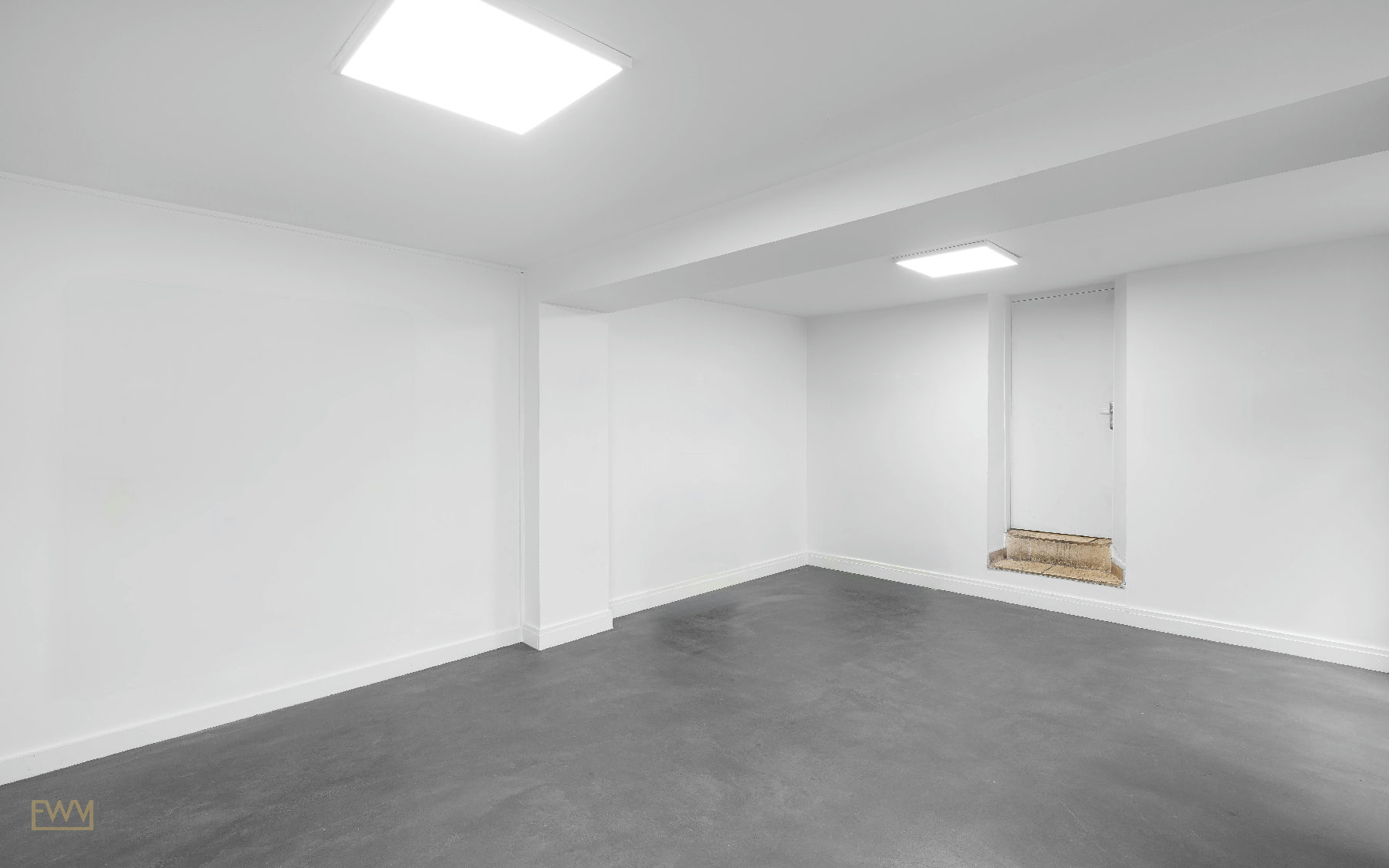
A significant proportion of the short-term rental inventory in Saint-Germain-des-Prés comprises former or active galleries. These spaces typically offer white-painted or polished plaster walls that serve as a neutral backdrop for product display and brand graphics. Track lighting systems, often adjustable and dimmable, provide professional-grade illumination without requiring a specialist electrical contractor. Polished concrete or parquet wood panel floors contribute visual warmth and texture. High ceilings, often four metres or above, allow for large-format brand elements and vertical merchandising that is impossible in conventional retail units.
Boutique Heritage Features
Many smaller boutique storefronts in the neighbourhood retain original architectural details including decorative mouldings, original joinery, stone or tiled flooring, and glazed shopfronts with traditional metalwork. These features create an instant sense of place that resonates with both the international visitors drawn to Paris's built heritage and the local consumers who value authenticity and material quality. Brands that work with rather than against these features typically produce the most visually compelling and cost-efficient temporary retail environments in the neighbourhood.
Loft and Industrial Features
Loft-format spaces in the Saint-Germain area frequently feature exposed stone walls, steel pillars, original timber beams, and large industrial windows that flood interiors with natural light. Tiled flooring in heritage patterns is common in spaces that occupy former artisanal workshops or ground floors of haussmannian buildings. These features suit brands with a raw, contemporary, or craft-oriented aesthetic and allow for a design approach that emphasises the space itself as much as the product within it.
Fitting the Space to the Brand
The range of available aesthetic contexts in Saint-Germain means that brands can find spaces that align with their visual identity rather than having to impose their brand language onto a neutral or contradictory space. A brand with a sleek, minimalist identity may choose a gallery space with white walls and polished concrete. A brand with a bohemian or artisanal identity may choose a loft with exposed stone and original tiling. A fashion brand with a classical or archive-influenced aesthetic may choose a boutique storefront with original joinery and decorative mouldings.
Quick answer: Temporary retail spaces in Saint-Germain-des-Prés offer a wide range of design aesthetics, from gallery-standard white walls with track lighting to boutique storefronts with heritage details and loft formats with exposed stone and steel pillars. Brands should select spaces whose existing aesthetic aligns with or complements their brand identity to reduce fit-out costs and maximise visual coherence.
DID YOU KNOW: The galerie format in Saint-Germain-des-Prés developed in the early 20th century as the neighbourhood became the centre of the Parisian art market. Many of the spaces available for temporary retail today retain the precise features, white walls, track lighting, and open floor plans, that were specifically designed to display art, which makes them equally effective for displaying fashion, beauty products, and luxury goods.
KEY TAKEAWAY: Space features in Saint-Germain-des-Prés are a strategic asset that experienced brands exploit to reduce production costs and accelerate fit-out timelines. Selecting a space whose existing features support your brand aesthetic rather than require covering or replacing is one of the most effective cost management strategies available in this market.
The physical space and design aesthetic are only part of the activation equation. The next critical dimension is the operational infrastructure required to run a successful temporary retail programme.
Operational Requirements for Running a Temporary Pop-Up in Saint Germain
Opening and operating a temporary retail space or showroom in Saint-Germain-des-Prés involves operational dimensions that go well beyond securing the space and completing the fit-out. Brands that approach the operational planning phase with the same rigour they apply to the creative and marketing phases consistently achieve better commercial outcomes and avoid the compliance and logistics problems that undermine many activations.
Staffing for a French-Market Activation
Retail staffing for a Saint-Germain pop-up requires consideration of language skills, fashion and product knowledge, and the specific service expectations of the neighbourhood's consumer audience. The international visitor profile of the 6th arrondissement means that staff with fluency in French, English, and ideally one or two additional languages add significant commercial value. The local Parisian consumer expects a certain register of service: knowledgeable, not aggressive, visually consistent with the brand, and capable of genuine product storytelling rather than scripted sales pitches.
French employment law also applies to any staff engaged in Paris, regardless of the brand's country of origin. This includes requirements around working hours, rest breaks, and minimum compensation. Brands unfamiliar with French employment regulations should engage a specialist HR advisor or work with an agency that manages staffing compliance as part of their service offering.
Point of Sale and Payment Infrastructure
For activations that include transactional retail, a reliable POS and payments infrastructure is essential. This includes card terminals compatible with French and international card schemes, cash handling procedures if relevant, receipt generation, and end-of-day reconciliation processes. For brands serving international visitors, tax-free shopping facilitation can meaningfully increase average transaction values and represents a competitive advantage in a neighbourhood with a high proportion of non-EU visitors.
Inventory Management and Logistics
Temporary retail in Paris presents specific logistics challenges. Deliveries to addresses in the 6th arrondissement are subject to Paris city centre delivery restrictions that limit vehicle access times and vehicle size in certain zones. Brands must plan their delivery schedules accordingly, ensuring that inventory arrives within permitted delivery windows and that the space has adequate receiving access for the volume and format of goods being delivered. Mid-activation replenishment logistics must also be planned in advance rather than managed reactively.
Insurance and Compliance Documentation
A certificate of insurance covering public liability and property damage is a standard requirement from landlords in Saint-Germain before access is granted. This insurance must be in place before the activation begins, not arranged after access is given. Brands should also confirm that their inventory insurance covers the period of the activation and the specific risks associated with a retail environment in a heritage building. Some spaces in the neighbourhood carry additional requirements related to their listed or protected status, which may affect what modifications can be made to the space during the activation period.
Data and Analytics
Brands operating temporary retail in Saint-Germain increasingly treat the activation as a data-gathering exercise as well as a commercial event. Visitor counting, dwell time measurement, conversion rate tracking, and customer data capture (subject to GDPR compliance) provide insights that inform future activation planning, permanent retail decisions, and product development. Building the data infrastructure into the activation plan from the outset is significantly more effective than attempting to retrofit it once the activation is live.
KEY TAKEAWAY: Operational excellence in a Saint-Germain temporary retail activation requires advance planning across staffing, payments, logistics, insurance, compliance, and data. Brands that treat operations as a secondary consideration relative to the creative and marketing dimensions of their activation consistently encounter avoidable problems that compromise both the consumer experience and the commercial outcome.
Bringing all of these elements together, from venue sourcing and creative direction to fit-out, staffing, and data, is where a full-service agency adds significant value for brands that do not have in-house Paris expertise.
How Fashion Week Venues Supports Temporary Retail Activations in Saint Germain
Fashion Week Venues operates as a full-service pop-up agency and space marketplace with Paris as its primary market. For brands planning a temporary retail activation, showroom, or pop-up store in Saint-Germain-des-Prés, the agency provides structured support across every phase of the process, from initial concept through to post-activation reporting.
Space Discovery and Venue Sourcing
The Fashion Week Venues marketplace provides access to a curated selection of temporary retail spaces, showrooms, gallery formats, loft spaces, and boutique storefronts across Paris's key fashion districts, including Saint-Germain-des-Prés. The venue sourcing service goes beyond the marketplace to identify off-market spaces, approach landlords directly, and negotiate short-term lease or licence terms on behalf of brands. This is particularly valuable in Saint-Germain, where the best spaces are frequently secured through relationships rather than through public listings.
Concept Direction and Branded Store Design
For brands that have a commercial objective but not a fully formed spatial concept, the concept direction and branded store design services translate brand identity into a specific retail environment. This includes spatial planning, material selection, fixture specification, lighting design, and graphic and visual merchandising direction. The result is a space that communicates the brand clearly and consistently from street frontage to product display to checkout point.
Production, Build, and Furniture Rental
The production and build service manages fit-out execution, including supplier coordination, installation scheduling, permit compliance for any structural or electrical modifications, and de-installation at end of term. For brands that require modular retail furniture on a short-term basis, the furniture rental service provides vetted options compatible with the heritage character of Saint-Germain spaces.
Retail Staffing, POS, and Payments
Fashion Week Venues connects brands with retail staffing solutions appropriate to the Paris market, including brand ambassadors with relevant language skills and product knowledge. POS and payments infrastructure can be integrated into the activation from day one, reducing the complexity of setting up transactional retail in a foreign market.
Data, Analytics, and Influencer Marketing
Post-activation reporting is supported by data and analytics services that capture visitor behaviour, conversion metrics, and commercial performance data from the activation period. The influencer marketing service supports brands in building pre-activation awareness and in-activation content generation through a network of relevant Paris-based and international creators.
Planning and Budgeting Tools
For brands at the research and planning stage, the Fashion Week Venues tool suite provides practical resources including a budget calculator, ROI modelling tool, timeline planner, permits guidance tool, space locator, and space comparison tool. These are available at fashionweekvenues.com/tools and are designed to support brand teams in building a credible brief and business case before committing to a space or a production budget.
Quick answer: Fashion Week Venues supports brands planning temporary retail activations in Saint-Germain-des-Prés through a combination of space marketplace access, venue sourcing, concept direction, fit-out production, retail staffing, POS infrastructure, data analytics, and influencer marketing. The agency also provides online planning tools for budget modelling, timeline planning, and permit guidance.
To explore available spaces in Saint-Germain-des-Prés and compare options by location, size, and space type, use the Fashion Week Venues space marketplace as a starting point for your search.
KEY TAKEAWAY: Fashion Week Venues provides a structured path from initial brief to live activation for brands planning temporary retail in Paris. The combination of marketplace access, agency services, and planning tools reduces the lead time, risk, and operational complexity associated with entering the Saint-Germain market independently.
Common Myths About Renting Temporary Retail Space in Saint Germain Debunked
MYTH: You need a French legal entity to rent a commercial space in Paris for a pop-up or temporary activation.
FACT: Many landlords in Paris, including in Saint-Germain-des-Prés, will enter short-term lease or licence agreements with international legal entities, provided appropriate documentation is supplied. This typically includes corporate registration documents from the brand's home jurisdiction, a certificate of insurance meeting French requirements, and a security deposit. The specific requirements vary by landlord and space type, and working with a local advisor or agency significantly simplifies the documentation process.
MYTH: Paris Fashion Week is the only viable calendar window for a temporary retail activation in Saint-Germain.
FACT: While Paris Fashion Week generates exceptional visibility and international visitor density, Saint-Germain-des-Prés maintains strong tourist and consumer foot traffic throughout the year. Spring and summer months bring very high volumes of international visitors who are specifically in a discovery and purchasing mindset. The holiday and gifting seasons in November and December also represent significant retail windows. Fashion Week timing is advantageous for certain brand types but is not a prerequisite for a commercially successful temporary retail activation in this neighbourhood.
MYTH: Commission-based brokers are the only way to find a temporary retail space in Saint-Germain-des-Prés.
FACT: Commission brokers exist in this market but they are not the only or necessarily the most effective route to finding a space. Curated space marketplaces, direct landlord relationships, agency networks, and full-service pop-up agencies like Fashion Week Venues provide alternative access routes that may offer broader inventory, better negotiated terms, or more appropriate space types for a specific brand's activation format. The right access route depends on your brand's timeline, budget, and internal capacity to manage vendor relationships.
MYTH: Short-term commercial leases in Paris are legally simple and do not require specialist advice.
FACT: French commercial property law is complex, and the specific instruments used for short-term retail, the bail dérogatoire, the licence agreement, and the AOT for public space components, each carry conditions, limitations, and implications that can create significant legal and financial exposure if misunderstood. The requirement to return a space to its original condition, restrictions on what modifications are permitted, and the conditions under which a short-term lease converts to a long-term commercial lease are all areas where brands without French legal expertise regularly encounter problems. Always verify your specific lease structure with a qualified French legal advisor before signing.
MYTH: The cost of a temporary retail space in Saint-Germain is so prohibitive that it is only accessible to luxury mega-brands.
FACT: While Saint-Germain-des-Prés commands a neighbourhood premium, the range of space sizes, formats, and locations within the district means that brands at different commercial scales can find options that work within their budgets. Smaller boutique and gallery formats on side streets, very short activation durations, or co-activation formats that share space and cost across two brands can all make the neighbourhood accessible to brands that are not at a luxury mega-brand scale. Careful budget planning and early outreach are the most effective tools for making the numbers work.
Frequently Asked Questions About Temporary Retail Space in Saint Germain des Pres
Why should a brand rent a temporary retail space in Saint-Germain-des-Prés rather than another Paris neighbourhood?
Saint-Germain-des-Prés offers a combination of consumer quality, cultural credibility, architectural character, and editorial visibility that no other Paris neighbourhood fully replicates. The foot traffic is high-intent rather than transient, the surrounding retail and gallery context elevates brand perception, and the neighbourhood's international profile means that an activation here reaches an audience that extends well beyond the visitors who physically enter the space. For fashion brands in particular, the proximity to the Paris Fashion Week circuit amplifies the reach of any activation timed to coincide with those calendar windows.
What are the most sought-after locations for pop-up stores in Saint-Germain-des-Prés?
Boulevard Saint Germain is the primary artery and the highest foot traffic location in the neighbourhood. Rue de Seine is the most desirable street for gallery-format showrooms and art-adjacent brand presentations. The network of side streets connecting these arteries, and the quieter streets running toward the Seine including Rue de Lille, offer larger or more intimate formats suited to loft-style activations, private showrooms, and immersive brand experiences. The optimal location depends on the brand's activation format, audience strategy, and duration.
What is the ideal duration to rent a pop-up shop in Saint-Germain-des-Prés?
There is no single ideal duration that applies to all brands. Very short activations of three to fourteen days suit press launches and Fashion Week windows. Two to six weeks is the most common duration for fashion retail activations and allows enough time for foot traffic to build organically. Extended programmes of six to twelve weeks suit brands testing the Paris market or running seasonal retail stores. The key principle is to align duration with activation objectives rather than choosing a duration based on space availability alone.
What types of spaces are available for temporary retail in Saint-Germain-des-Prés?
Available space types include boutique storefronts, former and active gallery spaces with white walls and track lighting, loft and floor-through formats with exposed stone and timber details, dedicated showroom configurations, and multi-room experiential activation spaces. Each type has a different aesthetic character, operational profile, and typical size range. The neighbourhood's galerie d'art heritage means that many spaces come with design features that significantly reduce fit-out requirements for fashion and luxury brands.
How much does it cost to rent a pop-up space in Saint-Germain-des-Prés?
Rental costs in Saint-Germain-des-Prés are among the highest for short-term commercial space in Paris, reflecting the neighbourhood's premium status. The actual cost depends on street location, floor area, duration, time of year, space condition, and negotiated terms. The rental itself is only one component of total activation cost, which also includes security deposit, fit-out, staffing, insurance, permits, and marketing. For a structured cost model specific to your activation requirements, the budget planning tool on Fashion Week Venues provides a useful starting framework.
Do I need a French legal entity to rent a temporary retail space in Paris?
Not necessarily. Many landlords in Saint-Germain-des-Prés will enter agreements with international entities, provided appropriate corporate documentation, a certificate of insurance, and a security deposit are supplied. However, requirements vary significantly by landlord, space type, and duration. Working with a local agency or a qualified French legal advisor is the most reliable way to navigate documentation requirements and avoid lease terms that create unintended legal exposure.
What legal instruments are used for short-term commercial space rental in Paris?
The most commonly used instruments for temporary retail in Paris are the bail dérogatoire, which allows short-term commercial occupation of up to three years outside the standard commercial lease framework, and licence agreements, which are typically shorter in duration and less formal. For activations involving any public space component, an Autorisation d'Occupation Temporaire may also be required from the relevant municipal authority. Each instrument has specific conditions and implications that should be verified with a qualified French legal advisor before signing.
What permits are required for a pop-up store or showroom in Saint-Germain-des-Prés?
Permit requirements vary depending on the type of space, the nature of the activation, and whether any public space is involved. For a standard interior retail or showroom activation in a private commercial space, the primary compliance requirements relate to the lease structure and insurance documentation rather than standalone permits. Activations involving exterior signage, outdoor elements, or public space components require specific authorisations from the Paris municipality. Requirements vary by location and activity type and should always be verified in advance. The permits guidance tool on Fashion Week Venues provides market-specific orientation.
What space features should I look for when selecting a temporary retail space in Saint-Germain?
Key features to assess when selecting a space in Saint-Germain-des-Prés include ceiling height, natural light quality and sources, floor finish and condition, wall treatment, existing lighting systems and their flexibility, delivery and loading access, electrical capacity for retail fit-out and events, heating and cooling systems, and any restrictions on modifications imposed by the lease or the building's listed status. Aesthetic features like white walls, track lighting, parquet flooring, or exposed stone can reduce fit-out costs significantly when they align with the brand's visual language.
Can an international brand activate a pop-up in Paris without a local team on the ground?
Technically possible but not advisable. Running a temporary retail space in Saint-Germain-des-Prés without local operational support creates significant risks across staffing, logistics, compliance, and consumer experience. The combination of French employment law, Paris delivery restrictions, GDPR compliance requirements, and the service expectations of the neighbourhood's consumer audience makes local expertise a practical necessity rather than a luxury. Full-service agencies can provide end-to-end operational support that removes the need for an international brand to build a Paris team from scratch for a temporary activation.
How far in advance should I book a temporary retail space in Saint-Germain for Paris Fashion Week?
For activations targeting the Paris Fashion Week calendar windows in February-March or September-October, beginning the search and securing a space three to six months in advance is strongly recommended. The Saint-Germain neighbourhood experiences significant demand concentration in the six-to-eight weeks around each Fashion Week, and the best spaces on the most desirable streets are frequently committed well before the activation window opens. Brands that begin their search later than ten to twelve weeks before their target dates should expect reduced availability and less negotiating leverage on terms.
What is the difference between a showroom and a pop-up store for a Fashion Week activation in Paris?
A showroom is primarily a trade-facing space designed for appointments with buyers, press, and wholesale partners, typically operating by invitation or scheduled appointment rather than open-door retail hours. A pop-up store is a consumer-facing retail environment designed to generate direct sales, foot traffic, and brand awareness among end consumers. Some brands operate both formats simultaneously in different spaces or within a single larger space. The choice between formats depends on whether the brand's primary activation objective is trade outreach, consumer engagement, or a combination of both.
How does the Fashion Week Venues space comparison tool help brands choosing between Saint-Germain spaces?
The space comparison tool on Fashion Week Venues allows brands to evaluate multiple spaces simultaneously across key variables including size, location, available features, pricing indicators, and operational characteristics. This structured comparison approach replaces the informal evaluation process that many brand teams rely on and reduces the risk of choosing a space based on visual appeal alone rather than operational suitability. The tool is particularly useful when a brand has shortlisted two or three spaces on different streets within the neighbourhood and needs a systematic way to make a final decision.
What is a co-activation or twin concept and how does it apply to Saint-Germain pop-ups?
A co-activation or twin concept involves two complementary brands sharing a single temporary retail space for the same period, dividing both the cost of the space and the brand experience between them. This format is particularly effective in Saint-Germain-des-Prés because it allows brands with smaller individual budgets to access premium spaces on key streets that would be prohibitive on a sole-occupancy basis. The twin concept works best when the two brands share a compatible audience, a complementary aesthetic, and a clear agreement on spatial division, operational responsibilities, and cost allocation. Fashion Week Venues operates a structured twin concept programme for brands interested in exploring this format.
What data and analytics should a brand collect from a Saint-Germain temporary retail activation?
Key data categories to capture from a temporary retail activation in Saint-Germain-des-Prés include visitor count and peak traffic periods, dwell time by area of the space, conversion rate from visitor to purchaser, average transaction value, product category and SKU performance, customer acquisition data where consent is provided, and social content generation metrics including the volume and reach of user-generated content. This data serves multiple purposes: it validates the activation's commercial performance, informs future activation planning, and provides evidence for permanent retail decision-making in the Paris market.
Conclusion: Making Your Temporary Retail Space in Saint Germain Work
Securing and activating a temporary retail space in Saint-Germain-des-Prés is one of the most strategically powerful moves available to a fashion brand, luxury label, or creative concept looking to establish or reinforce a presence in Paris. The neighbourhood delivers a combination of consumer quality, cultural context, architectural character, and international visibility that justifies the investment required to operate at this level.
The brands that achieve the best outcomes in Saint-Germain share a common approach: they plan early, budget comprehensively across all cost categories rather than just the headline rental, select spaces whose existing features support rather than contradict their brand identity, align their calendar to fashion and tourism peaks, and build operational infrastructure that matches the expectations of the neighbourhood's sophisticated consumer audience.
The brands that encounter problems in this market do so predictably: they underestimate lead times, misunderstand the French commercial lease framework, budget insufficiently for fit-out and restoration, staff below the quality level the neighbourhood demands, or approach the activation as a creative project without adequate operational planning.
The difference between these two outcomes is largely a function of preparation, local expertise, and the quality of the partners involved in the activation. Fashion Week Venues exists to give brands operating in Paris the preparation frameworks, space access, agency support, and practical tools they need to move from concept to live activation with confidence and clarity.
To move from research to activation, start exploring available spaces on the Fashion Week Venues marketplace and build a focused brief for your target neighbourhood, space type, and calendar window. Whether you are planning your first Paris activation or refining a programme you have run before, the combination of curated space inventory, full-service agency support, and structured planning tools available through Fashion Week Venues provides a practical path from initial brief to successful opening day in Saint-Germain-des-Prés.