The bustling cities around the world serve as a vibrant backdrop for global fashion weeks, with Paris taking center stage as a significant hub. For brands aiming to make an impression during this high-profile event, understanding the intricacies of selecting the right space is paramount. The **fashion week venues** industry offers a spectrum of opportunities, from pop-up retail locations and event spaces to short-term showrooms and brand activations tailored to enhance your visibility. Working with specialist agencies like Fashion Week Venues can provide comprehensive solutions for sourcing venues, designing concepts, and managing activations. This guide explores how to strategically navigate these options, ensuring the best return on investment during pivotal moments like Paris Fashion Week.
Choosing the Perfect Venue: Key Considerations
Choosing the perfect venue for fashion week events requires careful consideration of various factors that contribute to the success of the activation. Location, size, accessibility, and the overall ambiance of the space play critical roles. Brands must evaluate their target audience and brand message to align these with the desired atmosphere and logistical capabilities of available venues.
Quick answer: Evaluating a venue involves assessing location, capacity, and brand alignment, considering factors like logistics and budget.
Location is arguably the most significant factor. The prestige associated with certain areas in Paris, such as Le Marais or Saint-Germain-des-Prés, can enhance brand perception and foot traffic. Additionally, the venue's proximity to other fashion shows or events can either benefit from or be overshadowed by ongoing activities.
Size and capacity are also crucial. A venue too small can limit potential attendees, while too large a space may detract from an intimate and focused brand experience. Accessibility considerations, including transport connections, are vital to ensure easy access for guests, media representatives, and staff.
Finally, the space should be adaptable to customization to reflect the brand's identity and campaign goals. For brands unsure about how to make these decisions, the concept and creative services provided by Fashion Week Venues offer valuable support in tailoring the space to meet strategic objectives.
KEY TAKEAWAY: Assess not just location and size, but also how the venue aligns with your brand identity and the story you wish to tell.
In the following sections, we’ll explore the practicalities of securing such venues and maximizing the impact of your investment.
Types of Fashion Week Venues
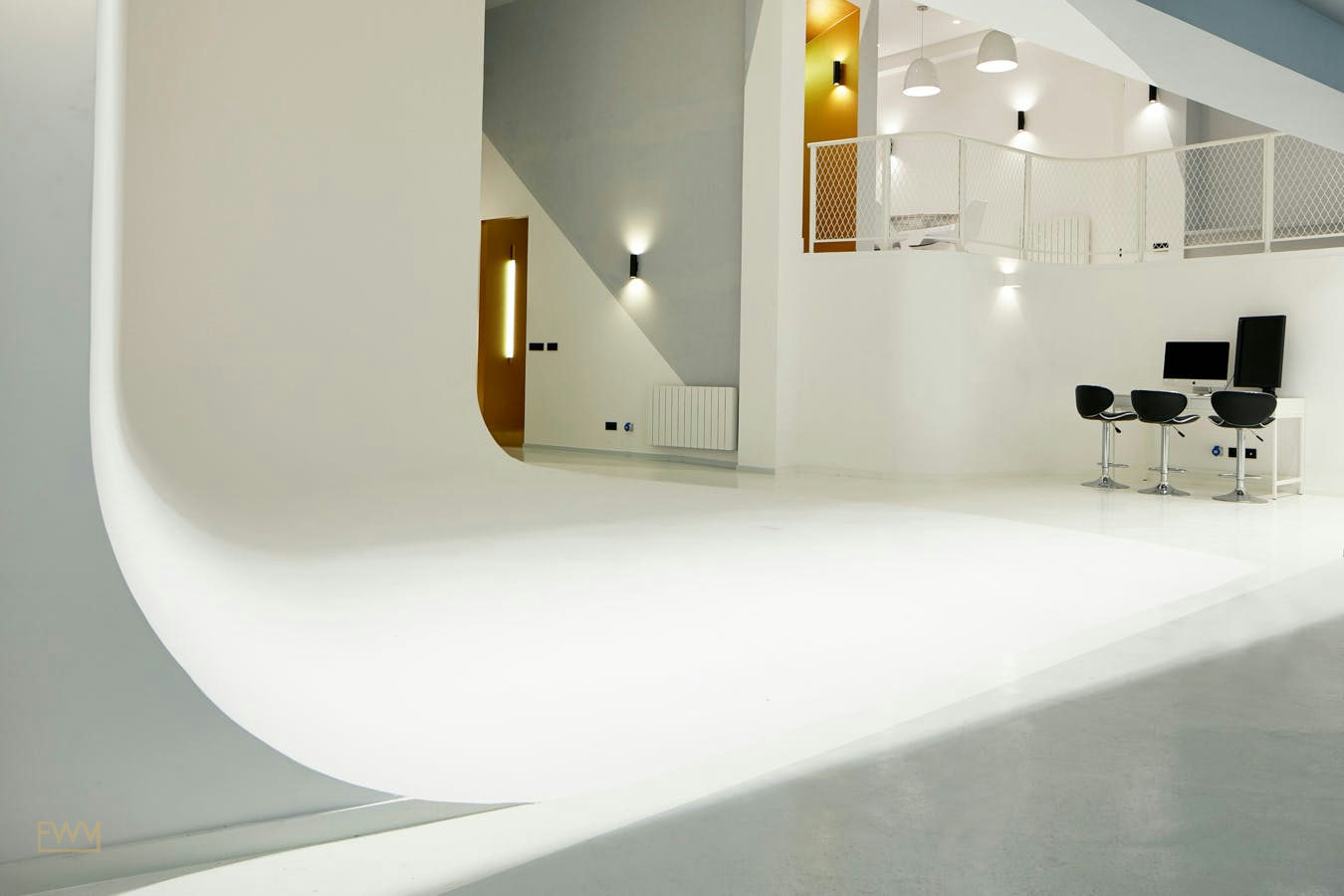
Fashion week venues come in various types, each catering to different needs and objectives. These range from traditional showrooms and catwalk spaces to interactive pop-up shops and immersive brand activations.
The most common type is the showroom, ideal for displaying new collections in a controlled setting. Showrooms offer the advantage of detailed presentation but may require additional marketing efforts to attract visitors. Catwalk venues, conversely, provide high visibility and media coverage, but they come with higher costs and logistical demands.
Quick answer: Choose showroom, catwalk, or pop-up venues based on visibility needs, audience interaction goals, and budget constraints.
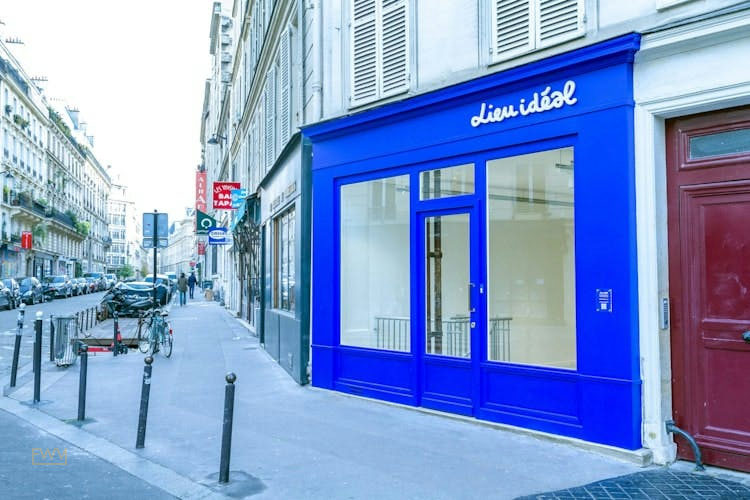
Pop-up shops offer a flexible platform for retail activation, enabling direct consumer engagement. These are dynamic spaces that can be tailored to create experiential marketing opportunities. According to the Fédération de la Haute Couture et de la Mode, such spaces are effective in generating buzz and leveraging foot traffic.
Additionally, immersive brand activations use technology and creativity to offer memorable experiences that forge lasting connections with attendees. These engaging formats are increasingly popular in connecting deeply with tech-savvy and social media-driven audiences.
For individualized guidance in selecting the proper venue type, the Paris city hub on Fashion Week Venues provides insights and recommendations tailored to different brand needs and event goals.
KEY TAKEAWAY: Each venue type serves different strategic goals – choose based on whether you prioritize visibility, interaction, or specific audience engagement.
Up next, we'll delve into managing the logistics that come with orchestrating events in these venues.
Managing Logistics for Fashion Week Events
Logistical planning is one of the most critical aspects of executing successful fashion week events. From staffing and supply chain management to technology integration and timelines, addressing these elements efficiently can make or break an event.
Quick answer: Effectively managing logistics involves precise timeline planning, staffing, resource allocation, and technology use to ensure seamless execution.
Start with developing a realistic timeline that outlines all necessary tasks and deadlines. This timeline should account for event setup, duration, and post-event activities. Tools such as the timeline planning tool offer structured scheduling frameworks to assist in this process.
Resource allocation is equally crucial. Ensuring adequate staffing through professional services ensures consistent quality and enhances guest experience. Leverage platforms like Fashion Week Venues to access retail staffing solutions tailored to your event’s needs.
Integrating technology, such as digital POS systems, augments operational efficiency and enhances guest interactions. For brands requiring a comprehensive approach, the POS and payments services from Fashion Week Venues streamline transaction processes during events.
KEY TAKEAWAY: Successful logistics hinge on a well-structured timeline, effective resource deployment, and coherent technology integration.
In the upcoming section, we’ll explore how brands can strategically benefit from the unique calendar of Paris Fashion Week.
Leveraging the Paris Fashion Week Calendar
Paris Fashion Week is one of the most anticipated events on the global fashion calendar, providing unparalleled opportunities for brand exposure and networking. Understanding how to align your events with the fashion week's schedule can maximize the impact and reach of your brand.
Quick answer: Align your brand events to coincide with Paris Fashion Week peaks for maximum media attention and audience engagement.
The strategic placement of events during peak days, such as those hosting major designer shows, ensures higher footfall and media presence. Timing your events around these peaks can increase visibility and attendee numbers significantly.
Each season, Paris Fashion Week draws significant international media and industry professionals, offering a prime platform for brands to showcase their latest collections and creative innovations. Utilize this gathering of industry leaders and press to announce new lines, partnerships, or brand stories.
Moreover, aligning geographic locations of your events with the primary venues of Paris Fashion Week helps optimize traffic and ease access for attendees. Utilizing location tools such as the locator tool on Fashion Week Venues aids in choosing prime positions within the fashion week map.
DID YOU KNOW: Paris Fashion Week attracts over 300,000 attendees including buyers, retailers, and industry professionals, making it an unmatched opportunity for exposure.
KEY TAKEAWAY: Align events with the Paris Fashion Week schedule to capitalize on media presence and attendee engagement.
Our next focus will be on financial planning, providing estimates and outlining budgeting essentials.
Budget Planning and Cost Management
Effective budget planning is foundational to hosting successful fashion week events. Brands must evaluate costs related to venue hire, production, staffing, and marketing while ensuring alignment with strategic objectives and expected ROI.
Quick answer: Develop a comprehensive budget that covers venue costs, marketing spend, and logistics while using tools to predict and analyze ROI efficiently.
Starting with venue costs, these can vary greatly depending on location, size, and amenities available. Additional expenses like production and build-out need to be factored into the total outlay, ensuring all aesthetic and functional aspects of the event space are addressed.
Another significant consideration is marketing and promotional activities. Allocating a portion of the budget to influencer marketing or media partnerships can enhance event visibility. Explore Fashion Week Venues’ influencer marketing services for optimal engagement strategies.
Parking resources into data and analytics can optimize the planning process, allowing brands to forecast costs accurately and measure success metrics post-event. Utilize the budget estimation tool to refine financial strategies most beneficial for your specific needs.
KEY TAKEAWAY: A well-planned budget that incorporates comprehensive forecasts and ROI evaluation is crucial for maximizing the financial success of fashion events.
In the following section, we'll discuss market trends that shape the success of fashion week venues.
Market Trends Influencing Venue Success
In the ever-evolving world of fashion and retail, understanding current market trends is vital for leveraging opportunities within fashion week venues. Trends in technology, consumer preferences, and environmental responsibility are particularly impactful.
Quick answer: Stay ahead by aligning with trends like sustainability, AI technology, and experiential retail, which significantly inform venue execution success.
Sustainability is at the forefront of many brand strategies, with eco-friendly materials and waste-reducing design increasingly in demand. This shift aligns with consumer preferences, enhancing brand integrity and appeal.
Similarly, technological advancements such as AI and immersive digital experiences are being integrated into venues to elevate customer engagement. Evolutions in virtual reality and augmented reality are paving the way for new types of interactive, multisensory brand experiences.
Moreover, there is a continued move towards experiential retail, transforming the in-store experience into an engaging event that builds brand affinity. This model encourages consumers to interact with products in a novel way, fostering a deeper connection.
KEY TAKEAWAY: Staying abreast of industry trends like sustainability and technology integration is key for modern and successful venue execution.
We will next explore how temporary activations can benefit luxury brands and maintain consumer loyalty.
Opportunities for Luxury Brands
Luxury brands have unique opportunities to elevate their presence during fashion week events through carefully crafted activations. These offer distinct advantages in maintaining exclusivity while reaching broader audiences.
Quick answer: Luxury brands use fashion week activations to enhance exclusivity and identity, reaching new audiences through curated experiences.
Creating exclusive experiences—such as limited access or invitation-only events—can enhance desirability and create a sense of privilege amongst attendees. This strategy strengthens brand loyalty while communicating a distinct brand identity.
Lugging into the cultural significance of Paris during fashion week allows luxury brands to set themselves apart, using the historical and aesthetic capital of the city as a backdrop for displays of craftsmanship and brand storytelling.
Limited edition product launches or collaborations during these events can create buzz, while the proximity to other luxury fashion houses in Paris further cements status. The use of Fashion Week Venues’ twin co-activation offers shared experiences that boost marketing reach and are particularly beneficial for joint ventures or partnerships.
KEY TAKEAWAY: Maximize exclusivity and broaden appeal by integrating luxury showcases into Paris Fashion Week in tandem with strategic partnerships.
We'll dive next into the specifics of securing permits and ensuring compliance for fashion week venues.
Understanding Permits and Compliance
When planning an event in Paris, understanding the regulatory landscape regarding permits and compliance is critical. The regulations governing the temporary use of spaces, such as the bail dérogatoire and the AOT, are pivotal.
Quick answer: Ensure compliance by familiarizing with local permit requirements like bail dérogatoire and consulting experts for complex legal scenarios.
The bail dérogatoire allows temporary leasing of commercial spaces without establishing a long-term commitment. Meanwhile, the AOT (Autorisation d’Occupation Temporaire) permits temporary public domain occupation. These are more flexible than standard commercial leases but require careful navigation.
Compliance varies depending on the type of event, venue, and location within Paris. It is advisable to consult local legal advisors to navigate these complexities properly. Leveraging tools such as the permits guidance tool can assist in understanding specific local requirements.
IMPORTANT: Regulatory requirements vary by space type and must be verified to align with Parisian laws.
KEY TAKEAWAY: Understanding and effectively managing permits and compliance are crucial for legal and smooth event execution in Paris.
Next, we'll discuss branding activation strategies.
Strategies for Effective Brand Activation
Brand activation during fashion week is about creating an emotional connection between the brand and the audience. Successful activations are based on authentic storytelling, immersive experiences, and strategic collaborations.
Quick answer: To create strong brand activation, focus on storytelling, authentic experiences, and impactful collaborations that foster consumer loyalty.
Authentic storytelling helps craft unique narratives that resonate with audiences. This storytelling approach should be integrated into all elements of the activation, from the venue setting to the digital content shared online. Collaboration with influential partners or local artists can enhance the brand message, providing additional layers of engagement.
Unique and immersive experiences leverage sensory elements such as music, scent, and visuals to engage audiences deeply. This creates memorable interactions that not only promote the brand but also generate high recall value.
TIP: Use multisensory elements to extend engagement and create lasting impressions.
Leverage Fashion Week Venues’ activation management services to ensure seamless execution and impactful consumer experiences.
KEY TAKEAWAY: Developing a compelling brand activation strategy involves authentic narratives and deep engagement through experiential techniques.
The next section will detail optimizing returns on your investment in fashion week venues.
Optimizing Return on Investment (ROI)
Maximizing ROI on fashion week venues involves strategic planning and engagement throughout the event cycle. Every dollar spent should be linked to measurable outcomes that align with broader business objectives.
Quick answer: Maximize ROI by aligning goals with strategic spend analysis and measuring outcomes against established business objectives.
Firstly, align your venue choice with clear brand targets. Marketing spends and audience reach objectives should be balanced against venue costs and logistics. Utilizing the ROI calculation tool can assist in evaluating whether investments are generating desired financial and marketing returns.
For effective assessment, establish KPIs like attendee engagement, media impressions, and consumer sentiment analysis. Frequent evaluation of these metrics during and after the event ensures alignment with planned outcomes, offering insights for future strategies.
Furthermore, consider post-event strategies for news recaps, social media content sharing, and follow-up engagements to sustain interest and visibility beyond the event dates.
KEY TAKEAWAY: Optimize ROI by strategically balancing spend against objectives and regular evaluation of performance metrics.
Next, we’ll provide a comparison table for decision-making when choosing a neighborhood in Paris.
Neighbourhood Comparison for Venue Selection
Choosing the right neighborhood in Paris can significantly influence the outcome of your fashion week event. The city's diverse districts offer distinct advantages depending on your brand’s objectives and target market.
Quick answer: Evaluate neighborhoods based on demographics, foot traffic, and brand alignment to make informed venue selection decisions.
| Neighbourhood | Advantages | Considerations |
|---|---|---|
| Le Marais | Fashion-focused, high footfall, trendy boutiques | High competition, premium pricing |
| Saint-Germain-des-Prés | Luxury brands, historic charm, affluent demographic | Limited modern venues |
| Opéra | Central location, excellent transport links | High traffic congestion during peak times |
| Rue Saint-Honoré | Prestigious luxury brands, fashion heritage | Expensive rents and permits |
Le Marais offers an eclectic mix of hip boutiques and designer stores, making it ideal for contemporary brands looking to capture the fashion-forward consumer. In contrast, Saint-Germain-des-Prés, with its classical charm, attracts luxury and heritage brands seeking to impress affluent clientele.
For those prioritizing downtown accessibility and transport, the Opéra district provides a strategic location, although it requires thoughtful planning regarding visitor flow management.
TIP: Consider neighborhood synergies with your brand’s message and audience for enhanced alignment and engagement.
To compare neighborhoods further, explore the space comparison tool offered by Fashion Week Venues.
We'll now move on to dispelling common myths about fashion week venues.
Common Myths Debunked
MYTH: You need a French legal entity to rent a space in Paris.
FACT: While a French legal entity can simplify some regulatory processes, it is not strictly necessary to secure permits or rent a space. Working with agencies like Fashion Week Venues, which understand local requirements and navigate complexities on behalf of clients, can effectively mitigate this issue. Always consider seeking advice from a legal expert familiar with French property laws.
MYTH: Paris Fashion Week is the only viable window for brand exposure.
FACT: Although Paris Fashion Week offers massive visibility, other times around the fashion calendar can be equally effective depending on strategic goals. For instance, pre-season showcases or exclusive collection previews can capture significant attention without the intense competition.
MYTH: Commission brokers are the only way to find a fashion venue.
FACT: The rise of space marketplaces like Fashion Week Venues provides transparent and competitive access to a variety of venues without relying solely on commission-based brokers. This method encourages diverse options and direct engagements with venue owners.
MYTH: Short-term leases are straightforward and do not require specialist help.
FACT: Navigating short-term leases requires careful legal understanding as they involve unique regulations such as the bail dérogatoire. Specialist guidance ensures compliance and protects brand interests through properly negotiated terms that might not be evident to those unfamiliar with French leasing laws.
MYTH: High foot traffic areas are always the best choice for venues.
FACT: While high foot traffic can increase event visibility, it is not universally beneficial. Brands must consider their target market, venue accessibility, and desired event ambiance to ensure that the overall brand experience is not compromised by busy locations.
Frequently Asked Questions
What is the most important factor when choosing a fashion week venue?
The most crucial factor is alignment with your brand's goals and message. Consider elements such as location, size, and adaptability of the venue, which should fit the needs of your target audience and the type of event you plan to host. Working with agencies like Fashion Week Venues can help ensure these factors are strategically integrated into your venue selection process.
Are pop-up shops effective for fashion week?
Yes, pop-up shops are highly effective, particularly when aiming for direct consumer engagement and dynamic brand activation. They offer flexibility and creativity, allowing for a customized experience that can drive unique traffic and storytelling opportunities, especially in vibrant cities such as Paris.
How does Fashion Week Venues assist with venue sourcing?
Fashion Week Venues provides comprehensive venue sourcing services, helping brands identify spaces that align with their goals and objectives. Through strategic partnerships and a thorough understanding of the marketplace, they offer a curated selection of venues suitable for pop-ups, showrooms, and more, tuned to high-impact fashion events.
What are common mistakes to avoid in venue selection?
Common mistakes include underestimating logistical requirements such as accessibility, overlooking the importance of brand alignment with the neighborhood, and failing to conduct a thorough budget evaluation. Each choice should be deliberate, with attention given to how each aspect affects the overall brand experience.
Why is Paris Fashion Week so significant?
Paris Fashion Week is renowned for its unparalleled influence in the fashion industry, serving as a global stage where industry-defining trends are launched. It provides monumental exposure opportunities, drawing vast international attention from media, buyers, and fashion influencers. Participating during this time can significantly elevate a brand’s visibility and prestige.
Can a short-term venue lease be extended?
Extension of short-term leases depends on prior agreements and negotiations. The flexibility of leases such as the bail dérogatoire allows for short-term occupation but typically requires renegotiation if you wish to extend beyond initial terms. Consult with property attorneys or agencies who specialize in such matters to navigate extensions smoothly.
How are fashion week venues marketed?
Venues are often marketed through digital platforms, influencer partnerships, and traditional media channels. Modern approaches include leveraging social media, targeted advertising, and collaborations with key industry figures to amplify reach and engagement. The influencer marketing services provided by Fashion Week Venues are particularly tailored for these strategic needs.
What is the typical timeline for organizing a fashion week event?
The typical timeline can range from a few weeks to several months, depending on the complexity of the event. Initial planning for venue selection, logistics, and marketing strategies should begin well in advance. Utilizing tools like the timeline planning tool can streamline the process, ensuring timely and efficient execution of all components.
Are there additional considerations for international brands?
International brands should consider cultural sensitivities and local consumer preferences when planning events. Additionally, logistics involving customs, language barriers, and legal requirements may present challenges. Engaging with experienced agencies familiar with the local landscape can significantly ease these processes, ensuring compliance and effectiveness in execution.
What should be included in a budget for a fashion week event?
Budgets must cover venue costs, materials for production, marketing, staffing, and unforeseen expenses. Allocating funds for analytics and post-event engagement ensures comprehensive coverage. Estimate costs using the budget estimation tool to predict financial commitments in advance, ensuring fiscal preparedness.
How do high foot traffic venues compare to less busy locations?
High foot traffic areas generally provide greater exposure and attract more spontaneous visits, making them ideal for brands seeking significant visibility. However, these locations often come with higher costs and competition. Conversely, less busy locations may offer a more curated or intimate experience, which can align well with luxury branding.
What legal considerations must be adhered to for fashion week venues?
Legal considerations include obtaining the necessary permits and ensuring compliance with local regulations. Regulations vary depending on venue type and duration of the event. It is crucial to consult with legal experts and utilize resources like the permits guidance tool to secure appropriate permissions and avoid operational disruptions.
Conclusion
Understanding the landscape of fashion week venues is imperative for any brand aspiring to make a lasting impression during pivotal fashion events. With factors ranging from venue choice to brand activation strategies, and from logistic planning to permit requirements, careful consideration and professional guidance are indispensable. Fashion Week Venues offers a plethora of services and tools designed to ease these complexities, ensuring a smooth and impactful event execution. By aligning with partners who understand local markets and global trends, brands can maximize their presence at events like Paris Fashion Week. To move from research to activation, start exploring available spaces on the Fashion Week Venues marketplace and build a focused brief for your target neighbourhood, space type, and calendar window.