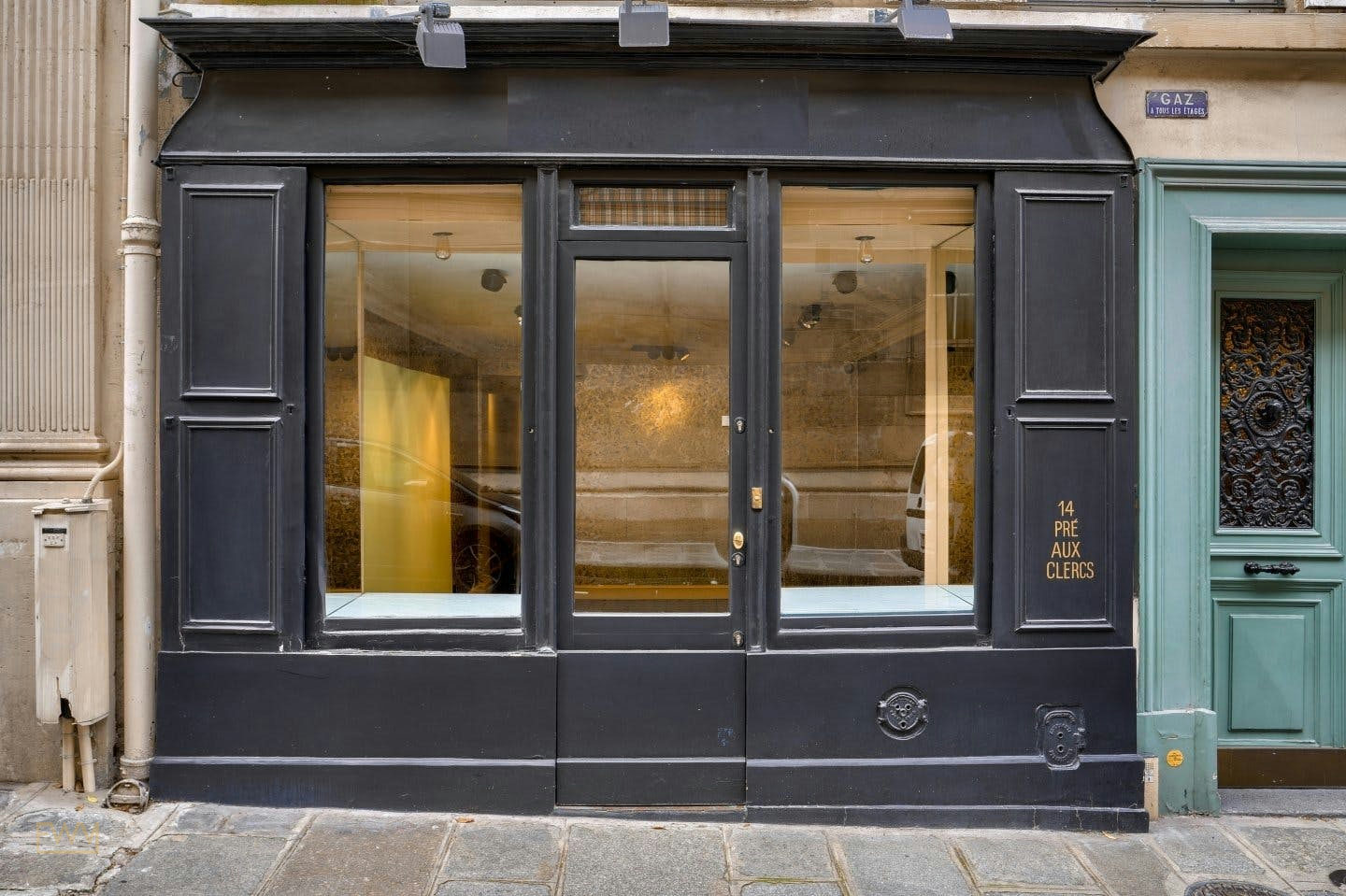
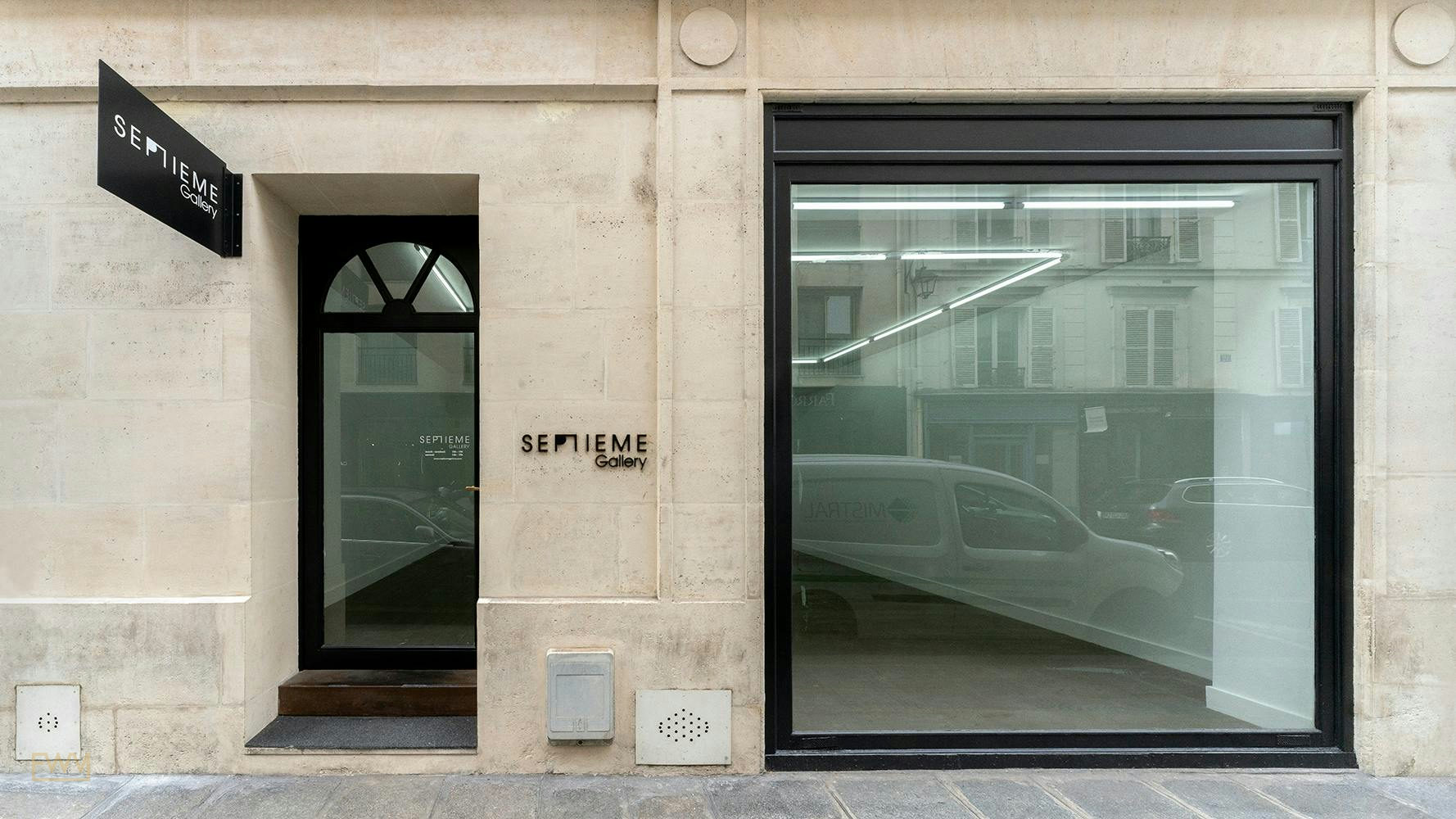
To rent a pop-up shop in the 6th arrondissement Paris is to place your brand at the intersection of literary heritage, luxury commerce, and one of the most photographed streetscapes in the world. Saint-Germain-des-Prés draws an audience of affluent locals, international visitors, fashion press, and culture-led consumers year-round, making it one of the most strategically valuable short-term retail locations in the City of Light. Whether you are launching a seasonal collection, testing a new retail concept, hosting a showroom during Fashion Week, or staging a beauty or lifestyle activation, the 6th offers a density of foot traffic, brand-compatible neighbours, and physical spaces that few other Parisian neighbourhoods can match. Explore Paris pop-up spaces and activations to understand the full landscape before narrowing your brief.
Why the 6th Arrondissement Is a Premier Destination for Pop-Up Retail in Paris
Quick answer: The 6th arrondissement, anchored by Saint-Germain-des-Prés, offers a rare combination of high-net-worth foot traffic, cultural credibility, proximity to luxury retail clusters, and an architectural character that elevates brand presentation. It is one of the most sought-after short-term retail destinations in Paris for fashion brands, beauty labels, and lifestyle concepts.
The 6th arrondissement occupies the Left Bank of the Seine, bordered by the Luxembourg Gardens to the south, the river to the north, and the 5th and 7th arrondissements on either side. Its streets, particularly Rue de Rennes, Rue de Seine, Rue Dauphine, and the side streets radiating from the Saint-Sulpice church, host an extraordinary mix of independent concept stores, established fashion boutiques, contemporary art galleries, and heritage institutions.
The neighbourhood's cultural identity is inseparable from its commercial appeal. The proximity of the Musée d'Orsay across the Seine, the presence of the Académie des Beaux-Arts, the density of galeries d'art, and the lingering associations with the existentialist café culture of the 20th century create a consumer environment that is intellectually engaged, aesthetically literate, and willing to invest in quality. For fashion brands, beauty labels, and design-led retailers, this translates into a self-selecting audience that responds to narrative, craft, and visual distinction.
Rue de Rennes is the 6th's main commercial artery, running south from Saint-Germain-des-Prés toward Montparnasse, and it generates some of the highest pedestrian counts in the neighbourhood. It suits brands seeking volume and visibility. By contrast, the smaller streets such as Rue Dauphine, Rue de Seine, and the grid of galeries and passages near the Odéon theatre attract slower, more deliberate shoppers who spend time in spaces rather than passing through them. Le Bon Marché, located just across the border in the 7th, creates a gravitational pull that draws luxury shoppers into the southern reaches of Saint-Germain.
For fashion brands in particular, the 6th offers a credibility that is difficult to manufacture elsewhere. Opening a pop-up in Saint-Germain-des-Prés sends a clear signal about positioning that placing a temporary store in a purely commercial zone cannot replicate. The neighbourhood has historically housed concept stores and independently operated boutiques that are tastemaker references in their own right, and a well-executed pop-up in this context becomes a brand statement as much as a commercial exercise.
The proximity to other key Parisian retail clusters also matters. The 6th sits within walking distance or short taxi distance of Saint-Honoré, the Champs-Élysées, and the Vendôme zone to the north, as well as the emerging activations zones near Arts et Métiers and Le Marais to the east. During Paris Fashion Week, this geography means that press, buyers, and influencers moving between showrooms and presentations can easily include a 6th arrondissement pop-up in their circuit, creating organic amplification that would require significant paid investment to replicate in a more peripheral location.
DID YOU KNOW: Saint-Germain-des-Prés is one of the few Parisian neighbourhoods where art gallery density, fashion boutique concentration, and luxury hospitality all intersect within a walkable radius, making it particularly effective for activations that need to reach press, buyers, and high-value consumers simultaneously.
KEY TAKEAWAY: The 6th arrondissement is not simply a prestigious address. It is a commercially and culturally coherent environment where brand positioning, foot traffic quality, and architectural character reinforce each other, making it one of the most effective short-term retail locations in Paris.
Understanding why the 6th works at a strategic level is the foundation. The next step is understanding the types of spaces available and what to look for when matching a venue to your brief.
Types of Pop-Up Spaces Available to Rent in Saint-Germain-des-Prés
Quick answer: The 6th arrondissement offers a wide range of temporary retail spaces, including former boutiques, concept store shells, art gallery spaces, loft-style event venues, fashion showrooms, and ground-floor commercial units. The space type you choose should align with your activation format, product category, and target visitor experience rather than size alone.
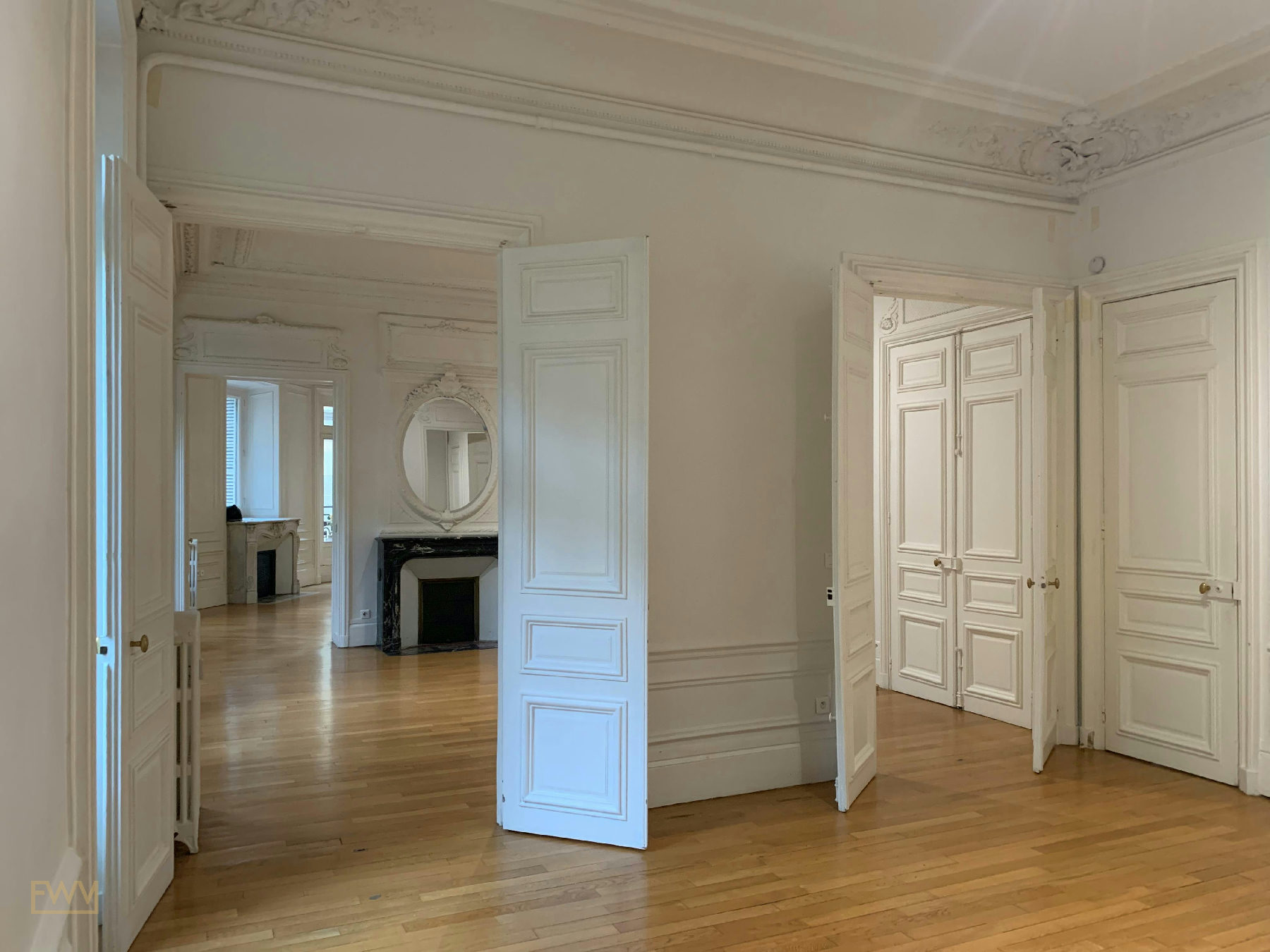
The physical diversity of rental spaces in the 6th reflects the neighbourhood's layered history as both a commercial and cultural district. Buildings range from 17th-century Haussmannian structures with high ceilings, ornate mouldings, and stone floors to post-war commercial units with clean industrial aesthetics, flexible open layouts, and large street-facing windows. Each type of space creates a distinct consumer experience and demands a different approach to fit-out and merchandising.
Art Gallery Spaces and Galeries d'Art
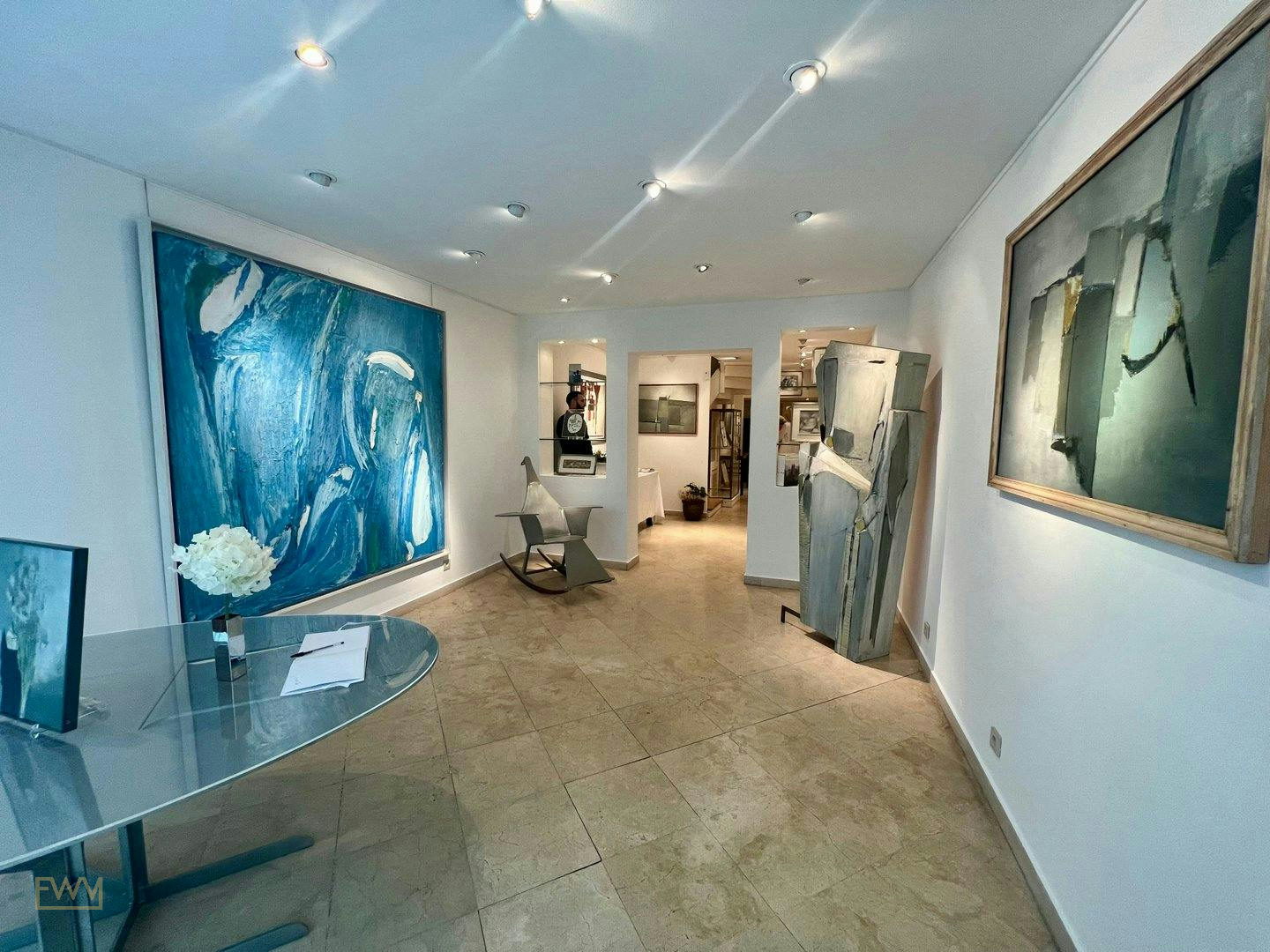
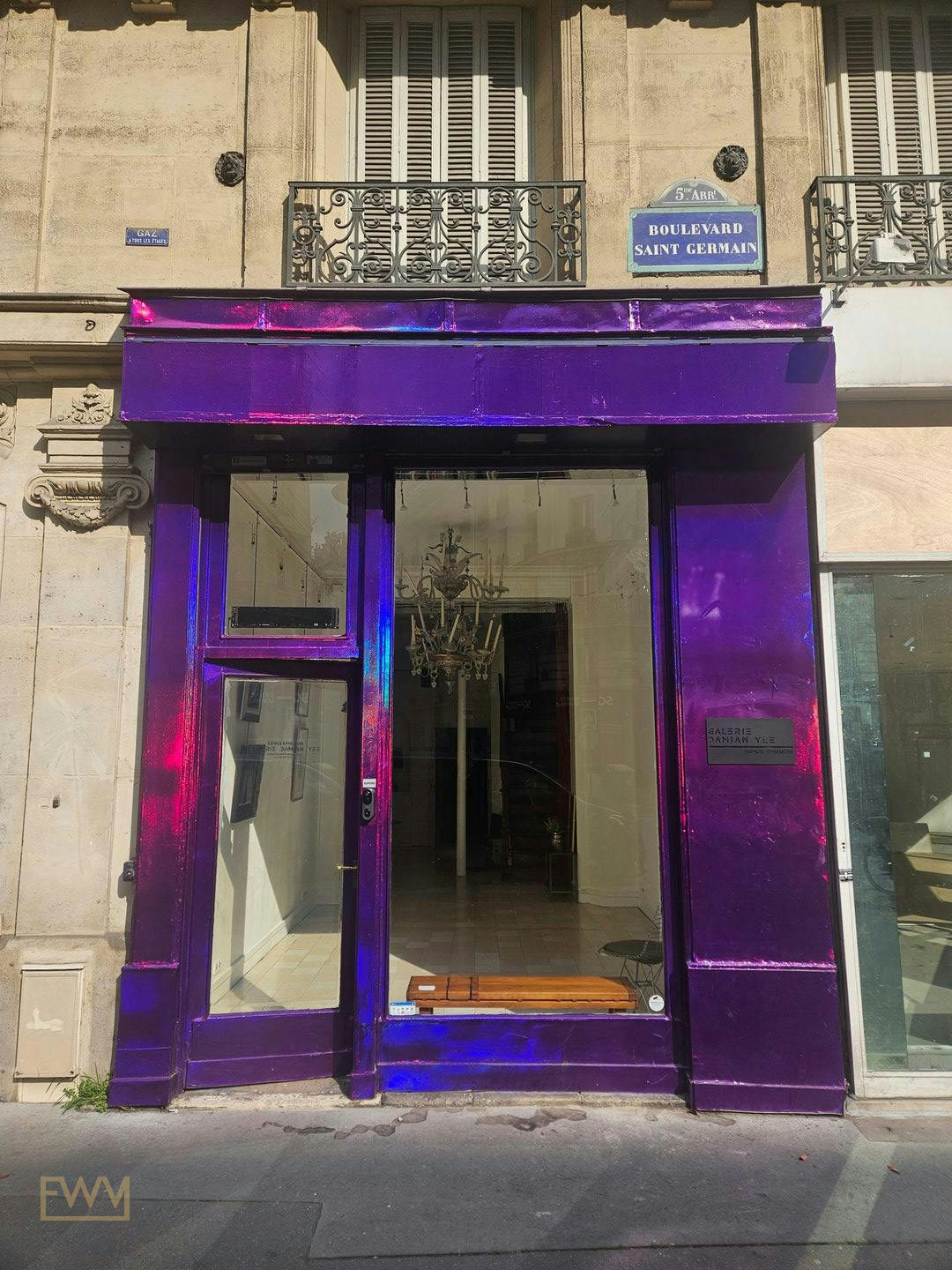
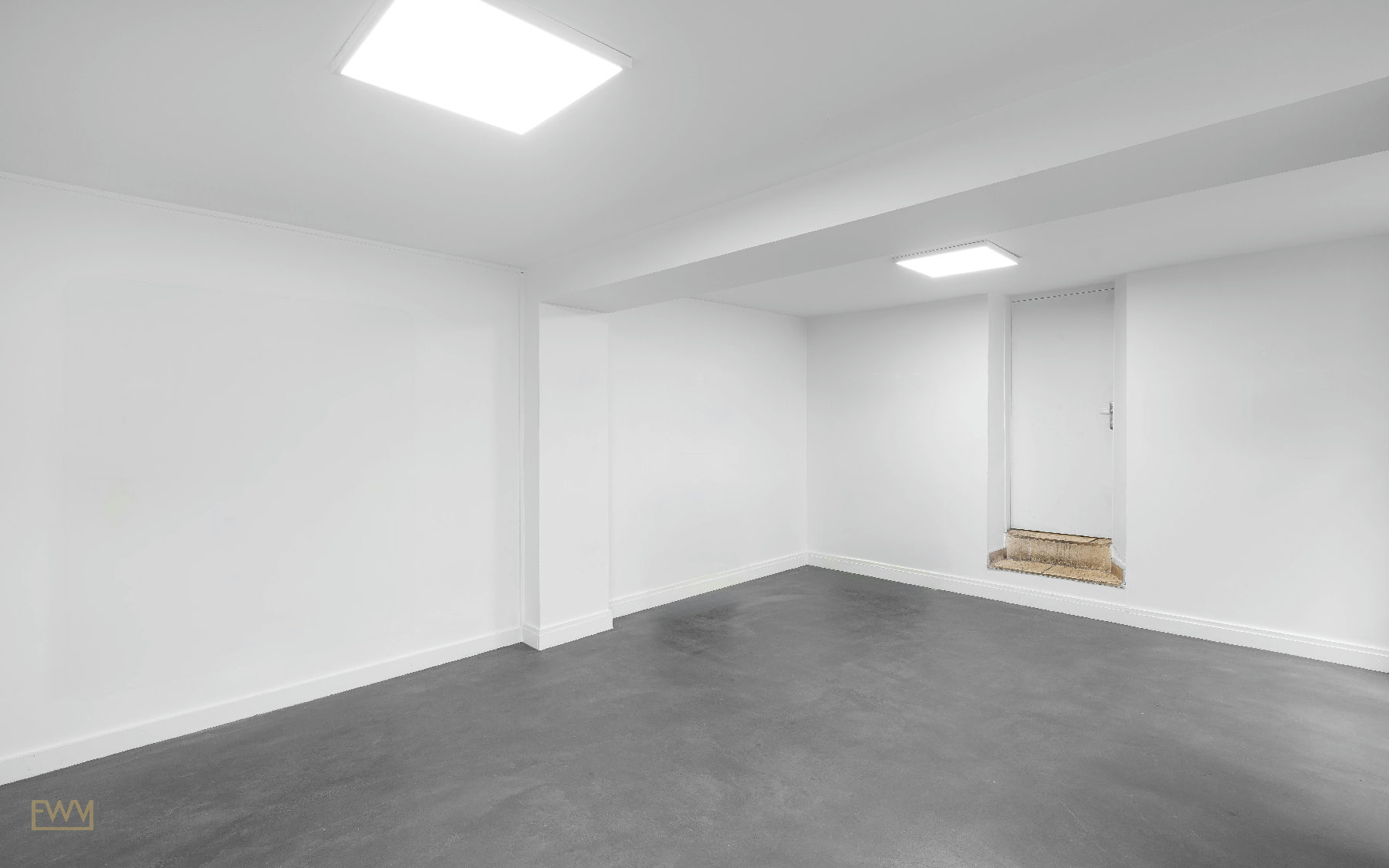
The 6th is home to one of the highest concentrations of contemporary art galleries in Paris. Many of these spaces are available for short-term rental between exhibitions, and they offer qualities that are exceptionally well-suited to fashion and lifestyle activations: white walls, polished concrete or parquet floors, dramatic ceiling heights, and a built-in cultural positioning. Using an art gallery space for a fashion pop-up or beauty launch creates an immediate visual language around curation, quality, and deliberate presentation. Brands in the premium and luxury segment frequently prefer galerie-type spaces because the environment does part of the brand communication before a single product is displayed.
Boutique and Concept Store Shells
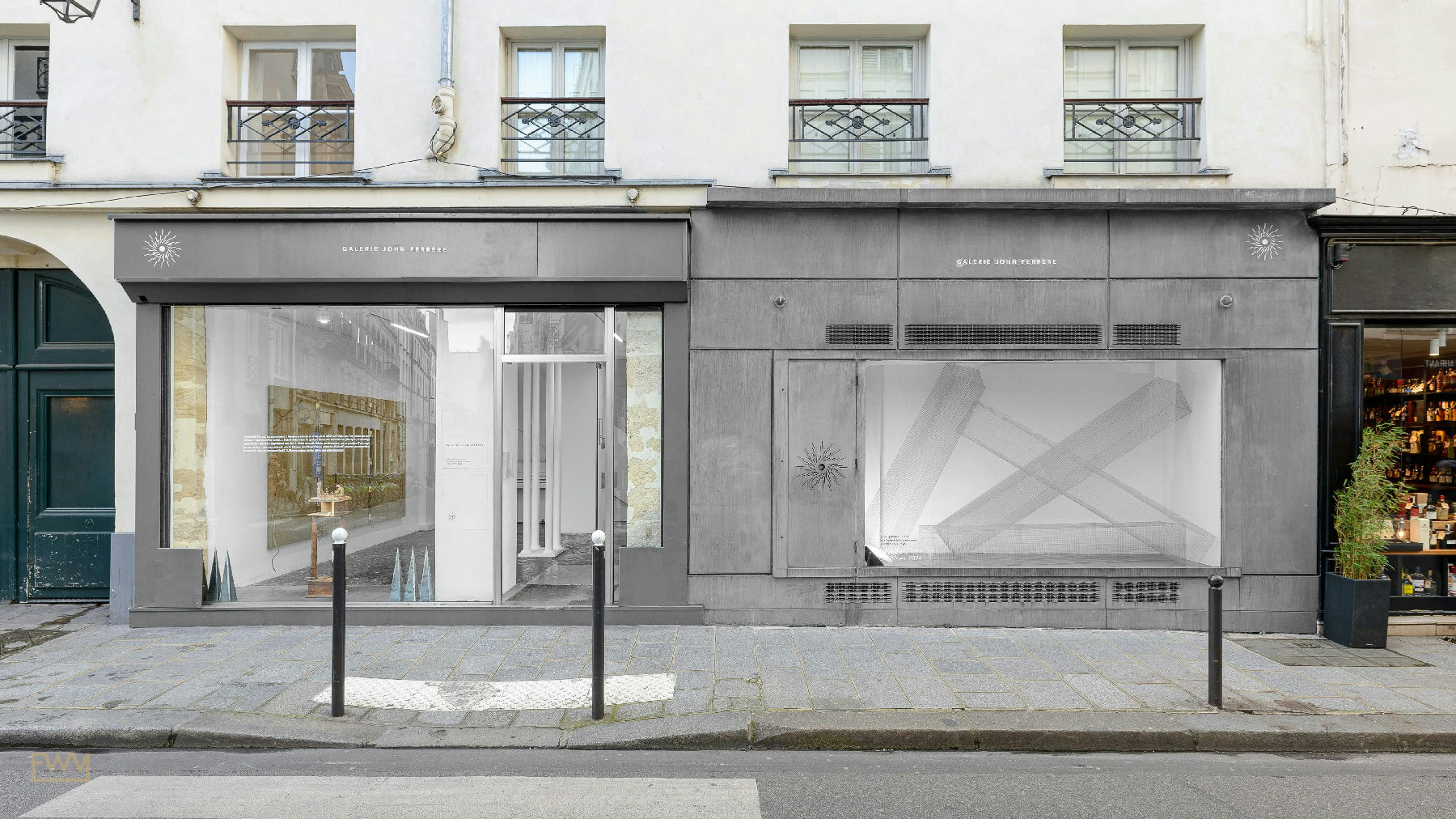
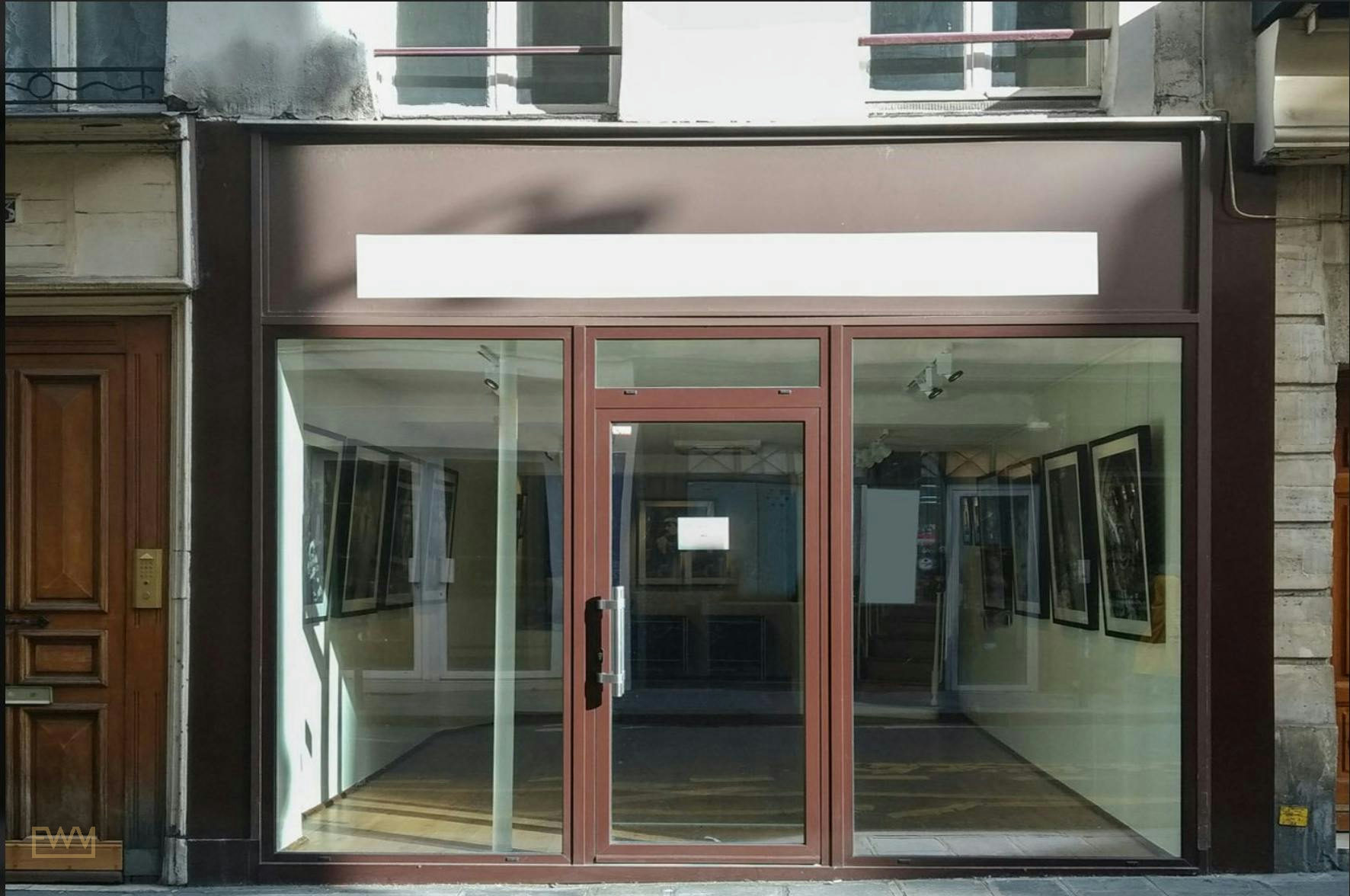
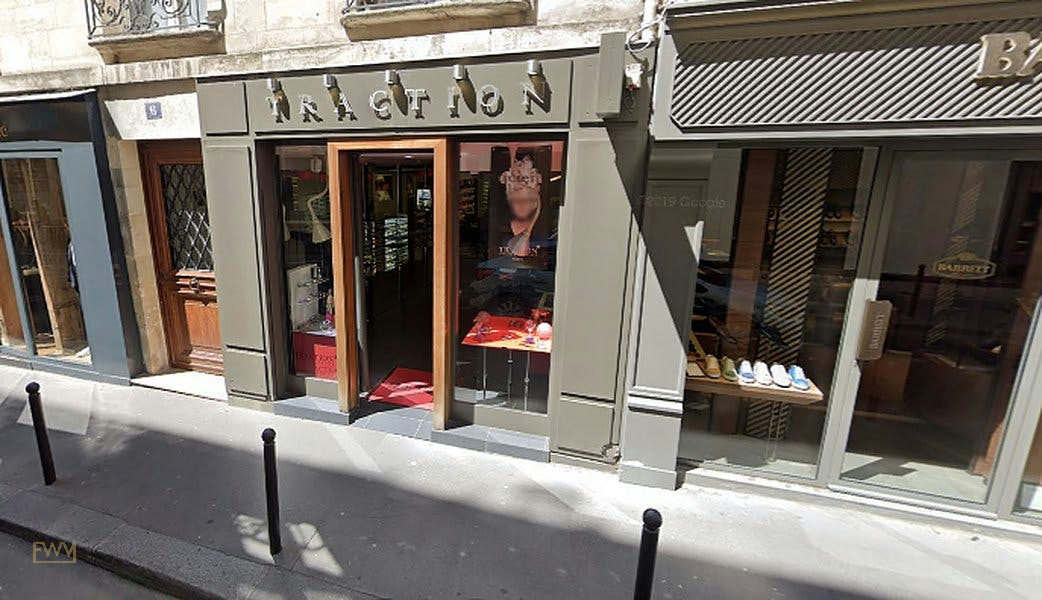
Former boutique spaces and vacant concept store units in the 6th offer street-facing presence, established retail infrastructure, and in many cases existing lighting rigs, fitting room structures, and display systems that reduce fit-out time and cost. These spaces are particularly suited to direct-to-consumer pop-up stores, product launches, and seasonal activations where transactional retail is the primary goal. Rue de Rennes, Rue de Seine, and the streets around Saint-Sulpice offer the highest density of this type of space.
Loft Spaces and Multi-Use Event Venues
Loft-style spaces in the 6th tend to occupy upper floors or converted commercial buildings and offer flexible layouts suited to multi-format activations that combine retail, press preview, private event, and social media content creation within a single footprint. These spaces are increasingly popular with fashion brands that need to serve multiple audience segments, from press and buyers on one day to direct consumers on another, within the same rental period. The ability to reconfigure the layout quickly is a significant operational advantage.
Fashion Showrooms
The 6th also hosts a number of purpose-configured fashion showrooms that are available on a short-term basis. These spaces typically offer clean, well-lit interiors with hanging infrastructure, display tables, and natural light, and they are positioned to serve brands presenting collections to buyers and press during Paris Fashion Week and the associated showroom season. A dedicated fashion showroom in Saint-Germain-des-Prés puts a brand in immediate proximity to the buyers' hotel circuits, press agencies, and editorial teams that concentrate in the area during the fashion calendar.
Space Type Comparison for 6th Arrondissement Activations
| Space Type | Best For | Typical Features | Primary Consideration |
|---|---|---|---|
| Art Gallery Space | Luxury launches, editorial events, brand storytelling | High ceilings, white walls, polished floors, cultural positioning | Limited trading infrastructure; fit-out investment required |
| Boutique Shell | Direct consumer retail, product drops, seasonal trading | Street frontage, existing lighting, fitting room structure | Check lease terms for retail permissions and hours |
| Loft Space | Multi-format activations, press days, influencer events | Flexible layout, upper floor, reconfigurable | Accessibility, loading logistics, signage restrictions |
| Fashion Showroom | Buyer presentations, wholesale previews, press appointments | Hanging rails, display surfaces, natural light | Appointment-only format limits foot traffic volume |
| Concept Store Shell | Branded retail concept testing, lifestyle activations | Curated environment, architectural interest, established retail flow | Higher base rental rates in prime streets |
KEY TAKEAWAY: Space type selection in the 6th should be driven by activation format, audience journey, and operational requirements rather than prestige alone. A showroom that suits press appointments may be entirely unsuitable for a high-volume consumer retail launch, and vice versa.
Once you have identified the type of space that suits your activation, the next critical dimension is location within the 6th itself. The neighbourhood contains several distinct micro-zones, each with different foot traffic profiles, brand neighbour contexts, and access conditions.
Key Streets and Micro-Locations Within the 6th Arrondissement
Quick answer: The 6th arrondissement is not a homogeneous commercial zone. Different streets attract materially different consumer profiles, foot traffic volumes, and brand contexts. Aligning your space to the right micro-location within Saint-Germain is as important as choosing the arrondissement itself.
Paris rewards specificity. A brand that understands the character of Rue de Seine versus Rue Dauphine versus Rue de Rennes will make a materially better space decision than one that simply targets a postcode. The following street-level breakdown is designed to help brand teams match micro-location to activation objectives.
Rue de Rennes
Rue de Rennes is the commercial spine of the 6th, connecting Saint-Germain-des-Prés to Montparnasse along a high-footfall corridor. It carries the highest pedestrian volumes in the neighbourhood and suits brands seeking broad visibility, high transaction frequency, and reach across a wide consumer demographic. Mass-premium fashion, accessible beauty, and lifestyle brands with volume ambitions tend to perform well here. The street's commercial character is more explicitly retail than other parts of the 6th, which can be an advantage for brands prioritising trading metrics over positioning optics.
Rue de Seine and Rue Dauphine
Running parallel from the Seine toward the Odéon, Rue de Seine and Rue Dauphine form a corridor of independent galleries, design studios, and selective boutiques. The foot traffic here is slower and more deliberate, and the consumer profile skews toward art buyers, independent fashion enthusiasts, and culturally engaged visitors. Spaces on these streets suit brands in the premium and luxury segment that want a gallery-adjacent positioning and an intimate, appointment-ready format. The architectural character of buildings in this corridor is also exceptionally strong, often featuring exposed stone, deep doorways, and high ground-floor ceilings.
Saint-Sulpice and Its Immediate Surroundings
The area around the church of Saint-Sulpice has a particularly strong draw for international visitors, and the streets immediately adjacent, including Rue du Vieux-Colombier and the approach to Le Bon Marché, carry a high-quality consumer flow with above-average spending power. This zone is popular with accessible luxury brands, fragrance and beauty concepts, and heritage fashion labels seeking an environment that reads as both Parisian and commercially credible.
Odéon and Rue de l'Odéon
The Odéon micro-zone, positioned between the Luxembourg Gardens and the Seine, attracts a literary, academic, and culturally engaged audience. It is a strong location for brand activations that carry an intellectual or narrative dimension, such as book and fashion collaborations, archive exhibitions, or concept stores that blend product and cultural programming. The slower pace of this zone suits activations that reward dwell time and depth of engagement over volume throughput.
Street and Location Breakdown for 6th Arrondissement Pop-Up Planning
| Street or Zone | Consumer Profile | Foot Traffic Volume | Best Activation Type |
|---|---|---|---|
| Rue de Rennes | Mixed, broad demographic, high tourist and local flow | High | Volume retail, brand awareness, product drops |
| Rue de Seine / Rue Dauphine | Art-engaged, premium, independent fashion | Medium | Gallery-format launches, luxury positioning, editorial events |
| Saint-Sulpice zone | International luxury shoppers, Le Bon Marché visitors | Medium-high | Accessible luxury, beauty, fragrance, heritage fashion |
| Odéon / Luxembourg approach | Academic, cultural, literary, long-stay visitors | Medium | Cultural collaborations, concept stores, narrative activations |
| Rue de Buci and surroundings | Parisian locals, food and lifestyle shoppers | Medium-high | Lifestyle brands, food-fashion crossover, discovery formats |
To compare neighbourhoods and space types across Paris and shortlist options that match your brief, budget, and calendar window, explore the Paris city hub on Fashion Week Venues.
KEY TAKEAWAY: Within the 6th, the difference between Rue de Rennes and Rue de Seine is the difference between a volume retail environment and a gallery-quality brand positioning environment. Choosing the wrong micro-location can undermine an activation that is otherwise well-conceived and well-funded.
Understanding the physical and cultural geography of your target location is essential, but it must be matched with an equally clear understanding of the calendar windows that maximise the value of a 6th arrondissement rental.
Optimal Calendar Windows for Renting a Pop-Up in the 6th Arrondissement
Quick answer: The highest-value calendar windows for a pop-up or showroom in the 6th arrondissement Paris are Paris Fashion Week (womenswear in January and September, menswear in June and January), Paris Design Week in September, and FIAC in October. However, strong activations succeed outside these periods by targeting the steady high-quality foot traffic the neighbourhood generates year-round.
Paris Fashion Week is the obvious anchor for fashion brand activations, and the 6th arrondissement's proximity to the major show venues, press hotels, and buyer circuits makes it one of the most strategically positioned neighbourhoods during the fashion calendar. During the womenswear seasons in January and September, the density of industry professionals in the neighbourhood increases sharply. Showrooms, press previews, and consumer-facing pop-up stores all benefit from this concentration, and brands that secure spaces in the 6th during Fashion Week can run press appointments, buyer sessions, and open consumer retail hours within the same rental period.
Paris Design Week, which runs in September, overlaps with the womenswear Fashion Week and creates a secondary audience of design professionals, architects, and premium lifestyle consumers who move through the Left Bank. This overlap makes September one of the most commercially dense months for short-term rental in the 6th, and space availability in peak locations is limited. Brands planning a September activation should begin space search at least four to six months in advance.
FIAC, the international contemporary art fair held in October, draws a global audience of collectors, curators, and luxury consumers to Paris, many of whom concentrate in the 6th due to its gallery density. A pop-up or brand activation in the 6th during FIAC can reach an audience that is both extremely affluent and highly engaged with brand aesthetics and visual narrative, making it a valuable window for luxury fashion, premium accessories, and design-led lifestyle brands.
Outside the major calendar events, the 6th generates strong foot traffic through its permanent infrastructure of tourism, hospitality, and residential affluence. June, July, and August bring a high volume of international visitors, particularly from the United States, the Gulf, and Asia, who move through Saint-Germain as part of established Left Bank tourist circuits. A well-positioned summer pop-up in the 6th can reach this audience without the compressed competition of the fashion calendar peak.
IMPORTANT: Calendar-window demand affects not only availability but also rental rates and minimum booking durations. During Paris Fashion Week and Paris Design Week, landlords and space operators frequently impose minimum rental periods and apply premium pricing. Factor this into your budget planning early. Use the budget estimation tool to model costs across different calendar windows before committing to a brief.
KEY TAKEAWAY: September is the single most competitive month for space rental in the 6th arrondissement, combining womenswear Fashion Week, Paris Design Week, and peak tourism. Brands targeting this window need to secure spaces early and plan budgets accordingly. Brands with more flexibility can achieve strong results in less competitive windows.
Calendar strategy determines timing and budget. The third pillar of a successful 6th arrondissement pop-up is understanding the legal, permit, and operational requirements that govern short-term retail in Paris.
Permits, Regulations, and Legal Requirements for Pop-Up Shops in Paris
Quick answer: Renting a pop-up shop in Paris involves navigating French short-term lease frameworks, including the bail dérogatoire for commercial premises, and potentially obtaining an autorisation d'occupation temporaire for certain space types. Requirements vary significantly by space type, arrondissement, duration, and intended use, and specialist legal guidance is strongly recommended before signing any rental agreement.
The legal framework for short-term retail rental in Paris is distinct from both residential tenancy law and standard commercial lease law. Understanding the key instruments available is essential before committing to a space, because signing the wrong type of agreement can expose a brand to obligations that extend well beyond the intended rental period.
The Bail Dérogatoire
The bail dérogatoire, sometimes called a short-term commercial lease or lease of derogation, is the primary legal instrument for temporary retail arrangements in France. It permits a commercial rental period of up to 36 months without triggering the protections and obligations of the standard 3-6-9 commercial lease. For pop-up activations of a few days to several months, the bail dérogatoire is the most commonly used instrument. However, it requires both parties to explicitly agree in writing that the arrangement is derogatory, and it must be structured correctly from the outset. Once a bail dérogatoire expires or is improperly constituted, French law may default to standard commercial lease protections, which carry significantly more complex exit obligations.
Autorisation d'Occupation Temporaire (AOT)
For spaces that form part of the public domain, including certain covered passages, market halls, and publicly administered properties, an autorisation d'occupation temporaire issued by the relevant public authority may be required instead of or in addition to a standard lease. AOTs are administrative authorisations rather than private contracts and are subject to public law frameworks. They are typically non-transferable, time-limited, and conditional on specified use. Brands renting event spaces or market-style locations in Paris should verify whether the space falls under public domain rules before assuming that a standard rental agreement is sufficient.
Insurance, Liability, and Commercial Activity Declarations
All brands operating retail or commercial activity in Paris are expected to hold appropriate civil liability insurance for the duration of their occupation. Many space owners and operators require proof of insurance as a condition of rental. In some cases, the space operator will provide or facilitate insurance cover as part of the rental package, but brands should not assume this and must verify explicitly. Commercial activity in France also requires the operator to have a valid business registration, and international brands operating without a French legal entity need to structure their presence correctly. This is a nuanced area of French commercial law and should be discussed with a qualified French legal advisor before any agreement is signed.
Signage, Façade, and Operational Permits
External signage, temporary structures, and façade modifications on properties in Paris's historic zones, which include much of the 6th arrondissement, are subject to planning regulations administered by the Mairie de Paris and in some cases by the Architectes des Bâtiments de France. Brands planning significant exterior branding, temporary structures, or pavement activation zones should verify requirements with the relevant authorities. These regulations vary by arrondissement and by the listed or protected status of individual buildings.
For a structured overview of the permit considerations relevant to your specific activation, use the permit guidance tool, which provides a framework for identifying the key regulatory questions before you engage a legal advisor or space operator.
IMPORTANT: This page provides general orientation on French short-term retail legal frameworks and does not constitute legal advice. Requirements vary by space type, intended use, duration, and arrondissement. Always verify the applicable legal and regulatory requirements with a qualified French legal advisor and the relevant Parisian municipal authorities before signing any agreement.
KEY TAKEAWAY: The bail dérogatoire and AOT frameworks exist to enable short-term commercial occupation in Paris, but they must be structured correctly. Assuming that a verbal arrangement or informal agreement is sufficient is one of the most common and costly mistakes international brands make when entering the Paris market.
Legal compliance is the foundation that protects your investment. Once it is addressed, the focus shifts to the practical operational planning that determines whether your pop-up delivers on its commercial and brand objectives.
How to Plan and Execute a Pop-Up Shop in the 6th Arrondissement: Step-by-Step
Quick answer: A successful pop-up in the 6th arrondissement requires a structured planning process that begins at least eight to twelve weeks before opening day for a standard activation, and four to six months ahead for a Fashion Week or Paris Design Week window. The key stages cover brief definition, space sourcing, legal and permit confirmation, fit-out, staffing, communications, and post-activation analysis.
Many brands underestimate the operational complexity of running a temporary retail space in Paris. The combination of French administrative requirements, Parisian building and signage regulations, logistical realities of fit-out in a dense urban environment, and the need to build consumer awareness in a competitive media landscape means that thorough advance planning is not optional.
Pop-Up Planning Workflow for the 6th Arrondissement
| Stage | Key Actions | Recommended Timing Before Opening |
|---|---|---|
| 1. Brief Definition | Define objective (retail, showroom, press event, concept test), target audience, budget envelope, calendar window, and KPIs | 12 to 16 weeks |
| 2. Space Search | Identify candidate spaces by type, location, size, and availability; shortlist and visit in person where possible | 10 to 14 weeks |
| 3. Legal and Permit Review | Confirm lease type, verify business registration requirements, arrange insurance, check signage and façade regulations | 8 to 12 weeks |
| 4. Concept and Design | Develop spatial concept, merchandising plan, and brand environment aligned with neighbourhood character | 8 to 10 weeks |
| 5. Production and Fit-Out | Brief fabricators, source furniture and fittings, plan logistics for build and breakdown in a Paris city-centre location | 6 to 8 weeks |
| 6. Staffing and Operations | Recruit and brief retail staff, configure POS and payments, establish daily operational procedures | 4 to 6 weeks |
| 7. Communications and Social Media | Build pre-opening press and social media plan, brief influencers, schedule content capture during activation | 4 to 6 weeks |
| 8. Opening and Live Activation | Execute daily operations, manage visitor experience, monitor KPIs, adapt as needed | Live period |
| 9. Breakdown and Reporting | Complete fit-out removal, restore space to original condition, compile data and analytics, produce ROI report | Within 1 to 2 weeks post-close |
Defining Your Objectives Before Searching for a Space
Before searching for a space in the 6th, the most important action is to define your primary objective with precision. Is the activation intended to generate direct revenue through retail transactions? To build press coverage and social media content? To present a new collection to buyers and wholesale accounts? To test a new retail concept before a permanent rollout? Or to position the brand in a specific cultural and geographic context for a defined period? Each of these objectives implies different space requirements, different operational structures, different staffing models, and different success metrics. A brand that approaches space search without this clarity will consistently find itself evaluating spaces against an undefined standard, which leads to poor decisions.
Fit-Out and Logistics in a Dense Urban Environment
Fitting out a space in central Paris involves logistical constraints that are not present in purpose-built retail parks or suburban locations. Loading restrictions in the 6th arrondissement mean that large vehicles may only access certain streets during specific hours. Building regulations in Haussmannian and listed structures may limit the types of modifications, fixings, and temporary installations that are permitted. Lift access to upper-floor spaces is frequently limited, and the manoeuvrability required for large furniture pieces or display systems can be significant. These constraints do not make fit-out impossible, but they must be factored into build timelines and logistics plans from the outset.
Merchandising and Space Communication
Once the space is secured and the fit-out is planned, the merchandising strategy determines how effectively the space translates brand investment into consumer engagement and transaction. In the 6th arrondissement, where the architectural environment is often strong in its own right, the most effective merchandising approaches tend to work with the space rather than against it. Restrained, confident presentations that allow product quality to speak within a well-considered spatial context consistently outperform heavily branded environments that fight with the building. This is a neighbourhood where understatement is understood and rewarded.
For a structured view of how a full-service agency approaches each stage of this process, review the Fashion Week Venues activation process, which maps the end-to-end workflow from brief to completion.
KEY TAKEAWAY: The most common cause of preventable cost overruns and timeline delays in Paris pop-up activations is insufficient lead time for permit, legal, and logistics planning. Building at least ten to twelve weeks of planning time into any 6th arrondissement activation is not cautious, it is necessary.
Understanding the planning workflow positions your team to execute well. The next dimension to address is how to estimate, structure, and optimise the budget for a 6th arrondissement pop-up activation.
Budgeting for a Pop-Up Shop Rental in the 6th Arrondissement Paris
Quick answer: Pop-up shop budgets in the 6th arrondissement Paris vary widely depending on space size, location within the neighbourhood, rental duration, season, fit-out complexity, staffing model, and marketing investment. Rental cost is typically one component of a broader activation budget that also covers fit-out, insurance, operations, communications, and breakdown.
Establishing a realistic budget for a 6th arrondissement pop-up requires disaggregating the total cost into its constituent components and understanding which variables drive cost most significantly. The rental cost of the space itself, while the most visible line item, is frequently not the largest component of a well-resourced activation. Fit-out, staffing, and communications often represent comparable or greater investment, particularly for brands entering the Paris market for the first time without existing local infrastructure.
Components of a Pop-Up Budget in the 6th
The key budget components for a 6th arrondissement pop-up activation include the space rental fee, which varies significantly by street, size, specification, and season; fit-out and production costs covering temporary installations, furniture, lighting, and display systems; insurance and legal costs including lease review and business registration compliance; staffing costs for retail, security, and operations personnel during the trading period; communications and marketing costs including press outreach, social media, influencer fees, and content production; logistics costs covering transport, loading, and storage; and breakdown and restoration costs at the end of the rental period.
The interaction between these components means that attempting to reduce the rental cost by selecting a cheaper or less prominent space can result in higher marketing spend to drive equivalent foot traffic, which may not represent a genuine saving at the overall activation level. Conversely, investing in a high-visibility location on Rue de Rennes or near Saint-Sulpice can reduce the marketing investment needed to build awareness and generate footfall.
TIP: Model your activation budget at the total cost level, not the rental cost level. A space that costs more per week but generates organic foot traffic and press interest may deliver a better return than a cheaper space that requires significant paid marketing to drive visitors. Use the ROI calculator tool to model expected returns against total investment.
For brand-specific estimates that reflect your activation format, space type, location preference, and calendar window, use the budget estimation and ROI tools available through Fashion Week Venues rather than relying on generic market figures that may not reflect current conditions or your specific requirements.
KEY TAKEAWAY: Budget planning for a 6th arrondissement pop-up must account for all cost components across the full activation lifecycle, not just the headline rental rate. Underestimating fit-out, logistics, and breakdown costs is a consistent source of budget overrun for brands new to Paris short-term retail.
With budget clarity established, the next question for many brands is whether to manage the process independently or engage a specialist agency. Understanding the genuine role of an agency is important for making that decision well.
How Fashion Week Venues Helps Brands Rent and Activate Pop-Up Shops in Paris
Quick answer: Fashion Week Venues is a full-service pop-up agency and space marketplace that supports brands through every stage of the process, from space discovery and venue sourcing through to concept direction, production, staffing, POS, and post-activation analytics. The platform is particularly suited to fashion brands, beauty labels, and lifestyle concepts seeking short-term retail spaces in Paris and other major fashion capitals.
Fashion Week Venues operates both as a curated space marketplace and as a full-service agency, which means that brands can engage the platform at whatever level of support their team, budget, and experience level requires. Brands with established Paris experience and in-house production capacity can use the marketplace to discover and compare spaces and access tool-based planning support. Brands entering Paris for the first time, or those seeking to operate at full scale without building an in-house Paris team, can access end-to-end agency support that covers every operational and creative dimension of the activation.
Space Discovery and Venue Sourcing
The Fashion Week Venues space marketplace provides access to curated short-term retail spaces, showrooms, art gallery spaces, loft venues, and concept store locations across Paris and other major fashion capitals. The marketplace is structured to support brief-led search, allowing teams to filter by location, space type, size, features, and availability window. The venue sourcing service goes further, with specialists actively identifying spaces that match a brand's specific brief, including off-market spaces and exclusive venues that are not publicly listed.
Concept Direction and Branded Store Design
For brands that need creative support in addition to space access, the concept direction and branded store design services translate brand identity into a spatial environment suited to the specific space and neighbourhood. In the 6th arrondissement, where the architectural environment is strong and consumer expectations are sophisticated, concept direction that integrates the character of Saint-Germain-des-Prés into the activation design consistently outperforms generic brand environment roll-outs. The team works with brands to develop a concept that is specific to the Paris context.
Production, Staffing, and Operations
The production and build service manages the physical realisation of the space from fit-out through to opening day, including supplier management, logistics coordination, and compliance with Parisian building and access regulations. Retail staffing provides bilingual and brand-briefed staff for the trading period. POS and payments infrastructure is configured and ready for operation. All of these services can be accessed individually or as part of a full managed activation.
Tools for Independent Planning
For brand teams that prefer to manage elements of the planning process themselves, Fashion Week Venues provides a suite of planning tools. The timeline tool helps teams map the full activation calendar. The permits tool provides structured guidance on the regulatory questions relevant to a Paris pop-up. The budget tool supports cost estimation. The compare tool enables side-by-side evaluation of candidate spaces. The locator tool maps available spaces against neighbourhood context. Use these tools in conjunction with the agency selection guide to determine the right level of support for your team and activation.
What Fashion Week Venues Does Not Guarantee
Fashion Week Venues does not guarantee space availability in any specific location or calendar window, as this depends on factors outside any agency's control including existing tenant arrangements, landlord decisions, and building-specific constraints. The platform does not guarantee permit approval, which is subject to decisions made by French administrative authorities. Brands should use the tools and guidance provided as a planning framework and verify all specific requirements with the relevant authorities and legal advisors.
KEY TAKEAWAY: Fashion Week Venues is most valuable to brand teams that need structured access to Paris spaces, local operational expertise, and end-to-end project management support that reduces the time, risk, and resource investment of running a first-time or expanded Paris activation.
Understanding what a specialist agency does, and what it cannot do, positions brand teams to make better decisions about where to invest their planning resources. The final section before the FAQ addresses the most persistent misconceptions that affect decision-making in this space.
The 6th Arrondissement vs Other Paris Neighbourhoods: Choosing the Right Location
Quick answer: The 6th arrondissement is the strongest choice for brands seeking cultural credibility, luxury positioning, and access to an affluent, aesthetically engaged consumer in Paris. Other neighbourhoods, including Le Marais, Saint-Honoré, and the Champs-Élysées zone, serve different brand positioning and foot traffic objectives and should be evaluated against your specific brief rather than ranked in the abstract.
The decision to activate in the 6th versus another Paris neighbourhood is ultimately a positioning and audience decision as much as a logistics one. Each major Parisian retail neighbourhood has a distinct character, consumer profile, and operational environment, and understanding these differences is essential for making a well-informed brief.
Le Marais, spanning the 3rd and 4th arrondissements, has evolved over the past two decades into one of the most globally recognised streetwear, contemporary art, and independent fashion neighbourhoods in the world. The streets around Rue Vieille du Temple, Rue Froissart, and Place des Vosges attract a younger, more trend-engaged audience than Saint-Germain, and the neighbourhood's architecture, a mixture of medieval structures, 17th-century hôtels particuliers, and converted industrial spaces, creates exceptional conditions for high-impact brand activations. Brands seeking reach into the streetwear, contemporary, and younger luxury segments frequently choose Le Marais over Saint-Germain.
The Saint-Honoré zone, including Rue Saint-Honoré and the Place Vendôme area, is the most formal luxury commercial address in Paris. It attracts the highest concentration of established luxury houses and their clientele, and it is the appropriate location for brands seeking to communicate at the apex of the luxury hierarchy. Rental costs in this zone are among the highest in Paris, and the environment is more restrictive in terms of architectural and commercial character.
The Champs-Élysées and Rue de Rivoli corridor serves mass-market and accessible premium brands seeking maximum foot traffic volume. It is the highest footfall retail zone in Paris by volume, but the consumer profile and brand context are materially different from Saint-Germain or Le Marais. Brands for which sheer reach and volume are primary objectives, rather than positioning and audience quality, may find this corridor more efficient.
For brands with the resources and calendar space to activate in more than one neighbourhood simultaneously, the twin co-activation model offered by Fashion Week Venues through its twin concept enables a paired activation strategy across two complementary Paris locations, allowing a brand to serve both the 6th arrondissement luxury and cultural audience and the Le Marais contemporary and streetwear audience within a single Paris Fashion Week campaign.
KEY TAKEAWAY: The 6th arrondissement is not the right choice for every brand or every activation objective. It is the right choice for brands that need cultural credibility, affluent audience quality, and an architectural environment that elevates brand presentation. Brands with different objectives should evaluate Le Marais, Saint-Honoré, or other neighbourhoods against their specific brief.
Common Myths About Renting a Pop-Up Shop in Paris Debunked
MYTH: You need a French legal entity to rent a pop-up space in Paris.
FACT: International brands can in many cases operate a short-term retail activation in Paris without incorporating a French legal entity, provided the arrangement is structured correctly and complies with French commercial and tax law. The specific requirements depend on the brand's country of origin, the nature of the commercial activity, and the duration of the activation. This is a nuanced area and specialist advice from a French legal and tax advisor is essential. The complexity should not be overstated, but it cannot be ignored.
MYTH: Paris Fashion Week is the only viable calendar window for a brand activation in the 6th arrondissement.
FACT: Fashion Week is the peak demand window and can amplify a well-positioned activation significantly, but the 6th arrondissement generates strong, high-quality foot traffic year-round. Paris Design Week in September, FIAC in October, the summer international visitor season, and the Christmas period all create commercially viable activation windows. Brands that are flexible on calendar timing can secure better spaces and more favourable rental terms outside the Fashion Week peak.
MYTH: The only way to find a pop-up space in Paris is through a commission-based broker or a large property agency.
FACT: The short-term retail space market in Paris has matured significantly and now includes dedicated space marketplaces, agency-led sourcing services, and direct-to-brand platforms that provide structured access to spaces without the opacity and misaligned incentives of traditional brokerage models. Specialist platforms like Fashion Week Venues provide curated access to vetted spaces alongside planning, legal guidance tools, and operational support that commission-only brokers do not offer.
MYTH: Short-term leases in Paris are legally straightforward and can be managed without specialist support.
FACT: The bail dérogatoire and AOT frameworks that govern short-term commercial rental in Paris involve specific legal requirements that, if not met, can default to significantly more complex standard commercial lease obligations. International brands unfamiliar with French commercial property law regularly underestimate this complexity. Engaging a French legal advisor to review any lease or rental agreement before signing is not an optional extra, it is a necessary cost of operating in the Paris market.
MYTH: A pop-up shop in Paris is too expensive for emerging or independent fashion brands.
FACT: While prime locations on Rue de Rennes or near Saint-Sulpice command premium rates, the 6th arrondissement and broader Paris market contain a range of space types and locations at different price points. Co-activation models, shared showroom formats, and activations in secondary streets within the neighbourhood can make a Paris presence financially accessible to brands that are not at the luxury or established fashion house scale. The key is defining a realistic brief and budget from the outset rather than anchoring to the most prominent and expensive spaces.
Frequently Asked Questions
Why should a fashion brand rent a pop-up shop in Saint-Germain-des-Prés specifically?
Saint-Germain-des-Prés offers a combination of cultural authority, affluent consumer traffic, architectural quality, and proximity to fashion industry networks that is rare in any global city. For fashion brands, the neighbourhood provides a built-in positioning signal that communicates quality, curation, and cultural engagement to an audience that already understands and values these attributes. It is also centrally located relative to the fashion press and buyer hotel clusters, making it operationally efficient during Fashion Week windows. Brands activating in this neighbourhood benefit from both the direct commercial opportunity and the brand equity value of the address.
What is a pop-up store and how does it differ from a permanent retail location?
A pop-up store is a temporary retail space operated for a defined period, ranging from a few days to several months, that allows brands to create a physical consumer experience without the commitment of a permanent lease. Pop-up stores are used for product launches, seasonal collections, concept testing, brand awareness campaigns, press and buyer showrooms, and market entry strategies. Unlike permanent retail, they offer flexibility in location, format, and investment scale. In Paris, they are governed primarily by the bail dérogatoire short-term lease framework, which enables temporary commercial occupation without the obligations of standard commercial property law.
How much does a pop-up shop cost in the 6th arrondissement Paris?
The total cost of a pop-up activation in the 6th arrondissement varies significantly depending on space size, street location, season, fit-out complexity, staffing model, and marketing investment. The rental cost of the space is one component of a broader budget that also includes fit-out and production, insurance, legal fees, staffing, communications, and breakdown costs. Because ranges published generically in the market can be misleading without knowing your specific brief, it is strongly recommended to use a structured budget tool to model costs for your specific activation parameters before committing to a space or planning timeline.
How do I rent a pop-up shop in Paris as an international brand?
The process begins with defining your activation brief, including your objective, audience, budget envelope, and calendar window. From there, space search identifies candidate venues by type, location, and availability. Legal review of the rental agreement, insurance arrangement, and business registration compliance must be completed before signing. Fit-out, staffing, and communications planning follow. International brands that have not previously operated in Paris are strongly advised to engage a specialist agency or local advisor for the legal and operational dimensions of the process, as French commercial law and Parisian operational requirements differ materially from those in many other markets.
Are pop-up stores common in Paris and is there an established market for them?
Yes, temporary retail is a well-established and active market in Paris. The city has a long tradition of short-term commercial occupation, and the bail dérogatoire framework has been used for decades to enable brands to operate temporary spaces. In recent years, the growth of dedicated space marketplaces and specialist agencies has made the market more accessible to international brands and independent labels. During Paris Fashion Week and other major calendar events, the market for short-term retail spaces in prime neighbourhoods is highly competitive, and early planning is essential to secure the best options.
What neighbourhoods are best for pop-up retail in Paris?
The best neighbourhood depends on your brand positioning, target audience, activation format, and budget. The 6th arrondissement suits brands seeking cultural credibility and an affluent, aesthetically engaged consumer. Le Marais suits contemporary, streetwear, and younger luxury brands. The Saint-Honoré zone suits established luxury brands seeking the most formal French luxury address. The Champs-Élysées corridor suits brands prioritising volume and broad reach. Each neighbourhood has a distinct character, and the right choice is the one that aligns most precisely with your brand positioning and activation objectives.
What permits do I need to run a pop-up shop in the 6th arrondissement?
The specific permits required depend on the type of space, the nature of the commercial activity, the planned duration, and any external signage or structural modifications intended. The bail dérogatoire is the primary legal instrument for temporary commercial rental and must be correctly structured to avoid triggering standard commercial lease obligations. External signage and façade modifications in the 6th may require authorisation from the Mairie de Paris or the Architectes des Bâtiments de France. Insurance covering civil liability for commercial activity is also required. Requirements vary and should be verified with a French legal advisor and the relevant authorities for your specific space and activation format.
How far in advance should I book a pop-up space in Saint-Germain-des-Prés?
For activations during Paris Fashion Week or Paris Design Week in September, beginning the search process four to six months in advance is advisable, as prime spaces in the 6th are subject to high demand during these windows. For activations outside peak calendar periods, a lead time of eight to twelve weeks is generally sufficient for standard space types and formats. Bespoke or heavily produced activations requiring significant fit-out work in protected or Haussmannian buildings may require longer timelines due to regulatory and logistics complexity. Using a timeline planning tool early in the process helps identify the minimum planning horizon for your specific format.
Can I open a showroom and a consumer pop-up in the same space during Fashion Week?
Yes, this is a common format in Paris. Many brands use the same physical space to run trade and press appointments during the day, typically in the first half of Fashion Week, and open to consumers during afternoon and evening hours or in the second half of the week. This format requires careful operational planning, as the space configuration, staffing, and visitor management requirements for press and buyer appointments differ from those for open consumer retail. The space must also be large enough and flexible enough in its layout to support both formats without either being compromised.
What types of brands benefit most from a 6th arrondissement pop-up?
Fashion brands across the premium, accessible luxury, and established luxury segments benefit most from the 6th arrondissement. Beauty and fragrance brands seeking a culturally credible Paris positioning, design and lifestyle concepts targeting an affluent and aesthetically engaged audience, and international brands entering the French market for the first time with a positioning aspiration also find the neighbourhood well-suited. Streetwear and contemporary fashion brands seeking a younger, more trend-engaged audience typically find Le Marais a more appropriate primary location, though a secondary activation in the 6th can serve their press and buyer audiences effectively.
What features should I look for in a pop-up space in the 6th arrondissement?
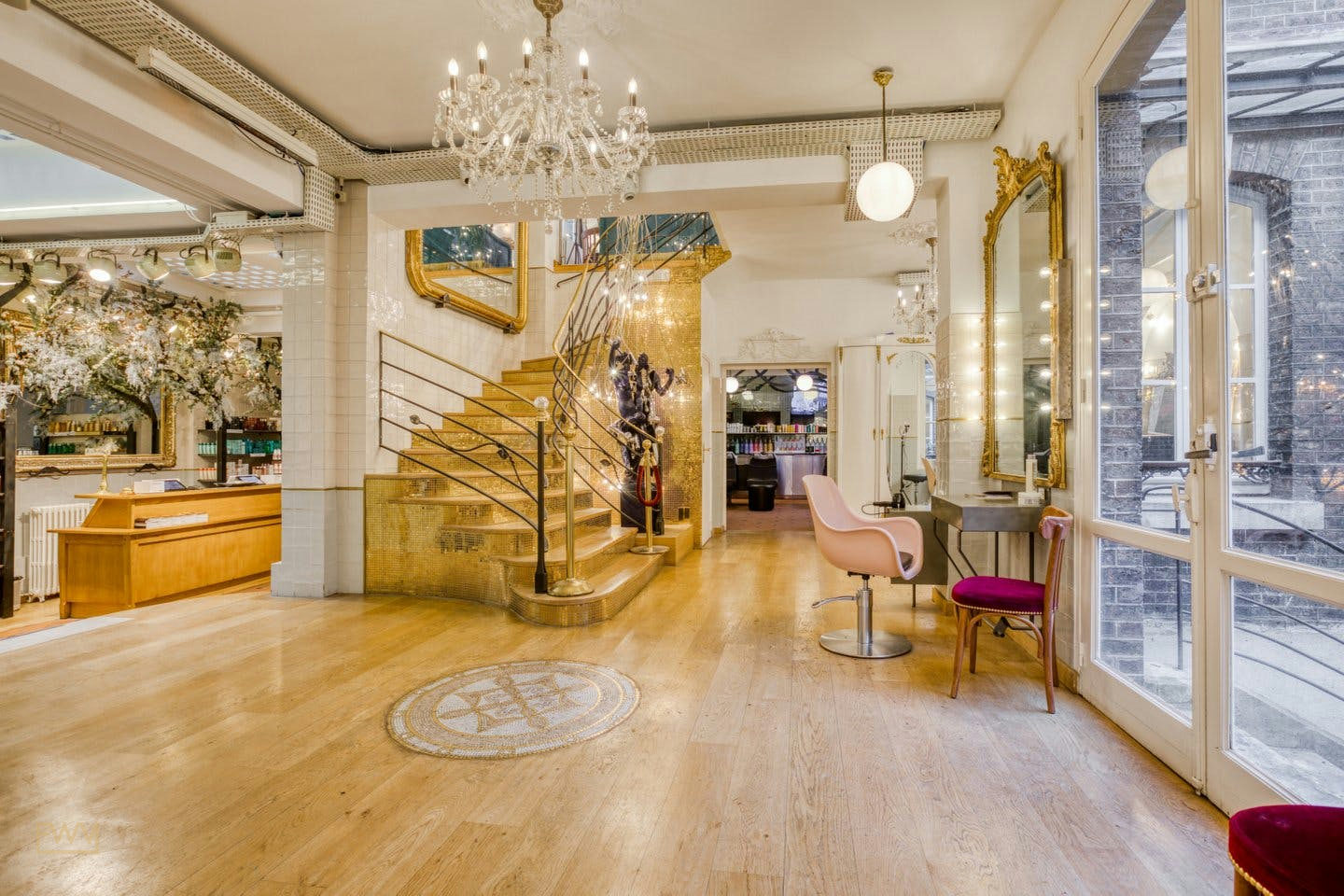
Key features to evaluate include ceiling height and natural light, which affect the quality of product presentation and content creation; street frontage and window visibility, which determine passive footfall capture; floor plan flexibility, which determines whether the space can support your intended merchandising and visitor flow; access and loading conditions, which affect fit-out logistics; existing infrastructure such as lighting rigs, electrical capacity, and HVAC; and the building's historical and protected status, which determines what modifications are permissible. In the 6th, the presence of architectural features such as steel pillars, tiled flooring, parquet, and ornate mouldings can be significant aesthetic assets for a fashion activation if the design concept is built around them.
How do social media and influencer marketing factor into a Paris pop-up strategy?
Social media and influencer marketing are integral to the communications strategy for a Paris pop-up, particularly in the 6th arrondissement where the visual quality of the neighbourhood and of typical spaces creates naturally strong content environments. A well-designed pop-up in Saint-Germain-des-Prés generates organic social media content from visitors, press, and influencers who pass through. Brands that build a deliberate content creation plan into the space design, ensuring that key visual moments are Instagram and short-form video-ready, consistently generate higher organic reach from the same physical activation than those that treat social media as a secondary afterthought.
What is the bail dérogatoire and why does it matter for a Paris pop-up?
The bail dérogatoire is a French short-term commercial lease that allows commercial premises to be rented for up to 36 months without triggering the protections and obligations of the standard 3-6-9 commercial lease framework. It is the primary legal instrument for pop-up retail arrangements in France and must be explicitly agreed in writing by both parties from the outset of the rental. If a bail dérogatoire is not correctly constituted, or if the tenant continues to occupy the space after it expires, French law may default to standard commercial lease provisions, which carry significantly more complex and costly exit obligations. All brands renting commercial space in Paris on a temporary basis should verify that their rental agreement is correctly structured as a bail dérogatoire with a qualified French legal advisor.
Can I find pop-up spaces in the 6th arrondissement through an online marketplace?
Yes, dedicated short-term retail space marketplaces provide structured access to available spaces in the 6th and across Paris, with filtering by location, size, space type, and availability window. These platforms have materially improved the transparency and accessibility of the Paris short-term space market compared to the traditional broker-only model. When evaluating marketplace listings, it is important to verify the lease terms, the basis of the rental arrangement, and the specific regulatory requirements for each space rather than assuming that all listings are equivalent in their legal and operational structure.
How does a pop-up agency differ from simply finding a space on a listing platform?
A space listing platform provides discovery and access to available spaces but typically does not provide operational, legal, creative, or logistics support. A full-service pop-up agency manages the entire process from brief to completion, including space sourcing, lease negotiation guidance, concept direction, fit-out and production, staffing, POS and payments, communications, and post-activation analytics. For brands with established Paris infrastructure and experience, a marketplace-only approach can be efficient. For brands entering Paris for the first time, or those running complex multi-format activations, the risk reduction and operational value of a full-service agency typically justifies the investment relative to managing the process independently.
Conclusion: Rent a Pop-Up Shop in the 6th Arrondissement Paris With the Right Planning and the Right Partner
The 6th arrondissement Paris remains one of the most strategically valuable short-term retail environments in any global fashion capital. Its combination of cultural authority, architectural quality, affluent and engaged consumer traffic, and proximity to the fashion industry's press, buyer, and influencer networks creates conditions that few other locations in the world can replicate. For fashion brands, beauty concepts, and design-led lifestyle labels, a well-executed pop-up in Saint-Germain-des-Prés delivers commercial returns, brand equity value, and media amplification that extend far beyond the duration of the activation itself.
The process of renting and activating a pop-up in the 6th requires careful attention to space selection, legal structure, planning timeline, fit-out logistics, staffing, and communications. Brands that approach this process with a clear brief, realistic budget, appropriate legal support, and sufficient planning lead time consistently achieve better outcomes than those that compress the timeline or underestimate the complexity of operating in the Paris market.
Whether you are a global fashion house building a seasonal presence in Paris or an independent label entering the French market for the first time, the fundamentals are the same: define your objective with precision, choose your micro-location within the 6th with strategy, structure your legal arrangements correctly, plan your fit-out and operations with the specific constraints of central Paris in mind, and build your communications strategy into the space design from day one.
To move from research to activation, start exploring available spaces on the Fashion Week Venues marketplace and build a focused brief for your target neighbourhood, space type, and calendar window. The right space in Saint-Germain-des-Prés is not just a retail venue. It is a brand statement in one of the most culturally resonant neighbourhoods in the world.