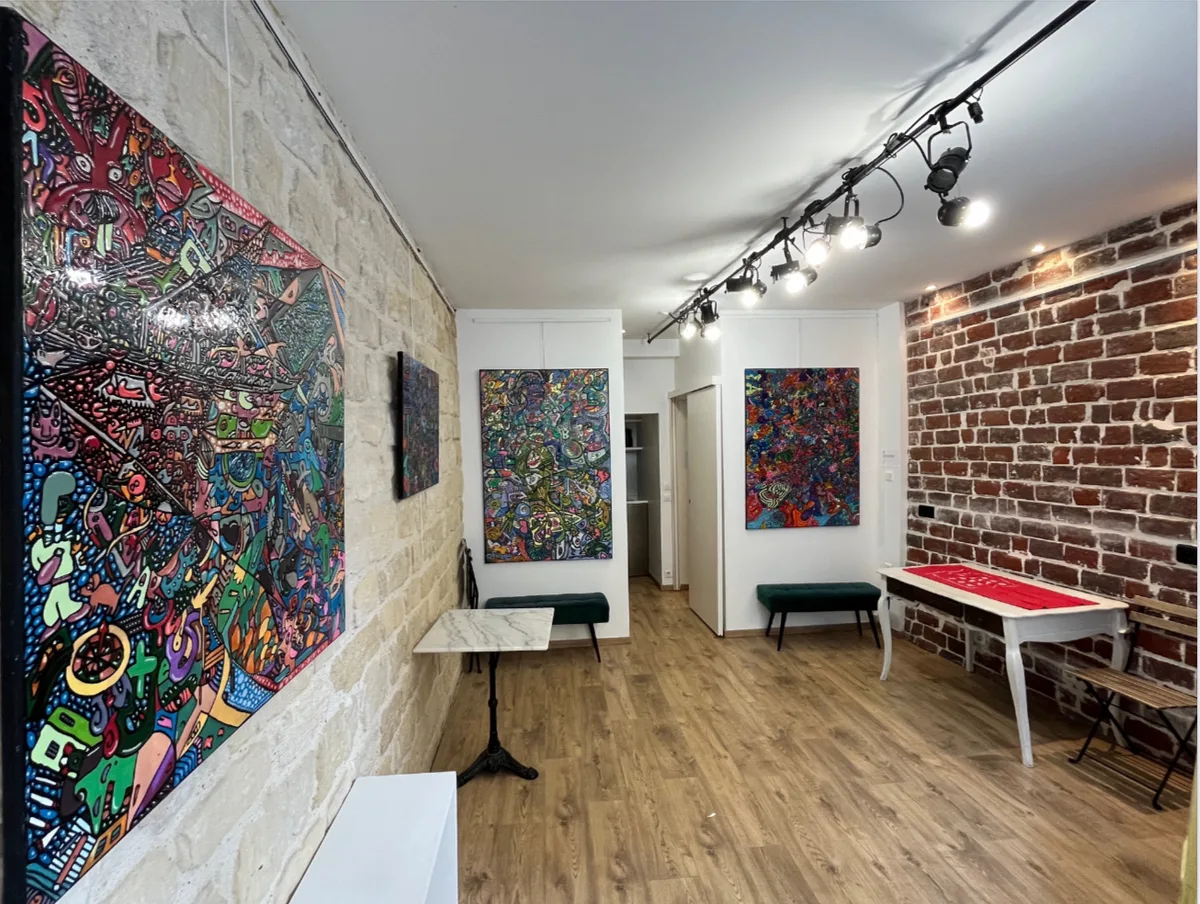
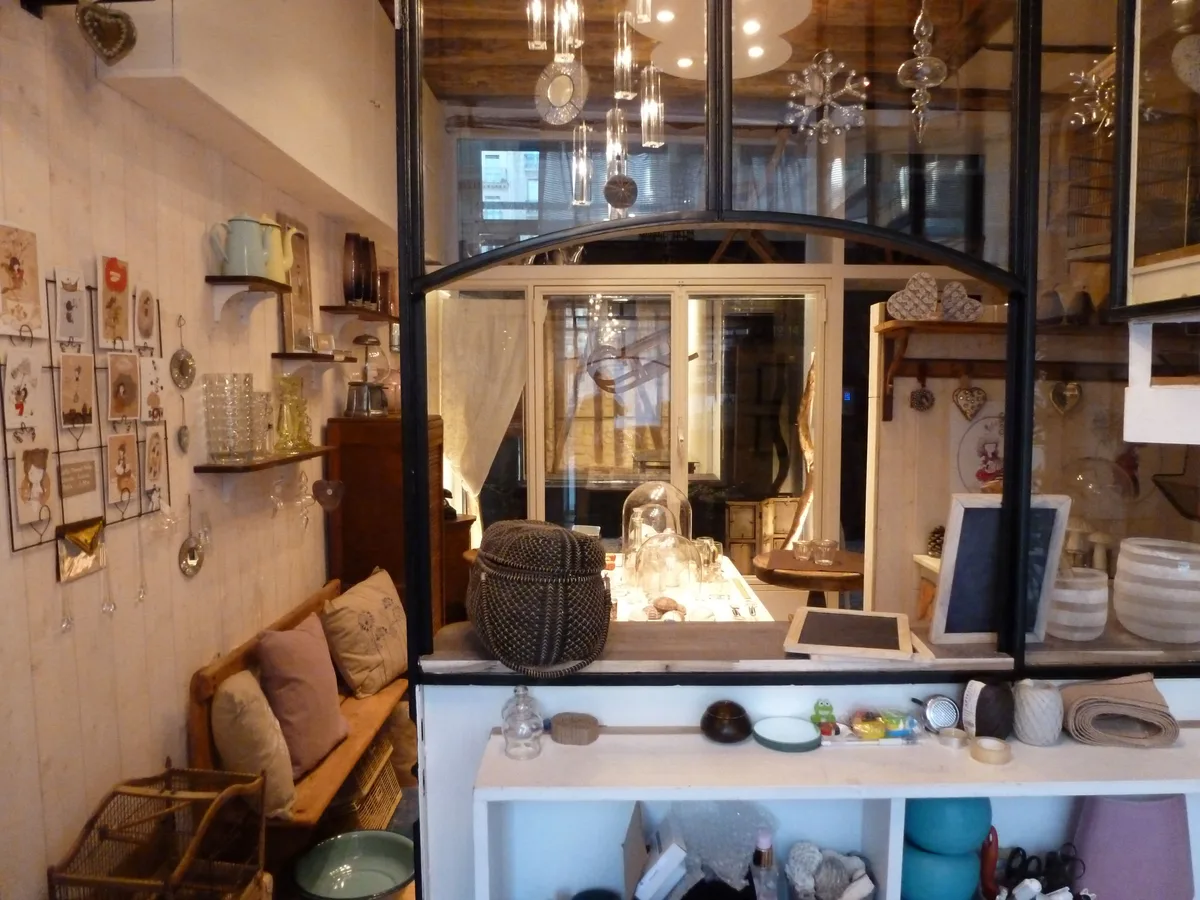
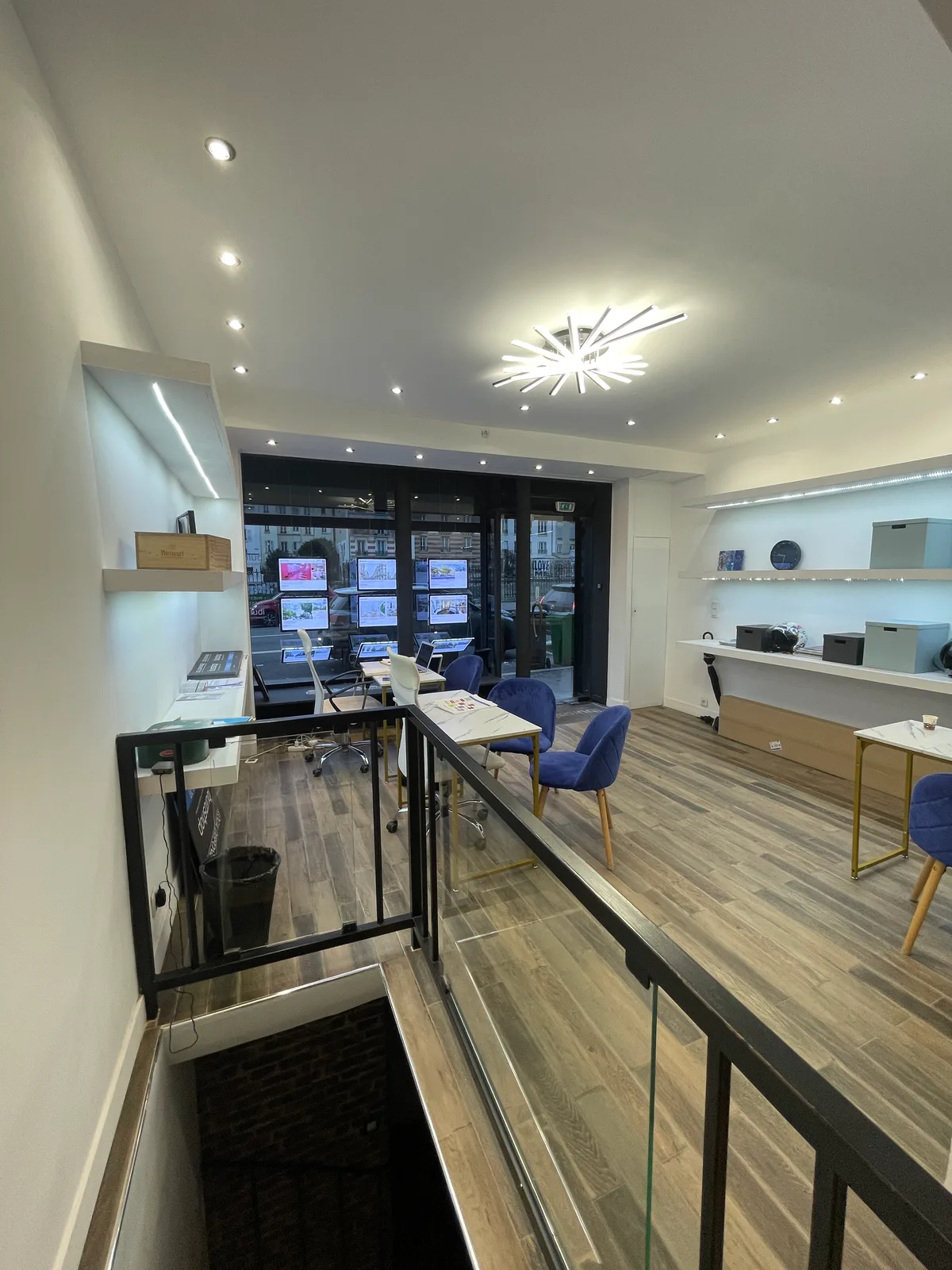
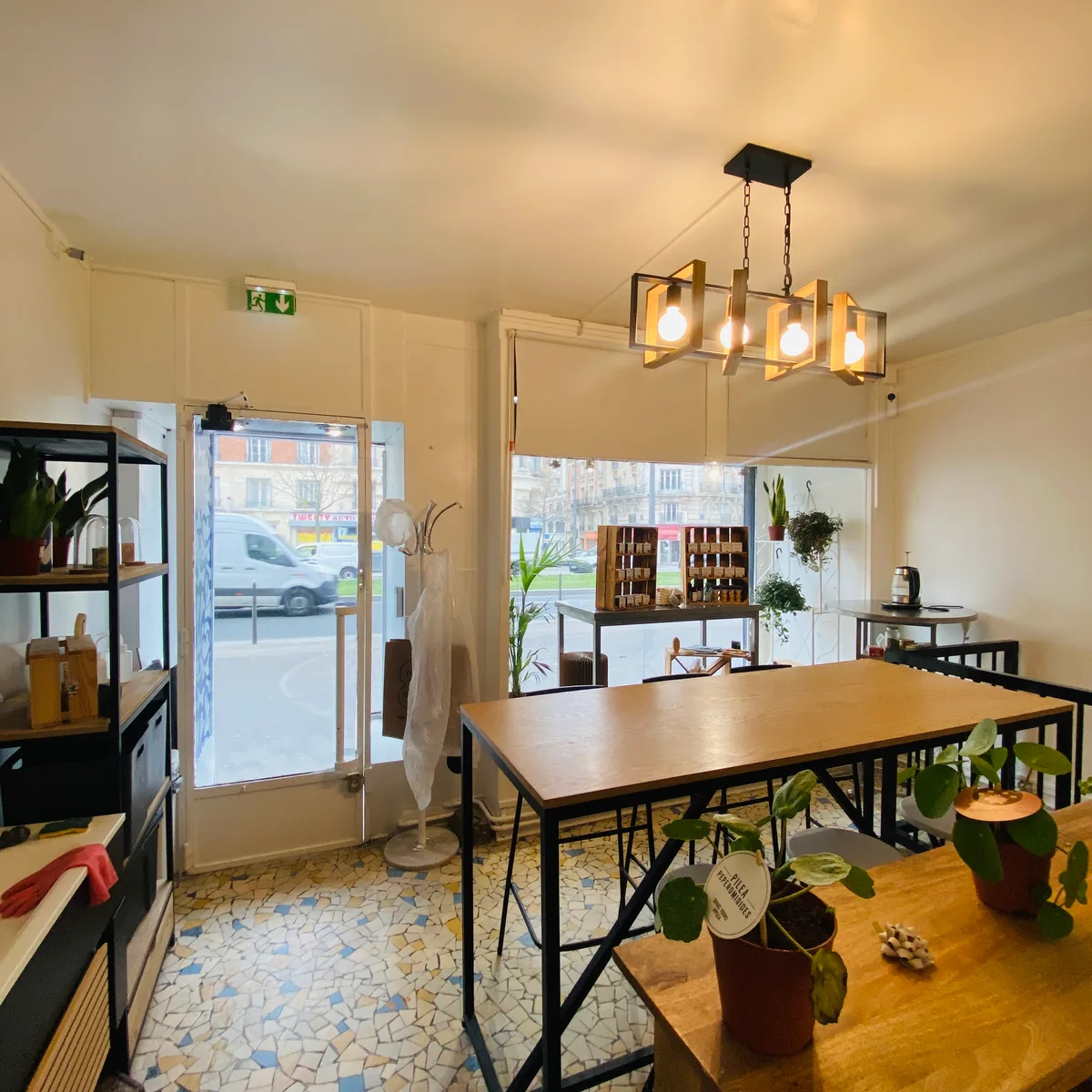
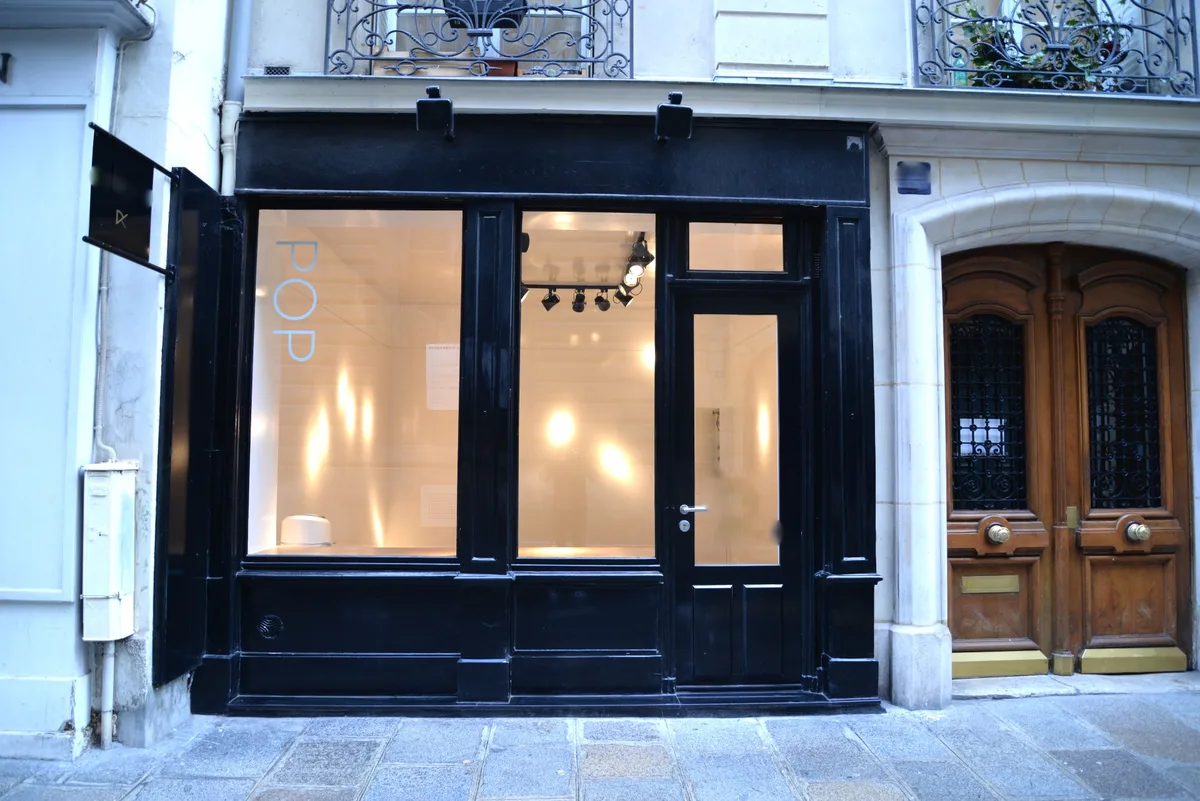
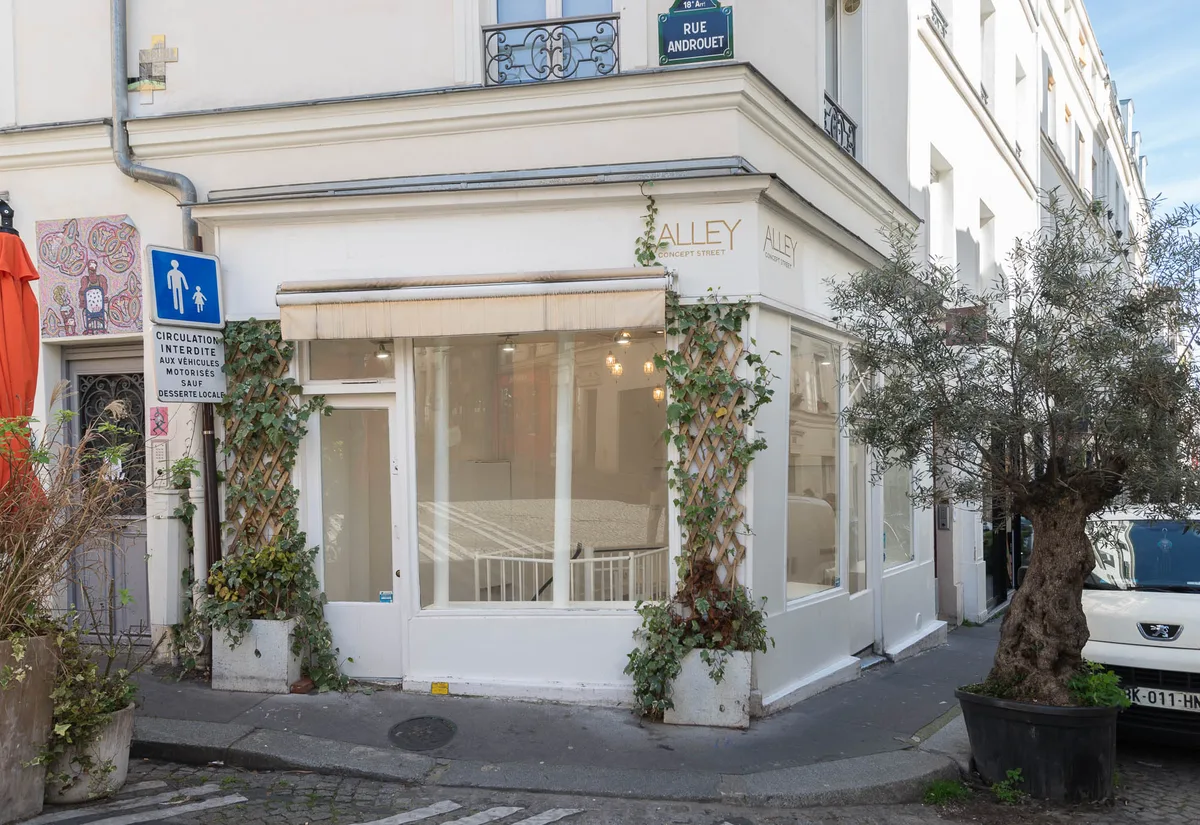
Fashion Week Venues offer a pivotal opportunity for luxury brands, emerging designers, and fashion houses to showcase their collections, engage buyers, and generate media buzz. Understanding the nuances of selecting and optimising pop-up spaces during Fashion Week is crucial for brand success. Fashion Week Venues, a full-service agency, specializes in helping brands secure and utilise prime locations in Paris, offering a seamless approach to retail activations. This comprehensive guide will cover the intricacies of venue selection, best practices, and how Fashion Week Venues facilitates successful activations.
The Importance of Choosing the Right Venue
Selecting the right venue is paramount for a successful Fashion Week presence. The venue not only affects the brand's image but also dictates the type of experience attendees will have. Factors such as location, size, accessibility, and ambience should be thoroughly evaluated to match the brand's objectives and audience expectations.
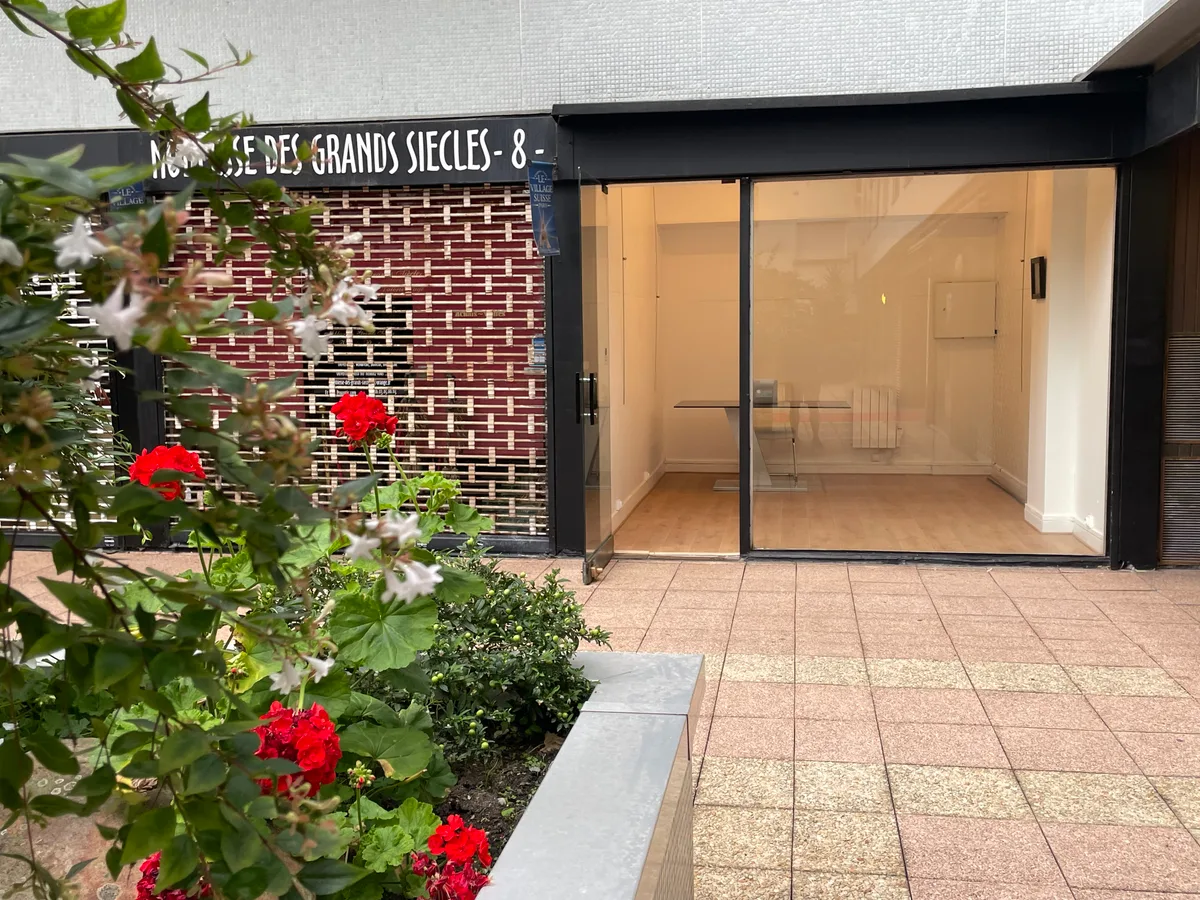
Location is often the first consideration. Prime areas like Le Marais, Opéra, and Place Vendôme are synonymous with luxury and fashion, attracting high foot traffic and desirable demographics. However, choosing a location also involves understanding the neighbourhood's dynamics, nearby competitors, and potential partnerships with local businesses.
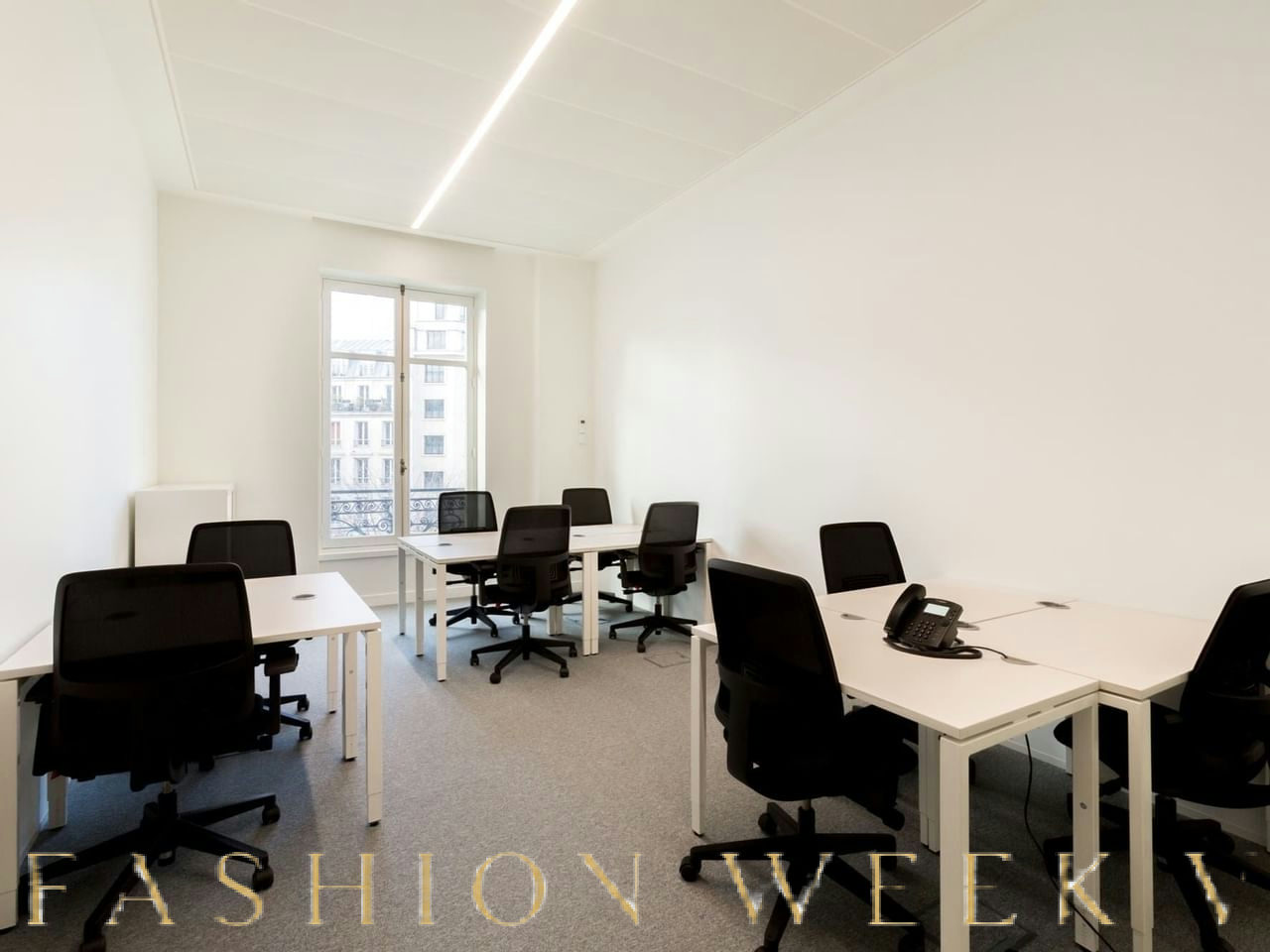
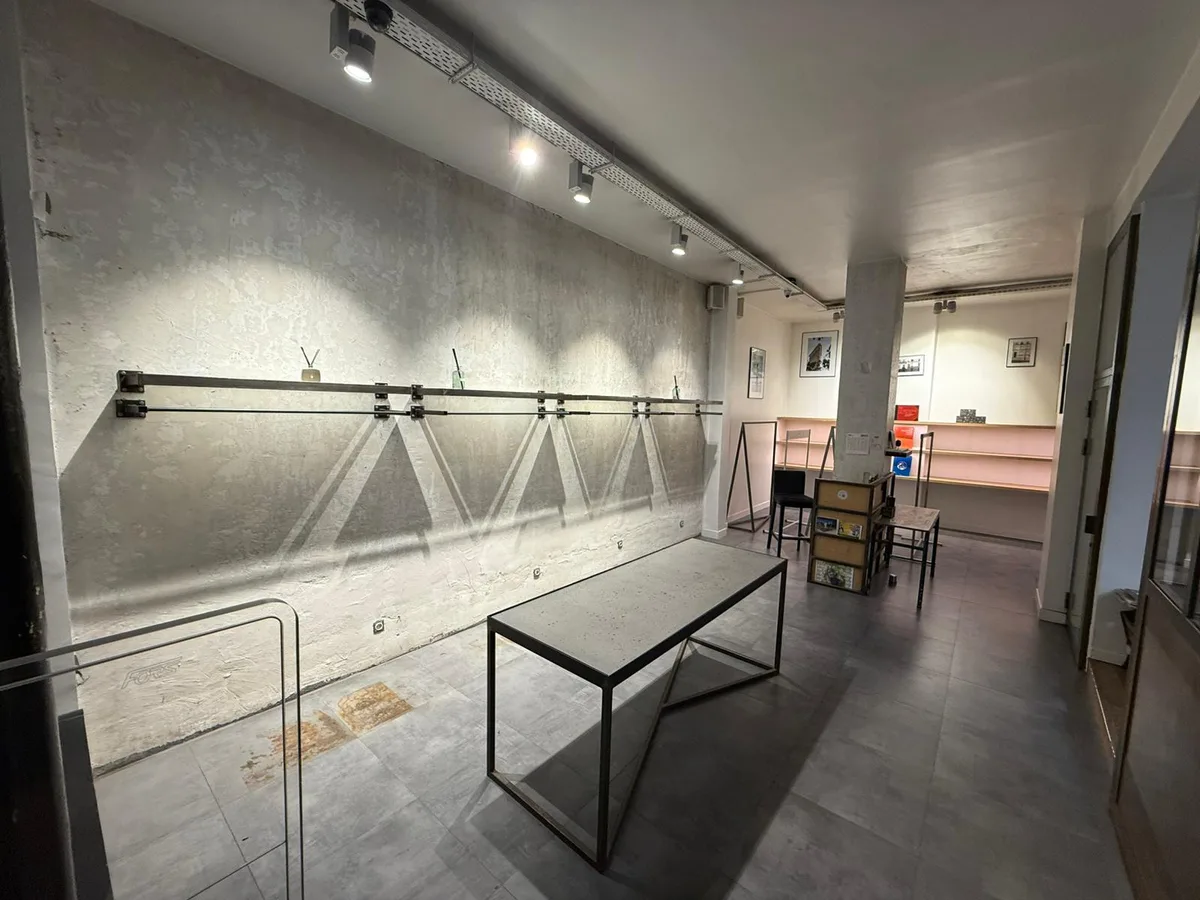
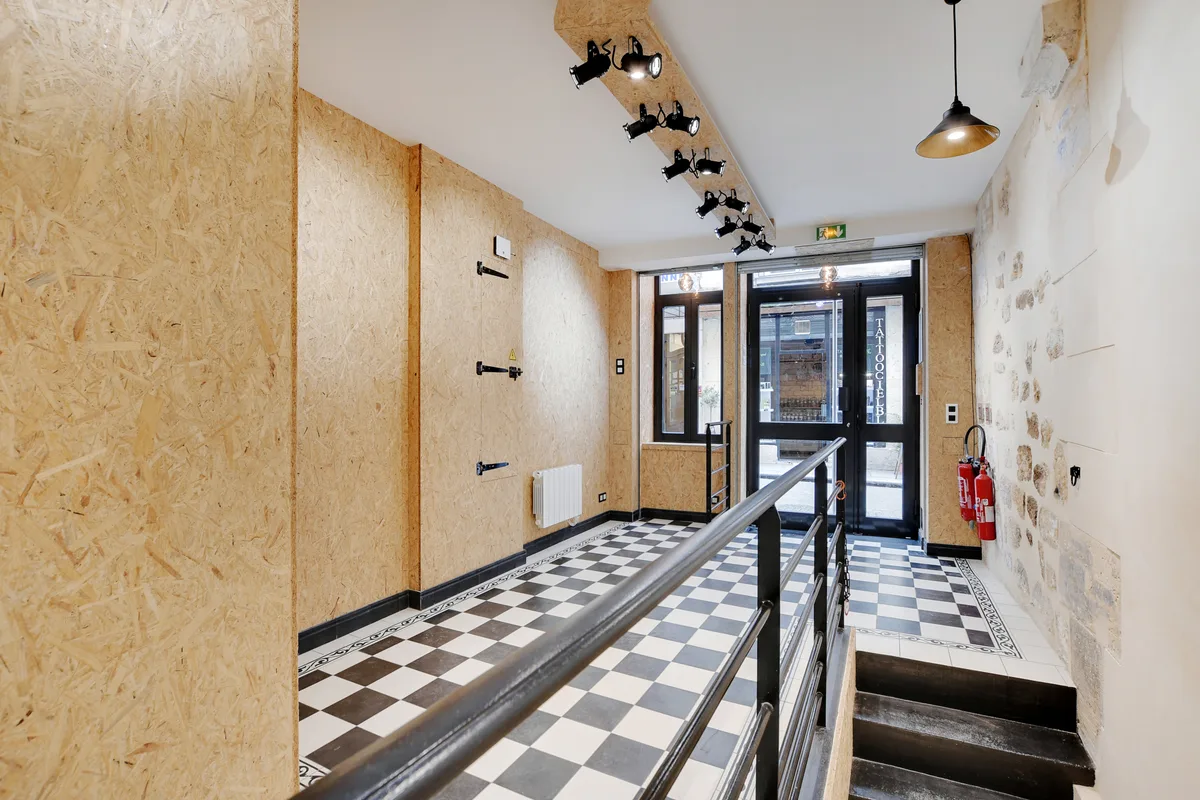
The size and layout of the venue must align with the event type and expected attendance. A showroom requires a different setup compared to a pop-up retail store or an immersive brand experience. Consideration must also be given to logistical aspects, such as loading docks for equipment and access for event staff.
Quick answer: The right venue enhances your brand visibility, aligns with your brand aesthetic, and caters directly to your target audience's preferences and expectations.
Additionally, the venue must accommodate necessary facilities, such as dressing rooms for models, storage areas for inventory, and technical equipment for multimedia presentations. Accessibility is critical, ensuring that attendees, including those with disabilities, can enjoy the event without barriers.
KEY TAKEAWAY: The venue choice directly impacts your brand's success at Fashion Week. Consider location, size, accessibility, and facilities to ensure it supports your event's goals and attendee experience.
To facilitate venue selection, Fashion Week Venues offers comprehensive venue sourcing services, helping brands identify and secure the perfect locations while navigating logistical and compliance challenges.
| Consideration | Impact on Event | Decision Criteria |
|---|---|---|
| Location | Brand image and foot traffic | Proximity to key fashion hubs |
| Size | Audience size and type of event | Event goals and attendee list |
| Accessibility | Attendee comfort and experience | Inclusivity and ease of access |
| Facilities | Event functionality and logistics | Technical and operational needs |
Understanding these considerations highlights the importance of strategic venue selection and the role it plays in crafting memorable experiences at Fashion Week. This bridges us to the next crucial aspect: key characteristics of popular venue neighborhoods.
Key Characteristics of Popular Venue Neighborhoods
The choice of neighborhood can significantly influence the success of a Fashion Week event in Paris. Each district offers unique characteristics, advantages, and challenges that need to be carefully evaluated.
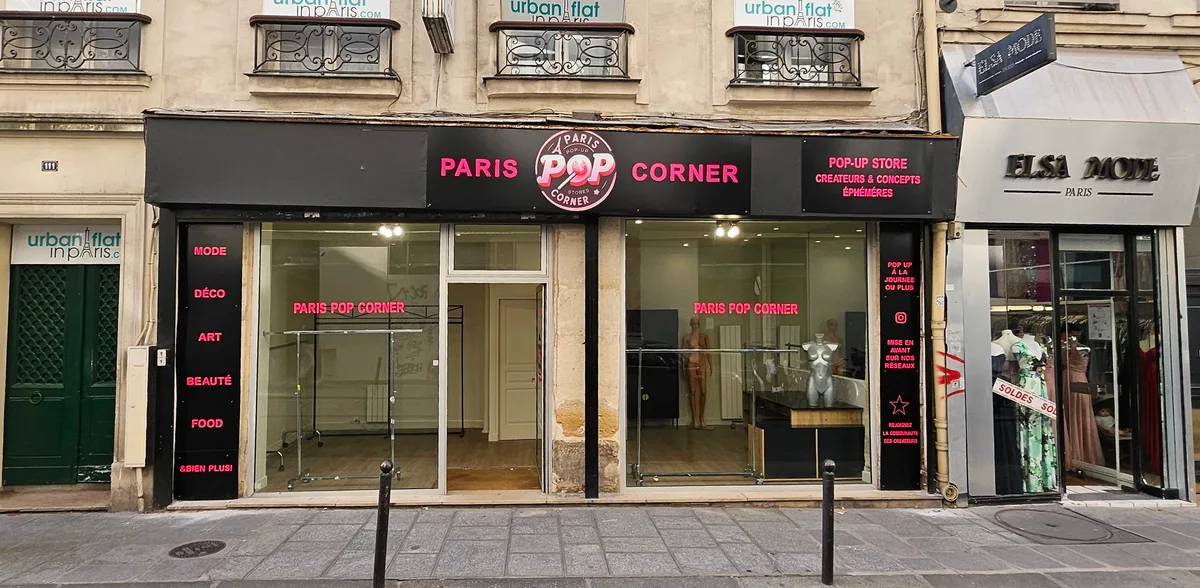
Le Marais: Known for its historic charm and rich culture, Le Marais is a melting pot of fashion and art. Its cobblestone streets are lined with boutique shops, galleries, and cafes. The area attracts a diverse crowd including tourists, locals, and fashionistas.
Opéra: This district combines elegance with commercial vibrancy. Opéra is not only popular for its stunning architecture but also for its proximity to flagship stores and major shopping avenues such as the Boulevard Haussmann.
Place Vendôme: As a hotspot for luxury, Place Vendôme is home to prestigious jewelry and fashion brands. Its exclusive nature invites affluent clientele, making it ideal for high-end brand activations.
Quick answer: Selecting the right neighborhood depends on aligning your brand's image with the area's audience and atmosphere for optimal engagement and visibility.
Understanding the audience demographic of each neighborhood is vital for tailoring your event's marketing and engagement strategies. The local culture and shopping habits can serve as valuable indicators of event success when choosing a venue location.
KEY TAKEAWAY: Carefully align your brand's message and target audience with the personality and demographic of the neighborhood to maximize the effectiveness of your Fashion Week presence.
Fashion Week Venues provides a location tool to assist brands in evaluating potential neighborhoods, ensuring they select venues that align perfectly with their campaign and audience.
| Neighborhood | Characteristics | Suitable Brand Types |
|---|---|---|
| Le Marais | Artistic, diverse, cultural hub | Artisan and boutique brands |
| Opéra | Elegant, busy shopping district | High-street and luxury brands |
| Place Vendôme | Luxury, exclusivity, affluent | High-end and luxury brands |
By understanding and leveraging the characteristics of popular neighborhoods, brands can enhance their Fashion Week strategy, fostering stronger connections with their target audiences. This insight naturally leads us to the next theme of understanding venue types at Paris Fashion Week.
Different Types of Venues and Their Uses
During Paris Fashion Week, the type of venue you choose can dramatically impact your brand's presentation and audience interaction. Each venue type offers unique advantages suited to specific branding, marketing, and experiential needs.
Showrooms: Ideal for intimate presentations, showrooms are perfect for engaging directly with buyers and press. They allow for detailed display and distribution of collections, fostering a more personal and focused interaction.
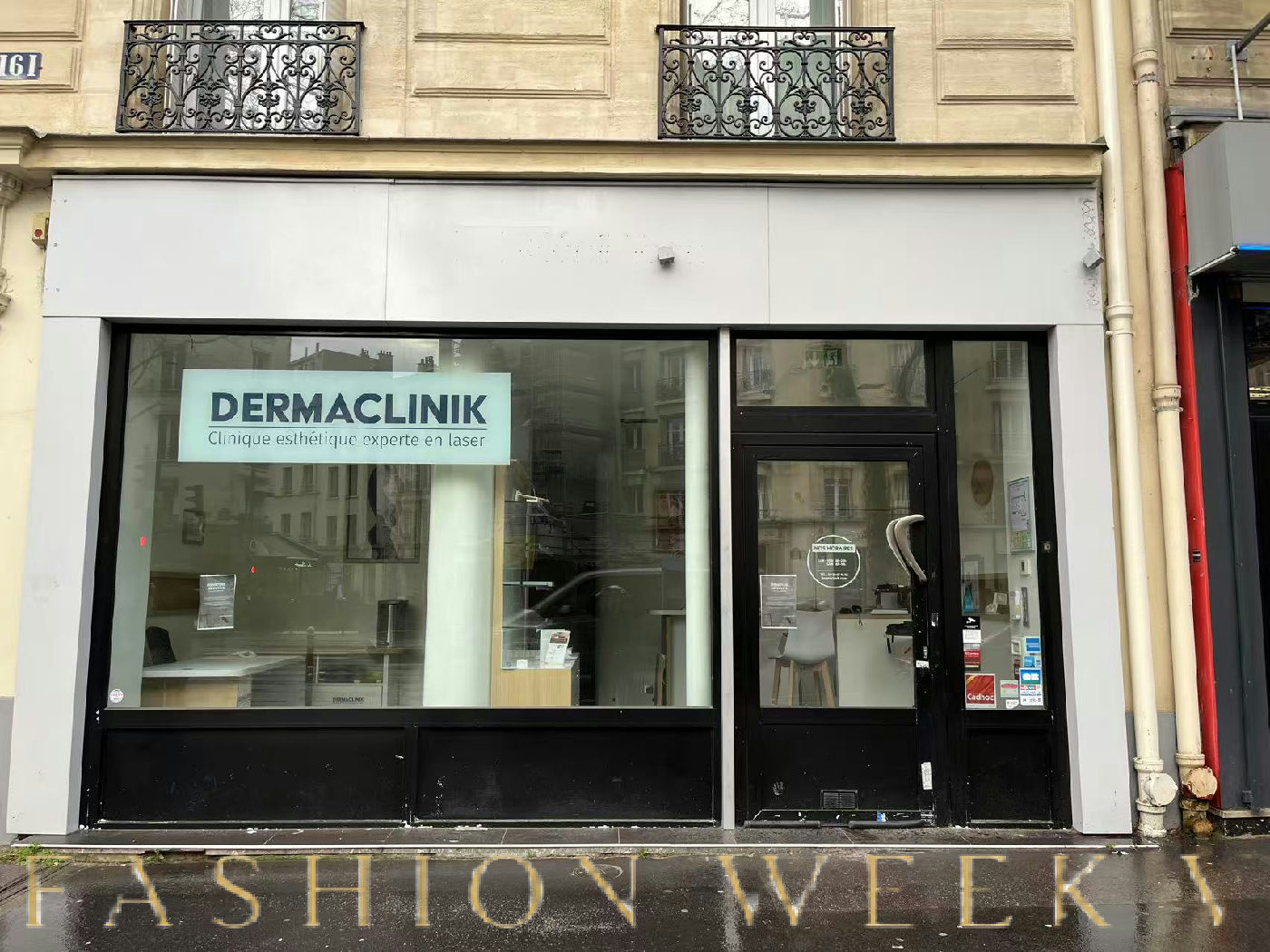
Pop-up Shops: These temporary retail spaces offer brands the versatility to create immersive and buzz-worthy shopping experiences. Pop-ups enable brands to reach new audiences and provide a sense of urgency that can drive sales and brand awareness.
Exhibition Spaces: These are larger venues suitable for grand presentations and events requiring extensive installations and broader audience reach. Exhibition spaces can host everything from art installations to full-scale runway shows.
Quick answer: Each venue type serves a different strategic purpose, whether focused on intimate interactions in a showroom or wide-reaching impact in exhibition spaces.
Opting for a pop-up shop can turn a retail space into an experiential marketing opportunity. By partnering with influencers or hosting special events, brands can attract media attention and build a memorable brand experience.
KEY TAKEAWAY: Choose the venue type that best matches the scale, goals, and target audience of your Fashion Week activation to maximise impact and engagement.
To assist brands in navigating venue types, Fashion Week Venues offers tools such as a comparison tool to evaluate which venue types align best with their strategic objectives and target markets.
| Venue Type | Advantages | Ideal Use Case |
|---|---|---|
| Showroom | High intimacy and engagement | Launch of exclusive collections |
| Pop-up Shop | Buzz creation and direct sales | Testing new markets |
| Exhibition Space | Broad audience reach | Mass marketing and PR events |
Understanding your venue options helps you tailor your event to your strategic goals—empowering your decision for the remainder of Fashion Week planning, including necessary permits and compliance.
Understanding Permits and Compliance Requirements
Securing a venue for Fashion Week involves more than just location and size; understanding permits and compliance requirements is crucial to avoid legal complications. This ensures your event runs smoothly and aligns with Parisian regulations.
Bail dérogatoire: This is a short-term lease agreement specifically designed for temporary events. It's favored for its flexibility in allowing occupancy without commitments beyond the agreed duration. However, it's crucial to verify conditions and limitations with a legal advisor.
AOT (Autorisation d'Occupation Temporaire): Required for occupying public properties or spaces, AOT ensures the use aligns with city guidelines. Applications are subject to municipal review and timelines vary, necessitating advanced planning.
Quick answer: Acquiring the right permits, like bail dérogatoire and AOT, ensures your Fashion Week activation is legally compliant, safeguarding against disruptions initiated by regulatory issues.
Permits differ significantly depending on space type, event duration, and location. Understanding these nuances is critical. Engaging legal professionals or agencies with local experience is recommended.
KEY TAKEAWAY: Early understanding and preparation for permits and compliance protect your brand from legal setbacks during vital Fashion Week engagements.
Fashion Week Venues simplifies this process by offering a permits tool to help brands navigate the complexities of obtaining necessary documentation and remaining compliant with Paris regulations.
By planning for permits appropriately, brands can focus on other essential aspects such as design, logistics, and marketing, which we'll explore further in the context of successful brand activations.
Crafting Successful Brand Activations
Brand activation during Fashion Week requires a seamless blend of creativity, execution, and data-driven insights. Effective activations not only elevate brand visibility but also foster a deeper connection with the target audience.
Concept Direction: A well-crafted concept sets the tone for your activation, encompassing both visual elements and the overall narrative. It should resonate with your brand's identity and align with the theme of Fashion Week.
Production and Build: A meticulously planned production ensures that your venue is an immersive environment that captivates attendees. This involves everything from structural design to digital enhancements that engage and inspire.
Retail Staffing: Skilled staffing is crucial, as personnel are ambassadors of your brand. Their interaction with guests can significantly enhance the customer journey, making training and selection a priority.
Quick answer: Successful brand activations are built on a strong concept, precise execution, and effective people management, ensuring a memorable and impactful presence at Fashion Week.
An activation's success is often measured through data analytics that assess customer engagement levels, sales conversions, and social media interactions. Such insights guide future strategies and decision-making processes.
KEY TAKEAWAY: Integrating a strong concept, expert production, and strategic staffing with measurable analytics ensures your brand maximizes its Fashion Week investment through impactful activations.
Fashion Week Venues provides comprehensive activation services that encompass concept development, production, and staffing, ensuring brands achieve their activation goals seamlessly.
This deeper understanding of brand activations effectively sets the stage for leveraging tools and services that enhance the Fashion Week experience, which we will explore in the next section.
Leveraging Tools and Services by Fashion Week Venues
Brands can significantly enhance their Fashion Week activations by utilizing the specialized tools and services offered by Fashion Week Venues. These resources help streamline planning and execution while maximizing engagement and impact.
Space Marketplace: A diverse collection of pre-vetted spaces across Paris, allowing brands to browse and select venues that meet their specific needs and standards.
Budget and ROI Tools: Tools designed to forecast financials accurately, helping brands understand their investment's return and navigate economic planning efficiently.
Comparative Analysis Tools: These tools allow for side-by-side comparison of spaces, services, and logistics options, ensuring brands make informed decisions that align with their goals.
Quick answer: Tools such as space marketplace and budget calculators enhance brand efficiency and success at Fashion Week by simplifying complex planning processes and decision-making.
By leveraging these tools, brands can minimize errors and optimize resources, gaining a competitive edge in the high-stakes environment of Fashion Week. Additionally, Fashion Week Venues' expert guidance ensures seamless integration of these tools into the brand's strategy.
KEY TAKEAWAY: Utilizing comprehensive tools and expert services enhances operational efficiency, strategic planning, and the overall success of your Fashion Week venture.
Fashion Week Venues' vast suite of tools culminates in a streamlined activation process, providing brands with confidence that their events are well-planned, well-executed, and poised for success.
With the support of these tools and services in mind, the next logical focus is understanding the complete timeline for a successful Fashion Week preparation from start to finish.
Establishing a Timeline for Fashion Week Success
Establishing an efficient timeline is crucial for organizing a successful Fashion Week event. Well-planned schedules ensure all arrangements are timely, comprehensive, and free from last-minute chaos.
Initial Planning: Start planning 12-18 months before the event. This stage involves choosing the location, setting goals, budgeting, and identifying potential partners or collaborators.
Venue Selection: Finalize venues 6-12 months prior. This allows ample time to secure permits and logistics, and to begin marketing initiatives well ahead of launch.
Production and Design: The concepts for the production and venue design should be locked in at least 6 months in advance. This ensures there is plenty of time for revisions and seamless execution.
Quick answer: A strategic timeline beginning 18 months ahead allows comprehensive planning, effective decision-making, and the elimination of last-minute challenges, leading to successful Fashion Week participation.
As the event approaches, finalize team selections and training, ensuring all marketing materials are ready for distribution. The final few weeks should focus on rehearsals, technical checks, and final touches on venue preparation.
KEY TAKEAWAY: A detailed timeline is an essential tool for managing a successful Fashion Week activation, providing a structured approach to each planning phase resulting in cohesive and efficient execution.
Fashion Week Venues offers a timeline planning tool to help brands create comprehensive schedules that cover all critical events and deadlines leading up to Fashion Week.
By adhering to a structured timeline, brands are more likely to execute flawless events that capture attention and achieve their intended outcomes. This knowledge is integral as brands consider moving from research to activation.
Financial Planning and Budgeting for Fashion Week
Financial planning and budgeting are vital components of preparing for Fashion Week. A well-structured budget ensures that all aspects of the event are adequately funded and resources are optimally allocated.
Cost Estimation: Develop comprehensive cost projections for venue rentals, production, staffing, marketing, and contingency funds to handle unexpected expenses.
ROI Analysis: Assess the potential return on investment by analyzing past performance data and setting measurable goals. This aids in understanding the financial viability of the Fashion Week venture.
Resource Allocation: Prioritize budget segments based on strategic objectives, ensuring critical aspects like production quality and marketing receive adequate funding.
Quick answer: Effective budgeting requires detailed cost estimation, ROI forecasting, and strategic resource allocation to ensure financial efficiency and project success during Fashion Week.
A critical component includes regular financial reviews and adjustments, allowing brands to remain adaptive to changes in circumstances or unexpected costs.
KEY TAKEAWAY: Detailed budget planning enables brands to allocate resources effectively, predict ROI accurately, and maintain financial control, ensuring a successful Fashion Week experience.
Fashion Week Venues supports financial planning with their budget calculator and ROI tools, allowing brands to forecast, plan, and manage financials comprehensively.
Armed with solid financial practices, brands can confidently move forward in their Fashion Week preparations, knowing they are financially equipped to handle every aspect of their activations.
Common Myths Debunked
MYTH: You need a French legal entity to rent a space in Paris.
FACT: While navigating French real estate can be complex, international brands can rent spaces without a local entity by working with agencies like Fashion Week Venues, which facilitate such agreements smoothly.
MYTH: Paris Fashion Week is the only viable calendar window.
FACT: While Paris Fashion Week garners significant attention, numerous other events and times throughout the year can offer substantial exposure, depending on brand strategy and target audience.
MYTH: Commission brokers are the only way to find a space in Paris.
FACT: Agencies like Fashion Week Venues provide alternative platforms that streamline the process of finding and renting spaces, eliminating excessive brokerage fees and offering tailored solutions.
MYTH: Short-term leases are legally straightforward without specialist help.
FACT: Short-term agreements require careful legal scrutiny to ensure compliance with local laws and regulations. Agencies well-versed in local real estate laws, like Fashion Week Venues, provide invaluable assistance in these matters.
Frequently Asked Questions
What is the benefit of using a pop-up shop during Fashion Week?
Pop-up shops offer brands a unique opportunity to create a temporary retail experience that can drive brand awareness and engagement. They allow for testing new markets without long-term commitments, creating buzz and urgency through limited-time exclusivity. By leveraging foot traffic during Fashion Week, brands can engage with both local and international audiences effectively.
How does Fashion Week Venues assist with finding a venue?
Fashion Week Venues provides a comprehensive venue sourcing service that matches brands with the ideal locations for their events. This includes identifying suitable venues, negotiating contracts, and handling logistics. Their extensive marketplace ensures a selection of high-quality, strategically located spaces that align with brand goals.
Are there specific permits required for hosting events during Fashion Week?
Yes, hosting events during Fashion Week often requires specific permits such as a bail dérogatoire for short-term leases and an AOT for public space use. The requirements can differ based on the location, duration, and type of event. It is recommended to consult with experts or use resources like Fashion Week Venues' permits tool to navigate these requirements efficiently.
What makes Paris a key location for Fashion Week events?
Paris is considered one of the fashion capitals of the world, hosting major Fashion Weeks that attract industry leaders, influencers, and media from around the globe. Its rich cultural history and standing in luxury fashion provide brands with unparalleled exposure. Locations such as Le Marais, Opéra, and Place Vendôme offer premier venues synonymous with high fashion and luxury retail.
How far in advance should planning for a Fashion Week event begin?
Planning should begin 12 to 18 months in advance to ensure all aspects, from venue selection to permits and logistics, are handled efficiently. Early planning allows for careful alignment of strategy, budgeting, marketing, and operational execution, reducing the risks of last-minute complications and ensuring a smooth, successful event.
How do you measure the success of a Fashion Week activation?
The success of a Fashion Week activation can be measured through several metrics, including brand engagement levels, sales growth, media coverage, and social media buzz. Data analytics tools can provide insights into customer behavior and interaction, helping brands assess their ROI and refine future strategies for greater impact.
What are the risks of not obtaining the proper permits for a Fashion Week event?
Failure to secure the appropriate permits can lead to severe consequences, including fines, legal disputes, and ultimately, event cancellation. It is crucial for brands to adhere to local regulations and secure necessary documentation to mitigate such risks. Consulting with professionals or using tools like Fashion Week Venues’ permits tool can help ensure compliance and legal peace of mind.
Can small brands afford to participate in Fashion Week?
Yes, small brands can participate in Fashion Week by smart strategic planning and budgeting. Opting for smaller, more flexible venue options such as pop-up shops can reduce costs. Agencies like Fashion Week Venues offer tools and services for budget estimation and ROI analysis, helping smaller brands make financially informed decisions.
What role do influencers play in Fashion Week activations?
Influencers can greatly enhance a brand's visibility and reach during Fashion Week by sharing content with their followers, attending events, or collaborating on campaigns. Their endorsement and coverage can attract broader media attention and create buzz. Fashion Week Venues can assist in integrating influencer marketing as part of a comprehensive activation strategy.
Why is Fashion Week a strategic time for brand activations?
Fashion Week presents a critical window for brand activations due to the concentrated presence of industry stakeholders, press, and fashion enthusiasts. Strategically planned events during this period can yield high visibility, significant engagement, and the opportunity to network with key influencers and decision-makers, making it an invaluable time for brand exposure and growth.
Conclusion
Paris Fashion Week offers numerous opportunities for brands to elevate their presence on the global stage. By selecting the right venue, leveraging strategic tools, and ensuring compliance, brands can optimise their participation and ensure memorable experiences for their audience. Fashion Week Venues provides a comprehensive suite of services and tools to facilitate this success, empowering brands at every step of the process. As you prepare to move from research to action, start by exploring the available spaces on the Fashion Week Venues marketplace to find the perfect venue for your brand activation.