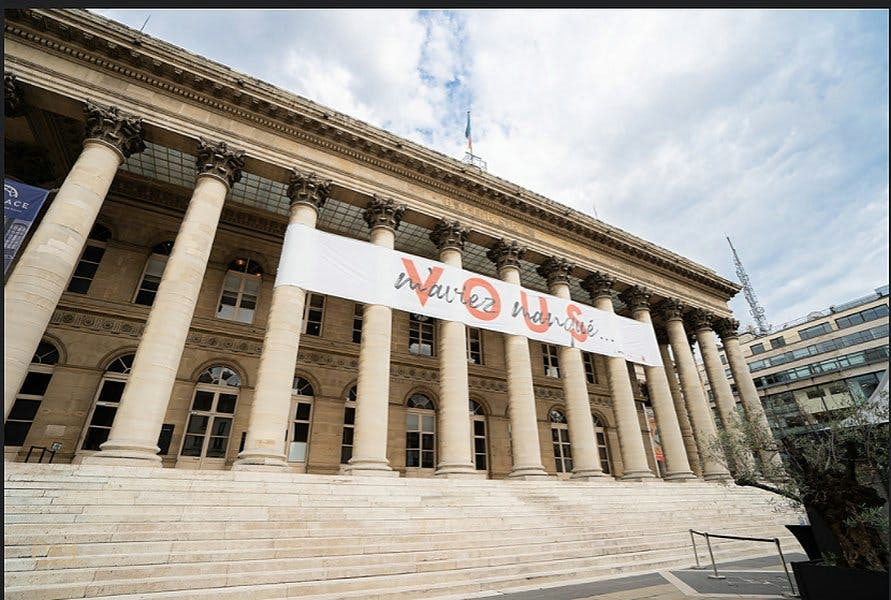
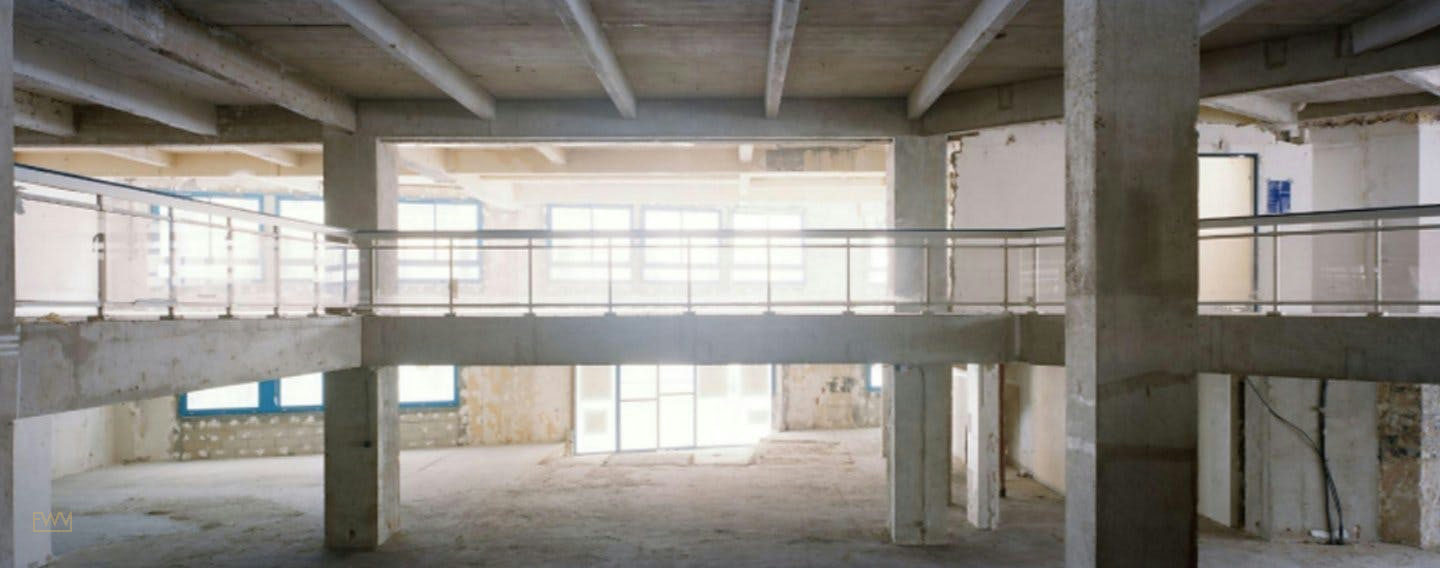
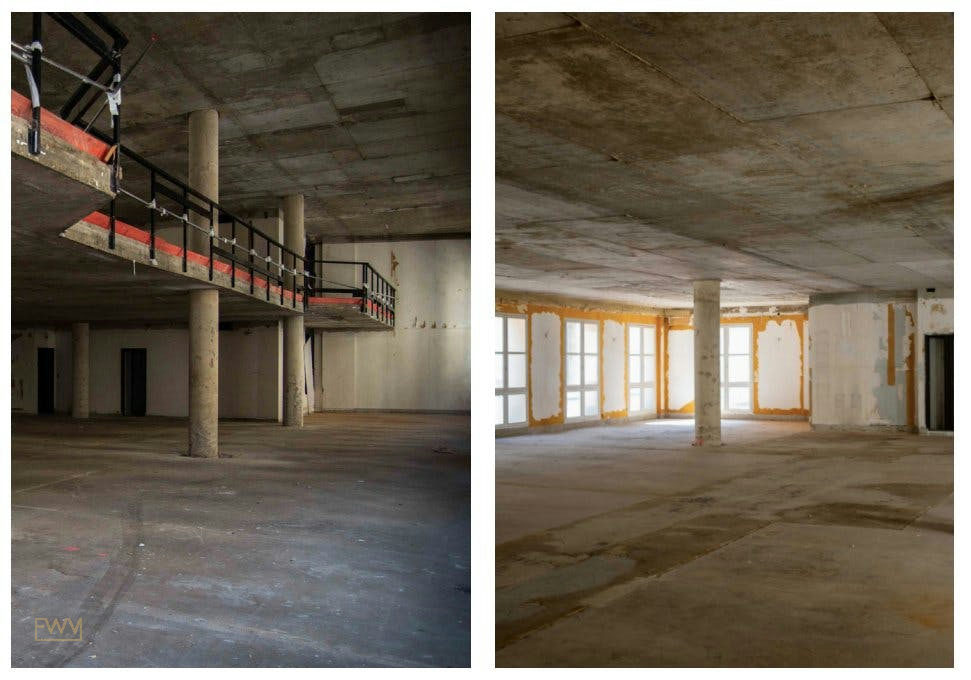
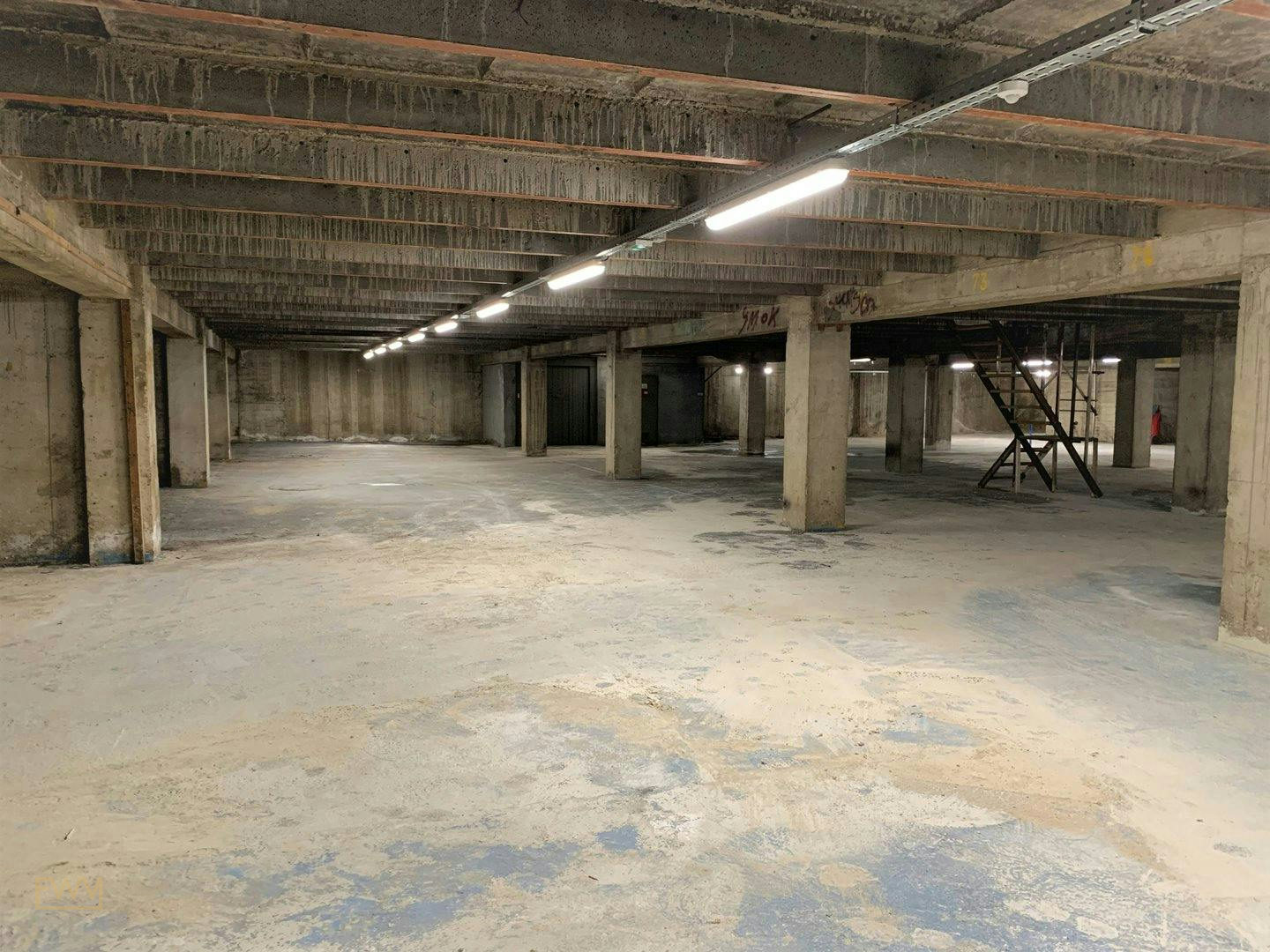
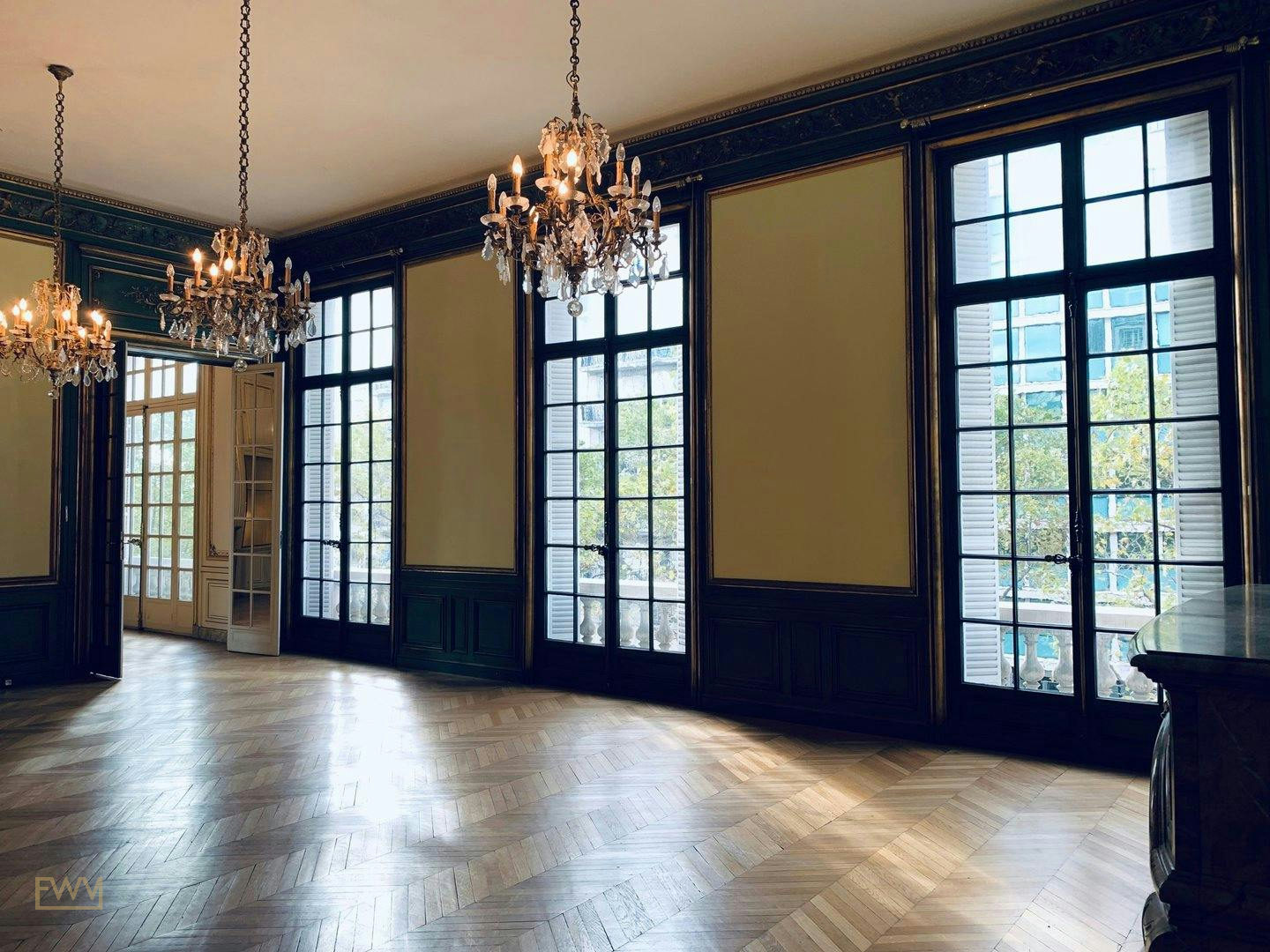
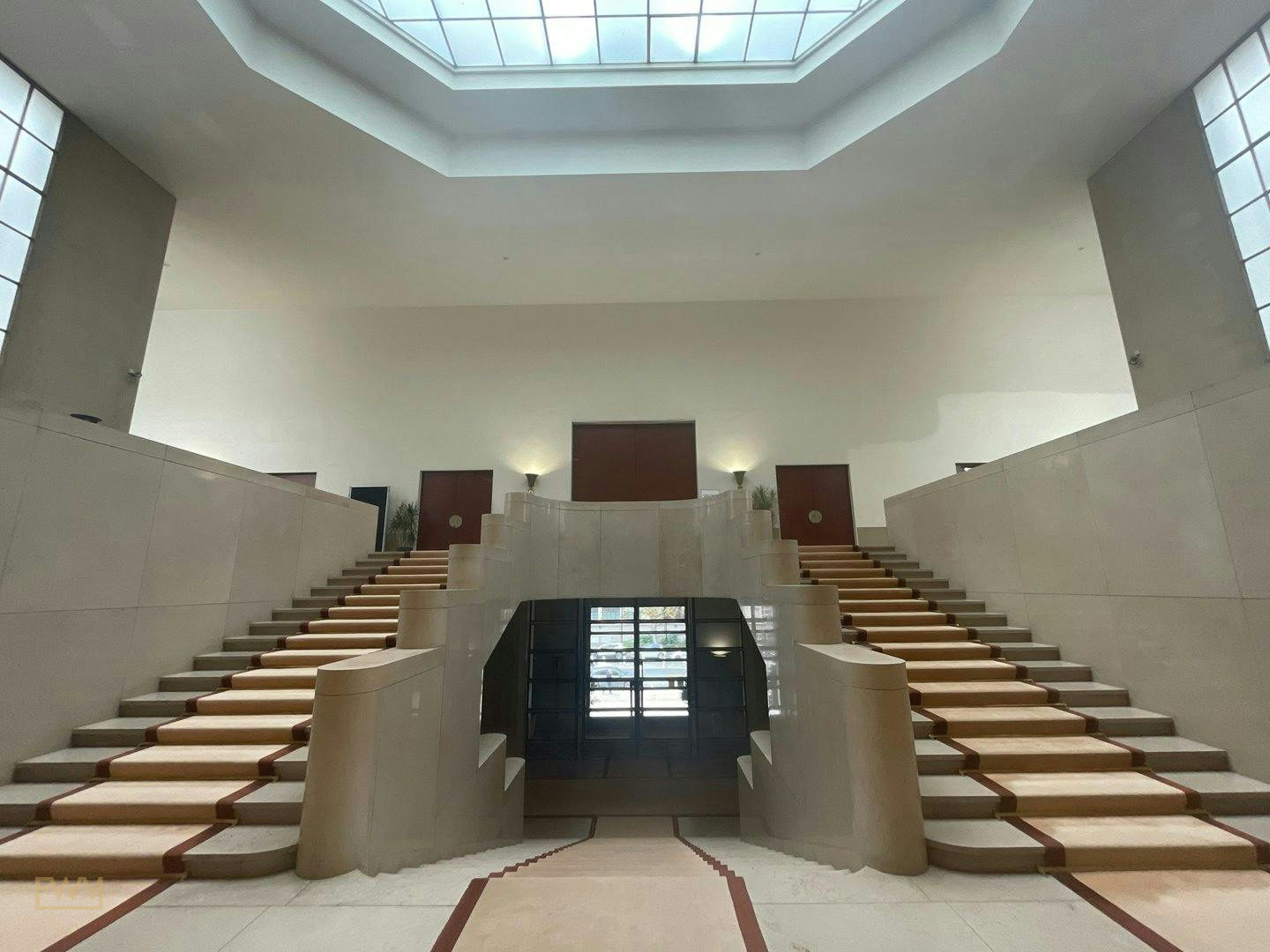
With the competitive nature of the fashion industry, brands looking to make an impression during events like Paris Fashion Week need the optimal venue to showcase their creativity and appeal. Fashion Week Venues provides pivotal solutions for international brands aiming to activate their presence through pop-up spaces, showrooms, and event venues across Paris. From venue sourcing to activation management, Fashion Week Venues offers comprehensive services tailored to the dynamic needs of fashion houses during one of the most critical weeks in the industry calendar.
The Importance of Choosing the Right Venue for Fashion Week
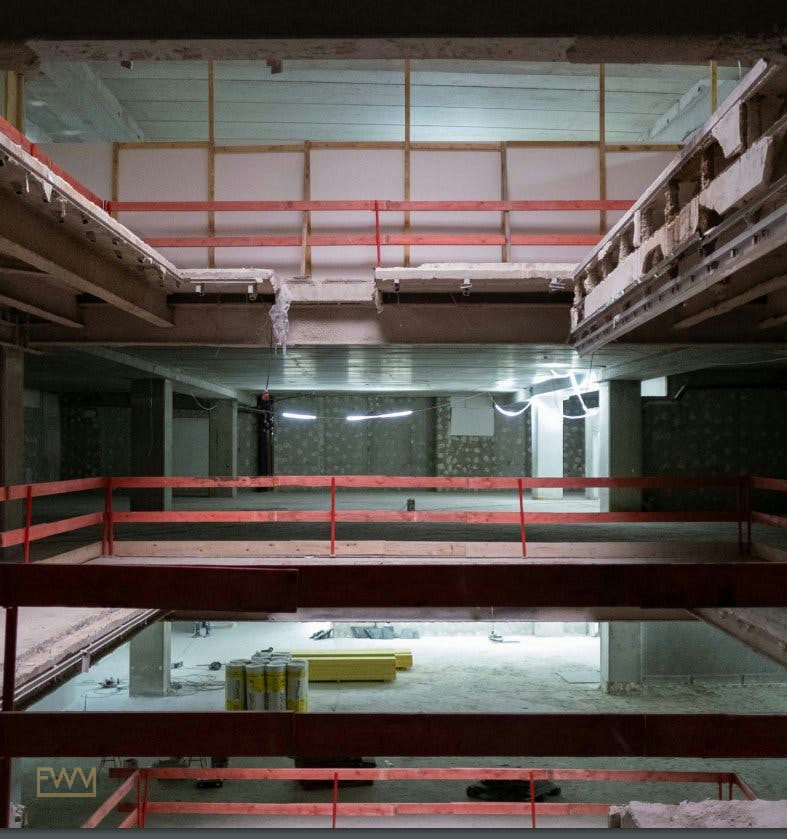
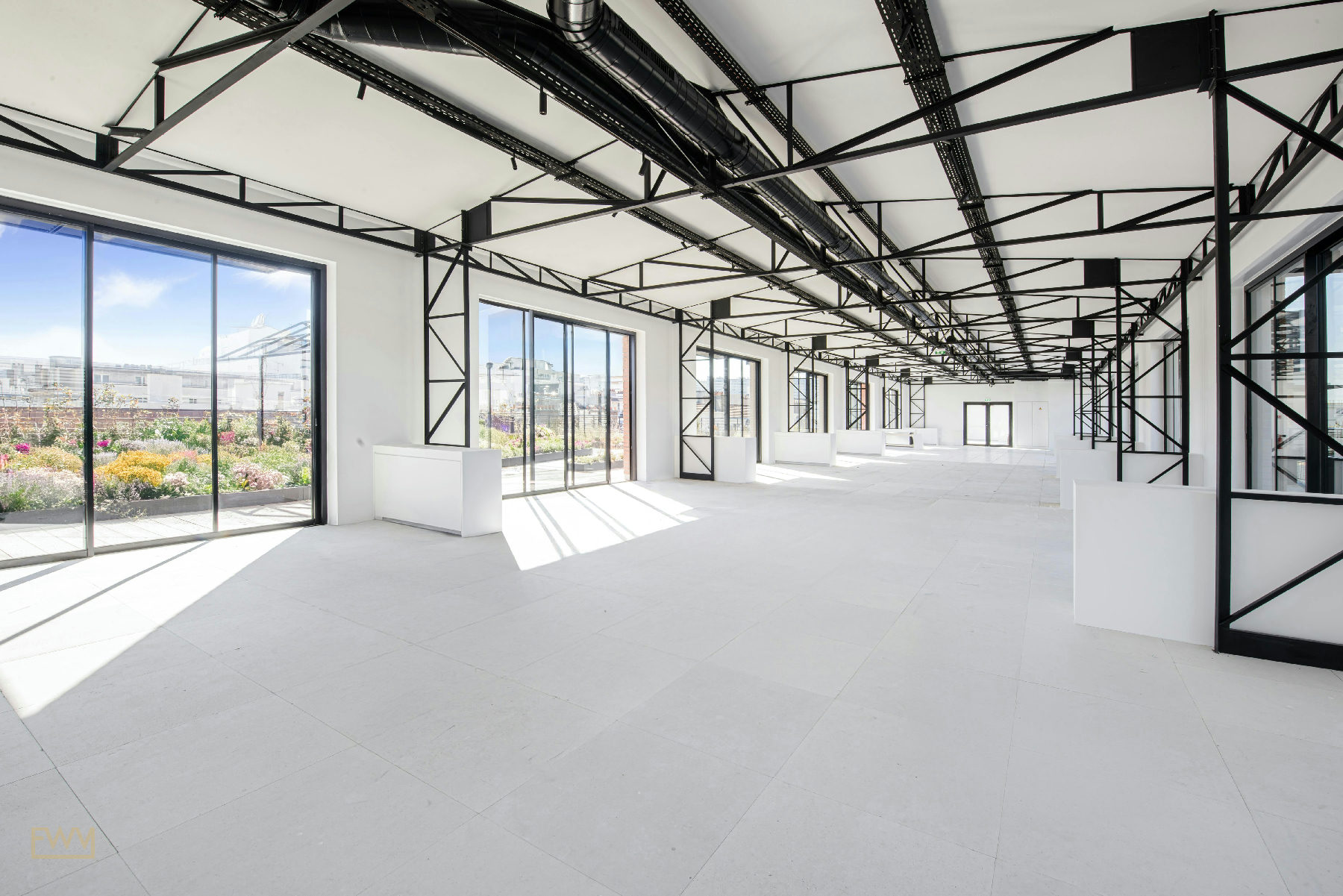
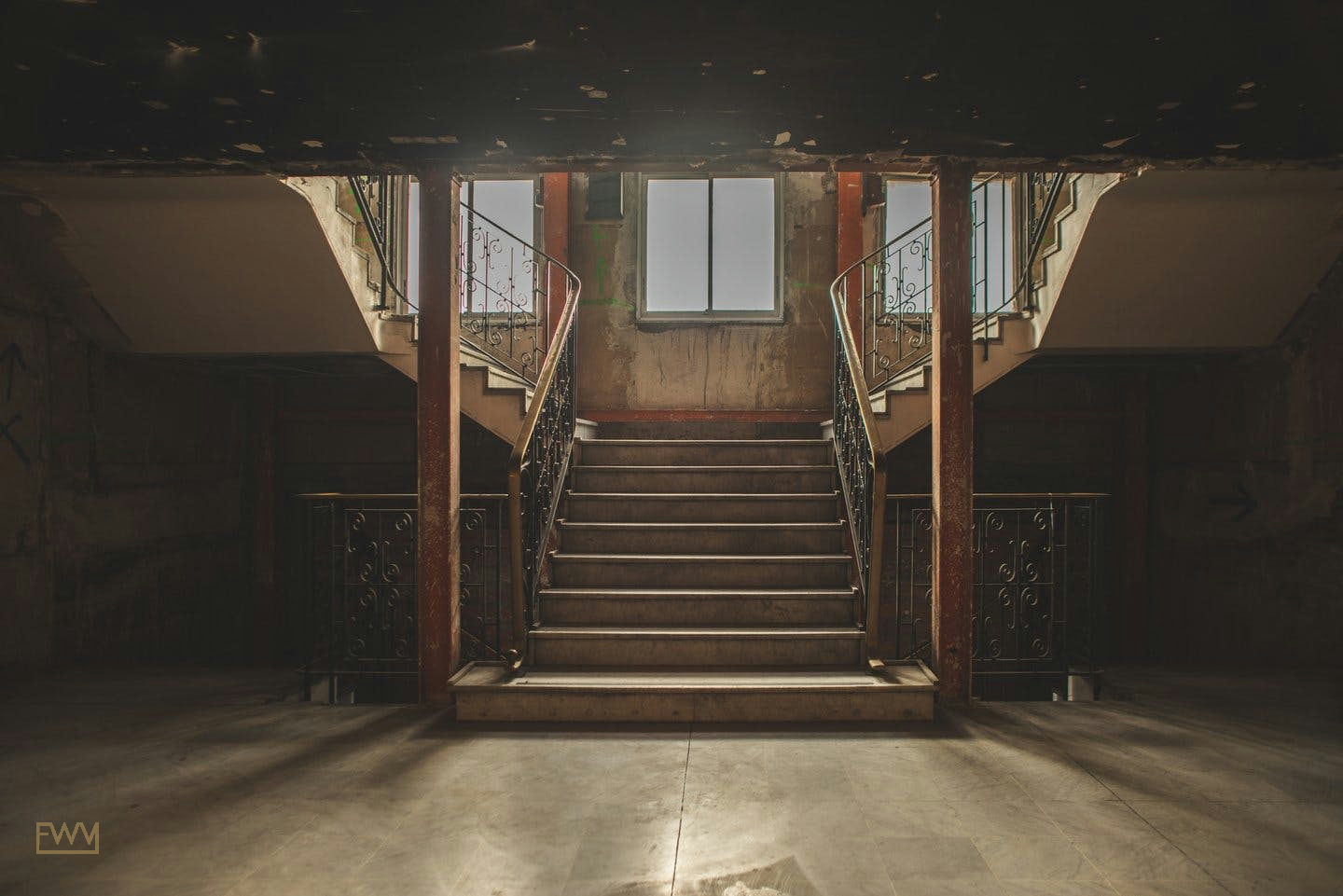
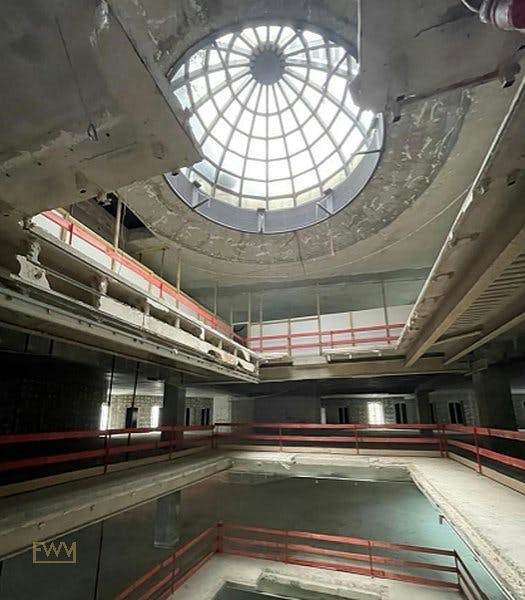
Selecting the ideal venue for Fashion Week events is crucial for brand image, audience engagement, and overall impact. The venue sets the tone of the event and can significantly influence perceptions and media coverage. It’s not just a physical space—it's a strategic choice that can amplify a campaign’s success or contribute to its stagnation.
The venue affects logistics, budget, and the creative direction of an event. It also defines the accessibility for attendees, influences visitor experience, and assists in meeting the technical requirements of fashion shows or launch events. For instance, the choice of a historic building versus a modern gallery can communicate different brand values and stories, affecting everything from lighting design to seating arrangements.
Quick answer: The right venue enhances brand storytelling and operational efficiency, impacting both audience reception and media narrative during Fashion Week.
For brands wishing to make an impactful statement, integrating multifunctional design elements and interactive digital experiences within their venues is increasingly common. Dynamic spaces allow for flexibility, transforming as per the specific sequence of events, whether it's a runway show, a product launch, or a networking space.
Working with a partner like Fashion Week Venues, brands can have targeted access to suitably tailored spaces and accompaniment for concept direction, ensuring that their selection aligns with marketing objectives and budgetary boundaries.
KEY TAKEAWAY: Choosing the right venue is both a strategic and creative decision that reflects brand identity and maximizes the impact of Fashion Week presentations.
Understanding the multifaceted aspects of venue selection not only aids in logistical planning but enhances the thematic coherence and operational fluidity of the event. Next, let's explore how pop-up spaces are revolutionizing the retail experience and offering brands unique opportunities during Fashion Week.
Understanding Pop-Up Spaces and Their Impact in Fashion Week
Pop-up spaces have become a powerful tool for brands during Fashion Week, offering flexibility and a sense of exclusivity that captivates the modern consumer's attention. These temporary retail spaces enable brands to create bespoke environments that intensify brand storytelling and foster direct consumer engagement.
Pop-up shops provide brands with the opportunity to explore different neighborhoods and experiment with location-based consumer demographics. Leveraging short-term leases—often under the legal frameworks like bail dérogatoire, which allows temporary occupancy without the complexities of long-term commercial leases—brands can activate new markets quickly and effectively.
Quick answer: Pop-up spaces are agile retail solutions that enhance brand visibility, offering an experimental platform to engage directly with customers during high-traffic events like Fashion Week.
Moreover, pop-up spaces contribute to the highly curated aspect of experiential marketing, popular in fashion events. Brands can focus commercial efforts within strategic areas known for fashion retail, such as Le Marais and Saint-Germain-des-Prés, harnessing foot traffic while blending into the vibrant Parisian culture.
| Benefit | Impact |
|---|---|
| Flexibility | Adapts quickly to market changes and brand needs. |
| Consumer Engagement | Directly connects with customers through interactive setups. |
| Brand Visibility | Enhances market presence in strategic locations. |
The fundamental aspect of a pop-up space is its temporal nature, aligned with event-specific marketing strategies. This characteristic enables brands to create urgency and exclusivity—key psychological triggers in consumer behavior. However, securing a pop-up space requires navigating legal frameworks and city compliance regulations. Consulting with a permit guidance tool can simplify this complexity.
KEY TAKEAWAY: Utilizing pop-up spaces during Fashion Week maximizes strategic brand exposure while minimizing traditional retail overheads.
As we continue, we'll examine the practical considerations that brands need to take into account when planning for a successful Fashion Week presence through temporary installations and activations.
Practical Considerations for Successful Fashion Week Activations
Navigating the logistical complexities of Fashion Week demands thoughtful planning and coordination. Brands must address multiple practical considerations, including budgets, legal requirements, and creative execution, to ensure successful activations.
Effective budget management is paramount, as Fashion Week operations can become considerably costly due to high competition for venues and services. Utilizing tools such as Fashion Week Venues' budget calculator can help brands anticipate expenses and allocate resources efficiently.
Quick answer: Successful activations require detailed budget planning, legal navigation, and creative execution tailored to distinct audience needs and brand objectives.
Brands must also be attentive to compliance with local regulations and permit requirements. In Paris, understanding frameworks like bail dérogatoire for leases under three years or obtaining temporary occupancy authorizations is crucial to avoid legal challenges. It is always advisable for brands to consult a French legal advisor to navigate these conditions accurately.
Creative execution should align with the brand’s narrative and marketing goals, leveraging innovative design and production capabilities. Engaging an experienced partner in production and build such as Fashion Week Venues can provide the necessary expertise to manage these intricacies.
DID YOU KNOW: Paris attracts over 130,000 visitors during Fashion Week, offering unparalleled exposure for participating brands.
It's important for brands to understand that the success of an activation doesn't end with the conceptualization and execution. Measuring the effectiveness of these ventures through data and analytics will support brands in refining their strategies over time.
TIP: Always incorporate data collection mechanisms to assess engagement and ROI post-event.
KEY TAKEAWAY: Comprehensive planning, compliance awareness, and execution excellence are the pillars of successful Fashion Week activations.
Next, we'll delve into the myths surrounding the leasing and legal options for temporary spaces, helping to clarify misunderstandings often faced by international brands entering Paris.
Common Myths and Facts About Fashion Week Venue Leasing
MYTH: You need a French legal entity to rent a space in Paris.
FACT: While having a French legal entity is beneficial, it's not a strict requirement. Brands can partner with agencies like Fashion Week Venues that facilitate all permit and compliance processes. Expertise in local regulations ensures that international brands can secure necessary spaces without entity-specific requirements.
MYTH: Paris Fashion Week is the only viable time for fashion events in Paris.
FACT: Although Paris Fashion Week is a highlight, other months offer lucrative opportunities with less competition and lower costs. Events throughout the year can leverage prime locations and timing that coincide with specific brand messages.
MYTH: Commission brokers are the only way to find a space.
FACT: Commission brokers provide one avenue, but platforms like the Fashion Week Venues marketplace offer direct access and comparison of spaces without additional fees, allowing for more transparent and competitive selections.
MYTH: Short-term leases are legally straightforward and don’t require specialist help.
FACT: Despite their temporary nature, short-term leases often involve specific conditions related to zoning, city regulations, and tax consequences that are best navigated with the help of professionals. Agencies like Fashion Week Venues mitigate these complexities through thorough permit and compliance guidance.
This section highlights the need for informed decisions based on accurate information, and next, we'll explore how Fashion Week Venues supports brand activations.
How Fashion Week Venues Supports Brand Activations
Fashion Week Venues offers a comprehensive suite of services that streamline the complex processes involved in executing a successful fashion activation. From venue sourcing to concept direction, this agency provides end-to-end solutions tailored to the unique demands of fashion brands.
Brands can leverage specialized tools such as the space locator and space comparison tool, allowing for informed decision-making tailored to budget constraints and strategic objectives. These resources free up brand teams to focus on creativity and messaging rather than logistical hurdles.
Quick answer: Fashion Week Venues simplifies activation management by providing tool-supported solutions, optimizing your time and resources for creativity and strategy during critical fashion events.
The agency also supports branded store design and production through its design services. This ensures that the aesthetics align seamlessly with the brand's identity and positioning, reinforcing the desired consumer perception throughout the event.
Additionally, specialized staffing through retail staffing services provides skilled personnel who understand the nuances of experiential retail environments, ensuring that consumers have a memorable and immersive experience.
KEY TAKEAWAY: Fashion Week Venues offers a strategic and operational framework that empowers brands to orchestrate flawless and resonant Fashion Week activations.
As we delve into the financial aspects, understanding budget implications, and using the right tools will illuminate the path forward.
Budgeting for Fashion Week Events: Managing Costs and Resources
Budgeting is a cornerstone for any successful Fashion Week event. Ensuring that financial resources are optimally allocated involves strategic planning and the effective use of estimation tools to account for every aspect of the event, from logistics to creative execution.
Brands should begin with a comprehensive financial plan that covers venue costs, production, staffing, and marketing activities. Using the Fashion Week Venues budget tool provides insights that help refine these estimates accurately.
Quick answer: Effective event budgeting involves detailed planning of venue, logistics, and marketing costs, using tools to ensure financial efficiency and resource optimization.
Event costs can vary widely based on venue location, scale, and duration. Strategic planning should factor in potential hidden costs such as permits and compliance fees, utilities, and unexpected logistical expenditures.
| Expense Type | Cost Consideration |
|---|---|
| Venue | Rent, utilities, permit fees |
| Production | Design, build, AV costs |
| Staffing | Personnel hire and training |
| Marketing | Promotions, influencer engagement |
Allocating appropriate funds to each component ensures a fluid operational execution while reserving contingencies for unforeseen expenses. Beyond initial budgeting, it's advantageous for brands to analyze post-event ROI, facilitated by tools like the ROI calculator that quantify the financial returns against the original expenditure.
KEY TAKEAWAY: Structured budgeting paired with financial tools aids in minimizing costs and amplifying returns while preparing for Fashion Week events.
As I conclude, consider the timelines crucial for coordinating efforts effectively amidst the bustling Fashion Week schedules.
Timeline Planning for Fashion Week: Aligning Creativity and Logistics
A well-organized timeline is essential for orchestrating successful Fashion Week activations, ensuring that all moving parts fit seamlessly and operate efficiently. Careful coordination of creative ideas and logistical plans is vital to realize any event’s full potential.
Timeline planning begins with defining the event's objectives and backward mapping all activities to ensure preparedness by the activation date. This includes securing a venue, arranging permits, finalizing production elements, and coordinating marketing efforts.
Quick answer: An effective Fashion Week event timeline ensures coordinated efforts, aligning creative visions with logistic operations to meet all critical deadlines.
Utilizing Fashion Week Venues’ timeline tool can be a significant advantage, helping brands visualize and sequence necessary activities. This aids in pinpointing dependencies, such as when final designs need sign-off ahead of production schedules or when media and influencer outreach should commence.
| Task | Timeline (Weeks Before Event) |
|---|---|
| Venue Booking | 12-16 weeks |
| Design Finalization | 8-10 weeks |
| Production Start | 6-8 weeks |
| Staff Training | 4-6 weeks |
Coordinated timelines are not only about adhering to deadlines but ensuring optimal resource allocation and stakeholder management throughout the process. Delayed tasks can have cascading effects, such as pushing back promotional activities or reducing setup time for installations.
KEY TAKEAWAY: Effective timeline management ensures that every step of a Fashion Week activation is optimally coordinated with available resources and final objectives.
Now, let’s focus on the frequently asked questions that brands often pose regarding Fashion Week venues and logistical strategies.
Frequently Asked Questions
What are the benefits of using pop-up spaces during Paris Fashion Week?
Pop-up spaces offer brands the flexibility to tailor retail experiences specifically to Fashion Week audiences. They allow for unique and immersive brand activations that can powerfully convey the brand identity. By integrating new technologies and experiential features, brands can create memorable moments for both press and consumers. These spaces can also serve as limited-time showcases that capitalize on the heightened interest during Fashion Week.
Which Paris neighborhoods are ideal for hosting Fashion Week events?
Neighborhoods such as Le Marais, Saint-Germain-des-Prés, and Opéra are prime locations due to their rich cultural background and high foot traffic. Rue Saint-Honoré is also renowned for luxury brand presence, making it ideal for high-profile events. Each neighborhood offers a unique character and audience, which can be strategically leveraged to align with brand identity and target demographics.
How can a brand ensure compliance with French regulations when leasing temporary spaces?
Compliance involves understanding local zoning laws and regulations specific to temporary leases, such as bail dérogatoire or AOT permits. It’s advisable for brands to engage experienced agencies like Fashion Week Venues that specialize in navigating these regulations. Additionally, consulting with a legal advisor from France can safeguard against non-compliance issues.
How does Fashion Week Venues support international brands specifically?
Fashion Week Venues streamlines venue sourcing and activation management by offering a one-stop solution that addresses logistics, creative direction, and compliance. Their services are particularly beneficial to international brands unfamiliar with local market dynamics and regulations. Tools provided by Fashion Week Venues help translate broad objectives into actionable plans tailored for the Paris environment.
Why choose temporary activation over permanent store installations?
Temporary activations are suited for capturing the momentary buzz associated with events like Fashion Week, where immediacy and exclusivity are key. They provide cost-effective marketing solutions by minimizing long-term commitments while offering brands the chance to innovate with location and layout. This approach is particularly effective for brand launches and product reveals needing immediate impact.
What is the best time to book a venue for Paris Fashion Week?
Booking a venue at least 12 to 16 weeks prior is recommended to secure prime locations and favorable terms. This timeframe allows for adequate planning across multiple facets, including design and promotion. Early bookings also help mitigate the risk of venue saturation during the highly competitive Paris Fashion Week period.
Are there specific logistical challenges to be aware of during Fashion Week?
During Fashion Week, logistical challenges include heightened competition for services, legal compliance complexities, and tight timelines. Brands must prepare for rapid pivots if venues fall through or unforeseen issues arise. Having a robust contingency plan and an agile team are critical to navigating these challenges effectively.
How should a brand measure the success of a Fashion Week activation?
Success can be gauged via metrics such as brand exposure, attendee engagement, media coverage, and sales conversions. Tools like ROI calculators can quantify the financial success relative to the budget spent. Additionally, measuring digital engagement and social media interaction rates provide further insight into consumer response and campaign effectiveness.
How does venue choice impact the overall budget for an event?
The choice of venue significantly influences the budget due to varying rental costs, logistical fees, and regulatory permits that differ from one location to another. Prime locations or highly desirable spaces may incur premium costs, affecting the overall expenditure layout. Strategic venue choice helps align budget allocation with marketing objectives and anticipated ROI.
Should brands hire an agency for Fashion Week planning and execution?
Hiring an agency like Fashion Week Venues can be advantageous due to their deep industry expertise and local connections, facilitating effective planning and execution that might otherwise be challenging for individual brand teams. Agencies help optimize logistics, compliance, and creative direction, leading to a more cohesive and potent Fashion Week presence.
What unique challenges do international brands face compared to local brands?
International brands often face more complex legal and logistical hurdles due to unfamiliarity with local regulations and market trends. Language barriers and cultural differences further complicate planning and execution. Partnering with a knowledgeable local agency can bridge these gaps, ensuring smooth operations tailored to the French market context.
How does digital marketing integrate into Fashion Week activations?
Digital marketing plays a critical role by amplifying the reach and impact of on-ground activations through social media, email campaigns, and video content. Integrating digital strategy enhances brand visibility, facilitates real-time engagement, and can offer measurable insights into campaign effectiveness. Brands can leverage influencers to strengthen the narrative and reach niche audiences effectively.
Can brands leverage co-activation spaces during Fashion Week?
Yes, co-activation spaces offer shared venues where brands can collaborate while sharing costs to maximize their presence. This model promotes creative synergy and networking opportunities, often yielding mutually beneficial exposure. Fashion Week Venues’ offers twin co-activation solutions which provide operational flexibility and expanded audience reach.
How critical is storytelling within fashion show venues?
Storytelling is essential in crafting a memorable fashion show experience. It provides context and emotion, engaging the audience beyond the visual spectacle. Venue choice complements storytelling by providing an ambiance that parallels the narrative, enhanced by design, lighting, and sensory experience elements tailored to instill brand essence.
Conclusion
Securing the right venue and executing a seamless activation during Paris Fashion Week can position brands distinctively within the global fashion landscape. With Fashion Week Venues’ marketplace, brands benefit from access to a broad spectrum of spaces and strategic advice essential for harnessing Paris's commercial potential. Fashion Week Venues fosters impactful brand narratives, strategic placements, and efficient resource management to realize the immersive experiences that resonate with audiences and industry watchmakers alike. To achieve success, brands should leverage professional insights, strategic tools, and operational support to navigate the complexities of staging events in the world's fashion capital, integrating creativity with astute planning and execution. Start exploring potential activation opportunities and uncover the ideal venue for your upcoming Paris Fashion Week performance.