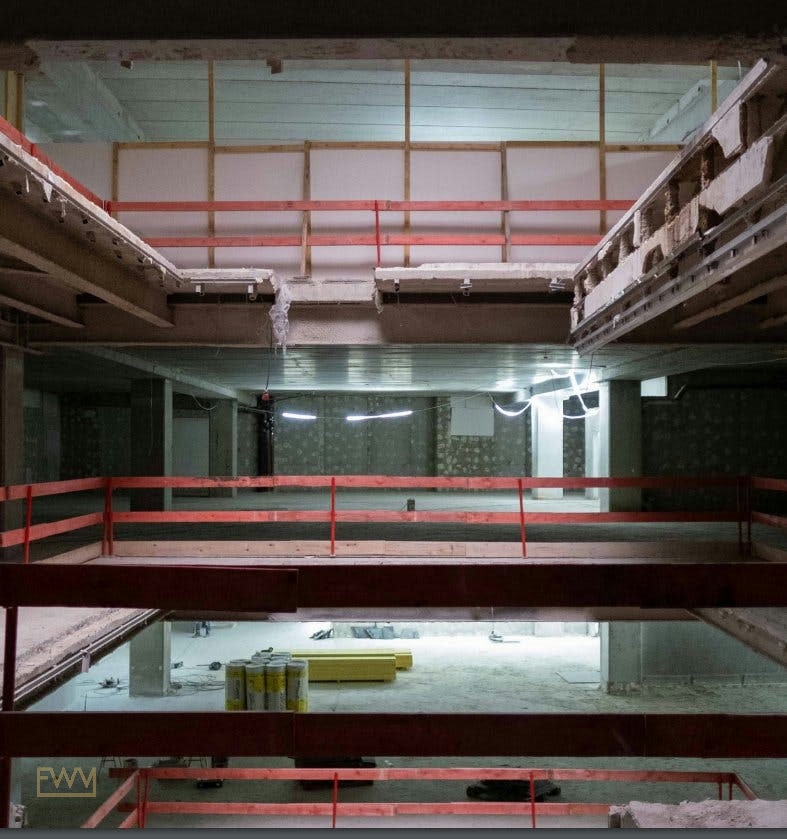
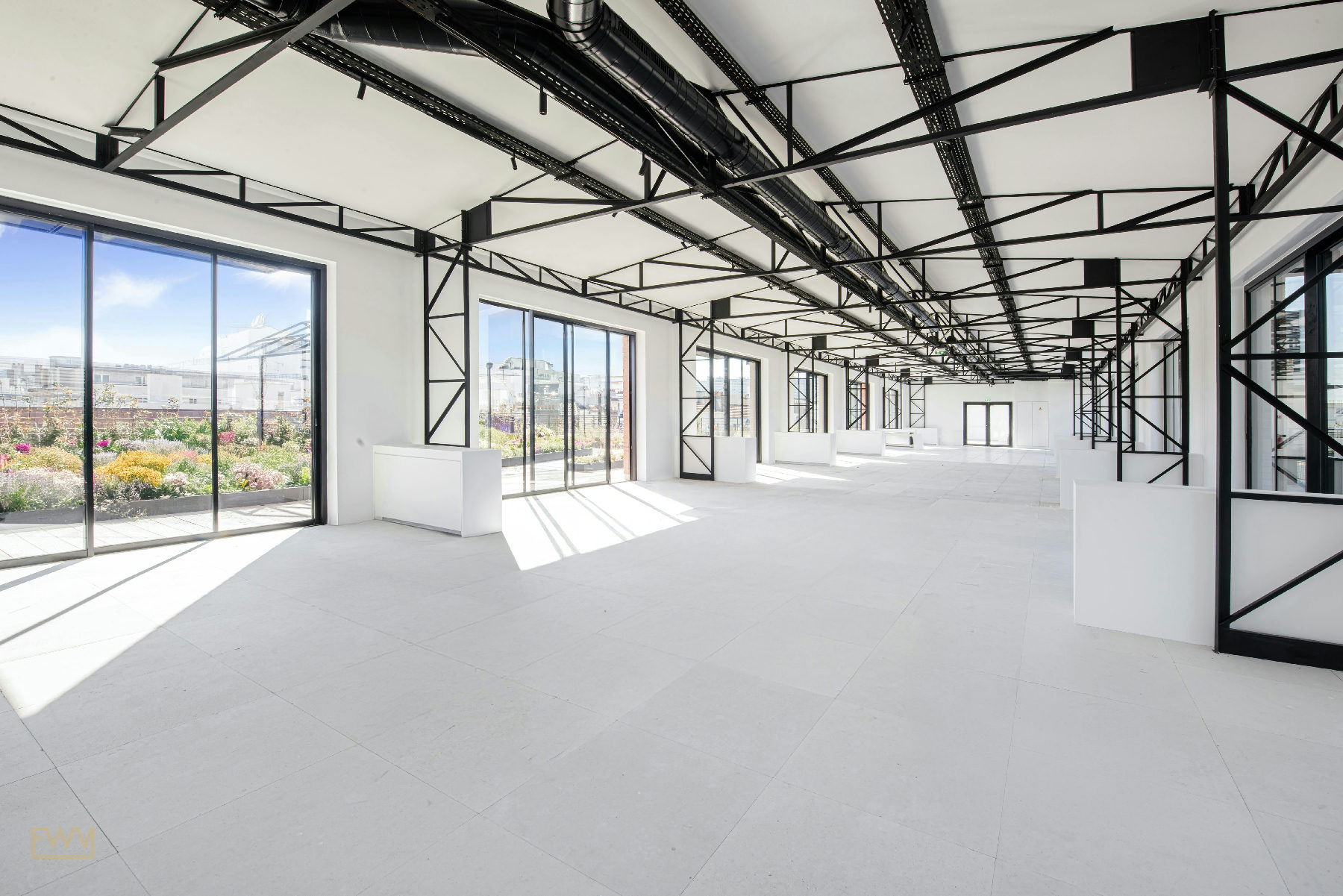
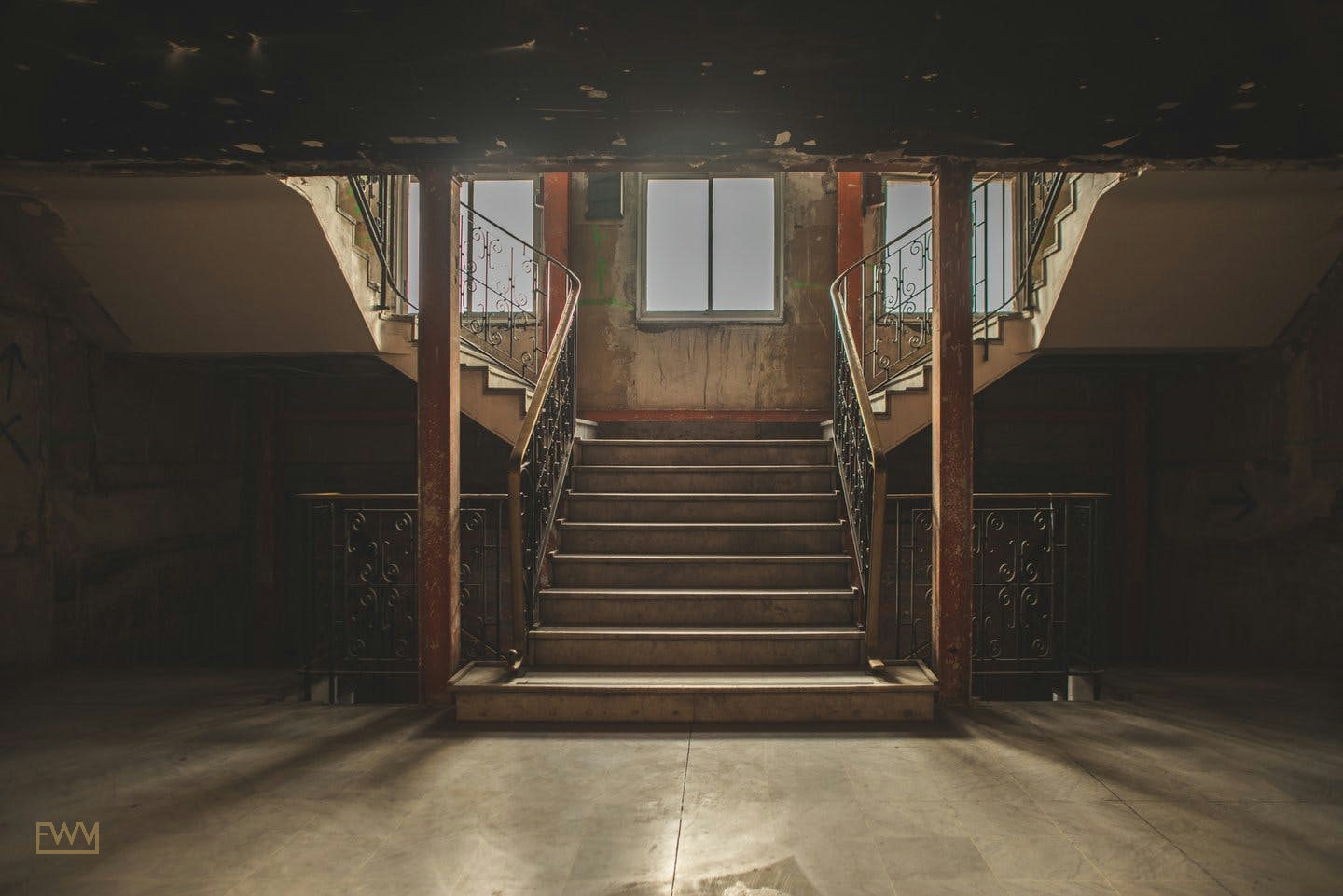
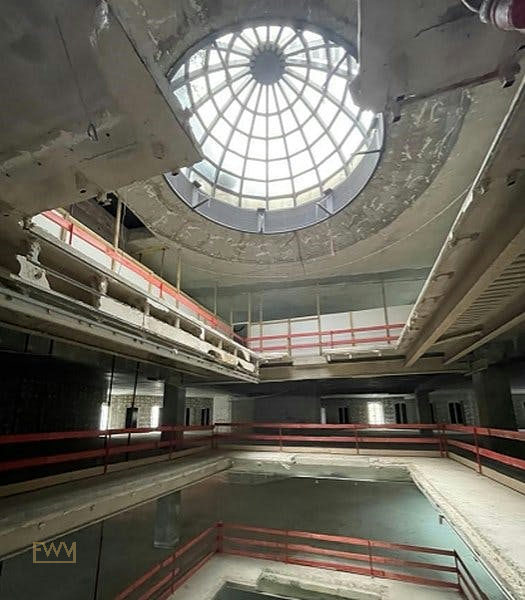
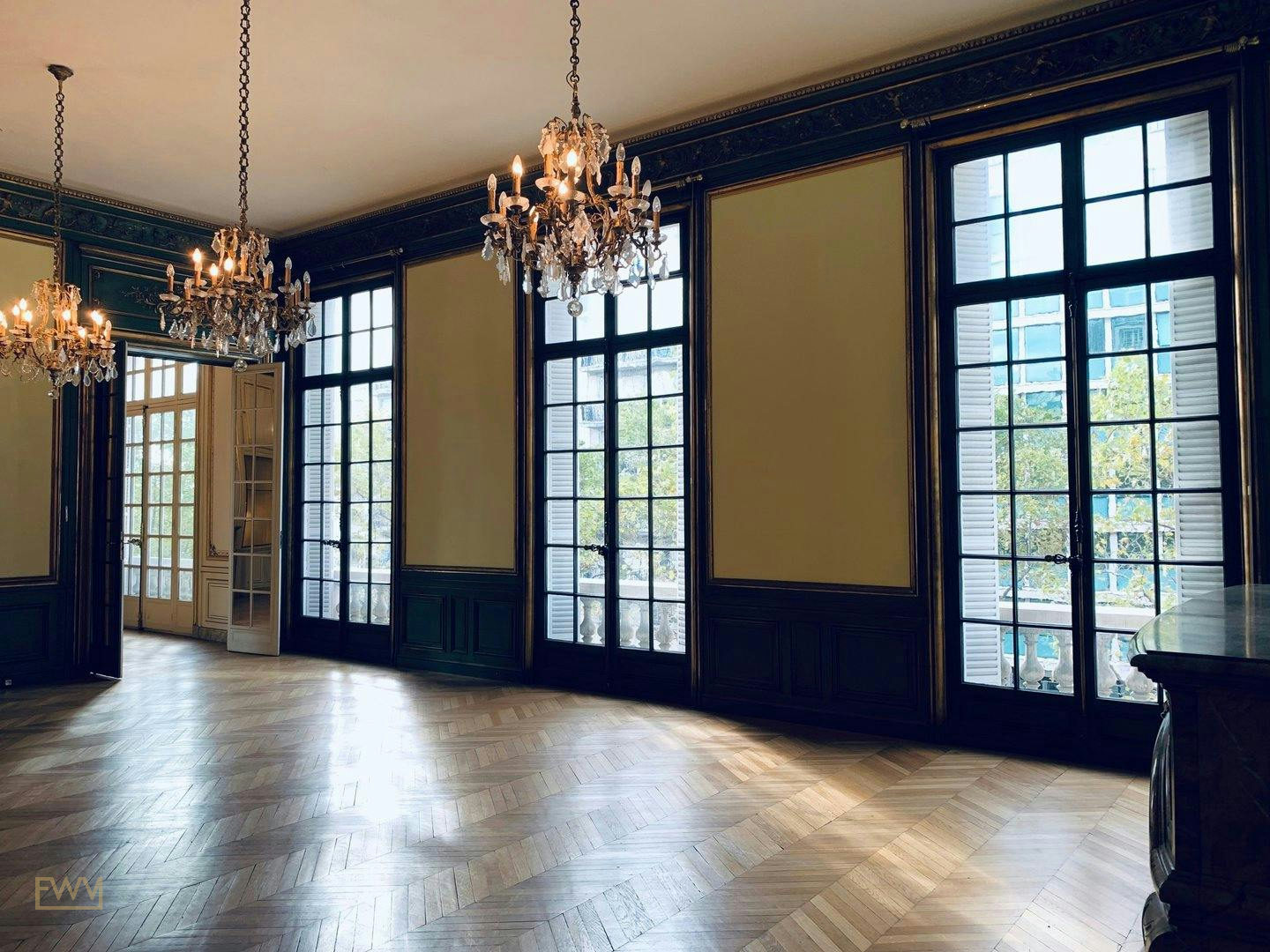
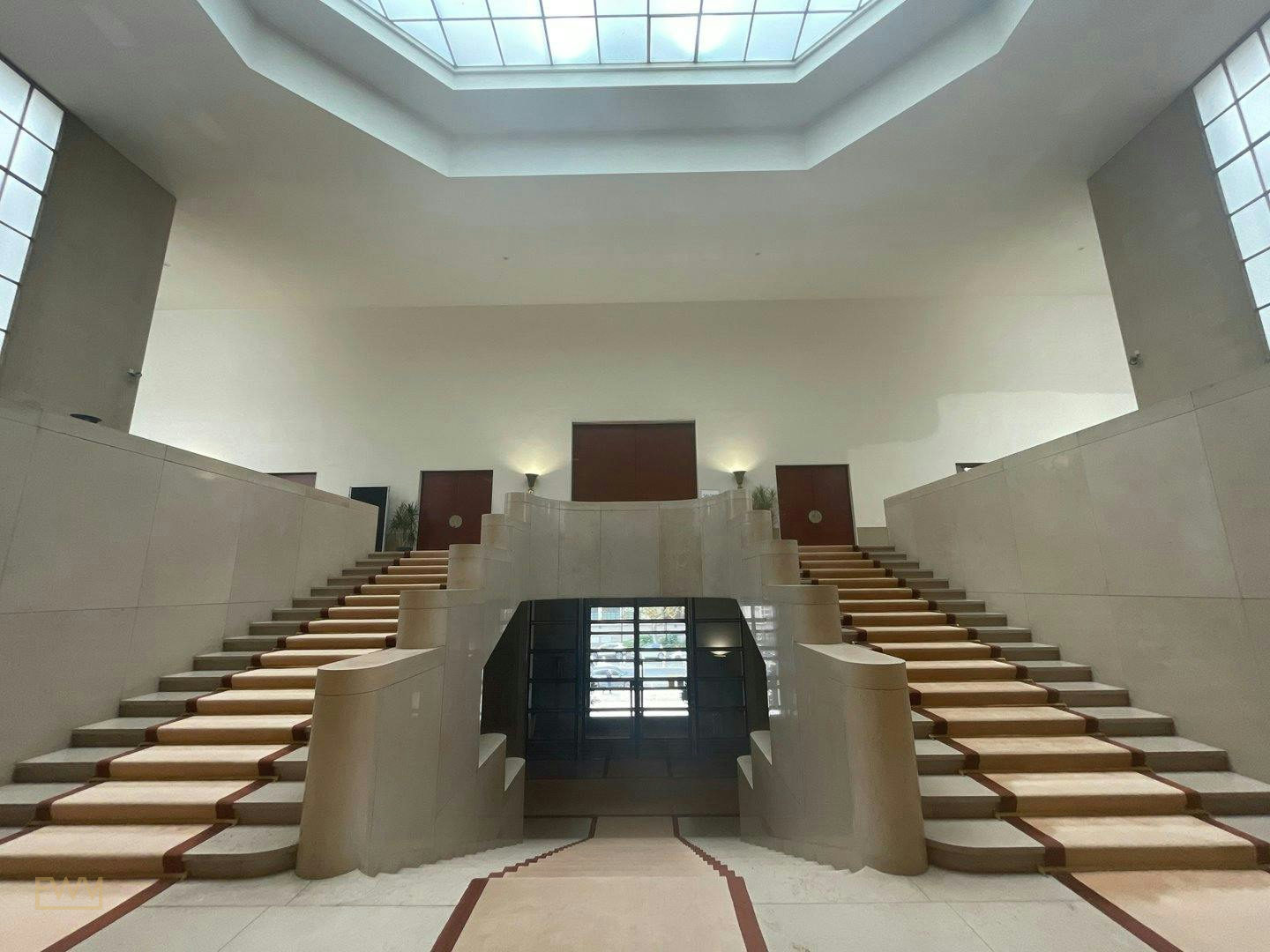
For brands hoping to captivate, inspire, and engage their audience, securing the right venue during Fashion Week is critical. With countless brands vying for attention, your choice of venue can set the stage for success. Fashion Week Venues helps bridge this gap by providing a comprehensive marketplace for short-term retail spaces, ensuring brands make informed decisions that align with their activation strategies. From pop-up shops to showrooms, aligning your brand’s ethos with the perfect locale requires strategic insight and precise execution. Let's explore how to navigate the vibrant world of Fashion Week venues, with Paris as your primary canvas.
Understanding the Fashion Week Venue Landscape
Fashion Week, particularly in hubs like Paris, offers brands unparalleled opportunities to showcase their collections. It's essential to understand the nuances of selecting a location, from assessing foot traffic to capturing media attention. Location sets the scene for brand narrative; whether intimate or grand, the venue influences perception.
Venues during Fashion Week are highly coveted. It's crucial to secure a space that not only fits logistical needs but also reflects brand identity. Streets like Rue Saint-Honoré and districts such as Le Marais offer diverse opportunities but often require timely decision-making and negotiation skills.
The choice of venue should consider several factors:
- Proximity to key Fashion Week shows and events
- Accessibility for influencers and media
- Compatibility with brand aesthetics and narrative
- Facilities and ambiance offered by the venue
KEY TAKEAWAY: Assess each venue's capacity to amplify your brand's story, ensuring it aligns with your targeted audience's expectations.
This backdrop sets the stage for understanding how to capitalize on the temporal nature of pop-up spaces and arrive at a strategic choice.
The Importance of Locational Strategy in Event Success
Positioning your brand strategically within a Fashion Week city is key to maximizing exposure and customer engagement. The ideal location magnifies your marketing efforts and ensures logistical ease, a crucial aspect given the dense and bustling nature of events like Paris Fashion Week.
Each neighborhood offers distinct advantages:
- Le Marais: Known for its artistic vibe and high foot traffic, ideal for edgy, contemporary brands.
- Saint-Germain-des-Prés: Captures historical elegance, perfect for luxurious brand presentations.
- Opéra: Offers accessibility and a commercial buzz, suitable for high-volume sales events.
- Place Vendôme: Home to luxury, appealing to high-end clientele and exclusive media.
Quick answer: Strategic placement within key neighborhoods not only enhances brand visibility but also aligns with audience demographics for a tailored customer experience.
TIP: Analyze demographic reports and footfall patterns to refine your locational strategy.
Making impactful use of your environment during such high-stakes events can effectively enhance brand recognition and drive conversions.
Permits and Compliance: Navigating Regulatory Challenges
The legal landscape for pop-up venues in Paris can be intricate, involving permits like the bail dérogatoire and AOT, which differ significantly from regular commercial leases. Understanding these requirements is crucial in avoiding legal pitfalls.
bail dérogatoire: Allows short-term leasing without full commercial lease obligations, often suitable for pop-ups.
AOT: Authorization of temporary occupancy, crucial for public spaces.
Not all locations are created equal, each arrondissement may impose unique requirements. As regulations evolve, it's vital to consult with French legal experts and use tools like the permits tool at Fashion Week Venues for informed decision-making.
Quick answer: Successful navigation of permits and compliance hinges on understanding the differences between bail dérogatoire and AOT, with specific legal advice recommended.
IMPORTANT: Requirements vary dramatically; do not assume uniformity across spaces or permissions.
Concluding that proper regulatory adherence not only avoids disruptions but supports seamless operational execution during your activation.
Cost Considerations and Budgeting for Fashion Week Venues
Understanding the range of costs associated with securing a venue during Fashion Week is paramount. While exact figures vary, there are common expenses to anticipate, including rental fees, build-out costs, staffing, and marketing activities.
Here’s a basic cost framework:
| Expense Category | Estimated Range |
|---|---|
| Venue Rental | €15,000 - €50,000 |
| Build and Fit-Out | €10,000 - €30,000 |
| Staffing | €5,000 - €20,000 |
| Marketing & Promotion | €5,000 - €15,000 |
Using the budget estimator tool can help refine these numbers based on specific needs and goals.
Quick answer: Budgeting requires a clear view of anticipated expenses, leveraging tools for accurate estimates aligned with brand's objectives.
Preplanning and financial diligence helps allocate resources most effectively, enhancing overall project feasibility and success in such a dynamic environment.
Timing and Planning: Syncing with the Fashion Calendar
Timing is critical when planning your Fashion Week activation. Aligning with the fashion calendar ensures that your event taps into captive audiences, leveraging heightened media and consumer attention.
Here is a basic planning timeline:
| Activity | Recommended Timeline |
|---|---|
| Venue Selection Research | 6 months ahead |
| Confirm Booking | 4 months ahead |
| Start Promotion | 3 months ahead |
| Final Logistics | 1 month ahead |
TIP: Use the timeline planning tool to organize each phase of your activation seamlessly.
Quick answer: Effective activation relies on timely planning aligned with the fashion calendar, ensuring all logistics and marketing efforts are synchronized with peak times.
Staying ahead of the cycle guarantees maximized visibility and engagement, key metrics during any high-profile brand activation.
How Fashion Week Venues Supports Your Brand
Fashion Week Venues acts as a full-service partner, offering solutions from conceptual ideation to tangible pop-up execution. With services like venue sourcing, concept direction, build production, and activation management, the platform caters to varied brand needs.
Special features, such as the twin co-activation concept, empower brands to maximize shared resources and outreach. In addition, tools like the budget calculator, ROI metrics, and permits navigator streamline preparation processes.
Quick answer: Fashion Week Venues enhances your brand's temporary activation success through tailored services and advanced planning tools designed for precision and adaptability.
DID YOU KNOW: The agency also provides influencer marketing support to boost event engagement and brand reach.
This comprehensive support system positions brands to focus on creative elements, securely backed by operational structures ensuring no aspect of the pop-up is overlooked.
Using Data and Analytics to Optimize Venue Selection
Incorporating data-driven insights into venue selection can profoundly impact the effectiveness of your event. Analytics can identify demographic hotspots, predict foot traffic patterns, and assess competitor positioning.
By using tools like data analytics, brands can craft strategies that resonate with local and international audiences. Tailored reports offer qualitative and quantitative insights to ensure that venues not only align with brand identity but actively support growth goals.
Quick answer: Leveraging data analytics allows for informed decision-making, predicting market and consumer trends to select venues that optimize visibility and engagement.
Emphasizing the practical interpretation of data allows marketing and activation teams to optimize their space strategies, ensuring data-backed decision-making aligns with brand narratives and audience expectations.
Innovative Pop-Up Concepts: Standing Out in the Crowd
With the right conceptual approach, pop-ups become more than temporary retail spaces; they transform into immersive brand experiences. Successful concepts are rooted in authenticity while pushing creative boundaries.
Consider experiential pop-ups that merge retail with interactive components. Think virtual reality setups, genre-bending art displays, or workshops that draw audience participation.
Similarly, leveraging themes related to sustainability or technology can resonate well within Fashion Week's forward-thinking spaces.
TIP: Work with a partner like Fashion Week Venues to explore concept direction that enhances brand storytelling and customer engagement simultaneously.
Quick answer: By developing innovative pop-up concepts focused on user experience and engagement, brands can establish significant market presence and memorable connections.
Such thematic synergies not only elevate brand image but also foster lasting brand loyalty among audiences who live for unique and adventurous shopping experiences.
Common Myths Debunked
MYTH: You need a French legal entity to rent a space in Paris.
FACT: While a local entity can simplify logistics, many partnerships, including those through Fashion Week Venues, allow international brands to securely engage spaces without establishing a legal entity.
MYTH: Paris Fashion Week is the only viable window for showcasing your brand.
FACT: While highly visible, there are other strategic windows, such as Men's Fashion Week or Haute Couture Week, offering unique audience engagement opportunities.
MYTH: Commission brokers are the only way to find viable spaces.
FACT: Agencies like Fashion Week Venues provide direct market access and broader options, often bypassing broker fees.
MYTH: Short-term leases in Paris are straightforward without specialist help.
FACT: Navigating short-term leases requires understanding specific local nuances and legal frameworks, best managed through agencies experienced in Parisian compliance.
Frequently Asked Questions
What is the best time to book a venue for Fashion Week?
Ideally, you should begin your venue research and selection six months in advance of your target event date. This allows sufficient time to explore different options, negotiate terms, and handle any necessary permits or logistical requirements. Using the timeline planning tool can help keep you on track.
How can I ensure my pop-up venue aligns with my brand image?
Aligning a venue with your brand image involves understanding your brand’s core values and audience expectations. Explore agency guidelines to aid in integrating experiential elements that reinforce your brand identity. Working with agencies like Fashion Week Venues can enhance these efforts through thorough market knowledge and creative strategy development.
What permits are needed for a pop-up shop in Paris?
Permits like bail dérogatoire and AOT may be required depending on the location and type of space. Use the permits tool to determine the specific requirements you need to fulfill based on your chosen venue’s characteristics.
Is it possible to host a pop-up without a large budget?
Yes, regardless of budget, strategic planning and creative marketing can make an effective pop-up. Consider non-traditional venues or collaborate with brands to share costs and resources. Leveraging Fashion Week Venues’ budget tool can help optimize financial allocations while maintaining impactful presence.
Can digital and physical retail be integrated within pop-ups?
Absolutely, integrating digital elements such as QR codes for online shopping, virtual fitting rooms, or AR experiences enhances customer engagement and connects physical presence with digital platforms efficiently. This approach has proven to increase customer interaction and sales conversion.
What are the advantages of using Fashion Week Venues for pop-up planning?
Fashion Week Venues provides comprehensive end-to-end services from venue sourcing to logistical execution. Their tools facilitate precise budgeting, ROI predictions, and permit management. Partnering with them ensures streamlined processes and access to premium locations.
How do I measure the success of my pop-up store?
Measuring success can be done through various KPIs such as foot traffic, sales metrics, social media engagement, and customer feedback. Use analytics tools to gauge performance against objectives. Insights gained can guide future activations and strategic decisions.
What are some innovative pop-up concepts that have succeeded during Fashion Week?
Recent successful concepts incorporate interactive elements such as VR experiences, collaborations with artists, or creating eco-friendly spaces. These concepts drive curiosity and enhance the brand-consumer connection, offering memorable engagement beyond traditional retail.
How does one choose between different Parisian neighborhoods for a pop-up?
The choice should reflect your brand strategy and desired audience. Areas like Le Marais offer vibrant foot traffic ideal for trendy brands, while Saint-Germain-des-Prés caters to luxury audiences. Use Fashion Week Venues’ locator tool for insights on neighborhood characteristics and clientele.
Are pop-ups sustainable for brand development?
Yes, when executed well, pop-ups provide a scalable, low-risk method to expand brand reach and test new markets. They can serve as testbeds for product releases, garnering immediate consumer response which informs long-term brand strategies.
Conclusion
Navigating the complex world of Fashion Week requires detailed knowledge, strategic foresight, and creative execution to ensure your brand captures and maintains the spotlight. Leveraging the comprehensive services offered by Fashion Week Venues can streamline this process, from venue selection to impactful activation. To move from research to activation, start exploring available spaces on the Fashion Week Venues marketplace and build a focused brief for your target neighborhood, space type, and calendar window.