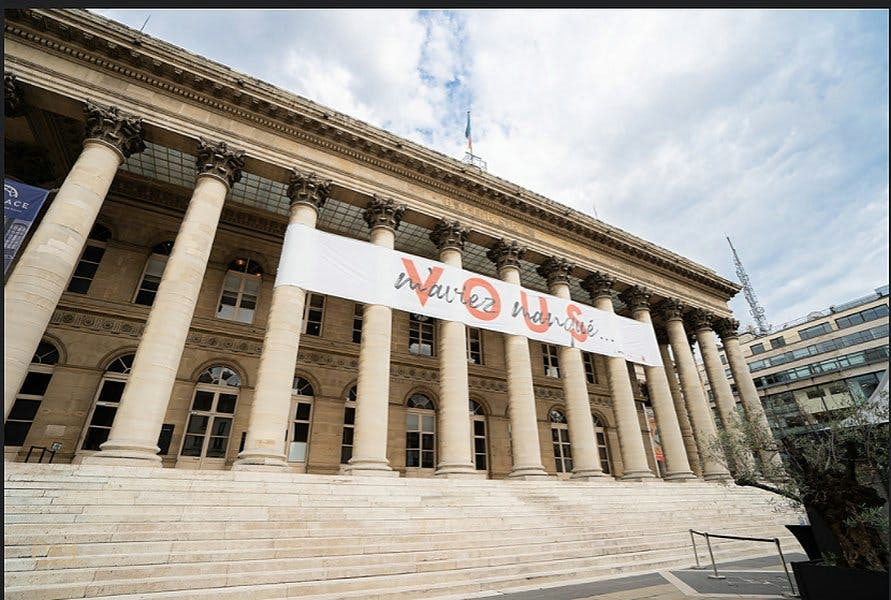
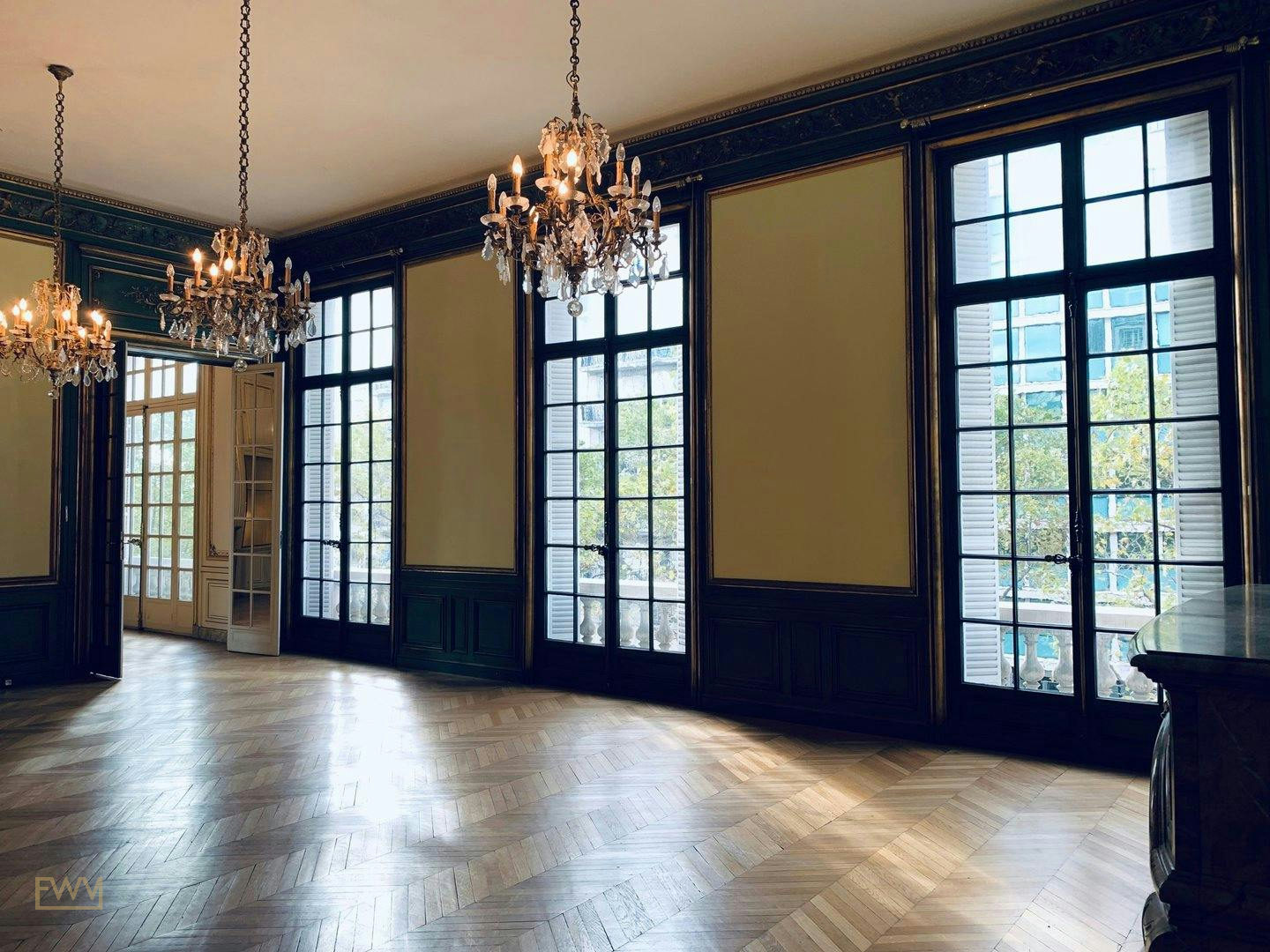
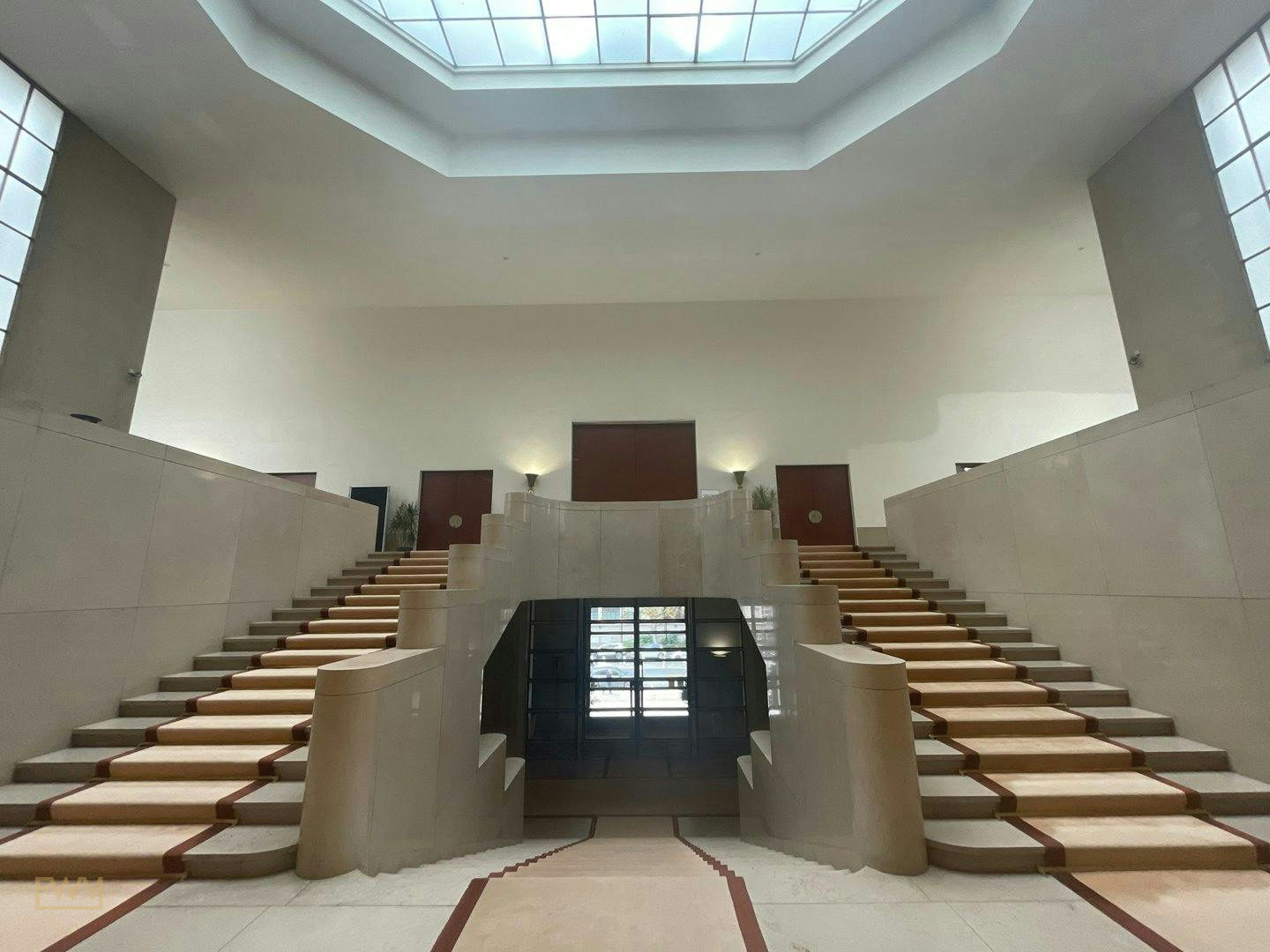
Booking a pop-up shop in the 2nd arrondissement of Paris requires understanding one of the city's most historically layered and commercially nuanced districts. The 2nd arrondissement, home to the Bourse de Commerce, the covered passages of the Grands Boulevards, and some of Paris's oldest retail corridors, offers a rare combination of foot traffic, architectural character, and cultural proximity to institutions that matter to brand-conscious activations. Whether you are planning a literary pop-up, a Nordic cultural showcase, an art book event, or a short-term fashion retail activation aligned with Paris Fashion Week, the 2nd arrondissement deserves serious consideration. Fashion Week Venues works with brands across Paris's arrondissements to identify, secure, and activate the right space for each brief. This guide covers everything you need to know to plan, book, and run a successful short-term retail or cultural activation in this district.
Why the 2nd Arrondissement Is a Strategic Location for Pop-Up Shops in Paris
The 2nd arrondissement is Paris's most compact arrondissement by area, but it punches far above its geographic weight in terms of commercial and cultural significance. Positioned between the 1st arrondissement's luxury corridor and the 3rd and 4th arrondissements' creative Marais district, the 2nd functions as a connective zone where publishing houses, media companies, historic covered passages, and independent retailers coexist within a walkable grid.
For brands planning a pop-up bookstore, literary event, or culturally grounded retail activation, this location offers adjacency to some of the most recognisable bookshop clusters in the city. The covered passages of Paris, several of which run directly through or close to the 2nd arrondissement, including Galerie Vivienne and Passage des Panoramas, have long supported independent booksellers, art dealers, and specialty retailers. These passageways provide natural footfall from curious urban visitors, Parisian readers, and tourists who move between the Louvre to the south and the Grands Boulevards to the north.
The neighbourhood's publishing heritage adds strategic relevance for brands in the book, art, and cultural sectors. Several French publishing institutions operate within the district, and its proximity to the Centre national du Livre's broader Paris ecosystem means curators, editors, and literary tastemakers circulate through the area regularly. For brands working in Nordic literature, contemporary art publishing, or specialist categories such as art theory, Mousse Publishing, and Art and Theory Publishing titles, the 2nd arrondissement provides an informed and receptive audience.
From a logistics standpoint, the arrondissement's central position on Paris's right bank makes it accessible by multiple metro lines, including Bourse on line 3 and Quatre-Septembre on line 3, and within comfortable reach of major tourist routes connecting the Musée du Louvre, the Seine's quays, Notre-Dame Cathedral, and the Boulevard Saint-Germain literary district. Brands running multi-day events during Paris Fashion Week will find the location genuinely central for press, buyers, and international visitors arriving from across the city.
DID YOU KNOW: The covered passages of Paris, several of which originate in or connect to the 2nd arrondissement, were the world's first examples of enclosed pedestrian shopping arcades, predating modern retail malls by over a century. They remain among the most atmospheric retail environments in Europe for short-term cultural activations.
KEY TAKEAWAY: The 2nd arrondissement's combination of literary heritage, covered passage retail culture, publishing industry proximity, and central location makes it one of Paris's most strategically coherent locations for pop-up bookstores, Nordic cultural events, art book activations, and short-term experiential retail during Paris Fashion Week windows.
Understanding what makes this district distinctive is only the first step. The next challenge is navigating the actual process of securing a short-term space in Paris, which involves legal frameworks, permit categories, and booking timelines that are very different from other European cities.
Understanding the Pop-Up and Short-Term Lease Framework in Paris
Securing a pop-up shop space in Paris is not the same as signing a short-term commercial lease in London or New York. France has a distinct legal framework for short-term occupancy, and understanding its structure is essential before you approach any landlord or space owner in the 2nd arrondissement or elsewhere in the city.
Quick answer: In Paris, short-term retail activations are typically structured as either a bail dérogatoire, a temporary commercial lease of up to 36 months outside standard nine-year lease protections, or an autorisation d'occupation temporaire (AOT) for public or semi-public spaces. Neither route is legally straightforward without specialist help, and requirements vary by space type, duration, arrondissement, and intended use.
Bail Dérogatoire: The Short-Term Commercial Option
The bail dérogatoire, sometimes called a short-term lease or convention précaire, allows a brand to occupy commercial premises for a fixed period of up to 36 months without triggering the standard protections of a commercial lease under French law. This is the most commonly used legal structure for pop-up shops in Paris, including in the 2nd arrondissement.
Key characteristics of the bail dérogatoire include its limited duration, the explicit mutual agreement between landlord and tenant to waive commercial lease protections, and the requirement that the lease does not renew automatically into a standard commercial tenancy. In practice, this means landlords are generally willing to offer spaces on this basis for pop-up periods ranging from a few days to several months, though the specific terms, deposits, and conditions will vary considerably by property.
Brands using a bail dérogatoire do not automatically gain the right to operate a public-facing retail event without additional compliance steps. Depending on the nature of the activation, you may also need local authority notifications, fire safety compliance, accessibility compliance, and business registration depending on whether the occupying entity has a French legal presence.
Autorisation d'Occupation Temporaire (AOT)
For activations in public or semi-public spaces such as covered passages under certain ownership structures, quays along the Seine, or courtyards of publicly managed cultural institutions, an autorisation d'occupation temporaire may be required. This is an administrative permit rather than a lease agreement, and it grants temporary use of public domain space for a commercial or cultural activity.
AOT applications are managed through the relevant public authority, which may be the City of Paris, a specific arrondissement administration, or a cultural institution's own governance body. The process requires advance submission, typically several weeks or months before the intended activation, and approval is not guaranteed. Requirements vary significantly depending on the intended use, the site, and the nature of the organisation applying.
IMPORTANT: The requirements described above vary by space type, duration, arrondissement, and the nature of your activation. This guide is intended for general orientation only. Always verify specific legal and permit obligations with a qualified French legal advisor or specialist agency before committing to a space.
For practical permit guidance specific to your Paris activation, the permit planning tool on Fashion Week Venues provides a structured starting point for understanding what approvals your specific activation may require.
Do You Need a French Legal Entity?
One of the most persistent questions from international brands entering Paris for a pop-up activation is whether they need to establish a French legal entity. The short answer is that it depends on the structure of the agreement, the duration of the activation, and the nature of the trading activity. For many short-term cultural or promotional activations structured under a bail dérogatoire, it is possible to operate without a French registered entity, particularly when working through an agency or local operating partner. However, for activations involving direct retail sales, cash transactions, staff payroll, and tax obligations, the requirements become more complex and specialist advice is essential.
KEY TAKEAWAY: Paris's legal framework for pop-up retail distinguishes clearly between short-term occupancy agreements and standard commercial leases. Brands planning activations in the 2nd arrondissement should understand the bail dérogatoire structure, assess whether an AOT is relevant to their chosen space, and take specialist legal advice before signing any agreement.
With the legal framework in context, the next section examines the specific space types available in and around the 2nd arrondissement and how each type suits different creative and commercial activation briefs.
Space Types for Pop-Up Bookstores and Literary Activations in Paris
The type of space you choose for a pop-up bookstore or literary activation in Paris shapes everything from visitor flow and atmosphere to permit requirements and build complexity. The 2nd arrondissement and its immediately surrounding neighbourhoods offer a meaningful range of space typologies, each with distinct advantages for specific activation formats.
Quick answer: For a pop-up bookstore in the 2nd arrondissement, the most practical space types include covered passage units, ground-floor retail units on secondary streets, gallery spaces with flexible tenure, and courtyard venues within cultural institutions. Each type offers different footfall dynamics, aesthetic registers, and compliance pathways.
| Space Type | Typical Use | Key Benefit | Key Consideration |
|---|---|---|---|
| Covered Passage Unit | Curated book retail, art book display, Nordic cultural showcase | Atmospheric, pedestrian-only, historically significant | Limited availability, heritage constraints may restrict installation |
| Ground-Floor Retail Unit | Pop-up bookstore, grooming boutique, seasonal retail | Street-facing, flexible signage, high footfall on main streets | Requires bail dérogatoire or standard lease; condition varies by unit |
| Gallery or Exhibition Space | Art book launches, exhibition publications, biennials, Photo Days | White-box or architectural setting, culturally aligned audience | May have programming restrictions; often booked in advance |
| Cultural Institution Courtyard | Author events, literary speed dating, DJ sets, community events | Prestigious address, built-in audience, institutional credibility | AOT required; approval subject to institution's programming criteria |
| Hotel Lobby or Atrium | Self-service book collection, branded pop-up adjacent to accommodation | Captive affluent audience, low-risk duration | Hotel approval required; brand alignment critical |
| Floating Structure or Barge | Floating bookshop, literary barge, Seine-adjacent activation | Unique positioning, strong press story, Seine atmosphere | Complex permits including river authority approvals; very limited availability |
Literary Barges and Floating Bookshops Along the Seine
One of Paris's most distinctive pop-up formats for literary and cultural brands is the floating bookshop or literary barge along the Seine. The concept of a floating bookshop situated on Paris's river carries enormous narrative and press appeal, particularly for brands in Nordic literature, poetry, or world literature who want to position their activation as genuinely Parisian and singular. The quays closest to the 2nd arrondissement, while not directly river-fronting, are within short walking distance of the Seine's right bank, and barge-based activations near Quai de Montebello or further along the left bank towards Boulevard Saint-Germain have been executed successfully by literary publishers and cultural organisations.
It is important to note that floating bookshop activations require navigation authority permits from Voies navigables de France, Paris port authority approvals, and potentially additional environmental and safety compliance. These are among the most logistically complex pop-up formats in Paris and require significant lead time, specialist coordination, and legal support.
Ephemeral Pop-Ups in the Marais
While the 2nd arrondissement is the primary focus of this guide, brands planning literary or cultural activations should be aware that the adjacent Marais district, covering the 3rd and 4th arrondissements, provides a highly complementary ecosystem. The Marais hosts a dense concentration of contemporary art galleries, cultural institutions including the Centre Pompidou, the Place des Vosges, and the Hôtel de Marle (home to the Institut suédois), and a sophisticated, internationally minded retail audience. For Nordic cultural brands, the Institut suédois at the Hôtel de Marle specifically offers an established venue for Scandinavian cultural programming, and understanding its programming calendar is relevant to any brand exploring Nordic literature events in Paris.
TIP: If your activation centres on Nordic literature, Scandinavian design, or art publishing with a Scandi connection, consider positioning your pop-up in proximity to the Institut suédois in the Marais, or aligning your programming calendar with the Swedish cultural centre's own events. Audience overlap between the two locations can amplify both reach and press interest.
KEY TAKEAWAY: Space type selection for a pop-up bookstore or literary activation in Paris should be driven by the specific nature of the programming, the desired audience profile, the budget for fit-out and compliance, and the desired press and cultural narrative. The 2nd arrondissement offers covered passages and retail units; the adjacent Marais and Seine quays extend the range of atmospheric options for brands willing to work across arrondissement boundaries.
Once you have a clear sense of the space type that fits your brief, the next step is to understand how Nordic cultural institutions in Paris have shaped the model for literary pop-up activations, and what lessons brands can draw from their programming.
Nordic Literature, the Institut Suédois, and the Bokbar Model in Paris
The Institut suédois, or Swedish Institute, housed in the 17th-century Hôtel de Marle in the Marais, represents one of the most architecturally and culturally significant Scandinavian cultural centres in Paris. For brands working in Nordic literature, art publishing, or Scandinavian cultural content, understanding what the Institut suédois and its Bokbar concept have achieved in Paris provides a practical model for how literary and cultural pop-up activations can generate genuine community, press coverage, and cultural credibility.
The Bokbar, a Scandinavian-language bookshop and cultural space concept associated with Swedish cultural programming, exemplifies the kind of curated, niche, audience-specific retail activation that performs strongly in Paris's literary ecosystem. Rather than attempting to compete with mainstream French booksellers, the Bokbar model focuses on specificity: Nordic literature in translation, art books and artist monographs from Nordic publishers, exhibition publications connected to Swedish and Scandinavian cultural institutions, and a curated collection of titles that Parisian readers would not easily find elsewhere.
Key Authors and Publishers Driving Nordic Literary Activations
For brands planning a Nordic literary pop-up in Paris, understanding the current landscape of Nordic literature in French translation is essential to curating a commercially and critically relevant collection. Several authors have established strong readerships in France and across Francophone markets:
- Karl Ove Knausgård: The Norwegian author's My Struggle series achieved remarkable critical and commercial success in France, establishing a broad readership for contemporary Norwegian literary fiction.
- Sara Stridsberg: The Swedish playwright and novelist, whose work includes Valerie, or the Faculty of Dreams, is published in French and has a dedicated following among theatre and literary audiences in Paris.
- Jón Kalman Stefánsson: The Icelandic author's lyrical novels, several translated into French, have earned a devoted Francophone readership and strong placement in Parisian independent bookshops.
- Sofi Oksanen: The Finnish-Estonian author, known for Purge and other works exploring Eastern European and Nordic identity, has been widely reviewed in French literary press.
- Tove Jansson: The Finnish creator of the Moomins remains one of the most recognisable Nordic literary and visual identities globally, with Moomin-related art books, illustrated editions, and exhibition catalogues finding a wide audience in Paris across age groups and retail contexts.
Art publishing houses operating in the Nordic and wider European contemporary art space, including Art and Theory Publishing from Stockholm and Mousse Publishing from Milan, offer curated collections of artist monographs, exhibition publications, and art theory titles that align naturally with Parisian gallery audiences and the Centre Pompidou's cultural ecosystem.
Sara-Vide Ericson, Nanna, and Visual Artist Programming
Nordic visual artists have also created successful pop-up and exhibition contexts in Paris. Swedish painter Sara-Vide Ericson and the illustrative and design work associated with characters like Nanna from Nordic children's publishing demonstrate how visual identity can anchor a literary and cultural retail activation. Art books, prints, and limited edition publications connected to Nordic visual artists offer strong retail potential in Paris's gallery and design-conscious retail environments, particularly during Paris Fashion Week when international press and buyers are present and receptive to culturally distinctive experiences.
The Swedish Arts Council, Kulturrådet, supports Nordic cultural export initiatives and has historically funded or co-funded literary and cultural events in Paris, including programming at the Institut suédois. Brands planning Nordic literary activations in Paris should be aware of these funding structures and whether a collaborative institutional partnership with the Institut suédois or a Nordic cultural funding body could add legitimacy and co-marketing reach to a short-term pop-up event.
DID YOU KNOW: The Institut suédois in Paris, operating from the Hôtel de Marle near the Place des Vosges, has hosted Nordic cultural events in Paris for decades and represents one of Europe's most active Scandinavian cultural embassies outside Stockholm. Its programming calendar includes visual art exhibitions, literary events, film screenings, and Nordic design showcases.
KEY TAKEAWAY: The Bokbar model and the Institut suédois demonstrate that highly curated, audience-specific literary pop-up activations in Paris can generate disproportionate cultural impact relative to their physical footprint. Brands planning Nordic literary pop-ups should invest in author curation, institutional partnerships, and a collection that Parisian readers cannot find elsewhere.
Beyond Nordic literature, the Paris pop-up landscape for book and cultural activations includes a fascinating range of specialist formats, from pop-up queer libraries to art book markets and coffee table book destinations. The next section maps this broader ecosystem and its relevance for brand planning.
Art Books, Coffee Table Books, and Specialist Publishing Pop-Ups in Paris
Paris is one of the world's most significant markets for art books, coffee table books, and specialist publishing, with a tradition of art book fairs, gallery publications, and exhibition catalogues that stretches back to the 20th century. For brands planning a pop-up bookstore or art book activation in Paris, understanding the specific categories that perform strongly in the Parisian market is essential to curating a commercially viable and culturally resonant selection.
Quick answer: In Paris, the best-performing categories for specialist pop-up bookstores include contemporary art monographs, photography books, French classics and drama, Nordic literature in translation, LGBTQIA+ titles, architecture and design books, and oversized or XXL format coffee table books from publishers including Taschen. These categories align strongly with Parisian readers' tastes and the city's gallery and cultural institution ecosystem.
Taschen, Bert Stern, and the Art of the Coffee Table Book
The German publishing house Taschen has established one of the world's most recognisable brands in the coffee table book and art book category. Titles spanning photography, architecture, fashion, and popular culture have a strong following in Paris, where Taschen operates a permanent flagship store on Rue de Buci. For pop-up brands in the art book space, understanding what Taschen does well provides a benchmark for quality, format, and pricing strategy.
Photography titles connecting art and popular culture represent a particularly strong category. Works exploring the photography of Bert Stern, known for his iconic final Marilyn Monroe sessions, and the editorial and celebrity photography of Annie Leibovitz are consistently strong performers in Paris's art book retail environment. These titles, alongside cult works and oversized format books such as Taschen's XXL editions, attract browsers and collectors who respond to exceptional production values and visual impact.
Art Theory, Contemporary Art, and Exhibition Publications
Paris's proximity to the Centre Pompidou, a globally significant institution for modern and contemporary art, creates strong demand for exhibition publications, biennials catalogues, and art theory titles. Publishers such as Mousse Publishing, which operates at the intersection of contemporary art, curatorial practice, and magazine publishing, and Art and Theory Publishing from Stockholm, which focuses on critical and theoretical texts within the visual arts, represent the kind of specialist publishing that finds a receptive audience among Paris's curatorial community, gallerists, artists, and culturally sophisticated visitors.
For a pop-up bookstore targeting this audience, a curated selection combining international art theory titles, French-language exhibition publications, artist monographs, and magazines from independent art publishers would position the space as a serious destination for curators, artists, and collectors rather than a general-interest bookshop. This positioning commands a different pricing architecture and supports a more considered retail environment with lower volume but higher transaction values.
Librairie La Cité and the Independent Bookshop Ecosystem
Independent Parisian bookshops including Librairie La Cité and Librairie du 15ème represent the community-rooted, neighbourhood-serving end of the Paris book retail spectrum. These spaces are distinguished by their curatorial personality, their relationships with local readers, and their role in hosting author events and community literary programming. For brands planning a pop-up bookstore in the 2nd arrondissement or wider Paris, studying how established independent bookshops build their curatorial identity and community relationships provides a practical model for short-term activations aiming to feel authentic rather than promotional.
To compare your space options across Paris neighbourhoods and assess which location best matches your publishing category and audience profile, explore the Paris city hub on Fashion Week Venues and shortlist spaces that align with your brief, budget, and calendar window.
Pop-Up Queer Libraries and LGBTQIA+ Literary Activations
The pop-up queer library format has emerged as one of the most community-resonant and press-generating formats in Paris's literary pop-up landscape. During Pride season, and increasingly throughout the year, activations centred on LGBTQIA+ titles, queer bodies, queer literature, and LGBTQIA+ community events generate significant organic social media amplification and strong attendance from Paris's engaged queer cultural community.
A pop-up queer library, described also as a queer literary activation in some programming contexts, typically combines a curated collection of LGBTQIA+ titles with author events, community gatherings, and cultural programming. Themes such as Corpus, exploring queer bodies through literature and visual art, or Pride-aligned collections, bring specificity and editorial identity to what might otherwise be a generic retail experience. The Marais, Paris's historically significant LGBTQIA+ neighbourhood, is the natural home for this format, but a 2nd arrondissement location can also work well given its central position and strong foot traffic from culturally engaged Parisian visitors.
KEY TAKEAWAY: Paris's art book and specialist publishing market rewards curatorial specificity and editorial identity over breadth. A pop-up bookstore in the 2nd arrondissement performs best when it occupies a clear category niche, whether Nordic literature, contemporary art publishing, photography, LGBTQIA+ titles, or oversized coffee table books, and communicates that identity clearly through space design, event programming, and community engagement.
The community and events dimension is where pop-up bookstores in Paris generate their most powerful cultural impact, and the next section explores the full range of programming formats that successful literary activations deploy.
Events, Programming, and Community Activation for Paris Pop-Up Bookstores
The most commercially and culturally successful pop-up bookstores in Paris do not function as passive retail environments. They programme author events, literary speed dating, DJ sets, community gatherings, and immersive thematic experiences that transform a temporary retail space into a destination. Understanding which event formats work best for specific audience segments is central to the planning of any literary activation in the 2nd arrondissement or wider Paris.
Quick answer: The highest-performing event formats for pop-up bookstores in Paris include author signings and readings, literary speed dating, curated DJ sets with thematic connection to the book selection, community LGBTQIA+ gatherings during Pride, Photo Days and visual art openings, and self-service collection formats for pre-ordered titles. Each format requires different space configuration, staffing, and communication strategies.
Author Events and Literary Speed Dating
Author events, including readings, signings, and conversations, remain the most trusted format for driving footfall to a pop-up bookstore. In Paris, author events carry genuine cultural weight, particularly when they feature internationally recognised names in Nordic literature, contemporary fiction, or visual art publishing. An event featuring Sara Stridsberg discussing her Swedish-language drama in French translation, or a reading by Jón Kalman Stefánsson from an Icelandic novel newly released in French, would draw Paris's literary press, cultural journalists, and a dedicated audience of Parisian readers willing to travel specifically for the event.
Literary speed dating, a format that has gained significant traction in independent bookshops and literary events across Europe, adapts the speed dating format for books rather than romantic partners. Participants move between tables where curators or booksellers pitch a specific title in under two minutes. The format is highly social, shareable on social media, and generates genuine enthusiasm for titles that a visitor might not have discovered independently. For a pop-up bookstore in Paris, a literary speed dating evening creates a community event atmosphere that drives both book sales and long-term audience loyalty.
DJ Sets and Cultural Programming
The integration of DJ sets with literary events has become a distinctive feature of culturally forward pop-up activations in Paris. A DJ set curated to complement the thematic content of the book selection, for example a Nordic electronic or folk music set accompanying a Nordic literature event, or an eclectic Parisian playlist complementing a French classics and poetry collection, creates an immersive environment that extends the visitor's dwell time and increases the likelihood of purchase. DJ sets also amplify the event on social media, attracting visitors who may not have engaged with a traditional author event format.
Paris Fashion Week and the Pop-Up Bookstore Calendar
Paris Fashion Week represents one of the most significant calendar windows for pop-up activations in the city. For the July 2026 window, Paris Fashion Week: schedule of runway shows, exhibitions, and happenings runs from approximately July 6 to 9, 2026, covering haute couture season. During this period, the city's hospitality, cultural, and retail ecosystem is activated at full intensity, with international press, buyers, influencers, and culturally engaged visitors present in unusually high concentrations.
A pop-up bookstore aligned with Paris Fashion Week programming has the opportunity to capture this concentrated audience by curating a selection that speaks to fashion, visual art, photography, and cultural identity. Coffee table books on fashion history, photography monographs, Nordic design titles, and limited edition artist publications find a particularly receptive audience during Fashion Week. Events such as book launches tied to photographer retrospectives, fashion-adjacent literary events, or Art and Theory Publishing title releases can generate press coverage that extends well beyond the local market.
DID YOU KNOW: Paris Fashion Week haute couture typically attracts approximately 1,000 accredited international press and buyers per season in addition to thousands of culturally engaged visitors from across France and internationally. A well-positioned pop-up bookstore or cultural activation can benefit from this concentrated presence without requiring any formal accreditation.
Photo Days, Parisian Readers, and Self-Service Collection
Photo Days, the photography-focused cultural events that draw art photography enthusiasts to galleries and special venues across Paris, provide another natural calendar hook for pop-up bookstores specialising in photography books. A pop-up aligned with Photo Days programming, featuring photography monographs, Bert Stern retrospective editions, Annie Leibovitz collections, and independent photography magazine titles, positions itself within a specific and commercially engaged community.
Self-service collection formats, where customers pre-order titles online and collect from a dedicated pop-up space, offer a hybrid model combining the convenience of e-commerce with the experiential benefit of a physical brand presence. This format is particularly effective for limited edition publications, artist books, and curated selections that benefit from a physical encounter before the transaction is completed. The self-service model reduces staffing requirements while maintaining the brand presence and community function of the pop-up.
KEY TAKEAWAY: Programming transforms a pop-up bookstore from a passive retail point into an active cultural destination. The most successful Paris literary activations combine at least two or three event formats, align their programming calendar with Fashion Week or Pride windows where relevant, and use social media amplification from events to build audience before and during the activation period.
With programming and calendar planning clear, the next critical step is understanding the practical logistics of booking, building, and staffing a pop-up shop in Paris, and how a full-service agency can simplify the process.
How Fashion Week Venues Helps Brands Book Pop-Up Shops in Paris
Fashion Week Venues operates as a full-service pop-up shop agency and space marketplace with Paris as its primary market. For brands planning a pop-up bookstore, Nordic cultural showcase, art book activation, or short-term retail event in the 2nd arrondissement or anywhere in Paris, the agency provides end-to-end support from initial space discovery through to activation management, staffing, and post-event analytics.
Quick answer: Fashion Week Venues supports brands across every stage of a Paris pop-up activation, including venue sourcing, concept direction, production and build, retail staffing, POS and payments setup, influencer marketing, and data and analytics. Brands can also access a space marketplace, budgeting tools, ROI calculators, timeline planners, and permit guidance through the platform's tool suite.
Venue Sourcing and Space Discovery
For brands unfamiliar with Paris's short-term space market, identifying the right property in the right neighbourhood at the right price point is the most time-consuming and risk-laden part of the planning process. Fashion Week Venues' venue sourcing service applies local market expertise to match each brand's brief, budget, and calendar requirements to available spaces across Paris's arrondissements, including the 2nd arrondissement's covered passages, retail units, and gallery spaces.
Concept Direction and Branded Store Design
For brands in the book, art publishing, and Nordic cultural sectors, the space design and concept are inseparable from the brand's editorial identity. Fashion Week Venues' concept direction and branded store design teams work with brand teams to translate a curatorial or editorial identity into a physical space that communicates with clarity and authenticity. This is particularly important for pop-up bookstores where the visual environment, shelving design, typography, and atmospheric details signal the curatorial intelligence of the selection to visitors.
Production, Build, and Fit-Out
Short-term retail fit-out in Paris requires knowledge of local suppliers, heritage building constraints, and the specific compliance requirements of the chosen space. Fashion Week Venues' production and build team manages the physical transformation of a raw or existing space into a branded retail environment, including furniture rental, signage, lighting, and any bespoke construction elements required for the activation concept.
Tools for Budget, Timeline, and ROI Planning
Planning a pop-up activation in Paris without a clear budget framework is one of the most common causes of project overrun and disappointment. Fashion Week Venues provides a budget estimation tool and an ROI calculator to help brand teams build realistic financial models before committing to a space or production budget. A timeline planning tool supports project management across the typically compressed timelines of Paris pop-up activations, where permit applications, fit-out scheduling, and event programming must run in parallel.
Who Benefits Most
Fashion Week Venues' full-service model is most relevant to brand teams who are planning their first Paris pop-up activation and lack local market knowledge, international brands entering Paris for a Fashion Week-aligned activation on a compressed timeline, Nordic cultural organisations and publishers seeking to activate in Paris without establishing a local operational infrastructure, and art book publishers or literary brands planning event-led activations that require both space management and production expertise.
The agency does not guarantee availability of specific spaces, permit approvals, or specific commercial outcomes. Results depend on the brief, budget, timeline, and the specific market conditions at the time of activation.
KEY TAKEAWAY: Fashion Week Venues provides a structured, locally grounded pathway for international and domestic brands to plan, book, and run pop-up activations in Paris without navigating the city's complex space market independently. The combination of a space marketplace, full-service agency support, and digital planning tools makes it a practical starting point for any brand entering the Paris pop-up market.
Planning Your Paris Pop-Up: A Step-by-Step Workflow
Executing a successful pop-up bookstore or literary activation in the 2nd arrondissement of Paris requires a structured planning process that accounts for Paris's specific legal, logistical, and cultural requirements. The following workflow provides a practical framework for brand teams at every stage of the process.
| Stage | Key Activities | Recommended Lead Time | Resources |
|---|---|---|---|
| 1. Brief Definition | Define activation concept, target audience, space type, duration, and budget range | 12 to 16 weeks before activation | Budget tool, ROI tool, city hub |
| 2. Space Discovery | Shortlist spaces by neighbourhood, type, and availability | 10 to 14 weeks before activation | Marketplace, locator tool, compare tool |
| 3. Legal and Permit Review | Assess bail dérogatoire or AOT requirements, engage French legal advisor | 10 to 12 weeks before activation | Permits tool, legal advisor referral |
| 4. Concept and Design | Develop space concept, branded design brief, furniture and fit-out specification | 8 to 10 weeks before activation | Concept direction service, build tool |
| 5. Production and Build | Procure materials, manage fit-out, coordinate furniture rental and signage | 4 to 6 weeks before activation | Production and build service |
| 6. Staffing and Operations | Recruit and brief retail staff, set up POS and payments, train on book selection | 2 to 4 weeks before activation | Retail staffing service, POS service |
| 7. Programming and Marketing | Confirm author events, DJ sets, literary speed dating; brief influencer network | 4 to 8 weeks before activation | Influencer marketing service, activation management |
| 8. Activation and Management | Open space, manage daily operations, monitor KPIs | During activation | Activation management service |
| 9. Post-Activation Analysis | Collect sales, footfall, and engagement data; produce ROI report | 1 to 2 weeks after activation | Data and analytics service, ROI tool |
Neighbourhood and District Comparison for Paris Literary Pop-Ups
The choice of Parisian neighbourhood for a pop-up bookstore or literary activation significantly affects audience composition, footfall quality, press interest, and competitive context. The following comparison covers the most relevant districts for brands planning literary or cultural activations in Paris.
| Neighbourhood | Arrondissement | Best For | Notable Proximity | Visitor Profile |
|---|---|---|---|---|
| Grands Boulevards / Bourse | 2nd | Art books, covered passage retail, Fashion Week activations | Louvre, Palais Royal, covered passages | Mixed tourist and local professional |
| Marais | 3rd and 4th | LGBTQIA+ titles, Nordic cultural events, contemporary art publishing | Centre Pompidou, Place des Vosges, Institut suédois | Culturally engaged, international, affluent |
| Saint-Germain-des-Prés | 6th | French classics, poetry, literary heritage activations | Café de Flore, Boulevard Saint-Germain, Seine | Literary tourists, academics, cultural visitors |
| Latin Quarter | 5th | Student and academic audiences, world literature, poetry | Notre-Dame Cathedral, Quai de Montebello, Seine | Students, academics, younger literary audience |
| Montmartre | 18th | Visual art books, illustrated editions, souvenir art books | Le Sacré-Coeur, Parisian artist studios | High tourist volume, art-interested visitors |
KEY TAKEAWAY: A structured planning workflow aligned with Paris's specific lead time requirements reduces the risk of permit delays, fit-out overruns, and programming gaps. Brands that begin the process at least 12 weeks before their intended activation date are significantly better positioned to secure their preferred space and complete all compliance requirements in time.
Paris Pop-Up Bookstores and the Parisian Cultural Calendar: What to Know Before You Book
The success of a pop-up bookstore in Paris depends substantially on its alignment with the city's cultural calendar. Paris operates an exceptionally rich programme of annual cultural events, institutional openings, and recurring festivals that create natural footfall peaks and audience concentrations for specific types of activations.
Quick answer: The most strategically relevant calendar windows for a pop-up bookstore or literary activation in Paris include Paris Fashion Week (January and July for haute couture; February and October for ready-to-wear), Paris Photo (November), Nuit Blanche (October), Pride Paris (late June), and the summer literary festival season. Each window attracts a distinct audience composition and offers different programming hooks for literary brands.
Paris Fashion Week: July 2026 Schedule
For brands planning a pop-up activation during Paris Fashion Week haute couture in July 2026, the schedule of runway shows, exhibitions, and happenings runs from approximately July 6 to 9, 2026. This window concentrates international fashion press, buyers, and culturally engaged visitors in central Paris, creating strong conditions for a pop-up bookstore curating fashion photography, design monographs, Nordic art and design titles, or style-adjacent coffee table books from publishers including Taschen.
During this period, brands exploring what to do from July 6 to 9, 2026 in Paris will find the city's cultural landscape exceptionally active, with satellite events, gallery openings, brand activations, and hotel programming layered around the official runway schedule. A pop-up bookstore positioned near the Louvre or in the Marais during this window benefits from the concentration of culturally motivated visitors moving between events and seeking distinctive, locally specific cultural experiences.
Pride Paris and LGBTQIA+ Literary Activations
Paris Pride, typically held in late June, creates one of the year's strongest calendar windows for a pop-up queer library or LGBTQIA+ literary activation. The question of how to kick off Pride with a story to take home is one that literary brands have answered successfully through curated pop-up collections combining LGBTQIA+ fiction, queer theory, Corpus-themed visual art books, and community programming. The Marais, Paris's historic LGBTQIA+ neighbourhood, is the natural location for Pride-aligned literary activations, though the 2nd arrondissement's central position also makes it accessible for Pride visitors moving across the right bank.
Enjoying Paris Beyond the Bookshop
For visitors attending a pop-up bookstore event in central Paris, the surrounding neighbourhood offers a rich range of complementary experiences that enhance the overall cultural visit. After immersing yourself in the world of books, extending the experience in one of the literary cafés of the neighbourhood is a natural next step. Cafés with strong literary associations in the broader Paris left bank area, including the Café de Flore on Boulevard Saint-Germain, provide the contemplative atmosphere that complements a book purchase or a literary event experience.
Paris in summer also offers exceptional outdoor experiences that pair naturally with a literary visit. The question of where to have a drink by the Seine is answered differently depending on the time of day: the floating bars and guinguettes along the Seine's banks, particularly around the Quai de Montebello near Notre-Dame Cathedral, provide atmospheric riverside settings for the post-bookshop visit. The Parisian tradition of reading by the Seine, on the quays below street level, surrounded by the booksellers and print dealers of the bouquinistes, represents the city's most distinctive literary public space experience.
For visitors planning a fuller cultural programme around a bookshop visit, Paris's most beautiful Parisian gardens such as the Palais Royal garden adjacent to the 1st arrondissement, the Jardins du Luxembourg in the 6th, and the smaller but atmospheric Square du Vert-Galant on the Ile de la Cité provide ideal settings for reading, conversation, and the kind of slow cultural experience that literary pop-ups aspire to create. The question of where to have lunch in the most beautiful Parisian gardens connects naturally to the positioning of a literary pop-up as an invitation to a full day of Parisian cultural immersion rather than a simple retail transaction.
TIP: For brands planning summer activations, consider creating a downloadable or in-store guide to the neighbourhood that maps nearby bookshop-adjacent experiences including riverside drinks spots, garden lunch options, outdoor cinema screenings, and local flea markets. This kind of contextual guide reinforces the brand's role as a cultural guide to Paris rather than simply a temporary retail point.
KEY TAKEAWAY: Alignment with Paris's cultural calendar is one of the most powerful levers available to pop-up bookstore brands. Activations that position themselves as part of a broader cultural moment, whether Fashion Week, Pride, Paris Photo, or the summer literary season, generate significantly greater press interest, footfall, and community engagement than those that operate in isolation from the city's event ecosystem.
Common Myths About Booking a Pop-Up Shop in Paris
MYTH: You need a French legal entity to rent a short-term space in Paris.
FACT: Many short-term retail activations in Paris are structured under a bail dérogatoire without the brand requiring its own French registered entity, particularly when operating through a local agency or operating partner. However, the specific requirements depend on the nature of the trading activity, the duration of the activation, and the terms agreed with the landlord. International brands should take specialist legal advice before assuming they can operate without a French legal presence.
MYTH: Paris Fashion Week is the only viable calendar window for a pop-up bookstore in Paris.
FACT: While Paris Fashion Week creates exceptional concentrations of culturally engaged visitors, Paris offers multiple strong calendar windows for literary and cultural pop-up activations throughout the year, including Paris Photo in November, Pride in late June, Nuit Blanche in October, and the summer literary festival season. The right calendar window depends on the brand's target audience, the nature of the publication selection, and the event programming planned.
MYTH: Commission brokers are the only reliable way to find a short-term space in Paris.
FACT: Commission-based space brokers are one route to market in Paris, but they are not the only option and may not provide the most transparent or brand-aligned guidance. Full-service agencies such as Fashion Week Venues combine space marketplace access with curatorial and production support, offering brands a more integrated alternative that goes beyond locating a space to activating it effectively.
MYTH: Short-term leases in Paris are legally straightforward and do not require specialist help.
FACT: The bail dérogatoire and AOT frameworks are distinct from standard commercial leases and carry specific legal obligations, time limits, and conditions that can have significant consequences if misunderstood. Brands that approach short-term leases in Paris as simple informal agreements risk permit non-compliance, unexpected lease conversion to standard commercial tenancy, and legal liability. Specialist legal advice is strongly recommended for any short-term lease in France.
MYTH: A pop-up bookstore in Paris needs to stock only French-language titles to succeed with Parisian readers.
FACT: Parisian readers are among the most internationally minded book audiences in Europe. Pop-up bookstores specialising in English-language editions of Nordic literature, bilingual poetry collections, art theory in English, or LGBTQIA+ titles from international publishers have all found strong audiences in Paris. The key to success is curatorial specificity, not language exclusivity.
Frequently Asked Questions
What is the best neighbourhood in Paris for a pop-up bookstore?
The best neighbourhood depends on your target audience and the type of literary or cultural content you are presenting. The 2nd arrondissement offers covered passages and retail units close to the Louvre and the Grands Boulevards. The Marais provides proximity to the Centre Pompidou, the Institut suédois, and Paris's LGBTQIA+ community. Saint-Germain-des-Prés is ideal for French classics and literary heritage activations. A detailed neighbourhood comparison is available through the Paris city hub on Fashion Week Venues, and the space locator tool can help you map available options by area.
How far in advance do I need to book a pop-up space in the 2nd arrondissement?
For activations aligned with major calendar windows such as Paris Fashion Week, Paris Photo, or Paris Pride, a lead time of at least 12 to 16 weeks is strongly recommended to allow time for space identification, legal review, permit applications, fit-out planning, and programming confirmation. For more flexible dates outside peak calendar windows, a shorter lead time of 8 to 10 weeks may be achievable depending on space availability, but this leaves limited margin for complications in the permit or fit-out process.
Do I need a French legal entity to run a pop-up bookstore in Paris?
Not necessarily, but the specific requirements depend on your activation structure, the duration of the tenancy, and whether you are engaged in direct retail sales. Many short-term cultural and literary activations are structured through a local operating partner or agency without the brand requiring its own French registered entity. However, if you are selling books directly to consumers, processing payments, employing staff in France, and operating for more than a few weeks, the tax and employment law implications become more complex. Always take specialist French legal and tax advice before committing to an operational structure.
What types of events work best at a pop-up bookstore in Paris?
The highest-performing event formats for literary pop-up activations in Paris include author readings and signings, literary speed dating evenings, curated DJ sets with thematic alignment to the book selection, LGBTQIA+ community gatherings during Pride, photography book launches aligned with Paris Photo or Photo Days, and self-service collection events for pre-ordered limited editions. The most successful activations combine at least two or three formats across their programming calendar to sustain footfall throughout the activation period and generate ongoing social media coverage.
Can I run a Nordic literary pop-up in Paris without partnering with the Institut suédois?
Yes. A Nordic literary pop-up in Paris can operate entirely independently without institutional partnership. However, a relationship with the Institut suédois or alignment with Swedish Arts Council-funded programming can significantly amplify press reach, community engagement, and the perceived cultural legitimacy of the activation. For brands working with authors such as Karl Ove Knausgård, Sara Stridsberg, Jón Kalman Stefánsson, or Sofi Oksanen, or with publishers such as Art and Theory Publishing or Mousse Publishing, exploring collaborative programming with the Institut suédois is worth investigating early in the planning process.
What is a bail dérogatoire and how does it affect my pop-up lease in Paris?
A bail dérogatoire is a short-term commercial lease in France that allows landlord and tenant to waive the standard nine-year commercial lease protections under French law. It is the most commonly used legal structure for pop-up retail in Paris, applicable for durations of up to 36 months. The bail dérogatoire requires explicit written agreement from both parties to waive commercial lease protections and must not be allowed to convert automatically into a standard commercial tenancy. Requirements and implications vary by property and by the nature of the intended use, and specialist legal advice is strongly recommended before signing.
How much does it cost to run a pop-up bookstore in Paris?
Costs vary significantly depending on the arrondissement, space type, duration, fit-out complexity, staffing requirements, and the nature of the programming. Directional estimates covering space rental, fit-out, staffing, and operational costs for a short-term literary activation in Paris range widely, and any figure shared without knowledge of the specific brief should be treated as indicative only. The budget estimation tool on Fashion Week Venues allows brand teams to build a brand-specific cost model based on their actual brief parameters before committing to a budget.
What permits do I need for a pop-up bookstore in the 2nd arrondissement?
Permit requirements for a pop-up bookstore in the 2nd arrondissement depend on the type of space, the nature of the activity, whether the space is on public or private land, and the duration of the activation. In most cases, a short-term retail activation in a private commercial unit requires a bail dérogatoire rather than a separate public authority permit. However, if you plan to use outdoor signage, host public events, or operate in a partially public space such as a covered passage under certain ownership structures, additional notifications or permits may be required. The permit guidance tool on Fashion Week Venues provides a structured starting point, and specialist legal advice should always be sought.
What is the difference between a pop-up bookstore and an ephemeral pop-up in Paris?
In practice, both terms describe temporary retail or cultural activations with a defined end date. The term ephemeral pop-up is used specifically in French cultural and retail contexts to emphasise the deliberately temporary, event-like nature of the activation, often as a marketing distinction from permanent retail. In Paris's cultural sector, ephemeral pop-ups often carry stronger programming and community dimensions than standard temporary retail, positioning themselves as cultural experiences rather than clearance or trial retail operations. The ephemeral framing is particularly effective for literary and art book activations where the temporary nature creates urgency and exclusivity.
How does Paris Fashion Week in July 2026 affect pop-up space availability?
Paris Fashion Week haute couture in July 2026, running from approximately July 6 to 9, creates peak demand for short-term retail and cultural space in central Paris arrondissements. Space availability in the 2nd arrondissement and the Marais during this window is typically reduced compared to non-peak periods, and rental prices may reflect the increased competition for space. Brands planning a Fashion Week-aligned activation should begin their space search at least 12 to 16 weeks in advance and treat this window as a competitive booking environment requiring early commitment.
What is the Bokbar concept and how is it relevant to Paris pop-up planning?
The Bokbar is a curated Scandinavian-language bookshop and cultural space concept associated with Nordic cultural programming in Paris. It represents a model of curatorial specificity and institutional partnership that has been influential in demonstrating how a linguistically and culturally specific literary space can attract a dedicated Parisian audience beyond the Scandinavian diaspora. For brands planning Nordic literary pop-ups in Paris, the Bokbar model offers practical lessons in collection curation, institutional relationship building, and the integration of cultural programming with retail.
Can a floating bookshop on the Seine be operated as a pop-up in Paris?
A floating bookshop or literary barge on the Seine is among the most press-worthy pop-up formats available in Paris, but it is also among the most logistically complex. It requires navigation authority permits from Voies navigables de France, port authority approvals, fire safety and accessibility compliance specific to floating vessels, and potentially environmental assessments. Lead times for this format are significantly longer than for land-based pop-up spaces, and the operational constraints of a floating structure require specialist event production expertise. The format is best suited to brands with significant lead time, a strong press narrative, and a production budget that accounts for the additional permit and safety compliance costs.
How can Fashion Week Venues help with a literary pop-up in Paris?
Fashion Week Venues provides end-to-end support for brands planning pop-up activations in Paris, including venue sourcing across all arrondissements, concept direction and branded store design, production and fit-out management, retail staffing, POS and payments setup, influencer marketing, and post-activation data and analytics. The platform also offers a space marketplace for independent browsing, and a suite of planning tools covering budget estimation, ROI calculation, timeline planning, permit guidance, and space comparison. Brands can explore services, tools, and past activations on the Fashion Week Venues platform before making contact.
What book categories perform best in a Paris pop-up bookstore?
In Paris's pop-up retail context, the strongest-performing book categories include art monographs and exhibition publications, Nordic literature in French translation, photography books and coffee table books from publishers including Taschen, LGBTQIA+ titles during Pride windows, French classics and poetry in distinctive editions, and oversized or XXL format art books. Specialist categories such as art theory titles from Mousse Publishing or Art and Theory Publishing, and illustrated editions connected to Nordic visual culture including Tove Jansson's Moomins, also perform strongly with Paris's culturally engaged retail audiences.
Conclusion: Making Your Paris Pop-Up Bookstore a Cultural Moment
A pop-up bookstore in the 2nd arrondissement of Paris is not simply a short-term retail operation. At its best, it is a cultural statement: a curated encounter between a specific editorial vision and one of the world's most book-literate urban audiences. Whether you are presenting Nordic literature through the Bokbar model, launching an art book activation aligned with Paris Fashion Week, staging a pop-up queer library for Paris Pride, or offering a floating bookshop experience on the Seine, the principles of successful literary pop-up activation in Paris are consistent. Curatorial specificity matters more than breadth. Programming creates community that passive retail cannot. Legal and permit compliance protects your investment and your brand's reputation. And local market knowledge, whether built through years of presence in Paris or accessed through a specialist agency partner, is the practical foundation on which everything else depends.
The 2nd arrondissement's covered passages, central location, publishing heritage, and proximity to Paris's great cultural institutions make it a genuinely compelling address for literary and cultural brands entering the Paris pop-up market. The adjacent Marais, the Seine's quays, and the broader cultural geography of Paris from the Louvre to Notre-Dame Cathedral, from Le Sacré-Coeur to the Café de Flore on Boulevard Saint-Germain, all amplify the cultural resonance of a well-placed and well-programmed literary activation.
To move from research to activation, start exploring available spaces on the Fashion Week Venues marketplace and build a focused brief for your target neighbourhood, space type, and calendar window.