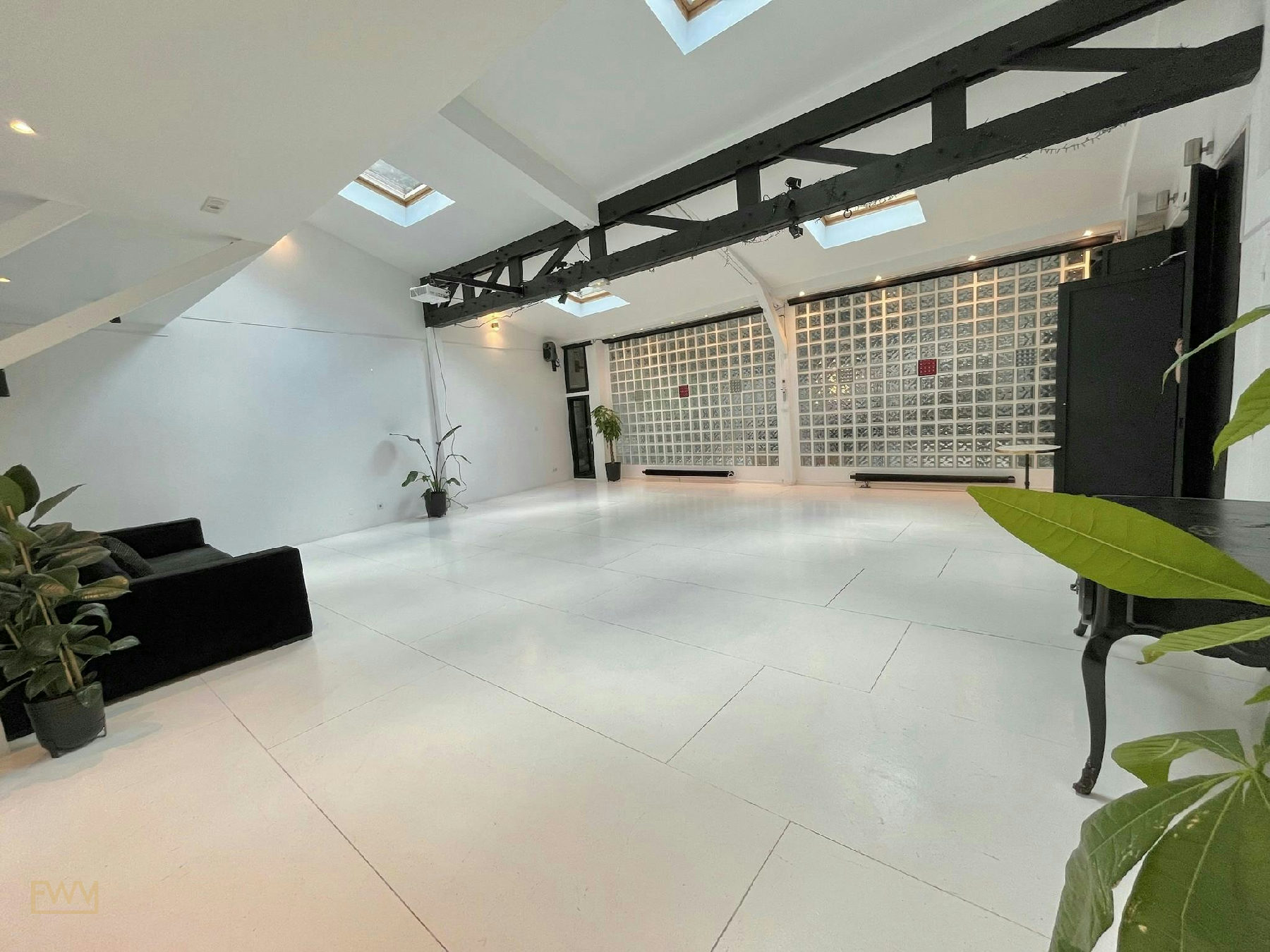
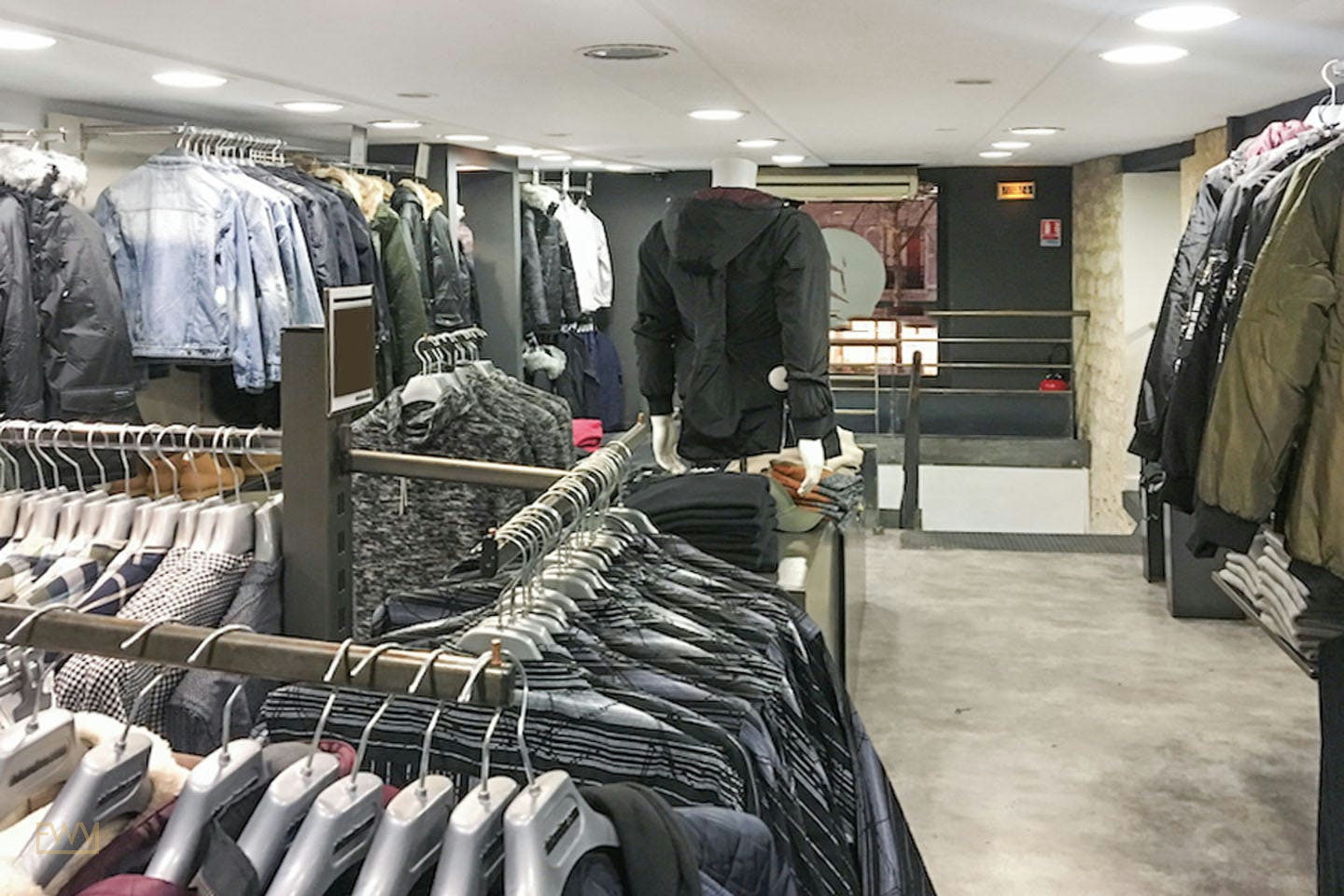
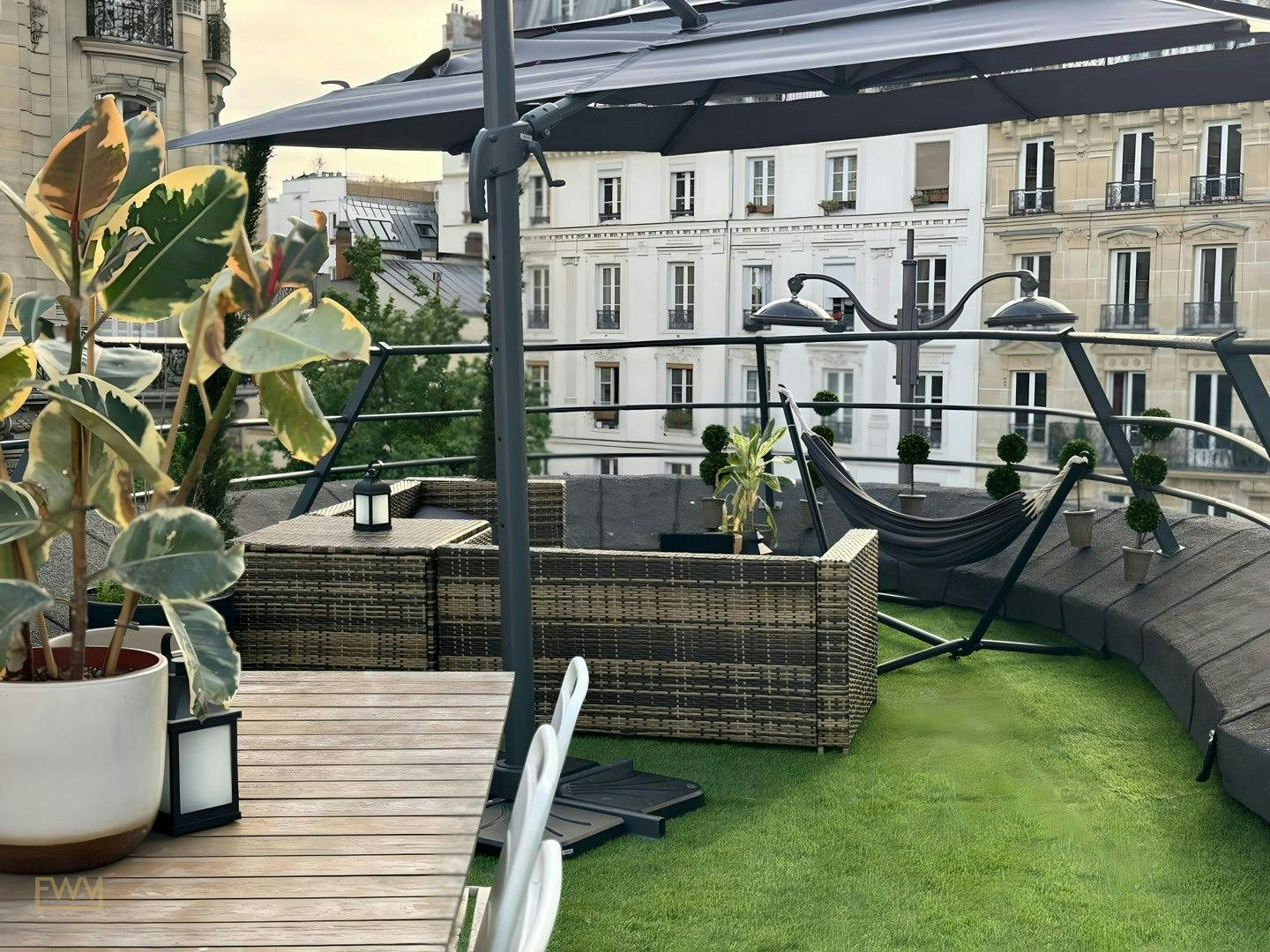
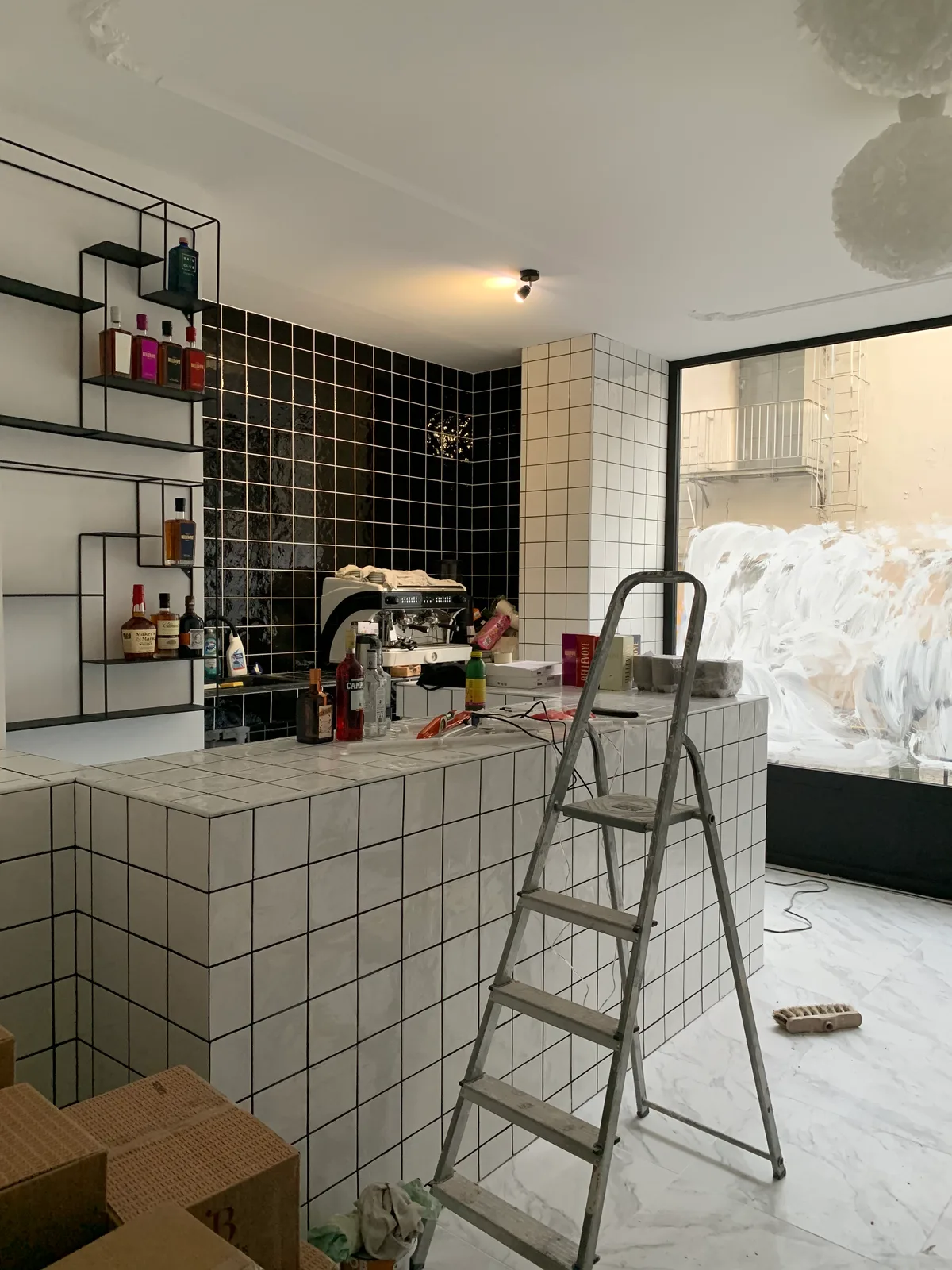
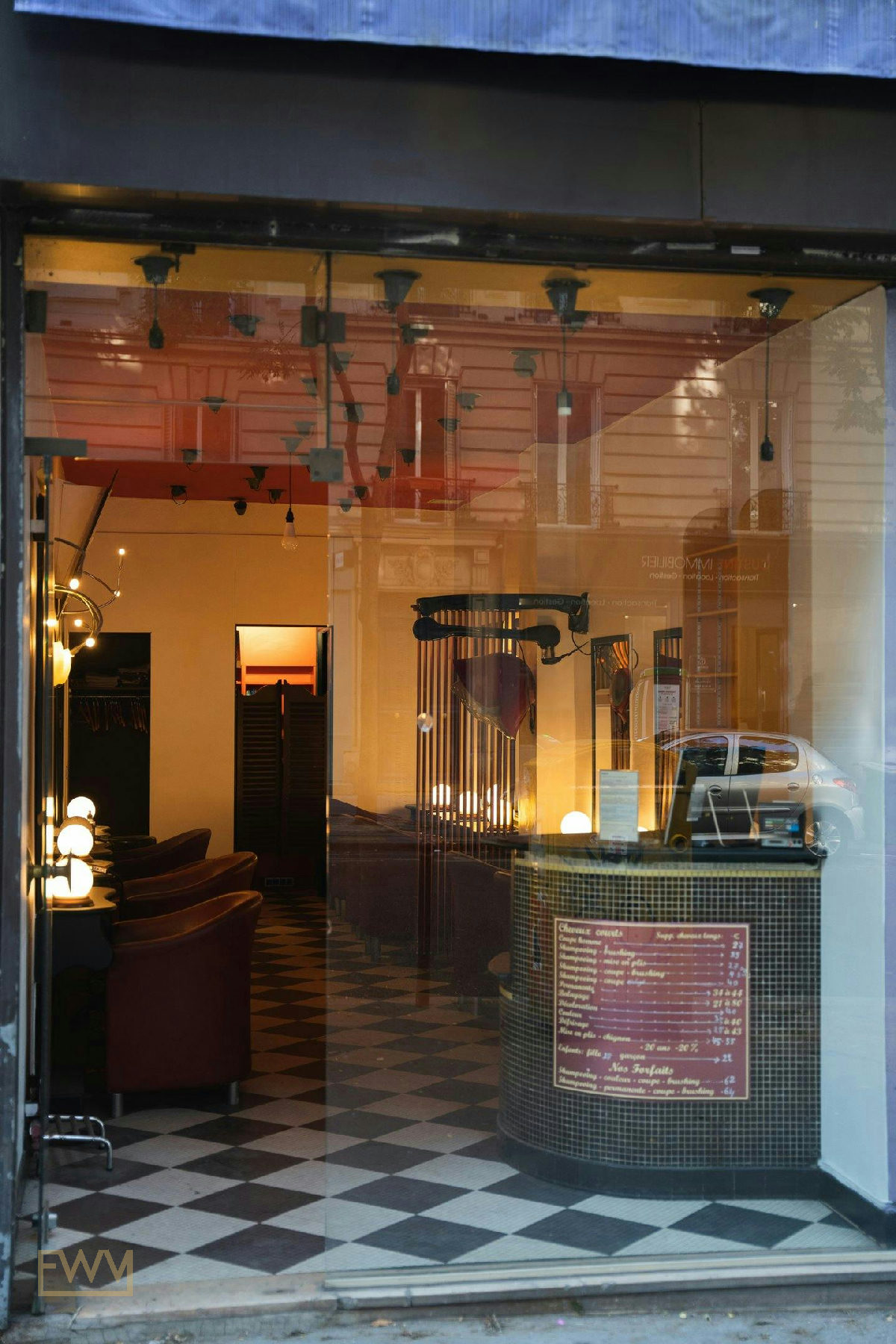
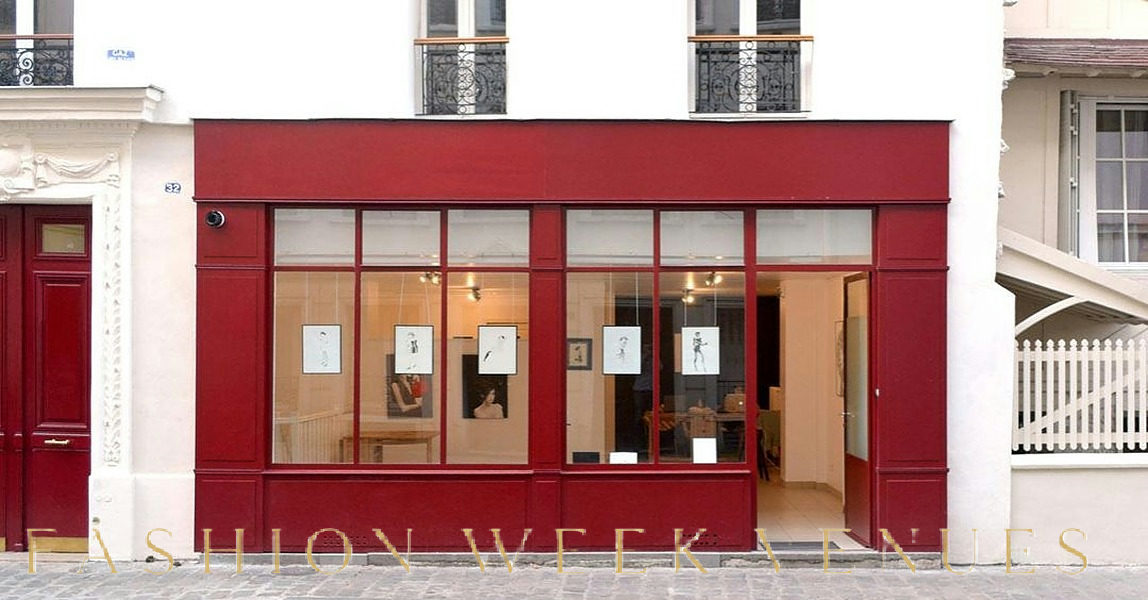
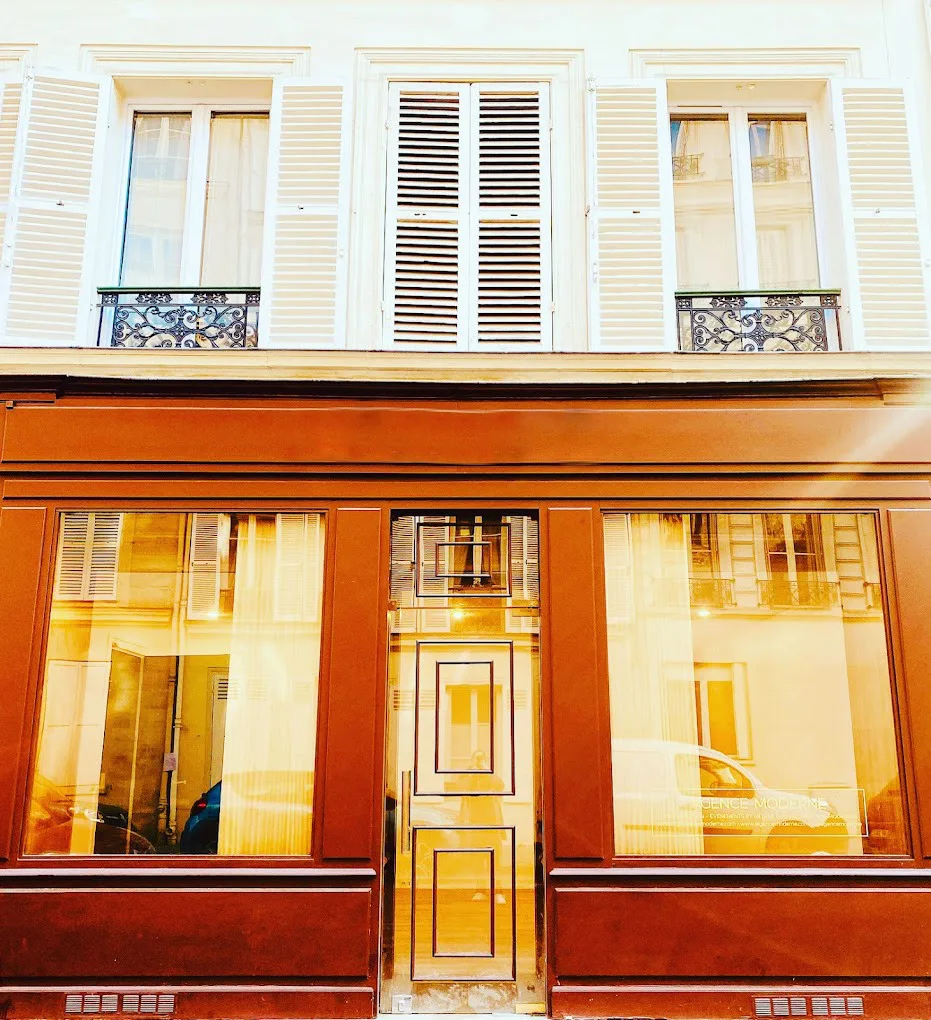
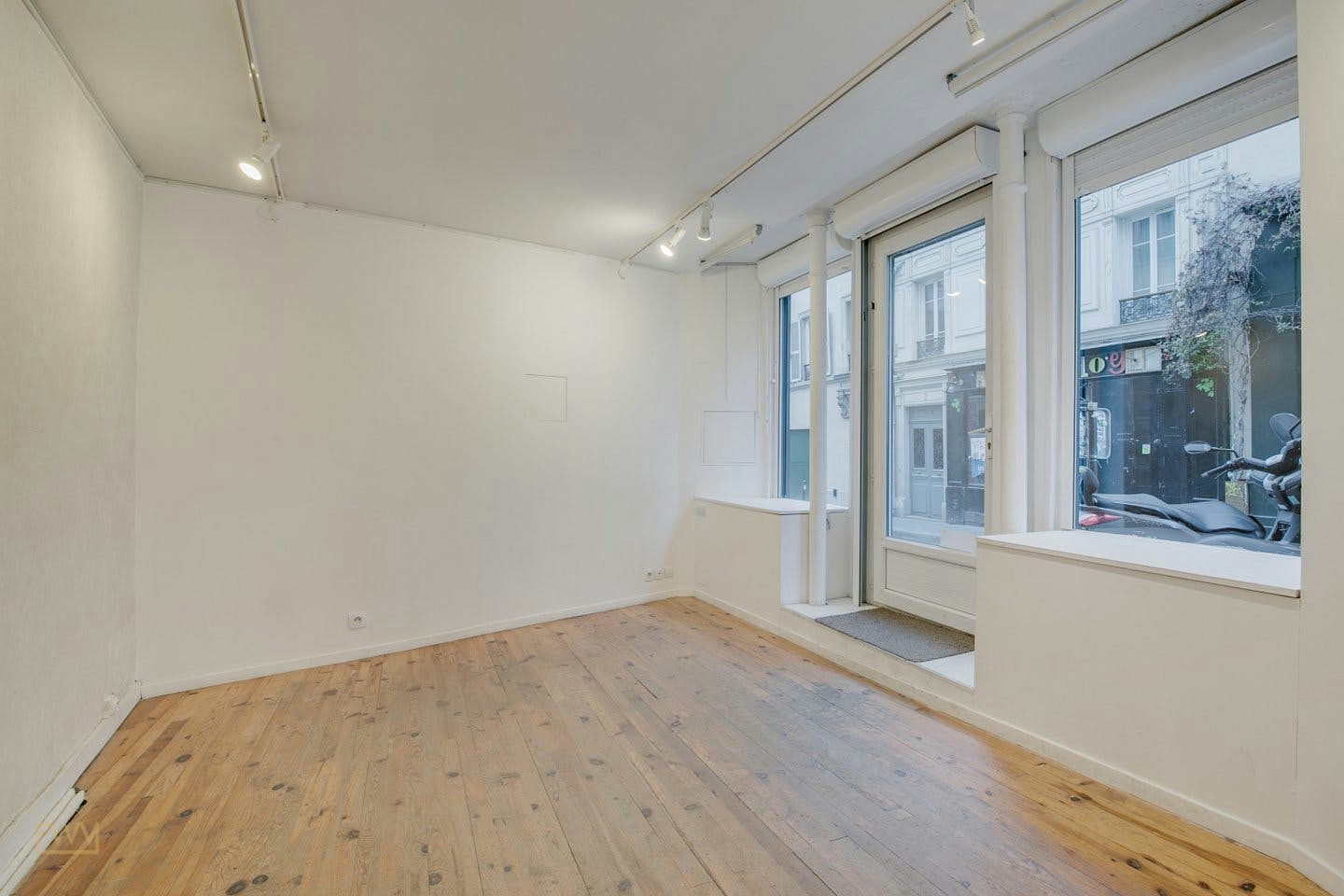
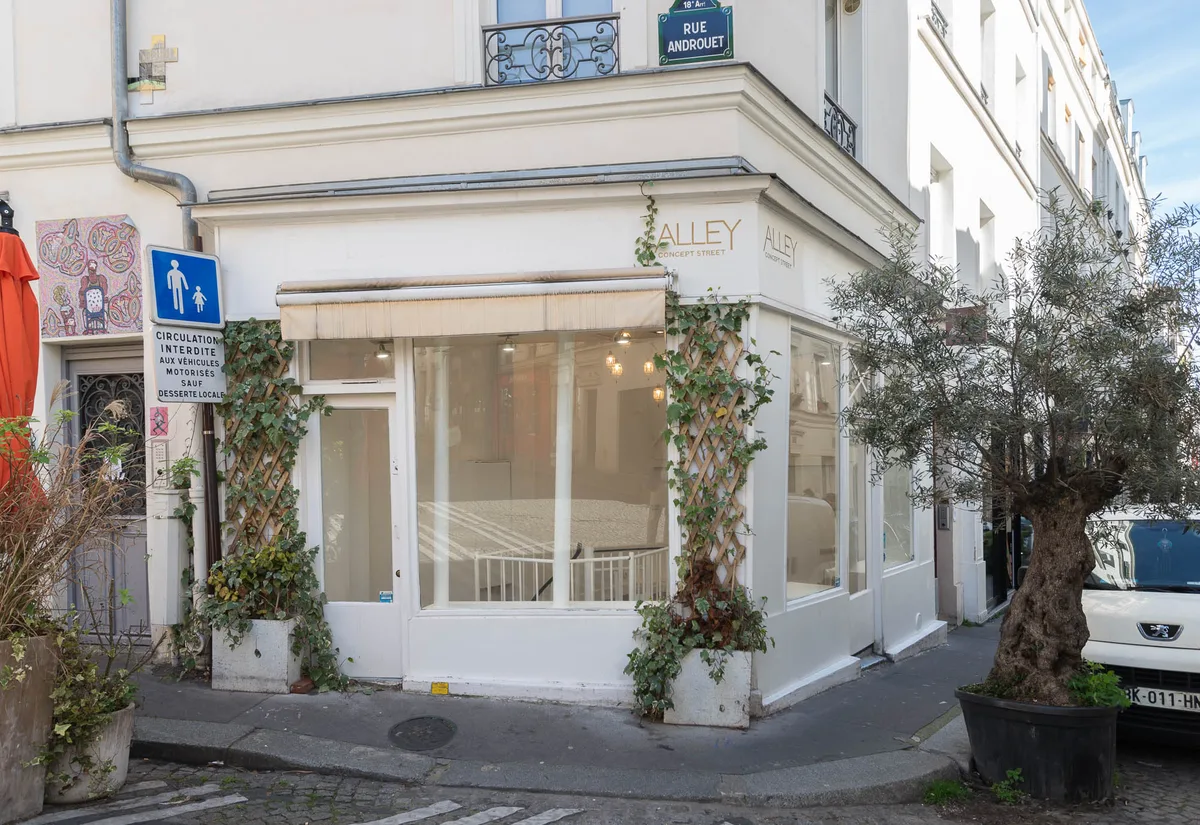
To book a pop-up shop in Montmartre is to place your brand at the heart of one of Paris's most storied, culturally layered, and visually compelling neighbourhoods. Montmartre is not simply a postcard backdrop. It is a living arrondissement with a distinct literary identity, a deeply rooted creative community, and a consumer base that blends Parisians, international visitors, and culturally engaged buyers seeking something more considered than mainstream retail. For fashion brands, independent publishers, lifestyle labels, and concept-driven activations, Montmartre offers an authentic platform that few other Paris neighbourhoods can match. Fashion Week Venues helps international and French brands navigate this complex, rewarding market from space discovery through to full activation management.
Why Montmartre Is One of Paris's Most Powerful Retail Activation Locations
Quick answer: Montmartre combines high daily footfall from cultural visitors, a loyal community of Parisian residents, and a neighbourhood identity rooted in art, literature, and independent retail. That combination makes it particularly effective for brands seeking genuine engagement rather than transactional traffic, especially for book-adjacent, lifestyle, and fashion concepts.
Montmartre sits in the 18th arrondissement of Paris, rising above the rest of the city on a hill that has defined its character for well over a century. The neighbourhood is associated with artists, writers, cabaret culture, and the Belle Epoque period, and that cultural weight still shapes what businesses thrive here. Unlike the Champs-Élysées, which serves mass luxury tourism, or Saint-Germain-des-Prés, which carries academic prestige, Montmartre occupies a particular position as the neighbourhood where bohemian identity and commercial curiosity intersect in ways that reward creative retail formats.
The neighbourhood draws a remarkably diverse audience. Tourists arriving at Sacré-Coeur represent one layer of footfall, but locals who have chosen Montmartre precisely because of its village-like atmosphere and independent spirit represent another equally important commercial audience. Local Parisians shop in Montmartre's boutiques, visit its galleries, and are deeply attuned to what is new and genuinely aligned with the neighbourhood's values. Any brand booking a pop-up shop in Montmartre needs to understand that audience is sophisticated and not easily impressed by surface-level activations.
The neighbourhood's connection to literature is especially significant for concept-driven pop-ups. Books and literary culture are woven into the physical fabric of Montmartre. La Librairie des Abbesses, one of the neighbourhood's best-known independent bookshops, has long served as a cultural anchor on Rue Yvonne le Tac. Le Pied à Terre nearby offers a carefully curated selection of French lifestyle books alongside objects that reflect the neighbourhood's aesthetic sensibility. The Hôtel Littéraire Marcel Aymé, named after the author who made Montmartre famous in French literature, reinforces the literary identity of the quartier through its very architecture and positioning. These reference points matter enormously when you are planning a brand activation that wants to feel native rather than imported.
From a retail geography perspective, Montmartre's commercial streets offer varied opportunity. The area around Abbesses metro station, Rue Lepic, and Rue des Abbesses concentrates a particularly strong mix of independent boutiques, concept stores, and small galleries. Further toward Pigalle, the character shifts slightly toward nightlife and the newer wave of concept-led retail. Both zones attract distinct customer profiles and both offer viable pop-up environments depending on the nature of your activation.
DID YOU KNOW: Montmartre was once an independent commune that only became formally incorporated into Paris in 1860. That historical separateness still informs the neighbourhood's fierce independent retail culture and resistance to generic commercial formats.
KEY TAKEAWAY: Montmartre rewards brands that commit to genuine creative direction and respect for the neighbourhood's literary, artistic, and independent retail identity. A thoughtfully positioned pop-up here reaches both loyal Parisian residents and culturally engaged international visitors in a way that generic Paris retail locations cannot replicate.
Understanding why Montmartre works for pop-up activations is the first step. The next is understanding how it compares to other Paris neighbourhoods and what makes a Montmartre brief specifically different from a Le Marais brief or a Saint-Germain activation.
Montmartre Versus Le Marais and Other Paris Neighbourhoods: Choosing the Right Activation Geography
Quick answer: Montmartre, Le Marais, Saint-Germain-des-Prés, and Pigalle each serve different brand typologies and consumer profiles. The right choice depends on your brand positioning, target customer, available budget, space requirements, and the specific calendar window you are targeting in Paris.
Paris is not a single retail market. It is a collection of distinct micro-markets, each with its own cultural logic, commercial density, footfall patterns, and tenant expectations. When a brand team decides to book a pop-up shop in Paris, one of the first and most consequential decisions is neighbourhood selection. Choosing Montmartre over Le Marais, or Saint-Germain over Pigalle, is not simply a matter of preference. It shapes everything from your space options to your staffing needs to your expected visitor profile.
| Neighbourhood | Primary Audience | Ideal Brand Typology | Space Character | Commercial Intensity |
|---|---|---|---|---|
| Montmartre (18th) | Cultural visitors, local residents, independent retail buyers | Literary, lifestyle, independent fashion, art-adjacent, concept retail | Bohemian, village scale, historic buildings | Moderate, concentrated around Abbesses |
| Le Marais (3rd and 4th) | Fashion-forward Parisians, international tourists, LGBTQ+ community | Contemporary fashion, emerging designers, streetwear, gallery-retail hybrids | Historic hôtels particuliers, converted galleries, narrow streets | High, particularly on Rue des Francs-Bourgeois |
| Saint-Germain-des-Prés (6th) | Affluent locals, literary-minded tourists, luxury buyers | Luxury fashion, fine art, curated books, high-end lifestyle | Formal, polished, prestigious ground floors | High premium |
| Pigalle (9th and 18th border) | Young Parisians, nightlife crowd, concept retail seekers | Streetwear, music-adjacent brands, bar and retail hybrids, art | Industrial, flexible, mixed-use buildings | Moderate to high, growing rapidly |
| Champs-Élysées (8th) | Mass international tourism, luxury brand visitors | Flagship brands, large-format luxury activations | Grand boulevard retail, large format spaces | Very high premium |
Le Marais is Montmartre's most direct comparison point for culturally engaged retail. Le Marais offers higher commercial density and stronger fashion week adjacency, but it also commands higher space costs and a more competitive activation environment. Brands that have already activated in Le Marais sometimes turn to Montmartre for a second activation that feels more neighbourhood-native and less saturated. The former department store concept Colette, now closed on Rue Saint-Honoré, set a cultural benchmark for the kind of curation-led retail that Montmartre's best independent boutiques have always practised at a smaller scale.
Saint-Germain-des-Prés carries a strong literary heritage connected to the Left Bank intellectual tradition, the historic publishing houses, and celebrated bookshops. However, it operates at a premium price point and carries a more formal character than Montmartre's organic, village-scale intimacy. The Seine River and Pont Neuf form natural geographic borders that separate the Left Bank from Montmartre's northern hill-village character, and that geographical separation also reflects a meaningful difference in retail atmosphere.
For brands specifically interested in books, literary culture, publishing, and objects adjacent to reading culture, Montmartre's existing ecosystem of independent bookshops, concept stores, and art spaces makes it a more cohesive environment than almost any other Paris neighbourhood. Activations that embed themselves within that existing cultural infrastructure tend to perform better with local audiences than activations that arrive with no neighbourhood context.
To compare neighbourhoods and space types based on your specific brief, explore the Paris city hub on Fashion Week Venues and shortlist spaces that match your brief, budget, and calendar window.
KEY TAKEAWAY: Montmartre is the strongest Paris neighbourhood for literary-adjacent, lifestyle, independent fashion, and concept retail activations. Le Marais remains the dominant destination for contemporary fashion, while Saint-Germain retains its premium literary prestige. Your neighbourhood choice should follow your brand typology, not simply your preference for a neighbourhood aesthetic.
Once you have confirmed Montmartre as your target neighbourhood, the next task is understanding what types of spaces are available and which format best serves your activation objectives.
Space Types Available for a Pop-Up Shop in Montmartre
Quick answer: Montmartre offers a range of short-term retail spaces including boutique ground floors, gallery spaces, apartment-format concept stores, café-retail hybrids, and converted historic premises. The right space type depends on your activation format, required square meters, production ambitions, and duration of occupation.
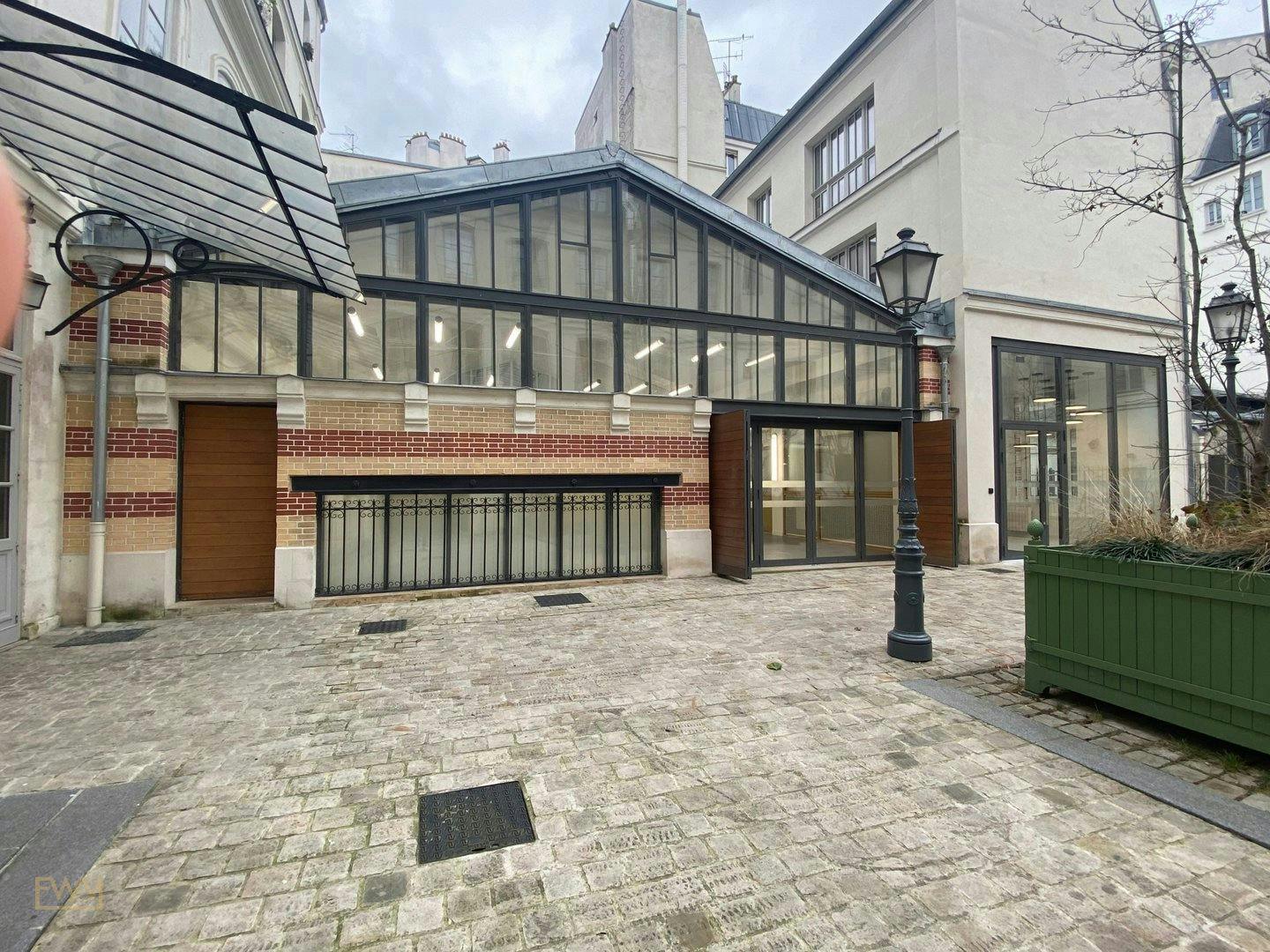
Montmartre's architectural character creates a specific set of space typologies that differ meaningfully from other Paris neighbourhoods. The neighbourhood's historic buildings, predominantly Haussmann-era and pre-Haussmann in some older sections, tend to produce smaller, more intimate ground-floor spaces rather than large-format retail environments. That scale is both a constraint and an advantage depending on your brand's approach.
| Space Type | Typical Size Range | Best For | Typical Configuration |
|---|---|---|---|
| Boutique ground floor | 30 to 80 square meters | Curated fashion, books, objects, lifestyle accessories | Street-facing shopfront, display window, compact interior |
| Gallery space | 50 to 150 square meters | Exhibition-retail hybrids, art-adjacent brands, editorial activations | White or raw walls, flexible layout, good natural or track lighting |
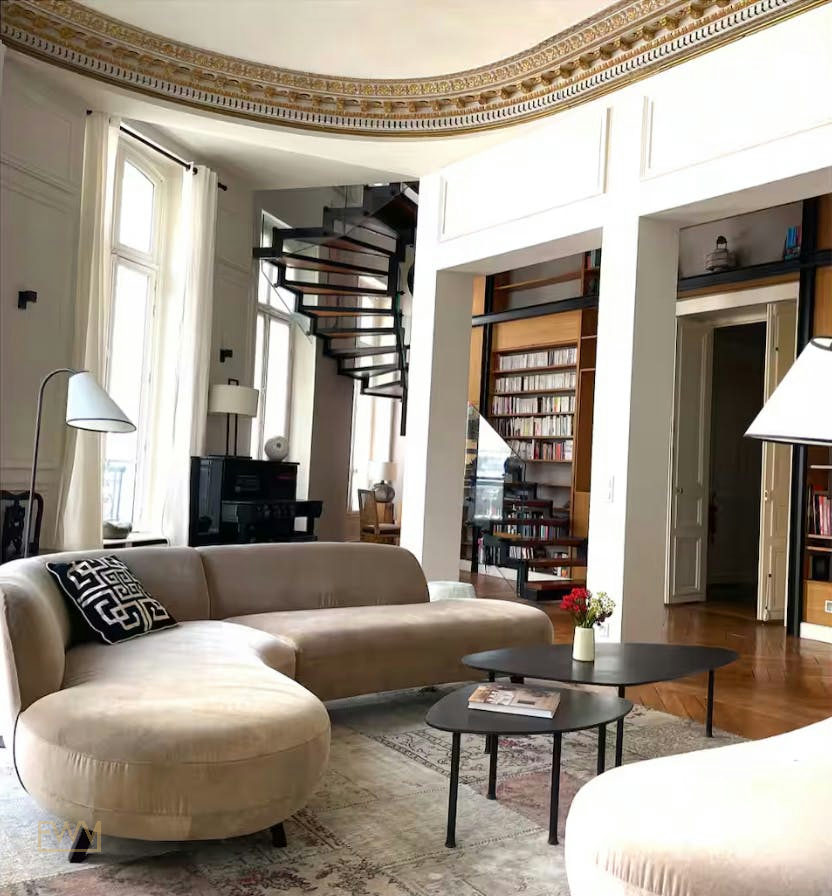
| Apartment-format concept space | 40 to 100 square meters | Lifestyle brands, hospitality-adjacent concepts, intimate presentations | Domestic interior feel, curated room settings, intimate scale |
| Café-retail hybrid | 40 to 120 square meters | Brands wanting dwell time, experiential retail, book and beverage concepts | Seating area, serving counter, retail zones integrated into hospitality space |
| Converted historic premises | Varies widely | Statement activations, fashion presentations, cultural partnerships | Period architectural detail, often requiring minimal or sensitive fit-out |
The gallery format is particularly relevant for brands with a literary or art-adjacent identity. La Halle St Pierre, located at the foot of Montmartre near the Marché Saint-Pierre, is one of the most significant art brut and outsider art exhibition spaces in Paris. Its existence within Montmartre signals the neighbourhood's appetite for unconventional, independently-minded cultural programming. The building itself, a former market hall, demonstrates the kind of architectural character that Montmartre spaces often carry.
Café NouNou and similar café-retail hybrid models that have operated in Montmartre demonstrate the neighbourhood's receptiveness to formats where hospitality and retail overlap. For a book-focused pop-up, the café-retail format is particularly compelling because it creates dwell time, encourages browsing, and generates a social media-friendly environment that supports both book discovery and retail conversion.
Apartment-format concept spaces are a Montmartre speciality that reflects the neighbourhood's residential character. Because Montmartre has a strong permanent residential population, spaces that feel domestic rather than commercial tend to resonate with local customers who are resistant to conventional retail formats. A brand presenting books, objects, fashion accessories, or lifestyle products within an apartment-scale environment signals cultural sensitivity and creative confidence.
TIP: When evaluating Montmartre spaces, assess the street-level visibility separately from the interior quality. Some of the neighbourhood's most effective pop-up venues have modest exteriors but highly compelling interiors that reward visitors who seek them out, which aligns perfectly with Montmartre's culture of discovery.
For independent publishers, concept-driven bookshops, or brands using books as a retail vehicle, the space selection in Montmartre offers genuine options for creating an experience that feels native to the neighbourhood's literary culture. Spaces near Rue Lepic, Rue des Abbesses, and the area around the Abbesses metro station tend to attract the strongest organic footfall from both residents and visitors who are specifically seeking independent and culturally engaged retail.
Use the space locator tool to identify available Montmartre spaces filtered by size, type, and proximity to key neighbourhood anchors.
KEY TAKEAWAY: Montmartre's space inventory skews toward intimate, characterful, neighbourhood-scale venues that reward creative fit-out and concept-driven activation. Brands expecting large-format flagship environments will find better options in other Paris neighbourhoods. Brands willing to work at boutique scale will find Montmartre's space typology genuinely supportive of literary, lifestyle, and art-adjacent concepts.
With your space type identified, the next critical consideration is the Paris calendar and when to book your Montmartre pop-up for maximum impact.
Paris Fashion Week and Beyond: Choosing the Right Calendar Window for Montmartre
Quick answer: Paris Fashion Week in March and October are the most commercially intense periods, but Montmartre's cultural calendar offers viable activation windows throughout the year, including the summer literary season, autumn arts programming, and the pre-Christmas retail period. A Montmartre pop-up does not depend exclusively on fashion week timing to deliver strong results.
One of the most persistent misunderstandings among brands planning Paris activations is the assumption that Fashion Week is the only commercially meaningful window. For a pop-up shop in a neighbourhood like Montmartre, that assumption significantly undersells the opportunity available across the full Paris calendar. Montmartre operates on a cultural rhythm that includes tourism peaks in summer, strong autumn programming connected to Parisian arts and publishing cycles, and a deeply engaged residential audience that shops throughout the year.
Paris Fashion Week, held in March and October, creates extraordinary demand for short-term spaces across the city and particularly in Le Marais, the 1st arrondissement, and Saint-Germain. Montmartre benefits from fashion week adjacency, particularly through buyers, press, and brand teams who extend their Paris visit and seek neighbourhood-level discovery beyond the circuit. The neighbourhood has also attracted fashion-adjacent activations from brands and designers like Harry Nuriev, whose architectural and design practice has maintained a strong Parisian presence, and whose work reflects the kind of creative cross-disciplinary approach that resonates in Montmartre.
Outside of fashion week, several calendar windows merit serious consideration for a Montmartre book-focused or literary lifestyle pop-up:
- The Paris Book Fair season, which activates strong literary interest among both Parisian residents and visiting book trade professionals
- The summer tourist peak, when Montmartre sees its highest overall visitor numbers due to Sacré-Coeur and the neighbourhood's cultural draw
- The Nuit Blanche all-night arts event in early October, which generates exceptional neighbourhood-level engagement with cultural programming
- The pre-Christmas period from mid-November through December, when Montmartre's gift-oriented boutiques and concept stores see strong retail conversion
- The Printemps des Poètes in spring, which generates literary energy across Paris and creates a natural audience for poetry-adjacent retail
IMPORTANT: Booking windows for premium Montmartre spaces during Paris Fashion Week, summer peak, and December can close four to six months in advance. Planning your activation calendar well ahead is essential, and securing your timeline with a structured planning tool is strongly recommended.
The fictional character of Monsieur Jean Perdu in Nina George's novel The Little Paris Bookshop operates a floating barge bookstore on the Seine River and dispenses literary advice alongside books, becoming a celebrated cultural archetype of the Parisian bookseller. That character's appeal reflects a genuine appetite among readers and visitors for Paris as a literary city that extends far beyond the famous bouquinistes along the Seine. Montmartre's own bookselling tradition, including La Librairie des Abbesses and Le Pied à Terre, provides real-world counterparts to that cultural imagination, and a well-timed literary pop-up can position itself within that tradition meaningfully.
For brands whose primary market is not France but who want to use Paris as an international statement, the fashion week windows in March and October remain the strongest options for press, buyer, and industry impact. For brands whose primary goal is genuine consumer engagement and cultural credibility with a Parisian audience, the broader calendar offers more flexible and often more affordable options. Use the timeline planning tool to map your activation window against the Paris cultural calendar and identify the booking lead time required for your target dates.
KEY TAKEAWAY: A Montmartre pop-up does not require Paris Fashion Week timing to deliver meaningful commercial and cultural results. The neighbourhood's year-round literary, artistic, and tourism calendar provides multiple high-value activation windows. Brands should select their calendar window based on their primary objective, whether that is industry visibility, consumer engagement, or media generation, rather than defaulting to fashion week dates.
With your calendar window defined, the practical and legal process of actually booking your Montmartre space requires careful attention to French lease structures, permit requirements, and compliance obligations.
Permits, Leases, and Legal Requirements for a Montmartre Pop-Up Space
Quick answer: Short-term retail spaces in Paris, including Montmartre, typically operate under a bail dérogatoire or a specific convention d'occupation temporaire rather than a standard French commercial lease. Requirements vary by space type, arrondissement, and intended use. Verifying specifics with a French legal advisor and using specialist permit guidance is strongly recommended before signing any agreement.
The French commercial property system is significantly more structured and legally specific than the short-term rental environments in many other countries. For international brands booking a pop-up shop in Montmartre, understanding the legal framework that governs your occupancy is not optional. Getting this wrong creates risk that can delay or terminate your activation before it begins.
The bail dérogatoire, also known as a short-term commercial lease, allows a tenant to occupy a commercial space for a period of up to three years without acquiring the full protections and obligations of a standard commercial lease. For pop-up activations typically lasting between one week and three months, the bail dérogatoire is the most commonly used legal framework. However, it requires specific written agreement between landlord and tenant before occupancy begins, and it cannot be renewed into an automatic long-term lease without explicit agreement from both parties.
For very short activations, some spaces operate under an autorisation d'occupation temporaire, or AOT, which is a permit-based occupancy arrangement rather than a lease. This structure is common for spaces occupying public-facing ground floors of buildings that have other primary commercial or cultural uses, and it is also used for certain types of public or semi-public spaces including parks, market halls, and cultural institutions. The AOT structure carries different legal obligations than the bail dérogatoire and requires careful review.
Within Montmartre specifically, the 18th arrondissement has its own administrative processes for retail occupancy, signage, and façade modifications. Brands planning external signage, window installations, or structural modifications to their pop-up space need to assess whether local planning consents are required. Historic buildings and buildings within designated architectural protection zones carry additional constraints that are particularly relevant in older sections of Montmartre near the Sacré-Coeur and the Abbesses area.
IMPORTANT: No agency or marketplace, including Fashion Week Venues, can guarantee permit approval on your behalf. Permit processes depend on the specific space, your proposed use, the duration of your activation, and the requirements of the relevant administrative authority. Always verify requirements with a qualified French legal advisor before committing to a space.
Use the permit guidance tool to understand the general permit landscape for your activation type and duration before engaging a legal advisor. This tool provides directional guidance on the types of consents typically required for different activation formats in Paris and Montmartre.
For brands without a French legal entity, renting a commercial space in Paris is possible but requires careful structuring. Some landlords require a French guarantor or a security deposit held by a French-registered entity. Others will accept an international company directly provided the lease is structured appropriately. This is one area where working with a specialist agency like Fashion Week Venues, which has established relationships with Montmartre landlords and understands the practical requirements of international tenant structures, provides meaningful risk reduction.
KEY TAKEAWAY: The French short-term commercial lease structure, particularly the bail dérogatoire and AOT, differs significantly from equivalent frameworks in the UK, US, and other markets. International brands should not assume their existing commercial lease experience translates directly to Paris. Specialist guidance on permits and lease structure is an essential investment, not an optional extra.
With your legal and permit framework understood, the next dimension to plan is the design and concept direction for your Montmartre pop-up shop, which in this neighbourhood is particularly critical to your activation's cultural reception.
Designing a Book-Focused Pop-Up Shop in Montmartre: Concept, Aesthetic, and Fit-Out
Quick answer: A successful book-focused pop-up in Montmartre needs a concept that is specific, visually compelling, and genuinely connected to Montmartre's literary and artistic identity. Generic bookshop aesthetics will not distinguish your activation in a neighbourhood where independent bookselling has deep roots. The strongest Montmartre pop-ups commit to a singular curatorial point of view expressed through every element of the space.
Montmartre's existing retail landscape sets a high bar for visual and curatorial quality. L'Objet Qui Parle, one of Montmartre's most celebrated vintage shops, has developed a reputation for the precision with which it curates its interior: glassware, apothecary jars, mirrors, dress forms, mannequins, cloche bell jars, and vases arranged with the deliberateness of an art installation rather than a commercial display. That level of visual commitment is the standard that Montmartre customers have come to expect from independent retail spaces, and it is the standard any book-focused pop-up should aspire to meet.
The most resonant literary pop-up concepts in Paris have combined books with adjacent objects and experiences that reflect the lifestyle surrounding reading culture. Mise en Page, which has brought together books, graphic design, and visual culture in a curated retail format, demonstrates how a book-centred space can extend beyond volumes on shelves to become a full sensory environment. Officine Universelle Buly, with its apothecary-inspired aesthetic and commitment to beautifully presented objects, shows how the Belle Epoque visual language that Montmartre embodies can be activated commercially with extraordinary effectiveness.
For a book-focused pop-up in Montmartre, the following design principles tend to produce the strongest results:
- A defined curatorial theme that connects books to a specific universe of objects, beauty products, accessories, or artworks
- Materials and furniture that reference Montmartre's architectural heritage without being pastiche
- Display systems that allow books to be presented as objects rather than simply as inventory
- A colour palette and lighting scheme that creates a distinctive atmosphere rather than defaulting to white walls and track lighting
- A spatial layout that encourages exploration and discovery rather than directing customers through a single linear path
- Integration of vintage elements, whether furniture, posters, or decorative objects, that connect to the neighbourhood's Belle Epoque and twentieth-century artistic history
Jean Jullien, the French illustrator whose work blends wit, literary references, and graphic clarity, represents the kind of creative sensibility that resonates strongly in Montmartre. A pop-up that collaborated with or referenced illustrators and visual artists of that calibre would immediately signal cultural fluency to the neighbourhood's most discerning visitors. Similarly, Liyaa Kebede's approach to blending cultural storytelling with physical retail demonstrates how a personality-driven creative vision can define a pop-up's identity far beyond its product selection.
The furniture and object selection for your Montmartre pop-up carries significant weight. In a neighbourhood where L'Objet Qui Parle has effectively turned vintage French objects into a destination concept, bringing in generic trade furniture will read as culturally tone-deaf. The furniture rental service offered by Fashion Week Venues can source period-appropriate, conceptually coherent furniture for Montmartre activations, reducing the logistical burden of sourcing characterful pieces independently in Paris.
The Hôtel Littéraire Marcel Aymé, named after the author of the Passe-Muraille short story in which a man discovers he can walk through walls, provides a compelling model for how literary identity can be expressed through interior design and spatial storytelling. Marcel Aymé lived in Montmartre and set much of his work there. His Passe-Muraille character has become a neighbourhood landmark, with a sculpture on Place Marcel Aymé near Rue Lepic. A pop-up that engaged with this local literary heritage would demonstrate the kind of specific neighbourhood knowledge that Parisian customers find genuinely compelling.
TIP: Consider commissioning a local Montmartre artist or illustrator to create a limited-edition print or book cover exclusively for your pop-up. Vintage posters and locally produced printed matter are among the most popular purchases in Montmartre boutiques, and a bespoke commissioned work gives your activation a collectible element that supports both retail conversion and social media visibility.
For brands wanting to visualise their Montmartre space before committing to a fit-out, the Imagine space visualisation tool allows you to test concept directions and design approaches digitally before production begins.
KEY TAKEAWAY: A book-focused pop-up in Montmartre needs to earn its place in one of Paris's most culturally self-aware neighbourhoods. The strongest activations combine a specific curatorial theme, period-referencing materials and furniture, and a visual vocabulary that connects to Montmartre's Belle Epoque and twentieth-century artistic heritage. Generic bookshop aesthetics are not sufficient in this neighbourhood.
Once your concept is defined, production and build planning must begin early and must account for Montmartre's specific logistical constraints.
Production, Build, and Logistics for a Montmartre Pop-Up Shop
Quick answer: Producing a pop-up fit-out in Montmartre requires careful coordination with the space landlord, the local arrondissement, and specialist contractors familiar with Paris's building access restrictions, narrow street logistics, and heritage building constraints. Planning your production timeline at least six to eight weeks before your opening date is strongly recommended for any build with custom elements.
Montmartre's physical geography creates specific logistical challenges that brands underestimate at their cost. The neighbourhood sits on a hill, with steep streets and stairways in its older sections. Access for delivery vehicles is restricted on many of the narrow streets around Abbesses and Rue Lepic, particularly during morning market hours on Rue Lepic. The arrondissement's administrative processes for scaffolding, skip placement, or large deliveries require advance coordination with the local mairie, or town hall.
Heritage building constraints are particularly relevant in Montmartre. Many of the neighbourhood's most characterful spaces are located in buildings with protected architectural elements, whether original shopfronts, tile work, staircases, or ceiling mouldings. Any fit-out work that touches these elements requires either landlord consent or specific planning permission. Brands that arrive in Montmartre expecting to gut and rebuild a space as they might in a purpose-built commercial unit will encounter significant resistance.
| Production Phase | Typical Duration | Key Actions | Montmartre-Specific Considerations |
|---|---|---|---|
| Brief and concept finalisation | 2 to 4 weeks | Define activation concept, space requirements, budget envelope | Ensure concept is appropriate for neighbourhood cultural context |
| Space search and selection | 2 to 6 weeks | View spaces, negotiate heads of terms, confirm availability | Check street access, delivery logistics, landlord constraints |
| Lease and permit processing | 2 to 4 weeks | Execute bail dérogatoire or AOT, apply for relevant permits | Consult French legal advisor, check arrondissement-specific requirements |
| Design development and contractor appointment | 2 to 4 weeks | Finalise fit-out design, appoint Paris-based contractors | Prioritise contractors with Montmartre or 18th arrondissement experience |
| Build and installation | 3 to 10 days | Deliver and install furniture, graphics, POS, and product | Coordinate delivery windows for narrow street access |
| Soft launch and testing | 1 to 2 days | Test POS, briefing of staff, final visual merchandising | Invite neighbourhood contacts for preview to build local awareness |
| Live activation | As planned | Run operations, manage team, track performance | Engage neighbourhood community proactively throughout |
| Derig and handback | 1 to 3 days | Remove all installed elements, restore space to original condition | Document condition before and after with photographic evidence |
For brands using production and build services through Fashion Week Venues, the logistical coordination with Paris-based contractors, landlords, and local authorities is managed as part of the service. This reduces the administrative burden on brand teams who are not based in Paris and who may not have established contractor relationships in the 18th arrondissement.
The printing and signage requirements for a Montmartre pop-up are worth specific attention. In a neighbourhood where handmade, typographic, and artisanal visual communication are embedded in the cultural identity, digitally printed vinyl graphics and corporate signage systems can undermine your activation's neighbourhood authenticity. Brands that invest in letterpress-printed materials, risograph publications, hand-painted signage, or custom-printed French lifestyle books as retail objects tend to create significantly stronger neighbourhood resonance.
KEY TAKEAWAY: Production for a Montmartre pop-up requires earlier planning, more nuanced contractor selection, and greater sensitivity to heritage building constraints than equivalent activations in purpose-built retail environments. Brands that treat Montmartre's physical character as an asset to work with rather than a constraint to overcome produce the strongest results.
With production planned, the operational dimension of running your Montmartre pop-up effectively requires attention to staffing, payments, and the specific customer dynamics of this neighbourhood.
Staffing, Customer Experience, and Operations for a Montmartre Book Pop-Up
Quick answer: Montmartre's customer base, which blends culturally engaged local residents with international literary tourists and design-aware visitors, requires staff who are genuinely knowledgeable, multilingual, and capable of providing the kind of literary advice and cultural context that distinguishes a book-focused Montmartre experience from simple retail.
The staff running a book pop-up in Montmartre are not simply sales assistants. In a neighbourhood where the tradition of the Parisian bookseller carries genuine cultural weight, the person behind the counter is expected to be a guide, a recommender, and a cultural interlocutor. La Librairie des Abbesses has built its reputation precisely on the quality of its bookselling, which extends well beyond stocking the right titles to include the curation of customer experience and the provision of genuine literary advice. Any brand activating a book-centred pop-up in this neighbourhood should set the same standard for its team.
Bilingual or multilingual staffing is not optional in Montmartre. The neighbourhood's visitor mix includes significant numbers of English-speaking tourists from the UK, US, Australia, and beyond, alongside French-speaking local residents, and an increasingly diverse international community. Staff who can engage in French and English as a minimum, and ideally in additional languages, will serve your activation's commercial performance significantly better than monolingual teams.
For book-focused activations specifically, staff should have genuine reading knowledge of the titles and categories you are stocking. If your pop-up carries French lifestyle books, guides to Paris, literary fiction set in France, comics, and art publications, your team needs to be able to speak about those categories with genuine confidence. Customers who visit an independent book-focused space in Montmartre come with high expectations of curation and recommendation quality.
Payment systems for a Paris pop-up need to handle French card networks, contactless payment, and ideally mobile payment options. International visitors may be using non-European card formats, and your POS system needs to handle that without friction. The POS and payments service from Fashion Week Venues can be configured for multi-currency and multi-format payment environments appropriate for a Montmartre activation with a mixed international and local customer base.
Data collection from your Montmartre pop-up is an asset that brands frequently underutilise. In a neighbourhood where customer behaviour, dwell time, and product preference data can directly inform future Paris activations, investing in a structured data and analytics approach from day one of your activation creates compounding value. Tracking which titles sell, which product categories generate the highest average transaction value, and which customer segments generate the most repeat visits during a multi-week activation gives you actionable intelligence for future Paris planning.
DID YOU KNOW: Independent bookshops in Paris have seen sustained growth in recent years, with Parisian readers demonstrating strong preference for curated independent bookselling over mass-market distribution channels. A well-positioned book-focused pop-up in Montmartre enters a genuinely receptive market.
KEY TAKEAWAY: Operational excellence in a Montmartre book pop-up requires genuinely knowledgeable, multilingual staff who can function as cultural guides rather than simply sales personnel. Payment infrastructure must handle both local French customers and international visitors without friction. Data collection should be structured from opening day to generate intelligence for future activations.
Budget Planning for a Pop-Up Shop in Montmartre
Quick answer: Pop-up shop costs in Montmartre vary significantly depending on space size, duration, fit-out complexity, staffing requirements, and the level of agency support engaged. Directional planning should account for space rental, production and build, furniture, staffing, POS, marketing, and a contingency buffer. Specific figures depend on your brief and cannot be generalised without a detailed scope.
Budget planning for a Montmartre pop-up is one of the areas where international brands most frequently encounter unexpected costs. The assumption that short-term space rental is the primary cost and all other elements are minor is consistently incorrect. In practice, production and build costs, specialist French legal fees, permit applications, furniture sourcing, staffing, and the integrated marketing required to drive awareness of a temporary space in a neighbourhood where you may have no existing presence can collectively exceed the space rental itself.
The following categories should be included in any Montmartre pop-up budget framework:
- Space rental for your target period
- Security deposit, typically equivalent to one to three months of the rental rate
- Legal fees for lease review and permit processing
- Production and build costs including design, contractor fees, and materials
- Furniture rental or procurement
- Signage, graphics, and printed matter
- POS hardware and payment processing setup
- Staffing for the full activation period including management and sales roles
- Marketing and social media content production
- Influencer engagement and press outreach
- Data and analytics tooling
- Insurance appropriate for a commercial retail activation in France
- Derig and restoration costs
- Contingency of at least ten to fifteen percent of total budget
Use the budget estimation tool to generate a brand-specific directional budget for your Montmartre activation based on your space size, duration, and activation format. This tool provides a structured framework rather than a binding quote, but it gives brand teams a realistic starting point for internal approval processes.
For brands considering whether a Montmartre pop-up will generate a positive return on their investment, the ROI calculation tool allows you to model expected returns based on your target daily visitor numbers, average transaction values, and secondary value metrics including press coverage, social media reach, and brand awareness uplift. Literary and culturally positioned activations in Montmartre often generate significant secondary value through editorial coverage and social media content that exceeds the direct retail revenue, particularly for brands entering the Paris market for the first time.
Sarah Andelman, the creative director and co-founder of Colette, has spoken extensively about the importance of editorial curation as a commercial strategy in Parisian retail. That philosophy, applied to a book-focused pop-up in Montmartre, suggests that the cultural and media value of a well-positioned activation may justify its investment even if direct retail revenue alone would not. International fashion brands including Ba&sh and Sandro, which have strong Parisian identities and boutique presences, understand how neighbourhood-level activations contribute to brand equity that compounds over time.
KEY TAKEAWAY: A Montmartre pop-up budget must include all production, legal, staffing, and marketing costs alongside space rental. Total costs will exceed space rental alone, often significantly. Use specialist tools to model your full budget and ROI before committing to a space or calendar window.
How Fashion Week Venues Helps Brands Book and Activate Pop-Up Shops in Montmartre
Quick answer: Fashion Week Venues provides end-to-end support for brands booking pop-up shops in Montmartre, from initial space discovery through concept direction, production, staffing, operations, and post-activation analytics. The agency's Paris-specific expertise and established landlord relationships reduce risk and accelerate the process for international brands without existing Paris networks.
For brand teams attempting to book a pop-up shop in Montmartre without existing Paris connections, the process involves navigating French landlord expectations, short-term lease structures, permit requirements, neighbourhood planning constraints, contractor networks, staffing market conditions, and the cultural nuances of positioning a brand within a neighbourhood as specific as Montmartre. Fashion Week Venues exists to reduce the friction and risk in that process for brands at every scale.
The agency's venue sourcing service covers the full process of identifying, evaluating, and negotiating access to appropriate Montmartre spaces based on your brief. This includes spaces listed on the Fashion Week Venues marketplace as well as off-market spaces identified through the agency's Paris landlord network. Because Montmartre has a significant proportion of independent and family-owned buildings, off-market space access is often more important here than in more institutionally owned neighbourhoods like the 1st arrondissement or Saint-Germain.
The agency's concept direction service is particularly relevant for brands that have a clear product and brand identity but have not yet developed a specific Montmartre-appropriate activation concept. Creative directors within Fashion Week Venues can work with your internal team to develop a concept that is both commercially effective and culturally appropriate for the neighbourhood, drawing on knowledge of Montmartre's existing retail landscape and the reference points that resonate with its customer base.
For brands seeking to activate simultaneously in multiple Paris locations or in partnership with another brand, the twin co-activation concept offers a structured model for sharing a space or coordinating adjacent activations, which can be a highly effective approach in Montmartre where space costs and sizes may make solo occupation less efficient.
The agency also provides influencer marketing services tailored to Paris, which is particularly valuable for a Montmartre pop-up where social media visibility among culturally engaged Parisian and international audiences is a primary driver of walk-in traffic. Identifying the right content creators who align with Montmartre's literary, vintage, and independent retail aesthetic requires Paris-specific knowledge that the agency's team maintains through active market engagement.
IMPORTANT: Fashion Week Venues does not guarantee specific outcomes including guaranteed visitor numbers, guaranteed media coverage, or guaranteed permit approvals. The agency provides expertise, relationships, and structured process support that significantly improves the probability of a successful activation, but results depend on multiple factors including brand positioning, concept quality, and market conditions during your activation period.
For brands that want to understand how Fashion Week Venues has supported comparable activations before engaging, the work and case study section provides documented examples of past activations. The agency process page explains how engagements are structured from initial brief to post-activation review.
KEY TAKEAWAY: Fashion Week Venues offers the Paris-specific knowledge, landlord relationships, and end-to-end service capabilities that make booking and activating a pop-up shop in Montmartre significantly more manageable for international brands. The agency's value is greatest for brands without existing Paris networks, tight timelines, or complex creative concepts that require neighbourhood-level cultural intelligence.
Common Myths About Booking a Pop-Up Shop in Montmartre Debunked
MYTH: You need a French legal entity to rent a commercial space in Montmartre.
FACT: International companies can rent short-term commercial spaces in Paris, including Montmartre, without having a registered French entity, but the lease structure must be carefully designed to accommodate this. Some landlords require additional security deposits or guarantees from international tenants. Working with a specialist agency and a French legal advisor is strongly recommended to navigate this correctly and avoid situations where an inappropriate lease structure creates legal risk for your brand.
MYTH: Paris Fashion Week is the only commercially viable calendar window for a Montmartre pop-up.
FACT: Montmartre operates on a rich year-round cultural calendar that includes summer tourism peaks, autumn arts programming, the Paris Book Fair season, Nuit Blanche, and the pre-Christmas retail period. Brands focused on consumer engagement rather than industry visibility can achieve strong results throughout the year. Fashion week timing commands higher space costs and faces more competition for premium spaces, making non-fashion week windows often more commercially efficient for brands with consumer-facing rather than industry-facing objectives.
MYTH: Commission brokers are the only way to find a pop-up space in Montmartre.
FACT: Commission-based space brokers are one route to a Montmartre space but not the only route. Full-service agencies like Fashion Week Venues combine space marketplace access, off-market landlord relationships, and end-to-end activation support that goes significantly beyond what a commission broker provides. For brands that need support from concept through to operations, a full-service agency relationship produces a more integrated and typically better-executed result than a broker introduction followed by solo brand management.
MYTH: Short-term leases in Paris are legally straightforward and do not require specialist legal support.
FACT: French commercial property law is highly specific and structured. The bail dérogatoire and AOT frameworks that govern most short-term retail occupancy in Paris have precise legal requirements that must be satisfied before occupancy begins. Errors in lease structure can have serious legal and financial consequences for the occupying brand. Always engage a qualified French legal advisor before executing any commercial occupancy agreement in Paris, regardless of the duration or scale of your activation.
MYTH: A book pop-up in Montmartre only works if you carry French-language books.
FACT: Montmartre's visitor mix includes a very significant proportion of English-speaking and multilingual international visitors alongside French-speaking local residents. Successful book-focused pop-ups in the neighbourhood have carried multilingual selections, English-language titles on Parisian culture and French lifestyle, and illustrated books and comics that transcend language barriers. The curatorial quality and conceptual coherence of your selection matter more than the language of your inventory, provided your concept is clear and credible.
Frequently Asked Questions About Booking a Pop-Up Shop in Montmartre
Where do Parisians actually shop in Montmartre?
Parisians who live in and around Montmartre tend to favour the independent boutiques concentrated around the Abbesses metro station, Rue Lepic, and Rue des Abbesses. La Librairie des Abbesses is a trusted local bookshop, and Le Pied à Terre is known for its French lifestyle books and curated objects. The vintage and antique community gravitates toward shops like L'Objet Qui Parle, while everyday food shopping centres on the Marché d'Aligre and the Rue Lepic market. Local residents are highly attuned to quality and authenticity and respond poorly to generic commercial formats, so any brand targeting Parisian residents rather than tourists needs to demonstrate genuine curatorial confidence.
What is the difference between a bail dérogatoire and a standard French commercial lease?
A bail dérogatoire is a short-term commercial occupancy agreement lasting up to three years that specifically excludes the tenant protections and obligations attached to a standard French commercial lease, known as a bail commercial. For pop-up activations lasting days to months, the bail dérogatoire is the appropriate framework because it provides flexibility for both landlord and tenant without creating long-term obligations. A standard bail commercial carries nine-year minimum terms with significant tenant protections and is entirely inappropriate for short-term retail activations. Always confirm which framework governs your Montmartre space before signing any agreement.
How far in advance should I book a pop-up space in Montmartre?
For premium Montmartre spaces in high-demand periods such as Paris Fashion Week, summer peak, and December, booking four to six months in advance is strongly recommended. For off-peak periods, a two to three month lead time may be sufficient for space booking, but production planning, permit processing, and legal review require additional time on top of the space booking. The total lead time from initial brief to opening day for a well-produced Montmartre activation typically ranges from ten to twenty weeks depending on the complexity of the concept and fit-out. Use the timeline planning tool to map your specific requirements against your target opening date.
Can I book a Montmartre pop-up space without a French company?
Yes, international brands without a registered French entity can occupy commercial spaces in Montmartre under a short-term lease framework. However, the specific structure of the lease and any security deposit or guarantee requirements will depend on the individual landlord's preferences and risk appetite. Some landlords are highly experienced with international tenants and have standard processes for non-French companies. Others may require a French guarantor or an increased deposit. Working with an agency that has established Montmartre landlord relationships significantly simplifies this process and reduces the risk of an agreement being declined due to entity structure concerns.
What are the permit requirements for a pop-up shop in Montmartre?
Permit requirements for a Montmartre pop-up depend on the space type, your intended use, the duration of your activation, and any physical modifications you plan to make. For a retail activation within an existing commercial space with no structural changes, the primary legal requirement is a correctly structured lease agreement. If you plan external signage, window installations, or any structural modifications, additional consents from the 18th arrondissement mairie may be required. Heritage building constraints apply to many Montmartre spaces. Requirements vary and cannot be generalised, so verifying specifics with a French legal advisor before committing to a space is essential. The permit guidance tool provides directional information on the consent landscape for different activation formats.
What size space do I need for a book-focused pop-up in Montmartre?
For a curated book and lifestyle concept pop-up in Montmartre, spaces of between 30 and 80 square meters are typically sufficient and consistent with the neighbourhood's boutique-scale retail character. Larger spaces in the 80 to 150 square meter range are appropriate for activations that combine books with a significant gallery component, café element, or product extension. Montmartre does not offer many large-format retail spaces, and brands requiring more than 150 square meters may need to consider alternative Paris neighbourhoods or multi-space configurations. A tightly curated smaller space is almost always more effective in Montmartre than a larger space that feels underpopulated or over-stretched.
How do I drive traffic to a pop-up shop in Montmartre?
Driving awareness and footfall to a Montmartre pop-up requires a combination of local neighbourhood engagement, social media content, press and editorial outreach, and influencer engagement appropriate for the neighbourhood's cultural context. Montmartre has a strong community of local bloggers, literary social media accounts, and cultural journalists who cover independent retail and arts programming in the neighbourhood. Connecting with those voices early in your planning process is more effective than relying solely on paid advertising. Physical presence in the neighbourhood before your opening, including distribution of well-designed printed matter to nearby cafés, bookshops, and galleries, also builds local awareness in ways that digital channels alone cannot replicate.
What literary reference points are most relevant for a Montmartre book pop-up?
Montmartre's literary identity draws on a rich set of reference points including the works of Marcel Aymé, who lived in the neighbourhood and whose Passe-Muraille character has become a local landmark. Nina George's novel The Little Paris Bookshop, featuring the fictional Parisian bookseller Monsieur Jean Perdu and his floating barge bookstore on the Seine, has generated strong international interest in Paris as a literary setting. The neighbourhood's existing independent bookshops, including La Librairie des Abbesses, provide real-world anchors for the literary community. Béton Littéraire, which connects literature with architecture and urban culture, and Liyabrairie represent newer voices in Parisian literary retail that connect to younger culturally engaged audiences.
Is Montmartre suitable for fashion brands as well as book-focused activations?
Yes, Montmartre has a strong fashion retail ecosystem centred on independent boutiques and concept stores rather than luxury flagship formats. Brands like Ba&sh and Sandro have boutique presences in the neighbourhood, and the area around Abbesses has seen increasing interest from contemporary French fashion labels. For fashion brands, a Montmartre pop-up works best when it connects the brand's creative identity to the neighbourhood's artistic and independent character rather than simply treating the location as a retail opportunity. Palais Galliera, Paris's dedicated fashion museum, while located in the 16th arrondissement, generates fashion-cultural interest that extends across the city, including Montmartre's design-engaged audience.
What is the Hôtel Littéraire Marcel Aymé and why is it relevant to a Montmartre pop-up?
The Hôtel Littéraire Marcel Aymé is a boutique hotel in Montmartre dedicated to the literary memory of Marcel Aymé, the French author who lived in the neighbourhood for decades and whose short story Passe-Muraille, or The Walker Through Walls, is celebrated with a sculpture on Place Marcel Aymé near Rue Lepic. The hotel's existence demonstrates that Montmartre's literary identity is commercially viable and that visitors seek authentic cultural connections to the neighbourhood's history. For a book-focused pop-up, the Marcel Aymé reference point offers a genuinely Montmartrois literary hook that resonates with both French readers and internationally engaged literary tourists.
Can I run a café alongside my book pop-up in Montmartre?
Combining a café or beverage service with a book pop-up is a format that has worked successfully in Montmartre and reflects the neighbourhood's strong café culture and the behaviour of its literary-minded visitor base. However, a café operation in France requires compliance with French food and beverage licensing requirements, hygiene standards, and staff certification that go beyond the standard requirements for a retail pop-up. If you plan to serve food or beverages commercially as part of your activation, this must be factored into your permit planning, space selection, and staffing approach from the earliest stage of your project.
What makes L'Objet Qui Parle relevant for brands planning a Montmartre pop-up?
L'Objet Qui Parle is one of Montmartre's most celebrated vintage and curiosity shops, known for its exceptionally precise curation of antique and vintage objects including Belle Epoque glassware, apothecary jars, mirrors, dress forms, mannequins, cloche bell jars, and vintage vases. Its relevance for brands planning a Montmartre pop-up lies in the standard of visual curation it represents within the neighbourhood. L'Objet Qui Parle demonstrates that Montmartre's most successful independent retail spaces are defined by the rigour of their visual and conceptual point of view rather than by the volume of their inventory. Any book-focused or lifestyle pop-up in the neighbourhood should engage seriously with that standard.
How do I compare multiple Montmartre spaces efficiently before committing?
When you have identified two or more potential Montmartre spaces that meet your size, location, and character requirements, comparing them across dimensions including rental cost per square meter, lease flexibility, production constraints, landlord track record with pop-up tenants, street visibility, delivery access, and neighbourhood fit requires a structured approach. The space comparison tool allows you to evaluate multiple shortlisted spaces against your specific brief criteria and produce a clear comparative view that supports internal decision-making. This is particularly valuable when your team is distributed across multiple cities and cannot all visit Montmartre spaces in person.
What neighbourhoods near Montmartre should I also consider for a Paris pop-up?
Brands considering Montmartre should also evaluate Pigalle, which borders Montmartre to the south and east and offers a slightly more contemporary and nightlife-adjacent retail character. The 9th arrondissement, known as the Opéra district, provides larger format spaces and strong commercial footfall from Parisian professionals. For brands with a stronger fashion week focus, Le Marais in the 3rd and 4th arrondissements remains the dominant destination for fashion-adjacent activations. For luxury positioning, Saint-Germain-des-Prés offers prestige neighbourhood context at a premium cost. The Paris city hub provides a structured comparison of all major Paris neighbourhood options for short-term retail activations.
What agencies can help me book and run a pop-up shop in Montmartre?
Several types of agencies operate in the Paris short-term retail space. Commission-based space brokers focus on introductions between tenants and landlords without providing broader activation support. Full-service pop-up agencies like Fashion Week Venues provide end-to-end support from space discovery through concept direction, production, staffing, POS, marketing, and analytics. The right agency type depends on what support your team actually needs. Brands with strong internal creative and operations teams may only need space sourcing support. Brands entering Paris for the first time, or working to tight timelines with complex concepts, will typically generate better results by engaging a full-service agency for the complete activation scope. The guide to hiring a pop-up agency provides a structured framework for evaluating agency options.
Conclusion: Making Your Montmartre Pop-Up Book Shop Activation Work
Booking a pop-up shop in Montmartre is one of the most compelling brand activation opportunities available in Paris precisely because the neighbourhood refuses to be generic. Its literary identity, its independent retail culture, its Belle Epoque architectural character, and its sophisticated local audience create a context in which genuinely considered, culturally intelligent activations thrive and underprepared, surface-level activations fail visibly. For brands in the books, lifestyle, fashion, and art-adjacent categories, Montmartre offers a platform that no other Paris neighbourhood can precisely replicate.
The practical requirements for a successful Montmartre pop-up shop are real and should not be underestimated. The French short-term lease framework, the neighbourhood's heritage building constraints, the need for genuinely knowledgeable multilingual staff, and the importance of producing a concept that is specific and credible within Montmartre's existing cultural landscape all require careful planning and Paris-specific expertise. Brands that invest in that planning, whether through internal capability or through a specialist agency partnership, consistently outperform brands that approach Montmartre as simply another retail location.
Fashion Week Venues brings together the Paris landlord network, the creative direction capability, the production and logistics expertise, and the data and analytics infrastructure that brand teams need to plan and execute a Montmartre pop-up shop with confidence. The agency does not guarantee specific outcomes, but it substantially reduces the uncertainty and risk that international brands face when entering one of the world's most culturally demanding retail markets.
To move from research to activation, start exploring available spaces on the Fashion Week Venues marketplace and build a focused brief for your target neighbourhood, space type, and calendar window. The Paris City of Light has been inspiring booksellers, artists, and brand builders for generations. Your Montmartre chapter begins with the right space and the right team.