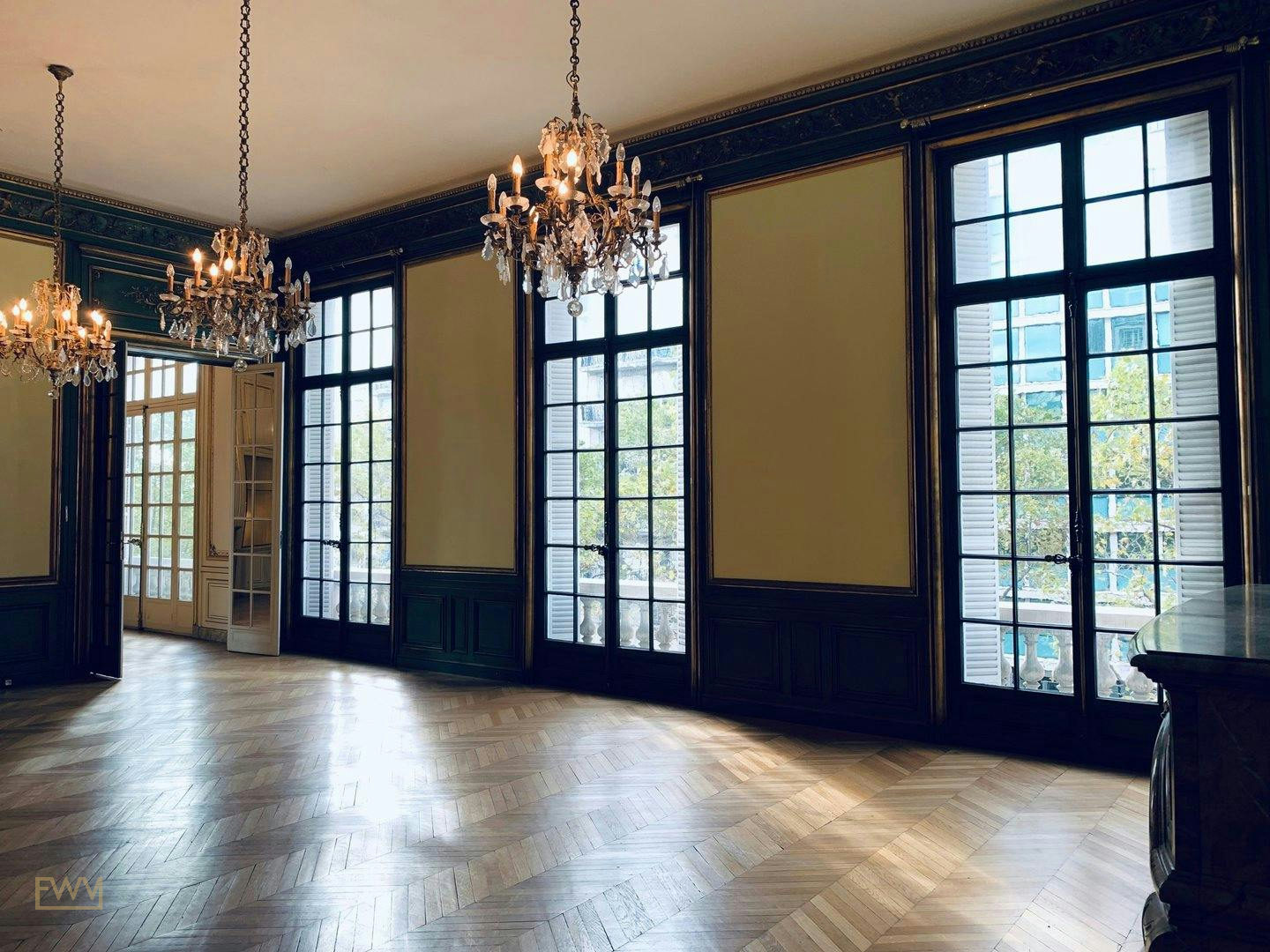
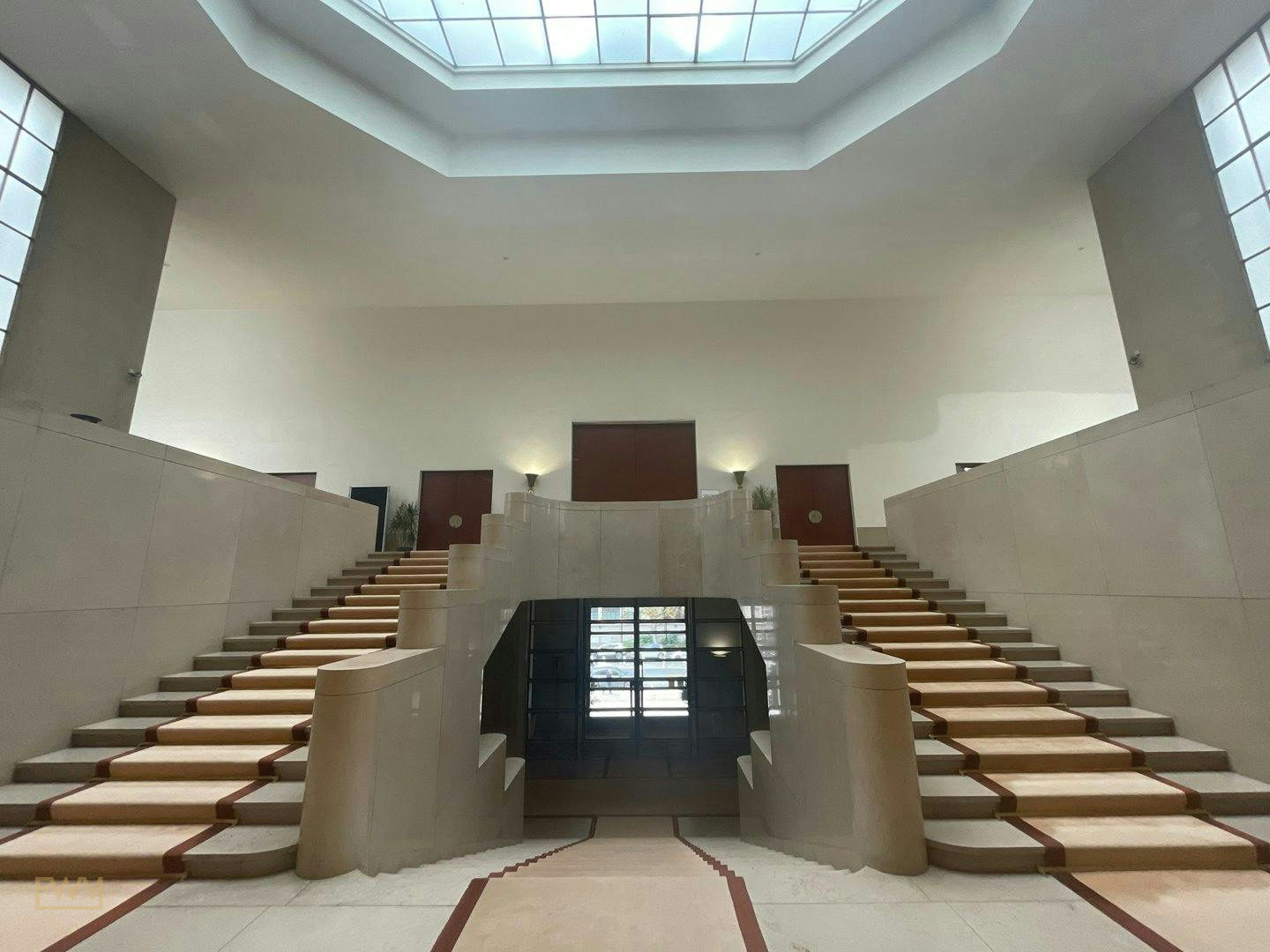
Finding the right space to book a pop-up shop near the Louvre, Paris is one of the most strategically significant decisions a brand, publisher, or creative studio can make in the European market. The Louvre district draws millions of visitors annually, positions brands alongside world-class cultural institutions, and creates a natural convergence of art lovers, international travellers, press, and high-spend consumers. Whether you are launching a monograph, staging a literary exhibition, presenting printed matter, or activating a full retail concept, the neighbourhoods surrounding the Louvre offer space types, audience density, and cultural cachet that few other locations in Paris can replicate. Fashion Week Venues supports brands seeking pop-up spaces in Paris across the Louvre corridor, Marais, and beyond, combining venue sourcing with full activation management.
Why the Louvre District Is Exceptional for Pop-Up Retail and Brand Activations
The area surrounding the Louvre Museum is not simply a tourist zone. It is one of the densest intersections of cultural authority, high-income foot traffic, international press presence, and design-conscious consumers in Europe. For brands working with books, printed matter, art publications, French lifestyle products, or editorial concepts, proximity to the Louvre carries a legitimacy that no paid media placement can fully replicate.
The Louvre itself receives over nine million visitors annually according to the museum's published attendance figures, making it consistently one of the most visited cultural institutions on the planet. The surrounding streets, from the arcades of the Palais-Royal to the Carrousel du Louvre underground shopping mall directly beneath the museum's iconic glass pyramid, create a layered retail and cultural geography that serves multiple activation purposes simultaneously.
The Carrousel du Louvre deserves particular attention. Located directly beneath the museum's entrance courtyard, this underground space connects foot traffic from the museum with retail, food, and event space. For brands with strong visual or cultural positioning, a space in or adjacent to the Carrousel du Louvre places them directly in the path of visitors arriving and departing from one of the world's great cultural collections. The Denon Wing entrance, the Sully Wing, and the approaches along the Seine River and towards the Tuileries Palace all feed different audience flows, each of which represents a distinct opportunity depending on your product, concept, and timing.
Beyond raw footfall, the Louvre district rewards brands that understand the cultural language of the neighbourhood. The Louvre's permanent collections include the Mona Lisa, the Winged Victory of Samothrace, the Raft of the Medusa, the Venus de Milo, the Psyche Revived by Cupid's Kiss, La Belle Ferronnière, the Palace of Khorsabad galleries, the Lady Madja collection, and the Michelangelo Moses. Brands launching products that speak to art history, craftsmanship, printmaking, or French cultural heritage find an audience here that is pre-conditioned to engage with depth, provenance, and quality.
La Chalcographie du Louvre, one of the oldest print studios in the world, operates within the museum complex and uses engraved copper plates to produce museum-quality prints for sale. This tradition of fine printed matter at the Louvre is not incidental. It reflects the neighbourhood's long relationship with books, printmakers, and the physical production of visual culture. La Chalcographie's copper plates and its associated patina workshop represent a living heritage of craft publishing that directly contextualises book pop-ups, printed matter launches, and editorial brand activations in this area.
Similarly, the moulages studio and Sculpture Casting Atelier associated with the Louvre has historically produced moulages molds of iconic works for educational and commercial distribution. The Ateliers d'art GrandPalaisRmn continue this tradition, allowing brands to understand the area's deep infrastructure for art reproduction, craft, and the commercial celebration of cultural objects.
The Grand Louvre renovation project, initiated under President François Mitterrand and completed through the 1990s, fundamentally transformed the museum's accessibility and the commercial ecosystem around it. The result is a district that functions as both a world-class museum campus and a retail and hospitality destination, with signage, ticketing infrastructure, and visitor flow systems that generate consistent, predictable foot traffic across the year.
KEY TAKEAWAY: The Louvre district combines unmatched cultural authority with consistent international foot traffic, making it a premium location for brands activating book pop-ups, printed matter launches, and art-adjacent retail concepts in Paris.
Understanding the geography and visitor flows around the Louvre is the foundation of any space selection decision in this part of the city. The next question is which specific space types, venue formats, and lease structures are available and appropriate for short-term brand activations.
Space Types and Venue Formats Available Near the Louvre for Pop-Up Concepts
The range of physical spaces available for short-term retail and brand activation near the Louvre is broader than most international brands expect. The area does not operate as a single homogeneous retail district. Instead, it encompasses several distinct spatial typologies, each with different audience profiles, lease structures, and activation potential.
Quick answer: Near the Louvre, brands can access underground mall spaces within the Carrousel du Louvre, street-level boutique units along Rue de Rivoli and adjacent streets, gallery and white-wall spaces in the first and fourth arrondissements, covered passages, and event spaces within cultural institutions. Each format suits different activation goals, audience strategies, and budget levels.
The Carrousel du Louvre offers managed retail units, kiosks, and event spaces within the underground shopping mall that sits directly beneath the museum. Its selection committee process and availability calendar mean that space is competitive and requires advance planning, but the location provides direct access to museum visitors and tourists moving through the main entrance. Brands should note that the Carrousel du Louvre operates as a managed commercial environment with its own lease and approval processes distinct from standard Paris commercial leases.
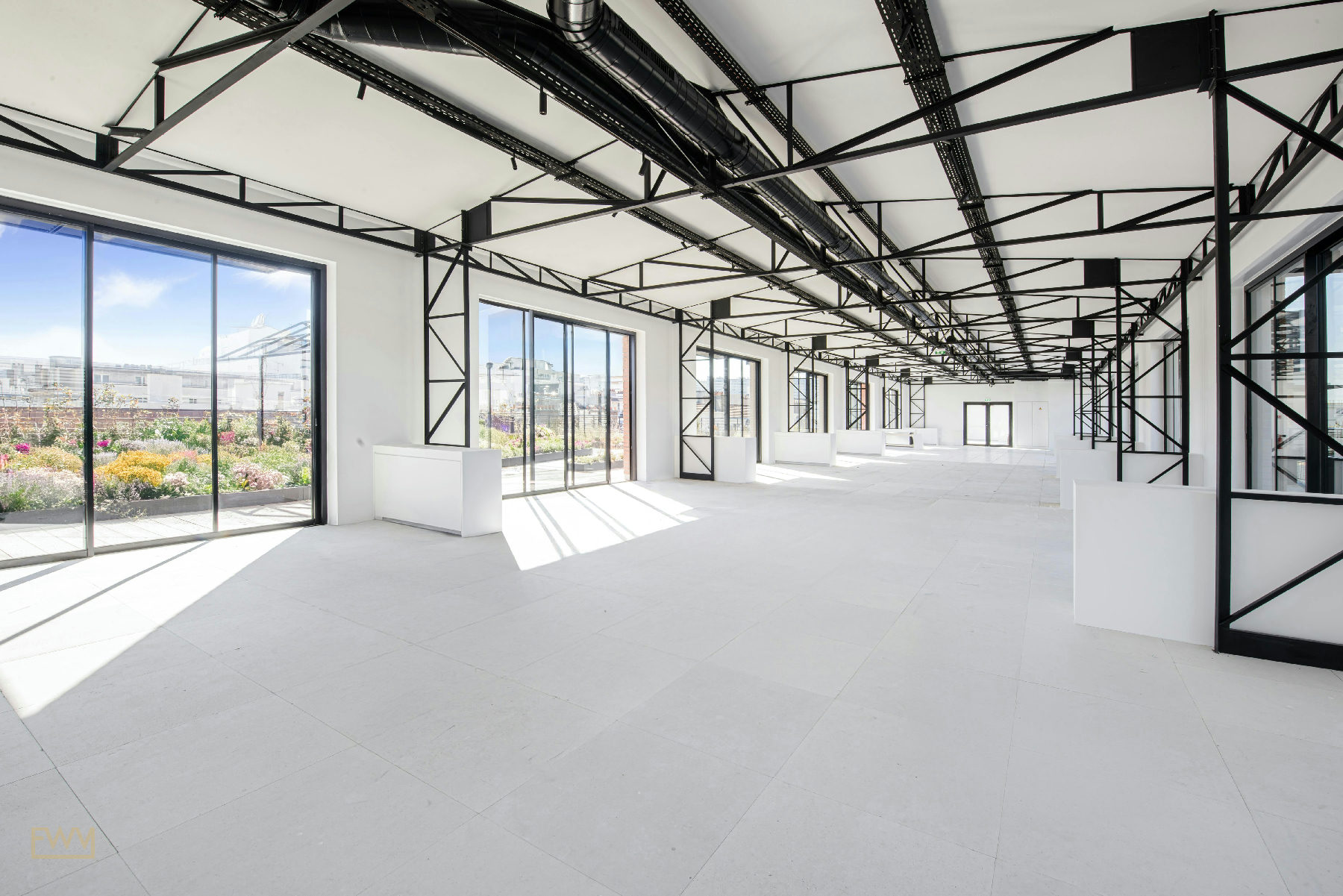
Street-level spaces along and around Rue de Rivoli, towards the Palais-Royal, and into the Marais offer more traditional boutique and gallery formats with white walls, concrete floors, and flexible configurations suited to both retail and editorial presentations. The Marais, which begins just east of the Louvre, has become one of Paris's primary gallery and concept store districts, with a long tradition of hosting book launches, art openings, and editorial pop-ups alongside independent fashion and design retail.
The Pont Neuf and Seine River corridor connects the Louvre to the Left Bank, where institutions including Le Bon Marché Rive Gauche anchor a very different kind of luxury retail ecosystem. Le Bon Marché, the iconic department store on the Left Bank, has a strong history of hosting pop-up activations and curated concept spaces within its entrance areas, windows, and dedicated exhibition spaces. The store's founding by Aristide Boucicaut and its current position as a LVMH-owned luxury department store make it a reference point for brands seeking credibility through association with French retail heritage. Le Bon Marché's approach to pop-up curation, including past partnerships with concept stores like Colette, reflects the broader Parisian tradition of treating retail space as a form of editorial statement.
Colette, the legendary concept store that operated on Rue Saint-Honoré until its closure in 2017, defined a generation of curated pop-up culture in Paris. Its founder Sarah Andelman pioneered the idea of using retail windows and white-wall interior space as platforms for brand collaborations, limited editions, and editorial storytelling. Although Colette itself no longer operates, its legacy continues to influence how brands and space operators think about the relationship between books, objects, and curated retail in Paris.
The Bird Market area and the passages couverts near the Palais-Royal offer a more intimate scale of retail space with strong architectural character and an audience of culturally engaged Parisians and international visitors. Café NouNou and spaces of similar scale in this zone typically suit smaller-format activations, literary events, and brand presentations rather than high-volume retail operations.
For brands requiring flexible interior configurations, the combination of white walls and concrete floor is the default aesthetic for contemporary Paris pop-up spaces, allowing product, signage, and printed matter to read clearly without visual competition from the space itself. Interior designers including Aline Asmar d'Amman and architects such as Harry Nuriev have both contributed to the aesthetic vocabulary of Paris pop-up and temporary retail, establishing a clear language of minimal, craft-aware, culturally-referenced interiors that works particularly well for book and art publication launches.
DID YOU KNOW: The Carrousel du Louvre is one of the few retail environments in the world where your pop-up space sits directly beneath a collection that includes works by Leonardo da Vinci, Raphael, and Michelangelo, giving every activation an immediate cultural context that cannot be manufactured elsewhere.
Choosing the right space type requires a clear brief that specifies your activation goal, intended audience, required square footage, preferred lease duration, and budget envelope. Fashion Week Venues provides venue sourcing support for brands navigating the Paris market, including shortlisting, site visits, and lease negotiation support.
KEY TAKEAWAY: Near the Louvre, brands can choose from underground mall kiosks, street-level boutiques, gallery formats, department store spaces, and passage units. Each serves a distinct activation purpose and comes with different audience, lease, and logistics profiles.
With space types established, the next critical question concerns the book and printed matter sector specifically, and what makes the Louvre district such a compelling location for editorial brand activations.
Book Pop-Ups and Literary Brand Activations Near the Louvre: Why This Location Works
The intersection of books, printed matter, and Louvre-adjacent retail is not accidental. Paris has one of the world's most sophisticated literary cultures, and the neighbourhoods surrounding the Louvre are embedded within a tradition of fine print, art publishing, and editorial culture that stretches back centuries.
Quick answer: The Louvre district is ideal for book pop-ups because it concentrates art-literate, high-spend international visitors alongside a resident Parisian audience with strong purchase intent for monographs, French lifestyle books, livres animés, and printed matter. The area's cultural institutions, including La Chalcographie du Louvre, provide direct contextual reinforcement for editorial brand activations.
Parisian literary culture manifests in several specific retail formats that brands activating near the Louvre should understand. The floating barge book store concept, exemplified by books stores moored along the Seine, creates a distinctive format of intimate, curated bibliophile retail that has no direct equivalent in other European cities. The bouquinistes along the Seine River banks represent another layer of the city's relationship with physical books and printed matter, forming a continuous open-air book market that UNESCO has recognised as part of the city's intangible cultural heritage.
Literary reference points matter for activation concept development. Nina George's novel The Little Paris Bookshop introduced the character of Monsieur Jean Perdu, a Parisian bookseller operating a floating bookshop on the Seine who dispenses literary advice as a form of emotional medicine. The novel's sequel, The Little Breton Bistro, extended this universe and reinforced the archetype of the Paris bookshop as a place of transformative personal experience rather than simple commerce. For brands building activation concepts that reference Parisian literary culture, these cultural touchstones provide narrative architecture that resonates strongly with an international audience.
Just an Idea Books represents a different model, operating as a curated concept in the spirit of the old Colette bookshop, focusing on non-traditional books and printed matter that bridge art, design, and publishing. The artists and illustrators Jean Jullien and Dominique Ehrhard have both worked with the Paris pop-up and events ecosystem to create interactive series and limited-edition books that function as collectible objects as much as reading material. Dominique Ehrhard is recognised as one of France's leading French paper engineers, creating livres animés, which are engineered pop-up books in the French tradition, that sit at the intersection of book-shaped objects and sculptural printed matter.
Rizzoli Universe, Rizzoli's non-traditional imprint, produces large-format art books and monographs that are frequently positioned as luxury objects and gift products. The overlap between fine art publishing, printed matter as collectible, and the Louvre's collections makes this category of publishing particularly relevant for activations near the museum. Publishers working with large Trim Size formats, detailed ISBN cataloguing, and extended Pages counts in the monograph tradition will find an audience near the Louvre that is specifically receptive to physical books as cultural objects.
The Literary Apothecary Bookstore concept, and similar spaces built around the idea of literary advice as a curated service, have influenced how Paris pop-up operators think about combining book retail with experiential programming. Béton Littéraire, a literary exhibition concept, and the broader tradition of French literary exhibitions visible at institutions including the Palais Galliera demonstrate that Parisians engage seriously with books and reading as subjects of aesthetic and intellectual presentation, not only as private leisure activities.
Brand crossovers into literary culture are well established in the Paris market. Byredo's Bibliothèque fragrance and Dyptique's Eau Papier both reference the sensory experience of books and libraries as a perfume concept, reflecting how strongly the cultural association between books, paper, and luxury positioning resonates with French and international consumers. The Paper People series, which presents illustrated characters emerging from and interacting with printed pages, represents a visual language of book culture as lifestyle that translates readily into pop-up interiors, window displays, and product staging.
For brands activating book pop-ups near the Louvre, the specific collections of the museum provide ready-made thematic frameworks. Activations built around the Mona Lisa, the Winged Victory of Samothrace, the Sarcophage des Spouses, the modèle de bateau funéraire, or the works associated with Louis XIV's patronage of the arts can create specific editorial and visual connections to the museum's permanent collection that give the pop-up an authoritative cultural anchor.
Muséum Pop Up formats, which partner directly with museum collections to create temporary retail and exhibition hybrids, have become an established model in Paris and across France. The Ateliers d'art GrandPalaisRmn operate across the Grand Palais and Louvre campus to support exactly this kind of curated, art-historian-informed pop-up retail experience. An art historian involved in product selection or editorial curation adds a layer of credibility that resonates particularly strongly with the Louvre's audience.
TIP: If you are launching a book, monograph, or printed matter collection near the Louvre, consider scheduling your activation to coincide with a major Louvre exhibition opening. The museum's programme calendar creates predictable spikes in culturally engaged visitor traffic that can significantly amplify a well-positioned pop-up's reach.
KEY TAKEAWAY: The Louvre district provides book and printed matter brands with a culturally pre-conditioned audience, a rich tradition of editorial retail, and direct thematic connections to one of the world's great art collections. Activation concepts rooted in art history, fine print, and French cultural heritage resonate strongly in this location.
Understanding what makes the location exceptional for book pop-ups is only part of the planning picture. The practical steps of booking, permitting, and activating a space near the Louvre require careful attention to Paris's specific regulatory and logistical environment.
How to Book a Pop-Up Space Near the Louvre: Step-by-Step Process
Booking a pop-up space near the Louvre involves a sequence of decisions and actions that international brands frequently underestimate in complexity. Paris has a well-developed short-term retail and activation market, but it operates according to French legal frameworks, cultural norms, and practical realities that differ significantly from the US, UK, or other European markets.
Quick answer: To book a pop-up near the Louvre, you need to define your brief, identify suitable space types, confirm availability against your calendar window, understand the applicable lease structure (typically a bail dérogatoire for short-term commercial use), address permit requirements for signage and outdoor elements, and plan for fit-out lead time. Most brands working in this area for the first time benefit from agency support to navigate landlord relationships and compliance requirements.
| Stage | Action | Typical Lead Time | Key Consideration |
|---|---|---|---|
| 1. Brief definition | Define space size, duration, budget, and activation goal | Before outreach | Align brief with Paris calendar windows |
| 2. Space discovery | Shortlist spaces by neighbourhood, format, and availability | 8 to 12 weeks before activation | Use a locator tool or agency for curated shortlisting |
| 3. Site visits | Visit shortlisted spaces in person or via virtual tour | 6 to 10 weeks before activation | Verify dimensions, loading access, and amenities |
| 4. Lease negotiation | Agree terms under bail dérogatoire or convention d'occupation | 5 to 8 weeks before activation | Confirm duration, permitted use, and reinstatement obligations |
| 5. Permit applications | Apply for any required signage, outdoor, or event permits | 4 to 6 weeks before activation | Requirements vary by arrondissement and space type |
| 6. Fit-out planning | Finalise design, production schedule, and installation dates | 3 to 5 weeks before activation | Confirm access windows for installation crews |
| 7. Activation launch | Open to public, manage staff, POS, and visitor experience | Activation dates | Monitor sales data and visitor dwell time in real time |
| 8. Reinstatement | Strip out, clean, and return space to agreed condition | 1 to 2 days post-activation | Document condition pre and post for dispute prevention |
The availability calendar for high-demand spaces near the Louvre moves quickly, particularly in the windows surrounding Paris Fashion Week, major Louvre exhibition openings, and the Christmas retail season. Brands that have not confirmed a space and signed a lease at least six to eight weeks before their intended activation date regularly find their preferred locations unavailable.
Understanding Bail Dérogatoire and Short-Term Lease Structures in Paris
The primary legal instrument for short-term commercial occupation in France is the bail dérogatoire, also known as a short-term commercial lease. Under French law, a bail dérogatoire allows a tenant to occupy a commercial space for a defined period of up to thirty-six months without triggering the protections and obligations associated with a standard nine-year commercial lease (bail commercial). For pop-up activations lasting days, weeks, or a few months, the bail dérogatoire is the standard instrument used by landlords and space operators in Paris.
A separate instrument, the autorisation d'occupation temporaire, or AOT, applies specifically to the occupation of public domain spaces, including areas owned by state institutions, public bodies, or the City of Paris. For activations in or adjacent to publicly-owned spaces near the Louvre, including any elements on public footpaths, squares, or areas classified as public domain, an AOT may be required in addition to or instead of a bail dérogatoire.
IMPORTANT: Requirements for short-term leases, permits, and public domain authorisations vary significantly by space type, duration, and arrondissement. Do not assume that a lease structure that worked for a previous activation in a different Paris district will apply automatically near the Louvre. Always verify requirements with a qualified French legal advisor and review the permit guidance tool on Fashion Week Venues for a current overview of relevant permit categories.
Selection committee processes apply at managed commercial environments such as the Carrousel du Louvre and Le Bon Marché. These processes typically require brands to submit a concept proposal, brand credentials, and commercial references before being approved as a tenant. The selection committee will evaluate the brand's fit with the venue's editorial positioning and existing tenant mix. Brands should allow additional lead time when targeting these managed environments and should prepare a strong visual and brand presentation as part of their application.
KEY TAKEAWAY: Booking a pop-up near the Louvre requires understanding French short-term lease structures, planning well in advance of your target dates, and building in time for permit applications and any selection committee processes that managed venues require.
To compare spaces, neighbourhoods, and formats before committing, use the space comparison tool on Fashion Week Venues to evaluate shortlisted options against your brief.
Neighbourhood Guide: Where to Locate Your Book Pop-Up Near the Louvre
The areas surrounding the Louvre are not homogeneous. Each neighbourhood has a distinct character, audience profile, and rental market that should inform your location decision based on your product, target customer, and activation format.
| Neighbourhood | Character | Best For | Typical Visitor Profile |
|---|---|---|---|
| Carrousel du Louvre | Underground mall, direct museum access | High-traffic retail, museum souvenir adjacency, brand visibility | International tourists, museum visitors, school groups |
| Rue de Rivoli / 1st arrondissement | Historic arcade, tourist corridor | Mid-format retail, accessible tourist spend | Mixed international, high tourist volume |
| Palais-Royal / Passages | Covered arcades, gallery culture, independent retail | Curated literary pop-ups, art books, editorial concepts | Design-conscious Parisians, cultural tourists |
| Marais (3rd and 4th) | Gallery district, concept stores, art openings | Book launches, art publications, independent brand activations | Art collectors, fashion professionals, international visitors |
| Pont Neuf / Seine River corridor | Historic waterfront, cultural crossroads | Brand activations with architectural ambition, experiential concepts | Culturally engaged Parisians and tourists |
| Left Bank / Le Bon Marché area | Luxury retail, department store adjacency | Luxury book launches, French lifestyle products, high-end printed matter | High-income Parisian shoppers, international luxury consumers |
The Palais-Royal area and the covered passages, particularly the Galerie Vivienne and Galerie Véro-Dodat, offer some of the most distinctive architectural settings for book and literary pop-ups in Paris. These spaces have strong cultural associations with nineteenth-century Parisian intellectual life and continue to attract a highly engaged audience of readers, collectors, and cultural tourists. Brands working with Mise en Page concepts, where the physical arrangement of a book's interior pages is as important as its cover, will find audiences in these spaces who understand and appreciate the discipline of book design.
The Marais district, accessible within walking distance from the eastern end of the Louvre, has established itself as the primary district for art book launches, gallery pop-ups, and editorial brand activations in Paris. Its combination of historic architecture, white-wall gallery spaces, and a dense calendar of art openings and cultural events makes it a natural home for brands working at the intersection of books, art, and lifestyle. Rue Montagnaud and the surrounding streets offer boutique-scale spaces that suit intimate, curated book pop-ups with a strong concept identity.
For brands considering locations beyond Paris but within France, the towns of Avignon and Cuisery both have established literary identities. Avignon is famous for its annual theatre festival and literary culture, while Cuisery in Burgundy has positioned itself as France's official book town, with multiple second-hand and antiquarian booksellers. These locations suit very specific activation concepts rather than broad brand launches.
TIP: The ENTREE TRAVEL NEWSLETTER and similar editorial travel publications with strong coverage of Paris cultural events can provide valuable advance publicity for a well-positioned book pop-up near the Louvre. Press and editorial coverage during or immediately before Fashion Week periods amplifies the reach of activations significantly beyond their physical foot traffic.
To explore spaces by specific neighbourhood and confirm current availability, the space locator tool on Fashion Week Venues allows brands to filter by location, space type, and availability window.
KEY TAKEAWAY: Each neighbourhood near the Louvre serves a different activation purpose. The Carrousel du Louvre maximises tourist foot traffic; the Palais-Royal and passages suit curated editorial concepts; the Marais serves art and culture-led launches; and the Left Bank anchors luxury retail adjacency.
Paris Fashion Week Calendar and When to Activate Your Book Pop-Up
Paris Fashion Week creates a concentrated period of international media presence, buyer attention, and cultural consumption that significantly amplifies the reach of any activation within the city. However, Fashion Week is not the only viable calendar window for a book pop-up near the Louvre, and brands should evaluate their timing based on their specific product, audience, and goals.
Quick answer: Paris Fashion Week periods, typically held in March and October, provide peak media and industry visibility. However, for book and printed matter activations targeting a consumer rather than trade audience, the Christmas retail season, summer tourist peak, and major Louvre exhibition openings may offer better-aligned foot traffic profiles and more competitive rental availability than the Fashion Week windows.
During Paris Fashion Week, the Louvre itself serves as a venue for major runway shows. The museum's Cour Carrée has hosted shows for brands including Rick Owens, and the surrounding district sees a significant elevation in the presence of fashion editors, buyers, press, and brand teams. For publishers and brands working at the intersection of fashion and books, such as fashion monograph publishers, art direction studios, and lifestyle book brands, this period creates a natural alignment between the cultural conversation and the activation format.
The FIAC art fair and Paris+ par Art Basel, held in October, bring another highly relevant audience to the Louvre district. Art collectors, gallery directors, and cultural tourists attending these events represent an excellent target audience for art book pop-ups, limited-edition printed matter, and editorial brand activations. Planning a book pop-up to coincide with the October art fair season near the Louvre creates a compelling overlap of cultural events that can drive significant press and consumer attention.
Brands that are publishing monographs, French lifestyle books, or livres animés should also consider the timing of major Louvre exhibition openings. The museum's programme calendar, published annually on the Louvre's official website, identifies major exhibition openings that will generate substantial media coverage and culturally engaged visitor spikes. Aligning a book pop-up launch with an exhibition that relates thematically to your product creates obvious editorial hooks for press coverage and social media amplification.
DID YOU KNOW: The Louvre's ticketing system requires pre-booked timed entry, which means the museum's daily visitor flow is relatively predictable and plannable. Brands activating pop-ups in adjacent retail environments can use the museum's published visitor data and event calendar to anticipate foot traffic patterns with reasonable accuracy.
Avoid assuming that Fashion Week is the only or best window for your activation. Rental competition during Fashion Week is intense, prices are typically elevated, and the audience profile skews toward industry professionals rather than consumer buyers. For brands selling directly to consumers, the Christmas retail window (November through late December) and the summer tourist peak (June through August) may deliver better conversion rates from a book pop-up near the Louvre.
Use the timeline planning tool on Fashion Week Venues to map your activation against the Paris calendar and identify the optimal window based on your goals, budget, and space availability.
KEY TAKEAWAY: While Paris Fashion Week creates exceptional media amplification, book and printed matter pop-ups near the Louvre may perform better during art fair season, major exhibition openings, or the Christmas retail window depending on the brand's target audience and sales goals.
Budgeting for a Book Pop-Up Near the Louvre
Budget planning for a pop-up shop near the Louvre requires a realistic understanding of the multiple cost components involved. Rental is only one element. A complete activation budget includes design and fit-out, production, staffing, permits, POS infrastructure, marketing, and reinstatement costs.
Quick answer: Pop-up rental costs in the Louvre area vary significantly based on space type, size, location, duration, and the time of year. Premium locations such as spaces within the Carrousel du Louvre or on Rue de Rivoli command higher rates than comparable spaces in the Marais or off-pitch streets. Brands should treat any headline rental figures as directional estimates and build a full activation budget that accounts for all additional cost categories.
For book and printed matter activations, the fit-out and production costs often represent a larger proportion of the total budget than brands anticipate. Creating a space that communicates the depth and quality of a book or printed matter collection requires investment in display systems, lighting, surface treatments, and any interactive or experiential elements. A minimal white-wall and concrete-floor approach reduces production costs but requires a strong product and strong visual merchandising to carry the space.
Staffing costs in Paris are governed by French labour law, which includes minimum wage requirements, social contribution obligations, and specific rules around working hours. International brands that attempt to staff Paris pop-ups using informal arrangements or without understanding their French employer obligations frequently encounter compliance problems. Budget for properly contracted retail staff with appropriate language skills for your expected audience, which will typically require French and English as a minimum.
POS and payment infrastructure in Paris should support contactless payment, card payment, and ideally cash for older or non-digital customers. French consumer expectations around payment flexibility are high, and a pop-up that cannot accept standard payment methods will lose sales. Budget for a reliable POS system from the outset rather than treating it as an afterthought.
Marketing and influencer costs in Paris depend heavily on whether you are targeting French domestic media and social channels or international press. For a book pop-up near the Louvre with international ambitions, investing in Paris-based influencers with strong visual aesthetics and culturally engaged followings typically delivers better results than broad paid media placements.
IMPORTANT: Do not use headline rental figures for Louvre-adjacent spaces as the basis for a total activation budget. A realistic total cost for a short-duration pop-up in this area will typically be two to four times the rental cost once fit-out, staffing, permits, POS, and marketing are included. Use the budget estimation tool on Fashion Week Venues to build a brand-specific cost projection before committing to a space.
KEY TAKEAWAY: A realistic book pop-up budget near the Louvre must account for rental, fit-out, staffing, permits, POS, marketing, and reinstatement. Rental alone will significantly underrepresent the true cost of the activation.
How Fashion Week Venues Helps Brands Book Pop-Up Spaces Near the Louvre
Fashion Week Venues operates as a full-service pop-up shop agency and space marketplace with Paris as its primary and anchor market. For brands looking to book a pop-up shop near the Louvre, Fashion Week Venues provides both direct space discovery tools and end-to-end activation management services that address the full complexity of operating in this area.
The agency's venue sourcing service provides curated shortlisting of available spaces based on a detailed brief covering location, size, format, duration, budget, and activation goals. For brands without established relationships in the Paris market, this shortlisting process removes the time and risk associated with cold outreach to landlords and space operators who do not always respond to unsolicited international enquiries.
Beyond venue sourcing, Fashion Week Venues provides concept direction, production and build management, activation management, branded store design, furniture rental, retail staffing, POS and payment setup, data and analytics, and influencer marketing. For a book or printed matter brand launching in Paris for the first time, the ability to access all these services through a single agency partner significantly reduces the coordination complexity and compliance risk of the activation.
The agency's suite of planning tools supports brands at every stage of the decision process. The budget estimation tool provides directional cost modelling before a brand commits to a space. The ROI calculation tool helps brands set realistic return expectations and frame the activation in terms that satisfy internal stakeholders. The space comparison tool supports side-by-side evaluation of shortlisted spaces. The timeline tool maps the activation against the Paris calendar. The permits tool provides a current overview of the permit categories relevant to different activation types near the Louvre.
The twin co-activation concept, available through the twin concept page on Fashion Week Venues, allows two complementary brands to share a single space, splitting rental and production costs while creating a combined audience draw. For a book brand seeking to partner with a complementary lifestyle, fragrance, or art product brand, the twin format can meaningfully reduce the cost of entry to the Louvre-adjacent market while increasing the editorial interest of the activation concept.
Brand teams that benefit most from Fashion Week Venues' support in this area include international publishers entering the Paris market for the first time, fashion brands launching editorial or printed matter extensions, art and design studios presenting to trade and press audiences during Fashion Week or art fair season, and lifestyle brands seeking cultural positioning through proximity to the Louvre's collections and visitor base.
It is important to note that Fashion Week Venues does not guarantee specific spaces, permit approvals, or activation outcomes. Space availability depends on landlord decisions, availability calendars, and in the case of managed environments, selection committee outcomes. Brands should treat the agency's tools and services as a means of improving planning accuracy and reducing unnecessary risk, not as a guarantee of specific results.
To begin the process of finding and evaluating spaces, explore the Fashion Week Venues space marketplace for available listings in Paris and across other fashion capitals.
KEY TAKEAWAY: Fashion Week Venues provides full-service support for brands booking pop-up spaces near the Louvre, from initial venue discovery through to activation management, staffing, and analytics, with a suite of planning tools that reduce the complexity and compliance risk of operating in the Paris market.
Themes, Product Strategy, and What to Sell in a Book Pop-Up Near the Louvre
A book pop-up near the Louvre operates within one of the world's most demanding retail environments in terms of aesthetic expectations and product quality. The audience visiting this area has typically spent time engaging with exceptional art, architecture, and design. Your product selection and presentation must meet a correspondingly high bar.
Quick answer: Near the Louvre, book pop-ups perform best when their product range is tightly curated around a clear thematic idea, connects meaningfully to Parisian cultural heritage or the museum's collections, and includes a mix of accessible and premium price points. Monographs, livres animés, French lifestyle books, limited-edition printed matter, and book-shaped boxes all perform well in this context.
Thematic coherence is more important than breadth of selection. A pop-up that presents forty carefully chosen titles with clear editorial logic is more compelling to the Louvre's audience than one offering two hundred titles across disparate subjects. Consider organising your product range around specific collection themes from the Louvre, such as the Venus de Milo, the Winged Victory of Samothrace, the Mona Lisa, or the Palace of Khorsabad, and build your editorial selection and product curation around those anchors.
Non-traditional book formats are particularly well-suited to the Louvre district. Book-shaped boxes, livres animés from the French paper engineering tradition, copper plate prints paired with accompanying text, and limited-edition publications that function as collectible objects all occupy a product space between the book and the art object that resonates strongly with a culturally engaged Paris audience. Dominique Ehrhard's work in the livres animés tradition illustrates how engineered pop-up books can carry a significant price premium over standard printed matter while appealing to collectors and gift buyers simultaneously.
For brands working with larger format art publications, the Trim Size decision is commercially significant. Large Trim Size monographs photograph exceptionally well in social media content, travel well as visible accessories in cultural settings, and signal seriousness of intent to press and trade audiences. However, they are heavier and more expensive to ship, which has logistical implications for a Paris pop-up that will need to import stock from a non-EU publisher. Confirm import logistics and any applicable French customs requirements before finalising your product range for a Paris activation.
The travel book category merits specific attention near the Louvre. Titles in the French lifestyle books category, books about Paris itself, and travel-oriented illustrated publications perform extremely well with the international tourist audience that forms a large proportion of Louvre-area foot traffic. Brands and publishers with titles in these categories, including references to the ENTREE TRAVEL NEWSLETTER aesthetic of culturally immersive travel content, should position these titles prominently in their pop-up layout and window displays.
For product launches specifically, the Louvre district provides press and media access that is difficult to replicate elsewhere in Paris. Art and cultural journalists, fashion and lifestyle press, and international travel media are all present in this area during major cultural events. A book pop-up timed to coincide with a major Louvre exhibition opening or an art fair can generate press coverage in publications that reach exactly the right audience for art, design, and lifestyle books.
KEY TAKEAWAY: Near the Louvre, book pop-ups succeed through tight thematic curation, high production quality, and product formats that speak to the cultural intelligence of the audience. Monographs, livres animés, limited editions, and French lifestyle books are particularly well-positioned for this location.
Reader-Favourite Bookstores and Literary Landmarks Near the Louvre That Inform Activation Design
Understanding the existing literary retail landscape near the Louvre is essential for any brand designing a book pop-up in this area. The competition for bookshop engagement in Paris is not primarily commercial. It is experiential and emotional. Paris's bookstores succeed because they offer something beyond the transaction, and your pop-up needs to do the same.
Reader-favourite bookstores in Paris consistently share certain characteristics: a strong curatorial point of view, a distinctive physical atmosphere, and a sense of place that makes the act of browsing feel meaningful. The Strand, while based in New York, is frequently cited by Paris book culture enthusiasts as a reference point for the kind of dense, generous, intellectually serious bookshop experience that Paris readers respect. Pillow-Cat Books and similar intimate Paris bookshop concepts emphasise warmth, personality, and expert recommendation over commercial display logic.
The floating barge book store concept, unique to Paris and a handful of other European river cities, offers an object lesson in how constraint can become character. A small, physically limited space on a moored barge becomes a destination precisely because of its specificity and commitment to a point of view. Book pop-up designers near the Louvre should study how these spaces create intimacy and memorability through careful editing rather than expansive selection.
The Literary Apothecary Bookstore model, where literary advice is offered as a personalised service rather than product being simply displayed for self-selection, points toward a highly relevant activation format for near-Louvre book pop-ups. Pairing a curated product selection with personalised reading recommendations, delivered by knowledgeable staff, creates an experience that is explicitly complementary to the contemplative, intellectually engaged experience of visiting the Louvre itself.
Béton Littéraire, as a literary exhibition concept, demonstrates how a book or literary brand can treat a temporary space as an exhibition environment rather than a retail environment, using display, text, and object arrangement to create a narrative experience that happens to include purchase opportunities. This approach suits brands with strong editorial identity and is particularly effective in the gallery-format white-wall spaces available in the Marais and Palais-Royal areas.
Mise en Page, the discipline of interior page layout in book design, offers a metaphor for pop-up interior design that is particularly apt near the Louvre. Just as a well-designed book uses white space, hierarchy, and rhythm to guide the reader through content, a well-designed pop-up uses spatial organisation, display hierarchy, and carefully controlled visual tempo to guide the visitor through the brand's story. Brands that apply Mise en Page logic to their physical activation design consistently create more memorable and commercially effective spaces.
KEY TAKEAWAY: Paris's most beloved bookshops succeed through curatorial conviction, experiential depth, and a sense of place that extends beyond product selection. A book pop-up near the Louvre should study these models and design for emotional resonance, not just commercial efficiency.
Common Myths About Booking a Pop-Up Shop Near the Louvre in Paris
MYTH: You need a French legal entity to rent a pop-up space near the Louvre.
FACT: International brands and foreign entities can rent short-term commercial spaces in Paris under a bail dérogatoire without establishing a French legal entity, though they may need to provide a French-registered guarantor, bank guarantee, or other security acceptable to the landlord. Requirements vary by space operator and should be clarified during lease negotiation. Working with an agency that has established landlord relationships in Paris can simplify this process considerably.
MYTH: Paris Fashion Week is the only viable calendar window for a pop-up near the Louvre.
FACT: While Fashion Week creates a high-visibility window, book pop-ups and art publication activations near the Louvre often perform more strongly during other calendar periods, including major Louvre exhibition openings, the October art fair season, the summer tourist peak, and the Christmas retail window. The best calendar window depends on your specific product, audience, and activation goals, not on Fashion Week timing alone.
MYTH: Commission brokers are the only way to find a pop-up space near the Louvre.
FACT: A growing number of space marketplace platforms, including Fashion Week Venues, allow brands to discover, compare, and shortlist spaces directly, without relying solely on individual commission brokers. Agency models that combine marketplace access with full-service activation support provide a more transparent and integrated route to market, particularly for international brands unfamiliar with the Paris rental environment.
MYTH: Short-term leases for pop-up spaces in Paris are legally straightforward and do not require specialist guidance.
FACT: Short-term commercial leases in Paris, including the bail dérogatoire and AOT instruments, involve specific legal obligations, duration limits, reinstatement requirements, and restrictions on permitted use that vary by space type and location. Brands that sign lease agreements without specialist legal review regularly encounter unexpected reinstatement costs, compliance issues, or disputes over deposit return. Always verify lease terms with a qualified French legal advisor before signing.
MYTH: The Louvre-adjacent market only suits large-budget luxury brands.
FACT: The area surrounding the Louvre includes spaces at a wide range of scales and price points, from small kiosk formats in the Carrousel du Louvre to intimate gallery spaces in the Palais-Royal passages. Independent publishers, small-scale art studios, and emerging book brands have all activated successfully near the Louvre by choosing the appropriate space type and scale for their budget and concept.
Frequently Asked Questions About Booking a Book Pop-Up Near the Louvre, Paris
How far in advance should I book a pop-up space near the Louvre?
For most street-level spaces in the Louvre area, a lead time of eight to twelve weeks before your intended activation start date is the practical minimum. Premium locations, managed spaces such as those within the Carrousel du Louvre, and any spaces requiring a selection committee approval process require longer lead times, often four to six months in advance. During high-demand periods such as Paris Fashion Week, the October art fair season, and the Christmas retail window, spaces in this area are frequently committed well ahead of standard lead times. Starting your venue search early, and engaging a specialist agency if you are new to the Paris market, significantly increases your chances of securing your preferred space.
What is the typical duration for a book pop-up near the Louvre?
Book pop-ups near the Louvre typically run for between one week and three months, depending on the brand's objectives, budget, and the lease structure available. Very short activations of three to seven days suit product launches, press previews, and event-timed activations aligned with exhibition openings or fashion week. Longer activations of four to twelve weeks allow more time for consumer discovery, word-of-mouth building, and media coverage to compound. Under French law, a bail dérogatoire can run for up to thirty-six months, though most pop-up operators in this area seek terms of weeks to months rather than years.
Do I need a French company to rent a pop-up space near the Louvre?
Not necessarily. Many space operators and landlords in Paris will rent to international entities, though they may require additional financial security such as a bank guarantee, a French-registered guarantor, or a larger deposit. Requirements vary significantly between individual landlords, managed venue operators, and cultural institution spaces. Working with a Paris-based agency or legal advisor who has established relationships with space operators in the Louvre area is the most reliable way to navigate these requirements as an international brand. Always review the specific requirements of each prospective space before committing to a shortlist.
What permits do I need for a book pop-up near the Louvre?
Permit requirements depend on the specific space type, the nature of your activation, and whether any elements extend into public domain areas such as footpaths, outdoor areas, or publicly-owned spaces. Standard indoor retail activations within a privately-operated space typically do not require separate event permits beyond the commercial lease, but signage, outdoor displays, and public-facing promotional elements may trigger additional permit requirements under Paris municipal regulations. Areas near the Louvre that involve public domain land, including any spaces adjacent to the museum campus itself, may require an autorisation d'occupation temporaire. Requirements vary by arrondissement and should be verified with a French legal advisor and through the permit guidance resources on Fashion Week Venues.
What is the best type of space for a book pop-up near the Louvre?
The best space type depends on your product, audience, and activation concept. For high-volume tourist-facing retail, the Carrousel du Louvre or Rue de Rivoli offers the most direct access to international foot traffic. For curated editorial concepts targeting culturally engaged Parisians and press, the Palais-Royal passages and Marais gallery spaces offer a more appropriate aesthetic and audience profile. For luxury book launches or French lifestyle product activations, Left Bank spaces with Le Bon Marché adjacency provide the right positioning. A small number of branded spaces within or adjacent to cultural institutions near the Louvre may also be available for activations with strong cultural programming components.
How should I design the interior of a book pop-up near the Louvre?
The dominant aesthetic for contemporary Paris pop-up spaces is minimal and material-aware, typically combining white walls, concrete or timber floors, and considered display systems that allow books and printed matter to carry the visual weight of the space. References to the Louvre's collection, French print heritage, or the specific theme of your publication can be introduced through display design, graphic elements, and any experiential or interactive programming. Avoid overly complicated or heavily-branded interior schemes that can feel at odds with the culturally sophisticated audience this area attracts. The Mise en Page logic of page layout, using white space, hierarchy, and rhythm, translates well into physical retail space design for book-led activations.
Can a small or independent publisher do a pop-up near the Louvre?
Yes. The area around the Louvre includes spaces at a wide range of scales and budgets, including kiosk formats, small gallery units, and short-term boutique spaces that are accessible to independent publishers and small creative studios. The key is selecting the right space type and scale for your budget and concept, rather than attempting to compete with large-format luxury retail activations. Independent publishers with strong editorial concepts and distinctive product ranges have activated successfully near the Louvre by choosing intimate, well-defined spaces and investing in strong display design and knowledgeable staff rather than large square footage.
What products sell well in a book pop-up near the Louvre?
Products that perform strongly in book pop-ups near the Louvre typically include art monographs and large-format illustrated books, livres animés and engineered pop-up books in the French tradition, French lifestyle books and travel-oriented illustrated titles, limited-edition printed matter and artist multiples, book-shaped boxes and book-adjacent gift objects, and prints derived from engraved copper plates or similar fine print traditions. The audience near the Louvre is well-travelled, culturally informed, and accustomed to spending on quality physical objects. Price points should reflect the quality of the product rather than defaulting to mass-market book pricing.
How does the twin co-activation concept work for book pop-ups?
The twin concept allows two complementary brands to share a single pop-up space, dividing rental and production costs while creating a combined concept that may be editorially more compelling than either brand activating alone. For a book or printed matter brand, natural twin partners include fragrance brands with literary positioning, stationery or paper goods brands, art supply companies, photography studios, or lifestyle brands with strong cultural heritage references. The twin format works best when both brands share a coherent aesthetic language and a naturally overlapping audience, creating a whole that is more interesting than the sum of its parts.
How do I compare pop-up spaces near the Louvre before making a decision?
Comparing spaces effectively requires looking beyond the headline rental rate to evaluate location within the Louvre district, foot traffic profile and visitor demographics, space dimensions and configuration flexibility, loading and access arrangements, available amenities including storage, staff facilities, and connectivity, lease structure and duration flexibility, permit requirements, and the fit with your specific product and activation concept. Side-by-side comparison of shortlisted spaces using a structured brief helps avoid decisions driven purely by price or superficial aesthetic appeal. The space comparison tool on Fashion Week Venues provides a structured framework for this evaluation process.
What should I know about staffing a book pop-up near the Louvre?
Staffing a pop-up near the Louvre requires planning for both the practicalities of French employment law and the specific skills needed to engage the audience effectively. Staff should ideally speak French and English at minimum, with additional language capability in Spanish, Chinese, or Arabic depending on your target audience profile. Knowledge of the product range, particularly for book pop-ups where editorial recommendations are a core part of the customer experience, is essential. French employment law specifies minimum wage rates, working hour limits, and social contribution obligations that apply to all staff working in France, regardless of the employing entity's country of registration.
Can I activate a book pop-up near the Louvre outside of Fashion Week?
Absolutely. While Fashion Week creates a spike in media and industry presence, book pop-ups near the Louvre often perform better commercially outside Fashion Week periods. Major Louvre exhibition openings, the October Paris+ par Art Basel period, the summer tourist peak from June through August, and the Christmas retail window from late November through December all offer compelling audience profiles for book and printed matter activations. Rental competition and pricing may also be more favourable outside Fashion Week peak periods, making it possible to secure better value spaces with longer activation windows than the Fashion Week calendar allows.
What is the role of social media and influencer marketing in a Louvre-area book pop-up?
Social media and influencer marketing play an important amplification role for book pop-ups near the Louvre, but they work best when the space and product provide genuinely compelling visual content. The Louvre's architectural context, the aesthetic of Parisian interiors, and the visual richness of well-designed books and printed matter all photograph and film extremely well. Culturally engaged Paris-based influencers with strong followings in art, literature, and lifestyle can generate significant earned media for a well-conceived activation. Press outreach to travel and cultural publications, including newsletters like the ENTREE TRAVEL NEWSLETTER, extends the activation's reach to an international audience of culturally engaged travellers who may visit Paris specifically around cultural events.
Is it possible to run an online component alongside a physical book pop-up near the Louvre?
Running a simultaneous online component alongside a physical pop-up near the Louvre is increasingly standard practice. A dedicated landing page or online shop aligned with the pop-up's editorial concept allows brands to capture sales from visitors who discover the pop-up through social media or press coverage but cannot visit in person. For international publishers, an online component also addresses the practical challenge that many visitors to the Louvre area will not want to carry physical books through the rest of their Paris itinerary, and may prefer to have purchases shipped to their home address. Combining POS in-store with online fulfilment options extends the commercial reach of the activation significantly.
Conclusion: Booking Your Book Pop-Up Near the Louvre
A book pop-up shop near the Louvre represents one of the most culturally rich and commercially credible short-term retail opportunities available anywhere in Europe. The area combines unmatched foot traffic from one of the world's most visited cultural institutions with a historically deep tradition of fine print, literary culture, and editorial publishing that extends from La Chalcographie du Louvre and the moulages studios of the museum campus to the independent bookshops of the Marais and the passages couverts of the Palais-Royal.
Success in this location requires more than finding an available space. It requires a clear activation concept rooted in the cultural intelligence of the neighbourhood, a realistic budget that accounts for the full cost of operating in Paris, an understanding of French short-term lease structures and permit requirements, and a product range that meets the aesthetic and intellectual expectations of a Louvre-area audience. Brands that invest in these foundations consistently deliver activations that generate press coverage, consumer engagement, and cultural positioning that extend well beyond the physical duration of the pop-up itself.
Whether you are an independent publisher launching a monograph, an art book brand seeking a Paris showcase, a lifestyle brand with French cultural heritage positioning, or an international retailer exploring the Louvre district for the first time, the resources and planning tools available through Fashion Week Venues can help you move from concept to activation with greater confidence and fewer avoidable complications.
To move from research to activation, start exploring available spaces on the Fashion Week Venues marketplace and build a focused brief for your target neighbourhood, space type, and calendar window.