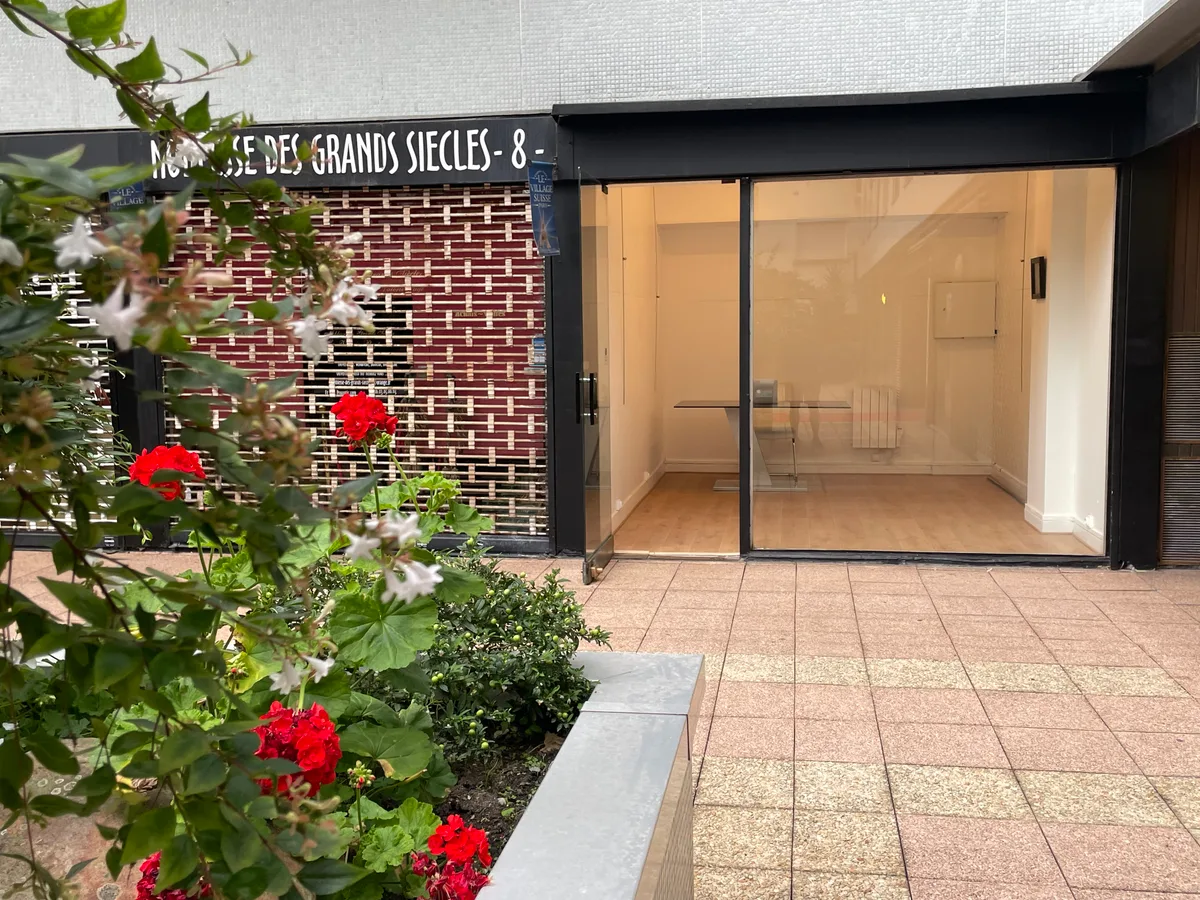
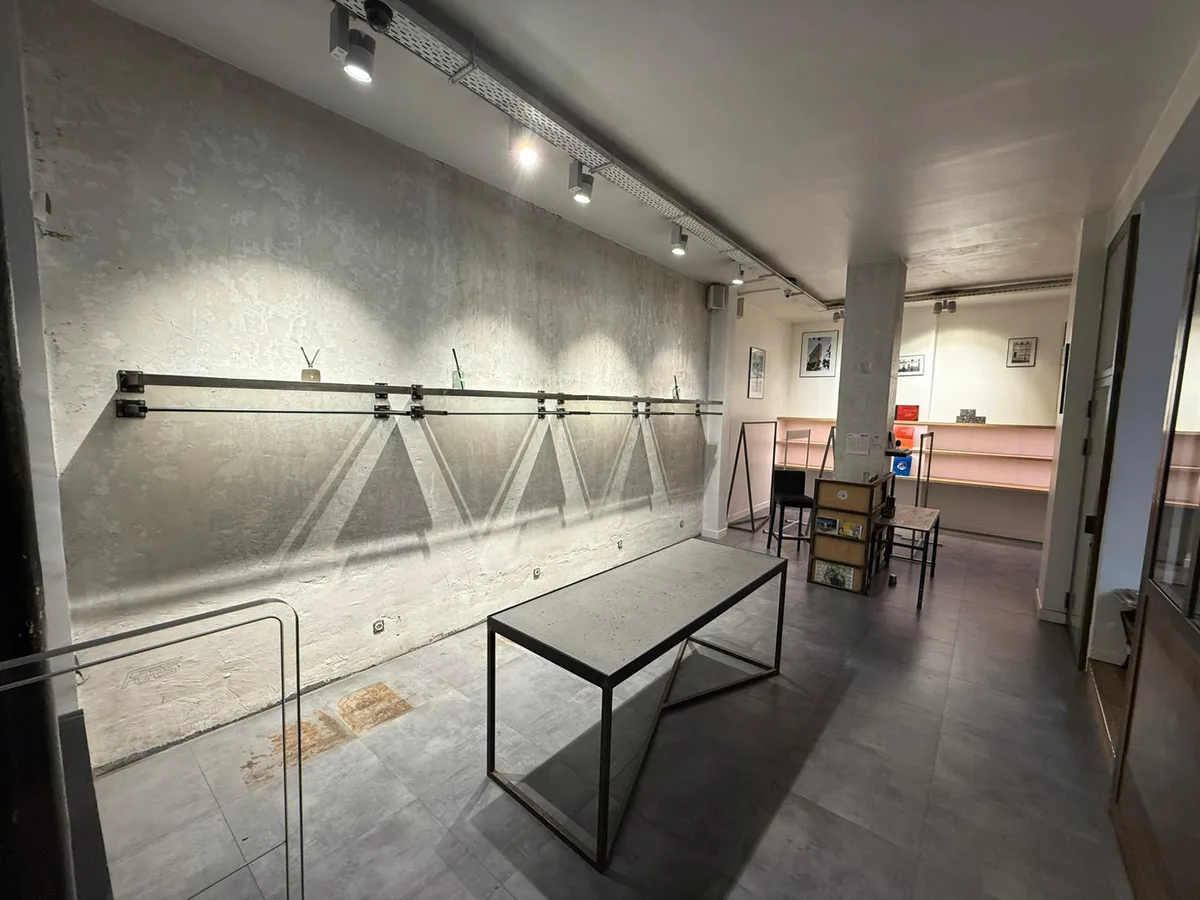
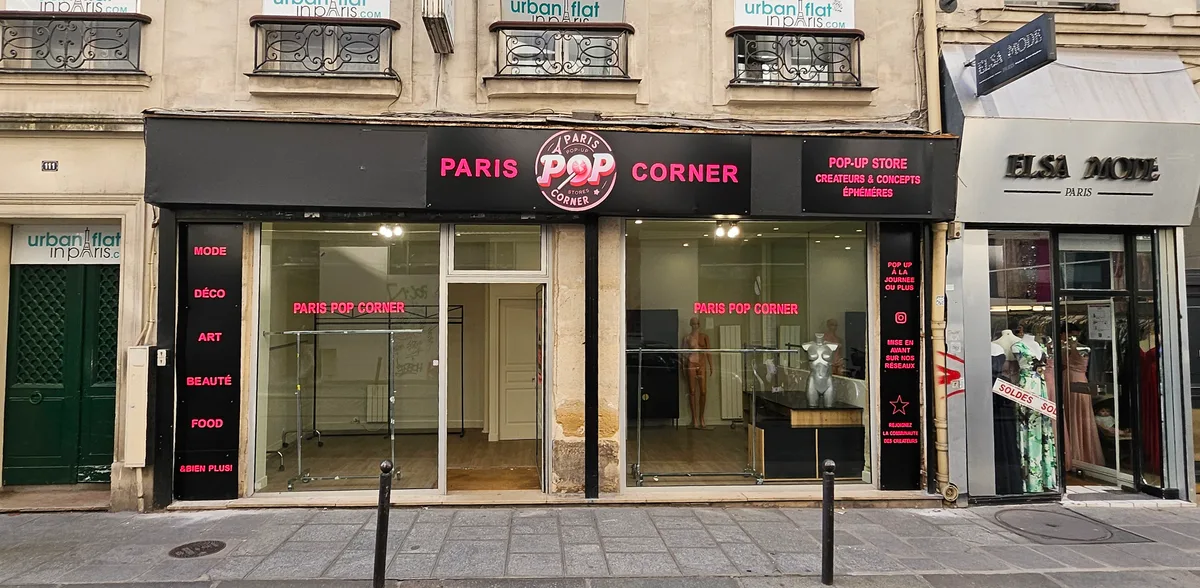
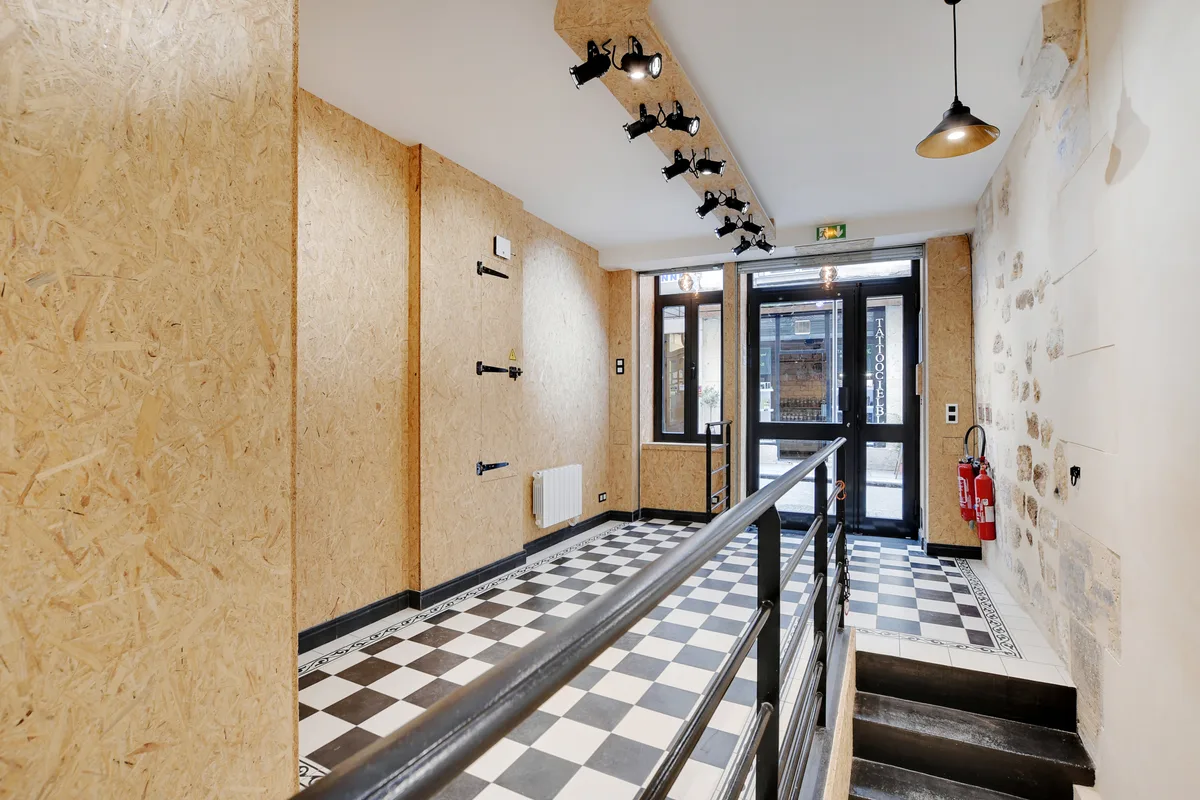
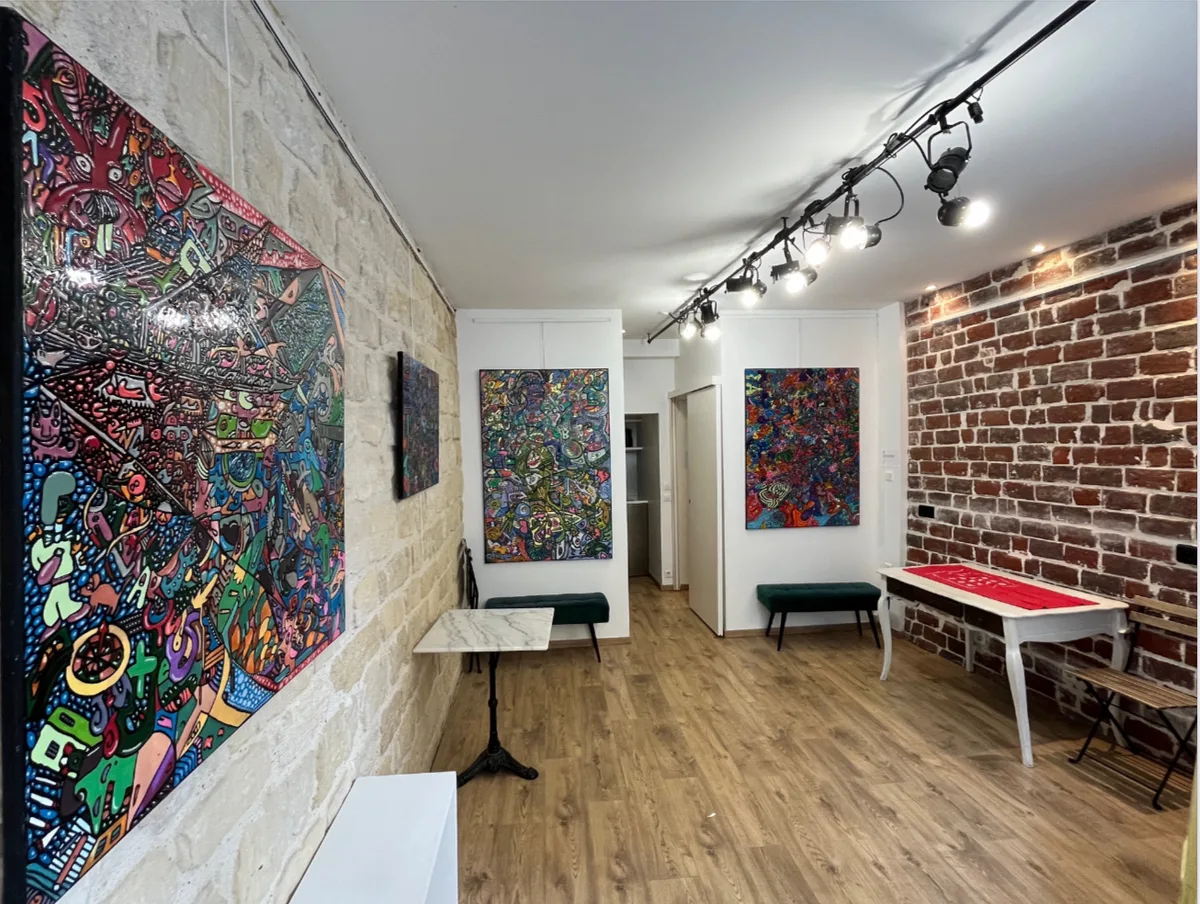
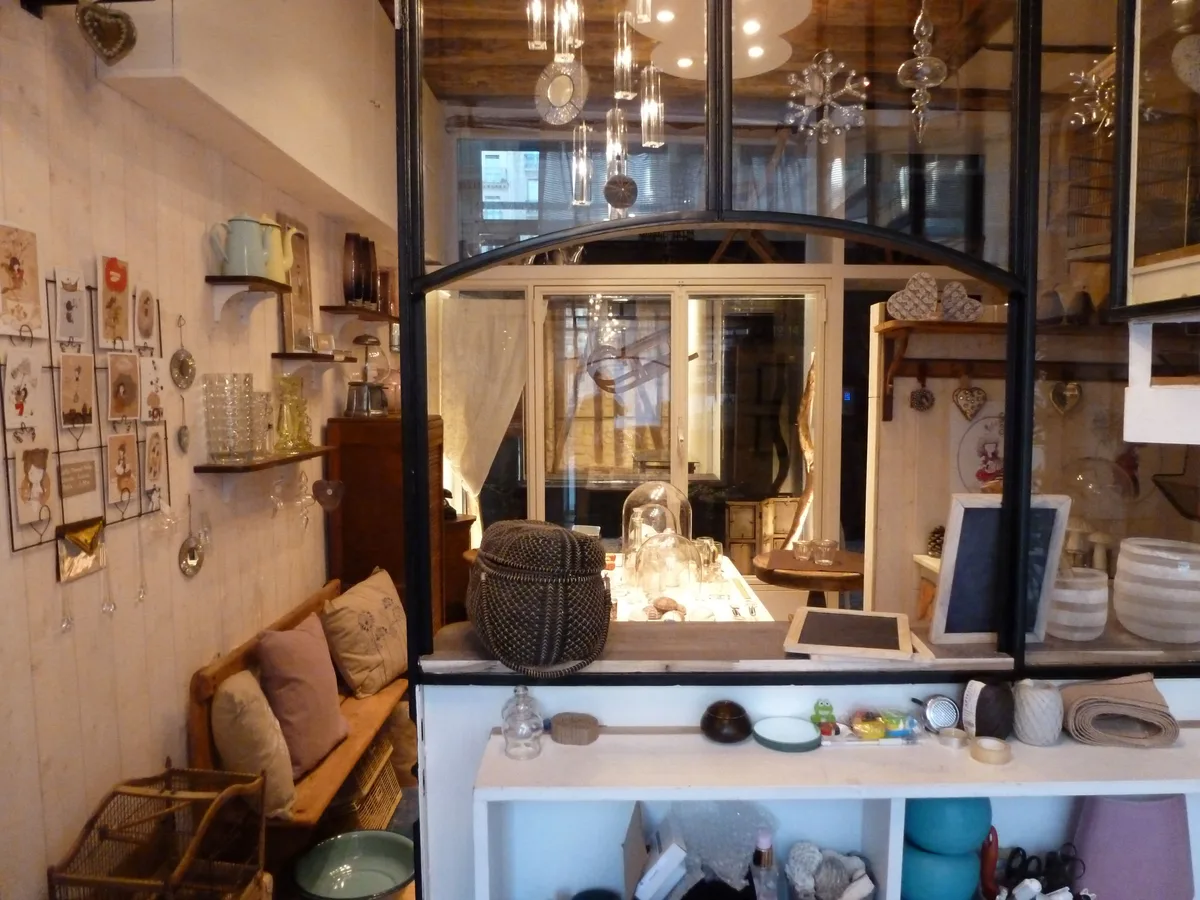
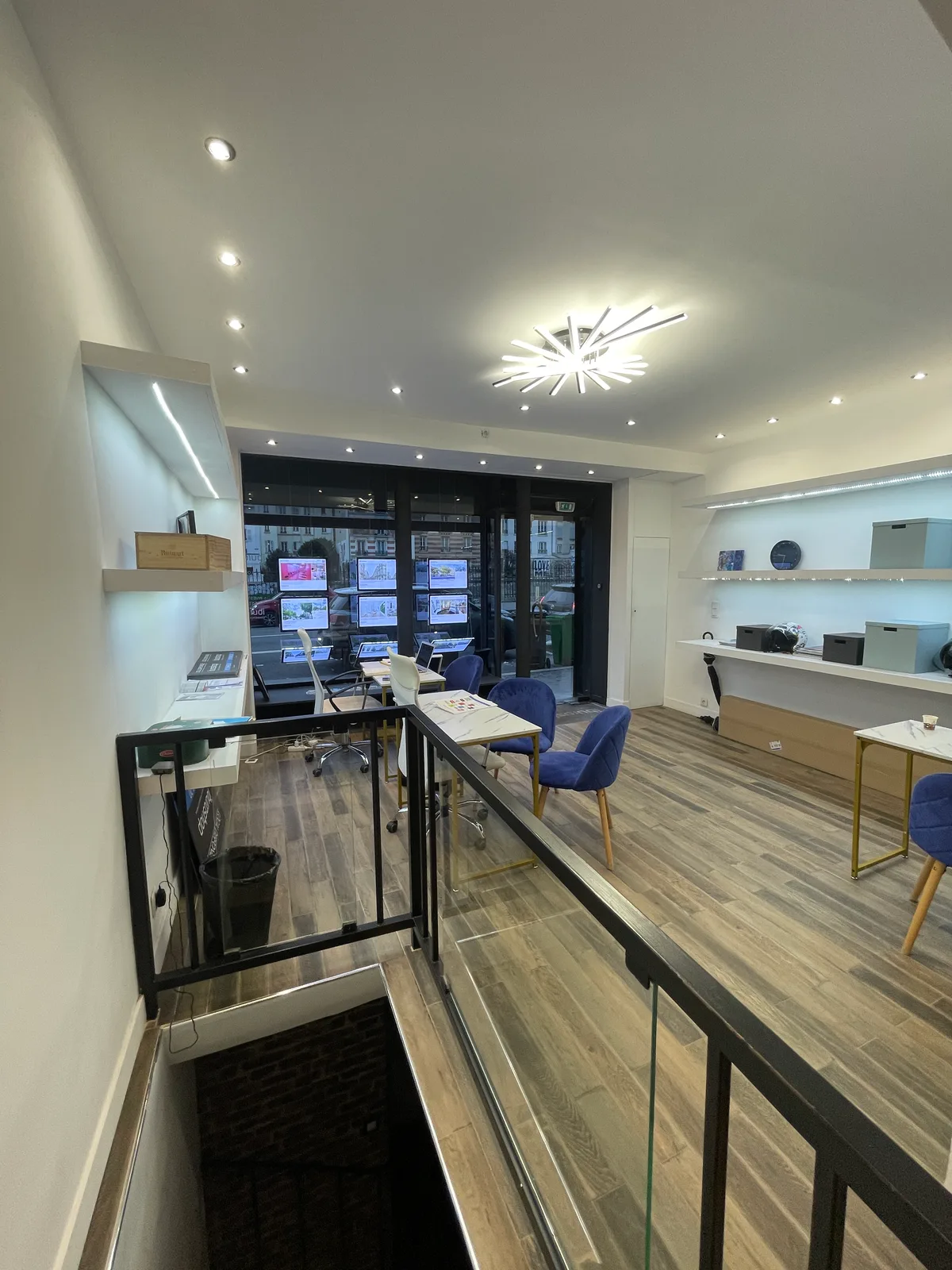
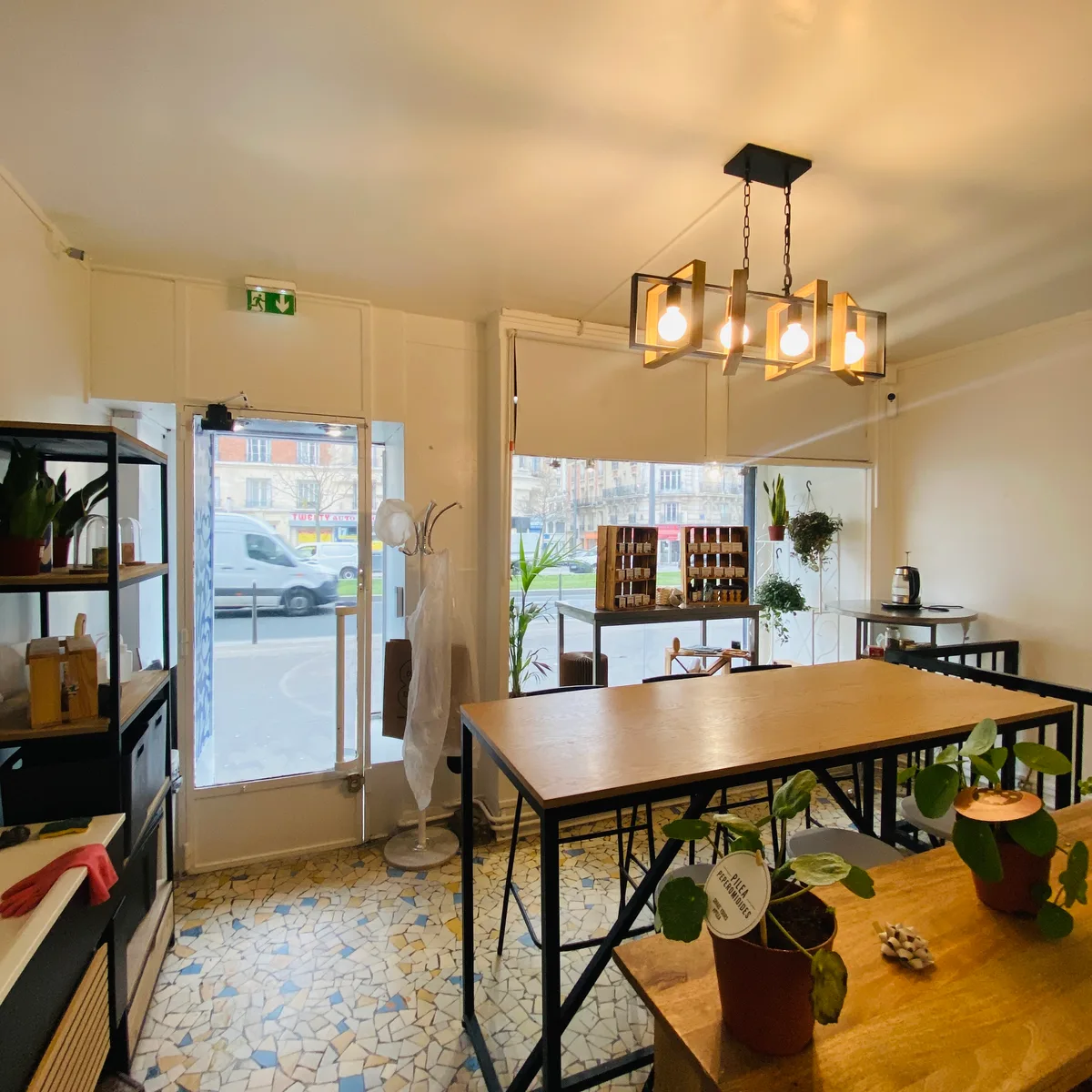
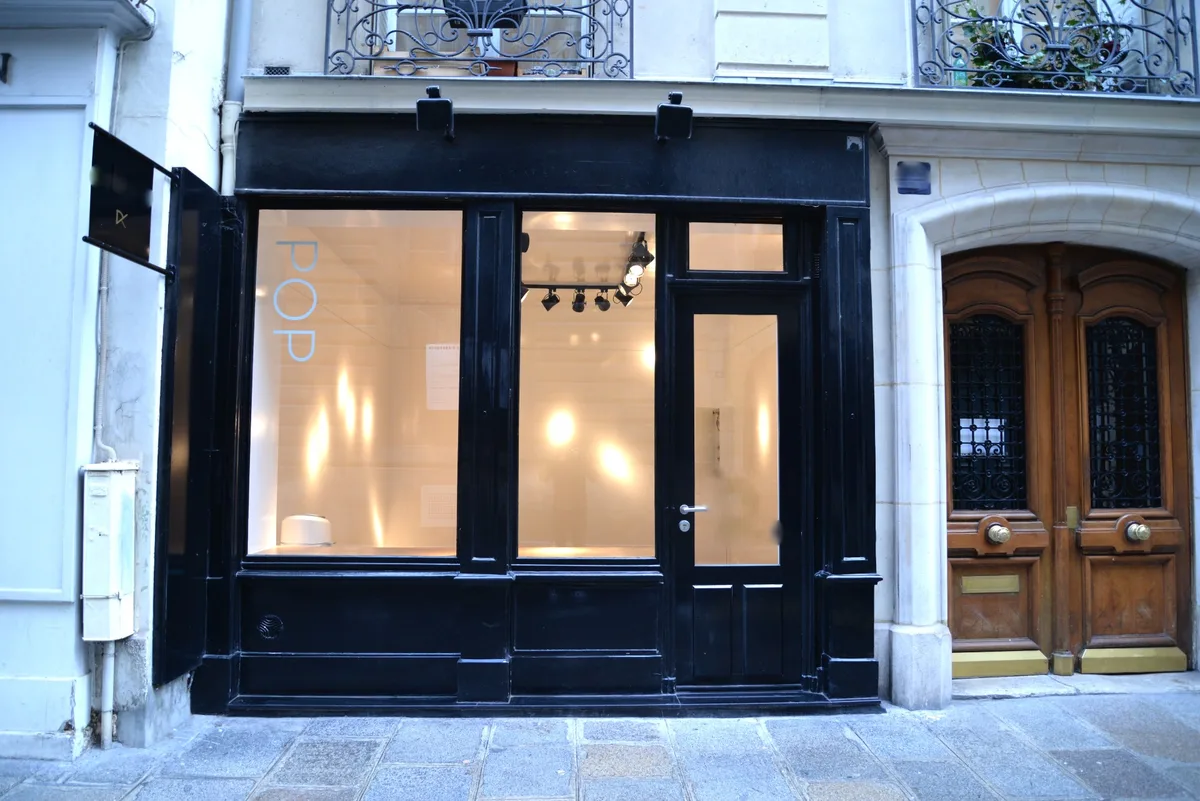
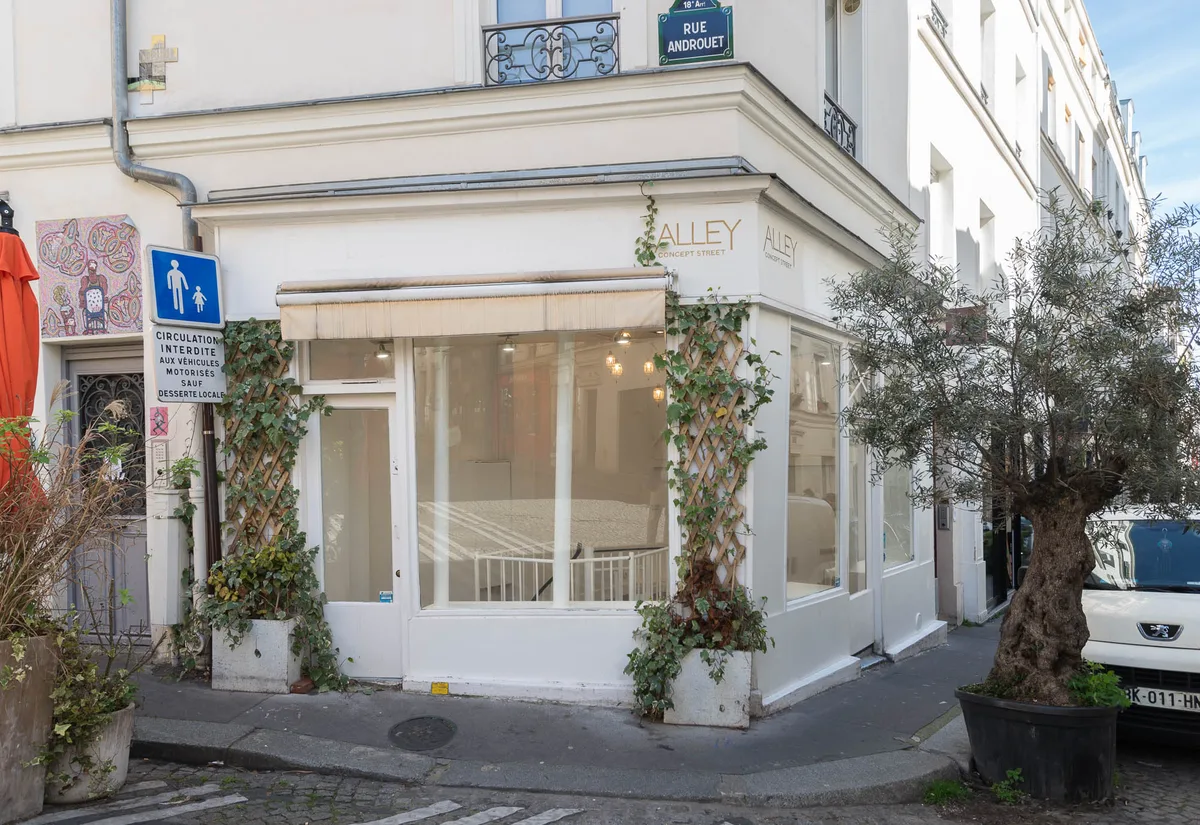
Booking a pop-up shop in Opera Paris places your brand at the intersection of one of the city's most storied commercial districts, its historic covered passages, and a calendar that draws global fashion, retail, and cultural audiences throughout the year. The Opera-Bourse neighbourhood, flanked by the Grand Opéra, the Bourse de Commerce, and the legendary passages couverts, offers short-term retail formats that suit product launches, trunk shows, editorial activations, and immersive brand experiences. Whether you are an international fashion label preparing for Paris Fashion Week, a publisher launching a pop-up bookstore, or a lifestyle brand seeking a space with authentic Parisian character, this guide covers every dimension of the search: from the architecture and cultural history of the passages to the practical mechanics of leasing, fitting out, and operating a temporary space in this part of Paris. Fashion Week Venues supports brands planning activations across Paris, including the Opera district, with end-to-end services from space discovery to activation management.
Why the Opera-Bourse District Is a Strategic Location for a Pop-Up Shop in Paris
The Opera-Bourse district, encompassing the 2nd and 9th arrondissements, is one of the most commercially and culturally layered parts of Paris. It sits between the Grand Boulevards to the north, the Palais Royal gardens to the south, Rue Richelieu to the west, and the Sentier garment district to the east. This geographic density means that any pop-up shop operating here benefits from multiple layers of foot traffic: tourists moving between the Louvre, the Palais Royal, and the Opéra Garnier; professional buyers and press attending trade events at the Bourse de Commerce and surrounding showrooms; and Parisian locals who use the covered passages as daily shortcuts and shopping destinations.
The neighbourhood has a long commercial heritage. Baron Haussmann's 19th-century reconstruction of Paris transformed many older medieval streets into the wide boulevards we recognise today, but the covered passages largely survived this urban surgery. These glass-roofed arcades predate Haussmann and represent an earlier model of organised retail: privately owned, climate-controlled, pedestrian-only, and curated around a mix of boutiques, restaurants, and speciality shops. For a brand seeking a short-term retail space with genuine architectural character, the passages and their surrounding streets offer something that a standard contemporary retail unit simply cannot replicate.
The Opera district also benefits from exceptional public transportation access. Multiple metro lines converge at Opera and Bourse stations, and several bus routes connect the district to the Marais, the Champs-Elysees, Montmartre, and the Left Bank. This connectivity makes it one of the strongest locations in Paris for driving planned and spontaneous foot traffic to a pop-up event or retail activation.
For brands entering Paris during Paris Fashion Week, the July and September-October windows align directly with heightened press, buyer, and influencer presence in the city. The Opera district, with its concentration of showrooms along Rue Sainte-Anne and the surrounding streets, positions a pop-up shop directly in the path of the professional fashion audience.
Quick answer: The Opera-Bourse district in Paris offers pop-up shop operators a rare combination of historic architectural venues, high foot traffic from tourists and professionals, excellent public transportation links, and a calendar alignment with Paris Fashion Week. Spaces in this district suit fashion, publishing, lifestyle, and luxury brands seeking short-term retail with cultural authenticity.
KEY TAKEAWAY: The Opera-Bourse district combines Haussmann-era architecture, covered passage culture, strong transport links, and fashion week proximity to make it one of Paris's most strategic neighbourhoods for a temporary retail activation or pop-up shop.
Understanding the covered passages themselves, their history, their current state, and their retail characteristics, is essential before choosing a space in this district.
Paris's Covered Passages: History, Architecture, and What Makes Them Unique
Paris's covered passages, known in French as passages couverts or passages and galeries, are glass-roofed pedestrian arcades built primarily between 1786 and 1850. They represent the world's first purpose-built indoor shopping environments and were the direct precursors to the modern shopping mall. At their peak in the mid-19th century, more than 150 covered passages existed in Paris. Today, approximately 20 remain open to the public in some form, with the majority concentrated in the 2nd and 9th arrondissements around the Opera district and Boulevard Montmartre.
What Are the Defining Characteristics of Covered Passages?
The defining visual characteristic of any covered passage is its glass roof. This transparent canopy floods the interior with natural light, creating a sheltered walkway that feels neither entirely indoor nor outdoor. The original passages were built with iron frameworks supporting glass panels, a construction technique that was revolutionary in the early 19th century. This use of natural light was not merely aesthetic: it was a commercial strategy, allowing merchants to display goods in conditions that mimicked outdoor daylight while protecting customers from Paris's rain and cold.
Beyond the glass roof, covered passages are typically characterised by mosaic tile floors, ornate ironwork, gas lamp fittings converted to electric lighting, wooden shopfronts, and a human scale that feels intimate compared to the grand Haussmann boulevards outside. Shops within the passages tend to be small, often under 30 square metres, and have historically housed stamp dealers, antique booksellers, print sellers, jewellers, toy shops, coin dealers, and speciality food vendors. This curatorial mix gives each passage a distinct identity that a brand can leverage when choosing a space for a pop-up activation.
How Many Covered Passages Still Exist in Paris?
Of the more than 150 passages that once crisscrossed central Paris, fewer than 20 remain in a recognisably intact or partially active state. The reduction was primarily caused by Baron Haussmann's mid-19th-century urban renovation programme, which demolished many passages to make way for the wide new boulevards, and by the later development of department stores, which offered a more modern and capacious covered shopping experience. Further attrition occurred through the 20th century as retail patterns shifted and some passages fell into disrepair or were converted to other uses.
DID YOU KNOW: The Galerie Vivienne, widely considered the most beautiful surviving covered passage in Paris, was built in 1823 and features neoclassical mosaic floors, ornate ironwork, and a glass barrel-vaulted roof. It remains one of the city's most photographed interiors and continues to attract both tourists and working boutiques.
The passages that remain active and worth visiting for retail, dining, or pop-up purposes include the Galerie Vivienne, Galerie Colbert, Passage Jouffroy, Passage Verdeau, Passage des Princes, Passage du Caire, Passage des Deux Pavillons, Galerie Véro-Dodat, and the arcades at Les Arcades des Champs-Elysées. Each has its own character, tenant mix, and visitor profile.
What Made Paris's Covered Passages So Popular?
The covered passages emerged at a moment when Paris's streets were unpaved, muddy, and dangerous for pedestrians sharing the road with horses and carriages. The passages offered a clean, covered, and lit alternative that was genuinely safer and more pleasant for shopping. They were also privately owned and managed, meaning their proprietors had a commercial incentive to keep them attractive, lit, and stocked with desirable retailers.
Charles Baudelaire, who walked the passages extensively, captured their atmospheric quality in his poetry and prose. The poet's appreciation of the passages as spaces of desire, spectacle, and modernity reflects how central they were to 19th-century Parisian cultural life. Later, the philosopher and cultural critic Walter Benjamin famously devoted his unfinished Arcades Project to a sweeping study of the Parisian passages as the defining commercial and architectural form of capitalist modernity.
Why Did Paris's Covered Passages Lose Their Popularity?
The decline of the passages accelerated after Haussmann's renovation, which not only demolished many of them but also improved street paving and lighting, reducing the relative advantage of the covered arcades. The opening of major department stores including Le Bon Marché and Galeries Lafayette further drew shoppers away from the small speciality shops of the passages into single large-format retail destinations. Through the 20th century, the rise of the automobile, the development of suburban shopping centres, and changing consumer preferences for brand-name mass retail continued to erode the passages' commercial relevance.
Today, however, the passages benefit from a reversal of this trend. Growing interest in independent retail, heritage tourism, and distinctive experiential environments has brought both visitors and operators back to the remaining passages. For a pop-up shop or brand activation seeking authentic Parisian character, nostalgic charm, and a display window onto a curated pedestrian audience, the covered passages represent a compelling and relatively underused canvas.
KEY TAKEAWAY: Paris's covered passages are historically significant glass-roofed retail arcades built between 1786 and 1850. Fewer than 20 remain active today, but those that survive offer genuine architectural distinction, natural light, and curated pedestrian audiences that make them strong environments for experiential retail and pop-up activations.
Galerie Vivienne, Galerie Colbert, and the Premier Passages of the Opera District
The Opera district contains the greatest surviving concentration of Paris's covered passages, and several of these have specific relevance for brands, publishers, event producers, and retail operators considering a pop-up shop in the area. Each passage has a distinct spatial character, tenant profile, and visitor flow that influences how a temporary retail activation should be conceived and positioned.
Galerie Vivienne
Located between Rue de la Banque, Rue Vivienne, and Rue des Petits Champs, the Galerie Vivienne is the most celebrated and best-preserved of all Paris's covered passages. Built in 1823 by architect François-Jean Delannoy, it features a distinctive glass barrel vault, neoclassical relief mouldings, intricate mosaic tile floors, and ironwork balconies. The galerie houses fashion boutiques, antiquarian booksellers, a wine shop, and a tea salon. Its visual character is consistently used in fashion photography, film, and editorial content, giving brands that operate here an implicit backdrop of Parisian prestige. For a pop-up bookstore, a literary brand launch, or a fashion house editorial event, the Galerie Vivienne offers unmatched atmospheric authority.
Galerie Colbert
Adjacent to the Galerie Vivienne at Rue des Petits Champs, the Galerie Colbert was built in 1826 and is now administered by the Institut de France and the Bibliothèque nationale de France. Its grand rotunda and Pompeii-inspired mosaic floors make it one of the most architecturally dramatic interiors in Paris. While it operates as a cultural institution and event venue rather than a conventional retail space, its proximity to the Galerie Vivienne and the Palais Royal makes it a relevant landmark for brands researching the neighbourhood. Events and cultural programming do take place here, and its management by the Institut de France means that any commercial activation requires institutional partnership.
Passage Jouffroy and Passage Verdeau
These two passages connect across Boulevard Montmartre and together form a continuous covered route between Rue de la Grange-Batelière and Rue du Faubourg-Montmartre. The Passage Jouffroy, built in 1847, is notable for having been the first passage in Paris heated by under-floor hot water pipes and for housing the Musée Grevin waxwork museum at one end. It contains a lively mix of antique dealers, toy shops, poster vendors, a hotel, and a tea room. The Passage Verdeau, which continues beyond Rue de la Grange-Batelière, is quieter and more specialist, housing antique postcard dealers, vintage photography shops, and second-hand booksellers. Together they offer a combined covered route of significant length that draws both tourists and knowledgeable local visitors.
Passage du Caire
The Passage du Caire, located near the Sentier garment district at the edge of the 2nd arrondissement, is the oldest surviving covered passage in Paris, dating from 1799. Its name and decorative façade reference Napoleon's Egyptian campaign, including representations of the Egypt goddess Hathor on the entrance columns. Unlike the more ornate galeries, the Passage du Caire has historically served as a working commercial passage for the textile and garment trade, and its tenant mix reflects the Sentier district's character as a centre for wholesale fashion and fabrics. For brands connected to the fashion supply chain or seeking a more industrial and authentic commercial space, this passage offers a distinctive alternative to the more touristic galeries.
Galerie Véro-Dodat
Built in 1826 by the charcutiers Véro and Dodat, this passage between Rue Jean-Jacques-Rousseau and Rue du Bouloi was among the first streets in Paris to be lit by gas lamps and is remarkably intact. Its black-and-white tile floors, mahogany shopfronts, painted ceiling panels, and illusionistic perspective paintings give it a theatrical quality. The Galerie Véro-Dodat is quieter than Galerie Vivienne and tends to house antique dealers, art galleries, and restoration workshops. It is a destination for design lovers and heritage enthusiasts rather than mass retail consumers.
Quick answer: The principal covered passages of the Opera district include the Galerie Vivienne, Galerie Colbert, Passage Jouffroy, Passage Verdeau, Passage du Caire, and Galerie Véro-Dodat. Each has a distinct architectural character and visitor profile. Galerie Vivienne is the most prestigious for fashion and editorial activations, while Passage du Caire serves the Sentier garment district.
To compare neighbourhoods and space types across Paris, explore the Paris city hub on Fashion Week Venues and shortlist spaces that match your brief, budget, and calendar window.
KEY TAKEAWAY: The covered passages of the Opera district range from the grand neoclassical elegance of Galerie Vivienne to the working commercial character of Passage du Caire. Brands should match their choice of passage environment to their product positioning, target audience, and activation format before committing to a space.
The Pop-Up Bookstore Concept in Paris and the Legacy of Dominique Ehrhard
Among the many forms a pop-up shop can take in the Opera district, the pop-up bookstore occupies a specific and culturally resonant niche. Paris has a long tradition of literary retail, from the bouquinistes along the Seine to the speciality bookshops within the covered passages, and the city's global reputation as a literary capital makes a well-conceived pop-up bookstore activation a powerful brand statement. This tradition intersects with the contemporary world of pop-up publishing through the work of artists and paper engineers who produce books that are themselves architectural objects.
Dominique Ehrhard and the French Pop-Up Book Tradition
Dominique Ehrhard is a French paper engineer whose work in non-traditional book formats has brought international recognition to the art of the pop-up book. His interactive series of books presenting Parisian monuments and European landmarks as three-dimensional paper sculptures represents one of the most sophisticated applications of paper engineering in contemporary publishing. These are not children's novelty books in the conventional sense: Ehrhard's constructions are architectural in their precision, requiring expert knowledge of paper mechanics, fold geometry, and printing specifications.
Ehrhard's pop-up book on Paris, published through Rizzoli Universe and part of a series covering major European cities, presents landmarks including the Eiffel Tower, the Louvre, Notre-Dame de Paris, the Palais Royal, Sacré-Coeur, Arc de Triomphe, Hôtel des Invalides, Comédie Française Theater, Institut de France, Place des Vosges, and the Musée Grevin as hand-engineered paper sculptures that rise from the page when opened. The book combines a historical presentation of each monument with the physical experience of the paper construction, making it simultaneously an art object, a travel guide, and an educational tool.
The technical specifications of Ehrhard's Paris pop-up book as published by Rizzoli Universe position it as a premium retail object. The Trim Size, page count, and ISBN reflect the book's status as a serious publication rather than a promotional giveaway. Non-traditional book formats of this kind require specialist retail environments that can accommodate display, demonstration, and customer interaction in ways that standard bookshop shelving does not permit. A pop-up bookstore in the Opera district, particularly within or adjacent to one of the covered passages, creates an ideal setting for presenting and selling this type of publication: the architectural character of the passages mirrors the architectural subject matter of the books, and the pedestrian audience is predisposed to cultural and design interest.
Pop-Up Bookstores as Retail Activations
The pop-up bookstore format has grown significantly as a retail activation strategy for publishers, literary estates, cultural institutions, and design brands. Unlike a conventional book fair stand or a department store display, a pop-up bookstore occupies a dedicated space and creates a complete brand environment around the books and their themes. This format works particularly well for art books, architecture books, design monographs, travel guides, and non-traditional formats like pop-up books, because the physical space can be designed to reflect and amplify the books' subject matter.
In the Opera district, a pop-up bookstore benefits from proximity to the Palais Royal, where the Comédie Française Theater and the garden arcades create a natural audience of culturally engaged visitors, and to the Galerie Vivienne, whose existing bookseller tenants demonstrate that the passage audience responds to literary retail. The district's concentration of hotels, including the Hôtel Baudelaire Opera on Rue de la Bonne Nouvelle, also means that a significant number of culturally interested travellers pass through the area daily.
DID YOU KNOW: The Hôtel Baudelaire Opera takes its name from the poet Charles Baudelaire, who lived and worked in the Opera district and whose engagement with the covered passages is well documented in his writing. The hotel's literary namesake makes it a natural reference point for brands seeking to connect their pop-up bookstore concept with Parisian literary heritage.
KEY TAKEAWAY: Pop-up bookstores in the Opera district leverage Paris's literary reputation, the architectural character of the covered passages, and the culturally engaged visitor profile of the neighbourhood. Publishers, literary estates, and design brands can use this format to create immersive retail environments that are both commercially effective and editorially distinctive.
Nordic Literature, the Swedish Institute, and the Bokbar Pop-Up Concept
The Opera district has an additional literary and cultural dimension that is less widely known but highly relevant for brands and institutions involved in Nordic or Scandinavian cultural programming: the presence of the Swedish Institute at the Hôtel de Marle in the Marais, and the broader Parisian ecosystem for Nordic literature and cultural exchange.
The Swedish Institute and Nordic Cultural Programming in Paris
The Swedish Institute in Paris, housed at the Hôtel de Marle in the Marais, is the primary Scandinavian cultural center in the city. It organises exhibitions, literary events, film screenings, and educational programmes that connect French audiences with Nordic culture. The Institute's programming regularly features authors from across the Nordic region, including Swedish, Norwegian, Finnish, Icelandic, and Danish writers. Authors including Karl Ove Knausgård, Sara Stridsberg, Sofi Oksanen, and Jón Kalman Stefánsson have been presented through events connected to the Institute and the broader Paris literary calendar.
The Bokbar concept, which takes its name from the Swedish word for bookshop, has been used as a pop-up format for presenting Nordic literature in temporary retail and event environments. This model places curated selections of Nordic literature alongside cultural programming, serving as both a bookshop and a cultural salon within a temporary space. The format is well suited to the covered passages of the Opera district, where the intimate scale of individual units supports the kind of curated, conversation-driven retail experience that literary pop-ups require.
Tove Jansson, the Moomins, and the Illustrated Pop-Up Book Market
The legacy of Finnish author and illustrator Tove Jansson, creator of the Moomins, represents a specific opportunity within the pop-up bookstore market. Moomin-branded merchandise, illustrated books, and cultural events have been successfully deployed in pop-up retail formats across European cities including London and Stockholm. A Paris pop-up activation centred on Jansson's work would find a receptive audience among both the city's Nordic expatriate community and the broader Parisian appetite for illustrated literature and design objects. Artist Sara-Vide Ericson, whose work has connections to Nordic literary illustration, represents another dimension of this contemporary Nordic art and publishing ecosystem that could inform a pop-up concept in the Opera district.
The cultural depth of the Nordic literature scene, combined with the growing French readership for translated Scandinavian fiction and the strong institutional support of the Swedish Institute, creates a favourable environment for a Nordic literature pop-up shop or bookstore activation in Paris. The Opera district's covered passages, with their existing associations with literary retail and cultural curation, provide the most architecturally appropriate setting for such an activation.
Quick answer: Nordic literature pop-up concepts in Paris benefit from the institutional support of the Swedish Institute at the Hôtel de Marle, a strong French readership for Scandinavian authors, and the covered passages of the Opera district as a historically literary retail environment. The Bokbar format and Moomin-related activations are proven models in other European cities.
KEY TAKEAWAY: Publishers, cultural institutions, and brands connected to Nordic literature, Scandinavian design, or illustrated books can find a specific and receptive audience in Paris's Opera district and Marais neighbourhoods, with the Swedish Institute providing an existing institutional framework for programming partnerships.
Operational Guide to Leasing a Pop-Up Shop in Opera-Bourse
Booking a pop-up shop in the Opera-Bourse district involves a specific set of legal, operational, and logistical considerations that differ from standard commercial leasing in France. Understanding these requirements before you begin your search will significantly improve your chances of finding and securing the right space within your timeline and budget.
Why Lease a Pop-Up Shop in Opera-Bourse?
The Opera-Bourse district offers a combination of high foot traffic, architectural prestige, fashion week adjacency, and neighbourhood diversity that is difficult to replicate elsewhere in Paris. The 2nd arrondissement contains the Sentier garment district, which brings professional buyers, designers, and textile suppliers into the area daily, while the 9th arrondissement's concentration of Grands Boulevards, auction houses near Drouot, and the Opéra Garnier generate tourist and cultural visitor flows. Brands choosing this location for a pop-up shop benefit from all these overlapping audiences simultaneously.
What Are the Features of a Pop-Up Shop in Opera-Bourse?
Pop-up shops in the Opera-Bourse district vary considerably in their physical characteristics depending on whether they are located within a covered passage, in a standard street-level unit, or in a building with historic protected status. Within the covered passages, units are typically compact, ranging from approximately 15 to 60 square metres, with original wooden shopfronts, stone or mosaic tile floors, and ceiling heights that vary by passage. Display windows onto the passage walkway are a standard feature and are among the most valuable retail assets in this environment, as the pedestrian-only passage format means that every passing visitor is a potential customer.
Standard street-level pop-up shops in the Opera-Bourse district include spaces along Rue Sainte-Anne, Rue de la Paix, Rue Richelieu, Rue de la Grand Batelière, and the side streets connecting the passages. These units typically offer more flexible layouts and can accommodate retail equipment including cash registers, clothing racks, fitting rooms, and storage areas more easily than the constrained passage units. For brands planning a product launch or trunk show requiring significant stock volume or multiple product categories, a street-level unit with a larger floor plate will generally be more practical than a passage boutique.
What Is a Pop-Up Shop in Opera-Bourse Ideal For?
The Opera-Bourse district is particularly well suited to fashion and accessories brands, luxury lifestyle products, art and design objects, books and publications, jewellery, beauty and fragrance, and cultural or institutional activations. It is less suited to mass-market consumer goods, high-volume food retail, or categories that require large warehouse-style spaces. The neighbourhood's visitor profile skews toward culturally engaged consumers with above-average spending power, both among Parisian residents and among the international tourists who visit the Palais Royal, the Louvre, and the Opéra Garnier.
For Paris Fashion Week activations during the July 6 to 9, 2026 window and the autumn September-October schedule, the Opera-Bourse district offers direct adjacency to many of the showrooms and presentation venues used by fashion brands. A pop-up shop operating during Fashion Week in this district can serve simultaneously as a retail space, a press and buyer meeting point, and an influencer content environment.
How to Rent a Pop-Up Shop in Opera-Bourse
The process of renting a pop-up shop in Opera-Bourse begins with defining your brief: the target space size, the preferred duration, the desired neighbourhood or passage, the operational requirements including retail equipment and staffing, and the budget range. With a clear brief, you can begin sourcing through a specialist agency or marketplace.
From a legal perspective, most pop-up retail leases in France are structured as either a bail dérogatoire or a convention d'occupation précaire. The bail dérogatoire, sometimes called a short-term derogatory lease, permits leases of up to 36 months outside the protections of the standard French commercial lease statute. It requires specific drafting to ensure its short-term status is legally valid and cannot be converted into a long-term commercial lease by default. Requirements vary by space type, duration, and arrondissement, and brands should verify their specific circumstances with a qualified French legal advisor before signing.
For spaces in publicly owned or heritage-protected buildings, an Autorisation d'Occupation Temporaire (AOT) may be required. This is a permit from the relevant public authority granting temporary use of a space that is not available for standard commercial leasing. AOTs are common for spaces in government-owned buildings, public squares, and certain heritage sites. The application process and timeline for an AOT varies by authority and space type, and approval is not guaranteed.
IMPORTANT: Do not assume that a short-term retail lease in Paris is legally straightforward. The distinction between a bail dérogatoire, a convention d'occupation précaire, and a standard commercial bail is significant, and signing the wrong type of agreement can create unexpected long-term obligations. Always engage a French legal advisor with commercial real estate experience before signing any lease.
The permit guidance tool on Fashion Week Venues provides directional information on the permit types and considerations relevant to different space types and durations in Paris.
Quick answer: To rent a pop-up shop in Opera-Bourse, start with a clear brief covering space size, duration, location preference, operational needs, and budget. Most short-term leases use a bail dérogatoire structure. AOTs may be needed for heritage or publicly owned spaces. Always verify your specific situation with a qualified French legal advisor.
KEY TAKEAWAY: Leasing a pop-up shop in the Opera-Bourse district requires understanding the difference between short-term and standard commercial lease structures in France, identifying whether the target space requires an AOT, and working with advisors who have direct experience of the Paris retail market.
Retail Operations, Fit-Out, and Staffing for a Pop-Up in Opera Paris
Operating a pop-up shop effectively in the Opera district requires more than securing the right space. The operational layer, including fit-out, retail equipment, staffing, payments, and customer interaction, determines whether a temporary space converts foot traffic into sales, press coverage, and brand relationships.
Fit-Out and Branded Store Design
In a covered passage, fit-out options are constrained by the historic character of the building. Most passage proprietors prohibit structural alterations, permanent fixings to original surfaces, and modifications to shopfronts. This means that pop-up operators must design within the existing architectural frame, using freestanding fixtures, furniture rental, and temporary display systems that can be installed and removed without causing damage. This constraint is actually a creative advantage: the existing architectural envelope provides a ready-made brand environment that does not need to be built from scratch, and the challenge of working within it often produces more inventive and distinctive results than a blank white-box space.
For street-level units outside the passages, fit-out options are typically broader, allowing for temporary wall treatments, suspended lighting systems, custom shelving, and branded graphic installations. The duration of the lease will influence how much investment in fit-out is commercially justifiable: a one-week pop-up requires a different approach to a three-month temporary space.
Retail Equipment and POS
A functional pop-up shop in the Opera district requires at minimum a cash register or mobile POS system, product display fixtures appropriate to the merchandise type, and adequate storage area for stock management. For fashion and accessories, clothing racks, display tables, and fitting rooms where space permits are standard requirements. For books and publications, display stands, demonstration tables for interactive formats like pop-up books, and secure display cases for high-value items should be considered.
Payment infrastructure in Paris should support card and contactless payment as a minimum, with consideration for international payment methods given the tourist profile of the Opera district. Many short-term operators now use mobile POS solutions that combine card reader hardware with inventory management and sales analytics software, eliminating the need for fixed till infrastructure.
Retail Staffing
Customer service and interaction quality are particularly important in a pop-up environment where customers have no prior relationship with the brand or the space. Staff in a pop-up shop function as brand ambassadors, product demonstrators, and storytellers as much as sales assistants. In a covered passage, where the intimate scale means that staff and customers are often in close proximity, the quality of communication between team members and visitors directly shapes the brand perception created by the activation.
For brands operating in Paris without an existing French team, sourcing bilingual or multilingual staff with retail experience and fashion or cultural knowledge is essential. The Opera district's international visitor profile means that English-language customer service capability is a practical requirement alongside French, with additional language skills in Mandarin, Japanese, or other relevant languages depending on the brand's primary international markets.
Specialist retail staffing support for Paris pop-up activations is available through Fashion Week Venues' staffing service, which sources and places experienced retail team members for temporary activations across the city.
TIP: For pop-up bookstores and literary activations, consider engaging staff with specific knowledge of the books or authors being presented. Customer interactions in literary retail environments are often longer and more conversational than in fashion or lifestyle pop-ups, and staff who can discuss content, context, and author background add significant value to the customer experience.
KEY TAKEAWAY: Successful pop-up operations in the Opera district depend on fit-out that works within architectural constraints, reliable POS and payment infrastructure, and staff who can represent the brand effectively in a multilingual, culturally engaged visitor environment.
Paris Fashion Week July 2026: Schedule, Planning, and the Opera District
Paris Fashion Week in July 2026 runs from July 6 to 9 and focuses on Haute Couture, bringing together international press, buyers, stylists, and influencers for runway shows, presentations, and brand events across the city. The Opera district's concentration of showrooms, press offices, and hotels makes it one of the primary operational bases for fashion week professionals during this window.
What Happens During Paris Fashion Week July 6 to 9, 2026
The Haute Couture calendar in July is more compact than the ready-to-wear schedules in March and October, but it generates intense media and professional attention. Runway shows by major houses take place at venues across the city including the Palais Royal, the Grand Palais, the Bourse de Commerce, and private locations. Alongside the official runway schedule, a parallel programme of exhibitions, brand activations, showroom appointments, dinner events, and experiential happenings runs throughout the week and beyond.
For brands that are not showing on the official calendar, the week offers an exceptional opportunity for pop-up activations that capture the attention of the fashion audience without the costs and production demands of a runway show. A well-located pop-up shop in the Opera district during this window can generate significant press coverage, influencer content, and buyer introductions simply by virtue of the concentration of fashion professionals in the neighbourhood.
Planning Your Activation Around Fashion Week
Planning a pop-up shop activation around Paris Fashion Week requires a lead time of at minimum three to four months for space sourcing, permit applications where required, fit-out design, and staffing. For high-demand spaces in the covered passages or prime street locations, six months of lead time is more realistic given competition for limited inventory. The timeline planning tool on Fashion Week Venues provides a structured framework for mapping your activation milestones against the Paris Fashion Week calendar.
Budget planning for a Fashion Week pop-up in Opera should account for the rental premium that applies during fashion week windows. Space costs, staffing costs, and production costs all increase during peak calendar periods, and brands should use directional estimates as a starting point before requesting specific quotes from space owners and service providers. The budget estimation tool on Fashion Week Venues supports this planning process with category-level cost frameworks.
Quick answer: Paris Fashion Week Haute Couture in July 2026 runs from July 6 to 9. Brands planning pop-up activations in the Opera district during this window should begin sourcing spaces and planning permits at least three to four months in advance, with six months recommended for premium passage locations.
KEY TAKEAWAY: The July 2026 Paris Fashion Week window presents a high-value opportunity for pop-up activations in the Opera district. Early planning, realistic budgeting for seasonal premiums, and a clear activation brief are the foundations of a successful fashion week pop-up.
The Broader Opera District: Landmarks, Culture, and Context for Brand Activations
A pop-up shop in the Opera district does not exist in isolation: it operates within a rich urban and cultural landscape that directly influences the visitor audience, the brand associations available to an activation, and the content and storytelling opportunities open to the brand. Understanding this broader context is essential for developing an activation concept that resonates with the specific character of the neighbourhood.
Parisian Landmarks Within and Adjacent to the District
The Opera district is bounded by or contains some of Paris's most significant landmarks. The Palais Royal, with its formal gardens and arcaded facades, sits at the southern edge of the district and connects the area to the Louvre to the south. The Louvre itself, the world's most visited museum, generates enormous daily foot traffic along the Rue de Rivoli and through the Tuileries Gardens. The Opéra Garnier, one of the most architecturally extravagant buildings in Paris, anchors the northern end of the Avenue de l'Opéra. Boulevard Haussmann, named for Baron Haussmann, connects the district westward toward the Champs-Elysees, Arc de Triomphe, and the 8th arrondissement's luxury retail concentration.
Further afield but within easy reach of the Opera district, the major landmarks that draw visitors through this part of Paris include the Eiffel Tower to the southwest, the Hôtel des Invalides on the Left Bank, Notre-Dame de Paris on the Île de la Cité, Sacré-Coeur and Montmartre to the north, the Centre Pompidou and the Marais to the east, and the Bourse de Commerce to the west. Each of these generates visitor flows that pass through or near the Opera district, contributing to the layered audience that a pop-up shop here can access.
Restaurants, Bistros, and Food Culture in the Opera District
The Opera district has a rich dining culture that is relevant to brand activations in several ways. The covered passages themselves contain several notable food destinations: the Passage Jouffroy includes a charming tea room, while Galerie Vivienne's Bistrot Vivienne serves traditional French food in an architecturally spectacular setting. Beyond the passages, the district is home to Le Grand Colbert, a classic Parisian brasserie on Rue Vivienne, and Le Procope on Rue de l'Ancienne Comédie, which claims to be the oldest café in Paris, dating from 1686. The Cour du Commerce Saint-André, a covered passage on the Left Bank near Rue Saint-André-des-Arts, houses several historic cafés and restaurants including the location associated with the French Revolution in its basement.
For brands planning multi-day activations or events, the quality of the local dining and hospitality offer is a practical consideration for hosting press dinners, buyer lunches, and influencer gatherings. The Opera district's concentration of brasseries, bistros, and fine dining restaurants makes it an easy neighbourhood in which to programme food and hospitality elements alongside retail activation.
Travel, Tourism, and the Opera District as a Destination
The Opera district is one of the most visited parts of Paris by international tourists, and the covered passages in particular have become a focus of heritage tourism and independent travel itineraries. Travel newsletters including the ENTREE TRAVEL NEWSLETTER and city guides aimed at design lovers and discerning travellers regularly feature the passages as among the most rewarding off-the-beaten-path experiences in Paris. This tourism profile is directly relevant to brands considering a pop-up here: the visitor audience is typically engaged, culturally curious, and looking for authentic and distinctive experiences rather than standard tourist retail.
Flea markets in and around the Opera district, including the dealers near the Drouot auction house on Rue Drouot and the weekend markets along Rue de la Grand Batelière, add to the area's appeal as a destination for independent shopping and cultural discovery. A pop-up shop in this environment that aligns with the exploratory spirit of the neighbourhood's visitors is likely to generate stronger engagement than one that simply replicates standard retail formats.
The AGF building, formerly the Assurances Générales de France headquarters, at Place Vendôme is one of the notable architectural landmarks of the broader neighbourhood, reflecting the Opera district's historic role as a centre of Parisian commercial and institutional life. Jules Mirès, a 19th-century financier who operated extensively in this part of Paris, is another figure associated with the district's commercial history, having been involved in properties including the Hôtel des Princes on Rue de Richelieu.
KEY TAKEAWAY: The Opera district's combination of world-class landmarks, historic covered passages, quality dining culture, and a travel-literate visitor audience creates an exceptionally rich context for brand activations. Brands that engage with the character and history of the neighbourhood in their pop-up concept will find stronger resonance with the local audience than those that ignore it.
How Fashion Week Venues Supports Pop-Up Activations in Opera Paris
Fashion Week Venues is a full-service pop-up shop agency and space marketplace with Paris as its primary market. For brands seeking to book a pop-up shop in the Opera district, the agency provides end-to-end support across every stage of the process, from initial space discovery and briefing through to activation management, staffing, and post-activation analytics.
Space Discovery and Venue Sourcing
The Fashion Week Venues marketplace lists available short-term retail spaces across Paris, including spaces in and around the Opera district. Brands can browse by neighbourhood, space type, size, availability window, and budget to identify options that match their brief. The marketplace approach allows brands to compare multiple options simultaneously using the comparison tool, reducing the time and cost of manual market research. The venue sourcing service provides additional support for brands with specific or complex requirements, including access to spaces that may not be publicly listed.
Concept, Design, and Production
Once a space is identified, Fashion Week Venues supports the development of the activation concept through its concept direction and branded store design services. These services help brands define the spatial narrative of the pop-up, develop the visual and physical identity of the space, and translate brand strategy into a practical fit-out brief. For activations in covered passages where fit-out is constrained by historic building protections, this conceptual work is particularly valuable in identifying creative solutions within the architectural envelope.
Production and build services cover the physical realisation of the fit-out, including temporary fixtures, furniture rental, graphic installations, and technology integration. The production team works within the constraints of the specific space and lease conditions to deliver a functional and brand-appropriate environment within the agreed timeline and budget.
Tools and Planning Resources
Fashion Week Venues provides a suite of planning tools that are directly relevant to brands researching a pop-up shop in the Opera district. The budget estimation tool, ROI calculator, compare tool, timeline tool, locator tool, and permits tool each address a specific dimension of the planning process. The imagine tool supports visualisation of how a brand concept might look within a specific space type, while the build planning tool structures the production timeline against activation milestones.
Brands can use the ROI calculation tool to assess the commercial viability of a proposed activation against projected sales, press value, and brand metrics. This supports internal business case development and helps teams align on realistic expectations before committing to a space and budget.
Which Brands and Teams Benefit Most
Fashion Week Venues' services are most directly applicable to international fashion and lifestyle brands entering Paris for the first time, brands planning Paris Fashion Week activations, publishers and cultural institutions seeking pop-up retail environments, and any brand team that lacks in-market Paris expertise for navigating space sourcing, legal structures, and operational logistics. The agency does not guarantee specific outcomes, spaces, or permits, but provides the expertise, relationships, and tools to significantly improve the efficiency and quality of the planning process.
Brands interested in reviewing past activation work can explore the Fashion Week Venues case study section for examples of previous projects, and the process page for a clear explanation of how the agency engages with new clients from initial brief to post-activation review.
KEY TAKEAWAY: Fashion Week Venues provides a structured, full-service pathway for brands booking pop-up shops in the Opera district and across Paris, covering space discovery, concept development, fit-out, staffing, permits guidance, and post-activation analytics. The agency is most valuable for brands without existing Paris market expertise or in-house operational capacity.
Common Myths About Pop-Up Shops and Covered Passages in Opera Paris Debunked
MYTH: You need a French legal entity to rent a short-term retail space in Paris.
FACT: Many short-term retail spaces in Paris, including pop-up formats in the Opera district, can be accessed by foreign companies without a French legal entity, depending on the space type and the lease structure used. However, the specific requirements vary by landlord, building type, and lease format, and some space owners do require a French entity or a local guarantor. Always verify the requirements for the specific space you are targeting with a qualified French legal advisor before proceeding.
MYTH: Paris Fashion Week is the only viable calendar window for a pop-up activation in Opera Paris.
FACT: While Paris Fashion Week generates the highest concentration of fashion industry professionals and media in the city, the Opera district attracts strong visitor and professional foot traffic throughout the year. The Palais Royal, Louvre, Opéra Garnier, and covered passages draw culturally engaged visitors every month. Pop-up activations outside fashion week windows can benefit from lower space costs, less operational competition, and longer available durations, which may be commercially superior depending on the brand's objectives.
MYTH: Commission brokers are the only way to find a pop-up space in the Opera district.
FACT: Commission brokers represent one route to market, but they are not the only option and are not necessarily the most efficient or cost-effective. Specialist pop-up agencies and marketplace platforms provide broader market access, greater transparency on pricing and availability, and integrated operational support that a single broker typically cannot match. Direct outreach to building managers and passage associations can also yield results, though this approach requires knowledge of the specific contacts and processes involved.
MYTH: Short-term retail leases in Paris are legally straightforward and do not require specialist help.
FACT: French commercial lease law is complex, and the distinction between a bail dérogatoire, a convention d'occupation précaire, and a standard commercial lease has significant legal and financial implications. Signing an incorrectly structured short-term lease can inadvertently create long-term obligations or expose the tenant to unexpected liability. Specialist legal advice from a French commercial real estate lawyer is strongly recommended for any pop-up lease in Paris, regardless of the apparent simplicity of the arrangement.
MYTH: Covered passages in the Opera district are primarily tourist attractions with little commercial relevance for contemporary brands.
FACT: While the passages do attract tourists, they also maintain active working communities of specialist retailers, artisans, and cultural businesses. For brands seeking pop-up spaces with authentic Parisian character, architectural distinctiveness, and a visitor profile skewed toward culturally engaged and higher-spending consumers, the covered passages offer genuine commercial potential. Several contemporary fashion and design brands have successfully used passage locations for product launches, editorial shoots, and short-term retail activations.
Frequently Asked Questions About Booking a Pop-Up Shop in Opera Paris
How many covered passages once existed in Paris?
At their peak in the mid-19th century, Paris had more than 150 covered passages distributed across the central arrondissements. The majority were demolished during and after Baron Haussmann's urban renovation programme of the 1850s and 1860s, which widened streets and reshaped the commercial geography of central Paris. Further attrition continued through the 20th century as shopping habits changed and some passages fell into disrepair. Today, fewer than 20 remain open to the public in some form, with the greatest concentration found in the 2nd and 9th arrondissements around the Opera district and Boulevard Montmartre.
Should you visit the covered passages today?
Absolutely, and particularly if your interest is in independent retail, architectural heritage, or authentic Parisian culture. The surviving passages offer a genuinely different shopping and browsing experience to standard Paris retail, with specialist dealers in stamps, antiques, vintage prints, books, jewellery, toys, and food that you will not find in department stores or shopping centres. For design lovers and travel guide enthusiasts, the passages represent some of the most rewarding off-the-beaten-path destinations in the city. The Galerie Vivienne in particular is among the most beautiful interior spaces in Paris and is worth visiting regardless of any shopping intention.
Is Passage des Princes permanently closed?
The Passage des Princes, located between the Grand Boulevards and the Opera district, has been closed to the public as a through-route following its conversion to commercial use by a toy retailer in the late 20th century. Its original architectural character has been significantly altered. While the building still stands, it no longer functions as an open pedestrian passage in the tradition of the passages couverts. Its status underlines the fragility of the surviving passages as heritage environments and the importance of the organisations that work to protect and maintain the remaining examples.
Are covered arcades the same as covered passages?
The terms are related but not identical. In Paris, passages couverts specifically refers to the privately built glass-roofed pedestrian arcades of the late 18th and 19th centuries. Arcades is a broader architectural term that can refer to any colonnaded or vaulted pedestrian walkway, including the arcades of the Palais Royal, the arcades along the Rue de Rivoli, and the commercial arcades of other European and world cities. The Paris passages couverts are a specific historical building type with particular architectural and cultural characteristics that distinguish them from other arcade forms.
What is a bail dérogatoire and do I need one for a pop-up shop in Paris?
A bail dérogatoire is a short-term commercial lease in France that permits tenancies of up to 36 months outside the standard protections of the French commercial lease statute, known as the statut des baux commerciaux. It is one of the most common legal structures used for pop-up shops and temporary retail spaces in Paris. To be valid, a bail dérogatoire must be properly drafted and must not be inadvertently renewed in a way that triggers the protections of the standard commercial lease. Requirements and conditions vary by space type, duration, and arrondissement, so professional legal advice is essential before signing.
What is the best time of year to book a pop-up shop in Opera Paris?
The best time depends on your brand's objectives and target audience. Paris Fashion Week windows in July and September-October generate the highest concentration of fashion industry professionals and media, making them ideal for fashion and luxury brand activations. The autumn-winter period from October to December benefits from strong retail foot traffic in the run-up to Christmas. Spring from March to May offers good visitor volumes with potentially lower competition for spaces than peak fashion week periods. Summer from June to August brings high tourist volumes but fewer professional buyers. Each window has distinct advantages depending on whether your priority is professional industry reach, consumer sales, or editorial content.
Can a pop-up bookstore work commercially in a covered passage in Paris?
Yes, and there is historical precedent for literary retail in the passages. Antiquarian booksellers have operated in passages including Galerie Vivienne and Passage Verdeau for generations, and the visitor profile of these passages, particularly among culturally engaged tourists and design lovers, is well aligned with literary and illustrated book retail. A contemporary pop-up bookstore concept that engages with the architectural character of the passage and offers a curated, experiential format has strong potential to attract both purchases and editorial coverage. The key variables are the quality of the curation, the relevance of the titles to the audience, and the quality of staff knowledge and interaction.
How far in advance should I begin planning a pop-up shop in the Opera district for Paris Fashion Week?
For Paris Fashion Week activations, a minimum lead time of three to four months is required for space sourcing, legal structuring, fit-out design, and staffing. For premium locations in covered passages or high-profile street-level spaces, six months is more realistic given the limited supply of available short-term retail spaces and the competition for the best locations during fashion week windows. Permit applications for spaces requiring an AOT or other regulatory approval can add further lead time requirements. Starting the planning process early significantly improves your access to the best available spaces and allows adequate time for concept development and production.
What retail equipment is typically needed for a pop-up shop in Opera Paris?
The essential retail equipment for a pop-up shop in the Opera district depends on the product category and the scale of the activation. At minimum, most operators need a mobile POS system with card payment capability, product display fixtures appropriate to the merchandise type, adequate storage area for stock management, and lighting that complements both the product and the space. For fashion and accessories, clothing racks and a fitting room where space allows are standard. For books and publications, display stands and demonstration tables are important. For beauty and fragrance, secured display cases and testers are typically required. Furniture rental services can supply many of these elements for short-term activations.
Is Passage du Havre still worth visiting?
The Passage du Havre, connecting Rue Saint-Lazare to the area around Gare Saint-Lazare, is a more modern enclosed shopping passage than the historic passages couverts of the Opera district. It serves primarily as a practical covered shopping route for commuters and office workers in the 9th arrondissement rather than as a heritage destination. While it contains a useful mix of commercial tenants, it does not have the architectural character or curatorial distinctiveness of the historic passages and is not typically included in cultural itineraries focused on the passages couverts. Brands seeking a historically resonant location for a pop-up activation would generally find the passages of the 2nd arrondissement more appropriate.
What neighbourhoods near Opera Paris are relevant for pop-up shops?
The most relevant adjacent neighbourhoods for pop-up shops near the Opera district include Sentier and Bonne Nouvelle to the east, which contain significant numbers of fashion showrooms and textile businesses; the Marais to the further east, which has a strong concentration of fashion retail, galleries, and cultural institutions including the Swedish Institute at the Hôtel de Marle; the Palais Royal area to the south, with its luxury retail concentration and institutional cultural venues; and the Grands Boulevards strip running east-west through the 9th arrondissement, which generates high pedestrian volumes from entertainment, cinema, and dining venues.
How does a twin co-activation work for a pop-up in Paris?
A twin co-activation involves two brands sharing a single pop-up space in a coordinated activation format, typically with complementary rather than competing product categories. This model reduces individual cost by splitting space rental, fit-out, and operational overhead while potentially doubling the combined brand reach and content generation. It works best when the two brands share a target audience and can create a coherent combined editorial and retail environment. Fashion Week Venues operates a twin concept specifically designed for co-activations in Paris and other fashion capitals, providing a structured framework for identifying and partnering compatible brands within a shared space.
What are the Nordic literature pop-up opportunities in Paris?
Nordic literature pop-up activations in Paris can benefit from the institutional support of the Swedish Institute at the Hôtel de Marle in the Marais, the existing French readership for Scandinavian authors including Karl Ove Knausgård, Sara Stridsberg, Sofi Oksanen, and Jón Kalman Stefánsson, and the covered passages of the Opera district as a historically literary retail environment. The Bokbar pop-up format, which combines curated Nordic book retail with cultural programming and a salon atmosphere, is a proven model in other European cities and can be adapted for a Paris setting. Licensing agreements with publishers and coordination with the Swedish Institute or equivalent Nordic cultural institutions would typically be required.
What is Dominique Ehrhard's connection to pop-up shops in Paris?
Dominique Ehrhard is a French paper engineer best known for his pop-up books presenting Parisian monuments and architectural landmarks as three-dimensional paper sculptures. His Paris pop-up book, published by Rizzoli Universe, presents landmarks including the Eiffel Tower, the Louvre, Notre-Dame de Paris, and the Palais Royal as precision-engineered paper constructions. While Ehrhard's work is a publishing format rather than a retail pop-up, his books have been sold and displayed in pop-up bookstore contexts in Paris and internationally. A pop-up bookstore activation in the Opera district presenting Ehrhard's work would have a strong conceptual alignment with the neighbourhood's architectural heritage and its covered passage character.
Where can I get help planning the budget for a pop-up shop in the Opera district?
Fashion Week Venues provides a budget estimation tool that offers category-level cost frameworks for pop-up shop activations in Paris, covering space rental, fit-out and production, staffing, permits, retail equipment, and marketing. This tool provides directional estimates to support internal planning and business case development rather than guaranteed pricing, as actual costs vary significantly by space type, duration, activation scale, and calendar window. For brand-specific estimates, the tool serves as a starting point before requesting formal quotes from space owners, fit-out contractors, and service providers. The ROI calculator complements the budget tool by modelling projected returns against planned costs.
Conclusion: Making the Most of a Pop-Up Shop in Opera Paris
Booking a pop-up shop in Opera Paris is one of the most strategically rich retail activation decisions available to a brand entering or growing in the Paris market. The Opera-Bourse district's combination of historic covered passages with glass-roofed architecture, strong fashion week adjacency, exceptional public transportation access, and a layered visitor audience drawn to the Louvre, Palais Royal, Opéra Garnier, and the passages couverts themselves creates a commercial and cultural environment that few other city districts can match.
Success in this environment requires detailed preparation: understanding the differences between the passages and their visitor profiles, navigating the legal structures of short-term retail leases in France, planning fit-out and staffing within the constraints of historic buildings, aligning the activation calendar with Paris Fashion Week and other key audience windows, and developing a concept that engages with the authentic character of the neighbourhood rather than imposing a generic retail format onto it.
Whether your brand is a fashion house planning a Haute Couture week presence, a publisher launching a pop-up bookstore in the tradition of the passages' literary booksellers, a Nordic cultural institution bringing Scandinavian literature and design to a Parisian audience, or an international lifestyle brand seeking a first foothold in the Paris market, the Opera district offers the right combination of architectural prestige, audience quality, and operational infrastructure to support a high-impact temporary retail activation.
The covered passages, surviving from an era before modern retail, are not relics: they are living commercial environments with a visitor profile that is increasingly aligned with the values of contemporary independent retail, experiential brand strategy, and culturally conscious consumption. For brands prepared to engage with that character, they represent some of the most rewarding pop-up locations anywhere in Europe.
To move from research to activation, start exploring available spaces on the Fashion Week Venues marketplace and build a focused brief for your target neighbourhood, space type, and calendar window.