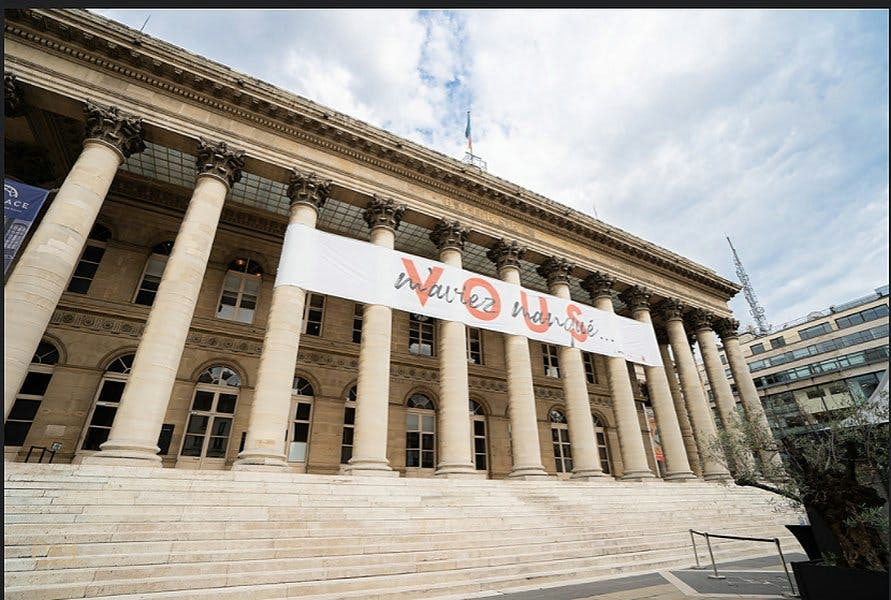
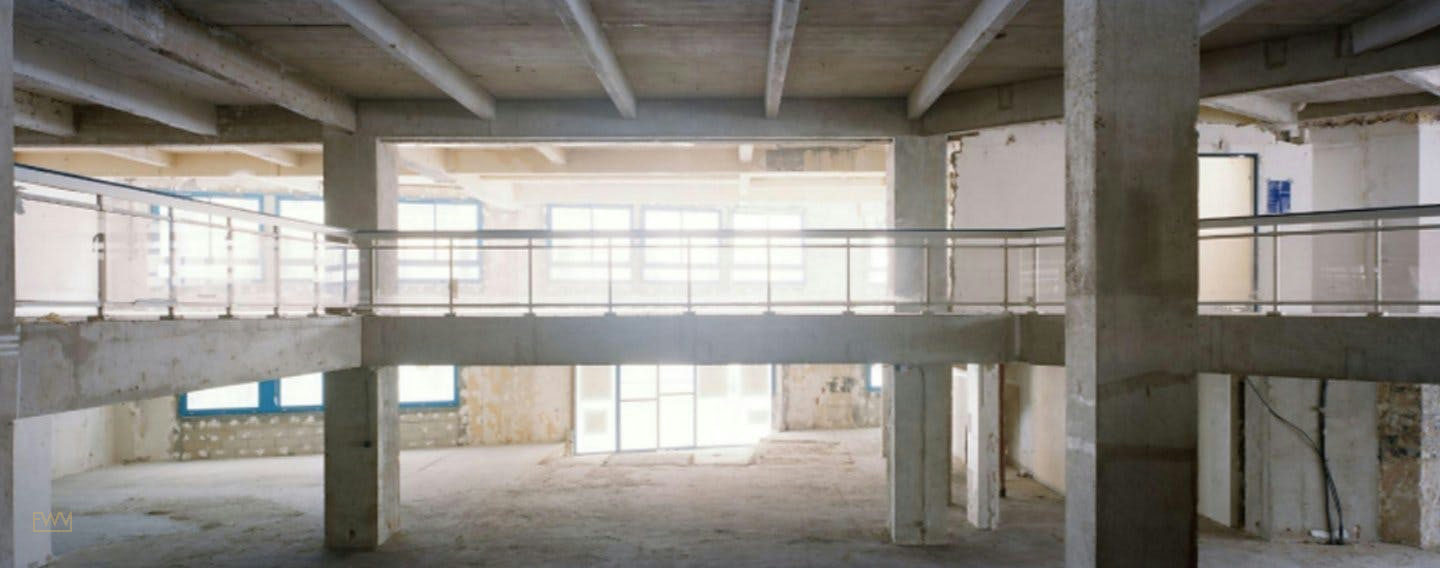
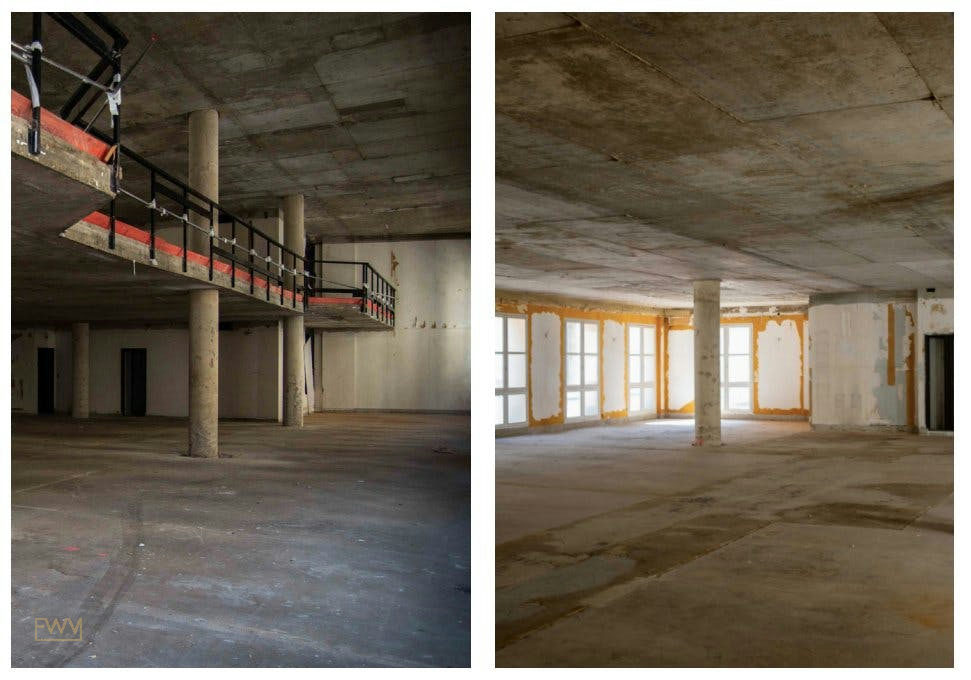
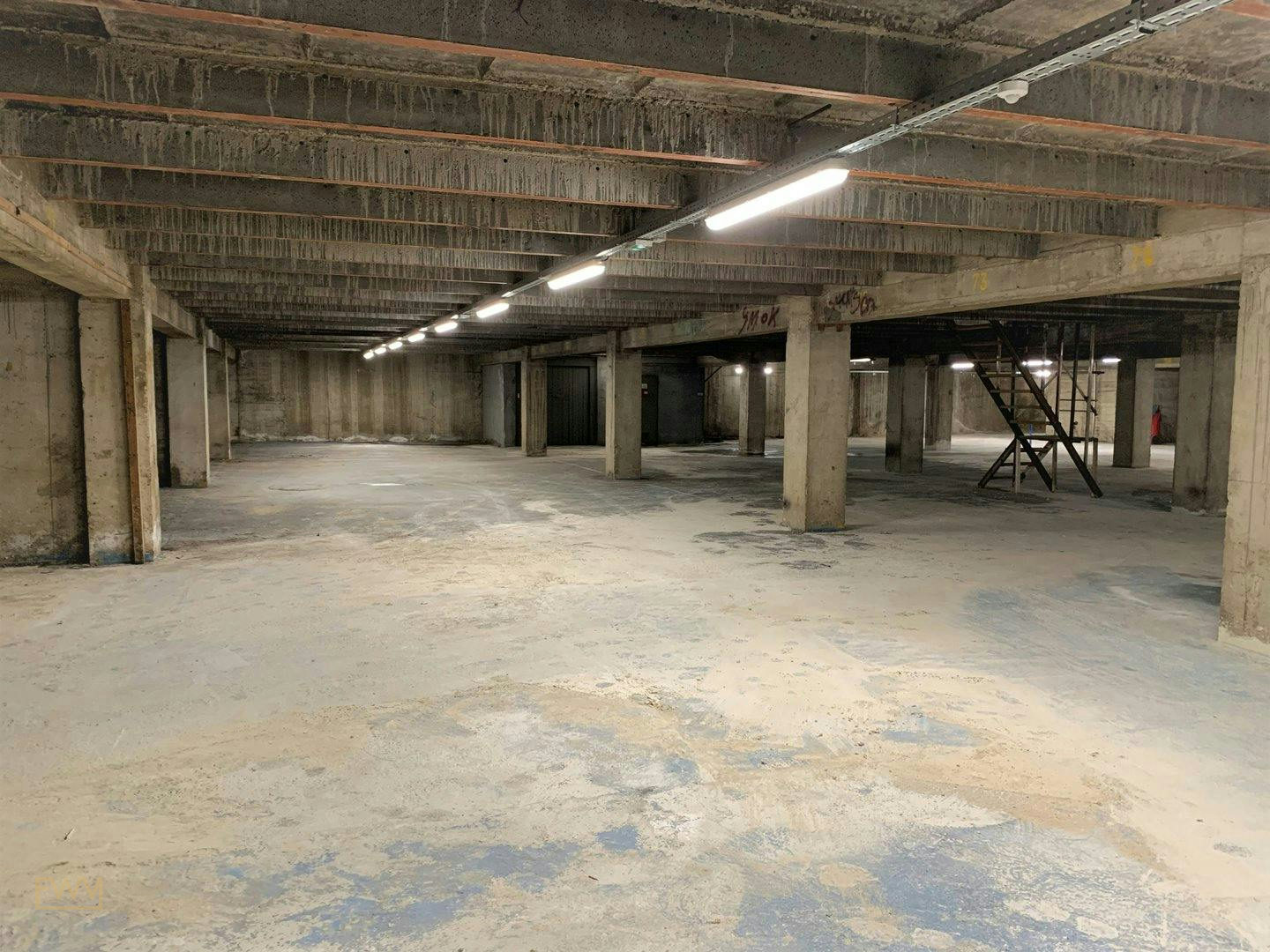
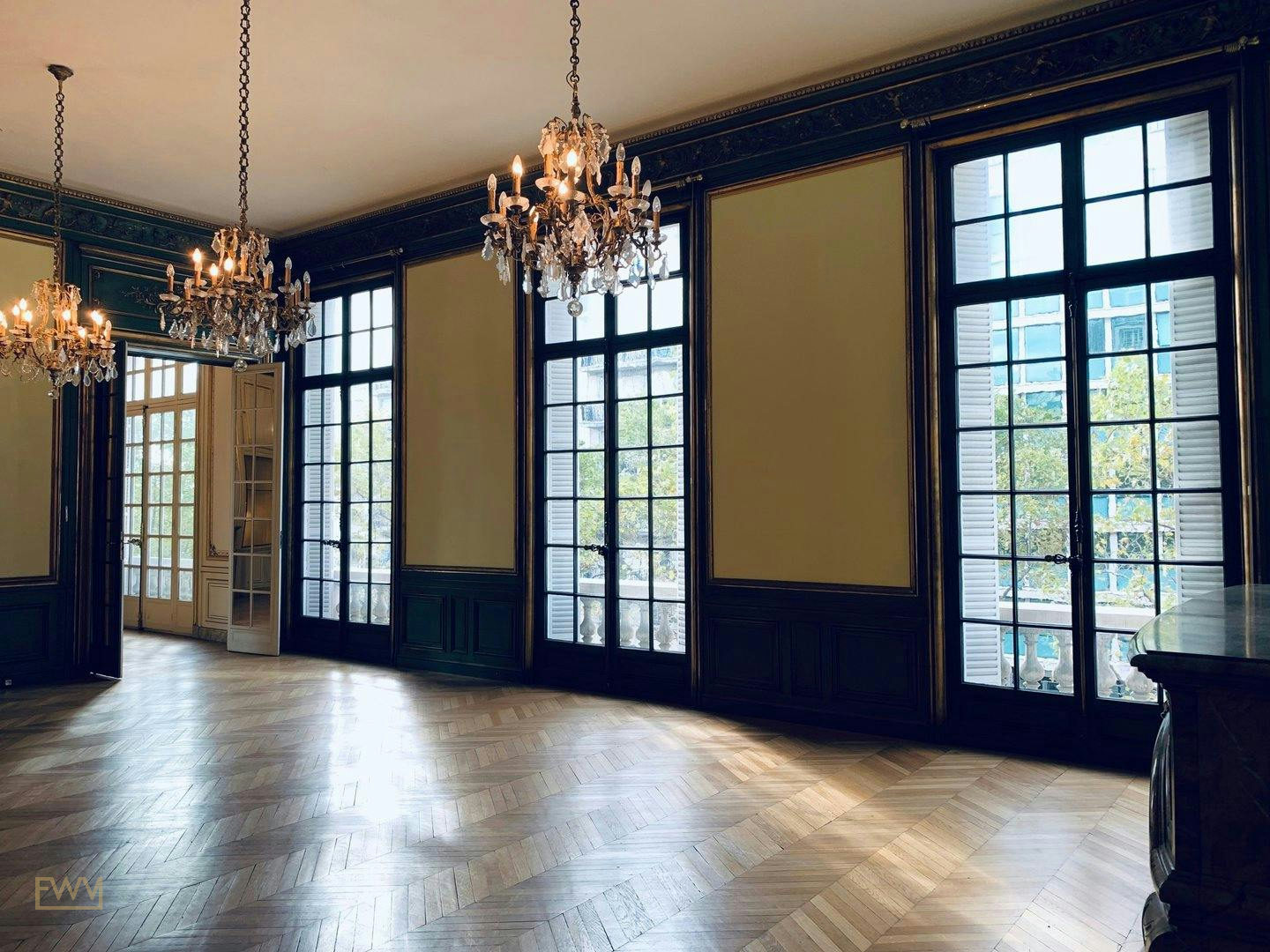
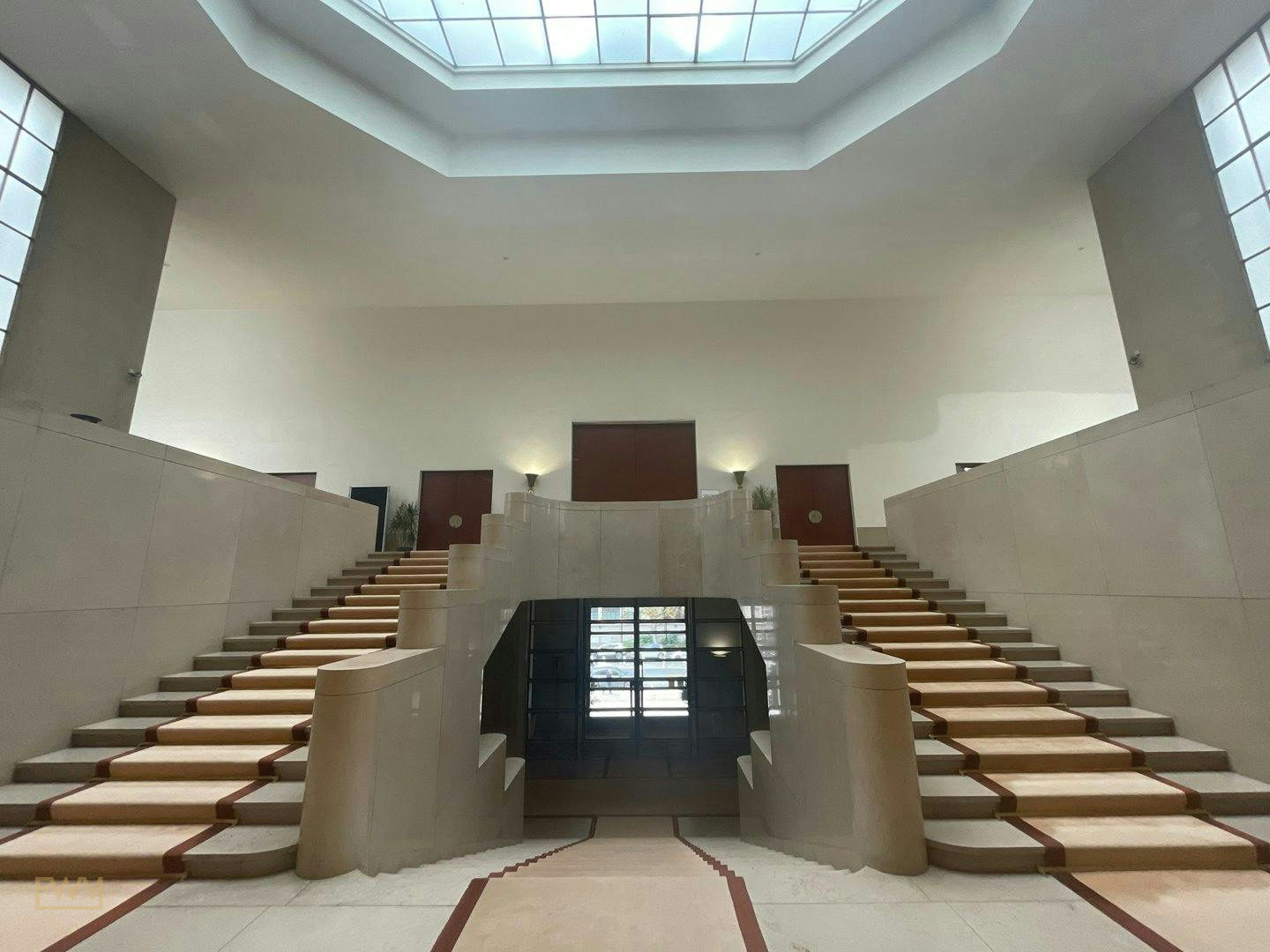
Navigating the dynamic landscape of pop-up spaces and fashion event venues is critical for brands aiming for successful activations, particularly during high-profile periods like Fashion Week. Selecting the right venue not only enhances brand visibility but also aligns with target audience engagement strategies. At Fashion Week Venues, we specialize in offering comprehensive solutions for pop-up spaces, showrooms, and short-term retail activations. This article delves into the intricacies of choosing the ideal venue, considering factors such as location, permits, and logistics. Utilizing our services can transform your brand's presence across prominent fashion capitals like Paris, ensuring seamless integration and enhanced customer interaction.
Understanding the Fashion Week Venue Landscape
The selection of an ideal venue during Fashion Week is foundational to the success of any brand activation strategy. From traditional showroom spaces to innovative pop-up collaborations, each venue type offers unique advantages. Understanding the venue landscape involves assessing the nature of the space, accessibility, audience demographics, and the compatibility of the venue with the brand’s image.
In Paris, Fashion Week is a time when global fashion enthusiasts converge, offering brands an unparalleled opportunity to showcase their creativity and engage with a diverse audience. Spaces such as those in Le Marais or Rue Saint-Honoré offer a historical and cultural backdrop that could enhance brand storytelling. On the other hand, contemporary venues like Gare Saint Lazare or the Palais de Tokyo present modernity and innovation. This diverse range provides options for brands to align location with brand ethos.
Quick answer: Select a venue that resonates with your brand’s identity and target audience to enhance engagement and visibility during Fashion Week.
Beyond the aesthetic and thematic considerations, logistical aspects play a crucial role. Accessibility for delivery and setup, facilities support, and technological readiness need evaluation. Importantly, the venue's potential to handle the visitor flow efficiently during peak times can significantly impact guest experience and brand impression. Each venue presents its set of permit requirements, which can differ based on the arrondissement, necessitating expert consultation.
KEY TAKEAWAY: Consider both thematic alignment and logistical feasibility while choosing a Fashion Week venue to maximize impact and efficiency.
Next, we will explore the critical elements of planning and logistical coordination required to optimize venue selection and usage.
Logistical Coordination and Planning for Events
Planning an event in sync with Fashion Week involves meticulous logistical coordination. The complexity encompasses timing, resource allocation, and vendor management, all orchestrated to achieve flawless execution. Efficient planning ensures that the brand's message is delivered seamlessly while maximizing the interaction potential with the target audience.
A well-structured timeline is crucial for organizing various components such as space setup, installation of branding materials, and staff training sessions. Fashion Week Venues' timeline tool helps streamline these elements, enabling brands to track progress and adjust strategies proactively.
Effective resource allocation involves budgeting both time and finances appropriately. Using a budget estimation tool can offer insights into cost management, ensuring that all financial decisions support strategic brand objectives.
Quick answer: Utilize tools like timeline and budget estimators to align logistical elements effectively with strategic goals.
Managing suppliers and coordinators requires a well-calibrated approach. From AV equipment providers to caterers and marketing collateral suppliers, every vendor contributes to the collective experience that brands aim to create. It's essential to ensure that every logistical piece aligns with the overarching brand narrative to ensure cohesive delivery.
KEY TAKEAWAY: Optimal logistical coordination, using structured tools, ensures seamless event execution aligned with brand strategy.
The following section will explore the critical role of securing permits and ensuring compliance when setting up events in Paris.
Permit Acquisition and Compliance: Navigating Regulations in Paris
Securing the necessary permits and complying with regulatory requirements is imperative when planning events in Paris. The city’s complex administrative landscape necessitates expert navigation to fulfill all legal obligations effectively.
In Paris, obtaining a bail dérogatoire (temporary lease arrangement) or an AOT (temporary occupation authorization) is often required, especially for short-term retail or pop-up events. These permits differ from standard commercial leases and require careful legal navigation. Consulting a French legal advisor is advisable to ensure compliance with all regulations, as these requirements can vary significantly by space type and location within the city. For detailed permit guidance specific to your needs, the permit guidance tool by Fashion Week Venues provides invaluable insights.
Quick answer: Secure appropriate permits like bail dérogatoire or AOT, and verify specifications with a French legal advisor for compliance.
Adhering to Parisian laws also involves understanding the environmental and safety regulations relevant to event setup and execution. These regulations affect waste management, architectural restrictions, and crowd control measures. Non-compliance not only leads to legal repercussions but could also detract from brand reputation.
KEY TAKEAWAY: Navigating permits and compliance requires expertise; utilize structured guidance to manage legalities effectively and ensure smooth event execution.
Proceeding, we will discuss strategies for optimizing space utilization to enhance brand presence in selected venues.
Maximizing Space Utilization for Brand Impact
Maximizing the utilization of chosen venues is essential for amplifying brand presence and ensuring effective audience engagement. Strategic space utilization involves well-thought-out design and fixtures, which aid in creating memorable brand interactions.
Effective layout planning involves utilizing the space creatively to host various brand activities. This could range from product demonstrations to exclusive launch events. The use of an innovative concept direction can elevate the consumer experience, aligning it with brand identity. Fashion Week Venues provides branded store design services that focus on optimizing retail spaces to deliver a unique branded environment.
Quick answer: Design the venue layout strategically to maximize brand storytelling through dynamic interaction points.
The role of sensory elements cannot be understated. Integrating lighting, sound, and visuals enhances ambiance, driving deeper emotional connectivity with the audience. Temporary spaces offer the freedom to experiment with sensory stimuli that would typically be restricted in permanent venues.
Another consideration is merchandising strategy. Thoughtful display arrangements can steer consumer focus towards key products, subtly integrating brand ethos within the retail experience. These elements not only add to the commercial appeal but also enrich the narrative thread of the brand’s journey.
KEY TAKEAWAY: Optimal layout and sensory design transform a venue into a compelling brand environment, enhancing customer engagement.
Next, let's delve into effective marketing strategies enhancing brand visibility during Fashion Week events.
Effective Marketing Strategies for Fashion Week Events
Successful marketing strategies during Fashion Week events hinge on a mix of traditional outreach and modern digital engagement methods. Strategic marketing ensures your brand's narrative reaches its target audience and resonates on a deeper level.
Launching a coordinated influencer campaign can substantially augment visibility. Leveraging influencer marketing services enables brands to tap into existing followings and introduce creative narratives that appeal to the contemporary fashion consumer. Selecting influencers whose personal brand aligns with your aesthetic and values can enhance authenticity and connection.
Quick answer: Incorporate influencer partnerships to expand reach and foster genuine connections with diverse audiences.
Online engagement remains pivotal. A blend of social media strategies, from live updates to engaging content creation and hashtag campaigns, serves to keep the brand top-of-mind. This is complemented by user-generated content, which offers authenticity while extending organic reach.
Additionally, integrating experiential elements like augmented reality (AR) or virtual reality (VR) can offer immersive experiences that elevate brand engagement. These technologies enable consumers to experience the brand in transformative ways, fostering deeper, lasting impressions.
KEY TAKEAWAY: Craft a diverse marketing strategy that leverages influencers, social media, and experiential technologies to enhance reach and depth of brand engagement.
Following marketing insights, let’s explore how to strategically choose your venue location in Paris for maximal impact.
Choosing the Right Venue Location in Paris
The location of your venue significantly determines the success of your brand activation, especially during Fashion Week. Each neighbourhood in Paris offers distinct vibes and customer demographics, influencing your brand’s exposure and consumer resonance.
Le Marais, famed for its cosmopolitan ambiance and historical allure, attracts a fashion-forward crowd. Hosting events here can align your brand with timeless elegance and a chic vibe. Conversely, Opéra offers a blend of luxury and accessibility, with numerous venues around prestigious department stores like Galeries Lafayette, ideal for tapping into local and tourist shopper demographics.
Quick answer: Select neighbourhoods like Le Marais or Opéra based on target audience alignment and brand narrative for optimal engagement.
The choice between a bustling commercial area and a quaint, artistic neighbourhood impacts visibility and the type of interaction clients experience. Themed sections in Saint-Germain-des-Prés or the modernity of La Défense cater to distinct branding adventures—from intimate personal interactions to grand, corporate impression-making.
| Neighbourhood | Characteristics | Ideal For |
|---|---|---|
| Le Marais | Historic, stylish, vibrant | Fashion-forward brands targeting an eclectic audience |
| Opéra | Luxury, retail-focused, accessible | Brands seeking high foot traffic and luxury appeal |
| La Défense | Modern, corporate, spacious | Large brands needing expansive setups |
KEY TAKEAWAY: Match your brand and event objectives with the right Paris neighbourhood to enhance visibility and consumer interaction.
With location insights comprehended, let's examine how to evaluate and compare venues for the perfect fit.
Evaluating and Comparing Venues
Choosing the perfect venue involves thorough evaluation and comparison to ensure it aligns with your brand’s needs and activation goals. Factors such as location, size, amenities, and costs are crucial in this assessment.
A venue's location is pivotal: accessibility by public transport and proximity to key events influence both foot traffic and logistical ease. The size of the venue must accommodate expected attendee numbers while allowing for experiential elements that enhance consumer interaction.
The space comparison tool by Fashion Week Venues can assist in evaluating various venue aspects, providing a detailed comparison matrix to support decision-making.
| Criteria | Venue A | Venue B | Conclusion |
|---|---|---|---|
| Location | Central, easy transport | Peripheral, limited access | Venue A preferred for centrally-focused brands |
| Size | 2,000 sq ft | 3,500 sq ft | Venue B suits larger audiences |
| Cost | Moderate | High | Venue A if budget-constrained |
Quick answer: Compare venue aspects like location, size, and cost using structured tools to identify the best fit for your brand goals.
While cost is an obvious consideration, value-added services such as on-site support, logistics handling, and tech availability often justify higher expenses. Accommodating layouts and granting flexibility in design approaches contribute to a venue’s appeal.
KEY TAKEAWAY: Utilize comprehensive evaluation frameworks to select venues that meet both logistical and strategic brand objectives.
Next, discover how Fashion Week Venues facilitates venue sourcing and activation strategies.
How Fashion Week Venues Facilitates Successful Activations
Fashion Week Venues is an industry leader in providing bespoke venue and activation solutions perfectly aligned with brand needs. Our extensive venue sourcing capabilities are complemented by a full suite of services ranging from concept and creative direction to comprehensive activation management.
Our marketplace features a curated selection of venues in Paris and other global fashion capitals. We simplify the complex process of venue selection by offering advanced tools such as the space location and budget calculation tools, which cater to diverse brand activation needs.
Quick answer: Leverage Fashion Week Venues’ extensive services and tools to efficiently source venues and manage activations, enhancing brand visibility and interaction.
Brand teams, including creative directors and brand managers, benefit from our strategic insights into venue potential and marketplace dynamics. By offering solutions like the permits guidance tool and engaging with seasoned professionals, brands can navigate the intricacies of French leasing and legal compliance with confidence.
Fashion Week Venues is committed to aligning brand philosophy with strategic logistics and innovative design, ensuring each activation resonates with intended audiences and achieves campaign objectives.
KEY TAKEAWAY: Our comprehensive services enable brands to seamlessly connect creative vision with logistical execution, enhancing activation impact.
To compare neighbourhoods and space types, explore the Paris city hub on Fashion Week Venues and shortlist spaces that match your brief, budget, and calendar window.
Common Myths Debunked
MYTH: You need a French legal entity to rent a space in Paris.
FACT: While engaging with French real estate can be complex, having a French legal entity is not a prerequisite. Partnering with platforms like Fashion Week Venues simplifies navigating legal requirements without needing direct establishment in France.
MYTH: Paris Fashion Week is the only viable calendar window for brand activations.
FACT: Though Paris Fashion Week is iconic, thriving fashion and retail events exist year-round in Paris, offering diverse opportunities for brand activations. Planning should consider broader fashion calendars for maximum impact.
MYTH: Using commission brokers is the only way to find a venue.
FACT: Platforms like Fashion Week Venues provide direct access to curated spaces, bypassing the need for traditional brokerage and reducing associated costs and timelines.
MYTH: Short-term leases are legally straightforward and don't require specialist help.
FACT: Leases, even short-term ones, involve specific legal nuances, including bail dérogatoire specifics. Expert guidance ensures compliance and avoids potential complications.
Frequently Asked Questions
What types of spaces can I rent during Fashion Week?
During Fashion Week, you can choose from a variety of spaces including showrooms, pop-up shops, and event venues. Each type offers different benefits; showrooms are perfect for intimate, high-impact experiences, while pop-ups are ideal for wide audience reach and engagement. Evaluate based on your brand goals to select the appropriate space.
How early should I book a venue for Fashion Week?
It's recommended to start your venue search at least six to twelve months prior to Fashion Week. Early booking helps secure prime spaces in popular neighbourhoods and allows ample time for planning, permits, and customizations.
What are the key considerations for choosing a Fashion Week venue?
Key considerations include location, audience alignment, logistical facilities, and brand suitability. Ensure the space supports your intended experience and is accessible to your target demographics. Check compatibility with regional regulatory requirements as well.
How can I enhance my pop-up's success during Fashion Week?
Enhance success by integrating engaging visuals, interactive experiences, and aligning product showcases with trending discussions. Collaborate with influencers and optimize social media outreach to extend your reach. Consider innovative technologies to create memorable brand impressions.
What permit types are needed for pop-up shops in Paris?
Common permits include the bail dérogatoire for temporary leases and possibly an AOT for public space usage. Ensure you understand specific requirements of the arrondissement and space type. Consulting a legal expert can streamline this process.
What benefits do pop-up shops offer during Fashion Week?
Pop-up shops offer increased brand visibility, consumer engagement, and the ability to test new markets or products with minimal commitment. They create buzz and allow brands to tap into engaged fashion audiences attending Fashion Week.
How does Fashion Week Venues assist with brand activations?
Fashion Week Venues provides end-to-end services, from venue sourcing to concept direction and activation management. We offer specialized tools for budgeting, compliance, and logistics to ensure efficient and impactful executions.
How can I ensure my event aligns with my brand's image?
Align your event by choosing a venue and design that reflects your brand ethos. Use strategic branding materials, layout, and design elements to maintain consistency. Leverage Fashion Week Venues’ concept direction services for expert guidance.
Can I host a pop-up shop outside of Fashion Week?
Yes, Paris offers numerous opportunities for hosting pop-up shops throughout the year. Consider other key fashion and retail events that may align better with your product launches and audience strategies for effective engagement.
What logistic challenges might I face during Fashion Week?
Expect challenges in logistics such as increased competition for vendor services, tighter delivery schedules, and intense foot traffic management. Efficient planning using tools such as scheduling software can mitigate these risks.
Conclusion
Choosing and utilizing fashion week venues effectively involves careful planning, strategic branding, and compliance with local regulations. With the comprehensive support of Fashion Week Venues, your brand can successfully navigate the intricate landscape of venue selection and activation strategy. By leveraging our marketplace and services, you can ensure that your brand stands out and engages meaningfully with its audience. To move from research to activation, start exploring available spaces on the Fashion Week Venues marketplace and build a focused brief for your target neighbourhood, space type, and calendar window.