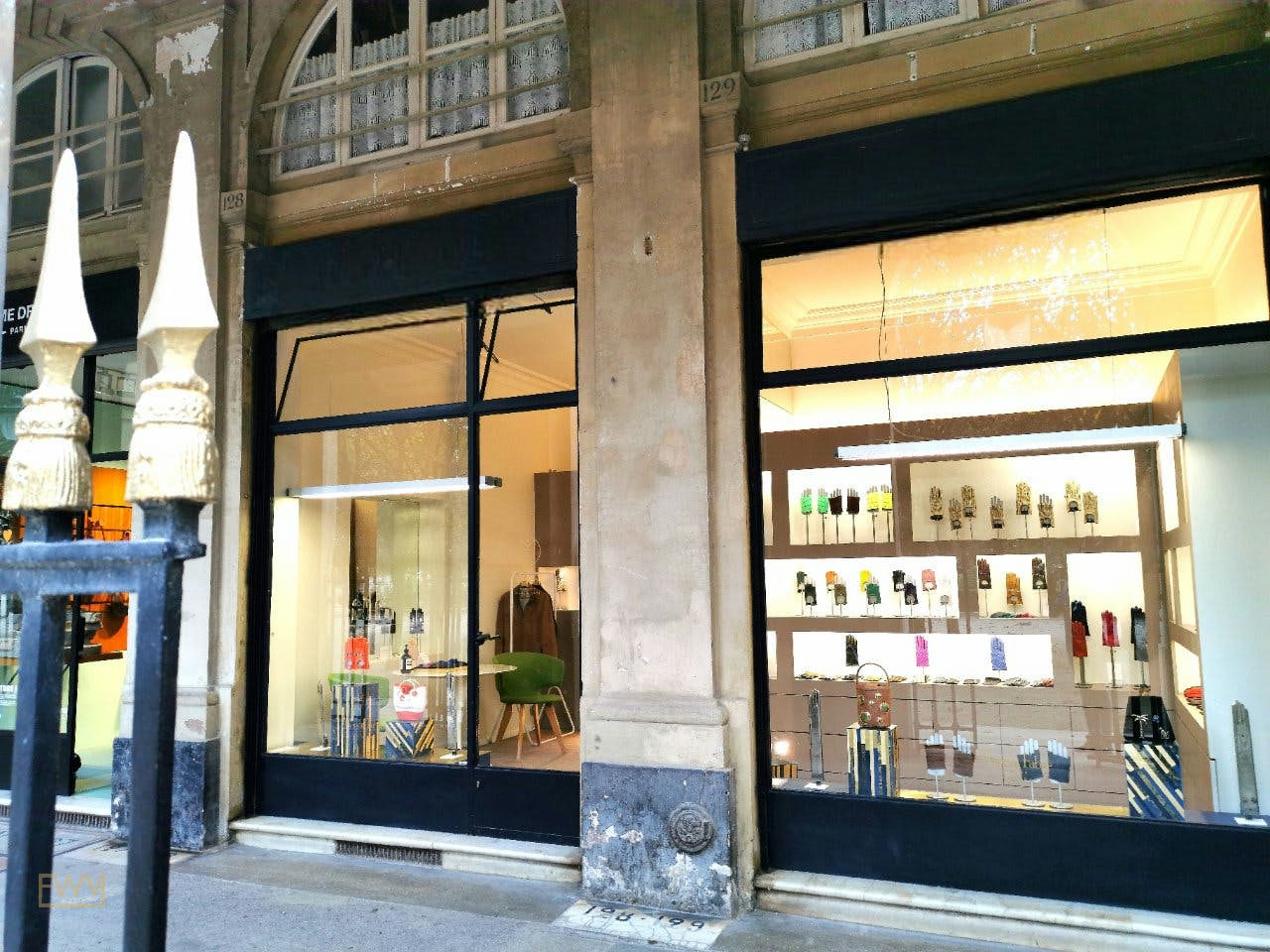
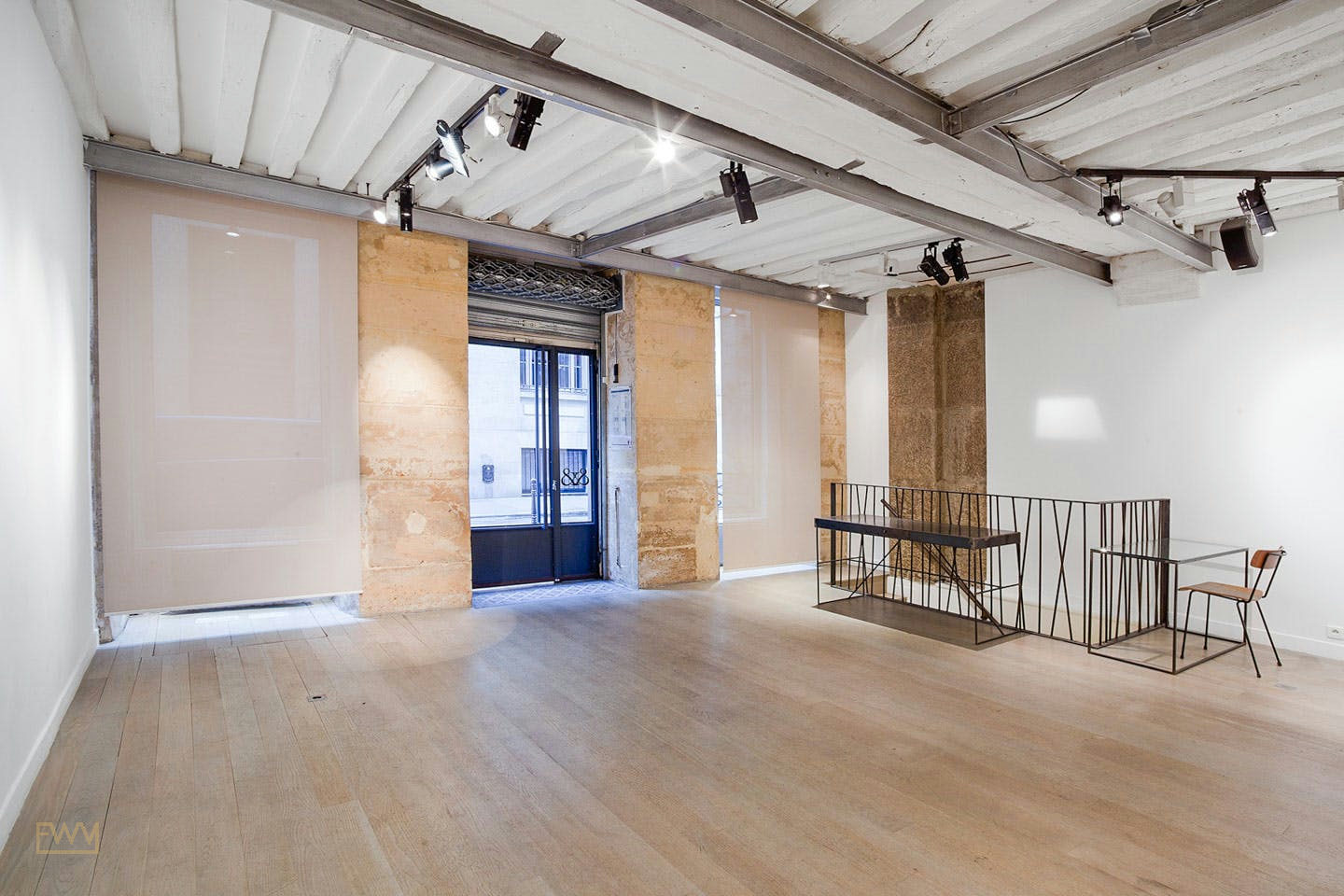
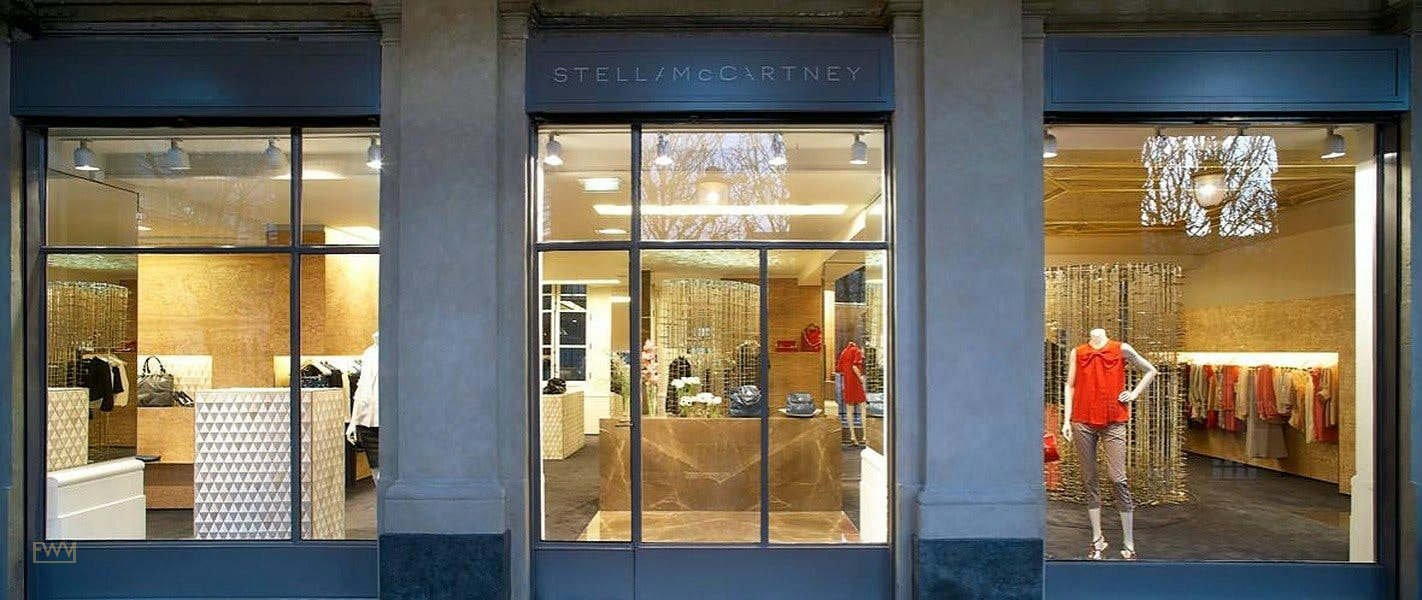
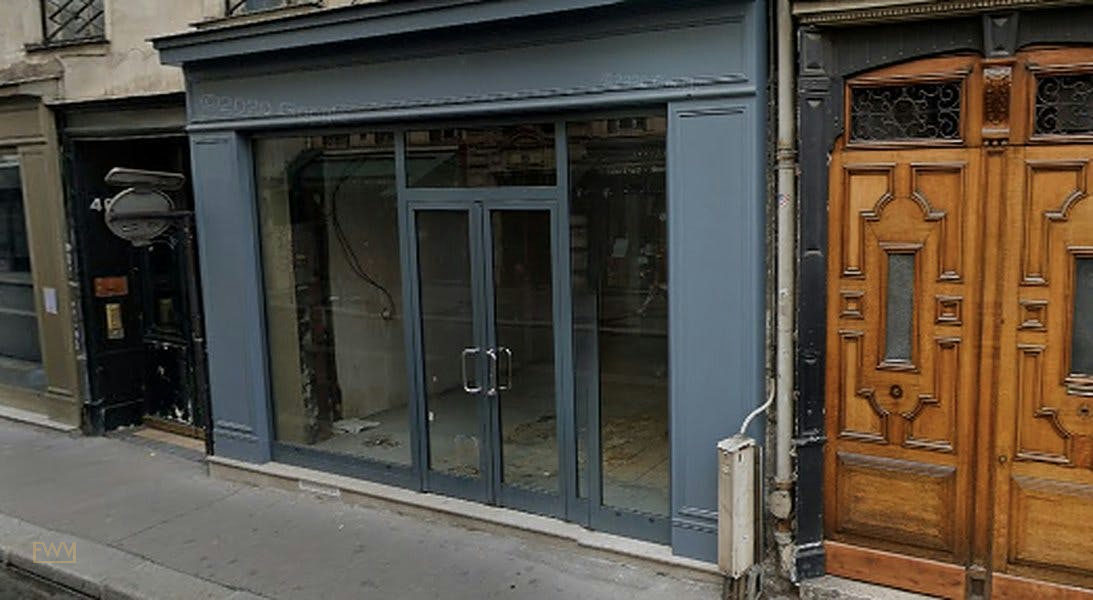
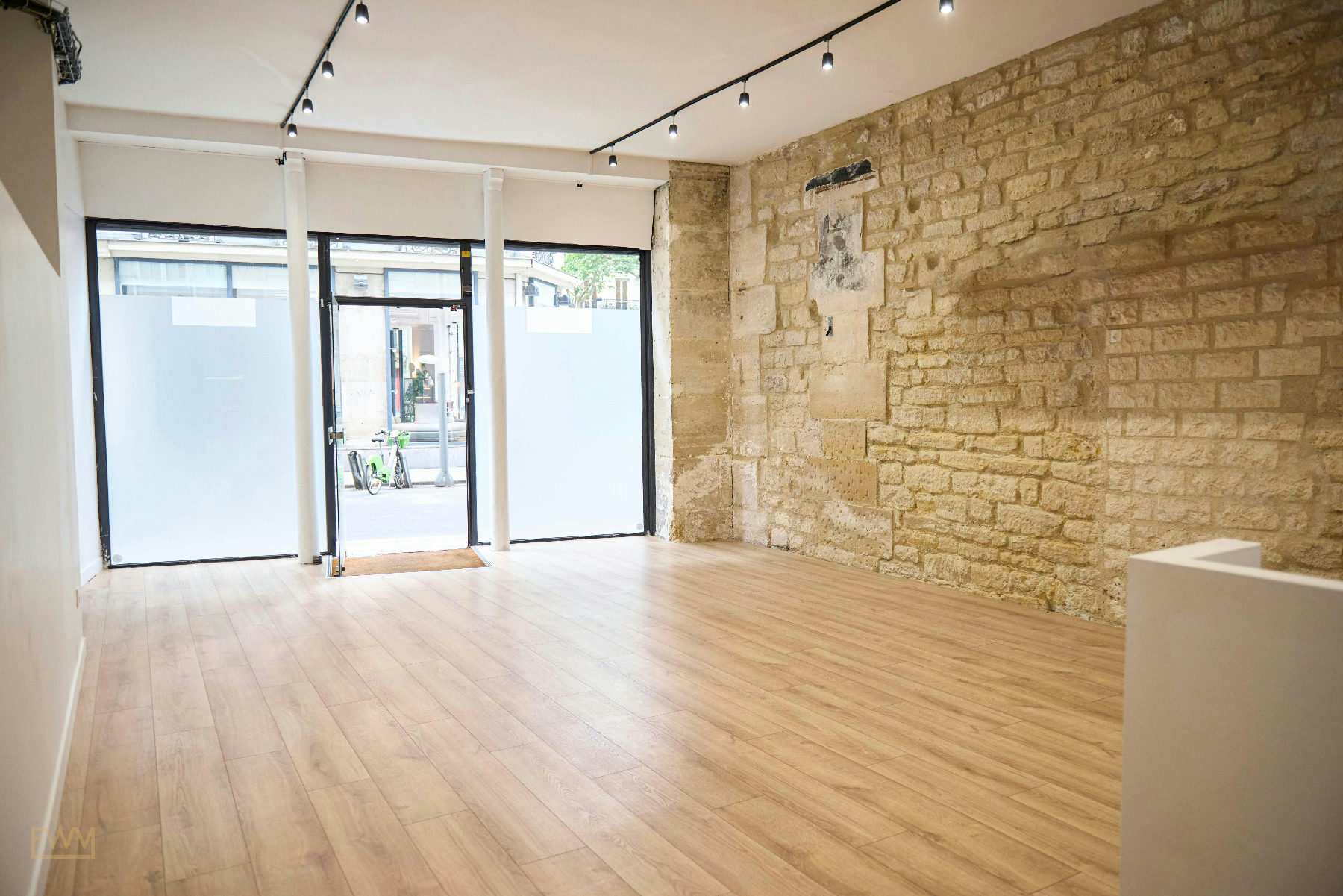
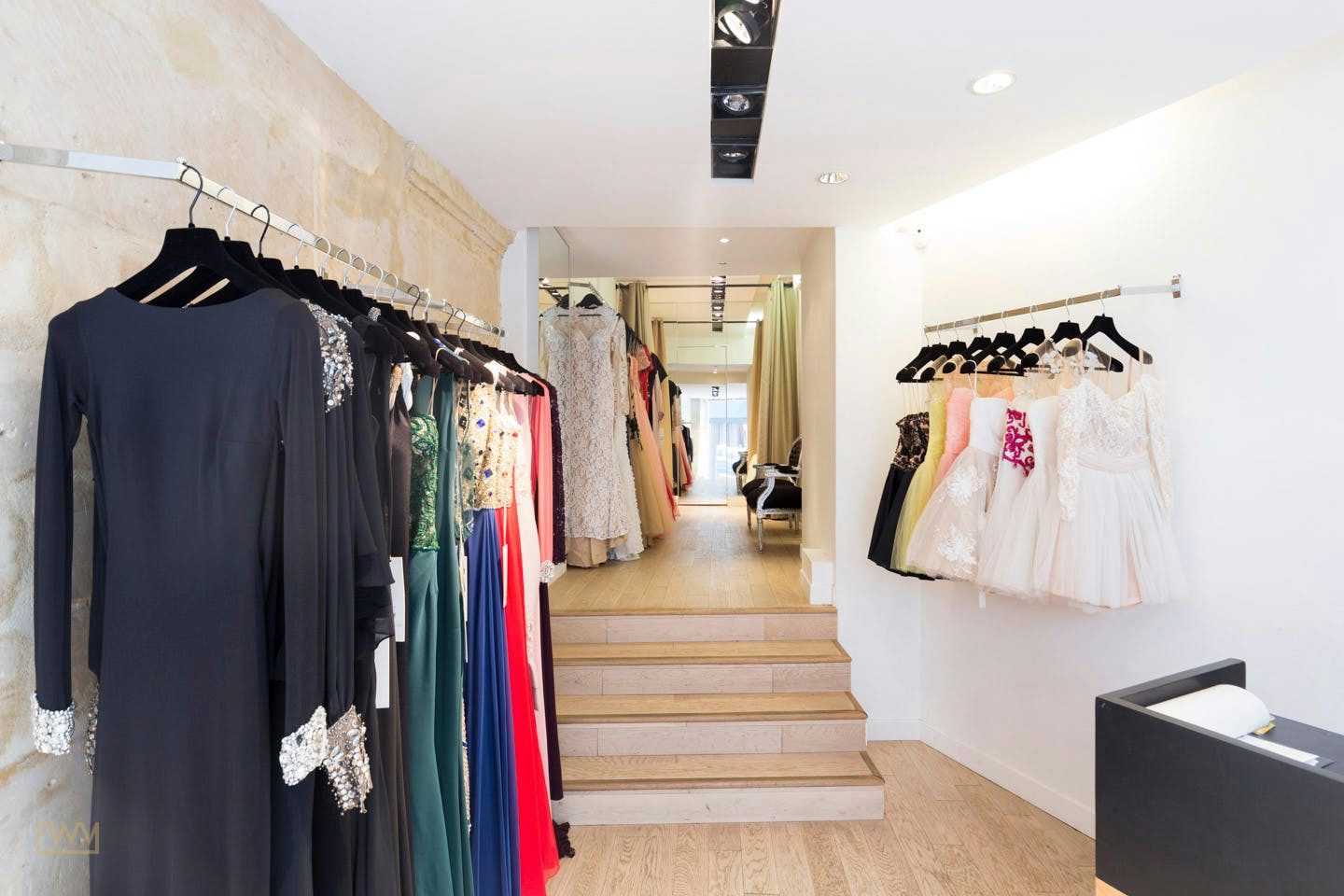
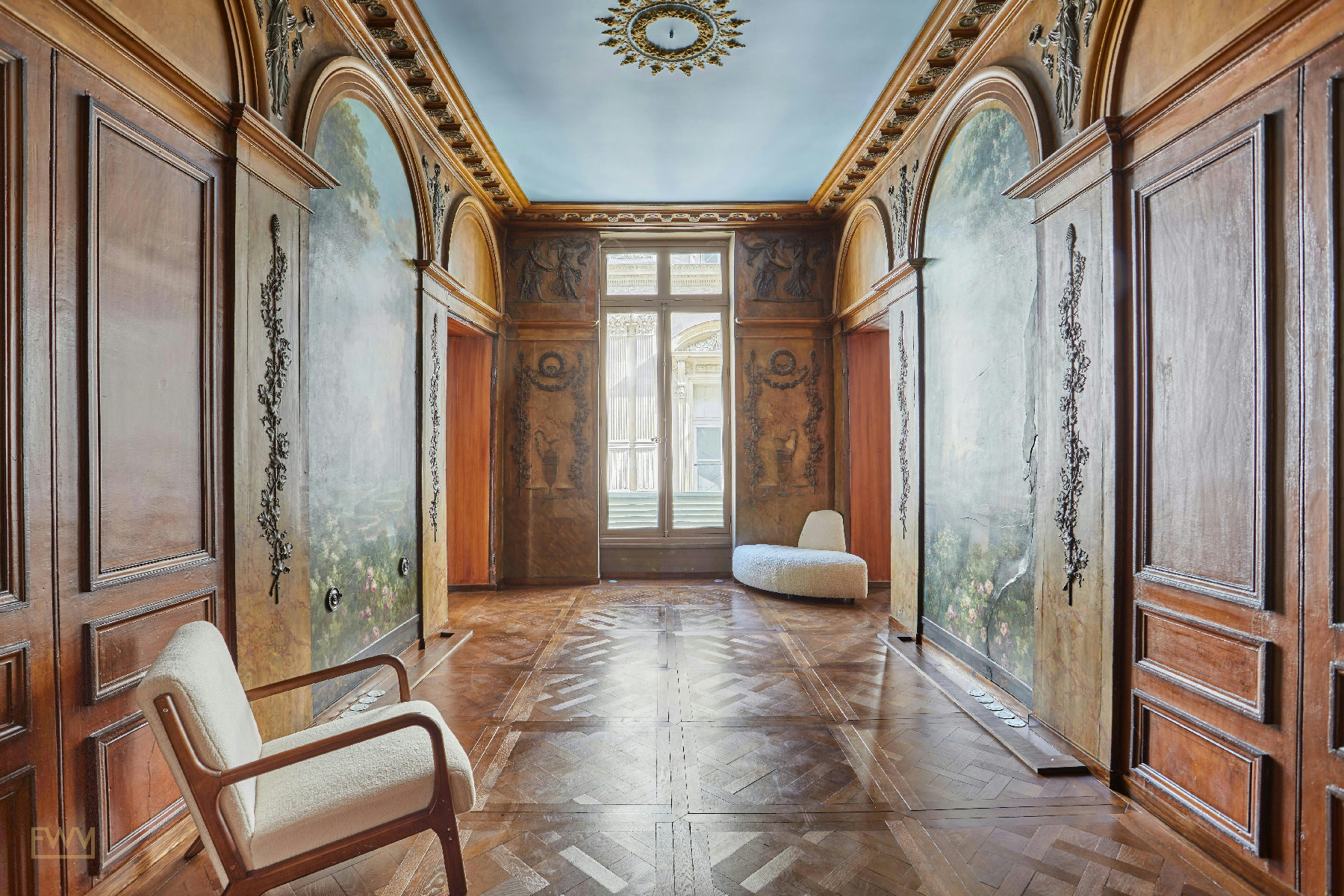
Boutique rental in the 1st arrondissement Paris places your brand at the geographic and cultural epicentre of the French capital, where Place Vendôme, the Palais-Royal, Rue Saint-Honoré, and the Louvre converge in a single neighbourhood that attracts the highest concentration of luxury consumers, international press, and fashion-week visitors in Europe. Whether you are planning a pop-up store, a fashion showroom, a product launch, or a short-term retail activation, the 1er arrondissement offers a density of footfall, prestige, and editorial credibility that no other Paris district can replicate. Fashion Week Venues supports brands sourcing pop-up spaces in Paris across the full activation lifecycle, from space discovery through to staffing and brand analytics.
What Is the 1st Arrondissement of Paris and Why Does It Matter for Retail?
The 1st arrondissement, known locally as Paris 1 or the 1er, is the oldest and most centrally positioned district in the city. It sits on the right bank of the Seine River, bordered by the 2nd and 3rd arrondissements to the north and east, the Seine to the south, and the 8th arrondissement near Place de la Concorde to the west. Despite being the smallest arrondissement by resident population, it holds an extraordinary concentration of globally recognised landmarks, luxury addresses, and commercial real estate with unmatched visibility.
For retail and fashion purposes, the 1er arrondissement is defined by a handful of iconic axes: Rue Saint-Honoré and its extension toward the 8th, Rue de Rivoli running along the northern edge of the Jardin des Tuileries, the colonnaded arcades of the Palais-Royal, and the labyrinthine streets connecting Les Halles to the Forum des Halles shopping centre. The neighbourhood also includes the Île de la Cité, home to Notre Dame Cathedral and Sainte-Chapelle, accessible from the southern edge of the arrondissement across the Seine.
The Louvre Museum, the Musée des Arts Décoratifs, the Musée de la Mode et du Textile, and the Galerie Nationale du Jeu de Paume all sit within the 1er or on its immediate borders, creating a consistent flow of culturally engaged visitors throughout the year. La Samaritaine, the historic department store relaunched by LVMH in 2021, anchors the southern retail corridor near Pont-Neuf, while the Cheval Blanc Paris hotel has repositioned the neighbourhood as a destination for ultra-luxury hospitality and brand experiences. Hotels including Le Meurice on Rue de Rivoli and the legendary Hemingway Bar at the Ritz Place Vendôme reinforce the 1er as a district where luxury hospitality and retail intersect at the highest level.
For international brands, this density of cultural institutions, luxury hotels, flagship stores, and fashion heritage creates a halo effect that is difficult to replicate through media spend alone. Renting a boutique or showroom in the 1er arrondissement immediately associates your brand with Parisian prestige in a way that is both visual and contextual.
Quick answer: The 1st arrondissement of Paris is the city's historic and commercial centre, home to Place Vendôme, Rue Saint-Honoré, the Palais-Royal, the Louvre, and Les Halles. It is the highest-prestige retail location in Paris for fashion brands, pop-up stores, showrooms, and luxury activations, combining exceptional foot traffic with cultural and editorial credibility.
DID YOU KNOW: The Musée de la Mode et du Textile, located within the Palais du Louvre complex on Rue de Rivoli, houses one of the most comprehensive fashion archives in the world, attracting designers, researchers, and fashion press from every major market.
KEY TAKEAWAY: The 1er arrondissement is not simply a prestigious address. It is a functioning retail ecosystem where landmark institutions, luxury hotels, heritage boutiques, and fashion-week infrastructure combine to deliver consistent high-quality footfall for brands operating short-term commercial spaces.
Understanding the physical geography of the 1er is only the starting point. The next step is identifying which specific streets, arcades, and micro-zones within the arrondissement best serve your brand's format, target audience, and activation objectives.
The Key Streets, Arcades, and Micro-Zones for Boutique Rental in Paris 1
The 1st arrondissement contains several distinct commercial corridors, each with its own character, footfall profile, and price positioning. Choosing the right street or micro-zone for your boutique rental directly affects the quality of visitors, the editorial context you create, and the daily foot traffic your activation receives.
Rue Saint-Honoré and Place du Marché Saint-Honoré
Rue Saint-Honoré is one of the most commercially active streets in the arrondissement, running from Châtelet in the east through to the luxury shopping corridor that extends into the 8th arrondissement as Rue du Faubourg Saint-Honoré. This street is positioned below the prestige ceiling of Rue de la Paix and Place Vendôme but above the mass-market retail of Les Halles, making it a strong location for contemporary luxury brands, premium lifestyle labels, and fashion-week showrooms. Place du Marché Saint-Honoré, a small square off the main street, offers boutique-scale spaces with strong neighbourhood dwell time and proximity to both office workers and fashion-week attendees. Impasse Gomboust, a short passage connecting to this area, occasionally hosts gallery and showroom activations during fashion week.
Palais-Royal and the Galerie de Montpensier Arcades
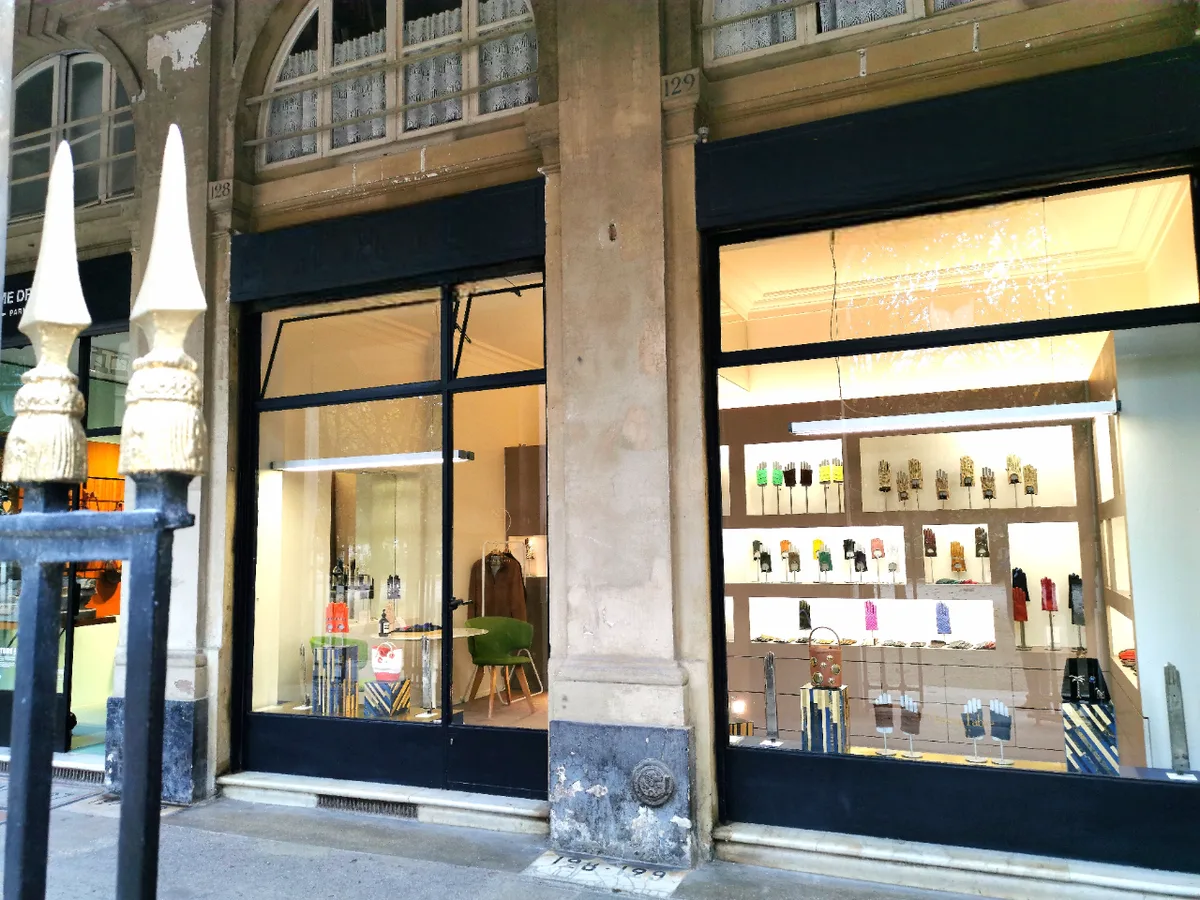
The Palais-Royal is one of the most distinctive retail environments in Paris. The colonnaded arcades of the Galerie de Montpensier and the surrounding galleries host a curated mix of independent fashion boutiques, antique dealers, art galleries, and concept stores. The courtyard with its famous Buren columns is a landmark destination for Paris visitors, fashion photographers, and editorial teams. Boutique rental in this micro-zone delivers a uniquely Parisian aesthetic, strong dwell time, and proximity to the major luxury axis of Place Vendôme, which sits immediately to the west. Space sizes in the Palais-Royal arcades tend to be compact, making them particularly well-suited for single-brand showrooms, capsule collections, and intimate product launches rather than large retail formats.
Place Vendôme and the Surrounding Streets
Place Vendôme is the global reference point for ultra-luxury jewellery and accessories retail, home to Chaumet, Van Cleef and Arpels, Cartier, and major international hoteliers including the Ritz. While street-level boutique rental directly on Place Vendôme is among the most expensive and competitive in the world, the streets radiating from the square, including Rue de la Paix to the north and Rue Castiglione to the south, offer more accessible options for brands seeking proximity to this address. During Paris Fashion Week, the Place Vendôme micro-zone concentrates buyers, press, and senior brand executives from every major fashion market, making it one of the most strategically valuable locations for showroom activations.
Rue de Rivoli and the Tuileries Garden Axis
Rue de Rivoli runs along the northern flank of the Jardin des Tuileries, connecting Place de la Concorde in the west to the Châtelet area in the east. The street combines high tourist footfall, driven by the Louvre Museum and Tuileries Garden, with a mixed commercial offer ranging from souvenir retail to museum boutiques and mid-market fashion. For brands seeking large-format, high-visibility retail with significant tourist traffic, Rue de Rivoli provides options at more accessible rental rates than the Palais-Royal or Saint-Honoré corridors. The Musée de l'Orangerie, which houses Monet's Water Lilies, and the Galerie Nationale du Jeu de Paume are both located at the western end of the Tuileries near Place de la Concorde, reinforcing the arts and culture footfall on this axis throughout the year.
Les Halles, Forum des Halles, and the Châtelet Zone
The Les Halles area represents the highest raw footfall zone in the arrondissement, driven by the Châtelet-les-Halles transport interchange, which is one of the busiest metro and RER hubs in Europe. The Forum des Halles shopping centre and the surrounding streets, including Rue Coquillière, serve a more diverse demographic than the Saint-Honoré or Palais-Royal corridors. For brands targeting volume traffic, streetwear audiences, or broader consumer demographics during fashion week, Les Halles offers commercial spaces at more competitive rates. The Church of Saint-Eustache, the Church of Saint-Germain l'Auxerrois, and the proximity to the Pompidou Centre on the border with the Marais add cultural context to this otherwise commercial zone.
Île de la Cité and Place Dauphine
The Île de la Cité is primarily a heritage and tourism destination rather than a commercial retail zone, but Place Dauphine on the western tip of the island occasionally hosts pop-up events and outdoor activations. Notre Dame Cathedral and Sainte-Chapelle generate enormous tourist volumes on the island, and brands organising events tied to cultural heritage or Parisian history sometimes use adjacent spaces on the mainland to capture this audience.
Quick answer: The best streets for boutique rental in the 1st arrondissement Paris depend on your brand positioning. Palais-Royal and Place Vendôme suit luxury and ultra-luxury brands. Rue Saint-Honoré works well for contemporary fashion. Les Halles serves high-volume and streetwear activations. Rue de Rivoli offers visibility for tourist-facing retail and museum-adjacent brands.
| Micro-Zone | Best For | Footfall Profile | Typical Space Types |
|---|---|---|---|
| Place Vendôme | Ultra-luxury, jewellery, accessories | High-net-worth, press, buyers | Small boutiques, private showrooms |
| Palais-Royal Arcades | Independent luxury, concept stores, art galleries | Culturally engaged, fashion-week visitors | Arcade units, gallery spaces |
| Rue Saint-Honoré | Contemporary luxury, fashion brands | Fashion-week professionals, affluent shoppers | Boutiques, showrooms, storefronts |
| Rue de Rivoli | Mid-luxury, museum-adjacent brands | Tourists, cultural visitors | Retail units, gallery-adjacent spaces |
| Les Halles Zone | Streetwear, volume retail, accessible brands | Mixed, very high volume | Storefronts, commercial units |
| Île de la Cité / Place Dauphine | Heritage activations, outdoor events | Tourists, local residents | Outdoor event spaces, boutique-scale units |
KEY TAKEAWAY: Every micro-zone within the 1er arrondissement has a distinct commercial personality. Matching your brand positioning, target visitor profile, and activation format to the correct micro-zone is as important as choosing the arrondissement itself.
Once you have identified the right micro-zone, the next critical decision is understanding the space types available for short-term retail and showroom rental and which format best serves your brand objectives.
Types of Short-Term Boutique and Showroom Spaces Available in the 1st Arrondissement
Short-term rental in Paris 1 covers a wide spectrum of space types, from intimate gallery-style units in the Palais-Royal arcades to full-floor showrooms above the Saint-Honoré retail corridor and apartment-style spaces suited to private presentations and trade events. Understanding these formats before beginning your search ensures that you brief agents and marketplaces accurately and avoid wasting time on spaces that cannot legally or practically accommodate your activation.
Boutique Storefronts
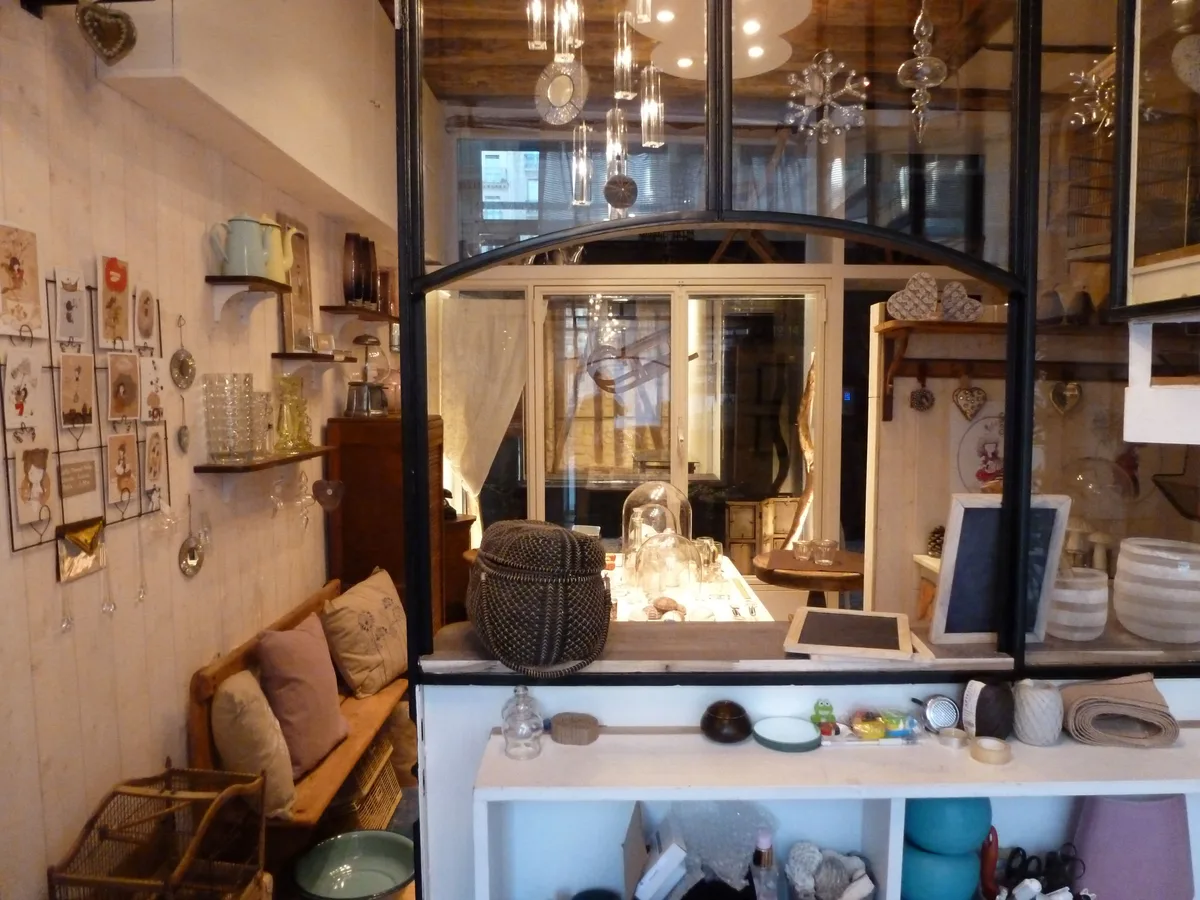
Traditional ground-floor boutique storefronts with shopfront windows are the most commercially visible format for consumer-facing activations. In the 1er, these range from compact single-room units in the Palais-Royal arcades through to larger double-fronted retail units on Rue Saint-Honoré. Ground-floor visibility is particularly valuable during Paris Fashion Week, when buyer and press footfall on key streets is at its annual peak. Space features to confirm before signing any short-term lease include natural light, window display depth, rear storage or stock room provision, ceiling height, and existing fitting-room infrastructure if you are running a try-on or styling format.
Fashion Showrooms
A fashion showroom in the 1er arrondissement is typically a first or second-floor space with controlled access, suited to appointments with buyers, press, and retail partners during market weeks. Showrooms in this district benefit from proximity to the luxury hotel cluster around Place Vendôme and the Ritz, where many buyers and editors stay during fashion week. Key features for showroom rental include floor access, lift availability, meeting room or seating provision, natural light for accurate garment presentation, and broadband internet connectivity. Monthly stays or multi-week bookings are common for showroom formats, particularly brands presenting multiple collections or running back-to-back appointment schedules during the women's, men's, and haute couture calendars.
Gallery and Exhibition Spaces
Art gallery spaces and white-box venues are well suited to brands blending retail with editorial or cultural content. The Palais-Royal arcades and the streets adjacent to the Louvre and Musée des Arts Décoratifs contain several gallery-format spaces that open for short-term commercial hire. These spaces typically feature polished concrete or parquet floors, high ceilings, and neutral walls, making them well suited to product launches, limited-edition capsule presentations, and influencer events. Brands activating adjacent to cultural institutions such as the Louvre Museum or the Musée de la Mode et du Textile can benefit from the editorial association those landmarks provide, even without formal partnerships.
Apartment and Private Space Rentals
Furnished apartment rentals in Paris 1 are increasingly used for private trade presentations, VIP client events, and intimate brand experiences that require a domestic or lifestyle setting. A fully-equipped, furnished home with wifi, quality furnishings, and a residential address conveys a sense of Parisian intimacy that clinical showroom environments cannot replicate. Move-in-ready apartments in the 1er arrondissement range from small one-bedroom units near Les Halles to larger, higher-specification apartments near Place Vendôme and the Tuileries. Building amenities such as lift access, concierge services, and security solutions are important considerations when using a residential space for commercial brand purposes, and brands should confirm permitted use with the property owner and, where relevant, the building management before committing.
Pop-Up Stores and Temporary Retail Units
Pop-up store formats in the 1er arrondissement are temporary retail installations, typically operating for between one week and three months, configured for direct consumer sales, brand discovery, and product launches. Pop-up stores in Paris require specific short-term lease structures, typically a bail dérogatoire or a convention d'occupation temporaire, rather than a standard commercial bail. The distinction matters legally and commercially. A pop-up store in the 1er benefits from the arrondissement's extraordinary visitor volumes during fashion week, the summer tourism season, and the Christmas period, which are three of the highest-traffic windows in the Parisian retail calendar.
Quick answer: The main space types available for short-term rental in the 1st arrondissement Paris include boutique storefronts, fashion showrooms, gallery and white-box spaces, furnished apartment rentals, and full pop-up store formats. Each format has distinct legal, operational, and design requirements that should be confirmed before signing any rental agreement.
| Space Type | Ideal Activation | Typical Duration | Key Features to Confirm |
|---|---|---|---|
| Boutique Storefront | Consumer retail, product launch | 1 week to 3 months | Window display depth, storage, ceiling height |
| Fashion Showroom | Trade appointments, press presentations | 1 to 4 weeks | Floor access, lift, natural light, internet |
| Gallery / White-Box | Brand experience, editorial events | 3 days to 6 weeks | Neutral walls, ceiling height, floor finish |
| Furnished Apartment | VIP events, private presentations | Weekly to monthly stays | Furnishings, wifi, permitted commercial use |
| Pop-Up Store | Consumer sales, discovery, influencer | 1 week to 3 months | Lease type, permit status, fit-out allowance |
KEY TAKEAWAY: Matching your space type to your activation format, legal requirements, and target visitor profile before beginning your search saves significant time and avoids costly mismatches between what a space can legally accommodate and what your brand activation needs.
Selecting the right space type is closely connected to understanding the Paris Fashion Week calendar and the other seasonal windows that drive premium footfall into the 1er arrondissement throughout the year.
Paris Fashion Week and Seasonal Calendar Windows for the 1st Arrondissement
The timing of your boutique rental in the 1st arrondissement Paris has a direct and measurable impact on the quality and volume of visitors your activation attracts. Paris Fashion Week generates the highest concentration of international fashion buyers, press editors, brand executives, influencers, and cultural tastemakers of any event in the global fashion calendar, and the 1er arrondissement sits at its geographic centre.
Paris Fashion Week Womenswear
Paris Fashion Week Womenswear takes place twice annually, in February for the autumn-winter collections and in September for the spring-summer collections. These two windows are the most commercially competitive periods for showroom and boutique rental in the 1er arrondissement, with demand for quality spaces typically outpacing supply by a significant margin. Brands should begin their search for showroom spaces at least eight to twelve weeks ahead of their target fashion week window, and in many cases earlier, particularly for the most sought-after addresses on Rue Saint-Honoré, in the Palais-Royal arcades, or within walking distance of Place Vendôme.
Paris Menswear and Haute Couture Weeks
Paris Menswear Fashion Week in January and June, and Paris Haute Couture Week in January and July, represent additional high-value calendar windows for brands operating in the luxury, accessories, and premium lifestyle categories. Haute Couture Week in particular concentrates ultra-high-net-worth clients and international media in and around the 1er arrondissement, making it an important window for jewellery brands, luxury accessories labels, and heritage fashion houses seeking private showroom or boutique rental near Place Vendôme.
Outside Fashion Week: Tourism, Trade, and Events
Beyond the fashion week calendar, the 1er arrondissement benefits from year-round tourism driven by the Louvre Museum, the Jardin des Tuileries, and major cultural events. The summer months from June through August deliver the highest raw tourist volumes, with visitors from the United States, Asia-Pacific, and the Gulf markets representing strong purchasing power for premium and luxury brands. The Christmas and New Year window from late November through early January is the highest-footfall retail period for consumer-facing activations, with Rue de Rivoli and Les Halles recording some of the strongest visitor numbers in Paris. Brands planning product launches tied to major cultural moments, including museum retrospectives, design events such as Paris Design Week, or hospitality openings near the 1er, should also assess these windows as viable alternatives to the crowded fashion week calendar.
Quick answer: For fashion showrooms and press-facing boutique activations, the February and September Paris Fashion Week womenswear windows deliver the highest-quality visitor profiles in the 1er arrondissement. For consumer retail, the Christmas period and peak summer tourism months generate the highest raw footfall. Book spaces at least eight to twelve weeks ahead of your target window.
IMPORTANT: Spaces in the most desirable micro-zones of the 1er arrondissement, particularly those within the Palais-Royal arcades and on Rue Saint-Honoré, are often reserved months in advance of Paris Fashion Week. Leaving your search until four to six weeks before your target window significantly reduces your options and increases rental costs.
To compare neighbourhoods and space types for your target calendar window, explore the Paris city hub on Fashion Week Venues and shortlist spaces that match your brief, budget, and activation format.
KEY TAKEAWAY: Calendar timing is one of the most important variables in boutique rental strategy for the 1er arrondissement. Aligning your rental window to the right fashion week, cultural event, or seasonal traffic peak dramatically affects the return you generate from your space investment.
Understanding the calendar is inseparable from understanding the budget requirements of renting in Paris 1. The next section covers the cost structure of short-term rentals in the arrondissement and the factors that drive pricing up or down.
Understanding the Cost of Boutique Rental in the 1st Arrondissement Paris
Rental costs in the 1st arrondissement Paris vary significantly based on location, space type, duration, specification, and timing. Rather than quoting fixed figures, which change with market conditions and space availability, this section explains the factors that drive pricing in the 1er so that your brand team can build a realistic budget framework before beginning your search.
What Drives Rental Rate Variation in Paris 1
The primary pricing factors for short-term boutique rental in the 1er arrondissement include the specific street or micro-zone, the floor level and access type, the space size in square metres, the level of existing fit-out and furnishings, the lease duration, and the calendar window. A ground-floor boutique storefront on Rue Saint-Honoré during Paris Fashion Week commands a premium rate relative to the same space available six weeks earlier, simply because demand during fashion week concentrates from hundreds of competing brands simultaneously. Spaces with existing shopfitting, natural light, and move-in-ready furnishings typically command higher rates than raw or unfurnished units, but they can also reduce your overall activation budget by eliminating fit-out costs.
Beyond the Rental Rate: Total Activation Costs
The rental rate is one component of the total cost of a boutique or showroom activation in the 1er arrondissement. Additional cost categories typically include space fit-out and production, branded store design and visual merchandising, furniture rental if the space is unfurnished, retail staffing, point-of-sale systems and payments infrastructure, marketing and influencer activation costs, insurance requirements, and any permit or compliance fees. Brands that focus only on the headline rental rate without budgeting for these additional components frequently find their total activation cost significantly higher than planned. Using a structured budget tool before committing to a space helps avoid this.
TIP: Use the Fashion Week Venues budget calculator to build a full-cost estimate for your Paris activation, including rental, fit-out, staffing, and operational costs, before approaching landlords or agents.
Minimum Rental Periods
Minimum rental periods for commercial spaces in Paris vary by space type and landlord. Gallery and event spaces often accommodate bookings from a single day or a weekend for specific events. Showroom-format spaces typically have minimum booking periods of one week, with many landlords requiring a fortnight or full calendar month minimum for non-event activations. Pop-up store formats operating under a bail dérogatoire typically require a minimum duration commitment and a clear end date, as this lease structure is specifically designed for temporary commercial use of no more than two years. Brands seeking single-day rentals for press events or influencer activations can sometimes negotiate this with flexible gallery or event-space operators, but it is not standard across the market.
Estimating ROI for a 1st Arrondissement Activation
Measuring the return on a boutique or showroom rental in Paris 1 requires going beyond direct sales revenue to include wholesale order generation, press coverage value, social media amplification from influencer visits, brand association value from the address, and data gathered from visitor interactions. Brands using a structured ROI framework before their activation are better positioned to justify budget internally and to report outcomes to stakeholders after the event.
Quick answer: There is no single standard rental rate for boutique spaces in the 1st arrondissement Paris. Pricing is determined by location within the arrondissement, space specification, duration, and calendar timing. The total activation budget should account for fit-out, staffing, permits, and marketing costs in addition to the base rental rate.
KEY TAKEAWAY: Plan your total activation budget holistically, not just the rental line. The 1er arrondissement commands premium pricing, but the combination of address prestige, footfall quality, and fashion-week context makes it one of the highest-return retail locations in Europe when the activation is properly planned and executed.
Before signing any rental agreement in Paris, brands must understand the legal and permit framework governing short-term commercial occupancy. This is particularly important for international brands unfamiliar with French commercial property law.
Legal Framework, Permits, and Compliance for Short-Term Boutique Rental in Paris
Short-term commercial rental in Paris operates under a specific legal framework that differs substantially from standard long-term commercial leases. International brands unfamiliar with French property law frequently encounter complications when they attempt to apply their home-market assumptions to Paris rental agreements. This section provides an overview of the key legal structures relevant to boutique and showroom rental in the 1er arrondissement, but does not constitute legal advice. Brands should verify all requirements with a qualified French legal advisor before signing any agreement.
Bail Dérogatoire
A bail dérogatoire, also known as a convention d'occupation précaire in some contexts, is a short-term commercial lease specifically designed for temporary occupancy of commercial premises. Under French law, this structure allows landlords and tenants to agree on a temporary commercial use without triggering the protections and renewal rights associated with a standard commercial bail of nine years. A bail dérogatoire cannot exceed a total duration of three years across successive agreements with the same tenant in the same space. After three years of continuous occupation, the tenant automatically acquires the rights of a standard commercial tenant, which is why landlords are careful about duration and successive renewals. For pop-up stores and short-term showrooms in the 1er arrondissement, a bail dérogatoire is the most commonly used legal structure. Its key advantages are flexibility, defined end dates, and the absence of long-term renewal obligations on either side.
Autorisation d'Occupation Temporaire (AOT)
An Autorisation d'Occupation Temporaire, or AOT, is a permit that governs temporary use of public space or publicly owned property. This is relevant for brands planning outdoor activations, kiosk installations, market stalls, or events in public areas such as the streets adjacent to the Tuileries Garden or in squares like Place Dauphine. AOT applications are processed by the relevant mairie or arrondissement authority and require advance notice, a clear description of the activation, and in some cases payment of a usage fee. Requirements and processing times vary by location, activation type, and duration, and approval is not guaranteed. Brands planning outdoor elements to their 1er arrondissement activation should factor AOT timelines into their overall planning schedule.
Do You Need a French Legal Entity?
One of the most common misconceptions among international brands exploring Paris boutique rental is that they need to establish a French legal entity, such as a SARL or SAS, before they can sign a commercial lease or operate a short-term retail space. In practice, many landlords and space operators in Paris accept international companies as tenants, particularly for short-term activations structured under a bail dérogatoire or a temporary convention. However, requirements vary by landlord, space type, and duration. Some landlords require a French bank account, a French entity, or a local guarantor. A local agency partner with existing landlord relationships can often facilitate access to spaces that would be difficult for an overseas brand to access directly.
Insurance and Security Requirements
Short-term commercial tenants in Paris are typically required to hold public liability insurance for the duration of their tenancy, and in some cases additional property or contents insurance. Many residential apartment rental platforms offering furnished apartment rentals in Paris include a free home insurance package as part of their service offering, but this coverage is designed for residential occupancy rather than commercial retail use. Brands using apartment spaces for commercial activations should confirm that their insurance coverage is appropriate for commercial use, including stock, equipment, and public liability. A security solution for the physical space, including alarm systems and any required security service provision, may also be specified in the lease terms, particularly for high-value product activations near Place Vendôme.
Quick answer: Short-term boutique rental in Paris typically uses a bail dérogatoire structure rather than a standard commercial lease. International brands do not always need a French legal entity to rent, but requirements vary by landlord and space. AOT permits are required for outdoor activations in public spaces. Always verify legal and insurance requirements with a qualified French advisor before signing.
For a structured overview of permit requirements relevant to your specific activation format and location in Paris, refer to the Fashion Week Venues permit guidance tool.
KEY TAKEAWAY: Legal and permit compliance is not optional and cannot be retrofitted after a rental agreement is signed. Understanding the bail dérogatoire structure, AOT requirements, insurance obligations, and entity requirements before you begin your search is essential to a smooth and legally sound activation in the 1er arrondissement.
With legal structures and budget planning addressed, the practical question for most brand teams is how to find and evaluate the right space in Paris 1 without spending weeks navigating a market they do not know well.
How to Find, Evaluate, and Shortlist Boutique Spaces in the 1st Arrondissement
Finding the right boutique rental in Paris 1 requires navigating a fragmented market where some of the best spaces are never publicly listed, many landlords prefer established local relationships over cold approaches, and the gap between what is advertised and what is available can be substantial, particularly in the weeks surrounding fashion week.
Space Marketplaces and Online Listings
Online space marketplaces aggregate listings from multiple landlords and operators, providing searchable access to available spaces by location, size, type, rental rate, and space features. When using a marketplace to search for boutique spaces in the 1er arrondissement, filtering by space type, floor and access level, and rental rate range narrows results efficiently. Key listing details to evaluate include the specific street address and micro-zone, the available rental period and minimum duration, the floor plan and square meterage, the existing fit-out and furnishings standard, the technical infrastructure including internet and wifi provision, and any restrictions on commercial use, fit-out modifications, or trading hours. The Fashion Week Venues space marketplace provides curated listings for short-term retail and showroom spaces in Paris and other major fashion capitals.
Agency-Led Space Sourcing
Working with a specialist agency for space sourcing in Paris 1 provides access to off-market spaces, existing landlord relationships, and local knowledge about which spaces are realistically available within your calendar window and budget. Commission-based brokers operate in the Paris short-term rental market, but their incentive structure is aligned with completing transactions rather than matching spaces to brand requirements. A full-service activation agency that also provides space sourcing typically has a stronger incentive to match the space to the broader campaign brief, since they are also responsible for delivering the activation from that space. For international brands entering Paris for the first time, agency-led sourcing is often the most efficient route to a shortlist of realistic options.
Evaluating Spaces Against Your Brief
Once you have a shortlist of candidate spaces, structured evaluation against your specific brief is essential. Key evaluation criteria include the physical location and micro-zone alignment with your brand positioning, the space dimensions and ceiling height relative to your planned fit-out, the natural light quality and window display opportunities, the floor and access configuration for stock delivery and customer flow, the broadband internet and wifi infrastructure for digital activations, the existing signage and shopfront visibility, and the proximity to your target visitor profile, whether that is fashion-week buyers, press editors, luxury consumers, or general visitors. The Fashion Week Venues space comparison tool allows you to evaluate multiple shortlisted spaces against your brief criteria simultaneously.
Timeline for Space Search and Activation Planning
A realistic timeline for boutique rental and activation planning in the 1er arrondissement during Paris Fashion Week works backwards from the activation start date. Allow a minimum of eight to twelve weeks for the full process from initial brief to activation launch. This timeline covers space search and shortlisting, legal review and lease negotiation, fit-out design and production, permit applications where required, staffing recruitment and briefing, and pre-activation marketing. Compressed timelines are possible but typically result in reduced space choice, higher costs, and increased operational risk. Use a structured planning tool to map dependencies and avoid critical path delays.
TIP: Use the Fashion Week Venues timeline planning tool to map your full activation schedule from brief to launch and identify any critical deadlines specific to Paris Fashion Week.
| Planning Phase | Activity | Recommended Lead Time |
|---|---|---|
| Brief development | Define space requirements, budget, calendar window | 12 to 16 weeks ahead |
| Space search | Marketplace search, agency briefing, shortlisting | 10 to 14 weeks ahead |
| Legal and lease | Review bail dérogatoire, confirm insurance, sign agreement | 8 to 10 weeks ahead |
| Permit applications | Submit AOT or other required applications | 6 to 10 weeks ahead |
| Fit-out production | Design, fabrication, delivery, installation | 4 to 8 weeks ahead |
| Staffing and briefing | Recruit, train, and brief retail staff | 2 to 4 weeks ahead |
| Marketing activation | Influencer briefing, press invitations, social content | 2 to 4 weeks ahead |
| Launch | Activation opens | Activation date |
KEY TAKEAWAY: A structured, timeline-driven approach to space search and activation planning in the 1er arrondissement significantly improves your chances of securing a quality space at a realistic cost and delivering a well-executed activation within your fashion week window.
Planning and finding a space is a critical first step, but the operational success of a boutique activation in Paris 1 depends equally on the quality of the services that surround it, from fit-out and design through to staffing and analytics.
How Fashion Week Venues Supports Boutique Rental and Activation in Paris 1
Fashion Week Venues is a full-service pop-up shop agency and space marketplace operating across Paris and other major fashion capitals including London, Milan, New York, Tokyo, and Dubai. For brands planning a boutique rental or showroom activation in the 1st arrondissement, Fashion Week Venues provides a structured, end-to-end service that covers every stage from initial space discovery through to post-activation analytics.
Space Sourcing and Marketplace Access
The Fashion Week Venues platform provides access to a curated marketplace of short-term retail and showroom spaces across Paris, including the 1er arrondissement and surrounding luxury corridors. The venue sourcing service goes beyond marketplace listings to include off-market options, agency-led introductions, and brief-matched recommendations from teams with deep knowledge of the Paris retail market. Brands can use the locator tool to map available spaces by arrondissement and proximity to key landmarks, and the compare tool to evaluate shortlisted options against their specific requirements.
Concept Direction and Branded Store Design
Fashion Week Venues provides concept direction and branded store design services for brands that need creative support in translating their brand identity into a physical retail environment. In the 1er arrondissement, where every space carries strong contextual associations, the ability to design an activation that responds intelligently to the address, the architecture, and the neighbourhood character is a meaningful competitive advantage. The Imagine tool allows brand teams to visualise a space before committing to fit-out costs, reducing the risk of design decisions that only become visible once the build is underway.
Production, Build, and Furniture Rental
The production and build service covers the full fit-out process from technical design through to on-site installation and de-rig. For brands renting unfurnished spaces in Paris 1, furniture rental provides a cost-effective and logistically simple solution for equipping a showroom or boutique without the complexity of purchasing and shipping furniture from outside France. Fashion Week Venues manages production timelines, supplier relationships, and on-site coordination, which is particularly valuable for international teams that are not physically present in Paris during the build phase.
Retail Staffing, POS, and Activation Management
Operating a boutique or showroom in the 1er arrondissement requires French-speaking staff with retail experience and, for fashion showrooms, familiarity with the trade appointment process. Fashion Week Venues provides retail staffing sourced locally in Paris, reducing the language barrier and operational risk for international brands. Point-of-sale and payments infrastructure is also provided as part of the full-service offering, ensuring that consumer-facing pop-up stores can process transactions seamlessly from day one. Activation management covers day-to-day operations, issue resolution, and stakeholder communication throughout the rental period.
Influencer Marketing and Data Analytics
Fashion Week Venues integrates influencer marketing and data analytics into its activation service, helping brands measure the impact of their 1er arrondissement presence beyond direct sales. During Paris Fashion Week, influencer visits to a well-positioned boutique or showroom on Rue Saint-Honoré or in the Palais-Royal can generate editorial content that reaches millions of followers globally. Structured data collection from visitor interactions, dwell time analysis, and sales data integration provides the evidence base for post-activation reporting and future planning.
Who Benefits Most from the Fashion Week Venues Service
The Fashion Week Venues service is most directly useful for international brands entering Paris for the first time, brands with limited local infrastructure in France, creative directors and brand activation managers who need a single coordinated partner across space, design, production, and operations, and retail strategists managing multi-city fashion week activations who need consistent service quality across Paris, London, Milan, and New York simultaneously. The twin co-activation concept is particularly relevant for brands that want to share a larger space with a complementary brand to reduce costs while maintaining distinct brand identities within a shared activation.
Quick answer: Fashion Week Venues provides end-to-end support for boutique rental and activation in the 1st arrondissement Paris, covering space sourcing, concept direction, branded store design, production and build, retail staffing, POS systems, influencer marketing, and analytics. The service is most useful for international brands and teams without established local infrastructure in Paris.
KEY TAKEAWAY: Fashion Week Venues does not simply list spaces. It provides a coordinated operational framework that covers the full activation lifecycle, reducing the risk, complexity, and local knowledge burden for brands operating in an unfamiliar market.
Before committing to a boutique rental strategy in Paris 1, it is worth examining some of the most persistent myths that cause brands to make avoidable mistakes in their planning and decision-making.
Common Myths About Boutique Rental in the 1st Arrondissement Paris Debunked
MYTH: You need a French legal entity to rent a boutique or showroom in the 1st arrondissement Paris.
FACT: Many landlords and space operators in Paris accept international companies as tenants for short-term commercial rentals structured under a bail dérogatoire. Requirements vary by landlord, space type, and duration. Some landlords require a French bank account or local guarantor, but a French company is not universally required. Working with a local agency partner that has established landlord relationships often simplifies this process considerably. Always verify specific requirements with a French legal advisor before proceeding.
MYTH: Paris Fashion Week in February and September is the only viable calendar window for boutique rental in the 1er arrondissement.
FACT: While the womenswear fashion weeks in February and September deliver the highest concentration of fashion-industry professionals, the 1er arrondissement generates significant commercial footfall year-round. Haute Couture Week in January and July, Paris Menswear Week in January and June, peak summer tourism from June through August, and the Christmas retail season from late November through January all represent strong activation windows for different brand objectives and target audiences. Brands focused on consumer retail rather than trade and press should actively consider non-fashion-week windows, when competition for spaces is lower and rental costs are typically more accessible.
MYTH: Commission-based brokers are the only way to access quality boutique spaces in the 1er arrondissement.
FACT: Commission-based brokers are one route to market, but they are not the only or necessarily the most effective one. Curated online space marketplaces, full-service activation agencies with space sourcing capabilities, and direct approaches to property owners and operators all provide alternative access routes. A full-service agency with both marketplace access and local landlord relationships typically provides a more brief-aligned recommendation than a pure transactional broker, since the agency's interest extends to the success of the activation, not just the completion of the rental transaction.
MYTH: Short-term commercial leases in Paris are legally straightforward and do not require specialist legal review.
FACT: Short-term commercial leases in France, including bail dérogatoire agreements, are governed by specific provisions of French commercial law that differ substantially from short-term lease structures in the UK, US, or other markets. Signing a bail dérogatoire without understanding its duration limits, the consequences of exceeding the maximum three-year period, the permitted use restrictions, and the insurance obligations can expose a brand to significant legal and financial risk. Always have any commercial lease reviewed by a French legal advisor before signing, regardless of how short the rental period appears to be.
MYTH: The 1st arrondissement is only suitable for ultra-luxury brands with very large budgets.
FACT: While Place Vendôme and the immediate luxury corridor around Rue de la Paix represent the highest price points in the arrondissement, the 1er contains significant diversity of space type, micro-zone character, and rental cost. The Les Halles area, the side streets adjacent to Rue Saint-Honoré, and certain gallery spaces in the Palais-Royal all offer opportunities for premium contemporary brands, independent designers, and emerging labels at price points that are accessible without an ultra-luxury budget. Careful micro-zone selection and timing outside peak fashion week windows can substantially reduce rental costs while retaining the prestigious Paris 1 address.
Frequently Asked Questions About Boutique Rental in the 1st Arrondissement Paris
What is the 1st arrondissement known for?
The 1st arrondissement of Paris is known as the city's historic and cultural centre. It is home to the Louvre Museum, Place Vendôme, the Palais-Royal, Rue Saint-Honoré, the Jardin des Tuileries, La Samaritaine, and the Île de la Cité. For fashion and luxury retail, it is the most prestigious commercial address in Paris, combining iconic architecture, high-net-worth visitor traffic, and proximity to the luxury hotel cluster around the Ritz and Le Meurice. It is also the arrondissement most closely associated with the Paris Fashion Week trade and press circuit.
Is the 1st arrondissement a good place to stay in Paris?
For travellers and brand teams visiting Paris for fashion week or retail activations, the 1st arrondissement offers exceptional centrality and proximity to the key commercial and cultural sites of the Right Bank. Accommodation options range from ultra-luxury hotels including Le Meurice on Rue de Rivoli, the Ritz and Cheval Blanc Paris near Place Vendôme, through to furnished apartment rentals offering more residential settings. The arrondissement is quieter in terms of resident population than surrounding districts, which means it has fewer neighbourhood amenities but excellent transport access via the Châtelet-les-Halles hub serving multiple Métro lines and RER lines.
How much does it cost to rent a showroom in the 1st arrondissement Paris?
Showroom rental costs in the 1er arrondissement vary significantly based on location, space size, duration, specification, and calendar timing. Spaces on Rue Saint-Honoré and in the Palais-Royal arcades during Paris Fashion Week command premium rates, while spaces in less central micro-zones or outside the fashion week window are available at more accessible price points. Rather than quoting figures that may not reflect current market conditions, the most accurate way to estimate costs for your specific requirements is to use the Fashion Week Venues budget calculator tool, which provides brand-specific estimates based on location, space type, duration, and activation format.
What is the minimum rental period for a showroom in the 1st arrondissement?
Minimum rental periods vary by space type, operator, and the legal structure used for the rental. Event and gallery spaces sometimes accommodate bookings from a single day for specific presentations or launches. Showroom-format spaces typically have minimum booking periods of one week, with many operators preferring a fortnight or full calendar month. Pop-up store formats structured under a bail dérogatoire have minimum duration requirements set by the specific agreement. Brands seeking the flexibility of single-day rental should focus their search on gallery operators and flexible event venues rather than traditional commercial showroom spaces in the arrondissement.
Which streets in the 1st arrondissement are best for fashion showrooms?
The best streets for fashion showrooms in the 1er arrondissement depend on your brand positioning and target visitor. Rue Saint-Honoré is the most established address for contemporary and luxury fashion showrooms, with strong fashion-week foot traffic and proximity to major luxury hotels. The Palais-Royal arcades offer a distinctive, curated environment well suited to independent luxury and concept-led brands. Streets adjacent to Place Vendôme are most appropriate for ultra-luxury and jewellery presentations. For brands targeting mixed buyers and press traffic rather than a specific luxury tier, the broader Saint-Honoré corridor provides the best balance of prestige, footfall quality, and space availability.
When should I book a showroom in the 1st arrondissement for Paris Fashion Week?
For the February womenswear fashion week, begin your showroom search no later than October or early November of the preceding year. For the September womenswear week, begin your search in May or June. The most desirable spaces in the Palais-Royal, on Rue Saint-Honoré, and near Place Vendôme are often committed by the time the fashion week schedule is officially confirmed. Brands that have participated in previous Paris Fashion Weeks often re-book their preferred spaces immediately after the previous edition ends. Starting your search early is the single most effective way to secure the best space at the most competitive rate.
Can I rent a boutique in the 1st arrondissement for a single day?
Single-day rentals are possible in the 1er arrondissement but are not available across all space types. Gallery and event spaces operated by flexible providers sometimes accommodate one-day bookings for press launches, influencer events, or brand presentations. Traditional commercial boutique storefronts and showroom spaces typically require a minimum booking period of at least one week. For single-day or very short-duration activations, the most efficient approach is to search specifically for event-formatted spaces and gallery venues that explicitly offer day-rate pricing, rather than approaching commercial landlords who generally prefer longer minimum terms.
Do I need a French company to rent a boutique or showroom in Paris?
A French legal entity is not universally required for short-term commercial rental in Paris, but some landlords do request one, particularly for longer duration agreements or for spaces on prestigious streets where landlords can be selective about tenants. For short-term activations structured under a bail dérogatoire, many operators accept international companies. Working with a local agency partner that has existing relationships with landlords in the 1er arrondissement significantly reduces the friction of this process for overseas brands. Legal requirements should always be verified with a qualified French commercial property advisor before signing any agreement.
What permits do I need for a pop-up store in the 1st arrondissement Paris?
The permits required for a pop-up store in Paris 1 depend on the space type, activation format, and location. Indoor commercial activations in privately owned retail spaces typically require a correctly structured bail dérogatoire and appropriate insurance, but no additional public permit. Outdoor activations in public spaces, including kiosks, market stalls, or events on public squares or streets, require an Autorisation d'Occupation Temporaire submitted to the relevant arrondissement authority. Requirements vary by specific location, activation size, and duration. Permit applications should be submitted well in advance of your planned activation date, as processing times can extend to several weeks. The Fashion Week Venues permits tool provides structured guidance on this process.
What is a bail dérogatoire and why does it matter for boutique rental in Paris?
A bail dérogatoire is a short-term commercial lease structure in French law that allows landlords and tenants to agree on temporary commercial occupancy without triggering the automatic renewal rights associated with a standard nine-year commercial bail. This structure is the standard legal framework for pop-up stores, short-term showrooms, and temporary retail activations in Paris. The maximum total duration under successive bail dérogatoire agreements with the same tenant in the same space is three years. After three years of continuous occupation, the tenant acquires the protections of a standard commercial tenant. International brands should have any bail dérogatoire reviewed by a French commercial property lawyer before signing.
Is the 1st arrondissement safe for retail staff and customers?
The 1st arrondissement is one of the safest areas in central Paris for retail operations and consumer-facing activations. The high concentration of luxury hotels, major cultural institutions, and tourist police presence in the area around Place Vendôme, the Louvre, and the Tuileries contributes to a well-managed public environment. As with any central urban retail location, standard precautions for stock security, point-of-sale security, and staff briefing on local procedures are appropriate. For high-value product activations, particularly near Place Vendôme or in gallery-format spaces, a dedicated security solution including alarm systems and in some cases a security service may be specified in the lease terms or recommended by your insurer.
How do I get to the 1st arrondissement by public transport?
The 1st arrondissement is exceptionally well connected by Paris public transport. The Châtelet-les-Halles interchange serves multiple Métro lines including lines 1, 4, 7, 11, and 14, as well as the RER lines A, B, and D, making it one of the most accessible transport hubs in Europe. Métro line 1 connects the arrondissement directly to the Champs-Élysées, La Défense, and Vincennes. The Louvre-Rivoli and Tuileries stations on line 1 serve the Rue de Rivoli axis. For brand teams travelling from Charles de Gaulle Airport, the RER B to Châtelet-les-Halles provides a direct connection. The arrondissement is also well served by the Vélib cycle hire network and major taxi and ride-share routes.
What is the difference between renting a boutique and renting a showroom in Paris 1?
A boutique rental in the 1st arrondissement typically refers to a consumer-facing retail space with shopfront visibility, window displays, and direct customer access from the street. A showroom is a trade or press-facing space, usually on an upper floor, with controlled access by appointment rather than open street access. The two formats serve different activation objectives: boutiques target consumer sales and brand discovery, while showrooms target wholesale buyers, press editors, and retail partners. Some spaces in the 1er can serve both functions if they have both street-level visibility and a private upper-floor meeting area, which makes them particularly versatile for brands operating across both trade and consumer channels simultaneously during fashion week.
How does the twin co-activation concept work for boutique rental in Paris?
The twin co-activation concept, offered by Fashion Week Venues, allows two complementary brands to share a single larger space in Paris, dividing it into two distinct brand environments while sharing the rental and operational costs. This model is particularly useful for emerging brands or smaller labels that want a prestigious 1er arrondissement address but cannot justify the full cost of a standalone boutique or showroom for the duration of Paris Fashion Week. The two brands maintain independent visual identities and customer experiences within the shared space, but benefit from each other's visitor traffic and the combined marketing reach of two activation campaigns. This concept requires careful creative planning to ensure both brands are well served by the shared environment.
Where can I find available boutique and showroom spaces for rental in the 1st arrondissement Paris?
Available spaces for short-term retail and showroom rental in the 1st arrondissement Paris can be found through the Fashion Week Venues marketplace, which aggregates curated listings by space type, neighbourhood, rental rate, and available dates. The platform also provides a locator tool for mapping spaces by proximity to key landmarks and a compare tool for evaluating multiple shortlisted spaces simultaneously. For brands that prefer agency-led sourcing rather than self-directed search, Fashion Week Venues offers a brief-based venue sourcing service that identifies and presents shortlisted options matched to your specific brand requirements, budget, and calendar window.
Conclusion: Making the Most of Boutique Rental in the 1st Arrondissement Paris
The 1st arrondissement of Paris is the most strategically powerful location in Europe for fashion brands, luxury labels, and retail activations seeking a combination of address prestige, editorial credibility, and high-quality visitor footfall. From the colonnaded arcades of the Palais-Royal and the luxury axis of Place Vendôme to the cultural density of the Louvre district and the high-volume commerce of Les Halles, Paris 1 offers a range of micro-zones, space types, and activation formats that can serve brands across a wide spectrum of positioning and budget.
Success in this market requires more than finding an available space. It requires matching your brand positioning to the right micro-zone, aligning your rental window to the most relevant calendar period, structuring your lease correctly under French law, planning your full activation budget from rental through to staffing and analytics, and executing a creative concept that earns its place in one of the world's most discerning retail environments.
The brands that consistently achieve strong returns from their 1er arrondissement activations are those that approach the process with sufficient lead time, a clearly structured brief, and an experienced local partner that understands both the space market and the operational demands of running a Paris retail activation. For guidance on selecting the right agency for your Paris activation, the agency selection guide on Fashion Week Venues provides a practical framework for evaluating your options.
To move from research to activation, start exploring available spaces on the Fashion Week Venues marketplace and build a focused brief for your target neighbourhood, space type, and calendar window in the 1st arrondissement Paris.