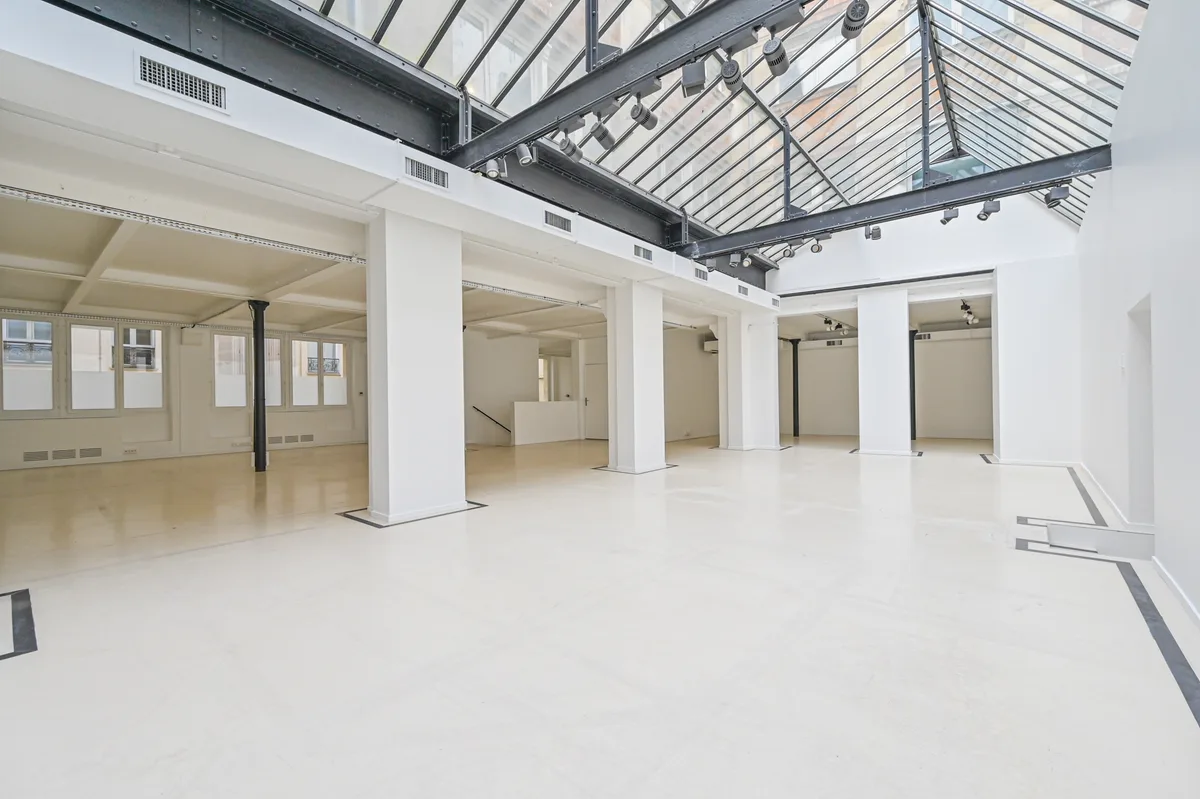
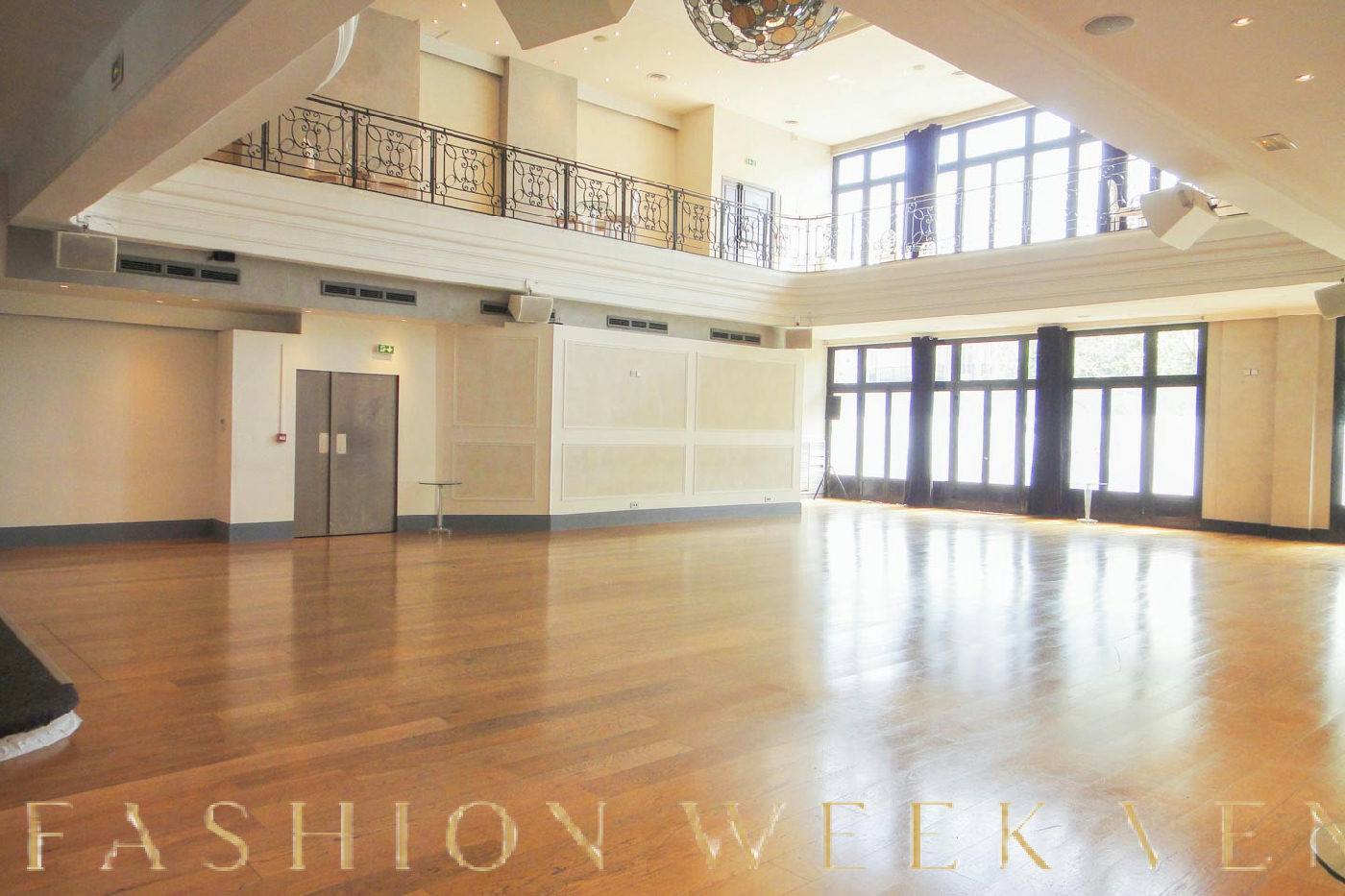
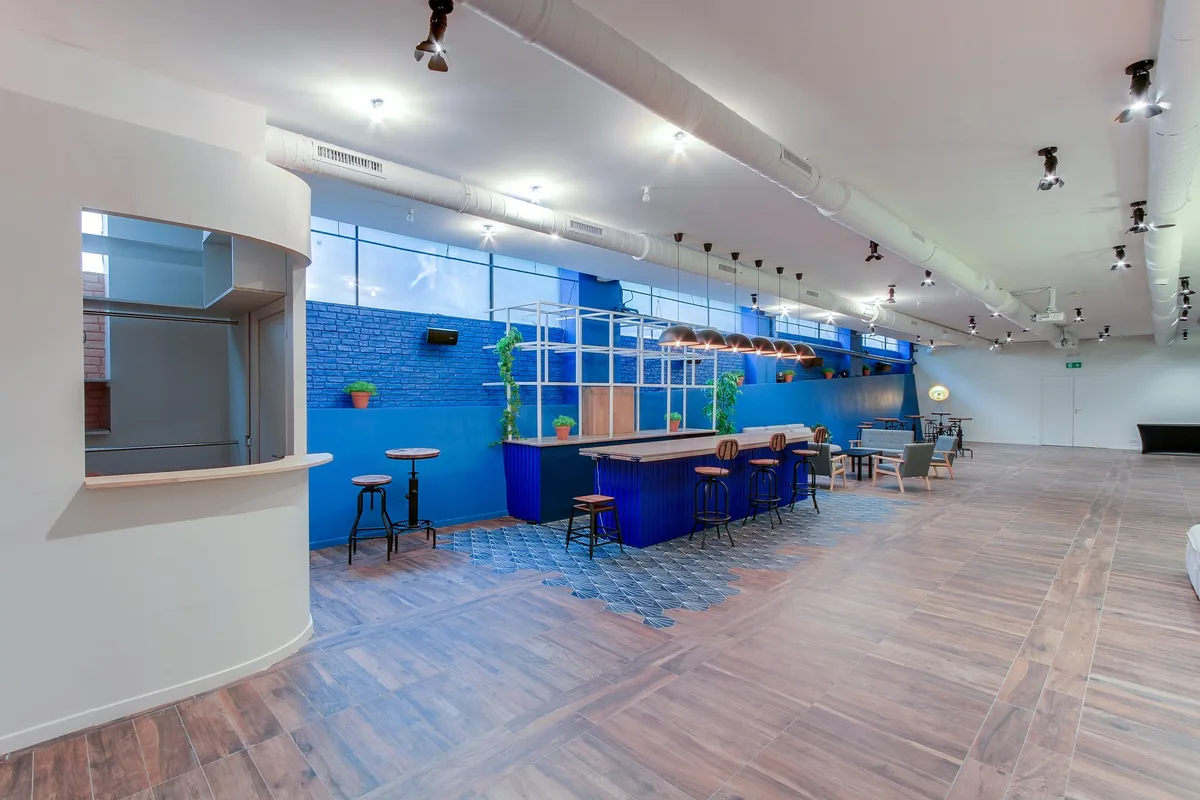
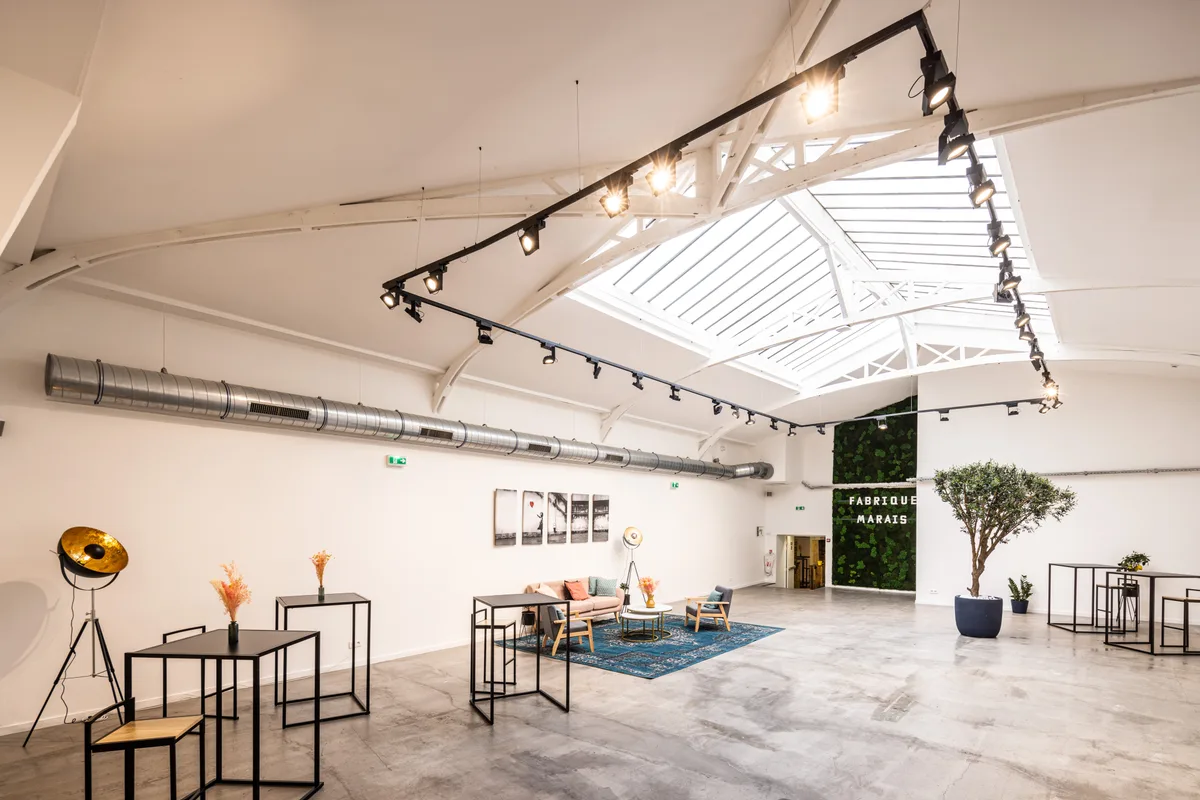
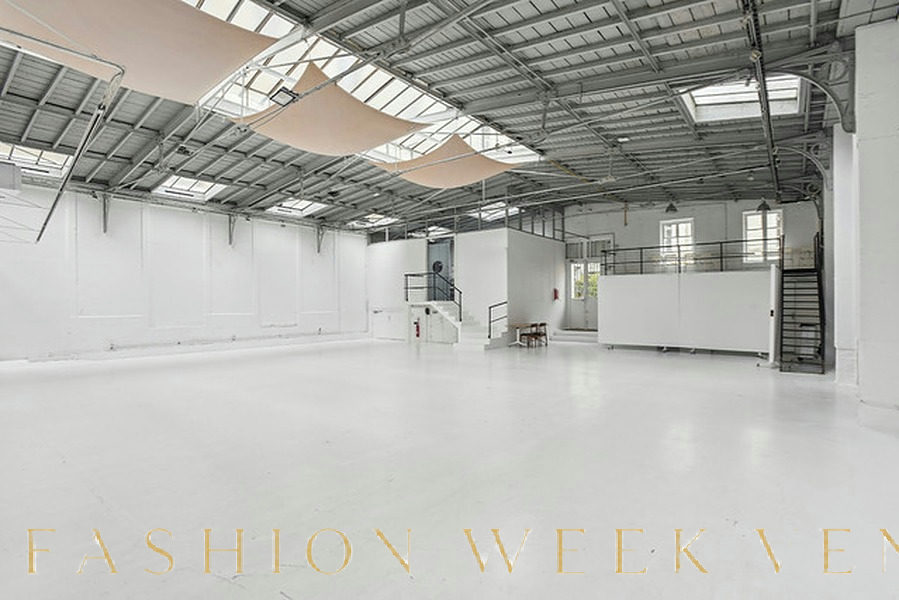
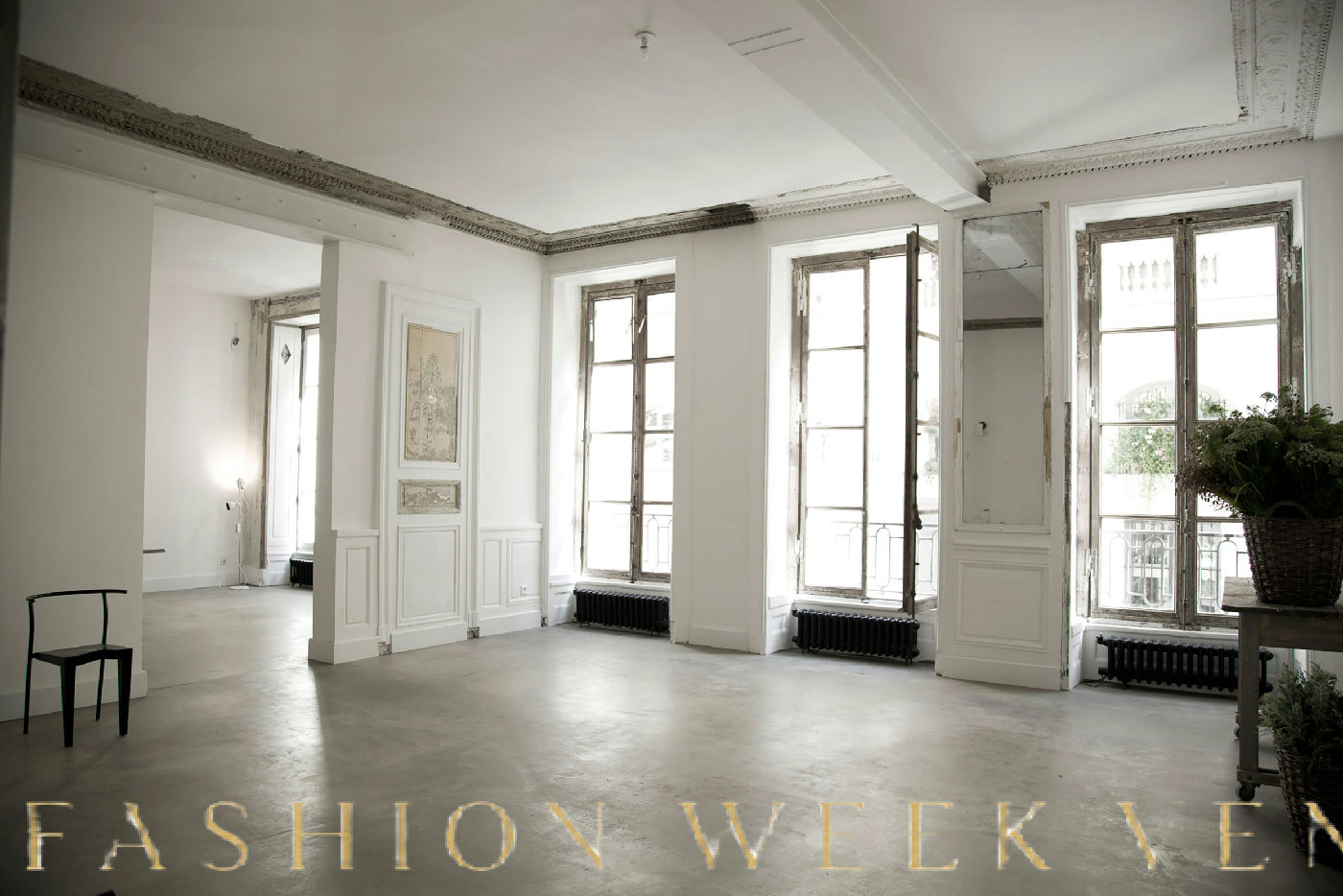
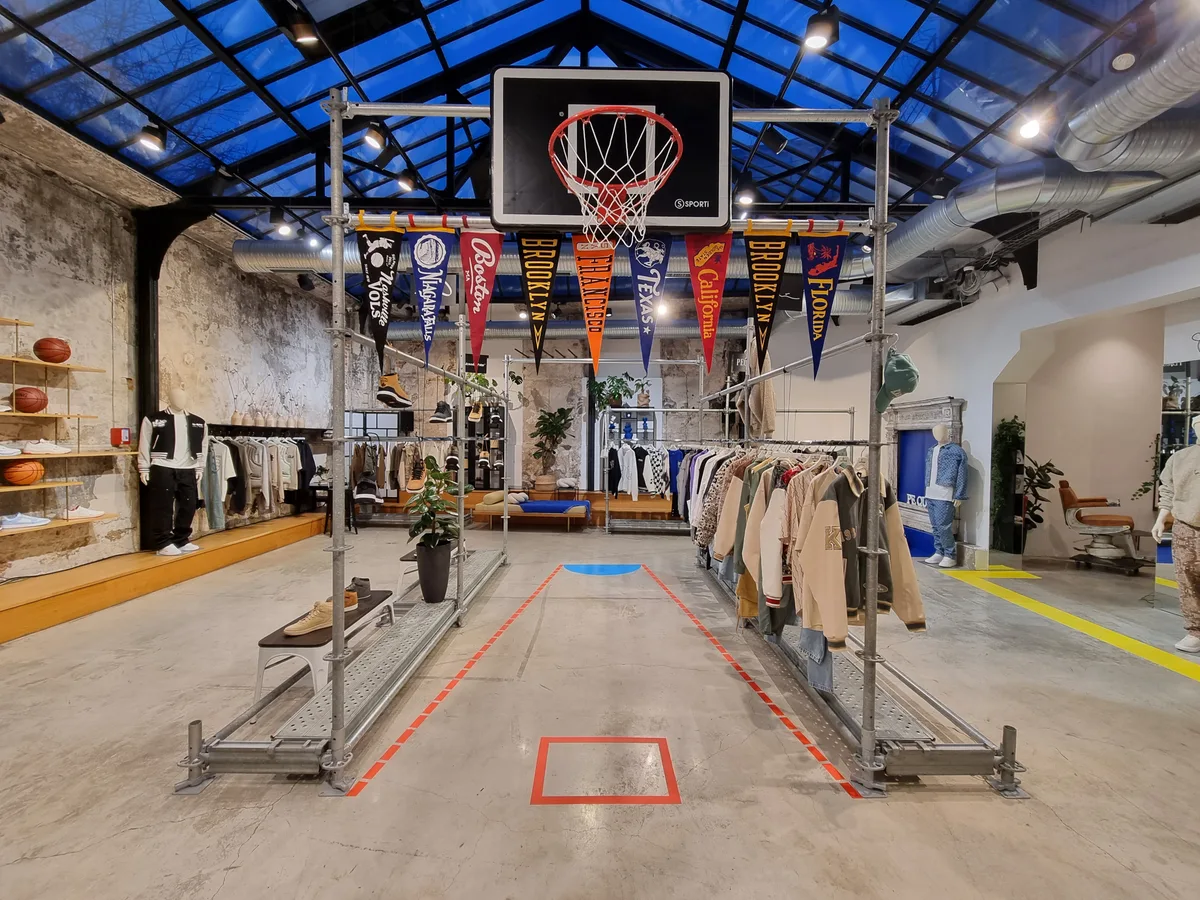
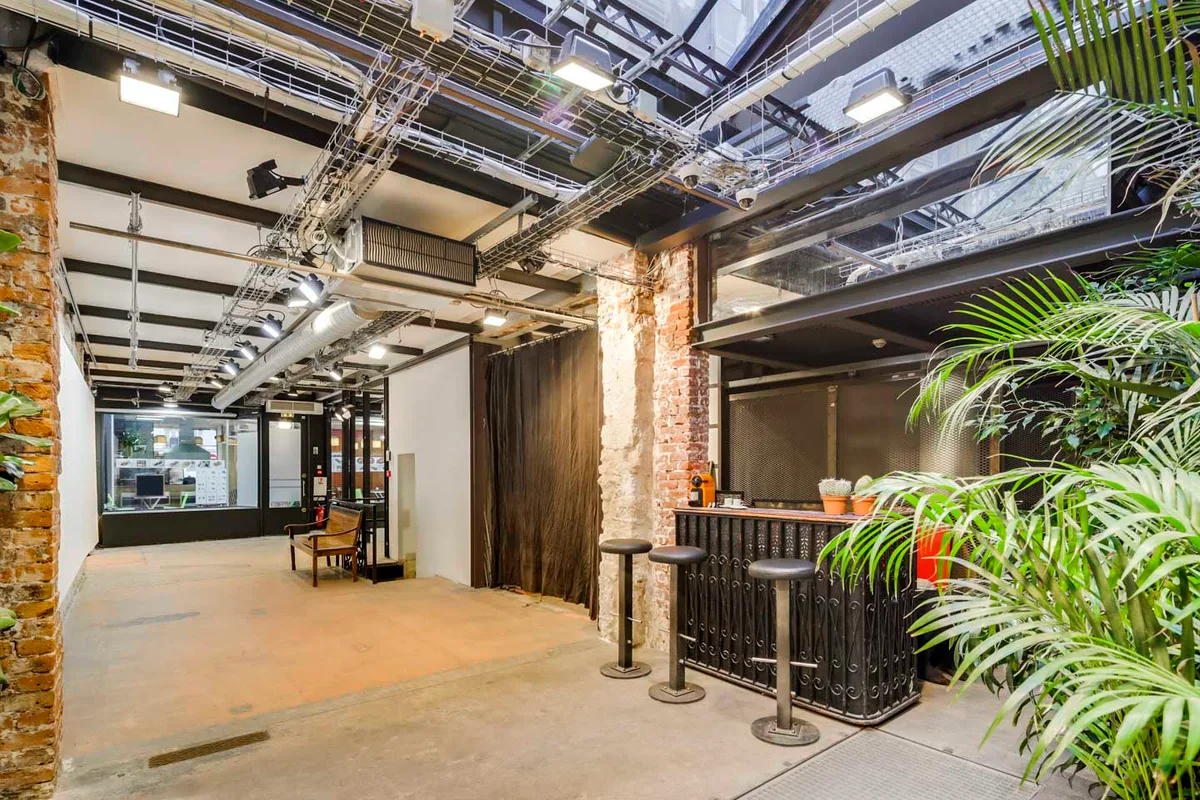
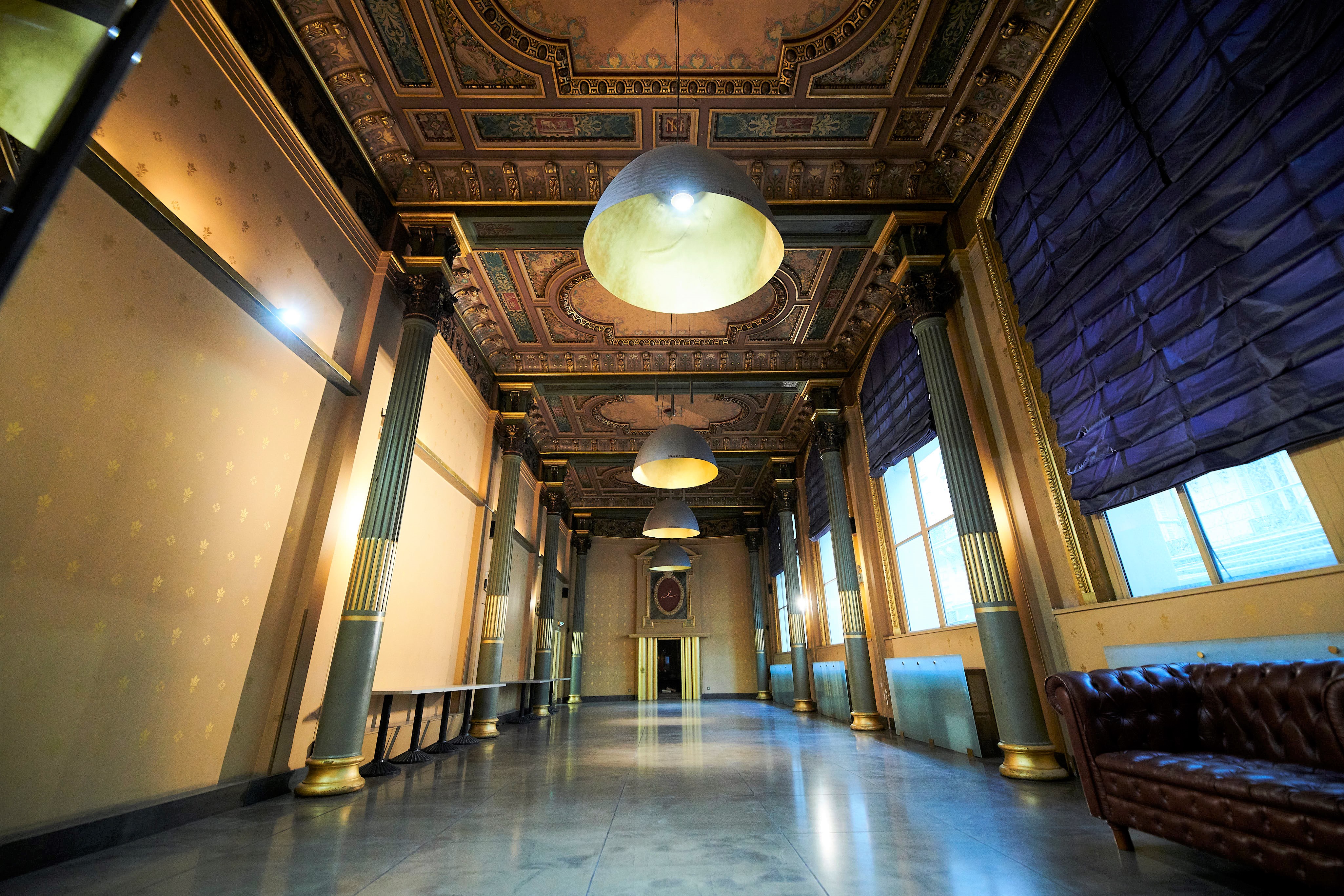
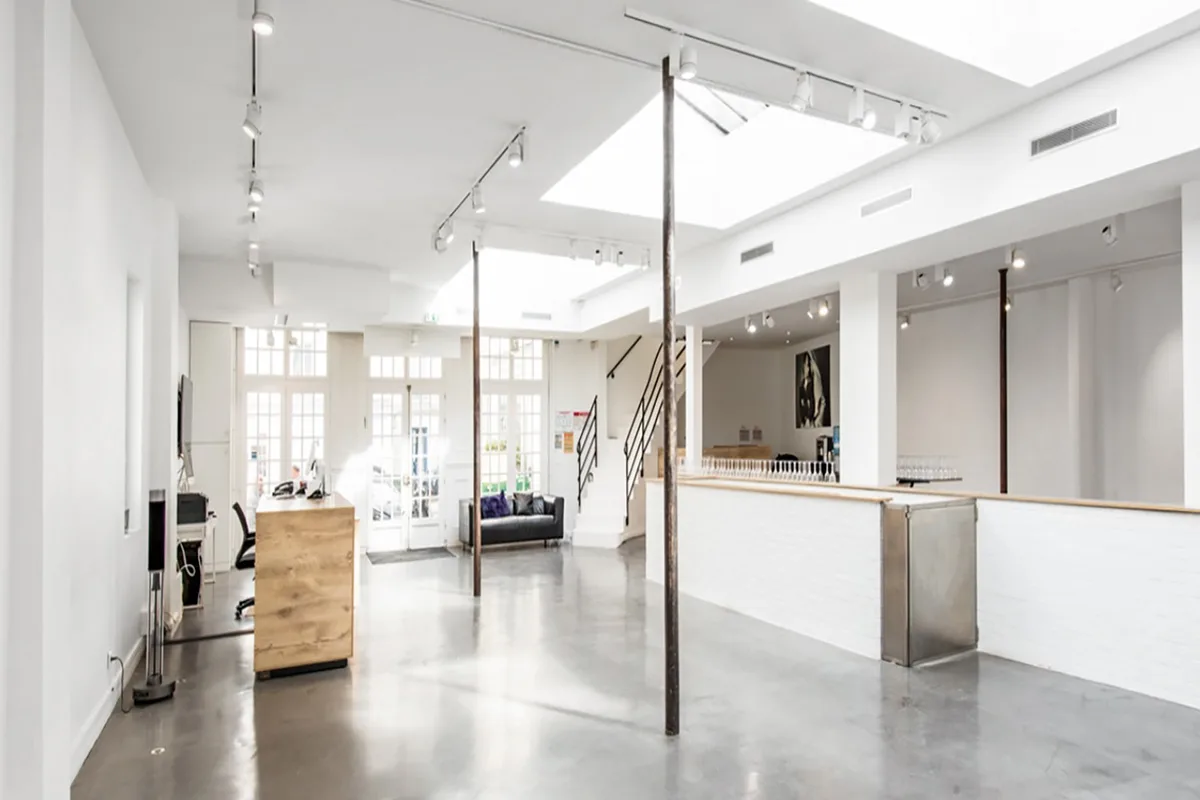
Boutique rental in the 16th arrondissement of Paris attracts brands, creative directors, international teams, and discerning individuals who want more than a standard hotel or generic office space. The 16th arrondissement, known locally as Paris 16 or the 16e arrondissement, combines residential elegance with proximity to the most important cultural and commercial landmarks in the city. From furnished apartments and luxury residences with private terraces overlooking the Eiffel Tower, to short-term commercial spaces and branded pop-up boutiques in Passy, Trocadéro, and Auteuil, the neighbourhood offers genuine depth for brands and individuals alike. Fashion Week Venues covers the Paris market in detail, with curated spaces, local expertise, and full-service activation support for brands entering or expanding in Paris.
Why the 16th Arrondissement of Paris Defines Residential and Commercial Prestige
Quick answer: The 16th arrondissement is one of Paris's most prestigious residential districts, combining quiet, tree-lined boulevards, Haussmannian architecture, world-class museums, and direct access to the Bois de Boulogne and the Seine. It attracts affluent residents, expats, brand offices, and short-term visitors seeking quality over density.
The 16th arrondissement of Paris sits on the Right Bank of the Seine, bordered by the Bois de Boulogne to the west and the Arc de Triomphe and Champs-Élysées zone to the east. Its identity is shaped by wide, tree-lined streets, substantial Haussmannian buildings with high ceilings and formal facades, and an atmosphere that prioritises calm over commercial noise. This is not the arrondissement of late-night clubs or tourist-dense streets. It is the Paris of embassies, established galleries, Michelin-starred restaurants, and residents who value privacy, green spaces, and architectural quality above all.
The district divides naturally into several distinct neighbourhoods, each with its own character. Trocadéro sits at the northern edge, directly facing the Eiffel Tower across the Seine, and is home to the Palais de Chaillot, the Palais de Tokyo contemporary art museum, and some of the most photographed terraces and balconies in the city. Passy occupies the central zone and has traditionally been a residential stronghold for upper-income Parisians and international families. Auteuil extends to the south, offering a quieter, more village-like atmosphere with the Jardin d'Acclimatation and the Fondation Louis Vuitton nearby. Chardon Lagache and Michel-Ange Auteuil are beloved among long-term residents and expats who want the 16th's character without the premium pricing attached to Trocadéro frontage.
Key streets define the arrondissement's commercial and residential character. Avenue Paul Doumer runs through the heart of Passy and is lined with boutiques, banks, and respected residential buildings. Avenue Raymond Poincaré connects the 16th to the Charles de Gaulle Étoile area and is favoured for professional stays and serviced apartments. Rue de la Pompe is a well-known local commercial street. Rue de Chaillot, Rue Paul Valéry, Boulevard Beauséjour, and Boulevard Suchet each carry their own micro-reputation within the district. Square Mozart and the streets surrounding Rue Jean de la Fontaine are appreciated for their art nouveau architecture and quiet residential feel.
The Seine forms the district's southern and eastern boundary, and several streets running parallel to the river, including sections near Avenue du Colonel Bonnet, Rue de Rémusat, and Rue de l'Amiral d'Estaing, offer access to quayside walks and views that are genuinely rare in central Paris. Porte Dauphine at the northern edge of the Bois de Boulogne gives residents and visitors easy access to one of Europe's largest urban parks, with cycling routes, tennis courts, and the Jardin d'Acclimatation family park.
For brands, the 16th arrondissement represents a specific type of consumer: educated, internationally mobile, high disposable income, and accustomed to quality. Brands activating here are not chasing footfall in the traditional retail sense. They are building relationships with a community that values curation, discretion, and genuine craft over mass-market visibility.
DID YOU KNOW: The 16th arrondissement has the highest density of embassies in Paris, making it a natural home for international business operations, diplomatic receptions, and cross-border brand activations targeting globally connected audiences.
KEY TAKEAWAY: The 16th arrondissement of Paris is a prestige residential and commercial district defined by Haussmannian architecture, green spaces, cultural institutions, and an affluent, internationally connected population. Brands choosing to activate here signal quality, permanence, and taste to a discerning audience.
Understanding the neighbourhood geography is only part of the decision. The type of space you rent, the duration of the lease, and the legal framework governing short-term occupancy in Paris each require careful consideration before committing to a boutique rental in this arrondissement.
Types of Boutique Rental Available in the 16th Arrondissement
Quick answer: The 16th arrondissement offers furnished apartments, luxury residences with terraces or balconies, studio apartments, duplex configurations, short-term rentals, long-term rentals, and commercial spaces suited to brand activations, showrooms, and professional stays. Each category carries distinct lease types, pricing structures, and suitability depending on your purpose.
Paris's rental market is not homogeneous. Within the 16th arrondissement specifically, several distinct categories of boutique rental exist, and understanding the differences helps brands and individuals avoid misaligned expectations from the outset.
Furnished Apartments and Luxury Residences
Furnished apartments, or appartements meublés, are the most commonly sought format in the 16th for both residential and professional stays. These properties come move-in-ready, with furnishings, kitchen equipment, WiFi, and increasingly, amenities such as SmartTV, dishwasher, and building concierge services. Luxury apartments in the 16th frequently feature Haussmannian interiors: parquet floors, high moulded ceilings, oversized windows, and in some cases, private terraces or balconies with direct views toward the Eiffel Tower, the Bois de Boulogne, or the Seine.
Monthly stays are well served in the arrondissement through dedicated rental management services. Platforms and agencies specialising in the 16th, including BARNES and various specialist rental agencies, maintain curated portfolios of properties in Passy, Trocadéro, and Auteuil. These services typically handle tenant qualification, payment processing via providers such as Stripe and Klarna, key handover, and ongoing property management, or gestion immobilière, on behalf of landlords.
For expats on professional assignments or remote workers exploring Digital Nomadism in Paris, the 16th offers a compelling combination of residential stability and cultural access. Duplex apartments, which are particularly sought after in this arrondissement due to the building stock, provide the spatial flexibility that professionals working from home or managing small teams require.
Short-Term Rentals and Airbnb in the 16th Arrondissement
Short-term rentals via Airbnb and similar platforms operate in the 16th with a particular appeal rooted in the neighbourhood's calm atmosphere and its proximity to cultural landmarks. Choosing an Airbnb in the 16th arrondissement over a central hotel makes practical sense for visitors who prioritise morning walks through green spaces, dinner near Rue de la Pompe, or the ability to host small private gatherings without hotel restrictions. Airbnb Experiences in and around the 16th also extend the stay into guided cultural itineraries, culinary tours, and private visits to institutions such as the Musée Marmottan Monet.
However, it is important to note that Paris has progressively tightened regulation of short-term rental platforms. Hosts in Paris are required to register their properties with the city, and primary residences can only be rented short-term for up to 120 days per year under current rules. Properties used entirely as short-term rental units face stricter registration and compliance requirements. Anyone renting or hosting in the 16th via short-term platforms should verify current municipal rules before listing or booking.
Location Longue Durée and Professional Stays
Location longue durée, or long-term rental, is the preferred format for expats, brand offices, and professional stays exceeding three months. The 16th arrondissement has a strong supply of high-quality long-term furnished rental stock because its residential demographic includes a significant proportion of internationally mobile professionals and diplomatic families. Furnished long-term rentals fall under the bail mobilité framework in France, a specialised lease type covering stays of one to ten months for qualifying tenants including students, trainees, and those on professional assignments. This format differs from a standard unfurnished lease and carries specific conditions around deposit limits and renewal terms.
Commercial Boutique Spaces and Brand Activations
Boutique rental in the 16th also encompasses commercial spaces used for pop-up retail, brand showrooms, private sales events, press presentations, and short-term activations. These differ fundamentally from residential leases and require specific commercial lease instruments. In France, short-term commercial occupation is most commonly structured through a bail dérogatoire, which allows occupancy outside the protections of a standard 3-6-9 commercial lease for up to thirty-six months. For truly short-term brand activations lasting days or weeks, an Autorisation d'Occupation Temporaire, or AOT, may apply to certain types of space.
IMPORTANT: Requirements for commercial boutique rental in Paris vary significantly depending on the space type, proposed activity, duration of occupancy, and the specific arrondissement zone. Requirements can change, and brands should verify current regulations with a qualified French legal advisor before signing any commercial lease instrument.
| Rental Type | Typical Duration | Key Lease Instrument | Best Suited For |
|---|---|---|---|
| Furnished Apartment (Meublé) | 1 to 12 months | Bail mobilité or meublé lease | Expats, professional stays, monthly residents |
| Short-Term Rental | 1 to 30 nights | Platform agreement, city registration | Leisure stays, press trips, visiting teams |
| Long-Term Furnished Rental | 3 to 24 months | Bail mobilité or standard meublé | Diplomatic families, brand offices, Digital Nomadism |
| Commercial Boutique Space | Days to 36 months | Bail dérogatoire or AOT | Pop-up retail, showrooms, brand activations |
| Serviced Residence | Weekly to monthly | Service agreement | Corporate relocations, visiting executives |
KEY TAKEAWAY: The 16th arrondissement supports a wide spectrum of boutique rental formats, from short-stay furnished apartments and luxury residences to long-term professional lets and short-term commercial spaces for brand activations. Each format is governed by different French legal frameworks, and understanding the correct instrument for your purpose is essential before committing.
Once you have identified the correct rental format, the next decision is location within the arrondissement itself, as the micro-neighbourhoods of the 16th vary significantly in character, footfall, and suitability for different brand and residential purposes.
Neighbourhoods Within the 16th Arrondissement: A Detailed Breakdown
Quick answer: The 16th arrondissement encompasses several distinct neighbourhoods including Trocadéro, Passy, Auteuil, Chaillot, Porte Dauphine, Chardon Lagache, and Michel-Ange Auteuil, each with a different character, price point, and suitability for residential stays or commercial activations.
Paris 16ème is a large arrondissement by Parisian standards, and navigating it effectively requires understanding that each of its neighbourhoods has developed its own personality, retail mix, and residential demographic over time. For brands and individuals making a boutique rental decision, choosing the right micro-neighbourhood within the 16e arrondissement matters as much as choosing the arrondissement itself.
Trocadéro and Chaillot
Trocadéro is the arrondissement's most iconic zone. The Palais de Chaillot sits at its centre, flanked by formal gardens that descend toward the Pont d'Iéna and the Eiffel Tower across the river. The views from Trocadéro's esplanade are among the most recognised in the world. The streets surrounding this landmark, including Rue de Chaillot and Avenue du Président Wilson, contain a mixture of cultural institutions including the Palais de Tokyo, luxury residential buildings, and high-end rental properties with genuine terrace views of the tower. Brands activating near Trocadéro benefit from tourist proximity but also from the prestige association that the address carries globally.
Passy
Passy is the commercial and residential heart of the 16th. Avenue Paul Doumer, Rue de la Pompe, and the streets surrounding Passy Metro station form a dense retail and residential cluster that serves the arrondissement's daily life. Boutiques, bakeries, pharmacies, independent retailers, and established French brands sit alongside residential buildings that attract both long-term Parisian families and professional expats. Jardin du Ranelagh, a formal park in the English style, provides green space at the eastern edge of Passy and is surrounded by some of the arrondissement's finest residential buildings. The Musée Marmottan Monet, which holds the world's largest collection of Monet's works, sits directly alongside the Jardin du Ranelagh and draws a consistent stream of culturally engaged visitors.
Auteuil
Auteuil, in the southern part of the arrondissement, has a distinct village quality that distinguishes it from the more formal northern zones. Its streets, including Rue Jean de la Fontaine, which is particularly noted for its art nouveau buildings by Hector Guimard, feel residential and calm. The Fondation Louis Vuitton, located at the edge of the Bois de Boulogne in the Jardin d'Acclimatation, has become one of the most significant contemporary art destinations in Paris and draws visitors who represent exactly the culturally engaged, high-income audience that luxury brands target. The Michel-Ange Auteuil Metro station area and Boulevard Beauséjour represent good value within the 16th while still offering the Haussmannian building stock and green space proximity that define the arrondissement.
Porte Dauphine and Northern 16th
Porte Dauphine sits at the arrondissement's northern boundary where the Bois de Boulogne begins. Boulevard Suchet runs along the park's edge and is lined with prestigious residential buildings whose rear-facing apartments look directly into the tree canopy. Avenue Raymond Poincaré connects the northern 16th to the Arc de Triomphe and Champs-Élysées zone, making it particularly useful for brands whose Paris operations require proximity to both the luxury retail corridor and the residential calm of Paris 16. Rue Paul Valéry and the streets between Porte Dauphine and Victor Hugo host several private residences, embassies, and serviced apartment buildings that cater specifically to high-net-worth expats and visiting executives.
Jasmin and Chardon Lagache
Jasmin and Chardon Lagache, in the western reaches of the 16th, are less immediately recognisable to international visitors but are highly regarded among residents and long-term expats. Streets including Rue de Rémusat, Rue du Conseiller Collignon, Rue de l'Amiral d'Estaing, Rue Charles Tellier, Avenue du Colonel Bonnet, and the quiet side streets feeding Boulevard Beauséjour offer genuinely residential addresses at slightly more accessible price points than Trocadéro or Passy. Maison de la Radio et de la Musique, the circular broadcast and concert building on the Seine embankment at the southern edge of this zone, serves as both a cultural landmark and a neighbourhood anchor. Square Mozart provides a refined small park used daily by residents.
| Neighbourhood | Character | Key Landmarks and Streets | Best For |
|---|---|---|---|
| Trocadéro / Chaillot | Prestige, cultural, high visibility | Palais de Chaillot, Palais de Tokyo, Rue de Chaillot | Brand activations, luxury residential, press trips |
| Passy | Commercial, residential, community-focused | Avenue Paul Doumer, Rue de la Pompe, Jardin du Ranelagh, Musée Marmottan Monet | Furnished apartments, expat families, boutique retail |
| Auteuil | Village, cultural, green | Fondation Louis Vuitton, Jardin d'Acclimatation, Rue Jean de la Fontaine | Long-term stays, creative studios, showrooms |
| Porte Dauphine | Prestigious, parkside, connected | Boulevard Suchet, Avenue Raymond Poincaré, Bois de Boulogne | Executive stays, brand offices, professional residences |
| Jasmin / Chardon Lagache | Quiet, residential, authentic | Square Mozart, Maison de la Radio, Boulevard Beauséjour | Long-term expat rentals, professional stays, monthly apartments |
TIP: If your brief requires a private terrace or balcony with Eiffel Tower views, focus specifically on Trocadéro and Chaillot. If you need the combination of residential calm, cultural proximity, and access to public transport, Passy and Auteuil offer better overall value and a wider inventory of boutique rental options.
KEY TAKEAWAY: Each neighbourhood within the 16th arrondissement has its own rental market, price dynamics, and strategic advantages. Matching your purpose, whether residential, professional, or brand activation, to the right micro-neighbourhood will determine both the quality of your experience and the efficiency of your budget.
To compare neighbourhoods and space types, explore the Paris city hub on Fashion Week Venues and shortlist spaces that match your brief, budget, and calendar window.
Cultural Landmarks and Brand Proximity in the 16th Arrondissement
Quick answer: The 16th arrondissement is home to or adjacent to some of the most important cultural institutions in Paris, including the Fondation Louis Vuitton, Palais de Tokyo, Musée Marmottan Monet, Musée Yves Saint-Laurent, Palais de Chaillot, and the Jardin d'Acclimatation. Brands activating here benefit from proximity to culturally engaged, design-literate audiences.
The cultural density of the 16th arrondissement is extraordinary relative to its residential character. Unlike tourist-saturated central Paris, the cultural institutions here serve a self-selecting audience: visitors who actively seek art, design, and architecture rather than those who are simply passing through. This specificity is commercially valuable for brands whose identity aligns with cultural engagement.
The Fondation Louis Vuitton, designed by Frank Gehry and located at the edge of the Jardin d'Acclimatation in the Bois de Boulogne, has become one of the defining cultural buildings of twenty-first century Paris. Its programme of major contemporary art exhibitions draws a consistently high-income, design-literate audience from across Europe and internationally. Brands activating in Auteuil or near the Bois de Boulogne entry points can tap directly into this visitor flow.
The Palais de Tokyo, sitting on the Trocadéro side of the Seine alongside the Musée d'Art Moderne de Paris, is dedicated to contemporary creation and has been deliberately positioned as a space that blurs the boundaries between art, fashion, performance, and lifestyle. It has hosted brand collaborations, private events, and cultural activations in a way that few other institutions in Paris permit. Brands with boutique rentals nearby benefit from the creative credibility this institutional neighbour provides.
The Musée Marmottan Monet in Passy holds the largest collection of Monet's paintings in the world and draws a steady stream of international art visitors throughout the year. The Musée Yves Saint-Laurent on Avenue Marceau, while technically in the 8th arrondissement, sits within easy walking distance of the northern 16th and draws fashion-industry visitors who move fluidly through the avenue network between the Arc de Triomphe and Trocadéro.
The Palais de Chaillot itself houses three museums including the Cité de l'Architecture et du Patrimoine, making it relevant for architecture and design brands. Its esplanade is one of the most recognisable landmarks in the world, and proximity to it elevates any residential or commercial address.
Beyond the museums, the arrondissement's cultural infrastructure includes theatres, the Maison de la Radio et de la Musique, which is both an architectural landmark and one of France's most important music venues, and the broader park culture of the Bois de Boulogne with its children's theatre, carousel, and seasonal events within the Jardin d'Acclimatation.
For brands, this cultural density means that a boutique rental in the 16th carries associative value beyond the space itself. An activation in proximity to the Fondation Louis Vuitton reads differently than one on a commercial high street. The address communicates something specific about brand values: curation, cultural investment, and a willingness to engage with serious ideas rather than simply generate transactional footfall.
DID YOU KNOW: The Palais de Chaillot's esplanade, directly facing the Eiffel Tower across the Seine, is not only one of the most photographed locations on earth but was also the site of the Universal Declaration of Human Rights adoption in 1948, giving the space a cultural weight that extends well beyond tourism.
KEY TAKEAWAY: Cultural proximity in the 16th arrondissement is a strategic brand asset, not just a pleasant amenity. Brands activating near the Fondation Louis Vuitton, Palais de Tokyo, or the Trocadéro esplanade benefit from the cultural associations these landmarks carry and can access audiences who are already primed for premium creative experiences.
The cultural landscape of the 16th connects directly to the practical logistics of renting commercial or residential space, and understanding how French rental frameworks apply to brand-oriented boutique spaces is the next critical step.
Permits, Leases, and Legal Frameworks for Boutique Rental in Paris
Quick answer: Short-term boutique rental in Paris, whether residential or commercial, operates under specific French legal instruments including the bail mobilité for furnished residential stays, the bail dérogatoire for short-term commercial use, and the AOT for temporary occupation of certain public or privately owned spaces. Requirements vary by space type, duration, and location within Paris.
One of the most common misunderstandings among international brands and individuals renting space in Paris is that short-term leases are legally simple and self-explanatory. They are not. French commercial and residential property law is detailed, protective of occupants in many respects, and carries specific obligations for both landlord and tenant that differ substantially from common law jurisdictions.
Bail Dérogatoire for Commercial Boutique Spaces
The bail dérogatoire, sometimes called a short-term commercial lease, allows parties to agree on an occupancy arrangement outside the protections of the standard 3-6-9 commercial lease statute. It can be used for an initial period of up to thirty-six months and must explicitly state that both parties waive their rights to the standard commercial lease protections. Crucially, if the tenant remains in occupation after the lease term expires without a clear written agreement to the contrary, French law may automatically convert the arrangement into a full commercial lease, with all the associated protections and obligations that entails. Brands must seek legal advice before signing any commercial occupancy agreement in Paris, regardless of how simple the arrangement appears.
AOT for Temporary Brand Activations
An Autorisation d'Occupation Temporaire, or AOT, covers the temporary use of certain types of public domain or privately-owned spaces for events, installations, and short-term commercial activity. The specific conditions under which an AOT is issued, the bodies responsible for granting them, and the activities permitted under AOT vary significantly depending on the nature of the space, the proposed use, and the arrondissement. Pop-up events in spaces near public parks, heritage buildings, or on private estates may each require different treatment. Requirements can and do change, so verifying current conditions with a qualified French legal advisor is strongly recommended.
Furnished Residential Leases
For furnished residential rentals, the bail mobilité covers stays of one to ten months for qualifying categories of tenant, including those on professional secondment. It requires the property to be furnished to a specified minimum standard, limits deposits, and cannot be renewed or renegotiated into a long-term meublé lease without both parties' written agreement. Standard furnished leases of one year duration, renewable, are the alternative for those not qualifying for the bail mobilité. Both operate under national housing law and carry clear obligations around deposit protection, condition reports, and termination notice periods.
IMPORTANT: Boutique rental agreements in Paris are governed by French law. Even seemingly informal short-term arrangements can create legally binding obligations. International brands and individuals should always verify their specific situation with a qualified French legal advisor before committing to any rental agreement, commercial or residential.
The Fashion Week Venues permits tool provides directional guidance on the permit and compliance landscape for commercial space rentals in Paris. It does not constitute legal advice, and brands should use it as an orientation resource before engaging qualified local advisors.
KEY TAKEAWAY: French rental law distinguishes clearly between residential and commercial occupancy, and within each category offers specific instruments suited to different durations and purposes. Understanding the correct legal framework before signing is not optional; it is the foundation of a successful boutique rental in Paris.
Beyond legal frameworks, budget planning is the next most important variable in boutique rental decisions in the 16th arrondissement, and brands benefit from establishing a clear financial picture before entering space negotiations.
Budget Planning for Boutique Rental in the 16th Arrondissement
Quick answer: The 16th arrondissement is one of Paris's most expensive arrondissements for both residential and commercial rental. Furnished luxury apartments, boutique retail spaces, and short-term residences here command premium rates relative to other Paris districts, reflecting the neighbourhood's prestige, building quality, and proximity to key cultural and commercial landmarks. Directional budgeting is essential before entering negotiations.
While it would be misleading to publish specific price figures that could quickly become outdated in a market as dynamic as Paris real estate, it is accurate to say that the 16th arrondissement consistently ranks among the most expensive rental markets in Paris. Trocadéro and the streets immediately surrounding the Eiffel Tower viewpoint command the highest residential premiums. Passy and Auteuil offer slightly more accessible price points while still reflecting premium positioning. Chardon Lagache and Jasmin represent the most accessible entry points within the arrondissement while maintaining its fundamental residential character.
For commercial boutique rental, pricing varies widely based on surface area, location within the arrondissement, fit-out standard, duration of occupancy, and any additional services bundled into the arrangement. Agencies and specialist rental management services typically structure pricing for short-term commercial boutique spaces on a weekly or monthly basis with separate provisions for production, staff, and operational costs.
Brands planning a boutique activation in the 16th should account for the following cost categories in their financial planning:
- Base space rental cost, calculated per week or per month
- Security deposit, which under bail dérogatoire arrangements can be significant
- Fit-out, production, and branded store design costs
- Furniture rental if the space is unfurnished or requires specific brand-aligned pieces
- Retail staffing for the activation period
- POS and payment infrastructure setup
- Permit and compliance advisory fees
- City tax obligations applicable to commercial use
- Marketing and influencer activation costs specific to the Paris market
- Breakdown and reinstatement costs at the end of the occupancy
For residential stays, additional costs include city tax applicable to furnished short-term rentals, building charges, and in some managed buildings, concierge or service fees. Properties listed through platforms such as Airbnb or through dedicated rental management agencies typically include WiFi, SmartTV, dishwasher, and other standard amenities within the quoted rental figure, but it is worth confirming exactly what is and is not included before committing.
TIP: Use the Fashion Week Venues budget tool to develop a directional estimate for your specific activation type, duration, and target neighbourhood within Paris. The tool is designed for brand teams at the early planning stage and helps identify the main cost categories before detailed supplier quotes are gathered.
Payment methods accepted by rental management agencies and platforms in Paris vary. International brands and individuals should expect to use bank transfer for secured deposits on long-term or commercial leases, while short-term residential platforms typically accept card payments, and increasingly, platforms like Stripe and Klarna are used to provide payment flexibility including instalment options for longer stays.
KEY TAKEAWAY: Budget planning for a boutique rental in the 16th arrondissement should account for all cost categories from lease and deposit through to production, staffing, and reinstatement. Working with a specialist agency that understands Paris market pricing, seasonal dynamics, and the full cost architecture of a short-term activation prevents underbudgeting and project derailment.
Once budget parameters are established, the question of how to find and evaluate the right space within the 16th becomes the practical next step. This is where specialist agency support and digital tools become genuinely valuable.
How Fashion Week Venues Supports Boutique Rental in Paris
Quick answer: Fashion Week Venues provides end-to-end support for brands seeking boutique rental spaces in Paris, from initial space discovery and venue sourcing through to production, fit-out, staffing, and activation management. Its marketplace, city hub, and planning tools give brand teams a structured way to identify, evaluate, and execute space-based activations in Paris's most competitive districts, including the 16th arrondissement.
Fashion Week Venues operates as both a space marketplace and a full-service activation agency. For brands approaching the Paris market, this dual capability matters because finding a suitable boutique space in the 16th arrondissement is only the beginning of the operational challenge. The more complex work lies in fitting out the space, managing logistics in a district with strict building regulations and limited loading access on some streets, staffing the activation with retail professionals who understand luxury consumer expectations, and measuring the return on the investment made.
Venue Sourcing and Marketplace
The venue sourcing service provides access to curated boutique spaces across Paris's key arrondissements, with coverage of the 16th including Trocadéro, Passy, and Auteuil. Rather than relying on commission-based property brokers, brands work with a team that understands both the physical characteristics of spaces and the operational demands of brand activations. The space marketplace provides a browsable inventory with filtering by neighbourhood, size, duration, and use type, allowing brand teams to build a shortlist without committing to one space prematurely.
Concept Direction and Branded Store Design
Once a space is identified, concept and creative direction supports brands in defining how the space will look, feel, and function during the activation period. In the 16th arrondissement, where the surrounding architecture is typically Haussmannian and the consumer expectation is for quality, the design language of a boutique activation needs to respect the neighbourhood's visual standards while delivering a distinctive brand experience. Branded store design complements concept direction by translating creative ideas into physical layouts, material choices, and spatial configurations that work within the specific constraints of the chosen boutique space.
Production, Fit-Out, and Furniture Rental
The production and fit-out service covers everything from construction permits and contractor management through to lighting installation, flooring, fixturing, and final dressing. Furniture rental adds flexibility for brands that want premium-quality pieces without the cost or logistical burden of purchasing and shipping, which is particularly relevant for international brands activating in Paris for defined calendar windows such as Paris Fashion Week or seasonal sale periods.
Retail Staffing, POS, and Activation Management
Running a boutique activation in a Paris luxury district requires staff who understand the consumer expectations of that specific environment. Retail staffing provides trained, brand-briefed team members who can operate the space professionally and represent the brand's values to the 16th arrondissement's sophisticated consumer base. POS and payments infrastructure ensures the operational side of retail or event transactions is seamless. Activation management coordinates all moving parts throughout the activation period so the brand team can focus on consumer engagement rather than logistics.
Planning and Evaluation Tools
The tools suite available on Fashion Week Venues provides structured support across the planning cycle. The timeline planning tool maps the production schedule from initial brief to opening day. The ROI calculator helps brand teams build the business case for a Paris activation by modelling potential returns against projected costs. The space comparison tool allows brands to evaluate multiple shortlisted spaces side by side across criteria including size, location, amenities, lease type, and production complexity.
Fashion Week Venues does not guarantee specific spaces, approval of permits, or activation outcomes. Its role is to substantially reduce the research burden, logistical complexity, and risk of working in an unfamiliar market. For brands exploring a first Paris activation or returning brands looking to optimise a previous approach, the combination of marketplace access, agency expertise, and planning tools provides a genuinely useful starting point.
KEY TAKEAWAY: Fashion Week Venues provides brands with both the space inventory and the operational infrastructure to execute a boutique activation in Paris's 16th arrondissement with confidence. From venue sourcing and concept design through to staffing, POS, and ROI measurement, the agency covers the full activation lifecycle for brand teams who need specialist local support.
Brands considering co-activation models, where two complementary brands share a boutique space to reduce costs and extend audience reach, can also explore the twin co-activation concept, which is particularly suited to the 16th arrondissement's intimate boutique spaces.
Planning Your 16th Arrondissement Activation: A Step-by-Step Workflow
Quick answer: A successful boutique rental activation in the 16th arrondissement requires a structured workflow covering brief definition, space sourcing, legal review, production planning, permit applications, build, staffing, launch, and post-activation evaluation. Starting this process well in advance of the target calendar window is essential, particularly during Paris Fashion Week and other major Paris retail events.
Brands approaching a boutique rental in the 16th arrondissement for the first time, or those who have experienced the friction of working in Paris without specialist support, benefit from a clearly defined workflow that accounts for the specific complexities of the French capital.
| Stage | Activity | Recommended Lead Time | Key Considerations |
|---|---|---|---|
| 1. Brief Definition | Define purpose, target audience, duration, budget range, and neighbourhood preference | 16 to 20 weeks before target date | Align internal brand teams and external agency on objectives before space search begins |
| 2. Space Search and Shortlist | Browse marketplace, request site visits, compare shortlisted spaces | 14 to 18 weeks before | 16th arrondissement spaces near cultural landmarks are in high demand during Fashion Week calendar windows |
| 3. Legal Review | Engage French legal advisor, review proposed lease type, confirm compliance requirements | 12 to 16 weeks before | Do not sign any commercial lease instrument without qualified legal review |
| 4. Permit Applications | Submit required permits for commercial activity, temporary signage, and any structural changes | 10 to 14 weeks before | Permit timelines vary significantly by activity type and space location within the arrondissement |
| 5. Concept and Design | Finalise concept direction, branded store design, furniture and fixture specification | 8 to 12 weeks before | Design must respect building regulations and any landlord restrictions on alterations |
| 6. Production and Build | Execute fit-out, install lighting, flooring, and fixturing, dress the space | 2 to 4 weeks before opening | Building access, delivery logistics, and waste management rules vary by street and building type |
| 7. Staffing and POS Setup | Brief and onboard retail staff, install and test POS and payment infrastructure | 1 to 2 weeks before opening | Staff should be briefed on both brand values and specific consumer expectations of the 16th's clientele |
| 8. Launch and Activation | Open the boutique, execute marketing plan, manage influencer and press engagement | Activation period | Monitor footfall, sales, and engagement data in real time using analytics infrastructure |
| 9. Breakdown and Evaluation | Reinstate space to original condition, submit post-activation data, calculate ROI | Within 1 week of close | Reinstatement obligations under bail dérogatoire can be significant. Plan and budget for them in advance. |
This workflow is directional and will require adaptation based on the specific space, lease type, and activation format chosen. Brands working with Fashion Week Venues can access the agency's full process framework, which maps out each stage in more detail and identifies where specialist support is most valuable.
Fashion Week Venues also operates an Imagine tool for visualising how a specific space will look with brand fitout applied, and a Build planning tool that helps production teams sequence the fit-out stages efficiently within the constraints of the chosen space. These digital tools reduce both the creative risk and the logistical friction of boutique rental activations in a complex urban market like Paris.
KEY TAKEAWAY: A successful boutique rental activation in the 16th arrondissement requires structured planning starting at least four months before the target opening date. Legal review, permit applications, production planning, and staffing all have critical lead times that cannot be compressed without accepting significant risk to quality and compliance.
For brands who want to review past activations and understand how other brand teams have approached the Paris market, the Fashion Week Venues work and case study section provides real-world examples of what boutique activations in Paris's premium districts look like in practice.
Common Myths About Boutique Rental in the 16th Arrondissement
MYTH: You need a French legal entity to rent a boutique space or residential apartment in Paris.
FACT: While having a French legal entity can simplify certain commercial lease arrangements, it is not a universal requirement for renting space in Paris. Many boutique rental formats, including furnished residential leases under the bail mobilité and some short-term commercial arrangements, are accessible to foreign individuals and companies. The specific requirements depend on the lease type, the landlord's preferences, and the proposed use. Always verify your situation with a qualified French legal advisor before assuming either that you qualify or that you are excluded.
MYTH: Paris Fashion Week is the only viable calendar window for a brand activation in the 16th arrondissement.
FACT: While Paris Fashion Week generates concentrated demand and brand visibility, it is far from the only productive calendar window. The 16th arrondissement, with its permanent base of affluent residents, diplomatic families, and culturally engaged visitors, supports brand activations throughout the year. Autumn exhibitions at the Fondation Louis Vuitton and Palais de Tokyo, the summer tourism season near Trocadéro, and the December luxury gift season in Passy all represent genuine activation opportunities outside the Fashion Week calendar. Brands should evaluate their target audience's Paris presence across the full year before defaulting to Fashion Week dates alone.
MYTH: Commission-based property brokers are the only way to find a boutique rental space in Paris.
FACT: Commission brokers represent one channel for space discovery, but they are not the only option and may not offer the curatorial depth or operational support that brand activations require. Specialist space marketplaces, agency-managed space portfolios, and direct rental management services all provide access to boutique rental spaces in the 16th arrondissement. Platforms designed specifically for brand activations and short-term commercial use offer additional advantages including pre-vetted spaces, transparent pricing, and integrated production support.
MYTH: Short-term commercial leases in Paris are legally straightforward and can be signed without specialist advice.
FACT: Short-term commercial leases in Paris, including bail dérogatoire arrangements, carry specific legal obligations and risks that are not immediately obvious from the document itself. The automatic conversion to a standard commercial lease upon overstay is just one of several risks. Reinstatement obligations, permitted use clauses, assignment restrictions, and subletting prohibitions can each create significant legal and financial exposure for brands that sign without proper advice. Engaging a qualified French legal advisor before any commercial occupancy agreement is essential, not optional.
MYTH: A furnished apartment in the 16th will always include all utilities and services in the quoted rental price.
FACT: Furnished apartment listings in the 16th vary considerably in what is included within the headline rental figure. While many managed properties include WiFi, heating, water, and building charges within the monthly rent, others charge these separately. City tax applicable to short-term stays, building concierge charges, and premium amenity access fees may also be additional. Always confirm the full cost structure, including what is and is not included, before committing to any furnished apartment rental in Paris 16.
Frequently Asked Questions
What makes the 16th arrondissement different from other Paris districts for boutique rental?
The 16th arrondissement combines residential prestige, architectural quality, cultural density, and relative calm in a way that no other Paris arrondissement replicates exactly. Its Haussmannian building stock, proximity to the Bois de Boulogne, direct views of the Eiffel Tower from Trocadéro, and the presence of major cultural institutions including the Fondation Louis Vuitton, Palais de Tokyo, and Musée Marmottan Monet create a neighbourhood that attracts a specific, high-value consumer and resident profile. For brands, this means boutique rental in the 16th carries strong associative value and access to an audience that is difficult to reach in more commercially dense Paris districts.
Why choose a furnished apartment in the 16th arrondissement for a professional stay?
Furnished apartments in Paris 16, or appartements meublés, offer move-in-ready convenience combined with the residential quality and neighbourhood character that business hotels cannot replicate. For expats on professional secondment, visiting executives, or digital nomads on extended Paris stays, a furnished apartment in Passy, Auteuil, or near Avenue Raymond Poincaré provides the spatial comfort of a genuine home with essential amenities including WiFi, dishwasher, SmartTV, and often private terrace or balcony access. Monthly stays are well served by specialist rental management agencies that handle all administrative and operational aspects on behalf of tenants.
What is a bail dérogatoire and when is it relevant for boutique rental in Paris?
A bail dérogatoire is a short-term commercial lease instrument in France that allows both parties to agree on a commercial occupancy arrangement outside the protections of the standard three-six-nine year commercial lease statute. It can cover occupancy periods of up to thirty-six months in total and is the most commonly used legal instrument for short-term commercial boutique spaces, pop-up retail, and brand activations in Paris. Crucially, it must explicitly state the waiver of standard commercial lease protections, and if the tenant remains in occupation after the agreed term without a formal exit process, French law may automatically convert the arrangement into a fully protected commercial lease. Legal advice is essential before signing.
Can international brands without a French company activate a boutique in the 16th arrondissement?
Many international brands activate in Paris without holding a French company at the time of their initial rental agreement, although the specific requirements depend on the lease type, the landlord's conditions, and the nature of the proposed commercial activity. Some short-term commercial arrangements and furnished residential leases are accessible to foreign entities. Others require a French legal structure or the provision of a substantial guarantee. Working with a specialist Paris activation agency helps navigate these requirements early in the planning process and avoids costly delays caused by incomplete legal preparation.
How far in advance should a brand begin planning a boutique rental activation in the 16th?
For a boutique rental activation in the 16th arrondissement, planning should begin at least four to five months before the intended opening date. Premium spaces near Trocadéro, Passy, and the Fondation Louis Vuitton are in high demand, particularly during Paris Fashion Week calendar windows and key retail periods. Legal review of the commercial lease, permit applications, concept and design development, production scheduling, and staffing recruitment each have lead times that cannot be safely compressed below the durations described in the planning workflow section above. Starting later increases both cost and risk significantly.
What types of cultural attractions are within walking distance of a boutique in the 16th arrondissement?
A boutique or residential address in the 16th arrondissement places you within walking distance or a short taxi or Metro ride from an extraordinary concentration of cultural landmarks. The Fondation Louis Vuitton, Palais de Tokyo, Musée d'Art Moderne de Paris, Musée Marmottan Monet, Palais de Chaillot, and Musée Yves Saint-Laurent are all within or immediately adjacent to the arrondissement. The Eiffel Tower is directly visible from the Trocadéro esplanade. The Arc de Triomphe and the Champs-Élysées are accessible via Avenue Raymond Poincaré or the Victor Hugo Metro. The Bois de Boulogne with its parks, the Jardin d'Acclimatation, and the Jardin du Ranelagh are all within the arrondissement itself.
What payment methods are typically accepted for boutique rental in the 16th arrondissement?
Payment methods for boutique rental in the 16th vary by rental type and provider. Long-term furnished apartment rentals and commercial lease deposits are typically settled by bank transfer, often in euros regardless of the tenant's home currency. Short-term residential platforms and rental management agencies increasingly accept credit and debit card payments, and some offer payment flexibility through platforms like Stripe and Klarna, which allow instalment arrangements for longer stays. City tax applicable to short-term rentals is usually collected at the time of booking or on arrival and is separate from the base rental amount. Always confirm the full payment structure and accepted methods before committing to a booking.
Is the 16th arrondissement suitable for an Airbnb-style short-stay rental?
The 16th arrondissement is well suited to Airbnb-style short stays for visitors who want to experience a quieter, more residential Paris while retaining easy access to the city's major cultural and commercial landmarks. Properties in Trocadéro and Chaillot offer iconic Eiffel Tower views, while Passy and Auteuil provide excellent access to the Bois de Boulogne, local markets, and neighbourhood restaurants. However, Paris regulates short-term rental activity strictly. Hosts must register their property with the city, and principal residences are limited to 120 days of short-term rental per year. Guests should verify that the property they are considering is legally registered and compliant before booking.
What is the difference between a short-term rental and a long-term furnished rental in Paris?
Short-term rentals in Paris typically cover stays of up to thirty nights and are governed by platform agreements and city registration requirements. Long-term furnished rentals, or location longue durée, cover stays from one month to several years and are governed by specific French residential lease instruments including the bail mobilité, which covers one to ten months for qualifying professional tenants, and the standard meublé lease, which runs for one year with renewal rights. Long-term furnished rentals provide greater stability, more predictable costs, and are better suited to expats, relocated professionals, and anyone planning a Paris stay exceeding one month. Short-term rentals offer more flexibility and are better for occasional visits and team trips.
How does the twin co-activation model work for boutique spaces in Paris?
The twin co-activation model allows two complementary but non-competing brands to share a single boutique space in Paris, dividing the rental and production costs while potentially doubling the audience reach and marketing interest. This format is particularly well suited to the 16th arrondissement's intimate boutique spaces, which are often too large for a single emerging brand's budget but ideal when costs are shared. Successful twin activations require careful matching of brand values, consumer demographics, and activation timing. Fashion Week Venues operates a specific twin concept framework that supports brands in identifying suitable partners and structuring co-activation arrangements effectively.
Can I visit a boutique space in the 16th arrondissement before committing to a rental?
Yes, physical site visits are standard practice for commercial boutique rental in Paris and are strongly recommended before committing to any lease. For residential furnished apartments, in-person visits allow you to verify the condition of furnishings, building quality, natural light levels, terrace or balcony access, and neighbourhood character in a way that photographs and virtual tours cannot fully replicate. Some rental management services offer virtual visit options for international brands and individuals who cannot travel to Paris during the initial search phase. Fashion Week Venues provides space access for qualified brands through its venue sourcing service, including the ability to visit shortlisted spaces in person during a briefing trip.
What neighbourhoods within the 16th arrondissement offer the best value for a boutique rental?
Within the 16th arrondissement, the areas offering the best relative value for boutique rental without sacrificing the neighbourhood's fundamental character are Chardon Lagache, Jasmin, and the streets around Michel-Ange Auteuil Metro station. These zones, including Boulevard Beauséjour, Rue de Rémusat, and the streets near Square Mozart, offer Haussmannian building stock, good public transport connections, and green space proximity at a more accessible price point than Trocadéro or the frontage streets of Passy. For brands seeking boutique commercial space, Auteuil also presents opportunities that combine neighbourhood authenticity with proximity to the Fondation Louis Vuitton audience flow.
What amenities should I expect in a luxury boutique apartment rental in the 16th?
Luxury apartments and boutique residences in the 16th arrondissement typically include a range of premium amenities as standard. Furnished apartments in this category will usually provide high-quality furnishings aligned with Haussmannian or contemporary design standards, fully equipped kitchens with dishwasher, high-speed WiFi, SmartTV, and climate control. Building amenities in premium properties frequently include concierge services, private lift access, secure underground parking, and in some cases, private gardens or rooftop access. Properties with terraces or balconies overlooking the Eiffel Tower, the Bois de Boulogne, or the Seine command a significant premium but represent genuinely exceptional residential experiences in Paris. Confirm all amenities and their inclusion in the rental price before booking.
How does Fashion Week Venues help brands navigate the 16th arrondissement rental market?
Fashion Week Venues supports brand teams in navigating the 16th arrondissement rental market through a combination of curated space inventory, specialist venue sourcing expertise, production and fit-out services, and a suite of digital planning tools. Brands can browse available spaces on the marketplace, use the budget and ROI tools to build a financial case, access the permits tool for directional compliance guidance, and engage the agency's full-service team for end-to-end activation delivery. The agency does not guarantee specific spaces, permit approvals, or outcomes, but it significantly reduces the research burden and operational risk for brands approaching Paris's competitive luxury district rental market for the first time or returning with an intent to improve on a previous activation.
Conclusion: Making the Right Boutique Rental Decision in Paris 16
The 16th arrondissement of Paris offers a genuinely distinctive proposition for brands, professionals, expats, and individuals seeking boutique rental in one of the world's most prestigious residential and cultural districts. Its Haussmannian architecture, tree-lined boulevards, access to green spaces including the Bois de Boulogne and Jardin du Ranelagh, and proximity to cultural landmarks from the Fondation Louis Vuitton and Palais de Tokyo to the Trocadéro esplanade and the Musée Marmottan Monet create a neighbourhood that combines elegance with substance.
Whether you are seeking a furnished luxury apartment with a private terrace and views of the Eiffel Tower, a long-term professional residence on Avenue Raymond Poincaré, a short-term monthly stay in Passy or Auteuil, or a commercial boutique space for a brand activation targeting the arrondissement's affluent and culturally engaged population, the 16e arrondissement delivers options that few other Paris districts can match in quality or character.
The critical success factors for any boutique rental in the 16th are the same: choose the right neighbourhood for your purpose, understand the correct legal framework for your lease type, plan your budget and timeline with adequate lead time, and work with advisors and agencies who know the Paris market from the inside. Shortcuts in any of these areas create risks that are both costly and avoidable.
Fashion Week Venues provides brands with the space inventory, local expertise, production capabilities, and digital planning tools to approach the Paris boutique rental market with confidence. The agency covers the full activation lifecycle, from initial space discovery and legal orientation through to build, staffing, launch, and post-activation evaluation, without the opacity of traditional commission-based brokerage.
To move from research to activation, start exploring available spaces on the Fashion Week Venues marketplace and build a focused brief for your target neighbourhood, space type, and calendar window in Paris 16.