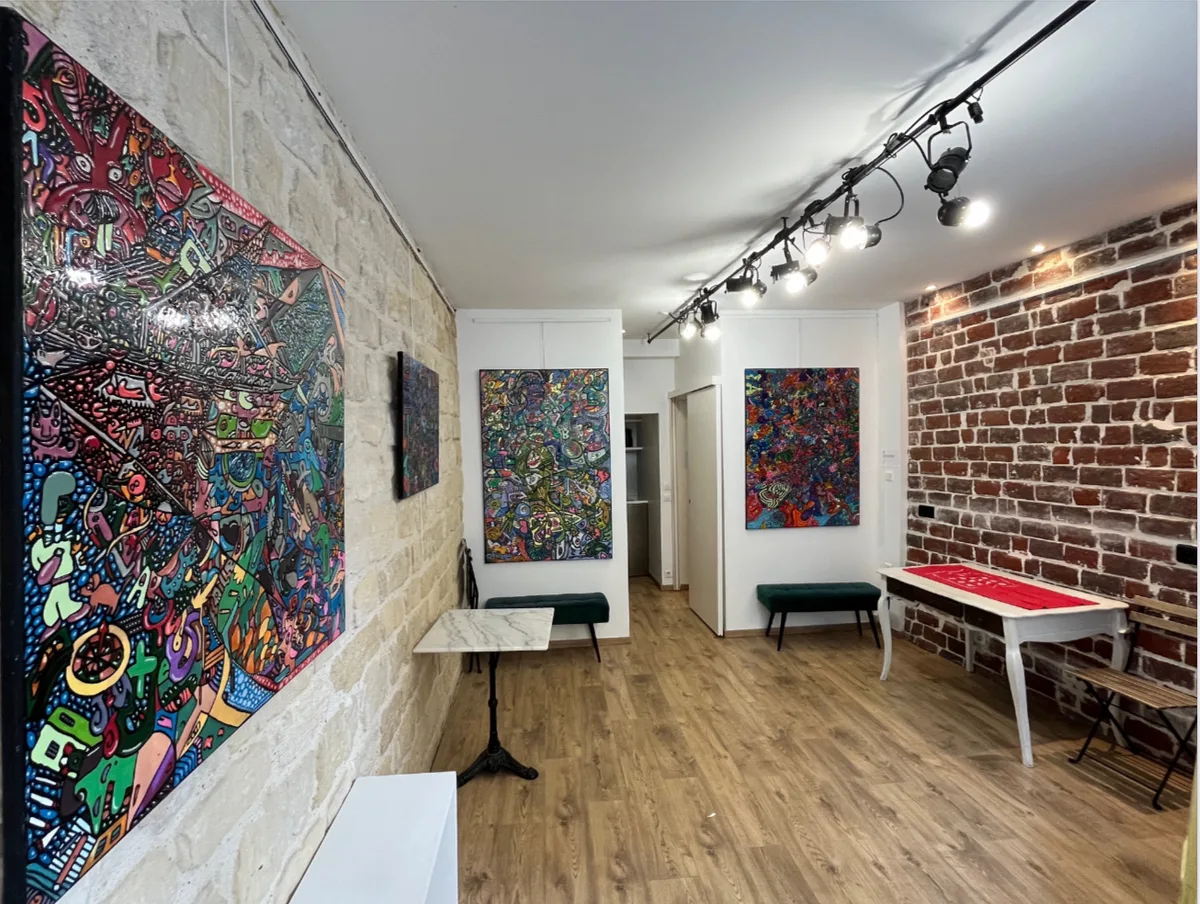
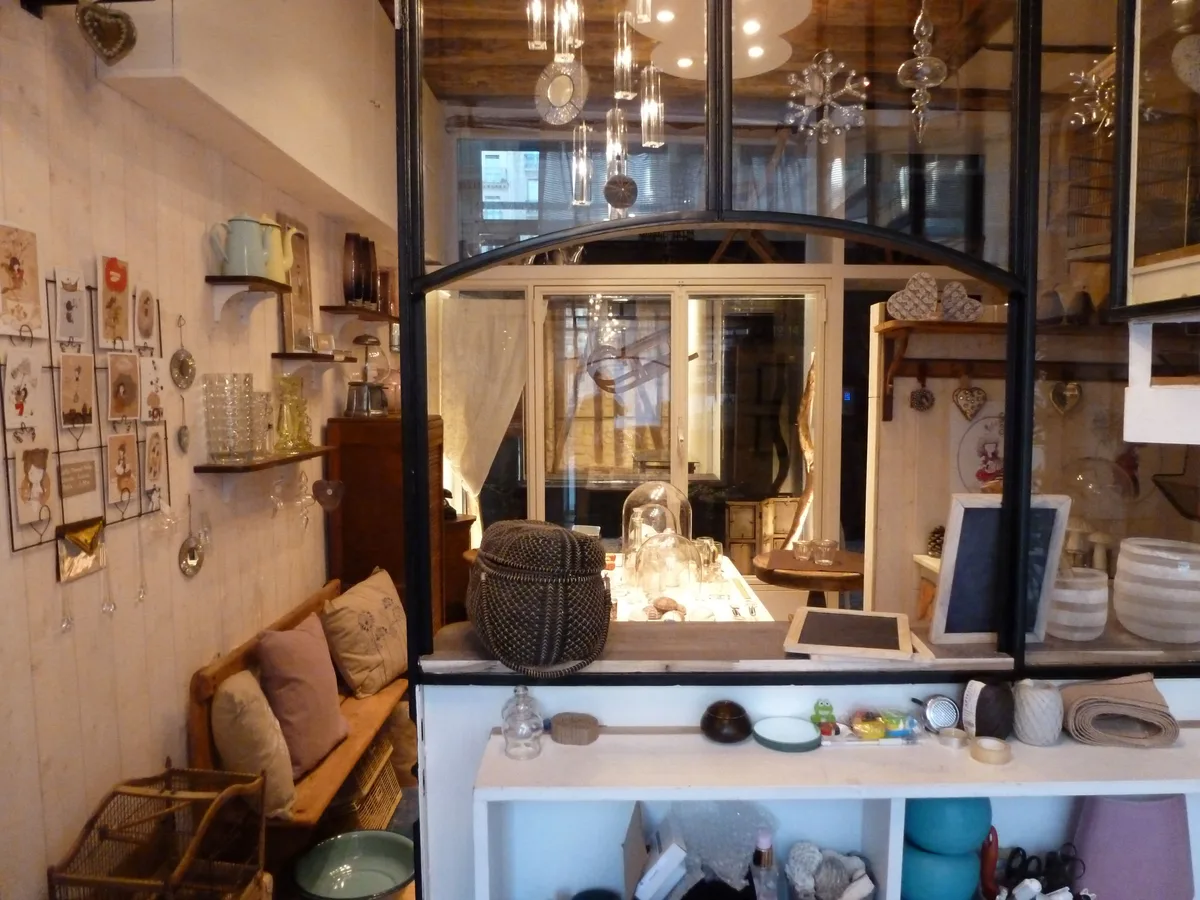
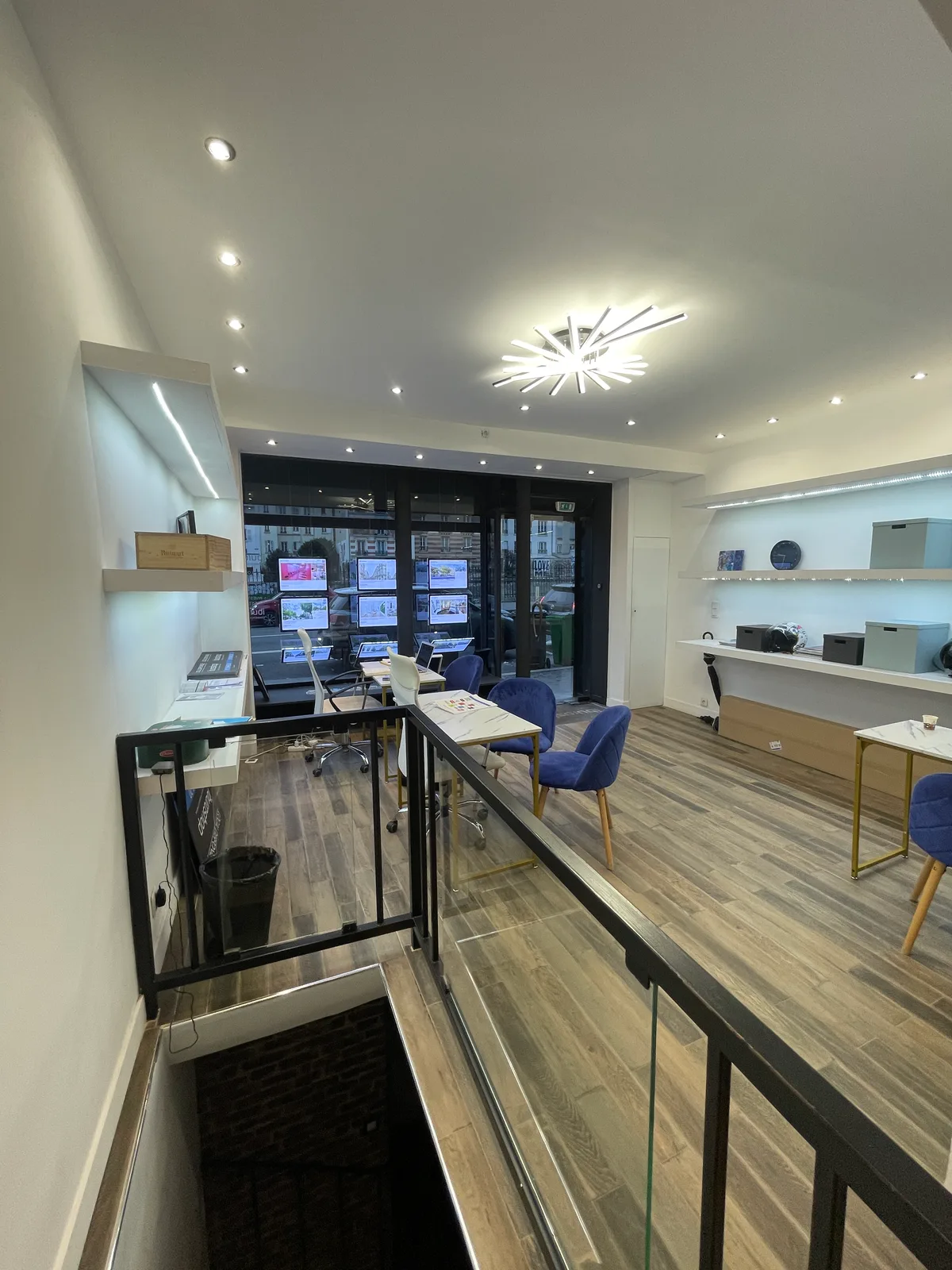
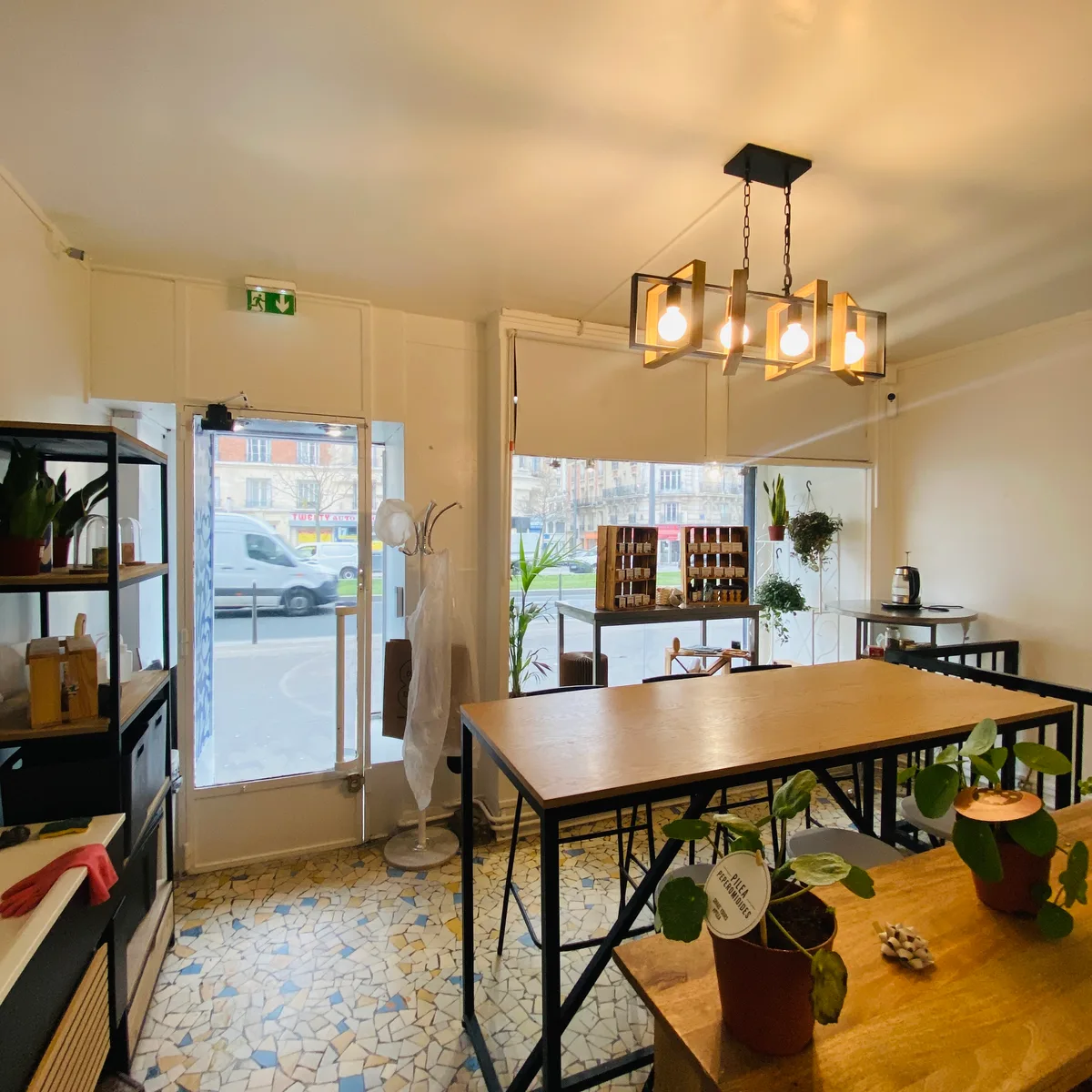
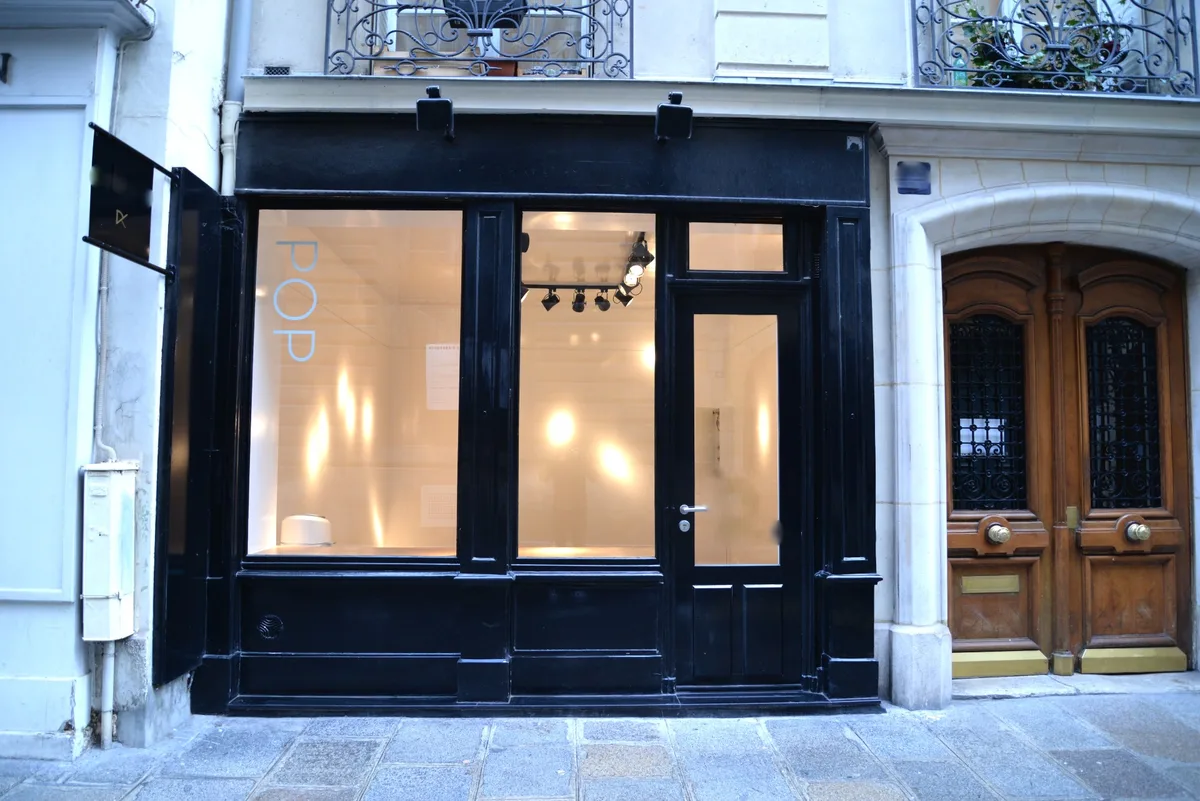
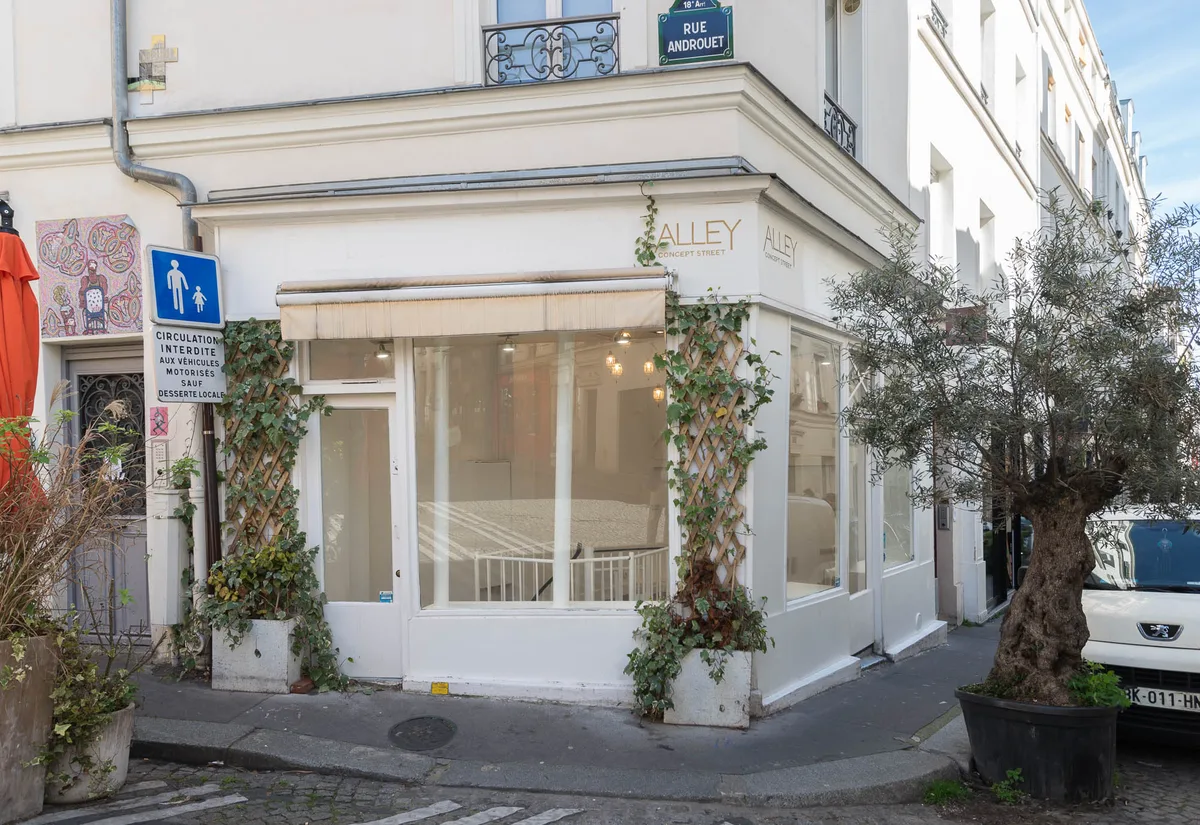
Boutique rental on Rue de Rivoli places your brand at the geographic and cultural centre of Paris, directly adjacent to the Louvre, the Tuileries Garden, and the most prestigious retail corridor in the 1st arrondissement. For fashion brands, creative agencies, and international labels seeking a short-term commercial presence in Paris, Rue de Rivoli and its surrounding streets represent an unmatched combination of heritage architecture, elite foot traffic, and proximity to major cultural landmarks. This guide covers everything a brand team needs to know about renting boutique, showroom, and pop-up space in the Rivoli district, from property types and permit structures to neighbourhood dynamics and activation planning. Fashion Week Venues supports brands seeking spaces across the Paris market, with dedicated expertise in the 1st arrondissement and adjacent districts.
Why Rue de Rivoli Is One of Paris's Most Strategic Locations for Brand Activations
Quick answer: Rue de Rivoli runs parallel to the Louvre and the Jardin des Tuileries across the entire width of central Paris. Its combination of Haussmannian architecture, metro connectivity, proximity to Place Vendôme, and consistent luxury retail adjacency makes it one of the most strategically valuable streets in Europe for short-term brand activations and boutique rentals.
Rue de Rivoli is not simply a street. It is a 3-kilometre axis that connects some of the most visited cultural and commercial destinations in the world. Running from the Place de la Bastille in the east to the Place de la Concorde in the west, the street threads through the heart of the 1st arrondissement and borders landmarks including the Louvre, the Musée des Arts Décoratifs, and the Jardin des Tuileries. The underground Louvre-Rivoli metro station connects the area directly to the broader Paris network, and pedestrian volumes along this corridor consistently rank among the highest in the city.
For brands considering a boutique rental in Paris, Rue de Rivoli sits within walking distance of several anchor destinations that generate sustained foot traffic year-round. The Louvre alone attracts millions of visitors annually, making the surrounding streets an active commercial zone regardless of season. The Tuileries Garden draws an additional layer of Parisian residents and tourists who circulate between the Louvre, Palais Royal, and the Champs-Élysées axis. The adjacency to Rue Saint-Honoré to the north adds further luxury retail density, with established maisons and concept boutiques concentrated between Place Vendôme and the Opéra Garnier.
The architecture along and near Rue de Rivoli includes a high proportion of Haussmannian buildings with ground-floor commercial arcades, upper-floor apartments, and heritage facades that carry inherent brand credibility. Spaces in this district frequently feature soaring ceilings, ornate mouldings, herringbone parquet floors, and full-length windows that face onto the street or a courtyard. These architectural qualities are particularly valued by fashion, jewellery, beauty, and luxury homewares brands that require a setting consistent with a Grand Parisian Style aesthetic.
Transit access adds operational practicality to the aesthetic advantages. The Louvre-Rivoli and Tuileries metro stations serve multiple lines, and the area is well-connected to Saint-Lazare, Châtelet, and other major interchange nodes. Brands hosting buyers, press, and consumers benefit from the ease with which guests can access the location from CDG, Orly, and central Paris hotels.
DID YOU KNOW: The arcade at Rue de Rivoli was commissioned by Napoleon Bonaparte in the early 19th century as a covered commercial passageway for the elite. The architectural intent was always to concentrate high-value commercial activity alongside cultural institutions, a function the street continues to serve more than two centuries later.
KEY TAKEAWAY: Rue de Rivoli offers brands a rare convergence of cultural adjacency, architectural heritage, luxury retail proximity, and metro-level transport access that few streets in any global city can match. For boutique rentals oriented toward fashion, art, and luxury positioning, this location provides intrinsic brand value before a single unit of merchandise is placed on a shelf.
Understanding the geography of the Rivoli district is only the starting point. The next decision involves identifying the right property type for your activation brief, budget, and operational requirements.
Property Types Available for Boutique Rental on Rue de Rivoli and the Surrounding 1st Arrondissement
Quick answer: The Rivoli district offers a wide range of property types for short-term commercial rental, including ground-floor storefronts with arcade frontage, upper-floor Haussmannian apartments suitable for showrooms and private sales, converted loft-style spaces with concrete floors and spotlights, and historic residences with reception areas and courtyards. Each type suits different activation formats and brand profiles.
Brands approaching the Rivoli rental market for the first time are often surprised by the diversity of property formats available for short-term commercial use. The assumption that only traditional retail storefronts are available misses a significant segment of the market. In practice, the 1st arrondissement and immediately adjacent areas offer at least five distinct property categories that brands regularly deploy for activations, showrooms, exhibitions, and private events.
Ground-Floor Storefronts and Arcade Units
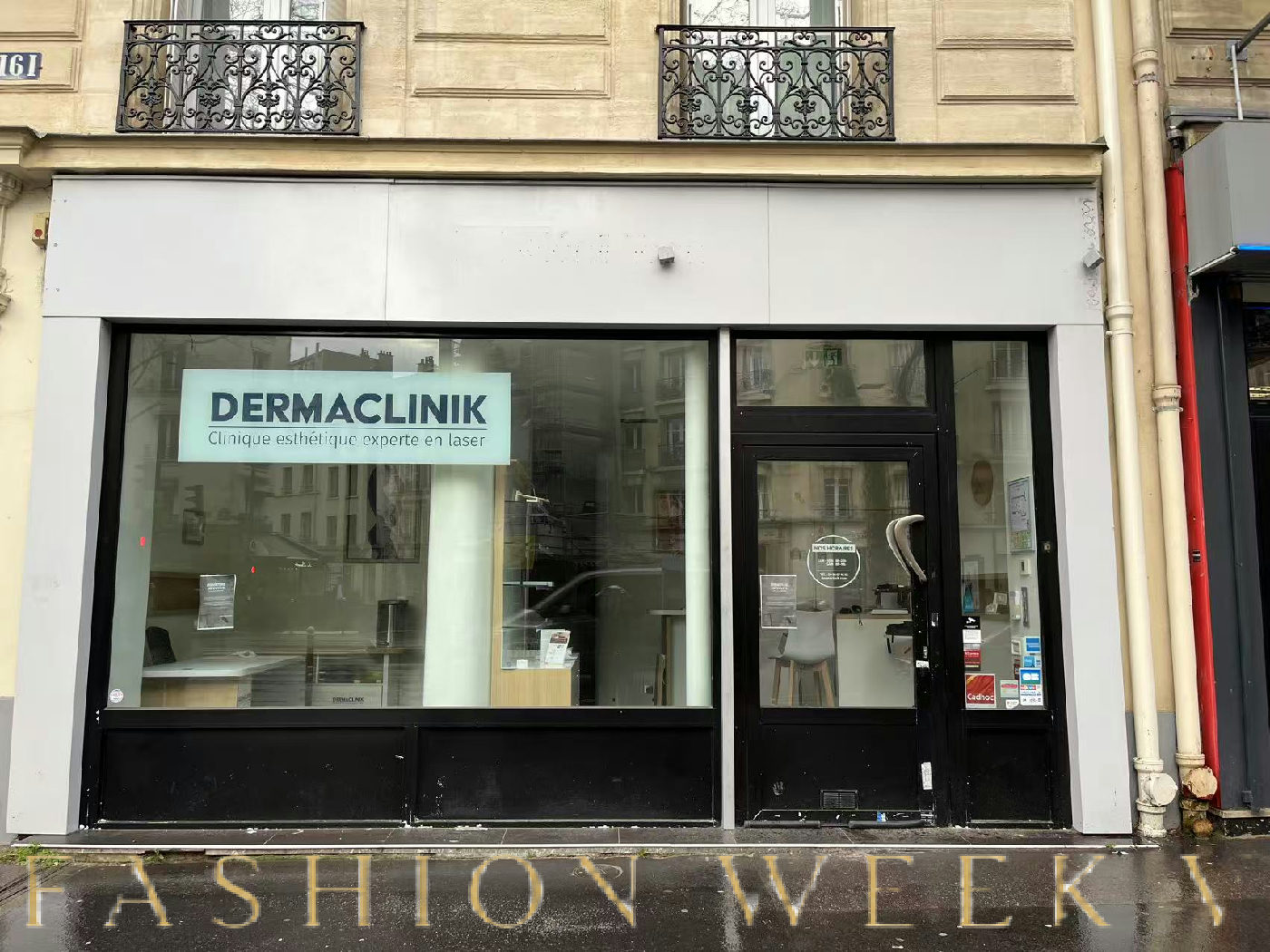
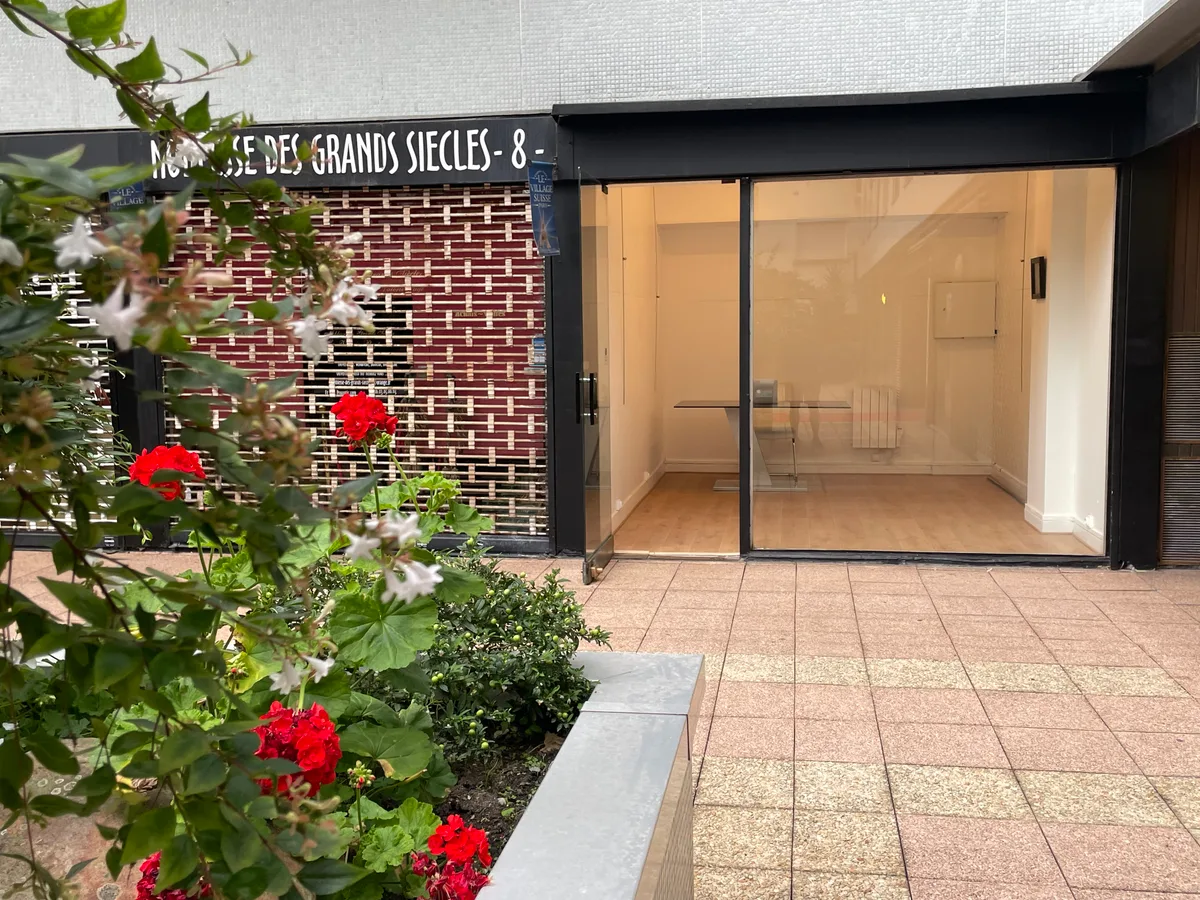
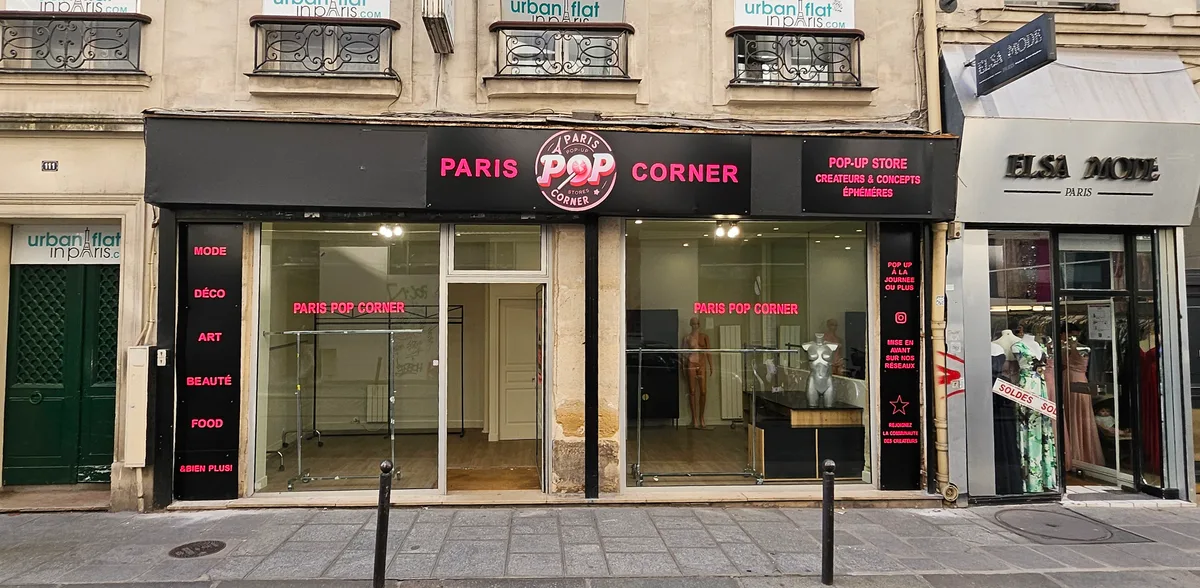
The most immediately recognisable format along Rue de Rivoli is the ground-floor arcade storefront. These units benefit from direct street-level visibility, pedestrian access without stairs, and display window frontage onto one of Paris's busiest thoroughfares. For brands seeking maximum walk-in traffic, product launches, or consumer-facing retail activations, this format delivers the clearest brand visibility. Many units in the historic arcade include stone or marble flooring, high ceilings, and structural columns that require thoughtful merchandising solutions but contribute to a distinctive retail atmosphere.
Upper-Floor Haussmannian Apartments as Showrooms
A significant proportion of fashion brand activations in the Rivoli district take place not at street level but on the first, second, or third floors of Haussmannian buildings. These Appartement Rivoli-style spaces typically feature herringbone parquet floors, ornate mouldings, full-length windows overlooking the street or a courtyard, and reception areas suitable for appointments, press previews, and buyer meetings. The Haussmannian apartment format is the dominant model for showroom use during Paris Fashion Week, when brands prefer the intimacy and privacy of an upper-floor setting over the open exposure of a storefront. A charming flat in this category can be furnished or unfurnished, with fully equipped kitchens and multiple bathrooms that allow for extended operational use during market weeks.
Loft and Industrial Conversion Spaces
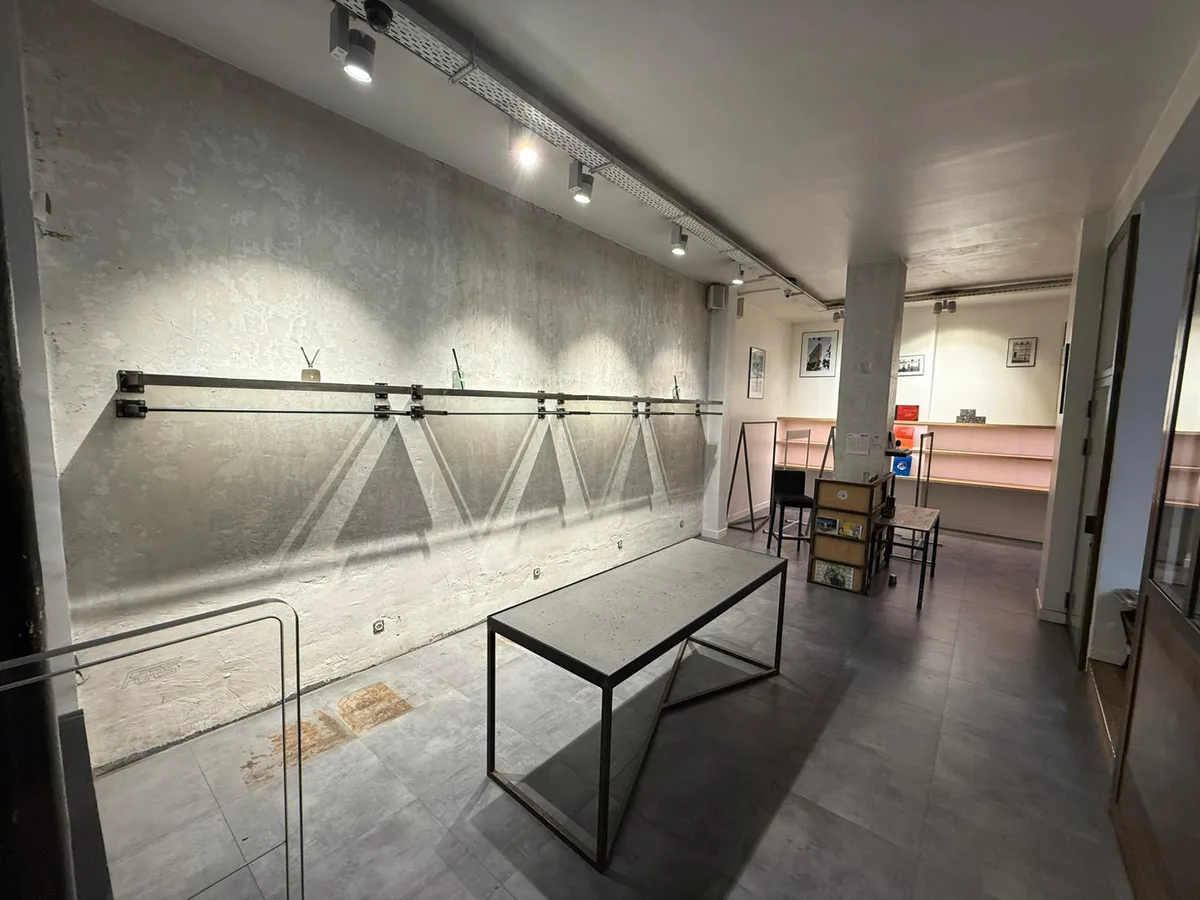
While less common directly on Rue de Rivoli, the broader 1st arrondissement and adjacent Le Marais district offer loft-style spaces with polished concrete floors, raw concrete floors, and ceiling-mounted spotlights. These spaces appeal to brands seeking a contemporary or conceptual aesthetic that deliberately contrasts with the classical Parisian setting. A space with polished concrete floors and industrial detailing can create an effective tension with a luxury product offering, a curatorial approach used by several contemporary fashion and design brands in recent seasons.
Residences with Courtyards and Reception Areas
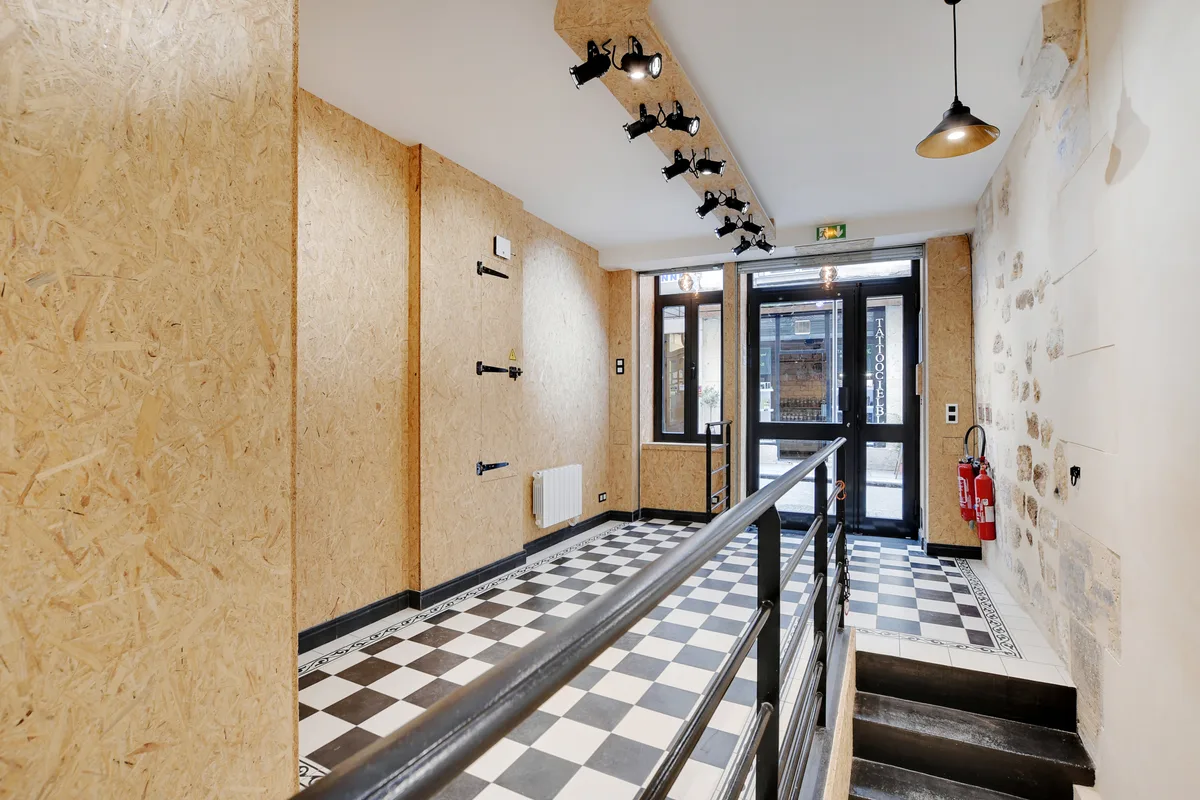
Some of the most distinctive spaces available near Rue de Rivoli are accessed through covered courtyards that separate street noise from the interior. These residence-format spaces often include reception areas with soaring ceilings, private storage rooms, and multiple floors that can accommodate different functions simultaneously. A brand might use the ground floor as a retail or display space, the first floor as a press lounge, and a third room as a storage and logistics area. This multi-function capacity is particularly valued by brands running multi-day activations or combining consumer events with trade appointments.
Meeting Rooms and Private Office Units
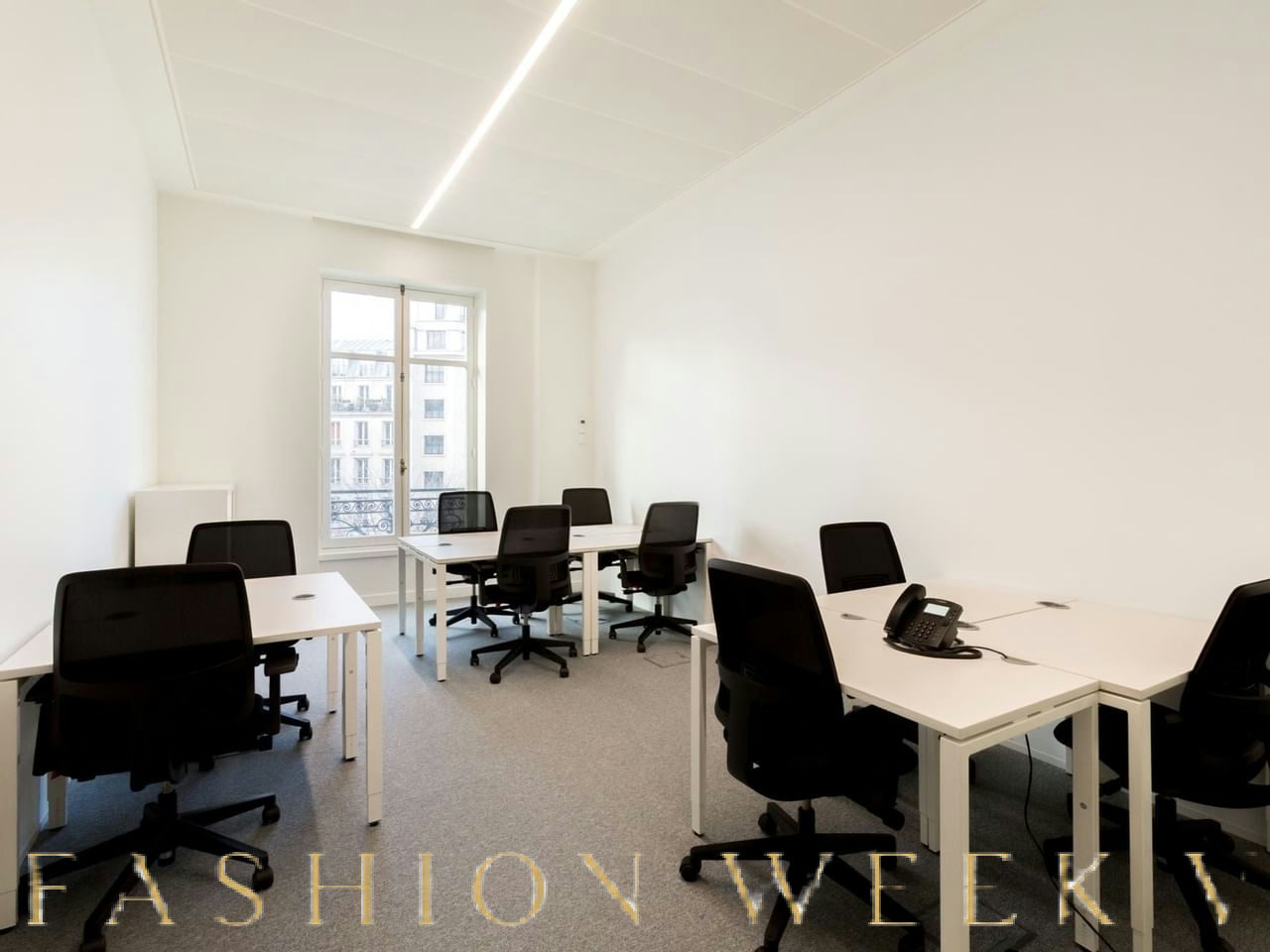
For brands requiring a more discreet operational base during market weeks, the 1st arrondissement also offers short-term meeting room hire and private office units that can serve as appointment offices for buyers, territory managers, or press liaisons. These spaces lack the retail or display profile of other formats but provide a professional and confidential setting for commercial conversations during the concentrated calendar weeks of Paris Fashion Week.
| Property Type | Best For | Key Features | Typical Location Within District |
|---|---|---|---|
| Ground-floor arcade storefront | Consumer pop-up, product launch, retail activation | Street-level visibility, display windows, walk-in access | Rue de Rivoli arcade, Place du Palais Royal |
| Haussmannian apartment showroom | Fashion showroom, press preview, buyer appointments | Herringbone parquet, ornate mouldings, full-length windows, kitchen | Upper floors on Rivoli, Rue Saint-Honoré, near Place Vendôme |
| Loft or industrial conversion | Contemporary brand activation, art exhibition, concept launch | Concrete floors, spotlights, open-plan layout | Le Marais fringe, Châtelet area |
| Courtyard residence | Multi-format activation, private event, VIP experience | Courtyard access, reception area, soaring ceilings, storage | Side streets off Rivoli, Palais Royal, Rue Saint-Honoré |
| Meeting rooms and private offices | Buyer meetings, press briefings, operational base | Private, professional, flexible duration | Across 1st arrondissement |
KEY TAKEAWAY: The Rivoli district offers far more than street-level storefronts. Brands with showroom, private event, or multi-format requirements will find Haussmannian apartments and courtyard residences particularly well-suited to fashion market week activations, while consumer-facing pop-up formats benefit most from arcade storefronts and loft-style spaces.
Once you understand the property types available, the next critical factor is matching your activation to the correct neighbourhood within and around the Rivoli corridor.
Neighbourhood Guide: Rue de Rivoli and the Key Zones of the 1st Arrondissement
Quick answer: The 1st arrondissement encompasses several distinct micro-zones that each carry different brand associations, audience profiles, and commercial dynamics. Brands should understand the differences between the Louvre-Tuileries axis, the Palais Royal quarter, the Rue Saint-Honoré corridor, and the Place Vendôme vicinity before committing to a specific block or building.
Paris's 1st arrondissement is geographically compact but commercially layered. A boutique rental on the Louvre-facing side of Rue de Rivoli carries a different audience context than one located two blocks north on Rue Saint-Honoré. Understanding these micro-distinctions is essential for brands trying to align their spatial choice with their target audience, their visual positioning, and their activation goals.
The Louvre-Tuileries Axis
The strip along Rue de Rivoli between the Louvre and the Place de la Concorde is the district's cultural backbone. Spaces in this zone benefit from proximity to the Musée des Arts Décoratifs, the Musée de l'Orangerie, and the Jardin des Tuileries. Brands with a strong art-adjacent identity, a cultural collaboration angle, or a tourism-facing strategy will find this micro-zone particularly effective. The audience here includes international visitors, culturally literate Parisian residents, and a consistent flow of design and fashion professionals who use the area as a daily circuit.
Palais Royal Quarter
The Palais Royal and its surrounding streets represent one of the most curated and editorially prestigious addresses in Paris. The colonnade garden, the covered galleries, and the surrounding streets attract a highly specific audience: collectors, fashion editors, independent designers, and a loyal clientele of established Parisian luxury consumers. Brands renting space in or near the Palais Royal benefit from the associations of editorial credibility and curatorial seriousness that the location carries. The covered galleries also offer protection from weather, which is operationally valuable for activations running across multiple weeks.
Rue Saint-Honoré and Place Vendôme
Running parallel to Rue de Rivoli one block north, Rue Saint-Honoré is the primary luxury retail street of the 1st arrondissement. From the Opéra Garnier in the east to the Place Vendôme in the centre, this corridor is lined with flagship boutiques, high jewellery maisons, and concept stores that define the French luxury aesthetic. A boutique rental on or immediately adjacent to Rue Saint-Honoré places a brand in direct proximity to its most relevant competitive set and its most valuable potential clientele. Place Vendôme itself, ringed by the world's most prestigious jewellery houses, is the defining landmark of this sub-zone.
Le Marais Fringe and Châtelet
The eastern edge of the 1st arrondissement borders the 4th arrondissement and the beginning of Le Marais. This zone, accessible from the Châtelet and Hôtel de Ville metro stations, carries a more contemporary cultural tone. Brands with a streetwear, emerging designer, or culture-forward identity tend to look at this zone as an alternative to the more classical Rivoli addresses. The Centre Pompidou is the dominant landmark here, and its surrounding streets attract a younger, more experimental audience than the Louvre-Tuileries axis.
To compare specific neighbourhoods and shortlist spaces by zone, explore the Paris city hub on Fashion Week Venues and identify which micro-zone aligns with your brand positioning and activation objectives.
| Micro-Zone | Dominant Landmarks | Brand Profile Fit | Key Streets |
|---|---|---|---|
| Louvre-Tuileries Axis | Louvre, Tuileries Garden, Musée de l'Orangerie, Musée des Arts Décoratifs | Art-adjacent, cultural, tourism-facing, international luxury | Rue de Rivoli, Rue de Castiglione |
| Palais Royal Quarter | Palais Royal, covered galleries | Editorial luxury, independent design, collector audience | Rue de Valois, Rue de Montpensier |
| Rue Saint-Honoré / Place Vendôme | Place Vendôme, Opéra Garnier, flagship maisons | High jewellery, established luxury, high-net-worth consumer | Rue Saint-Honoré, Rue de la Paix, Place Vendôme |
| Le Marais Fringe / Châtelet | Centre Pompidou, Place de l'Hôtel de Ville, Pont des Arts, Seine riverbanks | Contemporary, streetwear, emerging brands, culture-forward | Rue de Rivoli (eastern section), Rue du Temple |
KEY TAKEAWAY: No single block on Rue de Rivoli is identical in audience or brand association. The Louvre-Tuileries axis, the Palais Royal quarter, the Rue Saint-Honoré corridor, and the Le Marais fringe each serve different brand strategies. Matching your space selection to your target audience within this geography is as important as choosing the right property type.
With location and property type aligned, brands next need to understand the lease structures and permit frameworks that govern short-term commercial rentals in this part of Paris.
Lease Structures, Permits, and Legal Frameworks for Short-Term Boutique Rental in Paris
Quick answer: Short-term commercial rentals in Paris operate under specific legal frameworks that differ from standard commercial leases. The two most relevant structures for brand activations are the bail dérogatoire (short-term commercial lease) and the AOT (autorisation d'occupation temporaire). Understanding the difference between these structures and their applicable conditions is essential before signing any rental agreement in the 1st arrondissement or elsewhere in Paris.
Paris rental law is detailed and requires careful navigation, particularly for international brands unfamiliar with French commercial property regulations. The standard French commercial lease (bail commercial) is designed for long-term occupancy and carries obligations that are entirely inappropriate for a two-week pop-up or a one-month showroom rental. Brands operating short-term activations therefore rely on two alternative legal instruments that permit temporary commercial use without triggering the full protections and obligations of a long-term commercial lease.
The Bail Dérogatoire
The bail dérogatoire, sometimes called a bail précaire, is a short-term commercial lease that can be agreed between a property owner and a commercial tenant for a period of up to three years in total. The critical distinction from a standard bail commercial is that the bail dérogatoire does not grant the tenant any right to lease renewal and does not trigger the statutory commercial lease protection framework. For brands renting a boutique or showroom for one to twelve weeks, the bail dérogatoire is the most commonly used instrument. The agreement must clearly state the temporary nature of the rental and must be structured correctly to avoid inadvertently creating a full commercial lease. Brands are strongly advised to verify all documentation with a qualified French legal advisor before signing.
The AOT: Autorisation d'Occupation Temporaire
The AOT is relevant for activations that take place on publicly owned or publicly managed property, which includes certain areas around the Tuileries Garden, Seine riverbanks, and other spaces under the management of public bodies such as the Ville de Paris or the Domaine National des Tuileries. An AOT is a licence to occupy, not a lease, and it grants the holder the right to use a public space for a defined period and a defined purpose. AOTs are more complex to obtain than private leases and require direct engagement with the relevant public authority. For activations on private property within the 1st arrondissement, the bail dérogatoire is typically the applicable instrument.
Mobility Leases for Residential Spaces Used Commercially
Some brands running showroom activations in Haussmannian apartments use the bail mobilité, a mobility lease introduced under French law in 2018 to facilitate short-term furnished residential rentals. While primarily designed for residential use, the mobility lease is sometimes used for spaces that blend residential character with commercial function, such as a furnished apartment showroom. However, the commercial legitimacy of this approach requires careful legal assessment, as using a residential lease for commercial purposes can create compliance issues with the landlord, the local authority, and tax authorities.
IMPORTANT: Requirements for permits, lease types, and commercial activity vary significantly by space type, duration, arrondissement, and the specific terms agreed between landlord and tenant. This guide provides general information only. Brands must verify their specific situation with a qualified French legal advisor. Use the permit guidance tool on Fashion Week Venues as a starting reference point.
Practical Permit Considerations for Pop-Up Activations
Beyond the lease structure itself, brands operating a pop-up store or boutique in Paris may need to address additional requirements including signage permits (enseignes), temporary commercial activity declarations, VAT registration considerations for foreign entities, and potential restrictions on commercial activities in heritage-listed buildings. The 1st arrondissement contains numerous classified buildings and conservation areas where modifications to facades, signage, and interiors are subject to restrictions from the Direction Régionale des Affaires Culturelles (DRAC). Brands planning any physical modification to a rented space, even temporary installations, should check applicable restrictions before committing to a build programme.
KEY TAKEAWAY: Short-term boutique and showroom rentals in Paris are governed by specific legal instruments, principally the bail dérogatoire for private commercial spaces and the AOT for publicly managed spaces. Neither is a straightforward administrative process, and both require specialist legal and operational support to execute correctly. Do not assume that a space offered for short-term rental is automatically compliant with all applicable requirements.
With the legal framework understood, brands can move to the practical question of activation planning, including budgeting, timelines, and operational execution.
Activation Planning for a Pop-Up or Showroom on Rue de Rivoli: Budget, Timeline, and Operations
Quick answer: Planning a boutique activation on Rue de Rivoli requires coordinating at least six workstreams simultaneously: space sourcing, legal and permits, concept and design, production and build, staffing and operations, and marketing. Brands that underestimate lead times or treat the activation as a simple rental arrangement consistently encounter avoidable problems with delivery, compliance, and brand execution quality.
Brands approaching a Rue de Rivoli activation for the first time frequently focus most of their attention on finding the right space and underestimate the operational complexity of what follows once a space is confirmed. In practice, the space is only the beginning. A functional, branded, commercially effective pop-up or showroom in the 1st arrondissement requires a coordinated sequence of decisions and deliveries that must be planned backwards from the opening date.
Timeline Planning: Working Backwards from Opening Day
The most common planning error brands make is compressing the timeline between space confirmation and activation launch. For a two-week pop-up during Paris Fashion Week, a realistic planning timeline begins at least eight to twelve weeks before the opening date. Key milestones include space shortlisting and legal review, concept sign-off, production specification, supplier engagement, logistics coordination, staffing recruitment and briefing, and marketing preparation. Brands that begin this process four weeks before opening typically find themselves making compromised decisions on concept quality, supplier choice, and staff calibre. Use the timeline planning tool to map your specific activation milestones against your target opening date.
Budget Framework for a Rue de Rivoli Activation
Budget planning for a boutique activation in the Rivoli district requires a clear understanding of the cost components involved. Rental rates for prime spaces in the 1st arrondissement vary considerably based on space size, exact location, duration, and market timing. Rates during Paris Fashion Week periods are typically higher than equivalent periods outside the fashion calendar. In addition to the rental cost itself, brands should budget for fit-out and production, furniture rental, technology and POS, staffing, security, marketing and influencer activation, and operational consumables. The total cost of a Rue de Rivoli activation can vary significantly across a wide range depending on these variables. Do not rely on single-line rental quotes as a proxy for total activation cost. Use the budget estimation tool on Fashion Week Venues to build a brand-specific cost model before committing to a space.
Fit-Out and Production: What Brands Often Overlook
Spaces in heritage buildings carry specific constraints on the type of fit-out work that can be undertaken. Many spaces in the 1st arrondissement are in classified or listed buildings where drilling into walls, attaching permanent fixtures, painting surfaces, or modifying existing features is prohibited or subject to prior approval. Brands planning a high-specification build should confirm these constraints before finalising their concept. Free-standing systems, tension wire displays, modular furniture, and non-invasive installation methods are standard practice for heritage space activations. Engaging a production partner experienced with Paris heritage properties is essential to avoiding damage claims or installation failures on build day.
Staffing and Security for Paris Activations
A boutique activation in a high-footfall location such as Rue de Rivoli requires professionally trained staff who understand both the brand proposition and the specific security and operational context of a central Paris retail environment. This includes multilingual floor staff capable of engaging an international visitor base, a store manager or activation lead, and in many cases a dedicated security presence for high-value product displays. Staffing requirements vary by brand, product category, and expected visitor volume, and should be scoped carefully against the activation brief. Fashion Week Venues provides retail staffing support tailored to the Paris activation context.
ROI Framework: Measuring What Matters
Brands investing in a Rue de Rivoli boutique rental need a clear framework for measuring return before, during, and after the activation. The right metrics depend on the activation objective: brand awareness, direct retail revenue, press and influencer coverage, buyer appointments, or community building. Brands that define success metrics at the planning stage make better operational decisions throughout the activation and are better positioned to justify future investment. Use the ROI calculator on Fashion Week Venues to model expected returns against your specific activation format and objectives.
| Planning Phase | Key Actions | Recommended Lead Time |
|---|---|---|
| Brief and Strategy | Define objectives, audience, format, budget envelope, and calendar window | 12 to 16 weeks before opening |
| Space Sourcing and Legal | Shortlist spaces, review lease terms, engage legal advisor, sign agreement | 10 to 12 weeks before opening |
| Concept and Design | Develop spatial concept, visual identity application, layout planning | 8 to 10 weeks before opening |
| Production and Build | Supplier engagement, materials procurement, logistics coordination, build scheduling | 6 to 8 weeks before opening |
| Staffing and Operations | Recruit and brief staff, set up POS and payments, operational dry run | 2 to 4 weeks before opening |
| Marketing and PR | Press outreach, influencer briefing, social content production, event invitations | 4 to 6 weeks before opening |
| Activation and Optimisation | Daily operations, data monitoring, guest experience management, real-time adjustments | Opening day through close |
KEY TAKEAWAY: A successful boutique activation on Rue de Rivoli is an operational project, not simply a rental transaction. Brands that plan with a full 12-week lead time, a realistic multi-line budget, and a clear ROI framework consistently outperform those that treat the space as a self-contained deliverable. Every workstream from concept to staffing requires specific Paris-market expertise.
Understanding the operational complexity of a Rivoli activation raises the question of whether to manage it independently or to engage a specialist agency. The next section addresses that decision directly.
How Fashion Week Venues Supports Boutique Rentals and Brand Activations on Rue de Rivoli
Quick answer: Fashion Week Venues is a full-service pop-up agency and space marketplace that supports brand teams at every stage of a Paris activation, from initial space discovery through to post-activation analysis. For brands considering a boutique rental in the Rivoli district, Fashion Week Venues provides venue sourcing, concept direction, production and build management, activation management, staffing, POS and payments, and data and analytics services, alongside a set of proprietary planning tools.
Fashion Week Venues operates as both a curated space marketplace and a full-service agency, which means brands can engage at the level of service depth that matches their internal capabilities. Some brand teams arrive with a fully formed concept and need only space sourcing and logistics support. Others require end-to-end delivery from brief to close. Fashion Week Venues is structured to serve both profiles without requiring brands to commit to a fixed service model before understanding their requirements.
Venue Sourcing for the Rivoli District
The venue sourcing process begins with a structured brief that identifies the brand's objectives, format preferences, calendar requirements, and budget envelope. Fashion Week Venues applies this brief against its knowledge of available spaces in and around the 1st arrondissement, including spaces that are not publicly listed and that are only accessible through established agency relationships. For brands seeking storefronts, Haussmannian apartment showrooms, or courtyard residences in the Rivoli corridor, specialist venue sourcing reduces both the time required to identify suitable spaces and the risk of committing to a space that does not meet operational or legal requirements.
Concept Direction and Branded Store Design
For many brands, the physical environment of a Rue de Rivoli boutique is a primary communication tool. The spatial concept, the visual identity application, the material choices, and the guest journey design collectively determine whether the activation delivers a memorable brand experience or simply occupies a commercially valuable address. Fashion Week Venues' concept direction service and branded store design capability support brands in developing a spatial narrative that is coherent with their identity, viable within the constraints of the rented space, and executable within the available production timeline and budget.
Production, Build, and Activation Management
The physical delivery of a branded space in a heritage building in central Paris requires expertise in both the creative and the operational dimensions. Fashion Week Venues coordinates production, fit-out, and build activity through its production and build service, managing supplier engagement, heritage building constraints, logistics, and installation scheduling. Once the space is open, activation management covers the operational running of the boutique, including daily staff briefing, visitor experience management, and real-time performance monitoring.
Planning Tools for Independent Brands and Internal Teams
Brands with strong internal capabilities who want to plan their own Rivoli activation can access a suite of proprietary planning tools through Fashion Week Venues. These include the budget calculator for cost modelling, the ROI calculator for return projection, the timeline tool for milestone planning, the permits tool for regulatory guidance, the compare tool for space evaluation, and the locator tool for neighbourhood-level space discovery. These tools are designed to give brand teams a structured starting framework that reduces planning time and surfaces common oversight areas before they become costly problems.
The Twin Co-Activation Concept
For brands that want a presence in the Rivoli district but are working within a constrained budget, Fashion Week Venues offers a twin co-activation model through its twin concept. This approach pairs two complementary but non-competing brands within a single space, allowing both to share rental and operational costs while maintaining distinct brand identities within the activation. The twin model is particularly effective for emerging or independent brands that want to establish a presence in the 1st arrondissement without absorbing the full cost of a solo activation in one of Paris's most premium locations.
TIP: Brands considering a twin co-activation for the first time should invest time in identifying a partner brand whose audience profile, aesthetic, and operational approach are genuinely complementary. A poorly matched twin activation can dilute both brands' identity rather than amplifying either one.
KEY TAKEAWAY: Fashion Week Venues supports the full lifecycle of a Rue de Rivoli boutique rental, from space discovery and legal navigation through concept design, production, operations, and post-activation analysis. Brands at every capability level can engage with the platform, whether as a full-service agency client or as a self-directed team using the planning tools independently.
Even with strong agency support, brands benefit from understanding the most common misconceptions about boutique rental in Paris before they begin the process. The following section addresses the myths that most frequently cause delays, cost overruns, or compliance problems.
The Paris Fashion Calendar and the Right Timing for a Rue de Rivoli Activation
Quick answer: While Paris Fashion Week creates the most concentrated demand for boutique and showroom space in the 1st arrondissement, it is not the only commercially viable window for a Rivoli activation. Several other calendar moments generate significant brand activity, press presence, and consumer traffic in central Paris that brands can use to align their activation with peak audience attention without competing for the most constrained inventory windows.
Paris Fashion Week takes place twice per year: the womenswear edition in late February and early March, and the September edition in mid-to-late September. During these periods, demand for showroom space in the 1st arrondissement peaks dramatically, spaces are booked months in advance, and rental rates reflect the concentration of industry professionals, press, buyers, and media in the city simultaneously. For brands whose primary audience is the trade and press community, these windows are the logical choice.
However, the broader fashion and luxury calendar in Paris extends well beyond the official Fashion Week dates. Paris Haute Couture Week in January and July, the Maison & Objet design fair in January and September, Paris Photo in November, and Art Paris in April each generate a distinct wave of culturally engaged, commercially active visitors to central Paris. Brands in adjacent categories including homewares, beauty, jewellery, and art editions benefit from aligning their activations with these moments rather than competing in the more pressured Fashion Week inventory window.
Brands operating consumer-facing retail activations rather than trade showrooms have an additional set of high-traffic calendar moments available to them. The French summer holiday season brings elevated international tourist volumes through July and August, particularly along the Rue de Rivoli axis adjacent to the Louvre and Tuileries Garden. Christmas and the December gifting season generate peak retail traffic in the luxury districts of the 1st arrondissement. Aligning a consumer-facing boutique activation with these moments can deliver audience volumes that rival or exceed Fashion Week foot traffic for the right product category.
DID YOU KNOW: The Louvre is one of the most visited museums in the world, with visitor volumes that generate consistent daily pedestrian flow along Rue de Rivoli throughout the year. Brands activating adjacent to the Louvre benefit from this baseline audience regardless of the specific calendar window they choose.
Brands that are new to the Paris market and exploring their first activation should consider starting with a non-Fashion Week window to test their concept, build their team's operational familiarity with the Paris market, and establish relationships with local suppliers before attempting the more logistically complex Fashion Week activation. This sequenced approach is consistently more effective than attempting a high-stakes Fashion Week debut without prior Paris operational experience.
KEY TAKEAWAY: Paris Fashion Week is the highest-profile window for Rue de Rivoli activations but not the only viable one. Brands should map their activation timing against their specific audience (trade, press, consumer, or mixed), their product category, and their budget constraints before defaulting to the most competitive and expensive calendar window.
Common Myths About Boutique Rental on Rue de Rivoli Debunked
Several persistent misconceptions about renting boutique and showroom space in the Rivoli district and across Paris more broadly cause brands to delay decisions, overspend on the wrong things, or underinvest in critical operational areas. The following myth and fact pairs address the most common sources of confusion.
MYTH: International brands need a French legal entity to rent a boutique or showroom space in Paris.
FACT: Many short-term commercial rentals in Paris, including bail dérogatoire agreements, can be entered into by foreign legal entities without a French company registration. The specific requirements vary by landlord, space type, and lease structure. Some landlords require a local guarantor or a substantial deposit in lieu of a French entity. Brands should verify their specific circumstances with a French legal advisor rather than assuming a French entity is mandatory. Requirements differ across different situations and should never be assumed without professional guidance.
MYTH: Paris Fashion Week in February and September is the only viable calendar window for a Rue de Rivoli activation.
FACT: Paris hosts multiple annual events that generate substantial concentrations of relevant trade, press, and consumer audiences, including Haute Couture Week, Maison & Objet, Paris Photo, Art Paris, and the peak summer tourism season. Consumer-facing activations in particular can achieve strong commercial performance outside Fashion Week periods, often at lower rental rates and with significantly easier logistics. The optimal window depends on the brand's objectives and target audience.
MYTH: Commission brokers and traditional property agents are the only way to find available short-term retail space in central Paris.
FACT: Specialist pop-up space platforms and agencies such as Fashion Week Venues provide access to curated marketplace listings, unlisted spaces available through agency networks, and structured briefing processes that match brand requirements to available inventory more efficiently than general property brokers. Commission-only brokers operating in the Paris luxury retail market often have misaligned incentives that favour higher-value transactions over the best-fit space for a brand's specific brief.
MYTH: Short-term commercial leases in Paris are legally straightforward and can be arranged without specialist legal support.
FACT: French commercial property law is complex, and the distinction between a bail dérogatoire, a standard bail commercial, and a residential mobility lease carries significant legal and financial implications. An incorrectly structured short-term lease can inadvertently create long-term tenancy rights, expose brands to unexpected liabilities, or create compliance problems with French tax and commercial activity regulations. Specialist legal advice is not optional for brands renting commercial space in Paris, regardless of the duration or apparent simplicity of the arrangement.
MYTH: A Haussmannian apartment showroom in the 1st arrondissement can be fitted out like any other commercial space without restriction.
FACT: Many buildings in the 1st arrondissement are classified heritage structures subject to restrictions on modifications, signage, and installation work. Ground fixings, wall drilling, facade alterations, and even certain temporary display systems may be restricted or require prior authorisation from heritage protection authorities. Brands should confirm applicable restrictions with the landlord and relevant authorities before committing to a production plan that assumes unrestricted fit-out access.
Frequently Asked Questions About Boutique Rental on Rue de Rivoli and Paris Pop-Up Spaces
What are the most sought-after locations for renting a showroom or boutique on Rue de Rivoli in Paris?
The most in-demand locations within the Rivoli district for brand activations and showrooms are the blocks directly adjacent to the Louvre and the Palais Royal, the streets immediately north on Rue Saint-Honoré, and the blocks closest to Place Vendôme. These locations combine elite foot traffic, heritage architecture, and direct proximity to the luxury retail and cultural landmarks that define the 1st arrondissement. Spaces with full-length windows facing the Jardin des Tuileries or the Louvre courtyard are among the most competitive inventory in the Paris short-term rental market and are typically booked well in advance of peak calendar periods.
Why rent a showroom in the Rivoli district rather than another Paris neighbourhood?
The Rivoli district offers a combination of cultural prestige, architectural heritage, transport connectivity, and luxury retail adjacency that is difficult to replicate in other Paris neighbourhoods. For fashion and luxury brands, the address itself communicates brand positioning before any visual or editorial work is done. The area's proximity to the Louvre, the Tuileries Garden, and the Rue Saint-Honoré corridor means that spaces in this district attract both the trade and press audiences that matter for industry activations and the high-net-worth consumer audiences that matter for direct sales. No other Paris neighbourhood offers this specific combination of assets in a single compact zone.
How much does renting a showroom or boutique space in the Rivoli district cost?
Rental rates for short-term commercial spaces in the 1st arrondissement vary considerably based on space size, exact location, duration, and the timing of the rental relative to Fashion Week and other peak calendar periods. Fashion Week periods command premium rates over equivalent non-Fashion Week periods. Providing meaningful figures without knowing a brand's specific requirements, duration, and space criteria is not possible without a detailed brief. Brands should use the budget estimation tool on Fashion Week Venues to build a brand-specific cost model, and should budget for total activation costs well beyond the rental line alone, including fit-out, staffing, marketing, and operations.
What is the ideal duration for a boutique rental or showroom activation in the Rivoli district?
The ideal duration depends entirely on the activation objective. Trade showrooms during Paris Fashion Week typically run for five to ten days aligned with the official calendar. Consumer-facing pop-up boutiques generally benefit from longer durations of two to six weeks, which allow the brand to build audience momentum, generate press coverage, and justify the fixed costs of fit-out and production. Activations shorter than five days often fail to recover their production investment through either commercial revenue or brand awareness, while activations longer than eight weeks in a single space risk losing the novelty and urgency that drives engagement in the pop-up format.
Do I need a French company to rent a commercial space in Paris?
Not necessarily. Many short-term commercial leases in Paris, including bail dérogatoire agreements, can be structured for foreign legal entities. Specific requirements vary by landlord, space, and lease structure. Some landlords require a local guarantor, a larger deposit, or specific documentation from foreign entities. The key is to engage qualified French legal advice early in the process to ensure the rental agreement is structured correctly for your entity type and operational requirements. Do not assume that your standard company documentation will be sufficient without verifying with a French legal specialist.
What permits does a brand need for a pop-up store on Rue de Rivoli?
Permit requirements for a pop-up store or boutique activation in central Paris depend on the type of space, the nature of the commercial activity, the duration of the activation, and whether any physical modifications are planned. Key considerations include the type of lease agreement, signage permits for any exterior branding, heritage building restrictions for interior installations, and any specific requirements related to the sale of goods, food, or beverages. Requirements vary by arrondissement and by the specific building's heritage classification. The permit guidance tool on Fashion Week Venues provides a useful starting framework, but brands should always verify specific requirements with a qualified French legal advisor.
What is a bail dérogatoire and when does it apply to a Paris boutique rental?
A bail dérogatoire, also known as a bail précaire, is a short-term commercial lease that permits temporary occupancy of a commercial space in France without triggering the full statutory protections of a standard long-term bail commercial. It can be agreed for a maximum cumulative period of three years for the same space and the same parties. The bail dérogatoire is the most commonly used lease structure for pop-up stores, showrooms, and short-term boutique activations in Paris. It must be explicitly labelled as a bail dérogatoire in the written agreement to be valid. Brands are strongly advised to have all documentation reviewed by a qualified French legal advisor before signing.
What architectural features should brands expect in a Haussmannian apartment showroom in the 1st arrondissement?
Haussmannian apartment showrooms in the 1st arrondissement typically feature herringbone parquet floors, ornate mouldings, high ceilings, full-length windows facing the street or a courtyard, and formal reception areas. Many also include a fully equipped kitchen, multiple bathrooms, private storage, and in some cases a balcony. These spaces project an inherently Parisian aesthetic that fashion and luxury brands find highly compatible with their brand environment requirements. The key operational consideration is that the architectural heritage of these spaces often restricts the type of production work that can be undertaken, requiring non-invasive display and installation solutions.
Can a boutique activation on Rue de Rivoli work for consumer retail as well as trade showrooms?
Yes. The Rivoli district supports both trade and consumer activation formats effectively, though the space type, timing, and operational approach differ between the two. Trade showrooms typically operate in upper-floor Haussmannian apartments during Paris Fashion Week and Haute Couture Week, running appointment-based programmes for buyers and press. Consumer retail activations benefit from ground-floor storefronts or arcade units with direct street access and maximise the sustained pedestrian flow generated by the Louvre, Tuileries Garden, and Champs-Élysées tourist circuit. Brands running both formats simultaneously sometimes use a split-level or multi-room space to accommodate trade appointments on one floor and consumer retail on another.
How far in advance should brands book a boutique or showroom space in the Rivoli district?
For activations aligned with Paris Fashion Week, brands should begin the space sourcing process at least twelve to sixteen weeks before their intended opening date. Prime spaces in the 1st arrondissement, particularly those with Louvre-facing positions or proximity to Place Vendôme, are frequently committed months before the Fashion Week calendar. For non-Fashion Week periods, lead times of eight to twelve weeks are typically sufficient, though particularly distinctive spaces may still require early booking. Brands that begin sourcing fewer than six weeks before their target opening date will face significantly constrained options in the most desirable locations.
What services does a full-service agency provide for a Rue de Rivoli boutique activation that a brand could not easily manage independently?
A full-service agency operating in the Paris market provides access to established relationships with space owners, heritage building contractors, local logistics suppliers, multilingual retail staff, French legal advisors, and local press and influencer networks that take years to develop independently. Beyond network access, an experienced agency brings operational pattern recognition from previous Paris activations that allows teams to anticipate and avoid common failure points in concept design, production delivery, heritage building compliance, and activation management. The value is most pronounced for brands activating in Paris for the first time, for international brands without a Paris-based operational team, and for brands with compressed timelines that cannot absorb planning errors.
Is the Louvre district a safe and practical location for a boutique activation?
The 1st arrondissement and the Louvre-Tuileries district are generally considered safe and well-managed commercial areas with high levels of police and private security presence given the concentration of significant cultural institutions and luxury retail establishments. Transport access is excellent, with multiple metro lines serving the area from central Paris and beyond. Operationally, the area is well-served by logistics access routes, though peak tourist periods create pedestrian congestion that brands should factor into their delivery and restocking schedules. Brands should ensure their activation space includes appropriate security provisions for high-value product displays.
What types of events work well in a boutique or apartment space on Rue de Rivoli?
The architectural quality of spaces in the Rivoli district makes them suitable for a wide range of event formats including private press previews, fashion and jewellery presentations, art exhibitions, product launch dinners, buyer appointments, VIP gifting experiences, film screenings, brand archive exhibitions, and intimate concert or performance events. The key constraint is space capacity, which in Haussmannian apartment formats typically limits standing reception events to fifty to one hundred and fifty guests depending on the floor plan. Brands should confirm maximum occupancy and any noise or event restrictions with the landlord before planning event programming.
How does the twin co-activation model work for brands considering Rue de Rivoli?
The twin co-activation model pairs two complementary brands within a single space, with each brand occupying a defined zone or floor while sharing the overall rental and operational cost. Fashion Week Venues facilitates the matching process and the shared operational structure through its twin concept programme. The model works best when both brands share a broadly consistent aesthetic, a non-competing product category, and a compatible audience profile. For emerging or independent brands that want a presence in the elite Rivoli district without the full cost of a solo activation, the twin model offers a credible and commercially viable path to one of Paris's most prestigious addresses.
What data and analytics should brands collect during a Rivoli boutique activation?
Effective data collection during a boutique activation should track footfall by hour and day to identify peak traffic periods, conversion rates from visitor to enquiry or purchase, average transaction value, visitor origin data where collectable, press and influencer reach generated, and any digital engagement metrics from in-store or event content. For trade showrooms, appointment completion rates, buyer origin, and order metrics are the primary commercial indicators. Brands should set up their data collection infrastructure before opening day rather than attempting to retrofit measurement systems once the activation is running. Fashion Week Venues provides data and analytics support as part of its activation management service.
Conclusion: Making the Most of a Boutique Rental on Rue de Rivoli
Boutique rental on Rue de Rivoli offers fashion, luxury, and lifestyle brands access to one of the most strategically valuable commercial addresses in the world. The combination of Haussmannian architecture, direct adjacency to the Louvre and Tuileries Garden, proximity to Place Vendôme and Rue Saint-Honoré, and year-round foot traffic generated by the cultural institutions of the 1st arrondissement creates an environment where a well-executed activation can deliver disproportionate brand impact relative to its duration and cost.
The key to realising that impact lies in the quality of preparation. Brands that invest in early space sourcing, structured legal review, realistic budget modelling, and thorough operational planning consistently deliver stronger activations than those that treat the rental itself as the primary work. The space is the stage, but the production, concept, staffing, marketing, and data strategy are what determine whether the performance is memorable.
Paris Fashion Week Venues, Haute Couture seasons, and the broader Parisian cultural calendar provide multiple viable windows for a Rivoli activation across the year. The best window for your brand depends on your audience, your objectives, and your operational readiness, not simply on which period generates the most industry noise.
For brands at the beginning of this process, the most useful next step is building a concrete brief that covers your format, your calendar, your budget envelope, and your target neighbourhood within the Rivoli district. That brief is the foundation for every subsequent decision, from space shortlisting to concept design to staffing. Explore the available tools, past activations, and city-specific resources at Fashion Week Venues to develop that brief with the depth and specificity it requires.
To move from research to activation, start exploring available spaces on the Fashion Week Venues marketplace and build a focused brief for your target neighbourhood, space type, and calendar window. The Rivoli district rewards brands that arrive with clarity of purpose and thoroughness of preparation.