
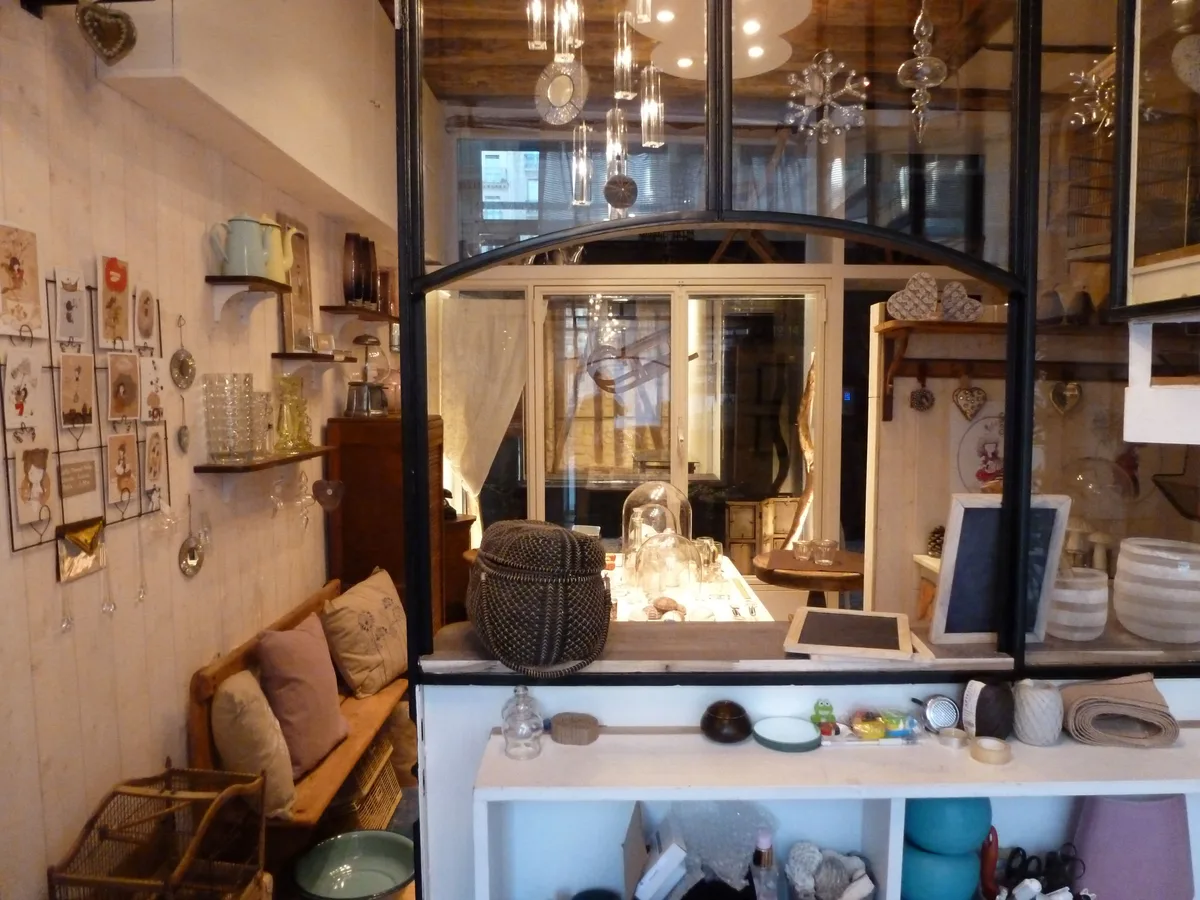
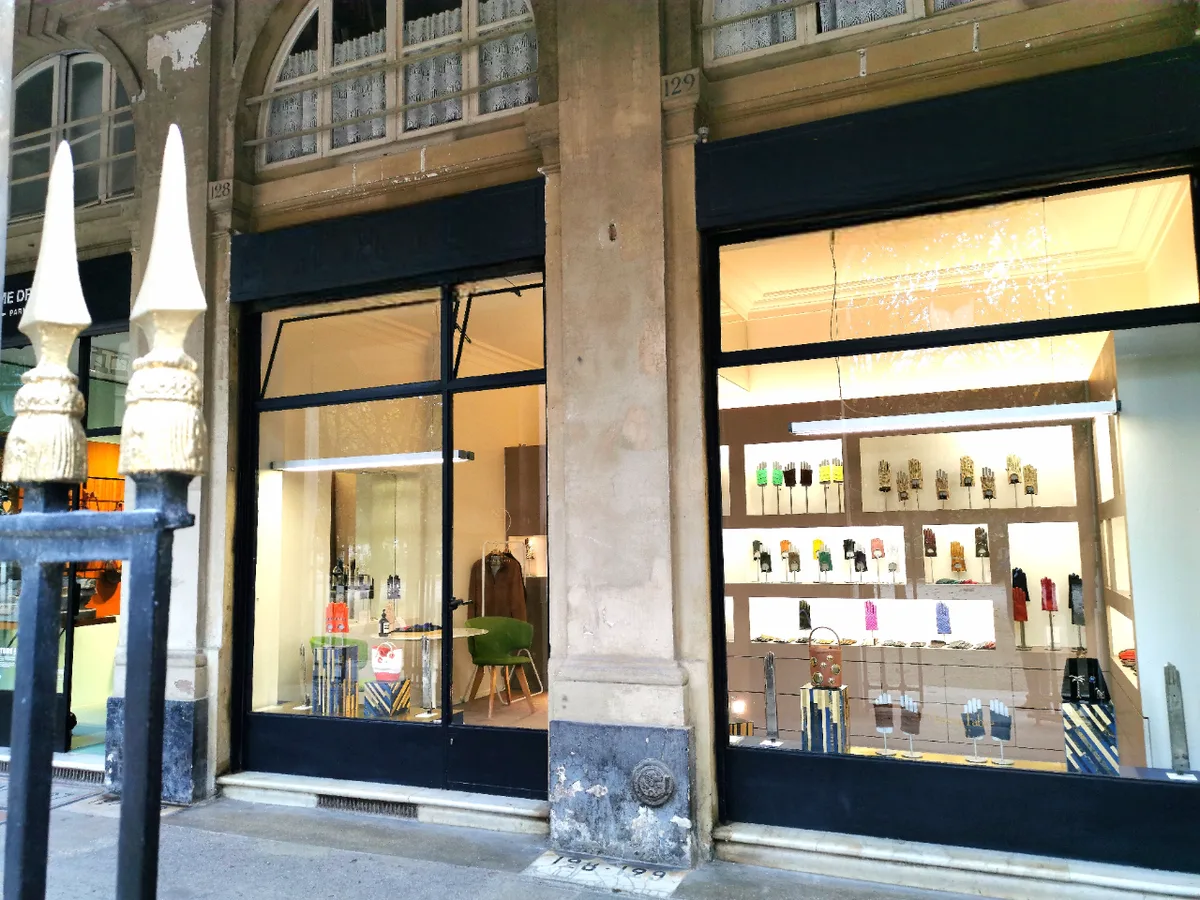
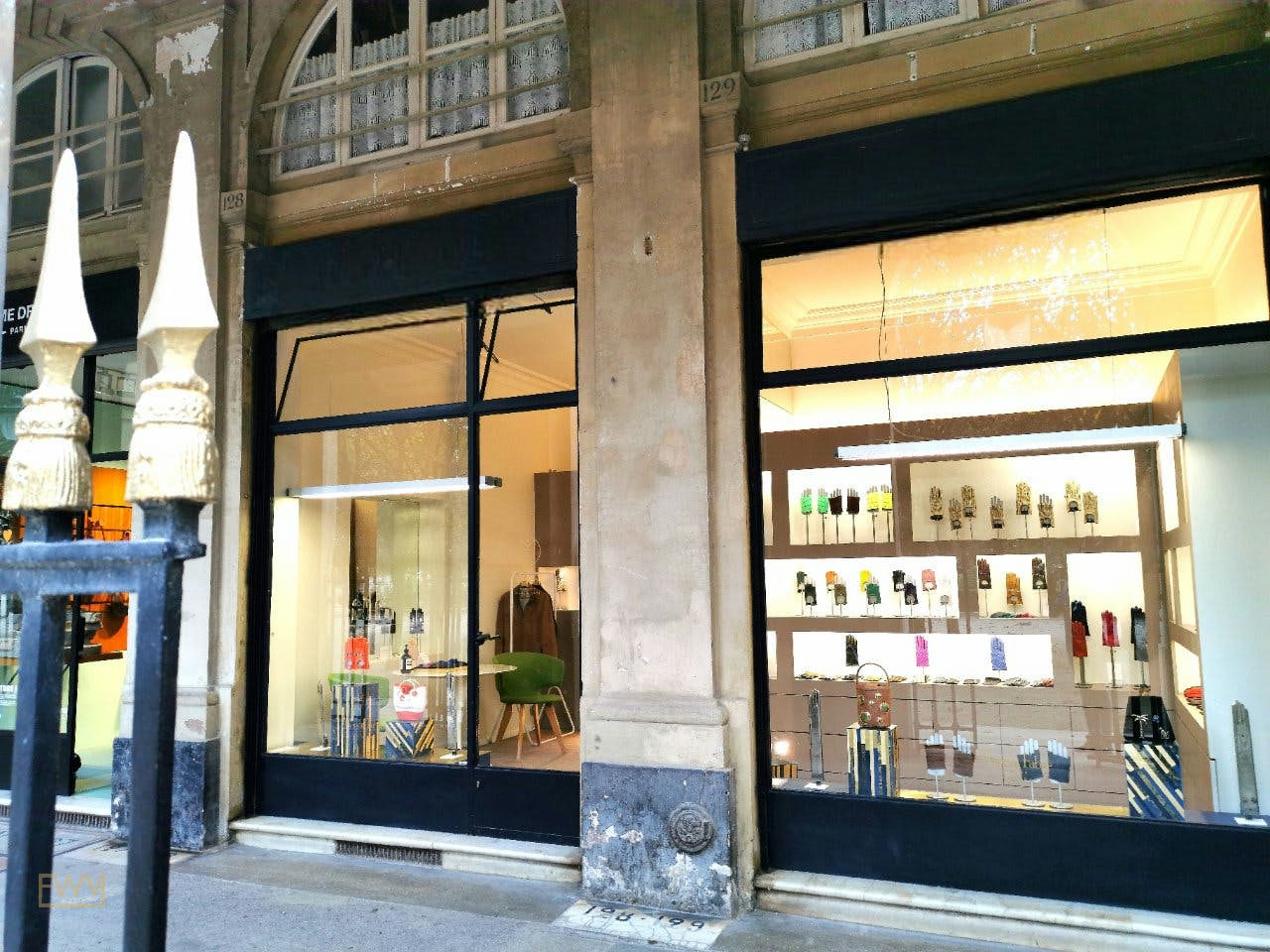
Boutique rental on Rue Saint-Honoré sits at the intersection of Paris's most prestigious address and the global fashion industry's most competitive activation calendar. For international brands seeking pop-up stores, showrooms, product launches, or private sales in the French capital, this street offers an unmatched combination of footfall, cultural credibility, and proximity to the luxury consumer. From Chanel and Hermès to emerging concept stores and independent art galleries, Rue Saint-Honoré and its surrounding 1st arrondissement neighbourhoods represent the highest-demand short-term retail territory in Paris. Explore available spaces and the Paris city hub to understand your options before committing to a location, budget, or activation format.
What Makes Rue Saint-Honoré the Benchmark Address for Boutique Rental in Paris
Quick answer: Rue Saint-Honoré is Paris's most concentrated luxury retail corridor, running through the 1st arrondissement from the Louvre to the Madeleine, flanked by Place Vendôme, the Tuileries Garden, and Palais-Royal. It hosts flagship boutiques from global fashion houses alongside high-performing concept stores and showrooms, making it the first-choice address for brands seeking short-term boutique rental in Paris during and beyond Fashion Week.
Rue Saint-Honoré stretches from the eastern edge of the 1st arrondissement near the Louvre museum westward toward the Madeleine, eventually continuing as Rue du Faubourg Saint-Honoré in the 8th arrondissement. This geographic continuity creates one of the world's most valuable retail corridors, drawing foot traffic from international tourists, fashion industry professionals, luxury consumers, and Parisian locals who treat the street as both a shopping destination and a cultural thoroughfare.
The street's status is inseparable from its neighbours. Place Vendôme, one of the most recognisable squares in France, anchors the northern side with jewellery maisons, luxury hotels, and Haute Joaillerie ateliers. The Tuileries Garden provides a vast outdoor counterpoint to the south, drawing millions of visitors annually to its sculpture walks and seasonal exhibitions including the FIAC and Art Basel programming. Palais-Royal, a short walk east, adds further retail depth with its arcades, galleries, and the kind of curated boutique environment that independent brands and concept stores have long favoured.
Brands choosing boutique rental in this area benefit from one of the densest concentrations of luxury consumers anywhere in France. The 1st arrondissement regularly attracts visitors staying in adjacent luxury hotels on Rue de Rivoli, Place Vendôme, and around the Opéra Garnier. This visitor profile skews toward high-net-worth individuals, fashion editors, buyers, and brand loyalists who are actively in a discovery and purchase mindset when they walk the street.
Beyond luxury retail, the street functions as a cultural axis. The Louvre museum, the Musée de l'Orangerie, and the Musée du Jeu de Paume form a triangular cultural cluster that feeds consistent, engaged visitor traffic into the surrounding streets. Art galleries, including Galerie Vauclair and Nada Paris, operate alongside designer stores, creating an environment where cultural dwell time extends commercial opportunity for boutique tenants.
It is worth distinguishing the full corridor when evaluating boutique rental options. Boulevard Saint-Honoré, the wider stretch running parallel in sections, offers slightly different space typologies including Haussmannian buildings with larger ground floors, while Rue Saint-Honoré itself tends to offer narrower, more architecturally characterful properties suited to curated retail experiences. Both are viable depending on your format, activation size, and brand positioning.
KEY TAKEAWAY: Rue Saint-Honoré is not merely a prestigious address. It is a functionally valuable retail location with demonstrable luxury footfall, cultural dwell time, and proximity to the world's most concentrated cluster of fashion houses, making it a commercially sound choice for short-term boutique rental during Paris Fashion Week and beyond.
Understanding what makes the street work commercially sets the foundation for making informed decisions about space type, lease structure, and the permits required to operate a temporary boutique in this arrondissement.
The History of Rue Saint-Honoré and Why It Became Paris's Most Prestigious Retail Address
Quick answer: Rue Saint-Honoré has been a central artery of Parisian life since medieval times, shaped by royal history, religious institutions, and centuries of commercial activity. Its transformation into a luxury retail corridor is the result of deliberate social, architectural, and commercial forces that accumulated over four hundred years, making its prestige deeply rooted rather than superficial.
The street takes its name from Saint Honoré, the patron saint of bakers, and has functioned as a major route through Paris since the city's medieval expansion. Its early history is marked by institutions and events of national significance. The Couvent des Feuillants, a monastery that once stood on the street, became one of the centres of early Revolutionary activity in France. The Église Notre-Dame-de-l'Assomption de Paris, which still stands today, was built in the seventeenth century and remains an active church in the heart of the luxury district.
The street carries the weight of French political history in its very paving stones. King Henry IV of France, one of the most significant monarchs in French history, was assassinated nearby by François Ravaillac in 1610, an event that shook the monarchy and altered the course of French history. The Hôtel de Noailles and the Hôtel Pussort, historic townhouses that once defined the street's aristocratic character, speak to the long tradition of wealthy Parisian families anchoring their presence here.
Cultural life has also shaped the street's identity. Molière, France's defining playwright, spent significant time in the area, and the Comédie-Française, which remains one of the most important theatrical institutions in France, is located at the eastern end of the street's cultural orbit near the Palais-Royal. The Nouveau Cirque, a now-demolished entertainment venue that once stood on nearby ground, speaks to the street's history as a site of public spectacle and gathering.
The composer Juan Chrisostomo Arriaga y Balzola, sometimes called the Spanish Mozart, spent his brief life partly in this part of Paris, reflecting the street's draw for artists and intellectuals during the nineteenth century. Henri Dupuy de Lôme, the influential French naval engineer, also has connections to this part of the city, reinforcing the idea that Rue Saint-Honoré has always attracted individuals of distinction across disciplines.
The arrival of Joan of Arc in the area during her attempt to retake Paris in 1429 is another historical marker that illustrates how central this street has been to French national identity across centuries. The Porte Saint-Honoré, a medieval gate that once marked the northern boundary of Paris, stood at what is now a key junction on the luxury retail corridor.
The Haussmannian transformation of Paris under Napoleon III brought the street's built environment into its modern form. Baron Haussmann's renovations created the wide boulevards, uniform stone facades, and elegant proportions of the buildings that now house flagship boutiques and designer stores. This architectural legacy, characterised by Paris stone facades, high ceilings, large windows, and ornate ironwork, gives the street its distinctive visual authority and makes its properties particularly desirable for brands seeking spaces with Haussmannian buildings as a backdrop for their retail experience.
The consolidation of luxury fashion houses along the street in the twentieth century, anchored by the presence of Chanel, Hermès, and Goyard, transformed it from a prestigious residential and commercial address into a globally recognised luxury destination. This institutional presence created a gravitational effect, attracting further fashion houses, luxury hotels, and eventually the concept stores and showrooms that now coexist with the heritage brands.
KEY TAKEAWAY: The commercial power of Rue Saint-Honoré for boutique rental is inseparable from its four-hundred-year history as a site of royal, cultural, and commercial significance. Brands occupying space here benefit from an accumulated institutional prestige that no new-build retail district can replicate.
This historical depth directly affects the physical character of the properties available for rent, which in turn shapes the kind of brand experience that can be created in a short-term boutique activation on this street.
Space Types and Property Specifications for Boutique Rental on Rue Saint-Honoré
Quick answer: Boutique rental on Rue Saint-Honoré encompasses a range of property formats including ground-floor retail units in Haussmannian buildings, upper-floor apartment-format spaces suitable for private showrooms, refurbished open-plan studios for concept stores, and larger multi-room properties for full-scale brand activations. Each type has distinct advantages depending on your format, team size, and activation objectives.
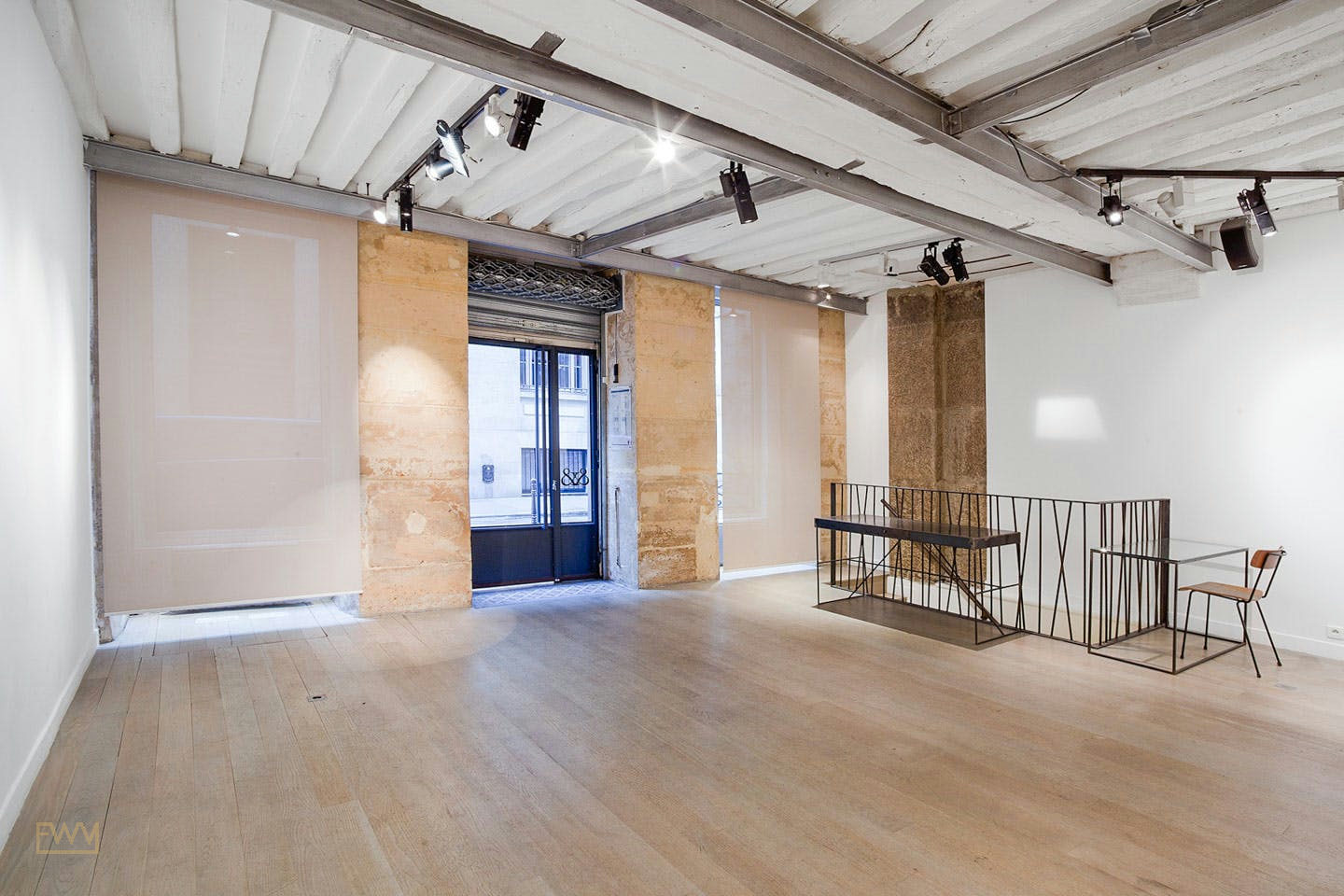
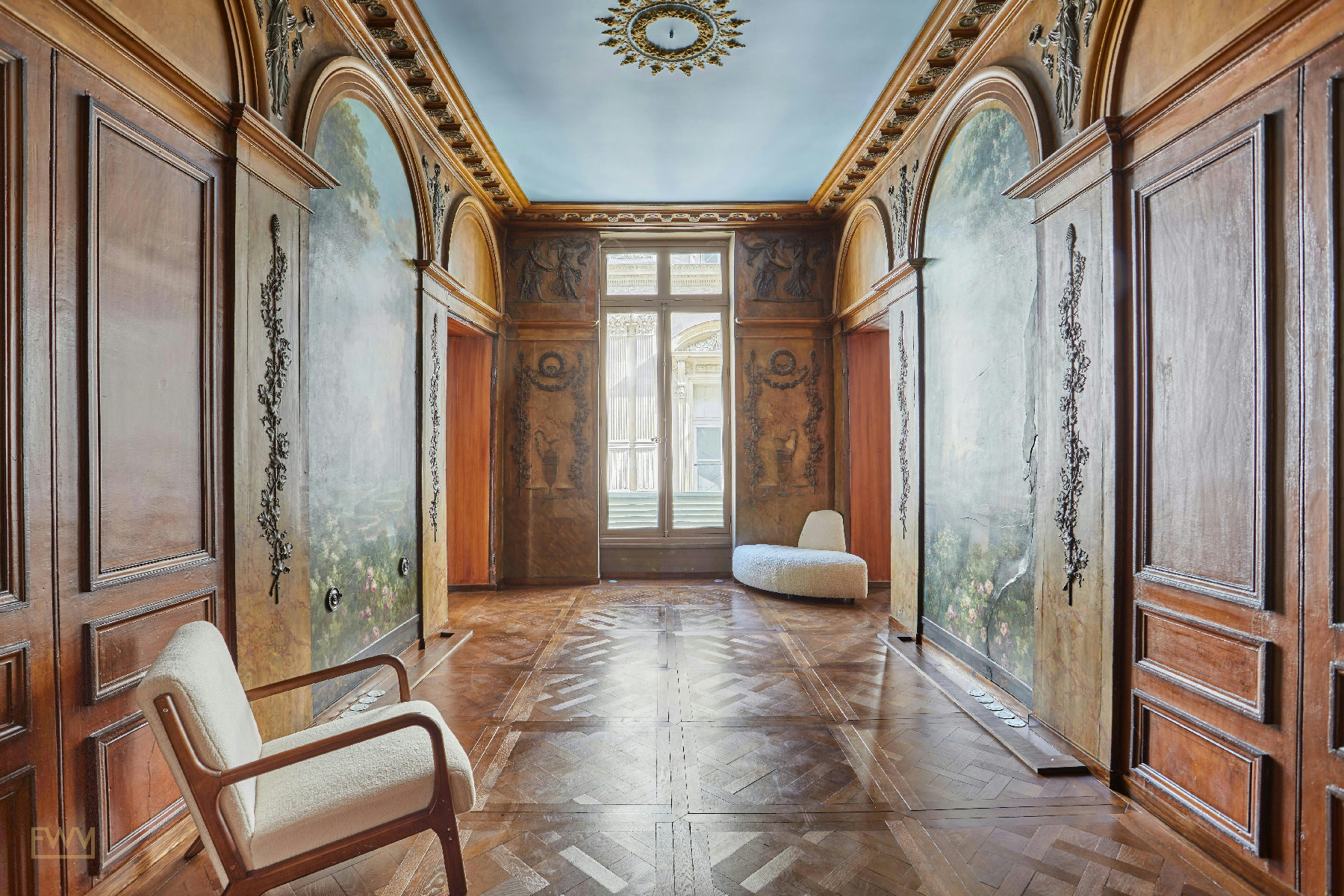
Understanding the physical typology of available spaces is essential before approaching landlords, agents, or marketplace platforms. The 1st arrondissement's built environment is defined primarily by Haussmannian buildings constructed between the 1850s and 1880s, characterised by Paris stone facades, ornate cornices, tall windows designed to maximise natural light, high ceilings, and a formal room arrangement that reflects the domestic and commercial conventions of nineteenth-century France.
Ground-Floor Retail Units and Former Boutique Spaces
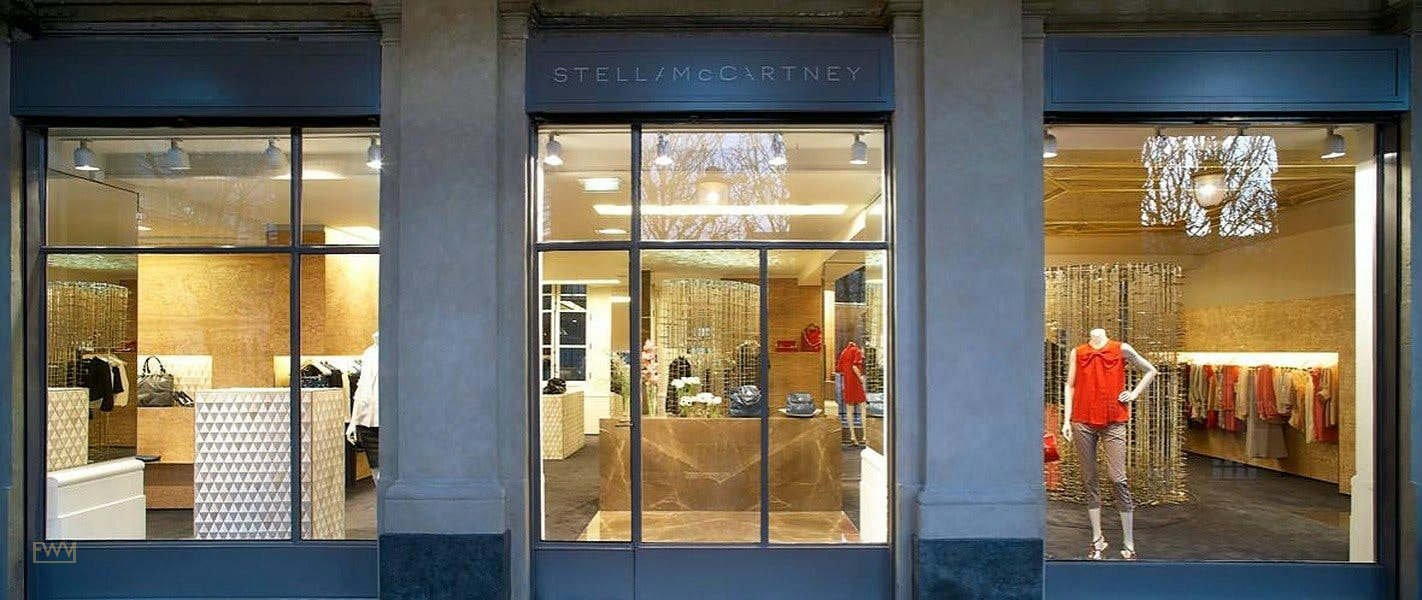
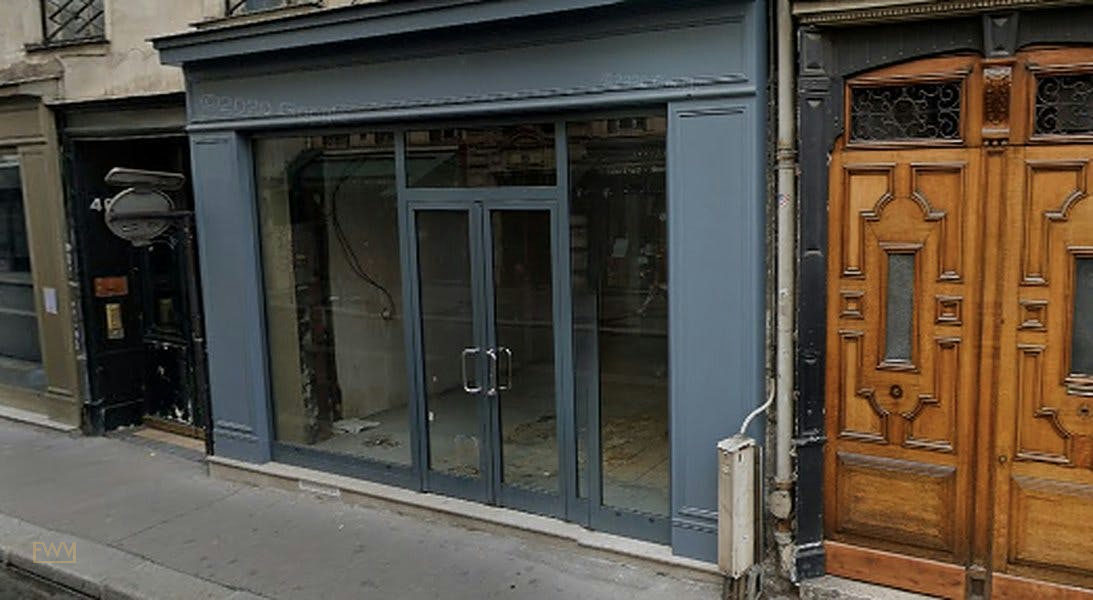
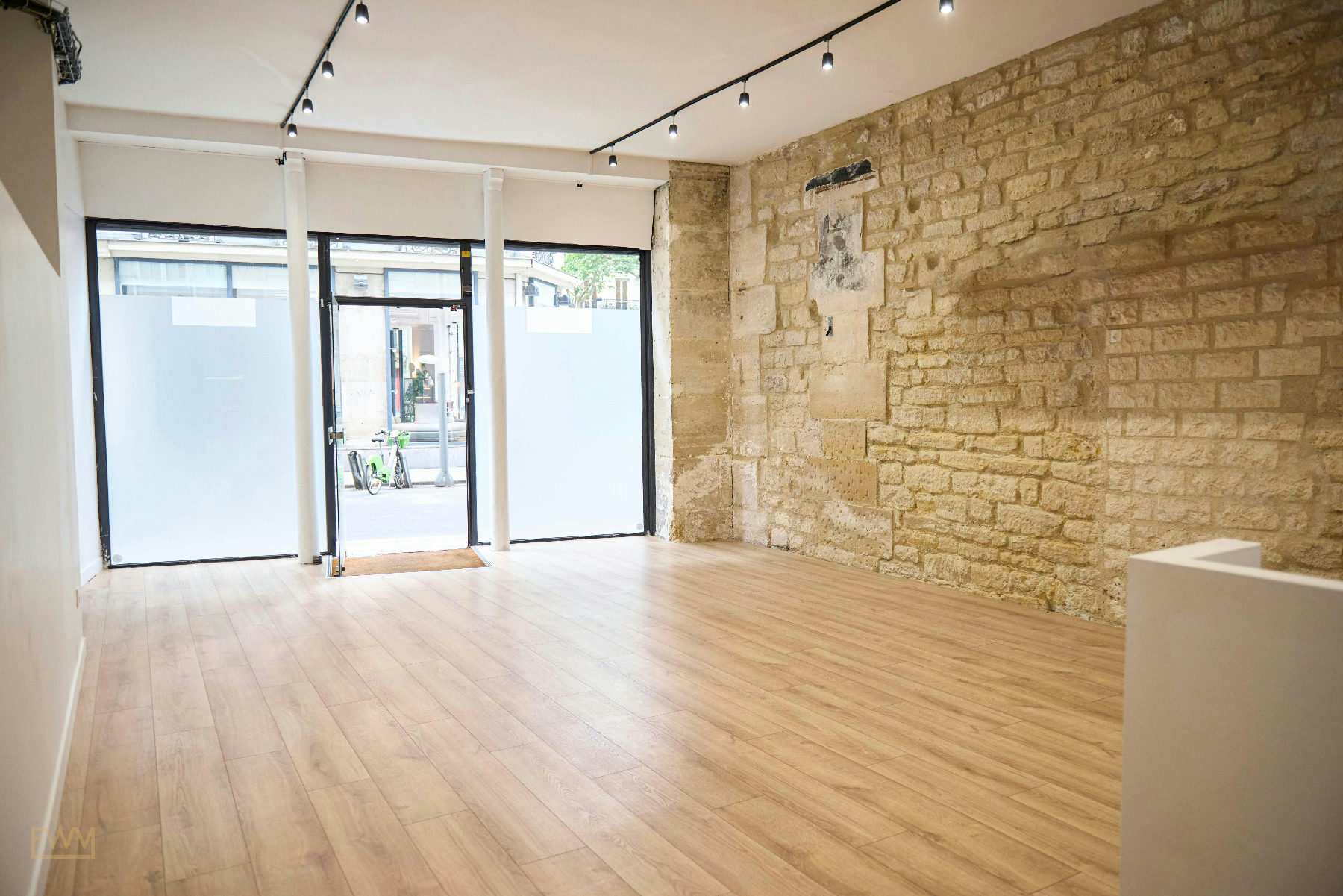
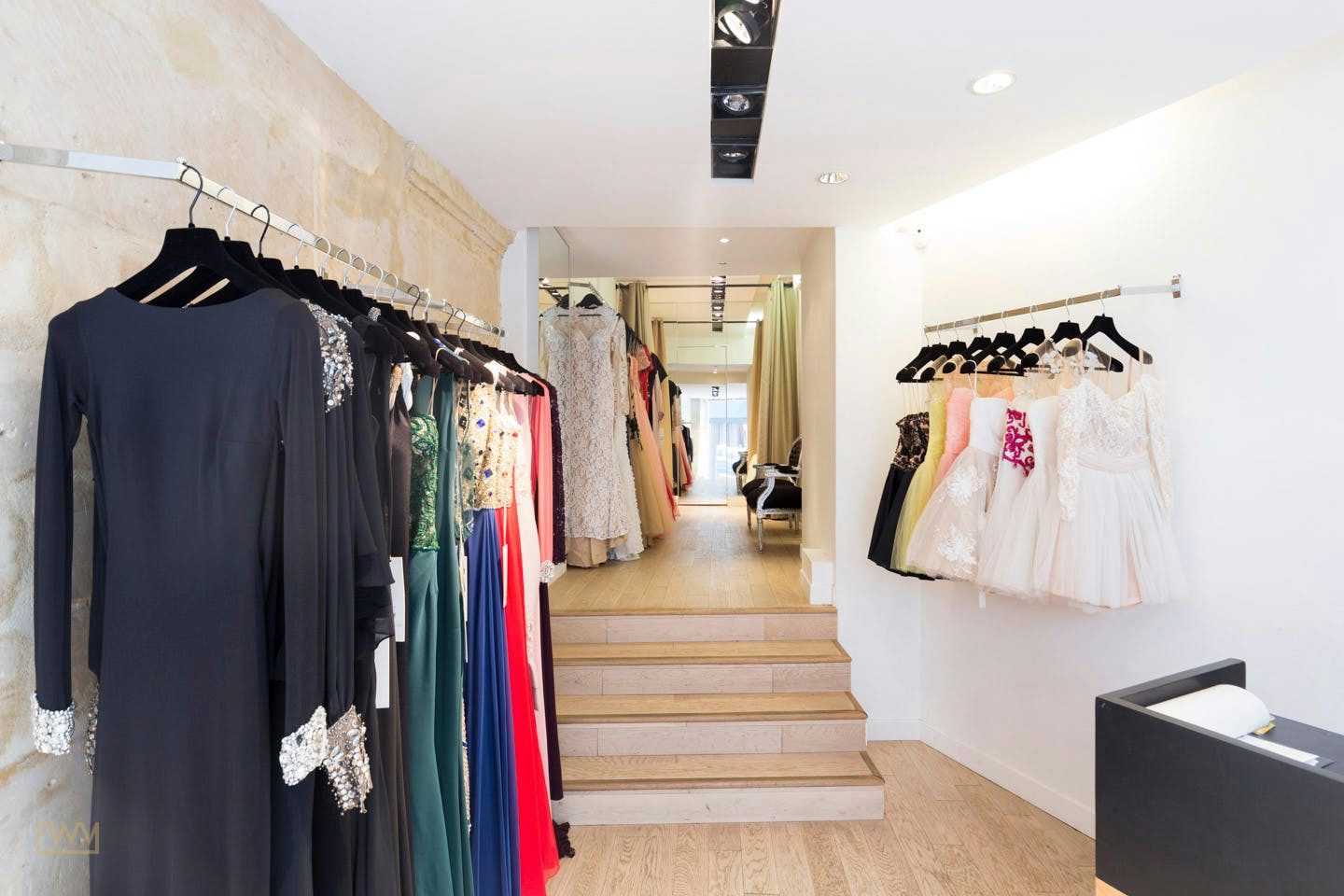
The most directly applicable format for brand activations is the existing ground-floor retail unit, typically a former boutique, gallery, or concept store that is available on a short-term basis. These spaces range from compact units of around 30 to 50 square metres, suitable for a focused capsule collection or jewellery presentation, up to larger units of 100 to 200 square metres capable of hosting full product lines, events, and press days. Ground-floor units offer the critical advantage of street-level visibility, direct footfall, and signage opportunities that are fundamental to a pop-up store or boutique format.
Apartment-Format Spaces and Upper-Floor Showrooms
A significant portion of the premium rental inventory in this area consists of apartment-format spaces on the first and second floors of Haussmannian buildings. These properties, sometimes referred to as pieds-à-terre in their residential context, offer a distinctly Parisian intimacy that ground-floor retail units cannot replicate. The living room format, natural light from tall windows, Paris stone walls, and the residential character of furnished or semi-furnished configurations make these spaces highly effective for private sales, press appointments, buyer meetings, and VIP product launches where exclusivity and atmosphere are prioritised over mass footfall.
An open space of 65 square metres on a first floor above a major retail stretch, for example, can be configured as a showroom, a private event space, or a brand experience environment with minimal fit-out investment. Many of these spaces come with existing kitchen facilities, multiple bathrooms, and in some cases hotel-quality linens and concierge service as part of the letting arrangement, particularly through luxury apartment rental platforms.
Multi-Room Properties and Larger Activations
For brands requiring more extensive footprints, multi-room properties offering the equivalent of a charming two-room or three-room flat layout provide the flexibility to separate retail, press, and VIP functions within a single address. A cosy three-room flat in the 1st arrondissement can be transformed into a brand installation, a presentation space, and a private meeting room simultaneously. These configurations are particularly effective for Haute Couture houses, Haute Joaillerie brands, and luxury accessories labels that require separate zones for product display, client consultation, and team operations.
Space Specification Comparison Table
| Space Type | Typical Size | Best For | Key Advantages | Key Considerations |
|---|---|---|---|---|
| Ground-Floor Retail Unit | 30 to 200 sq m | Pop-up stores, concept stores, capsule launches | Street visibility, footfall, signage | Higher rental cost, permit requirements |
| Upper-Floor Apartment Format | 40 to 120 sq m | Private showrooms, press days, VIP sales | Atmosphere, exclusivity, furnished options | Limited public visibility, access logistics |
| Multi-Room Property | 80 to 250 sq m | Haute Couture presentations, brand installations | Zoning flexibility, narrative flow | Complex fit-out, longer lead time |
| Gallery or Concept Store | 50 to 150 sq m | Exhibitions, art-fashion crossovers, editorial activations | Cultural credibility, existing infrastructure | Seasonal availability, concept alignment |
KEY TAKEAWAY: The variety of property formats available along Rue Saint-Honoré and the wider 1st arrondissement means that brands at every scale, from emerging labels seeking a furnished apartment showroom to global houses requiring a multi-room brand installation, can find a viable space configuration. The decision between formats should be driven by activation objectives, audience type, and operational capacity rather than prestige alone.
Knowing the space type is only the beginning. The lease structure and legal framework governing short-term boutique rental in Paris are equally important and often misunderstood by international brands entering the market for the first time.
Lease Structures, Permits, and Legal Framework for Boutique Rental in Paris
Quick answer: Short-term boutique rental in Paris operates under specific legal frameworks that differ significantly from standard commercial leases. The two most relevant instruments are the bail dérogatoire, a short-term derogatory lease for commercial spaces, and the autorisation d'occupation temporaire (AOT), which governs temporary use of certain public or semi-public spaces. Brands should understand both before signing any agreement, and should verify their specific situation with a qualified French legal advisor.
Standard commercial leases in France operate under the bail commercial framework, which typically requires a minimum term of nine years with three-year break points, making it entirely unsuitable for Fashion Week activations, seasonal pop-up stores, or short-term showrooms. Brands seeking boutique rental on Rue Saint-Honoré for periods ranging from one week to six months must instead rely on alternative legal instruments.
The Bail Dérogatoire
The bail dérogatoire, established under French commercial law, allows landlords and tenants to agree on a short-term commercial lease for a maximum total duration of three years without triggering the protections and obligations of the standard bail commercial. This instrument is widely used for pop-up stores, concept stores, temporary showrooms, and short-term boutique activations in Paris. It provides tenants with flexibility and landlords with the ability to test new concepts without long-term commitment.
Key characteristics of the bail dérogatoire include: a mutually agreed fixed term, typically ranging from one month to twenty-four months; a clear exit without statutory renewal rights; and specific obligations around the state of the premises at the start and end of the lease. Landlords in the 1st arrondissement are generally experienced with this format given the high demand for short-term rental from fashion and luxury brands, but the specific terms, payment conditions, and deposit requirements vary considerably between properties.
IMPORTANT: The bail dérogatoire must be agreed in writing before the tenant takes possession of the premises. Verbal agreements or informal arrangements do not constitute a valid bail dérogatoire and may expose the tenant to legal uncertainty. Always seek written confirmation and, where possible, have the agreement reviewed by a French legal advisor before signing.
The Autorisation d'Occupation Temporaire (AOT)
For activations taking place in public spaces, semi-public spaces, or certain heritage properties, an autorisation d'occupation temporaire may be required from the relevant administrative authority. This is particularly relevant for brands considering activations in or adjacent to the Tuileries Garden, Place Vendôme, or the Palais-Royal arcades, where the space is managed by public bodies including the Centre des monuments nationaux or the Établissement public du domaine national du Palais-Royal.
The AOT process involves formal application, documentation of intended use, insurance confirmation, and in some cases a fee payable to the managing authority. Lead times for AOT approval vary significantly by location and season, and applications during the Paris Fashion Week calendar window typically require longer preparation due to demand. Requirements vary by space type, duration, and arrondissement, and brands should always verify current requirements directly with the relevant authority or through specialist advisors.
Additional Permit Considerations
Beyond the lease structure itself, boutique operations on Rue Saint-Honoré may require additional permits depending on activity type. These include: temporary signage permits from the Mairie de Paris for external branding; permits for outdoor events or activations on adjacent public footways; food and beverage licences if the activation includes catering or hospitality; and, for certain renovation or fit-out works, declarations to the relevant building authority. The permit guidance tool on Fashion Week Venues provides a structured starting point for understanding which permits your specific activation format is likely to require.
KEY TAKEAWAY: The legal and permit landscape for boutique rental in Paris is more complex than many international brands anticipate. The bail dérogatoire and AOT frameworks are well-established, but their application depends on property type, duration, and intended activity. Expert local guidance is not optional for brands seeking to operate compliantly in the 1st arrondissement.
Once the legal framework is understood, the next practical challenge for most brands is building a realistic budget for boutique rental on Rue Saint-Honoré, which requires understanding both the rental cost and the full activation cost stack.
Budgeting for Boutique Rental on Rue Saint-Honoré: What Brands Need to Know
Quick answer: Boutique rental on Rue Saint-Honoré represents some of the highest short-term retail rental costs in Europe, reflecting the street's premium position in the luxury retail hierarchy. Directional budget estimates vary significantly by space type, duration, fit-out requirements, and the time of year, with Fashion Week periods commanding significant premiums. Brands should treat any figure as a starting point and use dedicated tools to build a brand-specific budget.
The total cost of a boutique activation on Rue Saint-Honoré extends well beyond the rental fee for the space itself. Experienced brand teams account for rental, fit-out and production, staffing, logistics, permits, marketing, and operational costs as separate line items, each of which can vary substantially depending on the scope and ambition of the activation.
Rental Cost Drivers
The monthly price range for retail spaces in the 1st arrondissement on or adjacent to Rue Saint-Honoré reflects the premium nature of the address. Ground-floor units with direct street frontage command the highest rates, particularly during the Paris Fashion Week calendar windows in late February and September and October. Upper-floor apartment-format spaces, while still positioned at the luxury end of the Paris rental market, typically offer more accessible price points for brands whose activation does not require street-level visibility.
Key factors driving rental cost on Rue Saint-Honoré include: exact location within the corridor (proximity to Place Vendôme, Palais-Royal, or the Louvre carries different premiums); space size in square metres; floor level and visibility; duration of rental; level of fit-out already in place; whether the space is let furnished or unfurnished; and the time of year relative to the Fashion Week calendar and other major Paris events.
DID YOU KNOW: Paris Fashion Week for womenswear ready-to-wear takes place twice annually, in late February and early March for the autumn-winter collections and in late September and early October for the spring-summer collections. Haute Couture week occurs in January and July. Each of these windows creates peak demand for boutique rental in the 1st arrondissement, with lead times extending to six months or more for premium spaces.
Full Activation Cost Stack
Beyond the space rental itself, brands should budget for the following cost categories when planning a boutique activation on Rue Saint-Honoré. Fit-out and production costs for a temporary boutique in a Haussmannian space include any structural modifications, display fixtures, lighting adjustments, and branded elements. Staffing costs for a Paris retail team include sales staff, a brand ambassador or manager, and any specialist roles such as a stylist or brand host. Logistics costs include the transport of product, fixtures, and branded materials to Paris, which for international brands entering France from outside the EU requires customs documentation and potentially bonded warehouse arrangements.
Marketing and influencer activation costs are a separate budget line that many brands underestimate. A boutique on Rue Saint-Honoré without a supporting press, influencer, or events strategy will significantly underperform its potential given the competitive environment for brand attention during Paris Fashion Week. Use the budget estimation tool on Fashion Week Venues to build a full-cost model before approaching landlords or agents.
Budget Planning Table
| Cost Category | Description | Planning Notes |
|---|---|---|
| Space Rental | Monthly or weekly rental fee for the boutique unit | Highest during Fashion Week windows; verify with agent |
| Deposit | Security deposit typically one to three months rental | Confirm refund terms in writing before signing |
| Fit-Out and Production | Build, fixtures, lighting, branded elements | Allow for lead time on bespoke elements |
| Retail Staffing | Sales associates, brand manager, specialist roles | Budget for full duration including setup and breakdown |
| Logistics and Customs | Product and fixture transport, customs clearance | Non-EU brands require customs documentation |
| Permits and Compliance | Signage permits, AOT fees, food and beverage licences | Allow three to six months for complex permit applications |
| Marketing and Events | Press, influencer, events programming | Essential for activation performance in competitive environment |
| Operational Contingency | Unforeseen costs, damage, extensions | Minimum ten percent of total budget |
KEY TAKEAWAY: The rental cost of a boutique on Rue Saint-Honoré is only one component of the total activation investment. Brands that plan the full cost stack in advance, account for seasonal pricing variations, and build in contingency consistently outperform those that focus solely on securing the space at the lowest available rental rate.
To compare neighbourhoods and space types, explore the Paris city hub on Fashion Week Venues and shortlist spaces that match your brief, budget, and calendar window.
Fashion Week, Haute Couture, and the Paris Activation Calendar
Quick answer: Paris operates four major fashion calendar windows annually, each creating distinct demand peaks for boutique rental in the 1st arrondissement and along Rue Saint-Honoré. Understanding the calendar and planning your activation window accordingly is one of the most important strategic decisions a brand team can make.
The Paris fashion calendar is structured around four main event windows: Menswear in January and June, Haute Couture in January and July, Womenswear Ready-to-Wear in late February and early March for autumn-winter and in late September and early October for spring-summer, and associated trade events and showrooms that cluster around each of these windows. Each creates a different audience profile, press intensity, and commercial opportunity for brands with boutiques on Rue Saint-Honoré.
Womenswear Ready-to-Wear Windows
The two womenswear ready-to-wear Fashion Week windows represent the highest-demand periods for boutique rental on Rue Saint-Honoré. The concentration of press, buyers, influencers, and fashion consumers in Paris during these weeks creates a uniquely compressed opportunity for brand visibility and commercial activation. Boutiques that are operational during these windows benefit from walk-in traffic from fashion professionals staying in adjacent hotels, planned visits from brand contacts, and the general heightened fashion consciousness that characterises the city during Fashion Week.
Lead times for securing boutique spaces during these windows are typically long. Premium spaces in the immediate vicinity of Rue Saint-Honoré and Place Vendôme are often secured four to six months in advance, particularly for the February and September windows. Brands that approach space search without a clear brief and confirmed budget during the summer for September Fashion Week are frequently disappointed by availability.
Haute Couture and Haute Joaillerie Windows
The Haute Couture windows in January and July attract a more concentrated and exclusive audience profile than the ready-to-wear weeks, with a higher proportion of private clients, luxury buyers, and ultra-high-net-worth individuals. For brands in Haute Joaillerie, fine accessories, or luxury lifestyle categories, these windows offer a compelling activation context. Apartment-format showrooms and private sale environments on Rue Saint-Honoré are particularly well-suited to this audience, offering the discretion and intimacy that Haute Couture clients expect.
Year-Round Activation Opportunities
While the Fashion Week calendar windows define the peak demand periods, boutique rental on Rue Saint-Honoré is commercially viable year-round. The street's year-round international tourist traffic, proximity to the Louvre museum and the Musée de l'Orangerie, and the density of regular luxury consumers in the area mean that activations outside the Fashion Week calendar can still generate strong commercial and brand-building results. The trade-off is a lower baseline of fashion industry press and buyer attention, which may or may not be relevant depending on the brand's activation objectives.
KEY TAKEAWAY: The Paris fashion calendar creates four distinct activation windows annually, each with different audience profiles, lead time requirements, and competitive intensity. Brands that align their boutique rental timing with the relevant calendar window and plan six months in advance consistently secure better spaces at more transparent pricing than those who approach the market reactively.
Beyond the calendar, the specific neighbourhood location of a boutique within the broader Rue Saint-Honoré corridor materially affects the kind of consumer and press traffic it attracts, which makes neighbourhood strategy an essential part of the activation brief.
Neighbourhood Strategy: Rue Saint-Honoré, Place Vendôme, Palais-Royal, and the Wider 1st Arrondissement
Quick answer: The 1st arrondissement is not a single homogeneous retail environment. The blocks immediately adjacent to Place Vendôme attract a jewellery and ultra-luxury audience. The stretch toward Palais-Royal draws a more editorial and concept-oriented crowd. The sections near the Louvre and Tuileries Garden benefit from exceptionally high tourist volumes. Choosing the right sub-location within the arrondissement is as important as choosing the arrondissement itself.
Brands planning boutique rental on Rue Saint-Honoré should map the specific sub-location of their preferred space against their target consumer profile, activation format, and brand positioning. A Haute Joaillerie pop-up that locates adjacent to Place Vendôme places itself in the immediate orbit of established jewellery maisons and their clientele. A concept store activation near the Palais-Royal benefits from the editorial and design-conscious audience that the arcades and surrounding streets attract. A larger-footprint activation near the Louvre benefits from volume but competes for attention with a more heterogeneous tourist audience.
Neighbourhood Breakdown Table
| Sub-Location | Anchor Landmarks | Audience Profile | Best Activation Formats |
|---|---|---|---|
| Place Vendôme Axis | Place Vendôme, Rue de la Paix, Ritz Hotel | Ultra-luxury consumers, Haute Joaillerie clients | Private sales, jewellery presentations, VIP events |
| Palais-Royal Orbit | Palais-Royal, Galeries, Comédie-Française | Editorial, design-conscious, fashion professionals | Concept stores, showrooms, press activations |
| Rue Saint-Honoré Core | Chanel, Hermès, Goyard, concept stores | Luxury fashion consumers, international tourists | Pop-up boutiques, brand collaborations, capsule launches |
| Tuileries and Louvre Edge | Louvre museum, Musée de l'Orangerie, Musée du Jeu de Paume | High-volume tourists, art and culture audience | Experiential retail, art-fashion crossovers, exhibitions |
| Opéra Garnier and Madeleine Extension | Opéra Garnier, Madeleine, Bourse de Paris | Business travellers, French luxury consumers | Product launches, trade presentations, corporate events |
The proximity of Rue Saint-Honoré to Neuilly-sur-Seine to the west and Saint-Denis to the north reflects the broader geographic reach of the arrondissement's commercial influence. Brands drawing consumers from the western suburbs and northern business districts benefit from the street's position as a natural meeting point between these zones and the Paris city centre.
The Île-de-France regional context also matters for logistics and staffing. Paris's public transportation network, including the Métro lines serving the 1st arrondissement and the RER connections to Charles de Gaulle airport, makes the area highly accessible for international brands bringing teams into Paris for a short-term boutique activation. Staff, press, and consumers can reach Rue Saint-Honoré from virtually anywhere in the Île-de-France region within a manageable travel time.
For brands considering whether the Rue Saint-Honoré district might be too noisy or too busy for a certain type of activation, the honest answer is that the street's commercial vibrancy is a feature rather than a flaw for most retail and brand activation formats. The energy of the area, created by the density of flagship boutiques, designer stores, luxury hotels, and cultural landmarks, creates a context in which brand activations feel appropriate and credible rather than out of place.
KEY TAKEAWAY: The 1st arrondissement and Rue Saint-Honoré corridor contain meaningfully different micro-environments within a relatively small geographic area. Matching your sub-location choice to your audience profile and activation format is a foundational strategic decision that affects everything from footfall quality to press uptake.
For brands that want professional guidance through this decision-making process, working with a specialist agency that understands the nuances of each sub-location can materially improve activation outcomes.
How Fashion Week Venues Supports Boutique Rental and Brand Activations on Rue Saint-Honoré
Quick answer: Fashion Week Venues is a full-service pop-up shop agency and space marketplace that supports brands at every stage of the boutique rental and activation process in Paris, from initial space discovery through to post-activation data review. The platform combines a curated space marketplace with specialist agency services and a suite of planning tools designed specifically for short-term retail activations.
For brand teams approaching the Rue Saint-Honoré market for the first time or looking to improve on a previous Paris activation, Fashion Week Venues provides a structured alternative to navigating the space directly through local brokers, informal networks, or untested agencies. The combination of marketplace transparency and specialist service capacity addresses the two most common pain points for international brands: finding the right space and executing the activation to a professional standard in an unfamiliar market.
Space Discovery and Venue Sourcing
The venue sourcing service provides access to a curated inventory of short-term retail spaces in the 1st arrondissement and across Paris, matched to client briefs based on space type, size, location, duration, and budget parameters. Rather than navigating an opaque market where premium spaces are rarely publicly listed, brands working with Fashion Week Venues access a pipeline of vetted, available spaces alongside structured information on lease terms, permit requirements, and logistical considerations for each property.
Concept Direction and Branded Store Design
A boutique in a Haussmannian building on Rue Saint-Honoré has significant inherent appeal, but the brand experience within the space determines whether the activation achieves its commercial and press objectives. The concept direction service and the branded store design service provide creative and design expertise specifically calibrated for short-term retail environments, where every decision about spatial arrangement, material selection, and brand expression must work immediately and without the iterative refinement available in a permanent store.
Production, Fit-Out, and Furniture
The production and build service handles the physical transformation of a raw or semi-finished space into a functioning boutique environment. For Rue Saint-Honoré activations, this includes managing the specific constraints of Haussmannian buildings such as protected architectural features, neighbour notification requirements, and the logistics of working in a high-density urban environment with limited access for delivery vehicles.
Retail Staffing and Operational Management
The retail staffing service provides trained, brand-briefed sales staff and activation managers for the duration of the boutique operation. For international brands that cannot deploy their own retail team to Paris, this service eliminates one of the most operationally complex aspects of running a temporary boutique in a foreign market.
Planning Tools
Fashion Week Venues provides a suite of planning tools including a budget calculator, an ROI calculator, a timeline tool, a permits tool, a space comparison tool, and a locator tool. These are available at the tools section of the platform and are designed to support brand teams at the research and planning stage before they have committed to a specific space or agency. The timeline tool in particular is useful for understanding how far in advance each stage of a Rue Saint-Honoré boutique activation needs to be initiated relative to the target opening date.
What to Understand About Limitations
Fashion Week Venues does not guarantee the availability of specific spaces, permit approvals, or specific commercial outcomes. Space availability in the 1st arrondissement during peak Fashion Week periods is inherently competitive, and the most desirable addresses are subject to high demand from multiple parties simultaneously. Early engagement with the platform and early confirmation of brief, budget, and timing parameters significantly improves the probability of securing a preferred space. Brands are encouraged to explore the agency hiring guide to understand how to evaluate and select the right partner for their activation.
KEY TAKEAWAY: Fashion Week Venues provides a structured, end-to-end service and marketplace for brands seeking boutique rental and activation support on Rue Saint-Honoré. The combination of space access, specialist services, and planning tools addresses the full complexity of operating a temporary boutique in Paris's most competitive retail address.
Boutique Activation Workflow: From Brief to Opening Day on Rue Saint-Honoré
Quick answer: A successful boutique rental and activation on Rue Saint-Honoré follows a structured workflow across four to six months, from initial brief development through space selection, permit applications, fit-out, staffing, and launch. Brands that compress this timeline below twelve weeks typically encounter avoidable problems with space availability, permit timing, and production quality.
The following workflow table outlines the standard stages for a boutique activation on Rue Saint-Honoré, from initial brief to post-activation review. Lead times are indicative and vary depending on the complexity of the activation, the specific space requirements, and whether the activation falls during a peak Fashion Week calendar window.
Boutique Activation Workflow Table
| Stage | Key Activities | Indicative Lead Time Before Opening |
|---|---|---|
| 1. Brief Development | Define objectives, audience, format, duration, budget range | 20 to 24 weeks |
| 2. Space Search and Shortlisting | Marketplace browsing, agent conversations, site visits | 16 to 20 weeks |
| 3. Lease Negotiation and Signing | Bail dérogatoire terms, deposit, exit conditions | 14 to 16 weeks |
| 4. Permit Applications | Signage, AOT, food and beverage, building works notifications | 12 to 16 weeks |
| 5. Concept and Design Finalisation | Spatial layout, brand expression, material selection | 10 to 14 weeks |
| 6. Production and Fit-Out | Build, fixtures, branded elements, technology installation | 4 to 8 weeks |
| 7. Staffing and Briefing | Staff recruitment, brand training, operational procedures | 2 to 4 weeks |
| 8. Marketing and Press Activation | Press outreach, influencer seeding, event programming | Ongoing from week 12 onward |
| 9. Opening and Live Operation | Boutique operation, customer experience, daily management | Opening day |
| 10. Wrap-Up and Review | Breakdown, data review, ROI analysis, landlord handover | One to two weeks post-closing |
The most common planning failures for international brands undertaking boutique rental on Rue Saint-Honoré are compressing stages three through five into an unrealistic timeframe and underestimating the permit lead time for the specific space and activity type. Both problems are avoidable with early engagement and a realistic brief.
TIP: Use the timeline planning tool to build a specific project schedule based on your target opening date and activation format. The tool flags dependencies between stages and helps identify where lead times are likely to be most constrained for your specific Paris Fashion Week window.
KEY TAKEAWAY: The boutique activation workflow for Rue Saint-Honoré is a structured, multi-stage process that requires coordination across legal, design, production, staffing, and marketing workstreams. Brands that treat space rental as the beginning of the process rather than the end point consistently achieve better outcomes.
Common Myths About Boutique Rental on Rue Saint-Honoré Debunked
MYTH: International brands need a French legal entity to rent a boutique on Rue Saint-Honoré.
FACT: While having a French legal entity simplifies certain administrative processes, it is not a universal requirement for short-term boutique rental under a bail dérogatoire. Many landlords and space platforms work with international companies on short-term lease arrangements, provided that appropriate guarantees, insurance documentation, and identity verification are in place. Brands should confirm their specific situation with a French legal advisor before assuming either that an entity is required or that it is unnecessary.
MYTH: Paris Fashion Week is the only viable calendar window for boutique rental on Rue Saint-Honoré.
FACT: While the womenswear Fashion Week windows in late February and September generate peak demand and the highest concentration of industry professionals, Rue Saint-Honoré sustains strong year-round consumer traffic from international tourists, luxury consumers, and cultural visitors drawn to the Louvre, Tuileries, and Palais-Royal. Brands in categories such as Haute Joaillerie, homewares, and lifestyle products often achieve strong commercial results outside the Fashion Week calendar, with the added advantage of greater space availability and less competitive rental pricing.
MYTH: Commission brokers are the only way to access boutique spaces on Rue Saint-Honoré.
FACT: The short-term retail market in the 1st arrondissement has diversified significantly, with curated space marketplaces, specialist pop-up agencies, and direct-to-landlord platforms now offering transparent access to available spaces. Commission brokers remain active in the market, but brands are not limited to this channel and should evaluate the full range of sourcing options before committing to a single intermediary. Platforms like the Fashion Week Venues marketplace list vetted spaces with clear terms and direct agency support available.
MYTH: Short-term leases in Paris are legally straightforward and do not require specialist help.
FACT: Short-term commercial leases in France, including the bail dérogatoire, contain specific legal provisions, notice requirements, and exit conditions that can create significant liability for brands that do not read and understand the terms in detail. The French legal system operates differently from common law jurisdictions, and standard commercial lease assumptions that apply in the United Kingdom, United States, or Australia do not necessarily translate to the French context. Specialist legal review of any short-term commercial lease in Paris is strongly recommended before signing.
MYTH: The Rue Saint-Honoré district is only suitable for established luxury brands with large budgets.
FACT: While the street is anchored by global fashion houses such as Chanel, Hermès, and Goyard, it also hosts a range of concept stores, independent galleries, and curated boutiques at different scales. Short-term boutique rental in apartment-format spaces, upper-floor showrooms, and smaller ground-floor units provides accessible entry points for emerging brands and international labels seeking a prestigious Paris address without the budget of a global maison. The key is matching the space format and size to the brand's actual operational and financial capacity.
Frequently Asked Questions About Boutique Rental on Rue Saint-Honoré
What is the best area in Paris for luxury boutique shopping and brand activations?
The 1st arrondissement, anchored by Rue Saint-Honoré and the surrounding streets including Place Vendôme, Palais-Royal, and Boulevard Saint-Honoré, is widely regarded as the most concentrated luxury retail area in Paris and one of the most prestigious in the world. The area benefits from the presence of flagship boutiques from Chanel, Hermès, Goyard, and other global fashion houses, alongside cultural landmarks including the Louvre museum, the Tuileries Garden, and the Musée de l'Orangerie. For brands seeking boutique rental that combines commercial and cultural prestige, this area has no direct equivalent in Paris.
Is Rue Saint-Honoré worth visiting during Paris Fashion Week?
Rue Saint-Honoré is one of the most active streets in Paris during Fashion Week, with pop-up stores, product launches, private sales, and brand activations running alongside the permanent flagship boutiques of the major fashion houses. The concentration of press, buyers, influencers, and brand representatives in the immediate area during Fashion Week creates a unique commercial and cultural environment. For both industry professionals and fashion-conscious consumers, the street during Fashion Week offers a depth of brand experience that is difficult to find anywhere else in the world during the same period.
Where exactly is the Rue Saint-Honoré district located within Paris?
Rue Saint-Honoré runs through the 1st arrondissement of Paris, one of the city's most central districts on the Right Bank of the Seine. The street begins near the Louvre museum to the east and extends westward toward the Madeleine, where it continues as Rue du Faubourg Saint-Honoré into the 8th arrondissement. The area is bounded to the south by the Tuileries Garden and Rue de Rivoli, to the north by Place Vendôme and the Opéra Garnier neighbourhood, and to the east by the Palais-Royal. It is accessible by multiple Métro lines and within walking distance of all major Right Bank cultural institutions.
What famous brands are located on Rue Saint-Honoré?
Rue Saint-Honoré and the immediately adjacent streets host some of the most recognisable names in global fashion and luxury. Chanel has a historic presence in the area, Hermès operates a flagship on the nearby Faubourg Saint-Honoré, and Goyard has its historic maison on the street itself. The broader corridor includes luxury hotels, Haute Joaillerie maisons around Place Vendôme, concept stores, and independent galleries including Les Trois Marches de Catherine B, Galerie Vauclair, and Nada Paris. The Bourse de Paris is also within the broader neighbourhood, adding a financial and institutional character to the area's commercial fabric.
What is the area commonly called in the Paris fashion and retail industry?
The Rue Saint-Honoré and Faubourg Saint-Honoré corridor is often referred to informally as the Golden Triangle's northern counterpart or simply as the Saint-Honoré district. In the Haute Couture and Haute Joaillerie world, the Place Vendôme axis is treated as a distinct destination with its own identity within the broader area. The Palais-Royal section is sometimes described separately by the editorial and concept-store community. Within the fashion industry, the shorthand Saint-Honoré is well understood as a reference to the premium northern axis of Parisian luxury retail, distinct from the Avenue Montaigne and Champs-Élysées orientation of the Golden Triangle to the west.
How far in advance should a brand book a boutique on Rue Saint-Honoré for Paris Fashion Week?
For the primary Fashion Week windows in February and September, the most desirable ground-floor retail spaces in the immediate Rue Saint-Honoré and Place Vendôme area are typically secured four to six months in advance. Brands that begin their space search less than three months before their target opening date during a Fashion Week window will find the best spaces unavailable and may be forced to compromise on location, size, or format. Upper-floor showroom and apartment-format spaces generally have slightly longer availability windows, but demand is still high during Fashion Week. Beginning the process in the summer for September and in the autumn for February is the standard approach for well-organised brand teams.
Do brands need a French legal entity to rent a boutique on Rue Saint-Honoré?
A French legal entity is not universally required for short-term boutique rental under a bail dérogatoire arrangement, but specific landlord requirements vary. Some landlords prefer to contract with a locally registered entity for simplicity, while others routinely work with foreign companies on short-term lets provided that appropriate guarantees and insurance documentation are provided. International brands should clarify the landlord's requirements early in the negotiation process and consult a qualified French legal advisor to ensure that their corporate structure is compatible with the proposed lease arrangement before committing to a space.
What permits does a brand need to operate a boutique on Rue Saint-Honoré?
The permit requirements for a boutique activation on Rue Saint-Honoré depend on the specific space, the nature of the activity, and the duration of the lease. Common permit requirements include temporary signage permits from the Mairie de Paris, building works notifications for any fit-out activities, food and beverage licences if hospitality is served, and in some cases an autorisation d'occupation temporaire for activations in or adjacent to public spaces. Permit requirements vary by space type, duration, and arrondissement, and brands should verify current requirements directly with the relevant authorities or through specialist advisors. The permit guidance tool provides structured information on common requirements.
Is the Rue Saint-Honoré district suitable for business travel and trade activations?
The 1st arrondissement is one of the most convenient areas in Paris for business travel, with excellent access to public transportation including several major Métro lines, proximity to major luxury hotels, and central positioning relative to the main Fashion Week show venues and showroom districts. The area is well served by taxis and private hire, and the Île-de-France public transportation network connects it easily to both Charles de Gaulle and Orly airports. For brands bringing international teams to Paris for Fashion Week activations, showrooms, or trade presentations, the area combines operational convenience with brand-appropriate surroundings.
How is Rue Saint-Honoré different from the Golden Triangle for brand activations?
The Golden Triangle, anchored by Avenue Montaigne, Avenue George V, and the Champs-Élysées, represents a different retail and brand activation environment from the Rue Saint-Honoré corridor. The Golden Triangle tends toward larger flagship store formats, a more tourist-facing commercial dynamic, and a slightly different consumer profile than the more intimate luxury character of Rue Saint-Honoré. For Haute Couture and Haute Joaillerie activations, and for brands seeking the atmosphere of a curated Parisian neighbourhood rather than a grand boulevard, Rue Saint-Honoré and Palais-Royal typically offer a more distinctive brand context. The two areas are complementary rather than competitive, and some brands choose to activate in both during the same Fashion Week season.
Can emerging or independent brands afford boutique rental on Rue Saint-Honoré?
Emerging and independent brands can access the Rue Saint-Honoré area through upper-floor apartment-format spaces, short-duration activations of one to two weeks, shared activation formats, and spaces in the Palais-Royal orbit that tend toward more accessible price points than prime ground-floor units. The twin co-activation format, which allows two brands to share a space and split operational costs while maintaining distinct brand identities, is a particularly effective structure for emerging labels that want a prestigious Paris address without the full cost of a solo boutique rental. The key is matching the space format and duration to the brand's actual budget rather than attempting to replicate the scale of an established maison.
What cultural and tourist activities are available around Rue Saint-Honoré?
The area around Rue Saint-Honoré is one of the most culturally rich in all of France. Within walking distance are the Louvre museum, the world's most visited art museum; the Tuileries Garden, a formal sculpture garden connecting the Louvre to Place de la Concorde; the Musée de l'Orangerie, home to Monet's Water Lilies; the Musée du Jeu de Paume, dedicated to photography and visual arts; the Palais-Royal arcades with their galleries and gardens; and the Comédie-Française theatre. The area also benefits from proximity to the Opéra Garnier and the major department stores on Boulevard Haussmann, making it one of the most activity-dense neighbourhoods in Paris for cultural, shopping, and gastronomic experiences.
What are the best ways to find available boutique spaces on Rue Saint-Honoré?
Available boutique spaces in the 1st arrondissement are found through a combination of channels including specialist pop-up space marketplaces, local real estate agents who specialise in short-term commercial leases, introductions through the luxury retail community, and direct approaches to building owners whose ground-floor spaces may not be actively marketed. The most efficient starting point for international brands is a curated marketplace platform that aggregates available spaces with structured information on terms, size, location, and pricing, combined with specialist agency support for space vetting and lease negotiation. The locator tool can help identify spaces by neighbourhood and format type.
Is a boutique activation on Rue Saint-Honoré only relevant during Fashion Week?
A boutique activation on Rue Saint-Honoré can generate strong commercial and brand-building results throughout the year, not only during Fashion Week windows. The street maintains consistent international luxury consumer traffic year-round, driven by cultural tourism to the Louvre, Tuileries, and Palais-Royal, by the permanent residential luxury consumer base of the 1st arrondissement and adjacent wealthy neighbourhoods, and by the year-round programme of exhibitions, events, and trade activities that keep the area commercially active across all seasons. Fashion Week windows amplify brand visibility specifically within the fashion and media industry, but the underlying commercial opportunity exists independently of the seasonal calendar.
How can Fashion Week Venues help a brand activate on Rue Saint-Honoré?
Fashion Week Venues provides end-to-end support for boutique rental and brand activations on Rue Saint-Honoré and across Paris, including venue sourcing, concept direction, production and fit-out, retail staffing, activation management, and post-activation analytics. The platform also provides a range of self-service planning tools including budget and ROI calculators, a timeline tool, a permit guidance tool, and a space comparison tool. Brands can start with the marketplace to browse available spaces, or engage the full agency service for a managed activation. The process page outlines how Fashion Week Venues works from brief through to delivery, and the work section provides examples of past activations for reference.
Conclusion: Making Boutique Rental on Rue Saint-Honoré Work for Your Brand
Boutique rental on Rue Saint-Honoré represents one of the most commercially and culturally significant short-term retail opportunities available to brands in the global fashion industry. The street's four-hundred-year history as a centre of commerce, culture, and luxury consumption, its architectural character in Haussmannian buildings with Paris stone facades and natural light, and its proximity to the Louvre, Place Vendôme, the Tuileries Garden, Palais-Royal, and the Opéra Garnier create an environment that no purpose-built retail development can replicate.
For brands making the decision to activate in this area, the key variables are space type and sub-location, lease structure and legal compliance, permit requirements, budget planning across the full cost stack, and calendar alignment with the Paris fashion and cultural programme. Each of these variables requires informed decision-making grounded in knowledge of the local market, not generic assumptions about short-term retail or Paris real estate.
The fashion houses that have built enduring presence on this street, from Chanel and Hermès to Goyard and the newer generation of concept stores and independent galleries, have done so with a deep understanding of how this specific environment works and who it serves. Brands entering the market for a short-term boutique activation on Rue Saint-Honoré benefit from approaching their activation with the same rigour, even if the timeframe is weeks rather than decades.
The practical path forward is structured: define a precise brief, align the budget to the full cost stack, initiate the space search with sufficient lead time for the target Fashion Week window, engage specialist legal and permit support early, and build the activation concept around the specific spatial and cultural character of the space rather than importing a generic retail template.
To move from research to activation, start exploring available spaces on the Fashion Week Venues marketplace and build a focused brief for your target neighbourhood, space type, and calendar window.