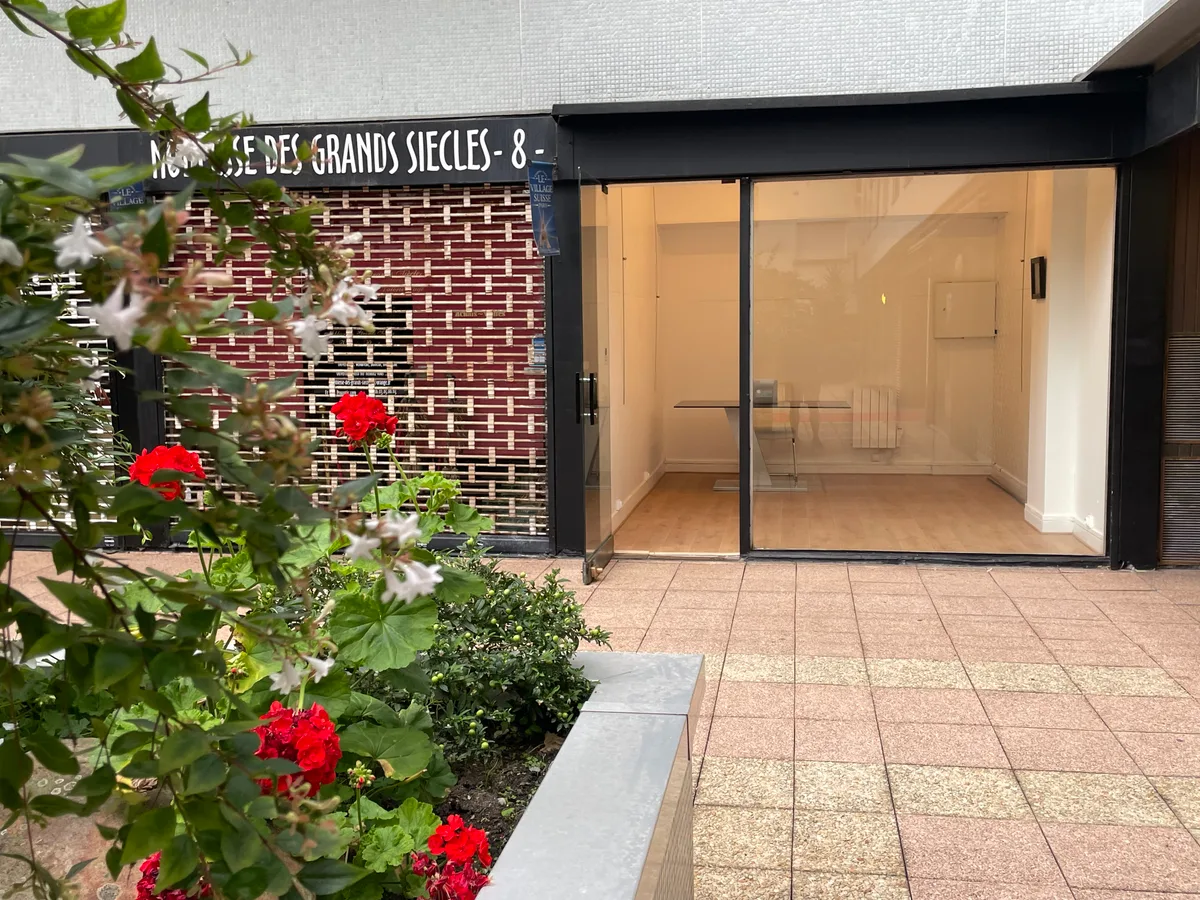
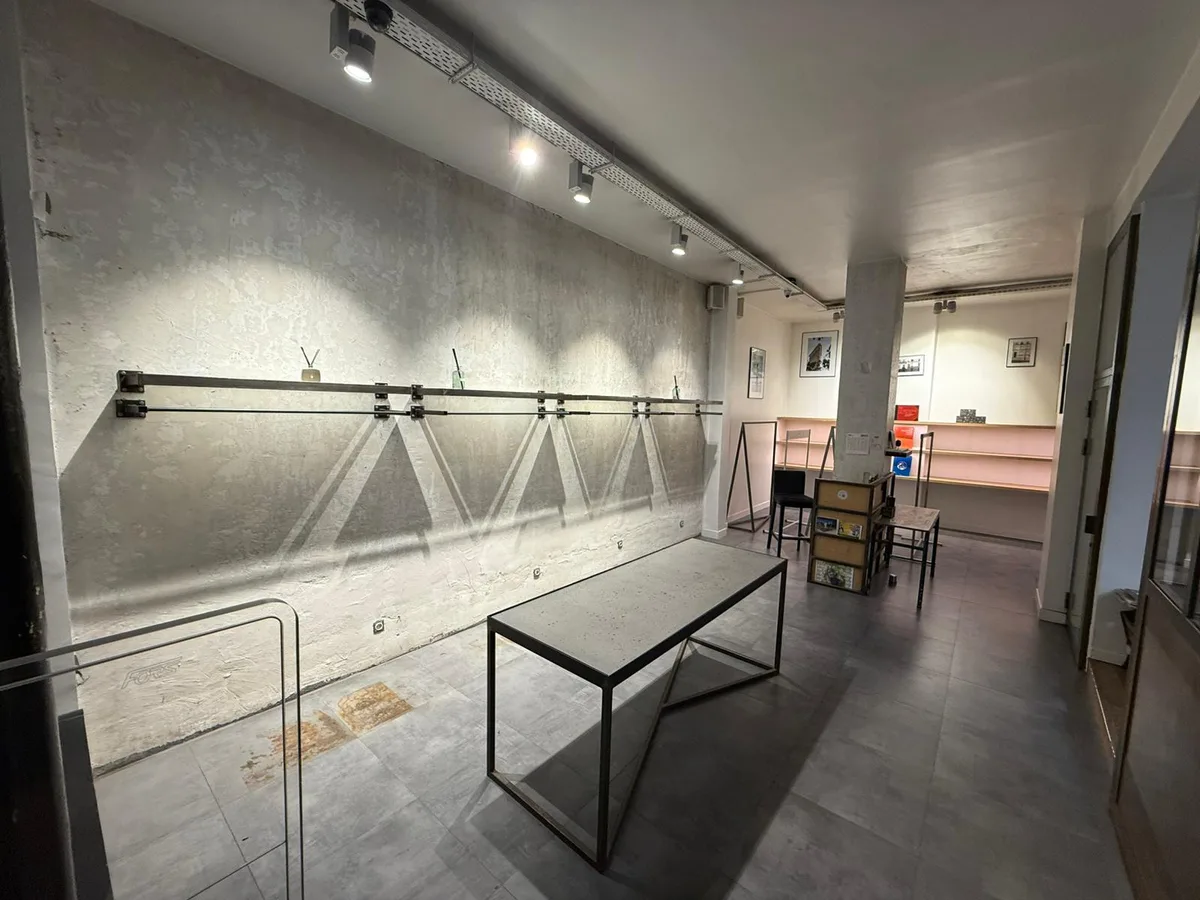
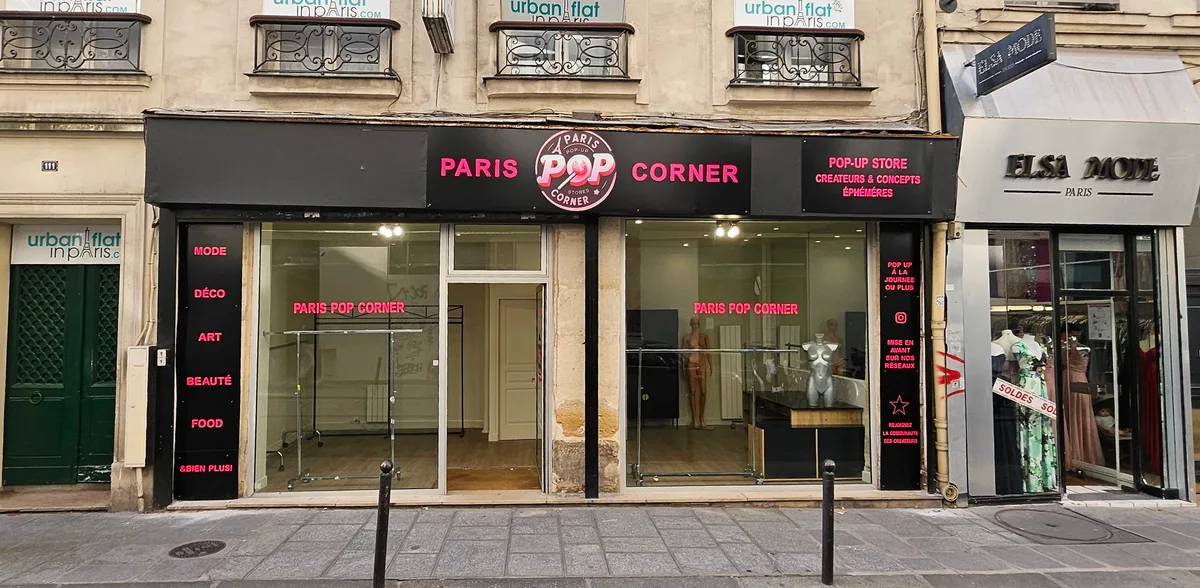
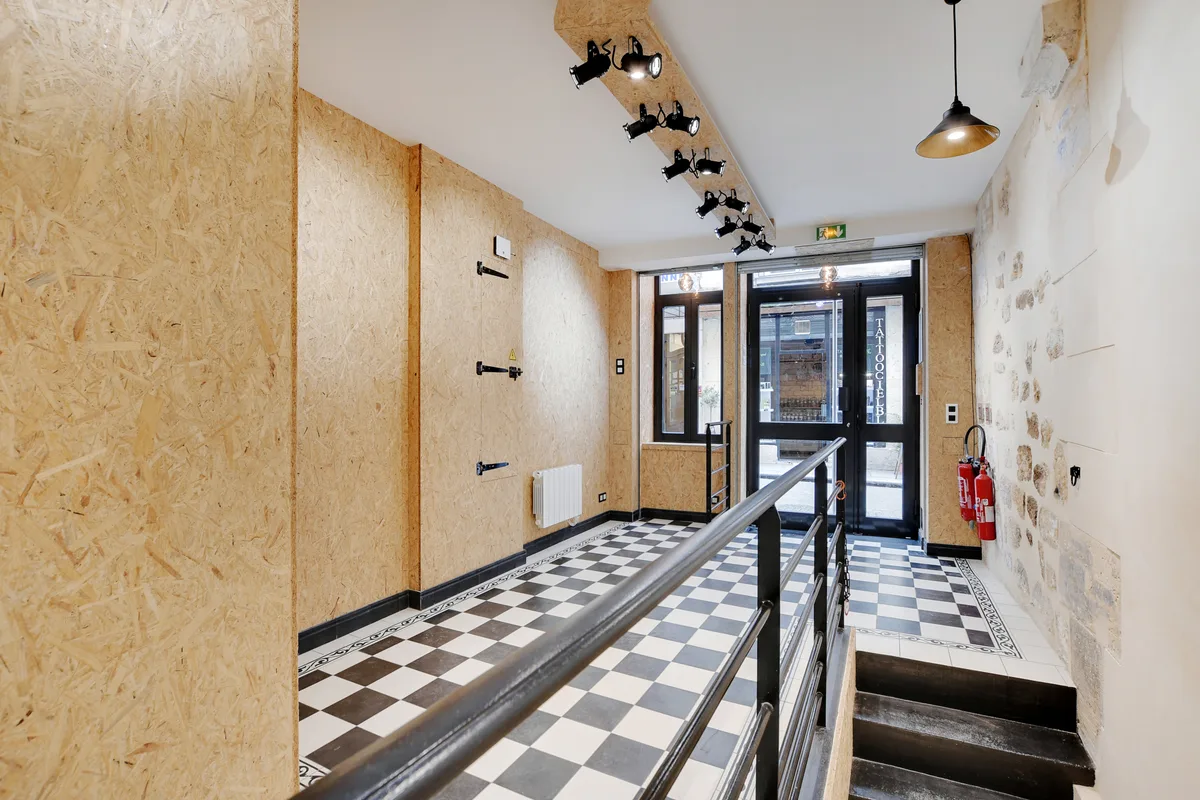
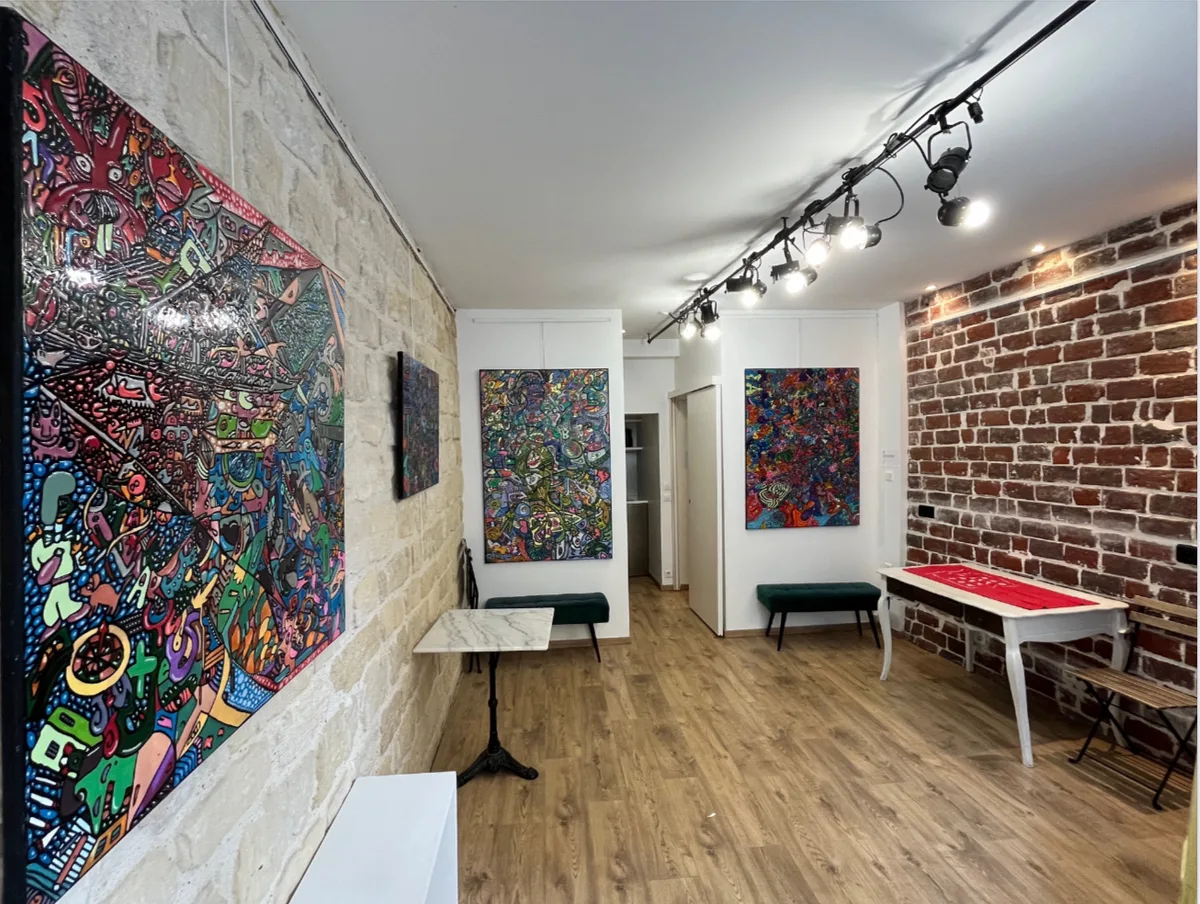
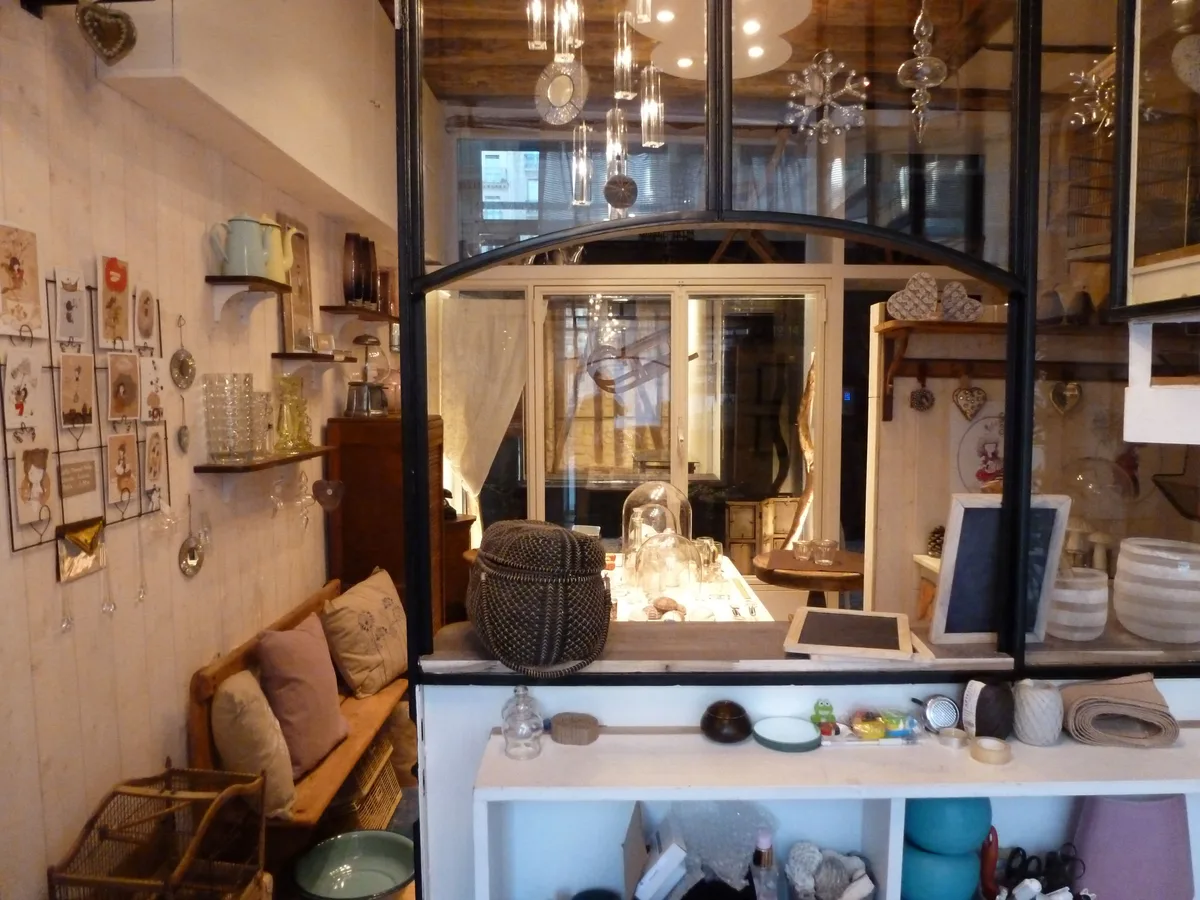
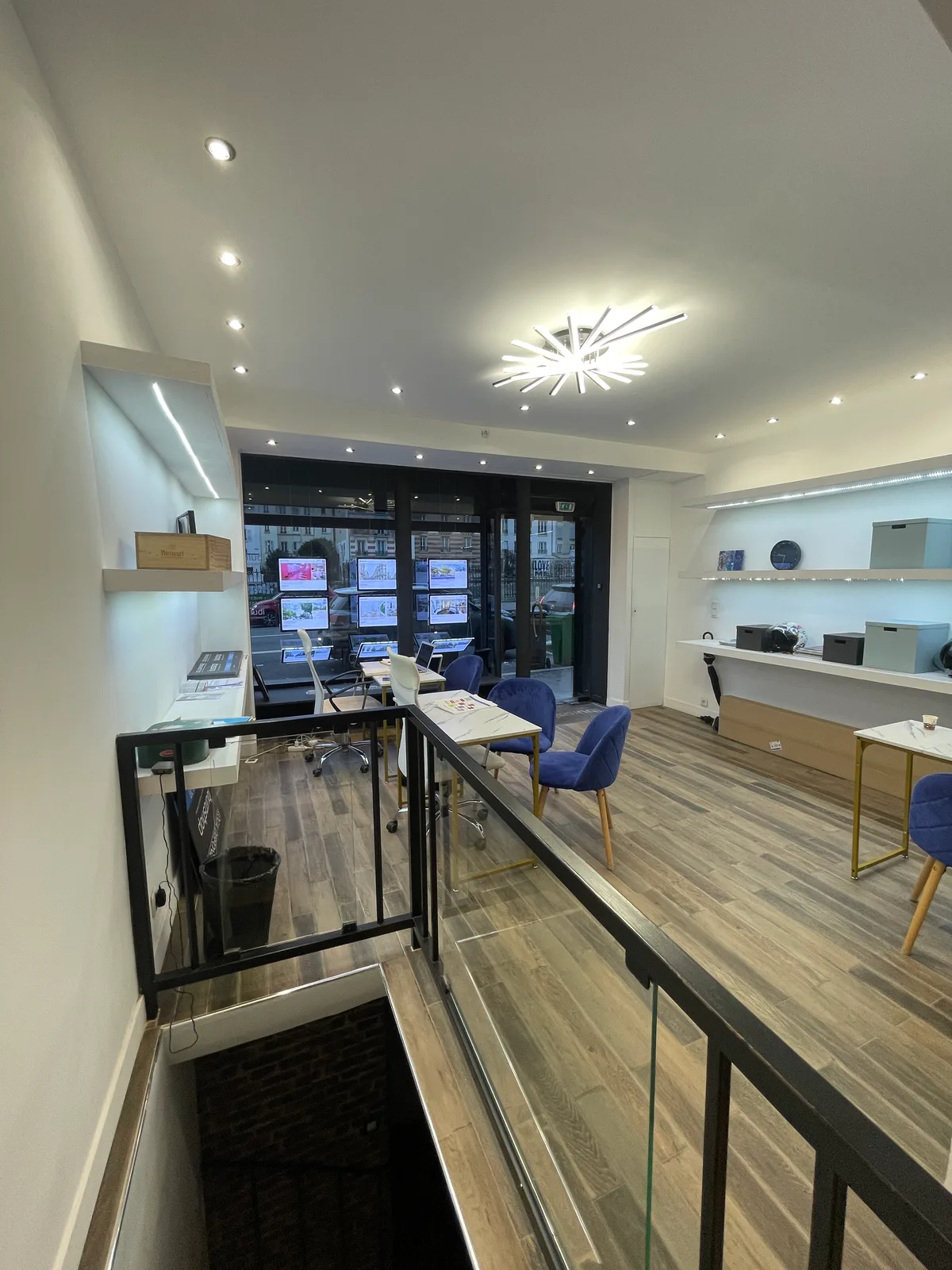
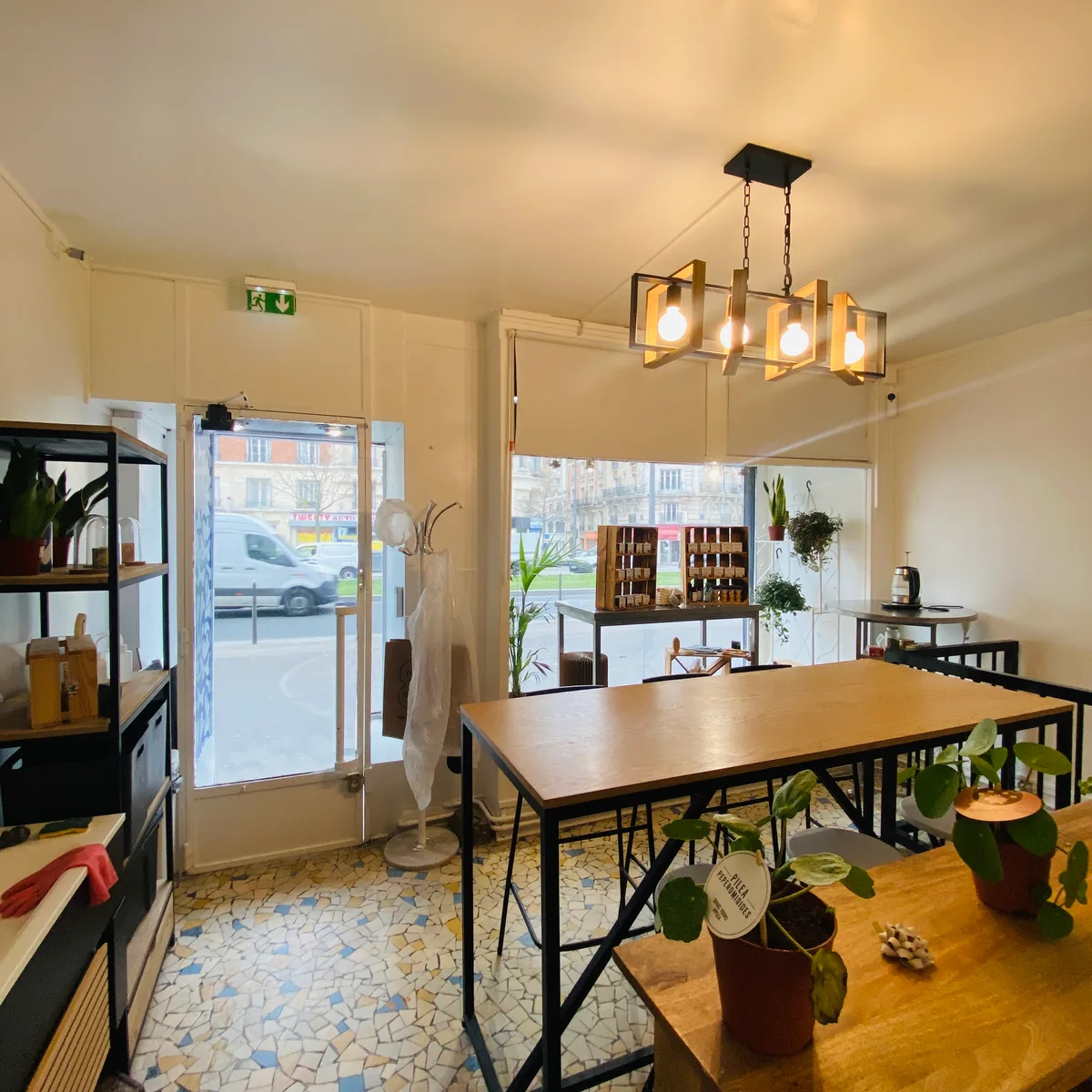
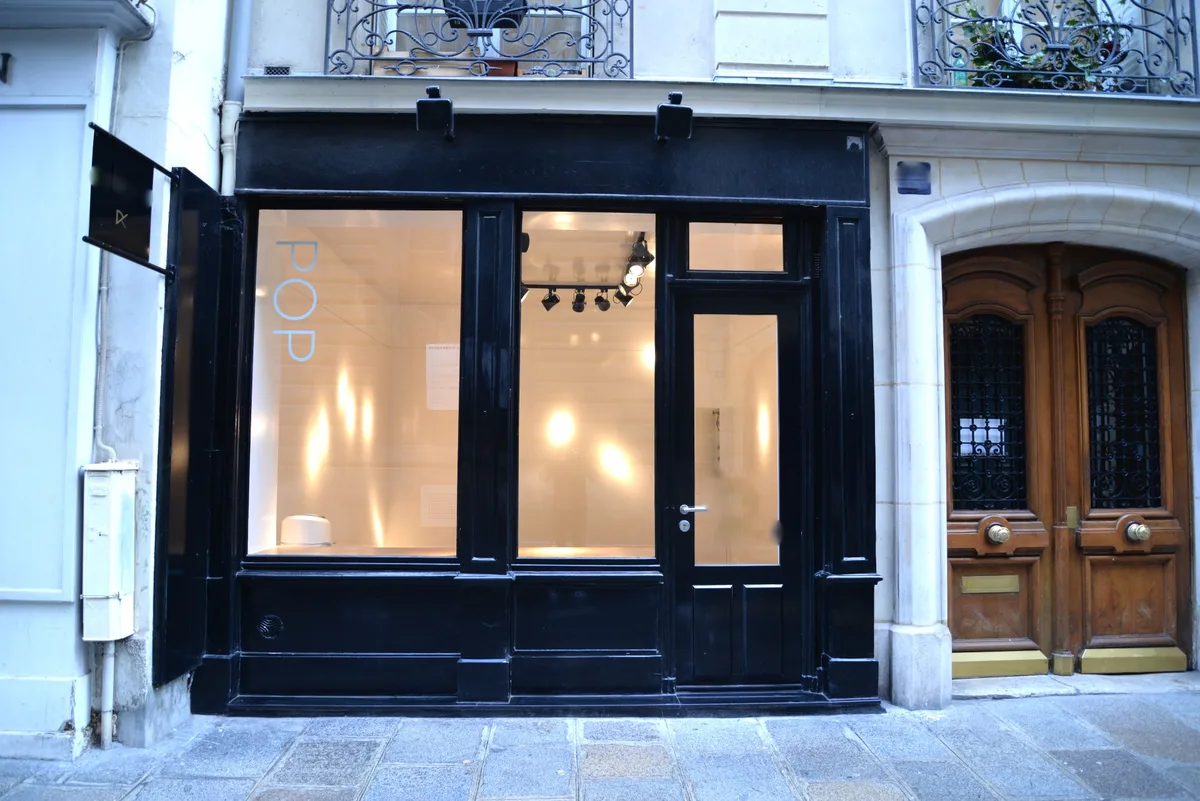
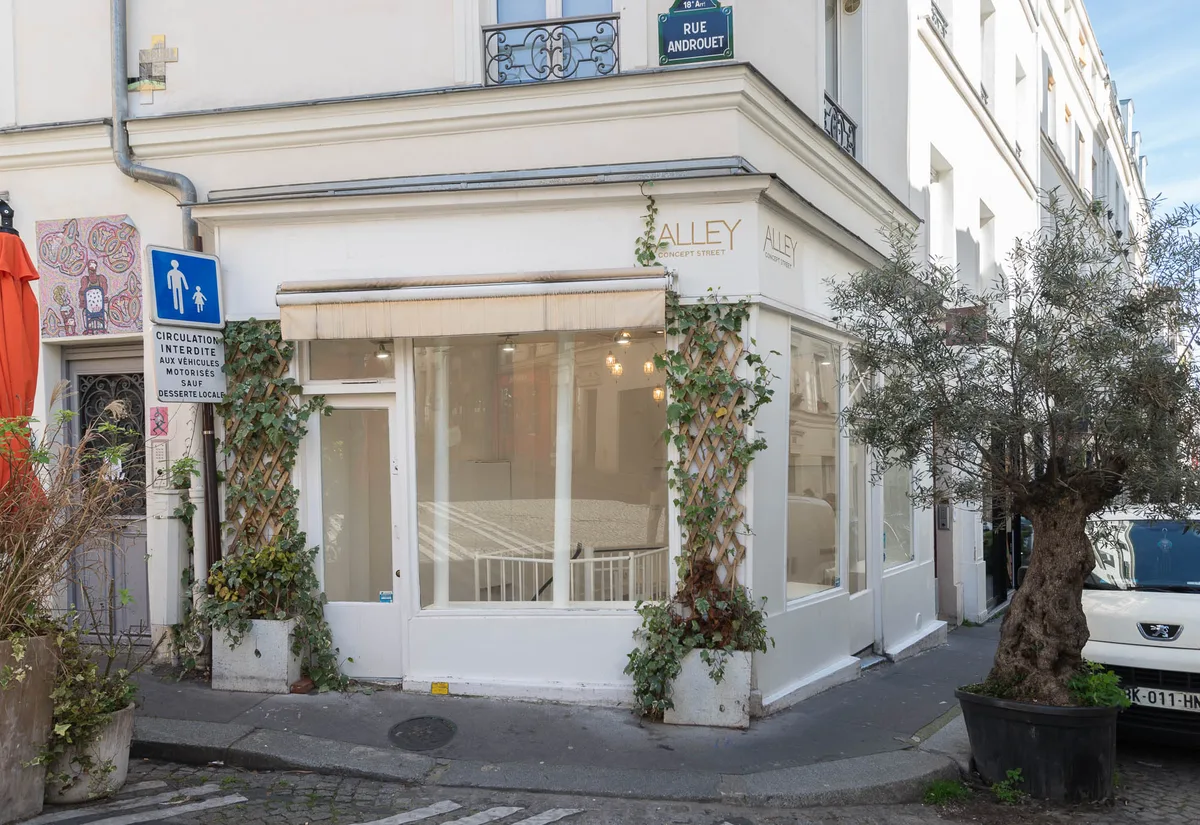
The allure of Paris Fashion Week extends beyond the runway, providing an opportunity for brands to engage in strategic activations within temporary spaces. At the heart of these activations are pop-up spaces, pivotal for brands seeking to make a significant impression. With the expertise of Fashion Week Venues, navigating the intricacies of short-term retail becomes seamless, from venue sourcing to activation management. Paris remains the epicenter, offering unique streets and quartiers that resonate with fashion's grand narrative, making it the prime location for brand visibility and engagement.
Why Choose Pop-Up Spaces for Fashion Week?
Pop-up spaces offer brands the opportunity to create exclusive, ephemeral experiences that captivate their target audience, especially during high-profile events like Fashion Week. These temporary venues allow brands to tailor environments that reflect their identity, launch new collections, and engage directly with consumers in an immersive setting.
The short-term nature and strategic positioning of pop-up spaces make them highly appealing. They can serve various purposes: from hosting invite-only events to experimental retail concepts tailored to high-footfall periods. Moreover, the adaptability of pop-up spaces allows brands to be highly experimental with their strategies, without long-term commitments, aligning perfectly with the fast-paced nature of fashion.
Quick answer: Pop-up spaces provide a flexible, impactful way to increase brand engagement and visibility during Fashion Week, by hosting unique retail experiences without the constraints of a permanent location.
| Criteria | Reason |
|---|---|
| Flexibility | Allows for creativity and adaptability in space use |
| Cost-Effective | Avoids long-term rental commitments |
| Audience Engagement | Creates direct and memorable consumer interactions |
KEY TAKEAWAY: Pop-up spaces during Fashion Week provide brands with unparalleled flexibility to execute innovative campaigns, reaching targeted audiences in unique and engaging ways.
Following this, we'll explore how to effectively secure a pop-up space, considering legal and logistical prerequisites.
Securing a Pop-Up Space: Legal and Logistical Considerations
When planning to secure a pop-up space in Paris, understanding the legal requirements and logistical details is essential. The legal landscape involves significant compliance aspects, such as the bail dérogatoire and AOT, which differ from traditional commercial leases due to their temporary nature. The bail dérogatoire allows short-term leasing without obligating the tenant to a standard commercial lease, a distinct advantage for brands seeking flexibility.
While the process might seem straightforward, the challenges of obtaining the correct permits and abiding by local regulations require adept navigation. Brands may need to collaborate with French legal advisors to ensure all aspects are covered. The logistics of setting up a pop-up venue involve considering the space's location, accessibility, and suitability for the intended activation.
Quick answer: To secure a pop-up space in Paris, brands must navigate legal leases such as the bail dérogatoire and ensure compliance with local regulations.
Among logistical concerns are staffing, production, and retail operations. Fashion Week Venues provides an integrated approach, from staffing solutions to production and build services, ensuring the activation runs smoothly.
KEY TAKEAWAY: Understanding legal frameworks and securing appropriate logistical support are crucial steps in successfully launching a pop-up activation in Paris.
Next, we will delve into choosing the right neighborhood for your pop-up's strategic impact.
Choosing the Perfect Neighborhood for Your Pop-Up
Paris is a city of vibrant districts, each offering unique advantages for brand activations. Selecting the ideal location for a pop-up can significantly influence its success. High-traffic areas like Le Marais or Saint-Germain-des-Prés often provide higher footfall, which is crucial for visibility and engagement.
Areas like Rue Saint-Honoré offer a prestigious setting, aligning well with luxury brands aiming to mirror their high-end image in a retail space. Meanwhile, emergent neighborhoods, such as Canal Saint-Martin, offer a trendy and more relaxed atmosphere that can suit casual or avant-garde brands looking to attract younger demographics. Understanding the demographic and consumer behavior in each area is essential when making a decision.
| Neighborhood | Key Features |
|---|---|
| Le Marais | Historical, diverse, fashion-forward crowd |
| Saint-Germain-des-Prés | Classical, upscale, artsy |
| Rue Saint-Honoré | Luxury retail, high-end clientele |
| Montmartre | Bohemian, artistic, tourist-friendly |
Quick answer: Selecting the right neighborhood for a pop-up depends on targeting the right audience and aligning with your brand identity.
Further enhancing the location choice, Fashion Week Venues offers a locator tool to help brands identify potential spaces that align with their specific demographic targets.
KEY TAKEAWAY: Tailoring your venue choice to the right location ensures alignment with your brand's target audience and amplifies your activation's impact.
Next, we’ll explore integrating technology into your pop-up strategy to maximize engagement.
Integrating Technology for Enhanced Engagement
As digital transformation continues to permeate the fashion industry, integrating technology into pop-up activations can elevate consumer engagement and operational efficiency. Utilizing AI and data analytics, brands can personalize retail experiences, create interactive displays, and streamline operations.
From augmented reality fitting rooms to mobile payment systems, technology offers numerous avenues for enhancing consumer interaction. Interactive elements such as digital mirrors or gamified retail environments invite consumers to engage deeply with the brand narrative. Moreover, data analytics tools allow for real-time tracking of consumer behavior, providing invaluable insights to optimize future activations.
Quick answer: Integrating technology like augmented reality and AI analytics into pop-ups enhances consumer engagement and offers data-driven insights.
Additionally, Fashion Week Venues offers data analytics services to support brands in understanding their audience better and refining their strategies based on behavioral insights.
KEY TAKEAWAY: Technology integration not only elevates the consumer experience but also equips brands with the data needed to refine marketing strategies and activation efforts.
Continuing forward, we will examine how to budget effectively for a pop-up space.
Budgeting for Your Fashion Week Pop-Up
Creating a budget for a pop-up space during Fashion Week requires careful planning and consideration of several cost factors. These include venue rental, permitting, staffing, production, and marketing. Given the variability in costs based on location, duration, and size of the space, a detailed financial plan is critical.
It's advisable to start by estimating the base costs and incorporating a contingency fund for unexpected expenses. Renting a space in a high-profile area like Rue Saint-Honoré might be more costly than in less central locations but can offer greater reach and prestige. Using tools like the Fashion Week Venues’ budget calculator can simplify the budgeting process, providing a clearer picture of the expected investment.
| Expense Category | Budget Range |
|---|---|
| Venue Rental | Varies by location and size |
| Marketing | 5-15% of total budget |
| Staffing | Additional based on needs |
| Production | Subject to design complexity |
Quick answer: Budgeting for a pop-up involves detailed planning, covering costs like venue rental, staffing, and marketing, with an allowance for unforeseen expenses.
Accurate budgeting ensures that all aspects of the pop-up, from locale to design, are in sync with the brand’s financial planning. Input from professional services like production and build teams guarantees that costs align with expected standards.
KEY TAKEAWAY: Effective budgeting allows brands to accommodate essential expenses while maintaining flexibility for unexpected financial demands.
Moving forward, we will discuss how Fashion Week Venues supports brand activations.
How Fashion Week Venues Facilitates Brand Activations
At the core of transforming a vision into reality during Fashion Week, Fashion Week Venues offers a comprehensive suite of services and tools designed to assist brands in every phase of a pop-up activation. From the initial concept to the final activation, Fashion Week Venues is a partner in all aspects of the process.
The agency's services include venue sourcing, concept direction, retail staffing, and more, ensuring each activation is executed with precision and aligns with the brand's strategy. Their marketplace provides a curated selection of spaces ideal for varied brand needs in key fashion cities. Additionally, the use of tools such as the timeline planner helps brands stay on schedule and manage efficiently.
Quick answer: Fashion Week Venues aids in pop-up activations by offering venue sourcing, staffing, concept direction, and strategic tools for seamless execution.
Different brand teams, from marketing strategists to retail managers, significantly benefit from Fashion Week Venues' integrated service model. However, it's important to note that ultimate success relies on the brand's strategic planning and execution in concert with expert guidance.
KEY TAKEAWAY: Fashion Week Venues' comprehensive services and tools make executing a successful pop-up activation during Fashion Week both feasible and fulfilling.
Next, we move to dispelling common myths associated with pop-up spaces.
Common Myths Debunked
MYTH: You need a French legal entity to rent a space in Paris.
FACT: While establishing a French legal presence can simplify certain aspects, it's not mandatory to rent a pop-up space. Many owners and agencies, including Fashion Week Venues, offer ways to work through the necessary legal frameworks without direct local incorporation, making it accessible for international brands.
MYTH: Paris Fashion Week is the only viable calendar window for pop-up spaces.
FACT: Although Paris Fashion Week provides prominent exposure, other periods during the fashion calendar can offer significant opportunities for pop-ups. Seasons like men's & haute couture weeks, as well as key sales and holidays, present valuable alternatives for strategic activations.
MYTH: Commission brokers are the only way to find a pop-up space.
FACT: While brokers can be effective, they are not the only option. Platforms like the Fashion Week Venues marketplace serve as comprehensive resources for discovering a range of spaces, offering a more direct and often less expensive route.
MYTH: Short-term leases are legally straightforward without specialist help.
FACT: Short-term leases require understanding of specific legal nuances like the bail dérogatoire. Engaging with professionals ensures compliance and optimal negotiations, avoiding potential legal pitfalls and ensuring the lease serves the brand's needs effectively.
Addressing these misconceptions provides clarity and confidence as you plan the steps to activate your pop-up during Fashion Week.
Frequently Asked Questions
What are the advantages of using a pop-up space during Fashion Week?
Pop-up spaces allow brands to create unique, immersive experiences that engage consumers directly during key events like Fashion Week. They offer cost-effectiveness with their temporary nature, eliminating the need for long-term commitments, and provide high engagement opportunities through targeted marketing and creative freedom in design and concept.
How do I choose the best location for my pop-up store in Paris?
Choosing the best location involves evaluating foot traffic, target audience demographics, and aligning with brand aesthetics and values. Premier shopping districts such as Le Marais or Rue Saint-Honoré are ideal for luxury brands, while areas like Canal Saint-Martin may suit trendier, more casual brands targeting younger demographics.
Are there specific permits needed for a pop-up store in Paris?
Yes, operating a pop-up store in Paris requires specific permits, including the bail dérogatoire and potentially an AOT, which differ from standard commercial leases. It's critical to verify local compliance requirements with the support of legal advisors to ensure seamless operation and avoid legal issues.
What types of pop-up activations can be executed during Fashion Week?
Pop-up activations during Fashion Week can range from exclusive product launches and experiential showrooms to interactive brand experiences and private events. The chosen concept should reflect the brand's identity while seeking to engage the audience creatively and memorably.
How can technology enhance a pop-up space experience?
Technology can elevate the consumer experience within a pop-up space by integrating elements like virtual reality for product illustrations, real-time analytics for customer tracking, and digital interactions that build immersive environments, all contributing to a seamless and engaging consumer journey.
What should be included in a pop-up store budget?
A pop-up store budget should encompass space rental fees, permits, staffing, production and design costs, marketing efforts, and a contingency fund for unforeseen expenses. Detailed budgeting ensures that every phase of the pop-up is executed within financial expectations, maximizing ROI.
How can Fashion Week Venues assist my brand with a pop-up activation?
Fashion Week Venues provides end-to-end support in pop-up activations, from sourcing the perfect venue and managing permits to providing creative direction and staffing. Their comprehensive suite of tools and services ensures efficient execution aligned with your brand vision and business goals.
Is it expensive to rent a space during Paris Fashion Week?
Rentals during Paris Fashion Week can be more costly due to high demand, particularly in sought-after areas. Using resources like the Fashion Week Venues marketplace helps in comparing prices and spaces to find the best match for budget and strategic needs.
What differentiates a pop-up shop from a traditional retail space?
Unlike traditional retail spaces, pop-up shops are temporary installations designed for short-term presence, usually lasting from a few days to a few months. They focus on promotional or experiential activities, offering brands an opportunity to test market strategies and engage consumers without the burden of long-term leases.
How can I ensure my pop-up store stands out during Fashion Week?
To ensure a pop-up store stands out, focus on creating a unique and immersive experience that resonates with your audience. Utilize bold, innovative concepts, apply cutting-edge technology, and design your space with engaging elements that align with the brand's story and intrigue visitors.
Do I need a local team to operate a pop-up in Paris?
While having a local team can streamline operations, it's not mandatory. Agencies like Fashion Week Venues provide retail staffing and management solutions, helping international brands execute seamless operations without establishing a permanent local presence.
Can pop-up stores really impact brand visibility?
Absolutely, pop-up stores can greatly enhance brand visibility by creating memorable experiences that generate buzz and media coverage. They allow brands to connect directly with a target audience, providing unique opportunities to reinforce brand identity and drive consumer engagement.
Conclusion
Pop-up spaces during Fashion Week offer unprecedented opportunities for brands to market their products and engage directly with their target audience. The strategic planning of location, budget, technology, and legal compliance is central to executing a successful activation. Fashion Week Venues stands out as a definitive partner, offering complete services from concept direction to venue sourcing, ensuring each client receives tailored solutions that fit their brand goals.
The competitive nature of Fashion Week makes it crucial for brands to differentiate themselves. This can be achieved through well-conceived strategies and leveraging platforms like the Fashion Week Venues marketplace to shortlist and secure prime spaces.
To move from research to activation, start exploring available spaces on the Fashion Week Venues marketplace and build a focused brief for your target neighborhood, space type, and calendar window. This will allow your brand to stand out creatively and commercially.