To rent a pop-up shop near the Eiffel Tower, brands need to understand the distinct neighbourhoods, space types, permit requirements, and booking processes that define short-term retail in Paris. The 7th arrondissement and its surrounding districts offer some of the most sought-after retail and event spaces in the world, but navigating the Parisian rental market without local knowledge is slow, expensive, and frequently leads to mismatched spaces and compliance gaps. Fashion Week Venues' Paris city hub brings together curated short-term spaces, full-service support, and specialist tools built for brand teams activating in the French capital. This guide covers everything you need to know, from neighbourhood selection and space types to permits, budgets, and booking workflows.
Why Rent a Pop-Up Shop Near the Eiffel Tower
The area surrounding the Eiffel Tower is one of the highest-footfall zones in Paris, and its brand value as a backdrop is unrivalled globally. Whether your brief is a short-term retail activation, a showroom for Fashion Week, a product launch, or a content creation event, proximity to the tower communicates prestige, scale, and cultural relevance in a way no other urban environment can replicate.
The Eiffel Tower itself, officially known as the Tour Eiffel and conceived by Gustave Eiffel, sits at the edge of the Champ-de-Mars, the vast park that stretches southeast toward the École Militaire. To the north, the Trocadéro plaza and the Palais de Chaillot provide the classic frontal view of the tower, making the 16th arrondissement on the Right Bank another high-value activation zone. Along the Seine, the Quai Branly and its surrounding streets offer a quieter premium address with strong cultural association. The Invalides complex, home to Napoleon's tomb and an imposing gold-domed building, sits further east in the 7th and acts as a gravitational landmark for luxury retail and institutional brand events.
For brands entering Paris during Fashion Week or for a standalone seasonal activation, renting in this zone signals investment and ambition. Buyers, press, and international consumers associate this geography with the highest tier of fashion, lifestyle, and luxury. Concept stores, pop-up storefronts, showrooms, gallery spaces, and event venues in the 7th, 15th, and 16th arrondissements regularly attract brand-aware foot traffic that is difficult to replicate in secondary retail corridors.
Beyond the symbolic value, the practical logistics of the area are well developed. Loading zones, parking, nearby hotels, and transport links are all accessible, which matters enormously when you are managing production timelines, deliveries, and staffing schedules across a multi-day activation.
Quick answer: Renting a pop-up shop near the Eiffel Tower gives brands access to one of the world's most recognisable backdrops, high international foot traffic, and the cultural prestige of a Paris activation. The area spans the 7th, 15th, and 16th arrondissements and suits retail, showroom, event, and content production uses.
DID YOU KNOW: The Eiffel Tower receives approximately six million visitors per year, making its immediate surroundings some of the most walked streets in Paris and some of the most valuable short-term retail corridors in Europe.
KEY TAKEAWAY: Renting a pop-up near the Eiffel Tower is not only a creative decision but a strategic one. The area delivers footfall, prestige, and international media resonance that justifies the premium rental rates associated with the 7th and 16th arrondissements.
Understanding which specific neighbourhood within this broader zone best fits your space type, budget, and activation goals is the next critical step, and the neighbourhoods themselves are meaningfully different from one another.
Paris Neighbourhoods for Pop-Up Shops: From the Eiffel Tower to Saint-Germain-des-Prés and Le Marais
Paris is organised into 20 arrondissements, and each neighbourhood within that structure has a distinct retail personality, foot traffic profile, and space typology. Brands renting pop-up shops near the Eiffel Tower should consider a broader map that extends from the 7th and 16th into Saint-Germain-des-Prés in the 6th, and further east toward Le Marais in the 3rd and 4th arrondissements.
The 7th Arrondissement and the Eiffel Tower Zone
The 7th is the most immediately adjacent residential and institutional arrondissement to the Eiffel Tower. The streets around the Champ-de-Mars, Rue de Grenelle, and Avenue Bosquet offer retail premises ranging from ground-floor boutique spaces to larger building formats suited to multi-room showrooms and event venues. The neighbourhood is affluent, relatively quiet compared to Right Bank commercial streets, and strongly associated with luxury residential and embassy life. Rental rates in the 7th tend to be higher than in secondary commercial districts, but the address carries significant brand value. Spaces here suit private presentations, press days, VIP retail events, and high-end showroom formats.
Saint-Germain-des-Prés and the 6th Arrondissement
Saint-Germain-des-Prés is one of the most commercially active and brand-dense neighbourhoods in Paris. The area around Rue de Rennes, Saint-Sulpice, Rue de Seine, and rue Dauphine provides strong foot traffic from affluent Parisian shoppers, tourists, and fashion industry visitors. This is the neighbourhood where independent concept stores, gallery spaces, and design showrooms sit alongside established luxury houses. For brands opening a pop-up storefront during Fashion Week or launching a seasonal collection, Saint-Germain-des-Prés offers the combination of cultural credibility and commercial visibility. The 6th arrondissement is particularly attractive for brands in fashion, beauty, interiors, and lifestyle sectors. Spaces in this zone range from small single-room studios to multi-floor retail premises with natural light, high ceilings, and vaulted cellar spaces.
Le Marais: The 3rd and 4th Arrondissements
Le Marais, or the Marais district, is the most internationally recognised pop-up destination in Paris. The area around Place des Vosges, the Musée Picasso, and the Carreau du Temple hosts a dense concentration of brand activations, gallery openings, and showroom events throughout the year. Le Marais draws a fashion-forward, design-aware, and brand-literate consumer base that responds strongly to new retail concepts. The street architecture, including historic buildings with vaulted ceilings, exposed stone, and courtyard access, provides a dramatic visual context for pop-up store design. The Carreau du Temple, a stunning covered marketplace, is available for large-scale brand events. For brands seeking organic social content, editorial coverage, and discovery by a culturally engaged audience, Le Marais remains the most productive neighbourhood in Paris.
The Trocadéro and the 16th Arrondissement
The Trocadéro plaza offers one of the most photographed views in Europe and sits directly across the Seine from the Eiffel Tower. The 16th arrondissement surrounding it is residential and affluent, with strong associations with international luxury. Spaces here are typically larger, quieter, and suited to private brand events, VIP dinners, product launches, and exclusive showroom formats. The Palais de Chaillot, the Quai Branly cultural zone, and nearby venues make this side of the river particularly strong for high-production brand activations.
Broader Paris Pop-Up Locations: Montmartre, the Louvre, and the Grand Palais
Beyond the core Eiffel Tower zone, brands activating during Fashion Week or major Paris events also consider Montmartre in the 18th for its artistic identity and creative community, the 1st arrondissement for proximity to the Louvre and the Tuileries, and the 8th arrondissement for the Grand Palais and Champs-Élysées address value. Notre Dame and the Île de la Cité in the 4th draw enormous foot traffic but have limited rentable retail inventory. Each of these zones has a distinct audience profile and visual identity that should inform your creative brief.
| Neighbourhood | Arrondissement | Best For | Foot Traffic Profile | Space Types Available |
|---|---|---|---|---|
| Eiffel Tower / Champ-de-Mars | 7th | Luxury showrooms, VIP events, press days | High tourist and affluent residential | Ground-floor boutiques, multi-room buildings |
| Saint-Germain-des-Prés | 6th | Pop-up storefronts, concept stores, Fashion Week | High fashion and lifestyle foot traffic | Retail units, gallery spaces, studio spaces |
| Le Marais | 3rd and 4th | Brand activations, showrooms, art galleries | Fashion-forward, culturally engaged | Historic buildings, courtyards, event centres |
| Trocadéro | 16th | Private events, VIP launches, exclusive presentations | Luxury residential and tourist | Large floor plates, private event venues |
| Montmartre | 18th | Creative activations, brand storytelling | Tourist and artistic community | Ateliers, studios, historic spaces |
| Louvre / Tuileries | 1st | Heritage brand events, cultural brand tie-ins | Very high tourist and trade | Gallery spaces, institutional venues |
KEY TAKEAWAY: The right Paris neighbourhood for your pop-up depends on your target customer, your brand tier, and your activation format. The Eiffel Tower zone and Saint-Germain-des-Prés suit premium retail and showroom use, while Le Marais delivers the strongest brand discovery and organic content environment.
Once you have identified the right neighbourhood, the next decision is the specific type of space that best fits your activation format and budget.
Types of Pop-Up Spaces Available Near the Eiffel Tower and Across Paris
Paris offers an exceptionally wide range of short-term rental space formats, and the right choice depends on your brand's activation objectives, production budget, audience type, and duration. Understanding the differences between space types prevents mismatches between your creative brief and the physical reality of your venue.
Quick answer: Paris pop-up spaces range from ground-floor retail storefronts and gallery spaces to showrooms, event centres, photo studios, and historic buildings with vaulted ceilings. Near the Eiffel Tower and across premium districts, brands can rent spaces for periods from a few days to several months under short-term lease arrangements.
Pop-Up Storefronts and Retail Spaces
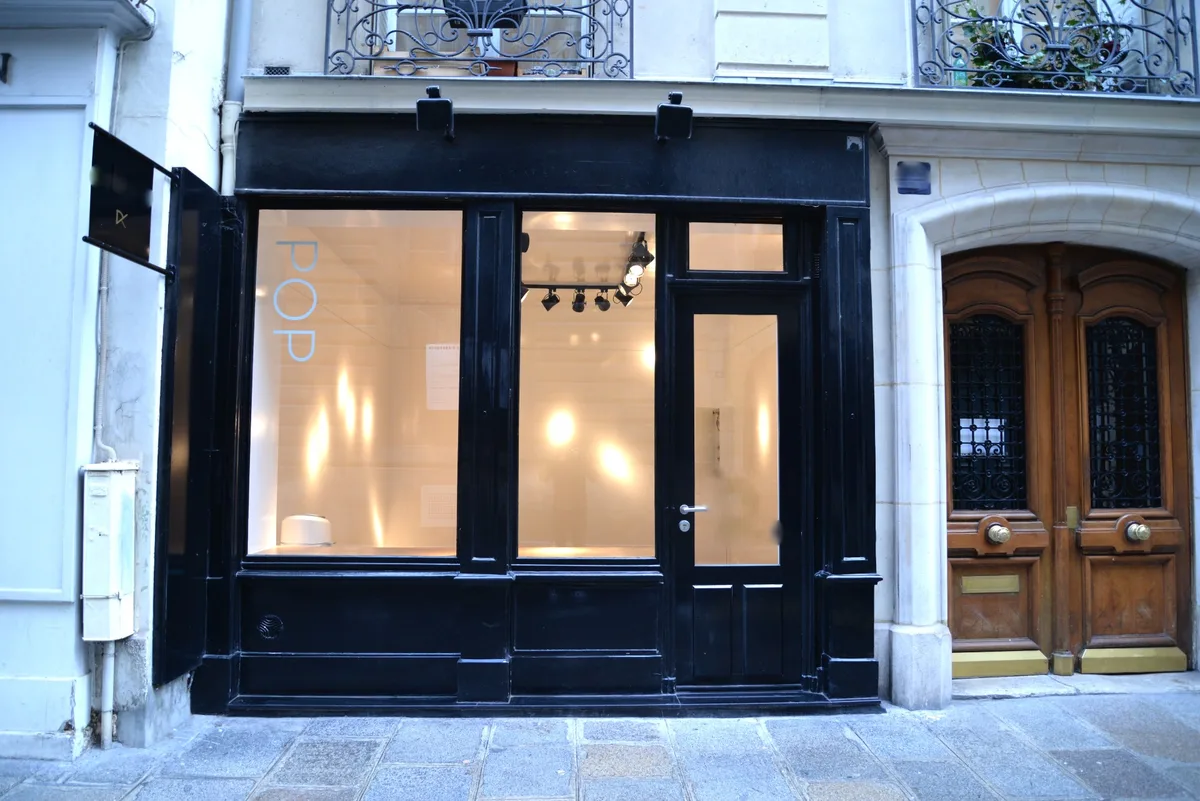
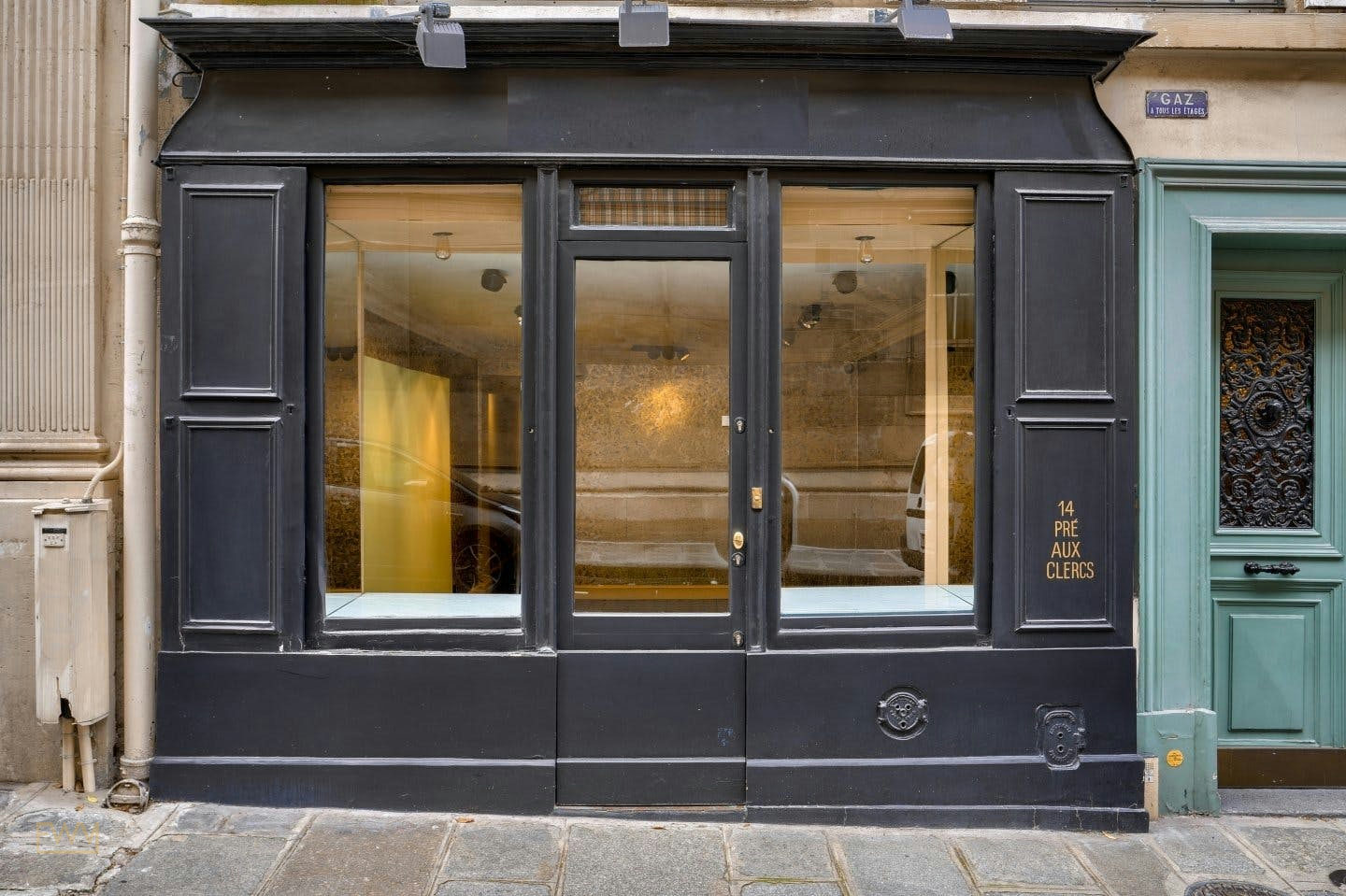
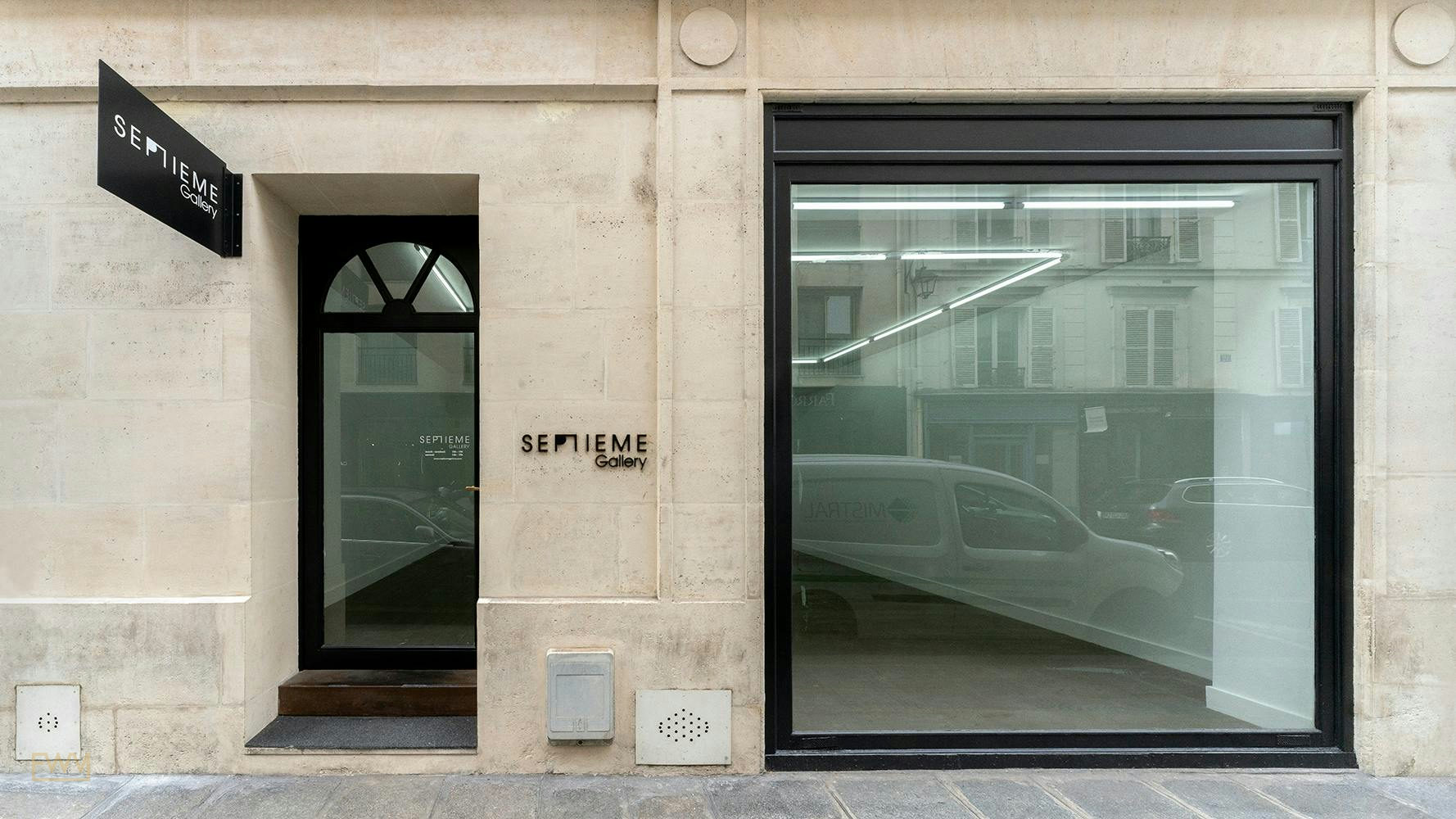
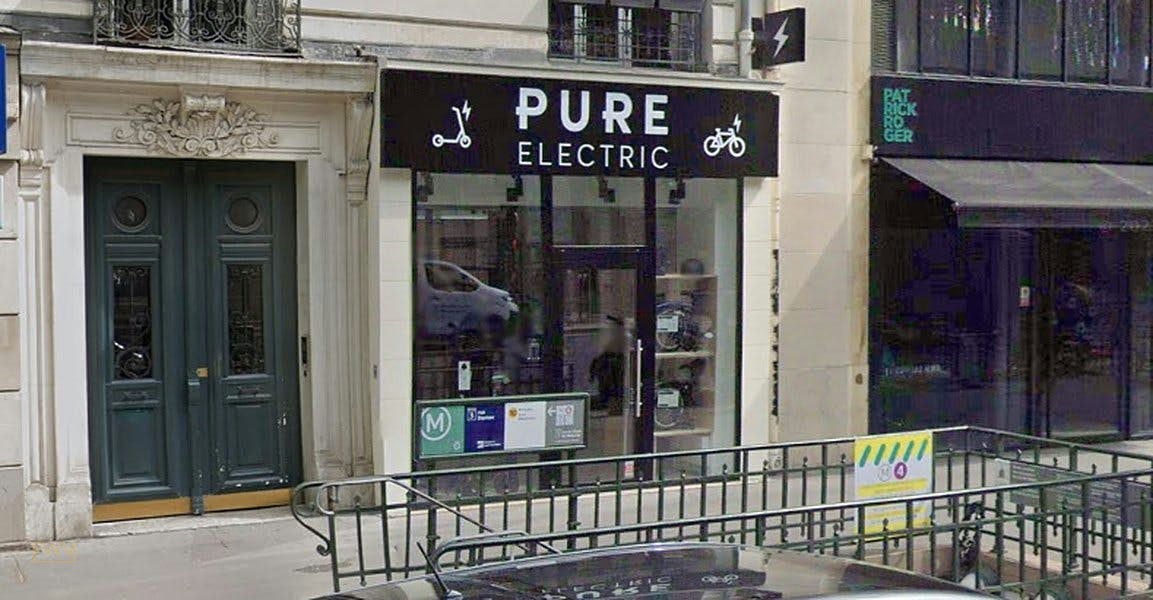
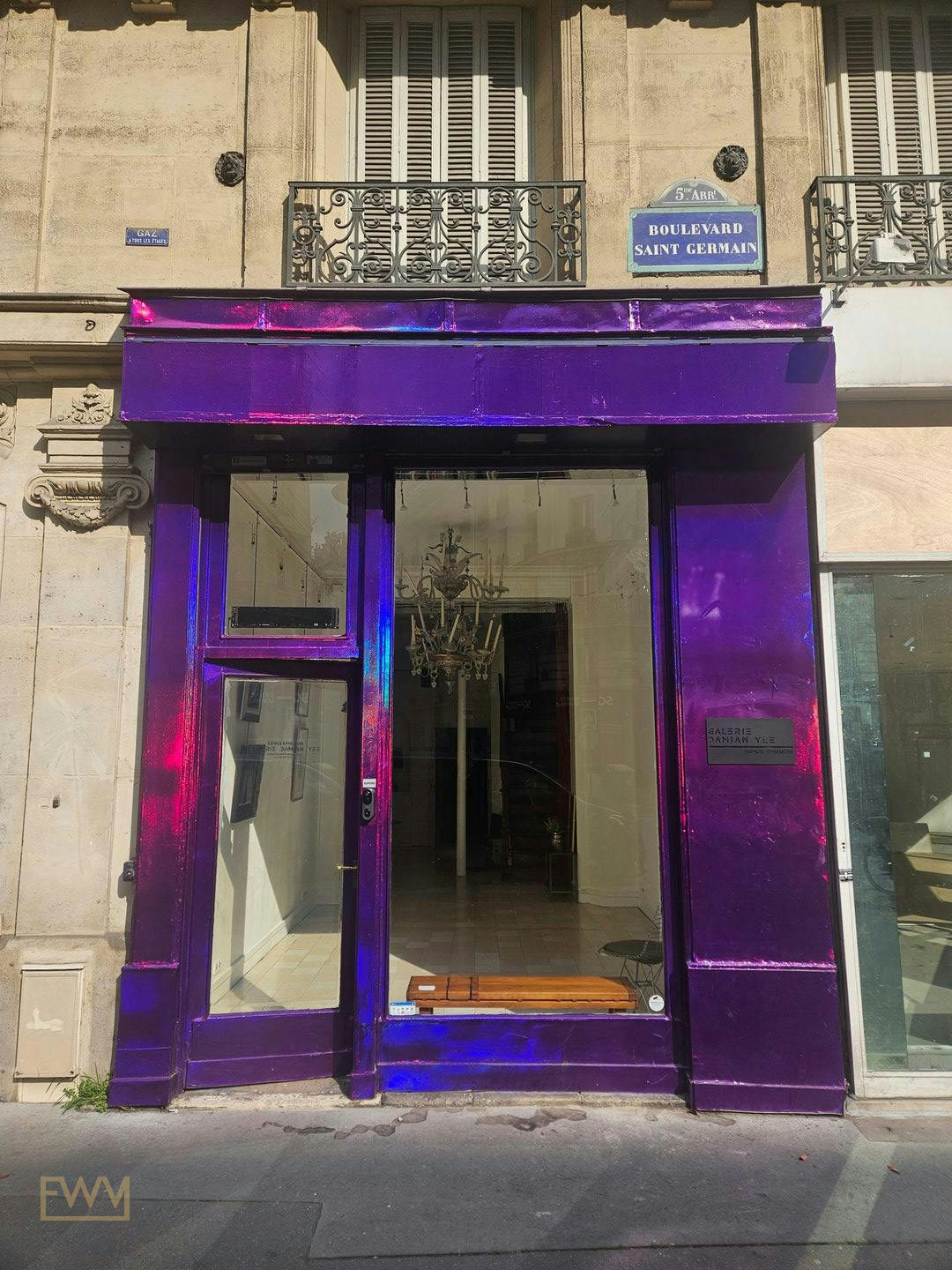
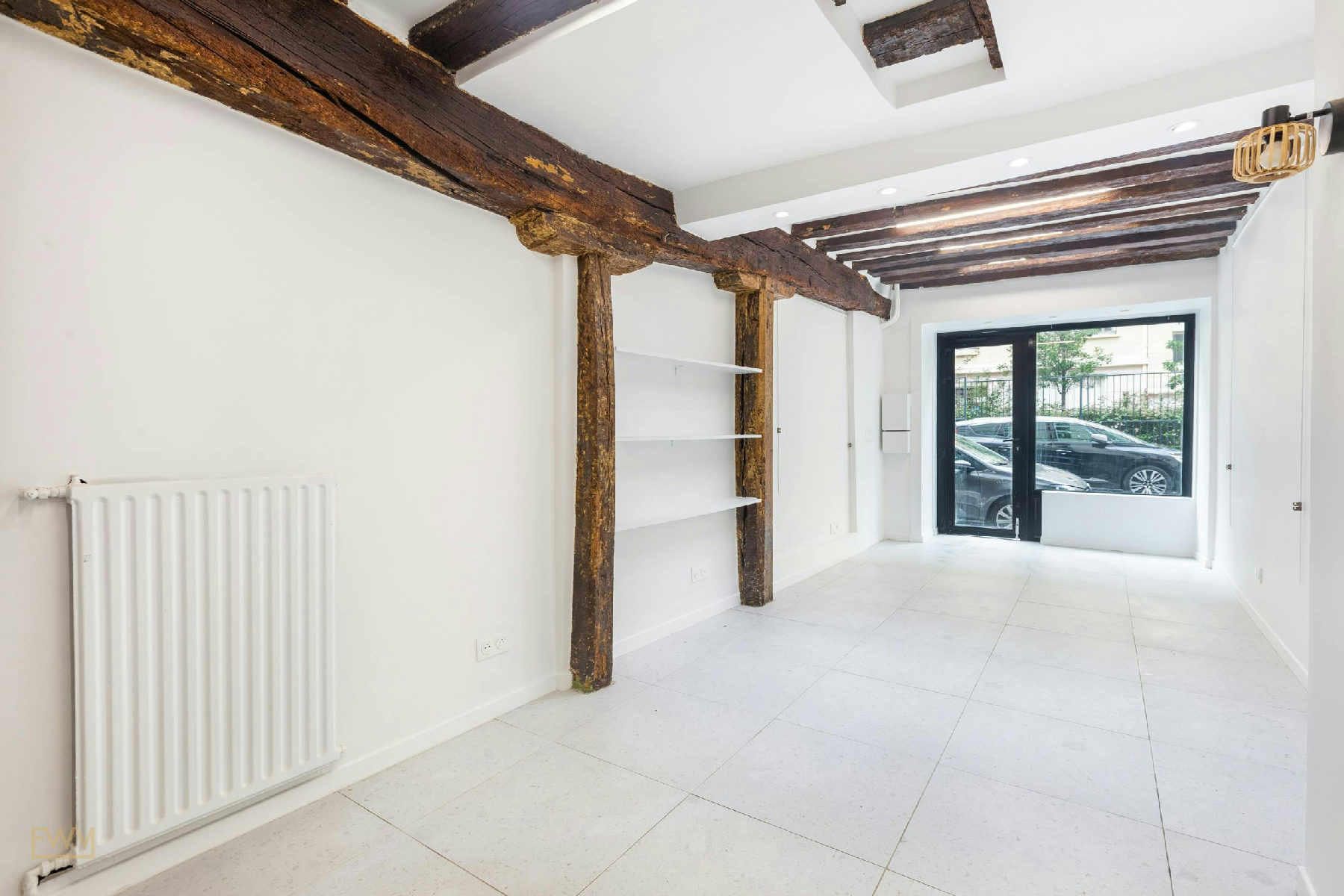
A pop-up storefront is the most directly commercial format, providing a street-facing retail presence with display windows, transactional space, and customer flow management. Retail spaces in Paris typically range from small single-room units of 30 to 60 square metres to larger multi-floor premises of several hundred square metres. For brands seeking a pop-up shop near the Eiffel Tower, ground-floor storefronts in the 7th and 6th arrondissements tend to have classic Haussmann building facades, high ceilings, and natural light from large windows. Layout considerations include flow from street entry to browsing to purchase, along with space for any experiential elements such as a video lounge, VR experience, or content creation zone.
Showrooms for Fashion Week and Trade Presentations
Showrooms are spaces configured primarily for buyer meetings, press previews, and trade presentations rather than consumer retail. They prioritise clean backgrounds, good lighting, hanging and display infrastructure, and meeting areas. During Paris Fashion Week, showrooms in Saint-Germain-des-Prés and Le Marais are among the most competitive spaces to secure. A showroom in a well-addressed building near the Eiffel Tower or in the 6th or 3rd arrondissements serves brands presenting collections to international buyers and press in a controlled, brand-appropriate environment. Many spaces in Paris can be configured as either a showroom or a retail pop-up depending on furniture, lighting, and layout decisions.
Gallery Spaces and Art Gallery Formats
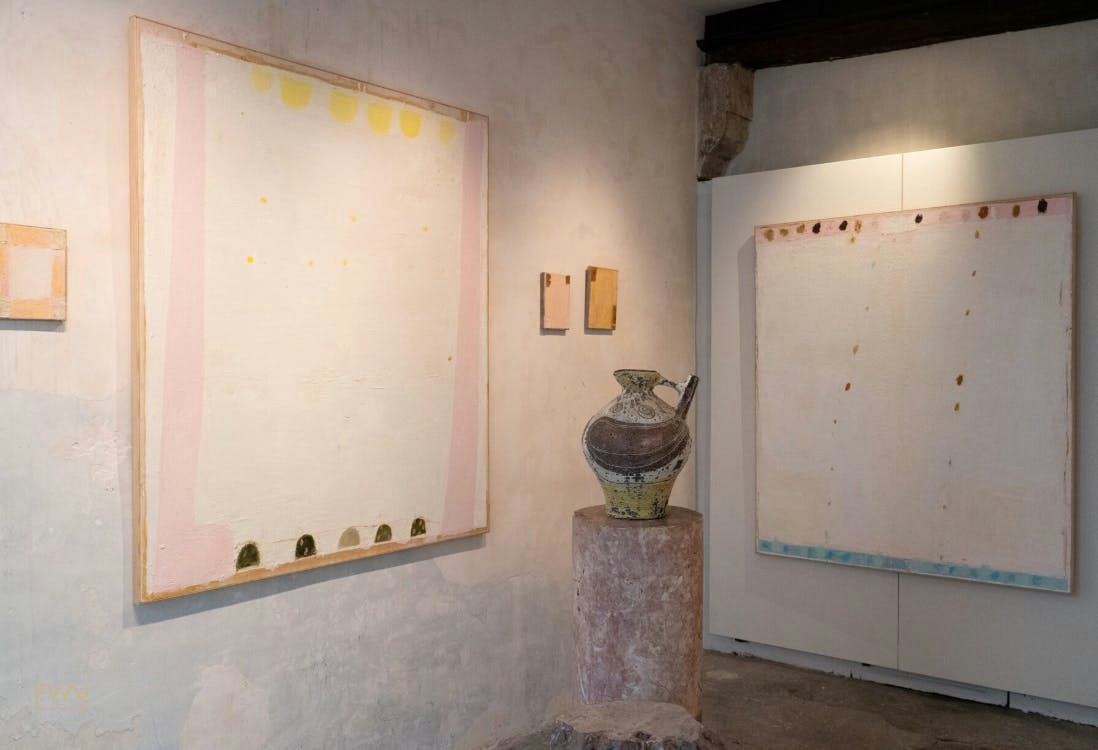
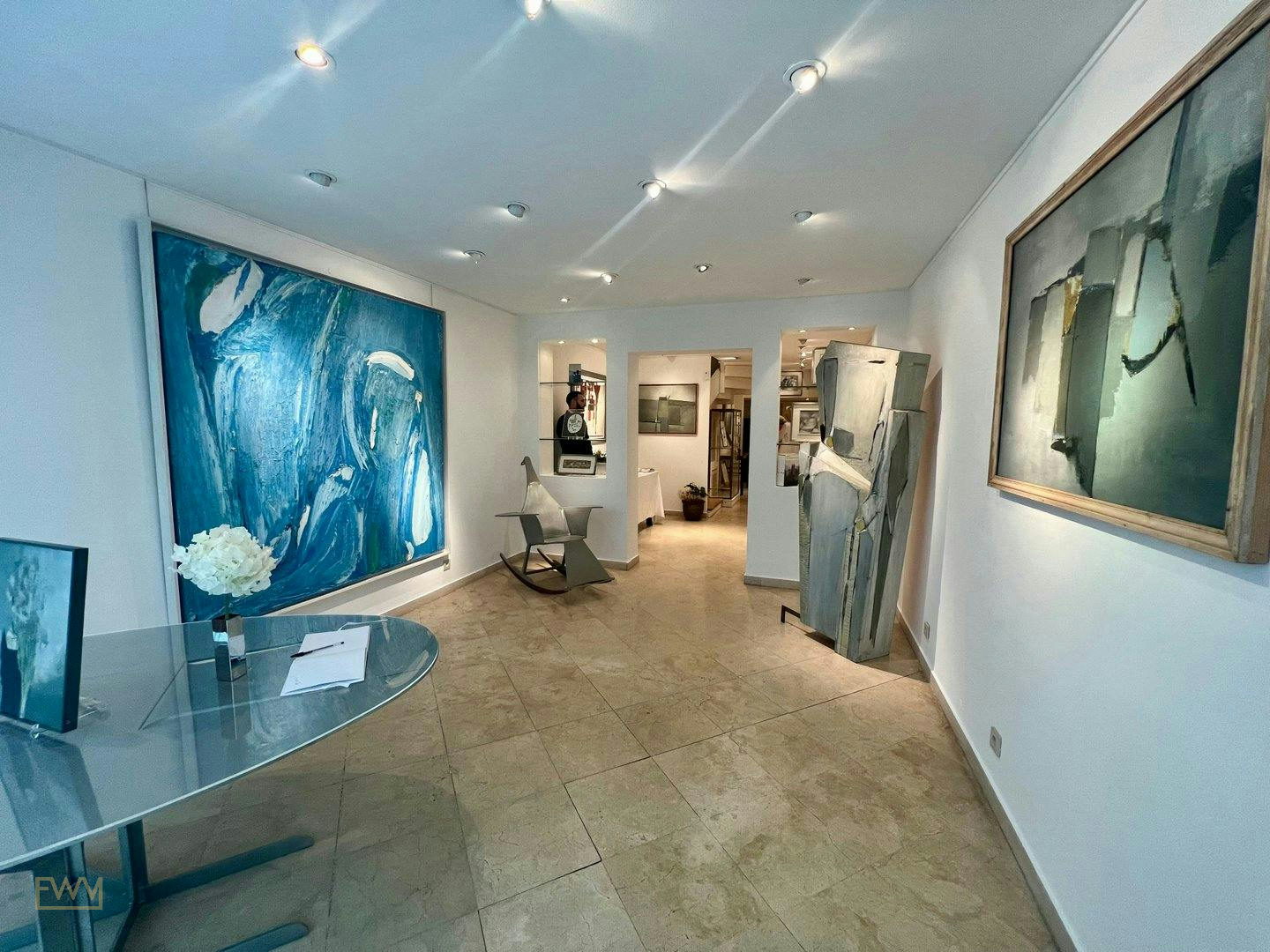
Gallery spaces in Paris are typically white-box or period-detail interiors used for art exhibitions, private presentations, and brand storytelling activations. An art gallery format suits brands that want to present their collection or campaign as a cultural experience rather than a direct retail transaction. The Marais district has the highest concentration of gallery spaces in Paris, many of which are available for short-term rental. These spaces offer high ceilings, clean walls, professional lighting tracks, and a neutral backdrop that allows brand identity to dominate the space design.
Event Spaces and Event Centres
Event spaces are larger-format venues designed to accommodate brand launches, private dinners, press conferences, pop-up dance classes, wedding receptions, and multi-format brand events. Near the Eiffel Tower, event spaces in the 7th and 16th arrondissements often feature architectural grandeur, from Second Empire interiors to modernist spaces with floor-to-ceiling glass overlooking the Seine or the Champ-de-Mars. Event centres with catering facilities, kitchen access, and technical infrastructure are available across Paris for productions requiring full hospitality alongside brand presentation.
Photo and Film Studios
Paris has a strong supply of dedicated photo and film studios, many of which double as content creation spaces for brand campaigns, editorial shoots, and social media productions. A photo studio near the Eiffel Tower or in the broader 7th arrondissement area offers the creative possibility of shooting with the tower as a background element. Studios with natural light, high ceilings, and modular meubles (furniture) are available for day or week rentals and suit brands running campaign shoots alongside or before a retail activation.
Concept Stores and Multi-Format Spaces
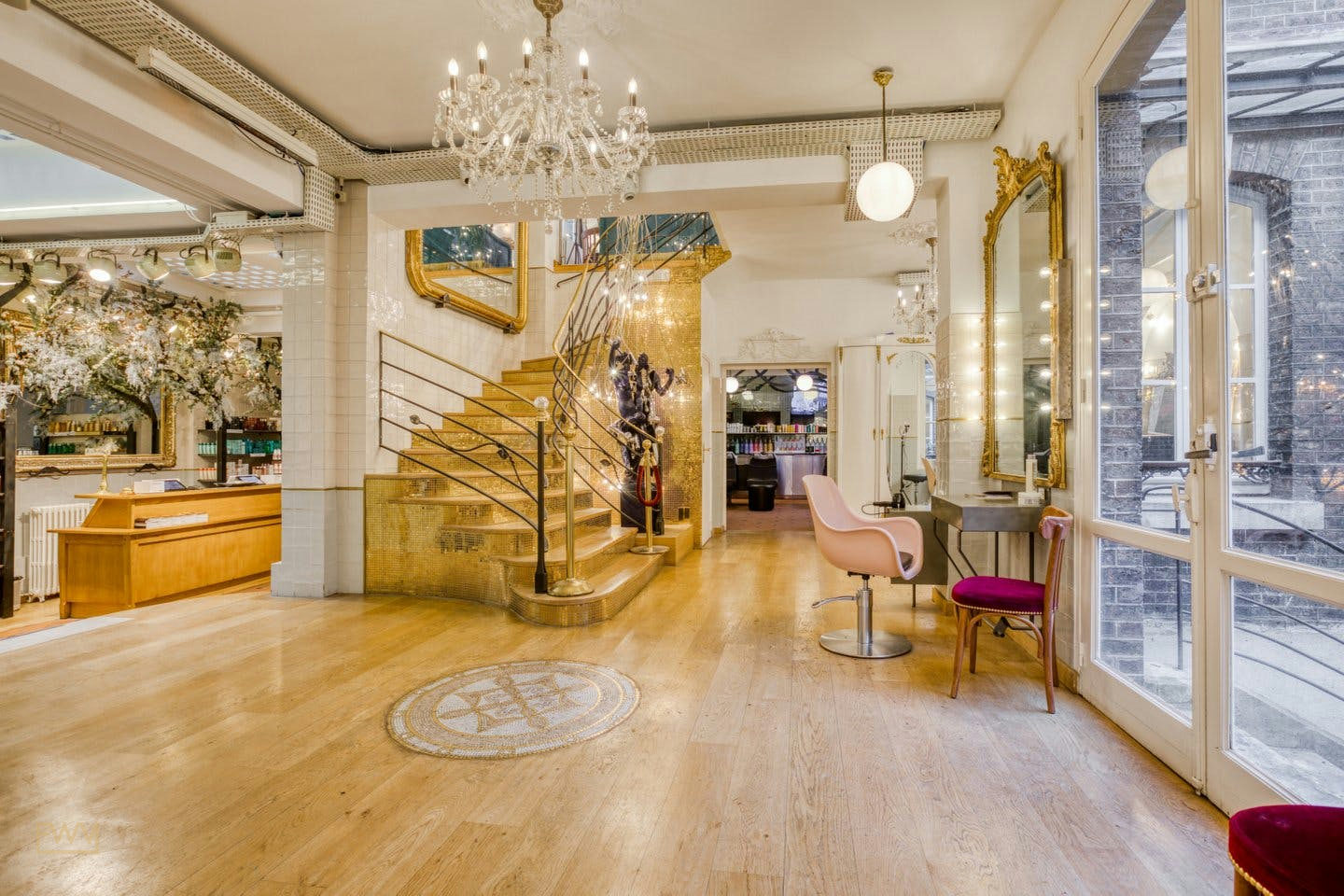
Concept stores are hybrid retail spaces that blend product presentation, experience design, and brand storytelling. They may incorporate a video lounge, a VR experience zone, a content creation setup, a catering element, and a transactional retail floor within a single space. This format is increasingly popular with brands that want a pop-up shop to function as a full brand world rather than a simple sales environment. Multi-format spaces in Paris, particularly in Le Marais and Saint-Germain-des-Prés, are well suited to this approach, offering the architectural character and spatial generosity that concept store design requires.
| Space Type | Primary Use | Typical Size Range | Key Features to Look For |
|---|---|---|---|
| Pop-Up Storefront | Consumer retail, brand discovery | 30 to 200 sqm | Display windows, foot traffic, natural light, customer flow |
| Showroom | Buyer meetings, press previews, trade events | 50 to 300 sqm | Clean walls, lighting tracks, meeting area, hanging infrastructure |
| Gallery Space | Brand storytelling, cultural activations, private exhibitions | 40 to 250 sqm | White walls, high ceilings, professional lighting, neutral backdrop |
| Event Space | Launches, dinners, press conferences, large-scale brand events | 100 to 1,000 sqm | Catering kitchen, AV infrastructure, capacity, loading access |
| Photo and Film Studio | Campaign shoots, content creation, editorial | 50 to 400 sqm | Natural light, high ceilings, modular furniture, backdrop options |
| Concept Store | Immersive retail, multi-format brand experience | 80 to 500 sqm | Architectural character, spatial flexibility, technical infrastructure |
KEY TAKEAWAY: Matching your space type to your activation format before beginning the search prevents costly renegotiations and production redesigns later. Define whether your primary goal is retail, trade, cultural, or content-led before shortlisting venues.
With space type and neighbourhood decisions made, the next critical area is understanding the booking, permit, and legal framework for short-term rentals in Paris.
Permits, Leases, and Legal Compliance for Pop-Up Rentals in Paris
Renting a pop-up shop in Paris involves navigating a specific legal and regulatory landscape that is quite different from short-term rentals in markets such as the United States or the United Kingdom. Understanding the key frameworks before you begin negotiations protects your brand from delays, compliance failures, and unexpected costs.
Quick answer: Short-term commercial rentals in Paris are governed primarily by the bail dérogatoire and, in certain public or semi-public spaces, by the autorisation d'occupation temporaire (AOT). These frameworks differ significantly from standard French commercial leases and require specialist legal review before signing. Requirements vary by space type, duration, and arrondissement.
The Bail Dérogatoire: Short-Term Commercial Leases
The bail dérogatoire is a short-term commercial lease that allows a tenant to occupy a commercial space for a maximum of three years without acquiring the tenant rights that come with a standard French commercial lease (bail commercial). For pop-up shop operators, the bail dérogatoire is typically the appropriate legal vehicle for rentals of a few days, weeks, or months. It gives landlords the security of knowing the tenant will vacate at the end of the agreed term, and it gives brands the flexibility to activate without committing to a long-term commercial tenancy.
The terms of a bail dérogatoire must be clearly defined, including the start and end date, the rental rate, permitted use, any reinstatement obligations, and the deposit structure. Brands should verify the permitted commercial use of the space before signing, as some residential-adjacent buildings in the 7th and 6th arrondissements have use restrictions that may affect retail operations, customer-facing events, or late-night activations.
The Autorisation d'Occupation Temporaire (AOT)
The AOT is a temporary occupation permit used for short-term use of public or semi-public space, including certain squares, covered markets, and public buildings. If your brand is considering a pop-up activation in a publicly owned location near the Champ-de-Mars, along the Seine riverbanks, or in an institutional venue, the AOT framework applies rather than the bail dérogatoire. The AOT is issued by the relevant public authority and requires an application with details of the proposed use, duration, and any structures or temporary installations. Lead times for AOT applications can be significant, and approval is not guaranteed. Brands planning public space activations near the Eiffel Tower should allow considerable lead time and engage a local specialist early in the process.
Commercial Activity Permits and Signage
Beyond the lease or AOT, certain commercial activities in Paris require separate permits or notifications. Temporary commercial signage on building facades, including branded wraps or illuminated displays, is regulated by local rules on publicité extérieure. Food service and catering within an event space requires compliance with health and safety regulations. Music and entertainment in an event or retail space after certain hours may require a separate declaration or notification to local authorities. Requirements vary by space type, duration, and arrondissement, so confirming each of these with a French legal advisor before production begins is strongly recommended.
IMPORTANT: Do not assume that signing a short-term lease automatically grants you the right to operate as a consumer-facing retail store. Permitted use clauses in Parisian leases are specific, and exceeding them can result in early termination. Always confirm permitted use with the landlord and verify with a qualified French legal advisor.
The Fashion Week Venues permit guidance tool provides a starting framework for understanding which permits may apply to your activation type, location, and duration. It does not replace specialist legal advice but helps brands begin the compliance planning process with an informed overview.
KEY TAKEAWAY: The bail dérogatoire and AOT are the two primary legal frameworks for short-term commercial rentals in Paris. Both require careful review, and compliance obligations extend beyond the lease to cover signage, catering, entertainment, and commercial use. Engage a French legal specialist before committing to any space.
Understanding the legal framework is essential, but equally important is building an accurate budget for your Paris pop-up activation from the outset.
Budgeting for a Pop-Up Shop Near the Eiffel Tower: Rental Rates and Cost Structure
Budgeting accurately for a Paris pop-up requires understanding that the rental rate is only one component of a total activation cost. Rental rates in premium Paris neighbourhoods near the Eiffel Tower are among the highest in Europe for short-term commercial space, and the full cost of an activation typically includes production, staffing, permits, logistics, and brand-specific design elements.
Quick answer: Rental rates for pop-up spaces near the Eiffel Tower and in premium Paris districts reflect high address value and short-term availability premiums. Total activation budgets typically include venue rental, fit-out and production, staffing, permits, logistics, and brand creative costs. Use a specialist tool to model brand-specific estimates rather than relying on generic market ranges.
Understanding Rental Rate Structures in Paris
Short-term rental rates in Paris are typically quoted per day, per week, or per month depending on the space type and the landlord's preferred model. Premium commercial addresses in the 7th, 6th, and 3rd arrondissements command higher rates than equivalent floor areas in secondary Paris districts. Rates also vary significantly by space type: a small gallery space in Le Marais will be priced differently from a multi-floor event venue with a kitchen and catering infrastructure near the Trocadéro. Rates during Fashion Week and major Paris event periods are subject to demand premiums that can be substantially higher than off-peak rates.
As a directional framework only, brands should be aware that Paris short-term retail spaces in premium districts command meaningfully higher rates than most comparable international cities, reflecting both the address premium and the relatively limited supply of quality short-term commercial inventory. Treat any specific figures you encounter in the market as indicative only, as individual space characteristics, duration, timing, and negotiation all affect the final rate. The Fashion Week Venues budget tool allows brands to model activation cost estimates based on their specific brief parameters.
Production and Fit-Out Costs
Beyond the rental rate, the production and fit-out cost of a Paris pop-up can be the single largest budget line. This includes branded store design, furniture rental, lighting installation, any temporary structure or partition work, AV and digital infrastructure, and reinstatement at the end of the activation. Spaces with architectural character, such as those with vaulted ceilings, exposed stone, or historic detail, often require less intervention to create a strong brand environment but may have restrictions on how surfaces can be treated or modified. Brands planning a high-production concept store or immersive event activation near the Eiffel Tower should model production costs carefully and engage a production partner with Paris experience early in the planning process.
Staffing, Operations, and Additional Cost Lines
Retail staffing for a Paris pop-up requires understanding the French employment market, including language skills, customer service standards, and applicable labour law for temporary workers. Additional operational cost lines include point-of-sale and payments infrastructure, security, cleaning, insurance, waste management, and any catering or hospitality requirements. Brands activating for the first time in Paris frequently underestimate these operational cost lines, which can collectively add a substantial proportion to the total activation budget beyond the headline rental rate.
TIP: Use the Fashion Week Venues ROI calculator alongside the budget tool to model the relationship between activation costs, projected sales, press value, and brand awareness outcomes. This gives senior stakeholders a more complete picture of activation value beyond direct revenue.
KEY TAKEAWAY: Total Paris pop-up activation budgets extend well beyond venue rental to include production, staffing, permits, logistics, and operational costs. Model the full cost structure before committing to a space, and use specialist tools to pressure-test your estimates against your brief.
With budget structure understood, the next practical step is the booking process itself, from initial space discovery through to confirmed activation.
The Booking Process for Pop-Up Spaces in Paris: From Discovery to Activation
Booking a short-term retail or event space in Paris involves a multi-step process that differs from booking event venues in markets with more standardised short-term commercial rental platforms. Understanding the full workflow prevents timeline slippage and ensures you have sufficient lead time for permit applications, production planning, and staffing.
Quick answer: The Paris pop-up booking process typically involves brief development, space discovery and shortlisting, site visits, legal review and lease negotiation, permit applications, production planning, and final activation. Lead times vary significantly by space type and activation format, but most premium activations require a minimum of six to twelve weeks of preparation after space confirmation.
| Stage | Activity | Typical Lead Time | Key Decision |
|---|---|---|---|
| 1. Brief Development | Define neighbourhood, space type, duration, budget, and objectives | 1 to 2 weeks | Confirm activation format and target districts |
| 2. Space Discovery | Search marketplace, engage agents, review shortlisted spaces | 1 to 3 weeks | Shortlist 3 to 6 options for site visits |
| 3. Site Visits | Visit shortlisted spaces, assess layout, natural light, ceilings, and access | 1 to 2 weeks | Select preferred and fallback options |
| 4. Legal and Lease Review | Review bail dérogatoire, confirm permitted use, negotiate terms | 1 to 3 weeks | Confirm lease terms and signing |
| 5. Permit Applications | Apply for any required commercial activity, signage, or AOT permits | 2 to 8 weeks depending on permit type | Confirm all compliance requirements are met |
| 6. Production Planning | Develop store design, procure furniture, plan build programme | 3 to 6 weeks | Confirm production schedule and supplier contracts |
| 7. Build and Install | On-site fit-out, furniture installation, AV and lighting setup | 3 to 7 days pre-opening | Confirm readiness for soft opening or press preview |
| 8. Activation | Open to consumers, buyers, or press; manage operations | Duration of rental | Monitor sales, foot traffic, and brand KPIs daily |
| 9. Reinstatement and Exit | Strip back to original condition, return keys, settle deposit | 1 to 3 days post-closing | Confirm deposit return and final settlement |
Space Discovery and the Role of a Marketplace
Discovering the right space in Paris has historically relied on local broker networks, word of mouth, and direct landlord relationships. The emergence of dedicated space marketplaces has made initial discovery more efficient, allowing brand teams to filter by neighbourhood, space type, floor area, and available dates. However, the quality of marketplace listings varies significantly, and verification processes differ between platforms. When browsing spaces, look for listings that include detailed floor plans, accurate measurements, high-quality photography, clear capacity information, and transparent availability calendars. Use a space comparison tool to evaluate multiple options against your brief criteria systematically.
Site Visits and Physical Assessment
No digital listing fully captures the physical reality of a space. A site visit allows you to assess natural light quality at different times of day, ceiling height and any structural features that affect design, building access for deliveries and production, the condition of floors, walls, and existing fixtures, and the acoustic environment, which matters for event spaces and music-adjacent activations. For spaces on a 2nd floor or above, confirm lift access, staircase width, and loading constraints before committing to a production plan that assumes easy deliveries.
Fashion Week Timing and Calendar Management
Paris Fashion Week occurs twice yearly, with the women's ready-to-wear calendar typically running in late September and late February or early March, and the haute couture and men's calendars occupying January and July. Competition for premium spaces during Fashion Week is intense, and many landlords and space owners operate priority booking arrangements for returning brands. If your activation is tied to the Fashion Week calendar, begin your space search a minimum of three to four months in advance. Use the Fashion Week Venues timeline tool to work backwards from your target opening date and identify the latest possible start points for each stage of the process.
KEY TAKEAWAY: The Paris pop-up booking process is multi-stage and time-sensitive. Fashion Week activations require three to four months of lead time from brief to opening. Treat the booking workflow as a project plan with hard deadlines at each stage.
To compare neighbourhoods and space types and begin building your shortlist, explore the Paris city hub on Fashion Week Venues and filter by your target district, space type, and calendar window.
How Fashion Week Venues Helps Brands Activate in Paris
Fashion Week Venues is a full-service pop-up agency and space marketplace that supports brands at every stage of the activation process, from initial space discovery through to post-activation data review. For brands seeking to rent a pop-up shop near the Eiffel Tower or in any of Paris's premium districts, Fashion Week Venues offers a structured, specialist service that reduces the time, risk, and complexity of navigating the Parisian rental market independently.
The Marketplace and Space Discovery
The Fashion Week Venues space marketplace aggregates curated short-term spaces across Paris and other major fashion capitals. The marketplace is designed for brand teams who know their neighbourhood preference, space type, and calendar window and want to browse vetted inventory without relying on general-purpose rental platforms or opaque broker networks. Listings are reviewed for quality, accuracy, and relevance to brand activation use cases.
Full-Service Agency Support
Beyond the marketplace, Fashion Week Venues offers a complete suite of agency services for brands that want end-to-end support. The venue sourcing service goes beyond marketplace browsing to include off-market space identification, landlord negotiation, and lease coordination. The concept and creative direction service helps brand teams develop a spatial concept that connects brand identity to the chosen space. The production and build service manages fit-out, furniture, lighting, and technical installation. The retail staffing service provides experienced, brand-appropriate staff for customer-facing activations in Paris. The activation management service oversees the full operational period of the pop-up, from opening to reinstatement.
Tools for Planning, Budget, and Compliance
Fashion Week Venues provides a set of specialist planning tools that help brand teams make better decisions at the research and planning stages. The budget tool models total activation costs based on space type, duration, and scope. The ROI calculator connects activation costs to projected brand outcomes. The timeline tool helps teams identify critical path milestones. The permits tool provides a starting framework for understanding Paris compliance requirements. The locator tool maps available spaces geographically, and the compare tool allows side-by-side evaluation of shortlisted options.
Which Brand Teams Benefit Most
Fashion Week Venues is most valuable for brand teams that are entering the Paris market for the first time, brands activating under tight timelines, international brands without local French market knowledge, and brands seeking a seamless full-service experience from brief to data review. It is also well suited to returning brands that want to upgrade the quality and efficiency of their activation process without managing multiple independent suppliers across venue, design, production, and staffing.
What to Understand About Working with Fashion Week Venues
Fashion Week Venues does not guarantee space availability, permit approval, or specific commercial outcomes. Space inventory is subject to availability, and demand during Fashion Week periods is high. Brands seeking activations during peak calendar windows should initiate contact and begin briefing as early as possible. Review the guide to hiring a pop-up agency for a framework to evaluate whether agency engagement is right for your brand's specific activation context.
KEY TAKEAWAY: Fashion Week Venues provides brand teams with a specialist marketplace, full-service agency support, and a suite of planning tools that together reduce the complexity and risk of activating a pop-up shop in Paris. The service is most valuable when engaged early in the planning process.
Understanding how a specialist agency structures its process helps brands decide whether to self-manage their activation or engage full-service support, and that decision often comes down to a clear assessment of internal resource and local market knowledge.
Pop-Up Shop Design, Production, and Physical Attributes That Determine Success in Paris
The physical design and production quality of a Paris pop-up shop is a direct expression of brand credibility. In a city where aesthetic standards are exceptionally high and consumers and press are accustomed to world-class retail environments, the quality of your space design, materials, lighting, and layout determines how seriously your brand is taken from the moment the doors open.
Quick answer: Successful Paris pop-up shop design combines a clear spatial concept with appropriate use of the building's existing architectural character, high-quality materials and finishes, considered lighting design, and a customer flow logic that serves both the brand narrative and the commercial transaction.
Working with Parisian Architecture
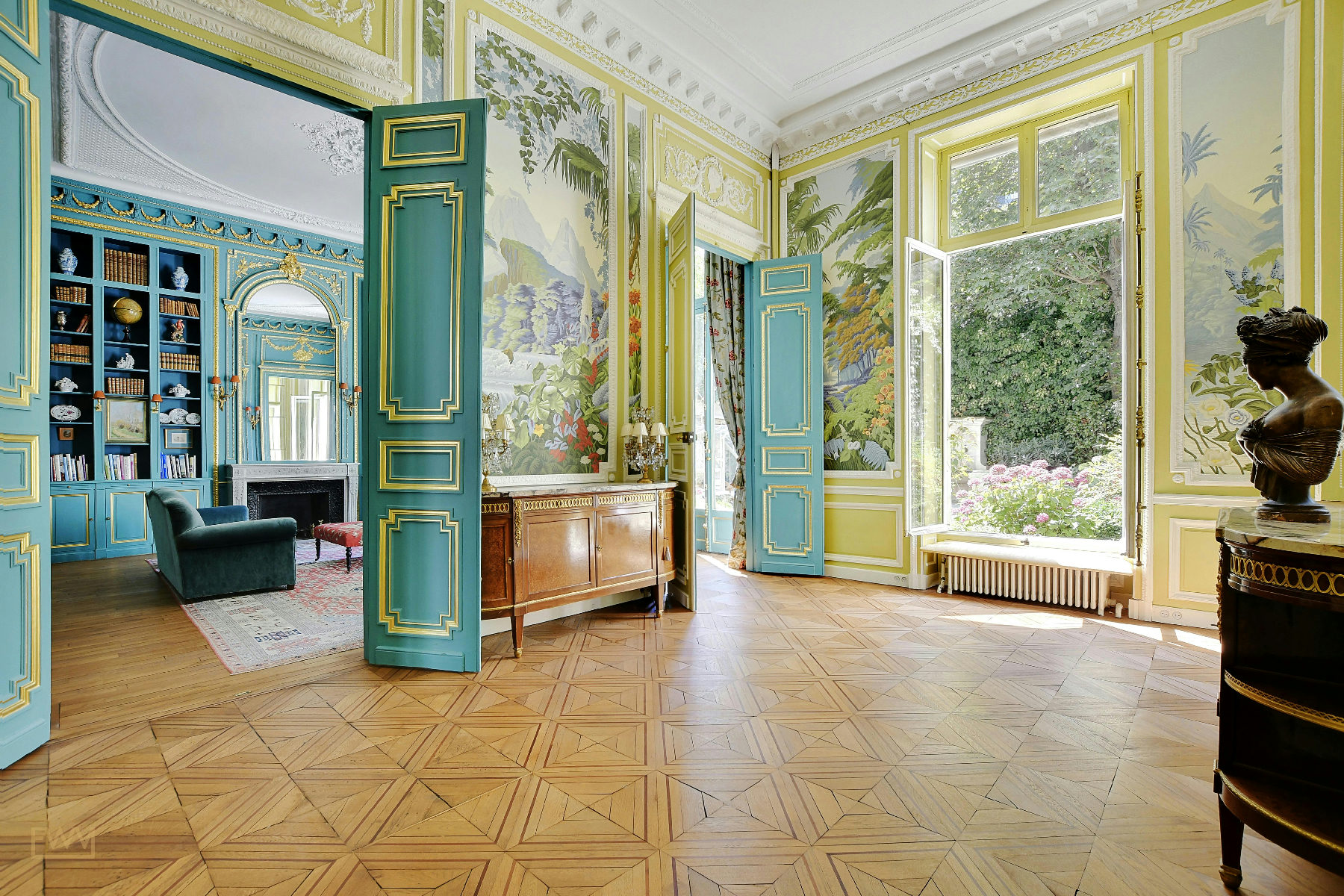
Most of the premium spaces available for short-term rental near the Eiffel Tower and in Saint-Germain-des-Prés, Le Marais, and the Trocadéro zone are housed in historic Haussmann-era buildings or pre-Haussmann structures with significant architectural character. High ceilings, vaulted ceilings in basement or cellar spaces, exposed stone walls, ornate cornicing, and large window openings are common features. Skilled spatial planning and artistic direction work with these features rather than against them, using the existing architecture as a brand backdrop while layering in brand identity through furniture, fixtures, graphic elements, and lighting. Spaces with vaulted ceilings and natural stone, for example, immediately communicate heritage and craft values, which may align strongly with certain fashion, jewellery, or beauty brand narratives.
Lighting Design for Pop-Up Retail
Lighting is one of the most powerful tools in pop-up retail design and one of the most commonly underbudgeted. In Paris, where natural light quality varies significantly by season and by the orientation of the building, supplementary lighting design is almost always required to achieve the brand-appropriate visual environment. Professional lighting tracks, accent lighting for product display, ambient mood lighting, and any specialised lighting for photo shoots or video production should all be considered as part of the production plan. Spaces with high ceilings allow for dramatic pendant and track lighting configurations that would not be possible in lower-ceilinged environments.
Layout, Flow, and Customer Experience
Customer flow logic determines how visitors move through the space, what they see first, how long they dwell, and whether the spatial experience builds toward a commercial transaction or a brand memory. For retail spaces, the entry sequence, hero product display zone, exploration areas, and point-of-sale position should all be planned as a connected journey rather than individual zones. For showroom formats, the sequence of collection presentation, meeting area, and exit should feel natural and unhurried. For event spaces, the relationship between reception, presentation, catering, and social areas determines the event experience quality. A well-planned layout also accounts for staff movement and operational logistics, avoiding conflicts between customer flow and back-of-house operations.
Furniture, Fixtures, and Rental Options
Furniture rental is a practical and cost-effective solution for pop-up activations that need high-quality, brand-appropriate pieces without the capital cost of purchasing. Paris has a strong market of furniture rental suppliers offering contemporary and classic pieces appropriate for retail, showroom, and event contexts. The choice of furniture communicates brand values directly: a concept store using industrial steel and raw materials reads very differently from one using warm wood and natural textiles. If your activation has a specific material or aesthetic direction, confirm furniture availability early in the production planning process, as premium rental pieces in Paris can be heavily booked during Fashion Week and peak event seasons.
Content Creation Infrastructure
Many brands now design their Paris pop-up space with content creation as a primary objective alongside retail or trade. This means building in natural light zones for photography, neutral backgrounds for product shots, architectural moments that generate shareable imagery, and potentially dedicated photo and film studio areas within the space. Spaces near the Eiffel Tower have the added opportunity of integrating the iconic backdrop into brand photography through window views or external shoot arrangements. A pop-up that generates a strong content output extends its brand value far beyond the duration and geography of the activation itself.
KEY TAKEAWAY: Paris pop-up shop design is a competitive discipline. Brands that invest in spatial planning, lighting, and thoughtful use of Parisian architectural character produce activations that generate stronger press, content, and consumer response. Treat design as a brand investment, not a cost to be minimised.
Beyond design and production, effective brand activations in Paris also depend on the data infrastructure and measurement frameworks that allow teams to evaluate performance and justify investment.
Paris Pop-Up Shop Context Within the Global Fashion Week Calendar
Paris is the anchor city of the global Fashion Week calendar, and the alignment of pop-up shop activations with the Fashion Week schedule is a strategic lever that amplifies brand exposure, trade access, and media coverage simultaneously. Understanding how Paris sits within the global calendar helps brands plan their Paris activation as part of a multi-city strategy rather than an isolated event.
Quick answer: Paris Fashion Week occurs in late February and early March for women's autumn/winter collections, and in late September and early October for spring/summer collections. These windows coincide with the highest concentration of international fashion buyers, press, and influencers in Paris, making them the most commercially and culturally productive periods for brand pop-up activations.
The Fashion Week Calendar and Activation Windows
The principal women's ready-to-wear Fashion Week calendar in Paris runs for approximately nine to ten days during its two annual windows. During this period, the Carreau du Temple, the Grand Palais, and dozens of independent venues across Le Marais, Saint-Germain-des-Prés, and the Trocadéro host runway shows, brand presentations, press events, and buyer meetings. Brands that position a pop-up shop or showroom during this window benefit from the concentrated presence of their target professional and consumer audience within a small geographic area. The spillover of Fashion Week foot traffic into the commercial streets of Le Marais and Saint-Germain-des-Prés is significant and measurable.
Paris as Part of a Multi-City Strategy
Many international brands treat Paris Fashion Week as one leg of a broader multi-city activation strategy that also includes New York, London, Milan, and, increasingly, Dubai and Tokyo. The fashion capitals each have their own calendar, cultural personality, and space typology. Fashion Week Venues operates city hubs across all six of these markets, which allows brand teams to plan and manage multi-city activations through a single service relationship. For brands considering how Paris fits within a broader activation calendar, the Paris hub provides a focused entry point while the broader city network supports scaling across markets.
Beyond Fashion Week: Year-Round Paris Pop-Up Opportunities
While Fashion Week is the most competitive and highest-profile activation window, Paris supports strong brand pop-up activity throughout the year. Key alternative windows include the Paris design fair season around September, the Christmas retail season from November through December, and the Paris art and culture calendar, which includes major exhibitions at the Louvre, the Grand Palais, and associated cultural institutions. Brands that activate during these quieter windows benefit from lower rental rate pressure and greater space availability while still accessing Paris's year-round international audience.
DID YOU KNOW: Paris consistently attracts more international tourists annually than any other European city, with approximately 30 to 40 million visitors per year, creating a year-round base of international brand-aware consumers that extends well beyond the Fashion Week windows.
KEY TAKEAWAY: Aligning a Paris pop-up activation with the Fashion Week calendar maximises trade, press, and consumer exposure but also increases competition for premium spaces and raises rental rates. Year-round alternative windows offer strong brand activation opportunities with lower space competition and more negotiating room on rates.
The global context of Paris pop-up activations raises a natural question about how brands based outside France, including those from the United States, the United Kingdom, and other markets, should approach the logistics of operating in Paris.
Common Myths About Renting a Pop-Up Shop Near the Eiffel Tower and in Paris
MYTH: You need a French legal entity to rent a pop-up shop in Paris.
FACT: Many international brands rent short-term commercial spaces in Paris without a French legal entity, operating under a bail dérogatoire as a foreign company. However, the exact requirements depend on the landlord, the space type, the intended commercial activity, and the duration of the rental. Some landlords require a French guarantor or additional documentation from foreign tenants. Seeking advice from a French legal specialist before entering negotiations is strongly recommended, as requirements vary by case.
MYTH: Paris Fashion Week is the only viable calendar window for a pop-up shop in Paris.
FACT: Paris supports strong brand pop-up activity throughout the year. The Christmas retail season, the Paris design and art fair calendar, and the summer tourist peak all provide viable activation windows with strong foot traffic and brand audience quality. Fashion Week windows are the most competitive and command premium rental rates, but they are not the only productive periods for brand activations in Paris.
MYTH: Commission-based brokers are the only way to find a short-term space in Paris.
FACT: Dedicated space marketplaces, full-service pop-up agencies, and direct landlord relationships all provide routes to short-term commercial space in Paris beyond traditional commission brokers. A quality marketplace with vetted inventory and transparent availability information can significantly accelerate the discovery and shortlisting process without the opacity that characterises some broker-led transactions.
MYTH: Short-term leases in Paris are legally straightforward and do not require specialist review.
FACT: The bail dérogatoire and AOT frameworks both carry specific legal obligations, use restrictions, reinstatement requirements, and deposit structures that require careful review before signing. Misunderstanding the permitted use clause, for example, can result in a landlord terminating the lease if the brand operates a consumer-facing retail event in a space classified for a different commercial use. Always engage a qualified French legal advisor before committing to a Paris short-term lease.
MYTH: Any space with an Eiffel Tower view is automatically suitable for a brand pop-up shop.
FACT: Eiffel Tower visibility is a marketing asset but does not by itself make a space commercially or operationally suitable. Brands must assess floor area, ceiling height, natural light, building access, loading constraints, toilet facilities, electrical capacity, and permitted commercial use before committing to a space. A space with a spectacular view but inadequate production infrastructure or restrictive use conditions can result in a failed activation regardless of its address value.
Frequently Asked Questions
How do I find a pop-up shop to rent near the Eiffel Tower in Paris?
The most effective approach combines a dedicated space marketplace search with specialist local knowledge. Begin by filtering available spaces by neighbourhood, targeting the 7th, 6th, and 16th arrondissements for the closest proximity to the Eiffel Tower and its surrounding premium districts. Assess listings for floor area, ceiling height, natural light, and permitted commercial use. For curated inventory and specialist support, the Fashion Week Venues marketplace and Paris city hub provide a focused starting point for brands seeking vetted short-term spaces in Paris's premium districts.
What types of short-term spaces are available near the Eiffel Tower in Paris?
The area near the Eiffel Tower and across adjacent premium neighbourhoods offers a range of space types, including ground-floor retail storefronts, showrooms, gallery spaces, event centres, photo and film studios, and multi-format concept store spaces. The 7th arrondissement is particularly strong for showroom and VIP event formats, while Saint-Germain-des-Prés in the 6th and Le Marais in the 3rd and 4th offer the widest range of pop-up storefront and gallery options. Space selection should be driven by your activation format, production budget, and target audience profile.
What is a bail dérogatoire and do I need one for a Paris pop-up?
A bail dérogatoire is a short-term commercial lease under French law that permits a tenant to occupy a commercial space for up to three years without acquiring the tenant rights that come with a standard French commercial lease. For most pop-up shop rentals in Paris lasting a few days to a few months, the bail dérogatoire is the appropriate legal vehicle. It must be structured correctly to confirm the temporary nature of the tenancy, and the permitted commercial use must be verified before signing. Always seek advice from a qualified French legal advisor before committing to any short-term commercial lease in Paris.
How far in advance should I book a pop-up space in Paris for Fashion Week?
For activations during Paris Fashion Week, a minimum lead time of three to four months from brief to opening is strongly recommended. Premium spaces in Saint-Germain-des-Prés, Le Marais, and the Trocadéro zone are often reserved months in advance by returning brands, and Fashion Week windows carry significant demand pressure. Beyond space booking, permit applications, production planning, and staffing recruitment all require time that compresses quickly if space confirmation is delayed. Beginning your space search and brief development as early as possible provides the best chance of securing your preferred space type and neighbourhood.
Do I need a French company to rent a commercial space in Paris as an international brand?
Many international brands rent short-term commercial spaces in Paris without a registered French legal entity. However, requirements vary by landlord, space type, and lease structure. Some landlords require a French guarantor or additional financial documentation from foreign tenants. The specific requirements should be confirmed during lease negotiation rather than assumed. A specialist agency or French legal advisor can help international brands navigate the documentation requirements for short-term commercial rentals in Paris without the delays and misunderstandings that can arise from unfamiliarity with local practice.
What permits are required to operate a pop-up shop in Paris?
Permit requirements for Paris pop-up shops depend on the space type, the nature of the commercial activity, the duration of the rental, and the arrondissement. Commercial activity permits, temporary signage approvals, food service compliance, and entertainment notifications may all apply depending on your activation format. Public space activations near the Champ-de-Mars or along the Seine may require an autorisation d'occupation temporaire from the relevant public authority. Requirements vary and should be verified with a French legal advisor. The Fashion Week Venues permit guidance tool provides a useful starting framework for understanding which permits may apply to your specific activation context.
How much does it cost to rent a pop-up shop near the Eiffel Tower in Paris?
Rental rates for short-term commercial spaces near the Eiffel Tower and in premium Paris districts reflect high address value and demand, particularly during Fashion Week periods. Rates vary significantly by space type, floor area, location, duration, and timing. Beyond the venue rental, total activation budgets include production and fit-out, staffing, permits, logistics, insurance, and operational costs that collectively represent a significant multiple of the headline rental rate. Treating the rental rate as a proxy for total activation cost is a common budgeting error. Use the Fashion Week Venues budget tool to model a full activation cost estimate based on your specific brief parameters.
Why is Saint-Germain-des-Prés a popular choice for pop-up shops in Paris?
Saint-Germain-des-Prés in the 6th arrondissement combines strong commercial foot traffic from affluent Parisian shoppers and international visitors with a cultural identity closely associated with fashion, design, and intellectual life. The streets around Rue de Rennes, Saint-Sulpice, Rue de Seine, and rue Dauphine have a high concentration of independent boutiques, concept stores, and gallery spaces that create a brand-aware retail environment. The neighbourhood is particularly attractive for fashion, beauty, lifestyle, and design brands seeking a Paris presence that balances commercial visibility with creative credibility.
What makes Le Marais the strongest neighbourhood for brand discovery in Paris?
Le Marais in the 3rd and 4th arrondissements draws a fashion-forward, design-literate, and brand-aware consumer and visitor base that is highly responsive to new retail concepts and brand activations. The neighbourhood's historic architecture, including courtyards, vaulted spaces, and period buildings with strong visual character, provides a compelling backdrop for brand storytelling and content creation. The concentration of galleries, showrooms, and concept stores in the Marais district creates a discovery environment where new brands are actively sought out by consumers and press. The Carreau du Temple provides a larger-format option for brands requiring event-scale spaces within this neighbourhood.
Can I use a Paris pop-up space for photo shoots and content creation?
Many Paris pop-up spaces can be configured for photo shoots and content creation alongside or instead of retail or event use. Spaces with natural light, high ceilings, and strong architectural character are particularly well suited to editorial photography and brand campaign production. Some spaces near the Eiffel Tower also allow for external shooting arrangements that incorporate the tower as a background element. Confirm with the landlord and the space agreement that photography and filming use is permitted, as some leases restrict commercial production activity. Dedicated photo and film studios are also available across Paris for brands requiring a controlled production environment.
What is the difference between a pop-up shop and a showroom in Paris?
A pop-up shop is a temporary consumer-facing retail space where customers can browse, experience, and purchase products. A showroom is configured for trade and press presentations, with the primary audience being buyers, journalists, and industry professionals rather than general consumers. The physical requirements differ: a pop-up shop prioritises customer flow, product display, and transactional infrastructure, while a showroom prioritises presentation quality, meeting facilities, and a controlled viewing environment. Many Paris spaces can be configured as either format depending on furniture, layout, and lighting decisions, which is why defining your primary activation format before beginning the space search is essential.
How does the twin co-activation concept work for Paris pop-up shops?
The twin co-activation concept offered by Fashion Week Venues allows two complementary brands to share a single Paris space, splitting the rental cost while delivering a joint activation that creates a richer brand environment and potentially a larger combined audience. This approach works best when the two brands address overlapping audiences without direct competitive overlap, for example a fashion brand and a beauty brand, or a lifestyle brand and an interiors brand. The twin format is particularly useful during Fashion Week when rental rates are at their highest and budget efficiency is a priority for both brands.
What staffing arrangements are available for Paris pop-up shops?
Staffing a Paris pop-up requires French-speaking customer service staff who understand brand positioning, retail sales techniques, and operational procedures. Options range from direct employment of temporary retail staff through French employment agencies to specialist brand staffing services that provide trained, brand-briefed team members for the duration of the activation. For international brands activating in Paris for the first time, engaging a specialist staffing service familiar with the local labour market and French employment regulations reduces the risk of compliance issues and ensures a consistent customer experience standard.
What data and analytics can I collect from a Paris pop-up shop activation?
Modern pop-up shop activations in Paris can collect a meaningful range of performance data, including footfall counts, dwell time analysis, conversion rates between visitors and transactions, average transaction value, customer demographic data, social media reach and engagement generated by the activation, and press coverage volume and quality. Point-of-sale and payments infrastructure generates transactional data, while QR code-based tools allow brands to track customer journeys and capture contact information for post-activation follow-up. Establishing your data collection framework before the activation opens ensures you capture the metrics that matter most to your brand's evaluation of the investment.
Is a pop-up shop near the Eiffel Tower suitable for luxury brand activations?
The 7th arrondissement and its surrounding areas near the Eiffel Tower are strongly associated with luxury residential life, diplomatic addresses, and high-end hospitality, making them well suited to luxury brand activations. The neighbourhood's quieter, more exclusive character aligns with luxury brand values of discretion, quality, and address prestige. For luxury brands, the priority is typically a space that communicates the right address, provides an appropriately curated visual environment, and allows for controlled access to VIP guests, press, and buyers rather than maximising general consumer footfall. The 7th is generally a stronger fit for this activation profile than the higher-footfall commercial streets of Le Marais or Saint-Germain-des-Prés.
Conclusion: Planning Your Paris Pop-Up Shop Near the Eiffel Tower
Renting a pop-up shop near the Eiffel Tower and across Paris's premium neighbourhoods is one of the most powerful brand activation strategies available to fashion, luxury, lifestyle, and design brands operating in international markets. The combination of address prestige, foot traffic quality, architectural character, and cultural resonance makes Paris uniquely compelling as an activation city, and the Eiffel Tower zone in particular communicates brand ambition at a global scale.
Successful Paris pop-up activations require a structured approach: clear neighbourhood and space type selection, rigorous legal and permit compliance planning, realistic full-cost budgeting, a well-managed booking timeline, and high-quality spatial design that respects and amplifies the character of Parisian architecture. Brands that invest in each of these areas consistently produce activations that deliver commercial return, press coverage, content output, and long-term brand equity in the French market.
The complexity of the Paris market, from the specific legal frameworks of the bail dérogatoire and AOT to the competitive dynamics of Fashion Week space availability, makes specialist support a practical asset rather than an optional convenience. Whether you engage full-service agency support or self-manage with specialist tools, having Paris-specific knowledge at the centre of your planning process significantly improves activation outcomes.
To move from research to activation, start exploring available spaces on the Fashion Week Venues marketplace and build a focused brief for your target neighbourhood, space type, and calendar window.