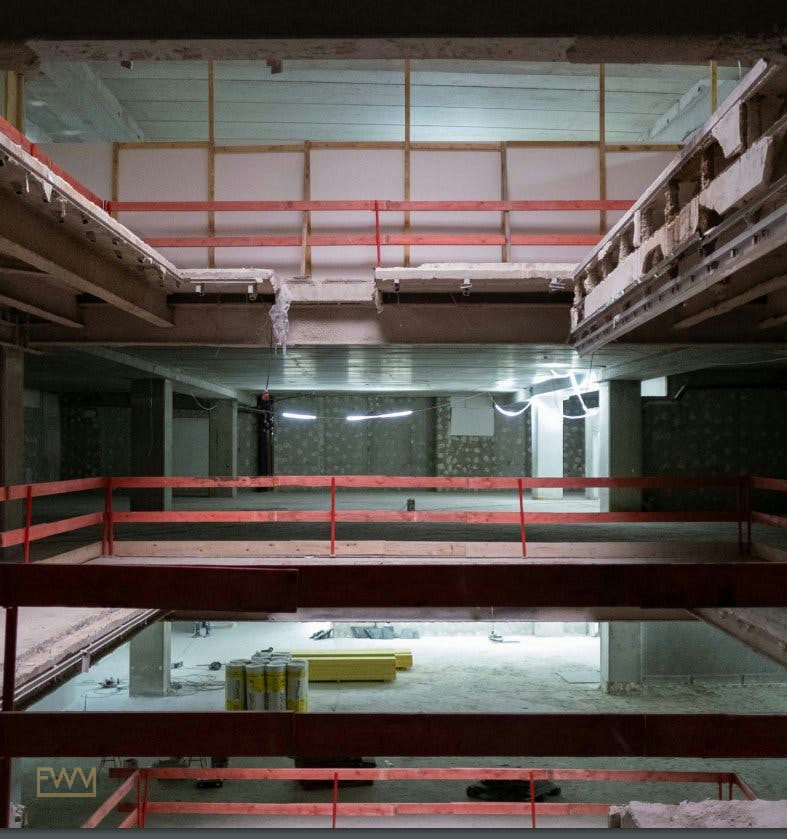
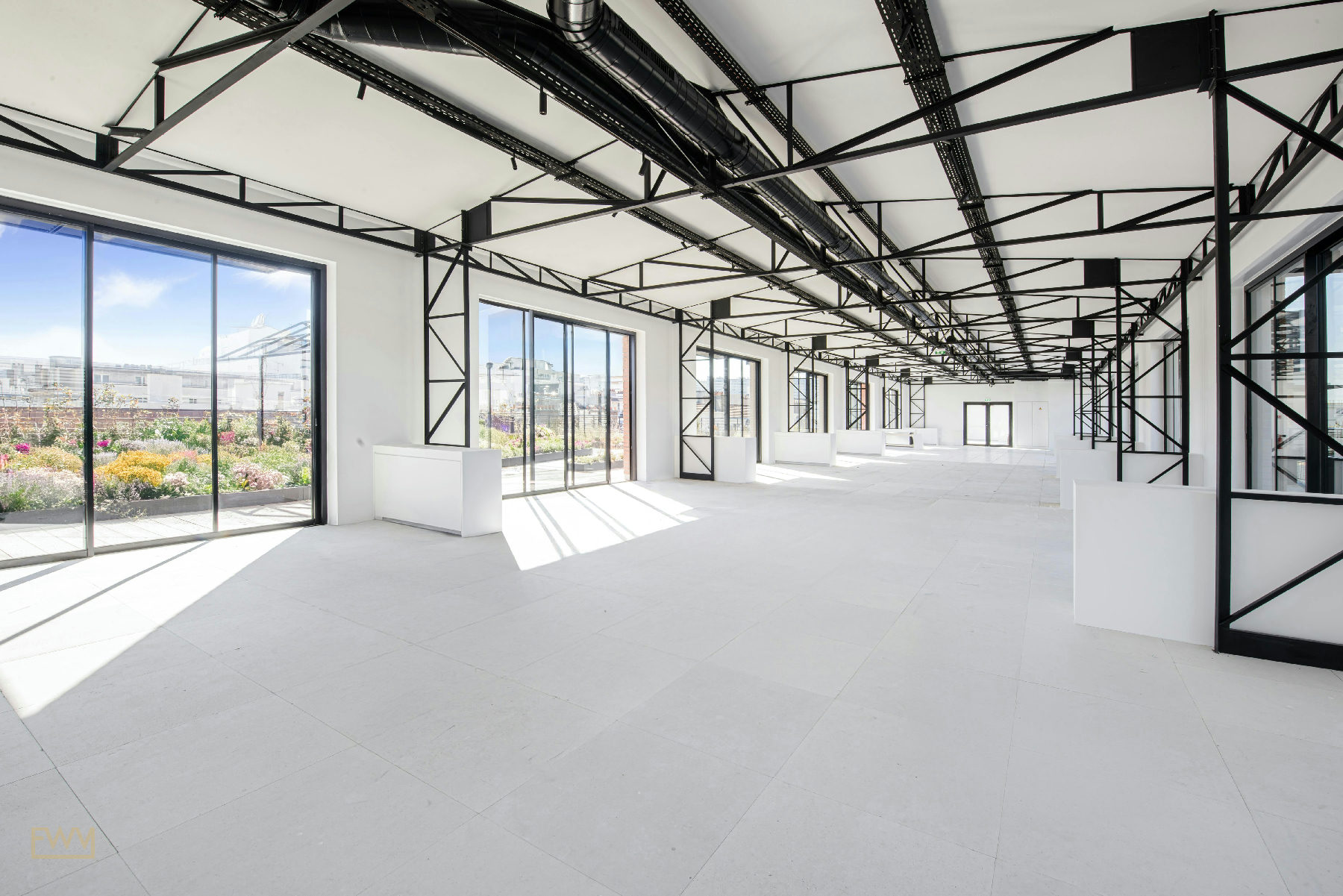
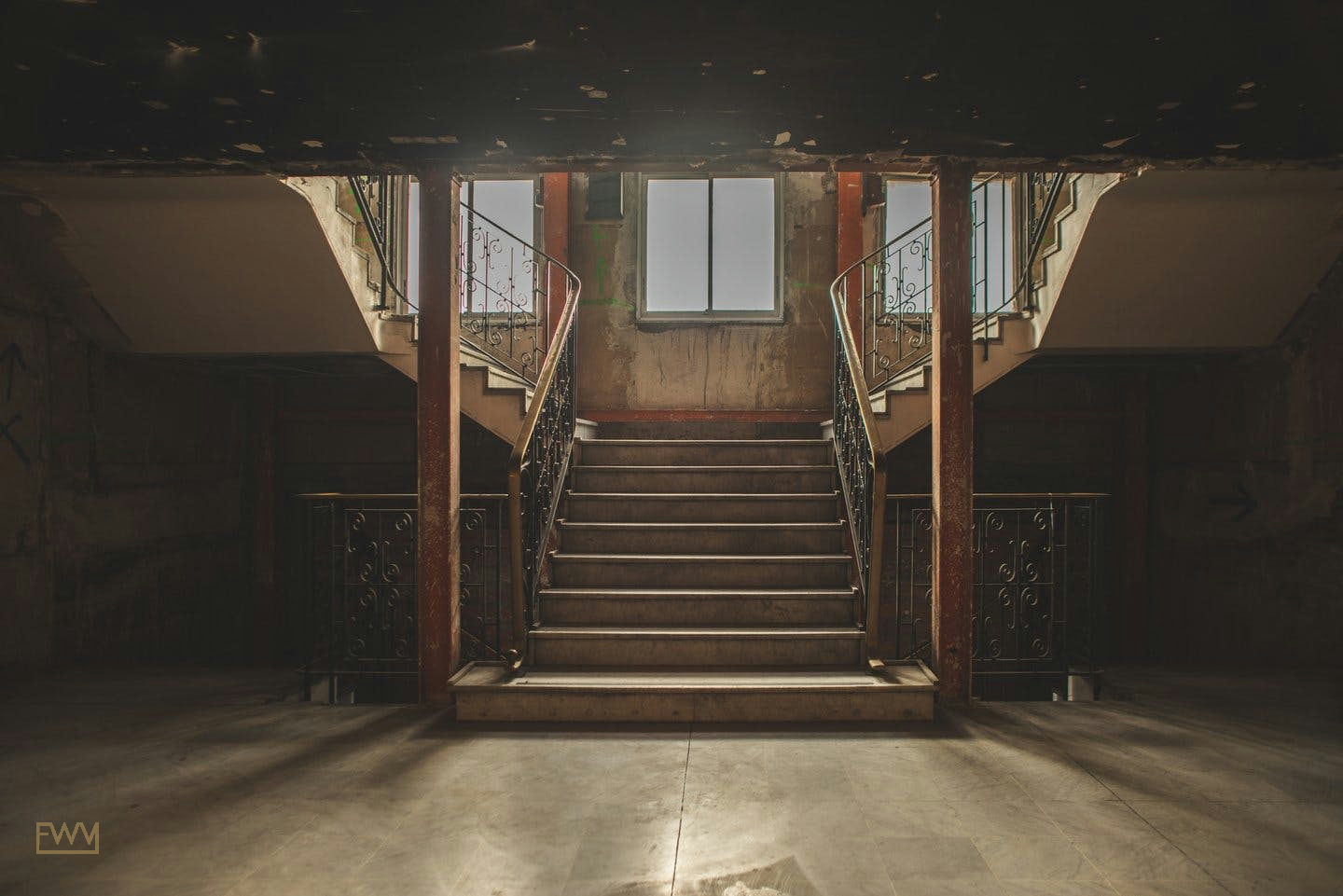
If you need to hire retail space in the 10th arrondissement Paris, you are targeting one of the most strategically underrated neighbourhoods in any major European fashion capital. The 10th sits at the junction of gritty industrial heritage, creative renewal, and extraordinary transport connectivity, making it a serious candidate for pop-up shops, brand showrooms, product launches, and seasonal activations. Unlike the saturated and expensive luxury corridors of Saint-Germain or the Marais, the 10th offers genuine street-level foot traffic, a culturally engaged residential base, and an increasingly international visitor flow driven by Gare du Nord and Gare de l'Est. Fashion Week Venues covers the Paris market in depth, including the 10th, and this guide provides everything a brand team needs to plan, budget, and execute a successful short-term retail activation here.
What Is the 10th Arrondissement of Paris?
Quick answer: The 10th arrondissement is a diverse, centrally located district in northern central Paris bordered by the 2nd, 3rd, 9th, 18th, 19th, and 11th arrondissements. It is anchored by two of Europe's busiest international rail terminals, a celebrated canal, vibrant multicultural street markets, and a growing creative and independent retail scene that attracts brands seeking authenticity over convention.
The 10th arrondissement, known locally as Paris's 10th Arrondissement or simply the 10ème, occupies roughly 289 hectares of the Right Bank. It stretches from the grands boulevards in the south to the boundary of the 18th and 19th in the north. Its defining landmarks are Gare du Nord and Gare de l'Est in the north, the Canal Saint-Martin running diagonally through its eastern half, the Porte Saint-Denis and Porte Saint-Martin triumphal arches at its southern edge, and Place de la République on its southwestern corner where the 10th meets the 3rd and 11th arrondissements.
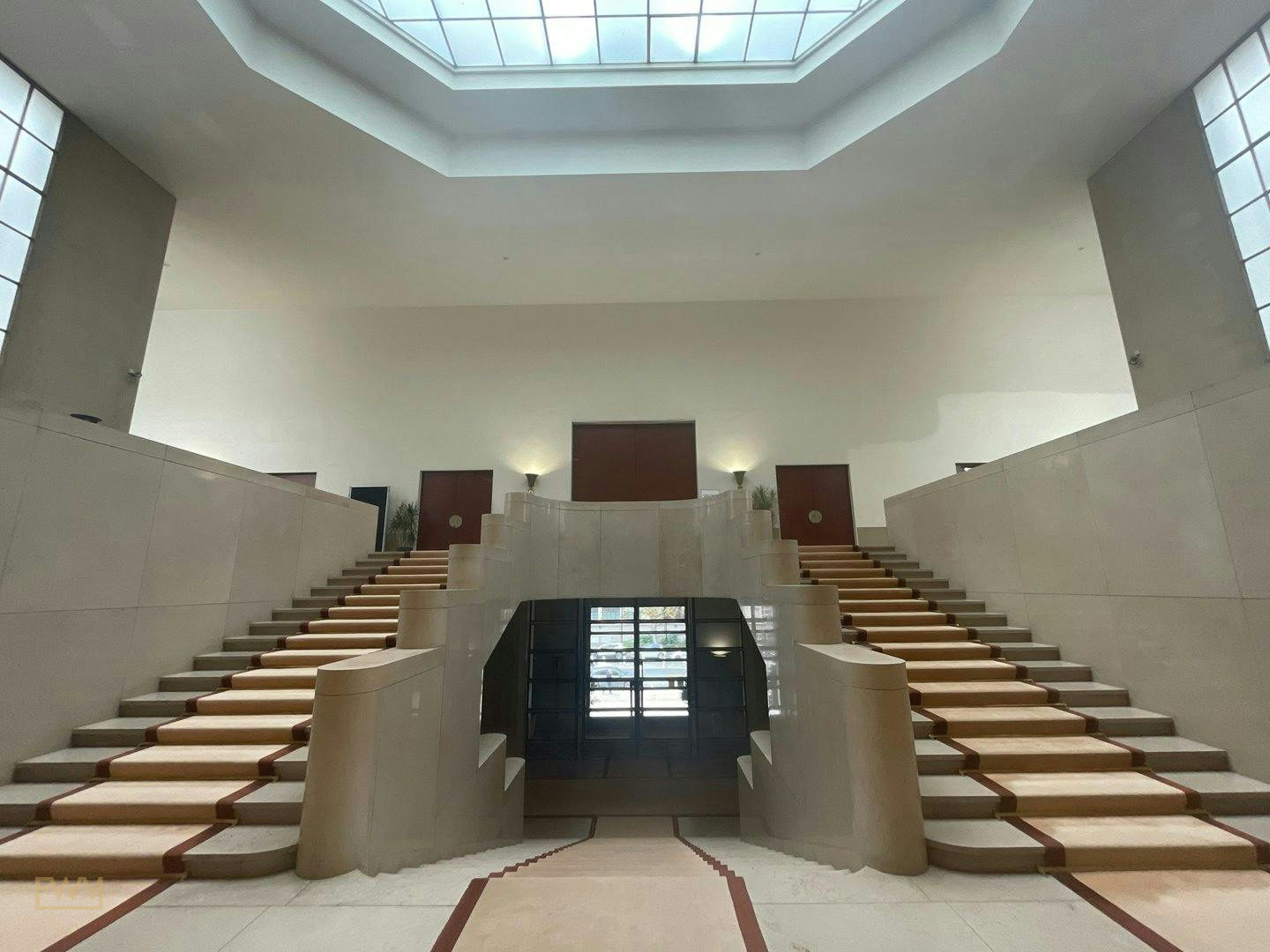
The neighbourhood is architecturally layered. Much of the Haussmannien building stock dates from Baron Haussmann's mid-19th-century replanning of Paris, with wide stone-fronted buildings, wrought-iron balconies, and tall ground-floor commercial units that translate well into boutiques, showrooms, and temporary retail spaces. Alongside this, you find Art Déco structures, particularly near the railway stations, as well as industrial-era loft buildings along the canal that have been repurposed into studios, galleries, and flexible commercial spaces. The architect Jacques Hittorf, responsible for the Gare du Nord facade, left a legacy of civic grandeur in this part of Paris that still shapes the visual identity of the neighbourhood today.
The Canal Saint-Martin, connecting the Seine to the Canal de l'Ourcq and eventually to La Villette, is the emotional and visual heart of the 10th for residents and visitors alike. The banks of the canal, known as Canal St Martin, are lined with independent cafés, concept stores, wine bars, and the kind of low-key creative energy that brands in fashion, beauty, food, and lifestyle actively seek when choosing an activation neighbourhood. The canal feeds directly into the Jardin Villemin, a green public garden that draws families, students, and professionals throughout the day.
The 10th is also one of the most genuinely multicultural arrondissements in Paris. The Passage Brady, known as Little India, has been a destination for South Asian cuisine and goods for decades. La Petite Turquie occupies the streets around the Gare de l'Est and Château d'Eau. Faubourg Saint-Denis, particularly Rue du Faubourg Saint-Denis, has evolved into one of the most compelling food, fashion, and nightlife streets in the city, attracting international press attention alongside its longstanding immigrant and working-class community. The Marché Saint-Quentin and Marché Saint-Martin add further dimensions of local food culture and neighbourhood identity.
Hotels across different market segments have arrived in the 10th in recent years, including Hôtel Providence Paris, Hôtel de Nell, and Generator Paris, signalling both the neighbourhood's growing appeal to international visitors and the hospitality industry's recognition of its commercial potential. The Saint-Vincent-de-Paul development, a former hospital being converted into a mixed-use creative campus near Hôpital Saint-Louis, represents the scale of investment and transformation currently underway in the district.
DID YOU KNOW: The Gare du Nord is the busiest railway station in Europe by passenger volume, handling over 700,000 passengers per day, and the renovated terminal connects Paris directly to London via Eurostar, to Brussels and Amsterdam via Thalys, and to the entire Île-de-France region via RER B, RER D, and RER E services.
KEY TAKEAWAY: The 10th arrondissement combines architectural character, multicultural energy, extraordinary transport connectivity, and a rising creative retail scene. These qualities make it a strategically compelling choice for brands seeking short-term retail space that connects with an authentically Parisian and internationally mobile audience.
Understanding the geography and character of the 10th is the foundation for deciding where within it to place your pop-up or retail activation. The next step is examining the specific micro-neighbourhoods and street-level locations that matter most for retail brands.
Key Neighbourhoods and Streets for Hiring Retail Space in the 10th Arrondissement
Quick answer: The 10th arrondissement contains several distinct micro-neighbourhoods with different retail profiles. Canal Saint-Martin suits lifestyle and design brands, Rue du Faubourg Saint-Denis attracts food-forward and cultural brands, and the Gare du Nord and Gare de l'Est perimeter serves brands targeting high transit footfall and international travellers.
Canal Saint-Martin and Rue des Vinaigriers
The Canal Saint-Martin corridor is the 10th's most photographed and internationally recognised destination. Brands in sustainable fashion, concept retail, beauty, and wellness gravitate here because the audience is creative, curious, and willing to engage with new propositions. The streets flanking the canal, including Quai de Valmy, Quai de Jemmapes, and the side streets running east-west such as Rue des Vinaigriers, offer a mix of ground-floor storefronts, former workshop spaces, and loft-style interiors with high ceilings and natural light.
Rue des Vinaigriers is particularly relevant for brands looking for boutique-scale spaces of 30 to 150 square metres in a setting with genuine neighbourhood credibility. The street has a concentration of independent retailers, wine bars, and ateliers that give it a slow, considered retail tempo, ideal for brands that want dwell time and genuine conversation with visitors rather than volume-driven footfall.
The specialty coffee scene here, anchored by names like Ten Belles on Rue de la Grange aux Belles and the landmark Du Pain et des Idées bakery on Rue Yves Toudic, draws a regular morning and weekend crowd that maps almost perfectly onto the early-adopter consumer profile sought by emerging and mid-market fashion and lifestyle brands.
Rue du Faubourg Saint-Denis and Château d'Eau
Rue du Faubourg Saint-Denis is one of the most rapidly transforming commercial streets in Paris. Running north from the Porte Saint-Denis arch toward the 18th arrondissement, it passes through several distinct cultural zones: the covered market corridors, Turkish grocers and restaurants of La Petite Turquie, new-wave wine bars and natural food restaurants, and an increasingly dense cluster of concept stores and independent fashion boutiques. It has become a press-friendly destination for international fashion, food, and lifestyle media.
Château d'Eau, the metro station and the street around it, forms a commercial node connecting Faubourg Saint-Denis to Boulevard de Magenta. The foot traffic here is consistent throughout the day, driven by commuters, local residents, and the significant visitor flow from the Passage Brady and the wholesale fabric and haberdashery district that extends into the 2nd arrondissement. This is a credible location for brands with mass-market or multicultural positioning, as well as for fashion brands with textile or craft narratives.
Gare du Nord and Gare de l'Est Perimeter
The areas immediately surrounding the two major railway stations offer the highest raw footfall in the 10th arrondissement and arguably among the highest in Paris. Gare du Nord alone serves travellers arriving from London via Eurostar, from Brussels and Amsterdam via Thalys, and from across Île-de-France via RER B and regional rail services. Charles de Gaulle Airport is connected directly to the station via RER B, placing it within 25 minutes of central Paris arrivals for millions of international visitors each year.
Spaces near these stations vary from kiosks and concession units within station commercial areas to ground-floor storefronts and converted spaces on Boulevard de Magenta and the surrounding streets. Brands targeting tourists, business travellers, or commuters will find the station perimeter compelling for visibility and impulse retail. However, this sub-neighbourhood requires careful space selection: not all streets close to the stations have the same commercial quality or brand environment.
Porte Saint-Denis, Porte Saint-Martin, and Place de la République
The southern edge of the 10th arrondissement, anchored by the two triumphal arches of Porte Saint-Denis and Porte Saint-Martin and the vast open square of Place de la République, functions as the grand boulevard corridor connecting the 10th to the 2nd, 3rd, and 9th arrondissements. Boulevard de Bonne Nouvelle, Boulevard Saint-Denis, and the connecting passages offer retail space options that combine architectural grandeur with high pedestrian flow. Place de la République, one of the largest public squares in Paris, is a regular location for public events, protests, and cultural gatherings, and brands activating nearby benefit from enormous ambient visibility.
KEY TAKEAWAY: The 10th arrondissement is not a single retail environment. Brands should map their target consumer and brand positioning to the specific micro-neighbourhood before selecting a space, because the Canal Saint-Martin audience, the Faubourg Saint-Denis audience, and the Gare du Nord transit audience are meaningfully different.
With neighbourhood geography established, the next critical dimension for brands is understanding what types of spaces are actually available for short-term hire across the 10th.
Types of Retail Space Available for Short-Term Hire in the 10th Arrondissement
Quick answer: Brands hiring retail space in the 10th arrondissement of Paris can access ground-floor boutiques, showroom-ready apartments, former industrial lofts, photo studios, covered market stalls, kiosk units, and flexible multi-room event venues. Space sizes typically range from compact 20-square-metre kiosks to large 400-plus-square-metre loft or event spaces.
The variety of spaces available for temporary retail in the 10th reflects the architectural diversity of the arrondissement itself. Understanding the categories available helps brand teams match their operational requirements, budget parameters, and brand positioning to the right type of space before beginning a detailed search.
| Space Type | Typical Size Range | Best Suited For | Key Neighbourhoods in the 10th |
|---|---|---|---|
| Ground-floor storefront | 30 to 200 sq m | Direct-to-consumer pop-up, boutique, brand flagship | Rue du Faubourg Saint-Denis, Canal Saint-Martin, Boulevard de Magenta |
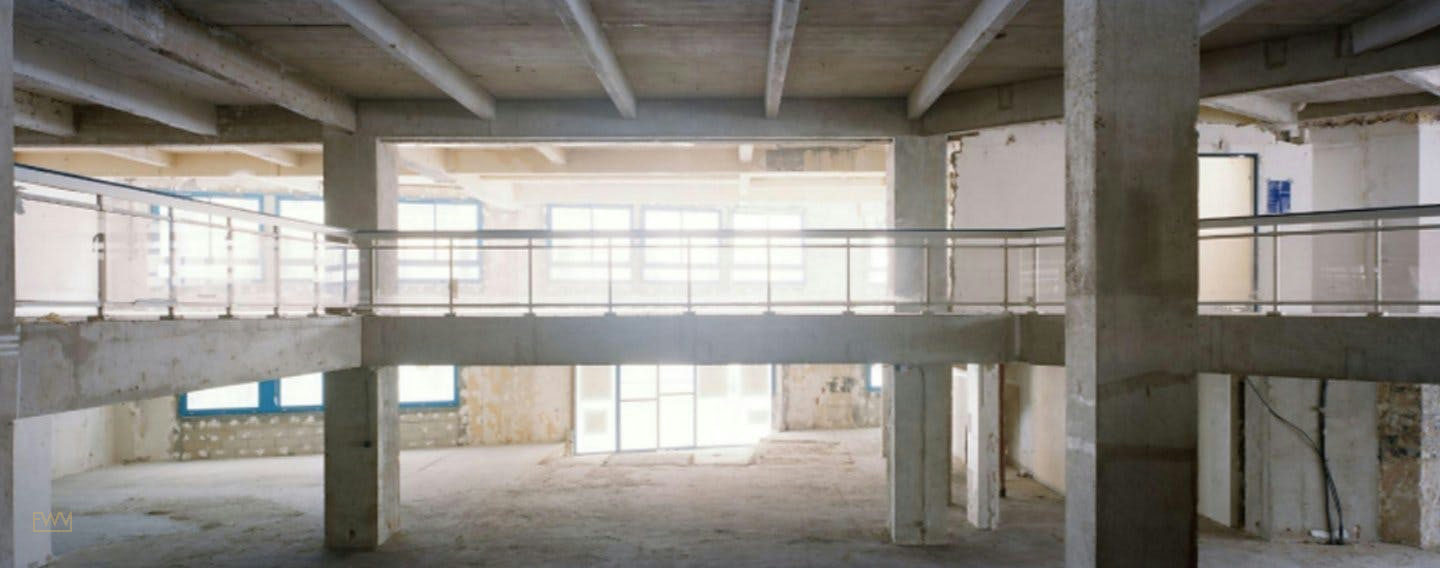
| Canal-side loft or studio | 80 to 400 sq m | Showroom, press event, product launch, photo studio | Canal Saint-Martin, Rue des Vinaigriers, Quai de Valmy |
| Haussmannien apartment | 60 to 250 sq m | Intimate showroom, private sales event, press preview | Across the arrondissement |
| Covered market unit | 10 to 50 sq m | Food-adjacent brand activations, artisan product launches | Marché Saint-Quentin, Marché Saint-Martin |
| Kiosk or concession unit | 4 to 25 sq m | High-footfall impulse retail, sampling, brand awareness | Station perimeters, Boulevard de Magenta |
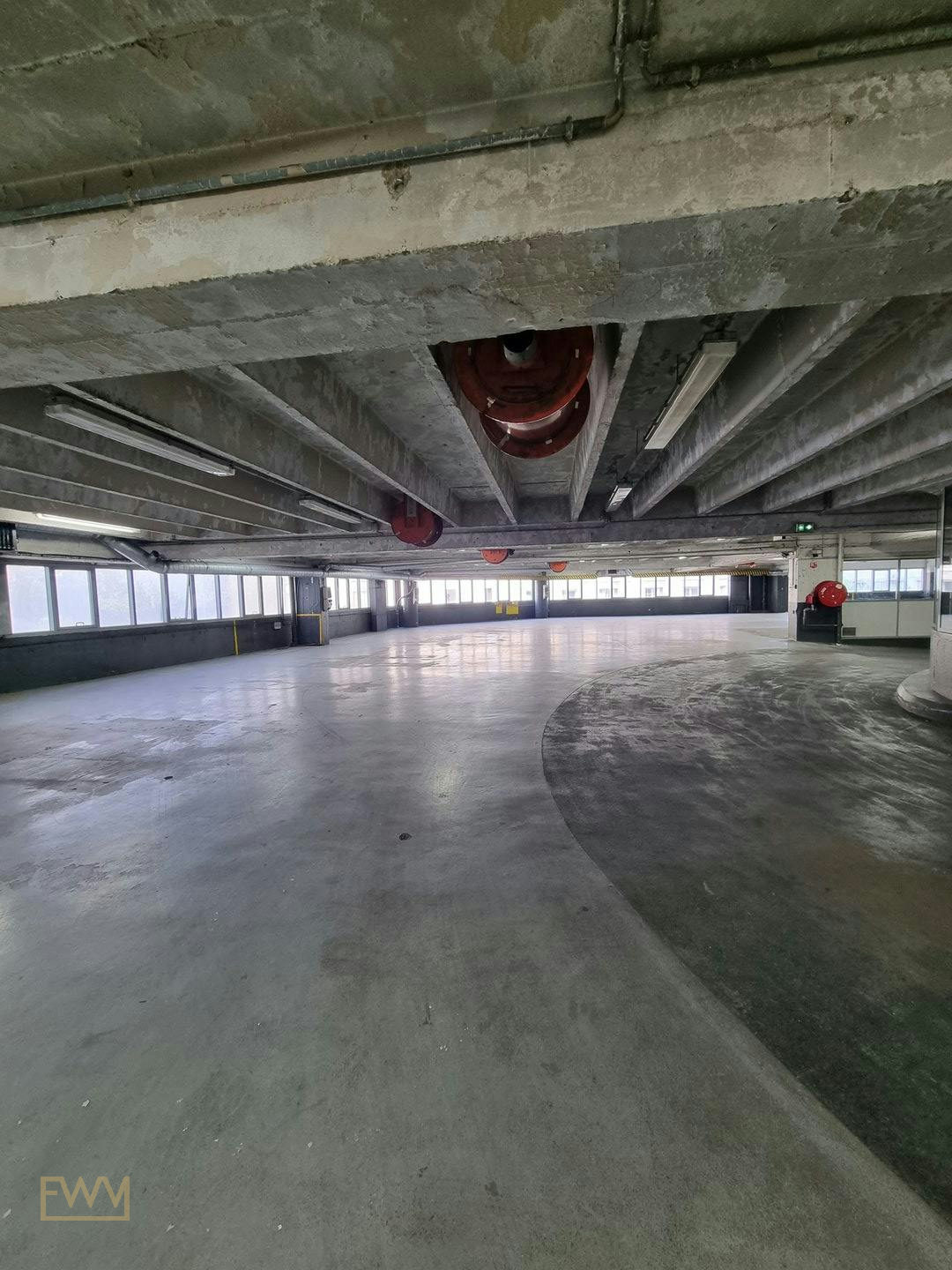
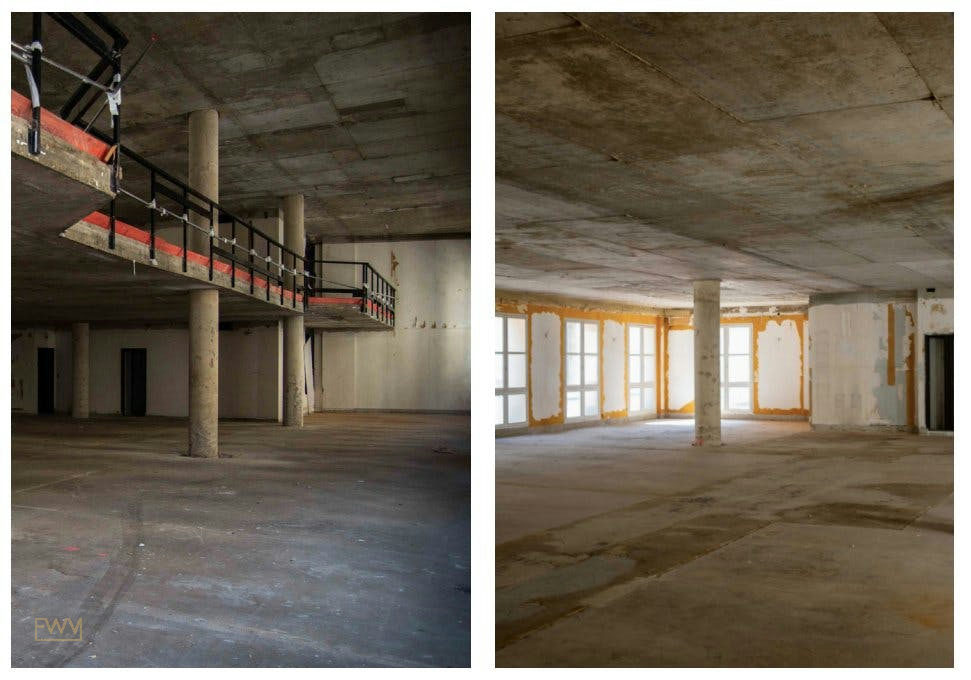
| Industrial loft or warehouse | 150 to 600 sq m | Multi-brand activation, immersive experience, large-scale event | Former industrial streets near Gare de l'Est and Canal Saint-Martin |
| Photo studio with retail fit-out potential | 60 to 300 sq m | Content creation combined with brand activation | Canal Saint-Martin, eastern 10th |
Ground-floor storefronts remain the most commonly sought format for fashion and lifestyle brands. They offer natural visibility from the street, direct consumer access, and the ability to dress windows for brand communication. The stock of storefronts along Rue du Faubourg Saint-Denis and the Canal Saint-Martin corridor is genuinely diverse in terms of size, condition, and character, ranging from raw shells to fully fitted and furnished spaces ready for immediate activation.
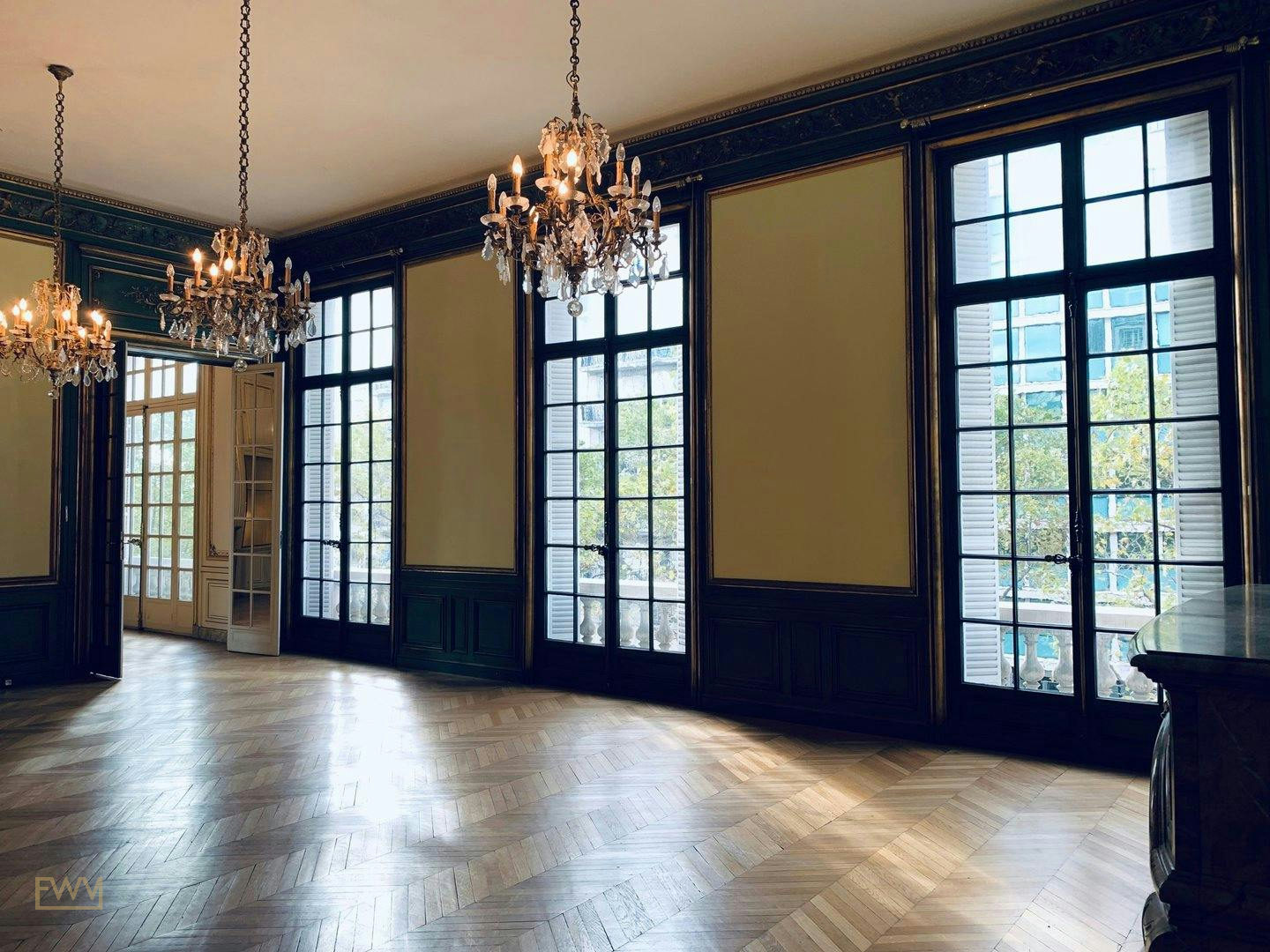
Showrooms in Haussmannien apartment buildings are particularly popular with fashion brands during trade calendar periods, including Paris Fashion Week. The residential-scale rooms, parquet floors, period fireplaces, and natural light from tall windows create a presentation environment that feels considered and brand-appropriate in a way that a bare commercial unit rarely does without significant investment in fit-out. These spaces are frequently used for buyer appointments, press showings, and intimate product launches.
Photo studios with integrated retail or event capability are an emerging format in the 10th, particularly near the Canal Saint-Martin where the photographic community has a long-established presence. Brands with a strong visual or content-creation dimension to their activations should consider whether a hybrid space that serves both production and public-facing activation purposes could improve their return on space investment.
TIP: When evaluating a space for a short-term retail activation, always clarify with the space owner or their agent whether the space has existing retail planning permissions, what the permitted hours of public access are, what fit-out interventions are allowed, and whether the lease format is a bail dérogatoire or a more standard commercial arrangement. These details significantly affect both your activation plan and your legal exposure.
To browse available spaces across different types and locations in the 10th and broader Paris market, explore the Fashion Week Venues space marketplace where spaces are filtered by size, type, neighbourhood, and availability window.
KEY TAKEAWAY: The 10th arrondissement offers a wider variety of hireable space formats than many brands initially realise, from kiosks and market stalls at one end of the scale to large industrial lofts and multi-room Haussmannien apartments at the other. Matching the space type to the activation concept before searching saves significant time and reduces the risk of paying for inappropriate space.
Transport Connectivity and Why It Matters for Retail Activation Strategy
Quick answer: The 10th arrondissement has exceptional public transport connectivity centred on Gare du Nord, Gare de l'Est, and multiple metro lines, making it one of the most accessible neighbourhoods in Paris for both local residents and international visitors arriving by Eurostar, Thalys, or RER B from Charles de Gaulle Airport.
Transport connectivity is not a secondary consideration for retail activation strategy. It is a primary driver of potential footfall, influencer visit probability, press attendance, and buyer engagement. The 10th arrondissement's transport infrastructure is genuinely exceptional by the standards of any European capital.
Gare du Nord serves as the Paris terminus for Eurostar services from London St Pancras, connecting the French and British fashion markets with a direct two-and-a-quarter-hour train journey. For brands with operations in both London and Paris, or for international brands entering Paris from the UK, the Eurostar connection makes the 10th arrondissement particularly practical as a base for activations timed around Paris Fashion Week. Unlike arriving at Charles de Gaulle Airport and transferring to central Paris, Eurostar passengers arrive at Gare du Nord itself, within walking distance of much of the 10th's best retail real estate.
Thalys high-speed services connect Gare du Nord to Brussels in under two hours and to Amsterdam in under three hours, extending the catchment area of the 10th's retail and event spaces to the entire Benelux region. For brands staging European Fashion Week circuits, using the 10th as a Paris base makes logistical sense when buyers and press are travelling by train from elsewhere in northern Europe.
The RER B connects Gare du Nord directly to Charles de Gaulle Airport in approximately 25 minutes, making it the fastest and most direct airport transfer in Paris. RER D and RER E provide additional suburban rail connections through the station. Multiple metro lines serve the 10th arrondissement, including lines 2, 4, 5, 7, 8, and 9 at various stations, and the entire arrondissement is within a reasonable walk of Place de la République, which serves lines 3, 5, 8, 9, and 11.
For brands targeting French retail consumers as well as international visitors, this connectivity is doubly valuable. A pop-up on Rue du Faubourg Saint-Denis or Quai de Valmy is within easy reach of residents from across the Paris metropolitan area, not just the local catchment, and the neighbourhood draws regular visitor traffic from people who specifically travel to the 10th for its food, culture, and independent retail offer.
DID YOU KNOW: Travel between Paris and London by Eurostar takes approximately two hours and fifteen minutes from Gare du Nord to St Pancras International, making it faster door-to-door than flying for most travellers in the UK and France, and positioning the 10th arrondissement as arguably the most London-accessible retail district in Paris.
KEY TAKEAWAY: For international brands, the transport connectivity of the 10th arrondissement, particularly the Eurostar link from London, the Thalys connection to Benelux, and the Charles de Gaulle Airport transfer via RER B, creates a practical case for choosing the 10th over more conventionally fashionable arrondissements that are harder to reach for international visitors and buyers.
Rental Rates, Market Metrics, and Budget Expectations for the 10th Arrondissement
Quick answer: Short-term retail rental rates in the 10th arrondissement of Paris vary considerably by location, space type, size, condition, and duration. The Canal Saint-Martin corridor and Rue du Faubourg Saint-Denis command premium rates relative to side streets and secondary locations, though both remain more affordable than equivalent spaces in the Marais, Saint-Germain, or the 1st arrondissement near the Louvre Museum.
Providing precise per-square-metre rental figures for short-term or temporary retail spaces in Paris is not straightforward, and brands should treat any published figures as directional estimates rather than confirmed market rates. The short-term retail market in Paris is influenced by negotiation, seasonality, space condition, and the specific terms of the hire arrangement, and rates shift meaningfully depending on whether you are booking during Paris Fashion Week, over a summer period, or in a quieter trading window.
What the available market evidence does indicate is that the 10th arrondissement sits structurally below the most expensive arrondissements in Paris for both long-term commercial real estate and short-term retail hire, while offering comparable or superior foot traffic in certain sub-locations. French Property Market Reports consistently position arrondissements 1, 4, 6, 7, and 8 as the highest-cost zones for commercial property in Paris, with the 10th sitting in a more accessible mid-range tier alongside the 11th and 18th.
Property tax liabilities, which fall primarily on landlords in standard commercial lease arrangements, feed into rental pricing and can affect the overall cost of a short-term hire arrangement. For temporary retail using a bail dérogatoire structure, the landlord typically retains full tax liability, which is factored into the short-term rate. Brands should be aware that apparently low headline rents for short-term spaces sometimes exclude service charges, utilities, and required deposits.
IMPORTANT: Do not rely on aggregate commercial real estate data, which primarily reflects long-term lease markets, to estimate short-term pop-up rental costs. The short-term retail market operates on different pricing logic, and rates for week-long or month-long activations during Fashion Week or peak calendar windows can be significantly higher per day than the equivalent annual rent would suggest. Use the Fashion Week Venues budget planning tool to build a brand-specific cost estimate based on your target space type, size, location, and dates.
Key cost variables brands should account for when building a budget for a 10th arrondissement retail activation include: space rental itself, fit-out and production costs, furniture and fixture rental, staffing, POS and payments infrastructure, required permits and administrative filings, insurance, utilities, and any required reinstatement at the end of the hire period. Total activation costs frequently exceed the headline space rental figure by a factor of two to four depending on the level of brand build and the duration of the activation.
KEY TAKEAWAY: The 10th arrondissement offers a genuine cost advantage over the most expensive Paris retail districts while maintaining strong footfall and cultural credibility in key sub-neighbourhoods. However, brands should build comprehensive total activation budgets rather than comparing spaces on headline rental figures alone.
Permits, Legal Structures, and Compliance for Temporary Retail in Paris
Quick answer: Temporary retail operations in Paris, including the 10th arrondissement, require careful attention to French commercial lease law, planning permissions, trading permits, and in some cases authorisation from the relevant local mairie. The most common legal structure for short-term retail hire is the bail dérogatoire, a short-term commercial lease of up to 36 months that avoids the protections and obligations of a standard commercial lease.
France has a codified commercial property legal framework that differs significantly from the leasing structures familiar to brands based in the UK, the United States, or other markets. For international brands hiring retail space in the 10th arrondissement of Paris, understanding the basics of this framework is essential before signing any agreement.
The Bail Dérogatoire
The bail dérogatoire, also referred to as a short-term commercial lease or convention d'occupation précaire in some circumstances, is the standard legal vehicle for short-term retail hires in France. It allows landlords and tenants to agree rental terms for a period of up to 36 months without triggering the protections of the French commercial lease statute, which would otherwise give tenants significant rights to renew and to compensation on eviction. For pop-up brands and temporary retailers, the bail dérogatoire is the appropriate structure and is widely used by landlords offering spaces for short-term hire. Both parties must explicitly acknowledge in the lease agreement that the protections of the commercial lease statute do not apply.
Autorisation d'Occupation Temporaire (AOT)
For activations in public spaces, on pavements, or in publicly owned buildings or covered markets, brands may need an Autorisation d'Occupation Temporaire from the relevant authority. This is a permission to temporarily occupy a public asset for commercial purposes and is a distinct requirement from a private lease arrangement. AOT applications typically go to the mairie of the relevant arrondissement or to the Paris city administration depending on the location, and approval timelines and requirements vary. Brands planning activations in or adjacent to covered markets like Marché Saint-Quentin or Marché Saint-Martin should clarify the applicable authorisation structure with the market management or their legal advisor.
Additional Compliance Considerations
Beyond the lease structure itself, brands need to consider trading licenses, food hygiene certifications if any consumables are involved, fire safety compliance for the space configuration, advertising signage permits, and the French labour law requirements that govern retail staffing. The Chambre de Commerce et d'Industrie de Paris provides guidance resources, but interpreting and applying the requirements to a specific activation scenario requires professional advice rather than self-direction from official publications.
IMPORTANT: Requirements for temporary retail permits and authorisations in Paris vary by space type, physical location, duration of hire, nature of the commercial activity, and the specific arrondissement. This guide provides general orientation only. Always verify your specific situation with a qualified French legal advisor and use the Fashion Week Venues permits guidance tool as a starting reference point for the applicable requirements.
Drug activity and other public safety issues near certain streets in the 10th, particularly some sections of the Gare du Nord perimeter, are a reality that brands activating in the district should be aware of. They do not disqualify those locations for brand activations but do require considered space selection and awareness of the immediate environment when evaluating specific addresses.
KEY TAKEAWAY: The bail dérogatoire is the standard legal structure for short-term retail hires in France and provides the flexibility brands need for temporary activations without triggering long-term commercial lease protections. However, it is not a legally simple arrangement, and both French and international brands benefit from professional legal guidance before signing.
How Fashion Week Venues Helps Brands Hire Retail Space in the 10th Arrondissement
Fashion Week Venues is a full-service pop-up shop agency and space marketplace with specific expertise in Paris and the broader French market. For brands targeting the 10th arrondissement, the agency's combination of local market knowledge, managed services, and online tools addresses the full range of challenges that arise when planning a short-term retail activation in a foreign market.
The venue sourcing service is typically the entry point for brand teams who know the type of space they need and the neighbourhood they are targeting but lack the local relationships and market access to identify and secure suitable spaces efficiently. Venue sourcing in Paris is not straightforward for external brands: spaces are not comprehensively listed on public platforms, the best spaces are often taken through direct relationships, and the process of verifying a space's suitability, legal status, and practical operability requires on-the-ground knowledge that most international brand teams do not have.
Beyond sourcing, Fashion Week Venues provides concept direction and fit-out and production services for brands that need a complete build rather than a simple space hire. The 10th arrondissement's raw loft and industrial spaces in particular require production investment to function as brand-appropriate retail environments, and working with an agency that manages both the space and the build reduces coordination complexity and risk significantly.
For brands entering Paris for Fashion Week or other major calendar moments, the activation management service covers the operational running of the space during the active period, including staffing coordination, scheduling, visitor experience management, and day-to-day problem resolution. This is particularly valuable for international brands who cannot maintain a full team in Paris throughout the activation period.
The digital tool suite complements the agency's managed services. The budget planning tool, the ROI calculator, the timeline tool, and the space comparison tool are all accessible online and provide brand teams with a structured framework for planning before committing to a space or an agency engagement. The permits tool provides orientation on the applicable regulatory requirements for specific space types and activation formats in Paris.
Fashion Week Venues also operates a twin co-activation concept through the Twin programme, which allows two complementary brands to share a space and its associated costs during the same activation period. For emerging brands with limited budgets, or for brands that want to create a curated multi-brand environment, the Twin format provides access to larger and better-located spaces than they could justify individually.
It is important to be clear about what Fashion Week Venues does not guarantee. No agency can guarantee the availability of any specific space, the approval of any specific permit, or a defined level of foot traffic or commercial return from any activation. What Fashion Week Venues provides is expertise, access, managed process, and risk reduction, not certainty of outcome. Brands should approach any engagement with realistic expectations about the inherent variability of short-term retail in a dynamic urban market.
To explore what past activations have looked like in practice and to understand how the agency works across a full project, review past activation case studies and the detailed agency process overview.
KEY TAKEAWAY: Fashion Week Venues provides end-to-end support for brands hiring retail space in the 10th arrondissement of Paris, from initial space discovery through production, activation management, and performance measurement, with a structured tool suite that allows brand teams to plan and estimate costs before committing to a full agency engagement.
Planning a Successful Pop-Up Activation in the 10th Arrondissement: A Step-by-Step Workflow
Quick answer: A well-planned pop-up activation in the 10th arrondissement of Paris follows a structured workflow from brief and budget through space selection, permit applications, production, staffing, and post-activation measurement. Most agencies recommend beginning this process at least 8 to 12 weeks before the intended activation start date, and 16 to 20 weeks for activations during Paris Fashion Week.
| Stage | Key Activities | Recommended Timeline Before Launch |
|---|---|---|
| 1. Brief and strategy | Define objectives, target audience, budget range, preferred neighbourhood, space type, and duration | 16 to 20 weeks |
| 2. Budget planning | Build total activation cost model including space, production, staffing, permits, and contingency | 14 to 18 weeks |
| 3. Space search and shortlist | Identify candidate spaces via marketplace and agency sourcing, evaluate against brief criteria | 12 to 16 weeks |
| 4. Site visits and space verification | Inspect shortlisted spaces, verify legal status, confirm technical specifications | 10 to 14 weeks |
| 5. Space selection and lease negotiation | Negotiate bail dérogatoire terms, agree deposit and exit conditions, finalise dates | 8 to 12 weeks |
| 6. Permit applications | File AOT or trading permit applications as applicable, arrange insurance, register with mairie if required | 6 to 10 weeks |
| 7. Concept and design | Finalise space design, fit-out specifications, furniture selections, signage plan, and visual merchandising | 6 to 10 weeks |
| 8. Production and build | Execute fit-out, install fixtures and furniture, test POS and payments systems | 1 to 3 weeks |
| 9. Staffing and briefing | Recruit and onboard retail staff, conduct brand and product training | 2 to 4 weeks |
| 10. Activation and operations | Open and manage activation, track visitor data, execute influencer and press strategy | Live period |
| 11. Close and measure | Reinstate space per lease terms, compile performance data, calculate ROI against brief objectives | Post-activation |
The timeline above assumes a brand working with an agency partner who can accelerate several stages through existing relationships and market access. Brands working independently in the Paris market for the first time should add at least two to four weeks to each stage to account for the learning curve associated with French administrative processes, the bilingual communication requirements of negotiating leases, and the additional time needed to verify spaces and landlords without local expertise.
Paris Fashion Week, which takes place twice yearly in February and March for Autumn/Winter collections and in September and October for Spring/Summer collections, compresses the available inventory of desirable spaces and drives up rental rates across the board. Brands planning activations timed to Fashion Week should treat the 16-to-20-week planning horizon as a minimum, not a guideline. The best spaces in the Canal Saint-Martin and Faubourg Saint-Denis corridors are frequently committed months in advance for Fashion Week periods.
For brands planning activations outside of Fashion Week, the 10th arrondissement retains strong foot traffic through the summer months driven by tourism and through the autumn and winter driven by resident and commuter patterns. Seasonal activations tied to Christmas retail, Valentine's Day, or summer cultural programming can often be planned on shorter timelines and at more accessible rental rates.
To build a detailed timeline for your specific activation plan, use the Fashion Week Venues timeline planning tool, which generates a customised milestone schedule based on your intended launch date and activation type.
KEY TAKEAWAY: Early planning is the single most important factor in securing the best spaces in the 10th arrondissement at appropriate rental rates, particularly for Fashion Week activations. Brands that begin their search 16 to 20 weeks ahead have significantly better space options than those who approach the market 6 to 8 weeks before launch.
The 10th Arrondissement Compared to Other Paris Districts for Retail Activation
Quick answer: Compared to the Marais, Saint-Germain-des-Prés, or the area around the Louvre Museum, the 10th arrondissement generally offers more affordable short-term rental rates, greater architectural variety, stronger transport connectivity, and a more authentic neighbourhood character, in exchange for lower tourist density in some sub-locations and a less established luxury retail adjacency.
Brand teams frequently face a choice between the prestige of a conventional Paris fashion retail neighbourhood and the practical and financial advantages of a less obvious but strategically compelling alternative. The following comparison provides a structured basis for that decision.
| Neighbourhood | Brand Positioning Fit | Relative Rental Cost | Foot Traffic Profile | Transport Access | Space Variety |
|---|---|---|---|---|---|
| 10th arrondissement (Canal Saint-Martin) | Creative, lifestyle, independent, sustainable | Mid-range | Resident, creative, destination visitor | Excellent (multiple metro, RER) | High |
| Le Marais (3rd/4th) | Contemporary fashion, luxury, international | High to very high | Tourist-heavy, fashion buyer | Good (metro, cycling) | High |
| Saint-Germain-des-Prés (6th) | Luxury, heritage, high fashion | Very high | Tourist and affluent resident | Good (metro, RER B) | Medium |
| Louvre/1st arrondissement | Luxury, premium, tourist-facing | Very high | Very high tourist, international | Excellent (metro, RER) | Medium |
| 10th arrondissement (Faubourg Saint-Denis) | Cultural, food-adjacent, multicultural, emerging | Mid-range | Local, creative, international press | Excellent (metro, RER) | High |
| Montmartre (18th) | Artisan, bohemian, tourist-facing | Low to mid-range | High tourist, lower resident engagement | Good (metro, funicular) | Medium |
The Marais, including Le Marais's core streets and Les Enfants Rouges market area which borders the 10th's southern neighbours, remains the go-to choice for international fashion brands seeking maximum visibility and tourist-facing foot traffic during Paris Fashion Week. However, the Marais's dominance as a fashion retail destination means that space inventory is limited, competition for the best addresses is fierce, and rental rates reflect premium positioning.
The 10th arrondissement offers a credible alternative narrative: a brand that activates on the Canal Saint-Martin or on Rue du Faubourg Saint-Denis during Fashion Week signals cultural intelligence, neighbourhood awareness, and a willingness to engage with the living city rather than its tourist infrastructure. This positioning resonates strongly with press, buyers, and consumers who are themselves sophisticated enough to recognise the difference.
For brands entering Paris for the first time, or for international brands with mid-range rather than luxury positioning, the 10th arrondissement frequently delivers better overall value, better press narrative potential, and better operational practicality than a more expensive and more contested neighbourhood.
To compare specific spaces across different Paris neighbourhoods using objective criteria, use the Fashion Week Venues space comparison tool, which allows side-by-side evaluation of spaces by size, location, rental rate, and suitability for specific activation types.
KEY TAKEAWAY: The 10th arrondissement is not a compromise choice relative to the Marais or Saint-Germain. For the right brand positioning, it is a superior choice in terms of cost efficiency, transport connectivity, cultural narrative potential, and space variety.
Culture, Architecture, and Lifestyle: Why the 10th Attracts Creative Brands
The cultural vitality of the 10th arrondissement is not a recent development or a temporary trend. The neighbourhood has historically been a point of arrival and creative renewal for successive waves of Parisian cultural life, from the 19th-century working-class and immigrant communities who built its markets and covered passages to the 21st-century creative and culinary communities who have made it a destination for international visitors seeking an authentically Parisian experience outside of the conventional tourist circuit.
The architecture of the 10th reinforces its appeal to creative brands. The mix of Haussmannien stone facades, Art Déco details, industrial loft buildings, and the elegant ironwork of the Canal Saint-Martin bridges creates a visual backdrop that photographs well, travels well on social media, and provides a contextual richness that purely commercial retail environments cannot replicate. The Gare du Nord facade, designed by Jacques Hittorf and completed in 1864, is one of the great examples of railway architecture in Europe and anchors the northern part of the arrondissement with genuine architectural gravitas.
The food and coffee culture of the 10th is well documented. Ten Belles on Rue de la Grange aux Belles is widely credited with founding the Paris specialty coffee movement, and Du Pain et des Idées on Rue Yves Toudic remains one of the most praised and photographed bakeries in the city. The concentration of natural wine bars, modern French restaurants, and international food destinations along Rue du Faubourg Saint-Denis has made the street a regular subject of international food and lifestyle media coverage. For brands activating in the 10th, this cultural ecosystem creates a natural amplification environment: the people who eat, drink, and shop in the 10th are the same people who write about fashion, culture, and retail.
The covered passages of the 10th, including the Passage Brady with its Little India identity and the Passage du Prado, are part of the broader Paris passage tradition that includes the Galerie Vivienne and the Passage des Panoramas. These covered commercial streets offer a protected retail environment with genuine historical character and steady foot traffic from locals who use them as shortcuts and from visitors who seek them out as architectural curiosities. Brands with the right positioning, particularly those in food, artisan goods, or culturally specific narratives, should consider covered passage spaces as an underexplored option in the 10th.
The Hôpital Saint-Louis, a stunning early 17th-century hospital complex built under Henri IV and one of the most architecturally significant buildings in Paris, sits in the northern section of the 10th near the Canal Saint-Martin. Its presence anchors a quieter residential neighbourhood that contrasts with the busier commercial streets further south, and the cultural institution programme associated with the hospital and its surroundings contributes to the neighbourhood's creative identity.
KEY TAKEAWAY: The cultural, architectural, and lifestyle assets of the 10th arrondissement create a natural and authentic brand activation environment for creative, fashion, food, and lifestyle brands. The neighbourhood's cultural credibility translates directly into press and content value for brands that understand how to leverage their location as part of their activation narrative.
Common Myths About Hiring Retail Space in the 10th Arrondissement Debunked
MYTH: You need a French legal entity to rent a short-term retail space in Paris.
FACT: Many landlords offering short-term retail spaces in Paris will negotiate directly with foreign companies provided the brand can demonstrate financial credibility and provide appropriate guarantees or deposits. However, some landlords and space operators do prefer or require a French entity for administrative reasons. The requirements vary by space and landlord, and working with a Paris-based agency intermediary can significantly simplify the process for international brands who do not have a French company structure. You should verify the specific requirements with any landlord or their representative and, if necessary, take advice from a French legal professional.
MYTH: Paris Fashion Week is the only viable calendar window for a pop-up activation in the 10th arrondissement.
FACT: Paris Fashion Week is the most competitive and most expensive activation window, but it is far from the only viable one. The 10th arrondissement generates consistent foot traffic year-round driven by commuter flow through Gare du Nord and Gare de l'Est, resident and visitor activity along the Canal Saint-Martin, and the neighbourhood's own event and cultural programme. Summer activations, Christmas retail windows, and product launch moments tied to specific brand calendars rather than Fashion Week can all be highly effective and are often more accessible in terms of both space availability and rental cost.
MYTH: Commission brokers are the only way to find a pop-up space in Paris.
FACT: Commission-based brokers represent one channel for finding spaces in Paris, but they are not the only or necessarily the best option. Dedicated pop-up space marketplaces, full-service agencies, direct landlord relationships, and neighbourhood-specific space operators all provide routes to short-term retail spaces in the 10th arrondissement. The key difference is transparency and alignment of interests: an agency working on a project basis has an interest in finding the right space for your brief, whereas a commission broker may have an interest in directing you toward spaces that generate the highest commission regardless of fit.
MYTH: Short-term retail leases in France are legally straightforward and can be managed without specialist help.
FACT: The French commercial property legal framework is codified and complex, and the bail dérogatoire, while simpler than a standard commercial lease, still contains specific formal requirements that must be correctly observed for the derogation from standard lease protections to be valid. An improperly drafted bail dérogatoire can be reclassified as a standard commercial lease, with significant legal and financial implications for both parties. International brands in particular should always involve a qualified French legal advisor before signing any space hire agreement in Paris, regardless of how informal or straightforward the arrangement appears.
MYTH: The 10th arrondissement is not safe or appropriate for luxury and premium brand activations.
FACT: The 10th arrondissement, like all large urban neighbourhoods, contains areas of varying character and safety. The Canal Saint-Martin corridor, Rue du Faubourg Saint-Denis, and the streets around Porte Saint-Denis and Porte Saint-Martin are active, well-frequented, and appropriate for a wide range of brand activations including premium and fashion-forward brands. Hotels including Hôtel Providence Paris and Hôtel de Nell operate successfully in the 10th, and some of Paris's most press-covered independent boutiques and concept stores are located there. Careful space selection within the arrondissement is important, as it is in any Paris neighbourhood, but the district as a whole is a legitimate and credible location for premium brand activity.
Frequently Asked Questions About Hiring Retail Space in the 10th Arrondissement Paris
How much does it cost to hire a pop-up shop near Gare du Nord or Canal Saint-Martin?
Short-term retail rental rates in the 10th arrondissement vary significantly based on location, space type, size, condition, and the specific dates of your hire. The Canal Saint-Martin corridor and streets like Rue du Faubourg Saint-Denis command higher rates than secondary side streets, and Fashion Week periods drive rates up across the board. Precise figures are not publicly standardised for the short-term market, and brands should treat any quoted range as directional only. The best approach is to use the Fashion Week Venues budget planning tool to build an estimate based on your specific parameters, then validate it with direct space quotes during the sourcing process.
What types of pop-up spaces are available in the 10th arrondissement?
The 10th arrondissement offers a broad variety of space types for temporary retail hire, including ground-floor storefronts, canal-side lofts and studios, Haussmannien apartments suitable for showrooms, covered market units in Marché Saint-Quentin and Marché Saint-Martin, kiosk and concession units near the railway stations, industrial warehouse and loft spaces for larger activations, and photo studios with event capability. The appropriate type depends on your brand positioning, activation objectives, required size, and target audience. Canal-side lofts and Haussmannien apartments are particularly popular with fashion brands during buyer and press periods.
How long can I rent a pop-up shop in the 10th arrondissement of Paris?
Short-term retail hires in Paris typically range from a few days for very brief brand activations or product launches to several months for longer seasonal activations. The bail dérogatoire, the standard legal structure for short-term commercial hires, permits terms of up to 36 months. For Fashion Week activations, hire periods of one to three weeks are common. For seasonal retail or extended brand presence, one to six months is more typical. Landlords offering short-term spaces generally have minimum hire periods that vary by space and by the seasonal window in question, and Fashion Week periods often have minimum booking requirements of at least one to two weeks.
Do I need a permit to open a pop-up shop in Paris?
The permit requirements for a pop-up shop in Paris depend on the type of space, the nature of your commercial activity, the location, and the duration of your hire. For private commercial spaces operating under a bail dérogatoire, the primary legal requirement is the lease itself, combined with standard business registration and insurance. For spaces in public areas, covered markets, or publicly owned buildings, an Autorisation d'Occupation Temporaire may be required. Additional permits may apply for signage, food service, events, or specific product categories. Requirements are not uniform across all locations and space types, and brands should verify their specific situation with a French legal advisor and reference the Fashion Week Venues permits guidance tool.
Why is Gare du Nord a good location for a pop-up shop or brand activation?
Gare du Nord is the busiest railway station in Europe by passenger volume and serves as the Paris terminus for Eurostar from London, Thalys from Brussels and Amsterdam, and RER B from Charles de Gaulle Airport. This creates a unique concentration of international travellers, business passengers, and commuters that is difficult to replicate anywhere else in Paris. For brands targeting international visitors, travellers with purchasing power, or audiences that include significant UK, Belgian, and Dutch consumers, the Gare du Nord perimeter offers exceptional reach at a cost structure that is generally more accessible than equivalent footfall locations in the 1st or 6th arrondissements.
Is the 10th arrondissement safe for brand activations and retail operations?
The 10th arrondissement is a large and varied district, and safety and commercial character vary by specific street and location. The Canal Saint-Martin corridor, Rue du Faubourg Saint-Denis, and the area around Porte Saint-Denis and Porte Saint-Martin are active, well-frequented commercial areas that are appropriate for retail brand activations across most positioning levels. As with any major urban neighbourhood in Paris or other European capitals, some streets close to the main railway stations require awareness of the immediate environment when evaluating specific addresses. Thorough site visits and local expert input during the space selection process are the most effective ways to ensure your chosen location matches your brand and operational requirements.
What is the difference between a bail dérogatoire and a standard French commercial lease?
A standard French commercial lease, known as a bail commercial, provides tenants with significant legal protections including a minimum nine-year term, rights to renew, and rights to compensation on eviction. These protections make standard commercial leases inappropriate for short-term retail activations. A bail dérogatoire is a short-term lease of up to 36 months that both parties explicitly agree falls outside the protections of the commercial lease statute. It provides the flexibility needed for pop-up and temporary retail operations. For the bail dérogatoire to be legally valid as a derogation, it must be correctly drafted with explicit acknowledgment of the derogation by both parties, which is why professional legal advice is strongly recommended before signing.
How do I choose between hiring space independently and using a full-service agency like Fashion Week Venues?
Hiring independently in the Paris market is feasible but demanding, particularly for international brands without existing French market relationships. Independent hiring requires bilingual negotiation skills, knowledge of the French commercial property market, understanding of the applicable legal structures, on-the-ground capability for space inspection, and the network to identify spaces that are not publicly listed. A full-service agency provides all of these capabilities together with managed production, staffing, and operational support. The relevant question is not purely about cost but about risk, time investment, and the realistic probability of securing the right space in the right neighbourhood at the right time without local expertise. Reviewing how an agency works and its past activation record, such as through the Fashion Week Venues work and process pages, helps brands make a confident decision about which route is appropriate for their situation.
Can international brands activate in the 10th arrondissement during Paris Fashion Week?
Yes, and many do. Paris Fashion Week is one of the primary activation windows for international brands in the Paris market, and the 10th arrondissement, particularly the Canal Saint-Martin area and Rue du Faubourg Saint-Denis, has become an increasingly popular alternative to the Marais for brands seeking authentic neighbourhood settings at more accessible costs. Fashion Week activations in the 10th are practical from a transport perspective because of the proximity to Gare du Nord and the multiple metro connections serving the arrondissement. Planning lead times of 16 to 20 weeks are strongly recommended for Fashion Week activations due to the compressed space inventory during that period.
What is the Twin concept and how does it work for brands in the 10th arrondissement?
The Twin concept, offered by Fashion Week Venues, allows two complementary but non-competing brands to co-activate within the same space during the same period, sharing the rental cost, production investment, and operational resources while each maintaining a distinct brand zone within the space. For brands with limited budgets, or for brands that want to create a curated multi-brand environment, Twin activations can unlock access to larger or better-located spaces in the 10th arrondissement that would be out of reach individually. The concept works particularly well for fashion and lifestyle brand combinations where the shared audience profile creates genuine commercial synergy rather than competition.
What neighbourhoods within the 10th arrondissement are best for fashion brand activations?
For fashion brands, the Canal Saint-Martin corridor, including Quai de Valmy, Quai de Jemmapes, and the adjacent side streets such as Rue des Vinaigriers, is the most established and press-credible sub-neighbourhood in the 10th. Rue du Faubourg Saint-Denis is increasingly relevant for brands with cultural, food-adjacent, or multicultural positioning. The area around Porte Saint-Denis and Boulevard Saint-Denis offers strong foot traffic and architectural grandeur for brands seeking visibility at the southern edge of the arrondissement. Space type and specific address matter considerably within each sub-neighbourhood, and thorough site visits are essential before committing to any location.
How do I estimate the ROI of a pop-up activation in the 10th arrondissement?
Estimating ROI for a pop-up activation requires defining clear objectives, whether direct sales revenue, brand awareness metrics, press coverage value, buyer meeting outcomes, or social media reach, and then building a cost model against which those outputs can be measured. Direct sales ROI is straightforward to calculate if you track sales volume against total activation cost. Brand and awareness ROI requires agreed proxy metrics such as press reach, social impressions, or visitor count, valued against your specific business context. The Fashion Week Venues ROI calculator provides a structured framework for this calculation and helps brand teams set realistic expectations before committing to an activation budget.
How do I know which commercial premises in the 10th arrondissement will best suit my brand?
The best space for your brand is determined by the intersection of your target consumer profile, your activation objectives, your required operational specifications, your budget, and your calendar window. A space that works perfectly for an intimate press showroom is not the same space that works for a high-footfall product launch or a direct-to-consumer pop-up. The most effective approach is to start with a detailed brief that articulates all of these dimensions clearly before beginning the space search, rather than searching for spaces and then trying to reverse-engineer a brief to fit what is available. The Fashion Week Venues space comparison and locator tools help brand teams evaluate candidate spaces against their brief criteria systematically.
What are the most common mistakes brands make when hiring retail space in Paris for the first time?
The most common mistakes include starting the search too late for Fashion Week windows, underestimating total activation costs by comparing spaces only on headline rental figures, failing to verify the legal status and permit requirements of a space before signing, not conducting thorough in-person site visits before committing, choosing a neighbourhood based on prestige rather than audience fit, and underestimating the bilingual communication and administrative requirements of the French commercial property process. International brands in particular benefit from working with Paris-based experts who can navigate these challenges efficiently, rather than attempting to manage the process entirely from their home market.
Conclusion: Hiring Retail Space in the 10th Arrondissement Paris
The 10th arrondissement of Paris is one of the most strategically compelling neighbourhoods in any major fashion capital for short-term retail activation. Its combination of architectural diversity, multicultural cultural energy, extraordinary transport connectivity through Gare du Nord, Gare de l'Est, the Eurostar terminal, and Charles de Gaulle Airport via RER B, and a growing creative and independent retail scene makes it a credible and often superior alternative to the more established and more expensive fashion retail neighbourhoods of the Marais, Saint-Germain, or the area around the Louvre.
For brands planning to hire retail space in the 10th arrondissement Paris, the key planning imperatives are: begin your search early, particularly for Fashion Week windows; build a comprehensive total activation budget rather than focusing on headline space rental rates; understand the legal structures governing short-term commercial hires in France and seek appropriate professional advice; match your space type and specific micro-neighbourhood to your brand positioning and target consumer rather than choosing on generic prestige criteria; and use the full range of specialist tools and expertise available to reduce risk and improve execution quality.
Fashion Week Venues supports brands at every stage of this process, from initial space discovery and budget planning through production, activation management, staffing, and post-activation measurement, with Paris-specific expertise that reduces the time, risk, and complexity of entering the French market as a short-term retailer. The guides, tools, and managed services available through Fashion Week Venues are designed specifically for the brand teams, creative directors, and retail strategists making these decisions.
To move from research to activation, start exploring available spaces on the Fashion Week Venues marketplace and build a focused brief for your target neighbourhood, space type, and calendar window. The 10th arrondissement has the spaces, the audience, and the cultural backdrop to make your Paris activation genuinely memorable. The planning work you put in now determines the quality of the result.