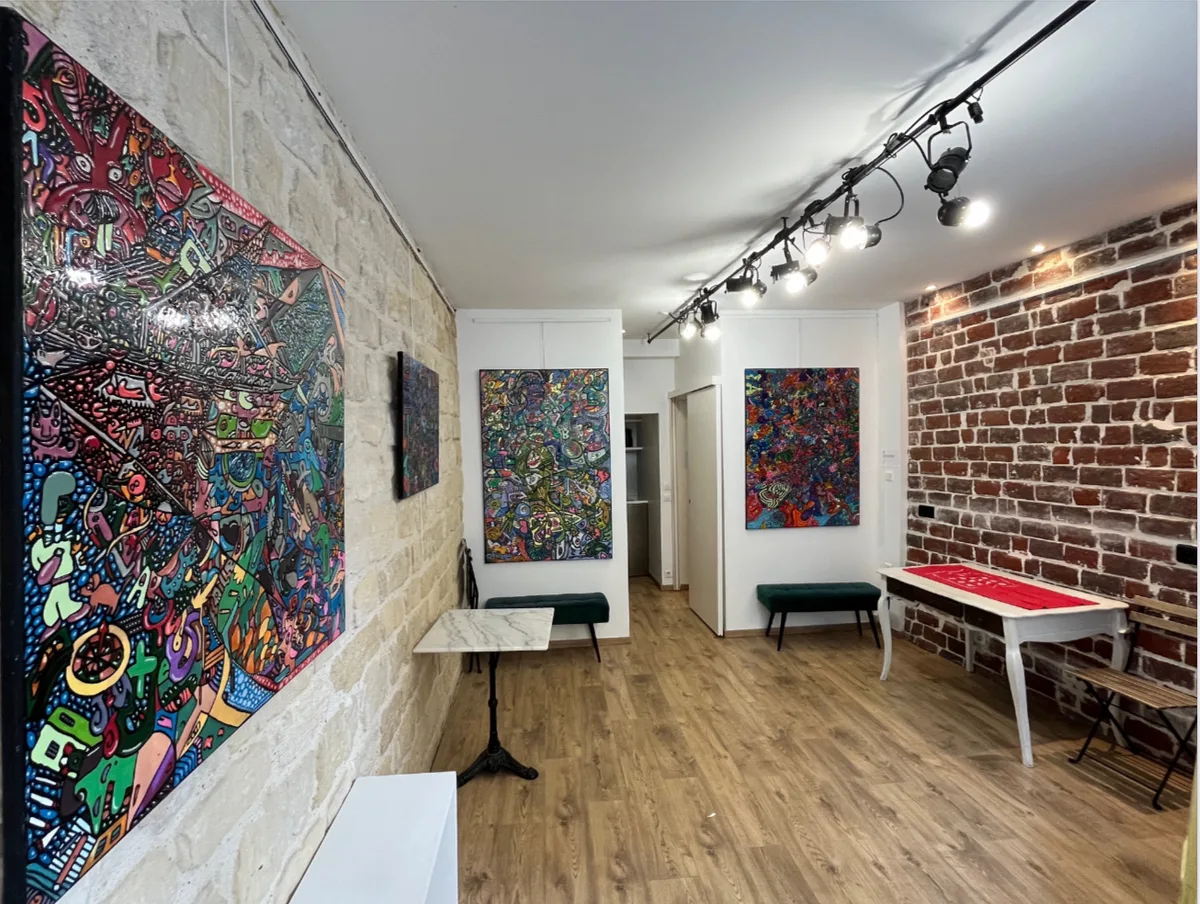
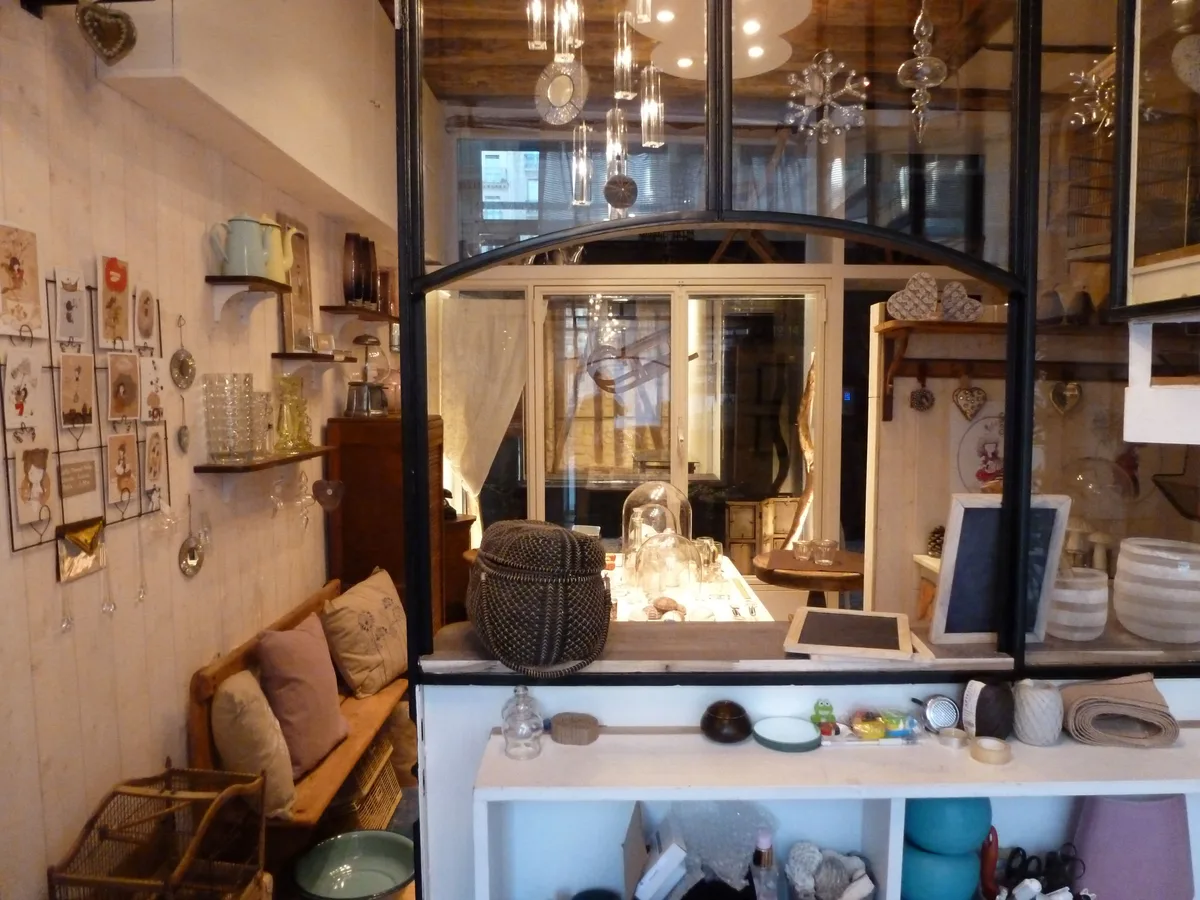
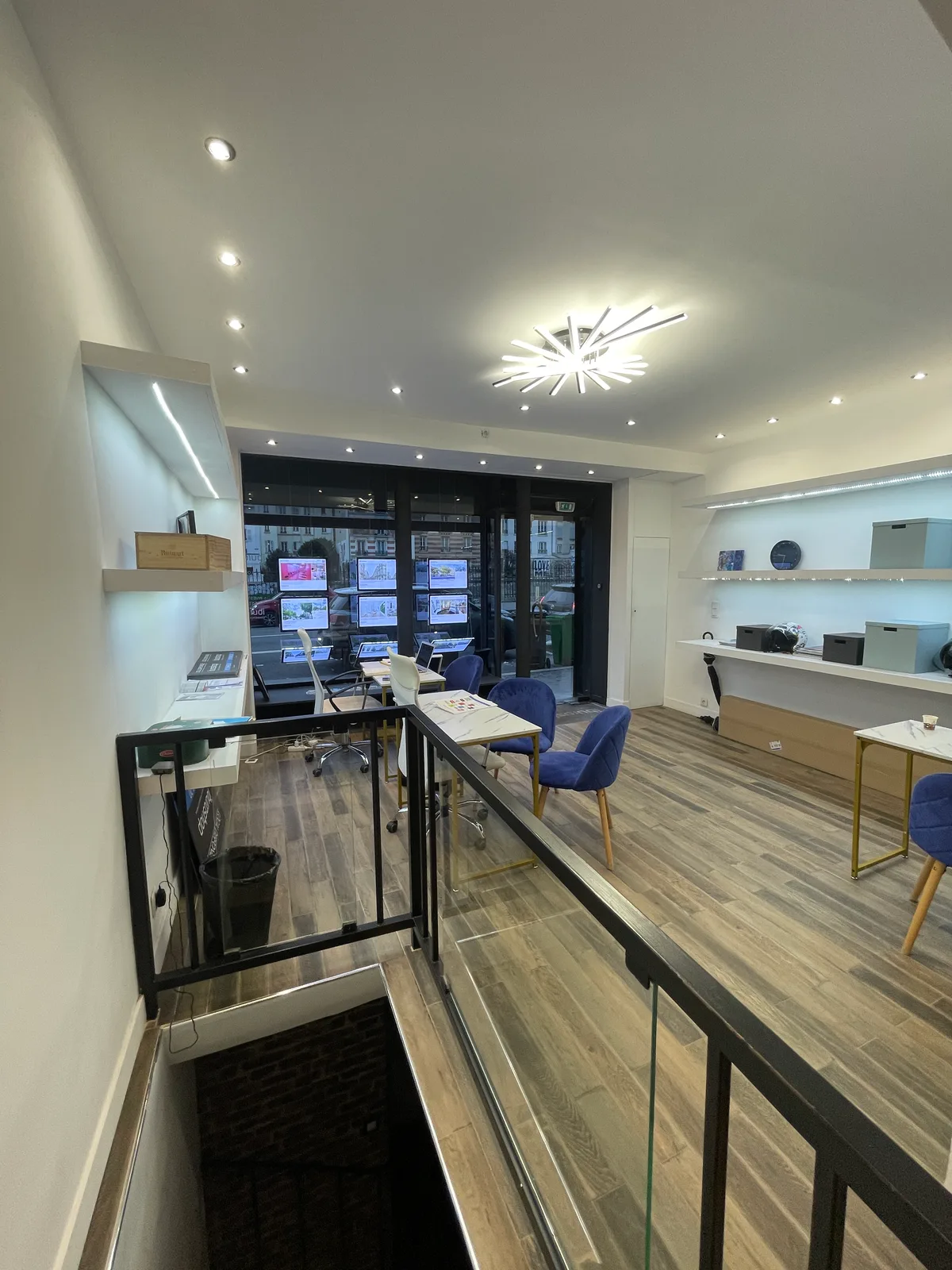
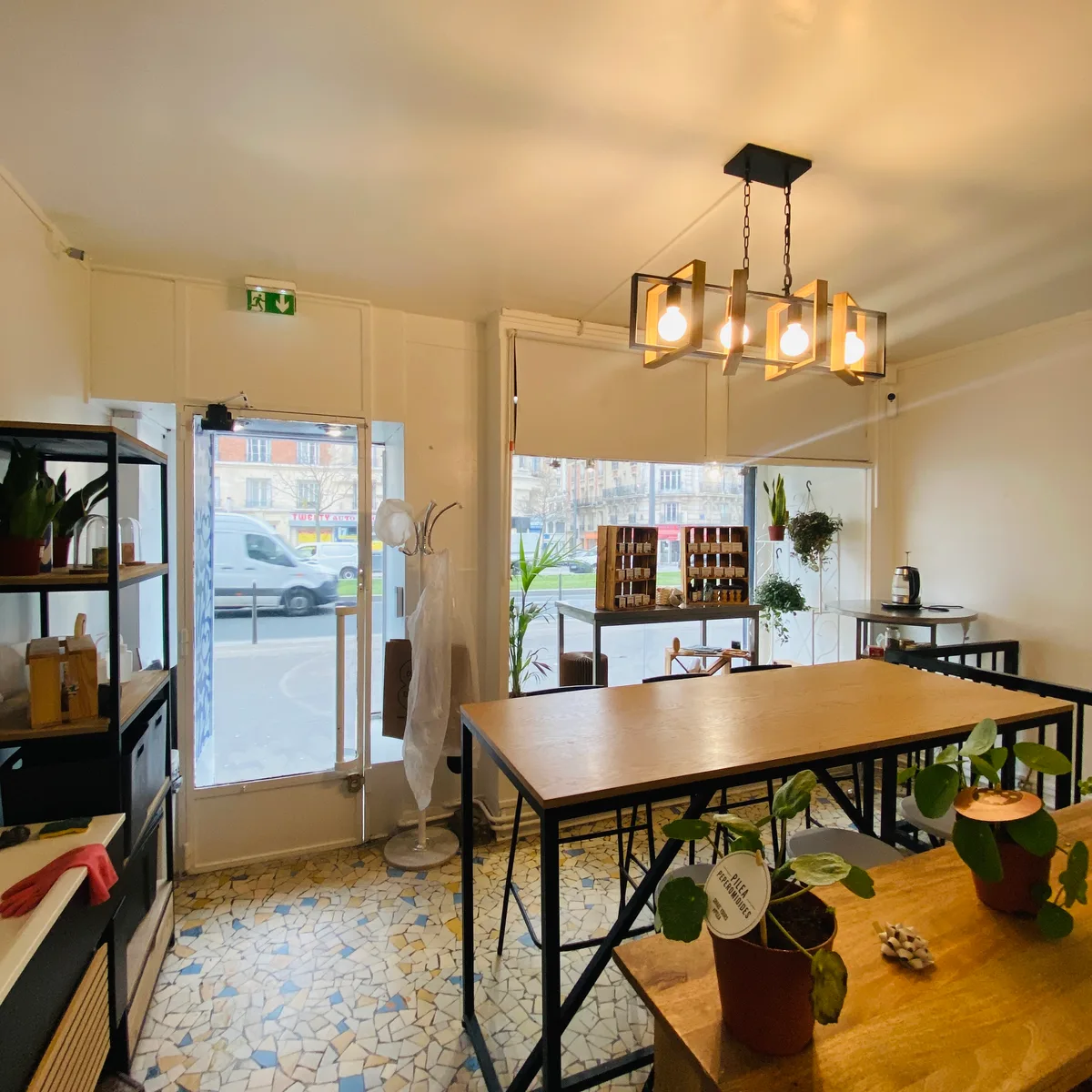
Finding the right temporary retail space in the 10th arrondissement Paris requires more than a keyword search on a listings platform. The 10th is one of the French capital's most commercially dynamic districts, anchored by Gare du Nord, Gare de l'Est, and the Canal Saint-Martin corridor, and it attracts an unusually wide mix of international travellers, local residents, and cultural consumers every single day. For brands planning pop-up stores, showrooms, product launches, or seasonal activations during Paris Fashion Week or any other calendar window, this arrondissement offers a compelling combination of footfall, spatial variety, and relative affordability compared to the 1st, 3rd, or 8th. Fashion Week Venues works with brands across Paris to identify, source, and activate spaces that match specific briefs, budgets, and timelines. This guide covers everything you need to plan a successful activation in the 10th.
Why the 10th Arrondissement Belongs on Your Paris Pop-Up Shortlist
The 10th arrondissement of Paris is not a secondary choice. It is a strategically valuable district that combines international transit infrastructure, a thriving creative neighbourhood, and a diverse residential and commercial street network that rewards brands willing to look beyond the well-worn circuits of the Marais or Saint-Germain.
Gare du Nord is the busiest railway station in Europe by passenger volume, handling connections to London via Eurostar, to Brussels and Amsterdam via Thalys and Eurostar International, and to destinations across northern France. Gare de l'Est, located just minutes away, adds further connectivity across Germany, Switzerland, and Eastern Europe. The combined footfall from these two terminals alone creates a captive international audience that very few other neighbourhoods in the City of Light can replicate at ground level.
Beyond the stations, the Canal Saint-Martin area has evolved into one of Paris's most coveted creative and retail destinations. The streets running from the canal toward Rue du Faubourg Saint-Denis and Boulevard de Magenta are lined with independent boutiques, concept stores, cafés, art galleries, and restaurants that attract a younger, culturally engaged demographic. This dual character, transit hub and creative village, makes the 10th one of the most versatile pop-up environments in Paris.
Brands entering the Paris market for the first time often underestimate the 10th. They focus on the Marais, Le Haut Marais, Montmartre, or the Opéra and Palais Royal axis. But for brands targeting international travellers, fashion-forward Parisians, and media professionals during events like Men's Fashion Week or Haute Couture Week, the 10th offers unique positioning advantages that those more saturated districts cannot always provide at comparable rental rates.
The neighbourhood also sits adjacent to Folie-Méricourt in the 11th, which means brands can consider cross-boundary strategies that capture audiences moving between these two highly active zones. Passage Brady, one of Paris's most distinctive covered passages, adds a culturally specific retail environment within the arrondissement itself.
DID YOU KNOW: Men's Fashion Week and Haute Couture Week take place in Paris from January 20 to 29, 2026, making the late January window one of the highest-demand periods for temporary retail space across the city, including in the 10th arrondissement.
KEY TAKEAWAY: The 10th arrondissement combines European-scale transit footfall at Gare du Nord and Gare de l'Est with a genuinely creative neighbourhood identity along Canal Saint-Martin, making it one of the most strategically sound locations in Paris for a temporary retail activation or showroom during any major fashion calendar event.
Understanding the geography and micro-markets within the 10th is the essential first step before evaluating specific space types, rental structures, or permit requirements.
The Micro-Neighbourhoods Inside the 10th Arrondissement and What They Mean for Retail
The 10th arrondissement is not a single retail environment. It contains distinct micro-neighbourhoods, each with its own street character, demographic profile, and commercial logic. Choosing the right sub-location within the arrondissement is as important as choosing the arrondissement itself.
Gare du Nord and Gare de l'Est Corridor
The immediate vicinity of Gare du Nord and Gare de l'Est represents the highest raw footfall in the arrondissement. Ground-floor storefronts and retail units along Boulevard de Magenta and the streets directly feeding the station entrances benefit from extraordinary daily pedestrian volume. These spaces suit brands targeting impulse-driven discovery, luggage-light travellers making last purchases before departing, or brands running short-format activations designed for maximum impressions over minimum days. The audience here is exceptionally international. Eurostar and Thalys passengers skew toward UK, Belgian, Dutch, and German travellers, many of whom are visiting Paris specifically for fashion, culture, or business events.
Canal Saint-Martin
The Canal Saint-Martin area, stretching from Place de la République northward along the canal toward the 19th, is among Paris's most photographed and culturally embedded retail corridors. Spaces here range from former industrial workshops converted into open-plan studios to narrow, high-ceilinged storefronts with original tile and hardwood floors. This is the territory for brands that want to be discovered, shared on social media, and associated with a specific Parisian creative identity. Fashion brands, beauty labels, art-led collections, and lifestyle products all perform strongly in this environment. Foot traffic here is more curated and intentional than near the stations, but the dwell time is longer and the customer engagement deeper.
Rue du Faubourg Saint-Denis
Rue du Faubourg Saint-Denis is one of the most diverse and commercially active streets in Paris. It connects the 10th to the 2nd and runs through a market of grocers, restaurants, and small independent traders that gives it an authentic, non-touristic energy. Pop-up stores and boutiques on this street benefit from strong local residential foot traffic alongside visitors exploring the neighbourhood. The street is increasingly appearing on the radar of independent fashion labels and creative brands looking for affordable ground-floor storefronts with genuine neighbourhood credibility.
Passage Brady and Cultural Enclaves
Passage Brady is one of Paris's remaining covered passages, offering a sheltered retail environment with a distinctive cultural character rooted in South Asian food and goods. For brands seeking an unusual, experience-rich setting for a pop-up boutique or gallery-style activation, a space within or adjacent to Passage Brady provides a context that photographs exceptionally well and creates genuine conversation. It is a niche environment, but for the right brand and the right collection, it can be transformative.
Quick answer: The 10th arrondissement contains at least four commercially distinct micro-neighbourhoods, from the mass-footfall Gare du Nord corridor to the curated creative environment of Canal Saint-Martin and the diverse commercial energy of Rue du Faubourg Saint-Denis. Each suits a different brand profile, activation type, and customer acquisition strategy.
To compare neighbourhoods and space types, explore the Paris city hub on Fashion Week Venues and shortlist spaces that match your brief, budget, and calendar window.
KEY TAKEAWAY: Selecting the right micro-neighbourhood within the 10th is a strategic decision that affects your audience profile, dwell time, social media performance, and ultimately your activation ROI. Do not treat the arrondissement as a homogeneous block.
Once you have a clear picture of the sub-location that fits your brand, the next step is understanding what types of physical spaces are actually available within those zones.
Types of Temporary Retail Space Available in the 10th Arrondissement
The variety of space formats available for temporary retail in the 10th arrondissement is broader than most brands expect. Paris's historic building stock, combined with the 10th's transition from industrial to creative-commercial use, has produced an unusually diverse inventory of leasable spaces.
Ground-Floor Storefronts and Boutique Units
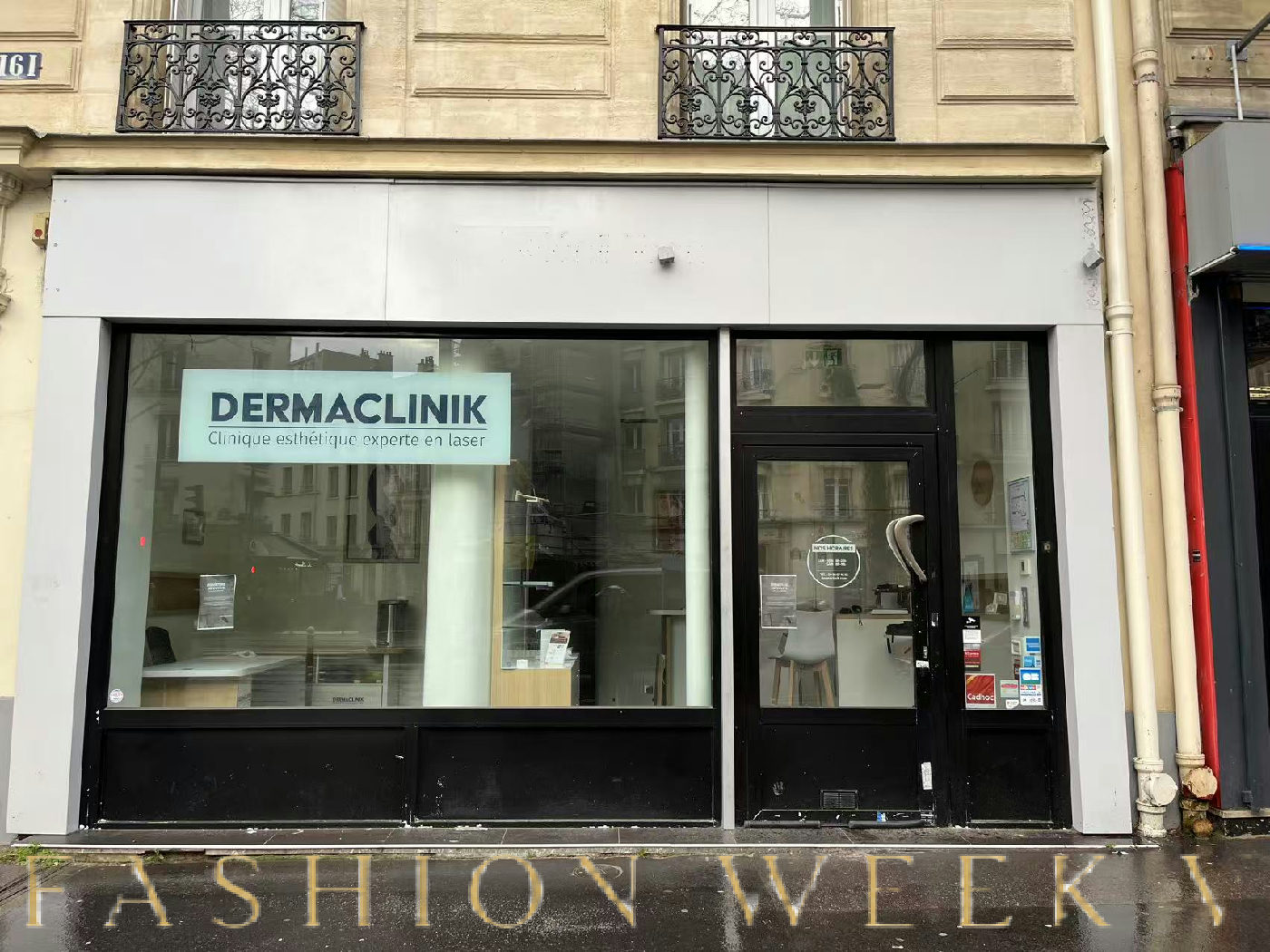
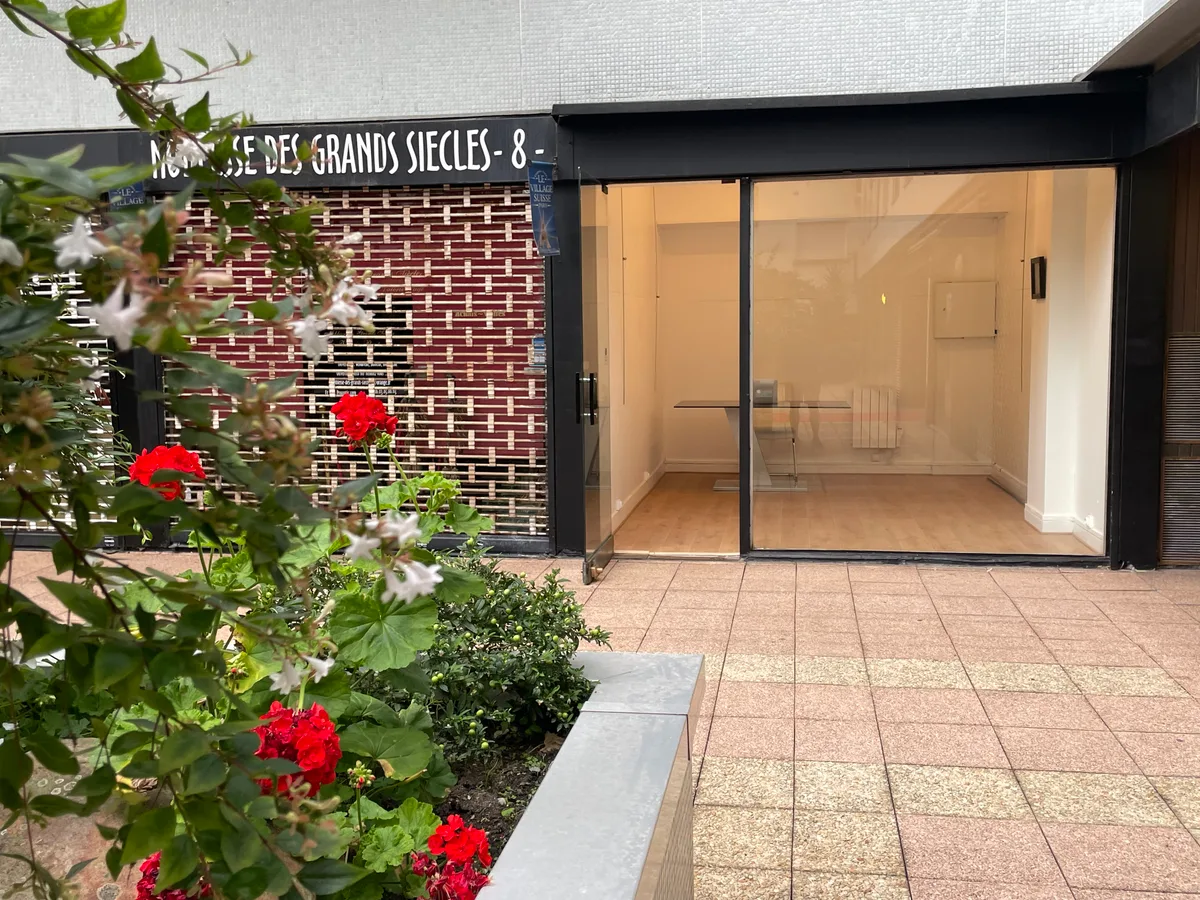
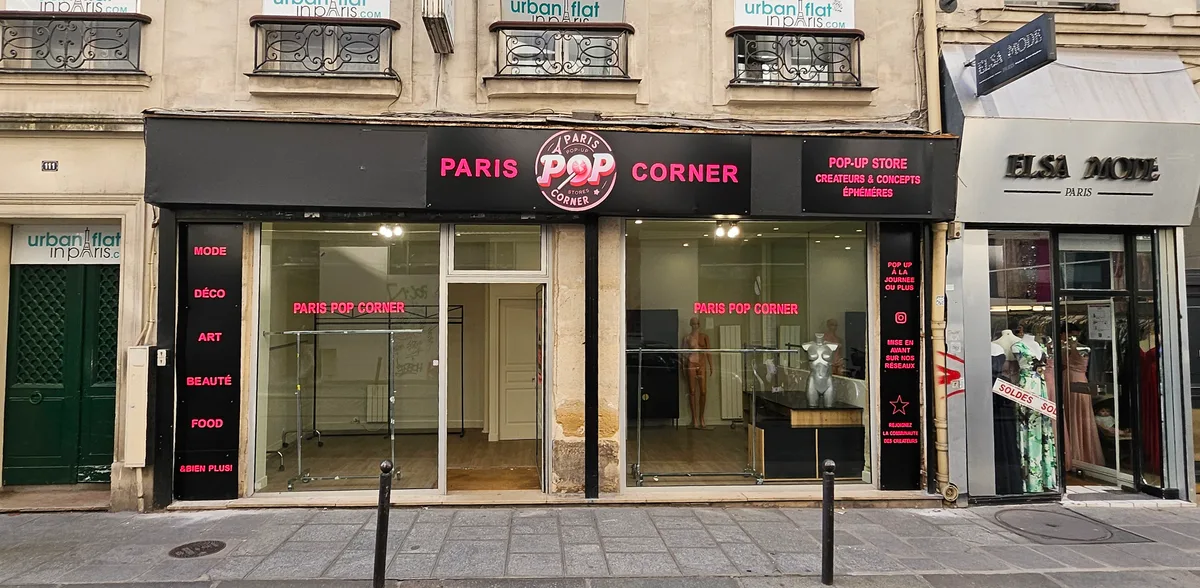
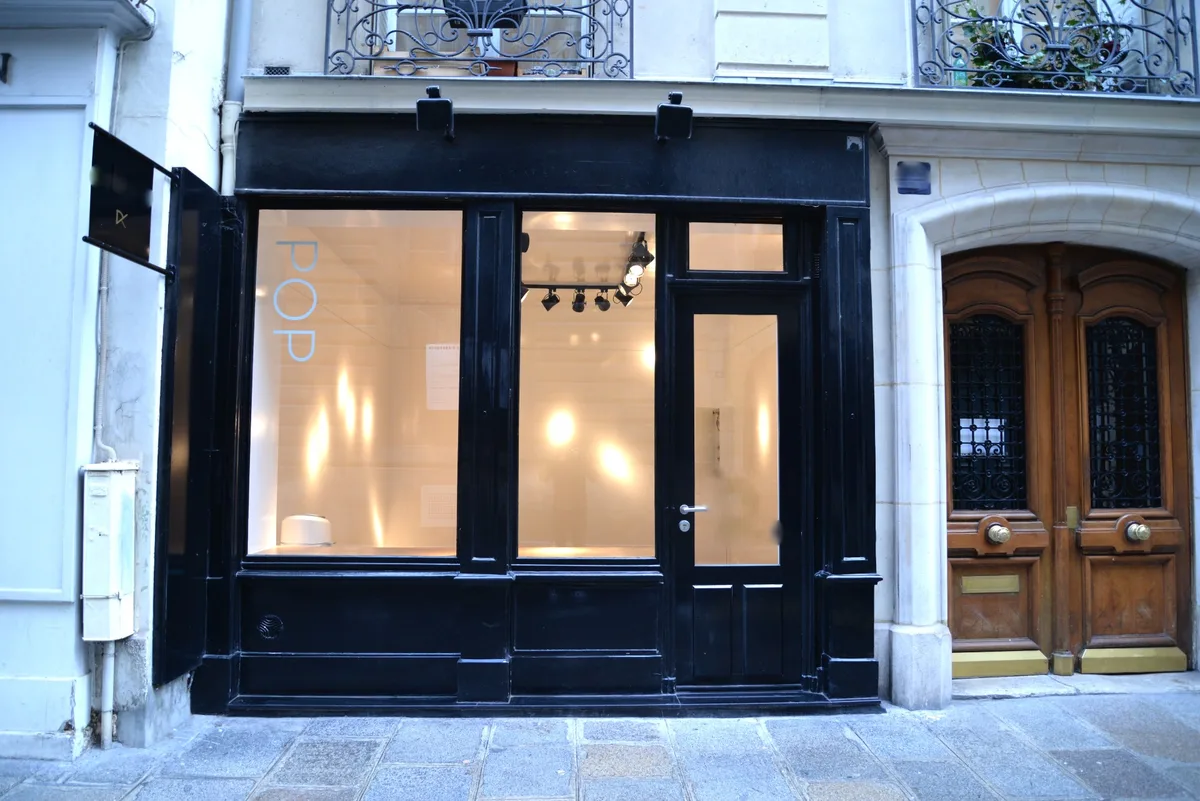
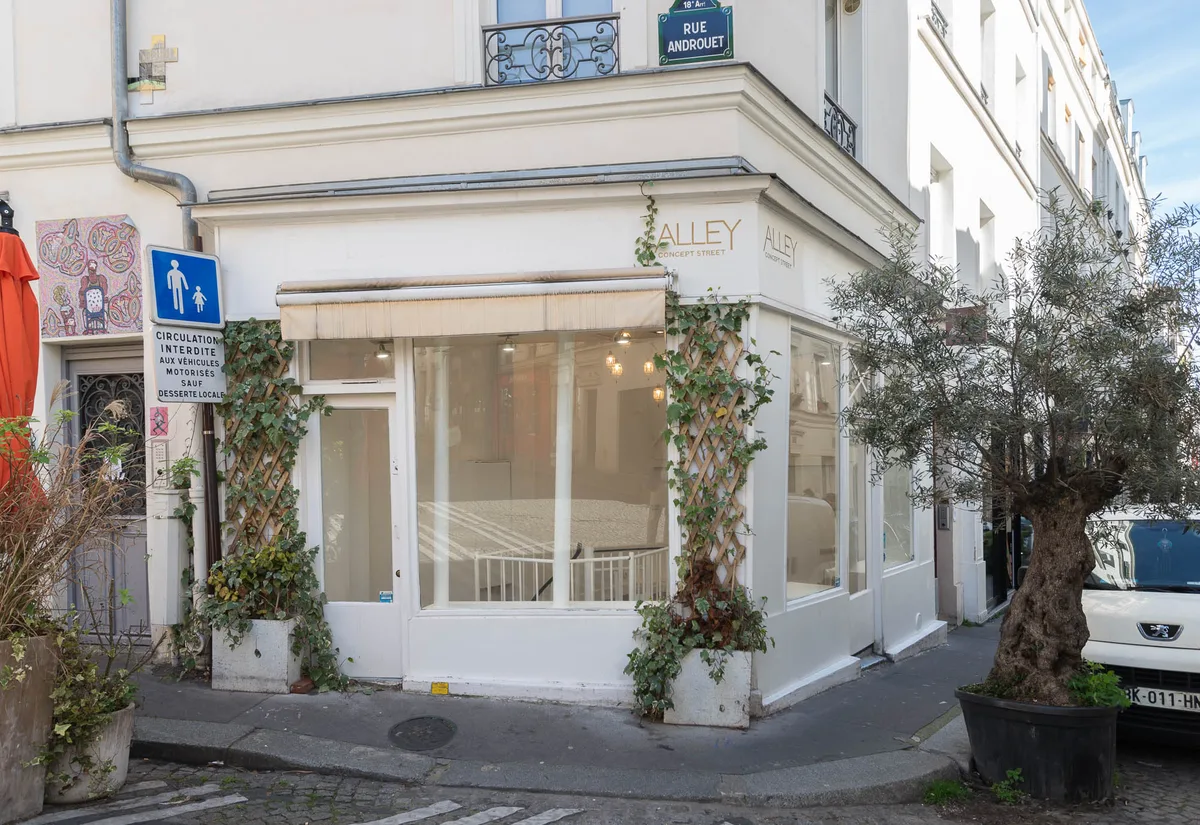
The most conventional option is a ground-floor storefront on a commercial street. These range from compact boutique-scale units of 20 to 40 square metres to larger retail volumes of 100 square metres or more. Many retain period architectural features including marble floors, original tiling, decorative columns, and large glazed frontages that make visual merchandising straightforward and photographable. These are well suited to pop-up shop activations, direct-to-consumer sales, limited-edition collection launches, and brand experience events.
Haussmann Apartment Spaces
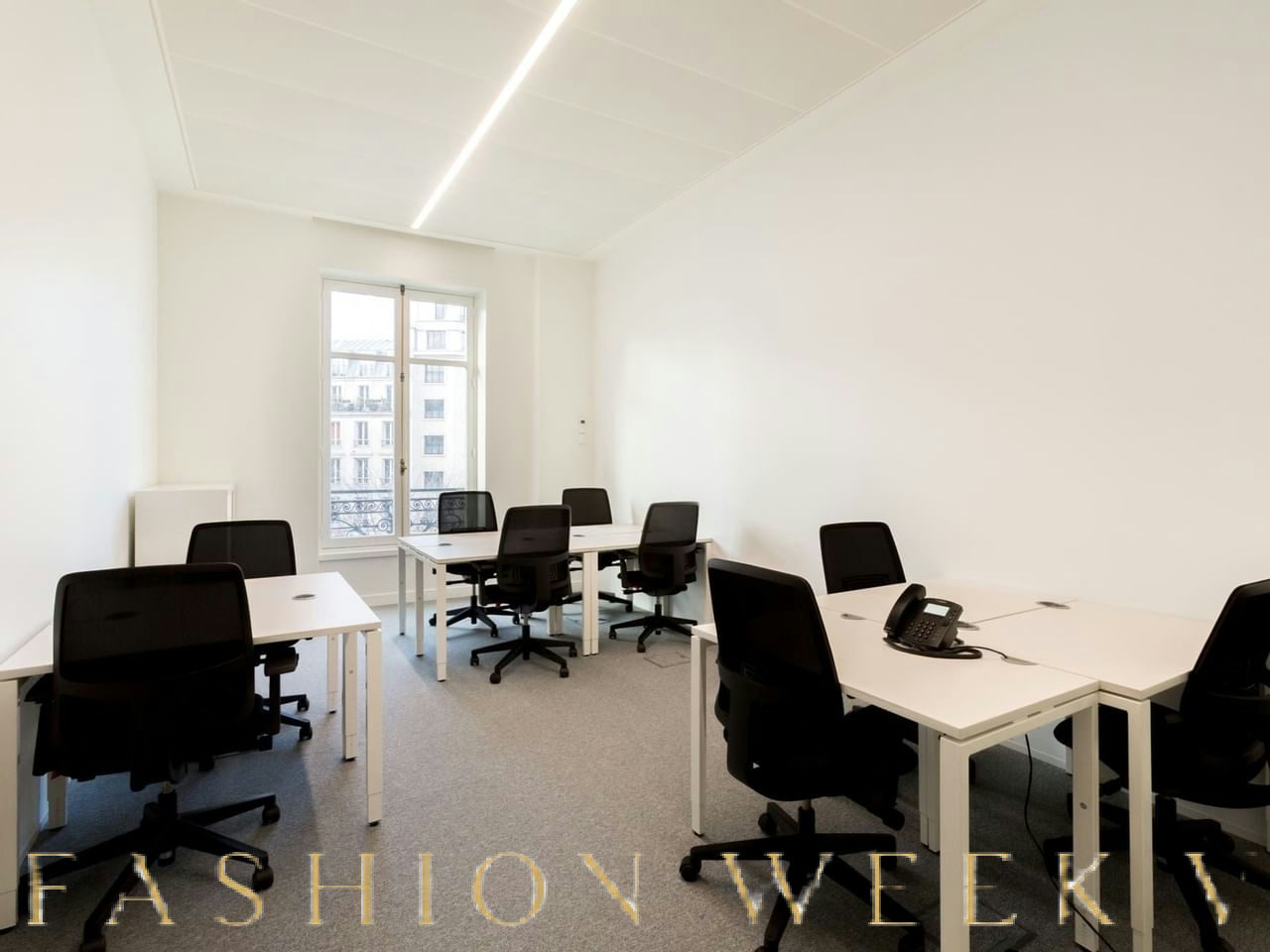
Several buildings in the 10th offer first and second-floor Haussmann apartment spaces that have been converted to commercial use. These typically feature high ceilings, hardwood floors, period mouldings, and natural light from large windows. For fashion showrooms, press previews, and trade presentations, a well-appointed Haussmann apartment space creates an immediate sense of editorial quality. These spaces are often preferred by luxury and contemporary fashion brands that want an intimate, curated environment rather than a retail-fronted activation.
Industrial Workshops and Converted Lofts
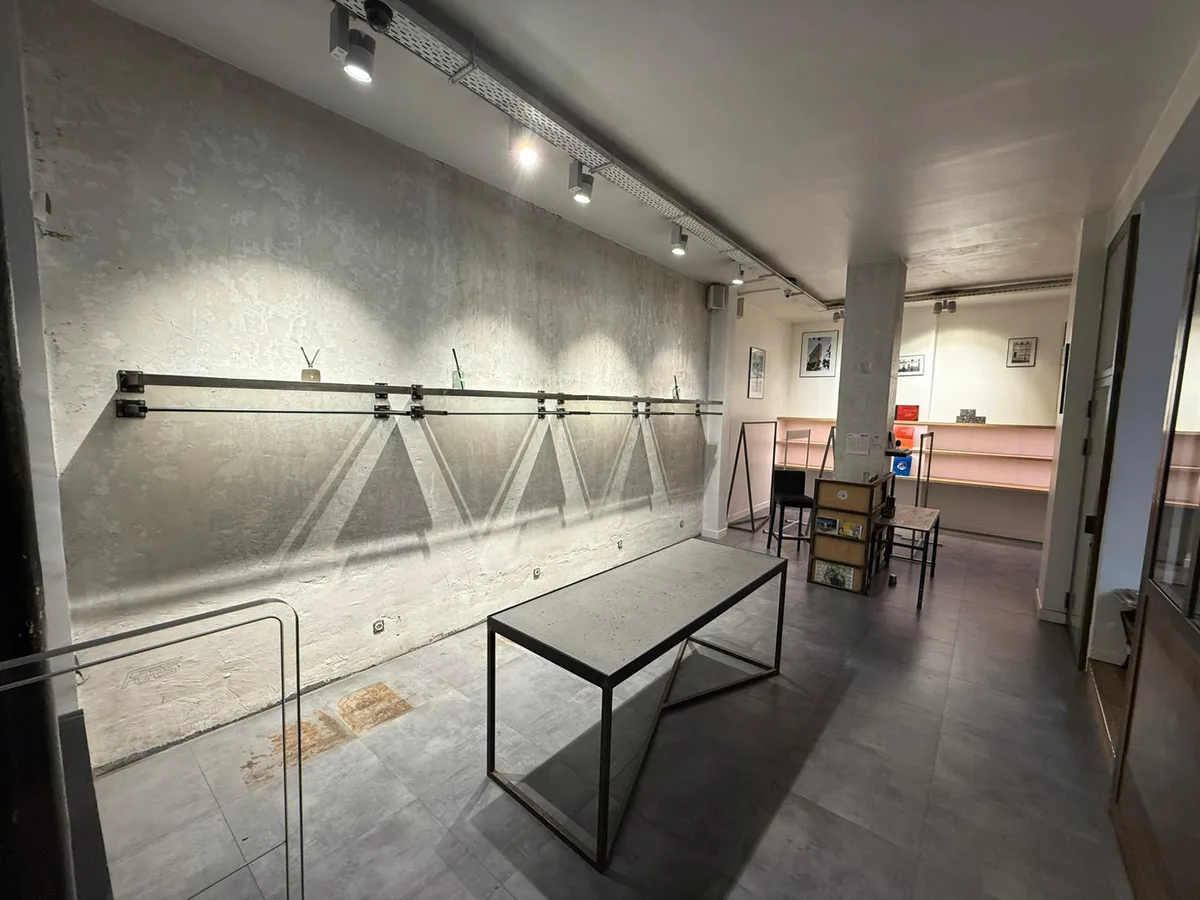
The 10th's industrial past, particularly around Canal Saint-Martin and the streets north of the canal, has left a legacy of former workshops, print studios, and craft spaces that have been converted into large, raw, flexible volumes. These industrial spaces typically offer concrete floors, exposed brickwork, high ceilings, and maximum configuration flexibility. For brands planning immersive installations, multi-day events, fashion presentations, or photo studio activations, these spaces offer the square footage and aesthetic neutrality to support ambitious creative concepts.
Photo Studios
Several dedicated photo studios in the 10th are available on a temporary rental basis and offer professional lighting rigs, seamless backgrounds, and production infrastructure alongside the space itself. These are used by brands for campaign shoots, lookbook production, social media content creation, and press events that double as content-generation opportunities. The availability of a dedicated photo studio component can significantly reduce the total production cost of an activation by consolidating content creation and customer experience in a single location.
Kiosks and Temporary Units
For brands seeking maximum flexibility, minimal build commitment, and lower entry costs, kiosk formats and temporary modular units within covered markets, passages, or transit-adjacent retail zones can provide a viable short-term presence. These are particularly suitable for product sampling activations, limited-edition drops, and brand awareness campaigns where the primary goal is impression volume rather than extended dwell time or transactional depth.
| Space Type | Typical Size Range | Best For | Key Neighbourhood |
|---|---|---|---|
| Ground-Floor Storefront | 20 to 150 sqm | Pop-up shop, direct sales, collection launch | Rue du Faubourg Saint-Denis, Boulevard de Magenta |
| Haussmann Apartment | 60 to 200 sqm | Showroom, press preview, trade presentation | Canal Saint-Martin adjacent streets |
| Industrial Workshop or Loft | 100 to 500 sqm | Immersive installation, fashion event, photo studio | Canal Saint-Martin, north 10th |
| Dedicated Photo Studio | 50 to 200 sqm | Campaign shoot, content creation, press event | Canal Saint-Martin |
| Kiosk or Modular Unit | 5 to 25 sqm | Sampling, brand awareness, limited-edition drops | Gare du Nord vicinity, Passage Brady |
KEY TAKEAWAY: The 10th arrondissement offers a genuine spectrum of temporary retail space formats, from compact kiosks to large industrial lofts. Matching your space format to your brand objective, team size, and production budget is as important as selecting the right neighbourhood or the right dates.
With space types identified, the next critical consideration is the legal and financial framework that governs short-term leases and temporary retail arrangements in Paris.
Leasing, Permits, and Legal Structures for Temporary Retail in Paris
Understanding the legal framework for temporary retail in Paris is non-negotiable. The French commercial property system is significantly more structured than its equivalents in the UK or United States, and brands that proceed without specialist guidance frequently encounter delays, cost overruns, or compliance problems that could have been avoided.
The Bail Dérogatoire
The primary legal instrument for short-term commercial rental in France is the bail dérogatoire, also known as a short-term commercial lease. Under French law, a bail dérogatoire allows a commercial tenant to occupy a space for a period of up to 36 months without the lease automatically converting to a bail commercial, which would give the tenant significant statutory renewal rights and obligations. For brands planning pop-up stores, seasonal activations, or temporary showrooms, the bail dérogatoire is typically the appropriate framework. Both parties must explicitly agree in writing that the lease is governed by this arrangement, and the lease must not exceed 36 months in duration across consecutive agreements for the same premises between the same parties.
It is essential to have any bail dérogatoire reviewed by a qualified French legal advisor before signing. The specific clauses governing rental rates, charges, the dépôt de garantie, and early termination vary between landlords and properties, and terms that appear standard may carry significant financial implications.
Autorisation d'Occupation Temporaire
For activations in public spaces, on public thoroughfares, or in venues that fall under public domain regulation, brands may require an Autorisation d'Occupation Temporaire, commonly known as an AOT. This authorisation is issued by the relevant local authority, typically the mairie of the arrondissement or the central Paris municipal authorities, depending on the location. Requirements, fees, and processing times vary by location, duration, and the nature of the activation. Brands planning outdoor components to their retail activation, or those occupying spaces adjacent to public infrastructure near Gare du Nord, should investigate AOT requirements early in the planning process.
Key Financial Terms
Short-term leases in Paris typically involve several distinct financial components beyond the monthly rental figure. The dépôt de garantie is a security deposit, usually equivalent to one to three months of rent, held by the landlord and returned at the end of the lease subject to the condition of the space. Charges are building service charges covering shared costs such as building maintenance, utilities, and common area cleaning. Recoverable fees are a subset of charges that the landlord is legally entitled to pass on to the tenant. Provision refers to advance payments against estimated charges, reconciled at the end of the tenancy period.
IMPORTANT: Always confirm in writing which charges are included in the quoted rental rate and which are additional before committing to any space. Misunderstanding the charge structure is one of the most common sources of unexpected cost for brands activating in Paris for the first time.
Permits for Pop-Up Retail Activities
Operating a retail pop-up shop in Paris may require additional permits depending on the nature of the activity. Brands selling products directly to the public from a temporary unit or kiosk on public property, or conducting sampling activities in public areas, typically need formal authorisation from the relevant mairie. Brands operating from private commercial premises under a valid bail dérogatoire generally do not require separate trading permits for standard retail activity, but compliance with French consumer protection regulations, including clear pricing display requirements and legal transaction obligations, applies regardless. The Chambre de Commerce et d'Industrie de Paris, known as the Chamber of Commerce and Industry, can provide guidance on specific regulatory obligations for commercial activity.
Quick answer: Temporary retail in Paris is governed primarily by the bail dérogatoire for private commercial spaces and by AOT authorisations for public space occupancy. Both frameworks require careful preparation, specialist legal review, and early engagement with the relevant authorities. Requirements vary by space type, duration, arrondissement, and the specific nature of the commercial activity.
The permit guidance tool on Fashion Week Venues provides a structured starting point for understanding the authorisations relevant to your specific type of activation.
KEY TAKEAWAY: French short-term commercial leasing law is specific and consequential. The bail dérogatoire and AOT frameworks provide legitimate routes to temporary retail occupancy in Paris, but both require proper documentation, specialist review, and appropriate lead time. Never sign a commercial lease in France without qualified legal advice.
Alongside legal structure, budget planning is the parallel discipline that determines whether your activation is financially viable before a single square metre is signed.
Budget Planning for a Pop-Up or Showroom in the 10th Arrondissement
Budget planning for a temporary retail space in the 10th arrondissement of Paris involves multiple cost components that extend well beyond the headline rental figure. Brands that plan only for rent consistently underestimate total activation cost and experience budget pressure mid-execution.
Rental Rate Expectations
Rental rates for temporary retail space in Paris vary significantly by neighbourhood, space type, size, duration, and the specific dates involved. Spaces near Gare du Nord on high-traffic commercial streets typically command premium rates due to their footfall advantage. Canal Saint-Martin spaces vary by format and condition, with converted industrial spaces generally offering more competitive per-square-metre rates than ground-floor boutique storefronts on prime pedestrian streets. Short-term premium pricing applies during Paris Fashion Week windows, including Men's Fashion Week, Haute Couture Week, and the main ready-to-wear collections weeks in February and September.
TIP: Use the budget estimation tool on Fashion Week Venues to model total activation costs based on your target space size, location, duration, and service requirements before approaching landlords or agencies.
Additional Cost Components
Beyond base rent, a realistic budget for a temporary retail activation in the 10th arrondissement should include: the dépôt de garantie security deposit, which is typically one to three months of rent and is recoverable at lease end; service charges and recoverable fees; fit-out and production costs covering furniture, fixtures, branding, signage, and any structural modifications; technology costs including point-of-sale systems and payment processing; staffing costs for the duration of the activation; insurance requirements, which French landlords typically require brands to hold; and if applicable, permit fees and legal review costs for the lease itself.
Understanding ROI Metrics
Brands activating in Paris for the first time often struggle to define success metrics in advance. A clear ROI framework should be established before signing any lease. Relevant metrics for a temporary retail activation in the 10th arrondissement include: total customer visits and dwell time, direct sales transactions, new customer data capture, press and media mentions, social media reach generated from the space, wholesale or trade leads generated through showroom functions, and brand awareness lift measurable through post-activation tracking. The ROI calculator on Fashion Week Venues supports pre-activation modelling across these dimensions.
| Cost Component | Nature | Notes |
|---|---|---|
| Base rent | Fixed monthly or weekly | Varies by location, size, and calendar window |
| Dépôt de garantie | Refundable deposit | Typically 1 to 3 months rent, held by landlord |
| Charges and recoverable fees | Variable additional cost | Building services, utilities, common area |
| Fit-out and production | One-time project cost | Furniture, branding, fixtures, signage |
| Staffing | Ongoing daily cost | Retail staff, brand ambassadors, security |
| Insurance | Fixed period cost | Typically required by French landlords |
| POS and payment systems | Technology cost | Hardware, software, transaction fees |
| Permit fees | Regulatory cost | Applicable where AOT or trading permits required |
| Legal review | Professional fee | Strongly recommended for any lease in France |
Quick answer: The total cost of a temporary retail activation in the 10th arrondissement of Paris includes base rent, security deposit, service charges, fit-out, staffing, insurance, POS systems, and potentially permit fees and legal costs. Brands should build a comprehensive budget model before committing to any space, using directional estimates as a starting framework.
KEY TAKEAWAY: A realistic budget for a Paris pop-up must account for every cost layer from deposit to defit. Directional rental rate ranges are useful for initial feasibility assessment, but a detailed project budget should be built with agency support before any lease commitment is made.
With budget parameters established, the next essential discipline is timeline planning, as the 10th arrondissement's most desirable spaces and dates fill well in advance of major fashion calendar events.
Timeline Planning for a Temporary Retail Activation in the 10th Arrondissement
Timeline planning is where many pop-up activations in Paris are won or lost before they begin. The 10th arrondissement attracts significant demand from international brands during Fashion Week windows, and the most strategically positioned spaces near Canal Saint-Martin and Gare du Nord do not remain available close to event dates.
How Far in Advance Should You Start?
For activations coinciding with major Paris Fashion Week events, including Men's Fashion Week in January, Haute Couture in July, women's ready-to-wear in February and September, and Maison et Objet in January and September, leading with a space search at least three to six months before your intended activation start date is strongly advisable. The most premium spaces in high-demand micro-neighbourhoods are often committed six months or more in advance for peak calendar windows.
For off-calendar activations, shorter lead times can be feasible, but brands should still allow a minimum of eight to twelve weeks from brief to activation for a standard pop-up shop, accounting for space sourcing, legal review, fit-out, staffing, and marketing preparation.
A Step-by-Step Activation Timeline
| Phase | Activities | Recommended Lead Time Before Activation |
|---|---|---|
| Strategy and brief | Define objectives, audience, format, budget, calendar window | 16 to 24 weeks |
| Space search | Identify shortlist, site visits, neighbourhood selection | 14 to 20 weeks |
| Legal and commercial | Lease negotiation, bail dérogatoire review, deposit payment | 10 to 16 weeks |
| Concept and design | Creative concept, floor plan, visual merchandising plan | 8 to 14 weeks |
| Permits and compliance | AOT applications, insurance, trading authorisations | 8 to 12 weeks |
| Production and fit-out | Build, furniture, fixtures, branding, technology installation | 4 to 8 weeks |
| Staffing and training | Recruitment, briefing, product training, scheduling | 3 to 6 weeks |
| Marketing and press | Influencer briefings, press invitations, social media scheduling | 3 to 6 weeks |
| Activation | Live operation, daily reporting, customer engagement | Live dates |
| Defit and reporting | Space reinstatement, data analysis, post-activation review | 0 to 2 weeks post |
The timeline planning tool on Fashion Week Venues generates a project schedule based on your target activation dates and scope, helping brand teams understand critical path dependencies before committing to a calendar window.
IMPORTANT: French administrative processes for permit applications and lease execution move at a different pace from those in the UK or US. Build in buffer time at every legal and regulatory stage. Missing a permit deadline or a lease signing window because of an underestimated timeline is a preventable and costly problem.
KEY TAKEAWAY: Timeline planning for a Paris pop-up is not a post-brief formality. It is a strategic discipline that determines whether your target space and calendar window are achievable, and whether your activation arrives fully prepared or under-resourced.
Once your timeline is established, the question of how to find, evaluate, and compare actual spaces becomes practical rather than theoretical.
Finding and Comparing Temporary Retail Spaces in the 10th Arrondissement
The market for temporary retail space in Paris is fragmented. Unlike commercial real estate platforms such as LoopNet or CoStar, which predominantly serve long-term investment properties and standard commercial leases in the United States, the Paris short-term retail space market operates through a combination of specialist agencies, private landlord networks, and curated marketplaces that are not always accessible through a standard property search. Platforms such as Peerspace offer event space discovery, but their curation and commercial lease infrastructure for extended retail activations is limited.
Brands searching for temporary retail space in the 10th arrondissement need access to inventory that is specifically listed for short-term retail use, and they need the ability to filter by neighbourhood, space type, size, available dates, and specific infrastructure requirements such as hardwood floors, high ceilings, marble floors, or ground-floor street frontage.
What to Look for in a Space Listing
Beyond the headline metrics of size, location, and rental rate, a thorough space evaluation for temporary retail purposes should address: the condition and quality of the space's architectural features; the loading and access arrangements for fit-out and defit; natural light availability and the potential need for supplementary lighting; ground-floor visibility from the street; available power supply and any limitations on electrical load; toilet and welfare facilities; existing signage restrictions imposed by the building or the local planning authority; and the landlord's track record with previous temporary tenants in terms of flexibility and responsiveness.
Quick answer: Finding quality temporary retail space in the 10th arrondissement requires access to a specialist short-term retail inventory, not standard commercial property portals. Space evaluation should cover architectural features, access logistics, infrastructure, street visibility, and landlord track record, not just size and price.
Using Comparison Tools Effectively
When evaluating multiple spaces simultaneously, a structured comparison framework prevents decisions being made on incomplete or inconsistent information. The space comparison tool on Fashion Week Venues allows brands to evaluate shortlisted spaces across a consistent set of criteria, reducing the risk of a selection decision being driven by a single impressive feature rather than an overall assessment of strategic fit.
TIP: Always visit any shortlisted space in person before committing. Photographs and floor plans rarely capture the acoustic quality, natural light levels, neighbourhood atmosphere, or the physical condition of surfaces that will matter significantly during your activation. If an in-person visit is not possible before a deposit deadline, commission a trusted local representative to conduct a site assessment on your behalf.
KEY TAKEAWAY: Space discovery for a Paris pop-up requires specialist channels and structured evaluation frameworks. Relying on general property platforms or broker professionals whose primary expertise is in long-term commercial real estate investment does not serve the specific needs of temporary retail activation.
Once a space is identified and evaluated, the question of how to bring it to life as a compelling brand environment is where creative and operational planning converge.
Designing and Activating a Pop-Up Shop or Showroom in the 10th Arrondissement
The physical design of your temporary retail space in the 10th arrondissement Paris directly determines the customer experience, the quality of social media content generated, the efficiency of sales transactions, and the overall impression the activation leaves on press, buyers, and consumers. Design is not a finishing detail; it is a structural component of activation strategy.
Concept Direction
The most effective temporary retail activations begin with a clearly articulated concept that connects the brand's visual identity to the specific qualities of the space and the neighbourhood. A Canal Saint-Martin industrial loft calls for a different creative approach than a Haussmann apartment on a grand boulevard. The concept should define the spatial narrative, the customer journey through the space, the treatment of surfaces and lighting, and the relationship between product display and experiential moments. Concept direction is a specialist discipline that requires both creative expertise and practical knowledge of what is buildable within a temporary space in a given timeframe and budget.
Fit-Out and Production
Fit-out for a temporary retail activation in Paris must balance creative ambition with practical constraints. Landlords operating under bail dérogatoire terms typically require the space to be returned in its original condition, which means any structural changes or surface treatments must be reversible. High-quality temporary fixtures, modular furniture systems, branded wall panels, and freestanding display structures are the standard toolkit for achieving a strong visual impact without permanent modification. The production timeline must account for delivery logistics in Paris, which can be complex in narrow streets and listed buildings, as well as any union or building management requirements governing access times for contractors.
Staffing and Customer Experience
The human layer of your activation is as important as the physical design. Retail staff in a Paris pop-up need to combine product knowledge with French language capability, cultural fluency with Parisian retail norms, and the commercial discipline to support transactions and data capture effectively. For international brands, the challenge of recruiting and briefing temporary retail staff in Paris for a short activation window is a real operational constraint. The retail staffing service at Fashion Week Venues connects brands with experienced Paris-based staff who understand the specific demands of pop-up retail environments during Fashion Week and beyond.
Technology and Transactions
Point-of-sale systems for temporary retail in Paris need to handle card transactions in euros, ideally support contactless payment, and generate real-time sales data for daily reporting. For brands activating from outside France, the choice of POS provider and payment processor needs to accommodate currency conversion, tax compliance including French VAT obligations, and receipt requirements under French consumer law. Data capture systems for customer relationship building should comply with GDPR requirements, which apply to all customer data collected in France regardless of the brand's country of registration.
KEY TAKEAWAY: A successful temporary retail activation in the 10th arrondissement requires a coherent design concept, a production plan that respects the space's structural constraints, skilled local staff, and compliant technology infrastructure. Each of these components needs to be planned and resourced before the activation opens, not after.
Brands planning activations during Fashion Week windows also benefit from the amplifying effect of influencer and media engagement, which requires its own dedicated strategy alongside the physical space.
How Fashion Week Venues Supports Brands Activating in the 10th Arrondissement
Fashion Week Venues is a full-service pop-up agency and space marketplace with deep expertise in Paris and other major fashion capitals. For brands planning a temporary retail space in the 10th arrondissement, Fashion Week Venues offers practical support across every stage of the activation process, from initial space discovery to post-activation reporting.
Space Discovery and Venue Sourcing
The venue sourcing service gives brands access to a curated inventory of temporary retail spaces across Paris, including in the 10th arrondissement, with filtering by neighbourhood, space type, size, available dates, and infrastructure requirements. Unlike general property platforms, the inventory is specifically curated for short-term commercial use and supported by agency knowledge of each space's practical suitability for different activation types.
Creative and Production Services
For brands that need creative support beyond space discovery, Fashion Week Venues provides concept direction, branded store design, fit-out and production management, and furniture rental as distinct service modules that can be combined according to the brand's specific scope and budget. These services are delivered by specialists with experience in the specific constraints of temporary retail fit-out in Paris, including building access logistics, structural limitations, and reinstatement requirements.
Operational Tools
The Fashion Week Venues tools suite includes a budget estimation tool, an ROI calculator, a space comparison tool, a timeline planner, a permit guidance tool, and a space locator. These tools are designed for brand teams at the research and planning stage, providing structured frameworks for decision-making before agency engagement begins.
Understanding Limitations
Fashion Week Venues does not guarantee the availability of any specific space, the approval of any permit application, or the commercial outcome of any activation. Space availability is subject to landlord decisions and market conditions. Permit approvals are subject to the relevant French authorities. Activation results depend on a combination of brand, product, creative execution, timing, and market conditions that no agency can fully control. What Fashion Week Venues does provide is access, expertise, process, and structured support to maximise the probability of a well-executed and commercially productive activation.
Brands considering whether to work with a full-service agency or manage components independently will find the guide to hiring an agency on Fashion Week Venues a useful framework for that decision.
KEY TAKEAWAY: Fashion Week Venues supports brands at every stage of a Paris temporary retail activation, from space discovery and legal navigation to creative production, staffing, and post-activation analysis, but does not guarantee specific outcomes. The value of agency support is structured access, specialist expertise, and process rigour in a complex market.
For brands who are ready to move from planning to execution, understanding the most common misconceptions about Paris pop-up retail can prevent avoidable mistakes before they occur.
Paris Fashion Week and Seasonal Activation Windows in the 10th Arrondissement
The Paris fashion calendar creates predictable demand spikes for temporary retail space across the city, and the 10th arrondissement is directly affected by these windows given its proximity to the city centre and its high international footfall profile. Understanding which calendar events are most relevant to your brand and how they interact with the specific character of the 10th is essential for timing-based activation strategy.
Men's Fashion Week and Haute Couture
Men's Fashion Week and Haute Couture Week in January, taking place from January 20 to 29 in 2026, represent the earliest major fashion activation window of the year. The audience during this period skews toward industry professionals, international press, buyers, and a core of fashion-engaged consumers. Brands activating during this window in the 10th arrondissement benefit from the convergence of this audience with the high international transit footfall from Gare du Nord, as many press and industry visitors arrive and depart via Eurostar or Thalys connections. Showroom formats and press-accessible events perform particularly well during this window.
Women's Ready-to-Wear Weeks
The February and September ready-to-wear calendar weeks generate the highest overall footfall of dedicated fashion consumers and media in Paris. These are the peak demand windows for temporary retail space across all arrondissements. Brands activating in the 10th during these periods compete for space with brands across the entire city, making early commitment to a space even more critical. Pop-up shops, immersive brand experiences, and product launch events all generate strong returns during these high-attention windows when media amplification is at its most intense.
Off-Calendar Opportunities
Not every activation needs to coincide with Fashion Week. The 10th arrondissement's transit footfall and resident consumer base make it a viable location for activations throughout the year. Brands targeting local Parisian consumers, the regular flow of business and leisure travellers through Gare du Nord, or specific cultural calendar events such as Paris Design Week or the Nuit Blanche cultural night can find strong audiences outside the standard fashion calendar. Off-calendar periods also typically offer more space availability, more negotiating room on rental terms, and shorter lead time requirements.
Quick answer: The most commercially intensive periods for temporary retail in the 10th arrondissement align with the Paris fashion calendar: Men's Fashion Week and Haute Couture in January, women's ready-to-wear in February and September, and Haute Couture again in July. Off-calendar windows offer different but valid commercial opportunities with less competition for premium spaces.
DID YOU KNOW: Gare du Nord is the busiest railway station in Europe, handling tens of millions of international passengers annually through Eurostar and Thalys connections. During Fashion Week periods, a significant proportion of industry and media visitors to Paris arrive directly through this terminal, passing through the immediate vicinity of the 10th arrondissement.
KEY TAKEAWAY: Aligning your activation timing with the Paris fashion calendar amplifies media attention and consumer engagement, but requires earlier space commitment and more competitive budgeting. Off-calendar windows provide valid commercial opportunities with different audience profiles and more favourable space market conditions.
Common Myths About Temporary Retail Space in Paris Debunked
MYTH: You need a French legal entity to rent a temporary retail space in Paris.
FACT: International brands can enter into bail dérogatoire short-term lease agreements in France without establishing a French legal entity, though the process may require additional documentation and guarantees. Many landlords and agencies facilitate this for international brands regularly. However, specific tax, VAT, and trading obligations may still require local registration depending on the nature and duration of the commercial activity. Always verify the specific requirements for your brand's situation with a qualified French legal and tax advisor before proceeding.
MYTH: Paris Fashion Week is the only viable calendar window for a pop-up in the 10th arrondissement.
FACT: While Fashion Week windows deliver intense media attention and industry footfall, the 10th arrondissement generates strong consumer and transit traffic year-round due to Gare du Nord, Canal Saint-Martin, and the resident population. Brands have successfully activated outside the fashion calendar for product launches, seasonal campaigns, and brand awareness events. Off-calendar activations often benefit from better space availability, lower demand premiums, and more relaxed logistics conditions.
MYTH: Commission brokers working through standard commercial real estate platforms are the only way to find temporary retail space in Paris.
FACT: The Paris short-term retail space market is served by specialist agencies, curated marketplaces, and direct landlord relationships that are not represented on standard commercial real estate investment platforms such as LoopNet or CoStar. These platforms are primarily designed for long-term investment property transactions, not short-term temporary retail activations. Specialist platforms and agencies with Paris-specific inventory provide much more relevant and accessible options for brands seeking pop-up spaces, showrooms, or event venues.
MYTH: Short-term commercial leases in France are legally straightforward and do not require specialist help.
FACT: The bail dérogatoire framework has specific legal requirements that, if not correctly observed, can result in the lease inadvertently converting to a full bail commercial, creating significant obligations for both parties. Charge structures, dépôt de garantie terms, reinstatement obligations, and early termination provisions all require careful review. For international brands unfamiliar with the French commercial property system, legal and commercial advice is not optional; it is an essential cost of doing business correctly in France.
MYTH: A pop-up space in the 10th arrondissement is always less prestigious than one in the Marais or near Place Vendôme.
FACT: Prestige in temporary retail is defined by fit between space, brand identity, and audience, not by arrondissement ranking. The Canal Saint-Martin has produced some of the most-photographed and media-covered pop-up activations in Paris in recent years. For brands whose identity aligns with creativity, culture, and an international urban consumer, the 10th can deliver stronger brand resonance than a conventional luxury address in the 1st or 8th arrondissement.
Frequently Asked Questions
How much does it cost to rent temporary retail space near Gare du Nord?
Rental rates for temporary retail space near Gare du Nord vary depending on the size of the space, its precise location, the duration of the rental, and the calendar period. Ground-floor storefronts on high-footfall streets adjacent to the station typically command higher rates than spaces further into the neighbourhood. During Fashion Week windows, rates across central Paris arrondissements, including the 10th, are subject to seasonal premiums. Brands should build a budget model that includes rent, security deposit, service charges, and fit-out costs before evaluating any specific space. The budget estimation tool on Fashion Week Venues provides a structured framework for modelling total activation costs.
What is the minimum rental period for a pop-up in the 10th arrondissement?
Minimum rental periods for temporary retail space in the 10th arrondissement vary between landlords and space types. Some spaces offer very short-term availability from a single day or a few days for event use, while others require a minimum commitment of one to three months under a bail dérogatoire arrangement. Kiosk formats and event studio spaces tend to offer the shortest minimum periods. Purpose-built pop-up units and ground-floor storefronts typically require longer minimum commitments. Confirming the minimum rental period and its associated deposit and charge obligations is an essential early step in any space conversation.
Is Gare du Nord a good location for a first pop-up shop?
Gare du Nord is an excellent location for a first pop-up if your brand is looking for maximum international footfall and high visibility without requiring deep neighbourhood immersion. The transit audience provides an unusually wide exposure for an activation, particularly during Fashion Week periods when press and industry visitors arrive via Eurostar and Thalys connections. However, brands seeking a more curated, community-engaged activation may find the Canal Saint-Martin or Rue du Faubourg Saint-Denis sub-markets within the 10th a better fit for their first Paris experience. The right location within the arrondissement depends on your brand objectives and target audience profile.
What types of brands typically open pop-ups near Gare du Nord?
A broad spectrum of brands activates near Gare du Nord, reflecting the diverse international audience the station generates. Fashion brands targeting European travellers, contemporary clothing labels, beauty and lifestyle products, technology accessories, and food and beverage concepts have all successfully operated in this zone. The international traveller profile, particularly the strong representation of UK, Belgian, Dutch, and German consumers arriving via Eurostar and Thalys, makes the area particularly attractive for brands with established profiles in those markets seeking to build Paris visibility alongside their home-market customer base.
Do I need a permit to run a pop-up shop in Paris?
Whether you need a permit depends on the specific nature of your activation and the type of space you occupy. Brands operating from private commercial premises under a valid bail dérogatoire generally do not require a separate trading permit for standard retail activity, though compliance with French consumer protection and trading regulations is mandatory. Activations involving public space occupancy, outdoor components, or locations near public infrastructure may require an Autorisation d'Occupation Temporaire issued by the relevant mairie. Requirements vary by location, duration, and activity type. The permit guidance tool on Fashion Week Venues provides a structured starting point, and formal legal advice is strongly recommended.
Why is Gare du Nord a good location for a pop-up shop?
Gare du Nord is the busiest railway station in Europe by passenger volume, with major international connections via Eurostar to London and via Thalys and Eurostar International to Brussels, Amsterdam, and beyond. This creates a captive, international, fashion-aware consumer audience that passes through the 10th arrondissement every day of the year and at particularly high volumes during Paris Fashion Week periods. Brands benefit from both the transit footfall and the proximity to the creative Canal Saint-Martin neighbourhood, which provides an alternative audience of culturally engaged Parisian consumers within walking distance of the station.
What types of pop-up spaces are available near Gare du Nord?
Near Gare du Nord, available space types for temporary retail include ground-floor storefronts on major commercial streets such as Boulevard de Magenta, kiosk and modular units in covered retail environments, and Haussmann apartment spaces on upper floors of period buildings that work well for showrooms and press events. Further into the neighbourhood toward Canal Saint-Martin, the inventory extends to converted industrial workshops, photo studios, gallery-style spaces, and boutique-format units with original architectural features. The appropriate space type depends on your brand profile, activation format, team size, and budget parameters.
How long can I rent a pop-up shop in the 10th arrondissement?
Under the bail dérogatoire framework, the maximum duration for a short-term commercial lease in France is 36 months between the same parties for the same premises. In practice, most temporary retail activations in the 10th arrondissement run from a few days to a few months. Landlords offering spaces specifically for pop-up and temporary retail use often have flexibility on duration, though this varies by space and landlord. Longer durations of three to six months tend to offer more negotiating room on rental rates. Very short durations of a week or less are more common in event studio and kiosk formats than in ground-floor storefront spaces.
What architectural features should I look for in a 10th arrondissement pop-up space?
The most sought-after architectural features in 10th arrondissement pop-up spaces include hardwood floors, high ceilings, large glazed frontages for street visibility, marble floors in period commercial buildings, exposed brickwork in converted industrial spaces, and natural light from courtyard or canal-facing windows. These features contribute directly to the visual quality of the customer experience and the photographability of the space for social media and press coverage. They also reduce the amount of decorative investment required in fit-out, since a beautiful raw space with strong natural light requires less styling to perform well visually than a neutral or compromised space.
Can international brands without a French company rent space in the 10th arrondissement?
International brands can and regularly do rent temporary retail space in Paris under bail dérogatoire arrangements without holding a French legal entity. However, landlords may require additional financial guarantees, personal guarantees from directors, or upfront payment of a larger deposit to manage the perceived risk of contracting with a foreign entity. Tax obligations, including French VAT registration requirements, may apply depending on the nature and volume of sales activity. Both the lease structure and the tax position should be reviewed by a qualified French advisor before any commitment is made.
How does the bail dérogatoire differ from a standard commercial lease in France?
A standard French commercial lease, known as a bail commercial, provides significant statutory protections for the tenant, including the right to renew the lease and compensation if renewal is refused. These protections, while valuable for permanent businesses, create obligations and durations that are inappropriate for temporary retail activations. The bail dérogatoire is a short-term alternative that allows both parties to agree on a defined limited-duration tenancy without triggering the statutory renewal protections of the bail commercial framework. Critically, both parties must explicitly agree in writing to the dérogatoire nature of the arrangement, and the total cumulative duration with the same landlord for the same premises must not exceed 36 months.
What is the difference between a showroom and a pop-up store for Paris Fashion Week?
A showroom is a trade-facing environment designed primarily for press previews, buyer appointments, and wholesale presentations, where the objective is to present a collection to industry professionals rather than to sell directly to consumers. A pop-up store is a consumer-facing temporary retail environment designed for direct sales, brand experience, and customer engagement. The two formats have different spatial requirements, staffing needs, technology infrastructure, and audience strategies. Many brands operate hybrid formats that combine a consumer pop-up function with press and buyer access at specific times. The appropriate format depends on the brand's stage of market entry, collection distribution strategy, and the specific objectives of the Paris activation.
How do I estimate the ROI of a pop-up shop in the 10th arrondissement?
ROI estimation for a temporary retail activation should account for both direct revenue metrics, including sales transactions and average order value, and indirect value metrics, including press mentions, social media reach, new customer data acquired, and brand awareness lift. Brands should establish baseline targets for each metric before the activation opens, using data from comparable previous activations or industry benchmarks where available. The ROI calculator on Fashion Week Venues provides a structured framework for pre-activation modelling and post-activation comparison, helping brand teams make evidence-based assessments of whether a Paris activation achieved its commercial and brand objectives.
What is a twin co-activation and is it relevant for a 10th arrondissement pop-up?
A twin co-activation is a format in which two complementary but non-competing brands share a single temporary retail space, splitting the costs of rent, fit-out, and staffing while each contributing their own product, identity, and audience to a combined experience. This format can make premium Paris locations more financially accessible for brands with limited individual budgets, and it can create a richer consumer experience than a single-brand environment when the two brands share a coherent aesthetic or audience alignment. The twin concept format available through Fashion Week Venues is designed specifically for this co-activation model in Paris and other fashion capital markets.
Where can I browse available temporary retail spaces in the 10th arrondissement?
The Fashion Week Venues marketplace offers a curated selection of available temporary retail spaces across Paris, including in the 10th arrondissement, filterable by location, space type, size, and availability window. Unlike standard commercial property platforms that are oriented toward long-term investment properties, the marketplace is specifically designed for short-term retail and activation use, with space listings that include the practical detail brands need to make informed shortlisting decisions. Brands can use the locator tool to identify spaces by neighbourhood and the comparison tool to evaluate multiple shortlisted spaces against a consistent set of criteria.
Conclusion: Activating Your Brand in the 10th Arrondissement
The 10th arrondissement of Paris offers a genuinely compelling case for temporary retail activation. Its combination of European-scale transit infrastructure at Gare du Nord and Gare de l'Est, the creative commercial energy of Canal Saint-Martin, the diverse street culture of Rue du Faubourg Saint-Denis, and a residential population that is engaged with fashion, culture, and independent retail makes it one of the most strategically versatile arrondissements in the city for brands planning pop-up shops, showrooms, product launches, or seasonal activations.
Success in the 10th requires the same rigorous preparation that any Paris activation demands: a clear understanding of the legal framework governing short-term leases, a comprehensive budget model that includes all cost layers from deposit to defit, a timeline that accounts for French administrative processes and Fashion Week demand cycles, and a creative and operational plan that delivers a coherent brand experience to the specific audience the neighbourhood attracts.
The 10th is not the easiest arrondissement to navigate without local expertise. The fragmented nature of the short-term space market, the complexity of the French leasing system for international brands, and the competitive demand for premium spaces during Fashion Week windows all create genuine challenges that specialist agency support can help to resolve.
Whether you are a first-time Paris activator or an established brand looking to expand your presence into a neighbourhood with strong growth momentum, the 10th arrondissement deserves serious consideration as part of your Paris strategy.
To move from research to activation, start exploring available spaces on the Fashion Week Venues marketplace and build a focused brief for your target neighbourhood, space type, and calendar window.