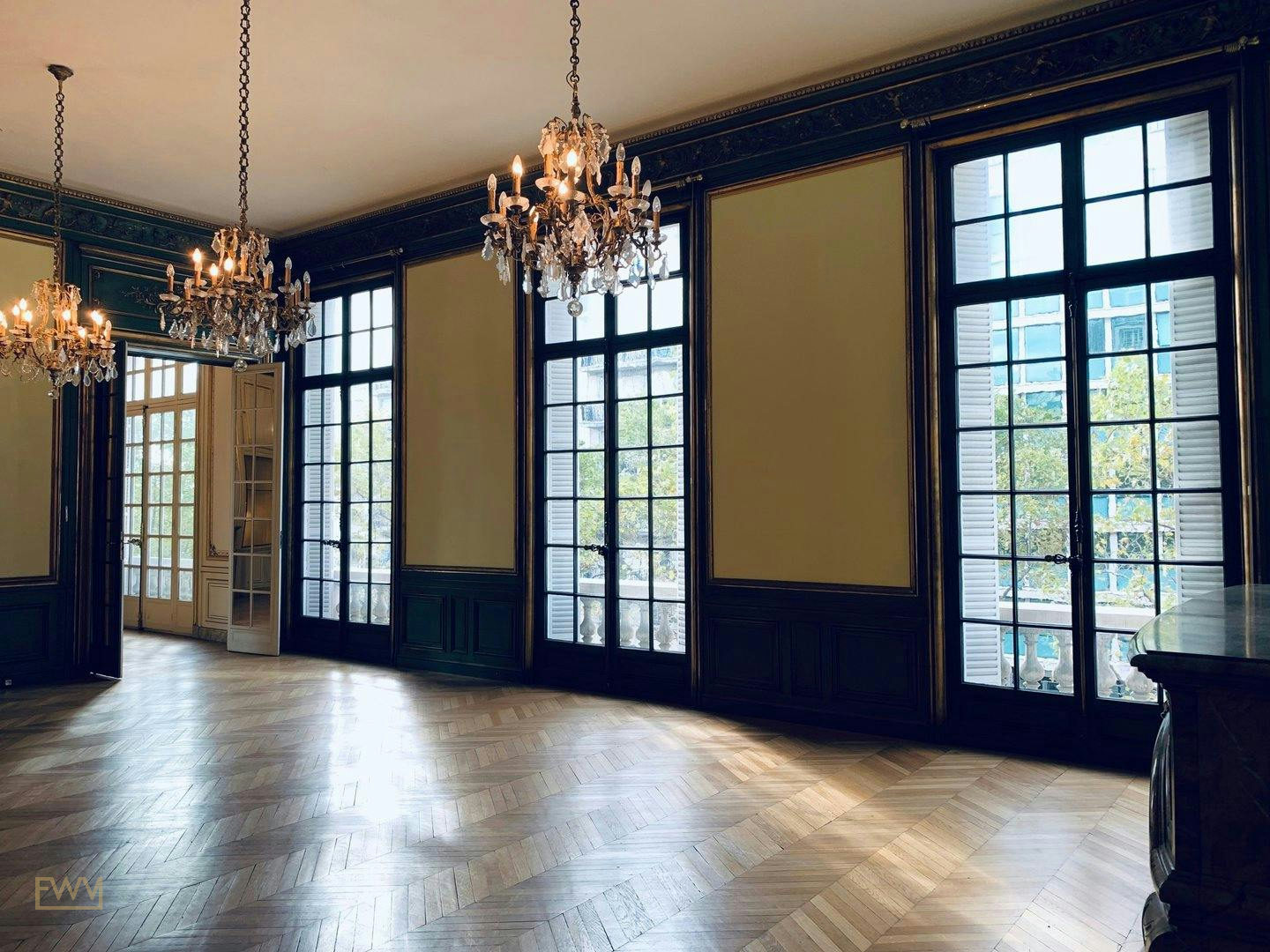
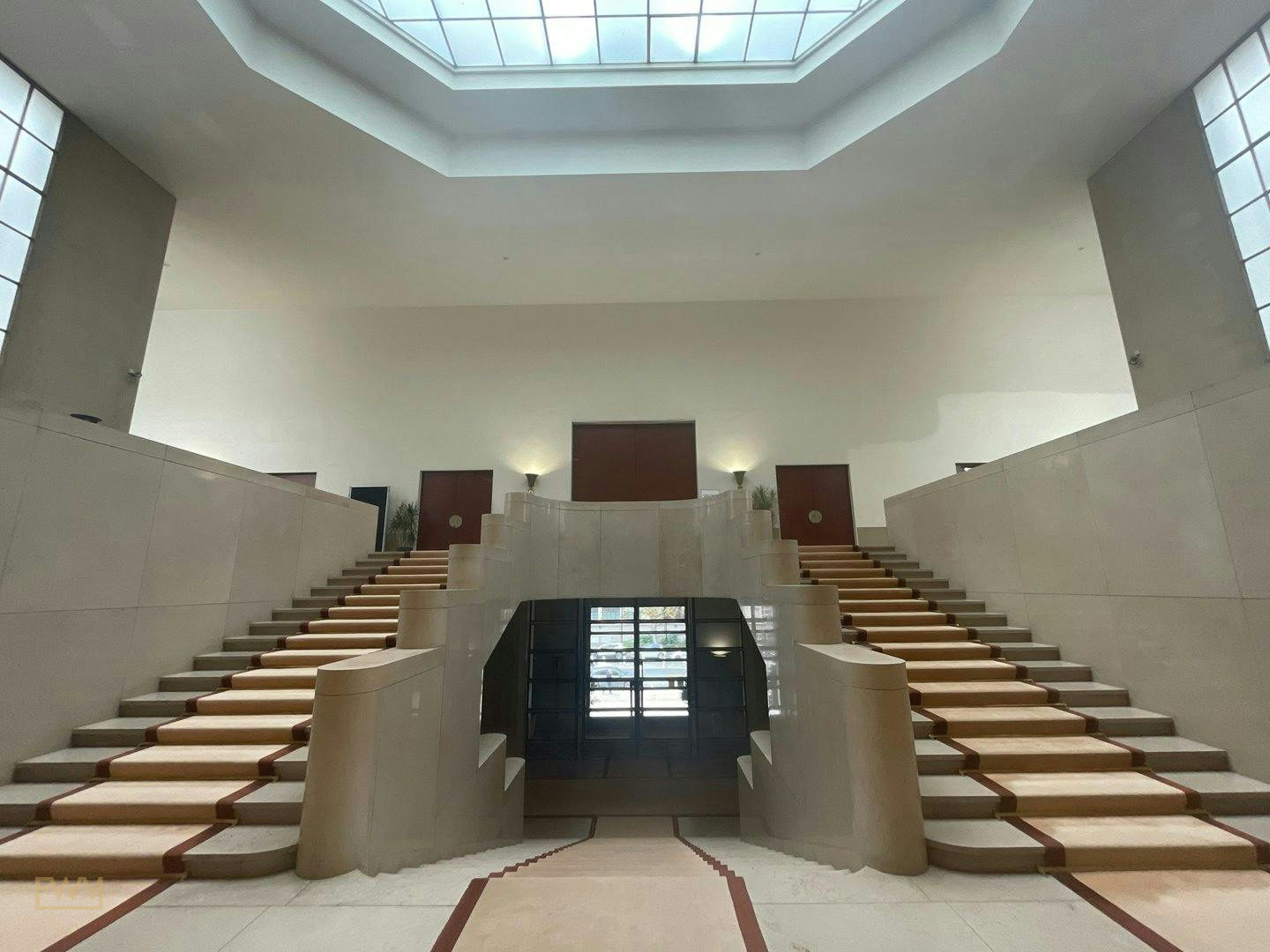
To hire retail space in the 7th arrondissement Paris is to position your brand inside one of the most culturally significant and commercially respected neighbourhoods in the French capital. The 7th arrondissement sits on the Left Bank, bordered by the Seine River to the north, anchored by the Eiffel Tower to the west, and defined by a residential elegance that draws affluent locals, international diplomats, and high-spending tourists in equal measure. For brands seeking pop-up shops, temporary showrooms, event spaces, and short-term retail activations, this arrondissement offers a rare combination of foot traffic quality, visual prestige, and neighbourhood credibility. Fashion Week Venues supports brands activating across Paris, including within the 7th, with end-to-end space sourcing, production, and activation management.
What Is the 7th Arrondissement of Paris and Why Does It Matter for Retail?
The 7th arrondissement of Paris, formally the Seventh Arrondissement of Paris, is an administrative district on the Left Bank of the Seine. It stretches from the Pont de la Concorde in the east to the Pont d'Iéna in the west, taking in the grand boulevards, diplomatic missions, government ministries, luxury residential streets, and some of the most visited cultural institutions in France. The Eiffel Tower, Les Invalides, the Musée d'Orsay, the Musée Rodin, the Musée du Quai Branly, the Palais Bourbon (seat of the French National Assembly), and the Ministry of Foreign Affairs are all located here. UNESCO's Paris headquarters sits on the Place de Fontenoy, just within the arrondissement's southern boundary.
For retail strategy, the 7th is a neighbourhood defined by restraint, quality, and permanence. Unlike the high-density commercial corridors of the 1st or 8th arrondissements, the 7th does not shout. Brands that activate here benefit from association with an address that carries genuine cultural weight. Foot traffic is composed heavily of wealthy residential inhabitants, visiting diplomats, museum-goers, and international tourists staying at properties like Hôtel SAX Paris and other boutique addresses within the district. The area around the Champ de Mars draws enormous tourist volumes, particularly along the paths leading toward the Eiffel Tower from Place Joffre, while the residential streets of Faubourg Saint-Germain attract a quieter, higher-spending local demographic.
The commercial environment in the 7th is deliberately low-density. Large-format chains are rare. The arrondissement is dominated by independent boutiques, specialist food retailers, artisan bakers, and high-end service businesses. Rue Cler, the pedestrianised market street running south from the Avenue de la Motte-Picquet-Grenelle, exemplifies the local retail character: a boulangerie, a chevaline (horse meat butcher), Davoli the Italian delicatessen, a patisserie, a florist, and Café Central sitting among them. La Fontaine de Mars, one of the most photographed bistros in Paris, sits just off Rue Cler at the corner of Rue de l'Exposition. These are not simply retail addresses; they are cultural fixtures that define the neighbourhood's commercial identity and establish the quality benchmark your brand must meet to belong here.
Le Bon Marché, located just outside the 7th in the 6th arrondissement at the boundary with Quartier Saint Germain de Prés, exerts a strong gravitational pull on luxury shopping behaviour across this part of the Left Bank. Its proximity means that brands activating in the 7th can benefit from consumer journeys that begin or end at Le Bon Marché and its gourmet annex, La Grande Épicerie de Paris. Brands in complementary categories, from homewares to contemporary fashion to niche food and beauty, can position themselves along natural pedestrian flows between these anchors.
Quick answer: The 7th arrondissement of Paris is a prestige Left Bank district anchored by the Eiffel Tower, Les Invalides, and the Musée d'Orsay. It offers a low-density commercial environment, a high-income residential base, and strong tourist volumes, making it a credible and strategically valuable address for short-term retail activations, branded pop-ups, and fashion showrooms targeting affluent consumers.
KEY TAKEAWAY: The 7th arrondissement is not Paris's highest-footfall retail district, but it is among its most prestigious. Brands hiring retail space here are paying in part for address credibility, consumer quality, and neighbourhood association. Volume-led retail strategies are better suited to other arrondissements. Prestige launches, editorial pop-ups, and brand awareness activations are the 7th's commercial strength.
Understanding the specific sub-neighbourhoods and streets within the 7th is essential before committing to any space, and the next section covers that geography in detail.
Key Neighbourhoods, Streets, and Sub-Districts Within the 7th Arrondissement
The 7th arrondissement is large enough to contain several distinct micro-neighbourhoods, each with its own commercial character, consumer profile, and activation logic. Knowing which pocket of the arrondissement suits your brand brief is as important as knowing the arrondissement itself.
Rue Cler and the Gros-Caillou Quarter
Rue Cler is the most visited market street in the 7th and one of the most photographed in Paris. This pedestrianised rue runs from the Avenue de la Motte-Picquet-Grenelle toward the Avenue de Tourville and sits within the Gros-Caillou quarter, the part of the arrondissement closest to the Eiffel Tower and Champ de Mars. The street's anchor tenants include specialist food retailers, independent cafés, and artisan food producers. Poujauran, the celebrated boulangerie-pâtisserie, is among the most respected bakeries in Paris and trades on Rue Jean-Nicot, nearby. The Fontaine de Mars restaurant, La Fontaine de Mars, anchors the southern stretch. Foot traffic on Rue Cler is a blend of local residents doing daily shopping and tourists exploring the neighbourhood on foot from the Eiffel Tower. Ground floor retail space on or immediately adjacent to Rue Cler is highly sought for food-adjacent pop-ups, lifestyle brands, and any activation aiming to feel artisanal and locally embedded.
Rue de Grenelle and the Varenne Neighbourhood
Rue de Grenelle is one of the primary east-west arteries of the 7th, running from the Seine southward through the arrondissement's interior. The Varenne neighbourhood, centred on the Metro Varenne stop on Line 13, is home to the Musée Rodin and the Rodin Museum garden, one of the most beautiful sculpture gardens in Europe. Café Varenne sits at the edge of the museum's garden, extending its cultural atmosphere into the surrounding streets. The Ministry of Foreign Affairs is located on the Quai d'Orsay, close to the northern boundary of this neighbourhood. Fashion and luxury brands, art-adjacent activations, and lifestyle brands with a cultural positioning typically find the Varenne neighbourhood highly compatible. Rue de Grenelle also connects this neighbourhood to the broader Saint-Germain-des-Prés commercial zone to the east, creating natural pedestrian flows that bring browsing consumers through the area.
Rue Saint-Dominique
Rue Saint-Dominique is a long east-west street that parallels Rue de Grenelle further north, passing through both the Gros-Caillou and Invalides micro-areas. It is lined with independent restaurants, specialist food shops, wine merchants, and small boutiques. Le Violon d'Ingres, the celebrated restaurant of chef Christian Constant, trades on this street, as does Bistrot de Paris. The street has a quieter energy than Rue Cler but a notably local and sophisticated consumer profile. Ground floor retail and event space along Rue Saint-Dominique suits brands that want Parisian neighbourhood credibility without tourist-heavy foot traffic volumes.
Invalides and Ecole Militaire Quarter
The Invalides and Ecole Militaire area is the governmental and institutional heart of the 7th. The Hôtel des Invalides, Napoleon's Tomb, and the Musée de l'Armée occupy an enormous campus between the Esplanade des Invalides and Boulevard de La Tour-Maubourg. The Ecole Militaire faces the Champ de Mars from the south at Place Joffre, framing one of the most spectacular urban vistas in Paris. The Esplanade des Invalides and the Boulevard des Invalides both carry heavy tourist and pedestrian traffic, particularly during Paris Fashion Week and the broader spring and autumn travel seasons. Event space and experiential retail in this corridor benefits from proximity to premium hotels, the Pont Alexandre III, and the Seine River, all of which generate high-spend visitor flows.
Markets: Marché Raspail, Saxe-Breteuil, and Rue Cler
The 7th contains some of Paris's most celebrated outdoor food markets. The Marché Raspail on Boulevard Raspail (at the boundary with the 6th) runs on Sundays as an organic market and is visited by the arrondissement's most food-conscious residents. The Saxe-Breteuil Market, or Marché Saxe-Breteuil, operates twice weekly on the Avenue de Saxe with the Eiffel Tower visible in the background, making it one of the most scenically positioned markets in Paris. The Jardin Catherine Labouré, a walled garden near Rue de Babylone, provides a quiet residential green space that anchors the southern residential community. These market poles generate predictable pedestrian flows on specific days and should be factored into any activation timing strategy for spaces in their catchment zones.
Quick answer: The 7th arrondissement contains five distinct micro-commercial zones: the Rue Cler and Gros-Caillou area near the Eiffel Tower, the Varenne and Musée Rodin neighbourhood, Rue Saint-Dominique's local commercial strip, the Invalides and Ecole Militaire institutional corridor, and the market streets including Marché Saxe-Breteuil. Each zone has a different foot traffic profile, consumer demographic, and brand activation logic.
DID YOU KNOW: The Musée des Égouts de Paris, also known as the Museum of Paris Sewers, is located at the Pont de l'Alma in the 7th arrondissement. It is one of the most unusual cultural attractions in the city and draws a specific type of curious, engaged tourist who tends to spend significant time and money in the surrounding neighbourhood before and after their visit.
KEY TAKEAWAY: Matching your brand activation to the correct micro-neighbourhood within the 7th arrondissement significantly improves consumer relevance and foot traffic quality. A food or artisan brand belongs near Rue Cler. A fashion or art-adjacent brand belongs near Varenne or Rue de Grenelle. An experiential or prestige launch works near Invalides and Pont Alexandre III.
With the geography established, the next section addresses the commercial leasing structures and practical retail hiring conditions brands will encounter in the 7th.
Commercial Leasing Structures for Short-Term Retail Space in the 7th Arrondissement
Hiring retail space in Paris, including in the 7th arrondissement, requires understanding a distinct set of legal frameworks that differ significantly from those in the UK, US, and most other international markets. Short-term retail activations typically do not use the standard French commercial lease, known as the bail commercial 3-6-9, which obligates tenants for a minimum of nine years. Brands seeking pop-up space, temporary showrooms, or event venues for periods ranging from a few days to several months typically operate under one of two alternative frameworks.
Bail Dérogatoire (Short-Term Derogatory Lease)
The bail dérogatoire is a short-term lease permitted under French commercial law that allows occupation for a maximum of three years without engaging the full protections and obligations of the standard bail commercial. This instrument is specifically designed to accommodate temporary occupations, trial retail uses, and short-term commercial arrangements. It must be renewed or converted to a standard commercial lease before the three-year maximum is reached, or the occupant must vacate. For brands planning seasonal activations, Paris Fashion Week pop-ups, or limited-edition retail events, the bail dérogatoire is the most commonly used instrument. Its terms, security deposit requirements, and rent amount structure must be agreed directly with the landlord. Energy performance diagnosis documentation and, in some cases, a Greenhouse gas emission index certificate may be required as part of the pre-signing dossier for commercial properties in France.
Convention d'Occupation Précaire (Precarious Occupancy Agreement)
Where even shorter-term occupancy is required, and where the landlord has a specific legitimate reason for needing to recover the property quickly, a convention d'occupation précaire may be used. This instrument carries even fewer tenant protections than the bail dérogatoire and is appropriate for very short activations or situations where the landlord has demonstrable uncertainty about the long-term use of the property. Rent amounts and security deposit terms are negotiated directly, and the precarious nature of the arrangement means brands must plan for earlier-than-expected exit.
AOT (Autorisation d'Occupation Temporaire)
In public spaces, on municipal land, or in publicly owned buildings, an Autorisation d'Occupation Temporaire may be required. This is a permit-based arrangement rather than a lease, authorising temporary commercial use of a specific public or semi-public space. AOTs are relevant to brands activating in Parisian squares, esplanades, or publicly owned properties. The Esplanade des Invalides, for example, is managed by public authorities, and any commercial activation in its immediate vicinity would require appropriate authorisations rather than a standard lease arrangement.
Lease Cost Structures: Triple Net and Modified Gross
Two cost structures commonly appear in short-term commercial rental negotiations in Paris. A Triple Net arrangement requires the tenant to pay base rent plus property taxes, building insurance, and maintenance costs separately. A Modified Gross arrangement bundles some of these costs into the headline rent figure, simplifying the tenant's financial exposure but typically at a higher base rent. For short-term activations, Modified Gross structures are generally more practical as they reduce administrative complexity and make total cost forecasting more straightforward. Brands should always clarify which cost model applies and request a full breakdown of all charges before committing to a space. The Fashion Week Venues budget estimation tool can help teams build directional cost models before entering formal negotiations.
IMPORTANT: French commercial lease law is complex and distinct from other European markets. Requirements vary significantly by space type, duration, and arrondissement. Brands new to the Paris market should always verify their specific arrangements with a qualified French legal advisor before signing any lease or occupancy agreement. Fashion Week Venues does not provide legal advice.
Quick answer: Brands hiring retail space in the 7th arrondissement Paris for short-term activations typically use a bail dérogatoire for periods up to three years, a convention d'occupation précaire for very short-term or precarious arrangements, or an AOT for public or municipal spaces. Standard 3-6-9 commercial leases are not appropriate for pop-up and event retail uses.
KEY TAKEAWAY: Understanding which leasing instrument applies to your specific space type, duration, and ownership structure is not optional. Signing the wrong instrument can create unintended obligations. Always instruct a French legal advisor, and use the Fashion Week Venues permit guidance tool to understand the administrative requirements attached to your planned activation.
Beyond the legal framework, brands must understand how foot traffic patterns, access conditions, and the commercial environment of the 7th affect practical activation planning.
Foot Traffic, Consumer Demographics, and Commercial Environment in the 7th
The 7th arrondissement is not a high-volume retail district in the sense of the Boulevard Haussmann or the Rue de Rivoli. Its commercial environment is defined by quality over quantity. Understanding who walks these streets, when, and why is essential to designing an activation that performs against the right metrics.
Tourist Volumes and the Eiffel Tower Effect
The Eiffel Tower receives approximately seven million paying visitors per year, making it one of the most visited paid monuments in the world. Millions more visit the Champ de Mars and the surrounding park areas without purchasing entry. This generates a significant and consistent flow of international tourists through the western sections of the 7th, particularly along the Quai Branly, the Avenue de la Bourdonnais, and the paths approaching Place Joffre from the south. The Musée du Quai Branly, located at 37 Quai Branly, adds culturally engaged museum visitors to this flow. Brands activating in spaces within walking distance of the Eiffel Tower benefit from this volume, but must recognise that a significant proportion of this traffic is transit-oriented and may not convert easily into retail engagement without strong visual or experiential draw.
Museum Visitors and Cultural Tourism
The Musée d'Orsay on the Quai Anatole France is one of the most visited art museums in the world. It draws a highly educated, design-aware international visitor base that spends significantly in surrounding retail and hospitality. The Musée Rodin on the Rue de Varenne is smaller but similarly culturally engaged. The Musée de l'Armée at Les Invalides and the Hôtel des Invalides attract history-focused visitors, including families and school groups. Each museum generates a specific consumer profile that brands should map against their own target audience before choosing a space location within the arrondissement.
Residential Consumer Base
The 7th arrondissement is one of the most expensive residential districts in Paris. Its inhabitants are predominantly affluent, highly educated professionals, senior civil servants, diplomatic personnel, and multi-generational Parisian families. The presence of the Institut d'Études Politiques de Paris (Sciences Po) on the Rue Saint-Guillaume adds a younger academic population to the residential mix, but the dominant consumer profile is mature, high-income, and selective. Daily shopping behaviour in the 7th is oriented around specialist independents rather than chains. Brands entering this market with mass positioning or aggressive promotional mechanics may find the local residential consumer unreceptive. Brands with artisan, niche, or prestige positioning tend to earn genuine local patronage.
Seasonal and Event-Driven Foot Traffic
The 7th arrondissement experiences predictable seasonal peaks. July and August bring the highest tourist volumes, driven by Eiffel Tower visits and the general Paris summer season. September and October coincide with Paris Fashion Week, Paris Design Week, and the autumn return of the city's professional population after August holidays. This makes the autumn window particularly valuable for fashion and luxury brand activations. The spring Paris Fashion Week window, typically in late February to early March, also represents a strong activation period. Brands planning around the Batobus river service on the Seine should note that the Quai Branly stop is one of the route's most-used, connecting the 7th to other tourist-dense stops including Notre-Dame, the Louvre Museum, the Tuileries Garden, and the Musée d'Orsay.
Quick answer: The 7th arrondissement consumer base combines high-volume international tourists near the Eiffel Tower and Musée d'Orsay with a high-income residential demographic across the broader district. Autumn and spring are the strongest activation windows for fashion and luxury brands, aligning with Paris Fashion Week calendars and the return of the city's affluent professional population.
TIP: If your activation is targeting the residential consumer rather than tourists, avoid spaces on the main tourist arterials. Focus on Rue Saint-Dominique, Rue de Grenelle, the Varenne neighbourhood, or the streets around the Marché Saxe-Breteuil, where the foot traffic is almost entirely composed of local residents and repeat visitors.
KEY TAKEAWAY: Consumer quality in the 7th arrondissement is high, but consumer volume is lower than in the central commercial districts. Brands must design activations that reward a slower, more considered visitor dwell time rather than optimising purely for conversion volume.
To compare neighbourhoods and space types across the full Paris market, explore the Paris city hub on Fashion Week Venues and shortlist spaces that match your brief, budget, and calendar window.
Space Types Available When You Hire Retail Space in the 7th Arrondissement Paris
The 7th arrondissement's building stock reflects its history as a prestige residential and governmental district. The commercial spaces available for short-term hire carry this architectural character, which is both a strength and a practical consideration for brands planning fit-out and production.
Ground Floor Retail Units
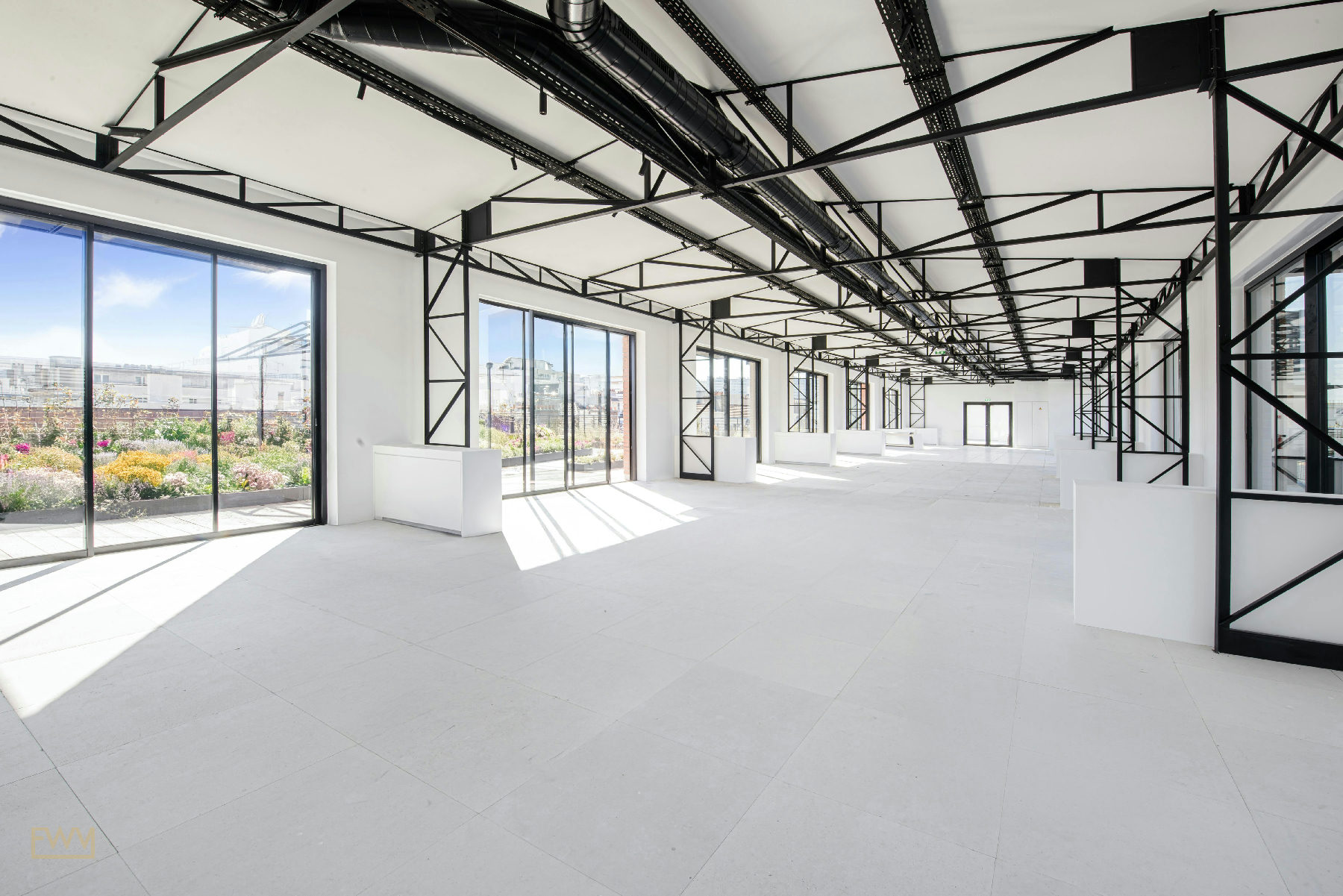
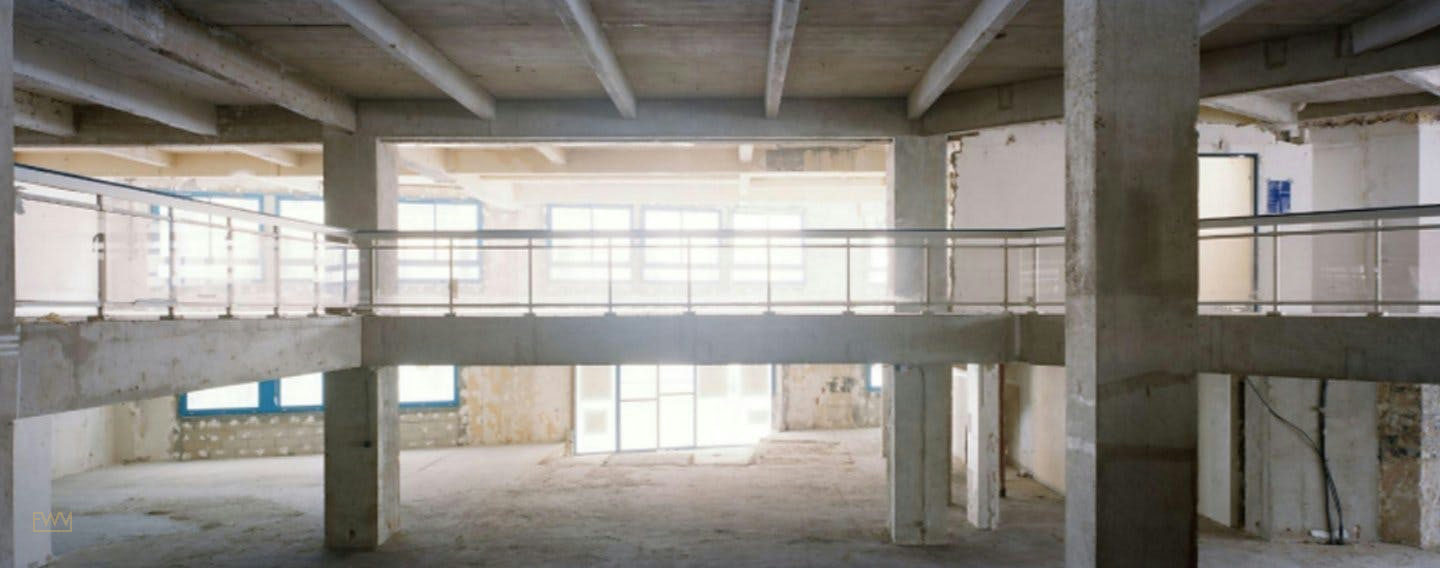
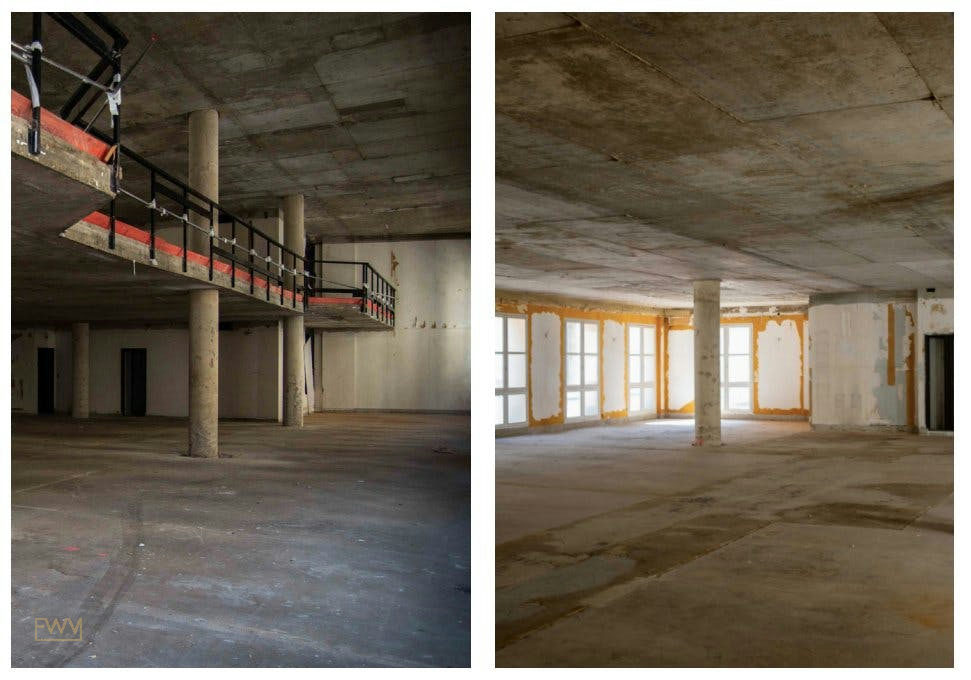
Ground floor retail units on the main commercial streets of the 7th are the most straightforward option for visible, accessible pop-up and short-term retail activations. These spaces typically feature Haussmannian facades, high ceilings, original mouldings, and large window frontages that offer strong visual presence from the street. Many ground floor units in the 7th have active retail histories, meaning they come with existing service connections, fitting room configurations in some cases, and landlords experienced in short-term tenants. Ceiling heights in Haussmannian buildings typically range from three to four metres, providing excellent display and installation flexibility. Brands with visually complex installations or large fixture programmes should verify ceiling heights and structural attachment permissions before committing.
Basement and Multi-Level Spaces
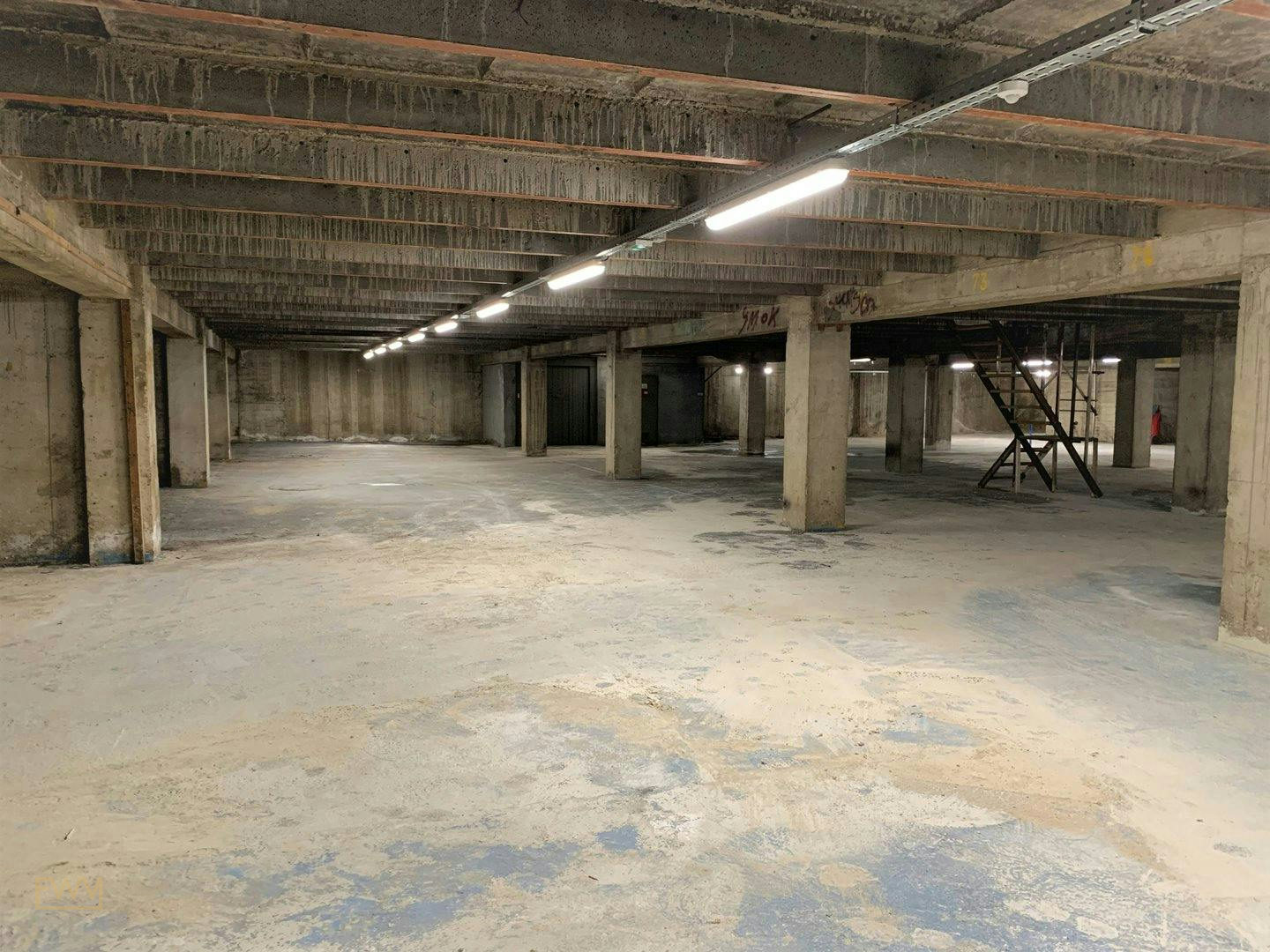
Some retail and commercial spaces in the 7th include basement levels, which can serve as stock rooms, staff areas, or secondary display zones. Basement levels in the 7th should be assessed carefully for natural light availability (usually absent), humidity management, ventilation, and accessibility compliance. For brands that need street presence on the ground floor while managing logistics and storage below, a dual-level ground floor plus basement configuration is highly practical. However, basement-only activations are generally unsuitable for retail uses that require consumer visibility.
Gallery and Cultural Spaces
The 7th arrondissement's cultural density means that a number of gallery spaces, private institution salons, and museum-adjacent event rooms are occasionally available for hire. These spaces carry strong contextual associations and are particularly suited to art-adjacent brand activations, luxury fashion presentations, editorial shoots with a public-facing component, and collector or VIP events. These venues require careful vetting of occupancy rules, insurance requirements, and the landlord or institution's expectations of how the brand will represent itself in the space.
Haussmannian Apartment Showrooms
A significant proportion of fashion brand showrooms in Paris operate from large Haussmannian apartment spaces rather than ground floor commercial units. These spaces offer privacy, atmosphere, and an intimate setting that resonates with the 7th's residential character. They are particularly suited to wholesale showrooms, press showrooms, VIP client presentations, and collector-targeted activations. The fractional offer model, where brands share costs and occupancy with one or more partner brands, has become increasingly common in this space type and is directly supported by the Fashion Week Venues twin co-activation concept.
Event Venues and Salon Spaces
Hotel private rooms, club spaces, and salon venues within or adjacent to the 7th arrondissement can serve as launch event venues, press breakfast locations, and brand dinner settings. L'Arrêt by The Grey is one example of a style-conscious space in the broader Left Bank area. These are not strictly retail spaces but are integral to a broader brand activation strategy that uses multiple venue types to reach different audience segments across the same campaign period.
Quick answer: The most common space types for hiring retail space in the 7th arrondissement Paris include Haussmannian ground floor retail units, dual-level ground plus basement configurations, gallery and cultural spaces, apartment showrooms, and hotel salon event venues. Space selection should be driven by brand positioning, activation format, and target consumer profile.
KEY TAKEAWAY: The 7th arrondissement's architectural heritage creates distinctive and aesthetically strong retail and event spaces, but also introduces practical constraints around ceiling heights, structural modifications, service connections, and accessibility. Every space must be evaluated against your specific production and operational requirements before a commitment is made.
Public Transportation Access and Connectivity in the 7th Arrondissement
Public transportation access in the 7th arrondissement is comprehensive but not as dense as in the central Right Bank arrondissements. Understanding the transport map helps brands select spaces that are genuinely accessible to both consumers and operational teams.
The 7th is served primarily by Metro Lines 8, 10, and 13. Line 13 runs along the eastern side of the arrondissement with stops at Saint-François-Xavier, Varenne, and Invalides. Line 8 connects to École Militaire and Latour-Maubourg. Line 10 serves the southern boundary near Duroc and Vaneau. The RER C line runs along the Seine River bank through the northern edge of the 7th, with stops at Pont de l'Alma, Invalides, Musée d'Orsay, and Champ de Mars-Tour Eiffel. This RER line is particularly useful for visitors arriving from the major transport hubs at Gare du Nord, Gare de l'Est, and Gare Montparnasse, allowing relatively direct access to the arrondissement without transferring through the central Metro system.
The Batobus river service stops at the Musée d'Orsay and the Quai Branly, providing a scenic connection to other tourist-dense stops including Notre-Dame, the Louvre Museum, and the Trocadéro. This river service carries meaningful passenger volumes during tourist season and delivers visitors directly to the 7th's northern waterfront. The Île aux Cygnes, a narrow artificial island in the Seine River that sits at the boundary between the 15th and 16th arrondissements just west of the 7th, contains a replica Statue of Liberty and is accessible via the Pont de Grenelle.
Pont Alexandre III, one of the most ornate bridges in Paris, connects the 7th arrondissement to the Grand Palais and the Right Bank's Triangle d'Or luxury district, creating a natural pedestrian link between the 7th and the high-luxury retail corridor of the 8th arrondissement. Brands positioning themselves as a bridge between the Left Bank's cultural identity and the Right Bank's commercial prestige can use this geographic connection as a narrative element in their activation.
Cycling infrastructure has expanded significantly in the 7th in recent years, and Vélib' self-service bicycle stations are located throughout the arrondissement. This is an increasingly important consideration for consumer accessibility, particularly among younger affluent residents and visitors. On-street parking in the 7th is limited and expensive, so activations that depend on significant vehicle arrivals should plan for alternative logistics solutions.
Quick answer: The 7th arrondissement is served by Metro Lines 8, 10, and 13, the RER C line along the Seine, and the Batobus river service. The RER C provides direct connectivity from Gare du Nord, Gare de l'Est, and Montparnasse, making the arrondissement accessible to arriving international visitors. Pont Alexandre III creates a pedestrian link to the Right Bank's luxury Triangle d'Or.
KEY TAKEAWAY: Transport accessibility in the 7th is strong for a residential Left Bank arrondissement but requires visitors to make at least one connection from the main central Metro interchanges. Brands should communicate transport access clearly in all activation communications and consider providing maps or navigation guidance to drive attendance.
Paris Fashion Week Calendar and Activation Timing for the 7th Arrondissement
Paris Fashion Week takes place twice annually. The women's ready-to-wear presentations typically occur in late February to early March for Autumn/Winter collections and in late September to early October for Spring/Summer collections. Men's Fashion Week and Haute Couture Week occupy separate calendar windows, in January and July respectively. Each Fashion Week window brings a significant concentration of international press, buyers, stylists, brand directors, and high-value consumers to Paris, and the 7th arrondissement benefits from this influx both directly and indirectly.
Directly, brands activating in the 7th during Fashion Week can leverage the press and buyer traffic that concentrates in Paris's Left Bank hotels and showroom corridors. The Faubourg Saint-Germain area and the streets connecting it to the Palais Royal and the Marais create a showroom circuit that draws professional fashion audiences through the western Left Bank, passing through or near the 7th. Pop-up retail spaces, brand dinners, and private presentations in the 7th can be embedded into this circuit with the right outreach and scheduling.
Indirectly, the broader Paris Fashion Week calendar activates the city's luxury consumer base. Residents who might otherwise be cautious about entering a new pop-up space are more receptive during Fashion Week, when the general atmosphere of creative industry activity normalises discovery retail behaviour. The Sainte-Clotilde basilica area and the Square Roger-Stéphane nearby in the eastern part of the 7th are among the quieter spaces that offer opportunities for intimate brand presentations away from the main Fashion Week circus.
Beyond Fashion Week, the 7th arrondissement's proximity to major cultural institutions means that Paris Design Week in September and the major museum exhibition openings in autumn and spring also generate relevant foot traffic for design-adjacent, homeware, and lifestyle brands. Brands should map their activation timing against both the Fashion Week calendar and the major Musée d'Orsay, Musée Rodin, and Musée du Quai Branly exhibition schedules when planning their Paris campaigns.
DID YOU KNOW: Paris Fashion Week generates an estimated economic impact of several hundred million euros for the Paris metropolitan area across each season, according to the Fédération de la Haute Couture et de la Mode. The concentration of international media, buyers, and high-net-worth visitors during these weeks creates exceptional commercial conditions for well-positioned brand activations across all arrondissements, including the 7th.
Use the Fashion Week Venues timeline planning tool to map your activation against the Paris Fashion Week calendar and identify the optimal window for your space hire, production, and launch.
KEY TAKEAWAY: The autumn Paris Fashion Week window (late September to early October) is the most commercially powerful activation period for brands in the 7th arrondissement. The spring window (late February to early March) is the second strongest. Both windows require early planning, with space bookings ideally secured three to six months in advance for premium addresses.
How Fashion Week Venues Helps Brands Hire Retail Space in the 7th Arrondissement Paris
Fashion Week Venues is a full-service pop-up shop agency and space marketplace that helps brands find, design, produce, and run retail activations in Paris and other major fashion capitals. For brands seeking to hire retail space in the 7th arrondissement Paris, the agency offers both the space discovery infrastructure and the end-to-end operational support needed to execute a successful activation in one of the world's most demanding retail markets.
Space Sourcing and the Marketplace
The Fashion Week Venues venue sourcing service handles the identification, vetting, and negotiation of short-term retail, showroom, and event spaces across Paris. The team has direct relationships with landlords, property managers, and cultural institutions across the 7th and the broader Left Bank, giving brands access to spaces that may not appear on public listing platforms. The online space marketplace provides a browsable interface for teams beginning their discovery process, with spaces filterable by arrondissement, size, space type, and availability window.
Production, Fit-Out, and Branded Design
Hiring a space is only the first step. The production and build service covers the physical transformation of a raw space into a functioning branded retail environment, including structural builds, fixture installation, lighting design, and brand-standard surface finishes. The branded store design service handles concept translation and spatial design direction. For brands with existing global retail guidelines, Fashion Week Venues ensures that Paris-specific spaces are adapted to the arrondissement's architectural context without losing brand coherence.
Activation Management and Staffing
Running a pop-up in Paris requires French-speaking staff, local operational knowledge, POS and payment infrastructure, and on-the-ground management. The activation management service handles day-to-day operations, consumer experience delivery, and incident management. The retail staffing service provides trained, brand-briefed, bilingual staff appropriate for the 7th arrondissement's discerning consumer base.
Planning Tools
For brands in the research and planning phase, Fashion Week Venues offers a suite of practical tools. The ROI calculator helps teams model expected returns against activation investment. The permits tool guides brands through the administrative requirements for their specific space type and location. The compare tool allows teams to evaluate multiple spaces side by side across key criteria. The locator tool maps available spaces against the arrondissement geography described in this guide.
Who Benefits Most
The Fashion Week Venues service model is most valuable for international brands entering Paris for the first time, brands with limited in-house Paris market knowledge, brands with complex production requirements, and brands seeking to compress the lead time between brief and activation opening. For experienced Paris operators with established local networks, the agency's marketplace and production services remain useful, even if the full managed service model is less necessary.
KEY TAKEAWAY: Fashion Week Venues does not guarantee space availability, permit approval, or specific commercial outcomes. The agency provides professional support, market knowledge, and operational infrastructure to improve the quality and efficiency of a brand's Paris activation planning and execution.
Budgeting, Costs, and ROI Considerations for the 7th Arrondissement
Budgeting for a retail space hire in the 7th arrondissement requires a clear-eyed understanding of what costs are involved beyond the headline rent. Paris is an expensive retail market, and the 7th is among the more expensive arrondissements in that already costly city.
Space hire costs in the 7th vary significantly depending on the micro-neighbourhood, the size and configuration of the space, the duration of the hire, and the lease structure applied. Ground floor retail units on high-visibility streets near the Eiffel Tower or Musée d'Orsay command premium rates. Spaces on secondary residential streets, in basement configurations, or away from the primary tourist corridors are generally more affordable but may require additional marketing investment to drive sufficient foot traffic. As a general principle, brands should budget for space hire as one component of a total activation cost that also includes production, staffing, logistics, permits and compliance, insurance, and marketing. Fashion Week Venues does not publish fixed rate cards for space hire, as costs are highly space- and context-specific. The budget estimation tool provides directional modelling for brand teams in early-stage planning.
Security deposits for short-term commercial leases in Paris are typically equivalent to one to three months of rent, though this varies by landlord and space type. The security deposit must be factored into upfront cash requirements and may not be immediately recoverable if exit conditions are disputed. Brands should ensure that the lease or occupancy agreement contains clear terms around deposit return conditions, dilapidations assessment, and the reinstatement standard expected at the end of the hire period.
Energy performance diagnosis documentation and Greenhouse gas emission index certificates are increasingly required in French commercial property transactions, including short-term leases. These documents affect the legal validity of the agreement in some cases and should be requested from the landlord as part of the pre-signing due diligence process. Brands that are conscious of their environmental commitments may also wish to review these certificates as part of their sustainability reporting requirements.
TIP: The fractional offer model, where two or more brands co-occupy a space and share costs, can significantly reduce the headline cost of hiring premium retail space in the 7th. The Fashion Week Venues twin concept is specifically designed to facilitate these co-activation arrangements, pairing complementary brands in shared spaces that benefit both parties.
Quick answer: Budgeting for retail space hire in the 7th arrondissement Paris requires accounting for space hire costs, security deposit, production and fit-out, staffing, permits and insurance, logistics, and marketing. Total activation budgets for short-term pop-ups in prestige Paris locations typically run significantly higher than the headline rent figure alone. Use directional budgeting tools and obtain multiple space quotes before committing.
KEY TAKEAWAY: The ROI calculation for a 7th arrondissement retail activation must incorporate brand equity and press value alongside direct retail revenue. Many brands activate in the 7th specifically for the address association, editorial coverage, and consumer perception value, which are harder to quantify but financially significant in fashion and luxury brand strategy.
Permit and Compliance Requirements for Temporary Retail in Paris's 7th
Permit and compliance requirements for temporary retail activations in Paris are more complex than in many other international markets. The 7th arrondissement, as a district containing significant historical monuments, government buildings, and protected streetscapes, adds additional layers to the standard commercial licensing requirements.
For standard ground floor retail operations, the primary compliance requirements include the appropriate short-term lease instrument (bail dérogatoire or convention d'occupation précaire), fire safety compliance for the space and its configuration, accessibility compliance where public access is provided, and appropriate business registration or the use of a domiciliation service if the brand does not have an existing French legal entity. Brands do not necessarily need a French registered company to rent a commercial space in Paris for a short-term activation, but they must have an appropriate legal structure or guarantor arrangement in place, as most French landlords will require some form of financial guarantee. This is a common requirement and there are specialist service providers that offer domiciliation and guarantor services for international brands entering the Paris market.
For activations involving outdoor elements, terrace constructions, signage beyond the building envelope, or activities in public space, additional permits from the local mairie (town hall) or the Paris Prefecture are required. Outdoor signage on historical buildings may require approval from the Architectes des Bâtiments de France. Event activations involving music, amplified sound, or significant crowd gatherings require separate authorisations. The complexity of these requirements varies substantially by location within the arrondissement and the specific nature of the activation.
The Fashion Week Venues permit guidance tool provides a structured overview of the permit requirements likely to apply to different activation types and locations. It does not replace professional legal and compliance advice, but it helps brand teams understand the landscape and identify the specific approvals their planned activation will require before they begin the formal application process.
IMPORTANT: Requirements vary by space type, duration, and arrondissement. Do not assume that a compliance approach used in a previous Paris activation in a different arrondissement will apply directly to a 7th arrondissement space. Always verify current requirements with a qualified French legal advisor and with the relevant local authorities.
KEY TAKEAWAY: Permit and compliance planning should begin at the same time as space sourcing, not after a space is secured. Lead times for permit approvals can extend to several weeks or months for complex activations, and late applications risk delaying or preventing the activation opening on schedule.
Safety, Demographics, and Vibe: What Brands Need to Know About the 7th
The 7th arrondissement is consistently rated among the safest in Paris. Its residential character, the concentration of government ministries, embassies, and official residences, and the continuous presence of security services around institutional buildings create a generally secure environment for both residents and visitors. The Hôtel des Invalides and the surrounding governmental campus maintain a visible security presence, and the arrondissement's affluent demographic tends to deter the petty crime that concentrates in higher-tourism districts such as the 1st, 2nd, and 18th arrondissements near Montmartre and Sacré-Coeur Basilica.
For brand teams running activations in the 7th, this security environment reduces operational risk associated with shoplifting, antisocial behaviour near the space, and aggressive vending on adjacent streets. Staff working in the 7th report a generally calm and respectful interaction environment, particularly on the residential market streets such as Rue Cler and Rue Saint-Dominique.
The general vibe of the 7th arrondissement is one of quiet, confident elegance. This is a neighbourhood where quality is assumed and ostentation is gently discouraged. Café culture is present but understated. The Café Varenne near the Musée Rodin, Café Central on Rue Cler, and the terrasses of Rue Saint-Dominique capture the neighbourhood's relaxed but sophisticated daily rhythm. The neighbourhood is genuinely Parisian in a way that some of the more touristified central arrondissements are not. Locals live here, shop here, and take genuine pride in the quality of the food, restaurants, and small businesses that serve them. Bistrot de Paris, La Fontaine de Mars, and Le Violon d'Ingres are not tourist traps; they are serious restaurants that happen to be located in a part of Paris that tourists also visit.
The demographic profile of the 7th's residential population is one of the most financially robust in Paris. Affluent French families, senior civil servants, retired diplomats, and international professionals account for a significant share of the residential base. The presence of Sciences Po (Institut d'Études Politiques de Paris) adds a younger, academically elite layer. This demographic combination means that the 7th's local consumer has high purchasing power, genuine interest in quality and provenance, and a preference for brands with a clear point of view. Brands that feel generic, mass-market, or discount-oriented will struggle to generate authentic local engagement in the 7th.
Quick answer: The 7th arrondissement is one of Paris's safest and most prestigious residential districts, with a high-income demographic, a quiet and sophisticated atmosphere, and a strong local culture of quality and independence. The neighbourhood rewards brands with genuine substance, clear positioning, and a respectful approach to the local commercial environment.
KEY TAKEAWAY: Brand teams should brief all activation staff on the specific character and expectations of the 7th arrondissement before opening. Consumer interactions in the 7th require a different register than activations in more casual or youth-oriented districts. Formality, multilingual capability, and genuine product knowledge are important consumer experience components in this market.
A Step-by-Step Workflow for Hiring Retail Space in the 7th Arrondissement Paris
| Stage | Action | Timing Before Opening | Key Considerations |
|---|---|---|---|
| 1. Brief | Define brand brief, space requirements, budget envelope, and target calendar window | 6 to 9 months | Align internally on objectives, format, and success metrics before outreach |
| 2. Market Research | Map sub-neighbourhoods, consumer profiles, and competitor activations in the 7th | 5 to 8 months | Use the locator and compare tools to build a shortlist of candidate zones |
| 3. Space Discovery | Source candidate spaces via marketplace, agency, or direct landlord outreach | 4 to 6 months | Assess each space against footprint, ceiling height, service connections, and lease terms |
| 4. Legal Review | Instruct French legal advisor to review draft lease or occupancy agreement | 3 to 5 months | Confirm lease instrument type, rent amount, security deposit, and exit conditions |
| 5. Permits | Identify and apply for all required permits, including AOT, signage, and event authorisations | 3 to 4 months | Lead times for approvals vary; begin applications as early as possible |
| 6. Design and Production | Commission spatial design, production plan, and fit-out specification | 2 to 4 months | Confirm landlord consent for any physical alterations or fixture installations |
| 7. Staffing and Operations | Recruit and brief bilingual retail staff, set up POS and payments, arrange logistics | 1 to 2 months | Ensure staff are briefed on the 7th arrondissement's specific consumer expectations |
| 8. Pre-Opening | Complete fit-out, conduct compliance walkthrough, brief press and influencer contacts | 2 to 4 weeks | Final check on all permit documentation and fire safety compliance |
| 9. Activation | Open to consumers, run activation programme, monitor performance data | Ongoing | Use data and analytics to optimise programming and staff deployment in real time |
| 10. Exit and Reinstatement | De-fit space, reinstate to agreed condition, recover security deposit | Post-activation | Conduct formal exit inspection with landlord representative present |
KEY TAKEAWAY: The activation workflow for a 7th arrondissement retail space hire involves at least ten distinct stages across a typical six to nine month lead time from brief to opening. Compressed timelines are possible but increase risk at every stage, particularly in the legal, permit, and production phases.
Comparing Space Types and Neighbourhoods in the 7th Arrondissement
| Space Type | Best Location in the 7th | Consumer Profile | Activation Format Suitability | Relative Cost |
|---|---|---|---|---|
| Ground floor retail unit | Rue Cler, Rue Saint-Dominique | Local residents plus tourists | Pop-up retail, product launch, brand discovery | High |
| Haussmannian apartment showroom | Varenne, Faubourg Saint-Germain | Press, buyers, VIP clients | Wholesale showroom, press preview, VIP event | Medium to High |
| Gallery or cultural space | Near Musée Rodin, Musée d'Orsay | Cultural tourists, collectors | Art-adjacent launch, editorial activation | Variable |
| Hotel salon or event space | Invalides, Pont Alexandre III | International visitors, professionals | Brand dinner, press breakfast, launch event | High |
| Basement or secondary space | Throughout the 7th | Invited guests only | Private appointments, archive presentations | Lower |
Neighbourhood Comparison: Key Activation Zones in the 7th
| Micro-Neighbourhood | Primary Draw | Foot Traffic Type | Best Brand Categories | Activation Season |
|---|---|---|---|---|
| Rue Cler and Gros-Caillou | Eiffel Tower proximity, daily market | Tourists plus local residential | Food, artisan, lifestyle, travel retail | Year-round with summer peak |
| Varenne and Rue de Grenelle | Musée Rodin, Faubourg Saint-Germain | Cultural tourists plus affluent residents | Fashion, luxury, art, jewellery | Autumn and spring Fashion Week |
| Rue Saint-Dominique | Local neighbourhood commerce | Predominantly local residential | Food, specialist retail, niche lifestyle | Year-round with autumn peak |
| Invalides and Ecole Militaire | Institutional prestige, Pont Alexandre III | International visitors, government professionals | Prestige brands, heritage, defence-adjacent | Spring and autumn |
| Saxe-Breteuil and southern 7th | Market days, Eiffel Tower views | Local residential, weekend visitors | Food, homeware, design | Spring and summer |
KEY TAKEAWAY: There is no universally optimal location within the 7th arrondissement. The correct micro-neighbourhood depends on the specific brand category, target consumer profile, activation format, and calendar window. Matching these variables precisely is the most important strategic decision in the space selection process.
Common Myths About Hiring Retail Space in the 7th Arrondissement Paris
MYTH: You need a French legal entity to rent a commercial space in Paris.
FACT: International brands do not necessarily need a registered French company to hire retail space in Paris. Many short-term occupancy arrangements can be structured through guarantor services, domiciliation providers, and appropriate commercial agreements. However, landlords will typically require some form of financial guarantee, and the structure of this arrangement should always be reviewed by a French legal advisor before any commitment is made.
MYTH: Paris Fashion Week is the only viable calendar window for a 7th arrondissement activation.
FACT: While Paris Fashion Week is the most commercially concentrated period, the 7th arrondissement generates strong foot traffic and consumer engagement across multiple seasons. The summer tourist peak, autumn cultural season, and the major museum exhibition openings all create commercially viable activation windows. Brands targeting the local residential consumer rather than Fashion Week industry visitors may actually achieve better results outside the Fashion Week calendar, when the neighbourhood is less distracted by industry activity.
MYTH: Commission brokers are the only way to find available short-term retail space in Paris.
FACT: Commission-based space brokers are one route to market, but they are not the only one. Specialist agency platforms like Fashion Week Venues operate a transparent marketplace model with clear service agreements. Direct landlord outreach, specialist short-term lease platforms, and local network introductions are also legitimate sourcing channels. The right approach depends on the brand's timeline, budget, and local market knowledge.
MYTH: Short-term leases in Paris are legally straightforward and do not require specialist support.
FACT: French commercial lease law is complex and highly specific. The bail dérogatoire, convention d'occupation précaire, and AOT each carry distinct legal implications, obligations, and risks. Signing the wrong instrument, failing to include required documentation such as energy performance diagnosis certificates, or misunderstanding exit conditions can result in significant financial and legal exposure. Specialist legal support is not optional; it is a standard cost of operating in the Paris commercial property market.
MYTH: High tourist volumes near the Eiffel Tower automatically translate to strong retail sales for any brand.
FACT: Tourist foot traffic near the Eiffel Tower is high in volume but highly transit-oriented. A significant proportion of visitors to the Champ de Mars and the immediate Eiffel Tower area are focused on the landmark experience and may not engage with retail activations unless they are exceptionally well-positioned, visually compelling, and clearly relevant to the visitor's needs in that moment. Brands that rely on passive footfall conversion in this corridor typically underperform relative to brands that actively communicate their activation presence through pre-visit digital channels.
Frequently Asked Questions About Hiring Retail Space in the 7th Arrondissement Paris
What is the 7th arrondissement most known for?
The 7th arrondissement is most known for the Eiffel Tower, the Champ de Mars park, Les Invalides and Napoleon's Tomb, the Musée d'Orsay, the Musée Rodin, and the Palais Bourbon. It is also recognised as one of Paris's most prestigious residential addresses, home to senior government officials, diplomatic missions, and the Institut d'Études Politiques de Paris (Sciences Po). For retail purposes, the arrondissement is known for its high-quality independent boutiques, the celebrated market street Rue Cler, and the luxury food hall La Grande Épicerie de Paris nearby at the Le Bon Marché anchor.
Is the 7th arrondissement a good place to activate a pop-up shop?
The 7th arrondissement is an excellent location for pop-up activations targeting affluent consumers, cultural tourists, press and buyers during Fashion Week, and brands seeking strong address association. It is less suited to mass-market brands seeking very high conversion volumes. The neighbourhood rewards quality positioning, clear brand identity, and activations that feel genuinely at home in a sophisticated Left Bank environment. Brands with a premium or niche positioning consistently find the 7th to be a commercially and reputationally valuable activation location.
Is the Eiffel Tower in the 7th arrondissement?
Yes. The Eiffel Tower is located in the 7th arrondissement of Paris, on the Champ de Mars near the Quai Branly. It sits at the northwestern corner of the arrondissement, facing the Trocadéro across the Seine River in the 16th arrondissement. The Musée du Quai Branly is also located in the 7th, a short walk east of the tower along the river. The immediate area around the Eiffel Tower is one of the highest-footfall tourism zones in Paris and generates strong but transit-oriented pedestrian traffic for retail spaces in its catchment.
How do I get to the 7th arrondissement by public transport?
The 7th arrondissement is accessible via Metro Lines 8, 10, and 13, with Line 13 providing the most useful coverage along the arrondissement's eastern spine through stops at Saint-François-Xavier, Varenne, and Invalides. The RER C line runs along the Seine through the northern edge of the arrondissement, stopping at Pont de l'Alma, Invalides, Musée d'Orsay, and Champ de Mars-Tour Eiffel. This RER line connects directly to Gare du Nord, Gare de l'Est, and Montparnasse. The Batobus river service also stops at Musée d'Orsay and Quai Branly during tourist season.
What are the main commercial streets in the 7th arrondissement?
The principal commercial streets in the 7th arrondissement are Rue Cler (a pedestrianised market street near the Eiffel Tower), Rue Saint-Dominique (a mixed residential and commercial east-west artery), and Rue de Grenelle (a longer artery running through the interior of the arrondissement). The Boulevard de La Tour-Maubourg and the Avenue de Tourville also have commercial ground floors. The Esplanade des Invalides and the Boulevard des Invalides carry institutional and tourist-facing commercial activity around the Invalides campus.
Do I need a French legal entity to hire retail space in the 7th arrondissement?
A registered French company is not always required to hire short-term retail space in Paris, but landlords in the 7th arrondissement will typically require financial guarantees, references, and some form of legal entity or guarantor arrangement. International brands commonly use domiciliation services or guarantor providers to satisfy these requirements without establishing a full French subsidiary. All such arrangements should be reviewed by a qualified French legal advisor before any agreement is signed, as requirements vary by landlord, space type, and lease instrument.
What lease instrument applies to a short-term pop-up in Paris?
Short-term pop-up activations in Paris most commonly use a bail dérogatoire, which permits commercial occupation for up to three years without engaging the full obligations of the standard bail commercial 3-6-9. For very short activations or precarious arrangements, a convention d'occupation précaire may apply. For public or municipally owned spaces, an Autorisation d'Occupation Temporaire is required. Each instrument has different legal implications, and the appropriate choice depends on the space type, duration, and landlord's requirements. Always verify with a French legal advisor.
How far in advance should I start looking for retail space in the 7th arrondissement for Paris Fashion Week?
For Fashion Week activations in premium Paris locations including the 7th arrondissement, brands should begin their search at least three to six months before the intended opening date, and ideally earlier for the most sought-after spaces. First-quality ground floor spaces on key streets in the 7th are taken early, particularly for the autumn Fashion Week window. Brands that begin their search later than three months out typically have a reduced shortlist and may need to compromise on location, configuration, or lease terms.
What types of retail spaces are typically available in the 7th arrondissement for short-term hire?
Available space types in the 7th arrondissement for short-term hire include Haussmannian ground floor retail units on commercial streets, apartment-format showroom spaces in residential buildings, gallery and cultural spaces near the major museums, hotel salon and event rooms, and dual-level ground floor plus basement configurations. The 7th does not have the large-format retail boxes found in commercial districts like the 2nd or 9th arrondissements, so brands requiring very large single-level floorplates may need to look at alternative locations or multi-venue configurations.
What is the general safety level of the 7th arrondissement for retail operations?
The 7th arrondissement is consistently among the safest in Paris. The concentration of government ministries, embassies, and official residences creates a continuous security presence, and the affluent residential demographic is associated with low petty crime rates. Staff working retail activations in the 7th generally report a calm and professionally respectful consumer interaction environment. As with any Paris location, standard retail security precautions remain appropriate, but the 7th poses significantly lower operational risk than high-tourism or high-density commercial districts elsewhere in the city.
How does the 7th arrondissement compare to the 1st, 8th, or 16th for a fashion brand activation?
Each arrondissement offers a distinct activation proposition. The 1st, centred on the Rue de Rivoli and the Louvre Museum, offers maximum central Paris visibility and very high tourist footfall. The 8th, anchored by the Champs-Élysées and the Triangle d'Or, delivers the highest luxury retail density and the strongest association with international prestige brands. The 16th is residential and Trocadéro-facing, with an affluent but quieter energy. The 7th offers a unique Left Bank positioning that combines cultural prestige, high-income residential consumers, and meaningful tourist volumes with a neighbourhood character that larger commercial districts cannot replicate.
What is the twin co-activation model and how does it apply to the 7th arrondissement?
The twin co-activation model involves two complementary brands sharing a single space, dividing the cost of hire, production, and activation while delivering a richer consumer experience through brand combination. This model is particularly effective in the 7th arrondissement, where premium space costs can make solo activation economically challenging for smaller or emerging brands. Fashion Week Venues has developed a specific structured approach to co-activations that manages brand separation, shared operations, and consumer flow within a single space. This model suits non-competing brands with aligned consumer demographics and compatible aesthetic identities.
What permits are typically required for a pop-up retail activation in the 7th arrondissement?
Requirements vary significantly by activation type, space location, and duration. For indoor ground floor retail activations with no outdoor elements, the primary requirements are the appropriate lease instrument and standard fire and safety compliance for the space. Activations involving outdoor furniture, signage beyond the building envelope, amplified sound, food service, or activities in public space require additional permits from the local mairie or Paris Prefecture. Spaces near or on listed historical monuments may require Architectes des Bâtiments de France approval for any modifications. Early engagement with permit requirements is essential, as approval timelines can be lengthy.
Is the 7th arrondissement worth visiting for a brand scouting trip?
Absolutely. A dedicated scouting visit to the 7th arrondissement is invaluable before committing to a space hire. Walking Rue Cler, Rue Saint-Dominique, and Rue de Grenelle in the morning and early afternoon gives a clear read of foot traffic patterns, consumer profiles, and the competitive retail context. Visiting the Musée d'Orsay, the Musée Rodin, and the Invalides campus provides contextual understanding of the cultural visitor flows that form a significant part of the arrondissement's commercial potential. A scouting visit also allows brands to assess specific candidate spaces in person, something that photographs and floor plans cannot fully substitute for.
How does Fashion Week Venues help with the permit process for Paris activations?
Fashion Week Venues provides permit guidance through its dedicated online permit tool, which outlines the typical authorisation requirements for different activation formats and locations across Paris. The agency's production and activation teams also have direct experience managing permit applications and liaising with French authorities on behalf of brand clients. This support reduces the administrative burden on brand teams and helps ensure that all required permits are identified and applied for with sufficient lead time. For complex activations or spaces in sensitive locations, the agency recommends engaging a specialist French compliance consultant in addition to using the agency's own permit guidance resources.
Conclusion: Why the 7th Arrondissement Remains a Premier Address for Brand Activations in Paris
To hire retail space in the 7th arrondissement Paris is to make a deliberate statement about your brand's relationship with quality, culture, and Parisian identity. This is not the arrondissement for volume-driven promotional retail. It is the arrondissement for brands that understand the value of address, that respect the intelligence of their consumer, and that can design activations worthy of one of the world's most culturally significant urban environments. The Eiffel Tower, the Musée d'Orsay, Les Invalides, the Musée Rodin, and the distinguished residential streets of Faubourg Saint-Germain are not backdrops; they are context. They define the expectations your consumer arrives with and the standard your brand must meet to earn their engagement.
The practical path to a successful 7th arrondissement activation requires early planning, the right lease instrument, specialist legal support, a deep understanding of the micro-neighbourhood dynamics, and operational infrastructure appropriate to the arrondissement's demands. The rewards for brands that invest in this preparation are significant: a prestige Paris address, a high-quality and genuinely affluent consumer base, strong press and editorial visibility, and the kind of neighbourhood credibility that cannot be purchased in more generic commercial districts.
To move from research to activation, start exploring available spaces on the Fashion Week Venues marketplace and build a focused brief for your target neighbourhood, space type, and calendar window. The agency's venue sourcing, production, activation management, and planning tools are designed specifically to help brand teams navigate the Paris market with efficiency and confidence.