Finding the right temporary retail space Canal Saint-Martin is one of the most strategic decisions a brand can make when entering Paris. The Canal Saint-Martin neighbourhood sits at the intersection of authentic Parisian culture and commercially relevant foot traffic, attracting independent designers, international fashion labels, beauty brands, and creative studios looking for short-term retail formats that convert. Whether you are planning a pop-up store, a fashion showroom, a product launch, or a gallery-style activation, Canal Saint-Martin offers a range of space types and architectural characters that few other Paris neighbourhoods can match. Fashion Week Venues supports brands across Paris, including the Canal Saint-Martin corridor and adjacent arrondissements, with venue sourcing, production, staffing, and full activation management.
Why Canal Saint-Martin Has Become a Priority Location for Temporary Retail in Paris
Canal Saint-Martin is no longer a secondary consideration for brands thinking about pop-up retail in Paris. The neighbourhood has evolved into one of the city's most coveted activation corridors, drawing a culturally literate, design-aware consumer base that responds well to experiential retail, limited-edition drops, and curated brand environments. Brands that would traditionally gravitate exclusively toward Le Marais or Saint-Germain-des-Prés are increasingly treating Canal Saint-Martin as a complementary or standalone option, particularly for formats that benefit from neighbourhood authenticity rather than pure luxury positioning.
The neighbourhood spans the 10th and parts of the 11th arrondissement, with strong cultural and retail energy around République, Oberkampf, and the canal itself. The architecture is a significant draw. Industrial lofts, former workshops with exposed beams and brick walls, converted ateliers, and ground-floor storefronts with generous glazing are all available as temporary retail spaces. This physical character creates immediate brand value without expensive build-out, because the space does most of the visual storytelling from the moment the shutters open.
Foot traffic in the area is genuinely mixed in a commercially useful way. Young Parisian professionals, international creative tourists, local residents with strong aesthetic sensibilities, and fashion-adjacent communities all move through this neighbourhood regularly. Unlike some hypercommercial retail districts where consumers are in pure transaction mode, Canal Saint-Martin attracts people who are actively open to discovery, which makes it particularly well-suited to brands that want to create a moment rather than simply sell units.
The short-term rental market in Canal Saint-Martin has matured significantly. Property owners in the area are increasingly familiar with the concept of a boutique éphémère or local éphémère and are more willing to enter flexible short-term arrangements than they were five years ago. This has expanded the available inventory and created more competitive conditions for brands negotiating access to high-quality spaces.
DID YOU KNOW: Canal Saint-Martin was constructed between 1802 and 1825 and stretches 4.5 kilometres through northeastern Paris, connecting the Canal de l'Ourcq to the Seine. Today its banks form one of the city's most photographed and commercially vibrant streets for independent retail and brand activations.
KEY TAKEAWAY: Canal Saint-Martin combines architectural distinctiveness, a culturally engaged consumer base, and a maturing short-term rental market to create compelling conditions for temporary retail activations. Brands seeking authentic Parisian positioning outside the most saturated luxury corridors should consider it a primary rather than backup option.
Understanding the neighbourhood context is only the first step. The next critical consideration is understanding exactly what space types are available and which formats best serve different brand objectives.
Space Types Available for Temporary Retail Along the Canal Saint-Martin Corridor
The range of space types available for temporary retail in and around Canal Saint-Martin is broader than most brands initially expect. The neighbourhood offers genuine architectural diversity, from intimate storefronts suitable for single-brand boutique activations to large-format lofts and industrial ateliers capable of hosting multi-brand showrooms, product launches, or gallery exhibitions. Understanding the full spectrum of options is essential before committing to a particular format or beginning serious negotiations.
Storefront and Boutique Spaces
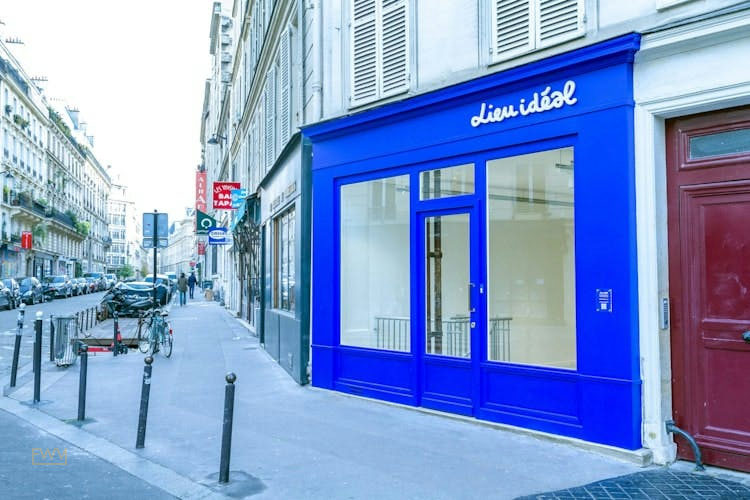
Ground-floor storefronts along the canal and its side streets represent the most commercially visible option for temporary retail. These spaces typically feature large glazed frontages, direct street access, and a built-in visibility advantage that suits brands prioritising walk-in traffic over appointment-based interaction. A charming boutique format along Quai de Valmy or Quai de Jemmapes can generate strong organic discovery from the neighbourhood's regular pedestrian flow, particularly on weekends and during Fashion Week periods when the area attracts higher concentrations of fashion-aware visitors.
Storefront family spaces in this corridor range considerably in size, with options available for smaller activations of under 40 square meters through to larger commercial properties approaching 150 square meters or more. Ceiling heights tend to be generous compared with modern retail units, and many retain original architectural features including exposed stone, wooden floors, and period detailing that adds immediate character to a temporary installation.
Industrial Lofts and Ateliers
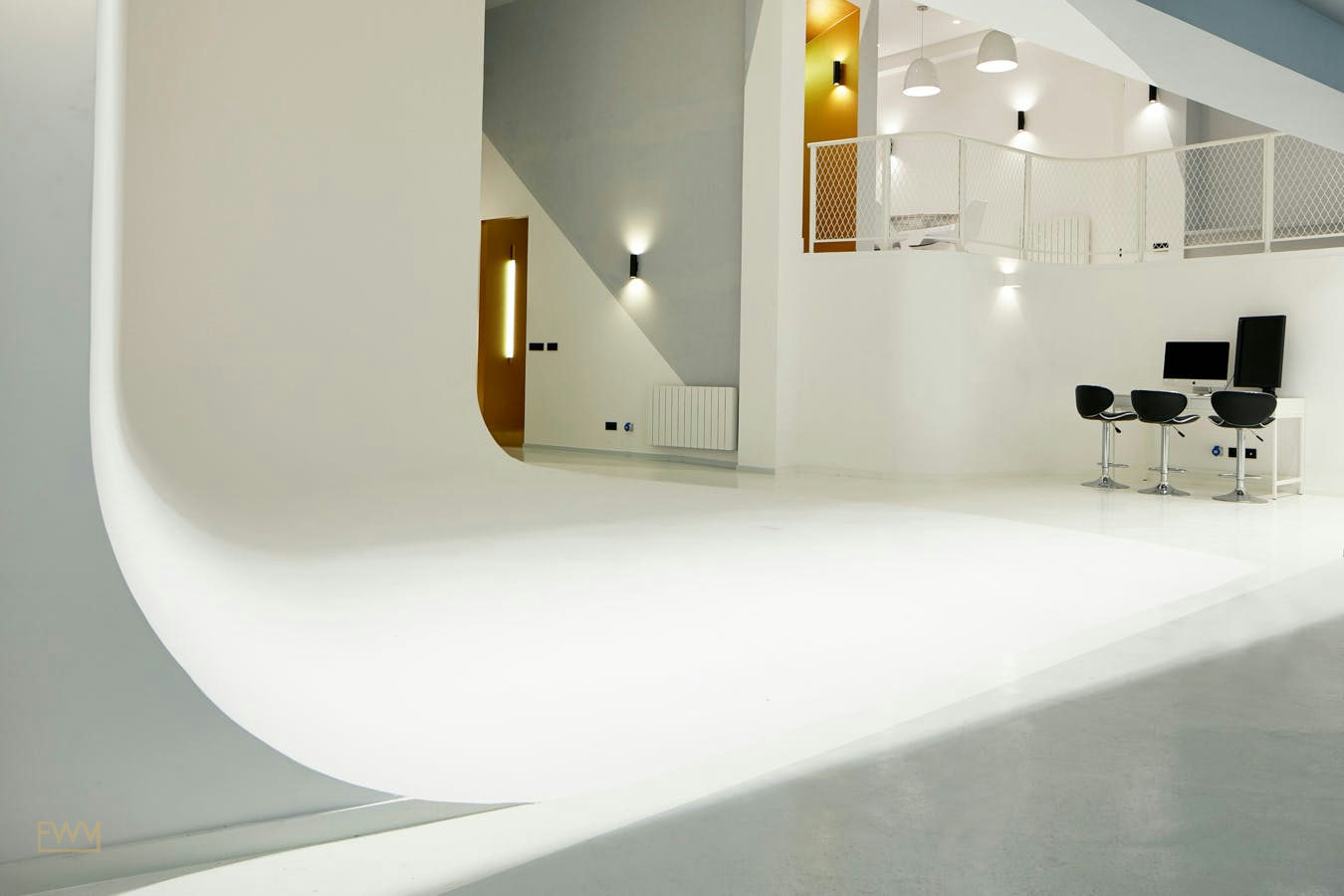
The atelier industriel and loft format is particularly associated with Canal Saint-Martin and the adjacent Oberkampf and République zones. These spaces typically occupy upper floors or former workshop floors with high ceilings, exposed structural beams, polished concrete or original timber floors, and large windows that allow strong natural light. For fashion brands, beauty activations, and designer showrooms, this type of space provides a neutral but characterful backdrop that allows product to take centre stage without visual competition from the architectural envelope.
Industrial loft spaces in this area are frequently used for Fashion Week showrooms, press days, and buyer appointments precisely because they offer the surface area, flexibility, and aesthetic tone that professional fashion presentations require. They are also increasingly used for photography and content creation activations, where the architectural backdrop itself becomes part of the brand narrative distributed across social channels.
Gallery and Cultural Spaces
The galerie culturelle and galerie d'art format is well represented in the Canal Saint-Martin area, reflecting the neighbourhood's deep connection to creative and artistic communities. These spaces are typically configured for wall-mounted display and open-plan installation, making them well-suited to brands that want to present products through a curatorial or editorial lens rather than a conventional retail arrangement. Gallery formats work particularly well for limited-edition collections, collaborations with artists, and activations where the experience itself is the primary product.
Some gallery spaces in this corridor include built-in infrastructure such as professional lighting rigs, Bluetooth sound systems, and climate control, which reduces the technical burden and cost of fit-out. Brands planning exhibition-style activations should specifically request information about existing audio-visual infrastructure when shortlisting options.
Apartment and Residential Showroom Formats
One of the most distinctive temporary retail formats available in Paris, including in the Canal Saint-Martin area, is the apartment showroom. These spaces are typically fully furnished or semi-furnished residential flats that are made available for short-term commercial use, allowing brands to present collections in a domestic context that feels intimate, editorial, and premium. The apartment format is particularly well-suited to lifestyle brands, niche perfumers, jewellery labels, and contemporary fashion designers who want to create an immersive experience rather than a transactional encounter.
Apartment showrooms in the 10th arrondissement often retain original Haussmannian features including ornate ceiling cornices, parquet floors, and tall sash windows, which provide a strong visual contrast to industrial loft formats and allow brands to tell a different story about Parisian luxury and domesticity.
| Space Type | Typical Size Range | Key Architectural Features | Best Suited For | Typical Availability Window |
|---|---|---|---|---|
| Storefront / Boutique | 30 to 150 sq m | Glazed frontage, street access, original floors | Pop-up retail, product drops, direct sales | 1 week to 6 months |
| Industrial Loft / Atelier | 80 to 400 sq m | Exposed beams, high ceilings, concrete floors | Showrooms, press days, Fashion Week activations | 2 days to 3 months |
| Gallery / Cultural Space | 40 to 200 sq m | Track lighting, white walls, open plan | Exhibitions, launches, editorial activations | 1 week to 2 months |
| Apartment Showroom | 50 to 180 sq m | Parquet floors, cornices, domestic furnishings | Lifestyle brands, intimate presentations, press | 3 days to 4 weeks |
| Rooftop Space | 30 to 120 sq m | Open air, Paris skyline views, seasonal | Brand events, cocktail launches, summer activations | Seasonal, typically April to September |
KEY TAKEAWAY: Canal Saint-Martin and its surrounding streets offer five distinct space type families for temporary retail, each with different architectural characters, size ranges, and commercial applications. Matching space type to brand objective is a fundamental pre-booking decision that affects the entire activation strategy.
With space types clearly mapped, the next logical question is how Canal Saint-Martin compares with and complements the other major Paris retail neighbourhoods that compete for brand activation budgets.
Canal Saint-Martin Versus Le Marais: Comparing Paris Neighbourhoods for Pop-Up Retail
For most fashion brands entering Paris, the conversation about temporary retail location quickly becomes a comparison between Canal Saint-Martin and Le Marais. Both neighbourhoods attract culturally engaged consumers, both offer compelling architectural inventory, and both sit within striking distance of the major Fashion Week venues and press community. Understanding the meaningful differences between these two areas allows brand teams to make informed decisions rather than defaulting to the more familiar option.
Le Marais, spanning primarily the 3rd and 4th arrondissements, is arguably the most established pop-up retail destination in Paris. Streets like Rue des Francs-Bourgeois, Rue de Bretagne, and Rue des Rosiers anchor a dense shopping district with extremely high pedestrian counts, a mix of international luxury tourists and local fashion shoppers, and a well-documented history of successful brand activations. Place des Vosges provides an iconic backdrop for activations that need a monumental Parisian context. Espace Turenne and the area around Rue Turenne specifically have developed a strong reputation for showroom activations serving the fashion industry, with buyers, editors, and press regularly moving through the area during Fashion Week periods.
Canal Saint-Martin offers a different kind of commercial and cultural proposition. The neighbourhood is less saturated with international luxury brands, which creates an opportunity for brands that want to position themselves as culturally aware and locally embedded rather than simply present in a prestige postcode. The consumer who visits Canal Saint-Martin on a Saturday afternoon is often specifically seeking independent retail, design studios, and brand experiences that feel discovered rather than marketed, which creates a strong environment for brands whose identity aligns with authenticity, craft, and creative independence.
Pricing dynamics also differ between the two areas. As a general directional observation, rental rates in Le Marais tend to reflect its premium commercial positioning and high tourist footfall, while Canal Saint-Martin can offer more competitive rates for comparable surface areas, though this varies significantly by exact street, floor, and space quality. Brands should use a professional budget estimation tool rather than relying on informal market intelligence for planning purposes.
Quick answer: Le Marais offers higher foot traffic volumes and stronger luxury adjacency, making it ideal for brands prioritising volume and prestige positioning. Canal Saint-Martin offers greater neighbourhood authenticity, a culturally engaged local consumer base, and potentially more competitive short-term rental conditions for brands prioritising experience over pure sales density.
| Factor | Canal Saint-Martin | Le Marais (3rd/4th) | République / Oberkampf |
|---|---|---|---|
| Consumer Profile | Creative locals, design-aware visitors | International tourists, fashion buyers, locals | Young professionals, local creatives |
| Architectural Character | Industrial lofts, canal-facing storefronts | Haussmannian, historic galleries, vaulted cellars | Mixed, neighbourhood commercial |
| Fashion Week Relevance | High, showroom and activation hub | Very high, traditional showroom zone | Growing, event and party venue focus |
| Brand Positioning Fit | Independent, creative, contemporary | Luxury, established, international | Emerging, nightlife-adjacent, experiential |
| Typical Rental Flexibility | High, short-term market well developed | High, established pop-up market | Moderate, growing short-term inventory |
DID YOU KNOW: The 10th arrondissement, which includes the Canal Saint-Martin area, has seen significant growth in creative industry tenancy over the past decade, with fashion studios, independent labels, and design agencies establishing permanent bases that create a year-round industry-aware consumer environment rather than purely seasonal demand.
KEY TAKEAWAY: Canal Saint-Martin and Le Marais serve different brand positioning needs and attract meaningfully different consumer profiles. A dual-neighbourhood strategy using Fashion Week Venues' twin co-activation concept allows brands to engage both audiences simultaneously during high-demand calendar windows without doubling the total activation budget.
Choosing between or combining neighbourhoods is one dimension of the location decision. The other is the operational and legal framework for actually securing a temporary retail space in Paris, which requires more specialist knowledge than brands typically expect.
Legal Frameworks, Permits, and Short-Term Lease Structures for Temporary Retail in Paris
Securing a temporary retail space in Paris involves navigating a legal and administrative framework that differs meaningfully from what brands are accustomed to in other major fashion capitals. Understanding the core structures available for short-term commercial property access is essential for avoiding delays, cost overruns, and compliance problems that can derail an otherwise well-planned activation.
The Bail Dérogatoire
The bail dérogatoire, sometimes called a short-term commercial lease or bail de courte durée, is the primary legal instrument used for temporary retail agreements in France. Unlike a standard commercial lease, which automatically triggers a nine-year term with significant tenant protections under French commercial law, the bail dérogatoire is explicitly designed for durations of up to three years, after which neither party is automatically obligated to continue. This makes it the appropriate framework for pop-up stores, temporary showrooms, and short-term brand activations, as it provides a defined engagement period without the long-term obligations of a conventional bail commercial.
It is important to understand that a bail dérogatoire still constitutes a legal contract under French law and carries obligations for both parties regarding payment terms, space condition, permitted uses, and restoration at the end of the engagement. Brands should not assume that short-term means informal or unenforceable. Legal review of any bail dérogatoire by a qualified French legal advisor is strongly recommended before signing.
Autorisation d'Occupation Temporaire (AOT)
For temporary use of public or semi-public spaces, including certain locations along the Canal Saint-Martin corridor itself, an Autorisation d'Occupation Temporaire (AOT) may be required. This is a permit issued by the relevant public authority granting temporary rights to occupy or use publicly owned land or structures for a specific commercial or event purpose. AOT requirements vary by location, duration, and the specific nature of the commercial activity planned.
Brands planning activations in spaces with any public-facing component, external signage, street-level installations, or temporary structures should verify AOT requirements with the relevant arrondissement authority and their legal advisor before committing to a space or finalising dates. The Fashion Week Venues permit guidance tool provides initial directional information on permit categories, but formal legal advice is essential for compliance.
Practical Compliance Considerations
Beyond the core lease framework, brands should be aware of several additional compliance areas that commonly affect temporary retail activations in Paris. Commercial insurance covering temporary retail use is generally required by landlords and should be confirmed as applicable to the specific space and activity before signing. Planning permissions for signage and facade modifications can involve separate processes depending on the arrondissement and building classification. Spaces in protected architectural zones, which includes many of the most desirable heritage properties in Paris, may have restrictions on modifications, adhesive applications, and external branding.
IMPORTANT: Requirements vary significantly by space type, duration, arrondissement, and intended use. This article provides general orientation only. Always verify specific permit, lease, and compliance requirements with a qualified French legal advisor before signing any agreement or beginning any fit-out work.
KEY TAKEAWAY: The bail dérogatoire and AOT frameworks provide legitimate pathways for brands to occupy temporary retail spaces in Paris legally and efficiently, but both require proper legal review. Assuming short-term means simple is one of the most common and costly mistakes brands make when entering the Paris temporary retail market.
With the legal framework understood, the next practical consideration is how to approach the process of finding, evaluating, and booking a temporary retail space in Canal Saint-Martin and the wider Paris market.
How to Find and Book Temporary Retail Space in Canal Saint-Martin: A Step-by-Step Process
Finding the right temporary retail space in Canal Saint-Martin involves a systematic process that combines market research, site evaluation, legal due diligence, and logistical planning. Brands that approach this process without a structured methodology frequently encounter delays, overpay for unsuitable spaces, or discover critical compliance issues after committing to a location. The following workflow reflects best practice for brands approaching the Paris temporary retail market, whether operating independently or through a specialist agency.
| Stage | Key Actions | Typical Timeline Before Activation | Who Is Responsible |
|---|---|---|---|
| 1. Brief Development | Define space type, size, budget, dates, brand objectives, and neighbourhood preferences | 12 to 16 weeks out | Brand team or agency |
| 2. Market Search | Browse marketplace listings, engage venue sourcing contacts, shortlist 4 to 8 spaces | 10 to 14 weeks out | Agency or internal real estate lead |
| 3. Site Visits | Visit shortlisted spaces, assess condition, access, compliance flags, and fit-out potential | 8 to 12 weeks out | Brand team plus production lead |
| 4. Legal Review | Review proposed lease terms, verify AOT requirements, confirm insurance and permit needs | 6 to 10 weeks out | French legal advisor |
| 5. Space Booking | Sign lease or licence agreement, pay deposits, confirm dates and access arrangements | 6 to 8 weeks out | Brand team or agency |
| 6. Concept and Design | Finalise spatial concept, fixture schedule, branding applications, and build programme | 4 to 8 weeks out | Creative director, production team |
| 7. Fit-Out and Build | Execute all production, installation, technical setup, and pre-opening snagging | 1 to 2 weeks out | Production and build team |
| 8. Staffing and Operations | Brief retail staff, confirm POS and payments, finalise security and daily operations | 3 to 5 days out | Activation manager, retail staffing lead |
| 9. Launch and Activation | Open to public, manage daily operations, monitor footfall and sales data, activate influencer programmes | Live period | Activation manager, full team |
| 10. Close and Debrief | Restore space to agreed condition, collect final data, produce ROI report, brief future planning | Immediately post-close | Production and data teams |
Quick answer: Finding and booking temporary retail space in Canal Saint-Martin typically requires a minimum of 8 to 12 weeks of lead time for a well-executed activation, with 14 to 16 weeks recommended for Fashion Week periods. Brands that begin the search process fewer than six weeks before their intended opening date frequently find that the best spaces are already reserved.
During the market search phase, brands can access curated listings through a dedicated marketplace, compare spaces by size, price, neighbourhood, and space type, and use spatial visualisation tools to understand how a particular space might accommodate a specific brand concept. The Fashion Week Venues timeline planning tool helps brand teams build a realistic activation schedule from brief to close.
TIP: During Fashion Week periods in Paris, the highest-quality temporary retail spaces in Canal Saint-Martin and Le Marais can be fully reserved six to eight months in advance. If your activation is tied to the Paris Fashion Week calendar, begin your space search immediately after the previous season's event concludes.
KEY TAKEAWAY: A ten-stage process from brief development to post-activation debrief ensures that temporary retail spaces in Canal Saint-Martin are sourced, booked, built, and operated without the delays and compliance issues that commonly affect brands working without a structured methodology. Lead time is the most frequently underestimated variable in the entire process.
Understanding the process is essential, but understanding what the activation itself actually costs, and how to plan a realistic budget, is equally important for brand teams managing senior stakeholder expectations.
Budgeting for Temporary Retail Space in Canal Saint-Martin and Paris
Budgeting accurately for a temporary retail activation in Paris requires accounting for a range of cost categories that extend well beyond the headline rental rate. Brands that budget for space rental alone and treat all other costs as secondary frequently experience significant overruns that compromise the activation quality, reduce the ROI case, or create cash flow problems during the live period.
The core cost categories for a temporary retail activation in Canal Saint-Martin include space rental, fit-out and production, staffing, insurance, permits and compliance, visual merchandising, marketing and influencer support, POS and payments infrastructure, and post-activation restoration. Each of these categories carries its own variables depending on the space type, duration, brand ambition, and market conditions at the time of booking.
Space rental rates in Canal Saint-Martin vary considerably by exact location, space type, size, condition, and duration of rental. As a general directional framework, shorter rental periods tend to carry higher per-day rates than longer agreements, and spaces with strong architectural character or canal-facing positions typically command premium pricing relative to secondary street locations. This article does not publish specific pricing figures, as rates change with market conditions and individual negotiation. Brands should use a professional budget planning tool to generate directional estimates based on current market data.
Fit-out and production costs represent one of the most variable and significant budget lines for any pop-up retail activation. Spaces with strong existing architectural character may require minimal intervention, reducing production costs significantly. Spaces that require full fit-out to achieve the desired brand environment carry correspondingly higher production budgets. The condition of existing electrical infrastructure, the complexity of the desired design concept, and the duration of the activation all affect total production costs.
Staffing is a cost category that brands sometimes underestimate, particularly for activations longer than a few days. French employment law applies to any staff engaged for the activation, and brands should ensure that all staffing arrangements comply with local labour regulations. Specialist retail staffing agencies with experience in Paris fashion activations can manage this complexity and provide trained bilingual staff with relevant sector experience.
Quick answer: The total cost of a temporary retail activation in Paris is typically three to five times the base rental rate when all production, staffing, insurance, marketing, and operational costs are included. Brands that budget only for rental consistently encounter financial surprises during planning and execution.
To generate a brand-specific directional budget, use the Fashion Week Venues budget estimation tool, which accounts for space type, duration, size, neighbourhood, and activation format to produce a structured cost framework for internal planning purposes.
KEY TAKEAWAY: Accurate budgeting for temporary retail in Canal Saint-Martin requires accounting for at least eight distinct cost categories beyond base rental. Brands that begin with a realistic total cost framework make better space selection decisions, set appropriate stakeholder expectations, and avoid the financial compromises that undermine activation quality.
Budget planning and ROI justification are closely connected. Understanding how to measure and communicate the return on a temporary retail activation is increasingly important for brand teams making the commercial case to senior leadership and finance stakeholders.
Fashion Week Calendar and Seasonal Strategy for Canal Saint-Martin Activations
Paris Fashion Week creates the most concentrated demand window for temporary retail space across the city, but it represents only one of several commercially valuable calendar opportunities for brands planning activations in Canal Saint-Martin. Understanding the full seasonal calendar allows brands to make more nuanced decisions about timing, pricing conditions, and competitive context.
Paris hosts two major Fashion Week periods annually: the women's ready-to-wear season in late February and early March, and the women's spring/summer collections in late September and early October. These periods attract the global fashion press, buyers from major retailers and boutiques worldwide, influencers, and a concentrated community of brand-aware consumers. Temporary retail spaces in Canal Saint-Martin and Le Marais experience peak demand and peak pricing during these windows, and available inventory at preferred addresses is typically exhausted months in advance.
Beyond the major Fashion Week windows, several other calendar periods create elevated demand for temporary retail in Paris. The men's collections in January and June attract a dedicated buyer and press community. Maison et Objet in January and September draws a design and interiors audience. The city's summer tourist season from June through August creates sustained high footfall in key neighbourhoods, though the press and buyer community is less concentrated. Christmas and the December holiday shopping season represent a significant commercial opportunity for brands in the consumer market.
Canal Saint-Martin specifically benefits from a strong local consumer market that remains active outside peak tourist and Fashion Week periods. This makes it a viable location for activations planned between major calendar events, particularly for brands targeting Parisian residents and the city's resident creative community rather than visiting international audiences.
Brands planning activations tied to specific product launches, collection drops, or seasonal campaigns should map their preferred dates against the Paris retail and events calendar before beginning the space search. High-demand periods require earlier lead times and carry premium pricing, while shoulder periods may offer more available inventory and more competitive rates.
DID YOU KNOW: Paris Fashion Week generates significant indirect foot traffic for retail activations across the entire city, not just in the immediate vicinity of official show venues. Showrooms, pop-up stores, and branded activations in Canal Saint-Martin regularly report elevated visitor numbers during Fashion Week periods even without direct show adjacency.
KEY TAKEAWAY: Paris Fashion Week creates the highest-demand and highest-visibility window for temporary retail activations in Canal Saint-Martin, but multiple secondary calendar windows offer commercially valuable opportunities with lower competitive pressure and potentially more favourable rental conditions. Building a multi-season activation strategy maximises the cumulative brand impact of Paris retail presence.
Calendar strategy determines when you activate. How Fashion Week Venues can support the complete execution of that activation, from space sourcing through to post-event data reporting, is the next critical area to understand.
How Fashion Week Venues Supports Temporary Retail Activations in Canal Saint-Martin and Paris
Fashion Week Venues operates as a full-service pop-up shop agency and space marketplace with Paris as its primary market. For brands planning temporary retail activations in Canal Saint-Martin, Le Marais, and the broader Paris geography, Fashion Week Venues offers integrated support across every stage of the activation lifecycle, from initial space search through to post-activation data reporting and ROI analysis.
The agency's venue sourcing service provides access to a curated inventory of temporary retail spaces across Paris, including Canal Saint-Martin storefronts, industrial lofts, gallery spaces, and apartment showrooms that are not always accessible through public listings or standard commercial real estate channels. The sourcing process involves briefing the agency on space requirements, budget, dates, and brand positioning, after which the team identifies and presents a shortlist of suitable options with full space specifications, pricing guidance, and availability confirmation.
For brands that need support beyond space finding, the concept direction service provides creative strategy and spatial design input, helping brand teams translate a campaign brief into a coherent and commercially effective activation concept. This is particularly valuable for brands entering Paris for the first time, or for those whose internal creative resources are stretched across multiple simultaneous activations.
The production and build service manages the physical fit-out of temporary retail spaces, including structural modifications within the constraints of the space agreement, furniture installation, lighting, signage, and all technical infrastructure. Working with a production team that has established supplier relationships and site experience in Paris significantly reduces the risk of fit-out delays and cost overruns.
Retail staffing is available for brands that need trained, fashion-fluent staff for the activation period, including bilingual customer-facing roles, stock management, and POS operation. The agency can also manage influencer marketing programmes tied to the activation, coordinating press and content creator visits that amplify the physical activation across digital channels.
The agency's suite of planning tools supports brand teams at every stage of the decision process. The ROI calculation tool helps teams model the commercial return from different activation formats, durations, and locations. The space comparison tool allows direct side-by-side evaluation of shortlisted spaces across key criteria. The space locator tool maps available spaces by neighbourhood and space type.
To explore how Fashion Week Venues has supported previous brand activations across Paris and other fashion capitals, the work and case study section provides detailed examples of completed projects across different brand categories, space types, and activation formats.
Quick answer: Fashion Week Venues supports temporary retail activations in Canal Saint-Martin and Paris through integrated venue sourcing, concept direction, production, staffing, and data services, as well as a suite of digital planning tools. Brands can engage the agency for full-service support or for specific service components depending on their internal capabilities and budget.
KEY TAKEAWAY: Brands that engage a specialist agency with deep Paris market knowledge, established supplier networks, and a full-service capability consistently achieve faster space access, fewer compliance surprises, and stronger activation outcomes than those attempting to coordinate the same process independently. Understanding what Fashion Week Venues can and cannot guarantee is equally important: the agency facilitates and executes activations professionally but does not guarantee specific footfall levels, sales outcomes, or permit approvals.
Compare neighbourhoods and space types, and explore the Paris city hub on Fashion Week Venues to shortlist spaces that match your brief, budget, and calendar window.
Architecture, Design, and Space Features That Define Canal Saint-Martin Retail Spaces
The physical and architectural character of Canal Saint-Martin retail spaces is one of the neighbourhood's most commercially significant assets for brands. Unlike purpose-built commercial retail units that arrive as blank white boxes, the spaces available along this corridor typically carry strong inherent character that can be activated creatively with relatively modest investment. Understanding the specific architectural features available, and how they can be used strategically, is an important part of the space selection process.
Exposed brick walls are one of the most recognisable features of Canal Saint-Martin's industrial and commercial heritage spaces. Originally the structural and functional fabric of warehouses, workshops, and working-class commercial buildings, exposed brick now carries significant aesthetic value in the context of contemporary brand activations. It provides warmth, texture, and an immediately recognisable reference to Parisian urban history without requiring any modification or treatment to achieve its effect.
Structural wooden or metal beams are common in the atelier industriel and loft format spaces, contributing to the high-ceiling character that makes these spaces feel generous and suitable for large installation formats. Original timber floors and polished concrete provide strong grounding textures that complement a wide range of brand aesthetics from luxury minimalism through to utilitarian street culture.
Vaulted cellars represent a specific and particularly distinctive space type occasionally available in Paris, including in the Canal Saint-Martin area. These stone-vaulted underground spaces carry a sense of permanence and Parisian heritage that creates a powerful contrast with contemporary brand identities, making them popular for exclusive preview events, small-format product launches, and intimate press gatherings.
Canal-facing storefronts offer a unique backdrop that is specific to this neighbourhood: the visual relationship with the water, the iron footbridges, and the tree-lined quais creates a photogenic environment that significantly enhances organic social media content generation. Brands activating in canal-facing spaces benefit from a built-in visual narrative that is immediately recognisable as Paris without relying on tourist clichés.
Rooftop spaces, while seasonal in Paris due to the climate, offer a compelling format for summer activations, cocktail launches, and content creation events where the Paris skyline itself becomes part of the brand story. The espace rooftop format is relatively rare compared to ground-floor and upper-floor spaces, which creates a scarcity premium that can work in a brand's favour from both a pricing negotiation and an exclusivity positioning perspective.
Quick answer: Canal Saint-Martin retail spaces typically feature industrial architectural elements including exposed brick walls, structural beams, high ceilings, polished concrete or timber floors, and generous natural light from large windows. These features reduce the investment required to create a distinctive brand environment compared with blank commercial units.
KEY TAKEAWAY: The architectural character of Canal Saint-Martin spaces is a genuine commercial asset that reduces fit-out cost, accelerates brand environment creation, and provides ready-made visual content for digital channels. Selecting a space on the basis of its existing architectural quality, not just its size and location, is a decision that directly affects activation budget efficiency.
What Types of Brands and Activations Work Best in Canal Saint-Martin
Canal Saint-Martin is not a universal fit for every brand or activation format. Understanding which brand profiles, product categories, and activation objectives align well with the neighbourhood's character and consumer base helps brands make more confident location decisions and set more realistic expectations for their Paris activation.
Independent designers and emerging labels represent one of the strongest fits for Canal Saint-Martin. The neighbourhood has a genuine affinity for creative independence and design authenticity that creates a culturally receptive environment for brands that are not yet part of the mainstream fashion calendar. A designer showing for the first time during Paris Fashion Week, or an emerging label testing the European market for the first time, will find a more sympathetic consumer and press audience in Canal Saint-Martin than they might in a more commercially saturated luxury corridor.
Contemporary and accessible luxury brands that want to signal cultural awareness and neighbourhood authenticity without sacrificing quality or ambition are a strong fit for the canal-facing storefronts and loft showrooms of this area. The neighbourhood allows these brands to position themselves as Parisian in a genuinely local sense rather than in the postcard sense, which is increasingly valued by sophisticated international consumers.
Beauty brands, particularly those in the independent, clean beauty, and niche fragrance categories, perform strongly in Canal Saint-Martin due to the neighbourhood's alignment with consumer values around authenticity, ingredient transparency, and creative independence. The apartment showroom and gallery formats are particularly well-suited to beauty activations that want to create an immersive sensory experience rather than a transactional retail encounter.
Product launches and press day formats are a well-established use of Canal Saint-Martin spaces during Fashion Week periods. The neighbourhood's concentration of media-aware consumers, proximity to the fashion press community, and availability of large-format loft and atelier spaces makes it an efficient location for brands hosting buyer appointments, press previews, and influencer content days.
Lifestyle brands in the homewares, furniture, ceramics, and design object categories find Canal Saint-Martin a particularly aligned environment given the neighbourhood's resident creative community and the domestic character of available apartment showroom formats. These brands benefit from presenting products in a context that feels genuinely lived-in rather than artificially constructed.
Workshop and educational formats, including brand-led workshops, craft demonstrations, and community events, work well in the neighbourhood's atelier spaces and align with the area's historical association with artisanal production and creative practice. These formats are particularly effective for brands that want to create direct community engagement and generate authentic local word-of-mouth.
KEY TAKEAWAY: Canal Saint-Martin is best suited to independent designers, contemporary brands with strong creative identity, beauty and lifestyle labels, press and buyer showroom formats, and community-oriented activations. Brands whose positioning relies primarily on luxury heritage, international prestige, or mass tourist footfall will generally perform better in Le Marais or on the Rive Gauche.
Common Myths About Temporary Retail Space in Paris Debunked
Several persistent misconceptions about the Paris temporary retail market lead brands to make poor location decisions, underestimate compliance requirements, or avoid the market entirely. The following myth and fact pairs address the most frequently encountered misunderstandings.
MYTH: You need a French legal entity to rent a temporary retail space in Paris.
FACT: International brands can access temporary retail spaces in Paris without establishing a French legal entity, though the specific arrangement depends on the nature of the space agreement, the landlord's requirements, and the intended commercial activity. Bail dérogatoire agreements can in some cases be entered into by foreign companies or individuals, and specialist agencies can facilitate access structures that allow non-French entities to activate legally. That said, tax obligations, employment law, and commercial insurance requirements still apply regardless of how the space is accessed. Always seek advice from a French legal and tax advisor before assuming any particular access structure is applicable to your specific situation.
MYTH: Paris Fashion Week is the only viable calendar window for a pop-up activation in Paris.
FACT: Paris Fashion Week generates the highest concentration of industry demand and media attention, but it represents only two periods in the year. Canal Saint-Martin and Le Marais have active consumer markets throughout the year, and several other calendar windows, including men's collections, design fairs, the summer tourist season, and the December holiday period, create commercially meaningful demand for temporary retail. Brands with flexible calendars sometimes achieve better outcomes in shoulder periods due to lower rental competition, more available inventory, and a more relaxed consumer pace.
MYTH: Commission brokers are the only way to find a temporary retail space in Paris.
FACT: Commission-based space brokers represent one access channel among several. Dedicated space marketplaces, full-service pop-up agencies, direct landlord relationships, and curated digital platforms all provide alternative routes to temporary retail space in Paris. Full-service agencies offer the additional advantage of integrated production, staffing, and compliance support that pure brokers do not typically provide. Comparing these options on the basis of total cost, service scope, and market knowledge, rather than commission structure alone, produces better outcomes for most brands.
MYTH: Short-term leases in Paris are legally straightforward and do not require specialist help.
FACT: Short-term commercial leases in France, including the bail dérogatoire, are governed by French commercial law and can carry significant legal and financial obligations for both parties. The specific terms around permitted use, fit-out, restoration, insurance, and early termination vary widely between agreements and are not standardised. Brands that sign short-term lease agreements without legal review regularly encounter disputes about restoration costs, insurance compliance, or permitted modifications that could have been clarified and managed in advance with specialist legal input.
MYTH: Canal Saint-Martin is a secondary location compared with Le Marais and is only suitable for budget activations.
FACT: Canal Saint-Martin has developed into a primary destination for brands seeking a culturally credible, architecturally distinctive, and commercially viable alternative to Le Marais. The neighbourhood attracts a genuinely design-aware consumer base, hosts significant Fashion Week showroom activity, and offers space types including canal-facing storefronts, industrial lofts, and gallery spaces that are not available in Le Marais. Premium brands including international fashion labels, luxury beauty companies, and high-end design studios have all activated successfully in Canal Saint-Martin.
Frequently Asked Questions About Temporary Retail Space in Canal Saint-Martin and Paris
What is a temporary retail space in Canal Saint-Martin?
A temporary retail space in Canal Saint-Martin is a commercial property made available for short-term occupancy, typically under a bail dérogatoire or short-term licence agreement, allowing brands to trade, present collections, host events, or run activations for a defined period without entering a long-term commercial lease. These spaces range from ground-floor storefronts and canal-facing boutiques to industrial lofts, gallery spaces, and apartment showrooms. They are used by fashion brands, beauty labels, independent designers, and international companies entering the Paris market for seasonal or campaign-driven commercial purposes.
How long can I rent a temporary retail space in Canal Saint-Martin?
Rental durations for temporary retail spaces in Canal Saint-Martin typically range from a minimum of a few days through to three years under a bail dérogatoire structure. Most brand activations in the area run for periods of one week to three months, with Fashion Week showrooms and product launch formats typically occupying spaces for one to three weeks. Longer-term arrangements are possible for brands that want to establish a seasonal Paris presence without committing to a permanent commercial lease. Duration affects both the per-day rate and the available inventory of spaces, as many high-quality spaces have minimum rental periods.
What does a temporary retail space in Canal Saint-Martin typically include?
The specific inclusions vary significantly between spaces, but typical features include the physical space itself, existing lighting infrastructure, electrical supply, heating, and access arrangements. Some spaces include furniture, audio-visual equipment such as Bluetooth sound systems, Wi-Fi, and basic kitchen facilities. Canal-facing storefronts often include signage opportunities and external display potential. Industrial lofts typically offer flexible open-plan configurations with high ceilings and exposed structural features. Apartment showrooms may include period furnishings and decorative elements that form part of the brand environment. Brands should confirm specific inclusions with each space before booking, as there is no standardised offering across the market.
How much does it cost to rent a temporary retail space in Canal Saint-Martin?
Rental rates for temporary retail spaces in Canal Saint-Martin vary considerably based on space type, size, location, condition, duration, and prevailing market demand. Per-day rates during Fashion Week peak periods are typically higher than shoulder season rates for equivalent spaces. Larger industrial lofts and canal-facing storefronts with premium architectural character command premium pricing relative to secondary street locations. This article does not publish specific pricing figures as market rates change continuously. The Fashion Week Venues budget estimation tool generates directional cost frameworks based on current market data and specific activation parameters.
Do I need a French company to rent a pop-up space in Paris?
Not necessarily, though the specific requirements depend on the landlord, the nature of the space agreement, and the commercial activity planned. Some bail dérogatoire agreements can accommodate foreign companies or individuals, and specialist agencies can facilitate access structures that allow international brands to activate legally in Paris without a French entity. However, tax obligations, employment law for any staff engaged, and commercial insurance requirements apply regardless of the access structure. Brands should seek advice from a qualified French legal and tax advisor before assuming any particular arrangement is appropriate for their specific situation and business structure.
What permits are required for a pop-up store in Paris?
Permit requirements for a pop-up store in Paris vary by space type, location, duration, and the specific nature of the commercial activity. A bail dérogatoire or short-term licence covers the basic right to occupy the space commercially, but additional requirements may apply for external signage, temporary structures, public-facing events, alcohol service, and occupation of any publicly owned land or structures. An Autorisation d'Occupation Temporaire may be required for certain public-space elements. Requirements vary by arrondissement and property classification. Brands should verify specific permit needs with a French legal advisor before committing to a space and can use the Fashion Week Venues permit guidance tool for initial directional information.
Is Canal Saint-Martin suitable for a Fashion Week showroom?
Yes. Canal Saint-Martin is a well-established location for Fashion Week showrooms, particularly for contemporary and independent fashion brands. The neighbourhood's concentration of industrial lofts and large-format atelier spaces provides the surface area, ceiling height, and flexible configuration that professional showroom presentations require. The area attracts buyers, press, and influencers during Fashion Week periods and benefits from proximity to the broader Paris fashion industry community. Showroom formats in Canal Saint-Martin typically run from one to three weeks aligned with the relevant collections calendar, and spaces in high-demand periods should be booked months in advance.
How is Canal Saint-Martin different from Le Marais for pop-up retail?
Canal Saint-Martin and Le Marais serve meaningfully different positioning needs and attract different consumer profiles. Le Marais offers higher volumes of international tourist foot traffic, stronger adjacency to established luxury retail brands, and iconic heritage addresses including Place des Vosges and Rue des Francs-Bourgeois. Canal Saint-Martin offers a more locally embedded, culturally aware consumer base, a stronger architectural association with creative and industrial heritage, and potentially more competitive rental conditions for equivalent surface areas. Brands that want to signal authentic Parisian cultural credibility often favour Canal Saint-Martin, while brands prioritising maximum footfall and luxury adjacency tend towards Le Marais.
What types of brands are best suited to Canal Saint-Martin activations?
Canal Saint-Martin is particularly well-suited to independent and emerging fashion designers, contemporary brands with strong creative identity, niche beauty and fragrance labels, lifestyle and design brands, and international labels entering Paris for the first time who want to present authentically rather than in a mainstream luxury context. The neighbourhood also works well for press day and buyer showroom formats, workshop and educational activations, and any brand whose target consumer values discovery, authenticity, and cultural awareness over pure commercial prestige. High-volume mass market brands or those whose identity depends primarily on luxury heritage positioning may find a stronger fit in other Paris neighbourhoods.
How do I find a temporary retail space in Canal Saint-Martin?
Finding a temporary retail space in Canal Saint-Martin can be approached through several routes: dedicated pop-up space marketplaces that curate available listings across Paris, full-service agencies that source spaces as part of a broader activation brief, direct contact with property owners and commercial real estate agents in the area, or referrals from other brands and industry contacts with Paris activation experience. Working with a full-service agency provides the additional benefit of integrated production, legal coordination, staffing, and permit support that a pure marketplace listing does not include. Brands should begin the search process a minimum of eight to twelve weeks before their intended activation date, and longer for Fashion Week periods.
Can I use a temporary retail space in Canal Saint-Martin for events as well as retail?
Many temporary retail spaces in Canal Saint-Martin can be used for a combination of retail trading, events, exhibitions, and workshops, but the permitted uses need to be confirmed in the space agreement before booking. Some spaces are licensed specifically for retail or commercial use and may have restrictions on public events, alcohol service, or late-night opening. Other spaces are configured as multi-use venues that can accommodate retail, press events, product launches, workshops, and brand experiences within the same activation period. Brands should define all intended uses clearly when negotiating the space agreement and confirm that the lease or licence permits each specific activity type.
What is a bail dérogatoire and how does it apply to a Canal Saint-Martin pop-up?
A bail dérogatoire is a short-term commercial lease under French law that allows a landlord and a tenant to agree on an occupancy period of up to three years without triggering the automatic nine-year term protection of a standard bail commercial. It is the primary legal framework used for pop-up stores, temporary showrooms, and short-term brand activations in Paris. A bail dérogatoire must be explicitly labelled as such and include specific language confirming that both parties waive the right to the standard commercial lease protections. Legal review by a qualified French advisor is strongly recommended before signing any such agreement to ensure the terms are appropriate and enforceable.
How far in advance should I book a pop-up space in Canal Saint-Martin for Fashion Week?
For Fashion Week periods in Paris, brands should aim to begin their space search six to eight months in advance, with space bookings confirmed at least four to six months before the activation date. The highest-quality spaces in Canal Saint-Martin and Le Marais, particularly large-format lofts and canal-facing storefronts, are frequently fully reserved well in advance of each Fashion Week season. Brands that begin searching fewer than three months before a Fashion Week period typically find that the most desirable inventory has already been committed and are forced to choose from a reduced and less optimal shortlist.
What services does Fashion Week Venues offer for Canal Saint-Martin activations?
Fashion Week Venues offers a comprehensive range of services for brands activating in Canal Saint-Martin and across Paris, including venue sourcing, concept direction, production and fit-out, activation management, branded store design, furniture rental, retail staffing, POS and payments infrastructure, data and analytics reporting, and influencer marketing coordination. The agency also provides a suite of digital planning tools for budget estimation, ROI modelling, space comparison, timeline planning, permit guidance, and space location. Brands can engage Fashion Week Venues for full-service end-to-end activation management or for specific service components that complement their existing internal capabilities.
Is it possible to run a pop-up in multiple Paris neighbourhoods simultaneously?
Yes, and for brands with sufficient activation budget and clear strategic objectives, a multi-neighbourhood strategy can be highly effective during Paris Fashion Week and other major calendar windows. Running simultaneous activations in Canal Saint-Martin and Le Marais, for example, allows a brand to engage two distinct consumer audiences, generate greater press and influencer coverage across both neighbourhoods, and create a stronger overall sense of Paris market presence. Fashion Week Venues' twin co-activation concept is specifically designed to support this approach, managing the logistical complexity of parallel activations across different Paris neighbourhoods from a single agency relationship.
Conclusion: Making the Right Decision on Temporary Retail Space in Canal Saint-Martin
Canal Saint-Martin represents one of Paris's most compelling and strategically versatile destinations for temporary retail activations. Its combination of industrial architectural heritage, culturally engaged consumer base, flexible space inventory, and growing commercial credibility makes it a serious option for any brand planning a Paris pop-up, showroom, product launch, or Fashion Week activation. The neighbourhood is not a compromise or an alternative to the established retail corridors of Le Marais or the Rive Gauche. For the right brand positioning, Canal Saint-Martin is the primary choice.
The decisions that determine whether a Canal Saint-Martin activation succeeds, from space type selection and calendar timing through to legal compliance, production quality, and operational execution, require a level of specialist Paris market knowledge that most international brand teams build only through repeated experience. Working with a full-service agency that combines deep local knowledge, an established space inventory, and integrated activation capabilities significantly accelerates the learning curve and reduces the risks that accompany an independent approach.
The practical next step for any brand team considering a temporary retail activation in Canal Saint-Martin or anywhere in Paris is to move from research to active brief development. Define the space type, surface area, preferred neighbourhood, activation dates, budget envelope, and brand objectives as clearly as possible, and begin the space search process with sufficient lead time to access the best available inventory.
To move from research to activation, start exploring available spaces on the Fashion Week Venues marketplace and build a focused brief for your target neighbourhood, space type, and calendar window. The sooner you begin, the stronger your shortlist will be.