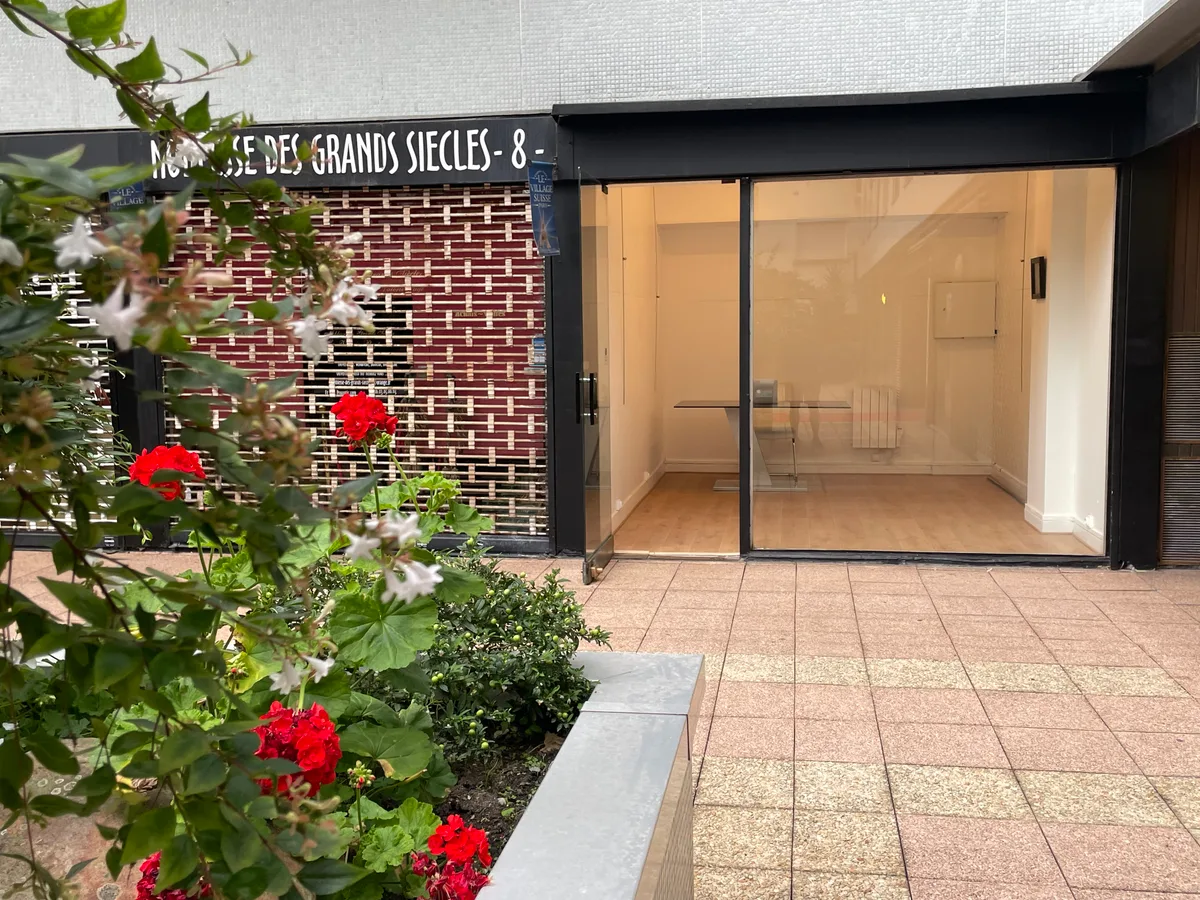
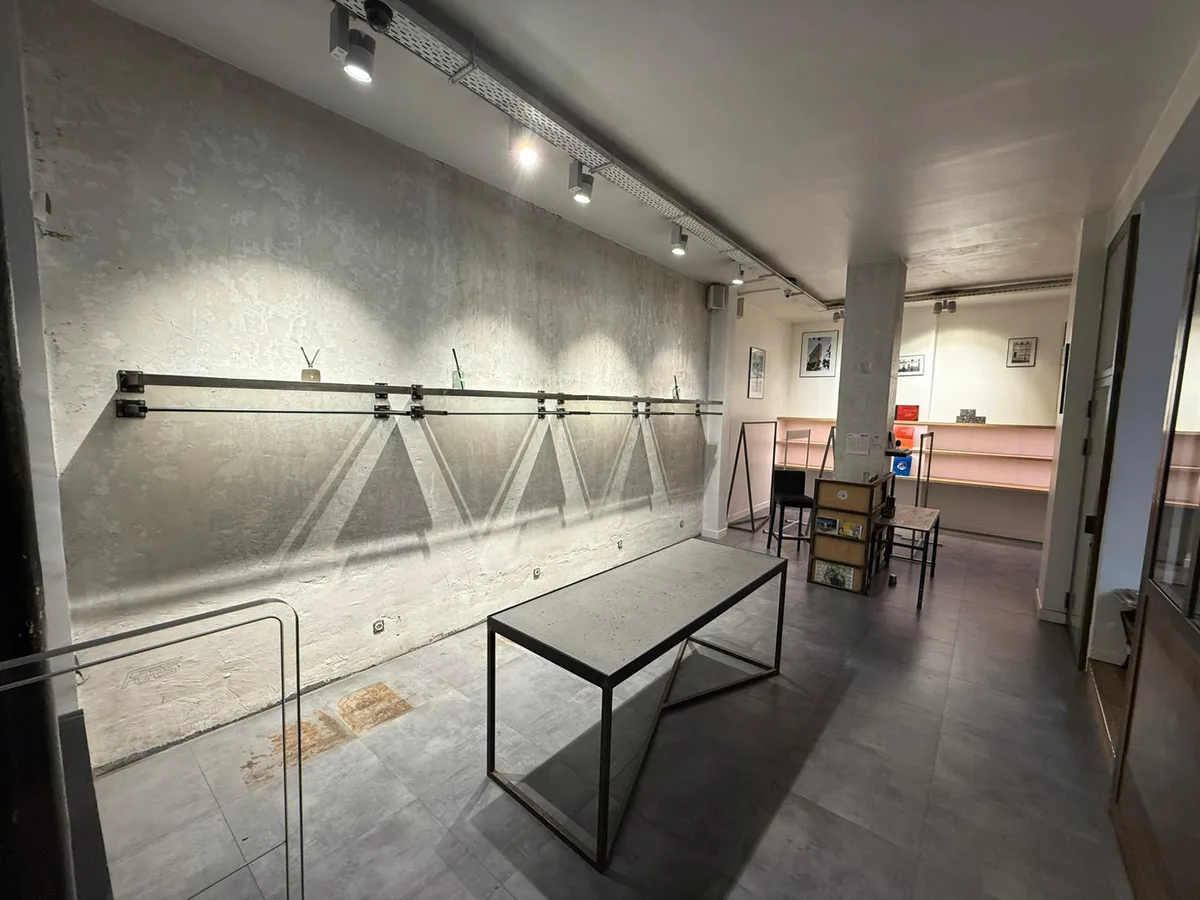
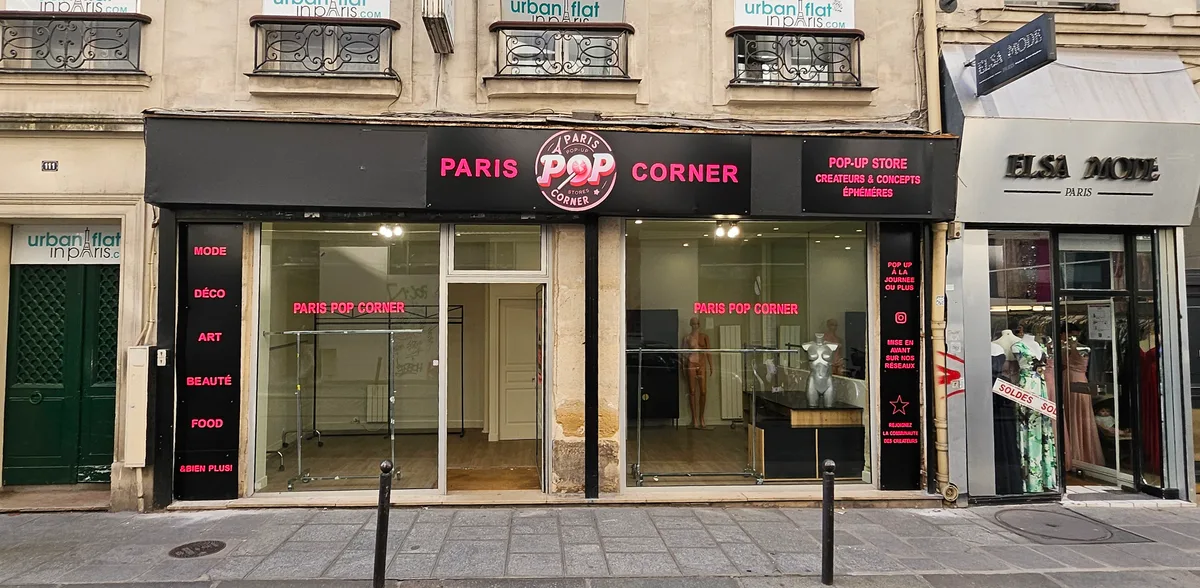
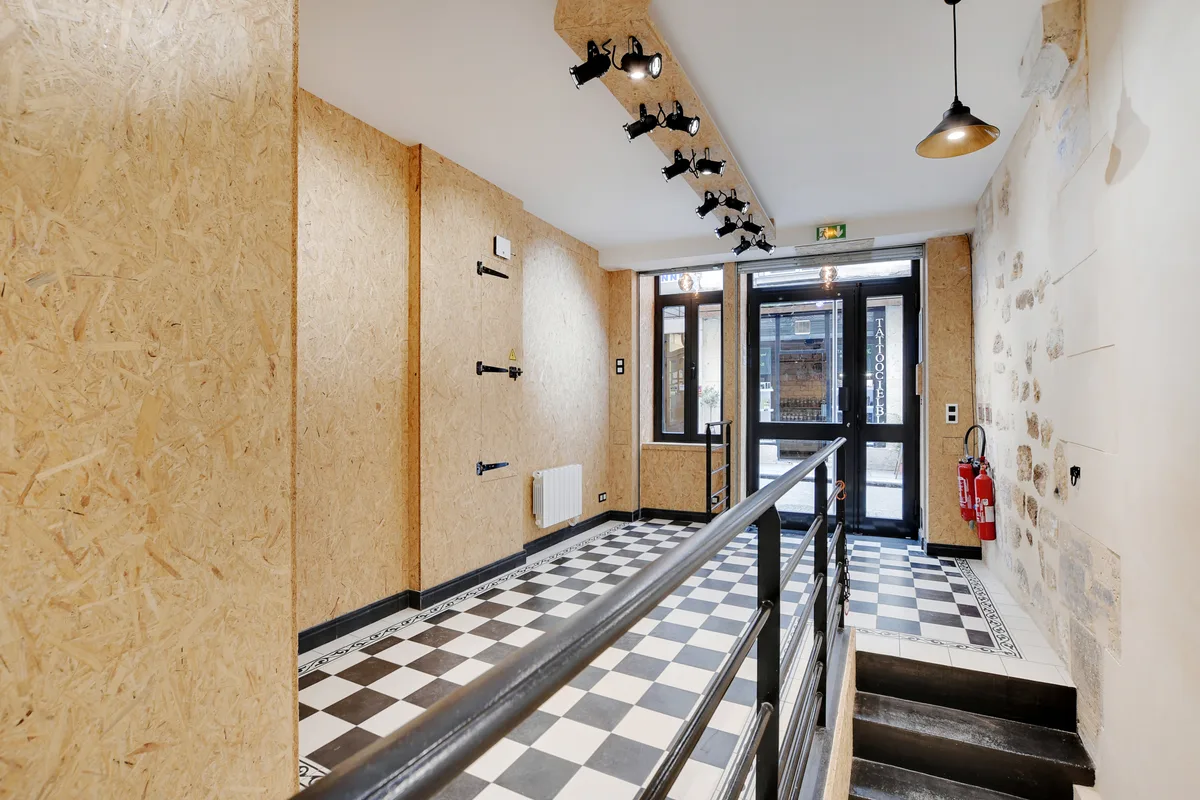
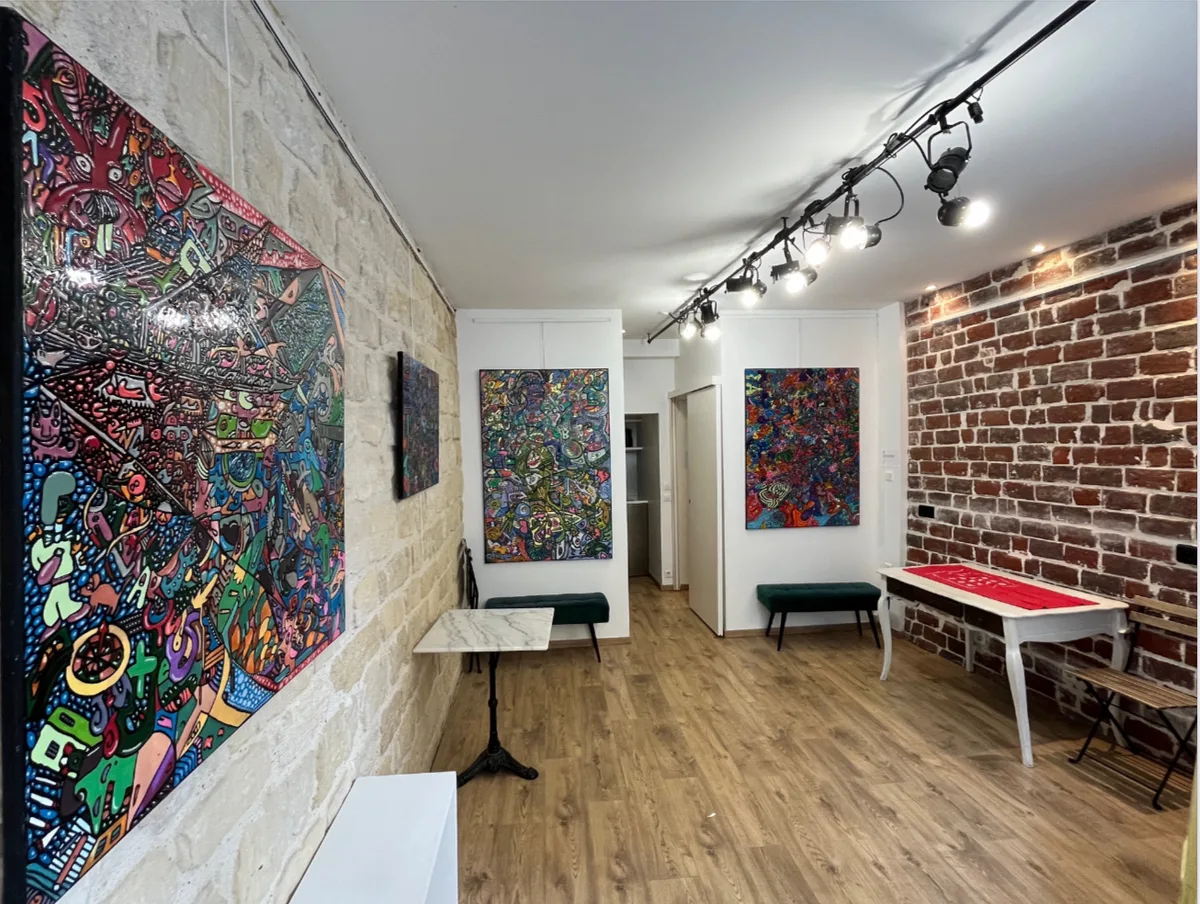
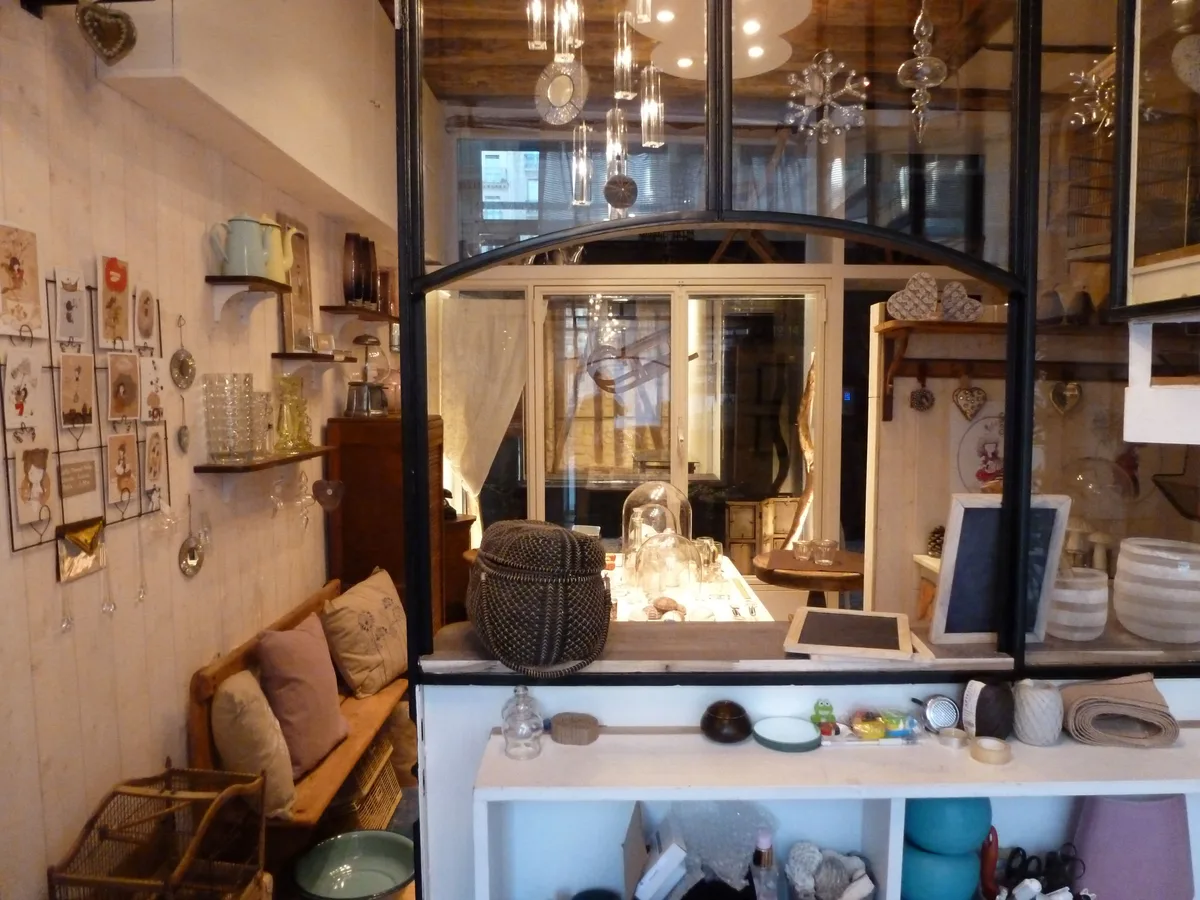
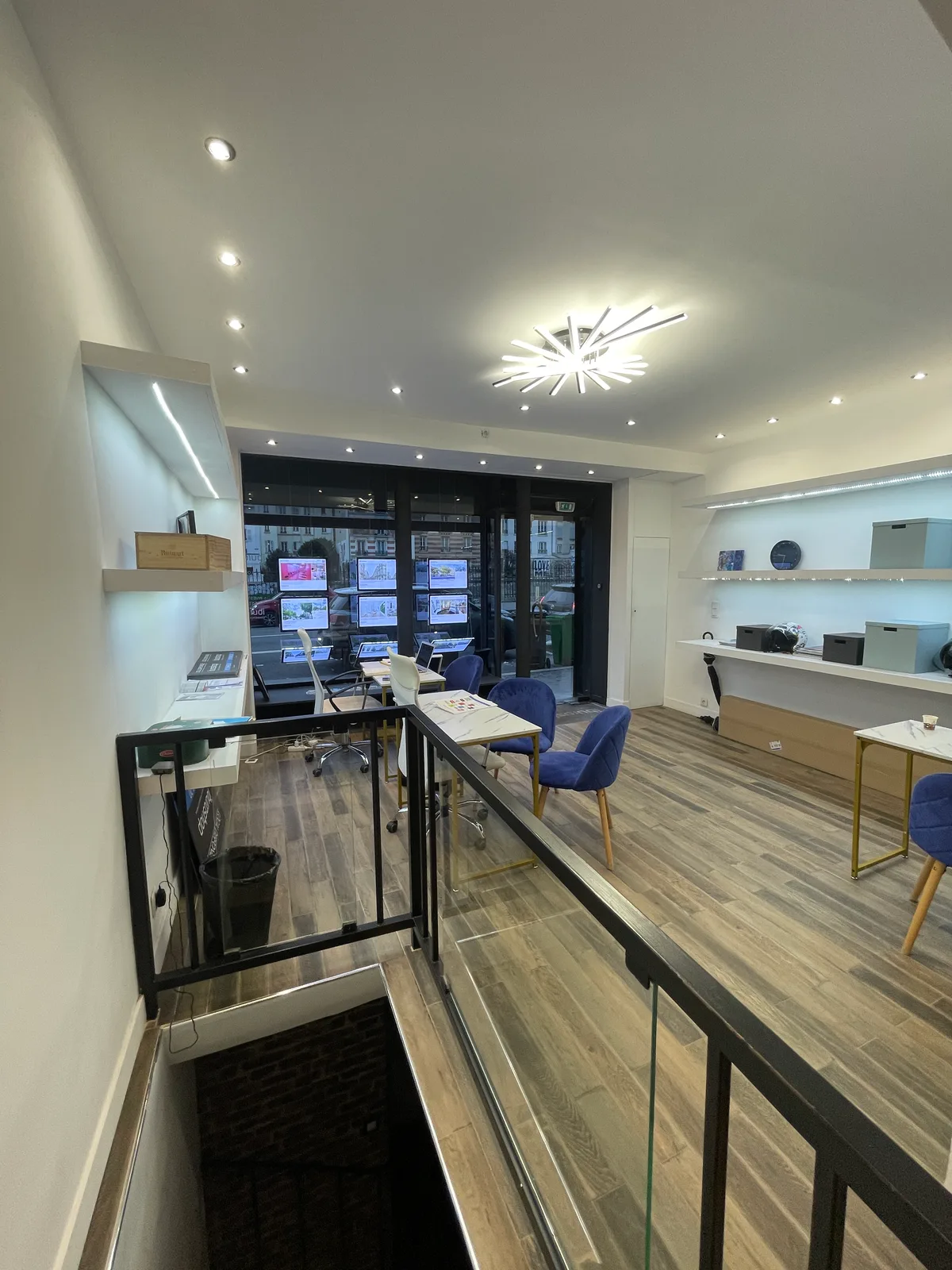
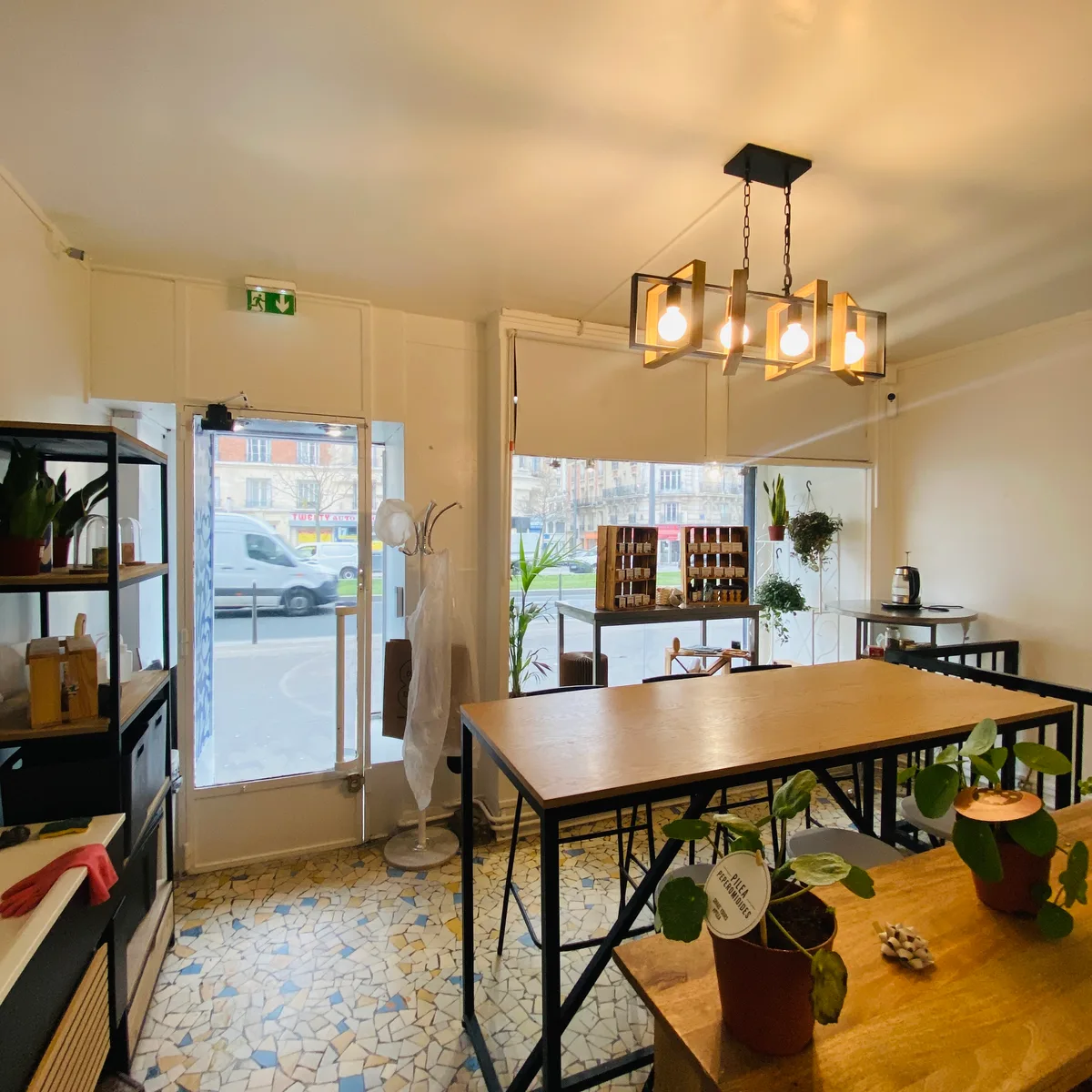
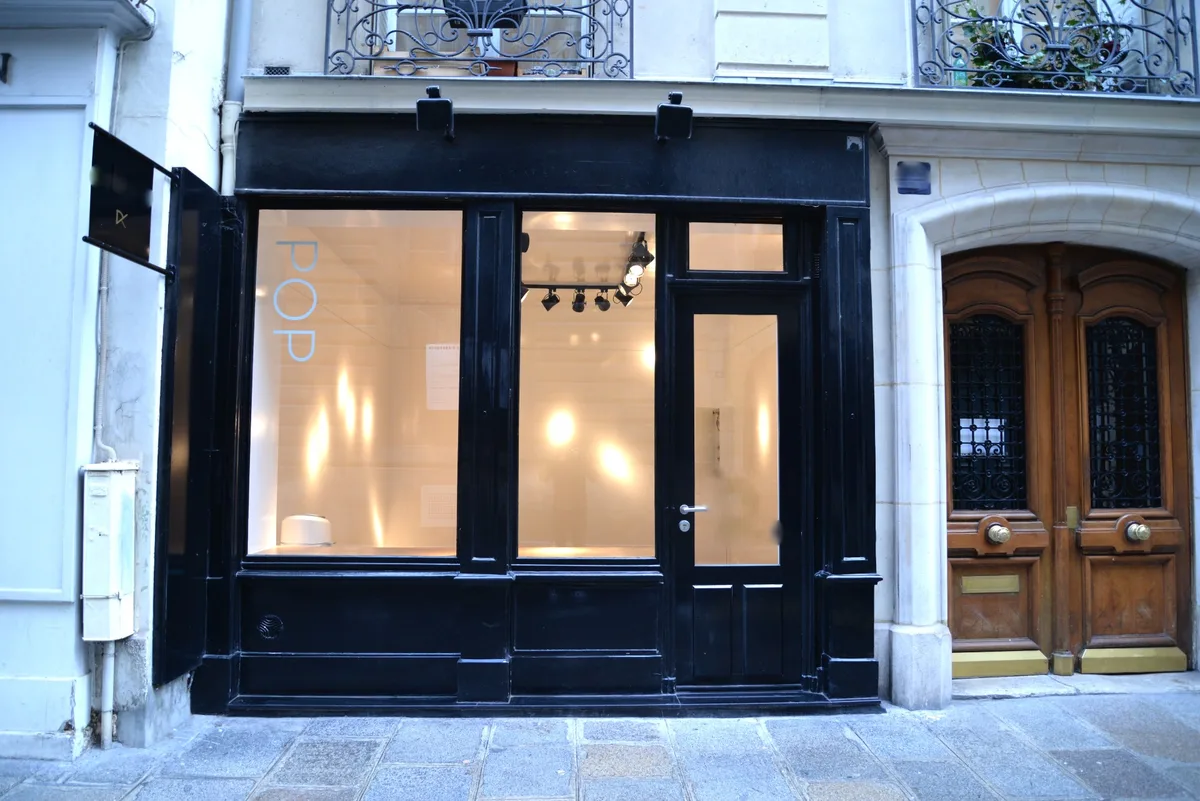
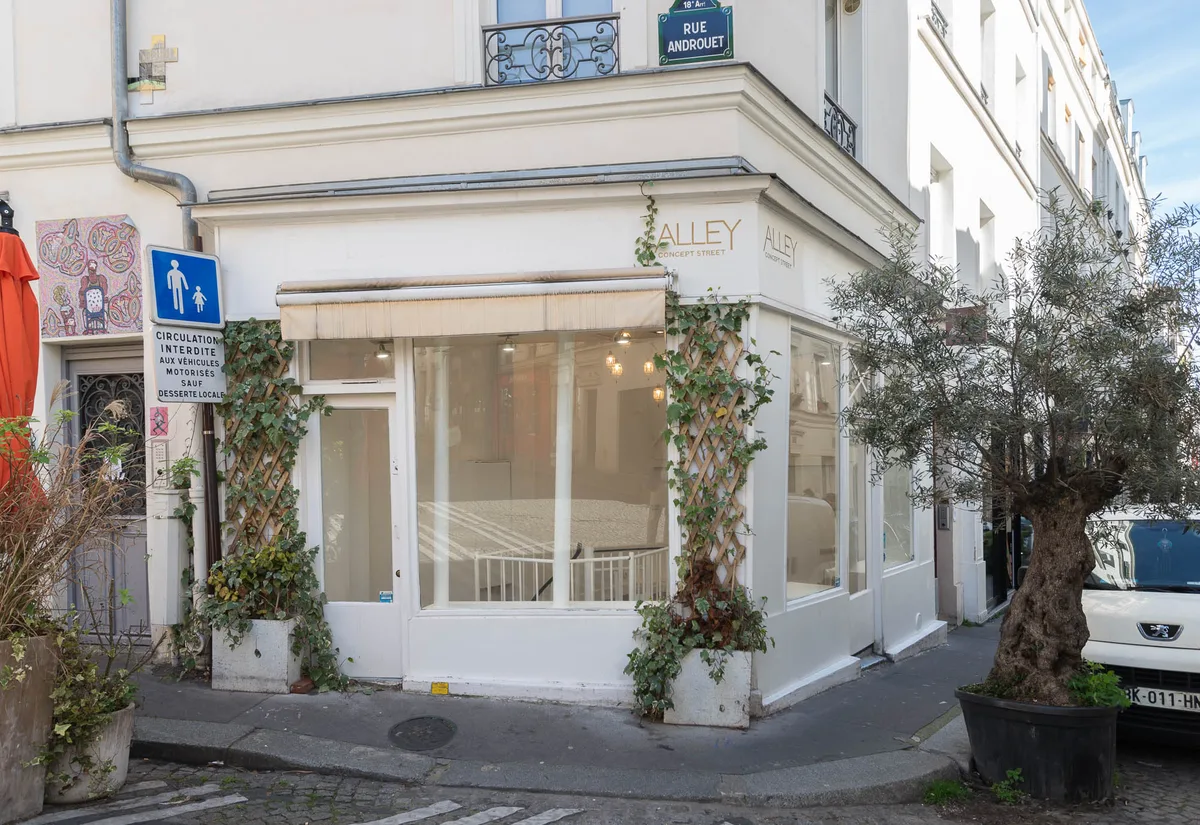
To hire retail space near the Louvre Paris is to position your brand at the cultural epicentre of one of the world's most visited neighbourhoods, drawing from a combined footfall that few locations on earth can match. The 1st arrondissement surrounding the Musée du Louvre, Palais Royal, Jardin des Tuileries, and Rue de Rivoli is not simply a prestigious address. It is an active commercial and cultural zone where luxury retail, fashion activations, art exhibitions, and brand launches converge every season. Whether you are planning a short-term pop-up, a designer showroom, or a fully branded boutique, the area offers space options that range from intimate arcades and gallery-style units to large-format flagship environments. Fashion Week Venues supports brands seeking pop-up spaces in Paris with venue sourcing, concept direction, production, and full activation management.
Why the Louvre District Is One of Paris's Most Strategic Retail Locations
Quick answer: The Louvre district in Paris's 1st arrondissement sits at the intersection of mass tourism, luxury retail, and cultural authority. With the Musée du Louvre receiving millions of visitors annually, brands that hire retail space in this zone benefit from exceptional visibility, internationally affluent foot traffic, and proximity to iconic fashion streets and landmarks.
The area surrounding the Musée du Louvre is unlike any other neighbourhood in Paris. Within a ten-minute walk, a visitor can move from the grand courtyard of the Louvre itself to the colonnaded walkways of the Palais Royal, along the Rue de Rivoli past luxury boutiques and historic arcades, through the Jardin des Tuileries toward Place de la Concorde, and south to the Seine and Île de la Cité. This density of world-class cultural landmarks, high-spending tourists, and architectural grandeur creates a commercial environment that is genuinely rare.
The Louvre Museum, originally a medieval fortress expanded under Francis I and later transformed into the royal palace by King Louis XIV before Charles V first opened its collection to the public, now houses over 380,000 artworks. The Mona Lisa, Egyptian antiquities, Greek sculptures, and French historical artefacts draw visitors from every continent. The Musée des Arts Décoratifs on the Rue de Rivoli adds design and decorative arts audiences. The Musée de l'Orangerie at the western edge of the Tuileries Garden brings impressionist art lovers. The Pompidou Center sits minutes away to the east. Each institution generates distinct audience profiles, and a well-positioned retail space or brand activation can capture visitors from multiple cultural streams in a single day.
The neighbourhood's fashion credentials are equally strong. Place Vendôme, home to historic jewellery houses and high horology brands, sits immediately to the west. Rue Saint-Honoré and its luxury extension Louvre Saint-Honoré represent one of Paris's most prestigious retail corridors. Place des Victoires, the circular baroque square to the north, is surrounded by fashion boutiques and designer stores. Fashion Week activations and brand launches in this zone carry an implicit authority that few other districts in Paris can replicate.
The Palais Royal arcade and garden represent a particularly distinctive retail environment. The colonnaded arcades house independent boutiques, art galleries, jewellers, and concept stores in a sheltered, pedestrianised setting. The combination of covered shopping, garden access, and adjacency to the Palais Royal metro station at the Palais Royal Musée du Louvre stop makes this one of the most footfall-efficient retail environments in central Paris.
Les Halles, located immediately to the east of the Louvre district, brings a younger and more diverse retail audience. The Forum des Halles shopping centre and the surrounding streets provide a contrast to the luxury positioning of the western end of the 1st arrondissement. Rue du Louvre connects these two commercial zones and has historically hosted retail, design, and studio spaces across multiple building typologies.
DID YOU KNOW: The Grands Magasins du Louvre, opened during the Exposition Universelle era, was one of France's first purpose-built department stores and occupied a site directly adjacent to the modern Louvre complex, reflecting the neighbourhood's century-long association with large-scale retail and public commerce.
For brands considering a Paris activation, the Louvre district offers something that purely fashion-focused streets like Avenue Montaigne cannot: the combined draw of culture, tourism, luxury, and contemporary fashion within a single walkable zone. This makes it particularly effective for brands seeking audiences that span local Parisian consumers, international tourists, fashion industry professionals, art collectors, and media.
KEY TAKEAWAY: The Louvre district's combination of the Musée du Louvre's global visitor base, adjacency to Place Vendôme and Rue Saint-Honoré, and its historic retail infrastructure makes it one of Paris's highest-value zones for brand activations, pop-ups, and short-term retail hires.
Understanding why this location is strategically valuable is the first step. The next is understanding the specific space types available and how to navigate the rental process effectively.
Types of Retail Space You Can Hire Near the Louvre in Paris
Quick answer: Brands hiring retail space near the Louvre can choose from boutique-style units in historic arcades, gallery-format ground-floor spaces on Rue de Rivoli and Rue du Louvre, apartment-style showrooms in Haussmann buildings, studio spaces in converted cultural premises, and larger commercial units near Les Halles. Space type should align with brand positioning, team size, and activation format.
The physical geography of the 1st arrondissement creates a variety of space typologies that suit different brand formats and budgets. Understanding the differences between them helps brands avoid mismatches between their activation concept and the physical reality of the space.
Arcade and Gallery-Format Units in the Palais Royal
The covered arcades of the Palais Royal offer some of the most visually distinctive retail environments in Paris. Units within the colonnaded galleries typically range from small boutique formats to mid-sized gallery spaces. The architectural character of stone columns, garden-facing windows, and intimate proportions suits jewellery, accessories, limited-edition fashion, concept retail, and art-adjacent brand experiences. Foot traffic within the arcades is steady throughout the day, driven by both tourists visiting the Palais Royal gardens and Parisians using the space as a pedestrian route between the Louvre and the Opéra district.
Street-Level Commercial Units on Rue de Rivoli and Rue du Louvre
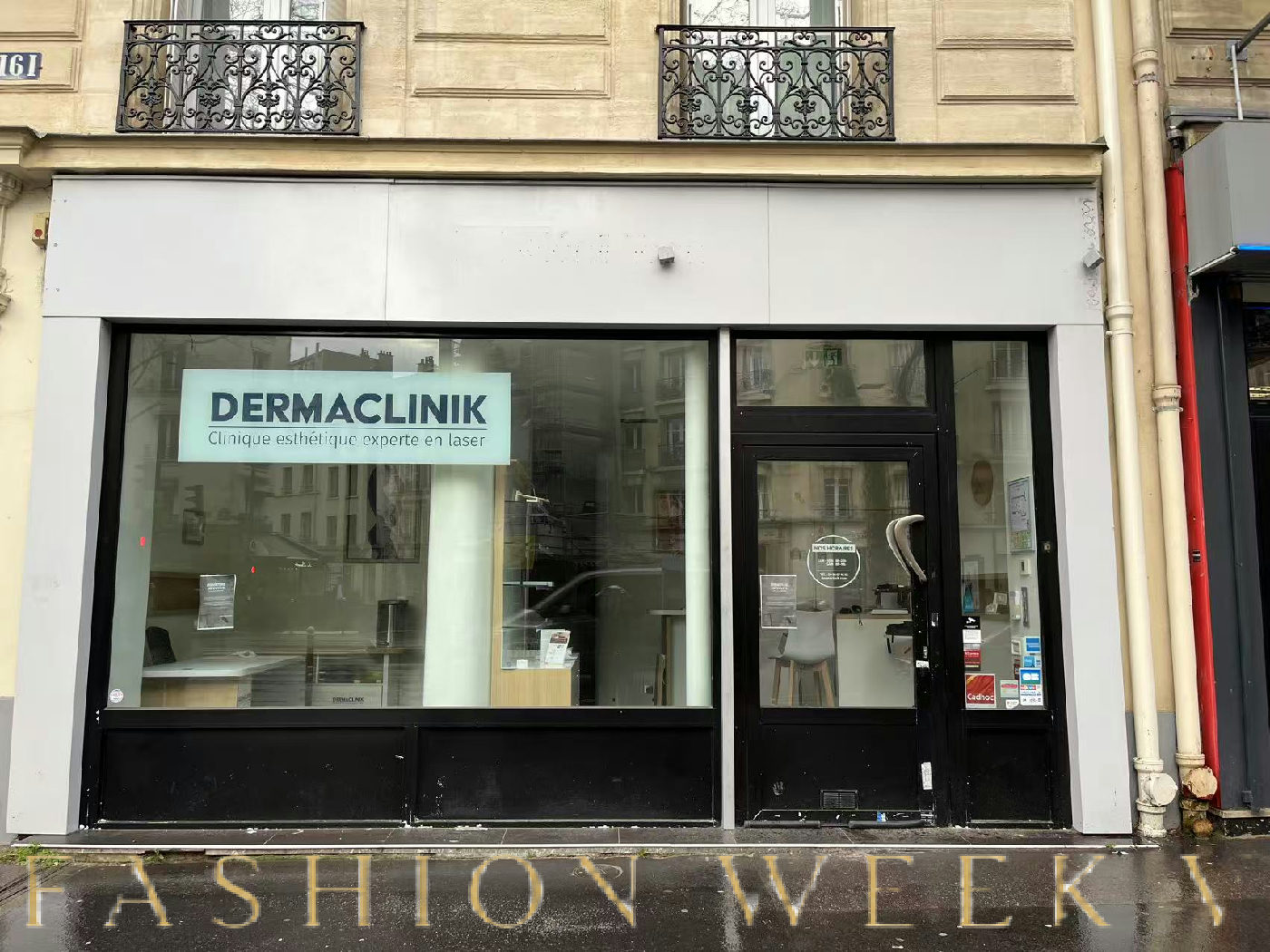
Street-level units on Rue de Rivoli offer high-visibility frontage with direct exposure to one of Paris's busiest tourist and pedestrian routes. The street runs the entire length of the Louvre complex and connects the Tuileries Garden to Les Halles, making it a continuous commercial corridor. Units here tend to be larger and more prominently signaged. Rue du Louvre, running north-south, provides access to both the 1st and 2nd arrondissements and is home to a mix of commercial, design, and studio spaces.
Apartment-Style Showroom Spaces
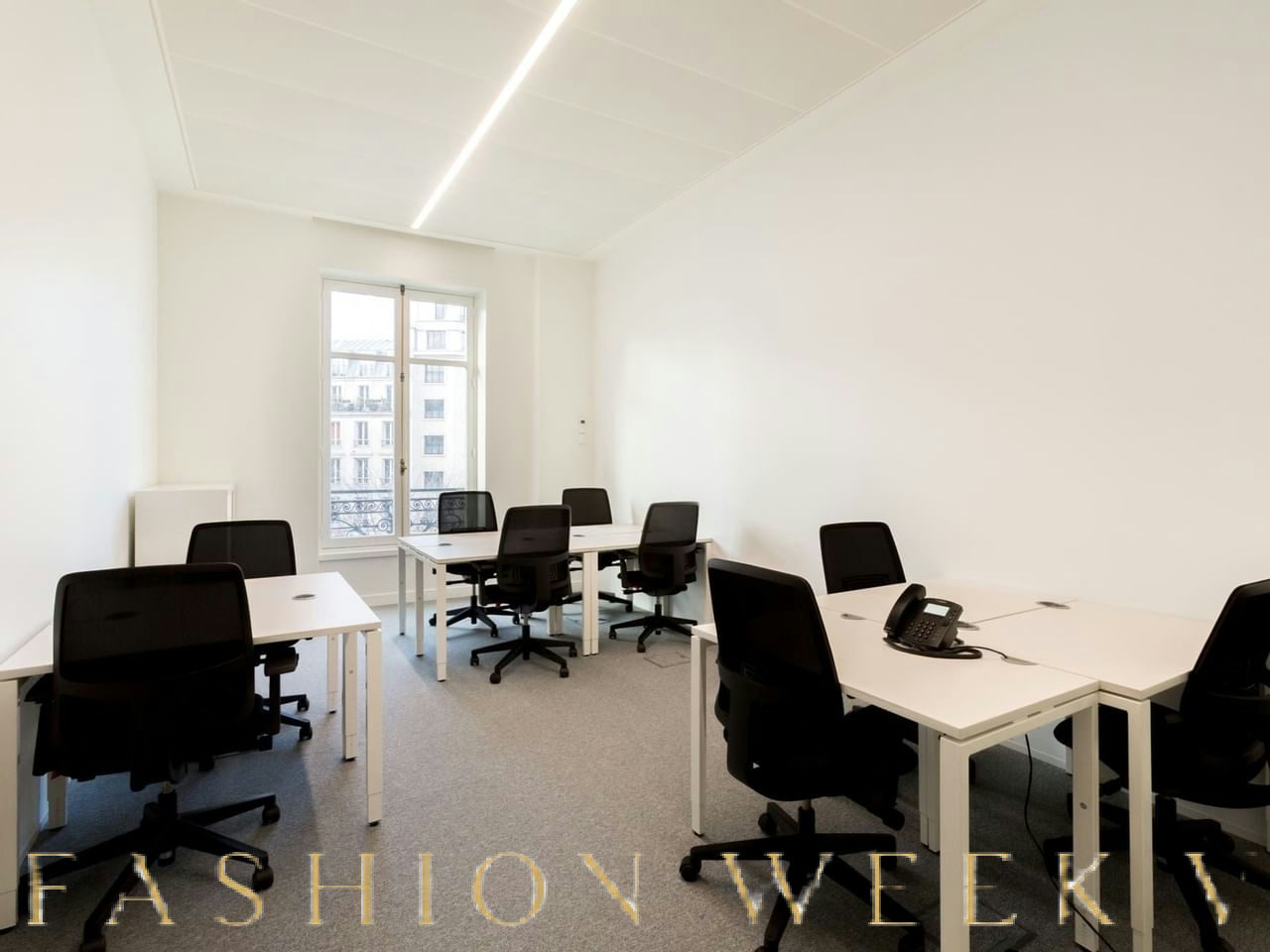
Upper-floor Haussmann-style apartments converted for showroom use are common throughout the 1st arrondissement. These spaces are particularly suited to fashion brands hosting press days, trade appointments, private client events, or intimate brand experiences during Paris Fashion Week. The residential aesthetic, high ceilings, parquet floors, and large windows create an environment that editorial and creative teams respond to well. Short-term rental of apartment showrooms in this area requires attention to building regulations and residential-to-commercial use permissions.
Gallery-Style White Space Units
Gallery-style white box spaces, often found in buildings adjacent to the Musée des Arts Décoratifs or the Louvre des Antiquaires precinct, provide a neutral backdrop that suits brands with strong visual merchandising or those presenting collections in an art gallery format. These spaces work particularly well for product launches, capsule collections, and immersive brand experiences where the space itself should recede and the product should lead.
Studio and Flexible Commercial Space Near Les Halles
The Les Halles area adjacent to the Church of St-Eustache offers a range of more flexible commercial and studio spaces at a variety of price points. These spaces suit production teams, operational bases for larger activations, or brands seeking workshop-style environments for interactive or craft-focused experiences.
| Space Type | Best Suited For | Typical Location | Key Consideration |
|---|---|---|---|
| Arcade boutique unit | Concept retail, accessories, jewellery | Palais Royal arcades | Limited square meterage; high architectural value |
| Street-level commercial | Pop-ups, flagships, branded retail | Rue de Rivoli, Rue du Louvre | High visibility; tourist-heavy footfall |
| Apartment showroom | Press days, trade appointments, private events | Haussmann buildings, 1st arr. | Residential-to-commercial use permissions required |
| Gallery white space | Collection launches, immersive experiences | Near Musée des Arts Décoratifs | Neutral aesthetic; minimal built-in character |
| Studio space | Production base, interactive workshop | Les Halles, east of Louvre | More flexible on price; industrial feel |
TIP: When evaluating a space near the Louvre, always walk the approach routes from the nearest Metro station, specifically the Palais Royal Musée du Louvre stop on Lines 1 and 7. Understanding the pedestrian flow from public transport will give you a more realistic picture of how easily visitors will find your space.
KEY TAKEAWAY: The Louvre district offers a wider range of space typologies than many brands expect. Matching space type to activation format, team size, and target visitor profile is essential before committing to any rental agreement.
Once you have identified the space type that fits your brand, the next critical step is understanding the legal framework that governs short-term retail and commercial space rental in Paris.
Legal Frameworks for Hiring Retail Space Near the Louvre: Leases, Permits, and Compliance
Quick answer: Short-term retail space hire in Paris is most commonly structured through a bail dérogatoire, a derogatory lease lasting up to 36 months, or an autorisation d'occupation temporaire for publicly owned spaces. These differ significantly from standard commercial leases and require careful legal review before signing. Brands should always work with advisors who understand French commercial property law.
The French commercial property system operates under rules that differ substantially from those in the United Kingdom, the United States, or other major markets. Brands entering Paris for the first time frequently underestimate the complexity of the legal framework, which can lead to delays, unexpected costs, or compliance problems.
The Bail Dérogatoire
The bail dérogatoire, sometimes called a convention d'occupation précaire, is the most common legal structure used for short-term commercial space rental in Paris. It allows a tenant to occupy a commercial space for a period of up to 36 months without the statutory protections that apply to a standard commercial lease under French law. This makes it well suited to pop-up shops, temporary showrooms, brand activations, and seasonal retail concepts. However, the bail dérogatoire must be correctly drafted to avoid inadvertently triggering the protections of a standard commercial lease, which would create significant obligations for both parties. Brands should always have any bail dérogatoire reviewed by a qualified French legal advisor before signing.
The Autorisation d'Occupation Temporaire (AOT)
For spaces located in or adjacent to publicly owned buildings, parks, or infrastructure, including certain spaces near the Louvre complex, the Tuileries Garden, or on the banks of the Seine, the relevant legal instrument is an autorisation d'occupation temporaire. The AOT is issued by the relevant public authority and grants temporary use rights without the full protections or obligations of a private commercial lease. Obtaining an AOT typically involves a formal application process, and approval is not guaranteed. Requirements vary by location, intended use, duration, and the public authority responsible for the asset.
Planning and Commercial Activity Permits
In addition to the underlying lease structure, brands operating retail or commercial activities in Paris may need to obtain specific permits depending on the type of activity, the nature of the space, and the location within the arrondissement. Requirements vary by activity type, and any outdoor or semi-outdoor elements of an activation, such as signage, temporary structures, or displays facing a public street, will typically require additional permits from the relevant Mairie. The 1st arrondissement has specific rules around signage and external modifications to historic buildings that brands should verify in advance.
IMPORTANT: The legal requirements for hiring retail space in Paris depend on the specific space, its ownership, the intended use, and the duration of the rental. Information provided here is for general guidance only. Always verify requirements with a qualified French legal advisor and check the Fashion Week Venues permit guidance tool for category-specific information.
Brands from outside the European Union should also be aware of VAT registration requirements, import and customs considerations if bringing product into France for sale, and the documentation required to operate commercial activities as a foreign entity in France.
KEY TAKEAWAY: The bail dérogatoire and AOT are the two primary legal structures for short-term retail space hire in Paris. Both require professional legal review. Do not assume that a short-term lease is legally simple or risk-free without specialist guidance.
Understanding the legal landscape is essential, but so is understanding the financial reality of hiring space in one of Paris's most prestigious districts.
Budget Considerations for Hiring Retail Space Near the Louvre
Quick answer: Retail space near the Louvre in Paris's 1st arrondissement is priced at a premium that reflects the location's prestige, footfall, and cultural positioning. Costs vary significantly by space type, size, duration, and the level of fit-out required. Budget planning should account for rent, legal fees, fit-out, staffing, permits, and operational costs as separate line items.
Pricing for short-term retail and commercial space in the Louvre district is directionally higher than in most other Paris neighbourhoods. This reflects the genuine commercial value of the location, the scarcity of available short-term inventory, and the premium that landlords apply to temporary tenancies in high-demand zones. However, the range within the district is wide, and smaller units in side streets or upper floors can offer meaningful cost savings compared to ground-floor frontage on Rue de Rivoli or within the Palais Royal arcades.
When building a budget for a Paris retail activation near the Louvre, brands should treat the following as separate cost categories:
- Space rental: The core cost of the space for the agreed duration, typically charged per week or per month for short-term agreements.
- Legal and advisory fees: Costs for drafting and reviewing the bail dérogatoire or AOT, and any related legal work for foreign entities operating in France.
- Fit-out and production: The cost of transforming the raw space into a branded retail environment, including fixtures, lighting, signage, and any temporary structural elements.
- Furniture and props: Rental or purchase of display furniture, counters, seating, and visual merchandising elements.
- Staffing: Bilingual retail staff, brand ambassadors, and any specialist roles such as styling, event management, or security.
- Permits: Costs associated with any required commercial activity permits, signage permits, or public authority approvals.
- Operational costs: Utilities, broadband, POS systems, insurance, waste management, and daily running costs.
- Marketing and influencer activation: Costs associated with driving traffic to the space, including paid media, influencer partnerships, and PR.
For brand-specific estimates based on space size, duration, fit-out level, and staffing requirements, use the Fashion Week Venues budget estimation tool to build a detailed cost model before entering the market.
DID YOU KNOW: Many first-time Paris activators underestimate fit-out costs by a significant margin. In a high-prestige location like the Louvre district, the visual standard expected by visitors and press is elevated. Cutting fit-out budget in a prestigious location can undermine brand perception more than it saves in cost.
| Cost Category | Notes | Common Mistake |
|---|---|---|
| Space rental | Premium pricing in 1st arrondissement; varies by size and format | Comparing to non-central Paris rates |
| Legal and advisory fees | Essential for bail dérogatoire or AOT; do not skip | Signing without French legal review |
| Fit-out and production | High visual standard expected in this district | Underbudgeting for luxury-adjacent positioning |
| Staffing | Bilingual staff preferred; fashion Week periods increase costs | Using untrained generalist staff in premium locations |
| Permits | Variable by space type and activity; allow lead time | Assuming permits are not needed for temporary use |
| Operational costs | Include utilities, POS, insurance, internet | Omitting from initial budget model |
KEY TAKEAWAY: A realistic budget for hiring retail space near the Louvre must account for far more than the rental cost. Legal fees, fit-out, staffing, and permits can collectively exceed the cost of the space itself, particularly for short activations requiring rapid build and breakdown.
Budget planning connects directly to timing. The calendar window you choose for your Paris activation will affect both availability and cost across every budget category.
Paris Fashion Week and Seasonal Calendar Strategy for the Louvre District
Quick answer: Paris Fashion Week, held twice yearly in late February to early March for womenswear and late September to early October for womenswear again, with menswear weeks in January and June, is the highest-demand calendar window for retail space and showroom hire near the Louvre. However, the summer tourist season and major cultural exhibitions also generate significant commercial opportunity outside Fashion Week periods.
The Louvre district benefits from a commercial calendar that extends well beyond the Fashion Week windows. This is a key differentiator from more fashion-specific neighbourhoods. While the Marais, Saint-Germain-des-Prés, and the showroom districts of the 8th arrondissement are heavily dependent on the fashion calendar, the Louvre's year-round cultural footfall creates viable commercial windows across the entire calendar year.
Fashion Week Windows
During Paris Fashion Week, the Louvre district becomes one of the most intensely activated zones in the city. The Louvre itself has historically hosted major runway presentations within the Carrousel du Louvre beneath the glass pyramid. The proximity of showroom streets, press hotels including the Hôtel du Louvre, and the Palais Royal creates a concentration of industry professionals, buyers, editors, photographers, and influencers that is unmatched anywhere in Europe during this period. Brands hiring retail space during Fashion Week benefit from this industry footfall in addition to the regular tourist base. Space availability during Fashion Week is extremely limited and should be secured well in advance, ideally six to twelve months before the relevant season.
Summer Tourist Season
July and August bring the highest annual footfall to the Louvre Museum, with millions of international visitors arriving in Paris. This period is commercially compelling for consumer-facing brands, particularly those with strong visual identity and product that appeals to international buyers. The tourist mix during summer skews toward family groups, cultural tourists, and luxury travellers, which suits fashion, accessories, homeware, and gifting concepts well.
Major Exhibition Openings
Large-scale exhibitions at the Louvre, the Musée de l'Orangerie, the Musée des Arts Décoratifs, or the Pompidou Center generate concentrated footfall spikes that brands positioned nearby can capture. Monitoring the exhibitions calendar and aligning an activation with a relevant cultural moment can amplify brand relevance and generate earned media coverage that extends beyond the physical activation.
To compare neighbourhoods and space types for your preferred calendar window, explore the Paris city hub on Fashion Week Venues and shortlist spaces that match your brief, budget, and activation timing.
KEY TAKEAWAY: The Louvre district's commercial calendar is broader than Fashion Week alone. Brands that align their space hire with both the fashion calendar and the cultural exhibitions calendar can significantly extend the potential audience and press impact of their Paris activation.
Beyond timing, the specific neighbourhood within the broader Louvre zone will shape the character and audience of your activation substantially.
Neighbourhood Guide: Key Zones for Retail Space Near the Louvre
Quick answer: The Louvre district spans several distinct commercial and cultural micro-neighbourhoods within and adjacent to the 1st arrondissement. Each zone has a different character, footfall profile, and space typology. Understanding these distinctions helps brands choose the location that best matches their activation concept and target audience.
Paris's 1st arrondissement is geographically compact but commercially diverse. The differences between a space facing the Tuileries Garden, one in the Palais Royal arcades, one on Rue de Rivoli, and one in the Les Halles end of the district are substantial in terms of visitor profile, architectural character, and commercial positioning.
Palais Royal and Rue Saint-Honoré Corridor
The Palais Royal is the most curated and architecturally distinctive zone for retail in the Louvre district. The colonnaded arcade houses a mixture of established fashion boutiques, jewellers, art galleries, and independent concept stores. The adjacent Rue Saint-Honoré, and its luxury extension towards Place Vendôme, represents the most prestigious retail address in this part of Paris. Brands positioned here benefit from proximity to historic fashion houses, high-spending visitors, and media coverage that associates the location with French luxury heritage. Place Vendôme itself, home to Cartier, Van Cleef and Arpels, and other jewellery houses, is immediately accessible and generates a luxury consumer audience that extends into the surrounding streets.
Rue de Rivoli and Tuileries-Facing Units
Rue de Rivoli is a high-volume tourist and pedestrian corridor that runs alongside the Louvre complex and the Tuileries Garden. Units here benefit from extremely high footfall from Louvre visitors, tourists walking between the Tuileries and Les Halles, and commuters using the Rivoli Metro stations. The character of the street is more commercial and accessible than the Palais Royal, making it well suited to brands with broader consumer appeal, high visitor volume strategies, or immersive experience formats designed for mass engagement.
Place des Victoires and the Northern Edge
The circular Place des Victoires sits at the northern boundary of the 1st arrondissement and is surrounded by established fashion boutiques and emerging designer stores. This area attracts a more fashion-literate Parisian audience than the tourist-heavy Rue de Rivoli corridor. Brands positioning themselves as fashion-forward rather than luxury heritage find this area resonant. The connection south toward Palais Royal and east toward Les Halles makes it a well-connected position within the district.
Les Halles and the Eastern District
Les Halles, centred on the Forum des Halles shopping centre and the area around the Church of St-Eustache, has a more contemporary and mixed-use character. This area attracts a younger, more urban audience and offers a wider range of flexible commercial and studio spaces. For brands seeking an activation that contrasts cultural heritage with a contemporary edge, positioning in this zone can create a deliberate tension that reads well in editorial coverage.
Île de la Cité and Place Dauphine
To the south, across the Seine, the Île de la Cité and the intimate Place Dauphine offer a very different character. Retail space here is rare and highly sought after. The residential and judicial character of the island makes it an unusual but compelling choice for brands seeking extreme exclusivity and a narrative connection to the oldest part of Paris.
| Zone | Character | Primary Audience | Best For |
|---|---|---|---|
| Palais Royal arcades | Luxury, curated, historic | Fashion buyers, tourists, Parisians | Jewellery, accessories, concept retail |
| Rue Saint-Honoré / Vendôme | High luxury, fashion heritage | High-spending tourists, industry | Brand launches, luxury flagships |
| Rue de Rivoli | High volume, accessible | Mass tourism, Louvre visitors | Pop-ups, immersive experiences |
| Place des Victoires | Fashion-forward, Parisian | Local fashion consumers | Designer showcases, emerging brands |
| Les Halles | Contemporary, urban, mixed | Young urban consumers | Flexible studio, contemporary activations |
| Île de la Cité / Place Dauphine | Exclusive, intimate, historic | Connoisseur audience | Ultra-premium events, private activations |
KEY TAKEAWAY: The Louvre district is not a single commercial environment. Each micro-zone within the 1st arrondissement has a distinct character, audience, and space typology. Choosing the right zone is as important as choosing the right space.
With location strategy defined, the next step is understanding the end-to-end process of actually finding, securing, and operating a retail space in this part of Paris.
How to Find, Secure, and Operate Retail Space Near the Louvre: A Step-by-Step Process
Quick answer: Finding and securing short-term retail space near the Louvre requires a structured process that begins with brief development, moves through space discovery and legal review, and continues through fit-out, staffing, and operational management. Each stage has dependencies and lead times that brands must account for to avoid delays.
Brands entering the Paris market for the first time often underestimate the lead time required to successfully hire and activate a retail space near the Louvre. The most common errors are beginning the search too late, underestimating legal complexity, and failing to account for the build time required to create a finished retail environment from a raw space.
| Stage | Action Required | Lead Time Before Opening | Key Dependency |
|---|---|---|---|
| 1. Brief development | Define space type, size, zone, budget, and dates | 12 to 6 months prior | Internal brand sign-off on concept and budget |
| 2. Market search | Source available spaces in target zone and format | 6 to 4 months prior | Access to live inventory; agency or marketplace search |
| 3. Space shortlisting | Evaluate and compare shortlisted spaces | 4 to 3 months prior | Site visits; space condition reports |
| 4. Legal review | Review and negotiate lease terms; draft bail dérogatoire | 3 to 2 months prior | French legal advisor; landlord cooperation |
| 5. Permit applications | Apply for commercial activity and signage permits | 3 to 2 months prior | Permit type, arrondissement authority, activity category |
| 6. Concept and design | Finalise brand concept and space design | 3 to 2 months prior | Space dimensions, structural constraints, brand guidelines |
| 7. Fit-out and production | Build, install, and dress the space | 2 to 1 weeks prior | Production contractor access; landlord approval for works |
| 8. Staffing | Recruit, brief, and train retail staff | 4 to 2 weeks prior | Language skills, brand knowledge, compliance with French labour law |
| 9. Opening and operations | Operate the space, manage daily logistics | During activation period | POS systems, inventory management, visitor experience |
| 10. Breakdown and reporting | Strip out space, submit deposits, analyse results | Within agreed timeframe post-close | Lease terms, deposit conditions, data reporting |
The Fashion Week Venues timeline planning tool allows brands to map these stages against their target opening date and identify any dependencies or risk points in their specific brief.
TIP: During Paris Fashion Week, fit-out slots in high-demand spaces near the Louvre can be fully booked weeks before the event. Confirm your build access dates as part of the lease negotiation, not as an afterthought.
KEY TAKEAWAY: Successful retail space hire near the Louvre depends on beginning the process early, treating legal review as non-negotiable, and building realistic lead times for fit-out, staffing, and permits into the project timeline from the outset.
For brands that want professional support across all or some of these stages, working with a specialist agency offers clear advantages over navigating the process independently.
How Fashion Week Venues Supports Brands Hiring Retail Space Near the Louvre
Quick answer: Fashion Week Venues is a full-service pop-up agency and space marketplace that supports brands at every stage of the Paris retail activation process, from initial space discovery through concept direction, fit-out, staffing, and operational management. The agency's Paris city hub, marketplace, and specialist tools are designed to simplify and de-risk the process for both international brands entering Paris for the first time and established brands returning for seasonal activations.
The Fashion Week Venues offer for the Louvre district and broader Paris market covers the full activation lifecycle. Brands can engage with the agency at the start of their search, bring the team in to manage a specific stage of the process, or use the self-service tools independently to research, plan, and budget without immediate agency engagement.
Space Discovery and Venue Sourcing
The venue sourcing service is the starting point for brands that need access to live, available inventory near the Louvre. Rather than relying on generalist commercial real estate platforms such as LoopNet or CoStar, which are primarily designed for long-term investment properties and standard commercial leases, Fashion Week Venues focuses specifically on short-term, brand-friendly spaces suited to pop-ups, showrooms, and temporary retail. The marketplace lists curated spaces across the Palais Royal, Rue Saint-Honoré, Rue de Rivoli, and surrounding zones, with filter options for size, duration, format, and availability.
Concept Direction and Branded Store Design
The concept direction service helps brands translate their creative brief into a spatial concept suited to the chosen space and location. Near the Louvre, where visitor expectations are shaped by world-class cultural institutions, the visual and experiential standard of a retail activation needs to be elevated. The branded store design service delivers finished design documentation that guides fit-out and ensures brand consistency across every touchpoint.
Production and Fit-Out
The production and build service manages the physical transformation of a raw space into a finished retail environment. This includes sourcing contractors experienced in working within the regulatory constraints of Paris's historic buildings, managing build timelines, and coordinating landlord access. The furniture rental service provides curated furniture and display solutions without the cost and logistics of purchasing and shipping physical assets to Paris.
Staffing, POS, and Operations
The retail staffing service sources bilingual and multilingual staff suited to the specific brand context and visitor profile of a Louvre-district activation. POS and payments infrastructure ensures that the space is operationally ready from day one. Data and analytics reporting provides post-activation insight on visitor numbers, conversion, and revenue performance.
Tools for Independent Planning
Brands that want to conduct initial research independently can use the Fashion Week Venues tools suite, including the budget estimation tool, ROI calculator, space comparison tool, permit guidance tool, and locator, to build a detailed brief before engaging the agency directly. These tools are designed to give brand teams the information they need to make confident decisions without requiring specialist knowledge of the Paris market at the outset.
KEY TAKEAWAY: Fashion Week Venues offers both full-service agency support and self-service planning tools for brands hiring retail space near the Louvre. The combination of marketplace access, specialist services, and practical planning tools reduces the risk and lead time associated with Paris activations.
Comparing Retail Space Search Methods for the Louvre District
Quick answer: Brands searching for retail space near the Louvre can use generalist commercial property platforms, specialist pop-up marketplaces, direct approaches to landlords, or full-service agency mandates. Each method has different advantages, limitations, and lead time implications. The right approach depends on the brand's experience level, timeline, and activation complexity.
The method by which a brand discovers and secures a space near the Louvre will significantly affect the quality of the options available, the speed of the process, and the total cost and risk involved. Understanding the differences between the available search channels helps brands allocate their time and resources effectively.
Generalist commercial real estate platforms such as LoopNet and CoStar are primarily designed for long-term investment properties and standard commercial leases. While they occasionally list short-term commercial units, their inventory in premium Paris locations is limited, their listings are often intermediated by traditional broker professionals who are not familiar with pop-up or activation-specific requirements, and their legal frameworks are designed for conventional tenancies rather than bail dérogatoire structures. Blue Listings on these platforms typically represent long-term opportunities rather than flexible short-term inventory.
Direct approaches to landlords or building managers can be effective for brands with existing Paris networks, but this route is time-consuming, requires local language skills and market knowledge, and typically yields a narrow set of options limited to the specific buildings a brand happens to know about.
Specialist pop-up and short-term space marketplaces, including the Fashion Week Venues marketplace, are specifically designed for the type of short-term, brand-oriented space hire relevant to the Louvre district. These platforms maintain curated inventories of spaces suitable for pop-ups, showrooms, and activations, with lease terms, fit-out parameters, and availability information structured for brand activation teams rather than commercial property investors.
A full-service agency mandate provides the broadest access to available inventory, including off-market spaces and spaces that landlords prefer to fill through trusted agency relationships rather than public listing. It also provides the operational support to move from discovery to opening without the brand team having to manage every stage independently.
KEY TAKEAWAY: For brands without extensive Paris market experience, a specialist marketplace or full-service agency mandate will typically deliver better options, faster timelines, and lower legal risk than a generalist commercial property search.
Common Myths Debunked About Hiring Retail Space Near the Louvre Paris
MYTH: You need a French legal entity to rent commercial space near the Louvre in Paris.
FACT: Foreign companies can hire retail space in Paris without establishing a French legal entity, provided the lease structure and any associated commercial activity permits are correctly arranged. Many international brands activate in Paris each season without a permanent French company structure. However, the process requires specialist legal advice, and the specific requirements will depend on the nature of the activity, the duration of the rental, and the terms of the lease. Professional guidance is essential.
MYTH: Paris Fashion Week is the only viable calendar window for a retail activation near the Louvre.
FACT: The Louvre district generates significant commercial footfall year-round due to the Musée du Louvre's visitor numbers, the summer tourist season, and the ongoing schedule of cultural exhibitions at nearby institutions. While Fashion Week creates a concentrated industry audience, the summer months and major exhibition openings generate consumer footfall that is entirely absent during Fashion Week. Brands should evaluate all viable calendar windows against their target audience and activation objectives.
MYTH: Commission-based brokers are the only way to find available retail space near the Louvre.
FACT: Specialist pop-up marketplaces and full-service agencies offer direct access to curated, short-term inventory in the Louvre district without the limitations of traditional commercial property brokerage. These channels are specifically designed for the type of temporary, brand-oriented retail use that characterises pop-ups, showrooms, and activations, and they typically offer faster access to relevant inventory than generalist commercial real estate platforms.
MYTH: Short-term leases in Paris are legally straightforward and require minimal specialist input.
FACT: Short-term commercial leases in Paris, including the bail dérogatoire structure, involve specific legal requirements that differ significantly from standard commercial leases and from short-term lease frameworks in other countries. Errors in the drafting of a bail dérogatoire can inadvertently trigger the full protections of a standard commercial lease, creating significant unintended obligations. Legal review by a qualified French advisor is not optional; it is a necessary part of any short-term retail hire in Paris.
MYTH: Spaces near the Louvre are only suitable for luxury brands.
FACT: While the Rue Saint-Honoré and Place Vendôme corridors are strongly positioned for luxury, the broader Louvre district includes zones such as Les Halles and the eastern end of the 1st arrondissement that are entirely suited to contemporary fashion, emerging designer brands, interactive experiences, and culturally-driven brand activations at a range of price points. The diversity of space types and neighbourhoods within the district makes it accessible to a wider range of brand positioning strategies than many assume.
Frequently Asked Questions About Hiring Retail Space Near the Louvre Paris
Why should a fashion or lifestyle brand consider hiring retail space near the Louvre in Paris?
The area surrounding the Musée du Louvre offers a combination of world-class cultural footfall, luxury retail adjacency, architectural prestige, and strong media value that is difficult to replicate elsewhere in Paris. The concentration of international tourists, Parisian consumers, fashion industry professionals during Fashion Week, and cultural audiences throughout the year creates a commercial environment with genuine multi-segment appeal. For brands seeking to make a statement in Paris, the Louvre district provides both the physical context and the audience volume to support a meaningful activation.
What types of retail space are available to hire near the Louvre?
The Louvre district offers arcade boutique units within the Palais Royal colonnades, street-level commercial units on Rue de Rivoli and Rue du Louvre, apartment-style showroom spaces in Haussmann buildings, gallery-format white box units, and more flexible studio and commercial spaces near Les Halles. Space sizes range from intimate boutique formats of under 50 square metres to larger flagship-style units. The right space type depends on the brand's activation format, target audience, and budget.
How far in advance should a brand begin searching for retail space near the Louvre?
For Fashion Week periods, the search should begin six to twelve months in advance, as high-quality short-term inventory in the Louvre district is claimed early. For off-season activations during summer or around cultural exhibition openings, a three-to-six month lead time is more typical. Regardless of the calendar window, allowing sufficient lead time for legal review, permit applications, fit-out planning, and staffing is essential and should be factored into any timeline.
What is a bail dérogatoire and why does it matter for short-term retail hires in Paris?
A bail dérogatoire is a short-term commercial lease structure under French law that allows a tenant to occupy a commercial space for up to 36 months without the statutory protections that apply to a standard commercial lease. It is the most common legal instrument for pop-up shops, showrooms, and temporary retail activations in Paris. Correctly drafting a bail dérogatoire requires specialist legal input. Errors can inadvertently trigger standard commercial lease protections, creating obligations that were not intended by either party. Always have any bail dérogatoire reviewed by a qualified French legal advisor before signing.
Do I need a French legal entity to hire retail space near the Louvre?
Foreign companies and brands can hire retail space in Paris without a French legal entity in many cases, but the specifics depend on the nature of the activity, the duration of the rental, and the lease structure. Requirements vary by space type and activity category. Specialist legal advice from a French advisor is essential to confirm the requirements for your specific situation. Do not assume that any general guidance applies to your particular case without verification.
What permits are needed to operate a pop-up or retail activation near the Louvre?
Permit requirements vary depending on the space type, the nature of the commercial activity, the duration of the activation, and the specific location within the 1st arrondissement. Outdoor signage, temporary structures, and activities that affect the public realm typically require permits from the relevant Mairie. Spaces in or adjacent to publicly owned buildings or parks may require an autorisation d'occupation temporaire. The permit guidance tool on Fashion Week Venues provides category-specific information to help brands understand what may be required for their specific activation type.
How does the Louvre district compare to other Paris neighbourhoods for brand activations?
Compared to the Marais, Saint-Germain-des-Prés, Montmartre, or Pigalle, the Louvre district offers a higher concentration of international tourist footfall, stronger luxury retail adjacency, and a more architecturally prestigious environment. The Marais offers a more local Parisian consumer base and a strong creative community. Saint-Germain-des-Prés suits intellectual and lifestyle brands. Montmartre and Pigalle are better suited to emerging, creative, and counter-culture brands. The Louvre district is most compelling for brands seeking global visibility, luxury positioning, and cultural authority.
What is the Louvre des Antiquaires and is it relevant for retail space hire?
The Louvre des Antiquaires was historically a large antique market and gallery complex occupying a building adjacent to the Louvre. It operated as a specialist antique dealer venue for several decades. While the original Louvre des Antiquaires in its traditional form has evolved, the name and concept remain associated with the area's heritage of gallery and dealer retail. Brands in the art, decorative arts, or luxury objects space may find the area's association with this heritage commercially relevant when communicating their activation to press and audiences.
Can international brands from outside the EU hire retail space near the Louvre?
Yes, international brands from outside the European Union can hire retail space in the Louvre district, but there are additional considerations around VAT registration, customs and import procedures if bringing product into France for sale, and the documentation required for commercial activity as a non-EU entity. These requirements should be confirmed with a French legal and tax advisor before committing to a space. The process is navigable, but it requires more preparation than a domestic or EU-based brand would typically need.
How does footfall near the Louvre compare during Fashion Week versus the summer tourist season?
During Paris Fashion Week, footfall in the immediate Louvre district is heavily weighted toward fashion industry professionals, press, buyers, and influencers. The concentration is intense but relatively brief. During the summer tourist season, footfall is higher in volume but broader in profile, with a large proportion of international leisure tourists visiting the Musée du Louvre, the Jardin des Tuileries, and surrounding attractions. The summer audience tends to be larger but less fashion-specific. Brands should consider which audience profile is more valuable for their activation objectives when choosing their calendar window.
What role does public transport play in visitor access to retail spaces near the Louvre?
Public transport access is a significant advantage for the Louvre district. The Palais Royal Musée du Louvre Metro station on Lines 1 and 7 provides direct connections to major transport hubs, the Champs-Élysées, and the east-west axis of Paris. The Châtelet Les Halles interchange immediately to the east is one of the largest Metro and RER interchange stations in Europe, providing access from across the Île-de-France region and from Charles de Gaulle airport via the RER B and RER D connections. This public transport connectivity makes the Louvre district easily accessible to both Parisian consumers and international visitors arriving by rail.
What are the main challenges of hiring retail space near the Louvre?
The main challenges include the premium cost of space in this district relative to other Paris neighbourhoods, the scarcity of short-term inventory particularly during peak calendar windows, the complexity of French commercial lease law and permit requirements for foreign brands, the elevated visual standard expected by visitors in this location, and the logistical constraints of operating within historic buildings that may have restrictions on structural modifications, signage, and fit-out. Working with a specialist agency experienced in the Paris market significantly reduces these challenges.
How can brands measure the ROI of a retail activation near the Louvre?
ROI measurement for a Paris retail activation should include both quantitative metrics such as visitor numbers, conversion rate, average transaction value, and total revenue, and qualitative metrics such as press coverage, social media reach, influencer engagement, and brand awareness uplift. The cost of the activation including space rental, fit-out, staffing, permits, and marketing should be set against these outputs to calculate a total return. The Fashion Week Venues ROI calculator tool provides a structured framework for estimating and tracking return on investment for Paris activations.
Is it possible to co-activate a space near the Louvre with another brand?
Co-activation, where two complementary brands share a single space to divide costs and amplify audience reach, is an increasingly common format for Paris retail activations. The Fashion Week Venues twin concept is specifically designed to support co-activation formats, matching brands with complementary positioning and audiences for shared space arrangements. Co-activation can significantly reduce the per-brand cost of a Louvre-district space while potentially increasing total visitor reach and editorial interest.
What should a brand brief include when approaching an agency to find space near the Louvre?
A complete brief for a Louvre-district space search should include the preferred zone or zones within the district, the desired space size in square metres, the activation format (pop-up, showroom, event, or hybrid), the target open dates and duration, the total available budget inclusive of fit-out and staffing, the target visitor profile, any specific physical requirements such as natural light, private access, or storage, and any brand guidelines that will govern the visual treatment of the space. A clear and detailed brief enables an agency to surface the most relevant options quickly and reduces the time spent reviewing unsuitable spaces.
Conclusion: Hiring Retail Space Near the Louvre Paris
The Louvre district in Paris's 1st arrondissement represents one of the most commercially and culturally compelling locations in the world for brand activations, pop-up retail, and showroom hire. The combination of the Musée du Louvre's global visitor base, the luxury retail credentials of Rue Saint-Honoré and Place Vendôme, the architectural character of the Palais Royal arcades, and the year-round cultural calendar of surrounding institutions creates a commercial environment that rewards brands willing to invest in quality of concept and rigour of execution.
Successfully hiring retail space in this district requires early planning, specialist legal support for the bail dérogatoire or AOT process, realistic budget modelling across all cost categories, and a clear understanding of how the specific zone, space type, and calendar window align with the brand's activation objectives. The process is navigable for both international brands entering Paris for the first time and established fashion and lifestyle brands returning each season, but it is not simple and should not be approached without professional guidance.
Fashion Week Venues provides the marketplace access, specialist services, and practical planning tools that brand teams need to move efficiently from brief to open in this market. From initial space discovery through concept direction, fit-out, staffing, and operational management, the agency's Paris offer is designed to reduce the risk and lead time associated with one of the world's most demanding retail activation environments.
To move from research to activation, start exploring available spaces on the Fashion Week Venues marketplace and build a focused brief for your target neighbourhood, space type, and calendar window.