To hire retail space near Le Bon Marché Paris is to position your brand at the intersection of the city's most cultured clientele, its most design-literate neighbourhood, and one of the world's most storied department stores. The 6th and 7th arrondissements surrounding Le Bon Marché attract a consistent flow of affluent Parisian residents, international visitors, and fashion-forward buyers who seek quality, originality, and experience over volume. For brands planning a pop-up store, showroom, or temporary retail concept, this district offers rare foot traffic quality that few locations in the world can match. Fashion Week Venues supports brands seeking pop-up spaces in Paris across all major districts, including the Saint-Germain-des-Prés corridor where Le Bon Marché anchors the luxury left bank.
Why Le Bon Marché Defines the Left Bank Retail Ecosystem
Le Bon Marché is not simply a department store. It is a cultural institution, a benchmark for curation, and a gravitational force that shapes the entire retail character of Saint-Germain-des-Prés and the surrounding arrondissements. Understanding what it represents is essential context for any brand considering a short-term retail space in its orbit.
The History and Standing of Le Bon Marché
Founded in the mid-nineteenth century and transformed into the grand magasin format largely credited to Aristide Boucicaut, Le Bon Marché is widely regarded as one of the world's first modern department stores. The building itself carries the legacy of engineering by Gustave Eiffel and architect Louis-Charles Boileau, with its iron and glass architecture setting the tone for commercial space design for generations. The store is now owned by LVMH and has evolved into one of the most selective and design-driven luxury retail environments in the world. Its sibling food hall, La Grande Epicerie de Paris, draws its own devoted clientele daily. The nearby Hôtel Lutétia, one of Paris's most distinguished Art Déco hotels, further elevates the area's standing as a destination for sophisticated international visitors.
For brands, the significance is strategic. Proximity to Le Bon Marché signals curation, taste, and brand legitimacy. The store's own buying criteria are notoriously exacting, so brands that activate nearby benefit from the halo of association without requiring the operational relationship of a concession or wholesale partnership.
The Foot Traffic Profile of the Area
The visitors to this district differ meaningfully from those on the Avenue des Champs-Élysées or around Galeries Lafayette and Printemps in the 9th arrondissement. Foot traffic near Le Bon Marché skews toward resident Parisians from the wealthier arrondissements, international tourists with a specific interest in design and fashion rather than mass tourism, and buyers attending Paris's showroom and trade calendar. These visitors tend to spend more per transaction, engage more deeply with brand storytelling, and are significantly more likely to return or follow a brand on social media after a considered in-store experience.
DID YOU KNOW: La Grande Epicerie de Paris, the food hall operated by Le Bon Marché on rue de Sèvres, draws over five million visitors annually according to LVMH group communications, making the surrounding streets among the most consistently trafficked in the 7th arrondissement.
The Retail Character of Saint-Germain-des-Prés
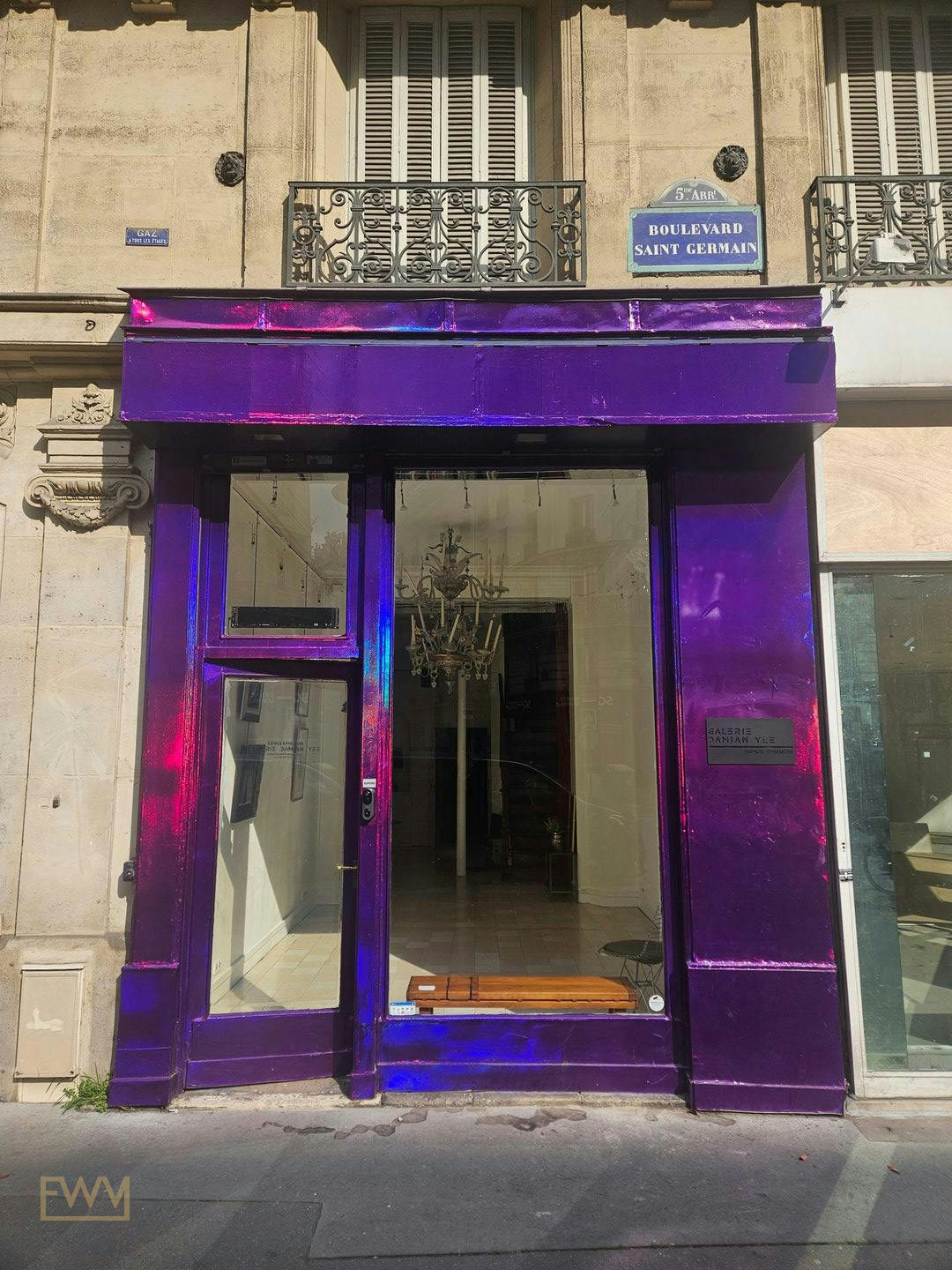
The wider Saint-Germain-des-Prés district is home to independent concept stores, established fashion maisons, art galleries, and a dense concentration of interior design and decorative arts boutiques. Rue du Bac, Boulevard Saint-Germain, and the streets immediately surrounding Le Bon Marché offer a range of property types from converted ground-floor ateliers and heritage shopfronts to modern retail units and gallery-style spaces. For a pop-up store or showroom, this variety means that brands can find spaces aligned to their aesthetic without defaulting to the standardised retail units that dominate higher-traffic commercial corridors elsewhere in the city.
KEY TAKEAWAY: Hiring retail space near Le Bon Marché places your brand in a district where visitor quality consistently outperforms visitor quantity. For fashion, beauty, design, and lifestyle brands targeting an affluent, design-literate audience, this neighbourhood delivers a competitive advantage that raw footfall numbers alone cannot capture.
With the context of Le Bon Marché's influence established, the next step is understanding the full geography of Paris retail to determine whether this district is the right fit for your activation or whether adjacent neighbourhoods offer better alignment with your brief.
Parisian Locations and Neighbourhoods for Short-Term Retail Activations
Paris is not a single retail market. It is a collection of distinct neighbourhood ecosystems, each with its own visitor profile, brand associations, space types, and commercial character. Choosing the right arrondissement is one of the most consequential decisions in any pop-up or temporary retail brief.
Saint-Germain-des-Prés and the 6th and 7th Arrondissements
The left bank district centred on Saint-Germain-des-Prés is the natural home for brands in fashion, beauty, interiors, art, and gastronomy that seek an audience of cultivated Parisians and internationally aware visitors. Streets including rue de Grenelle, rue du Bac, and rue de Sèvres offer a concentration of high-quality independent boutiques, gallery spaces, and heritage retail frontages. This is the neighbourhood to prioritise if Le Bon Marché proximity, Hôtel Lutétia adjacency, or association with Paris's design and intellectual culture is part of your brand activation strategy.
Le Marais and the 3rd and 4th Arrondissements
Le Marais is Paris's most commercially dynamic neighbourhood for independent fashion, emerging designers, concept stores, and art galleries. The area around Place des Vosges, the historic rue de Turenne, and the broader Haut Marais attracts a young, fashion-conscious crowd alongside design professionals, gallery visitors, and international tourists. For brands in streetwear, contemporary fashion, beauty, and lifestyle, Le Marais offers some of the city's most flexible and visually interesting short-term retail spaces, including former workshops, gallery white cubes, and converted apartments. Foot traffic peaks significantly during Paris Fashion Week, Paris Design Week, and FIAC, the international contemporary art fair.
Place Vendôme, Rue Saint-Honoré, and the Golden Triangle
The 1st and 8th arrondissements, encompassing Place Vendôme, rue Saint-Honoré, Palais Royal, and the Golden Triangle between the Champs-Élysées, Avenue Montaigne, and Avenue George V, represent the apex of Parisian luxury retail. Brands activating here are making a statement of ambition and financial commitment. Spaces are fewer, rental terms are more complex, and the expectations of both landlords and visitors are higher. For jewellery, haute couture, ultra-premium beauty, and watch brands, this corridor is unmatched. Rue de Rivoli, which connects the 1st arrondissement toward the Châtelet area, offers a more accessible price point while retaining a strong visitor volume.
The Champs-Élysées and the 8th Arrondissement
The Avenue des Champs-Élysées remains the most internationally recognised retail address in Paris and attracts some of the city's highest tourist volumes. Brands seeking maximum visibility and a global, mixed-demographic audience will find opportunities along this corridor, though space availability and rental costs reflect its status. Activations here tend toward large-scale brand experiences and flagship pop-up stores rather than intimate showrooms or boutique concepts.
Montmartre, Pigalle, and the 9th Arrondissement
The neighbourhoods north of central Paris, including Montmartre, Pigalle, and the area surrounding Galeries Lafayette and Printemps in the 9th arrondissement, offer a more eclectic and creatively charged environment. This district has seen significant growth in independent fashion, beauty, and lifestyle retail over the past decade, with spaces available at more accessible price points than the central arrondissements. Brands targeting a younger, trend-forward audience or seeking to align with Paris's emerging creative scene may find strong opportunities here.
Quick answer: The best neighbourhoods for pop-up retail in Paris depend on your target audience and brand positioning. Saint-Germain-des-Prés suits design and luxury brands; Le Marais suits fashion-forward and contemporary brands; Place Vendôme suits ultra-luxury; and the 9th arrondissement suits emerging and creative brands. Each district has distinct foot traffic profiles, space types, and rental market conditions.
| Neighbourhood | Arrondissement | Best For | Key Landmarks | Visitor Profile |
|---|---|---|---|---|
| Saint-Germain-des-Prés | 6th / 7th | Fashion, beauty, design, lifestyle | Le Bon Marché, Hôtel Lutétia | Affluent Parisians, design-conscious tourists |
| Le Marais / Haut Marais | 3rd / 4th | Contemporary fashion, art, concept retail | Place des Vosges, rue de Turenne | Fashion crowd, gallery visitors, international buyers |
| Place Vendôme / Saint-Honoré | 1st | Ultra-luxury, jewellery, haute couture | Place Vendôme, Palais Royal | UHNW clients, international luxury buyers |
| Golden Triangle / Champs-Élysées | 8th | Flagship brands, global visibility | Avenue des Champs-Élysées, Rue de Rivoli | International tourists, mass luxury |
| Montmartre / Pigalle / 9th | 9th / 18th | Emerging brands, creative concepts | Galeries Lafayette, Printemps | Young, trend-forward, local creatives |
KEY TAKEAWAY: Paris retail geography rewards specificity. Choosing the right arrondissement based on your audience profile, brand positioning, and calendar timing will have a greater impact on activation success than space size or spend alone.
Understanding the neighbourhood landscape allows brands to shortlist the right district before beginning the space search. The next step is understanding the categories of space available and what each type offers for different activation formats.
Types of Retail Space Available for Short-Term Hire in Paris
The Paris short-term retail market offers a far broader range of space types than most international brands expect. From classic storefront units to converted art galleries, private apartments, photography studios, and former ateliers, the variety of spaces available for pop-up stores and showrooms reflects the city's architectural and cultural richness.
Storefront Retail Units
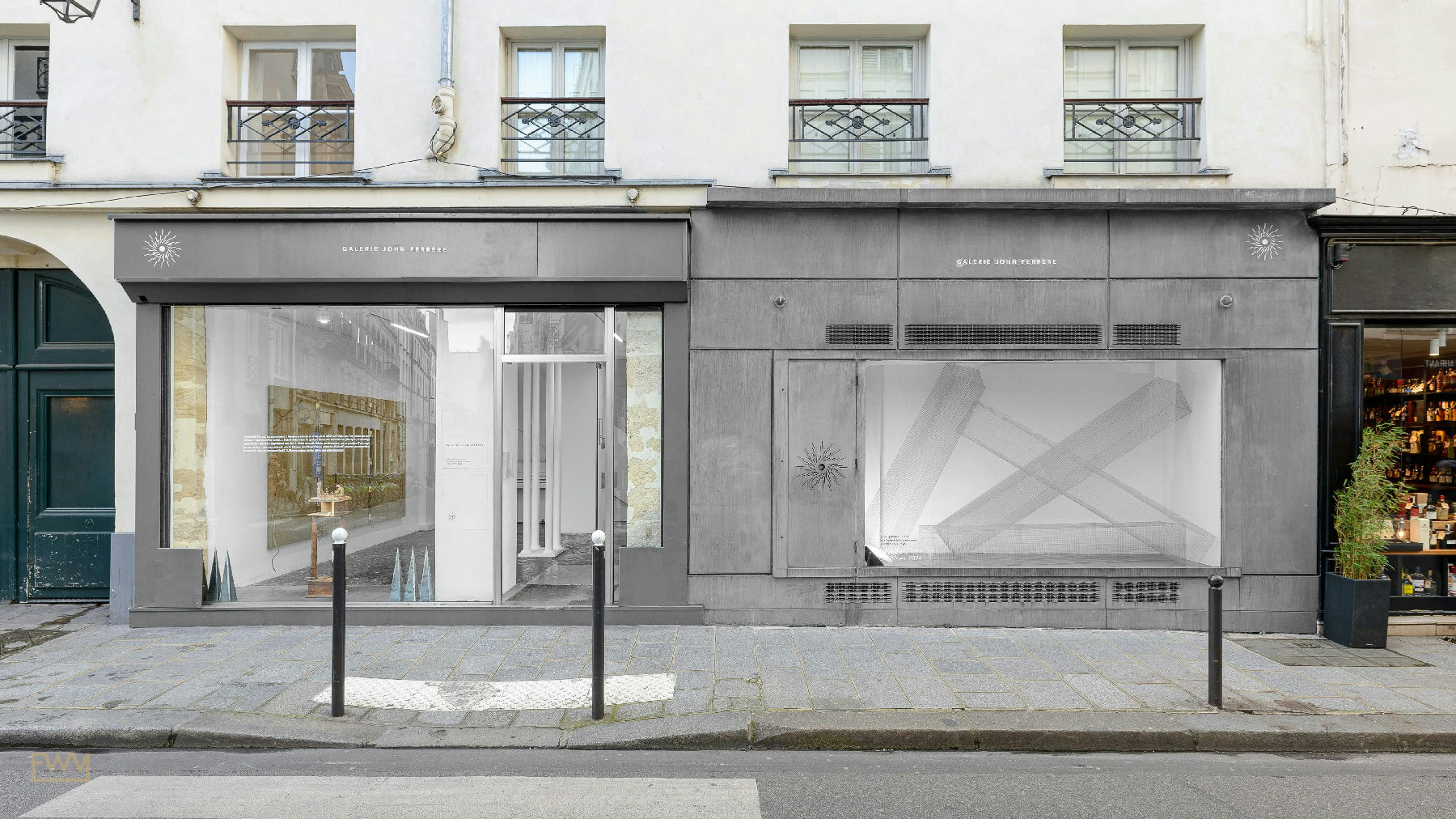
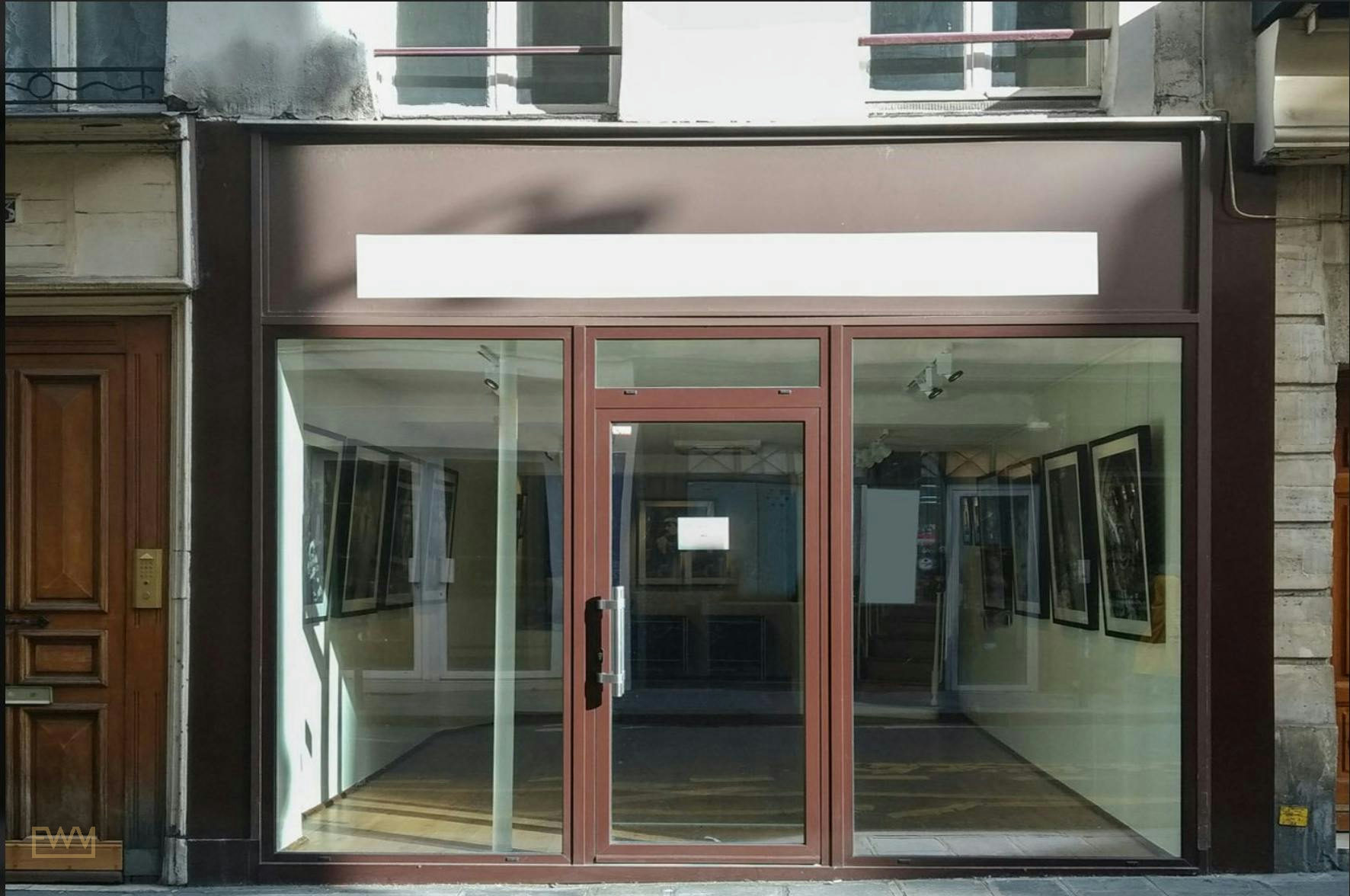
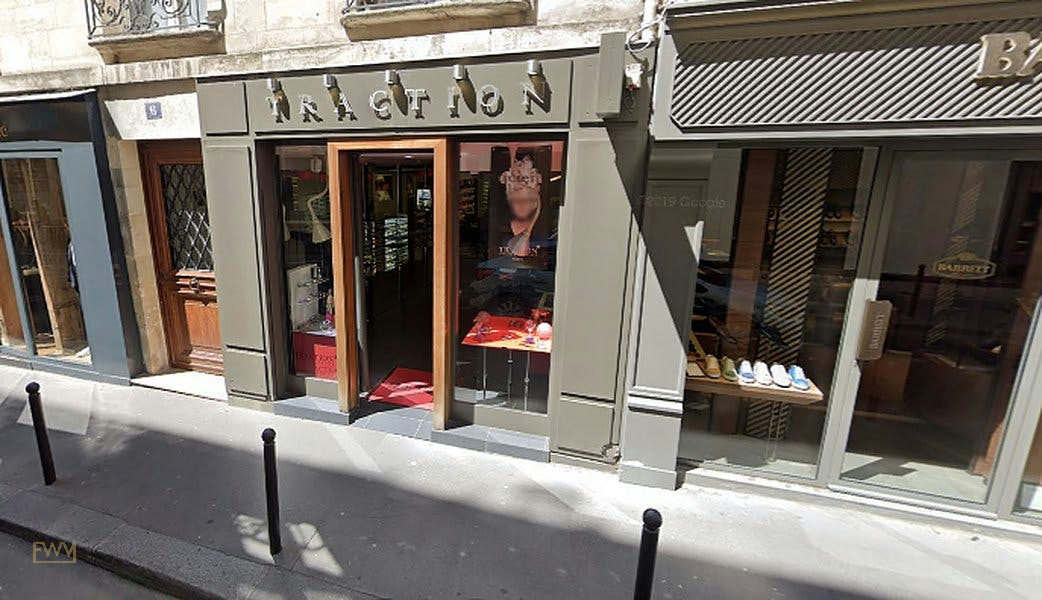
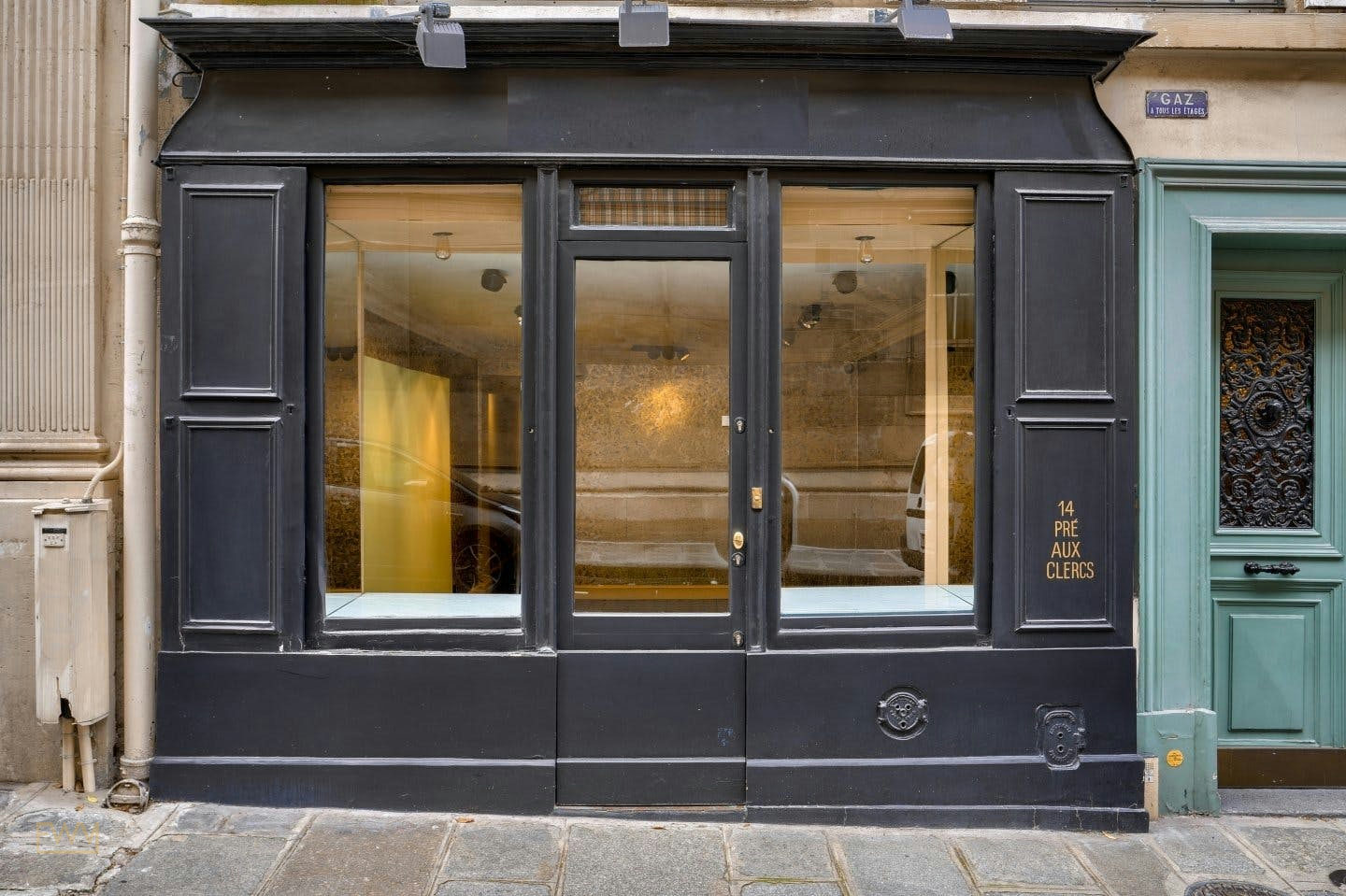
Traditional ground-floor storefront units with street-facing glazed frontages are the most familiar format for temporary retail. These spaces typically include polished concrete floors or parquet, exposed ceilings, and natural light from the street. In the Saint-Germain-des-Prés area, many storefront units occupy nineteenth-century Haussmann buildings with high ceilings and limestone facades. Brands seeking maximum street visibility and immediate footfall will prioritise this type. Shopfronts with spotlights and strong ambient lighting are particularly valued for beauty and fashion activations where product presentation is central to the brand experience.
Gallery and Exhibition Spaces
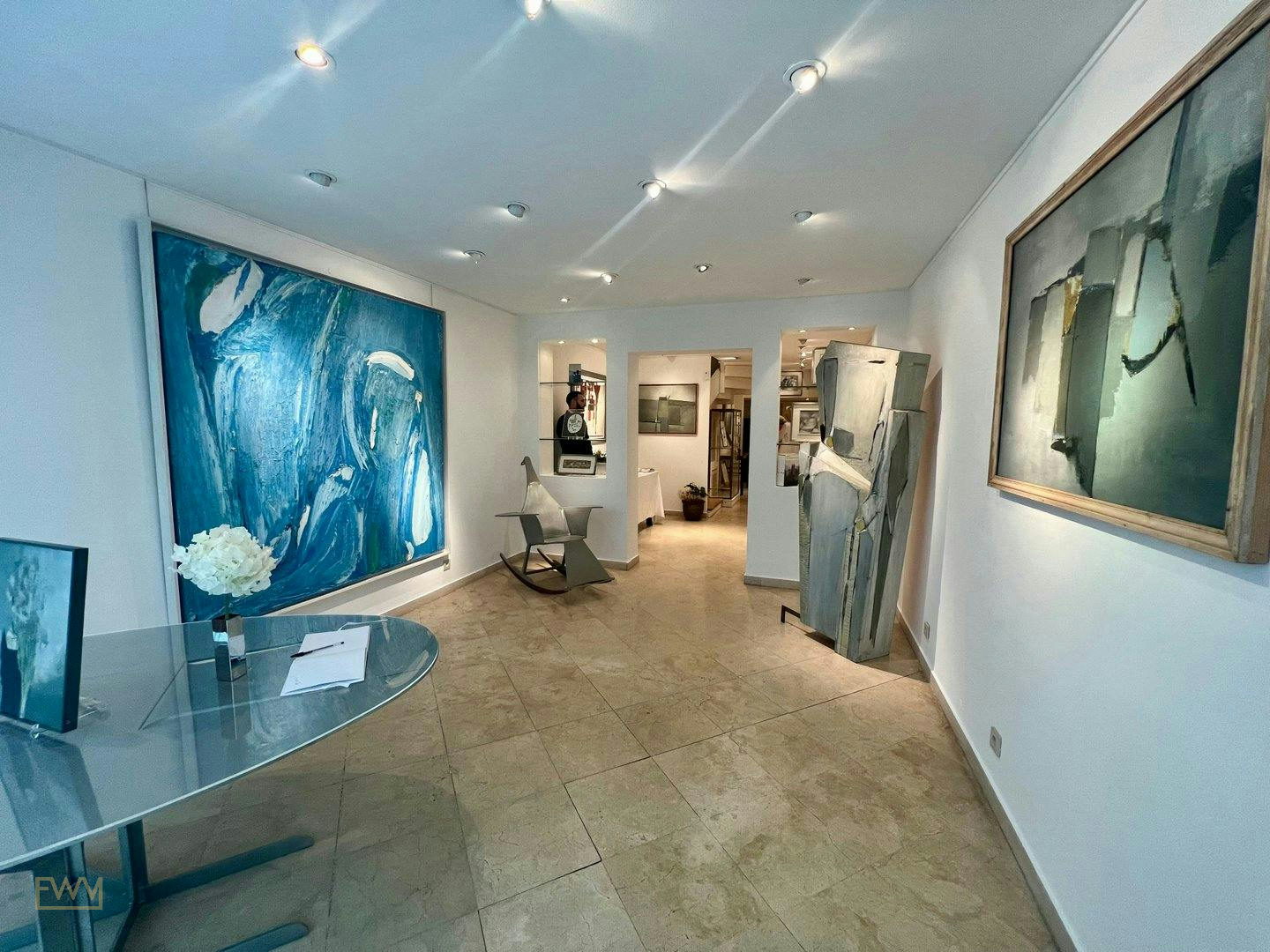
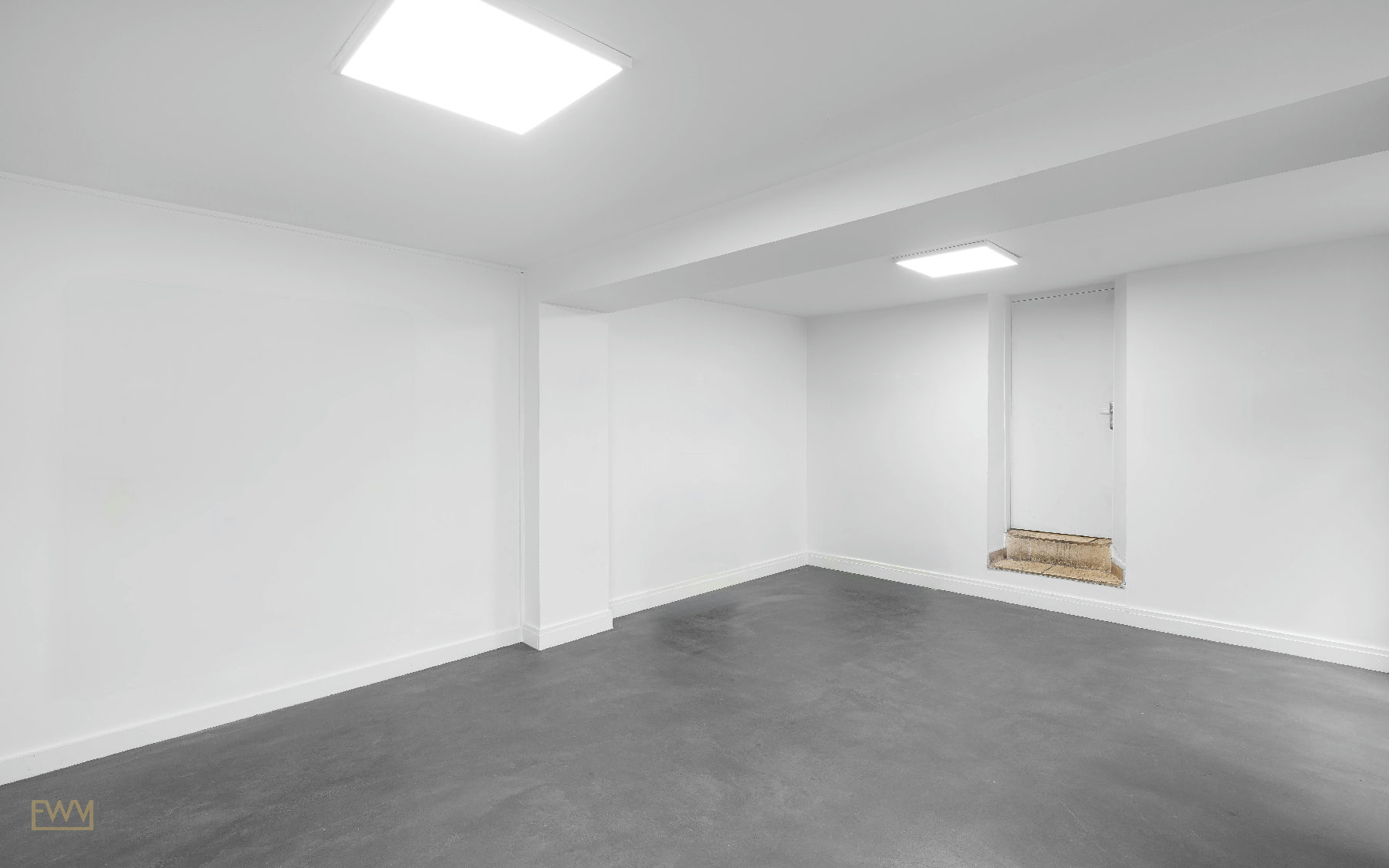
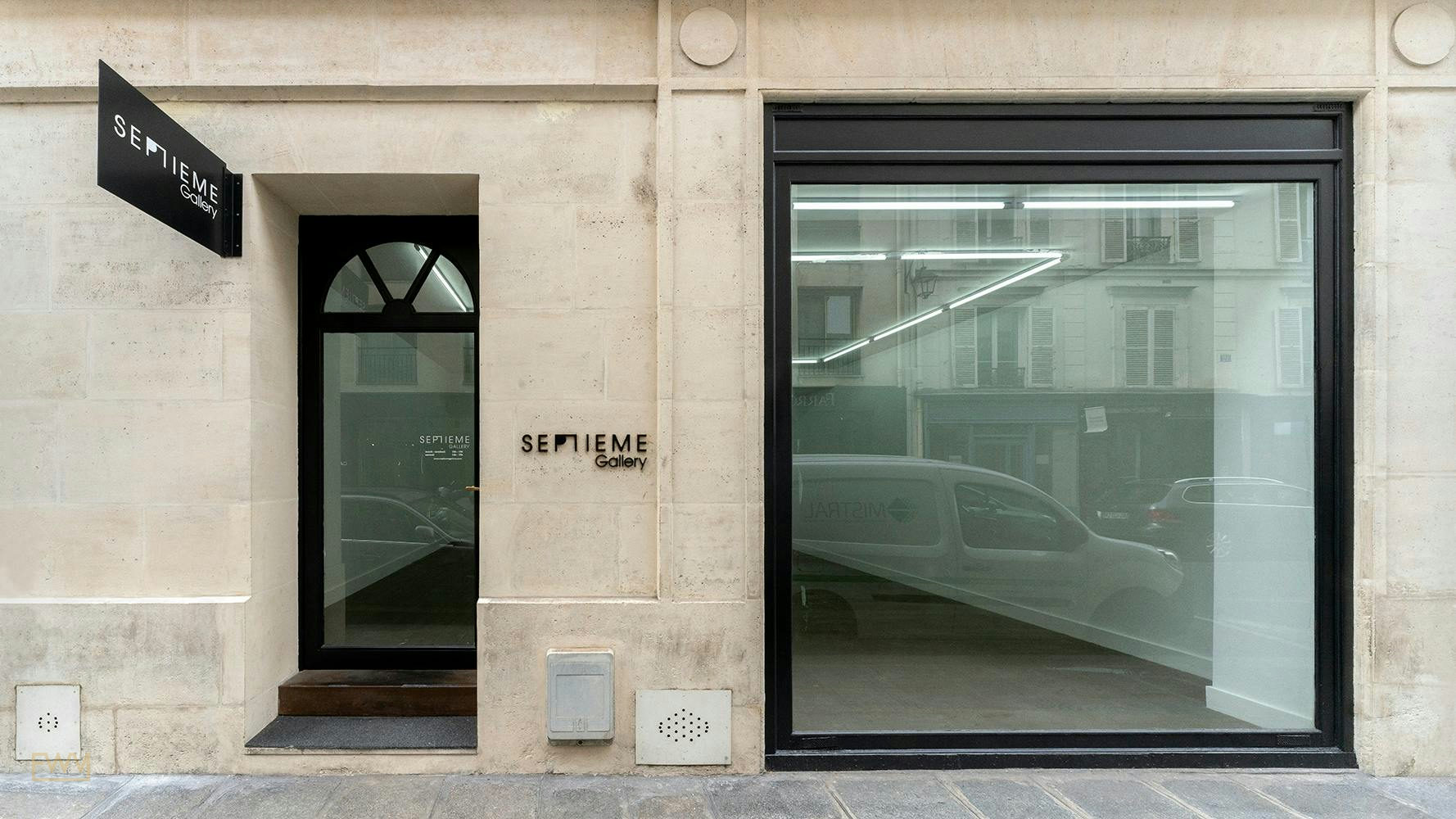
Paris has one of the highest concentrations of commercial art galleries in the world, and many of these spaces are available for short-term hire during periods between exhibitions. White cube gallery spaces typically offer polished or raw concrete floors, track spotlights, high ceilings, and a neutral backdrop that suits premium brand presentations. These spaces are particularly popular for fashion showrooms, beauty launches, and brand installations during Paris Fashion Week, FIAC, and Paris Design Week.
Apartments and Private Residential Spaces
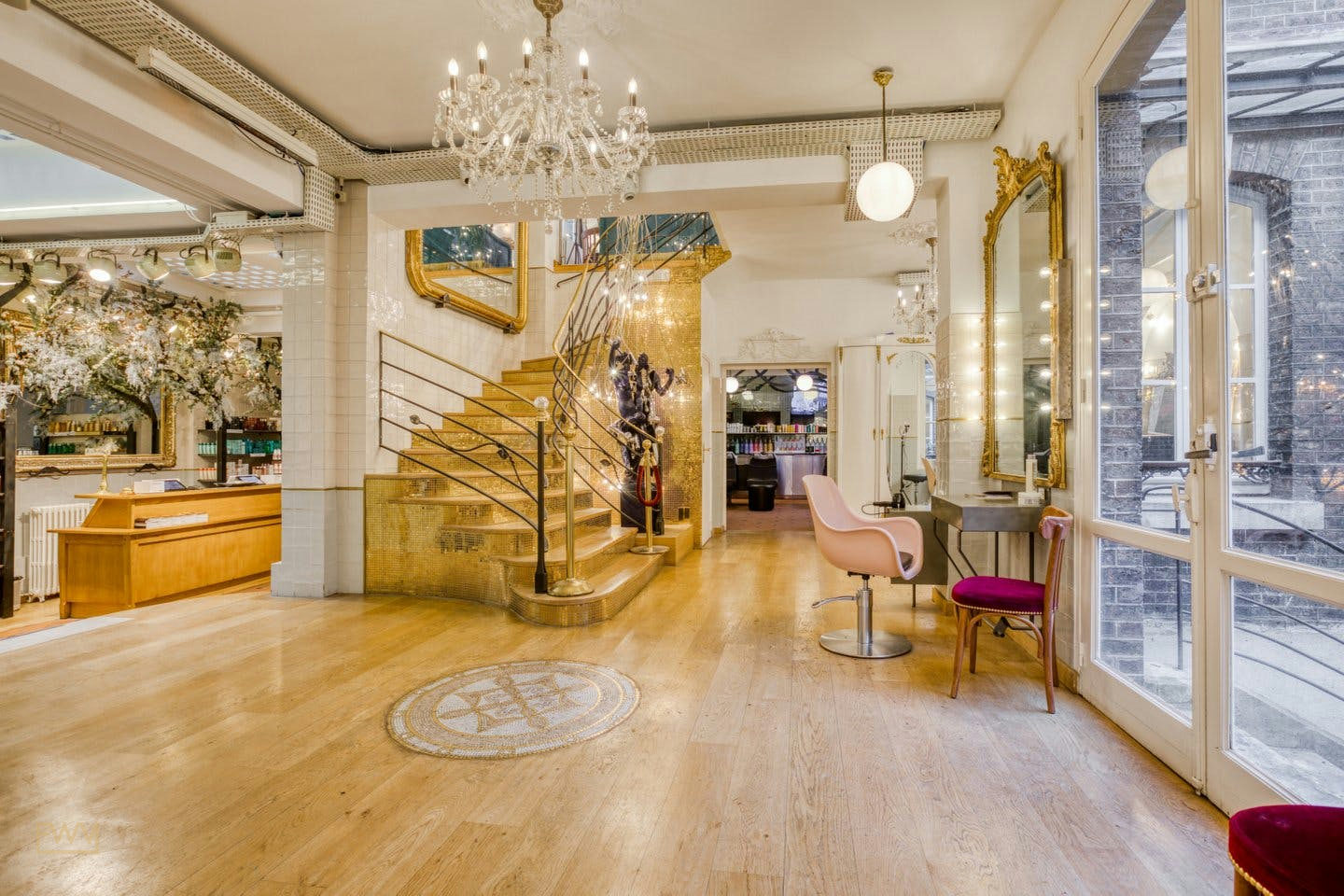
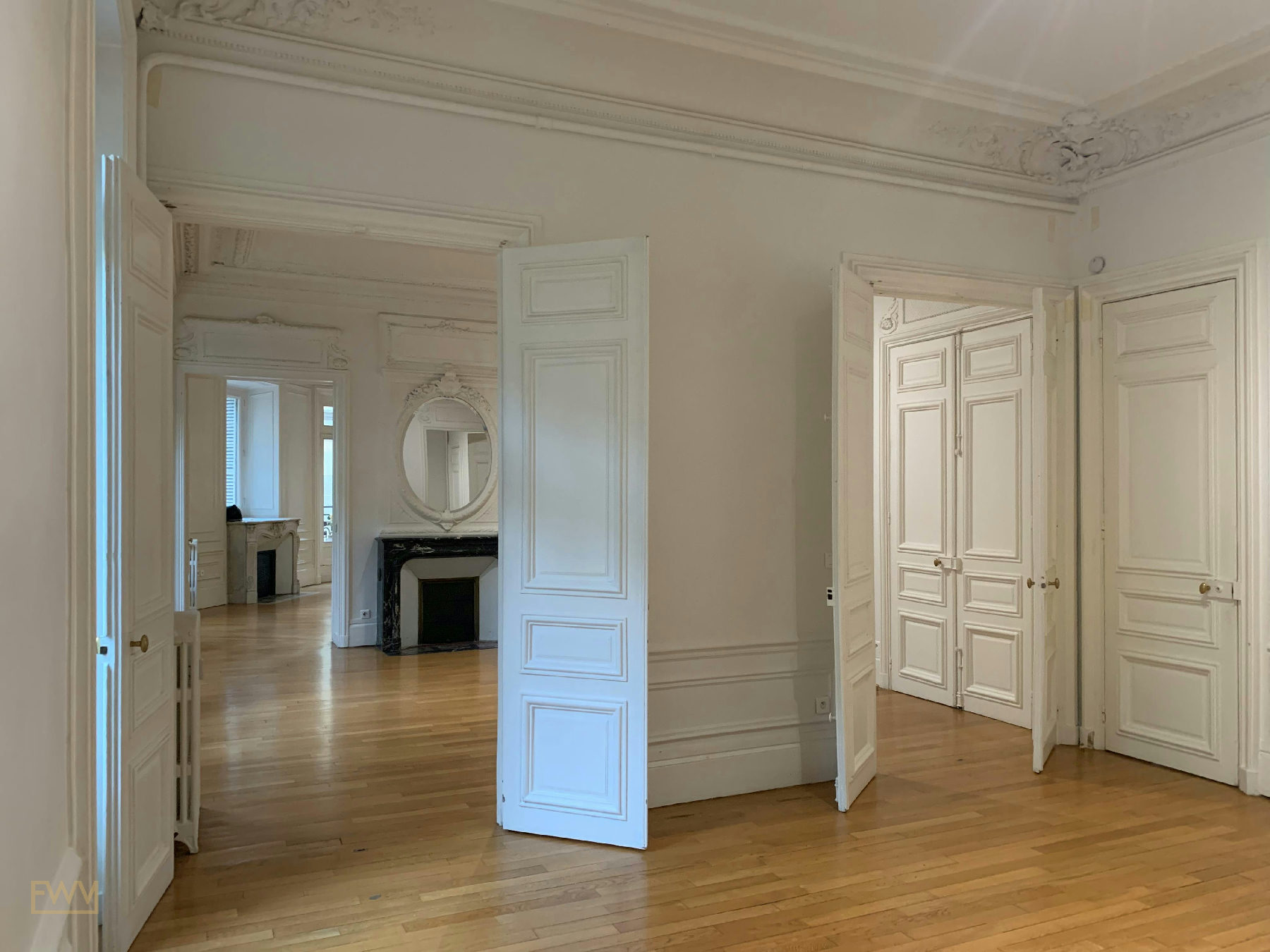
One of Paris's most distinctive short-term retail formats is the private apartment, where brands activate a fully furnished or stripped residential space for an intimate, curated retail or showroom experience. Apartment spaces near Le Bon Marché and throughout Le Marais offer the kind of domestic warmth and architectural character that is impossible to replicate in a standard commercial unit. Parquet floors, ornate mouldings, working fireplaces, and period details create an atmosphere of Parisian authenticity that resonates strongly with design-conscious clientele. These spaces are particularly effective for jewellery, homewares, fragrance, and concept fashion brands.
Photography Studios
Large-format photography studios, many of which occupy former industrial spaces or purpose-built units in the Marais and surrounding arrondissements, offer flexible open-plan floor areas with high ceilings, controllable lighting rigs, and kitchen and lounge facilities. These spaces suit brands that need a blank canvas for immersive pop-up retail experiences, product launches, or press events alongside their retail activation.
Fashion Showrooms
Dedicated fashion showroom spaces are available across Paris's trade calendar districts, particularly in the Marais, near the Palais Royal, and in the 8th arrondissement. These spaces are configured for buyer appointments, press previews, and wholesale meetings, with rail systems, display tables, good natural and artificial lighting, and meeting areas. They suit brands attending Paris Fashion Week who require a professional presentation environment without committing to a full retail build.
Charming Boutiques and Heritage Retail Spaces
Some of the most compelling short-term retail spaces in Paris are former boutiques and heritage retail units that retain their original shopfitting, vitrines, and period details. These spaces offer an immediate aesthetic that communicates heritage and craft, making them particularly effective for fashion, beauty, and artisanal brands that want to borrow the visual language of Parisian retail tradition.
Quick answer: The main space types available for short-term retail hire in Paris include storefront units, gallery and exhibition spaces, private apartments, photography studios, dedicated fashion showrooms, and heritage boutiques. Each type offers distinct aesthetic qualities, visitor experiences, and operational characteristics suited to different brand activations and calendar windows.
| Space Type | Typical Features | Best Activation Format | Key Districts |
|---|---|---|---|
| Storefront Retail Unit | Street glazing, spotlights, high ceilings | Pop-up store, brand flagship | Saint-Germain, Marais, Champs-Élysées |
| Gallery / Exhibition Space | White walls, raw or polished concrete, track lighting | Showroom, installation, launch event | Marais, Saint-Germain, Palais Royal |
| Private Apartment | Parquet floors, mouldings, domestic warmth | Intimate showroom, curated pop-up | Saint-Germain, Marais, 7th arr. |
| Photography Studio | Open plan, lighting rigs, kitchen facilities | Immersive pop-up, product launch | Marais, 10th, 11th arrondissements |
| Fashion Showroom | Rail systems, meeting areas, good lighting | Buyer appointments, press previews | Marais, Palais Royal, 8th arr. |
| Heritage Boutique | Original shopfitting, vitrines, period details | Brand storytelling, artisan retail | Saint-Germain, Place Vendôme, Marais |
KEY TAKEAWAY: The space type you choose shapes the entire visitor experience. In a city as architecturally rich as Paris, the right space format communicates brand values before a single product is on display or a single word of copy is read by a customer.
Once you have identified the right neighbourhood and space type, the practical process of searching, evaluating, and securing a short-term retail space requires a clear understanding of how the Paris rental market works and what platforms and services are available.
How to Search for and Secure Short-Term Retail Space in Paris
Finding the right short-term retail space in Paris requires a different approach from standard commercial real estate searches. The Paris pop-up and temporary retail market operates across multiple channels, and the most desirable spaces rarely appear in the listings of conventional commercial property platforms such as LoopNet or CoStar, which are more commonly used for investment properties, longer leases, and broker-to-broker transactions in the US market rather than Paris short-term activations.
Specialist Pop-Up Space Marketplaces
Purpose-built pop-up space marketplaces that focus specifically on short-term retail, showroom, and event spaces offer the most practical starting point for international brands. These platforms aggregate listings by location, space type, size in square meters, floor and access details, space features such as kitchen, restrooms, private lounge, storage area, and available dates. They typically allow filtered searches by arrondissement, price, capacity, and space category, and the best platforms offer tools such as saved searches, alerts for new listings that match your brief, and direct communication with space owners. Unlike general commercial real estate portals, specialist marketplaces understand the operational needs of brands running temporary retail, including short minimum hire periods, flexible terms, and spaces configured for visitor experience rather than long-term tenancy.
TIP: When browsing space listings, filter first by neighbourhood and minimum hire period before comparing price. A space in the wrong arrondissement at a lower price will consistently underperform a well-located space at a higher price for fashion and luxury activations.
Traditional Brokers and Commercial Real Estate Agents
Traditional broker professionals operating in the Paris commercial real estate market have historically dominated access to prime retail spaces. However, for short-term rentals of days to weeks rather than months or years, their model is often misaligned with the needs of brand activation teams. Commission structures, minimum lease terms, and the pace of negotiation in standard commercial real estate transactions rarely suit brands working to tight Fashion Week or campaign calendars. That said, for larger flagship pop-up stores requiring a full commercial unit in a prime arrondissement with longer tenure, engaging a specialist broker with experience in temporary leases remains a viable option.
Direct Landlord and Building Owner Approach
Some of the most interesting short-term retail spaces in Paris are held directly by private landlords, building owners, or organisations that manage their own portfolio of activatable spaces. Identifying and approaching these owners directly requires local knowledge, French-language negotiation capability, and an understanding of the legal frameworks governing short-term commercial occupation in France.
Using the Fashion Week Venues Marketplace and Tools
For brands seeking a more structured and supported search process, the Fashion Week Venues space marketplace provides curated listings of pop-up, showroom, and event spaces in Paris and other fashion capitals, with search, compare, and shortlisting tools designed specifically for brand activation teams. The platform supports browsing by location, space type, and key features, and connects directly to the agency's venue sourcing and activation services for brands that need full-service support beyond the initial space search.
Quick answer: To find short-term retail space in Paris, use specialist pop-up space marketplaces rather than general commercial real estate platforms like LoopNet or CoStar. Specialist platforms offer short minimum hire periods, relevant space categories, and tools suited to brand activation timelines. For curated spaces with full-service support, a dedicated agency offers the most efficient route to securing and activating the right space.
To compare neighbourhoods and space types, explore the Paris city hub on Fashion Week Venues and shortlist spaces that match your brief, budget, and calendar window.
KEY TAKEAWAY: The most efficient search process for short-term retail space in Paris combines a specialist marketplace for discovery and shortlisting with agency support for negotiation, permits, and build. General commercial real estate platforms are not optimised for temporary retail activations and may add unnecessary complexity and cost.
Paris Pop-Up Store Permits, Legal Frameworks, and Compliance
One of the most frequently misunderstood aspects of hiring retail space in Paris is the legal and regulatory framework governing short-term commercial occupation. France has specific instruments for temporary retail that differ substantially from standard commercial leases, and navigating these correctly is essential for any brand operating in the city.
Understanding the Bail Dérogatoire
The bail dérogatoire, also known as a short-term commercial lease or bail précaire, is the primary legal instrument used for temporary retail in France. It allows commercial occupation of a space for a fixed period of up to 36 months without creating the statutory rights of renewal that attach to a standard bail commercial. For brands planning a pop-up store, showroom, or temporary retail activation, the bail dérogatoire is the most appropriate and commonly used lease format. Its terms, including rent, duration, permitted use, and reinstatement obligations, must be clearly agreed in writing, and both parties must explicitly state their intention to derogate from the protections of the standard bail commercial at the time the agreement is signed.
IMPORTANT: The bail dérogatoire does not automatically apply to all short-term rental situations. The specific terms, applicable duration, and legal requirements vary depending on the space type, intended use, arrondissement, and the nature of the landlord entity. Always verify the appropriate legal framework with a qualified French legal advisor before signing any rental agreement.
Autorisation d'Occupation Temporaire (AOT)
Where a brand wishes to occupy public property, a terrace, or a shared space that is not privately owned, the relevant permit is the Autorisation d'Occupation Temporaire, or AOT. This permit is required for activations in public spaces, certain covered markets, and heritage buildings managed by public bodies. The AOT is issued by the relevant municipal authority and requires an application process that varies by location and intended use. Processing times, fees, and documentation requirements differ significantly across Paris's arrondissements.
Additional Regulatory Considerations
Beyond the lease and occupation permit, brands operating retail spaces in Paris must comply with a range of additional local regulations. These include rules governing commercial signage and external displays, health and safety requirements for public-facing retail spaces, product-specific regulations for food, beauty, or regulated goods, waste management obligations, and insurance requirements. For brands from outside the European Union, additional considerations around VAT registration, customs for imported merchandise, and employment law for retail staffing may apply.
The permit guidance tool on Fashion Week Venues provides a practical starting point for understanding the permit landscape for your activation. Requirements vary significantly by space type, duration, arrondissement, and the nature of the brand's activities, so this tool should be used alongside advice from a qualified French legal advisor rather than as a substitute for professional guidance.
Quick answer: Short-term retail in Paris is typically governed by the bail dérogatoire, a fixed-term commercial lease of up to 36 months that does not create renewal rights. Public space activations may require an Autorisation d'Occupation Temporaire. Both instruments have specific legal requirements that vary by space and arrondissement. Professional legal advice from a French-qualified advisor is strongly recommended before signing.
KEY TAKEAWAY: Permit and legal compliance for short-term retail in Paris is genuinely complex. Brands that underestimate this complexity risk lease disputes, operating delays, regulatory penalties, and reputational issues. Engaging specialist advice and using purpose-built permit guidance tools from the outset is the most cost-effective approach.
Planning Your Paris Pop-Up Activation: Timeline, Budget, and ROI
Successful short-term retail activations in Paris do not happen without structured planning. The timeline from initial brief to opening day, the budget framework across all activation components, and the ROI expectations for the investment all require careful calibration against the Paris market specifically.
Typical Planning Timelines for Paris Pop-Up Stores
The lead time required to plan, secure, and build a pop-up store in Paris varies considerably based on the scale of the activation, the target neighbourhood, the time of year relative to key calendar events, and whether the brand is working with a full-service agency or managing the process independently. As a directional guide, brands targeting a Paris Fashion Week activation should allow a minimum of 12 to 16 weeks from initial brief to opening. Brands planning smaller activations outside peak calendar periods may be able to work within a shorter window, but in highly contested neighbourhoods such as Saint-Germain-des-Prés or Le Marais, the best spaces are secured well in advance of available dates.
| Planning Phase | Key Activities | Recommended Timeline Before Opening |
|---|---|---|
| Brief and Strategy | Define objectives, audience, space type, neighbourhood | 16 to 20 weeks |
| Space Search and Shortlisting | Browse marketplace, compare spaces, site visits | 14 to 16 weeks |
| Legal and Permits | Negotiate lease, secure permits, confirm insurance | 10 to 14 weeks |
| Concept and Design | Develop visual concept, merchandise plan, brand story | 10 to 12 weeks |
| Production and Build | Commission fit-out, source furniture, install technology | 4 to 8 weeks |
| Staffing and Operations | Recruit and brief staff, set up POS and payments | 2 to 4 weeks |
| Marketing and PR | Activate social media, influencer briefings, press outreach | 4 to 8 weeks |
| Opening and Live Period | Run activation, collect data, manage visitor experience | Live |
| Close and Debrief | Reinstate space, analyse data, compile ROI report | Post-activation |
Budget Framework for Paris Retail Activations
Budget planning for a Paris pop-up store or showroom activation involves multiple cost components that are easy to underestimate when working from a single rental cost figure. The headline rental cost for the space is typically only one element of a broader investment. Fit-out and production, furniture rental, staffing, POS and payment systems, marketing and influencer engagement, insurance, permits, waste management, and reinstatement costs all contribute to the total activation budget. Directional ranges vary considerably based on space size, location, duration, specification, and the degree of custom build involved.
Use the Fashion Week Venues budget calculator to build a brand-specific cost estimate based on your target space type, neighbourhood, duration, and service requirements. This tool is designed to provide a directional framework rather than a guaranteed quote, and all cost estimates should be validated against live market pricing before finalising your activation budget.
Measuring ROI for Paris Retail Activations
Return on investment for a Paris pop-up store extends beyond direct sales revenue. For most fashion, beauty, and lifestyle brands, the value of a Paris activation is weighted toward brand positioning, audience acquisition, press coverage, social media reach, buyer and distributor relationships, and the long-term customer lifetime value of Parisian clientele. Brands that measure only immediate transaction revenue will consistently undervalue the return from a well-executed Paris activation.
DID YOU KNOW: Industry research from multiple retail consultancies consistently shows that pop-up stores in tier-one locations generate social media engagement rates significantly higher than permanent retail, partly because the temporary and exclusive nature of the activation creates an urgency and desirability that drives sharing behaviour among visitors.
Quick answer: Planning a Paris pop-up store requires a minimum of 12 to 16 weeks lead time for Paris Fashion Week activations. Budget planning must cover rental, fit-out, staffing, permits, marketing, insurance, and reinstatement. ROI should be measured across direct sales, brand equity, press and social coverage, and audience acquisition rather than transaction revenue alone.
KEY TAKEAWAY: The brands that achieve the strongest return from Paris retail activations are those that treat the planning phase as a strategic investment rather than a logistical task. Starting the process early, building a comprehensive budget, and defining clear multi-metric success criteria from the outset are the foundations of a high-performing activation.
The Paris Fashion and Events Calendar: Timing Your Activation Strategically
The timing of a Paris retail activation relative to the city's major fashion, design, and cultural calendar is one of the most powerful variables in the success of a pop-up store or showroom. Paris hosts a sequence of internationally significant events throughout the year that concentrate relevant buyers, press, and consumers in specific districts and generate exceptional earned media value for well-positioned brand activations.
Paris Fashion Week
Paris Fashion Week takes place twice annually, with Women's Ready-to-Wear presented in late February and March, and again in September and October. The Men's and Haute Couture weeks occur in January and July. During Paris Fashion Week, the city's press, buyer, and influencer population swells dramatically, and districts including Le Marais, Saint-Germain-des-Prés, the Palais Royal area, and the 8th arrondissement see significantly elevated foot traffic from the international fashion community. For brands in fashion, beauty, accessories, and lifestyle, timing a pop-up store or showroom to coincide with the relevant Fashion Week calendar provides access to an audience that is concentrated, engaged, and aligned with exactly the kind of new discovery that a well-executed temporary retail concept offers.
Paris Design Week
Paris Design Week, typically held in September in alignment with the Maison et Objet trade fair, attracts a global audience of interior designers, product designers, architects, and design-oriented consumers. Activations in Le Marais, Saint-Germain-des-Prés, and the design-dense streets of the left bank benefit from this calendar window, particularly for brands in homewares, craft, furniture, and design-led fashion and beauty.
FIAC and Art Fair Season
The Foire Internationale d'Art Contemporain, known as FIAC, and its successor format Paris+ par Art Basel, typically takes place in October at the Grand Palais Éphémère and across satellite gallery venues throughout the city. This event concentrates an ultra-high-net-worth, internationally mobile audience in Paris for several days, and brands positioned in gallery-style spaces near Le Bon Marché, in Le Marais, or in the Palais Royal area can benefit significantly from the elevated presence of major collectors, gallerists, and culturally engaged consumers.
Beyond Fashion Week Windows
While Paris Fashion Week is the most commercially dense calendar window for fashion brands, the Paris retail calendar rewards year-round activation for brands with the right audience targeting. Summer months bring high international tourism volumes. The January and July sale seasons drive strong domestic foot traffic. The Christmas and New Year period offers exceptional gifting retail opportunities in premium locations near Le Bon Marché, Place Vendôme, and the Golden Triangle. Brands willing to consider off-peak windows often find better space availability, more competitive rental terms, and landlords more open to flexible arrangements.
TIP: Use the timeline planning tool on Fashion Week Venues to map your activation against the Paris events calendar and identify the optimal window for your brand, audience, and commercial objectives.
KEY TAKEAWAY: Paris Fashion Week is the highest-value calendar window for fashion brands, but it is not the only viable activation period. Paris Design Week, FIAC, the summer tourism season, and the December gifting period all offer strong conditions for well-targeted brand activations. Choosing the right calendar window requires aligning your brand's audience profile with the events and visitor patterns that dominate each period.
How Fashion Week Venues Supports Brands Hiring Retail Space in Paris
Fashion Week Venues is a full-service pop-up shop agency and space marketplace that specialises in helping brands find, design, build, and run temporary retail activations in Paris and other major fashion capitals. Understanding what the agency offers, who it best serves, and how its tools and services apply to a Paris retail brief is essential for any brand considering working with a specialist partner.
Space Discovery and Venue Sourcing
The agency's venue sourcing service provides brands with curated shortlists of spaces that match their specific brief, including neighbourhood, space type, size, aesthetic, available dates, and budget range. Rather than spending weeks browsing unfiltered listings across multiple platforms, brands working with Fashion Week Venues receive a focused shortlist backed by the agency's knowledge of the Paris market. The accompanying marketplace tool allows brands to browse, compare, and save spaces independently before engaging the full service.
Concept, Design, and Production
Once a space is identified, Fashion Week Venues offers concept direction and production and build services that take a brand from an initial creative brief through to a fully fitted and operational pop-up store or showroom. This includes space visualisation through the Imagine tool, branded store design, furniture rental, and full fit-out management.
Activation Management and Operations
The agency's activation management service covers the operational running of a Paris pop-up store, including retail staffing, POS and payments setup, influencer marketing coordination, data and analytics collection, and day-to-day management of the visitor experience. This is particularly valuable for international brands that do not have a Paris-based team to manage operations on the ground.
Planning and Decision Support Tools
Fashion Week Venues operates a suite of planning tools designed to support brand teams at every stage of the decision process. These include the budget calculator for cost estimation, the ROI calculator for investment evaluation, the compare tool for space comparison, the timeline tool for calendar planning, the permits tool for regulatory guidance, and the locator tool for neighbourhood-level space discovery. These tools are designed to complement professional advice rather than replace it, and brands should use them as a framework for internal planning and briefing.
The Twin Co-Activation Concept
For brands seeking to share a Paris activation with a complementary brand, Fashion Week Venues offers a twin concept that facilitates co-activations in a single space. This model allows two non-competing brands to share rental and operational costs while creating a richer, more curated visitor experience. It is particularly effective for brands in adjacent categories, such as fashion and beauty, or fashion and interiors, that share an audience but offer complementary products.
Who Benefits Most
Fashion Week Venues is best suited to fashion, beauty, lifestyle, and design brands that require a Paris activation but lack the local market knowledge, Paris-based team, or internal production capacity to execute independently. International brands entering Paris for the first time, brands scaling from a single showroom to a full retail pop-up, and established brands seeking a more efficient and strategic approach to Paris activation planning all represent strong candidates for the agency's services. Brands that are best served by the marketplace alone, rather than full-service, include those with existing Paris teams who need space discovery and comparison tools to support an internal decision process.
KEY TAKEAWAY: Fashion Week Venues offers a continuum of support from self-service space browsing through to full-service activation management. Brands should assess which services they genuinely need based on their team capability, Paris market familiarity, activation scale, and timeline before engaging. The agency does not guarantee specific spaces, permit approvals, or activation outcomes, but provides structured expertise across the full activation lifecycle.
Retail Operations Inside a Paris Pop-Up Store: The Practical Details
The commercial and operational mechanics of running a short-term retail space in Paris require attention to a set of practical considerations that are distinct from operating in most other markets. From floor and access logistics to payment systems, staffing, lighting, and merchandise presentation, the details of daily retail operations shape the visitor experience and the financial performance of the activation.
Floor Layouts and Access Considerations
Paris's historic building stock means that many of the most desirable retail spaces occupy buildings where floor and access conditions require specific operational planning. Ground floor units with direct street access are the most straightforward, but many attractive spaces are located on upper floors accessible only by stairs, or in basement levels where natural lighting is limited. Brands should assess floor and access conditions at the shortlisting stage rather than after a lease is signed. For activations involving heavy fixtures, large merchandise volumes, or mobility accessibility requirements, ground floor access is typically essential.
Lighting for Fashion and Beauty Retail
Lighting design is one of the most impactful and frequently underinvested elements of a Paris pop-up store. In gallery-style spaces with track spotlights, brands can direct light precisely onto product displays, creating a visual drama and product quality that translates directly into visitor perception and purchase intent. Raw concrete or polished concrete floors in gallery spaces reflect light differently from the parquet or stone of boutique units, and brands should consider how the space's existing lighting infrastructure interacts with their merchandise presentation. Spaces with natural daylight from large street-facing glazing offer a very different quality of light from interior gallery units, and each requires a distinct approach to supplementary lighting design.
POS Systems, Payments, and Transactions
Hassle-free transactions are a foundational expectation of modern retail, and Paris visitors expect to pay by card, contactless, and increasingly by digital wallet. Brands entering Paris for the first time should ensure that their POS and payments infrastructure is configured for European card standards, supports French VAT rates where applicable, and is capable of generating compliant French fiscal receipts. Fashion Week Venues offers a dedicated POS and payments service to support brands that do not have existing European payment infrastructure.
Retail Staffing in Paris
Staffing a Paris pop-up store requires understanding French employment law, which governs temporary and fixed-term contracts with specific rules around notice periods, social contributions, and minimum wage requirements. For brands from outside France, recruiting local staff through an agency that handles French employment compliance is typically the most practical approach. The retail staffing service at Fashion Week Venues provides brands with trained, French-speaking retail staff who understand the operational requirements of temporary activations and can represent the brand professionally to Paris's discerning clientele.
Merchandising and Visual Presentation
The standard of visual merchandising in Paris is among the highest in the world, shaped by the city's long tradition of window display artistry and in-store curation. Brands activating in Paris should invest in their merchandise presentation at a level commensurate with the neighbourhood and the expectations of their target clientele. In Saint-Germain-des-Prés and Le Marais, visitors compare your display quality implicitly against some of the world's best independent boutiques. Furniture selection, fixture design, product density, and overall visual coherence all communicate brand quality before a customer touches a product or reads a price tag.
Brand Positioning Through Social Media and Influencer Engagement
A Paris pop-up store generates social media content opportunities that are qualitatively different from those available in almost any other city. The architectural quality of Parisian spaces, the cultural weight of the city's fashion associations, and the engagement of Paris's active influencer and press community all contribute to earned media amplification that extends the reach of the activation far beyond its physical visitor count. Brands should integrate social media strategy and influencer briefings into the activation plan from the earliest stages, identifying Paris-based creators whose audience aligns with the brand's target clientele.
Quick answer: Running a Paris pop-up store effectively requires attention to floor and access logistics, professional lighting design, European-standard POS and payment systems, French-compliant retail staffing, high-quality visual merchandising, and an integrated social media strategy. Each operational element contributes to the visitor experience and the commercial outcome of the activation.
KEY TAKEAWAY: Operational excellence in a Paris pop-up store is not a secondary consideration. The quality of every customer touchpoint, from the lighting on your product to the fluency of your payment process, shapes the brand impression that Paris visitors carry away and share. Planning operational details with the same rigour as the creative concept is what separates high-performing activations from those that underdeliver.
Common Myths About Hiring Retail Space in Paris
MYTH: You need a French legal entity to rent a retail space in Paris for a pop-up or short-term activation.
FACT: Many short-term retail spaces in Paris are accessible to international brands without a pre-existing French legal entity. The specific requirements vary by space, landlord, lease structure, and duration. Some landlords require a French company or a guarantor with a French presence, while others are experienced in working with international brands through appropriate contractual and payment structures. Engaging a specialist agency or legal advisor who understands the Paris short-term retail market is the most efficient way to navigate entity and guarantor requirements for your specific situation. Requirements should always be verified with a qualified French legal advisor before proceeding.
MYTH: Paris Fashion Week is the only viable calendar window for a Paris retail activation.
FACT: Paris Fashion Week is the highest-profile calendar window for fashion brands, but Paris supports strong retail activations across multiple calendar periods, including Paris Design Week in September, FIAC and Paris+ by Art Basel in October, the summer tourism season, and the December gifting period. Brands in beauty, interiors, gastronomy, and lifestyle may find that non-Fashion Week windows deliver better audience alignment and more competitive rental terms than the peak February and September Fashion Week periods.
MYTH: Commission brokers are the only way to find a pop-up space in Paris.
FACT: The growth of specialist pop-up space marketplaces and full-service brand activation agencies has created multiple effective routes to finding and securing short-term retail space in Paris. Commission-based commercial brokers are one option, but their model is often poorly aligned with the short timelines, flexible terms, and brand-specific requirements of temporary retail activations. Specialist platforms and agencies that focus specifically on pop-up and short-term retail typically offer faster shortlisting, more relevant space categories, and support for the specific operational and legal requirements of brand activations.
MYTH: Short-term commercial leases in Paris are legally straightforward and do not require specialist advice.
FACT: The legal framework governing short-term commercial occupation in France, including the bail dérogatoire and Autorisation d'Occupation Temporaire, involves specific technical requirements that must be satisfied correctly to create a valid and enforceable agreement. Errors in lease drafting, permit applications, or compliance with local regulations can result in lease disputes, operating interruptions, financial penalties, and reputational damage. The complexity of French commercial tenancy law makes professional legal advice from a qualified French advisor a practical necessity rather than a discretionary cost for any brand planning a Paris activation.
MYTH: Only large brands with substantial budgets can activate successfully near Le Bon Marché or in Saint-Germain-des-Prés.
FACT: While Saint-Germain-des-Prés is one of Paris's premium retail districts, the diversity of space types available, including private apartments, small gallery spaces, and heritage boutiques, means that brands of varying sizes and budget levels can find activation opportunities that match their scale. The district rewards concept quality and brand authenticity over pure spend. A well-conceived small-format activation in a beautifully curated apartment space can generate stronger brand equity and press coverage than an expensive but generic large-format pop-up in a more generic commercial unit.
Frequently Asked Questions About Hiring Retail Space Near Le Bon Marché Paris
What is a pop-up store in Paris?
A pop-up store in Paris is a temporary retail space, typically operating for a period of days to several weeks, in which a brand sells products, presents a collection, or creates a branded experience for visitors. Pop-up stores in Paris range from intimate apartment showrooms and gallery spaces to full storefronts and multi-floor flagship formats. They are commonly used by fashion, beauty, lifestyle, and design brands to build brand awareness, generate press coverage, engage with Paris's fashion community, and test new retail concepts before committing to permanent locations. The Paris market is particularly well suited to pop-up retail because of its diverse architectural heritage, culturally engaged visitor base, and internationally significant events calendar.
How much does a pop-up shop cost in Paris?
The cost of a pop-up shop in Paris varies significantly based on the neighbourhood, space type, size in square meters, duration, and the level of fit-out and operational services required. Rental costs for short-term spaces vary considerably across arrondissements, with prime districts such as Saint-Germain-des-Prés, Place Vendôme, and the Golden Triangle commanding the highest rates. Beyond rental, brands must budget for fit-out and production, furniture rental, staffing, POS and payment systems, marketing, insurance, permits, and reinstatement. To build a directional estimate tailored to your specific brief, use the budget calculator tool on Fashion Week Venues. Do not rely on single-line rental quotes as a proxy for total activation cost.
How do I rent a pop-up shop in Paris?
To rent a pop-up shop in Paris, start by defining your brief in terms of target neighbourhood, space type, size, dates, and budget. Use a specialist pop-up space marketplace to browse available listings and shortlist spaces that match your criteria. Arrange site visits for shortlisted spaces to assess condition, access, lighting, and operational suitability. Engage a specialist agency or French legal advisor to negotiate the lease terms, typically structured as a bail dérogatoire for short-term commercial occupation. Secure any required permits for your intended use of the space. Commission fit-out and operational setup, and brief your retail staff before opening. A full-service agency can manage this process end to end for brands without Paris-based teams.
Are pop-up stores common in Paris?
Pop-up stores are extremely common in Paris and are a well-established part of the city's retail culture. The combination of Paris's globally significant fashion calendar, its high concentration of independent boutique spaces, and its design-literate, experience-seeking consumer base makes it one of the world's premier cities for temporary retail. During Paris Fashion Week, Paris Design Week, and FIAC, temporary activations are present across multiple arrondissements simultaneously, creating a city-wide culture of brand discovery and retail experimentation. Many of the world's leading fashion, beauty, and lifestyle brands run regular Paris pop-up activations as a core element of their market entry and brand building strategy.
What neighbourhoods are best for pop-up retail in Paris?
The best neighbourhood for a pop-up retail activation in Paris depends on your brand's target audience, positioning, and activation format. Saint-Germain-des-Prés, including the streets surrounding Le Bon Marché, is ideal for fashion, beauty, and design brands targeting affluent Parisians and design-conscious international visitors. Le Marais is best for contemporary fashion, art, and concept retail. Place Vendôme and rue Saint-Honoré suit ultra-luxury and jewellery brands. The Golden Triangle and the Champs-Élysées corridor suit global flagship brands seeking maximum visibility. The 9th arrondissement and Montmartre suit emerging and creative brands targeting a younger, trend-forward audience.
What is the bail dérogatoire and how does it apply to a Paris pop-up?
The bail dérogatoire is a form of short-term commercial lease under French law that allows temporary occupation of a space for a fixed period of up to 36 months without creating the statutory renewal rights that attach to a standard bail commercial. It is the most appropriate legal instrument for pop-up stores, showrooms, and temporary retail activations in France. Both parties must explicitly agree to derogate from the standard commercial lease framework at the time the agreement is signed. The specific terms, applicable requirements, and legal validity of a bail dérogatoire vary depending on the space, intended use, and duration. Professional advice from a qualified French legal advisor is essential before signing any such agreement.
Do I need a French company to hire retail space in Paris?
Not all Paris short-term retail spaces require the tenant to have a pre-existing French legal entity. Requirements vary by landlord, space type, lease structure, and duration. Some landlords and certain lease formats do require a French company or guarantor, while others are experienced in working with international brands through appropriate contractual structures. Brands should clarify entity requirements with their legal advisor and with space owners early in the process rather than assuming that a French entity is or is not required. A specialist agency with Paris market experience can help navigate these requirements efficiently.
What space features should I look for when hiring retail space near Le Bon Marché?
When assessing short-term retail spaces near Le Bon Marché and in Saint-Germain-des-Prés, prioritise street-facing visibility or distinctive architectural character depending on your activation format, high ceilings for display flexibility, quality natural or artificial lighting suitable for your merchandise, ground floor access where possible, adequate restrooms for visitors and staff, storage areas for merchandise and supplies, a private lounge or meeting area if you are running buyer appointments or press previews, and strong connectivity infrastructure. A kitchen or catering facility may be relevant if you plan event-led programming. Review floor area in square meters carefully against your merchandise density and fixture plan before committing to a space.
Can international brands run a retail activation in Paris without a local team?
Yes, international brands can run Paris retail activations without a pre-existing local team by engaging a full-service brand activation agency that provides Paris-based operational support. A full-service agency can manage venue sourcing, concept direction, production and build, retail staffing with French-speaking brand ambassadors, POS and payments, social media and influencer coordination, and daily activation management on the brand's behalf. This model is particularly common among brands entering Paris for the first time, or those running a Paris activation during Fashion Week alongside a broader international schedule that limits internal team availability.
What is the difference between a pop-up store and a showroom in Paris?
A pop-up store in Paris is typically open to the public as a retail environment where visitors can browse and purchase products directly. A showroom operates primarily as a trade or press appointment space, where brands present their collection to buyers, editors, and retail partners rather than to the general public. Many brands run hybrid formats, operating buyer appointment hours in the morning and public retail hours in the afternoon, which is a common and commercially effective approach during Paris Fashion Week. The space type, licensing, staffing, and merchandising requirements differ between fully public retail and closed showroom formats.
How far in advance should I book retail space near Le Bon Marché for Paris Fashion Week?
For Paris Fashion Week activations in Saint-Germain-des-Prés and the surrounding districts, brands should expect to begin the space search 14 to 20 weeks before the target opening date. The most desirable spaces in premium districts are secured well in advance by brands with established Paris programs, and late searches in the six to eight weeks before Fashion Week often encounter very limited availability or significantly higher pricing. Brands new to the Paris market should treat their first activation as a long lead-time project and build timeline buffers into their planning to accommodate the legal, permit, and production phases that follow space selection.
What events should I align my Paris retail activation with?
The key events to consider when timing a Paris retail activation include Paris Fashion Week for Women's Ready-to-Wear in February and March, and again in September and October; Paris Men's Fashion Week in January and June; Paris Haute Couture Week in January and July; Paris Design Week in September; Paris+ par Art Basel in October; and major gifting periods in December. Each event concentrates a specific and commercially valuable audience in the city, and selecting the calendar window that most closely matches your target customer and brand objectives will maximise the impact of your activation.
What is the twin co-activation concept and is it right for my brand?
The twin co-activation concept offered by Fashion Week Venues allows two complementary, non-competing brands to share a single Paris retail space, splitting rental and operational costs while creating a richer and more curated visitor experience. This model works best for brands in adjacent categories, such as fashion and beauty, fragrance and lifestyle, or jewellery and homewares, where a shared audience benefits from the combined product offer. It is particularly useful for emerging brands or those testing the Paris market for the first time who want to reduce financial risk while maintaining a professional and well-located activation. Brands should assess whether the co-branding dynamic aligns with their positioning before pursuing this format.
How does foot traffic near Le Bon Marché compare to other Paris retail districts?
Foot traffic near Le Bon Marché and in Saint-Germain-des-Prés differs from other Paris retail districts primarily in its quality rather than its volume. The visitor flow is dominated by affluent Parisian residents, design-conscious international tourists, fashion and design industry professionals, and visitors to Le Bon Marché and La Grande Epicerie de Paris. This profile contrasts with the higher-volume but more mixed-demographic traffic of the Champs-Élysées or the areas surrounding Galeries Lafayette and Printemps in the 9th arrondissement. For brands targeting a premium, design-literate audience, foot traffic quality near Le Bon Marché is among the highest available in Paris, even if total visitor numbers are lower than in tourist-dominated corridors.
Where can I browse available pop-up and retail spaces in Paris?
Brands can browse available pop-up stores, showrooms, gallery spaces, and short-term retail units in Paris through specialist space marketplaces that focus specifically on temporary retail and brand activations. General commercial real estate platforms such as LoopNet and CoStar are primarily designed for investment properties, longer leases, and broker-to-broker transactions, and are generally not the most effective tools for short-term pop-up retail searches in Paris. The Fashion Week Venues marketplace provides curated listings with search and comparison tools designed specifically for brand activation teams, alongside agency support for brands that need assistance beyond space discovery.
Conclusion: Taking the Next Step to Hire Retail Space Near Le Bon Marché Paris
Hiring retail space near Le Bon Marché Paris places your brand in one of the world's most refined and commercially powerful retail environments. The streets of Saint-Germain-des-Prés offer a visitor quality, architectural richness, and cultural weight that few locations anywhere can replicate. Whether your activation is a curated showroom for Fashion Week buyer appointments, an intimate apartment pop-up for a new product launch, or a full storefront retail concept targeting Paris's affluent resident and visitor population, the neighbourhood rewards brands that invest in concept quality, operational rigour, and genuine engagement with the Parisian retail tradition.
The practical requirements of a Paris activation, from lease structure and permit compliance to production management, staffing, and social media strategy, are substantial but navigable with the right knowledge and support. Starting the process early, building a comprehensive and realistic budget, choosing the right space type and neighbourhood for your specific audience, and working with advisors who understand the Paris market are the factors that most consistently separate successful Paris activations from those that fall short of their potential.
Fashion Week Venues supports brands at every stage of this process, from initial space discovery through to full-service activation management. The agency's tools, marketplace, and service team are designed to make the Paris market accessible to international brands regardless of their prior experience in the city. Limitations apply, and no agency can guarantee specific spaces, permit approvals, or commercial outcomes, but structured expertise and local market knowledge are the most reliable foundations for a high-performing Paris retail activation.
To move from research to activation, start exploring available spaces on the Fashion Week Venues marketplace and build a focused brief for your target neighbourhood, space type, and calendar window.