

To hire retail space near Tuileries Paris is to position your brand at the epicentre of French luxury, tourism, and fashion culture. The 1st arrondissement and its immediate surroundings encompass some of the most commercially strategic addresses in Europe: Rue de Rivoli, Rue Saint-Honoré, Place Vendôme, Palais Royal, and the Jardin des Tuileries itself draw tens of millions of visitors annually, creating a rare density of high-income international shoppers, press, and industry insiders. Whether you are planning a short-term pop-up, a fashion showroom during Paris Fashion Week, or a flagship retail concept for a limited season, this guide covers everything you need to know about space types, neighbourhoods, permits, budgets, logistics, and strategic timing. Fashion Week Venues operates a dedicated Paris city hub designed specifically for brands sourcing short-term retail and event spaces in this market.
Why the Tuileries District Is the Most Competitive Retail Zone in Paris
The Tuileries district is not simply a prestigious postcode. It is a convergence of cultural landmarks, luxury brand headquarters, high-footfall tourist routes, and fashion industry infrastructure that makes it functionally irreplaceable for certain brand categories. No other neighbourhood in Paris delivers the same combination of international tourist volume, luxury retail adjacency, media presence during Fashion Week, and historic visual appeal.
The Jardin des Tuileries itself connects the Louvre Museum to the Place de la Concorde along a formal axis that channels an extraordinary volume of foot traffic year-round. The Musée de l'Orangerie and the Galerie Nationale du Jeu de Paume both sit within the garden. To the north runs Rue de Rivoli, one of Paris's primary retail arteries. To the south, the Seine River and Île de la Cité provide further landmarks and visitor draws. Immediately west lies the Champs-Élysées and the Golden Triangle. Immediately east sits the Louvre itself, the Palais Royal arcades, and the Forum des Halles.
Rue Saint-Honoré and its continuation Rue du Faubourg Saint-Honoré form what is internationally recognised as the prestige retail corridor of Paris, hosting the flagship stores of virtually every major luxury and fashion house. Place Vendôme, a few minutes from the garden, is the global centre of haute joaillerie. Brands that activate in this zone benefit from a halo effect that is difficult to replicate in any secondary location.
During Paris Fashion Week, held twice annually in late February and late September, the density of buyers, press, stylists, influencers, and brand teams in this area reaches extraordinary levels. Showrooms within walking distance of Tuileries and the Palais Royal are among the most sought-after short-term rental properties in the city during those weeks. Space availability becomes extremely limited and lead times stretch to six months or more for the most desirable properties.
The Palais Royal arcades themselves offer a unique retail micro-environment: covered, architecturally extraordinary, and associated with the most experimental and conceptual end of Parisian fashion. Brands such as Comme des Garçons have maintained long-term presences here. Short-term activations in and around the Palais Royal carry strong editorial value and social media appeal.
DID YOU KNOW: The Jardin des Tuileries was established in the 16th century and became Paris's first public garden. Today it anchors a retail corridor that generates some of the highest retail rents per square metre in Europe.
KEY TAKEAWAY: The Tuileries district combines tourist volume, luxury brand proximity, Fashion Week infrastructure, and architectural prestige in a way that no other Paris neighbourhood replicates. For brands in fashion, beauty, design, and luxury, activating here carries strategic and reputational weight beyond the immediate sales impact.
Understanding the full geography of this district, and which specific streets and micro-zones serve which brand purposes, is the essential first step before approaching any space search or rental negotiation.
Parisian Locations and Landmarks: Mapping the Retail Zones Near Tuileries
Paris's 1st arrondissement and the surrounding districts form a patchwork of distinct retail micro-environments, each with its own footfall profile, tenant mix, permitted use categories, and visual identity. Understanding these zones in practical terms is essential for any brand team making a location decision.
Quick answer: The key retail zones closest to the Tuileries Garden are Rue de Rivoli, Rue Saint-Honoré, Palais Royal, Place Vendôme, Place de la Concorde, Les Halles, and the western edge of Le Marais. Each zone offers different space types, footfall demographics, and rental dynamics suitable for different brand profiles and activation formats.
Rue de Rivoli and the Northern Garden Edge
Rue de Rivoli runs directly along the northern border of the Tuileries Garden, between the Louvre to the east and Place de la Concorde to the west. It is one of the highest footfall streets in Paris, with a mix of luxury hotels, international retailers, cafés, and cultural institutions. The covered arcades along parts of Rue de Rivoli provide protected retail frontage that is highly visible to both pedestrians and tourists. Spaces along this stretch tend to attract beauty brands, accessible luxury, and culturally oriented retail concepts.
Rue Saint-Honoré and Place Vendôme
Rue Saint-Honoré and its western continuation are the most prestigious fashion retail addresses in the city. Place Vendôme, sitting at the northern end of this axis, is synonymous with the highest tier of French luxury. Short-term retail space on or immediately adjacent to Rue Saint-Honoré commands a significant premium and requires careful brand positioning to justify the rental cost. However, for fashion houses, fine jewellery brands, and luxury beauty, the address itself functions as a marketing asset.
Palais Royal and the Arcades
The Palais Royal gardens and the surrounding arcades represent one of the most architecturally distinctive short-term retail environments in Europe. The covered galleries Galerie de Valois, Galerie de Montpensier, and the adjacent streets attract a design-literate, fashion-aware clientele. Pop-up activations here generate strong editorial and social media coverage and are particularly well-suited to brands in conceptual fashion, design objects, and limited-edition collaborations.
Les Halles, Rue Coquillière, and the Châtelet Zone
Immediately east of the Tuileries and Palais Royal, the Les Halles zone centred on the Forum des Halles and the Church of St-Eustache offers a different footfall profile: younger, more diverse, and higher in volume. Rue Coquillière connects this zone to the Palais Royal area. Short-term retail spaces here tend to be more affordable than those on Rue Saint-Honoré but still benefit from exceptional public transport access via Châtelet, one of the busiest metro hubs in Europe, served by lines connecting to both Pyramides and Opéra stations.
Le Marais and Place des Vosges
Although technically in the 3rd and 4th arrondissements, Le Marais is part of the extended Tuileries activation zone for most fashion brands. The Marais has evolved into one of the most vibrant independent fashion and design retail districts in Paris, with a strong concentration of concept stores, gallery spaces, and boutique hotels. Place des Vosges, the oldest planned square in Paris, anchors the southern end of the Marais and is particularly attractive for heritage and luxury brands. Place Dauphine on Île de la Cité provides yet another architectural backdrop for premium activations.
Saint-Germain-des-Prés and the Left Bank
Across the Seine, Saint-Germain-des-Prés offers an alternative pole for premium fashion retail, with a strong art gallery and design culture and a more residential, intellectual character than the 1st arrondissement. Brands targeting a French cultural elite or design-forward audience often consider spaces here alongside or instead of the Tuileries zone.
| Zone | Primary Street or Landmark | Best For | Footfall Profile | Typical Space Types |
|---|---|---|---|---|
| Tuileries North | Rue de Rivoli | Beauty, accessible luxury, culture | Very high, tourist-heavy | Storefronts, arcade units |
| Prestige Retail Axis | Rue Saint-Honoré, Place Vendôme | Luxury fashion, haute joaillerie | High, affluent international | Boutique storefronts, apartments |
| Palais Royal | Arcades, Gardens | Concept fashion, design, art | Medium-high, fashion-literate | Arcade units, gallery spaces |
| Les Halles / Châtelet | Forum des Halles, Rue Coquillière | Youth-oriented, accessible brands | Very high, diverse | Storefronts, commercial units |
| Le Marais | Place des Vosges, Rue de Bretagne | Independent fashion, concept stores | High, fashion and design aware | Boutiques, galleries, lofts |
| Saint-Germain-des-Prés | Boulevard Saint-Germain | Heritage luxury, design, art | Medium-high, cultural elite | Boutiques, apartment showrooms |
KEY TAKEAWAY: Each micro-zone near the Tuileries has a distinct brand compatibility profile. Matching your brand positioning, target clientele, and budget to the right zone is more important than simply securing the highest-profile address.
With the geographic landscape mapped, the next step is understanding the different types of short-term retail spaces available within these zones and which formats suit which activation goals.
Retail Space Types Available Near Tuileries: Storefronts, Showrooms, Galleries, and More
The short-term retail market near the Tuileries offers a broader range of space formats than most international brands expect when first approaching Paris. The category extends well beyond conventional storefronts to include fashion showrooms, art gallery conversions, apartment-style retail, studio photo spaces, and covered arcade units.
Quick answer: Near the Tuileries, brands can access street-level storefronts, Haussmannian apartment spaces used as showrooms, covered arcade units, gallery-format white-box spaces, loft studios, and mixed-use venues. Space sizes typically range from under 30 square metres for boutique arcade units to over 500 square metres for full-floor retail or event spaces. The right format depends on your brand concept, team size, inventory volume, and activation objectives.
Street-Level Storefronts
The classic Parisian storefront, with full glazed frontage onto a busy street, provides maximum walk-in visibility. Storefronts on Rue de Rivoli, Rue Saint-Honoré, and the surrounding streets are the most immediately legible commercial format for fashion and beauty brands. They are also the most expensive per square metre and require the most intensive merchandising and visual display investment to compete with neighbouring permanent retail.
Fashion Showrooms and Apartment Spaces
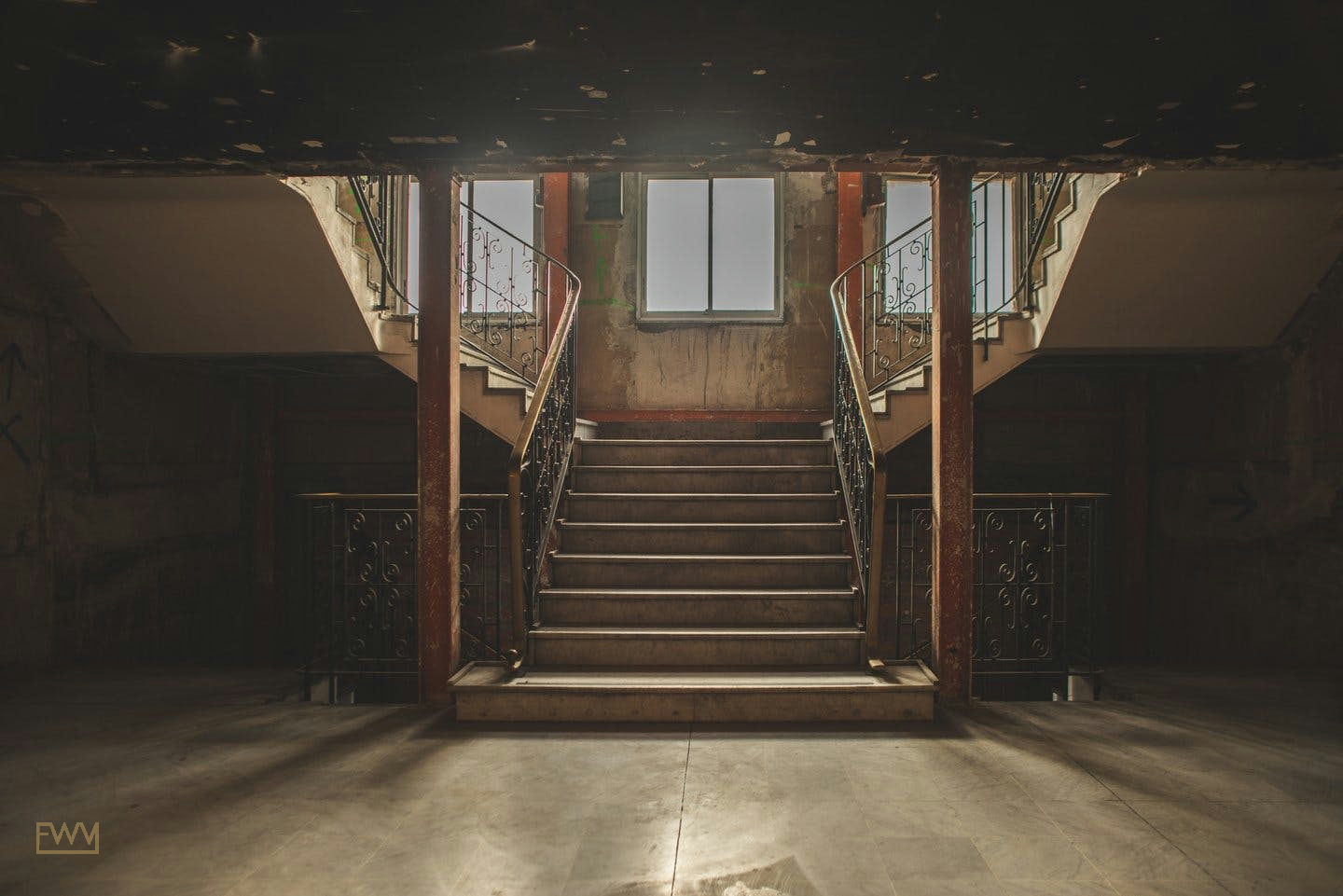
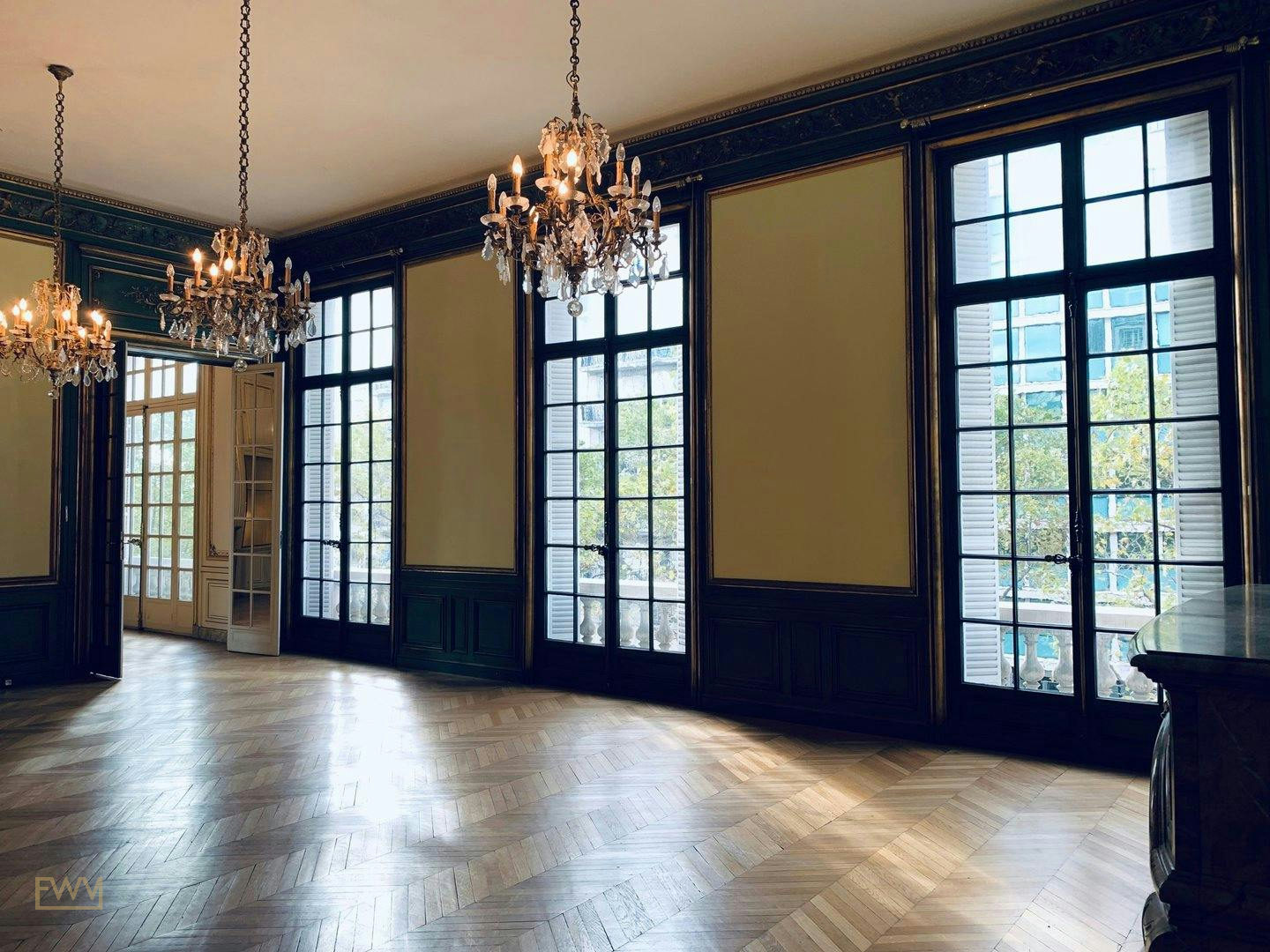
Many of the most successful activations near the Tuileries take place in upper-floor Haussmannian apartments or dedicated fashion showroom units. These spaces offer a more intimate, editorial, and curated environment than a conventional storefront. They are particularly well-suited to emerging designers, made-to-order collections, press previews, and buyer appointments during Fashion Week. The residential scale and architectural detail of these spaces create a strong visual identity with relatively modest investment in styling and set dressing.
Gallery and White-Box Spaces
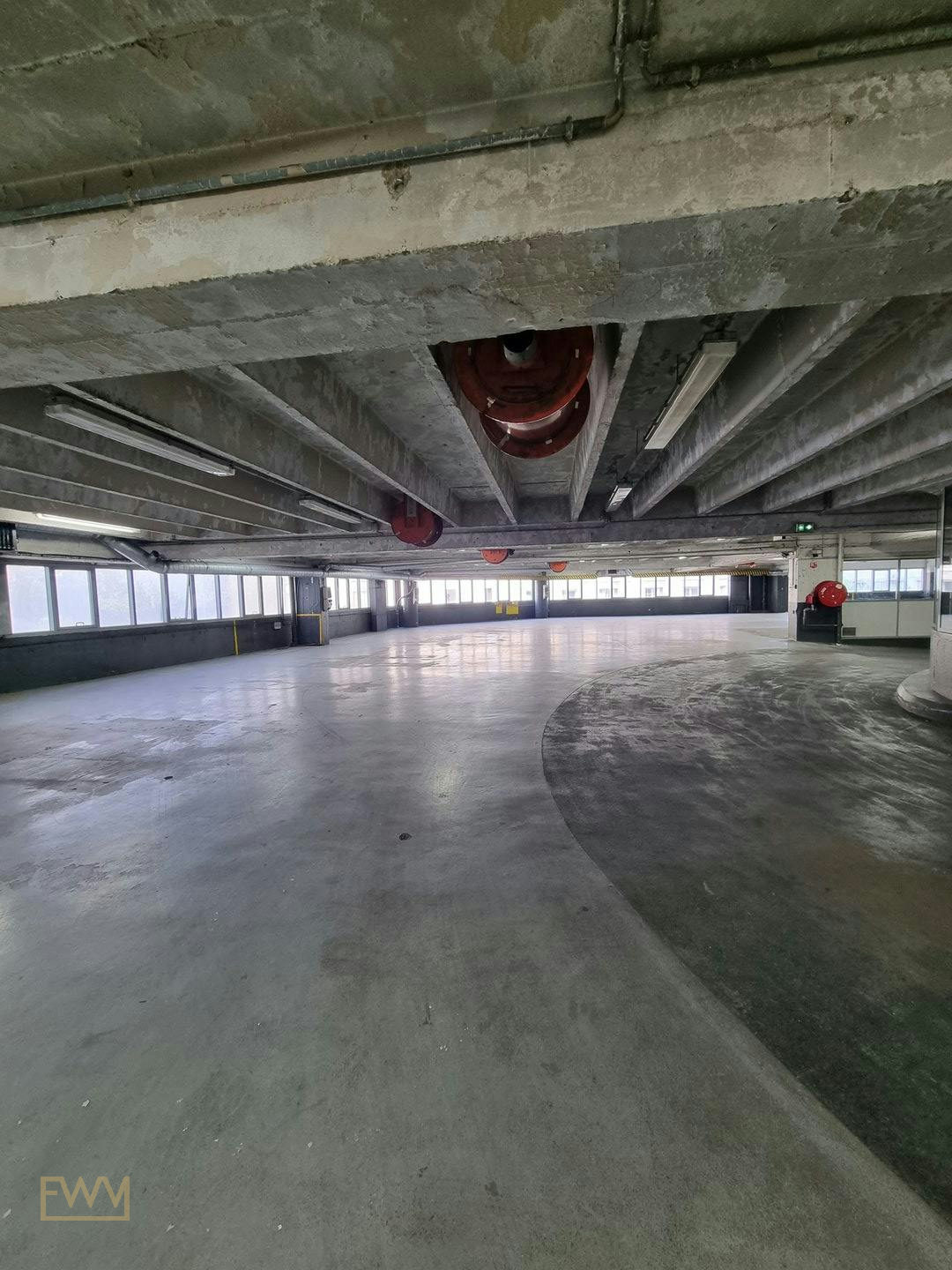
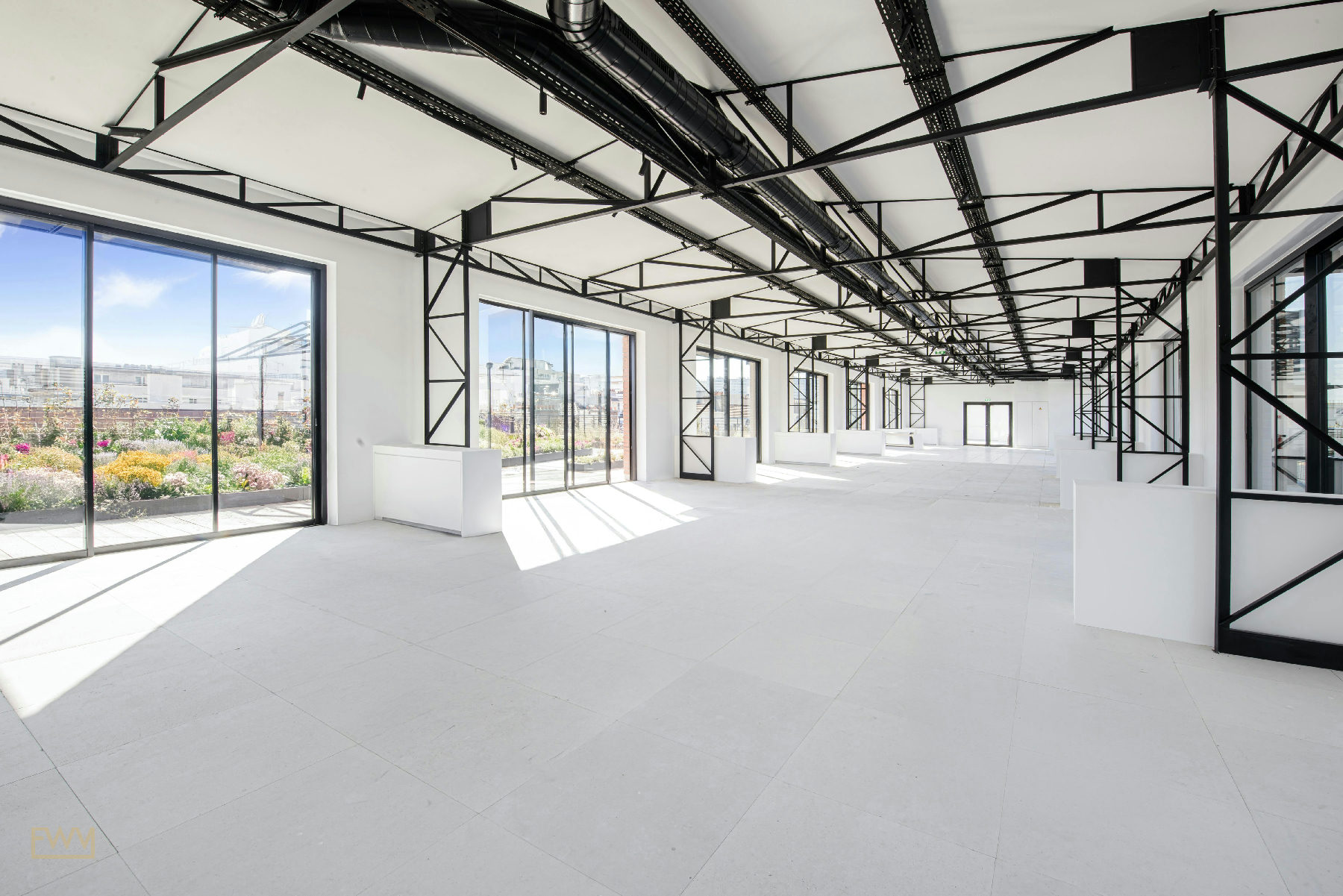
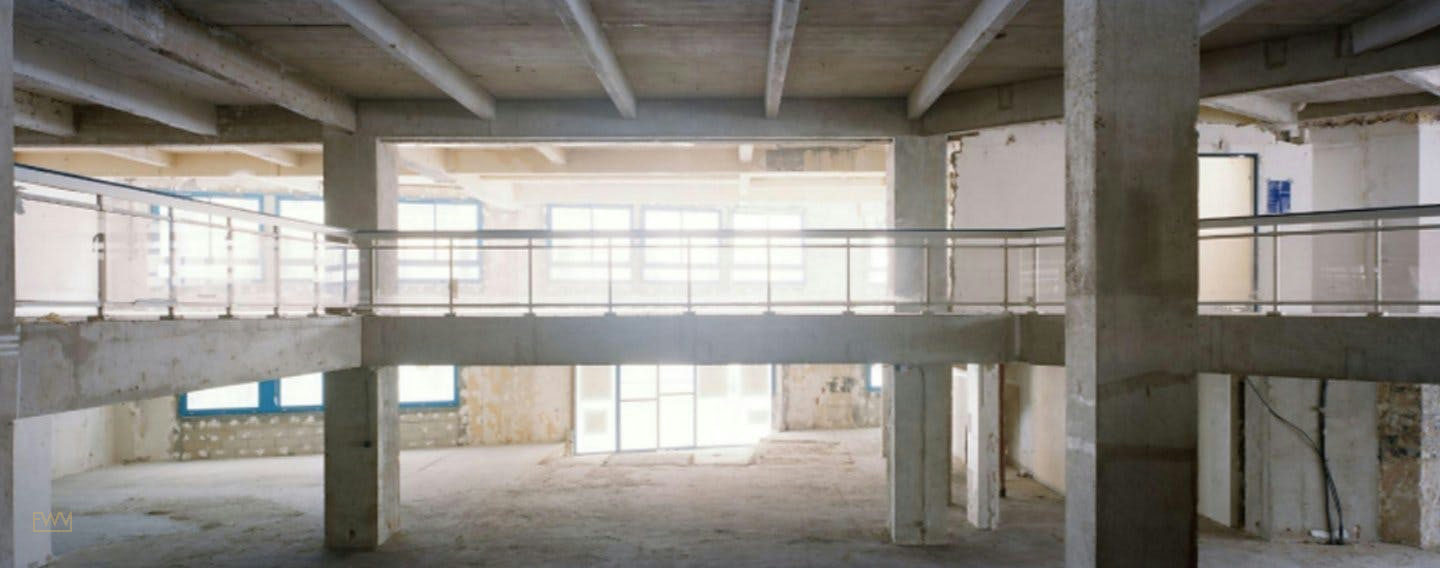
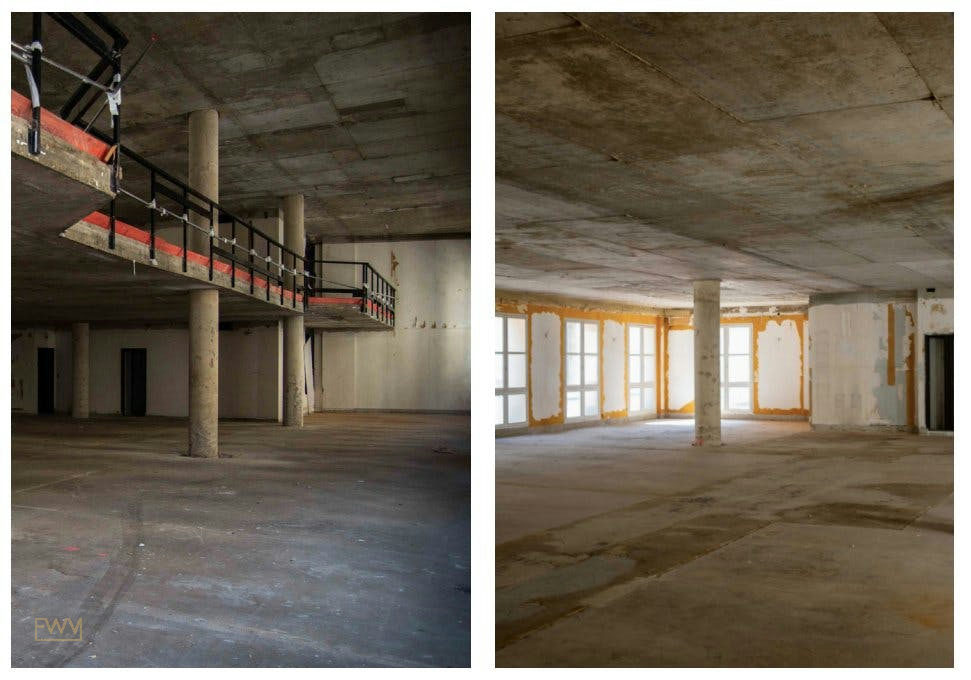
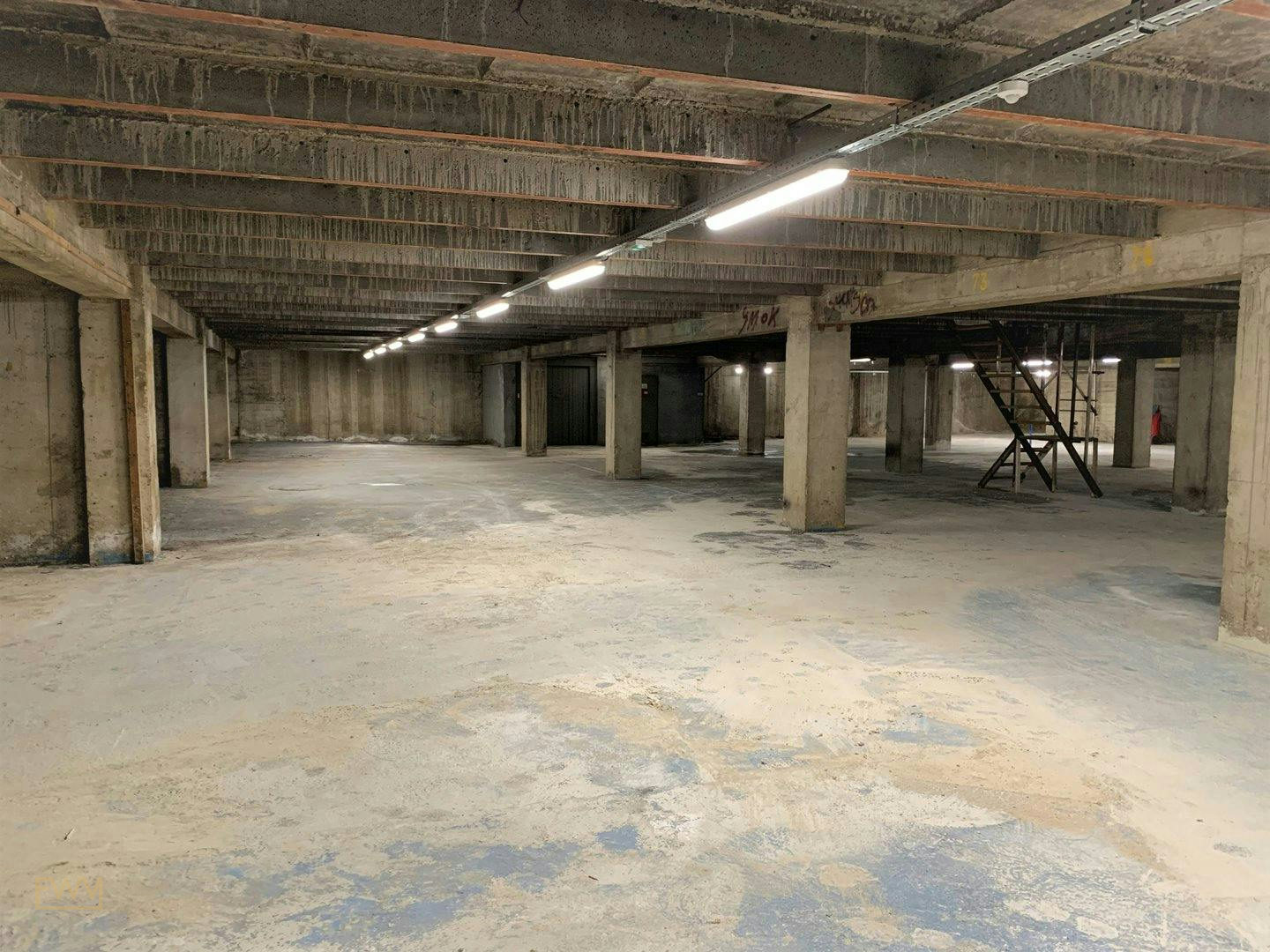
Art gallery-format spaces with polished or raw concrete floors, white walls, and adjustable spotlights are widely available in and around the Marais, Saint-Germain, and increasingly in the Palais Royal zone. These spaces suit brands that want maximum flexibility in spatial design and are comfortable with a more minimal aesthetic. The gallery format also carries cultural associations that benefit fashion, design, and beauty brands positioning at the premium or conceptual end of the market.
Covered Arcade Units
Paris's historic covered arcades, including those within and around the Palais Royal, offer architecturally extraordinary short-term retail environments. Units within arcades typically range from 15 to 80 square metres, with the covered structure providing natural light diffusion and a protected browsing environment. Arcades generate a specific type of dwell time that favours discovery-oriented brands.
Boutique Hotel Lobby and Integrated Spaces
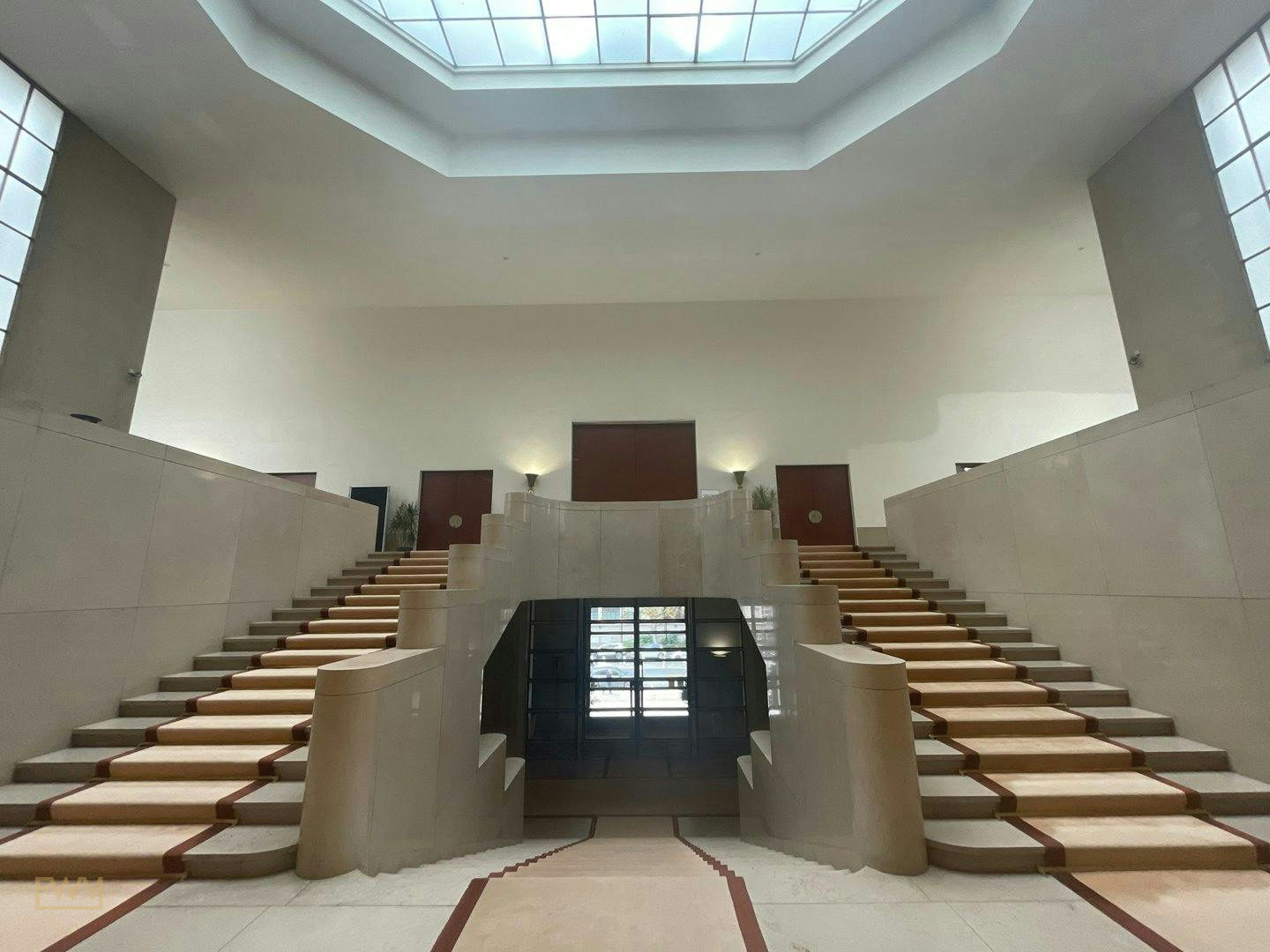
Several boutique hotels and design hotels in the 1st arrondissement offer integrated retail or activation spaces either within their lobbies, garden areas, or dedicated event rooms. These spaces provide access to an already-curated clientele of affluent Parisian visitors and international tourists, with strong social media potential from the hotel's own audience.
Studio Photo and Multi-Use Spaces
Studio photo spaces near Tuileries are increasingly used for short-term retail activations, particularly by beauty and lifestyle brands that want to combine a retail presence with content production. These spaces typically offer high ceilings, professional lighting rigs, and flexible floor plans that can transition between retail, event, and shoot configurations within a single rental period.
| Space Type | Typical Size Range | Ideal For | Key Features | Relative Cost |
|---|---|---|---|---|
| Street-Level Storefront | 30 to 200 sqm | Fashion, beauty, lifestyle retail | High visibility, glazed frontage | High to very high |
| Fashion Showroom / Apartment | 50 to 300 sqm | Designer presentations, buyer appointments | Architectural detail, intimate scale | Medium to high |
| Gallery / White Box | 60 to 500 sqm | Concept retail, art-fashion crossover | Polished/raw concrete floors, spotlights | Medium |
| Covered Arcade Unit | 15 to 80 sqm | Discovery-oriented brands, jewellery, design | Protected environment, historic setting | Medium to high |
| Boutique Hotel Space | 30 to 150 sqm | Luxury brand activations, press events | Curated existing clientele, branding opportunities | High |
| Studio Photo Space | 80 to 400 sqm | Beauty, content-led brands, multi-format events | Lighting rigs, flexible layout | Medium to high |
KEY TAKEAWAY: Space type selection near the Tuileries should be driven by your activation format, team size, inventory requirements, and the specific customer experience you are designing. A fashion showroom during Paris Fashion Week has entirely different space requirements from a weekend pop-up store targeting Louvre Museum visitors.
Selecting the right space type is closely connected to understanding the business and logistics requirements involved in operating short-term retail in Paris, which is the subject of the next section.
Permits, Regulations, and Legal Requirements for Short-Term Retail Near Tuileries
Operating a short-term retail space in Paris involves navigating a specific set of legal frameworks that differ significantly from standard commercial leases and from short-term retail regulations in the UK, US, or other markets. International brands frequently underestimate this complexity, which can result in delays, additional costs, or compliance risks if not addressed at the planning stage.
Quick answer: Short-term retail leases in Paris are typically structured under a bail dérogatoire, a derogatory lease that allows occupancy from one day to thirty-six months outside the protections of the standard nine-year commercial lease law. For activations on public property or within certain public spaces, an Autorisation d'Occupation Temporaire (AOT) may be required instead. Requirements vary by space type, duration, arrondissement, and intended use. Always verify your specific situation with a qualified French legal advisor.
The Bail Dérogatoire Explained
A bail dérogatoire, sometimes called a convention d'occupation précaire or a bail précaire, is the primary legal vehicle for short-term commercial occupancy in France. It is governed by Article L145-5 of the French Commercial Code and permits rental arrangements from one day to a maximum of thirty-six months. Unlike a standard commercial lease (bail commercial), a bail dérogatoire does not grant the tenant renewal rights, and the landlord is not obligated to pay any eviction compensation at the end of the term.
For international brands entering Paris, the bail dérogatoire is generally the most practical framework for pop-up shops, temporary showrooms, and short-term retail activations. However, both parties must explicitly agree in writing to the derogatory nature of the lease at the point of signing. If the tenant remains in occupation beyond the agreed term without a new agreement, the arrangement can automatically convert to a standard nine-year commercial lease under French law.
IMPORTANT: Failing to vacate a bail dérogatoire space on the agreed end date can trigger an automatic conversion to a nine-year commercial lease obligation under French law. Build clear exit dates and handback conditions into your lease from the beginning and ensure your production team is briefed on the full reinstatement requirements.
Autorisation d'Occupation Temporaire (AOT)
For activations in public spaces, on public land, or within certain municipally managed areas, including parts of the Jardin des Tuileries itself, brands require an Autorisation d'Occupation Temporaire from the relevant public authority. These permissions are typically managed by the Ville de Paris or by specialist cultural institutions such as the Établissement public du musée du Louvre for spaces within or adjacent to the Louvre estate. AOTs are competitive, time-limited, and require advance planning. The application process can take several months and approval is not guaranteed.
Insurance, Liability, and Verification
Short-term retail operators in Paris are required to carry public liability insurance appropriate to the nature of their activities. Landlords will typically require proof of insurance before handover. The verification process for commercial rental in France also involves confirming the legal identity of the tenant entity: landlords may require a French SIRET number, company registration documents, or in some cases a French legal entity or guarantor arrangement. International brands without a French entity should address this requirement early, as it directly affects the range of spaces accessible to them.
The Fashion Week Venues permits tool provides guidance on the specific permit types likely to apply to your planned activation. Requirements vary significantly and independent legal verification is always recommended for complex or high-value arrangements.
Local Regulations and Trading Standards
Beyond the lease framework, retail operators in Paris must comply with French consumer protection law, product labelling regulations, and in some categories (beauty, food and beverage, pharmaceuticals) specific sector-level regulations. Temporary retail operations in the 1st arrondissement are also subject to local planning and storefront signage rules that restrict the modification of historic facades and the use of certain exterior display formats.
KEY TAKEAWAY: Legal compliance for short-term retail near Tuileries involves the bail dérogatoire framework, potential AOT requirements for public spaces, mandatory insurance, entity verification, and sector-specific trading regulations. Engaging a specialist agency or French legal advisor at the planning stage reduces risk and protects your brand's timeline and budget.
With the legal framework understood, the next critical question for most brand teams is budget: what does it actually cost to hire retail space near Tuileries, and what other costs should be planned for?
Budget Planning for Hiring Retail Space Near Tuileries Paris
Rental costs for short-term retail space near the Tuileries are among the highest in Europe, reflecting the demand concentration created by Fashion Week, the Louvre Museum visitor flow, and the permanent luxury retail ecosystem. However, the total cost of an activation extends well beyond the space rental itself, and brands that focus only on the lease cost frequently underestimate their actual budget requirements.
Quick answer: Short-term retail space rental near the Tuileries is priced by zone, street, floor level, space type, and duration. Spaces on or immediately adjacent to Rue Saint-Honoré or Place Vendôme command significant premiums. Spaces in the Palais Royal arcades, on Rue de Rivoli, or in the Les Halles zone are typically more accessible. Beyond rent, brands must budget for fit-out and production, furniture and display, staffing, insurance, cleaning, technology and POS systems, and in many cases an agency or management fee. Directional estimates should be generated using a tool calibrated for your specific brief rather than generic market averages.
Key Cost Categories
The primary cost categories for a short-term retail activation near Tuileries are as follows:
- Space rental: Varies dramatically by zone, size, floor, and calendar period. Paris Fashion Week windows command peak premiums. Rates are typically quoted per day, per week, or for a defined short-term period.
- Fit-out and production: Even for minimal activations, there are typically costs associated with paint, signage, display fixtures, and basic adaptation of the space to the brand's visual identity. More extensive activations require full production management.
- Furniture and display rental: Bespoke and branded furniture is a significant cost for aspirational retail environments. Furniture rental programmes reduce capital expenditure and improve flexibility.
- Retail staffing: Front-of-house sales and brand ambassador staff in Paris require competitive compensation. Multilingual staff capable of serving international tourists represent an additional premium.
- POS and payment systems: Contactless and multi-currency payment capability is expected by Parisian visitors and international tourists alike. Temporary POS systems need to be planned and configured in advance.
- Insurance: Public liability and property insurance is mandatory and must be confirmed before occupation.
- Agency and management fees: If working with a full-service agency, management and service fees apply in addition to direct costs.
- Marketing and social media: Digital amplification, influencer engagement, and press outreach are typically separate budget lines from the physical space costs.
To generate a brand-specific budget estimate calibrated to your space type, location, duration, and service requirements, use the Fashion Week Venues budget calculator. Generic market averages are rarely applicable to specific activations, and an accurate budget tool is more useful than broad indicative ranges.
TIP: Build a contingency line of at least 15 percent into your activation budget for unexpected costs including permit delays, reinstatement charges, last-minute staffing changes, and production overruns. Paris Fashion Week timelines are particularly unforgiving of budget underestimates.
When Does Renting Near Tuileries Make Financial Sense?
The financial justification for hiring retail space near Tuileries depends on the specific objectives of the activation. For brands seeking brand positioning and press coverage rather than direct sales, the cost per impression or cost per editorial mention may be the more relevant metric than immediate transaction volume. For brands with direct-to-consumer objectives, the high footfall on Rue de Rivoli and the Les Halles zone can deliver strong transaction numbers within a relatively short rental period.
During FIAC, Paris Design Week, and Paris Fashion Week, the audience composition near Tuileries shifts significantly toward international press, buyers, and industry insiders, making these windows particularly valuable for brand-building activations even at elevated rental costs. To model the potential return on investment for your specific activation, the Fashion Week Venues ROI calculator allows you to input your specific assumptions and generate scenario-based projections.
KEY TAKEAWAY: Budgeting for short-term retail near Tuileries requires a comprehensive view of all cost categories, not just the space rental. The most cost-efficient activations are those where space type, location, duration, and service model are all calibrated to the specific brand objectives and target audience.
To compare how your budget aligns with different neighbourhoods and space types, explore the Paris city hub on Fashion Week Venues and shortlist spaces that match your brief, budget, and calendar window.
Paris Fashion Week and Event Calendar Timing for Tuileries Pop-Up Activations
Timing is one of the most consequential decisions in planning a short-term retail activation near Tuileries. Paris operates on a year-round event calendar that creates distinct footfall and audience composition peaks, and understanding which windows align with your brand objectives determines both the strategic value and the cost structure of your activation.
Quick answer: Paris Fashion Week runs twice annually, typically in late February or early March for the Autumn/Winter collections and in late September or early October for the Spring/Summer collections. These are the two highest-demand windows for short-term retail and showroom space near Tuileries. Other significant events include Paris Design Week in September, FIAC in October, and multiple high-traffic tourist periods throughout the summer. Each window creates a different audience mix and demands different lead times for space booking.
Paris Fashion Week Windows
During Paris Fashion Week, the 1st arrondissement and its surrounding districts function as the operational headquarters of the global fashion industry for ten days. Showrooms on Rue Saint-Honoré, in the Palais Royal, and throughout the Marais host continuous buyer appointments, press visits, and private events. Pop-up activations by fashion brands and fashion-adjacent beauty and lifestyle brands benefit from the concentration of an exceptionally qualified audience within a small geographic radius.
Demand for short-term space during Fashion Week is exceptional, and the most desirable properties in the Tuileries zone are typically committed six to nine months in advance for the September window and four to six months in advance for the February window. Brands attempting to book space within eight weeks of Fashion Week should expect limited availability and elevated pricing.
Paris Design Week and FIAC
Paris Design Week, held each September in conjunction with the Maison et Objet trade fair, draws a significant design-literate audience to the city and creates strong activation opportunities for brands at the fashion-design interface. FIAC, the international contemporary art fair typically held in October, generates a similar high-income, culturally engaged audience that overlaps significantly with the luxury fashion market.
Summer Tourist Season
The summer months of June through August bring the highest absolute visitor volumes to the Tuileries area, driven by international tourism at the Louvre Museum, the Musée des Arts Décoratifs, the Musée de l'Orangerie, and the garden itself. Retail activations during this period benefit from exceptional footfall volume but with a different audience composition than Fashion Week: more family and leisure tourists, fewer industry professionals. Brands in accessible luxury, lifestyle, and cultural heritage categories tend to perform particularly well in the summer window.
Strategic Calendar Planning
Effective calendar planning involves aligning your activation window with both the external event calendar and your internal brand calendar, including collection launches, campaign releases, and sales cycles. Use the Fashion Week Venues timeline planning tool to map your activation against key Paris calendar moments and identify the lead time requirements for your chosen space type and zone.
KEY TAKEAWAY: Paris Fashion Week, Design Week, and FIAC are the three highest-value activation windows near Tuileries for fashion and design brands. Each requires different lead times and creates different audience opportunities. Summer tourist windows offer volume but different audience profiles. Aligning your timing to your objectives is as important as selecting the right space.
The operational success of a Tuileries activation also depends on having the right team and services in place, from concept direction and fit-out through to staffing, POS systems, and data collection on the day.
How Fashion Week Venues Supports Brands Hiring Retail Space Near Tuileries
Fashion Week Venues operates as a full-service pop-up shop agency and space marketplace with Paris as its primary market. For brands planning to hire retail space near Tuileries, Fashion Week Venues provides both the discovery infrastructure to find and compare appropriate spaces and the operational services to design, build, staff, and manage the activation.
Quick answer: Fashion Week Venues supports brands at every stage of a Paris pop-up or showroom activation, from initial space search and budget planning through concept direction, production, staffing, POS, and post-activation analytics. The platform is designed for fashion brands, brand activation managers, creative directors, and international brands entering Paris for the first time or scaling an existing presence.
Space Discovery and Comparison
The Fashion Week Venues space marketplace allows brand teams to browse available short-term retail spaces in Paris filtered by zone, space type, size, floor and access, available dates, and budget range. The compare tool enables direct side-by-side evaluation of multiple shortlisted spaces across key criteria. The locator tool maps available spaces geographically relative to the Tuileries Garden, Rue Saint-Honoré, and other landmark reference points.
Concept and Creative Direction
For brands that need to translate a campaign concept into a spatial design, the concept direction service provides creative guidance and spatial planning from the initial brief through to approved layout and specification. This is particularly valuable for international brands entering Paris for the first time who need to calibrate their aesthetic to the expectations and visual standards of a Tuileries-area audience.
Production and Fit-Out
The production and build service manages the physical transformation of a raw or partially fitted space into a finished brand environment. This includes construction, joinery, flooring, lighting installation, signage, and full reinstatement at the end of the lease. Managing a fit-out in central Paris involves coordinating with building owners, local authorities, approved contractors, and in historic buildings with heritage or planning constraints. An experienced production team significantly reduces the risk of delays, cost overruns, and compliance issues.
Staffing, POS, and Data
The retail staffing service sources and manages front-of-house brand ambassadors, sales associates, and event staff for the duration of the activation. Staff can be briefed on specific brand standards, product knowledge, and CRM requirements. POS and payment systems are configured to support contactless, multi-currency, and digital wallet transactions appropriate for the international clientele near Tuileries. The data and analytics service captures footfall, transaction, and engagement data that feeds directly into post-activation ROI reporting.
Twin Co-Activation and Shared Space Models
For brands seeking to reduce rental costs or create a collaborative brand environment, the twin concept allows two complementary brands to co-activate within a single space, sharing costs while maintaining distinct brand identities within a unified spatial concept. This model is particularly relevant for emerging brands or those testing Paris for the first time with a more conservative budget.
Understanding the Limitations
Fashion Week Venues does not guarantee the availability of specific spaces, the outcome of permit applications, or specific commercial results from any activation. Space availability is subject to market conditions and is particularly constrained during Paris Fashion Week windows. Brands are encouraged to begin their space search with as much lead time as possible and to treat the platform's tools as directional planning resources rather than guaranteed booking confirmations. For a clear picture of how the agency works and what to expect at each stage, review the Fashion Week Venues process page.
KEY TAKEAWAY: Fashion Week Venues provides both the marketplace infrastructure to find Paris short-term retail spaces and the full operational service stack to design, build, staff, and manage activations. The platform is most valuable to brand teams that need a single integrated partner rather than managing multiple independent suppliers across space, production, staffing, and analytics.
How to Search for and Evaluate Retail Space Near Tuileries
Finding the right short-term retail space near the Tuileries requires a structured search and evaluation process. The Paris market for short-term commercial space operates differently from standard commercial property platforms like CoStar or LoopNet, which focus primarily on long-term institutional leases rather than the short-term and pop-up market.
Quick answer: Short-term retail space near Tuileries is most effectively sourced through specialist pop-up and short-term retail marketplaces, direct landlord networks, and full-service agencies with established Paris relationships. Standard commercial property platforms cover the long-term lease market and have very limited short-term or pop-up inventory. The most time-efficient approach for international brands is to use a specialist agency with an existing verified space inventory and landlord relationships in the target zone.
Defining Your Search Criteria
Before beginning any search, define the following parameters clearly:
- Target zone or specific street within the Tuileries district
- Space type required: storefront, showroom, gallery, arcade, studio
- Minimum and maximum size in square metres
- Floor level and access requirements including lift, loading access, and step-free entry
- Activation dates and total duration including build and break periods
- Total budget envelope including all costs, not just rent
- Specific space features required: polished or raw concrete floors, spotlights, natural light, kitchen, storage, street frontage
Having these parameters defined before approaching listings saves significant time and prevents the common mistake of falling in love with a visually appealing space that does not meet practical operational requirements.
Evaluating Shortlisted Spaces
Once you have a shortlist of candidate spaces, evaluate each against the following criteria using the space comparison tool:
- Proximity to target foot traffic generators: Tuileries Garden entrance points, Louvre Museum exits, Rue de Rivoli pedestrian flow, Châtelet metro access
- Visibility from street level and window display potential
- Natural light quality and direction
- Existing electrical capacity and lighting infrastructure
- Permitted use under the existing property classification
- Landlord flexibility on lease terms, permitted alterations, and brand signage
- Loading and deliveries access for installation and restocking
- Proximity to good restaurants and cafés for team use during multi-week activations
Avoiding Common Pitfalls
The most common mistakes brands make when searching for short-term retail space near Tuileries include: starting the search too late, underestimating the gap between enquiry and signed lease, failing to account for build and break time in the rental period, and not verifying the permitted use of a space before committing. Spaces listed as retail suitable may have restrictions on window signage, structural modifications, or specific product categories. Verify permitted use explicitly with the landlord or their representative before signing.
| Stage | Action | Recommended Tool or Resource | Typical Lead Time |
|---|---|---|---|
| 1. Define brief | Set zone, size, type, dates, budget | Budget calculator, timeline tool | Before search begins |
| 2. Search and shortlist | Browse available spaces, filter by criteria | Marketplace, locator tool | 4 to 9 months before activation |
| 3. Compare and evaluate | Side-by-side comparison of shortlisted spaces | Compare tool | 3 to 6 months before activation |
| 4. Site visits | In-person or virtual walk-throughs | Imagine visualisation tool | 3 to 5 months before activation |
| 5. Legal and permit review | Verify permitted use, lease type, AOT if needed | Permits tool, legal advisor | 3 to 4 months before activation |
| 6. Concept and design | Develop spatial concept and specification | Concept direction, build tool | 2 to 4 months before activation |
| 7. Production | Fit-out, furniture, signage, technology | Production and build service | 4 to 8 weeks before activation |
| 8. Staff and operations | Recruit, brief, and onboard team | Retail staffing service | 2 to 4 weeks before activation |
| 9. Launch and operate | Run the activation, collect data | POS and payments, data and analytics | During activation |
| 10. Close and report | Reinstate space, analyse results, report ROI | ROI calculator, data and analytics | Immediately post-activation |
KEY TAKEAWAY: A structured ten-stage search and activation process, begun with adequate lead time, significantly reduces the risk of delays, compliance failures, and budget overruns. The most critical stages are brief definition and early legal review, which are also the most commonly skipped by international brands working to tight internal timelines.
Brand Strategy and Audience Considerations for the Tuileries Zone
Hiring retail space near the Tuileries is a strategic decision as much as a logistical one. The neighbourhood's audience composition, competitive brand environment, and media significance all shape the potential return on investment from any activation here.
Quick answer: The Tuileries zone delivers access to three overlapping audience segments: international luxury tourists visiting the Louvre Museum, the Musée de l'Orangerie, and the garden; fashion industry insiders concentrated here during Paris Fashion Week and related trade events; and the resident Parisian clientele of the 1st arrondissement and its surrounding prestigious arrondissements. A successful brand strategy identifies which of these three segments is primary and calibrates the space concept, pricing, visual identity, and staffing accordingly.
The International Tourist Segment
The Louvre Museum alone attracts over eight million visitors annually in normal trading years, making the streets immediately surrounding it among the highest footfall zones in the world. Visitors from North America, East Asia, the Middle East, and across Europe pass through this area continuously throughout the year with the exception of brief low-season dips. For brands with strong international recognition, a retail activation near the Louvre and Tuileries Garden offers direct access to an audience that is already in a heightened cultural and experiential mode and therefore more receptive to discovery retail.
The Fashion Industry Segment
During Paris Fashion Week, the Tuileries zone becomes the operational centre of the global fashion calendar. Buyers from major department stores including Galeries Lafayette and Printemps, international press from every fashion media market, stylists, creative directors, photographers, and influencers all operate within this zone simultaneously. A well-positioned showroom or pop-up activation during Fashion Week can generate press coverage, buyer interest, and social media reach that extends far beyond the physical visitor numbers.
Social Media and Brand Positioning
The visual richness of the Tuileries area, including the garden arcades, the Palais Royal courtyard, the Haussmannian architecture, and the Louvre pyramid backdrop, creates exceptional social media content opportunities. Brands that design activations with photography and video content as an explicit output, rather than an afterthought, can amplify the reach of even a small-scale activation into a significant digital presence. Influencer partnerships and press previews are particularly effective in this environment given the density of fashion media during Fashion Week.
Brand Positioning Within the Luxury Ecosystem
Operating near Rue Saint-Honoré, Place Vendôme, or the Palais Royal places your brand in direct visual proximity to some of the most established luxury names in fashion, jewellery, and beauty. This adjacency carries both benefits and obligations. It raises the quality expectations of visitors who arrive primed by the surrounding environment, meaning that activations with minimal investment in visual design and merchandising can suffer by comparison. Brands that invest appropriately in spatial quality and editorial standards benefit from the halo effect of the neighbourhood.
DID YOU KNOW: The Musée de la Mode et du Textile, located within the Palais du Louvre complex, positions the Tuileries area as a historic centre of French fashion culture as well as a contemporary retail zone. Activations that reference this cultural heritage can create strong narrative hooks for press and social media.
KEY TAKEAWAY: Effective brand strategy for a Tuileries activation requires clarity on which of the three primary audience segments, tourists, industry insiders, or resident Parisians, you are primarily targeting, and then aligning the space concept, timing, pricing, and marketing accordingly. The neighbourhood rewards brands that engage seriously with its cultural context.
Common Myths About Hiring Retail Space Near Tuileries Paris
MYTH: You need a French legal entity to rent short-term retail space near Tuileries Paris.
FACT: Many landlords offering short-term and pop-up spaces near Tuileries will work with international brands that do not have a French SIRET number or registered entity, particularly when the rental is arranged through an established agency with existing landlord relationships. However, some landlords do require a French entity or a local guarantor, and requirements vary by property and landlord. Working with a specialist agency that has pre-negotiated access to a portfolio of spaces can resolve this practically without requiring immediate company registration in France.
MYTH: Paris Fashion Week is the only worthwhile calendar window for a Tuileries area activation.
FACT: While Fashion Week creates the most concentrated industry audience in Paris, the Tuileries zone generates strong commercial footfall year-round. The summer tourist season, Paris Design Week, FIAC, and the pre-Christmas retail period all offer compelling activation windows for different brand profiles. A summer activation targeting international tourists from the Louvre Museum flow may deliver higher absolute visitor numbers than a Fashion Week showroom, depending on the brand's objectives and target audience.
MYTH: Commission brokers and property agents are the only way to find available short-term retail space near Tuileries.
FACT: Specialist pop-up and short-term retail marketplaces, such as the Fashion Week Venues marketplace, provide direct access to available spaces without broker commission structures. Full-service agencies with established Paris landlord networks can also source spaces outside what is publicly listed, including off-market units that never appear on platforms like LoopNet or CoStar. For international brands, a specialist pop-up agency typically provides more relevant inventory and more practical operational support than a conventional commercial property broker.
MYTH: Short-term retail leases in Paris are legally straightforward and require no specialist advice.
FACT: The bail dérogatoire framework in France has specific legal requirements that, if not correctly observed, can result in an accidental conversion to a standard nine-year commercial lease with significant financial implications. Permitted use restrictions, AOT requirements for certain spaces, insurance obligations, and reinstatement conditions all require careful attention. International brands in particular should verify their lease terms with a qualified French legal advisor before signing, regardless of how informal or short-term the arrangement appears.
MYTH: Short-term retail near Tuileries is only viable for large luxury brands with substantial budgets.
FACT: While premium locations on Rue Saint-Honoré command high rental costs, the Tuileries zone includes a range of space types, sizes, and micro-locations at varied price points. Upper-floor showroom spaces, smaller arcade units, and spaces in adjacent streets offer significantly more accessible entry points than street-level flagship locations. Co-activation models that share costs between two complementary brands can further reduce the individual investment required to establish a presence in this neighbourhood.
Frequently Asked Questions
What are the most sought-after locations for hiring retail space near Tuileries Paris?
The most in-demand short-term retail locations near the Tuileries are Rue Saint-Honoré, the Palais Royal arcades, Rue de Rivoli, Place Vendôme, and the streets immediately surrounding the Louvre Museum. During Paris Fashion Week, showroom spaces in the 1st arrondissement and along Rue Saint-Honoré are particularly competitive. For brands targeting tourist footfall, spaces with direct sightlines to the Tuileries Garden entrances or the Louvre pyramid offer exceptional walk-in visibility. The zone around Pyramides and Opéra metro stations also provides strong footfall for accessible luxury and fashion retail.
What is a pop-up store and how does it work near Tuileries?
A pop-up store is a temporary retail installation that occupies a space for a defined, short-term period ranging from a single day to several months. Near the Tuileries, pop-up stores are used by fashion brands, beauty brands, designers, and lifestyle companies to test new markets, launch collections, engage press and buyers during Fashion Week, and create experiential brand moments for consumers. The activation typically involves renting a space under a bail dérogatoire arrangement, fitting it out to the brand's visual identity, staffing it with brand ambassadors or sales associates, and operating it for the defined period before reinstating the space to its original condition.
How much does it cost to rent a pop-up shop near Tuileries Paris?
Rental costs for short-term retail space near Tuileries vary significantly by zone, space type, size, floor level, and calendar period. Premium street-level spaces on Rue Saint-Honoré or in the Palais Royal arcades command the highest rates, particularly during Paris Fashion Week windows. Smaller or upper-floor spaces in adjacent streets offer more accessible entry points. The total activation budget must include fit-out, staffing, insurance, and other operational costs beyond the rent itself. Use the Fashion Week Venues budget calculator to generate a directional estimate specific to your brief, as generic market averages rarely apply to individual activations.
How do I rent a pop-up shop in Paris near the Tuileries?
The process involves defining your space requirements and budget, searching available spaces through a specialist marketplace or agency, conducting site visits or virtual walk-throughs, completing legal and permit checks, signing a bail dérogatoire lease, designing and fitting out the space, hiring staff, launching the activation, and reinstating the space at the end of the term. International brands typically benefit from working with a full-service agency that has established Paris landlord relationships and can manage multiple stages of this process in parallel. Begin your search at least four to six months before your target activation date, and nine months or more for Fashion Week windows.
Are pop-up stores common in Paris near the Tuileries?
Yes, short-term pop-up activations are very common throughout the 1st arrondissement and the surrounding districts. Paris has one of the most active short-term retail markets in Europe, driven by the twice-annual Fashion Week calendar, major cultural events, and the year-round concentration of international visitors. The Palais Royal, Rue Saint-Honoré, and the Marais are particularly active pop-up zones. Many permanent retailers in the area also rotate their adjacent spaces through short-term tenancies, creating a consistent flow of new brand activations throughout the year.
Do I need a French company to hire retail space near Tuileries?
Not necessarily. Some landlords will rent to international entities, particularly through agency intermediaries with established relationships. Others require a French SIRET number, a French guarantor, or proof of adequate insurance from a French-recognised insurer. Requirements vary by property, landlord, and lease structure. Working through an agency that has pre-negotiated framework agreements with Paris landlords reduces this friction significantly. If you plan regular or multi-year activations in France, registering a French entity may be worthwhile but is not always a prerequisite for a single short-term activation.
What permits do I need to operate a pop-up retail space near the Tuileries?
Requirements vary by space type, location, and intended activity. Most short-term retail spaces are rented under a bail dérogatoire, which is a private lease arrangement requiring no specific public authority permit. However, if you intend to use exterior signage, conduct events in semi-public spaces, operate a food service element, or use any space on or adjacent to public land, additional permits from the Ville de Paris or the relevant public authority may be required. An Autorisation d'Occupation Temporaire is needed for activities on public land. Review the permit guidance tool on Fashion Week Venues and verify your specific requirements with a French legal advisor before signing a lease.
What types of retail space are available near the Tuileries and Palais Royal?
Available space types near the Tuileries include street-level storefronts, Haussmannian apartment spaces used as showrooms, white-box gallery spaces with polished or raw concrete floors and adjustable spotlights, covered arcade units in and around the Palais Royal, boutique hotel lobby and integrated spaces, and studio photo spaces suitable for combined retail and content production use. Sizes range from compact 20 to 30 square metre arcade units to multi-floor spaces exceeding 500 square metres. The right format depends entirely on the nature and objectives of the brand activation.
What is a bail dérogatoire and why does it matter for short-term retail in Paris?
A bail dérogatoire is a short-term commercial lease framework under French law that allows occupancy for periods from one day to a maximum of thirty-six months, outside the protections and obligations of the standard nine-year commercial lease. It is the primary legal vehicle for pop-up shops, temporary showrooms, and short-term retail activations in France. Both parties must explicitly agree in writing to the derogatory nature of the arrangement. If the tenant remains in the space after the agreed end date without a new signed agreement, French law may automatically convert the arrangement into a standard nine-year commercial lease, creating significant unintended financial exposure.
What neighbourhoods near Tuileries are best for fashion pop-ups in Paris?
The most relevant neighbourhoods for fashion pop-ups near the Tuileries are the 1st arrondissement covering Rue Saint-Honoré, Palais Royal, and the Les Halles zone; the 8th arrondissement covering the Champs-Élysées and Golden Triangle; the 3rd and 4th arrondissements covering Le Marais and Place des Vosges; and the 6th arrondissement covering Saint-Germain-des-Prés. Each zone attracts a different audience profile and suits different brand tiers and activation formats. The Palais Royal and Rue Saint-Honoré are the most prestigious for fashion brands, while the Marais offers more flexibility and a younger, more design-aware audience at somewhat more accessible rental rates.
How far in advance should I book short-term retail space near Tuileries for Paris Fashion Week?
For the September Paris Fashion Week window, best-in-class spaces in the Tuileries zone are typically committed by February or March of the same year, meaning a minimum six-month lead time is essential. For the February Fashion Week window, planning from the previous September gives the best access to quality inventory. Brands attempting to book within eight to ten weeks of Fashion Week should expect very limited availability in premium locations and will likely need to accept secondary locations or significantly higher rates for any remaining inventory. The earlier you begin your search, the wider your options and the more negotiating leverage you have.
Can I find short-term Paris retail listings on standard commercial property platforms?
Standard commercial property platforms like CoStar and LoopNet are primarily designed for long-term institutional leases and have very limited short-term or pop-up retail inventory in Paris. They may list some properties in French with focus on standard commercial terms and longer minimum commitments. For brands seeking short-term retail, pop-up, or showroom space near the Tuileries, specialist pop-up marketplaces and agencies with dedicated short-term inventory in Paris provide more relevant, more current, and more operationally suitable options. Some spaces are never publicly listed and are only accessible through agency relationships.
What is the best way to visualise how a space near Tuileries will look before committing to a lease?
Before committing to a lease, the most effective approaches are in-person site visits accompanied by a production or spatial design team, supplemented by digital spatial visualisation tools that allow you to superimpose your brand concept onto the empty space. The Fashion Week Venues Imagine tool provides a space visualisation capability that allows brand teams to explore how their concept will translate into a specific physical environment. This reduces the risk of committing to a space that photographs well but does not suit the brand's spatial or operational requirements in practice.
What insurance do I need to operate a pop-up retail space near Tuileries Paris?
At minimum, you will need public liability insurance appropriate to the nature of your retail or event activity, and in most cases the landlord will require evidence of this coverage before handing over keys. If you are selling products, product liability insurance is also advisable. Some spaces require specific coverage levels or named beneficiary endorsements on the policy. If you are importing and selling goods in France, additional customs and trade compliance considerations may apply depending on the product category. Work with an insurance broker familiar with French commercial requirements to structure coverage appropriate to your activation.
How does the Fashion Week Venues twin concept work for brands sharing space near Tuileries?
The twin co-activation concept allows two complementary brands to share a single space in Paris, dividing the rental and fit-out costs while maintaining distinct brand identities within a unified spatial design. This model works best for brands that address compatible but non-competing audiences, for example a fashion brand and a beauty brand, or a jewellery brand and an accessories label. The twin format makes premium locations near Tuileries financially accessible for brands that could not justify the full rental cost independently. It also creates an inherently more dynamic retail environment and can generate stronger social media content through the combined brand presence.
Conclusion: Taking the Next Step to Hire Retail Space Near Tuileries Paris
Hiring retail space near Tuileries Paris represents one of the most strategically significant decisions a fashion, luxury, beauty, or design brand can make in the European market. The combination of the Louvre Museum's visitor volumes, the prestige of Rue Saint-Honoré and Place Vendôme, the architectural richness of the Palais Royal arcades, and the twice-annual concentration of global fashion industry at Paris Fashion Week creates an activation environment that is genuinely without equal in Europe.
Success in this market requires thorough preparation across six dimensions: location strategy, space type selection, legal and permit compliance, budget planning, calendar timing, and operational execution. International brands that approach this market without adequate lead time, legal guidance, or a clear understanding of the bail dérogatoire framework frequently encounter avoidable delays and additional costs. Those that invest appropriately in preparation, partner selection, and spatial quality benefit from a market that rewards serious brand investment with genuine commercial and reputational returns.
The guides and tools available through Fashion Week Venues are designed to support brand teams at every stage of this process, from initial concept and budget modelling through space discovery, permit navigation, concept design, production, staffing, and post-activation analysis. Whether you are planning your first Paris pop-up or scaling an existing activation programme, the platform provides the infrastructure and agency expertise to execute with confidence in one of the world's most demanding retail environments.
To move from research to activation, start exploring available spaces on the Fashion Week Venues marketplace and build a focused brief for your target neighbourhood, space type, and calendar window. The earlier you begin, the wider your options and the stronger your position in negotiating the space that best serves your brand's Paris ambitions.