

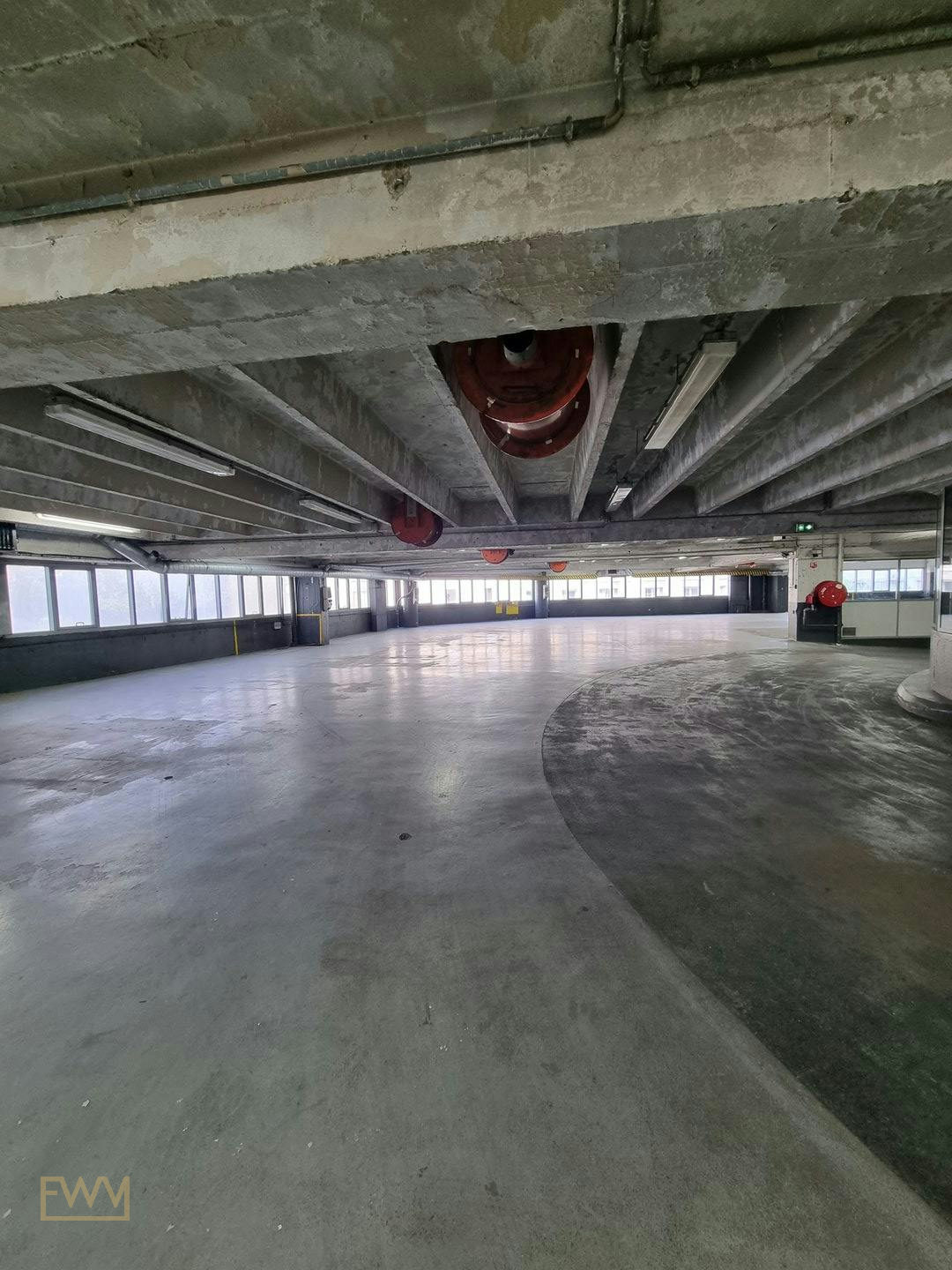
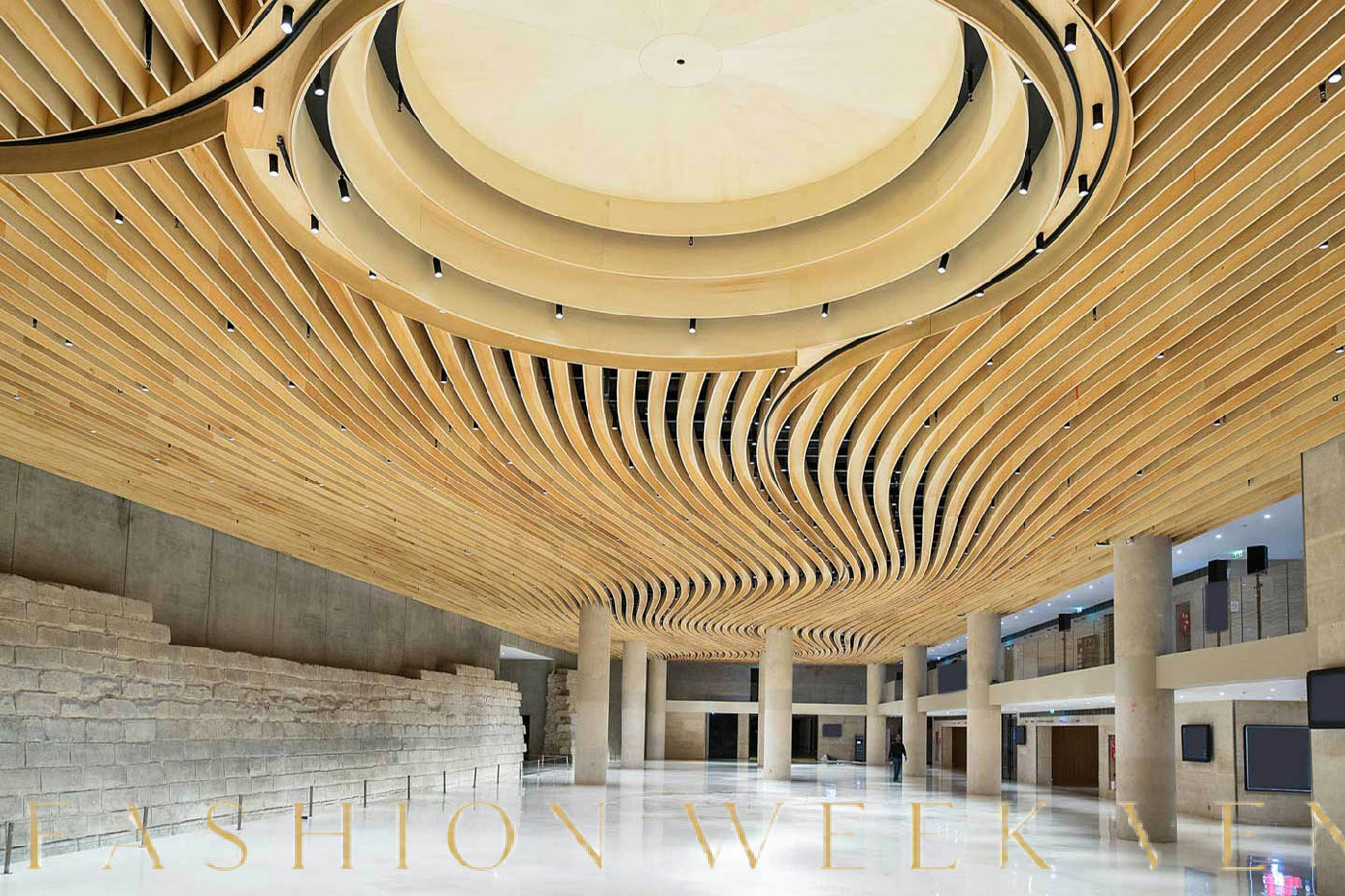
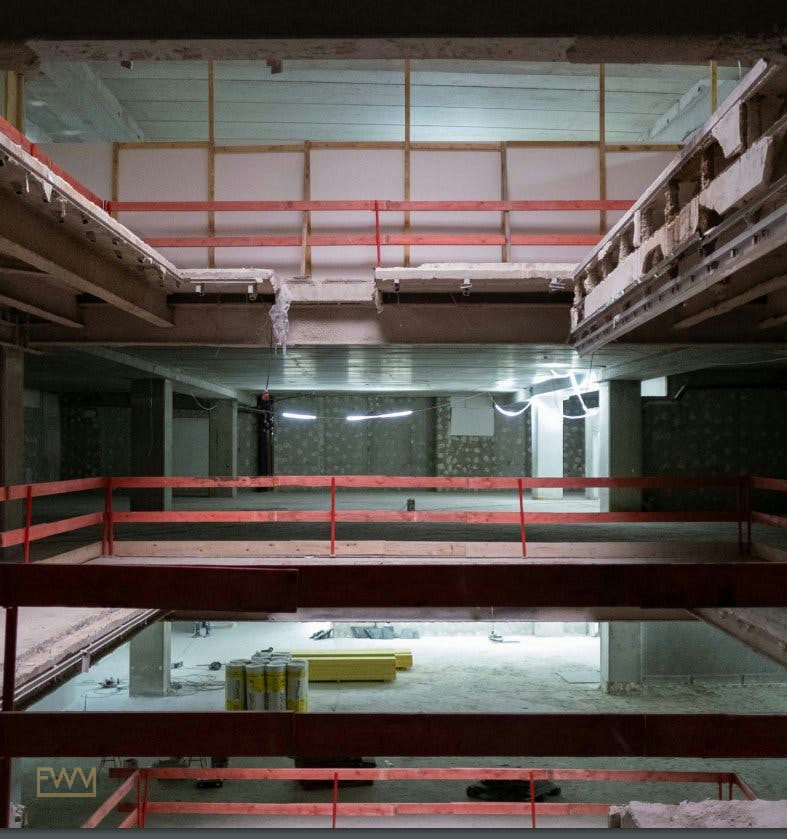
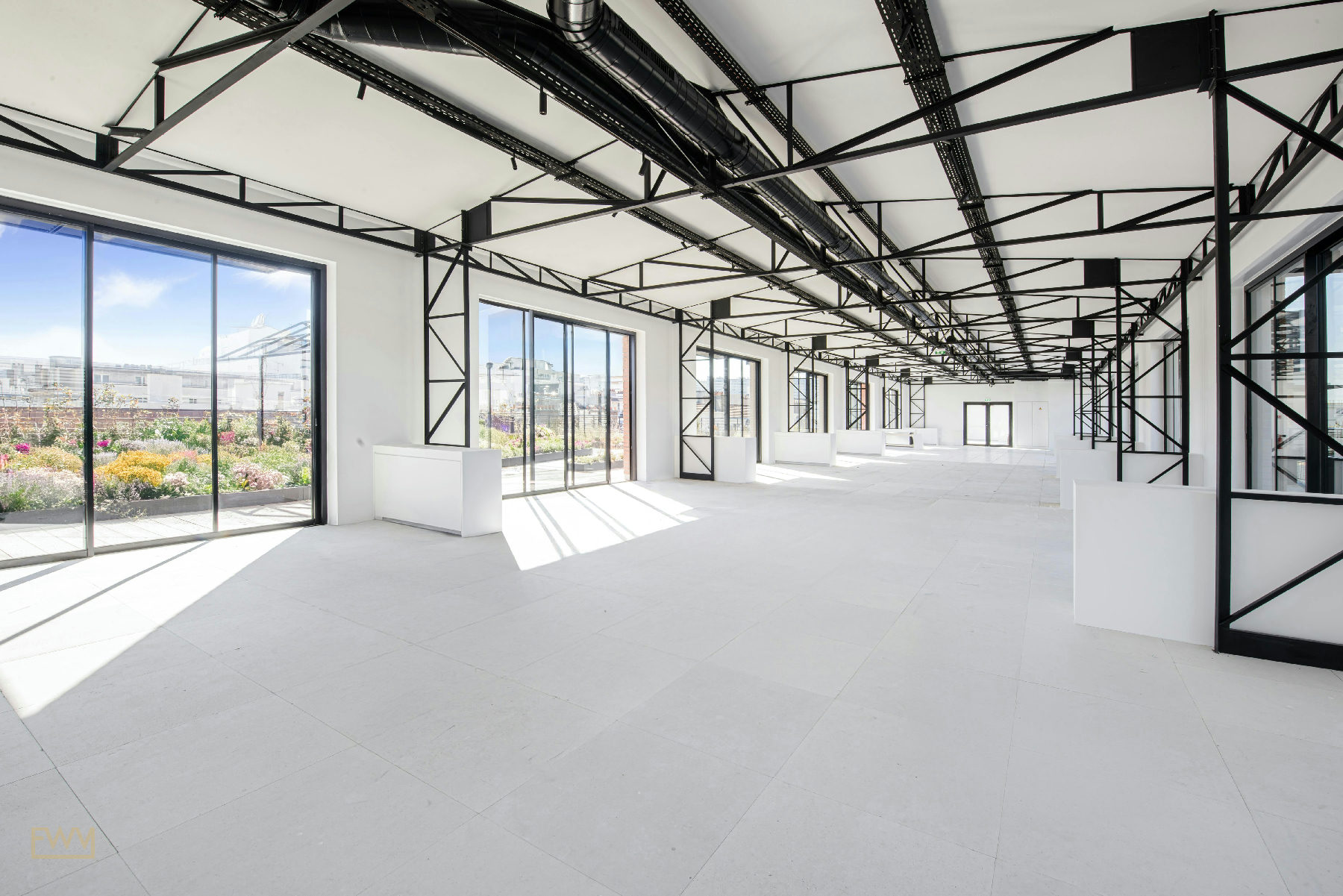
For brands seeking to hire retail space for Paris Fashion Week, the decisions made in the weeks and months before the event determine whether an activation succeeds or disappears into the background. Paris is not a forgiving market. The most sought-after showrooms, boutique storefronts, and event spaces in Le Marais, Saint-Germain-des-Prés, the Golden Triangle, and around Rue du Faubourg Saint-Honoré are reserved months in advance, often well before official calendar dates are confirmed. This guide covers every dimension of securing, planning, and activating short-term retail and showroom space in Paris during Fashion Week, from neighbourhood selection and space types to permits, budgets, logistics, and brand strategy. Fashion Week Venues supports brands across every stage of the Paris activation process, from initial search through to on-site management.
Why Paris Fashion Week Demands a Dedicated Retail Space Strategy
Paris Fashion Week is not a single moment. It is a concentrated calendar of overlapping events spanning womenswear, menswear, haute couture, and associated trade weeks that draw buyers, press, stylists, influencers, and international consumers into a city already dense with brand activity. For any brand attempting to reach this audience, a temporary retail presence is one of the few formats that simultaneously generates press coverage, buyer appointments, consumer engagement, and direct revenue.
The strategic logic is straightforward. During Fashion Week, Paris concentrates more influential fashion industry contacts per square kilometre than at any other moment of the year. Buyers from major department stores travel to Paris specifically to discover collections. International press and content creators are on assignment and actively looking for stories. Consumers who follow fashion closely are already in a purchasing mindset. A well-placed pop-up shop, showroom, or ephemeral boutique in the right arrondissement captures all three audiences simultaneously and creates momentum that extends well beyond the activation period itself.
The challenge is that this concentration of demand also applies to the real estate market. Landlords and space owners in prime Paris locations understand the premium that Fashion Week commands. Spaces that would ordinarily be available at standard short-term rental rates become significantly more competitive from January through to the end of October, when the womenswear spring schedule closes. Brands that approach Paris without a clear brief, a realistic budget, and a reliable sourcing process frequently find themselves locked out of the best locations.
Beyond competition, Paris presents operational complexity that brands unfamiliar with the French market often underestimate. Short-term commercial leases in France operate under specific legal frameworks that differ materially from standard commercial leases. Permit requirements vary by arrondissement, space type, and the nature of the activation itself. Staffing, audiovisual equipment, storage, security services, and event supervision all require local knowledge and established supplier relationships to execute reliably under time pressure.
Understanding these dynamics before beginning the search process is the single most important step a brand team can take. The sections that follow break down every component of the Paris Fashion Week retail space process in practical, actionable terms.
Quick answer: Hiring retail space for Paris Fashion Week requires planning at least three to six months in advance, a clear brief across space type, neighbourhood, footprint, and budget, and familiarity with French short-term lease law, permit requirements, and local operational logistics. The most competitive locations in Le Marais and the Golden Triangle are typically secured earliest.
KEY TAKEAWAY: Paris Fashion Week is a multi-week calendar, not a single event. Brands that treat it as a concentrated media and commercial opportunity and plan their retail space strategy accordingly achieve significantly better results than those approaching it as a logistics exercise.
The next section maps the specific Paris neighbourhoods that matter most for short-term retail and showroom activation, and explains how to match neighbourhood character to brand positioning.
Paris Fashion Week Neighbourhoods: Where to Hire Retail and Showroom Space
The choice of arrondissement and neighbourhood for a Paris Fashion Week retail activation is a brand positioning decision as much as a logistical one. Each district carries distinct associations in the minds of buyers, press, and consumers, and the neighbourhood where a brand activates signals something about where that brand sits in the market.
Le Marais: The Centre of Fashion Week Showroom Activity
Le Marais, spanning primarily the 3rd and 4th arrondissements, remains the single most requested area for showroom rental and pop-up retail during Paris Fashion Week. The neighbourhood combines historic architecture including Haussmannian apartments, former industrial lofts, and gallery-style ground floor spaces with a dense concentration of existing fashion boutiques, concept stores, and art galleries that naturally attract the buyers and press brands want to reach.
Rue de Turenne and the streets surrounding Place des Vosges are particularly active during Fashion Week, hosting a mixture of established brand showrooms, emerging designer presentations, and temporary installations. The 75003 postal district has become synonymous with the showroom circuit that buyers and press follow during the womenswear and menswear weeks. Spaces in this area range from small boutique formats of around 50 to 100 square metres to larger loft-style venues of 300 square metres or more, offering flexibility for different collection types and presentation formats.
Galerie Perrotin and the surrounding gallery ecosystem in the Marais have also created a cultural density that benefits fashion brands seeking to associate their activations with contemporary art and design culture. For brands positioning at the intersection of fashion and culture, Le Marais offers an ambient credibility that other Paris districts do not replicate as naturally.
DID YOU KNOW: Le Marais hosts some of the highest concentrations of independent fashion boutiques and concept stores in Paris, making it a natural circuit for buyers and press during Fashion Week who move between appointments and retail discoveries within a walkable area.
Saint-Germain-des-Prés and the Left Bank
Saint-Germain-des-Prés, in the 6th arrondissement, appeals to brands with a more established luxury positioning or those seeking to associate with the intellectual and cultural heritage of the Left Bank. The neighbourhood's boutique retail landscape is anchored by flagship stores from major French and international luxury houses, and the existing clientele visiting the area skews toward affluent Parisian consumers and international tourists with significant purchasing power.
For showroom rentals, Saint-Germain-des-Prés offers a range of former apartment spaces, gallery formats, and purpose-built retail ground floors that provide a quieter, more curated backdrop than the more commercially dense Marais. Brands presenting ready-to-wear collections with a strong design or artisanal narrative often find Saint-Germain-des-Prés a more resonant location than the higher-traffic options further east.
The Golden Triangle and the 8th Arrondissement
The Golden Triangle, defined by Avenue Montaigne, Avenue George V, and the Champs-Élysées, along with the broader 8th arrondissement including Rue du Faubourg Saint-Honoré, is the heartland of Paris luxury retail. This is the neighbourhood where the major couture houses maintain their flagship ateliers and flagship boutiques, and where the density of high-net-worth international consumers during Fashion Week is at its greatest.
Espace Montaigne and similar premium venue formats in this area command the highest rental rates of any Paris Fashion Week location, and competition for space is extremely strong. For brands at the accessible luxury or premium contemporary level, the 8th arrondissement may represent an ambitious positioning choice. For established luxury brands, beauty houses, and high jewellery presentations, it is often the natural and expected location.
The Champs-Élysées and Rue de Rivoli offer higher foot traffic at a slightly different consumer profile, with greater tourist and general public visibility that suits brands seeking mass awareness alongside industry engagement.
Vendôme, La Madeleine, and Place Vendôme Surroundings
The Place Vendôme and surrounding streets including La Madeleine represent the epicentre of high jewellery and accessories brands during Fashion Week. This area is more specialised in its retail character and suits brands in accessories, fine jewellery, watches, and premium leather goods. Event spaces and showrooms in this area tend toward formal, classical Haussmannian architecture with the formal proportions that jewellery and accessories presentations benefit from.
Châtelet, Carreau du Temple, and Central Paris
The Châtelet area and Carreau du Temple, a restored 19th-century covered market in the 3rd arrondissement, provide event spaces suited to larger-scale activations, brand launches, and presentations requiring industrial or non-residential architecture. Carreau du Temple has hosted major brand events and cultural activations and offers a scale that many other Paris spaces cannot match. For brands planning product launches, immersive installations, or events with a significant guest list, these formats are worth serious consideration.
Quick answer: The best neighbourhoods for hiring retail space during Paris Fashion Week are Le Marais for showrooms and emerging brands, Saint-Germain-des-Prés for established contemporary and luxury positioning, the Golden Triangle and 8th arrondissement for luxury and couture, and Vendôme surroundings for accessories and jewellery presentations. The right choice depends on brand positioning, target audience, and the nature of the activation.
| Neighbourhood | Best For | Space Types Available | Booking Lead Time |
|---|---|---|---|
| Le Marais (3rd/4th) | Showrooms, emerging and contemporary brands | Lofts, galleries, apartments, storefronts | 3 to 6 months |
| Saint-Germain-des-Prés (6th) | Established contemporary, luxury positioning | Boutiques, apartments, galleries | 3 to 5 months |
| Golden Triangle / 8th arrondissement | Luxury, couture, beauty, high-net-worth consumer | Flagship spaces, Haussmannian floors, event venues | 4 to 7 months |
| Vendôme / La Madeleine | Jewellery, accessories, watches, fine leather | Classical salons, ground-floor boutiques | 4 to 6 months |
| Châtelet / Carreau du Temple | Large activations, installations, events | Covered markets, event halls, industrial spaces | 2 to 5 months |
| Palais de Tokyo / Trocadéro area | Cultural institutions, art-forward brand activations | Gallery annexes, event halls | 4 to 8 months |
KEY TAKEAWAY: Neighbourhood selection is a brand positioning decision. Before shortlisting spaces, confirm your target visitor profile and what the location itself communicates about your brand in the context of Paris Fashion Week.
With a clear neighbourhood framework established, the next step is understanding the different types of retail and showroom spaces available and which format best serves each brand type and activation objective.
Types of Paris Fashion Week Retail Spaces: Showrooms, Pop-Up Shops, and Event Venues
Understanding the differences between space types available for hire in Paris during Fashion Week is essential for choosing the right format for your brand's objectives, team size, and visitor profile.
What Is a Pop-Up Store and How Does It Work in Paris?
A pop-up store is a temporary retail space that operates for a defined and limited period, typically between three days and four weeks. In Paris, pop-up stores have become a significant part of the Fashion Week retail ecosystem, offering brands a physical presence without the commitment and cost of a permanent lease. Pop-up shops in Paris operate across all formats, from small street-level boutiques in Le Marais to larger loft-style spaces hosting immersive retail experiences.
The defining characteristic of a pop-up store is its intentional temporality. The limited duration creates urgency for consumers and press, drives social media content creation, and allows brands to test Paris market appetite, collect data on consumer response, and generate press coverage within a defined budget and timeframe. For international brands entering the Paris market for the first time, a pop-up store during Fashion Week provides market validation without the risk profile of a permanent commercial commitment.
Quick answer: A pop-up store in Paris is a temporary retail operation occupying a short-term rental space for a period ranging from a few days to several weeks. During Paris Fashion Week, pop-up stores serve as brand presentation tools, press engagement formats, and direct-to-consumer retail channels simultaneously, making them one of the most efficient activation formats available.
Showrooms for Rent in Paris During Fashion Week
A showroom differs from a pop-up store primarily in its audience and purpose. Where a pop-up store is primarily consumer-facing, a showroom is industry-facing, hosting appointments with buyers, press, stylists, and distributors during scheduled sessions. Showrooms during Paris Fashion Week are typically booked for the duration of the relevant trade week, usually seven to ten days, and are fitted with collection displays, seating for appointments, and sometimes lookbook and video presentation capabilities.
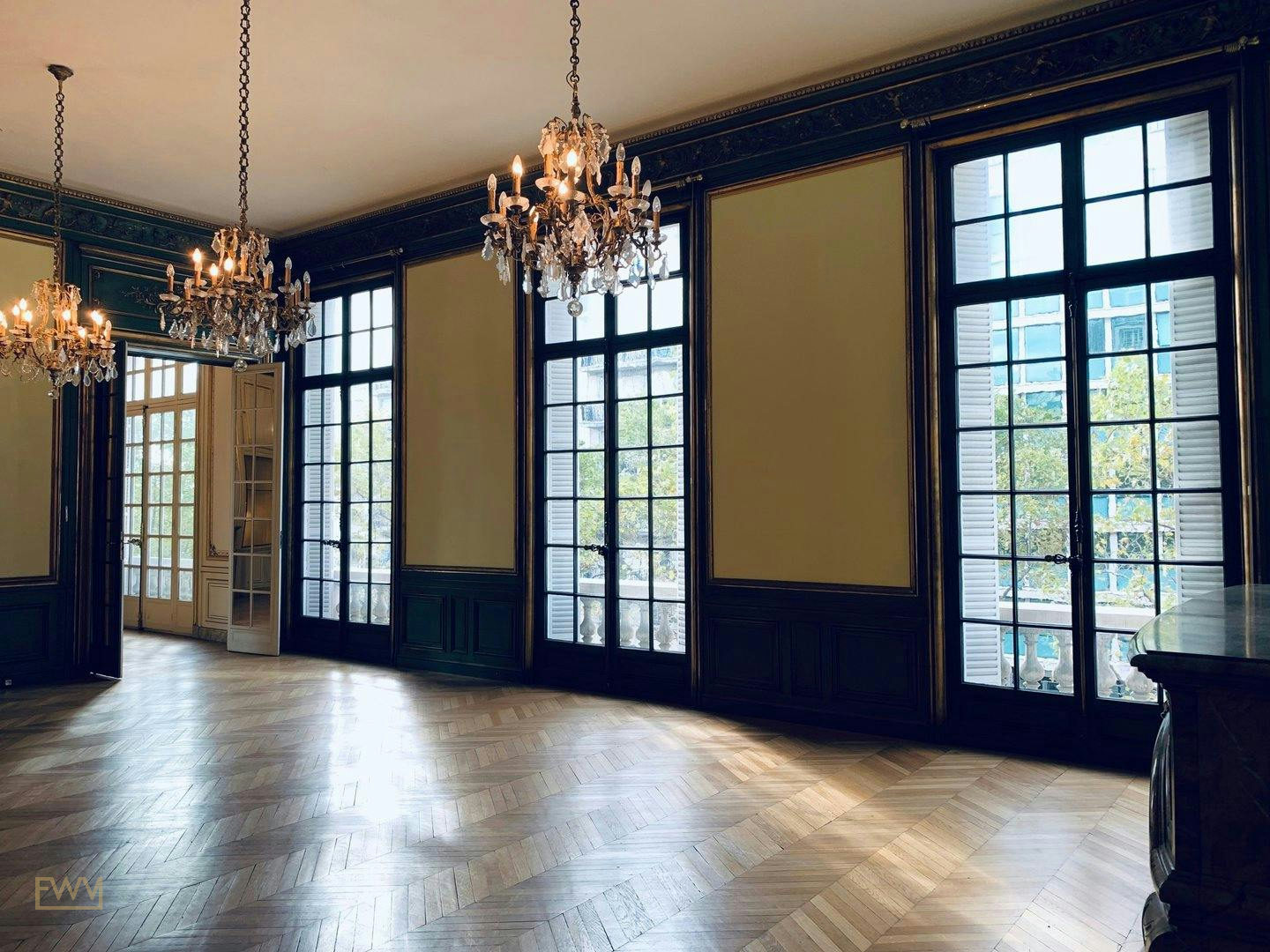
In Le Marais, showroom formats range from 80 to 400 square metres and include everything from period apartments with original parquet floors and tall windows to purpose-built gallery spaces with polished concrete floors and flexible lighting grids. The choice of showroom aesthetic matters because the space backdrop becomes part of the collection presentation. A raw loft communicates something different from an elegant Haussmannian apartment, and both communicate something different from a clean white gallery space.
Brands presenting for the first time in Paris often underestimate how much the physical space itself contributes to the credibility and memorability of the collection presentation. Buyers attend dozens of appointments during Fashion Week, and the quality and character of the showroom space directly affects how the collection is perceived and remembered.
Ephemeral Boutiques and Concept Stores
Ephemeral boutiques occupy a middle ground between showroom and pop-up store, blending industry appointments with consumer-facing retail and event programming. These formats are particularly effective for brands with a strong direct-to-consumer presence who want to engage their existing customer community in Paris while also hosting press and buyer appointments during the same activation period.
Concept stores, whether temporary or semi-permanent, allow brands to create a fully branded environment that goes beyond product display to express brand culture, brand values, and brand aesthetic through scenography, art direction, and spatial design. For brands for whom design and culture are central to the brand identity, the concept store format is often the most brand-aligned choice.
Haussmannian Apartments, Lofts, and Gallery Spaces
The three dominant architectural typologies available for short-term retail hire in Paris each carry distinct visual and atmospheric qualities that brands should consciously evaluate rather than select by default.
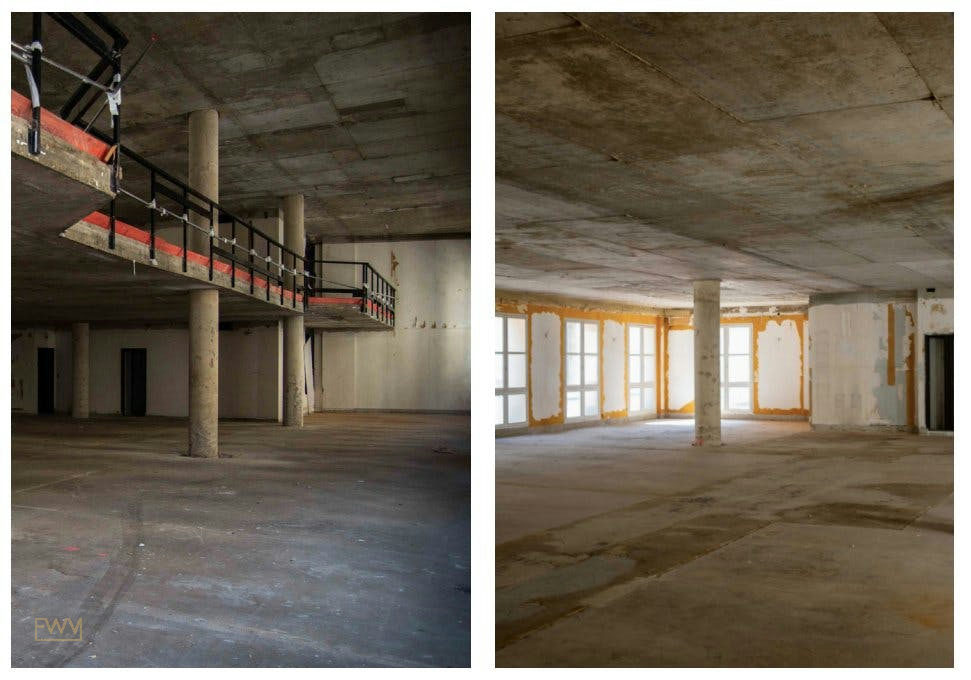
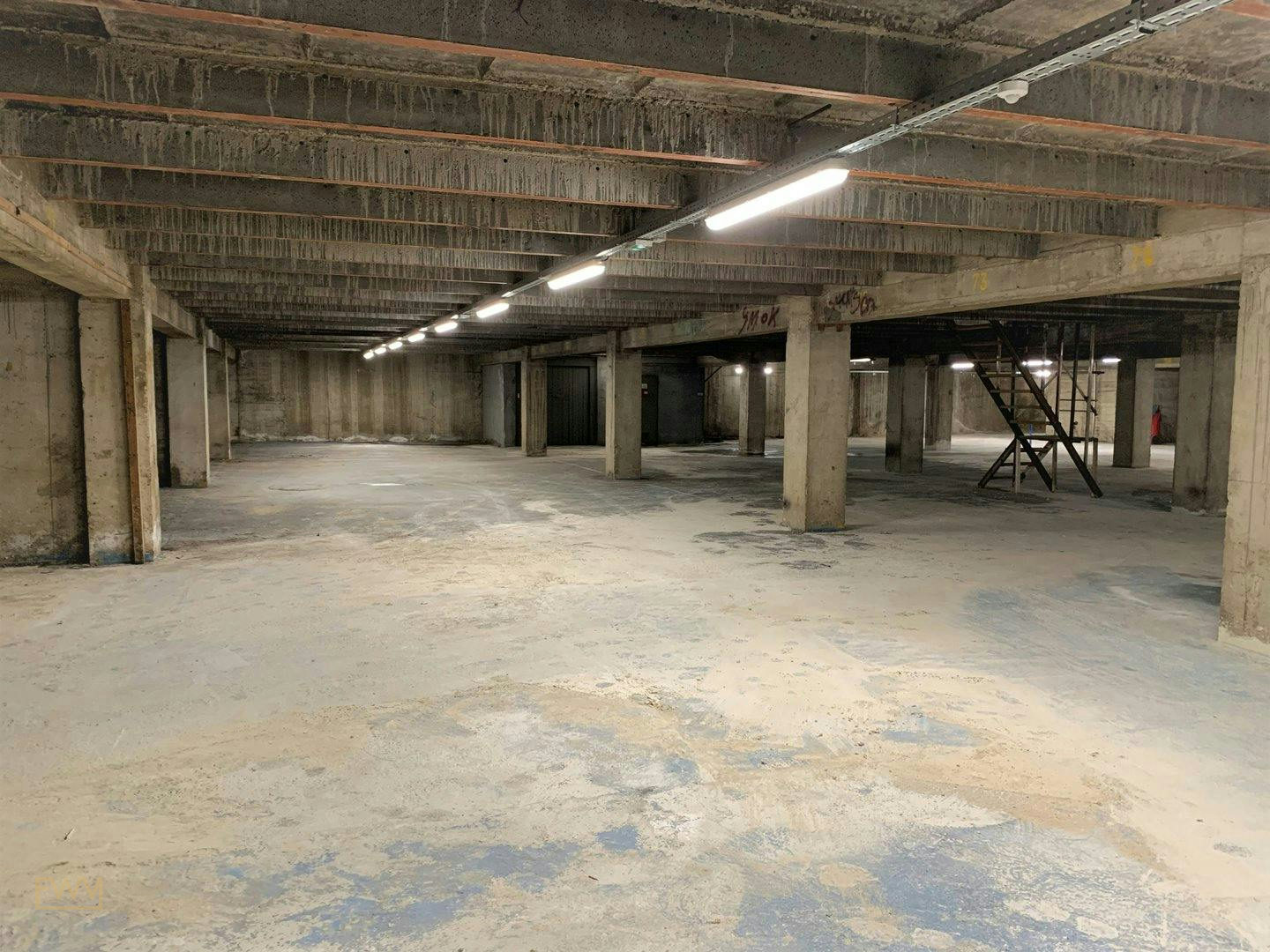
Haussmannian apartments offer classical Parisian grandeur with moulded ceilings, herringbone parquet floors, tall windows, and proportioned rooms that work well for luxury and heritage brands. Lofts, particularly in the 3rd and 10th arrondissements, offer raw volume, high ceilings, and industrial character that works well for contemporary, streetwear, and art-adjacent brands. Gallery spaces offer the neutral white-wall environment that allows collections to command full visual attention without architectural competition.
KEY TAKEAWAY: Space type selection should follow from brand positioning and visitor profile decisions. Showrooms serve buyers and press. Pop-up stores serve consumers. Ephemeral boutiques serve both. The architectural character of the space is itself a brand communication tool that should be chosen deliberately.
| Space Type | Primary Audience | Typical Duration | Key Requirement |
|---|---|---|---|
| Showroom | Buyers, press, stylists | 7 to 14 days | Appointment management, collection display |
| Pop-Up Store | Consumers, general public | 3 days to 4 weeks | Retail operations, POS, staffing |
| Ephemeral Boutique | Both trade and consumer | 7 to 21 days | Dual-format fit-out, flexible scheduling |
| Event Space / Installation | Press, influencers, guests | 1 to 5 days | Event production, AV, catering logistics |
| Concept Store | Consumer, press, cultural audience | 2 to 8 weeks | Full scenography and brand environment |
Having identified the right neighbourhood and space type, the next critical dimension is understanding the legal, permit, and compliance requirements that govern short-term retail hire in Paris.
Permits, Legal Frameworks, and Compliance for Short-Term Retail Space in Paris
Short-term retail space hire in Paris operates within a specific legal framework that differs substantially from standard commercial leases, and brands must understand the key distinctions before signing any agreement. Non-compliance with French commercial property law, local permit requirements, or insurance obligations can result in activation delays, fines, or forced closure.
Understanding the Bail Dérogatoire
The primary legal instrument for short-term commercial space rental in France is the bail dérogatoire, also known as a short-term commercial lease or convention d'occupation précaire. This lease format allows landlords and tenants to agree on a temporary occupation of commercial premises for a period of up to three years, with the explicit understanding that the lease does not create the same long-term rights and protections as a standard commercial bail de neuf ans (nine-year commercial lease).
For Fashion Week activations typically lasting one to four weeks, the bail dérogatoire is the most commonly used legal instrument. It provides brands with the legal right to occupy and use a space commercially without triggering the automatic renewal rights and tenant protections that apply under a standard French commercial lease. Both parties must explicitly agree in writing at the outset that the lease is a bail dérogatoire and that standard commercial lease protections are intentionally waived.
IMPORTANT: The bail dérogatoire must be drafted carefully to comply with French commercial law. Brands entering this agreement without qualified French legal review risk inadvertently creating the legal conditions for a standard commercial lease, which carries significantly different obligations. Always engage a qualified French legal advisor before signing any short-term commercial lease in France.
Autorisation d'Occupation Temporaire (AOT)
For activations taking place in public spaces, on pavements, or in publicly owned or managed venues, a different permit framework applies: the Autorisation d'Occupation Temporaire, or AOT. This permit authorises temporary use of public domain for commercial or event purposes and is issued by the relevant municipal authority. AOT requirements, processing times, and associated fees vary by arrondissement, space type, and the specific nature of the activation.
Brands planning activations that include exterior signage, pavement extensions, outdoor display structures, or any occupation of public space should anticipate AOT requirements and build permit processing time into their planning schedule. Processing times can range from a few weeks to several months depending on the nature of the request and the arrondissement involved.
The Fashion Week Venues permit guidance tool provides directional information on permit types, timelines, and requirements relevant to short-term Paris activations. Brands should treat this as a starting point and verify specific requirements with a qualified French legal or compliance advisor.
Insurance Requirements for Retail Activations in Paris
Commercial insurance is mandatory for retail activations in Paris and is typically a condition of any short-term lease agreement. Standard requirements include public liability insurance, contents insurance covering merchandise and display equipment, and in some cases event cancellation insurance. Insurance requirements vary by space type, activation format, and the specific terms of the lease or occupation agreement.
Brands sourcing insurance from outside France should verify that their existing policies provide adequate territorial coverage for French commercial activities and meet the minimum coverage thresholds specified in their lease agreement. Many Paris space owners require proof of insurance before granting access to the space.
Security, Audiovisual Equipment, and Storage Regulations
Depending on the building type and classification, Paris venues may have specific requirements around security measures, fire safety, maximum occupancy, and the installation of audiovisual equipment. Listed buildings, which are common in areas like Le Marais and around the 1st arrondissement, may restrict certain types of installation or decoration that could affect the fabric of the building.
Storage requirements for merchandise, particularly for brands managing high-value inventory, should be addressed in the space planning phase rather than on arrival. Many Paris retail spaces do not include dedicated storage, and brands should confirm storage arrangements, access schedules, and any security requirements in advance.
Quick answer: Brands hiring retail space in Paris for Fashion Week must navigate the bail dérogatoire for short-term commercial leases, AOT permits for public space use where applicable, mandatory commercial insurance, and building-specific installation restrictions. Requirements vary by arrondissement, space type, and activation format. Specialist legal and compliance advice is strongly recommended before signing any agreement.
KEY TAKEAWAY: Legal and permit compliance in Paris is not optional and is not straightforward for brands unfamiliar with French commercial property law. Building compliance review into the planning timeline and budget from the outset is essential for avoiding costly delays.
Budget Planning for Hiring Retail Space During Paris Fashion Week
Budget planning for a Paris Fashion Week retail space activation requires accounting for multiple cost categories beyond the base rental rate, many of which are underestimated or overlooked by brands approaching Paris for the first time.
Rental Rates: Understanding the Range
Retail and showroom space rental rates in Paris during Fashion Week reflect a combination of location, space size, architectural quality, and calendar timing. Prime locations in Le Marais in the 75003 district have been listed at rates in the range of approximately 1,200 to 1,800 US dollars per day for spaces between 115 and 200 square metres, though these figures are directional and subject to significant variation based on space specification, lease duration, and market conditions at the time of booking. These figures should be treated as illustrative only.
Rates across the broader Paris market during Fashion Week span a wide range depending on neighbourhood, space type, and size. The Golden Triangle and 8th arrondissement command premium rates reflecting both location and the profile of the clientele that the area attracts. Less central locations or spaces with less architectural distinctiveness are typically available at lower rates but may require additional investment in fit-out and scenography to achieve the desired brand environment.
TIP: Use the Fashion Week Venues budget calculator to build a space-specific cost estimate based on your location, space type, duration, and service requirements. Directional estimates are useful for early planning but should be verified with actual space quotes before committing to a budget.
The Full Cost Stack: Beyond the Rental Rate
The rental rate represents only one component of the total cost of a Paris Fashion Week retail activation. Brands must account for the following additional cost categories when building a realistic budget.
Fit-out and production costs cover the design, fabrication, and installation of fixtures, furniture, display systems, and brand environment elements. For a mid-scale showroom or pop-up store in Paris, fit-out costs can represent a substantial proportion of total activation budget, particularly for brands with high aesthetic standards who are building a bespoke retail environment rather than using rental furniture.
Staffing costs include bilingual sales and brand ambassadors, security personnel for high-value merchandise, and event supervision staff for appointment management and access control. French employment and labour law applies to all staff working in France, and brands using temporary staffing agencies should verify that the agency operates in compliance with French social security and employment regulations.
Logistics and storage costs cover merchandise transport, customs clearance for brands importing from outside the EU, in-market storage, and on-site merchandise management. Logistics costs are frequently underestimated, particularly for brands shipping from the United States, Asia, or the Middle East who may encounter EU customs requirements for temporary importation.
Technology and systems costs include POS and payments infrastructure, audiovisual equipment, digital displays, data collection systems, and any connected retail technology. Paris retail spaces vary significantly in their technical infrastructure, and brands relying on specific connectivity or power requirements should verify these in advance.
Agency and management fees cover the cost of any external agency providing venue sourcing, concept direction, production management, activation management, or any combination of these services. These fees should be built into the total budget as a planned cost rather than an unexpected addition.
ROI Framing: Beyond Direct Revenue
Paris Fashion Week retail activations generate value across multiple dimensions that extend beyond direct revenue from sales during the activation period. Press coverage, social media reach, buyer appointment conversions, and brand positioning gains all represent measurable outcomes that should be factored into the ROI assessment.
The Fashion Week Venues ROI calculator provides a framework for capturing the full value picture of a Paris activation across revenue, press value, digital reach, and buyer conversion metrics. Brands that evaluate activations solely on in-period sales typically undervalue the medium and long-term commercial impact of a well-executed Paris Fashion Week presence.
Quick answer: The total budget for hiring retail space in Paris during Fashion Week must account for rental rates, fit-out and production, staffing, logistics, technology, permits, insurance, and agency management. Rental rate alone is not a reliable proxy for total activation cost. Use a detailed cost-stack approach and build in contingency for regulatory and logistical variables.
KEY TAKEAWAY: Brands that plan Paris Fashion Week activations with a complete cost stack from the outset are better positioned to make informed go or no-go decisions and to allocate resources effectively across space, production, staffing, and marketing for maximum impact.
The Booking and Planning Process: Timeline for Paris Fashion Week Spaces
The timeline for booking and activating a Paris Fashion Week retail space is structured around the reality that Paris is a heavily competed real estate market during the fashion calendar, and early action is rewarded with better choice and better terms.
Six Months Before: Brief Development and Market Research
The process of hiring retail space in Paris for Fashion Week begins at least six months in advance for brands targeting prime locations in Le Marais, Saint-Germain-des-Prés, or the Golden Triangle. At this stage, the priorities are developing a clear brief that defines space type, neighbourhood preference, minimum size, duration, budget range, and must-have technical requirements, and beginning initial market research to understand what is available and at what cost.
This is also the moment to assess whether the brand has the internal capacity to manage a Paris activation independently or whether an agency partner is needed to source, produce, and manage the activation. For most international brands entering Paris for the first time, agency support at this stage significantly reduces the risk of poor space selection, permit problems, and logistical failures.
Four to Five Months Before: Space Shortlisting and Holds
With a brief in place, the focus shifts to shortlisting spaces, arranging virtual or in-person viewings, and placing holds on preferred options while negotiating terms. Holds are typically non-binding for a limited period and allow brands to assess multiple spaces before committing. Given the competitive nature of Fashion Week timing, holds on prime spaces may only be held for a short window before the landlord opens the space to other enquiries.
At this stage, the space comparison tool on Fashion Week Venues can help teams evaluate multiple spaces across location, size, price, infrastructure, and brand fit criteria in a structured format that supports decision-making.
Three Months Before: Legal Review and Contract Execution
Once a preferred space is identified, the bail dérogatoire or relevant occupancy agreement should be reviewed by a qualified French legal advisor before execution. This step is often compressed under time pressure, but skipping it creates material legal and financial risk. Permit applications that require lead time, including any AOT requirements, should be initiated at this stage.
Two Months Before: Production and Fit-Out Planning
With the space secured and lease executed, detailed production and fit-out planning begins. This includes finalising the spatial design, specifying furniture and fixtures, ordering bespoke display elements, confirming staffing requirements, and planning the logistics schedule for merchandise delivery and installation.
Four to Six Weeks Before: Supplier Confirmations and Logistics
All suppliers including production contractors, staffing agencies, logistics partners, and technology providers should be confirmed and briefed at least four to six weeks before the activation opens. In Paris during Fashion Week, specialist suppliers across all categories are heavily in demand, and late confirmation risks losing preferred partners to competing bookings.
One to Two Weeks Before: Installation and Soft Launch
Installation typically takes place in the one to two weeks immediately before the activation opens, depending on the complexity of the fit-out. A soft launch or internal review day is advisable for quality checking the space before press and buyer appointments begin.
| Timeline Stage | Key Actions | Responsible Party |
|---|---|---|
| 6 months before | Brief development, market research, agency selection | Brand team / agency |
| 4 to 5 months before | Space shortlisting, viewings, holds, negotiation | Agency / brand team |
| 3 months before | Legal review, contract execution, permit applications | Legal advisor / agency |
| 2 months before | Production planning, spatial design, staffing brief | Production team / agency |
| 4 to 6 weeks before | Supplier confirmations, logistics planning, staff confirmation | Agency / brand team |
| 1 to 2 weeks before | Installation, technical setup, soft launch review | Production team on site |
| During activation | Activation management, daily operations, data collection | On-site team / agency |
| Post-activation | De-rig, space handover, performance reporting | Agency / brand team |
To compare neighbourhoods and space types and build a timeline aligned with your target Fashion Week calendar, explore the Paris city hub on Fashion Week Venues and shortlist spaces that match your brief, budget, and calendar window.
KEY TAKEAWAY: The Paris Fashion Week retail space booking process is structured and sequential. Brands that begin earlier, with a clearer brief, achieve better space selection, better terms, and more time for production quality. Compressing the timeline creates compounding risk across legal, production, staffing, and logistics dimensions.
How Fashion Week Venues Supports Paris Fashion Week Retail Activations
Fashion Week Venues operates as a full-service agency and space marketplace for brands planning Paris Fashion Week retail activations. The platform and services are designed to address every stage of the process, from initial space discovery through to on-site activation management and post-activation reporting.
Venue Sourcing and Space Discovery
The venue sourcing service covers the identification, assessment, and negotiation of short-term retail spaces in Paris and other fashion capitals. For brands unfamiliar with the Paris market, working with a specialist sourcing team reduces the time and risk involved in identifying suitable spaces, particularly for locations in high-demand areas like Le Marais and the Golden Triangle where the best spaces are rarely advertised through general property platforms. The venue sourcing service provides access to a curated network of space owners and landlords across Paris.
Concept Direction and Branded Store Design
For brands seeking to create a distinctive spatial experience rather than a standard display environment, the concept direction and branded store design services translate brand identity into a coherent physical activation. This includes spatial planning, scenography direction, material specification, and art direction for the overall brand environment. The concept direction service is particularly relevant for brands using Paris Fashion Week as a brand positioning moment rather than purely a trade or sales opportunity.
Production, Build, and Fit-Out
The production and build service manages the physical creation of the retail environment, from fabrication of bespoke fixtures and display elements to installation, technical setup, and de-rig at the end of the activation. Managing production in Paris requires established local contractor relationships, knowledge of building access requirements and restrictions, and experience navigating the logistics of material delivery and installation in a dense urban environment. The production and build service addresses all of these dimensions.
Activation Management, Staffing, and Operations
On-site activation management covers the day-to-day operations of the retail space during the activation period, including staffing coordination, appointment management for showroom formats, consumer engagement for retail formats, and event supervision for programmed events within the space. The activation management service ensures consistent quality of execution throughout the activation period without requiring the brand team to manage every operational detail from a remote base.
Retail staffing, including bilingual brand ambassadors, sales staff, and security personnel, is provided through the retail staffing service, which sources and briefs staff familiar with the standards expected in Paris Fashion Week retail environments.
Tools for Brand Teams
Fashion Week Venues provides a suite of digital tools for brand teams at the planning stage. These include a budget calculator for cost estimation, an ROI calculator for performance projection, a space comparison tool, a timeline planning tool, a permit guidance tool, and a space locator tool. These tools are designed to support decision-making during the research and planning phase and are available independently of any agency engagement.
For brands considering a shared activation format, the twin co-activation concept allows two complementary brands to share a space, reducing rental and production costs while maintaining separate brand identities within the shared environment. This format is particularly useful for emerging brands with limited budgets who want a strong Paris presence without the full cost of an independent activation.
Who Benefits Most
Fashion Week Venues serves a range of brand types, from established international luxury houses seeking a dedicated production partner for a Paris activation to emerging brands sourcing their first Paris showroom. Creative directors, brand activation managers, retail strategists, and event producers at brands of all sizes benefit from the combination of specialist local knowledge, supplier relationships, and process experience that the agency brings to each project. Brands with no existing French entity, no Paris supplier network, and no prior experience of French commercial property law benefit most from full-service engagement. Those with some Paris experience but specific gaps in production, staffing, or concept direction may choose individual service components rather than full service.
Quick answer: Fashion Week Venues offers end-to-end support for Paris Fashion Week retail activations, covering venue sourcing, concept direction, production and build, activation management, retail staffing, POS and payments, data and analytics, and influencer marketing. Brands can engage the full service or select individual components based on their internal capabilities and specific requirements.
KEY TAKEAWAY: Using a specialist agency with established Paris relationships reduces the planning burden, accelerates space access, and significantly reduces the risk of compliance failures, production delays, and staffing shortfalls. The decision to hire agency support should be made early in the planning process, not as a remedial response to problems.
Brand Activation Strategy for Paris Fashion Week: Making the Space Work
Securing the right space is necessary but not sufficient for a successful Paris Fashion Week retail activation. The strategic, creative, and operational decisions made about how to use the space determine whether the activation achieves its objectives.
Defining Clear Objectives Before Designing the Activation
The starting point for any Paris Fashion Week activation strategy is a precise articulation of what success looks like. Is the primary objective trade engagement with buyers from specific markets? Press and influencer coverage to support a collection launch? Direct-to-consumer revenue from Parisian and international shoppers visiting during Fashion Week? Brand positioning in the Paris luxury or contemporary fashion ecosystem? Each of these objectives implies a different space type, neighbourhood, programming approach, and staffing model.
Brands that begin the planning process with clear, measurable objectives make better space selection decisions, allocate budget more effectively across production, staffing, and marketing, and have a meaningful basis for post-activation performance assessment. Those that begin with a general ambition to be present in Paris during Fashion Week without a specific objective tend to make compromised decisions across every subsequent planning dimension.
Programming and Events Within the Space
Activations that incorporate programming within the space generate significantly more media value and social media content than static retail environments. Programming formats for Paris Fashion Week spaces include collection preview events, press previews and morning briefings, influencer and content creator sessions, artist or designer collaborations, private client dinners, product launch moments, and panel discussions or cultural events aligned with brand values.
Each programming format requires advance planning around invitations, guest management, catering, audiovisual setup, and access control. For brands using a showroom format during the day and programming events in the evening, the space must support both operational modes, which has implications for space layout, lighting design, and furniture selection.
Social Media and Influencer Strategy
The visual output of a Paris Fashion Week retail activation drives media value far beyond the activation period itself. Brands should design the space with social media content creation in mind, identifying key visual moments within the space that photograph and film well, and inviting content creators whose audience profile matches the brand's target consumer.
Content generated during a Paris Fashion Week activation, when contextualised within the city of light, the fashion week calendar, and the brand's collection story, consistently outperforms content produced in studio or brand environments. The location and cultural cachet of Paris itself contributes genuine editorial value to content that would be less compelling in a different context.
Data Collection and Post-Activation Analysis
Brands that treat Paris Fashion Week activations purely as experiential events without collecting performance data are leaving significant intelligence on the table. Data capture during a Paris activation should cover foot traffic counts, buyer appointment conversion rates, press coverage tracking, social media reach and engagement metrics, direct sales volume, email or CRM data collection from visitors, and geographic origin data from consumer interactions.
This data serves two purposes. First, it provides the basis for ROI assessment against the objectives defined at the outset. Second, it builds the institutional knowledge about the Paris market that makes future activations progressively more effective and efficient. Brands that have activated in Paris multiple times with robust data capture consistently report better outcomes across subsequent visits as they optimise neighbourhood, space type, programming format, and pricing based on accumulated evidence.
KEY TAKEAWAY: A Paris Fashion Week retail space is a platform for multiple simultaneous objectives including trade engagement, press coverage, consumer retail, and brand positioning. Designing the activation strategy to pursue all relevant objectives in parallel, rather than optimising for a single outcome, maximises the total return on a necessarily significant investment.
Paris Fashion Week Calendar Windows: When to Activate
Paris Fashion Week is not a single annual event. Multiple distinct calendar windows exist throughout the year, each with a different trade and consumer audience, different demand levels for retail space, and different strategic implications for brands.
The main Paris Fashion Week calendar includes Haute Couture Week in January, Menswear Fashion Week also in January, Womenswear Ready-to-Wear for autumn in late February and early March, Haute Couture Week again in July, Menswear again in June, and Womenswear Ready-to-Wear for spring in late September and early October. Paris Design Week typically takes place in September, coinciding with the womenswear spring calendar, adding a design and interiors audience to the fashion industry concentration. FIAC, the international contemporary art fair, historically attracted a significant cultural and collector audience to Paris each October.
For brands in womenswear, the February to March and September to October windows represent the two peak demand periods for retail space in Paris. For menswear brands, January and June are the relevant windows. For brands in beauty, accessories, or categories that cross multiple fashion segments, multiple windows may be relevant and a multi-activation annual strategy may make sense.
Men's Fashion Week and Haute Couture Week in Paris in January 2026, scheduled across a multi-week period beginning in mid-January, represent one of the earliest significant opportunities for brands planning 2026 Paris activations. Brands targeting this window who have not yet begun the space search process should initiate it immediately to avoid losing access to preferred locations.
Quick answer: Paris Fashion Week spans multiple calendar windows throughout the year, covering haute couture, menswear, and womenswear in January, February to March, June, and September to October. Brands should identify the specific calendar window or windows relevant to their category and plan space hire accordingly, with a lead time of at least three to six months for prime locations.
KEY TAKEAWAY: Paris offers multiple activation windows across the fashion year. Brands with collections or products relevant to more than one calendar segment should evaluate a multi-window Paris strategy rather than concentrating all activity into a single period.
Common Myths About Hiring Retail Space for Paris Fashion Week
MYTH: You need a French legal entity to rent commercial space in Paris for Fashion Week.
FACT: International brands without a French legal entity can enter into short-term commercial leases in France under a bail dérogatoire, provided the agreement is correctly structured and the brand can demonstrate compliance with French insurance and tax requirements. Many international brands activate in Paris without a local legal entity, though the assistance of a French legal or tax advisor is strongly recommended to ensure compliance with all applicable requirements.
MYTH: Paris Fashion Week is the only worthwhile calendar window for retail activations in Paris.
FACT: Paris hosts multiple significant fashion and design calendar events throughout the year, including separate menswear weeks, haute couture weeks, Paris Design Week, and major trade events. Each window attracts a distinct professional and consumer audience. Brands limiting their Paris strategy to a single womenswear Fashion Week window may be missing high-value opportunities in calendar periods with lower space competition and potentially more favourable rental conditions.
MYTH: The only way to find a short-term retail space in Paris is through a commission broker.
FACT: Specialist space marketplaces and full-service agencies provide structured alternatives to traditional commission-based brokerage for short-term Paris retail spaces. These platforms offer curated space listings with transparent pricing information, qualification processes, and in many cases agency support for legal review, production, and activation management. Commission brokers may still be appropriate in some cases, but they are not the only or necessarily the best route for every brand.
MYTH: Short-term retail leases in France are legally straightforward and do not require specialist advice.
FACT: French commercial property law is specific and complex, and the bail dérogatoire format carries risks if not correctly structured. Brands that sign short-term lease agreements without qualified French legal review risk creating unintended long-term lease obligations, facing permit compliance failures, or encountering insurance gaps that expose them to financial liability during the activation. Specialist legal advice is not optional for brands who have not previously operated in the French commercial property market.
MYTH: A Paris Fashion Week pop-up store is only viable for large or established brands with significant budgets.
FACT: The Paris short-term retail market offers spaces across a wide range of sizes, formats, and price points. Emerging brands with more modest budgets can access Le Marais showrooms and smaller pop-up store formats that provide genuine Fashion Week visibility without the cost profile of flagship venue activations. Shared activation formats, such as a twin co-activation with a complementary brand, further reduce the cost of a Paris presence while maintaining meaningful brand exposure.
Frequently Asked Questions About Hiring Retail Space for Paris Fashion Week
What is the best neighbourhood to hire retail space in Paris for Fashion Week?
Le Marais, particularly the 3rd arrondissement, is the most consistently in-demand neighbourhood for showroom rental and pop-up store activation during Paris Fashion Week. It combines a dense concentration of fashion buyers, press, and industry professionals with a variety of space types including lofts, gallery spaces, and Haussmannian apartments. However, the best neighbourhood for any specific brand depends on brand positioning, target audience, and the nature of the activation. Luxury and couture brands often target the Golden Triangle and 8th arrondissement, while design-led brands with a cultural focus may prefer Saint-Germain-des-Prés. A clear brand brief is the starting point for neighbourhood selection.
How far in advance should you book retail space for Paris Fashion Week?
For prime locations in Le Marais, the Golden Triangle, and Saint-Germain-des-Prés, brands should begin the search and shortlisting process at least four to six months before the target activation date. The best spaces in high-demand neighbourhoods are frequently reserved three to six months in advance, particularly for the February to March and September to October womenswear windows. Brands beginning the process later face a more limited selection of available spaces and less negotiating room on terms. Starting earlier consistently produces better outcomes across space quality, rental terms, and production lead time.
How much does it cost to hire retail space in Paris during Fashion Week?
Rental rates for short-term retail spaces in Paris during Fashion Week vary widely by neighbourhood, space type, size, and duration. Spaces in prime locations in Le Marais at the 75003 postal district have been listed at daily rates in the range of approximately 1,200 to 1,800 US dollars for spaces of 115 to 200 square metres, though these figures are directional estimates only. The total cost of a Paris Fashion Week activation must account for rental, fit-out and production, staffing, logistics, permits, insurance, technology, and agency management fees. The Fashion Week Venues budget calculator provides a structured approach to building a complete cost estimate based on specific requirements.
What is a pop-up store and how does it differ from a showroom?
A pop-up store is a temporary retail operation open to general consumers for a limited period, typically several days to a few weeks. A showroom is a trade-facing presentation space where brands host appointments with buyers, press, and stylists during Fashion Week. The two formats serve different primary audiences and require different operational setups. A showroom requires appointment management, collection display systems, and professional buyer-facing staff. A pop-up store requires retail operations including POS and payments, consumer-facing staff, and typically merchandising and signage oriented toward walk-in consumer traffic. Ephemeral boutiques can serve both functions within a single space using different programming at different times.
Can international brands without a French company hire retail space in Paris?
Yes. International brands without a French legal entity can enter into short-term commercial leases in France, typically under a bail dérogatoire format. The brand will need to provide proof of insurance meeting French requirements, comply with relevant tax and customs obligations particularly for imported merchandise, and may need to demonstrate financial standing to the landlord. The assistance of a qualified French legal or tax advisor is strongly recommended before executing any lease agreement. Working with an established agency partner with French market experience can also significantly simplify the compliance process for brands without prior French commercial property experience.
Are prices for Paris Fashion Week spaces higher than at other times of year?
Yes. Short-term retail space rental rates in Paris during Fashion Week are generally higher than rates for equivalent spaces at other times of year, reflecting the concentrated international demand from brands competing for limited prime locations. The premium varies by neighbourhood, with the most sought-after areas in Le Marais and the Golden Triangle commanding the most significant Fashion Week premiums. Brands willing to consider calendar windows outside the peak womenswear seasons may find more favourable conditions in terms of space availability and rental rates, while still benefiting from Paris's consistent status as the world's leading fashion capital.
What permits are required to operate a pop-up store in Paris during Fashion Week?
Permit requirements for operating a pop-up store or showroom in Paris vary by space type, location, duration, and the specific nature of the activation. For activations taking place entirely within a private commercial space, the primary legal requirement is the bail dérogatoire or equivalent short-term occupancy agreement. Activations involving exterior signage, pavement extensions, or any use of public space require an Autorisation d'Occupation Temporaire from the relevant municipal authority. Insurance is mandatory and typically required by the landlord before access is granted. The Fashion Week Venues permit guidance tool provides directional information, but brands should always verify specific requirements with a qualified French legal advisor.
How long do Paris Fashion Week showroom rentals typically last?
Showroom rentals for Paris Fashion Week typically last between seven and fourteen days, aligned with the duration of the relevant trade week. Some brands book shorter periods of three to five days for more focused presentations, while others extend their showroom presence to two to three weeks to accommodate a wider range of buyer appointments and press visits. Pop-up stores often run for similar periods but may extend to four weeks or more for brands using Paris Fashion Week as the launch moment for a longer-term ephemeral retail presence. Most short-term lease agreements accommodate flexibility within these ranges.
Should I choose an independent showroom or a shared activation space?
An independent showroom provides full control over the brand environment, scheduling, and visitor experience, and typically conveys a stronger brand positioning statement than a shared format. A shared activation, such as the twin co-activation format, reduces rental and production costs by splitting them between two complementary brands while maintaining separate brand identities within the shared space. For emerging brands with budget constraints, the shared format offers a meaningful Paris Fashion Week presence at reduced cost. For established brands for whom brand environment control and exclusivity are critical, an independent format is generally preferable.
What types of spaces are available for hire in Le Marais during Paris Fashion Week?
Le Marais offers a wide variety of short-term retail and showroom space types, including period Haussmannian apartments with classical architectural details, raw industrial lofts with high ceilings and flexible open plans, purpose-built gallery spaces with white walls and adjustable lighting, street-level boutique storefronts with direct pavement access and retail signage opportunities, and larger multi-floor spaces suitable for brand installations or multi-room showroom configurations. The diversity of space types in Le Marais is one of its key advantages, allowing brands at different aesthetic positions to find a space that genuinely aligns with their brand identity rather than compromising on the visual environment of the activation.
What services does Fashion Week Venues provide for Paris Fashion Week activations?
Fashion Week Venues provides a comprehensive range of services covering the full Paris Fashion Week activation process. These include venue sourcing and negotiation, concept direction and spatial design, production and fit-out management, activation management and event supervision, retail staffing including bilingual brand ambassadors and security personnel, POS and payments infrastructure, data and analytics collection, and influencer and social media marketing support. Brands can engage the full service suite or select individual components based on their internal capabilities. The agency also provides a range of digital planning tools including budget estimation, ROI calculation, space comparison, timeline planning, and permit guidance.
What is the Paris Fashion Week calendar for 2026?
The Paris Fashion Week calendar for 2026 spans multiple windows throughout the year. Men's Fashion Week and Haute Couture Week are scheduled for January 2026, with the men's presentations and couture shows taking place across a multi-week period beginning in mid-January. The womenswear autumn collections are typically presented in late February and early March. Men's collections for spring return in June, with the womenswear spring collections following in late September and early October. Brands should confirm specific official calendar dates for 2026 with the Fédération de la Haute Couture et de la Mode, as exact scheduling is subject to change. Planning should begin well in advance of each target window.
How do I start the process of hiring retail space in Paris for Fashion Week?
The process begins with developing a clear brief covering the target calendar window, preferred neighbourhood or neighbourhoods, minimum space size and technical requirements, budget range across all cost categories, and the primary objectives of the activation. With a brief in place, the next step is beginning a structured market search, either through a specialist space marketplace, an agency partner with Paris market expertise, or direct landlord outreach. For brands new to Paris, engaging an agency partner at the brief development stage is typically the most efficient approach, as it accelerates space access and reduces the risk of early-stage decisions that are difficult to reverse later in the process.
Are pop-up stores common in Paris during Fashion Week?
Yes. Pop-up stores and showrooms have become a well-established and expected part of the Paris Fashion Week ecosystem. Brands at every scale from independent designers to major international houses use temporary retail formats during Fashion Week to engage buyers, press, consumers, and content creators simultaneously. The concentration of fashion industry professionals in Paris during Fashion Week has made the pop-up store and showroom format particularly effective as a multi-audience engagement tool, and the city's existing infrastructure of suitable spaces, specialist suppliers, and experienced agencies supports a wide range of activation formats and budget levels.
What data should I collect during a Paris Fashion Week pop-up store activation?
Data collection during a Paris Fashion Week activation should cover foot traffic volume and peak periods, buyer appointment attendance and conversion rates, direct sales volume and average transaction value, geographic origin of visitors where collectible, press and media coverage tracking, social media reach and engagement generated by the activation, email and CRM data capture from visitors who opt in, and any product preference or consumer feedback data relevant to future collection development. This data serves both immediate ROI assessment and the longer-term institutional knowledge building that makes future Paris activations progressively more effective. Data collection systems should be specified and tested before the activation opens rather than improvised during operation.
Conclusion: Planning Your Paris Fashion Week Retail Space Activation
Hiring retail space for Paris Fashion Week is a high-stakes, time-sensitive process that rewards early planning, strategic clarity, and specialist local knowledge. The city offers an unmatched concentration of buyers, press, influencers, and international consumers during the fashion calendar, and the right retail or showroom space in the right neighbourhood at the right moment of the year provides a platform that no digital or remote activation can fully replicate.
The decisions that matter most are made before the space is booked. Defining clear objectives, selecting the right neighbourhood and space type for the brand's positioning and audience, building a realistic complete budget, understanding the French legal and permit framework, and assembling the right production, staffing, and management team are all decisions that should be made in sequence and with care. Brands that invest in this planning process consistently achieve stronger outcomes than those who treat the space search as the starting point rather than a downstream decision.
Paris Fashion Week is not accessible only to the largest brands or the most established houses. It is accessible to any brand that plans intelligently, acts early, and executes with precision. The range of space types, neighbourhoods, formats, and calendar windows available in Paris means that brands at every scale and every market position can find a format that works for their objectives and their budget.
To move from research to activation, start exploring available spaces on the Fashion Week Venues marketplace and build a focused brief for your target neighbourhood, space type, and calendar window. The earlier the process begins, the better the outcome that becomes possible.