Fashion Week Venues serves as the ultimate resource for brands seeking pop-up spaces, showrooms, and event venues in Paris and other fashion capitals. As a full-service agency, we provide comprehensive solutions for short-term retail activations, enabling creative directors, brand managers, and international brands to execute seamless events. Whether you aim for impactful brand activations or temporary retail setups during Paris Fashion Week, understanding the landscape of venues available in this fashionable city is crucial. This guide details everything you need to navigate pop-up space logistics, permits, and strategies.
Understanding Pop-Up Spaces in Paris
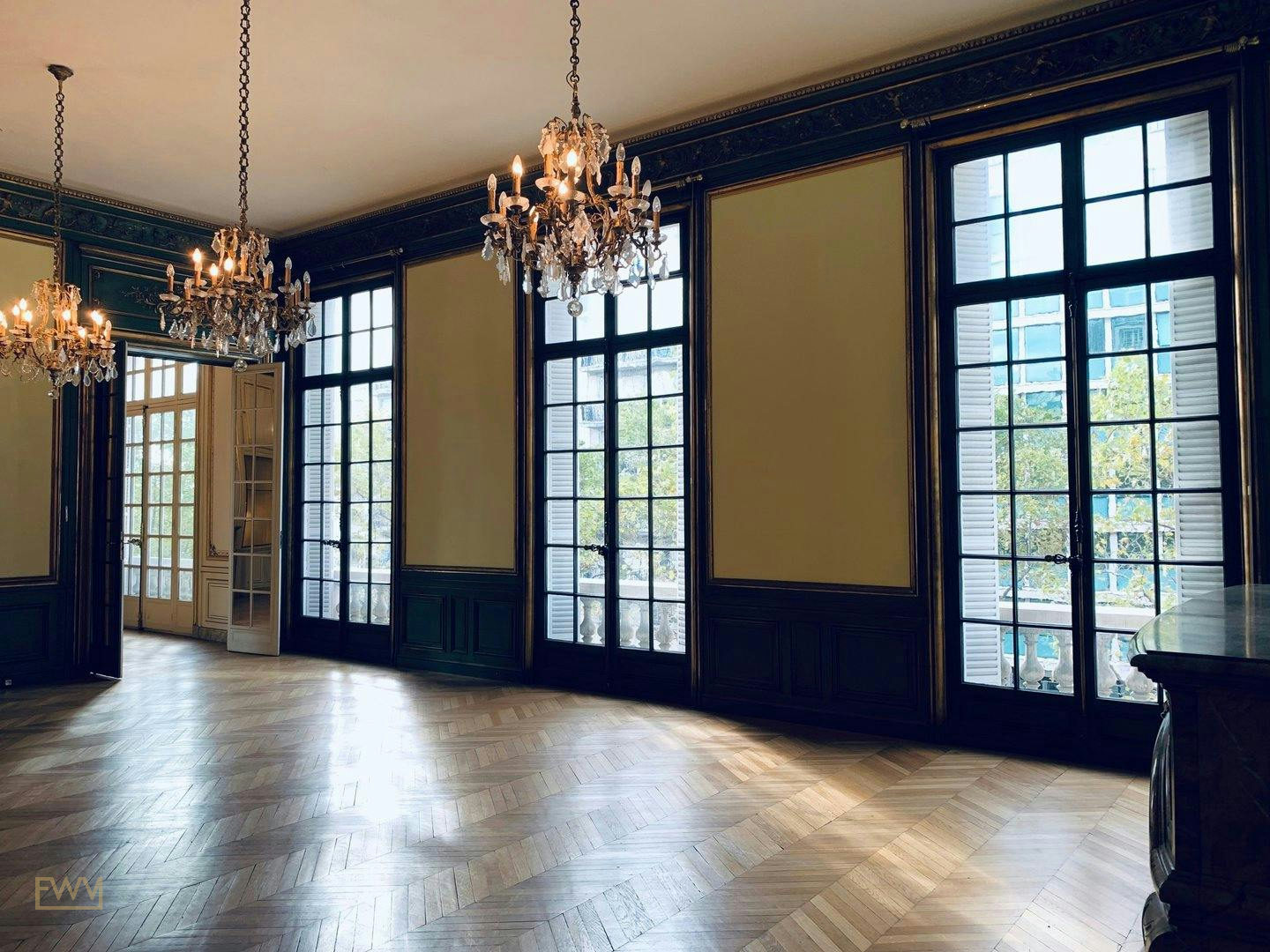
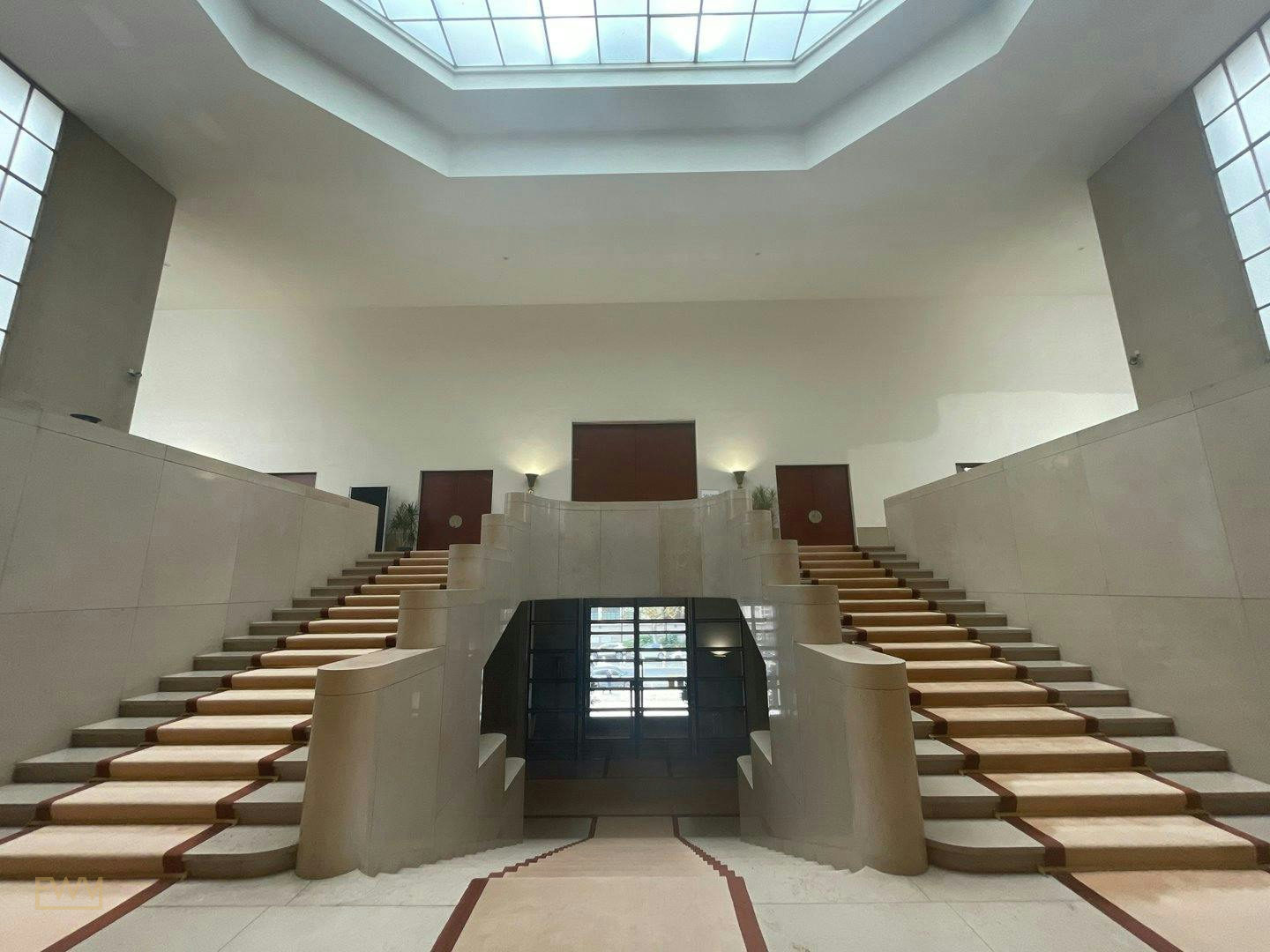
Paris, renowned for its fashion-forward identity, hosts numerous events that draw global attention, especially during Paris Fashion Week. Choosing the right pop-up space can define the success of your brand activation. Pop-up shops, showrooms, and event venues in Paris vary from historical spaces to contemporary art galleries, each offering unique advantages.
The key to navigating Paris's diverse space offerings lies in understanding the various types of venues available. From intimate boutiques in Le Marais to grand halls near Place Vendôme, options abound for presenting your brand in a setting that complements its identity and message.
Quick answer: Paris's pop-up spaces include boutiques, art galleries, warehouses, and event halls, each offering distinct settings for brand presentation.
Choosing among these requires an understanding of the logistics and audience demographics. For example, a brand targeting affluent shoppers may prefer locations like Rue Saint-Honoré or the Saint-Germain-des-Prés, while those targeting a younger audience might find the Canal Saint-Martin area more appealing.
| Space Type | Typical Neighbourhoods | Brand Suitability |
|---|---|---|
| Boutiques | Le Marais, Rue Saint-Honoré | Luxury Brands |
| Art Galleries | Saint-Germain-des-Prés | Artistic Collaborations |
| Warehouses | Canal Saint-Martin | Industrial Brands |
| Event Halls | Opéra, Place Vendôme | Large-scale Activations |
KEY TAKEAWAY: Selecting a pop-up space in Paris requires understanding the venue types and aligning them with brand identity and target audience.
The next step is navigating through Paris's vibrant neighbourhoods to choose the ideal location that matches your brand's image and goals. This venture is enriched by leveraging detailed knowledge of iconic districts and event trends in the city.
Key Neighbourhoods for Fashion Week Venues
Paris offers a tapestry of neighbourhoods, each with its unique charm and retail potential. Knowing the right area to launch your pop-up during Fashion Week can significantly impact foot traffic and overall visibility. Some iconic neighbourhoods gain particular prominence during this time, offering strategic advantages for temporary retail.
Le Marais stands out for its combination of cultural richness and a modern blend of luxury and indie brands. It's ideal for those looking to capture a young, trend-conscious audience without compromising on high-end appeal. Meanwhile, the Opéra district, with its classical influence and proximity to key landmarks, suits brands focusing on high elegance and exclusivity.
Quick answer: Le Marais and Opéra are among the top choices for pop-up spaces during Fashion Week due to their attractive blend of culture, visibility, and high foot traffic.
For a blend of art and commerce, areas like Saint-Germain-des-Prés offer historical flair combined with a modern artsy touch, ideal for creative presentations and collaborative showcases. Meanwhile, Rue Saint-Honoré, anchored by luxury giants, provides unparalleled prestige for high-end fashion brands.
Evaluation of these locations should consider both foot traffic and the demographic profile of typical visitors, ensuring alignment with brand targets. A meticulous approach in selecting the neighbourhood can yield vast dividends in brand exposure and engagement.
KEY TAKEAWAY: Choosing the right Parisian neighbourhood is crucial for maximizing the impact and visibility of your pop-up space during Fashion Week.
Navigating these neighbourhood choices effectively sets the stage for understanding the next critical aspect of pop-up activations: permits and compliance.
Permits and Compliance for Pop-Up Spaces
Securing the right permits is a critical step in opening a pop-up space in Paris. The bail dérogatoire and AOT (Autorisation d'Occupation Temporaire) are two key types of legal agreements necessary for short-term retail ventures. Understanding these permits is essential to ensure compliance and avoid legal pitfalls.
The bail dérogatoire allows temporary occupation of commercial premises without the same obligations as a traditional lease, making it ideal for a pop-up. Meanwhile, an AOT is required for unique spaces such as public property or culturally protected buildings.
Quick answer: The bail dérogatoire and AOT are the main permits required for short-term retail spaces in Paris, each serving specific types of locations and activation needs.
Permits vary by arrondissement and space type, which means brands must work closely with a French legal advisor to navigate the complexities. These permits ensure that your brand stays compliant with local regulations, which can vary substantially within Parisian districts.
IMPORTANT: Permit requirements can be intricate, and non-compliance might result in penalties or forced shut-down. Professional assistance and use of tools like the permits tool by Fashion Week Venues are recommended to streamline the process.
Understanding the importance of legal compliance prepares you for the crucial phases of budgeting and strategy development for your pop-up activation.
Budget Planning for Fashion Week Venues
Effective budget planning is vital for successfully executing a pop-up shop during Paris Fashion Week. Costs can vary greatly depending on location, type of space, duration of the lease, and additional services such as staffing and marketing.
While precise costs hinge on specific needs, several key expenses consistently arise. These include venue rental, permits, design and build-out, marketing, staffing, and taxes. Using tools like the budget calculator from Fashion Week Venues can offer tailored estimates.
Quick answer: Budgeting accurately involves considering rental costs, permits, and staffing, which can all be managed using specialized estimation tools.
For luxury brands, the location can significantly inflate rental prices, especially in high-demand areas like Rue Saint-Honoré and Opéra. Art supplies for decor or commissioning artists for installations add additional costs, but they are necessary for creating a memorable brand impression.
To balance the budget, brands often seek co-activation opportunities which allow cost-sharing with complementary brands. Utilizing existing tools and insights can provide clarity and assist in making informed financial decisions.
KEY TAKEAWAY: Successful budget planning hinges on understanding all cost elements and utilizing tools for precise estimation and scenario planning.
With a firm grasp on budgeting, attention can now be drawn to activation strategies to ensure your pop-up delivers the most impact.
Activation Strategies for Pop-Up Success
Activation strategies are critical for ensuring that your pop-up space garners the expected attention and engagement. A well-planned activation transforms a temporary retail endeavor into a memorable brand experience.
Effective strategies often incorporate elements of experiential marketing, which engage customers through sensory and immersive experiences. This could involve interactive displays, live events, or collaborations with influencers.
Quick answer: Activation strategies succeed by integrating experiential marketing techniques that engage customers through sensory experiences and interactive events.
Another key strategy involves leveraging data analytics to monitor foot traffic and optimize marketing efforts. Real-time data helps brands adjust strategies dynamically and ensures the investment translates into substantial returns.
DID YOU KNOW: Collaborating with local artists or influencers not only amplifies reach but also enriches the brand narrative with local color and authenticity.
By effectively dovetailing experiential connections with data-driven insights, brands can ensure that their pop-up leaves a lasting impact on their audience, thus achieving meaningful success.
KEY TAKEAWAY: Successful activations balance creativity, collaboration, and data analysis to craft meaningful and memorable customer experiences.
Beyond strategies, the next vital component of successful pop-ups involves navigating logistical setups and ensuring smooth operation.
Logistics and Operations for Pop-Up Spaces
The success of a pop-up shop is as dependent on effective logistics and operations as on creative concepts and location. Efficient logistics ensure that the retail experience is seamless, enhancing customer satisfaction and operational efficiency.
Logistics encompass everything from inventory management and shipping to setup and teardown operations. Reliable logistics partners and local suppliers can be crucial, ensuring that stock aligns with consumer demand without overstocking, which ties up capital unnecessarily.
Quick answer: Efficient logistics involve seamless inventory management, streamlined setup, and teardown processes, often supported by reliable local partners.
Operations should also focus on optimizing floor layouts for customer flow, ensuring products are easily accessible and visually appealing. Employing technology in POS systems for smooth transactions can further enrich the customer experience.
TIP: Simulating the customer journey during planning phases can identify potential operational bottlenecks, paving the way for smooth operations during the actual event.
Additionally, good staff training ensures customer service and the shopping experience meet the brand's high standards, completing the logistics setup for a successful activation.
KEY TAKEAWAY: Managing logistics effectively with attention to detail ensures the operational success of your pop-up, enhancing overall brand impression.
Beyond setup and operation, visual merchandising plays a pivotal role in drawing customers and enhancing brand storytelling.
Visual Merchandising and Store Design
Visual merchandising is a powerful tool in creating captivating pop-up spaces that attract and engage customers. Good store design and visual displays can transform a space into an immersive brand environment.
Design elements should reflect the brand's identity and message. From strategic lighting to spatial arrangement, every element should guide the customer's eye and enhance their shopping experience.
Quick answer: Visual merchandising effectively attracts customers by using strategic design elements that align with brand identity and engage shopper senses.
DID YOU KNOW: Well-executed visual merchandising can increase brand recall by up to 70%, making it a vital aspect of temporary retail strategies.
Key factors include the use of color schemes, digital displays, and interactive elements that reflect current trends while staying true to the brand essence. Utilizing innovative materials and designs can elevate the customer experience, making the pop-up memorable and engaging.
By harnessing the principles of visual merchandising, brands can construct spaces that do more than sell products—they tell stories and create experiences.
KEY TAKEAWAY: Effective visual merchandising enhances brand storytelling, ensuring that pop-up spaces are not just points of sale but immersive brand experiences.
Marketing and promotional strategies complement these visual elements by drawing attention and driving traffic to your pop-up.
Marketing and Promotion of Pop-Up Spaces
To drive traffic and create buzz around your pop-up space, robust marketing and promotional strategies are essential. A comprehensive marketing plan boosts visibility, ensuring that your brand reaches and engages its target audience effectively.
Effective strategies may include digital marketing, influencer partnerships, and localized advertising. Social media campaigns play a pivotal role, allowing direct engagement with potential customers while amplifying reach through shareable content.
Quick answer: Successful marketing involves a mix of digital campaigns, influencer collaborations, and local advertisements to maximize visibility and engagement.
Collaborating with influencers who resonate with your brand message can lead to organic reach expansion. Moreover, event promotions through local media and magazines can tap into the resident audience effectively.
Crafting compelling narratives around the pop-up event itself also attracts media coverage, further enhancing brand presence. Utilizing analytics to refine and target these efforts ensures optimal return on marketing spend.
KEY TAKEAWAY: Strategic marketing combines digital engagement, influencer partnerships, and local promotions to drive foot traffic and elevate brand visibility.
To facilitate these marketing efforts, Fashion Week Venues offers influencer marketing services that maximize customer engagement with precision and flair.
While marketing creates awareness, understanding ROI and its drivers is essential for measuring the success of your pop-up ventures.
Measuring Success: ROI and Analytics
The effectiveness of a pop-up cannot be assessed without measuring its return on investment (ROI). Understanding and optimizing ROI through detailed analytics ensures that your temporary retail project supports long-term brand objectives.
Key metrics involve foot traffic conversion rates, average transaction values, and brand interactions. Analytical tools allow brands to trace these metrics, offering insights into consumer behavior and pinpointing areas needing improvement.
Quick answer: ROI for pop-up spaces can be measured by evaluating conversion rates, transaction values, and brand interactions, using analytical tools for detailed insights.
Utilizing tools like the ROI calculator from Fashion Week Venues helps brands quantify impacts and adjust strategies dynamically, ensuring that marketing spend leads to desirable outcomes.
To maximize ROI, ongoing evaluation should guide adaptive strategies, ensuring that the brand remains responsive to real-world performance data and emerging consumer trends.
KEY TAKEAWAY: Effective utilization of analytics to measure ROI ensures that your pop-up efforts align with brand goals, fostering informed decision-making and strategic refinement.
While focusing on ROI, it's also instrumental to recognize how Fashion Week Venues' activation management services can support these goals, lending insight-driven strategies to enhance success.
Comprehending how Fashion Week Venues aids brands in these endeavors underscores their crucial role in facilitating successful short-term retail activations.
Custom Solutions by Fashion Week Venues
Fashion Week Venues offers a comprehensive suite of services and tools tailored to streamline and enhance the success of pop-up spaces and temporary activations in Paris. Catering primarily to luxury brands and creative directors, these services ensure all aspects of conceptualization, design, and execution are covered.
One of the standout offerings includes venue sourcing, where tailored guidance is provided to match brands with ideal spaces aligned with their target demographics and aesthetic ambitions.
Quick answer: Fashion Week Venues provides venue sourcing, concept direction, and complete activation management to support successful pop-up experiences.
Furthermore, concept direction and production build services allow brands to create immersive environments that reflect their unique identity and engage their audience effectively.
The robust set of tools offered, such as planning timelines and budget calculators, empower brands to execute their vision with precision and efficiency. Whether it's through staffing or technology integration, Fashion Week Venues ensures that each pop-up venture is equipped for success.
KEY TAKEAWAY: By leveraging Fashion Week Venues' extensive services and tools, brands can achieve seamless pop-up activations that enhance their market presence and drive brand loyalty.
To capitalize on these offerings, brands can begin by exploring available spaces on the Fashion Week Venues marketplace.
Having an understanding of these facilities allows a transition to practical applications for brands aiming to enter the Parisian market during pivotal fashion events.
Common Myths Debunked
MYTH: Brands need a French legal entity to rent a space in Paris.
FACT: While establishing a French entity can facilitate some operations, it is not a mandatory requirement for renting pop-up spaces. Foreign companies often successfully lease spaces with the right permits and documentation.
MYTH: Paris Fashion Week is the only viable calendar window for pop-up activations.
FACT: While Paris Fashion Week is a prime time for visibility, other periods throughout the year, such as holiday seasons and local festivals, also provide significant opportunities for impactful brand activations.
MYTH: Commission brokers are the only way to find available spaces.
FACT: Many platforms, including Fashion Week Venues, offer direct listings and venue sourcing, providing brands access to a wide array of space options without going through brokers.
MYTH: Short-term leases are straightforward and don’t require specialist help.
FACT: Even short-term leases can have complex logistical and legal considerations. Specialist assistance ensures compliance with local laws and optimized lease terms, avoiding potential penalties or disputes.
Frequently Asked Questions
What is a pop-up shop?
A pop-up shop is a temporary retail space often used by brands to launch new products, test markets, or increase visibility. They typically operate for a short duration, aligned with a specific event or marketing campaign, allowing brands to engage directly with consumers in vibrant, experiential settings. Being temporary, pop-ups are highly flexible, adaptable, and often located in high-traffic urban areas, enhancing brand discovery.
Why choose Paris for a pop-up space?
Paris, known worldwide as the fashion capital, provides a prestigious platform for pop-up shops, particularly during events like Paris Fashion Week and other cultural events. The city boasts a vibrant mix of tourist attractions and luxury retail spaces, offering brands a unique opportunity to showcase their products in a highly visible and esteemed environment. Furthermore, Paris's international draw supports diverse audience interactions.
How do I choose the right location for my pop-up?
Choosing the right location involves aligning the pop-up location with your brand's target audience and goals. Consider factors like foot traffic, demographics, and neighborhood reputation. Areas like Le Marais and Rue Saint-Honoré are ideal for high-end fashion pop-ups, while Canal Saint-Martin may suit urban and eclectic brands. Tools like demographic maps and historical foot traffic data can aid in making informed decisions.
What permits are required for operating a pop-up in Paris?
Operating a pop-up in Paris often requires permits such as the bail dérogatoire for temporary commercial use, and potentially an AOT (Autorisation d'Occupation Temporaire) for certain public spaces. Permits may vary depending on location and space type, so consulting a legal expert or using resources like the permits tool by Fashion Week Venues is advisable to navigate these requirements efficiently.
How can I promote my pop-up shop?
Promotion can be achieved through integrated marketing strategies, including social media campaigns, influencer partnerships, and local advertisements. Engaging stories and rich visual content are invaluable for social media, while collaborations with local influencers can drive organic interest and boost reach. Additionally, linking promotions with current events or local festivals can increase engagement rates and draw crowds.
What are the common challenges when running a pop-up shop?
Challenges include managing logistics, securing the right permits, adhering to legal requirements, and balancing budget constraints. Ensuring immediate availability of stock, maintaining an engaging retail environment, and optimizing customer flow are crucial for operational success. Mitigating these challenges often involves pre-planned strategies and leveraging agency resources like those offered by Fashion Week Venues.
How does Fashion Week Venues assist brands with pop-up spaces?
Fashion Week Venues offers comprehensive services, from venue sourcing to activation management, tailored to enhance the success of pop-up projects. They provide expert consultations, logistical support, creative direction, and use of specialized tools to ensure efficient project execution. This holistic assistance helps brands navigate all operational aspects, ensuring their pop-ups achieve strategic objectives successfully.
What are temporary activation strategies?
Temporary activation strategies engage consumers with immersive and experiential elements during a pop-up's run. These can include interactive displays, live performances, workshops, or exclusive events within the space that reflect the brand's narrative. Such strategies are designed to boost consumer interaction, brand recognition, and create memorable experiences that differentiate the brand from competitors.
What should I consider when designing my pop-up?
Designing a pop-up involves considering the spatial layout to optimize customer movement, choosing visuals that align with brand identity, and ensuring the space is both aesthetic and functional. Key factors include lighting, display arrangements, and interactive elements that highlight products. Inspiration can be drawn from current trends and incorporating technology to create engaging environments.
How can I calculate the potential ROI from my pop-up store?
ROI calculation involves measuring sales against expenses, analyzing visitor data, and using analytical tools to track engagement and conversions. Metrics such as customer acquisition cost, average basket size, and conversion rates are pivotal. Tools like the ROI calculator provided by Fashion Week Venues can aid brands in understanding and optimizing their ROI efforts.
Conclusion
Successfully hosting a pop-up during Paris Fashion Week or any notable event requires careful planning, understanding of the local market, and strategic execution. By utilizing the comprehensive services and tools offered by Fashion Week Venues, brands can ensure that their activations are not only compliant and legally sound but also impactful and engaging. From selecting the perfect venue to ensuring seamless operations, the resources provided by Fashion Week Venues support brands in navigating each step with professionalism and expertise, ensuring memorable retail experiences that elevate brand presence in the ever-competitive fashion landscape. To explore available spaces and further refine your pop-up strategy, start by visiting the Fashion Week Venues marketplace today.