

Fashion Week venues play a pivotal role in the success of brand activations, pop-up stores, and temporary retail events. Selecting the ideal space involves more than just choosing a location; it requires strategic planning and an understanding of the fashion industry's intricate rhythms. Fashion Week Venues, a leading agency and marketplace, offers a full suite of services to help brands find and execute their perfect activation space in Paris and other fashion capitals. This guide will explore the essential elements of selecting a Fashion Week venue, including key considerations, processes, and strategic insights to ensure a smooth and impactful event.
Understanding Fashion Week Venues: An Overview
Fashion Week venues are spaces designed to host temporary events during the high-profile, globally recognized Fashion Weeks occurring in major fashion capitals like Paris, Milan, New York, and London. These venues play an essential role in showcasing new collections, hosting press events, retail launches, and providing brands with a unique platform.
Quick answer: Fashion Week venues are temporary spaces used during Fashion Week to display new collections or host brand events, providing exposure and engagement opportunities in the world's fashion hotspots.
The demand for these spaces is often high, driven by the prestigious nature of Fashion Week events. Choosing the right location requires aligning the venue's characteristics with the brand's identity and event goals. Important factors include the venue's capacity, location, accessibility, and infrastructure, all of which should reflect the brand's target demographics and desired experience.
KEY TAKEAWAY: Selecting the right Fashion Week venue is crucial for maximizing exposure and achieving event goals. Brands should consider location, capacity, and accessibility in their selection process.
Having a clear understanding of what comprises an effective Fashion Week venue sets the stage for further strategic planning. The next logical step involves exploring different types of venues and their unique benefits.
Types of Fashion Week Venues: Exploring Options
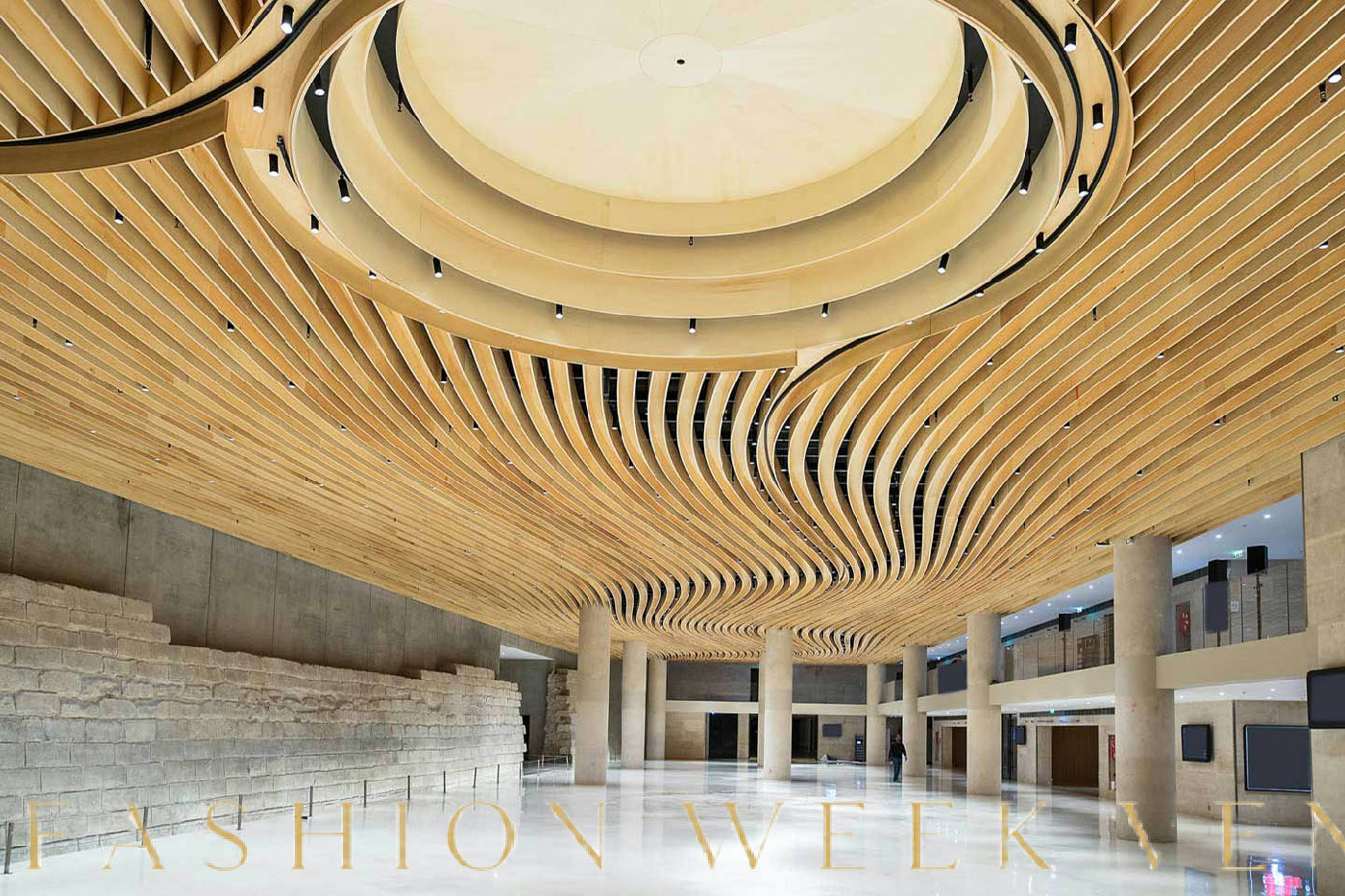
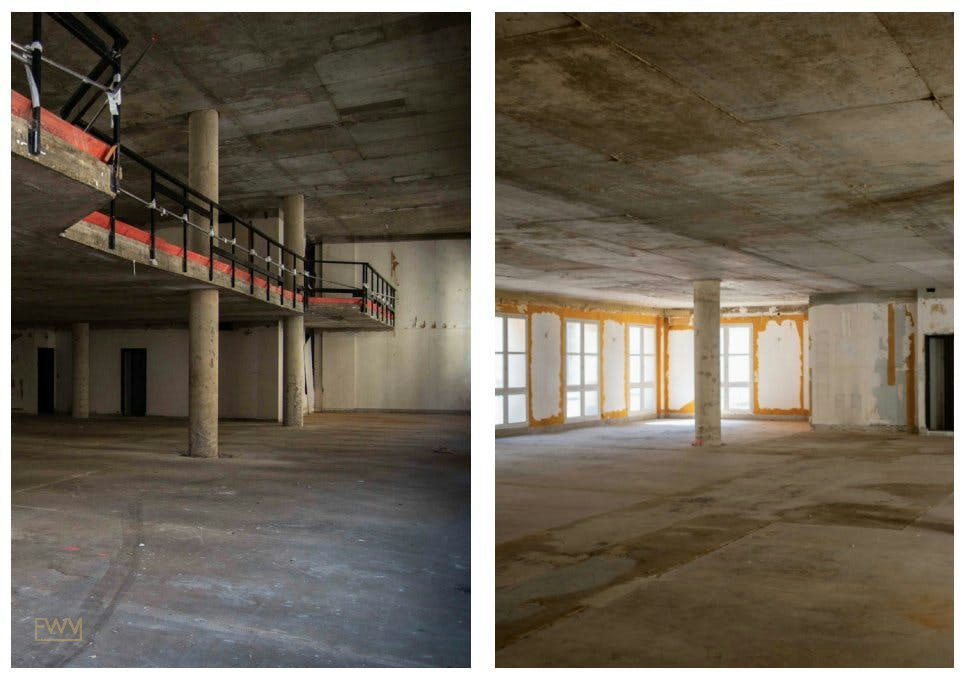
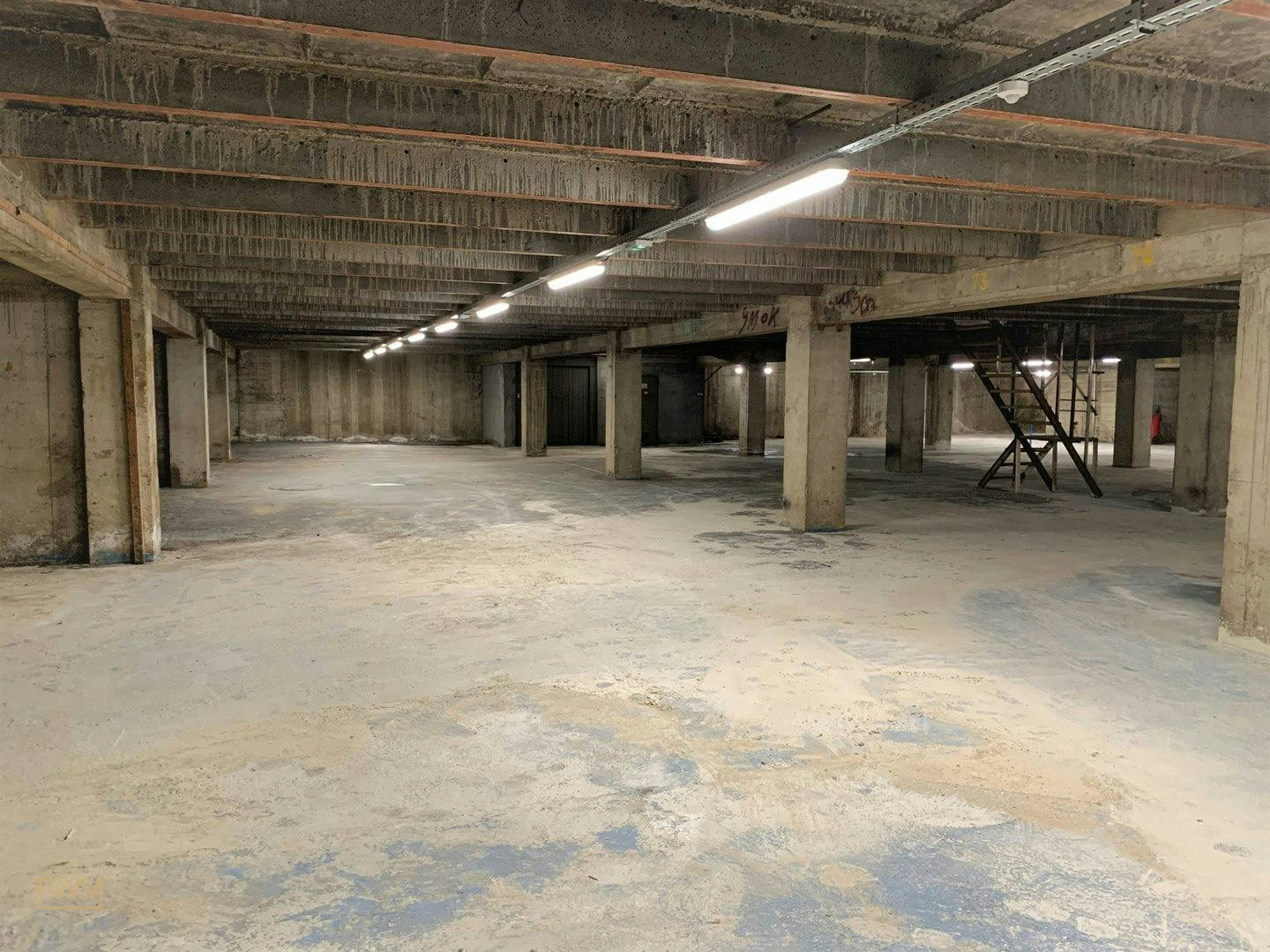
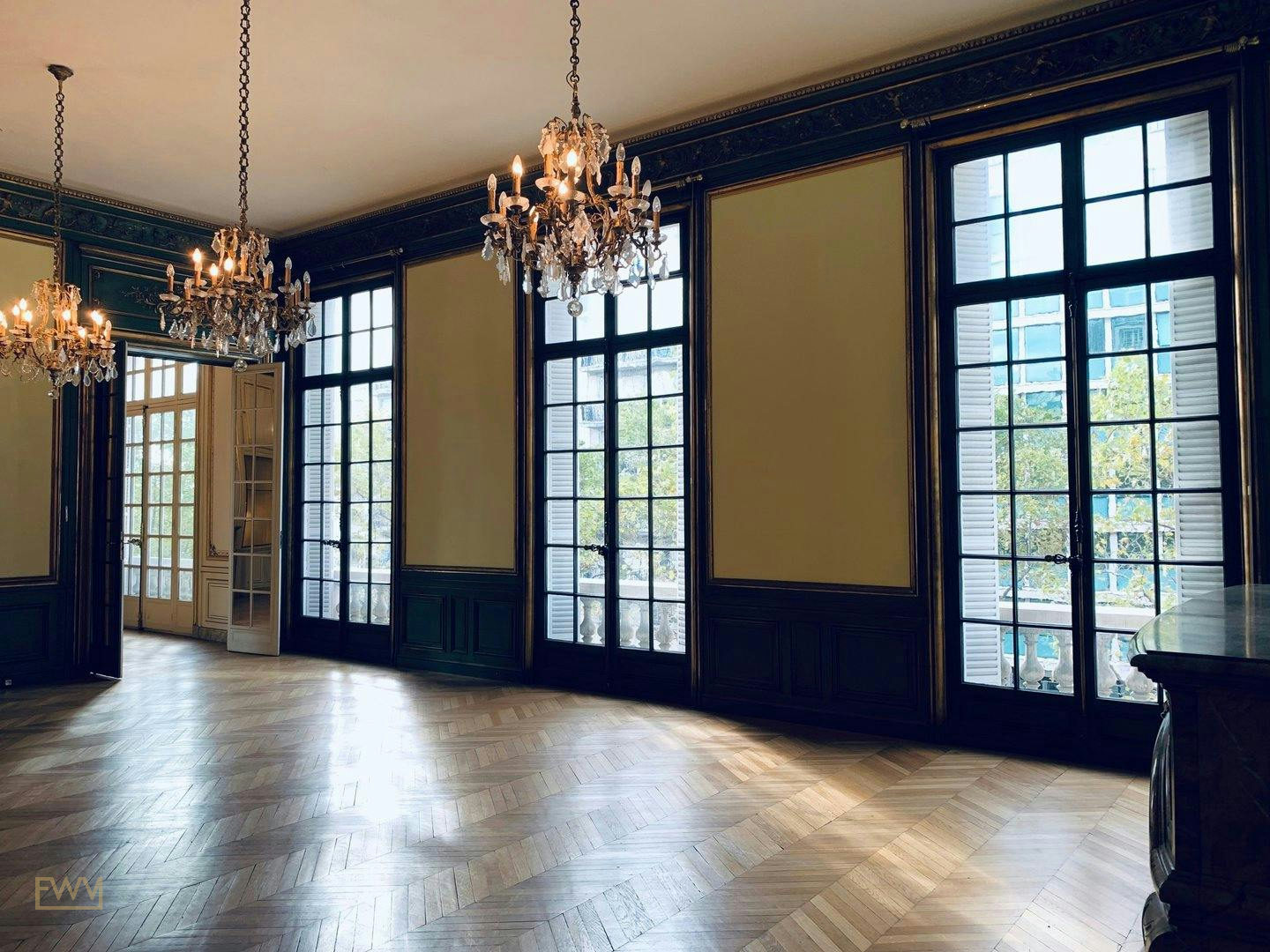
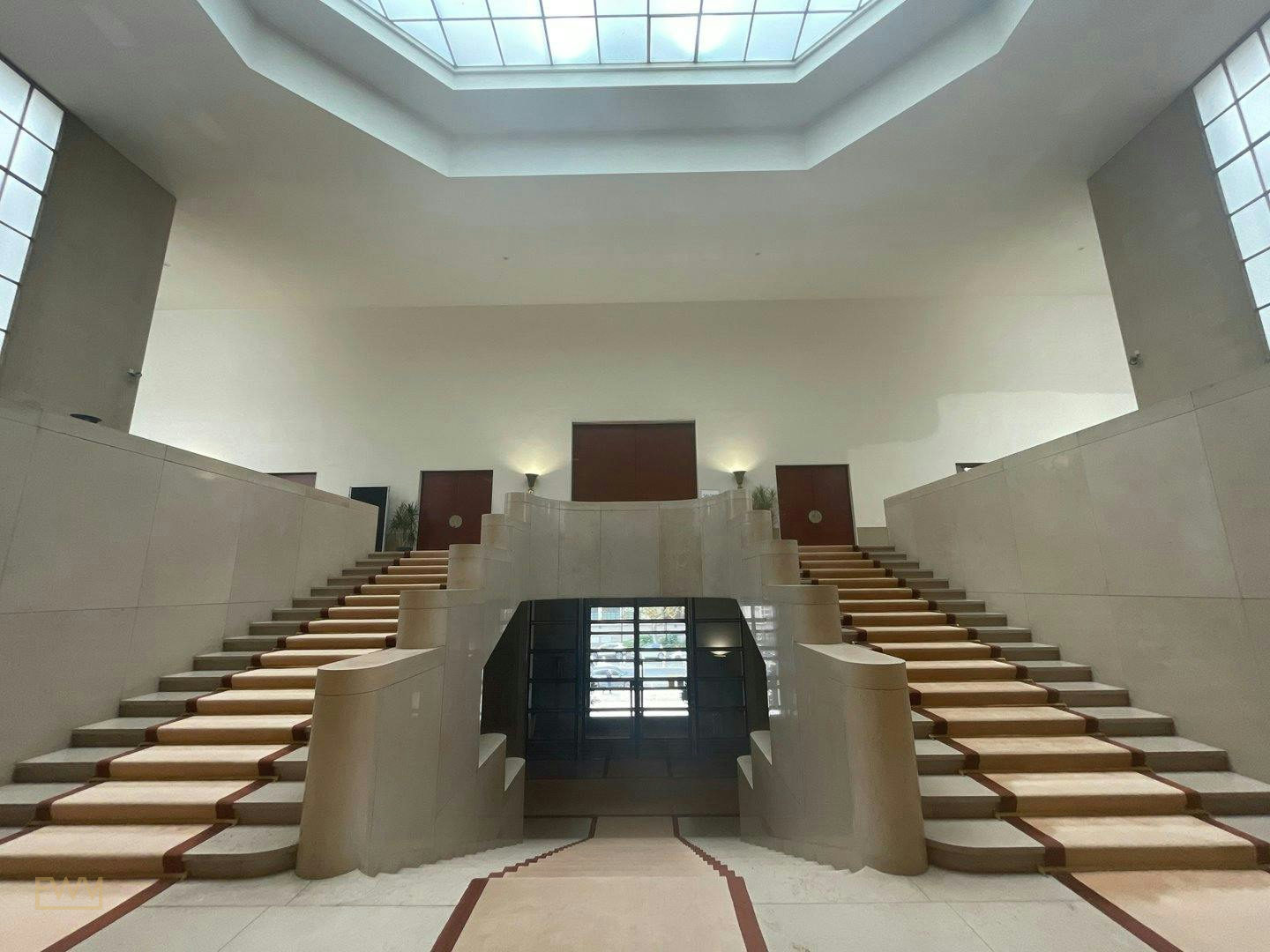
When planning a Fashion Week event, brands have a variety of venue types to choose from, each offering distinct advantages. These include galleries, industrial spaces, rooftops, historical sites, and modular set-ups. Each venue type brings its own ambiance and logistical considerations.
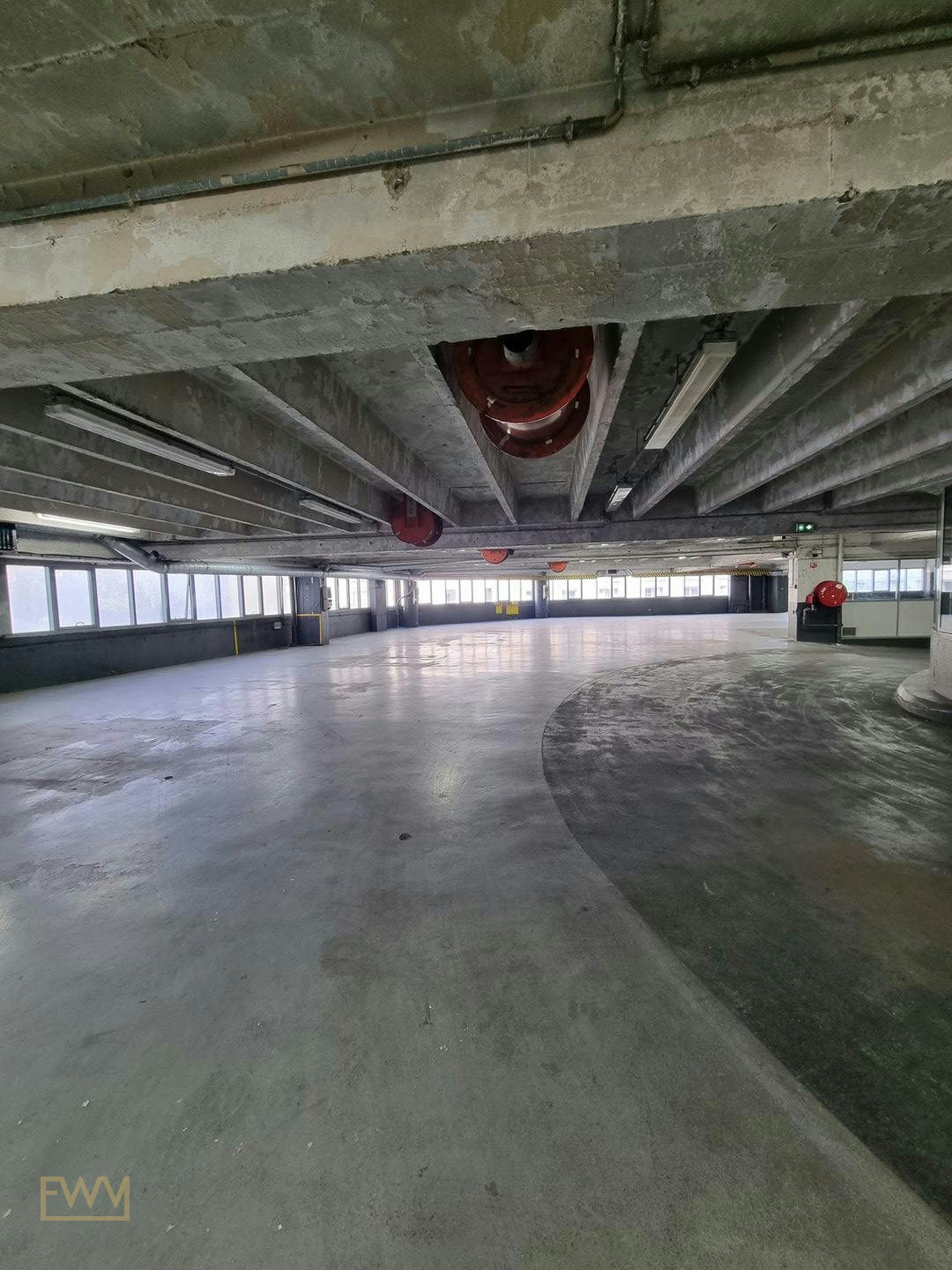
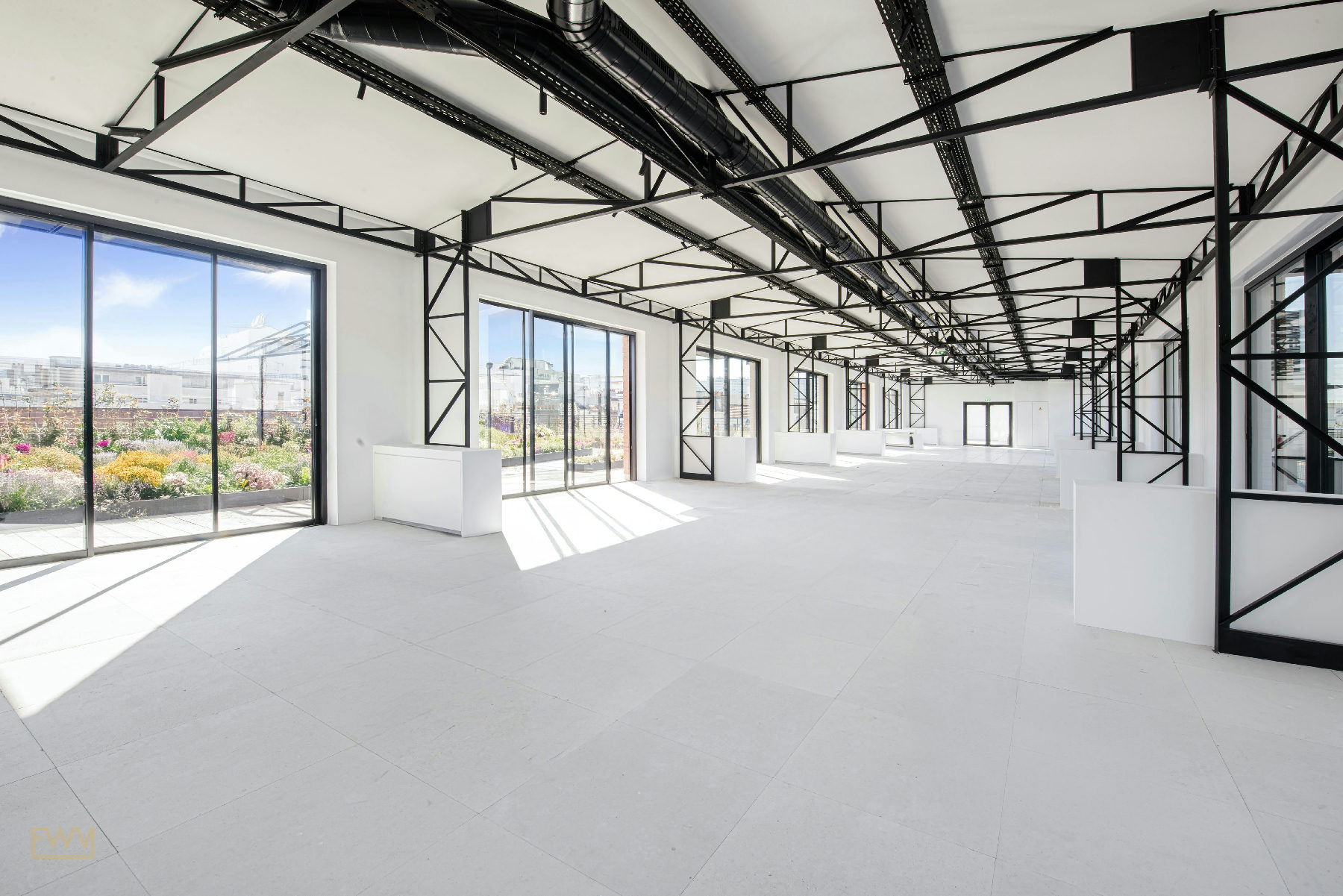
Galleries and art spaces offer an artistic backdrop perfect for intimate showcases and exclusive events. Their often central locations and elegant design attributes add a layer of sophistication to brand activations. Conversely, industrial spaces provide flexibility and a raw aesthetic that can be tailored with innovative designs and branding.
Quick answer: Venue types such as galleries, industrial lofts, or historical buildings vary in style, capacity, and cost. Choosing depends on brand identity and event style.
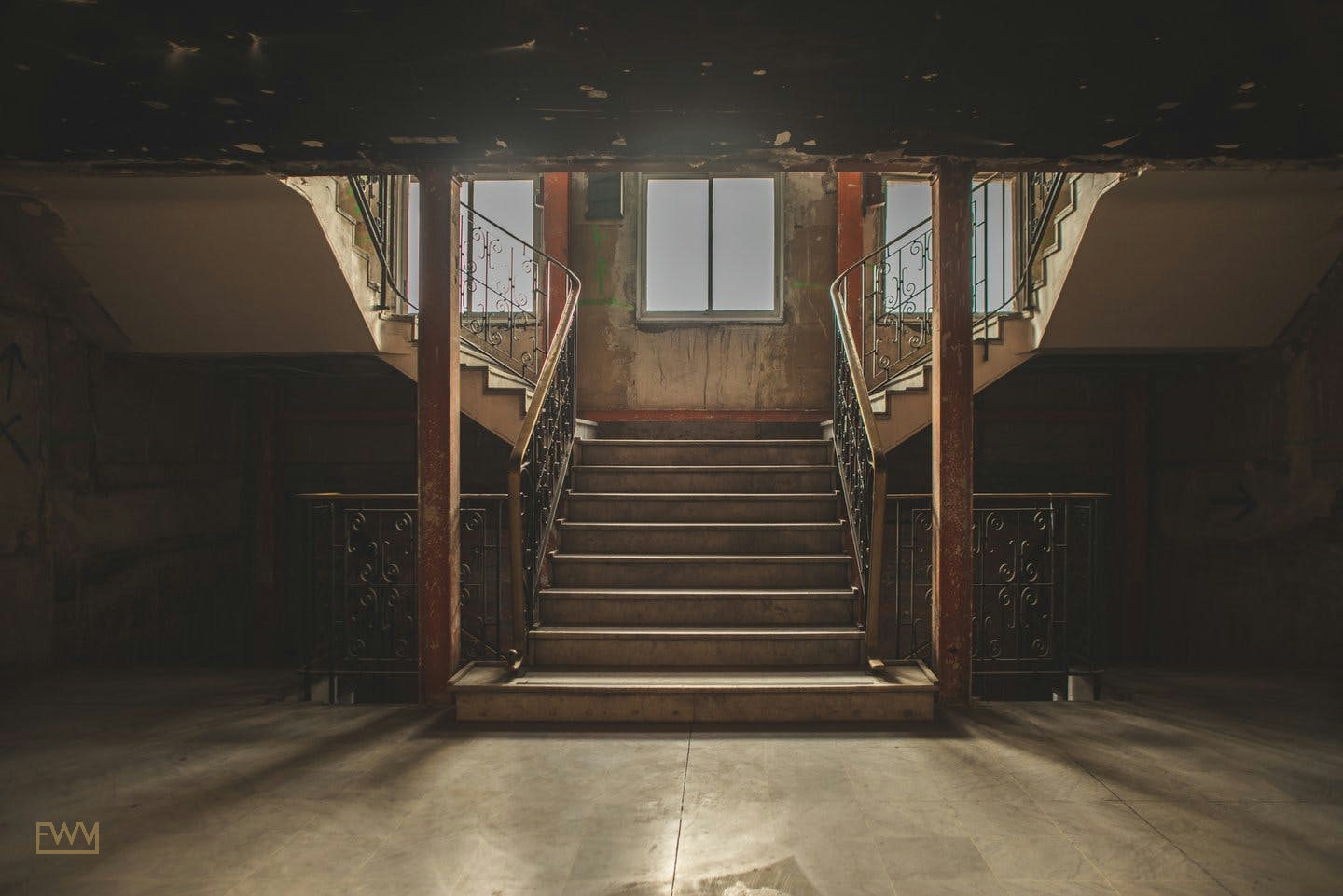
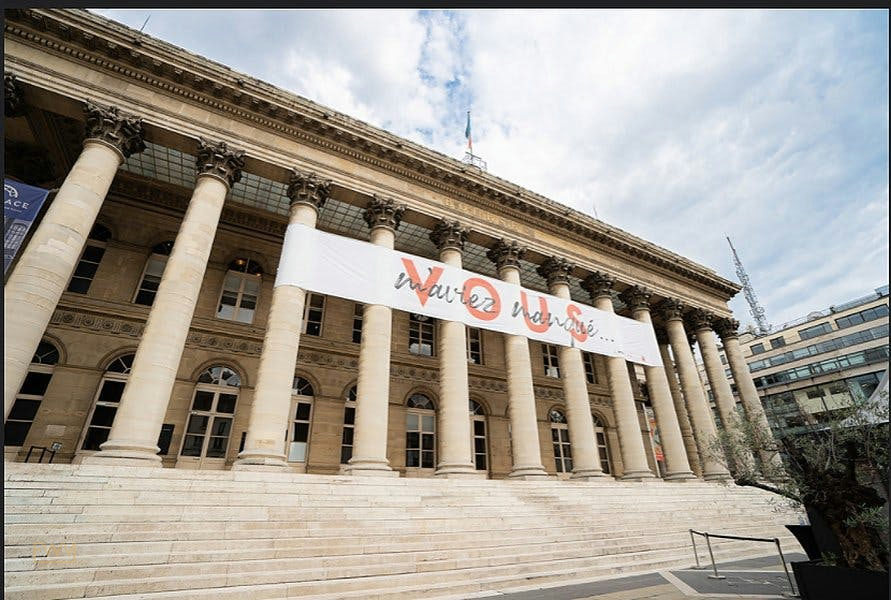
Rooftops present an exciting opportunity for events aiming for a vibrant, open-air atmosphere, whereas historical sites convey prestige and cultural richness, appealing to luxury brands seeking to highlight heritage. Modular spaces, meanwhile, offer unparalleled flexibility, allowing brands to transform a blank canvas into a personalized branded environment.
The selection of venue type must align with the brand's image, the nature of the event, and the anticipated audience.
KEY TAKEAWAY: Understanding the unique attributes of venue types helps brands align their venue choice with their creative vision and audience expectations.
With this understanding of available venue types, the next step involves selecting the right location within the bustling cityscape.
Choosing the Right Location: Paris's Hotspots
The choice of location within Paris significantly impacts the visibility and accessibility of Fashion Week events. Well-known districts like Le Marais, Saint-Germain-des-Prés, and the Opéra area each offer distinct vibes and attract differing demographics.
Le Marais is renowned for its chic boutiques and artistic flair, making it ideal for edgy and avant-garde collections. This trendy neighborhood is often associated with a younger, fashion-forward crowd. On the other hand, Saint-Germain-des-Prés exudes classic Parisian elegance, perfect for luxury brands aiming to engage a sophisticated clientele.
Quick answer: Le Marais, Saint-Germain-des-Prés, and Opéra are prime locations for Fashion Week events, each offering unique vibes and attracting different audiences.
In the bustling area of Opéra, venues benefit from high foot traffic due to proximity to major shopping destinations like Galeries Lafayette and Printemps, excellent for peak exposure and engagement. The financial district around Palais de Tokyo hosts high-profile fashion shows thanks to its expansiveness and iconic skyline views.
KEY TAKEAWAY: Location is a strategic factor in planning a Fashion Week event, with each Parisian neighborhood offering unique advantages that align with different brand strategies.
After assessing neighborhood options, it's crucial to evaluate logistical factors and permits to ensure smooth venue operation.
Logistics and Permits: What You Need to Know
Securing the right permits and managing logistics effectively are crucial steps when organizing a Fashion Week event in Paris. The bail dérogatoire and AOT (Authorisation d’Occupation Temporaire) are essential when leasing short-term spaces for events.
Quick answer: Bail dérogatoire and AOT are temporary leasing permits necessary for complying with Paris's short-term venue laws.
Bail dérogatoire is a temporary lease allowing businesses to occupy a commercial space for less than three years, without the need for a long-term contract. It exempts businesses from the prolonged commitment associated with traditional commercial leases.
An AOT is specifically required for using public land or buildings owned by the city, offering brands legal assurance for temporary occupation. The process of acquiring these permits can be complex, often requiring expert guidance, which Fashion Week Venues provides.
KEY TAKEAWAY: Understanding and complying with logistical requirements and securing appropriate permits are vital to preventing operational disruptions during Fashion Week events.
Once logistical and legal requirements are in place, turning attention to the financial aspect of organizing Fashion Week events is crucial for budget-conscious planning.
Budgeting for Fashion Week Venues
Budgeting effectively for a Fashion Week venue is a multi-faceted process involving several components such as venue rental, design and build-out, staffing, marketing, and contingency planning. Effective budget planning ensures every aspect of the event is well-financed while minimizing unforeseen expenses.
Directionally, costs can vary widely depending on the location, size, and duration of the venue rental as well as the complexity of the setup. Utilizing the budget calculator tool offered by Fashion Week Venues helps brands customize their financial plan based on their specific requirements.
Quick answer: Budget effectively for Fashion Week venues by considering all aspects—venue rent, design, logistics, and marketing—and use tools to forecast accurately.
Key steps in budgeting include establishing priorities, researching potential hidden costs, securing competitive quotes for services, and always leaving room for flexibility in case of changes. Brands should approach budgeting as a dynamic process, regularly revisiting and adjusting figures as needed.
KEY TAKEAWAY: Accurate and flexible budgeting, aided by professional tools and expert advice, is essential for a successful Fashion Week event implementation.
With a clear budget in hand, attention shifts towards creating a compelling experience through innovative activation and design strategies.
Innovative Activation and Design Strategies
Creating an exceptional Fashion Week experience goes beyond choosing the right venue; it involves strategic activation and standout design. Innovative strategies in layout, visual merchandising, and interactive elements are key to capturing audience interest and generating buzz.
Utilizing services like concept and creative direction allows brands to develop unique themes that resonate with their identity and message. This process might include bespoke installations, multimedia experiences, and social media integration to enhance engagement and extend reach.
Quick answer: Activation involves thoughtful planning of space design and experiential elements to align with brand identity and enhance audience engagement.
Table: Summary of Activation Elements
| Element | Description | Benefit |
|---|---|---|
| Visual Merchandising | Impactful window and interior displays | Draws attention, sets brand tone |
| Interactive Installations | Engages guests with brand storytelling | Increases on-site engagement |
| Social Media Integration | Live feeds, hashtags, multimedia posts | Extends event reach |
KEY TAKEAWAY: Utilizing creative activation strategies transforms venues into immersive brand experiences, significantly boosting visibility and interaction.
After laying out the physical and thematic foundation, it becomes crucial to analyze and learn from the event to further optimize future endeavors.
Evaluating Success: Data and Analytics
Post-event analysis is an integral part of evaluating success and gleaning insights for future improvements. Implementing robust data collection and analytics methods enables event producers to measure engagement, reach, and return on investment accurately.
Using data and analytics services, brands can identify which aspects of their event resonated most with attendees, which advertising channels were most effective, and how on-site interactions translated into sales or brand awareness.
Quick answer: Data and analytics provide valuable insights into event effectiveness, helping fine-tune future activations by assessing audience engagement and campaign performance.
Data analytics platforms typically track foot traffic patterns, participant demographics, social media engagement metrics, and sales data. These metrics offer a comprehensive view of performance, allowing brands to justify spending and optimize resource allocation more effectively.
KEY TAKEAWAY: Comprehensive data analysis is vital for measuring the impact of Fashion Week events, informing future strategy and justifying investments.
Understanding how to capture and implement such insights is vital for addressing myths and misconceptions surrounding Fashion Week venues and events.
Common Myths Debunked
MYTH: You need a French legal entity to rent a space in Paris.
FACT: While navigating French real estate laws can be complex, it is not mandatory to establish a French legal entity to rent a space in Paris. Expert guidance and partnerships with local agencies, like Fashion Week Venues, can simplify the process and ensure compliance with local regulations.
MYTH: Paris Fashion Week is the only viable window for brand activations.
FACT: Paris hosts several fashion-related events throughout the year. While Fashion Week is a peak opportunity, other times offer less competition and unique chances to engage with different audiences.
MYTH: Commission brokers are the only way to find a venue.
FACT: While brokers offer expertise, platforms like Fashion Week Venues' space marketplace allow brands to independently explore varied venue options, assess deals, and compare suitability without large broker commission fees.
MYTH: Short-term leases are legally straightforward and don’t require specialist help.
FACT: Despite their temporary nature, short-term leases often involve complex legal and logistical considerations. Proper consultation with experts in French commercial leasing laws is strongly recommended to avoid potential pitfalls.
Understanding these myths is essential for navigating the complexities of securing the right Fashion Week venue efficiently and legally, paving the way for a well-informed event planning process.
Frequently Asked Questions
What is a bail dérogatoire?
A bail dérogatoire is a special type of temporary commercial lease in France, allowing businesses to rent a space for less than three years without entering into a long-term commitment. This lease provides flexibility for short-term projects but requires careful navigation of legal processes, often needing expert advice to be executed correctly.
What are the peak times for securing a Fashion Week venue?
The peak times for securing a Fashion Week venue are typically several months in advance, around January for Paris's March events and around July for the September events. Due to high demand, it’s advisable to start searching and booking as early as possible to secure the best locations aligned with your brand’s vision.
How do I choose the right location for my event?
Selecting the right location depends on several factors including your target audience, brand identity, and logistical considerations. Paris offers diverse neighborhoods each with unique characteristics; areas like Le Marais and Saint-Germain-des-Prés provide ready access to fashion-forward crowds. Brands should also consider logistical ease for setup and dismantling operations.
Do I need a French legal advisor when organizing a Paris Fashion Week event?
While it is not legally mandatory to have a French legal advisor, their expertise can be invaluable, especially in navigating the nuances of temporary leases, permit requirements, and local commercial laws. They ensure that all legal aspects are compliant with French regulations, preventing potential legal complications.
Can Fashion Week venues be used for brand launches?
Yes, Fashion Week venues are an excellent choice for brand launches. These events provide high levels of visibility and engagement with key industry stakeholders and consumers. Innovative activations and strategic use of the venue can further enhance audience experience and maximize the impact of the launch.
What considerations should be taken into account when designing a pop-up space?
When designing a pop-up space, consider layout, customer flow, branding elements, and multi-sensory experiences to create an inviting and memorable environment. The space should reflect your brand ethos while being functional for both customers and staff, enhancing engagement and providing a seamless experience.
How do I ensure effective security and customer management at my event?
Effective planning involves determining staff needs based on expected attendance, implementing access controls, and considering crowd control strategies. Partnering with reliable security firms and employing trained retail staff ensure smooth operations and safety throughout the event, enhancing guest experience and brand reputation.
What are the typical costs associated with Fashion Week venues?
Costs can vary widely based on location, size, duration, and the complexity of the venue setup. Renting space in prime areas like Le Marais or near Opéra typically incurs higher costs. In addition to rent, budgeting should include marketing, design and setup, staffing, and unplanned expenses. Utilize the budgeting tools for precise estimates.
How can I maximize my event's reach and impact?
Maximize reach and impact by integrating comprehensive social media strategies, influencer collaborations, and real-time audience engagement activities. Leverage visual storytelling through platforms like Instagram and TikTok, optimize digital content for engagement, and use analytics to track and adapt strategies in real-time.
How do I assess a venue's success post-event?
Success can be measured by analyzing foot traffic data, engagement metrics, sales performance, media coverage, and customer feedback. Employ robust analytics tools to gather data that provides insights into what worked and what needs improvement, guiding future strategic decisions.
Are there sustainable options for Fashion Week venues?
Yes, sustainability can be a priority when choosing a Fashion Week venue. Select spaces with eco-friendly practices, such as efficient energy usage, sustainable materials, or those that support local community initiatives. This approach aligns with current consumer preferences and corporate social responsibility goals.
What role does technology play in planning a Fashion Week event?
Technology is crucial in planning, executing, and analyzing Fashion Week events. Tools for event registration, attendee tracking, social media integration, and post-event data analytics can streamline processes, enhance engagement, and provide valuable insights into consumer behavior.
How can Fashion Week Venues enhance my event experience?
Fashion Week Venues offers comprehensive services from venue sourcing to activation management, creative direction, and performance analytics. Their expertise can help tailor events to brand-specific needs, ensuring seamless execution and strategic alignment with marketing objectives, enhancing both the experience and impact of your event.
What happens if there's a change in the Fashion Week schedule?
Changes in Fashion Week schedules are not uncommon and can require quick adaptation of plans. Flexible leasing agreements and strong relationships with local partners help mitigate disruption. Keeping abreast of schedule announcements and having contingency plans in place are crucial for maintaining momentum and operational continuity.
Conclusion
Navigating the landscape of Fashion Week venues requires strategic foresight, cultural understanding, and logistical deftness. With tools and guidance from Fashion Week Venues, brands can efficiently find spaces, manage activations, and capture the unique opportunities presented by Fashion Weeks around the globe. To move from research to activation, start exploring available spaces on the Fashion Week Venues marketplace and build a focused brief for your target neighborhood, space type, and calendar window. Aligning venue choice with strategic goals is key to creating compelling brand experiences that resonate with audiences and yield measurable success.