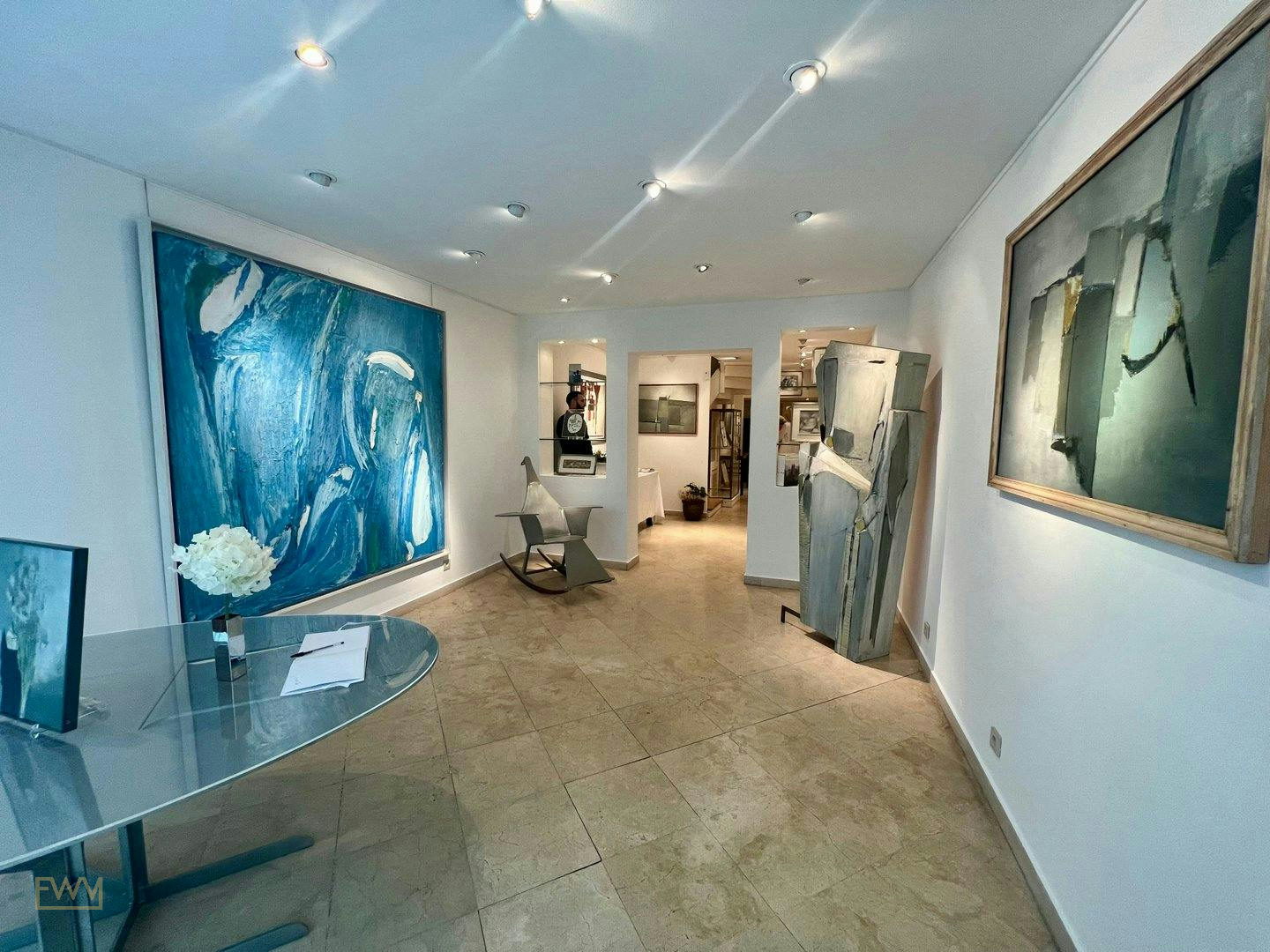
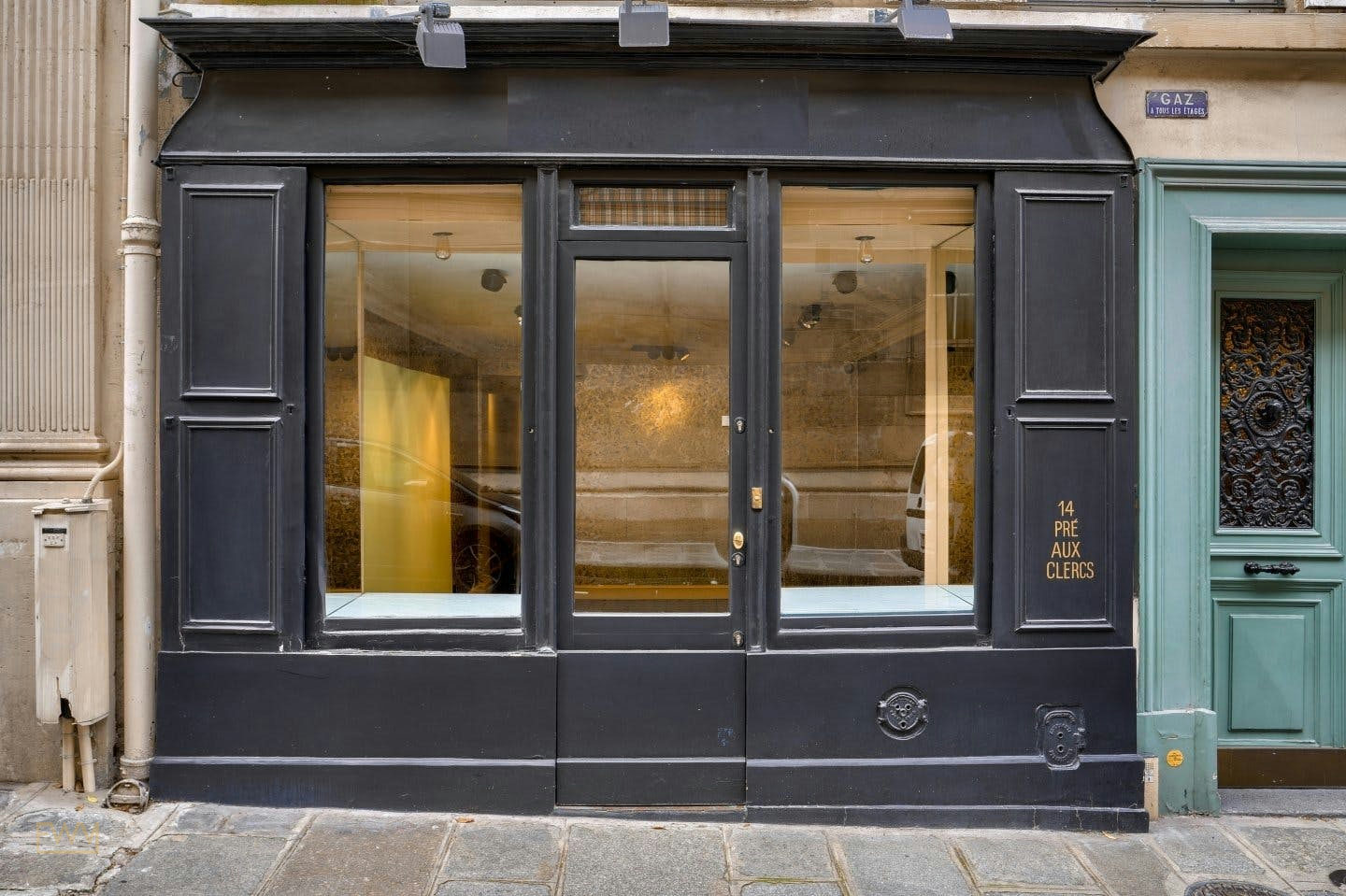
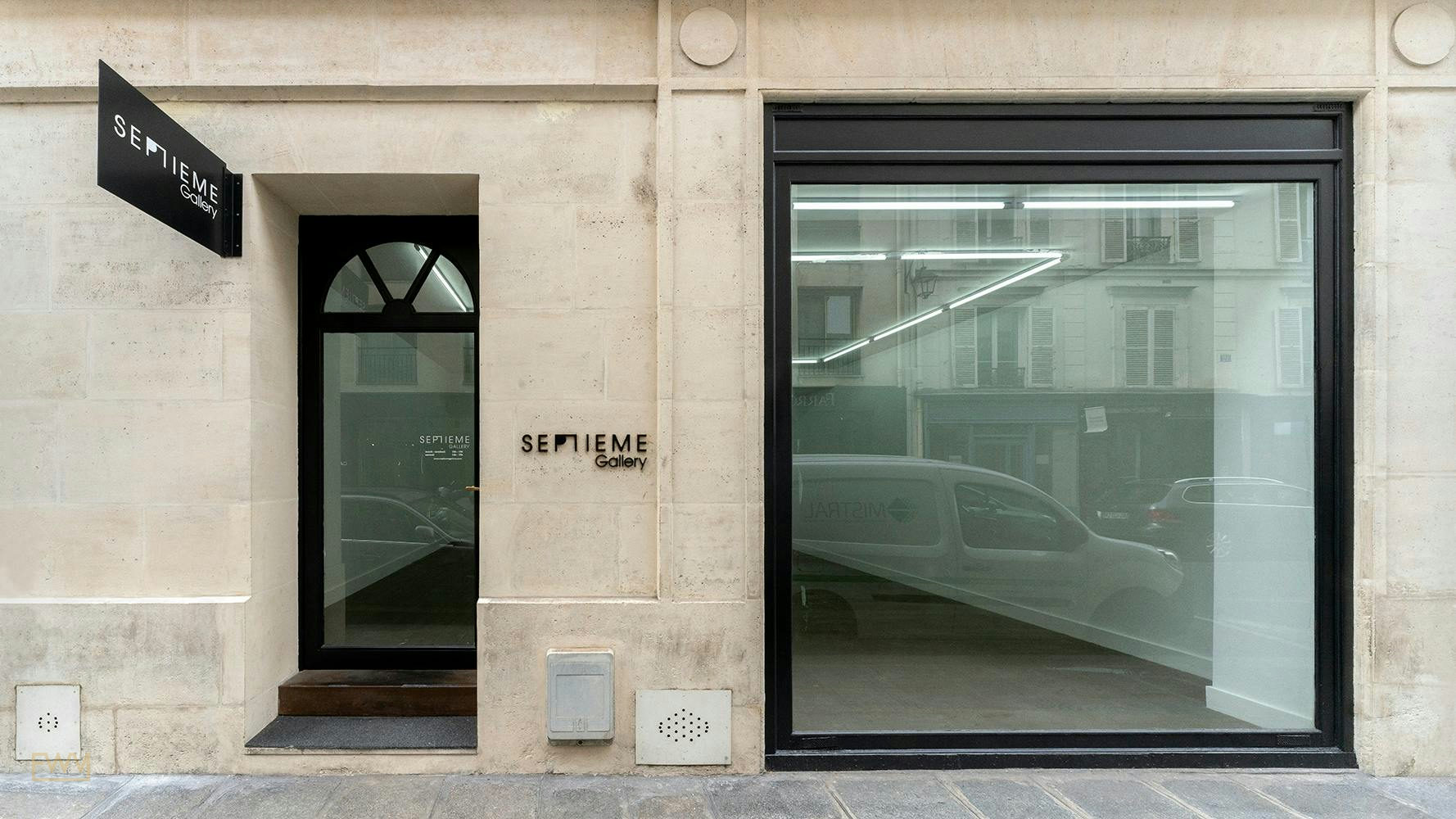
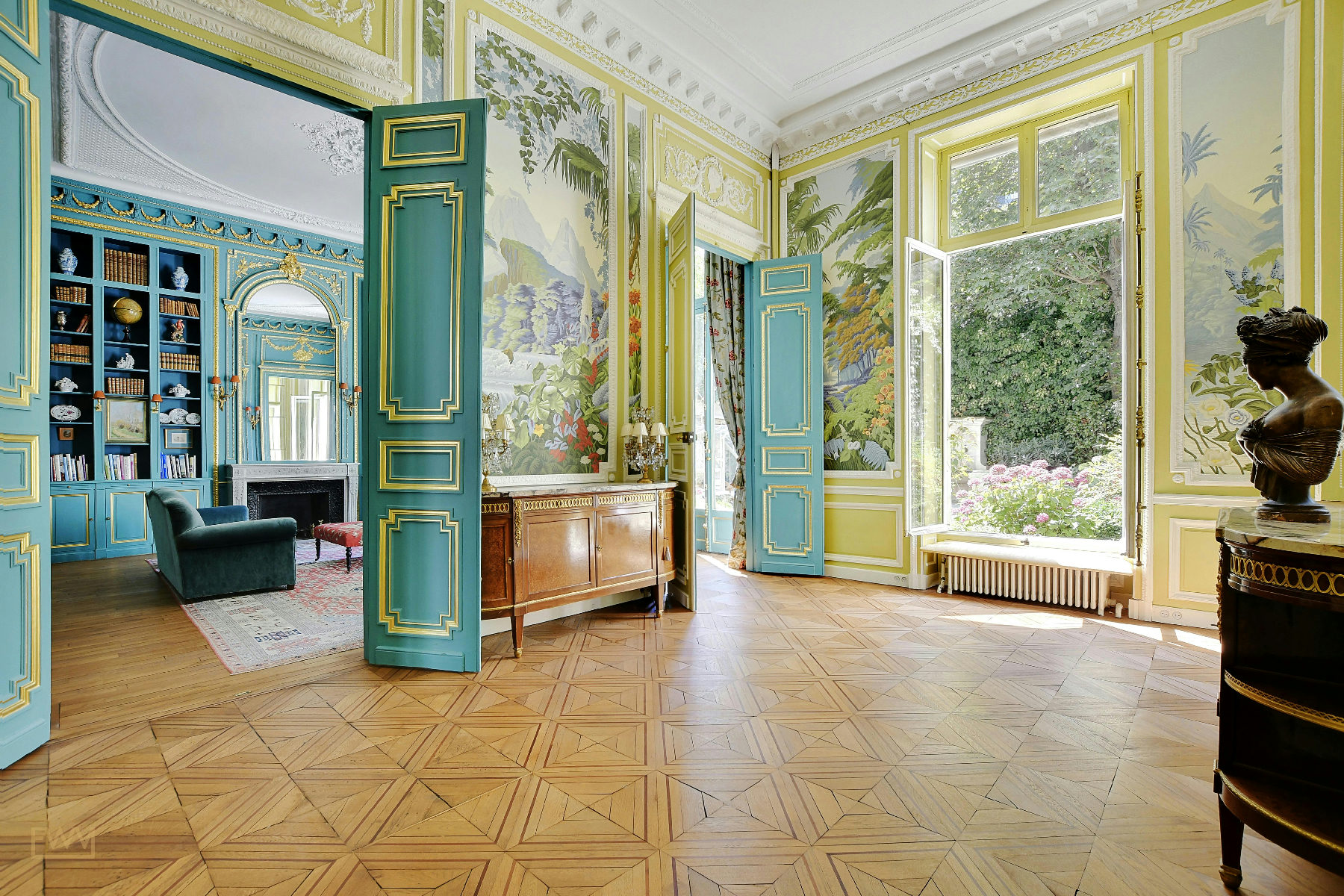
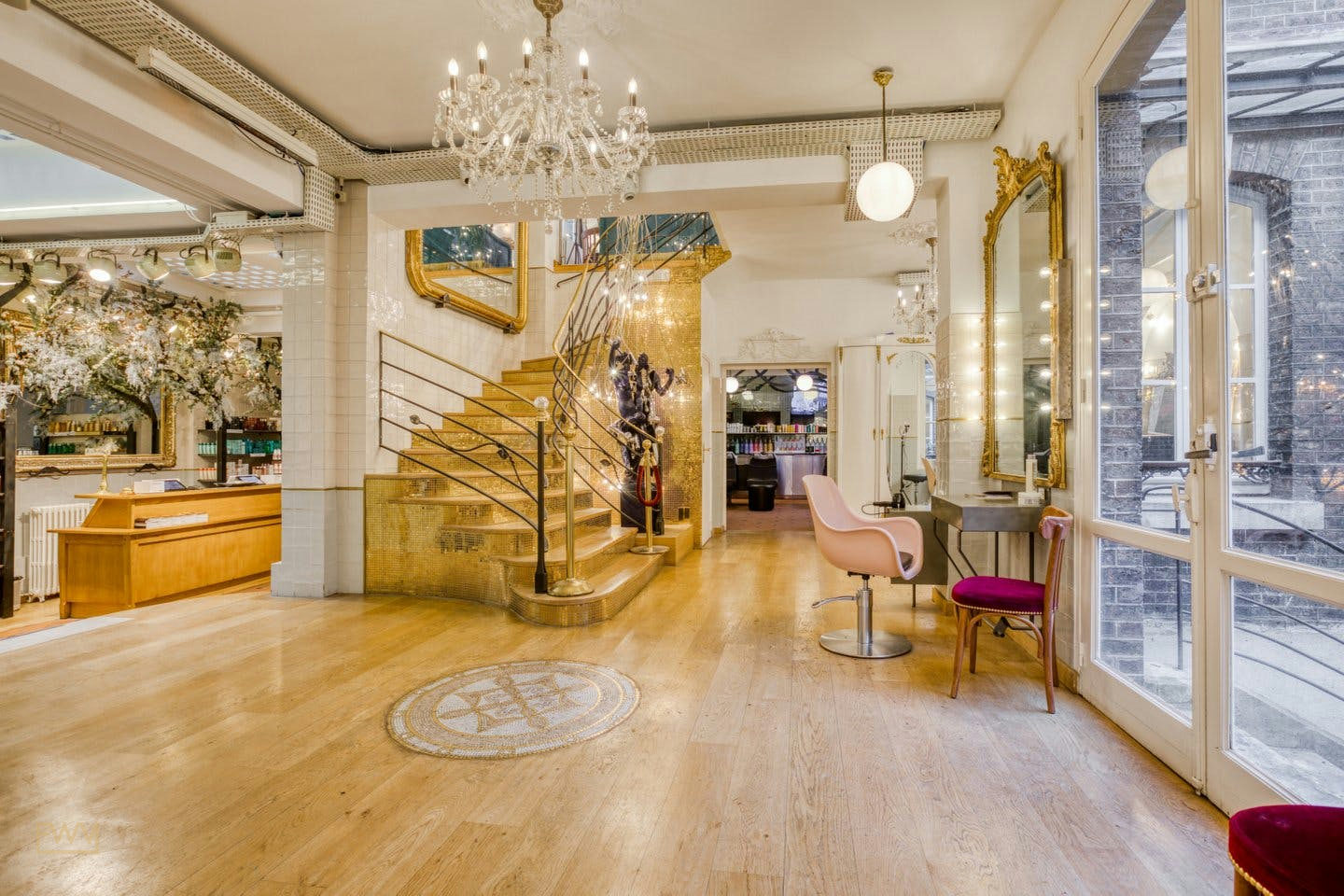
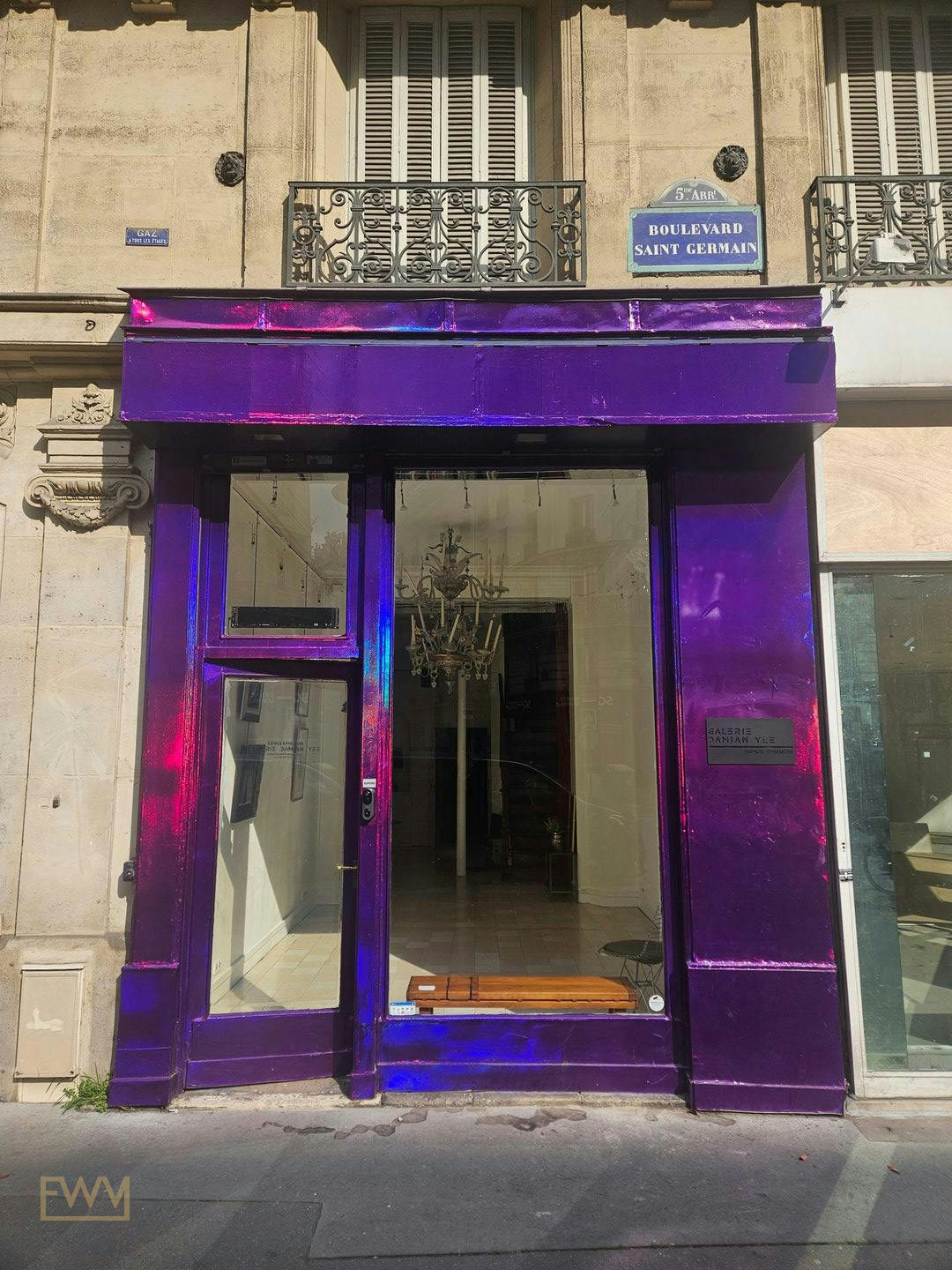
Gallery rental in Paris is one of the most strategically powerful moves a brand, artist, or creative team can make when entering the French market or activating during a major cultural or fashion calendar window. Paris remains the global benchmark for artistic credibility, retail performance, and brand positioning, and short-term gallery spaces give teams the flexibility to operate without the long-term commitments of traditional leases. Whether you are planning an art exhibition, a fashion showroom, a product launch, a press day, or a private event, the right gallery space in the right arrondissement can define how your project is perceived. Fashion Week Venues supports brands and creative teams seeking the right pop-up and event spaces across Paris, from Le Marais to Saint-Germain-des-Prés and beyond.
Why Rent an Art Gallery in Paris?
Quick answer: Renting an art gallery in Paris gives brands, artists, and creative teams immediate access to an audience of collectors, press, buyers, and consumers in one of the world's most culturally significant cities. Gallery spaces carry symbolic weight and architectural quality that standard event venues cannot replicate, making them ideal for exhibitions, showrooms, launches, and private events lasting from one day to several weeks.
Paris occupies a singular position in the global cultural economy. The city hosts more international art fairs, fashion weeks, design weeks, and gallery weekends per calendar year than almost any other city on the planet. For an emerging artist, an independent curator, a luxury brand, or a global fashion house, the ability to place your work or product inside a Parisian gallery space signals a level of seriousness and cultural fluency that advertising alone cannot achieve.
The symbolic capital embedded in Paris gallery spaces is not abstract. When a fashion brand holds its press day in a Le Marais gallery rather than a hotel meeting room, the editorial and commercial response shifts measurably. When an artist mounts a solo show in Saint-Germain-des-Prés rather than an anonymous white box, the collector response changes. Location, architecture, natural light, ceiling height, and neighbourhood context all carry meaning in Paris in ways that most other cities have not yet replicated.
Beyond cultural positioning, gallery rental in Paris is a practical commercial tool. Ephemeral gallery formats allow brands to test new markets, launch collections, host private sales, build press lists, and generate visual content for campaigns, all within a defined and cost-controlled rental period. The temporary nature of the activation is not a limitation but a strategic feature: it creates urgency, exclusivity, and a reason for audiences to engage now rather than later.
Artists and creative professionals rent gallery spaces in Paris for several distinct reasons. Some need a neutral, professionally equipped white space to mount exhibitions independently of the traditional galerie system. Others want the architectural character of a Haussmann apartment, an industrial loft in Belleville, or a converted warehouse near the Canal de la Villette. Still others need a space that can function as both a showroom and an event venue, capable of hosting a vernissage one evening and press appointments the following morning.
For fashion brands specifically, gallery rental in Paris during Fashion Week windows represents one of the highest-density opportunities in the retail and brand calendar. Buyers, press, stylists, and influential consumers are concentrated in the city during these periods, making even a small, well-curated space in the right neighbourhood a genuinely powerful commercial asset.
DID YOU KNOW: Paris hosts several major art fairs each year including FIAC, Paris Photo, Art Paris, and Art Paris Art Fair, as well as Gallery Weekend Paris, which collectively draw hundreds of thousands of collectors, curators, journalists, and cultural professionals to the city annually. These events create natural demand spikes for temporary gallery rental in Paris.
KEY TAKEAWAY: Renting a gallery in Paris is not simply a logistics decision. It is a cultural, commercial, and brand positioning decision that affects how collectors, press, buyers, and consumers perceive your work or product. The right space in the right neighbourhood at the right time in the calendar amplifies every other element of your activation.
Understanding which neighbourhood to prioritise, which space type suits your brief, and which calendar windows offer the most return is the essential next step, and that begins with understanding the Parisian gallery landscape in detail.
The Parisian Neighbourhood Guide: Where to Rent a Gallery in Paris
Quick answer: The most active gallery rental neighbourhoods in Paris are Le Marais, Saint-Germain-des-Prés, Belleville, Montmartre, and the area around the Canal de la Villette in the 19th arrondissement. Each neighbourhood carries distinct cultural positioning, audience demographics, and space typologies, and the right choice depends on your event type, target audience, and brand identity.
Le Marais and the Haut-Marais
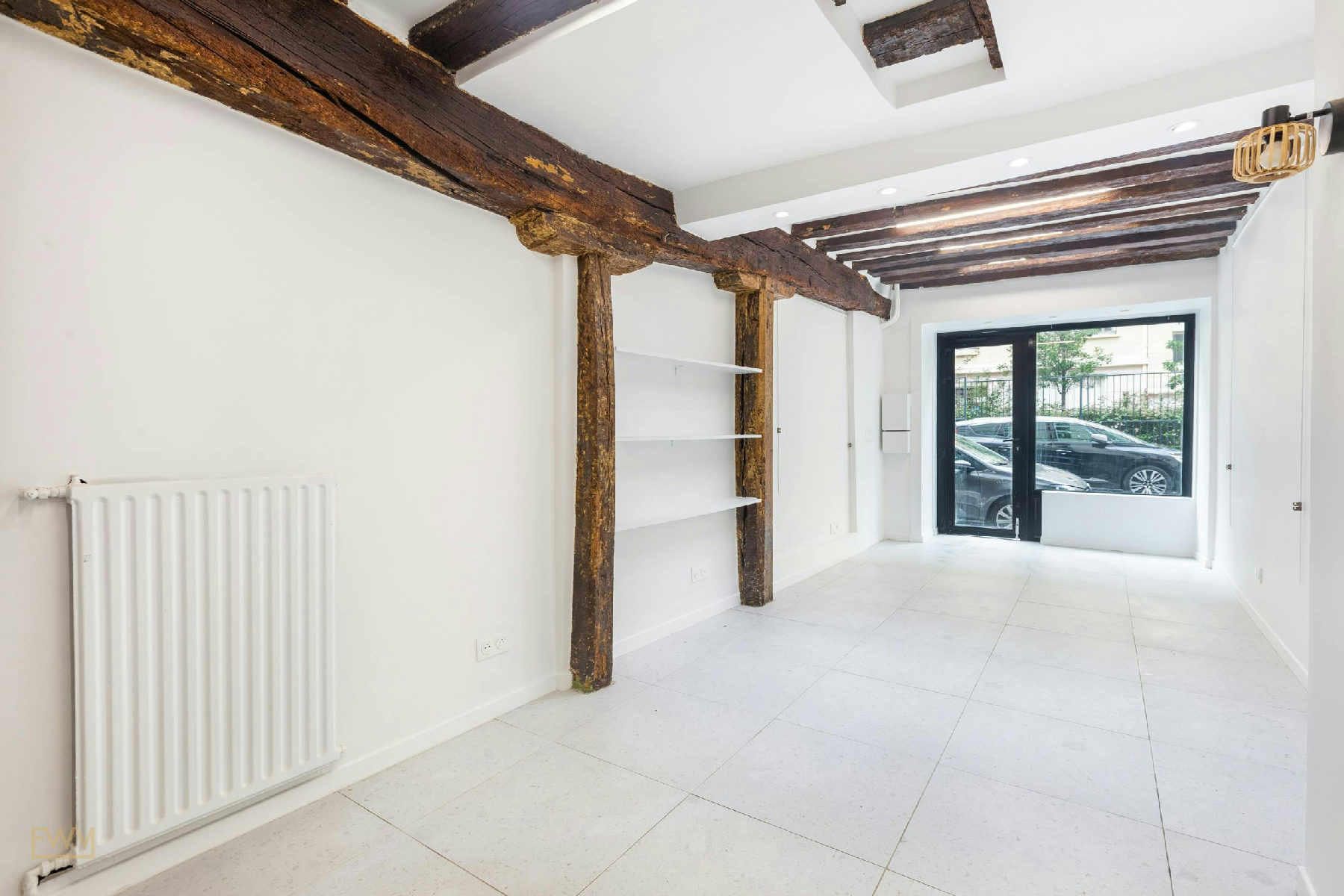
Le Marais, and particularly the Haut-Marais district, is the most concentrated gallery district in Paris. Centred on streets including Rue de Turenne, Rue du Temple, and Rue des Beaux-Arts adjacent to the broader Saint-Germain gallery corridor, the Marais holds a dense cluster of established contemporary art galleries, fashion showrooms, design studios, and pop-up spaces. The architecture ranges from 17th-century townhouses and former aristocratic hotels particuliers to converted post-industrial lofts. High ceilings, stone floors, original beams, and generous natural light are common features in the most sought-after spaces here.
The Marais is also the neighbourhood most associated with Fashion Week showroom activity. During Paris Fashion Week, Rue de Turenne and the surrounding streets fill with fashion brands using gallery and showroom spaces for press days, buyer appointments, and trade presentations. The proximity to the Picasso Museum, the Centre Pompidou, and major established galleries gives the neighbourhood a cultural density that attracts exactly the audience most brands and artists want to reach.
Galerie Joseph, one of the most well-known rental gallery operations in Paris, has long operated spaces in this district, with a model that explicitly bridges fashion, contemporary art, and cultural event production. The Joseph Gallery concept reflects the neighbourhood's identity: spaces that work equally well for art exhibitions, fashion showrooms, product launches, cocktail parties, and private events.
Saint-Germain-des-Prés
Saint-Germain-des-Prés, centred on the streets around Rue des Beaux-Arts, Rue de Seine, and the broader Left Bank gallery corridor near the Louvre-Rivoli axis, is the historical heart of the Parisian art market. The galleries here tend toward established names, secondary market dealers, and blue-chip contemporary galleries, but temporary rental spaces also operate throughout the district. The audience demographic skews toward serious collectors, established curators, and international press. For brands positioning at the luxury end of the market, a Saint-Germain-des-Prés gallery rental carries significant cultural credibility.
Belleville and the 19th Arrondissement
Belleville and the wider 19th arrondissement, including the area around Le 18 du 19, represent the more experimental and artist-driven end of the Paris gallery rental market. The Ephemeral Gallery M, Le 18 du 19, located close to the Canal de la Villette, offers a culturally rich alternative to the more commercially saturated Marais. The area attracts emerging artists, independent curators, and brands seeking a less conventional positioning. Industrial sites, former workshops, and large-format spaces are more common here, and rental rates tend to be more accessible than in the Marais or Saint-Germain.
Montmartre
Montmartre, centred on Rue des Abbesses and Place du Tertre, offers a more romantic and tourist-facing gallery environment. The neighbourhood is better suited to accessible art formats, hobbyist exhibitions, and events that benefit from high foot traffic, than to high-end fashion showrooms or collector-focused art fairs. That said, certain ground-floor spaces near Place du Tertre and the surrounding streets offer genuinely atmospheric settings for photo shoots, editorial content production, and small private events.
The Saint-Honoré District and Carreau du Temple
The Saint-Honoré district, including streets around Bachaumond Street and the broader first arrondissement, offers a high-end retail environment adjacent to major luxury flagships. Gallery rental in this area often functions as a luxury pop-up or brand activation space rather than a traditional exhibition venue. Carreau du Temple, the converted 19th-century covered market in the 3rd arrondissement on the edge of the Marais, offers a large, technically equipped, architecturally distinctive space that hosts major cultural events, trade shows, and brand activations throughout the year.
To compare neighbourhoods and space types by brief, calendar window, and budget, explore the Paris city hub on Fashion Week Venues and shortlist spaces that match your requirements.
| Neighbourhood | Best For | Space Typology | Audience Profile |
|---|---|---|---|
| Le Marais / Haut-Marais | Fashion showrooms, art exhibitions, press days, vernissages | Hotel particulier, white cube, converted loft | Buyers, press, collectors, fashion industry |
| Saint-Germain-des-Prés | Collector events, luxury launches, private sales | Historic gallery, Haussmann apartment | Established collectors, luxury buyers, curators |
| Belleville / 19th arr. | Emerging art, experimental activations, pop-up galleries | Industrial site, converted workshop, loft | Emerging art community, independent press |
| Montmartre | Photo shoots, small exhibitions, tourist-facing events | Ground-floor street space, studio apartment | General public, tourists, hobbyist collectors |
| Saint-Honoré / Carreau du Temple | Luxury pop-ups, brand activations, trade events | Covered market, modern retail space | Luxury consumers, trade professionals |
KEY TAKEAWAY: Neighbourhood selection determines not just your physical location but your cultural positioning, your target audience, and the editorial narrative surrounding your activation. Choose based on who you want in the room, not just on rental rate or availability.
Once you have identified your target neighbourhood, the next decision is which type of gallery space best serves your specific event format and production requirements.
Types of Gallery Rental Spaces Available in Paris
Quick answer: Gallery rental in Paris covers a wide spectrum of space types, including traditional white cube galleries, Haussmann apartments converted into showrooms, industrial lofts, covered markets, ephemeral gallery concepts, shared art spaces, and purpose-built event venues. The right space type depends on your event format, production requirements, team size, and aesthetic brief.
White Cube and Contemporary Art Galleries
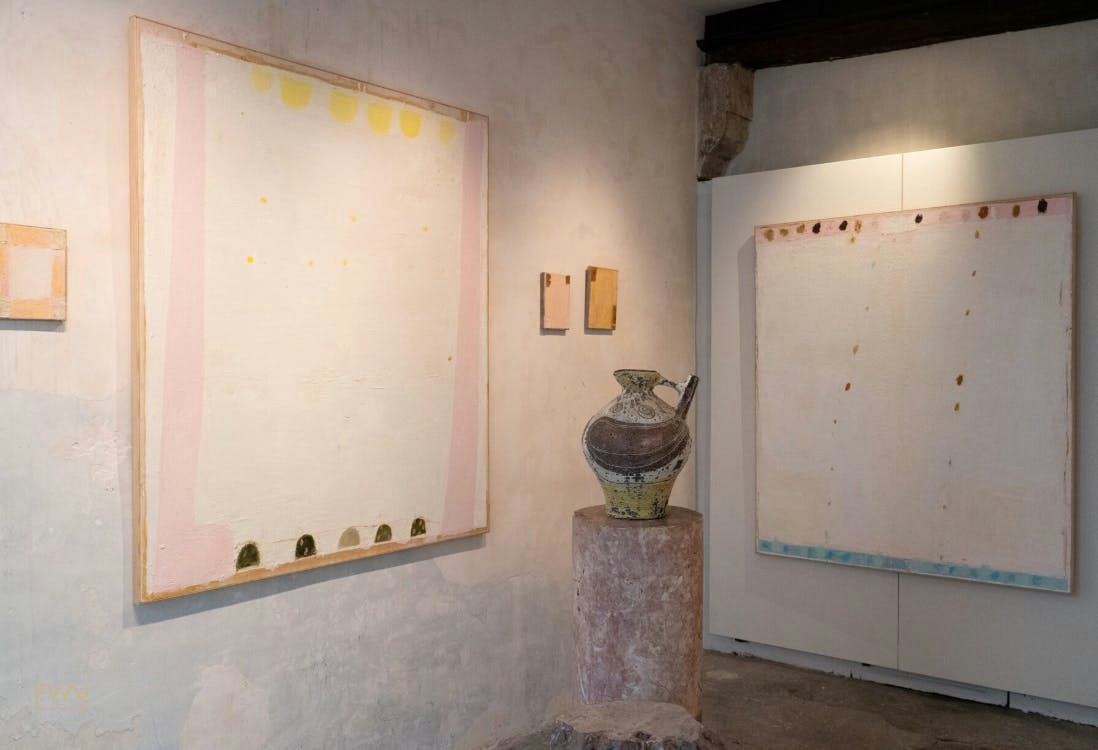
The classic white cube gallery remains the most versatile format for art exhibitions, product launches, and press presentations. High white walls, polished concrete or timber floors, professional hanging systems, and controllable lighting make these spaces adaptable to almost any visual presentation. Many established galleries in Le Marais and Saint-Germain-des-Prés offer short-term rental slots between their own programmed exhibitions, giving brands and artists access to gallery-quality infrastructure with the credibility of an established address.
Ephemeral and Pop-Up Galleries
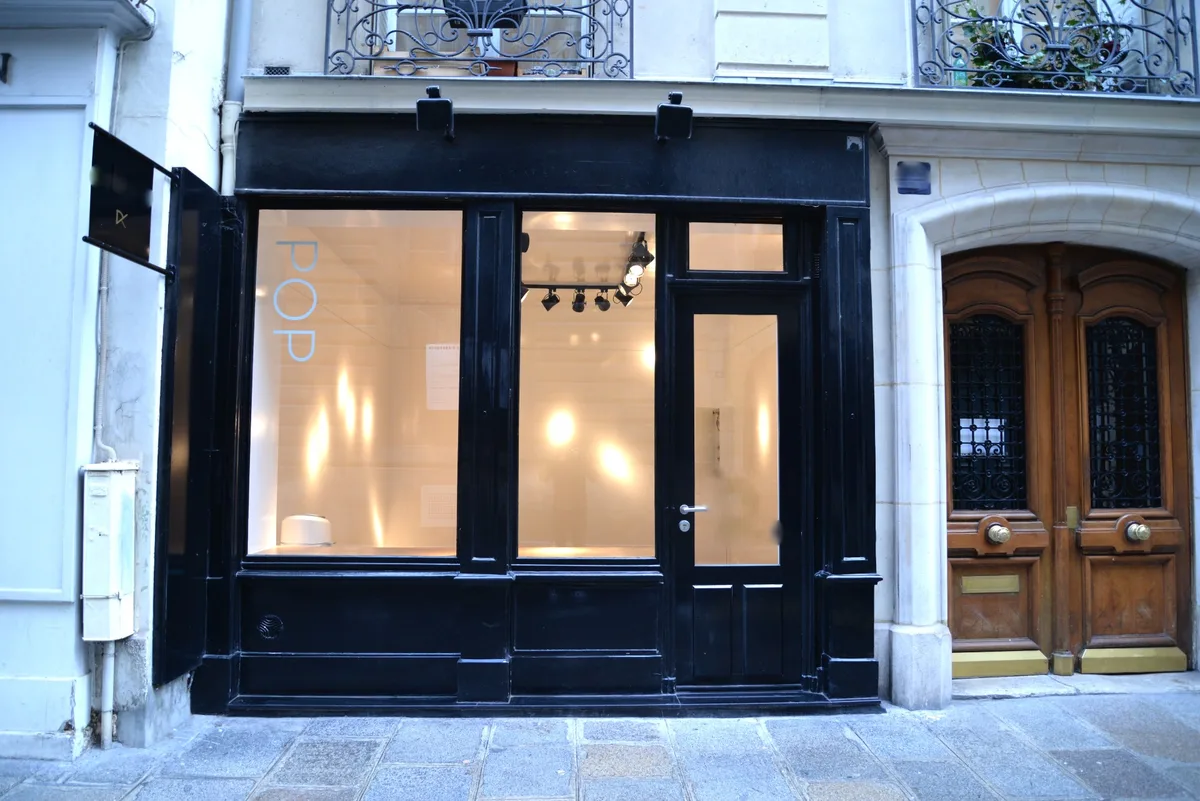
Ephemeral gallery concepts have become increasingly formalised in Paris. Dedicated operators now manage spaces specifically designed for temporary rental, offering professional-grade infrastructure, flexible rental periods from a single day to several weeks, and support services including security systems, reception, and technical amenities. The Ephemeral Gallery M, Le 18 du 19, near the Canal de la Villette in the 19th arrondissement, is one notable example of this model, offering a purpose-built ephemeral gallery format close to an artistically and culturally rich area of Paris.
Fashion Showrooms and Mixed-Use Spaces
Fashion showrooms in Paris are a distinct category that overlaps significantly with gallery rental. The key difference is function: where a gallery is configured for visual display of artwork, a fashion showroom is configured for collection presentation to buyers and press. Many of the most successful Paris rental spaces operate as both, with modular configurations that allow them to function as an art gallery for an evening vernissage and as a fashion showroom for morning buyer appointments. Spaces offering clothes rails, hanging cables, high ceilings, natural light, and flexible floor plans are particularly suited to this dual-use model.
Haussmann Apartments and Historic Interiors
Renting a Haussmann apartment or historic Parisian interior for an art exhibition or private event is a format particularly well-suited to luxury brands, private sales, and intimate collector events. The domestic scale of an apartment setting creates an atmosphere of exclusivity and personalization that a purpose-built event space rarely achieves. These spaces are popular for editorial photo shoots, private dinners, and small cocktail parties where the aesthetic of the space itself is part of the storytelling.
Industrial and Large-Format Spaces
Industrial sites, converted warehouses, and large-format spaces in Belleville, the 19th arrondissement, and certain parts of the outer Marais offer raw architectural character at a scale that works for immersive experiences, large group exhibitions, trade fairs, and multi-brand events. Delivery bays, ground-floor access, and high ceilings make these spaces logistically practical for large installations and complex scenography builds.
Shared Art Spaces
Shared art spaces operate on a co-habitation model where multiple artists, brands, or projects run simultaneously in a single building or floor. This format reduces individual rental costs and creates a built-in audience by concentrating multiple activations in one location. During Paris Gallery Weekend and Art Paris, shared spaces are particularly active and draw audiences moving between multiple exhibitions in a single visit.
KEY TAKEAWAY: There is no single best type of gallery rental space in Paris. The right format depends on your audience, your production requirements, your scenography brief, and your budget. Understanding the differences between white cube, ephemeral, showroom, apartment, and industrial formats before approaching landlords will save significant time and money during the search process.
Understanding the space type is inseparable from understanding the features and technical specifications that each format typically offers, which is covered in the next section.
Space Features and Technical Amenities: What to Look For in a Paris Gallery Rental
Quick answer: The essential technical features to assess when renting a gallery in Paris include ceiling height, natural light quality, lighting systems, hanging infrastructure, floor load capacity, internet connectivity, heating and air conditioning, delivery bay access, and security systems. Missing or inadequate technical amenities can significantly increase production costs or make certain event formats impossible.
Natural Light and Artificial Lighting Systems
Natural light is one of the most sought-after and most misunderstood features in Paris gallery rental. North-facing light is preferred for art exhibitions because it is consistent and neutral throughout the day without direct solar glare. South-facing spaces offer brighter, warmer light that works well for fashion showrooms and photo shoots but can cause issues with glare and fading for sensitive artworks. Always visit a space at the time of day your event will actually run before committing to a rental.
Artificial lighting systems in professional gallery spaces range from simple track lighting on adjustable rails to sophisticated programmable systems with dimming control, colour temperature adjustment, and zoning capability. For art exhibitions, the quality and controllability of the lighting system directly affects how artwork is perceived. For fashion showrooms, consistent and flattering light across the entire floor plate is essential. For product launches and cocktail parties, atmospheric and programmable lighting adds significant production value without additional equipment hire costs.
High Ceilings and Hanging Infrastructure
High ceilings are a consistently valued feature in Paris gallery rental because they enable large-scale installations, tall artwork presentation, multi-rail fashion display, and dramatic scenography. Spaces with ceilings below three metres are limiting for anything other than intimate events. Ceiling heights of four metres and above open up a significantly wider range of exhibition and display formats. Hanging cables, picture rails, and ceiling-mounted hanging systems should be inspected for load capacity and accessibility before booking.
Ground Floor Access and Delivery Bays
For any activation involving large artwork, furniture, equipment, or retail stock, ground floor access and delivery bay provision are critical. Many Parisian buildings, including some of the most aesthetically desirable gallery spaces, are served only by narrow staircases or small lifts. Establishing the exact access route for deliveries and collections before signing a rental agreement avoids potentially significant logistical costs and scheduling problems on installation day.
Security Systems and On-Site Security Services
Security is a non-negotiable consideration for any gallery rental involving valuable artwork, luxury goods, or high-profile guests. Professional gallery rental spaces in Paris typically offer one or more of the following: electronic security systems with alarm and CCTV coverage, on-site security personnel during events, after-hours monitoring, and lockable display cases or secure storage for high-value items. Confirm what the security system covers, what is included in the rental rate, and what additional security services can be arranged.
Reception, Storage, and On-Site Team
Professional gallery rental operations offer reception services for guest management during events, including vernissages, press days, and private sales. On-site storage space for excess stock, packaging materials, and equipment is a frequently overlooked practical requirement. Confirm the availability and size of storage areas before finalising your production plan. Many professionally managed gallery spaces also provide an on-site team member during events to manage technical systems, security, and building access.
Internet Connectivity, Heating, and Air Conditioning
Reliable internet connectivity is essential for events involving digital presentations, POS systems, streaming, or social media content production. Confirm connection speeds and the number of available access points before your event. Heating and air conditioning systems in older Parisian buildings are frequently inadequate for large gatherings, so confirm the system capacity against your anticipated guest numbers, particularly for events in summer or winter months.
| Feature | Why It Matters | Questions to Ask |
|---|---|---|
| Natural light | Affects artwork presentation, photography, and atmosphere | Which direction does the space face? Can light be controlled? |
| Ceiling height | Determines installation scale and display options | What is the usable ceiling height? Is hanging infrastructure in place? |
| Lighting system | Controls visual quality of display and event atmosphere | Is the system dimmable? What colour temperature range does it offer? |
| Ground floor access | Determines logistics for large deliveries and installations | Is there a dedicated delivery bay? What is the maximum item size for access? |
| Security system | Protects valuable artwork, stock, and guests | What security is included? Is on-site personnel available? |
| Internet connectivity | Supports digital events, POS, and content production | What is the confirmed connection speed? How many devices can connect? |
| Storage | Required for stock, packaging, and equipment | What is the storage area? Is it included in the rental? |
KEY TAKEAWAY: Technical due diligence on a gallery space is as important as aesthetic assessment. Visiting a space during the same time of day as your planned event, confirming all technical specifications in writing, and understanding exactly what is and is not included in the rental rate will prevent costly surprises during production and installation.
With space type and technical features understood, the next essential consideration is the calendar window for your rental and the major events that drive demand and pricing in Paris.
When to Rent a Gallery in Paris: Calendar Windows, Events, and Demand Peaks
Quick answer: Gallery rental in Paris is possible year-round, but demand peaks significantly during Fashion Week windows in January, March, June, and September, and during major art and design events including Art Paris, FIAC, Paris Photo, Paris Design Week, and Gallery Weekend Paris. Booking at least three to six months in advance is advisable for premium spaces during these periods.
Fashion Week Calendar Windows
Paris Fashion Week runs twice per year for womenswear, in late January for haute couture and in late September or early October for ready-to-wear, and twice for menswear, in January and June. During these windows, the concentration of buyers, press, stylists, influencers, and brand executives in Paris is higher than at any other point in the year. Gallery spaces in Le Marais, Saint-Germain-des-Prés, and the Saint-Honoré district fill quickly for showroom rental, press days, and private events. Premium spaces in prime locations are typically booked weeks or months in advance by established brands.
Art Fairs and Gallery Events
The Paris art calendar generates its own pattern of high-demand gallery rental windows. Art Paris at the Grand Palais in April, FIAC in October, Paris Photo at the Grand Palais Ephemère in November, and Gallery Weekend Paris in May are the most significant events driving demand for temporary gallery space. During these periods, artists, gallerists, curators, and brands all seek short-term spaces to mount exhibitions, host collectors, and run parallel programming adjacent to the main fair venues.
Paris Design Week
Paris Design Week in September overlaps with the womenswear fashion week calendar, creating an exceptionally competitive demand environment in which design brands, furniture makers, and creative studios compete for gallery and showroom space alongside fashion houses. Booking for both Paris Design Week and Fashion Week September simultaneously is a complex and time-sensitive logistical challenge that benefits significantly from specialist assistance.
Off-Peak and Year-Round Rental
While peak windows offer the highest-density audiences, off-peak gallery rental in Paris has distinct advantages. Rental rates for off-peak periods tend to be more negotiable, space availability is wider, and the venue team has more time to support your production requirements. For photo shoots, editorial content production, private sales, and long-format exhibitions, January, February, July, and August can offer excellent value and reduced competition for prime spaces. The 19th arrondissement and Belleville in particular have year-round programming that does not depend exclusively on the Fashion Week or art fair calendar.
IMPORTANT: During Fashion Week windows and major art fair periods, even spaces that are normally available on short notice may be booked weeks or months in advance. If your activation depends on a specific calendar window, begin your venue search at least three to six months before your required dates. Use the timeline planning tool to map your booking and production schedule against key Paris calendar dates.
KEY TAKEAWAY: The Paris cultural and fashion calendar creates a predictable pattern of high-demand gallery rental windows. Understanding which events drive demand in which neighbourhoods, and planning your booking timeline accordingly, is essential for securing the right space at a workable rate.
Planning around the calendar inevitably raises questions about budget, which is the next critical dimension of any Paris gallery rental project.
Gallery Rental Costs in Paris: Budget Guidance and Cost Factors
Quick answer: Gallery rental costs in Paris vary significantly based on neighbourhood, space size, duration, included services, and calendar period. Rates range from accessible levels for smaller spaces in the 19th arrondissement during off-peak periods to premium rates for large, well-equipped spaces in Le Marais during Fashion Week. Budget planning should account for the base rental rate, technical services, security, staffing, insurance, and production costs as separate line items.
What Drives Gallery Rental Pricing in Paris?
Several factors determine the rental rate for a gallery space in Paris. Location is the primary driver: spaces in Le Marais, Saint-Germain-des-Prés, and the Saint-Honoré district command premium rates due to their cultural positioning and audience density. Space size is the second major factor, with larger spaces offering greater production flexibility but higher base costs. The duration of the rental, the calendar period, the level of included services, and the condition and equipment standard of the space all contribute to the final rental cost.
Included services vary enormously between gallery rental operators. Some spaces charge a base rental rate for empty floor space only, with all technical services, security, reception, furniture, and equipment available as chargeable extras. Others offer comprehensive packages that include staffing, security systems, technical support, furniture, and basic event services within an all-inclusive daily or weekly rate. Understanding exactly what is and is not included in the quoted rental rate before committing is essential for accurate budget planning.
Production and Fit-Out Costs
Beyond the base rental rate, production and fit-out costs are frequently the largest line item in a Paris gallery activation budget. Scenography, furniture rental, lighting hire, audio-visual equipment, signage, printed materials, catering, and transportation all add significant cost to the total project budget. Fashion showroom activations that require clothes rails, hanging systems, and display fixtures have additional specific costs. Art exhibitions requiring specialist installation, handling, and lighting add further expense. Building a comprehensive budget that accounts for all production line items, not just the rental rate, is essential for managing overall project cost.
TIP: Use the budget calculator tool on Fashion Week Venues to build a more complete picture of total activation costs for your Paris gallery rental, including production, staffing, and services alongside the base rental rate.
Deposits, Insurance, and Payment Terms
Most gallery rental operators in Paris require a security deposit, typically equivalent to a percentage of the total rental value, paid at the time of booking. This deposit covers potential damage to the space, equipment, or fittings during your rental period. The exact deposit amount and the conditions for its return vary by operator and space type. Some operators require event liability insurance as a condition of rental, either provided by the renter or arranged through the operator's insurance programme. Confirm deposit requirements, payment schedules, and insurance obligations before signing any rental agreement.
KEY TAKEAWAY: Gallery rental costs in Paris cannot be assessed from the base rental rate alone. A complete budget must include production, fit-out, staffing, security, insurance, deposits, and transportation. Planning with all cost lines visible from the start prevents budget overruns and enables better decisions about space type and neighbourhood.
Budget planning is closely linked to legal and compliance considerations, which shape what you can do in a gallery space and what permissions you need before your event opens.
Permits, Legal Compliance, and Lease Structures for Gallery Rental in Paris
Quick answer: Gallery rental in Paris involves several legal and regulatory considerations including lease structure, event permits, noise regulations, accessibility requirements, and insurance obligations. The specific requirements vary by space type, arrondissement, event format, and rental duration. Confirming all legal obligations before signing a rental agreement is strongly recommended, ideally with the support of a specialist in French short-term commercial leases.
Bail Dérogatoire and Short-Term Commercial Leases
In France, commercial property is normally governed by the bail commercial, a regulated lease structure that carries significant tenant protections and long-term obligations. For short-term rentals, a bail dérogatoire is available as an alternative. The bail dérogatoire allows commercial rental periods of up to three years without triggering the full protections of the standard commercial lease, and it is the legal vehicle most commonly used for gallery and showroom rental in Paris. However, the conditions, permitted uses, and duration limits of a bail dérogatoire must be correctly documented to remain valid. Both parties must explicitly agree in writing that the lease is a bail dérogatoire at the time of signing.
Autorisation d'Occupation Temporaire (AOT)
For events in publicly owned spaces or certain cultural venues, an autorisation d'occupation temporaire (AOT) is the relevant permit framework rather than a standard commercial lease. AOTs are commonly used for activations in public squares, public buildings, and certain institutionally managed cultural spaces. The AOT process involves a separate application to the relevant public authority and may carry specific conditions regarding event format, timing, noise levels, and public access.
Event Permits and Noise Regulations
Hosting an event in a gallery space in Paris, particularly an event involving music, amplified sound, large numbers of guests, or late-night operating hours, may require a specific event permit from the local arrondissement or the Paris city authorities. Noise regulations in Paris are strictly enforced, particularly in residential areas and buildings with mixed uses. Confirm the noise policy of your specific space and the surrounding building before planning any event with live or amplified music. Some gallery spaces operate in buildings with residential upper floors, which creates additional restrictions on event noise and timing.
IMPORTANT: Short-term lease structures, event permits, and compliance obligations in France are complex and vary by space type, building status, and arrondissement. This article provides general guidance only and does not constitute legal advice. Always verify your specific obligations with a qualified French legal advisor before signing any rental agreement or event permit application. Use the permit guidance tool on Fashion Week Venues to understand the general permit landscape for your event type.
Do International Brands Need a French Legal Entity?
This is one of the most common questions from international brands entering the Paris market for the first time. In most cases, an international brand does not need to establish a French legal entity solely to rent a gallery or event space in Paris for a short-term activation. However, the specific requirements depend on the duration of the rental, the nature of the commercial activity being conducted in the space, and whether the brand is selling goods directly to French consumers. Working with a French legal advisor or a specialist agency experienced in international brand activations in Paris is strongly recommended to clarify your specific obligations.
KEY TAKEAWAY: Legal compliance in Paris gallery rental is not a formality. Understanding your lease structure, confirming your event permit obligations, and verifying your insurance requirements before signing any agreement protects your brand, your event, and your budget from unnecessary risk and disruption.
Beyond legal compliance, the practical process of finding, assessing, comparing, and booking a gallery space in Paris benefits significantly from structured professional support.
How Fashion Week Venues Supports Gallery Rental in Paris
Fashion Week Venues operates as a full-service agency and space marketplace specifically built for brands, creative teams, and event producers seeking short-term gallery spaces, showrooms, and pop-up venues in Paris and other major fashion capitals. The platform covers the full project lifecycle from initial space discovery and budget planning through to production, installation, staffing, and post-event analytics.
Venue Sourcing and Space Discovery
The starting point for most gallery rental projects is defining the brief: the neighbourhood, the space type, the required size, the calendar dates, the event format, and the budget range. Fashion Week Venues provides specialist venue sourcing services that match your brief against available spaces in Paris and other cities, using detailed local market knowledge to identify options that match both the practical requirements and the brand positioning objectives of your activation.
Concept Direction and Space Visualisation
Once candidate spaces are identified, concept direction services support the creative development of your activation within the chosen space. The Fashion Week Venues Imagine tool enables teams to visualise space configurations and scenography concepts before committing to a booking, reducing the risk of investing in a space that does not ultimately work for your intended format. This is particularly valuable for fashion showrooms and immersive experience formats that require complex spatial planning.
Production, Build, and Fit-Out
For activations requiring significant fit-out, branded interior build, furniture rental, or scenography installation, Fashion Week Venues provides production and build services that manage the full construction and installation process within the gallery space. This removes the logistical complexity of coordinating multiple contractors, suppliers, and delivery schedules, which is particularly challenging for international brands operating in a foreign-language market.
Retail Staffing, POS, and Analytics
For gallery activations that include a commercial retail element, Fashion Week Venues provides retail staffing, point-of-sale systems, and data and analytics services that enable brands to operate a fully functional temporary retail environment within a gallery space. This is particularly relevant for pop-up stores running alongside art exhibitions or fashion showrooms, where selling activity and exhibition programming run simultaneously.
Tools for Paris Gallery Rental Planning
Fashion Week Venues provides a suite of planning tools specifically relevant to Paris gallery rental projects. The ROI calculator helps teams assess the commercial return on a gallery activation. The space comparison tool allows side-by-side assessment of multiple shortlisted spaces. The space locator tool maps available spaces by neighbourhood and category. Together, these tools support more structured and evidence-based decision-making across the gallery rental process.
It is important to understand that Fashion Week Venues does not guarantee availability of specific spaces, approval of permit applications, or commercial outcomes from any activation. The platform provides tools, expertise, and connections to support your planning and execution, but ultimate decisions and contractual commitments remain with your team. For brands working through the full agency process for the first time, the guide to hiring a pop-up agency provides useful context for understanding what a specialist agency can and cannot do.
KEY TAKEAWAY: Fashion Week Venues provides a structured and specialist approach to gallery rental in Paris, covering space sourcing, creative direction, production, staffing, and analytics. Brands that benefit most are those planning activations during high-demand calendar windows, entering the Paris market for the first time, or managing complex multi-service activations that require coordinated production support.
Stakeholders and Professional Services in the Paris Gallery Rental Market
Quick answer: The Paris gallery rental market involves a diverse network of stakeholders including specialist gallery operators, ephemeral space platforms, event production agencies, scenography studios, art advisors, curators, security service providers, catering companies, and digital marketing specialists. Understanding which professional services are relevant to your specific activation and how to coordinate them efficiently is key to a successful gallery event in Paris.
Gallery Operators and Rental Platforms
Several gallery rental operators and platforms specialise specifically in the Paris temporary space market. Galerie Joseph, founded and led by Michael Timsit, is among the most recognised names in the Paris gallery rental space, with a portfolio of spaces in Le Marais that has hosted major fashion brands, contemporary art exhibitions, and cultural events across multiple decades. The Joseph Gallery model is explicitly positioned at the intersection of fashion, art, and culture, making it particularly relevant for cross-disciplinary activations. MR Agency and Trait'Tendance are among the event production and agency partners that operate within the Paris cultural event ecosystem.
Curators and Art Advisors
For activations involving a genuine art exhibition component, working with an independent curator or art advisor adds significant credibility and audience reach. Curators have existing relationships with collectors, press, and the gallery community that a brand or artist operating independently typically does not have. An experienced curator can also advise on installation, lighting, and artwork sequencing in ways that improve the visual quality and impact of the exhibition within your chosen gallery space.
Scenography and Production Specialists
Scenography is the design and arrangement of a space to create a specific visual and experiential impact. In gallery rental contexts, scenography specialists design the spatial flow of an exhibition or event, commission or source display furniture, specify lighting configurations, and create the physical environment that supports your creative brief. For fashion showrooms, scenography directly affects how buyers and press perceive a collection. For art exhibitions, it affects how collectors engage with individual works. Investing in professional scenography services typically returns its cost many times over in the quality of the experience and the coverage it generates.
Digital Infrastructure and Security
Professional gallery operations maintain robust digital infrastructure including secure internet connectivity, electronic security systems, and in some cases web-based booking and management platforms. When renting a gallery space, confirm that the digital infrastructure meets your event requirements, particularly if you are planning live streaming, digital displays, interactive installations, or online sales activity. Security systems in Paris gallery spaces typically include CCTV surveillance, alarm systems, and in many cases on-site security personnel, particularly for events involving valuable artwork or luxury goods.
KEY TAKEAWAY: A successful Paris gallery rental project requires coordinating a network of professional services that extends well beyond the gallery landlord relationship. Building a reliable team of curators, production specialists, scenography professionals, security services, and catering partners significantly improves the quality and commercial performance of your activation.
Step-by-Step Workflow for Renting a Gallery in Paris
Quick answer: The gallery rental process in Paris follows a defined workflow from initial brief development through space search, site visits, legal review, booking confirmation, production planning, installation, event operation, and post-event wrap. Each stage has specific decision points and actions that, if managed in the right sequence, prevent the most common causes of delay, cost overrun, and event failure.
| Stage | Action | Timeline Before Event | Key Decision |
|---|---|---|---|
| 1. Brief Development | Define event format, size, neighbourhood, calendar dates, budget | 6 to 9 months | Confirm all non-negotiable requirements |
| 2. Space Search | Search marketplace, engage venue sourcing specialist, request availability | 4 to 6 months | Shortlist 3 to 5 candidate spaces |
| 3. Site Visits | Visit shortlisted spaces at event time of day, assess all technical features | 3 to 5 months | Select preferred space and backup option |
| 4. Legal Review | Review rental agreement, confirm lease type, insurance, deposit, and permits | 2 to 4 months | Sign rental agreement with full understanding of terms |
| 5. Production Planning | Develop scenography, confirm suppliers, brief staffing, plan logistics | 6 to 12 weeks | Finalise production budget and schedule |
| 6. Installation | Execute fit-out, install artwork or collection, configure lighting and AV | 1 to 5 days before event | Sign-off installation against brief |
| 7. Event Operation | Manage event, guest reception, security, catering, sales, and content production | Event dates | Monitor against objectives in real time |
| 8. Post-Event Wrap | De-install, return space to agreed condition, collect analytics and data | 1 to 3 days after event | Confirm deposit return and review performance data |
KEY TAKEAWAY: The gallery rental process in Paris has eight distinct stages, each with critical decisions and actions that affect the success of subsequent stages. Starting the process at least six months before your required dates for premium spaces during peak calendar windows, and at least three months for off-peak periods, gives your team the time needed to make informed decisions at each stage without being forced into poor choices by time pressure.
Common Myths About Gallery Rental in Paris Debunked
MYTH: You need a French legal entity to rent a gallery space in Paris as an international brand.
FACT: Most short-term gallery and event space rentals in Paris do not require the renting party to have a registered French company. Many international brands, artists, and creative teams rent Paris gallery spaces directly as foreign entities. However, the specific requirements depend on the duration of the rental, the commercial activity planned, and the individual landlord's requirements. Verifying your specific situation with a French legal advisor before committing is strongly recommended.
MYTH: Paris Fashion Week is the only viable calendar window for gallery rental and brand activations in Paris.
FACT: Paris offers a rich and varied cultural calendar that creates meaningful audience density well beyond the Fashion Week windows. Art Paris, Gallery Weekend Paris, FIAC, Paris Photo, Paris Design Week, and numerous other events draw highly targeted and commercially valuable audiences throughout the year. Off-peak gallery rental also offers advantages including greater availability, more negotiable rates, and more attentive support from gallery and venue teams.
MYTH: Commission-based brokers are the only way to find a gallery space in Paris.
FACT: The Paris gallery rental market has evolved significantly in recent years. Dedicated space marketplaces, direct rental platforms, full-service agencies, and specialist venue sourcing services now offer multiple routes to finding and booking a gallery space. Commission brokers remain active in the market and can be valuable for certain types of search, but they are not the only option and their incentive structures do not always align with the renter's interests.
MYTH: Short-term gallery leases in Paris are legally straightforward and do not require specialist review.
FACT: French commercial lease law is complex, and short-term lease structures including the bail dérogatoire carry specific conditions and limitations that, if incorrectly documented, can result in the lease being reclassified as a standard commercial bail commercial with significant unintended consequences for both parties. All short-term gallery rental agreements in Paris should be reviewed by a qualified French legal advisor before signing, regardless of the apparent simplicity of the rental arrangement.
MYTH: Renting a gallery space in Paris covers everything you need for a successful activation.
FACT: The base rental of a gallery space in Paris typically covers only the physical floor space and, depending on the operator, certain included services. Production, scenography, lighting, furniture, security personnel, catering, staffing, insurance, permits, and marketing are almost always separate cost and planning items. Building a complete activation budget and production plan before signing a rental agreement is essential to avoid cost and delivery surprises.
Frequently Asked Questions About Gallery Rental in Paris
Why rent an art gallery in Paris rather than a standard event space?
An art gallery in Paris carries architectural quality, cultural credibility, and neighbourhood positioning that a standard event or conference space typically cannot offer. Gallery spaces in Le Marais, Saint-Germain-des-Prés, and Belleville attract the collectors, press, buyers, and creative professionals that most brands and artists want in the room. The combination of high ceilings, natural light, professional hanging infrastructure, and cultural identity makes gallery spaces uniquely effective for exhibitions, showrooms, product launches, vernissages, and private events. The setting itself communicates part of your brand message before anyone walks through the door.
How much does it cost to rent an art gallery in Paris?
Gallery rental costs in Paris vary significantly based on neighbourhood, space size, duration, included services, and calendar period. Spaces in prime locations such as Le Marais and Saint-Germain-des-Prés during Fashion Week or art fair windows command premium rates, while spaces in the 19th arrondissement or Belleville during off-peak periods are considerably more accessible. The base rental rate is only part of the total cost: production, scenography, staffing, security, insurance, and catering are typically additional line items. Use the Fashion Week Venues budget calculator tool to build a complete project cost estimate based on your specific requirements.
Do I need a permit to exhibit in a rented gallery in Paris?
For most private gallery exhibitions and events, a formal exhibition permit is not required, but other regulatory requirements may apply depending on your event format. Events involving amplified sound, large guest numbers, food service, late-night operating hours, or public access from the street may require specific permits from the local arrondissement or Paris city authorities. Commercial selling activity, including pop-up retail, may have additional requirements. The specific obligations vary by space type, building status, arrondissement, and event format. Always verify your permit requirements with a qualified French legal advisor and with your gallery landlord before confirming your event format.
What is the minimum rental period for a gallery in Paris?
The minimum rental period for gallery spaces in Paris varies significantly by operator and space type. Some ephemeral gallery operators offer single-day rental slots, while others have minimum periods of one week or longer. Fashion showroom spaces during Fashion Week windows may have minimum rental periods aligned to the showroom calendar, typically one to two weeks. For photo shoots and film productions, half-day or full-day rental is commonly available. For art exhibitions, minimum periods of one to two weeks are typical to allow proper installation, exhibition operation, and de-installation. Confirm minimum rental periods directly with each space operator during your search.
What is the difference between a gallery space and a showroom in Paris?
A gallery space is primarily configured for the display of visual art, with white walls, professional hanging systems, neutral lighting, and a layout that supports audience movement through the space for viewing purposes. A showroom is primarily configured for the presentation of commercial products, typically fashion collections or design objects, to buyers and press in an appointment-based format. In practice, many Paris rental spaces function effectively as both, with modular configurations that allow switching between gallery and showroom formats. The key functional differences are the presence of clothes rails and display fixtures in showrooms, and the emphasis on neutral backgrounds and artwork lighting in gallery spaces.
What is the best time to book an art gallery in Paris?
The best time to book depends on your target calendar window and event format. For activations during Fashion Week or major art fair periods, booking three to six months in advance is advisable for premium spaces in prime locations. For off-peak periods, one to three months may be sufficient for most space types. The most in-demand spaces in Le Marais and Saint-Germain-des-Prés during September Fashion Week and October FIAC can book up even earlier than three months for particularly high-profile operators. Starting your search process as early as possible gives you the widest range of options and the most negotiating flexibility.
Can I host an opening night event in a rented gallery in Paris?
Most professional gallery rental spaces in Paris support opening night events, vernissages, and cocktail parties as standard formats within their rental offering. Confirm the specific requirements with your gallery operator, including the maximum permitted guest numbers, noise restrictions, catering provisions, and event timing constraints. Some spaces in mixed-use buildings with residential occupants have restrictions on late-night events and amplified music. Security arrangements for opening nights, particularly those involving valuable artwork or luxury goods, should be confirmed in advance, including whether on-site security personnel are included or available as an additional service.
What is Galerie Joseph and why is it significant for gallery rental in Paris?
Galerie Joseph is one of the most recognised rental gallery operations in Paris, founded and led by Michael Timsit. Operating multiple spaces in Le Marais, Galerie Joseph has built a reputation over decades for hosting fashion brands, contemporary artists, designers, and cultural events at the intersection of fashion, art, and culture. The Joseph Gallery model offers professional-grade rental infrastructure including high ceilings, natural light, modular configurations, technical amenities, security services, and event support in a neighbourhood that attracts exactly the audiences most relevant to creative brand activations during Paris Fashion Week and art fair periods.
What is The Ephemeral Gallery Le 18 du 19?
The Ephemeral Gallery M, Le 18 du 19, is a dedicated ephemeral gallery space located in the 19th arrondissement of Paris, close to the Canal de la Villette. The space is positioned as a culturally rich and artistically dynamic alternative to the more commercially saturated Marais and Saint-Germain districts. It is designed for creative projects including art exhibitions, showrooms, pop-up stores, photo shoots, and private events, and it offers an accessible and professionally managed ephemeral gallery format for artists, brands, and event producers who want a genuine gallery environment without the premium pricing of the most established Paris gallery addresses.
Is the 19th arrondissement a good location for a pop-up art gallery or exhibition?
The 19th arrondissement, including Belleville and the area around the Canal de la Villette, is an increasingly active location for pop-up art exhibitions and emerging artist projects. The neighbourhood has a strong existing art community, significant foot traffic from culturally engaged Parisians, and lower rental rates than the Marais or Saint-Germain. It is particularly well-suited to experimental, emerging, or community-oriented art projects. For luxury brand activations or high-end fashion showrooms targeting international buyers and press, the Marais or Saint-Germain typically offer better audience density during peak calendar windows, but the 19th arrondissement offers genuine cultural credibility for the right type of project.
Do gallery spaces in Paris offer furniture and equipment for rental?
Many professional gallery rental spaces in Paris offer some level of furniture and equipment provision, ranging from basic folding tables and chairs to fully furnished showroom configurations with display pedestals, seating, and decorative elements. Fashion showroom spaces typically offer clothes rails as a standard feature. The scope and quality of furniture available varies significantly between operators. For activations requiring specific branded or custom furniture, an external furniture rental service will typically be needed to supplement what the gallery provides. Confirm exactly what is included in the base rental and what is available as a supplementary service before finalising your production budget.
Can I conduct a film shoot or photo shoot in a rented gallery in Paris?
Photo shoots and film productions are among the most common uses for rented gallery spaces in Paris. The combination of natural light, high ceilings, architectural character, and neutral backgrounds makes gallery spaces particularly effective as production environments. Most gallery rental operators in Paris permit photo and film production within their spaces, subject to confirmation of the production format, crew size, equipment requirements, and any specific conditions relating to the space's physical fabric. Some spaces have restrictions on the use of heavy production equipment, artificial lighting rigs, or production activities that could damage floors, walls, or fittings. Confirm all production parameters with the gallery operator before confirming your booking.
Are Paris gallery spaces accessible for people with reduced mobility?
Accessibility for people with reduced mobility varies considerably across Paris gallery spaces. Many of the most historically significant and architecturally distinctive spaces in the Marais and Saint-Germain occupy older buildings that were not designed or adapted for accessibility. Ground-floor spaces are generally more accessible, while spaces requiring lift access or stair navigation present challenges. Purpose-built and recently renovated gallery spaces, including some ephemeral gallery operators, are more likely to offer full accessibility compliance. If accessibility is a requirement for your event, confirm the specific access provisions for each shortlisted space during your site visit.
How do I reserve a gallery space in Paris?
The reservation process for Paris gallery spaces varies by operator. Many established gallery rental operations accept reservation requests through a website contact form or direct email enquiry, followed by a site visit, a written rental proposal, and a signed rental agreement with deposit payment. Some operators use dedicated booking platforms. During peak calendar windows such as Fashion Week and major art fair periods, available dates fill quickly and reservation requests may require a faster response and commitment process. For brands working through a specialist agency or marketplace platform such as Fashion Week Venues, the reservation process is typically managed by the agency on the brand's behalf, with the agency negotiating terms and coordinating the agreement process with the gallery operator.
What happens if gallery equipment is damaged during my rental?
The specific terms for equipment damage during a gallery rental in Paris are set out in the rental agreement and vary by operator. In most cases, the security deposit is the first recourse for covering repair or replacement costs arising from damage caused during the rental period. For damage exceeding the deposit value, the renter is typically liable for the additional cost under the terms of the rental agreement. Event liability insurance, which many gallery operators require as a condition of rental, should cover damage claims above the deposit threshold. Confirm the damage liability terms, the deposit amount, and the insurance requirements with each gallery operator before signing your rental agreement.
Conclusion: Making the Most of Gallery Rental in Paris
Gallery rental in Paris is a genuinely powerful tool for brands, artists, curators, and creative teams who understand how to use it strategically. The combination of architectural quality, cultural positioning, neighbourhood identity, and concentrated audience density that Paris gallery spaces offer is difficult to replicate in any other city or format. Whether you are planning an art exhibition in Le Marais, a fashion showroom during Paris Fashion Week, a product launch in Saint-Germain-des-Prés, a pop-up gallery in Belleville, or a private event near the Canal de la Villette, the decisions you make about space type, neighbourhood, calendar window, technical requirements, production, legal compliance, and professional support will determine the difference between an activation that achieves its objectives and one that does not.
The market for gallery rental in Paris is competitive, particularly during Fashion Week and major art fair windows. Starting your search process early, building a complete brief that covers all practical and creative requirements, conducting thorough site visits, reviewing all legal agreements with qualified support, and planning your production with all cost lines visible from the beginning are the practices that consistently distinguish successful Paris gallery activations from those that fall short of their potential.
Fashion Week Venues supports brands and creative teams at every stage of this process, from initial space discovery through to post-event analytics. The platform's combination of specialist local market knowledge, a curated space marketplace, production services, and planning tools makes it a practical and reliable resource for teams approaching Paris gallery rental for the first time or returning to the market with more ambitious activation briefs.
To move from research to activation, start exploring available spaces on the Fashion Week Venues marketplace and build a focused brief for your target neighbourhood, space type, and calendar window.