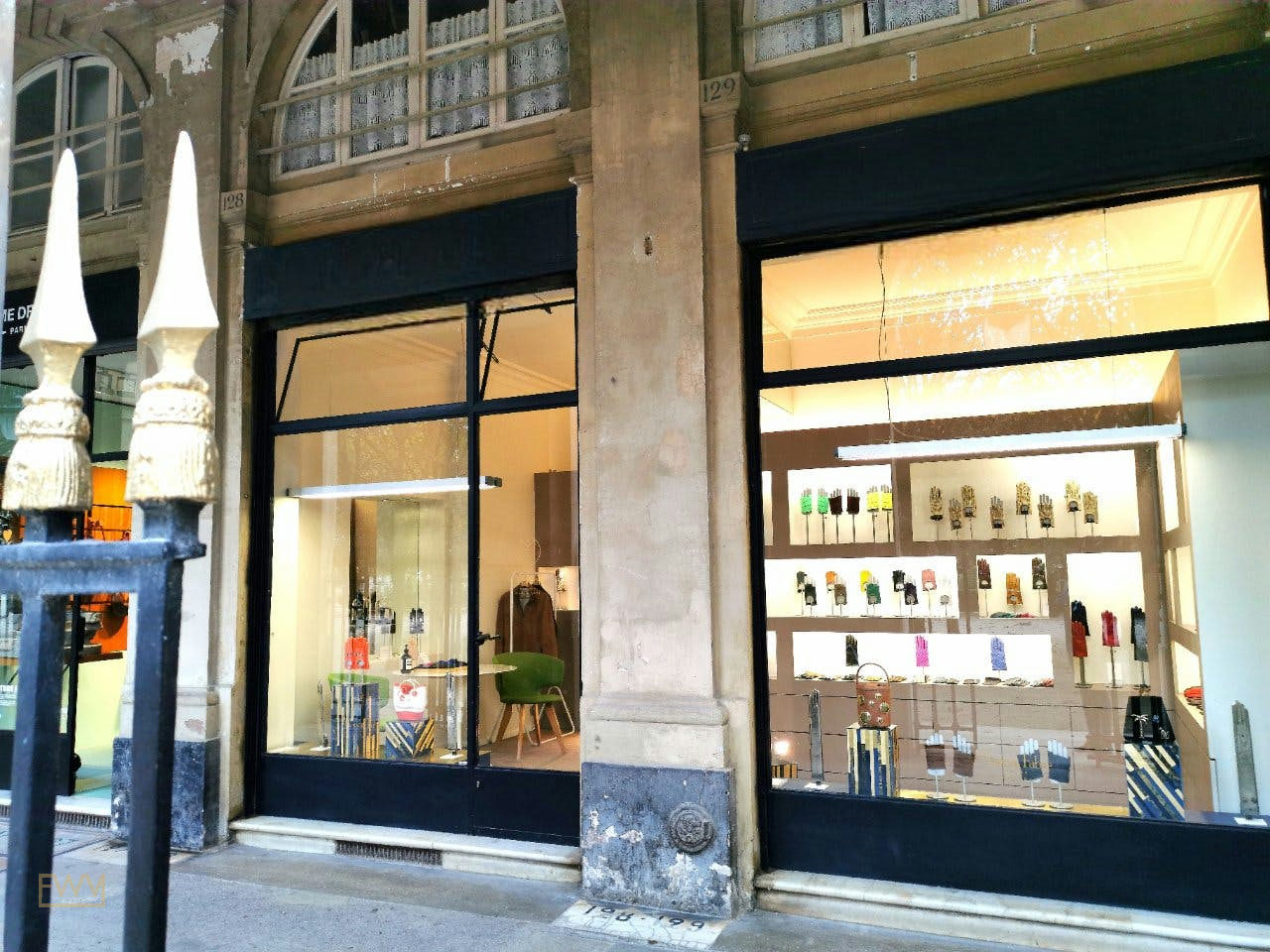
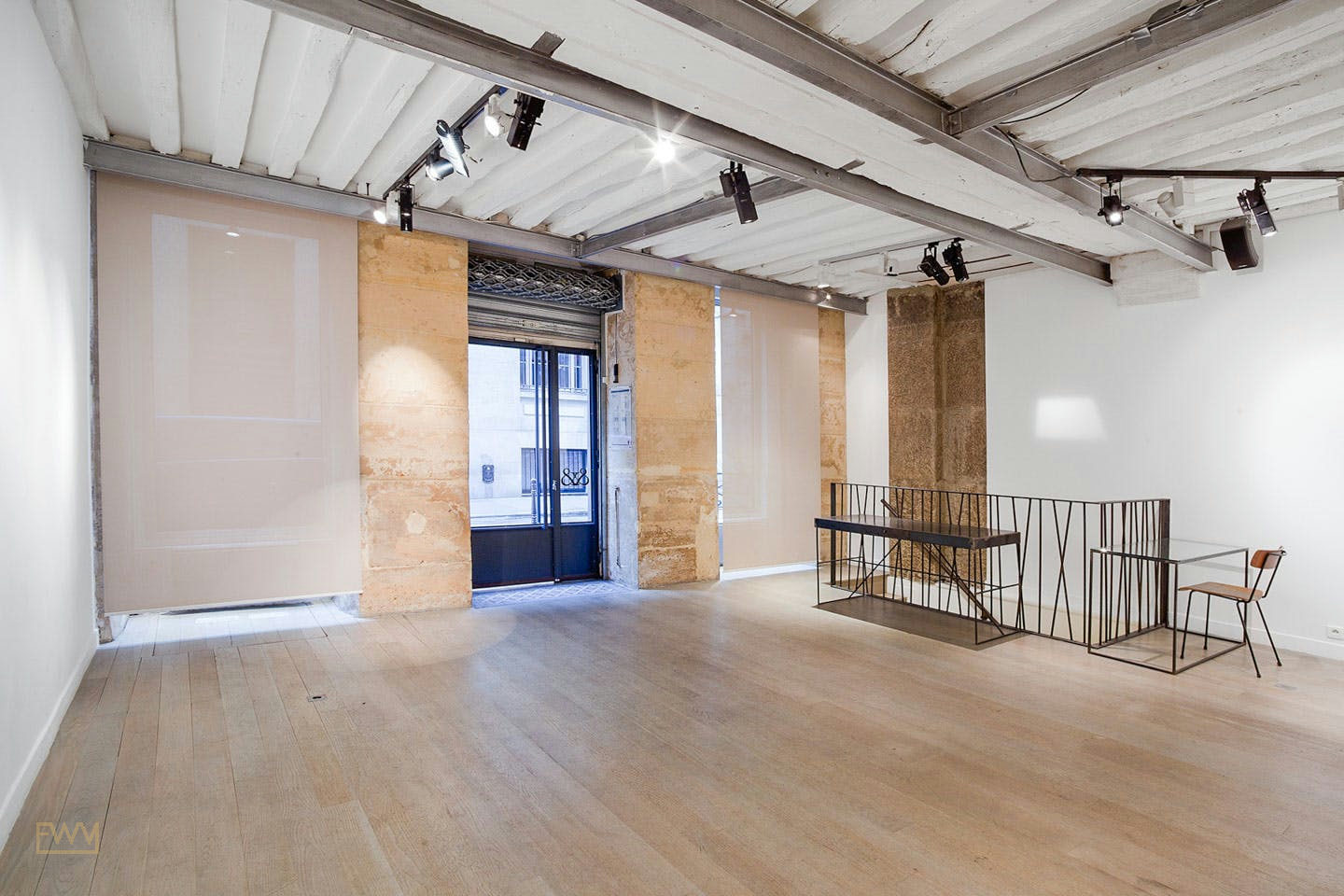
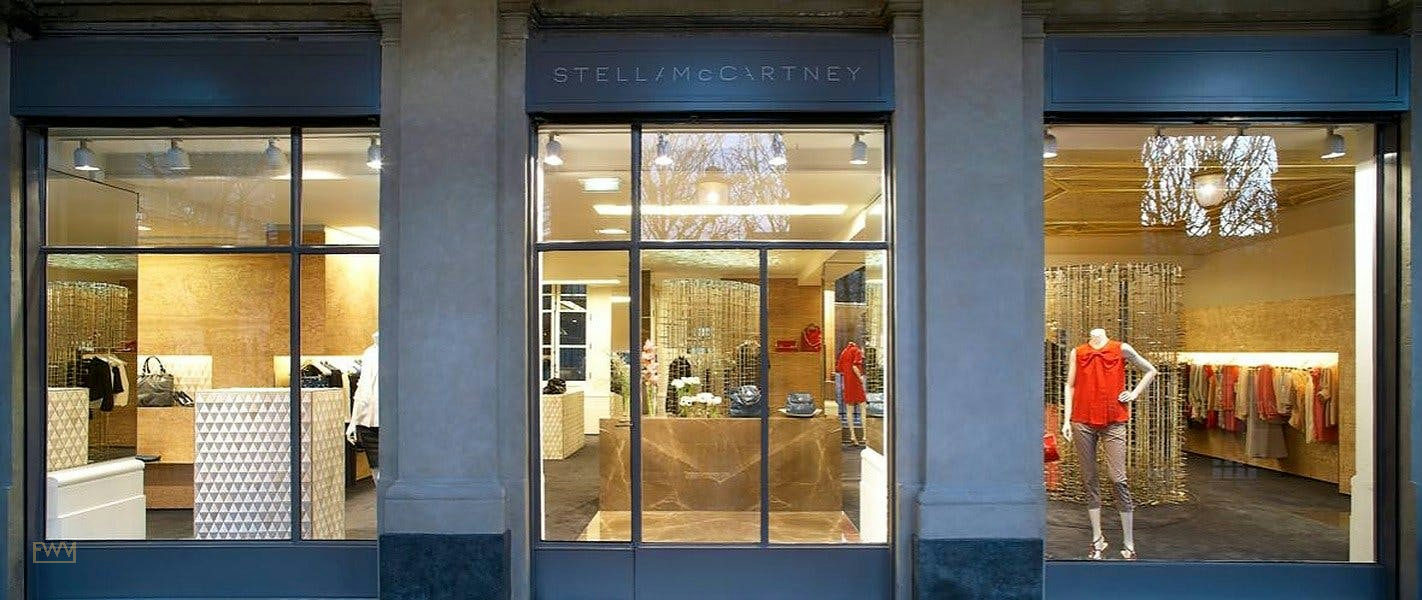
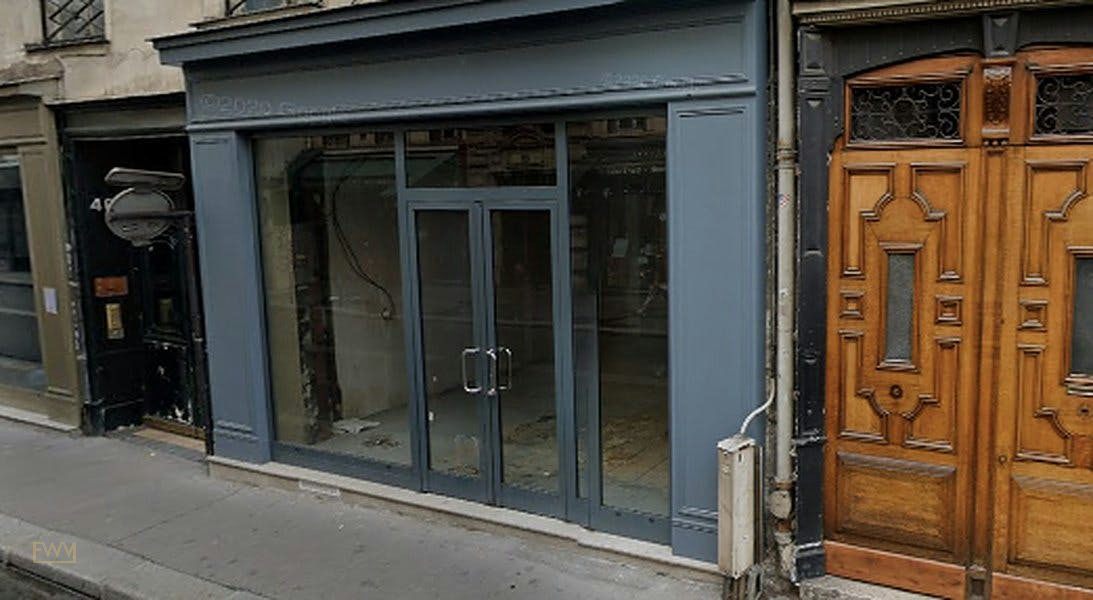
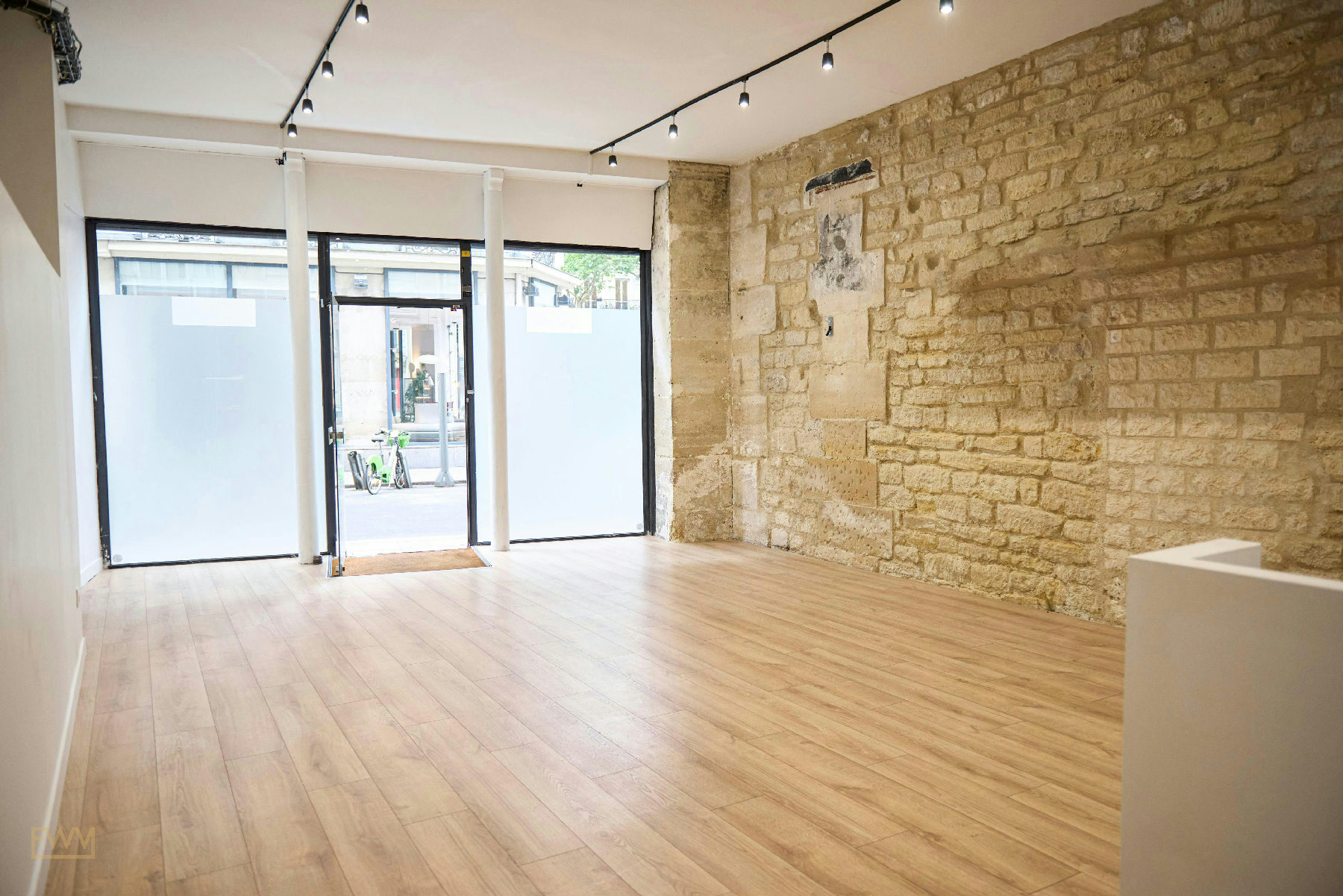
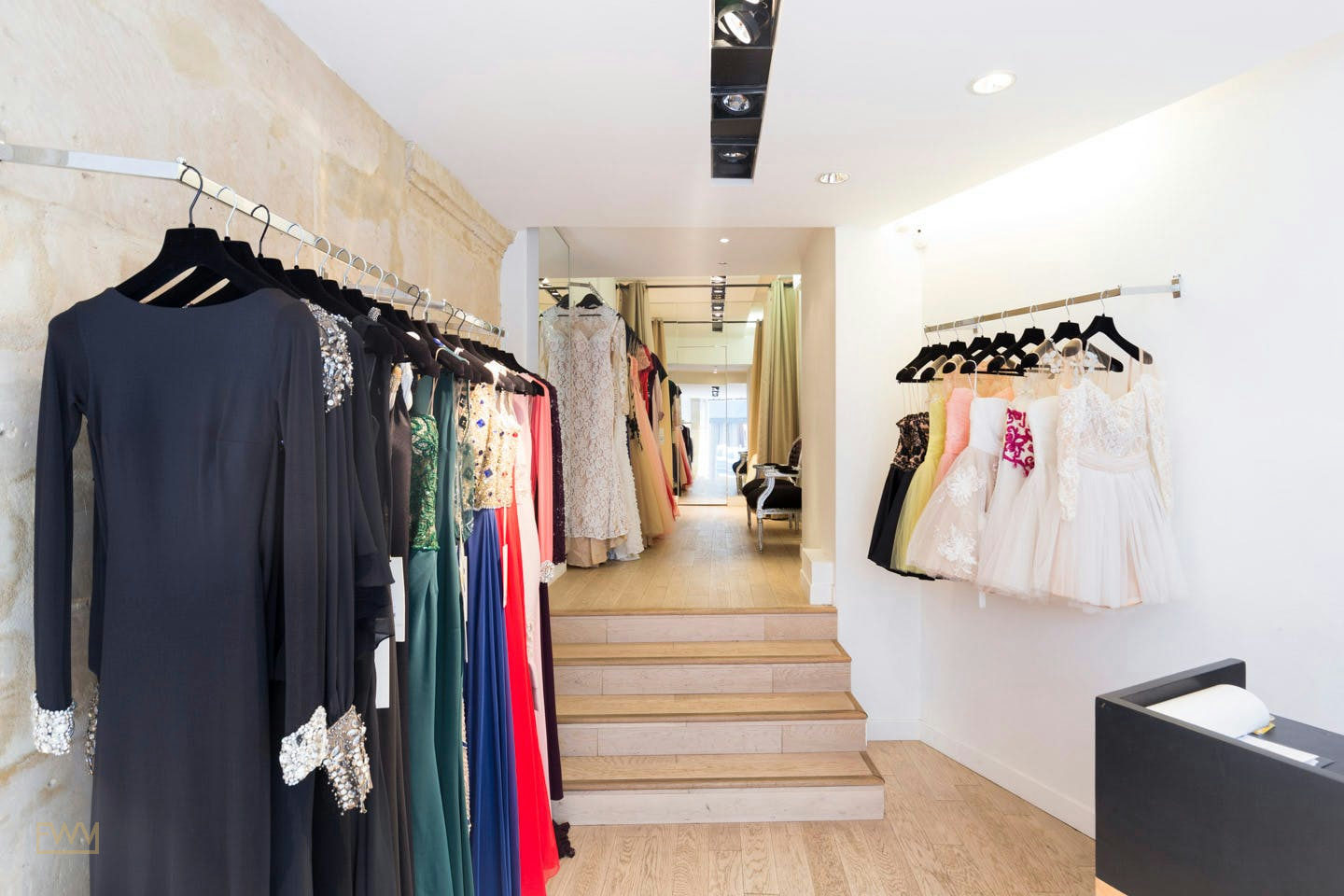
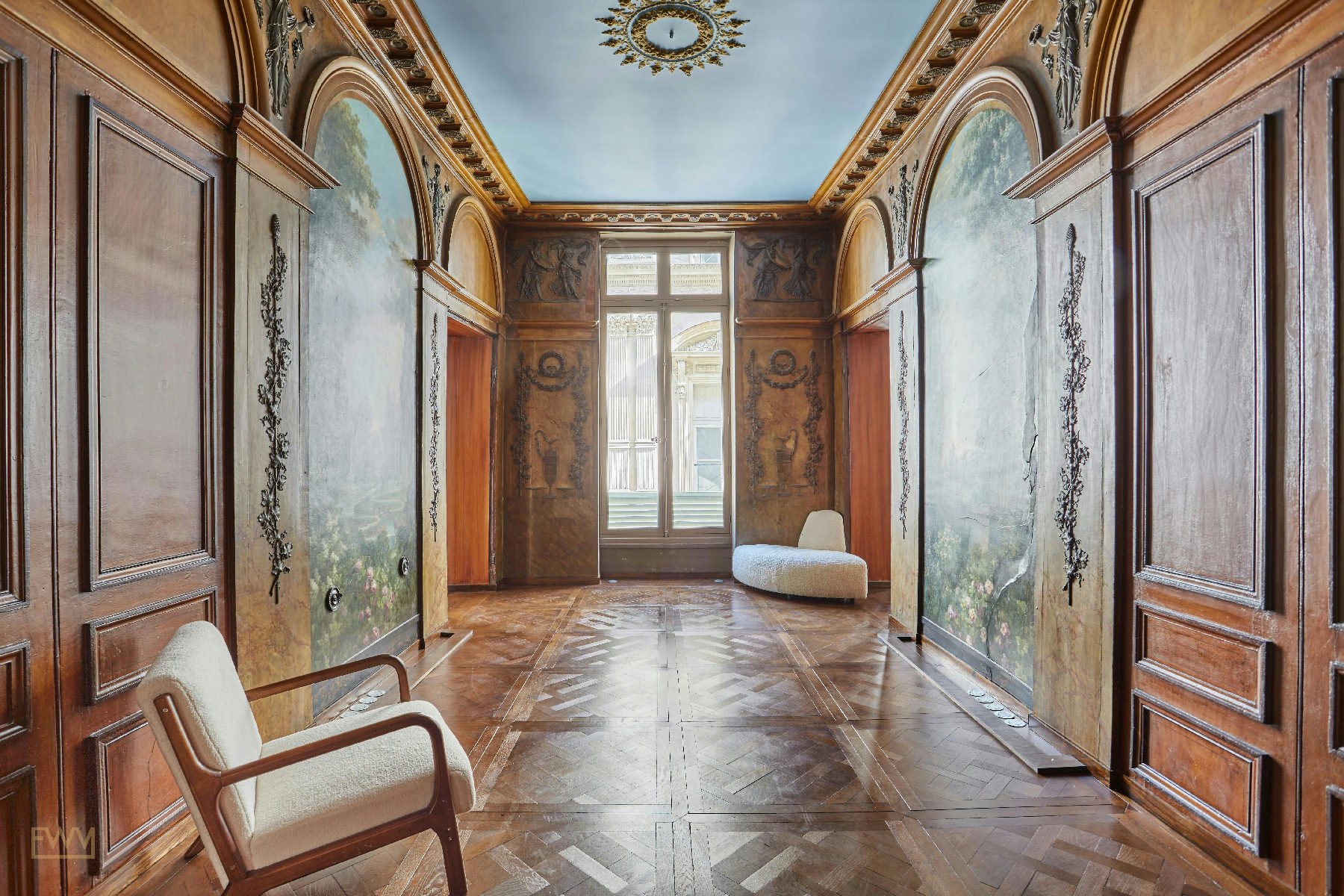
Navigating Fashion Week Venues in Paris can be a daunting task for brand teams new to the Parisian market. As a city synonymous with haute couture and luxury retail, Paris offers a plethora of venues suitable for pop-up spaces, showrooms, and event activations. Understanding the landscape, from the bustling streets of Le Marais to the historic charm of Saint-Germain-des-Prés, is crucial. Fashion Week Venues positions itself as a pivotal agency and marketplace, providing a structured approach to selecting and utilizing these spaces effectively. This comprehensive guide is designed to equip brands with the knowledge required to optimize venue selection during pivotal fashion calendar events.
Understanding the Paris Fashion Week Venue Landscape
Paris Fashion Week stands as a pinnacle of the global fashion calendar, attracting an international spectrum of designers, buyers, and media. The venue selection in such a context is not merely about aesthetics but involves strategic location decisions that align with brand identity and target audience. With so many options available, understanding the key districts within Paris is vital.
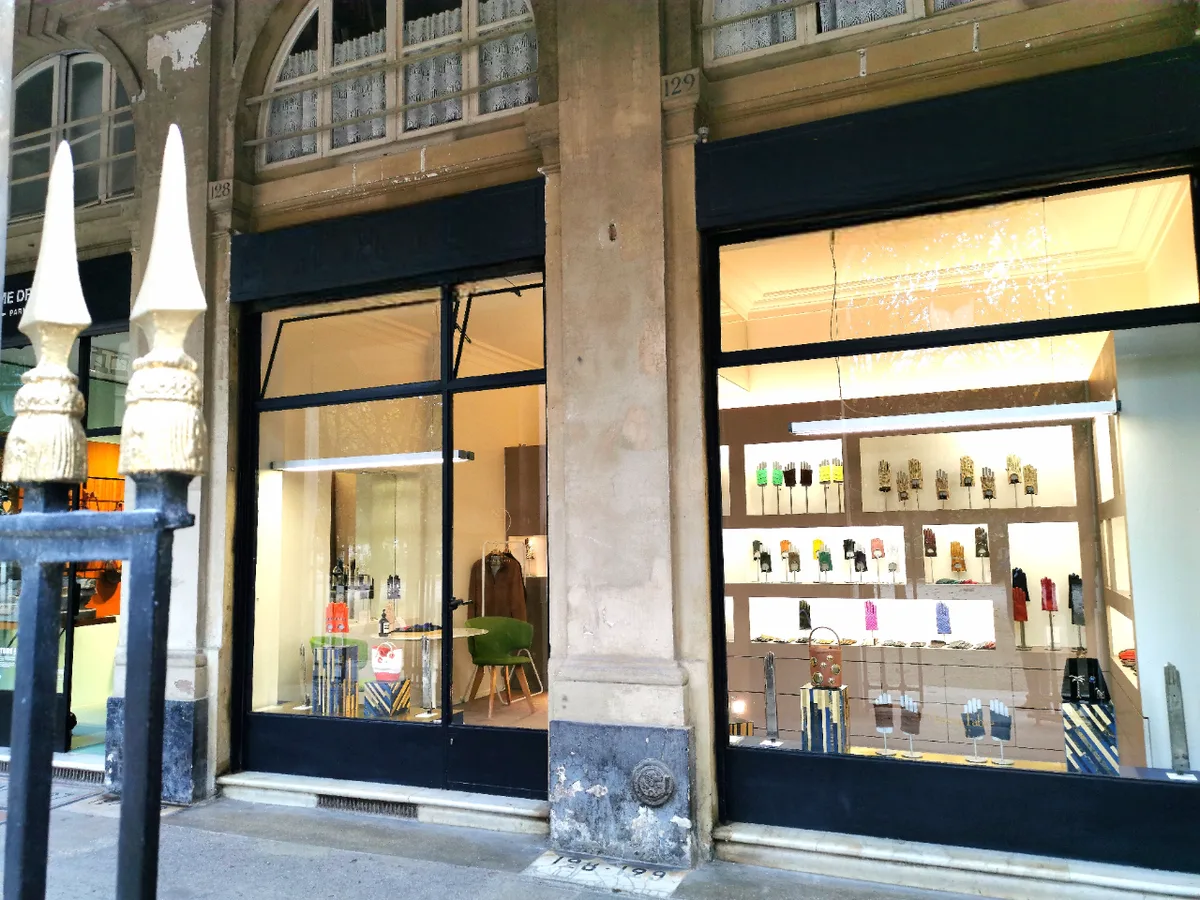
The area around Rue Saint-Honoré and Place Vendôme is known for its luxury boutiques and proximity to iconic fashion houses, offering spaces steeped in prestige. In contrast, locations like Le Marais are favored for their vibrant, eclectic allure, appealing to brands seeking a more avant-garde environment. Each arrondissement provides unique attributes, from the boho feel of Canal Saint-Martin to the grandeur of Opéra's architectural delights, making neighborhood selection pivotal to a brand's storytelling.
Choosing the right venue involves evaluating foot traffic, accessibility, and the surrounding retail mix. Spaces near major hubs like Galeries Lafayette or Printemps offer high visibility and consumer engagement, whereas more private venues suited for discreet luxury events may be tucked away in iconic, quieter corners of the city.
KEY TAKEAWAY: The diversity of Parisian neighborhoods provides brands with the opportunity to reinforce their image and narrative through strategic venue selection.
Next, we will delve into the essential factors to consider when booking a venue, including legal and logistical considerations.
Key Considerations for Venue Selection
Selecting the right venue in Paris involves a multifaceted approach. Legal requirements such as bail dérogatoire and Autorisation d’Occupation Temporaire (AOT) need thoughtful consideration, as they differ significantly from standard commercial leases. These permits, tailored for short-term and temporary retail spaces, require precise compliance with local regulations. Confirming these intricacies with a French legal advisor is always recommended to avoid unforeseen complications.
Logistically, the operational success of a pop-up or event hinges on factors like logistical access for setup and teardown, utilities provision, and compliance with safety regulations for Espace Réception Public (ERP). Despite the appeal of certain venues, practical concerns such as parking, public transport links, and neighborhood safety at night are essential to ensure smooth operations.
Furthermore, experiential elements such as the venue's capacity for digital installations, lighting configurations, and adaptability to creative concepts can significantly impact the execution of brand activations. Agencies like Fashion Week Venues specialize in facilitating these aspects, offering concept direction and production and build services that tailor the venue to the event’s requirements.
KEY TAKEAWAY: Successful venue selection involves balancing legal, logistical, and experiential considerations to align with brand objectives and audience engagement strategies.
Building on this foundation, the next section will cover budget planning and common financial considerations.
Budget Planning for Fashion Week Venues
Budgeting for a venue during Paris Fashion Week is a critical step, requiring foresight into numerous cost variables. Venue hire, while significant, is only one part of the financial equation. It's essential to consider ancillary costs such as permits, insurance, staffing, furniture rental, and technology installations. Each of these factors can dramatically influence the overall budget.
A thorough cost breakdown enables more accurate financial planning. Utilizing tools like the Budget Calculator provided by Fashion Week Venues can assist brands in developing comprehensive estimates, tailored to the specificities of their desired audience and brand positioning. The ability to understand and anticipate expenses empowers teams to allocate resources effectively, ensuring that the planned activation not only meets aesthetic standards but also financial viability.
| Cost Element | Estimated Percentage of Total Budget |
|---|---|
| Venue Hire | 40-60% |
| Staffing | 10-20% |
| Permits & Insurance | 5-10% |
| Technology & Installations | 15-25% |
| Miscellaneous (e.g., marketing, refreshments) | 10-15% |
KEY TAKEAWAY: Comprehensive budget planning is key to ensuring a successful and financially sound venue activation during Paris Fashion Week.
As we proceed, we will consider how different types of spaces cater to varying brand needs and event formats.
Exploring Different Types of Spaces for Fashion Week
The diversity of available spaces in Paris allows brands to align their venue choice with the specific nature of their event. Pop-up stores, showrooms, and event venues all offer distinctive characteristics that cater to various activation strategies. Understanding the nuances of each can help brands achieve their intended impact.
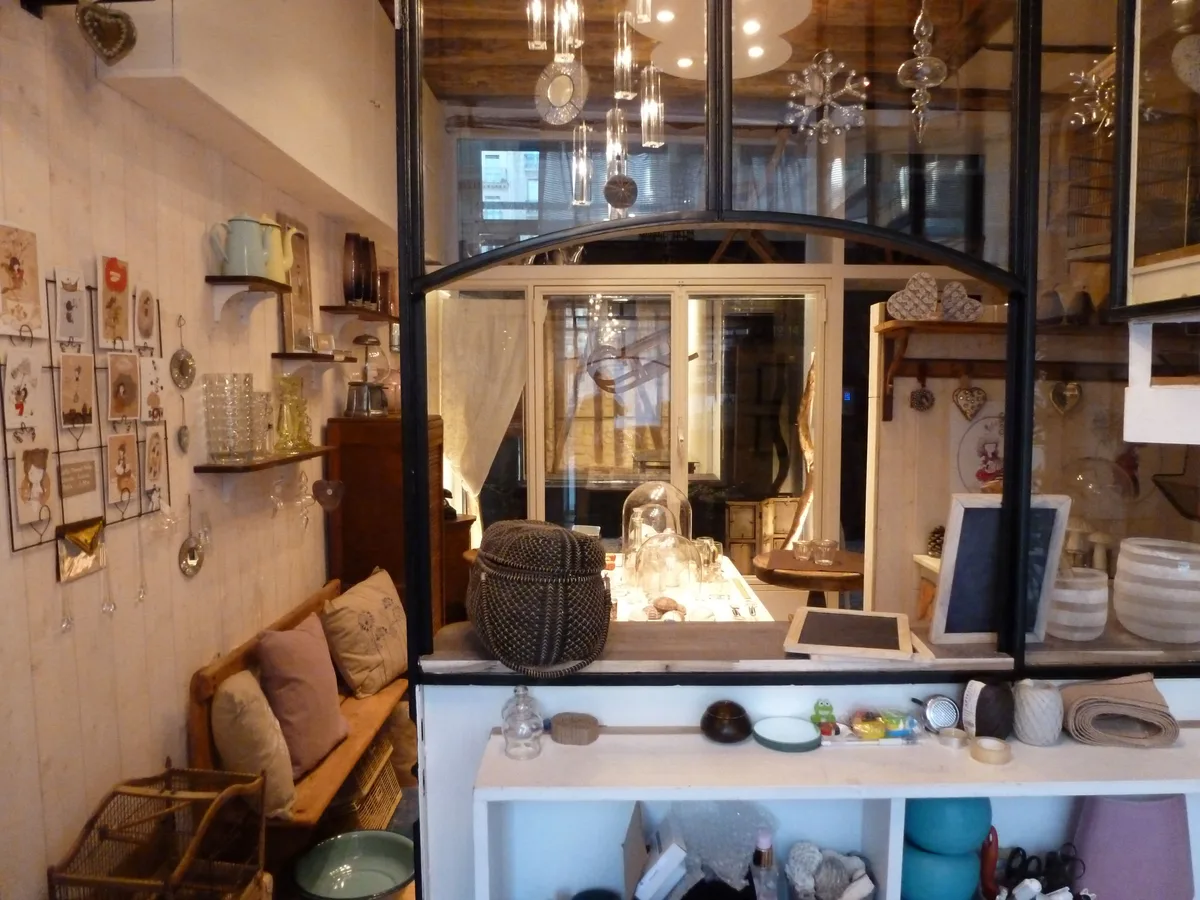
Pop-up stores are ideal for direct consumer interaction and product launches. These spaces are often situated in high-footfall areas like Le Marais or near Opéra, enabling brands to captivate local residents and tourists alike. The temporary nature of pop-up venues often requires agile logistics and quick adaptation to maximize impact during the short occupancy period.
Meanwhile, showrooms offer a more controlled environment for buyer meetings and private appointments, with the likes of Saint-Germain-des-Prés providing a sophisticated setting conducive to detailed presentations. Versatile event venues can host a range of activities from runway shows to intimate cocktail receptions, demanding attention to ambiance, acoustics, and guest flow.
| Space Type | Best For | Typical Locations |
|---|---|---|
| Pop-Up Store | Product Launches, Consumer Engagement | Le Marais, Opéra |
| Showroom | Buyer Meetings, Private Events | Saint-Germain-des-Prés |
| Event Venue | Runway Shows, Parties, Receptions | Place Vendôme, Canal Saint-Martin |
KEY TAKEAWAY: Choosing the right type of space is fundamental to the success of the brand's activation strategy during Paris Fashion Week.
Following this exploration, we will look at the myths and facts impacting space selection in Paris.
Common Myths Debunked
MYTH: You need a French legal entity to rent a space in Paris.
FACT: While establishing a French entity can simplify some legal processes, it is not a mandatory requirement for renting a retail or event space. Agencies such as Fashion Week Venues provide navigation through these complexities, ensuring compliance with local regulations without needing to establish a full legal presence in France.
MYTH: Paris Fashion Week is the only viable window for brand activations.
FACT: Although Paris Fashion Week garners significant global attention, there are numerous other windows and occasions throughout the year ideal for brand activations. Summer and tourist seasons, as well as holiday periods, present additional opportunities for exposure and engagement.
MYTH: Commission brokers are the only way to find a space in Paris.
FACT: While traditional brokers are one route, platforms like Fashion Week Venues’ marketplace offer direct access to a wide array of spaces, enabling brands to independently explore, compare, and secure venues that fulfill their specific criteria.
MYTH: Short-term leases are legally straightforward without specialist help.
FACT: Contrary to this perception, short-term leases often come with their own set of complexities, particularly in negotiation and compliance with local legal frameworks such as bail dérogatoire. Engaging professional guidance and using resources like the permits tool can significantly ease this process.
These clarifications should empower your decision-making process as you prepare to select a venue for your brand's next activation.
Fashion Week Venues: Services and Tools for Success
Fashion Week Venues stands out as a pivotal partner for brands seeking to navigate the complexities of venue selection and activation in Paris. By offering a comprehensive suite of services, the agency handles everything from venue sourcing to activation management. A specific advantage is its array of tools designed to simplify the planning process. These include the timeline planning tool and the space comparison tool, which provide brands with data-driven insights tailored to the Paris market.
Fashion Week Venues also bridges gaps for international brands that might be unfamiliar with local regulations or cultural nuances. Whether it's navigating legal requirements or enhancing a creative concept to resonate with Parisian tastes, Fashion Week Venues’ expert team facilitates informed decisions with practical tools like the ROI calculator for projected profitability analysis.
KEY TAKEAWAY: Through expert services and strategic tools, Fashion Week Venues enhances the brand experience in Paris, ensuring seamless venue selection and event execution.
Next, explore how planning for timelines and permits ensures a smooth activation process.
Planning Timelines and Permits for Seamless Execution
Timely planning and obtaining necessary permits are crucial elements for a successful activation in Paris. Operating timelines should account for every phase from venue scouting to post-event analysis. Utilizing the timeline planning tool from Fashion Week Venues helps teams allocate adequate time for each step of the process, from creative direction to logistical considerations.
Understanding the permit landscape is equally important. The bail dérogatoire is a common requirement for temporary retail operations, differing significantly from long-term leases in compliance and restrictions. Similarly, the Autorisation d’Occupation Temporaire (AOT) might be required for outdoor spaces or street-side activations. It is advisable to consult with local authorities or legal advisors and to utilize resources such as the Fashion Week Venues permits tool to ensure a thorough analysis of all required documentation.
Efficient planning helps avoid last-minute hurdles and enables brand teams to focus on the creative and experiential aspects of their events, ensuring a seamless execution that resonates with their audience.
| Activity | Recommended Timeline |
|---|---|
| Venue Selection | 6-8 Months Before |
| Permit Applications | 5 Months Before |
| Concept Development | 4-6 Months Before |
| Promotion and Marketing | 3 Months Before |
| Final Logistics | 1 Month Before |
KEY TAKEAWAY: Strategic planning and adherence to required permits are critical to the timely and successful execution of fashion events in Paris.
As we progress, we will consider how different market strategies can enhance a brand's presence during Paris Fashion Week.
Innovative Market Strategies for Brand Visibility
Visibility during Paris Fashion Week demands more than just renting a prime venue – it requires a creative activation strategy designed to captivate and engage. Leveraging innovative marketing strategies can significantly amplify a brand's presence, transforming a standard activation into an unforgettable experience. Fashion Week Venues aids brands in crafting these strategies, utilizing tools such as influencer marketing to enhance reach and impact.
Experiential retail tactics such as interactive installations, immersive brand storytelling, and personalized experiences help differentiate an event. For instance, integrating AR or VR can create digital touchpoints that enrich consumer engagement. Similarly, curating exclusive experiences or collaborations with artists or influencers can quickly elevate a brand's profile.
Brands are also adopting phygital approaches, where digital and physical experiences complement each other, merging ecommerce with real-world engagement to enhance consumer interactions both in-store and online.
KEY TAKEAWAY: Innovative marketing strategies, enhanced by technology and experiential retail, can make a substantial difference in a brand's visibility and consumer engagement during Paris Fashion Week.
Next, we'll explore how international brands can successfully navigate and leverage these opportunities.
How International Brands Can Navigate Paris Fashion Week
For international brands entering the Paris market for Fashion Week, understanding the local culture, regulations, and consumer expectations is vital. Brands need to align with Parisian sensibility while maintaining their unique identity. Collaborations with local artists or using locally inspired themes can facilitate this cultural synergy, creating a more authentic connection with the audience. It’s here that Fashion Week Venues’ local expertise becomes indispensable.
Legal and logistical hurdles can also pose challenges. Knowing the intricacies of permits, customs duties on imported goods, and tax obligations are critical for compliance and smooth operations. Engaging local legal advice and using tools like the permits tool ensures better preparedness and aligns activations with regulatory requirements.
Furthermore, integrating marketing strategies across multiple channels—from social media to on-ground activations—ensures broader reach and engagement. Understanding regional preferences and behaviors can significantly enhance a campaign’s success through tailored content and communication strategies.
KEY TAKEAWAY: International brands can achieve a successful Paris Fashion Week presence by marrying local insights with global brand messages, supported by practical tools and local expertise.
Following this, we will outline common pitfalls and mistakes to avoid during venue planning and activation.
Common Mistakes to Avoid in Venue Planning
Entering the Parisian market can present brands with unique challenges, and avoiding common mistakes is essential for a seamless activation. One mistake often encountered is the underestimation of the complexity involved in securing necessary permits, which can lead to delays or cancellations of events.
Additionally, inadequate budget planning can result in overspending or under-resourcing. Brands must take complete stock of all potential costs, from logistical needs to marketing spends, and leave ample buffer for unexpected expenses. Utilizing a comprehensive tool like the Budget Calculator can aid in accurate financial planning.
Another frequent error is neglecting local expertise. Engaging with experts who possess in-depth knowledge of Paris can provide invaluable insights and resources, particularly around local consumer behaviours and preferences.
Finally, the significance of branding consistency should not be ignored; the marketing message should align seamlessly across all platforms and touchpoints, both online and offline, ensuring a unified brand presentation.
KEY TAKEAWAY: Avoiding common pitfalls involves timely permit applications, comprehensive budget planning, leveraging local expertise, and maintaining brand consistency.
As the last thematic stop, we examine how Fashion Week Venues adapts to changes in consumer behavior and retail trends.
Adapting to Changing Consumer Behaviors and Retail Trends
Fashion Week Venues enables brands to stay ahead by adapting to shifts in consumer behavior and evolving retail trends. As sustainability becomes increasingly significant, consumers are favoring brands that demonstrate environmental responsibility. Incorporating sustainable practices into events, such as eco-friendly materials and zero-waste policies, resonates well with a conscious audience.
Retail trends are also seeing a shift towards more personalized consumer experiences. Fashion Week Venues facilitates the development of such experiences through advanced data analytics, allowing brands to tailor their offerings and create meaningful interactions. This includes customized promotions or exclusive previews that appeal to individual preferences.
Another trend is the growing importance of omni-channel presence, where integrating digital and physical platforms creates a seamless consumer journey. Utilizing tools like the Imagine Tool can help conceptualize such strategies effectively.
KEY TAKEAWAY: Staying attuned to changing consumer expectations and retail trends is crucial for brands aiming to maintain relevance and engagement in dynamic markets like Paris Fashion Week.
The FAQ section will address additional questions regarding venue planning and execution in Paris.
Frequently Asked Questions
What types of permits are necessary for a Paris Fashion Week event?
For events in Paris, you may need a bail dérogatoire for short-term retail and possibly an Autorisation d’Occupation Temporaire (AOT) for temporary structures or outdoor spaces. Consult the permits tool for specific guidance relevant to your event's needs.
How early should I begin planning my Fashion Week venue?
Ideally, you should begin your planning process 6 to 8 months prior to your desired event date. This timeline allows you to secure a prime venue, manage all permit applications, and develop a comprehensive creative and logistical plan.
Are there cost-effective venues available in Paris during Fashion Week?
Yes, Paris offers a range of venues with varying price points, from luxurious high-end spaces to more budget-friendly options. Tools like Fashion Week Venues' marketplace facilitate exploring these options according to budget constraints.
What role does technology play in modern fashion events?
Technology plays a crucial role, enhancing consumer interactions through installations and immersive experiences. Digital touchpoints, including AR, VR, and the integration of social media, create enriched experiences that align with contemporary consumer expectations.
How can brands ensure compliance with local Parisian regulations?
Ensuring compliance involves thorough understanding and adherence to legal requirements, often necessitating the support of local advisors or agencies. Utilizing tools like the permits tool helps navigate these complexities effectively.
What are the benefits of working with Fashion Week Venues?
Fashion Week Venues provides invaluable expertise in venue selection and activation management, supported by a range of tools that streamline planning and execution processes. Their local insights and comprehensive service offering make them an essential partner in successfully navigating Paris Fashion Week.
How can experiential marketing enhance a brand's Fashion Week presence?
Experiential marketing elevates a brand’s presence by engaging consumers through memorable, interactive experiences that reinforce brand values and leave a lasting impression. This approach can significantly boost visibility and consumer loyalty.
What are some strategies for international brands entering the Paris market?
International brands can succeed by understanding local culture and aligning their strategies accordingly. Collaborations with local artists or themes, as well as compliance with local regulations, are key elements that contribute to successful market entry.
Can Fashion Week Venues help with post-event analysis?
Yes, Fashion Week Venues offers tools and services for post-event analysis, helping brands evaluate the success of their activations and gain insights for future events.
How do I begin using Fashion Week Venues' services?
To begin, explore the Paris city hub or visit the contact page for personalized assistance. Leveraging these resources, you can start planning your venue selection and activation strategy tailored specifically to your brand's needs.
Conclusion
Navigating the intricate landscape of Fashion Week venues in Paris requires a detailed understanding of local culture, legal requirements, and strategic planning. By leveraging the expertise and tools offered by Fashion Week Venues, brands can ensure that their events are not only compliant and cost-effective but also memorable and impactful. Whether you are an international brand entering the Paris market or a local label looking to elevate your presence, strategic venue selection, and activation planning are crucial to achieving success. By beginning your exploration with available resources and the Fashion Week Venues marketplace, you are well-positioned to bring your brand's vision to life. Dive into the venue selection process with confidence, knowing that the right partnerships and tools can transform your Fashion Week experience into an iconic success.