To hire retail space in Montorgueil is to position a brand at the centre of one of Paris's most commercially active and culturally vibrant neighbourhoods. The 2nd arrondissement, anchored by the Rue Montorgueil pedestrian corridor and the Sentier district, attracts a dense mix of locals, tourists, fashion buyers, and creative professionals year-round. For international brands seeking a credible Paris foothold, and for established labels testing new product lines or formats, this neighbourhood offers a compelling combination of foot traffic, architectural character, and short-term lease flexibility. Fashion Week Venues supports brands across Paris, including the 2nd arrondissement, with venue sourcing, production, staffing, and full activation management from brief to close.
Why the Montorgueil and 2nd Arrondissement Retail Market Matters in 2026
The 2nd arrondissement of Paris has undergone a sustained commercial transformation over the past decade. Rue Montorgueil itself is a fully pedestrianised street with one of the highest foot traffic densities in central Paris outside of the grands boulevards. Its mix of food vendors, independent boutiques, cafés, and art galleries creates a consumer environment that rewards discovery retail and brand storytelling in equal measure.
Beyond Montorgueil, the broader 2nd arrondissement retail cluster includes the Sentier district, which has become Paris's answer to a tech and creative industries hub. The concentration of founders, designers, media professionals, and brand consultants in Sentier has created a daytime population with strong discretionary spending power and genuine curiosity for new retail concepts. This makes the arrondissement particularly effective for product launches, fashion showrooms, press previews, and direct-to-consumer pop-up activations.
The Rue d'Aboukir corridor, running parallel to the grands boulevards, connects Sentier to the wider 2nd arrondissement retail network. Properties along this street and its side streets typically offer ground-floor storefronts with white walls, good natural light from street-facing windows, and surface areas suited to boutique-scale retail operations. Many of these spaces have been used for fashion showroom purposes, gallery exhibitions, private sales, and branded pop-up stores.
In terms of competitive positioning, the 2nd arrondissement sits between the established luxury retail corridors of rue Saint-Honoré and Place Vendôme to the west and the more experimental, independent retail energy of Le Marais to the east. This positioning gives brands operating in Montorgueil access to a broad clientele that includes affluent residents, international visitors, and a creative professional community, without the premium asking rent that defines the Saint-Honoré and Vendôme corridors.
DID YOU KNOW: The Rue Montorgueil market street has operated continuously for centuries and is one of the few fully pedestrianised commercial streets in central Paris, generating consistent foot traffic across all days of the week including weekdays, which is unusual compared to purely tourist-dependent retail corridors.
For brands comparing Paris retail corridors, the 2nd arrondissement offers a differentiated value proposition: genuine neighbourhood character, a commercially active local population, and a growing creative professional clientele. These factors combine to make short-term and pop-up retail particularly effective here, since the audience is receptive to new brand experiences rather than exclusively loyal to established names.
KEY TAKEAWAY: The 2nd arrondissement, anchored by Rue Montorgueil and the Sentier district, represents one of Paris's most commercially active mid-market retail corridors. It offers strong foot traffic, architectural character, and a diverse clientele that suits pop-up stores, fashion showrooms, product launches, and boutique retail activations across a range of surface areas and lease terms.
Understanding the neighbourhood's commercial geography is the starting point for any brand choosing where to hire retail space. The next question is what types of properties are actually available.
Types of Retail Space Available to Hire in Montorgueil and Central Paris
The 2nd arrondissement offers a wider range of commercial space types than most Paris neighbourhoods at a similar price point, reflecting the district's hybrid identity as both a historic market street area and a contemporary creative hub.
Ground Floor Storefronts
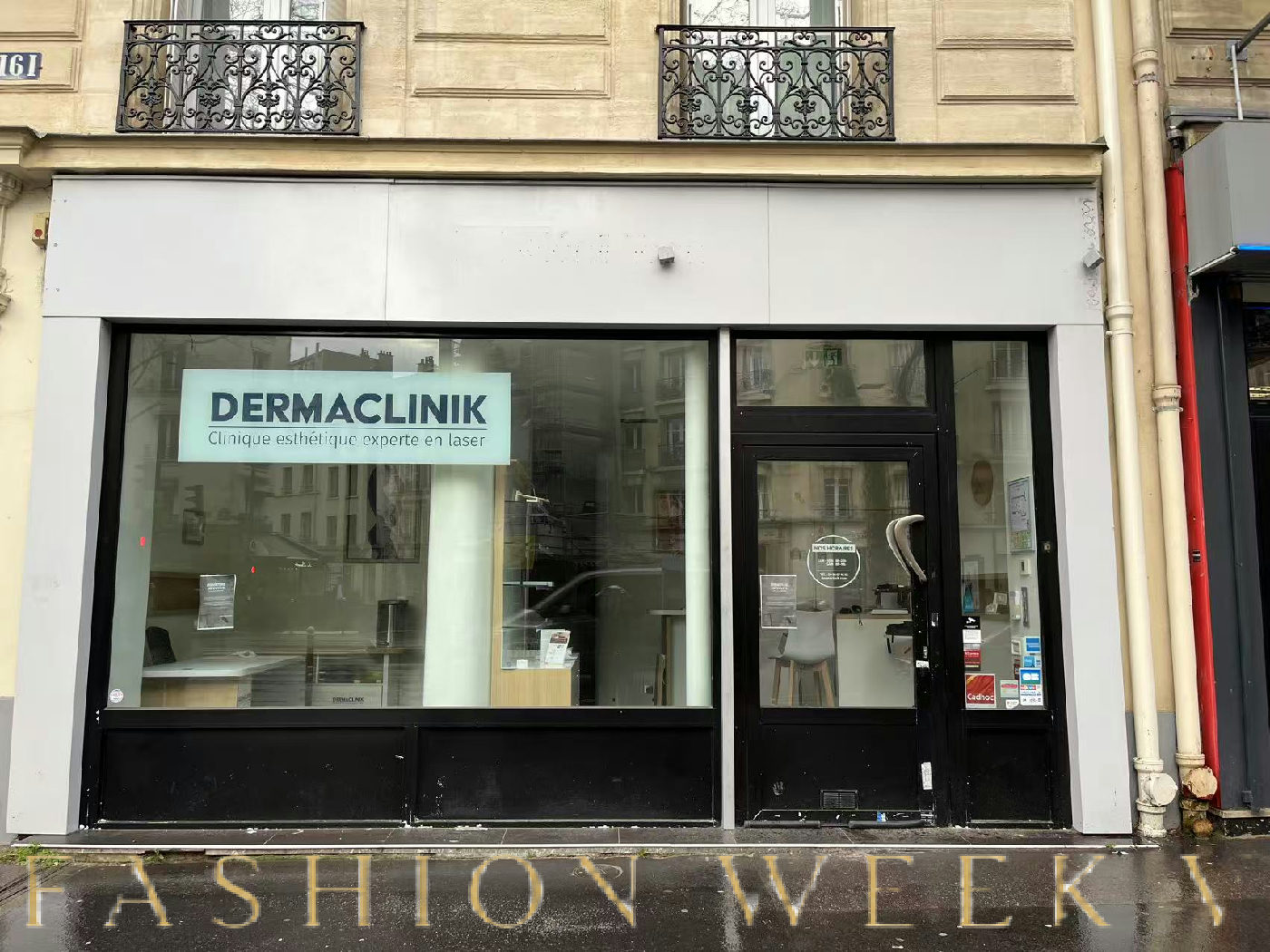
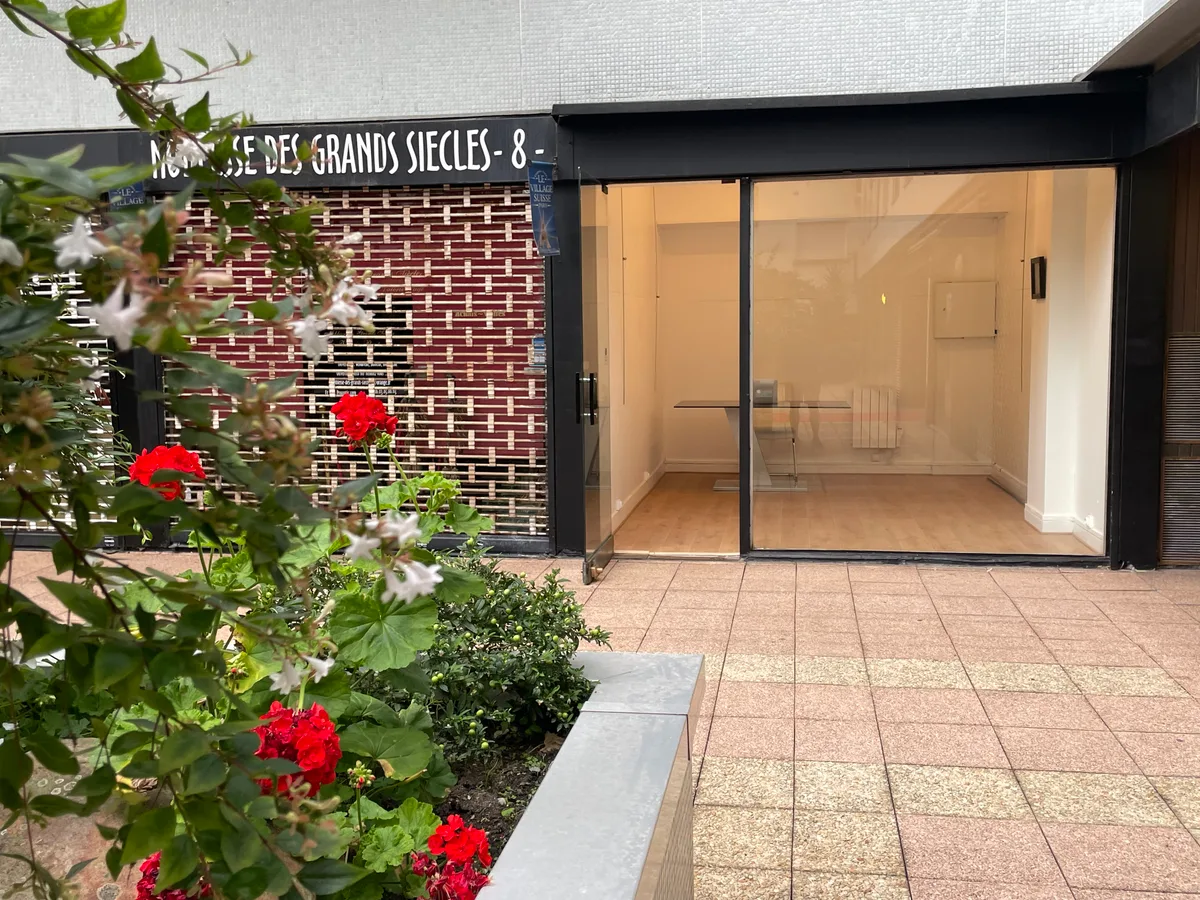
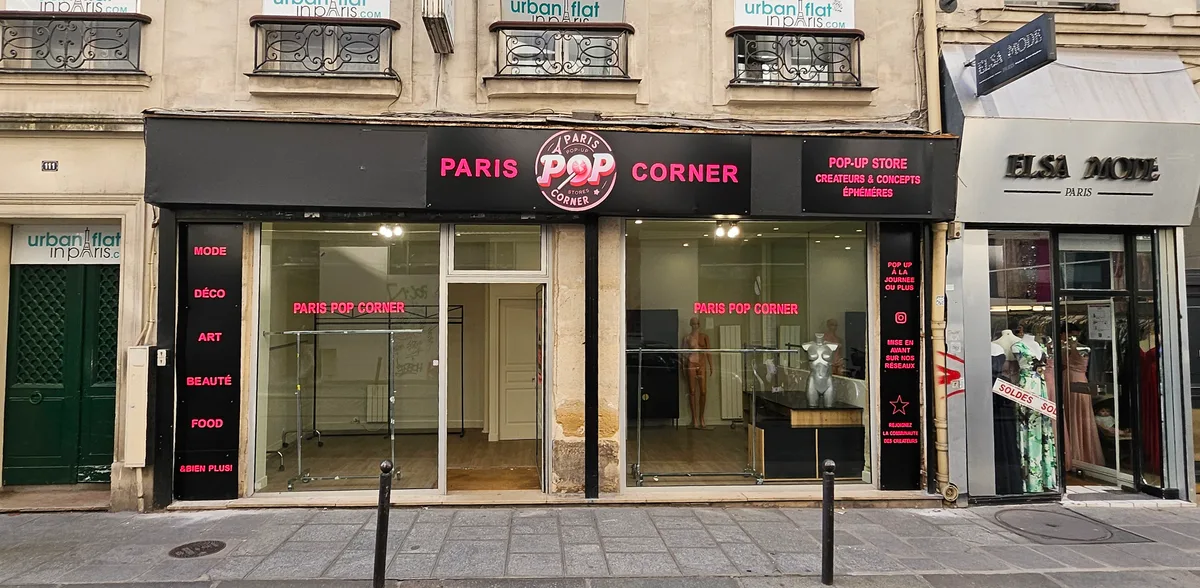
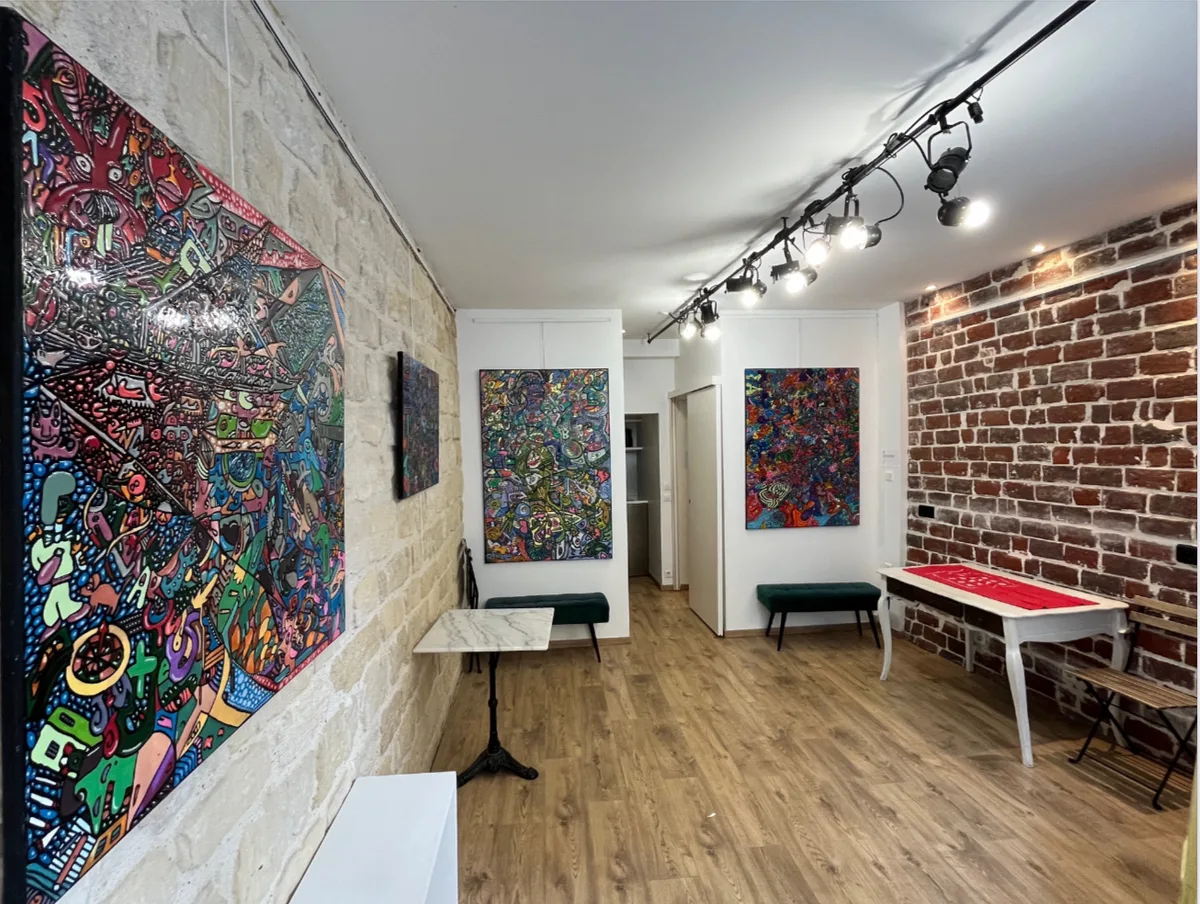
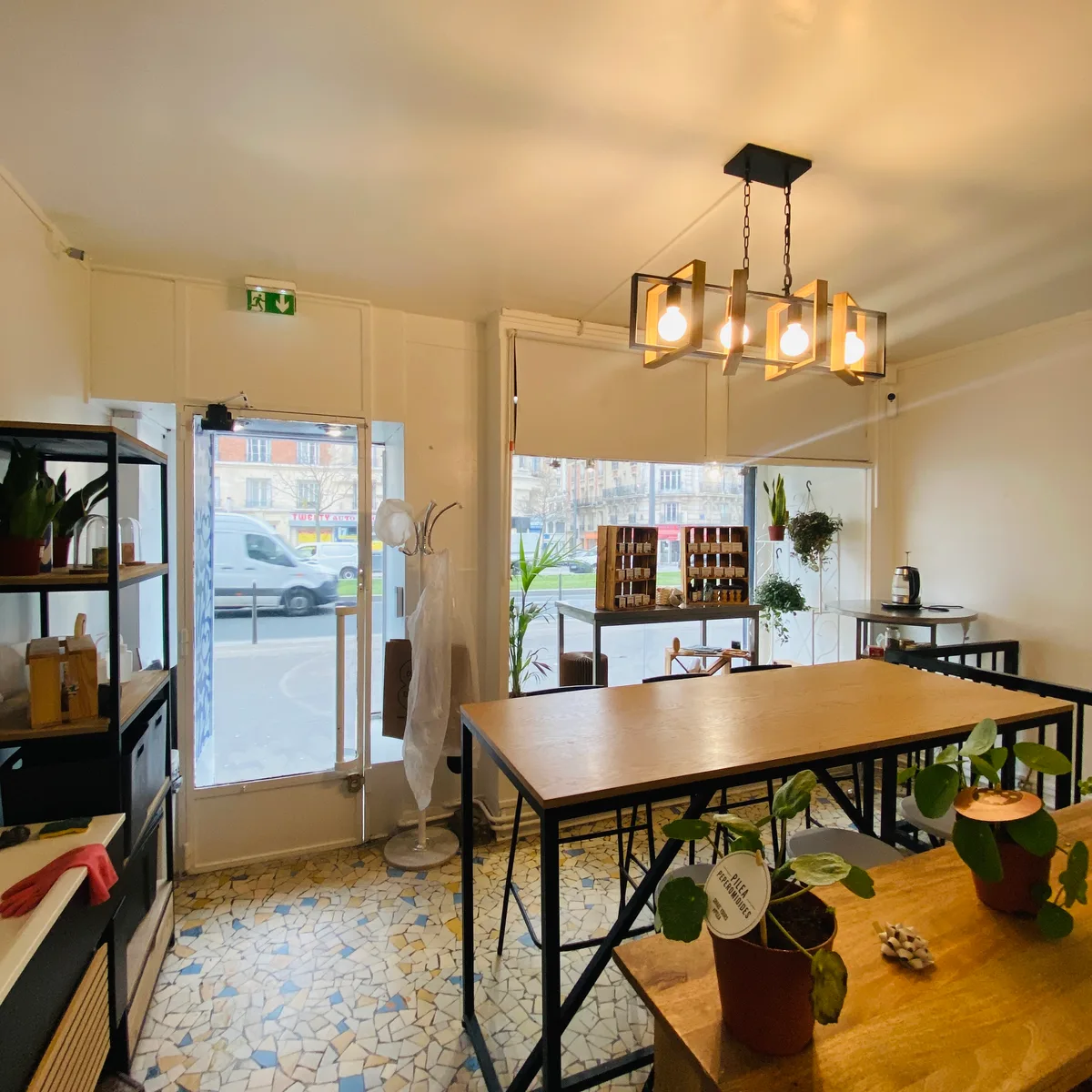
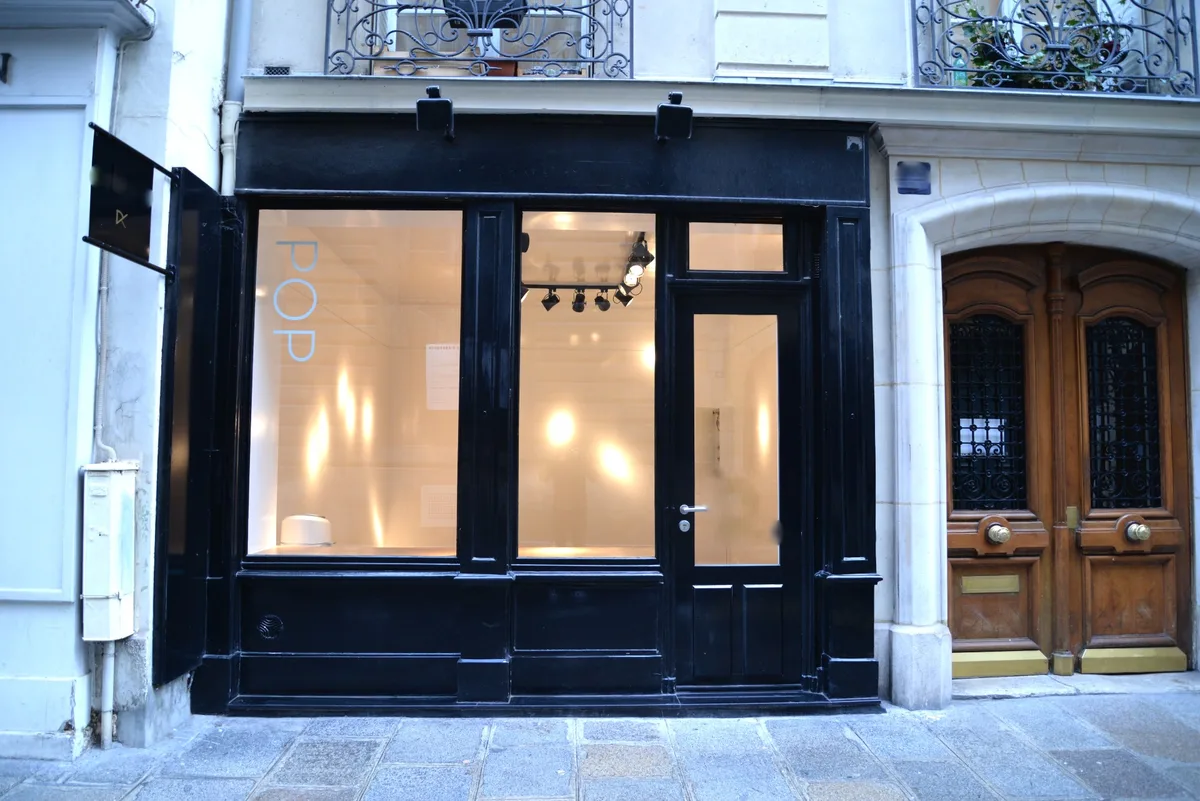
Ground floor storefronts are the most sought-after property type for retail activations in Montorgueil. These spaces typically feature direct street access, a shop window or glass frontage providing external visibility, and a surface area ranging from compact 30 to 50 square metre boutiques through to more generous 100 to 200 square metre commercial units. Many ground floor storefronts in this neighbourhood were purpose-built for retail use and retain original architectural features including exposed stone, timber beams, or decorative tiling that gives activations a distinctive Parisian character without requiring significant build-out investment.
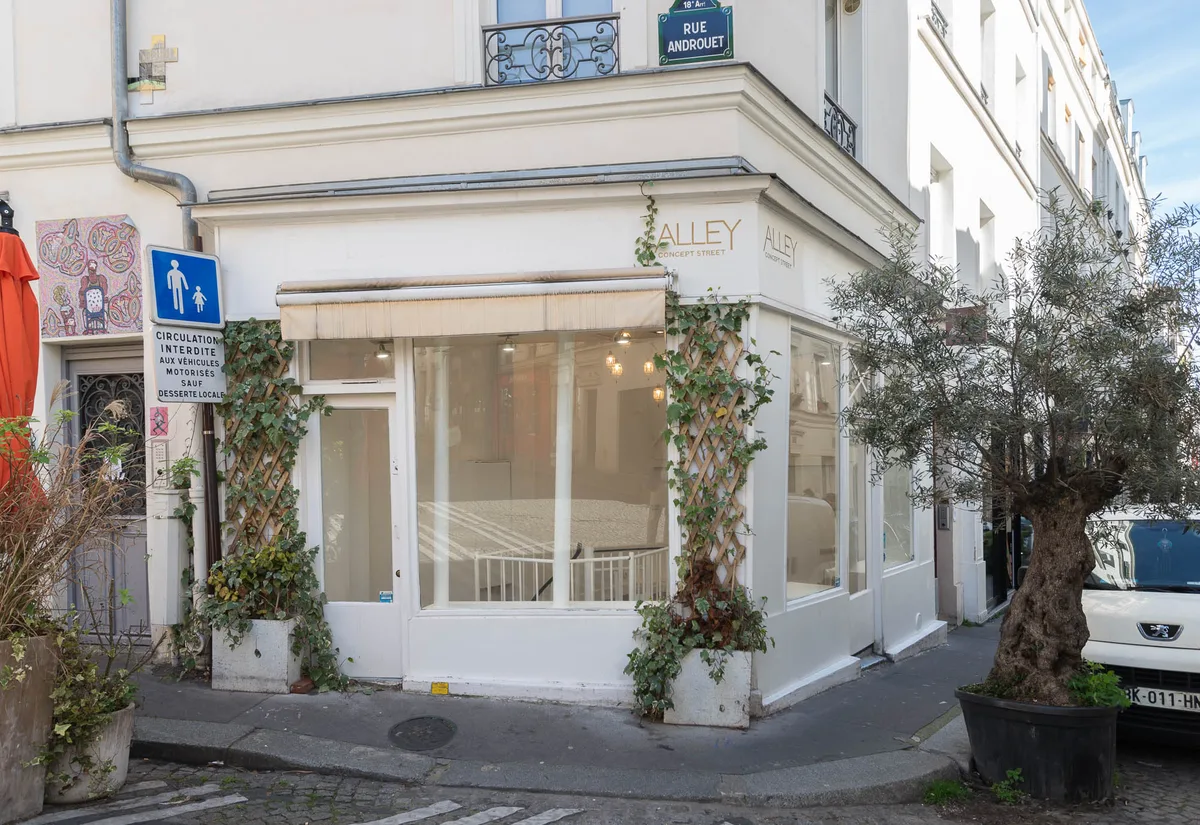
For brands focused on foot traffic conversion, a corner unit on Rue Montorgueil or its adjacent streets offers marquee visibility. Corner properties typically command a premium on asking rent relative to mid-block units, but the visibility advantage can be substantial for time-limited activations where brand awareness is a primary objective.
Showroom and Gallery Spaces
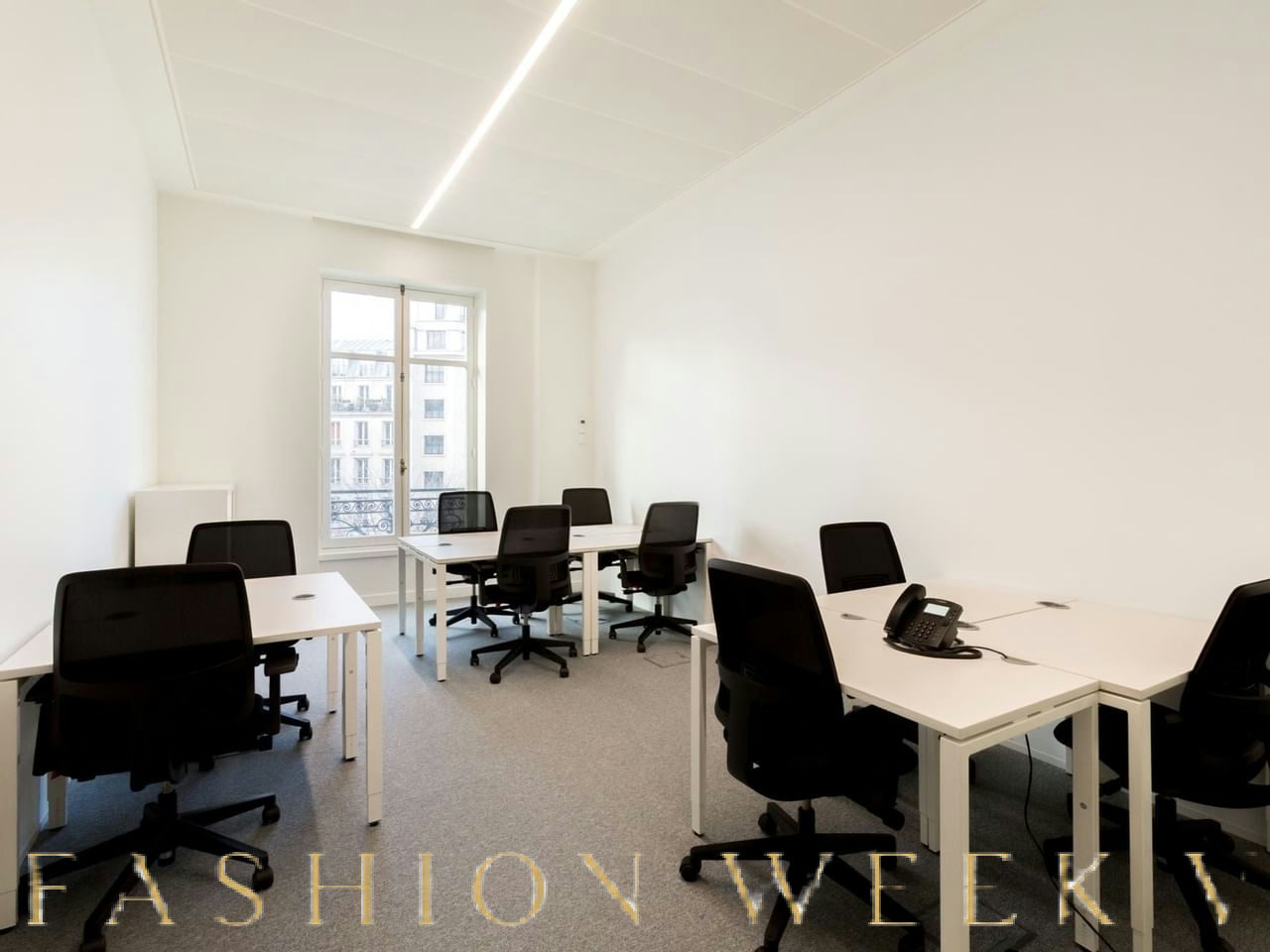
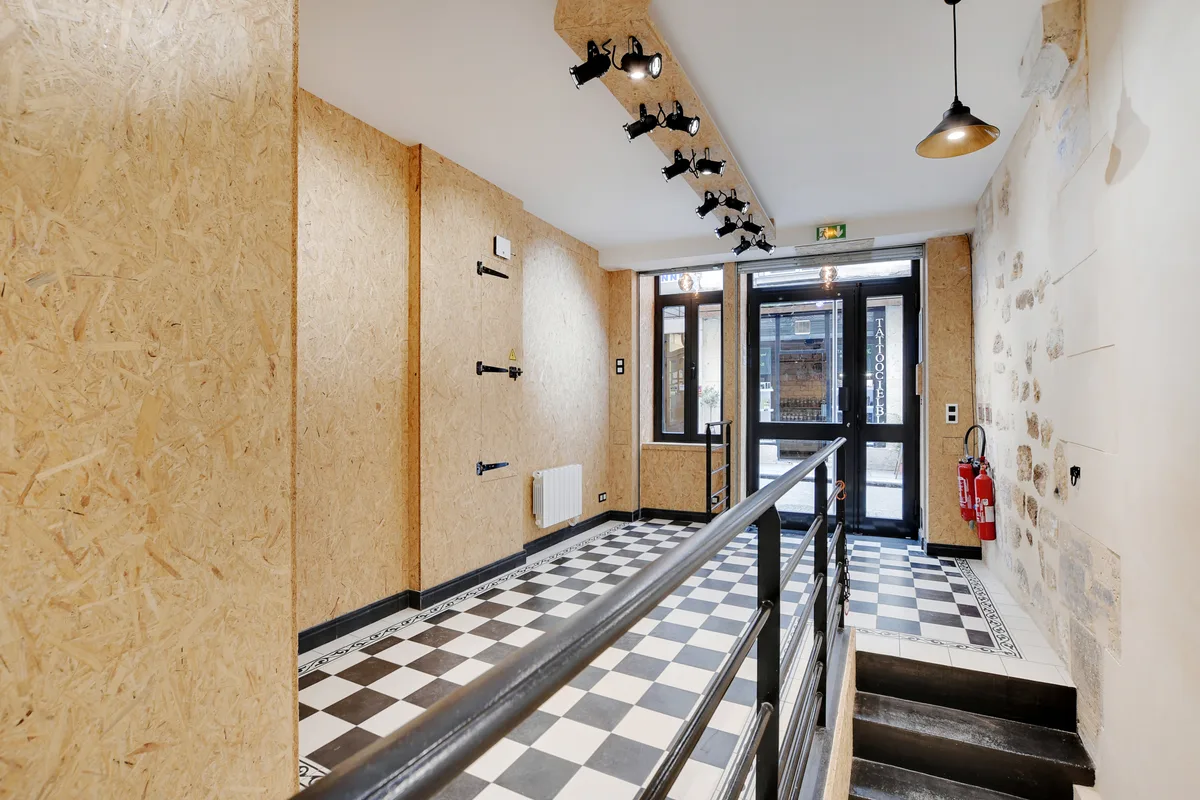
The Sentier district and the streets immediately surrounding the Rue d'Aboukir corridor contain a significant concentration of upper-floor showroom and gallery spaces. These properties are often larger than ground floor storefronts, may include loft-style configurations with high ceilings and white walls, and are particularly well suited to fashion showroom use, press events, private sales, and cocktail parties. Access is typically via a courtyard entrance or staircase from a Haussmann-era building, with the basement or upstairs floors offering quieter, more controlled environments than street-level retail.
A virtual showroom configuration, where a physical space is augmented with digital presentation tools, has become more common in this neighbourhood following the expansion of Paris Fashion Week showroom activity into the 2nd arrondissement.
Loft and Espace Créatif Properties
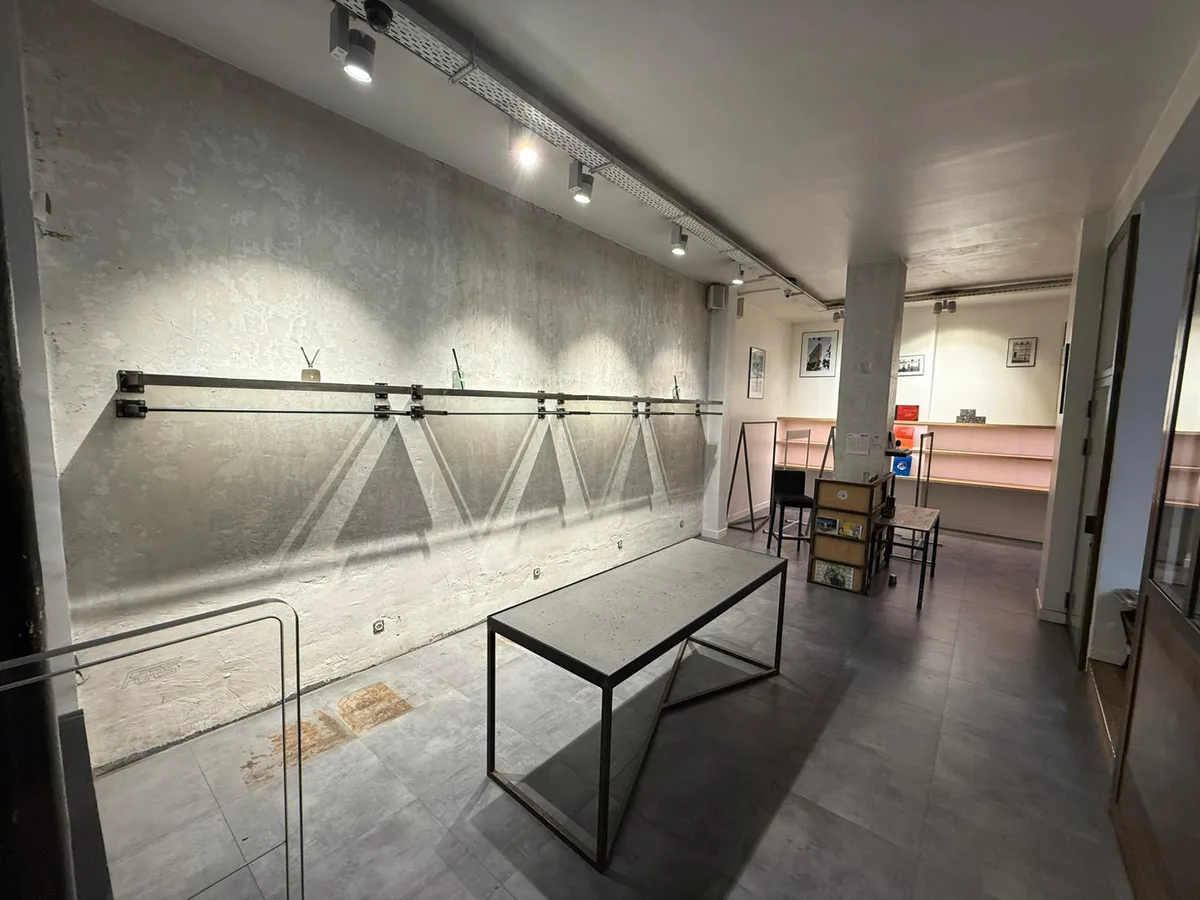
Loft-format and espace créatif properties are found throughout Sentier and represent the 2nd arrondissement's most flexible commercial space category. These spaces frequently combine open-plan areas with raw architectural finishes including exposed piping, exposed stone columns, and brick or concrete walls. They are suited to multi-use activations combining retail with filming, photo shooting, seminar use, or brand experience design. Surface areas for loft properties typically run from 80 square metres to over 300 square metres.
Charming Boutique and Apartment-Format Spaces
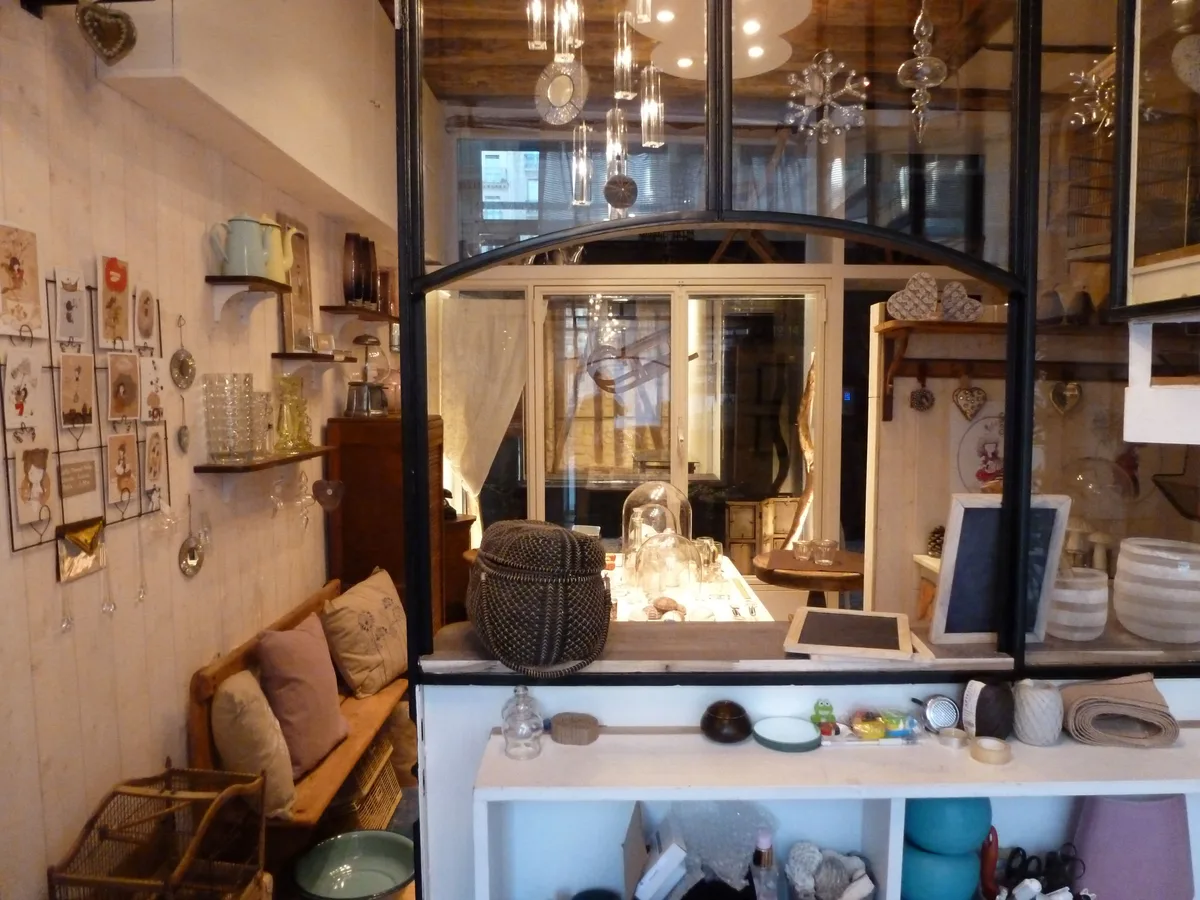
Smaller apartment-format commercial spaces are available throughout the neighbourhood for brands seeking a highly curated, intimate retail environment. These spaces often feature parquet floors, ornate cornicing, and domestic-scale room configurations that lend themselves to lifestyle retail, jewellery, accessories, beauty, and high-margin single-category fashion activations. The charming boutique format is particularly effective for private sales and VIP clientele experiences where exclusivity and aesthetic coherence matter.
Restaurant and Hospitality-Adjacent Spaces
Montorgueil's density of restaurants and food vendors creates natural adjacencies for brands targeting experiential retail. Ground floor and basement spaces adjacent to or formerly occupied by restaurants often feature existing kitchen infrastructure, service counters, and customer-facing layouts that can be adapted for branded hospitality activations, cocktail party formats, or product launch events combining retail with F&B.
Quick answer: The main types of retail space available to hire in Montorgueil and the 2nd arrondissement include ground floor storefronts with window visibility, upper-floor showroom and gallery spaces, loft and espace créatif properties, charming boutique apartment-format units, and restaurant-adjacent spaces suited to experiential or hospitality-led activations. Surface areas range from approximately 30 to over 300 square metres.
KEY TAKEAWAY: The variety of space types available in the 2nd arrondissement means brands can match their format to their activation objective rather than adapting their concept to an unsuitable space. Ground floor storefronts serve foot traffic conversion goals; showroom and gallery spaces serve press and buyer engagement; loft properties serve multi-format brand experiences.
Knowing what type of space you need is one decision. Understanding the lease structures and financial terms involved in securing that space is an equally important consideration.
Retail Lease Terms, Key Money, and Financial Structures in Paris
Commercial real estate in Paris operates under a distinct legal and financial framework that differs significantly from retail leasing in New York, London, San Francisco, or other major markets. International brands entering Paris for the first time frequently underestimate the complexity of French retail leases and the financial commitments involved.
Standard Commercial Leases and Their Limitations for Short-Term Use
The standard French commercial lease, known as the bail commercial, is a nine-year contract with triennial break clauses available to the tenant. This structure is entirely unsuitable for pop-up stores, short-term activations, fashion showrooms, or any retail project with a defined end date. International brands should not attempt to negotiate a standard bail commercial for a temporary retail activation without specialist legal advice, as the obligations are substantial and the exit terms are restrictive.
Bail Dérogatoire: The Short-Term Commercial Lease
The bail dérogatoire is the primary legal mechanism for short-term commercial occupation in France. It permits lease terms of up to three years without the tenant acquiring the statutory rights associated with a bail commercial. For pop-up stores, seasonal retail activations, fashion showrooms, and time-limited brand experiences, the bail dérogatoire is typically the appropriate structure. However, its terms, renewal conditions, and the consequences of exceeding the three-year maximum must be carefully reviewed by a qualified French legal advisor before signing.
IMPORTANT: If a bail dérogatoire is allowed to continue beyond the three-year maximum without a formal agreement being put in place, French law may convert the arrangement automatically into a full nine-year bail commercial. This can create significant and unintended legal obligations for a brand that entered the space for a short-term activation. Always verify the term structure and expiry date with a French legal specialist.
Autorisation d'Occupation Temporaire (AOT)
For spaces on public land, in covered markets, or under certain municipal arrangements, an Autorisation d'Occupation Temporaire (AOT) may apply rather than a private commercial lease. AOTs are administrative permits rather than private contracts and are governed by different rules regarding renewal, rent review, and termination. Brands occupying market stalls, publicly owned gallery spaces, or covered arcade units in the 2nd arrondissement may encounter this structure. The permit guidance tool on Fashion Week Venues can help brands understand which permit structures apply to specific space types.
Key Money (Pas de Porte)
Key money, known in France as the pas de porte, is an upfront capital payment made by a new tenant to a landlord as a condition of being granted a lease on a commercially desirable space. It is distinct from a security deposit. Key money is most commonly encountered in high-demand retail corridors and represents compensation to the landlord for granting access to a location with established commercial value. For short-term pop-up and temporary retail activations, key money is less commonly required than in long-term lease negotiations, but it may be requested for particularly prime storefronts on Rue Montorgueil or adjacent streets.
Asking Rent and Negotiation
Asking rent for retail space in the 2nd arrondissement varies significantly by street, floor level, surface area, and space condition. Prime Rue Montorgueil storefronts command the highest rates per square metre. Properties on secondary streets, in upper floors, or in basement configurations typically offer more favourable terms. Rent is commonly quoted as an annual figure per square metre in France, which requires conversion when comparing against weekly or monthly rates quoted in other markets.
For directional budget estimates specific to your activation format, surface area requirement, and target neighbourhood, use the budget estimation tool on Fashion Week Venues rather than relying on published averages, which may not reflect current market conditions or the specific terms available for short-term retail leases.
Free Rent Periods and Landlord Build-Out Contributions
In long-term retail leases, landlords sometimes offer a period of free rent or contribute to fit-out costs as an incentive to secure a desirable tenant. For short-term and pop-up retail leases in Paris, these incentives are less standard. Brands should budget for their own build-out costs and not assume that landlords will contribute to fit-out investment for activations lasting days, weeks, or a few months. Build-out costs for temporary retail in Paris vary based on the level of customisation required and the existing condition of the space.
Quick answer: Short-term retail leases in Paris typically use a bail dérogatoire for terms up to three years or an AOT for publicly owned spaces. Key money may be required for prime storefronts. Asking rent varies by street, floor, and surface area. Free rent periods and landlord build-out contributions are uncommon in short-term arrangements. Brands should seek qualified French legal advice before signing any commercial lease in Paris.
KEY TAKEAWAY: French commercial real estate law is materially different from that of New York, London, or San Francisco. The bail dérogatoire is the correct structure for most temporary retail activations, but its terms must be verified by a French legal specialist. Key money, service charges, and build-out obligations require clear budgeting before committing to a space.
Understanding lease structures protects a brand legally and financially. The next consideration is the practical space features that determine whether a specific property will actually work for your activation format.
Space Features to Evaluate Before Hiring Retail Space in Montorgueil
A space that photographs well may not function well as a retail activation, showroom, or pop-up store. Evaluating the operational features of a commercial space in the 2nd arrondissement requires going beyond surface area and asking rent to consider the practical requirements of running a live retail or brand activation.
Floor and Access Configuration
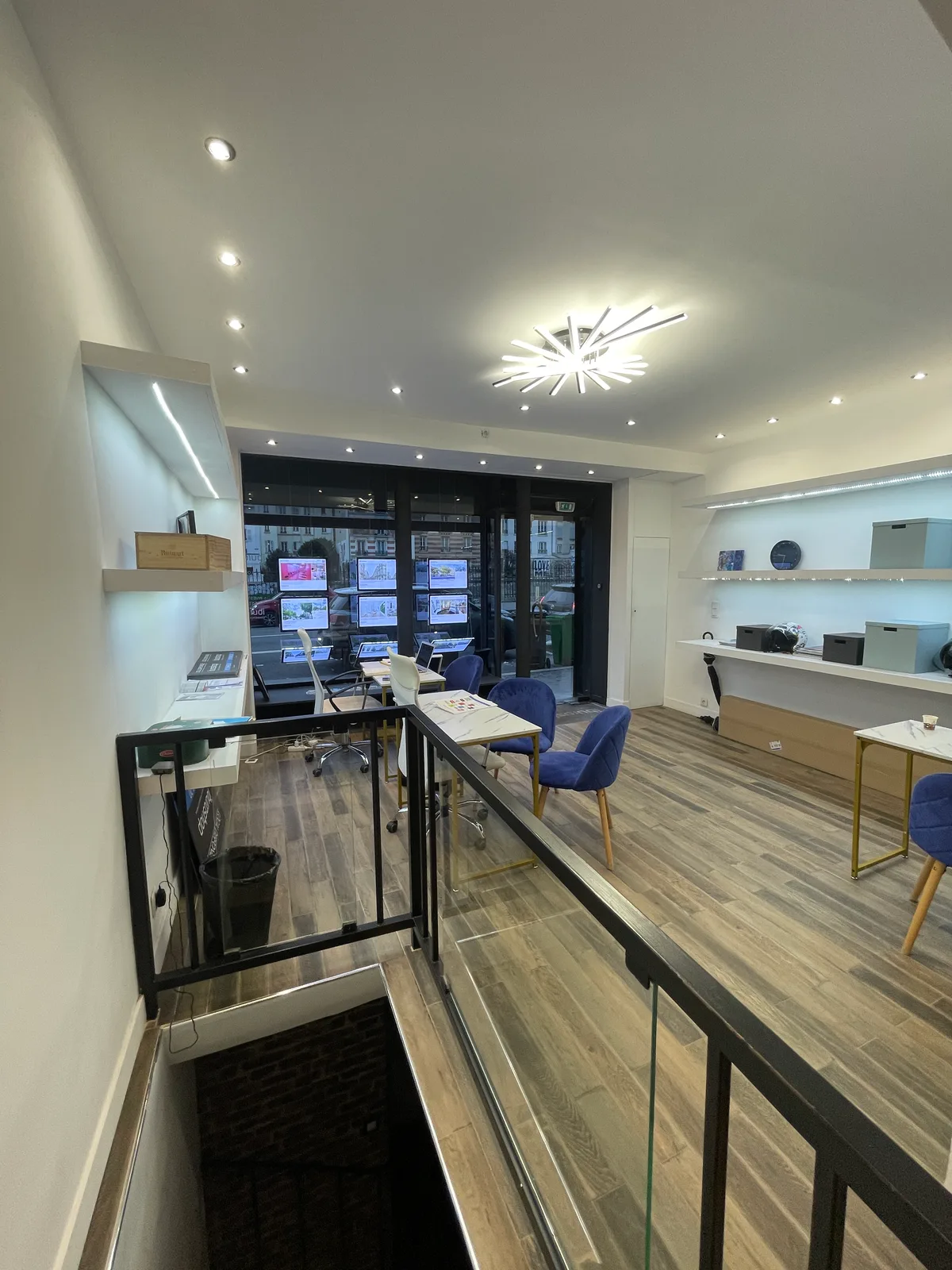
The floor level of a space has a direct impact on foot traffic conversion for retail activations. Ground floor units with direct street access and a visible shop window or storefront are the most effective for walk-in customer acquisition. Basement spaces offer lower asking rents but require compelling directional signage and a strong brand identity to drive visitors downstairs. Upper floor and upstairs spaces are better suited to appointment-driven formats such as fashion showrooms, private sales, VIP events, and press previews where the journey to the space is part of the curated experience.
Natural Light and Window Visibility
Natural light is a significant asset for fashion retail, photo shooting, and film production use cases. Spaces with large south-facing or east-facing windows are preferable for product display and photography. Light fixtures matter in spaces with limited natural light: evaluate whether the existing lighting infrastructure is adequate for retail or whether significant additional lighting investment will be required during the build-out phase.
White Walls and Finish Conditions
White walls are a standard requirement for gallery-format and fashion showroom activations, and many 2nd arrondissement spaces are presented in this condition. However, spaces with exposed stone, exposed piping, or architectural raw finishes may require a temporary wall covering solution if a clean white aesthetic is needed. Brands should clarify the permitted alteration scope with the landlord before committing, as some spaces prohibit any surface modification including painting or the installation of temporary wall panels.
Surface Area and Room Configuration
The total surface area quoted for a space in Paris will typically include all usable floor area across all floors. Brands should clarify whether the surface area figure includes basement storage, staff areas, a back office, or ancillary spaces that cannot be used for the primary retail or display function. A 100 square metre space with 30 square metres of basement storage and a 10 square metre back office has only 60 square metres of actual customer-facing floor area.
Loading and Storage
For activations requiring regular inventory restocking, large furniture pieces, or production equipment, access for deliveries is a critical operational requirement. Many spaces in the 2nd arrondissement are located within Haussmann-era buildings where vehicle access to a courtyard or loading bay may be restricted by width or by building management rules. Brands should establish exactly where deliveries go, whether a service lift is available, and where inventory will be stored during the activation before signing any lease agreement.
Security Service and Building Infrastructure
A security service or security solution may be required for high-value retail activations, particularly those involving luxury fashion, jewellery, or significant IT infrastructure. Evaluate whether the building has an existing security provision, whether the space has independent alarm systems, and what the building management policy is regarding after-hours access. For activations running evening events, cocktail parties, or private sales, confirm that the building permits late-night access and that the activation falls within permitted use hours.
TIP: Always visit a shortlisted space at the time of day that corresponds to your peak activation hours. A space that appears bright and accessible at midday may feel difficult to navigate during an evening event. Foot traffic patterns on adjacent streets also vary considerably between morning, afternoon, and evening.
Quick answer: When evaluating retail space in Montorgueil, check floor level and street access, natural light and window visibility, wall finish conditions and permitted alteration scope, actual customer-facing surface area excluding storage and service areas, delivery and loading access, and building security infrastructure. These factors determine whether a space will function effectively for your specific activation format.
KEY TAKEAWAY: Space evaluation in Paris requires a structured checklist approach. The headline surface area, photographs, and asking rent tell only part of the story. Operational factors including delivery access, permitted alterations, light conditions, and security infrastructure frequently determine whether an activation runs smoothly or encounters avoidable problems.
With space type and features understood, brands need to navigate the process of actually finding and securing the right space, which is where platform tools and specialist agency support become practically important.
How to Search for and Secure Retail Space in Paris 2nd Arrondissement
Finding the right retail space in Montorgueil requires a methodical approach that goes beyond browsing listings. The Paris short-term retail market is fast-moving, particularly around key fashion calendar windows, and the best spaces in prime locations are rarely available for long once they are listed.
Quick answer: To secure retail space in the 2nd arrondissement of Paris, define your brief precisely before searching, including surface area range, floor preference, activation dates, and budget. Use a specialist marketplace or agency to access spaces that are not publicly listed. Engage with landlords early and be prepared to move quickly on spaces that match your requirements, as availability windows close fast during fashion season.
Define Your Brief Before Searching
Before approaching any landlord, agent, or marketplace, brand teams should produce a written brief covering: target dates, minimum and maximum surface area, floor preference, neighbourhood priority (Montorgueil, Sentier, or adjacent streets), space type (storefront, showroom, loft, gallery), permitted use requirements, build-out scope, and maximum budget. A clear brief speeds up the search process, reduces time spent on unsuitable viewings, and gives landlords confidence that the prospective tenant is serious and prepared.
Using a Marketplace to Browse Listings
Online marketplaces specialising in short-term and pop-up retail space list properties with key details including surface area, floor level, space features, and indicative availability. The advantage of a specialist marketplace over a general commercial real estate database is that listings are pre-screened for short-term lease compatibility and typically include photographs and space feature information relevant to retail activation use cases. The Fashion Week Venues marketplace allows brands to browse and shortlist available spaces across Paris, including the 2nd arrondissement, with filtering by space type, surface area, and neighbourhood.
Working with a Tenant-Rep Broker or Specialist Agency
A tenant-rep broker or specialist short-term retail agency brings local market knowledge, landlord relationships, and negotiation experience that significantly reduces the risk of overpaying, signing unfavourable terms, or selecting a space that has known operational issues. In Paris specifically, the combination of French-language lease documentation, local landlord expectations, and permit complexity makes specialist agency support particularly valuable for international brands.
The difference between a tenant-rep broker focused on long-term commercial real estate and a specialist pop-up agency is significant. A short-term retail agency will have a portfolio of pre-qualified spaces, relationships with landlords accustomed to short-term arrangements, and in-house expertise on bail dérogatoire structures, permit requirements, and build-out management. Understanding how to evaluate and select the right agency partner is covered in the guide to hiring a pop-up agency on Fashion Week Venues.
Viewing and Due Diligence
Shortlist viewings should be conducted in person wherever possible. Use the viewing as an opportunity to assess foot traffic at different times of day, test the delivery access route, evaluate the quality of natural light, check the condition of floors and walls, and discuss with the agent or landlord the scope of permitted alterations during the lease term. Request copies of the service charge schedule, building rules, and any existing fit-out constraints before proceeding to a formal offer.
Using Comparison and Location Tools
Comparing multiple spaces on a like-for-like basis requires structured data. The space comparison tool on Fashion Week Venues allows brands to evaluate shortlisted properties against each other across key variables including surface area, floor level, space features, and location. The locator tool helps visualise each space's position relative to key streets, transport links, and competing retail anchors in the 2nd arrondissement and surrounding neighbourhoods.
Timeline and Availability Planning
The Paris retail calendar creates predictable peaks in demand for short-term space, particularly around Paris Fashion Week in February and October, the spring and autumn trading seasons, and major holiday periods. Brands targeting these windows should begin their space search a minimum of eight to twelve weeks before their target activation date, and ideally earlier for prime Rue Montorgueil storefronts. Use the timeline planning tool on Fashion Week Venues to map your activation milestones against space availability, build-out requirements, and permit lead times.
To compare neighbourhoods and space types, explore the Paris city hub on Fashion Week Venues and shortlist spaces that match your brief, budget, and calendar window.
KEY TAKEAWAY: Securing the right retail space in the 2nd arrondissement requires a written brief, early engagement with the market, structured due diligence during viewings, and realistic timeline planning that accounts for Paris's seasonal demand peaks. Specialist agency support is particularly valuable for international brands navigating French lease documentation and permit requirements.
Once a space is secured, the activation must be planned and delivered to a standard that justifies the investment. This requires a clear understanding of the services and build scope involved.
Planning and Delivering a Retail Activation in Montorgueil: From Build-Out to Close
Hiring retail space is only the beginning. Converting an empty commercial unit in the 2nd arrondissement into a functioning, on-brand retail activation requires coordinated planning across design, production, staffing, technology, and logistics. Brands that underestimate this planning requirement frequently experience delays, cost overruns, and activations that fail to realise their commercial potential.
Concept Direction and Brand Brief
The concept direction phase translates a brand's objectives into a spatial brief that defines the customer journey, display architecture, material palette, signage approach, and the overall experience design for the space. For fashion showrooms in Sentier, this might focus on buyer circulation routes and product display hierarchy. For a pop-up store on Rue Montorgueil, it might prioritise window display impact, queue management, and impulse purchase positioning near the point of sale.
A clear concept brief reduces waste during the production phase and ensures that every element of the build-out serves the activation's commercial and brand communication objectives. The concept direction service at Fashion Week Venues supports brands in developing spatial briefs that are both creatively coherent and operationally practical.
Production, Fit-Out, and Build-Out
The production and build-out phase covers all physical construction, carpentry, installation, and finishing work required to transform the raw space into the designed activation environment. In Paris, this phase must comply with any permitted alteration constraints specified in the lease, building regulations applicable to the space type and building classification, and the landlord's reinstatement requirements at lease end. Build-out timelines for short-term retail activations in Paris typically range from two to five days for simple installations to two to three weeks for more complex custom environments.
The production and build service at Fashion Week Venues covers fit-out planning, contractor coordination, materials procurement, and installation management for retail activations across Paris.
Furniture Rental
Furniture rental is a practical and cost-effective solution for short-term retail activations where purchasing and shipping furniture is impractical or uneconomical. The right furniture selection reinforces the spatial concept, improves the customer experience, and can be returned at activation close without the logistical and financial burden of disposal or international shipping. For cocktail parties, seminars, private sales, and mixed-use activation formats, furniture rental provides flexibility to reconfigure the space across different event types within the same lease period.
Retail Staffing and Customer Service
A Paris retail activation requires staff who combine product knowledge with French-language customer service capability and an understanding of the local retail clientele. For international brands, sourcing temporary staff in Paris with the right profile, employment documentation, and brand training is a logistical challenge that is best addressed through a specialist staffing partner rather than through ad hoc recruitment. The retail staffing service at Fashion Week Venues provides temporary staff who are experienced in fashion retail, customer-facing brand activations, and the operational requirements of short-term Paris retail.
POS, Payments, and Data Analytics
A functional point-of-sale system that accepts major international payment methods is essential for any commercial retail activation. For brands running a pop-up store or direct-to-consumer activation, the POS system should integrate with existing inventory management and CRM infrastructure where possible. Data collected during the activation, including foot traffic, conversion rates, average transaction values, and customer acquisition metrics, feeds into the ROI evaluation and informs future Paris market investment decisions. The data analytics service at Fashion Week Venues helps brands capture and interpret activation performance data systematically.
Events Within the Activation: Product Launches, Private Sales, and Cocktail Parties
Many brands maximise the value of their short-term retail space by programming a series of distinct events within the same lease period. A product launch event in the first week, followed by open retail trading, followed by a private sale or VIP cocktail party in the final days, extracts multiple revenue and awareness outcomes from a single space rental. This multi-format approach requires advance planning to ensure the space can be reconfigured efficiently between formats and that guest lists, press invitations, influencer engagement, and catering logistics are coordinated without disrupting the core retail operation.
Quick answer: Delivering a successful retail activation in Montorgueil requires coordinated planning across concept direction, build-out production, furniture selection, staffing, POS and payments infrastructure, event programming, and data capture. Each phase has its own lead time and budget requirement. Brands that treat the space rental as the only cost invariably underestimate the total investment required to activate effectively.
KEY TAKEAWAY: The build-out, staffing, technology, and event programming requirements of a retail activation in Paris are as important as the space selection itself. A well-located space with poor execution delivers poor results. A modestly located space with excellent execution, staffing, and programming can significantly outperform a prime location that is activated without adequate planning and resource.
Brands making space and activation investment decisions need confidence in the commercial case before committing. The ROI framework for Paris retail activations addresses this directly.
ROI, Budget Planning, and the Commercial Case for Hiring Retail Space in Paris
The decision to hire retail space in Montorgueil must be grounded in a clear commercial case. For international brands, the investment encompasses the lease cost, build-out and production, staffing, POS infrastructure, marketing and influencer activation, and any furniture rental or concierge services required. Against this investment, the brand must map measurable returns across direct sales, brand awareness, press and influencer coverage, buyer engagement, and customer data acquisition.
What Does It Cost to Hire Retail Space in Montorgueil?
Providing definitive cost figures for retail space hire in the 2nd arrondissement requires specific knowledge of the target dates, surface area, space type, floor level, and current market conditions. Asking rents in Paris are influenced by a range of factors including the street's commercial classification, the building's condition, the space's fit-out state, and the landlord's experience with short-term tenants. Rather than publishing figures that may not reflect your specific requirements or current market reality, use the Fashion Week Venues budget calculator to generate a directional estimate based on your activation parameters.
What can be stated with confidence is that the 2nd arrondissement generally offers more accessible asking rents than the luxury corridors of rue Saint-Honoré, Place Vendôme, or Palais Royal, while still offering strong foot traffic and a commercially active clientele. This makes it an attractive choice for brands seeking strong activation performance at a lower total cost than the premier Paris retail addresses.
ROI Calculation Framework for Paris Pop-Up Activations
A comprehensive ROI framework for a Paris retail activation should account for both quantitative and qualitative returns. Quantitative returns include direct sales revenue during the activation period, new customer acquisition costs relative to other channels, and any wholesale or press orders generated through showroom engagement. Qualitative returns include brand awareness uplift in the Paris market, editorial and influencer coverage value, and the market research insight gathered from direct consumer interaction that informs future product and positioning decisions. The ROI calculator on Fashion Week Venues provides a structured framework for evaluating these returns against total activation investment.
Comparing Paris Retail Corridors on a Cost-Per-Impact Basis
| Retail Corridor | Arrondissement | Primary Clientele | Foot Traffic Character | Relative Asking Rent | Best Suited For |
|---|---|---|---|---|---|
| Rue Montorgueil | 2nd | Locals, tourists, creatives | Dense, everyday pedestrian | Mid-range | Pop-up stores, boutiques, food-adjacent activations |
| Sentier / Rue d'Aboukir | 2nd | Creative professionals, fashion industry | Daytime business district | Moderate | Showrooms, press events, private sales |
| Le Marais | 3rd / 4th | Tourists, art buyers, young affluents | Weekend-heavy, gallery-goers | Mid to high | Art gallery activations, fashion boutiques, lifestyle retail |
| Rue Saint-Honoré | 1st / 8th | Luxury shoppers, international tourists | Luxury corridor, selective | Premium | Luxury brand activations, haute couture showrooms |
| Palais Royal | 1st | Design-led, fashion insiders | Destination, editorial | Premium | Designer pop-ups, editorial shoots, cultural activations |
| Place Vendôme | 1st | Ultra-luxury, international HNW | Low volume, ultra-high value | Very high | Fine jewellery, watches, ultra-luxury brand events |
The Twin Co-Activation Model as a Cost-Sharing Strategy
For brands where the full cost of a prime Paris retail space is above budget, the twin co-activation model provides a structured approach to cost-sharing between two compatible but non-competing brands. This model allows both brands to benefit from a larger, better-located space than either could justify individually, while sharing rental, production, and staffing costs. The twin co-activation concept at Fashion Week Venues is designed specifically for this scenario and includes guidelines on brand compatibility, space division, and shared activation programming.
KEY TAKEAWAY: The commercial case for hiring retail space in Montorgueil must be built on a full-cost model that includes lease, build-out, staffing, technology, and marketing. The 2nd arrondissement offers favourable cost-to-impact ratios relative to Paris's premier luxury corridors, making it a strong choice for brands seeking credible Paris market presence without the premium price of Saint-Honoré or Vendôme addresses.
Even the best-planned activation faces risks and misconceptions. The myth versus fact section addresses the most common misunderstandings brands bring to the Paris short-term retail market.
How Fashion Week Venues Supports Brands Hiring Retail Space in Montorgueil and Paris
Fashion Week Venues is a full-service pop-up shop agency and space marketplace with Paris as its primary market. For brand teams planning retail activations, showrooms, product launches, or pop-up stores in the 2nd arrondissement or across Paris, Fashion Week Venues provides integrated support across every phase of the process from initial brief and space discovery through to activation close and performance reporting.
Services Applicable to Montorgueil Retail Activations
The venue sourcing service covers the identification and qualification of retail spaces in Montorgueil and across Paris that match a brand's brief, dates, surface area requirements, and budget. The team draws on landlord relationships and marketplace listings to surface options that may not be publicly available through general commercial real estate channels.
Concept direction, production and build, furniture rental, retail staffing, POS and payments integration, and data analytics are available as integrated services, meaning brands can commission Fashion Week Venues to manage the entire activation lifecycle rather than coordinating multiple separate suppliers. This is particularly valuable for international brands who do not have an established Paris supplier network and cannot afford the time or risk associated with assembling a production team from scratch in a new market.
The activation management service provides on-the-ground oversight throughout the live activation period, including daily operational management, staff supervision, event coordination, and issue resolution.
Tools for Independent Research and Planning
Brands that prefer to conduct their own initial research before engaging agency support can use Fashion Week Venues' suite of planning tools independently. The budget calculator, ROI calculator, compare tool, timeline tool, permits tool, and locator tool are all accessible through the platform and cover the key planning questions relevant to a Paris retail activation.
Who Benefits Most from Fashion Week Venues Support
Fashion Week Venues is most valuable to international brands entering Paris for the first time, brands with compressed timelines who need rapid space identification and production coordination, brands planning multiple simultaneous activations across fashion capitals, and brand teams without a dedicated Paris operations function. The agency is not a general commercial real estate broker and focuses specifically on short-term, pop-up, showroom, and temporary retail activation formats.
Quick answer: Fashion Week Venues provides venue sourcing, concept direction, production, staffing, POS, data analytics, and activation management for brands hiring retail space in Paris, including Montorgueil and the 2nd arrondissement. The platform also offers independent planning tools for budget estimation, ROI calculation, timeline planning, and permit guidance. Brands can engage services individually or as a full-service activation package.
KEY TAKEAWAY: Fashion Week Venues reduces the risk, time, and coordination complexity associated with hiring and activating retail space in Paris. Its combination of marketplace access, specialist agency services, and self-serve planning tools makes it relevant to brand teams at every stage of the Paris activation planning process, from initial research through to live activation and post-activation analysis.
Step-by-Step Workflow for Hiring and Activating Retail Space in Montorgueil
The following workflow table maps the key stages of a Paris retail activation from brief definition to close, with indicative lead times and responsible parties for each phase.
| Stage | Activity | Indicative Lead Time Before Activation | Responsible Party |
|---|---|---|---|
| 1. Brief Definition | Define dates, surface area, budget, space type, neighbourhood, and activation objectives | 12 to 16 weeks | Brand team |
| 2. Space Search | Browse marketplace listings, engage agency for off-market options, shortlist candidates | 10 to 14 weeks | Brand team + agency |
| 3. Viewing and Due Diligence | Visit shortlisted spaces, assess operational features, review lease terms and permitted use | 8 to 12 weeks | Brand team + agent |
| 4. Permit and Legal Review | Confirm lease structure (bail dérogatoire or AOT), review permit requirements, engage French legal advisor | 8 to 10 weeks | Brand team + legal advisor |
| 5. Lease Signing | Execute lease agreement, pay security deposit, confirm permitted alteration scope | 6 to 8 weeks | Brand team + landlord |
| 6. Concept Direction | Develop spatial concept, customer journey design, material palette, and signage brief | 6 to 8 weeks | Brand team + creative agency |
| 7. Production and Build-Out | Commission fit-out, procure furniture rental, install fixtures and technology | 2 to 4 weeks | Production agency |
| 8. Staffing and Training | Recruit and train temporary staff, confirm shift schedules and customer service protocols | 2 to 3 weeks | Staffing agency |
| 9. Activation Go-Live | Open space to customers or invited guests, begin trading, manage daily operations | Day 1 | Activation manager + staff |
| 10. Data Collection and Reporting | Capture foot traffic, sales, customer data, and press coverage throughout activation | Ongoing during activation | Data analytics lead |
| 11. Close and Reinstatement | Clear and reinstate space per lease requirements, return furniture, complete final reporting | After activation end | Production agency + brand team |
Space Type and Use Case Reference Table
| Space Type | Typical Surface Area | Best Use Cases | Common Floor Level | Key Features to Verify |
|---|---|---|---|---|
| Ground Floor Storefront | 30 to 150 sqm | Pop-up store, boutique, product launch, direct-to-consumer retail | Ground floor | Window visibility, delivery access, permitted opening hours |
| Fashion Showroom | 60 to 250 sqm | Buyer appointments, press previews, trade events | First or second floor | Lift access, natural light, white walls, after-hours access |
| Gallery Space | 50 to 200 sqm | Art gallery activation, editorial retail, cultural brand events | Ground or first floor | Neutral finish, lighting quality, permitted installation scope |
| Loft / Espace Créatif | 80 to 300 sqm | Multi-format activation, photo shooting, filming, seminar, cocktail party | Upper floors or basement | Ceiling height, power capacity, loading access, acoustic properties |
| Charming Boutique | 20 to 80 sqm | Lifestyle retail, accessories, beauty, private sale, VIP experience | Ground floor or first floor | Aesthetic finish, storage capacity, security |
| Basement Space | 30 to 120 sqm | Storage, secondary event space, intimate pop-up, private sale | Basement | Ceiling height, natural light, fire exit compliance, access route |
KEY TAKEAWAY: A structured workflow with clear lead times reduces the risk of timeline compression and ensures that every phase of the activation receives adequate planning time. Brands that begin the space search process too late frequently compromise on space quality, skip due diligence, and absorb avoidable costs during compressed build-out timelines.
Common Myths About Hiring Retail Space in Paris: Debunked
MYTH: International brands must have a French legal entity to rent commercial space in Paris.
FACT: Many landlords in Paris, particularly those accustomed to short-term and pop-up retail tenants, will lease to international companies without a French registered entity. However, lease terms, required documentation, and landlord preferences vary significantly by property and arrondissement. Working with a specialist agency that has established landlord relationships can smooth this process considerably, but brands should always verify the specific requirements for each lease with a French legal advisor.
MYTH: Paris Fashion Week in February and October is the only commercially viable window for hiring retail space in the 2nd arrondissement.
FACT: While Fashion Week generates peak demand for short-term space and premium rates during its windows, the 2nd arrondissement generates strong foot traffic and commercial activity year-round. Spring and summer trading periods, the Christmas and holiday season, and major Parisian cultural events all create commercially productive activation windows. Brands targeting less competitive periods can often secure better spaces at more favourable rates than during Fashion Week peaks.
MYTH: Commission brokers operating on the commercial real estate market are the only reliable way to find available retail space in Paris.
FACT: Specialist short-term retail marketplaces and pop-up agencies have developed direct landlord relationships and maintain curated listings of spaces suitable for temporary retail, showroom, and brand activation use. These channels frequently access spaces that are not listed through traditional commercial real estate brokers and are better suited to the short-term lease structures, space types, and budget ranges relevant to pop-up and activation projects.
MYTH: Short-term retail leases in Paris are legally straightforward and do not require specialist advice.
FACT: French commercial lease law is complex and contains provisions that can create significant unintended obligations for tenants who do not seek specialist legal advice. The bail dérogatoire, in particular, carries specific conditions about term length and renewal that must be carefully managed. Service charges, permitted use clauses, reinstatement obligations, and permitted alteration restrictions are all areas where poorly reviewed leases have created costly problems for international brands. A qualified French legal advisor and a specialist short-term retail agency are both important safeguards.
MYTH: Hiring a pop-up space in Montorgueil is only relevant for fashion brands during fashion season.
FACT: While fashion brands represent a significant share of the demand for short-term retail space in the 2nd arrondissement, the neighbourhood's foot traffic profile and space diversity make it suitable for beauty brands, food and beverage concepts, tech and consumer electronics pop-ups, art and cultural organisations, and any brand seeking a central Paris presence for a defined period. The Rue Montorgueil pedestrian corridor and the Sentier creative district attract a wide enough audience to support diverse brand activation formats across the full calendar year.
Frequently Asked Questions About Hiring Retail Space in Montorgueil and Paris 2nd Arrondissement
Why rent a temporary retail space in the Paris 2nd arrondissement rather than another neighbourhood?
The 2nd arrondissement combines several advantages that are rarely found together in central Paris. Rue Montorgueil delivers consistent, high-density pedestrian foot traffic across all days of the week. The Sentier district provides access to a creative and fashion industry professional audience. Asking rents are materially lower than in the luxury corridors of Saint-Honoré or Place Vendôme. The neighbourhood's architectural character, with its Haussmann-era buildings and pedestrianised streets, provides a distinctive Parisian retail environment without requiring extensive build-out investment. For brands seeking a credible central Paris activation at a manageable cost, the 2nd arrondissement represents one of the strongest value propositions in the city.
What types of retail space are available to hire in Montorgueil?
The 2nd arrondissement offers ground floor storefronts with direct street access and window visibility, upper-floor fashion showroom and gallery spaces, loft-format espace créatif properties with raw architectural finishes, charming boutique apartment-format units, and basement spaces suited to intimate or invitation-only formats. Surface areas range from approximately 20 square metres for compact boutique formats to over 300 square metres for larger loft properties. Space condition varies from recently refurbished white-wall units to original period finishes requiring creative adaptation.
What is a bail dérogatoire and why does it matter for pop-up retail?
A bail dérogatoire is a French short-term commercial lease that permits occupation of a commercial space for up to three years without the tenant acquiring the statutory renewal rights associated with a standard nine-year bail commercial. It is the appropriate lease structure for pop-up stores, seasonal retail activations, fashion showrooms, and temporary brand experiences. However, the bail dérogatoire contains specific conditions about maximum term and renewal that must be carefully managed. If the term exceeds three years without a formal new agreement, French law may convert it automatically into a full bail commercial with nine-year obligations. Always verify the terms with a qualified French legal advisor.
What is key money (pas de porte) and will I need to pay it?
Key money, or pas de porte, is an upfront capital payment made by a new tenant to a landlord as a condition of accessing a commercially desirable space. It compensates the landlord for granting access to a location with established commercial value. Key money is most commonly encountered in high-demand retail corridors and is more frequently required in long-term lease negotiations than in short-term pop-up arrangements. For short-term retail activations in the 2nd arrondissement, key money may or may not be required depending on the specific property and landlord. It should be discussed and clarified explicitly before committing to a space.
How far in advance should I start searching for retail space in Montorgueil?
For activations targeting the Paris Fashion Week windows in February and October, begin your space search a minimum of twelve to sixteen weeks in advance, as prime storefronts on Rue Montorgueil and the Sentier area are in high demand during these periods. For activations outside the main fashion calendar peaks, eight to twelve weeks is a more typical lead time for a focused search, due diligence, lease negotiation, and build-out planning. Compressed timelines of fewer than six weeks are possible for simple activations in pre-configured spaces but carry greater risk of space compromise and production pressure.
Do I need a French legal entity to lease retail space in Paris?
Not necessarily. Many landlords in the short-term retail and pop-up space market in Paris will lease to international companies without requiring a French registered entity, particularly for bail dérogatoire arrangements. However, requirements vary by landlord, property, and arrondissement. Some landlords require a French guarantor, a French bank account, or specific insurance documentation regardless of the tenant's corporate structure. A specialist short-term retail agency with established Paris landlord relationships can advise on the specific documentation requirements for your target space type and negotiate on your behalf where possible.
What permits are required to operate a pop-up store in the 2nd arrondissement?
Permit requirements for pop-up stores and temporary retail activations in the 2nd arrondissement depend on the type of space, its permitted use classification, the nature of the activation, and the duration of the occupation. Activities such as selling alcohol, serving food, operating outdoor signage, or making structural alterations may require additional authorisations beyond the basic lease agreement. The permit requirements for publicly owned spaces may involve an Autorisation d'Occupation Temporaire (AOT) rather than a private commercial lease. Requirements vary by space and circumstance, so it is important to verify permit needs early in the planning process rather than assuming that the lease itself provides comprehensive authorisation for all planned activities.
What is the difference between a ground floor, basement, and upper-floor retail space in terms of activation suitability?
Ground floor spaces with direct street access and shop window visibility are the most effective for walk-in customer acquisition and general retail trading. They typically command the highest asking rents within a given building. Basement spaces offer lower rents and can work for intimate or invitation-only formats but require strong directional signage and a compelling reason for visitors to descend. Upper-floor and upstairs spaces are best suited to appointment-driven formats such as fashion showrooms, press previews, private sales, and VIP events, where the controlled access environment is part of the curated brand experience rather than a deterrent to casual visitors.
What should I check during a viewing of a potential retail space in Montorgueil?
During a viewing, assess foot traffic levels and patterns on the adjacent street at the time of day corresponding to your peak activation hours. Test the delivery access route and confirm whether a service lift, courtyard access, or basement loading area is available. Evaluate the quality and direction of natural light at different times of day. Check the condition of walls, floors, and ceilings and clarify what permitted alterations the landlord will allow. Ask about existing light fixtures and power capacity. Confirm building access hours, security arrangements, and any building management restrictions on noise, operating hours, or guest volumes for events.
How does Rue Montorgueil compare to Le Marais for a fashion pop-up activation?
Rue Montorgueil delivers denser everyday pedestrian foot traffic across a wider demographic mix including local residents, food market visitors, tourists, and creative professionals. Le Marais, particularly around its gallery and boutique clusters in the 3rd and 4th arrondissements, attracts a more fashion-focused and art-buying audience but with a stronger weekend and tourism orientation. For brands targeting consistent daily foot traffic and a neighbourhood retail character, Montorgueil has advantages. For brands targeting the art gallery clientele, the fashion-forward Le Marais audience, or the international tourist segment, the Marais may be preferable. Budget considerations also differ, as prime Le Marais storefronts tend to command higher asking rents than comparable Montorgueil locations.
Can I hire retail space in Montorgueil for photo shooting or filming purposes?
Yes. Many loft-format and espace créatif properties in the Sentier district and adjacent streets within the 2nd arrondissement are well suited to photo shooting and filming use cases. These spaces typically offer high ceilings, flexible power provision, white walls, and raw architectural finishes that work well as content production environments. The permitted use of the space for commercial photography or filming must be confirmed with the landlord before proceeding, as some spaces with retail permitted use may not explicitly cover production use. A bail dérogatoire for a multi-purpose activation combining retail with production use should be reviewed carefully to ensure all planned activities are covered.
What staffing do I need for a Paris pop-up store in the 2nd arrondissement?
Staffing requirements depend on the activation format, opening hours, and expected customer volume. A minimum viable retail team for a compact pop-up store typically includes two to three bilingual (French and English) customer service staff per shift, a daily activation manager responsible for opening and closing procedures, cash reconciliation, and supplier coordination, and additional staff for product restocking and visual merchandising. For events including cocktail parties, product launches, or private sales within the same space, additional event staff, concierge, and security provision may be required. All staff employed in France must be engaged under French employment law, which has specific requirements regarding contracts, hours, and social contributions.
What does it cost to rent retail space in the 2nd arrondissement of Paris?
Providing precise rental cost figures is not possible without knowing your specific target dates, surface area, floor level, space type, and current market conditions, as these variables significantly influence the rental rate for any given space. The 2nd arrondissement generally offers more accessible rates than the premier Paris retail corridors of Saint-Honoré, Vendôme, or Palais Royal, while still providing strong commercial conditions. To generate a directional budget estimate specific to your activation parameters, use the budget planning tool on Fashion Week Venues rather than relying on generic market averages that may not reflect actual short-term availability.
Is it possible to hire retail space in Montorgueil for a period of just a few days?
Yes. The short-term retail market in the 2nd arrondissement includes spaces available on weekly and even shorter terms, particularly for pop-up store, photo shooting, event, and press activation formats. Very short-term arrangements are more commonly available through specialist short-term retail marketplaces and agencies than through traditional commercial real estate channels. Landlords with experience in pop-up and temporary retail are generally more receptive to short-term arrangements than those primarily focused on long-term commercial tenancy. The commercial terms for very short-term hires will typically reflect a higher per-day cost than equivalent weekly or monthly arrangements.
How do I compare multiple retail spaces in Montorgueil before making a decision?
Create a structured comparison framework that evaluates each shortlisted space against the same set of criteria: surface area, floor level, asking rent, permitted use, window visibility, natural light, wall finish condition, delivery access, security provision, and proximity to key streets and transport links. The space comparison tool on Fashion Week Venues allows you to evaluate shortlisted properties against each other on these dimensions without relying on separate spreadsheets or notes from individual viewings. A structured comparison process reduces the risk of making a decision based on the most recently visited space rather than the objectively best match for your brief.
Conclusion: Taking the Next Step to Hire Retail Space in Montorgueil
Hiring retail space in Montorgueil and the wider 2nd arrondissement of Paris offers international and domestic brands a compelling combination of consistent foot traffic, architectural character, a diverse and commercially active clientele, and more accessible asking rents than the premier Paris luxury retail corridors. Whether the objective is a pop-up store on Rue Montorgueil, a fashion showroom in Sentier, a product launch in a loft-format espace créatif, or a private sale in a charming boutique on Rue d'Aboukir, the 2nd arrondissement has the space diversity and neighbourhood profile to support a wide range of activation formats.
Executing successfully in this market requires a clear brief, early space search engagement, rigorous due diligence on lease terms and operational features, and a coordinated activation plan that addresses build-out, staffing, technology, and event programming as seriously as the space selection itself. French commercial real estate law, permit requirements, and landlord expectations present real complexity for international brands, making specialist agency support and qualified legal advice genuinely valuable rather than optional extras.
The Paris retail activation process is manageable when approached systematically and with the right partners. Fashion Week Venues provides the marketplace access, agency services, and planning tools to support brands from initial research through to live activation and post-campaign analysis across every format and budget range relevant to the short-term Paris retail market.
To move from research to activation, start exploring available spaces on the Fashion Week Venues marketplace and build a focused brief for your target neighbourhood, space type, and calendar window.